The development of biodegradable implants through AI revolution

In recent years, the field of biodegradable implants has undergone a transformative shift, thanks to the integration of AI in biomaterials and medical engineering. This evolution has moved us away from traditional trial and error methods toward a more precise, efficient, and intelligent process. Advanced algorithms now accelerate every stage from design and manufacturing to post implant monitoring. As artificial intelligence continues to influence global innovation, it’s crucial to dive deeper into this revolutionary fusion and understand its impact on the future of medicine. Let’s explore!

What Are Biodegradable Implants?

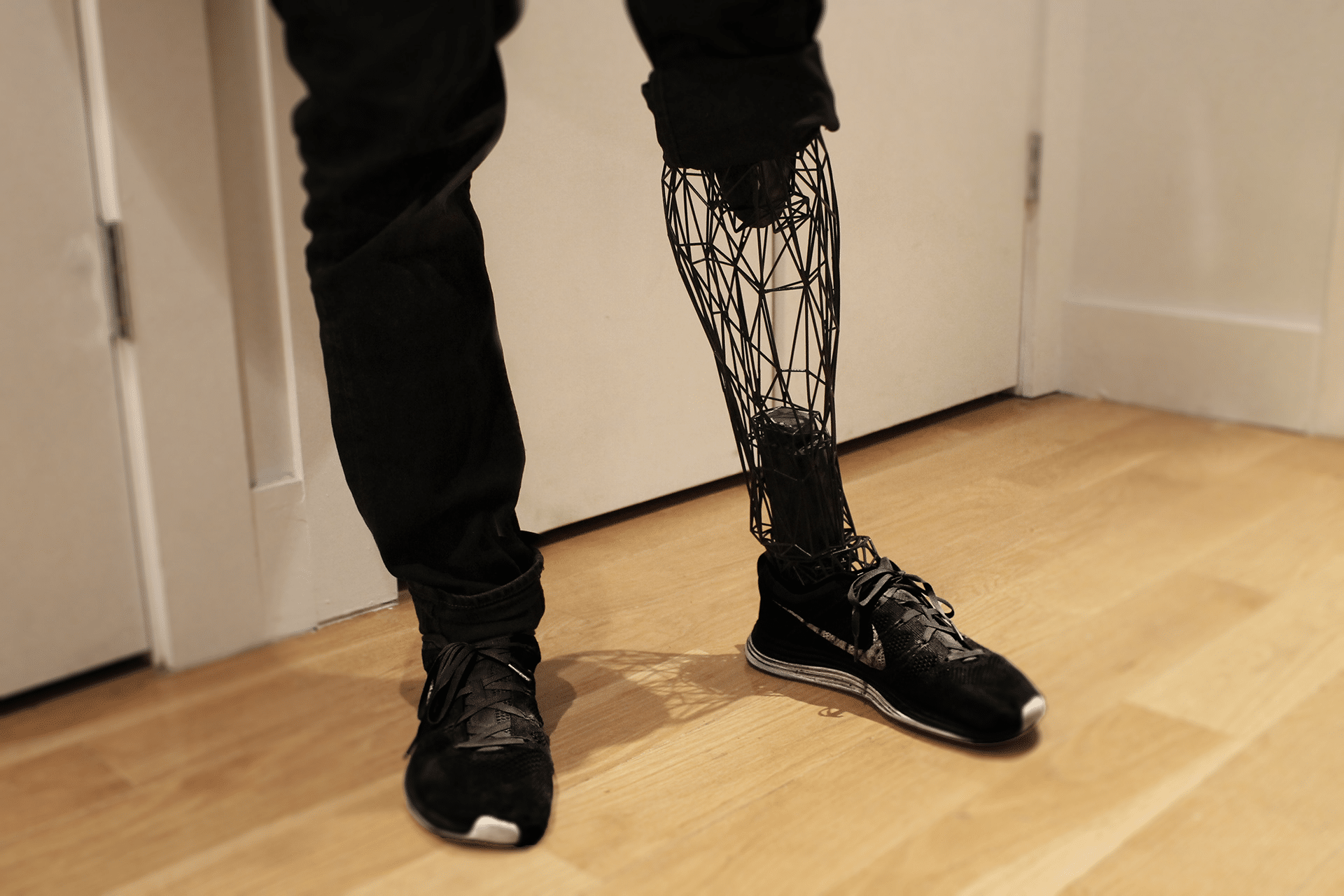
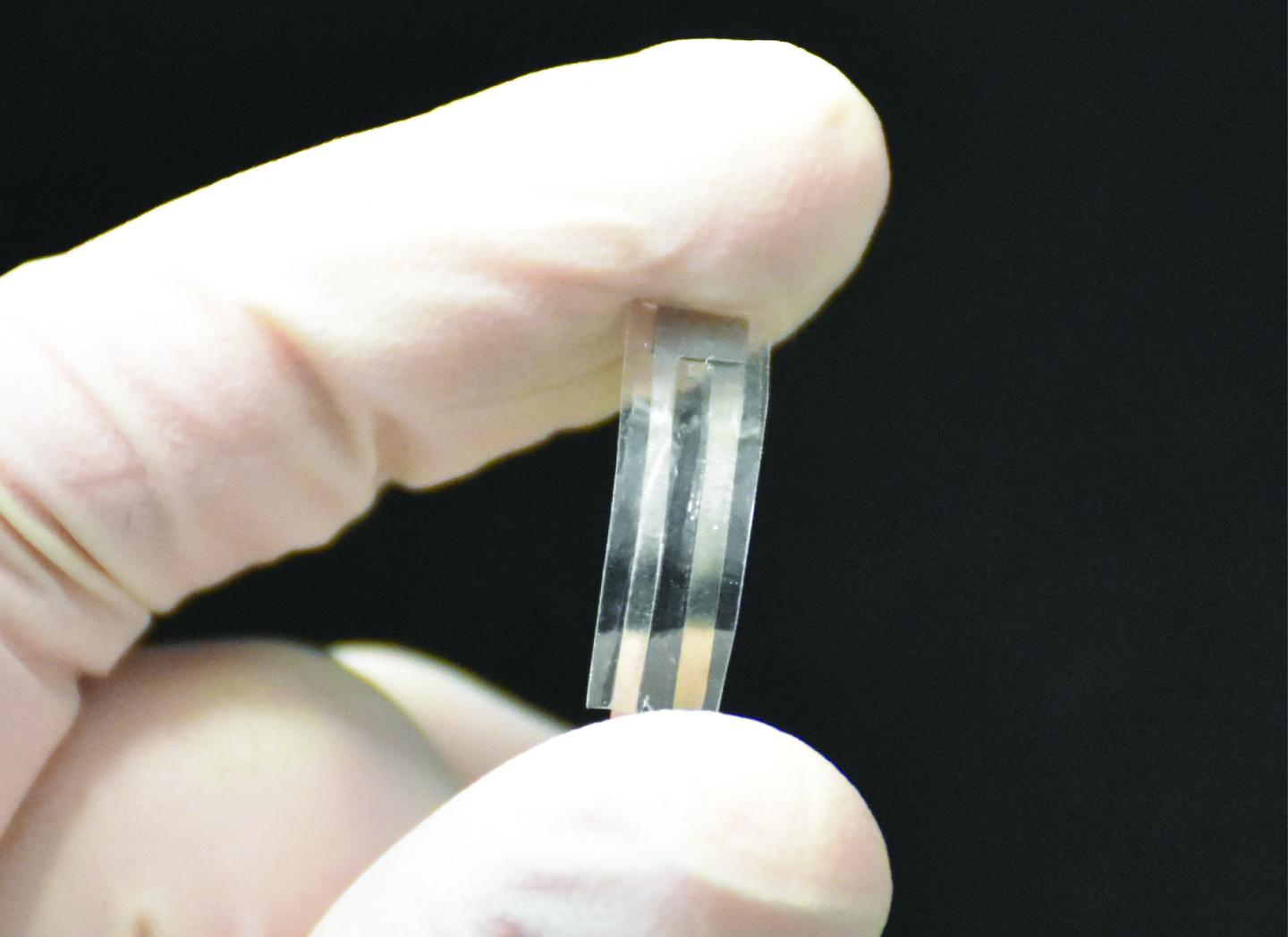
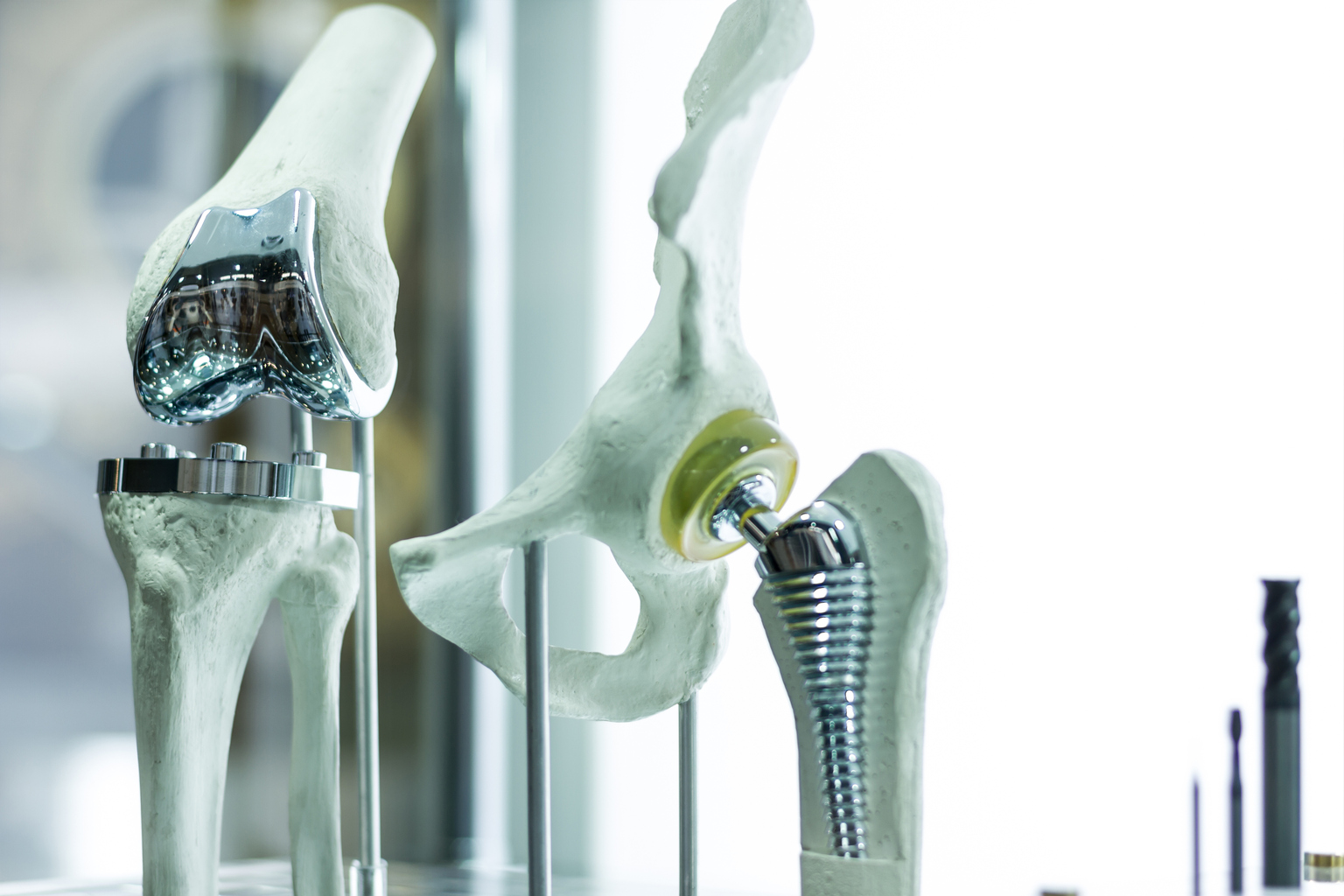
According to leading global medical institutions, biodegradable implants are medical devices designed to support or replace damaged tissues or bones inside the body. Over time, these implants naturally degrade into harmless components that are either absorbed or expelled by the body. This innovation presents a safer and more adaptable alternative to traditional permanent implants such as metal or plastic which often require additional surgeries for removal after healing.

The degradation rate of these implants depends on the type and structural composition of the material, allowing healthcare professionals to customize the duration of biological support based on the patient’s specific needs and the nature of the injury.
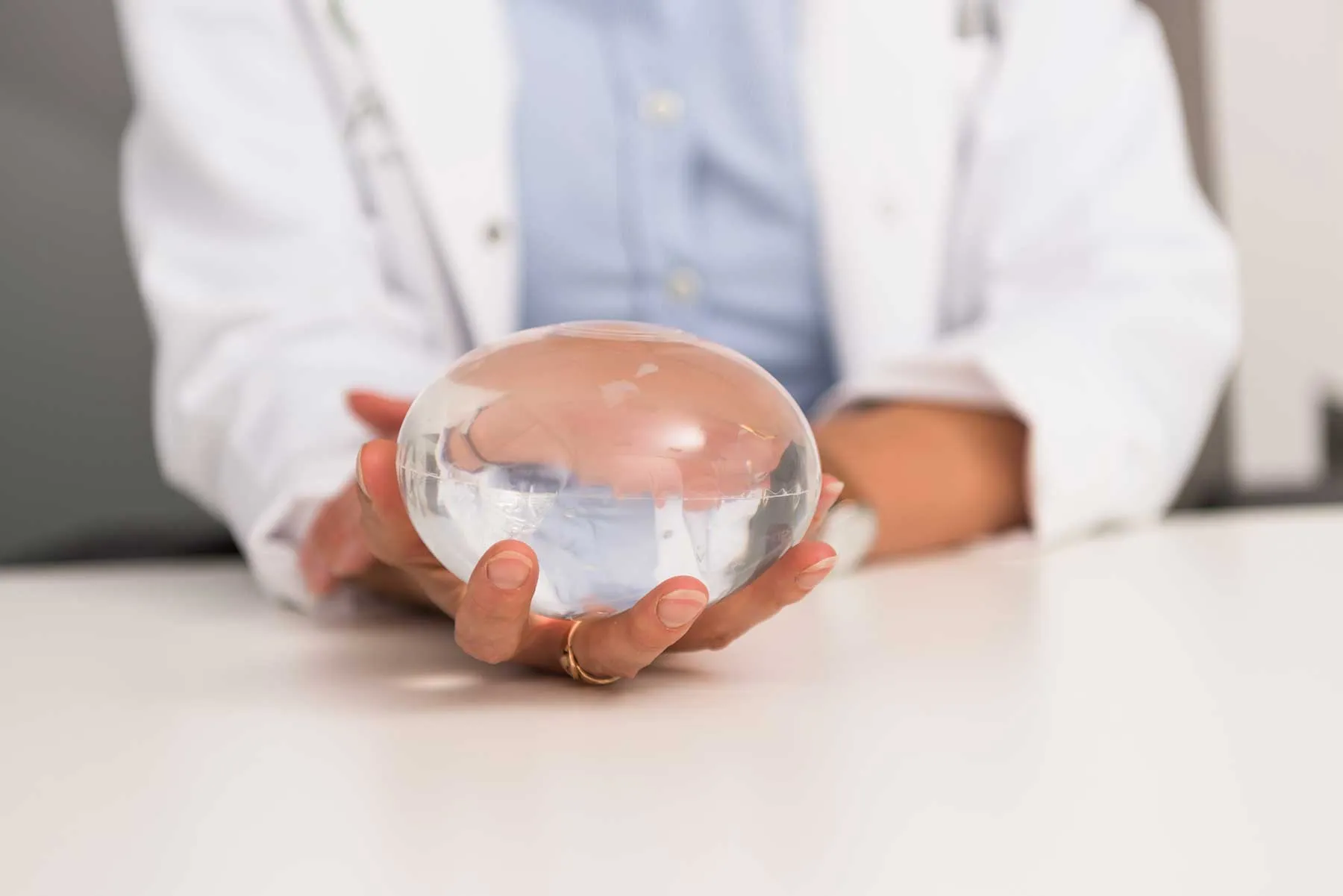
Biodegradable Implants

The Importance of Biodegradable Implants in Regenerative Medicine

Biodegradable implants play a critical role in the advancement of regenerative medicine. Their ability to support tissue healing without the need for follow-up surgeries significantly enhances patient recovery. These implants gradually dissolve after fulfilling their biological function, minimizing post-operative complications and surgical burdens.

By offering a smart and safe alternative to permanent implants, biodegradable devices improve clinical outcomes, especially for complex injuries or patients with chronic conditions. They also reduce emotional and physical stress, making treatments more efficient and patient friendly.

How AI Is Transforming Biodegradable Implant Design

As medical technology rapidly advances, artificial intelligence (AI) has emerged as a transformative force in the design of biodegradable implants. Traditional biomedical engineering standards are now being redefined, with AI in biomaterials enabling researchers to achieve unprecedented levels of precision and innovation. Let’s explore how this cutting-edge synergy is reshaping implant development.

1) Microscopic Structural Design with Machine Learning

  • Machine learning algorithms play a vital role in analyzing thousands of biological engineering samples to extract the optimal porous structures. These designs aim to strike the perfect balance between mechanical strength and degradation rate.
  • Artificial Neural Networks (ANNs) are trained on real-world mechanical data, generating precise implant structures that support fluid flow and nourish bone cells without compromising durability. This level of microstructural control would be nearly impossible without the capabilities of AI.
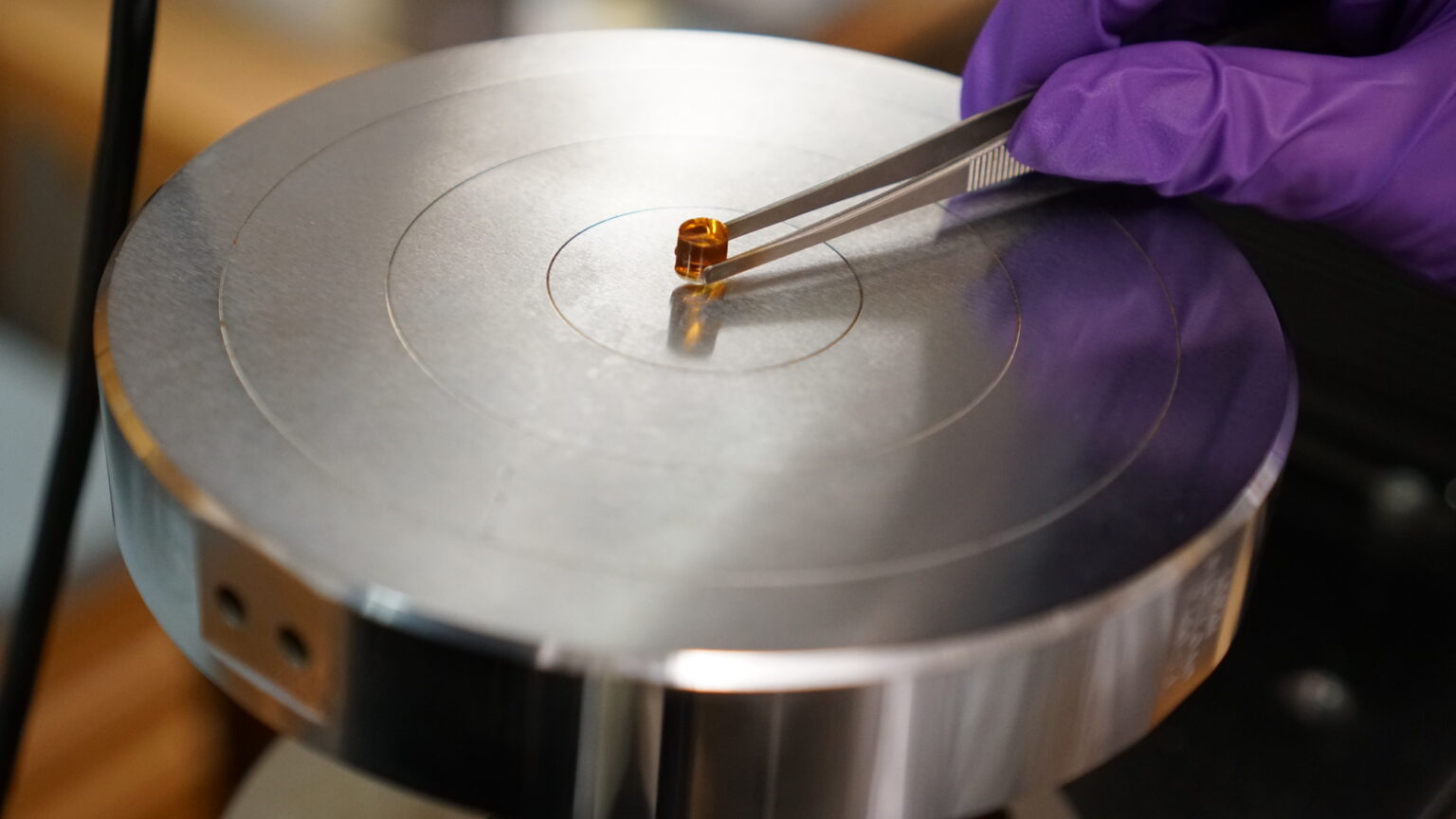
Biodegradable Implants

2) Numerical Simulation and Advanced Modeling Strategies

  • The design process of biodegradable implants greatly benefits from finite element methods (FEM), which simulate real-world body forces acting on the implant. These simulations help predict deformation and stress distribution before the manufacturing stage begins.
  • By integrating AI in biomaterials, researchers can refine these models further. Continuous training using laboratory and clinical test data allows AI systems to enhance simulation accuracy and bridge the gap between virtual predictions and real-life performance. This dramatically improves both the safety and efficiency of the final implant.

Also get acquainted with: The Role of AI in the Early Detection of Diseases through Medical Imaging

Smart Material Selection and Manufacturing

The success of biodegradable implants relies heavily on the careful selection and advanced manufacturing of smart materials. This phase is crucial for achieving the ideal balance between biocompatibility, durability, and controlled degradation.

1) AI-Powered Evaluation of Chemical Compositions

  • Both natural polymeric membranes (such as collagen and gelatin) and synthetic ones (like PLA and PGA) are commonly used in implant procedures. Through AI in biomaterials, thousands of material compositions can be virtually screened to identify the most suitable options based on biological, mechanical, and degradation criteria.
  • Molecular interaction modeling techniques—such as pharmacophore modeling—are applied to replace highly inflammatory components with atoms or functional groups that minimize immune responses. This process significantly enhances the safety and biocompatibility of the implant.

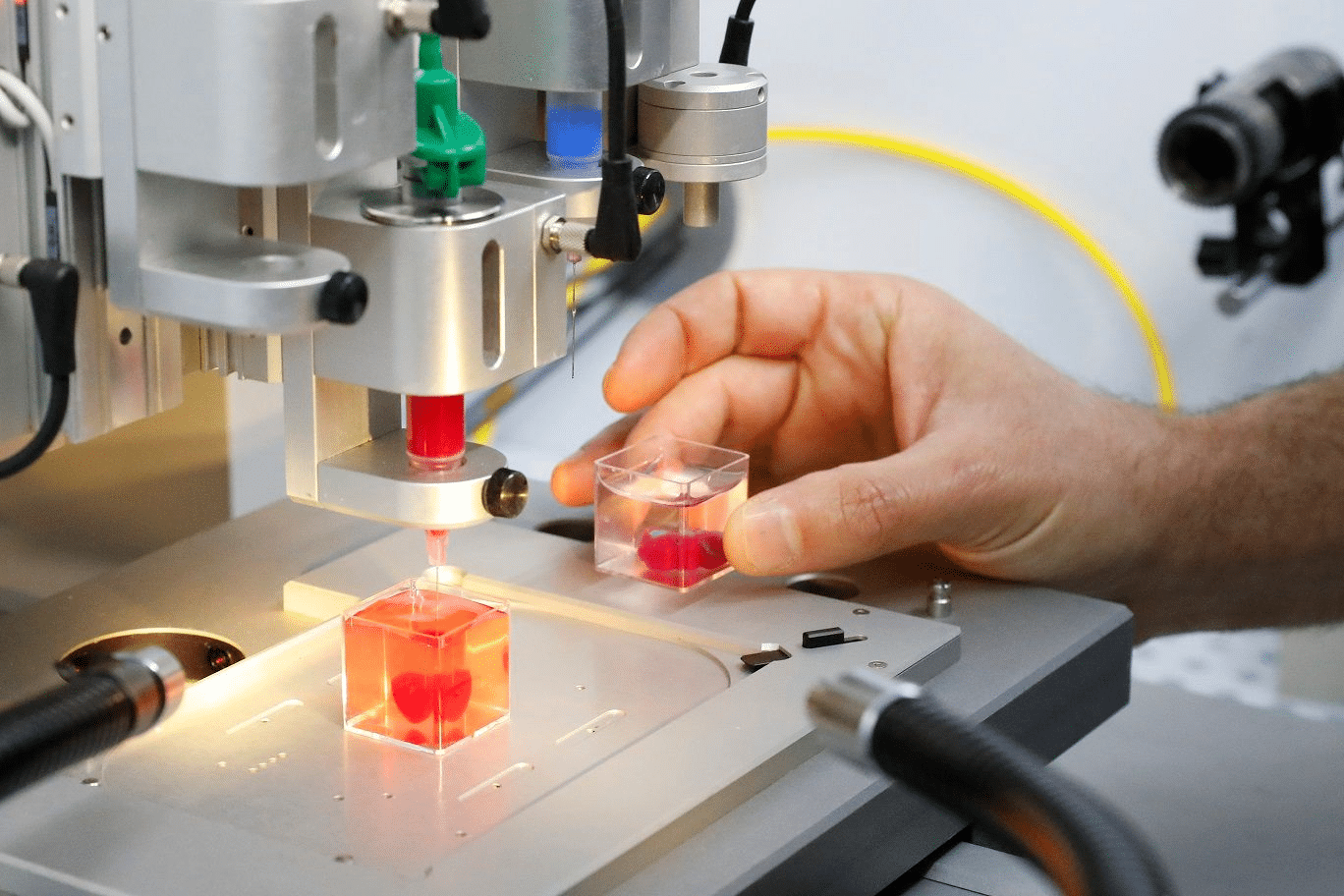
2) Additive Manufacturing and 3D Bioprinting

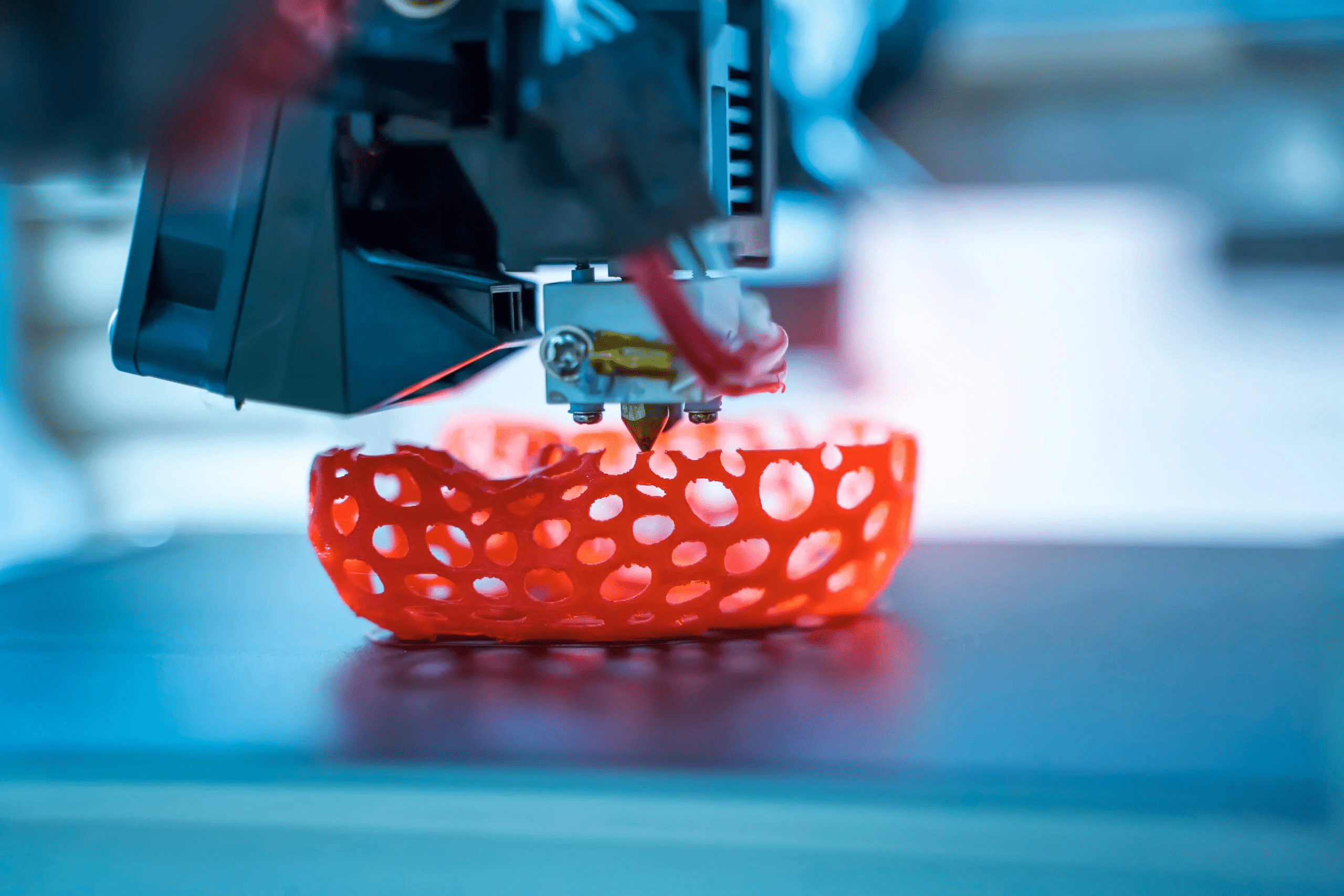
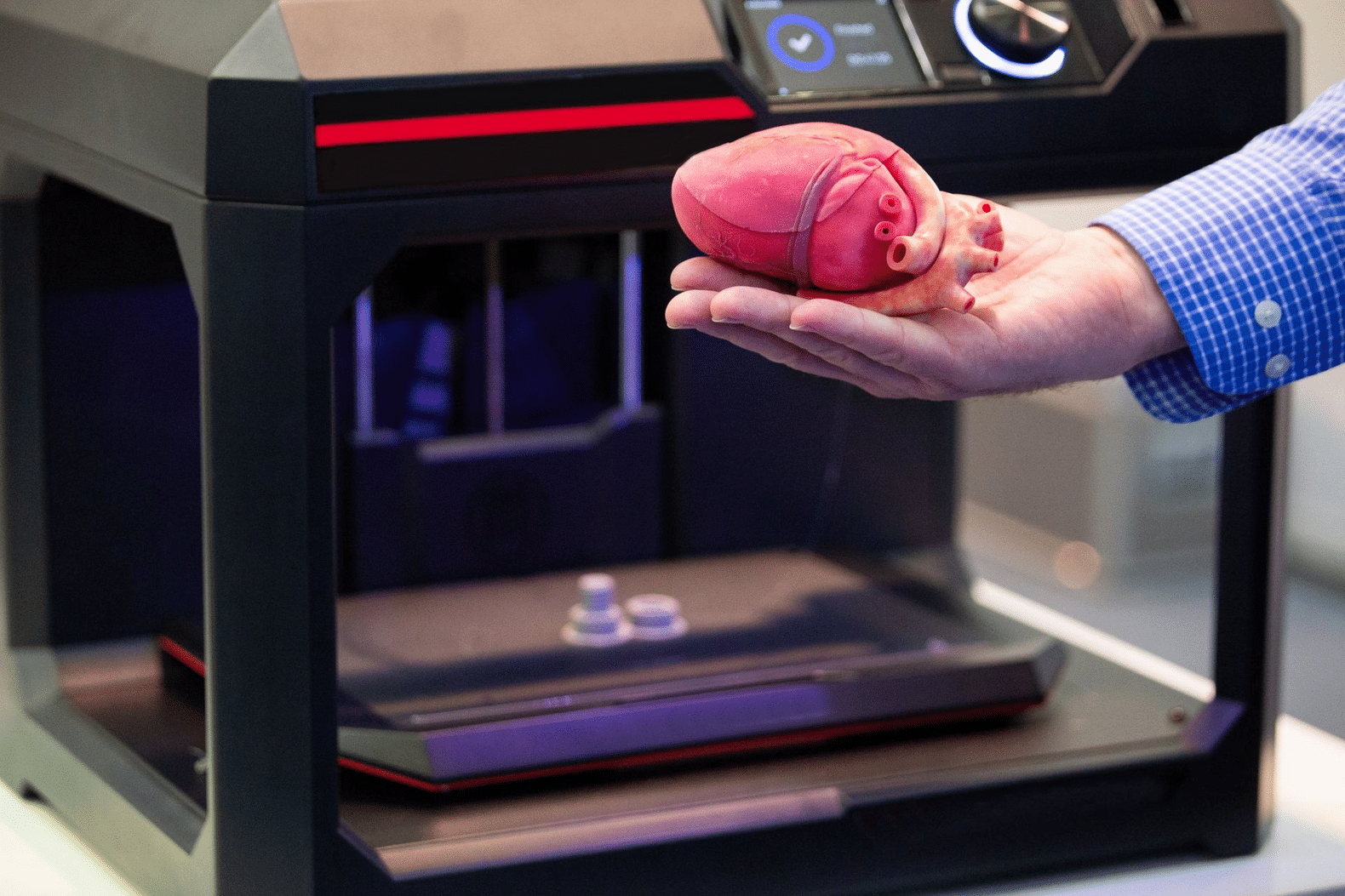
  • 3D bioprinting technology allows for the creation of patient-specific implants using CT and MRI scan data. These customized implants ensure uniform pore distribution, which is essential for effective tissue integration.
  • AI-driven control systems optimize the printing path and improve print efficiency, reducing production time, material waste, and overall costs. This not only enhances sustainability but also ensures a more accessible and scalable implant solution.
Biodegradable Implants

Intelligent Post-Implant Monitoring and Automation

After implantation, smart monitoring systems play a vital role in tracking the performance of biodegradable implants. These systems enable early interventions and tailored adjustments to improve healing outcomes.

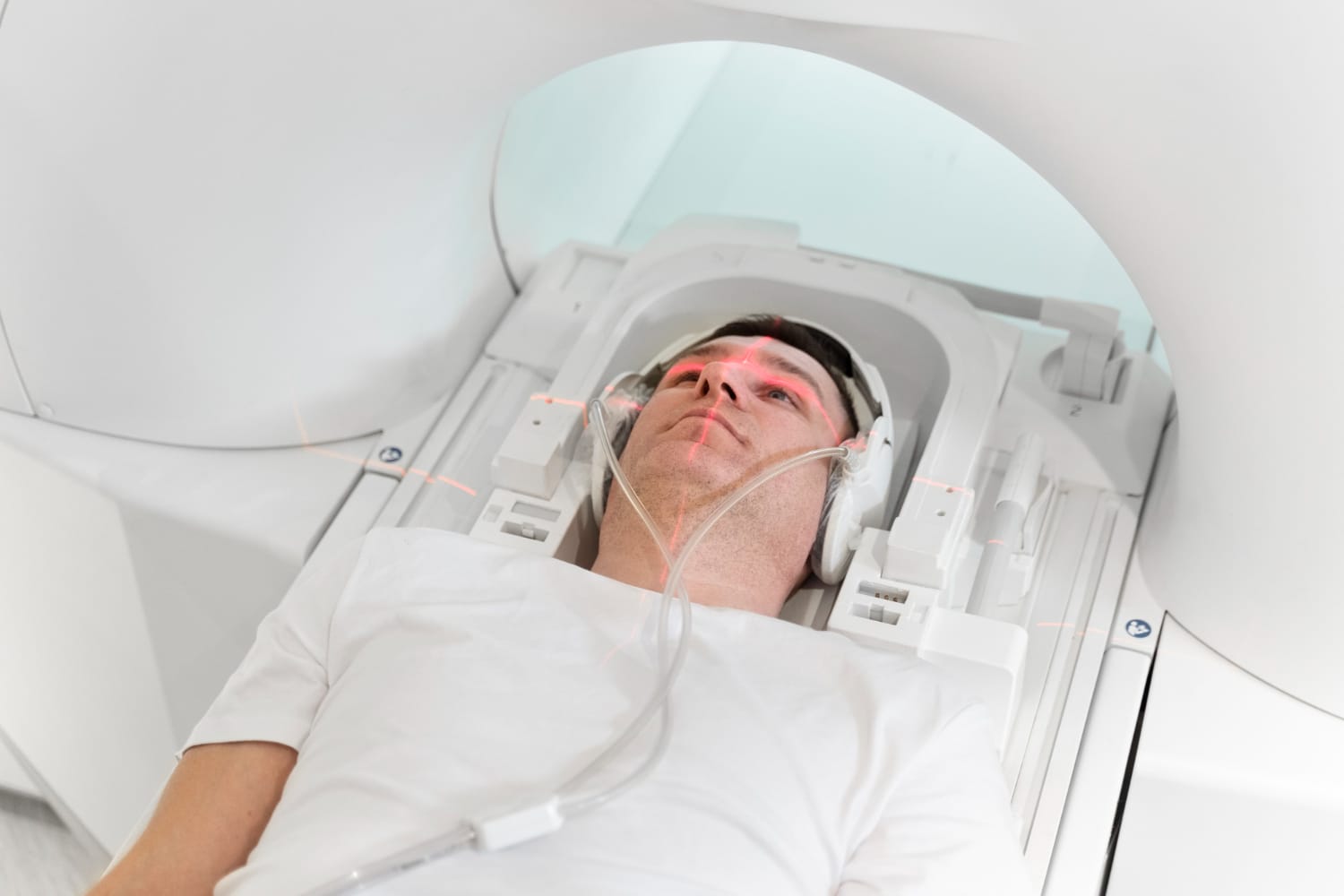
1) Ultrasound and MRI-Based Monitoring

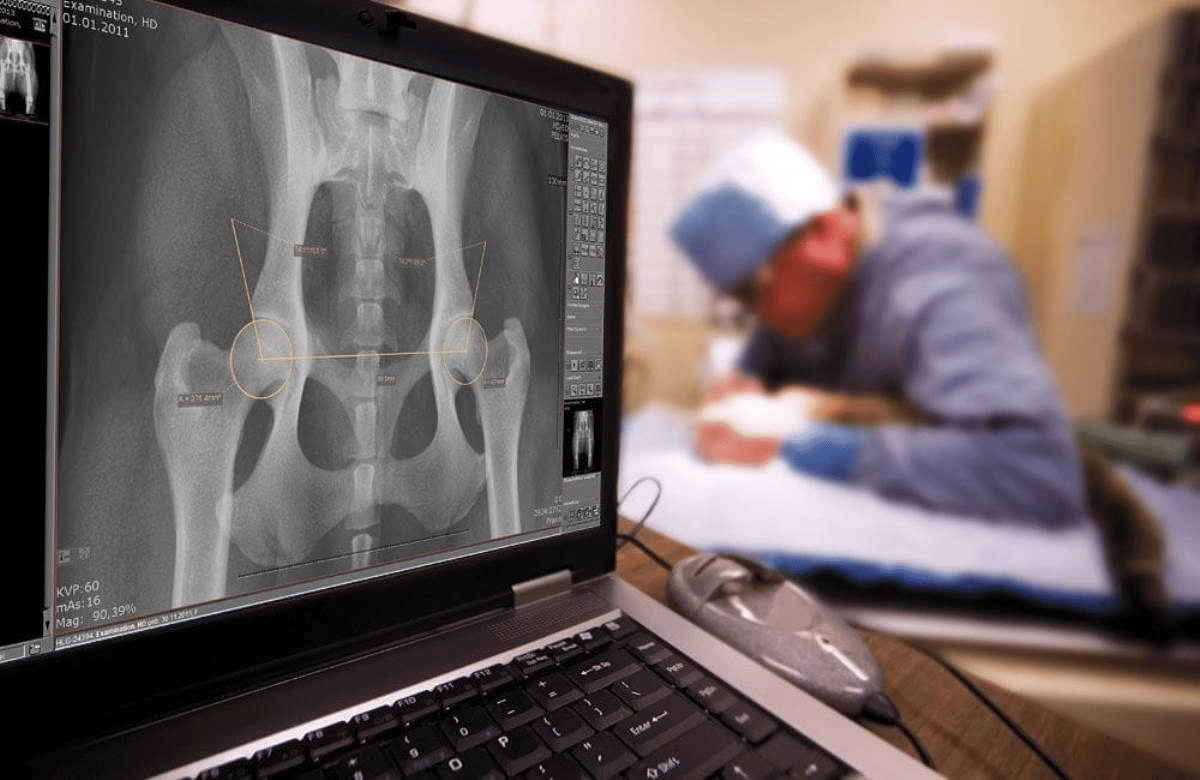
Computer vision algorithms are used to analyze imaging data—such as ultrasound and MRI scans—to monitor implant degradation and bone integration with high precision. These tools alert physicians to any delays in tissue fusion or abnormal implant morphology, allowing for timely medical decisions.

2) IoMT and Real-Time Healing Tracking

Next-generation implants are being equipped with micro-sensors that measure localized temperature, pH levels, and internal bone pressure. This real-time data is processed by AI algorithms to build predictive models of healing progress, offering personalized treatment recommendations for each patient.
Biodegradable Implants

Personalized Patient-Centered Care

Deep personalization in medical implant design is revolutionizing recovery experiences and treatment outcomes. With the integration of AI in biomaterials, it is now possible to create biodegradable implants tailored to each patient’s unique physiological profile.

1) Comprehensive Patient Data Analysis

  • Advanced AI systems collect and process extensive patient data—including age, weight, bone density, and medical history—to generate a precise digital model of the skeletal structure.
  • This model becomes the blueprint for designing a custom biodegradable implant that meets specific strength, flexibility, and degradation rate requirements. This high level of personalization reduces the risk of implant rejection and speeds up healing.

2) Continuous Learning and Smart Drug Delivery

  • Some innovative biodegradable implants now include embedded drug-releasing molecules—such as bone growth factors or localized pain relievers—that are gradually released as the implant degrades.
  • Using deep learning algorithms, AI in biomaterials dynamically adjusts drug release rates based on the patient’s healing stage and biological feedback, creating a more responsive and effective treatment.
Biodegradable Implants

Ethical Challenges and Technical Considerations

As AI in biomaterials continues to evolve, the field faces several ethical, technical, and regulatory hurdles that must be addressed to ensure safety, transparency, and trust.

  • Data Availability and Diversity: Machine learning models require vast and diverse datasets, but current clinical implant trials are still limited, particularly for rare or complex cases. This data scarcity can hinder the accuracy and generalization of AI predictions.
  • Explainability and Trust: Medical professionals demand transparent AI models that clearly explain how decisions are made. Without interpretability, physicians may hesitate to fully adopt AI-driven implant systems.
  • Regulatory Approval and Global Standards: Medical device regulations vary from country to country, often leading to extended approval timelines for AI-based implants. Aligning these frameworks is key to accelerating innovation without compromising safety.

The Future of Biodegradable Implants and AI Integration

Looking ahead, the integration of AI in biomaterials is set to expand beyond orthopedic applications, driving innovation across the broader landscape of regenerative medicine.

  1. Nano-Tech Integration: Future biodegradable implants are expected to incorporate smart nanomaterials like nanoparticles that deliver antibiotics or growth factors in response to cellular signals enhancing healing and infection prevention.
  2. Smart Self-Diagnostics: Research is also exploring micro-sensors embedded within implants that detect inflammation markers and autonomously trigger alerts or therapeutic adjustments, improving real time care and patient safety.
  3. Expanding Beyond Bone: The benefits of biodegradable implants will extend to vascular systems, neural tissues, and soft organ reconstruction, unlocking new potential in personalized, less-invasive healthcare solutions.

In the end, in a world rapidly advancing toward digital transformation and medical innovation, biodegradable implants powered by AI in biomaterials represent a breakthrough in precision, performance, and personalization. At HSI Healthcare Simulation and Innovation Center, we’re proud to be at the forefront of this change. Our comprehensive training programs, led by expert professionals and enriched with hands-on learning and specialized consulting, equip you with the tools to lead the future of medical care. Be part of the transformation.

Source: Application of Artificial Intelligence at All Stages of Bone Tissue Engineering
Pandemic Hospital Design Preparedness: Lessons from COVID-19

In light of the growing challenges posed by global pandemics, Pandemic Hospital Design, Healthcare Infrastructure has become a critical factor in ensuring the continuity of medical services and safeguarding lives. The COVID-19 pandemic exposed both strengths and weaknesses in healthcare infrastructure worldwide, prompting experts to reconsider architectural and engineering standards in hospital planning. This article explores the key lessons learned from COVID-19 and the subsequent practical recommendations, focusing on essential components that make pandemic hospital design an effective tool for future health crises.

The Importance of Pandemic-Focused Hospital Design

As the spread of novel diseases and mutating viruses intensifies, healthcare systems must integrate pandemic-specific design principles into their development and expansion plans. The hospital layout must offer enough flexibility to shift between routine operations and emergency response modes while ensuring the safety of patients and healthcare workers. Efficient separation of infection pathways and quick adaptation capabilities are crucial to minimizing response times during health emergencies.

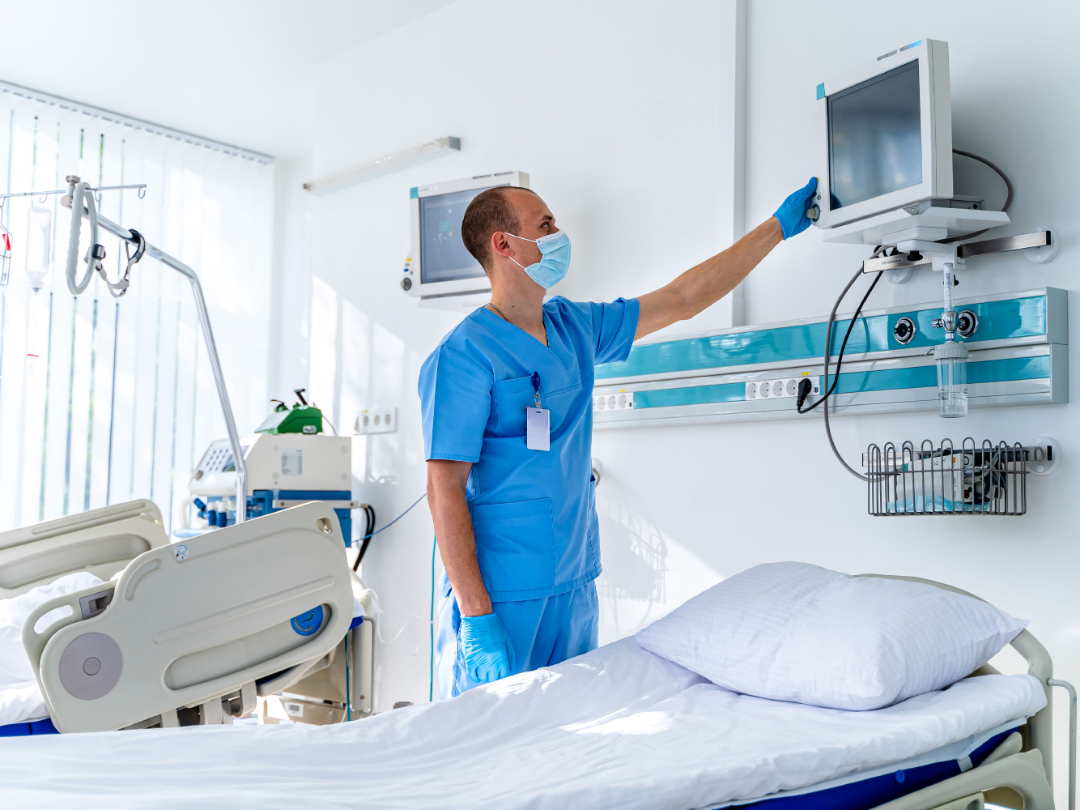
Pandemic Hospital Design

Core Principles of Pandemic Hospital Design

These principles focus on building a medical infrastructure capable of responding rapidly to crises without compromising the efficiency of daily operations. Flexible design layouts and precise spatial zoning provide a solid foundation that ensures ease in managing patient flows and implementing isolation protocols and other safety and security measures during emergencies.

1) Engineering Flexibility and Functional Zoning
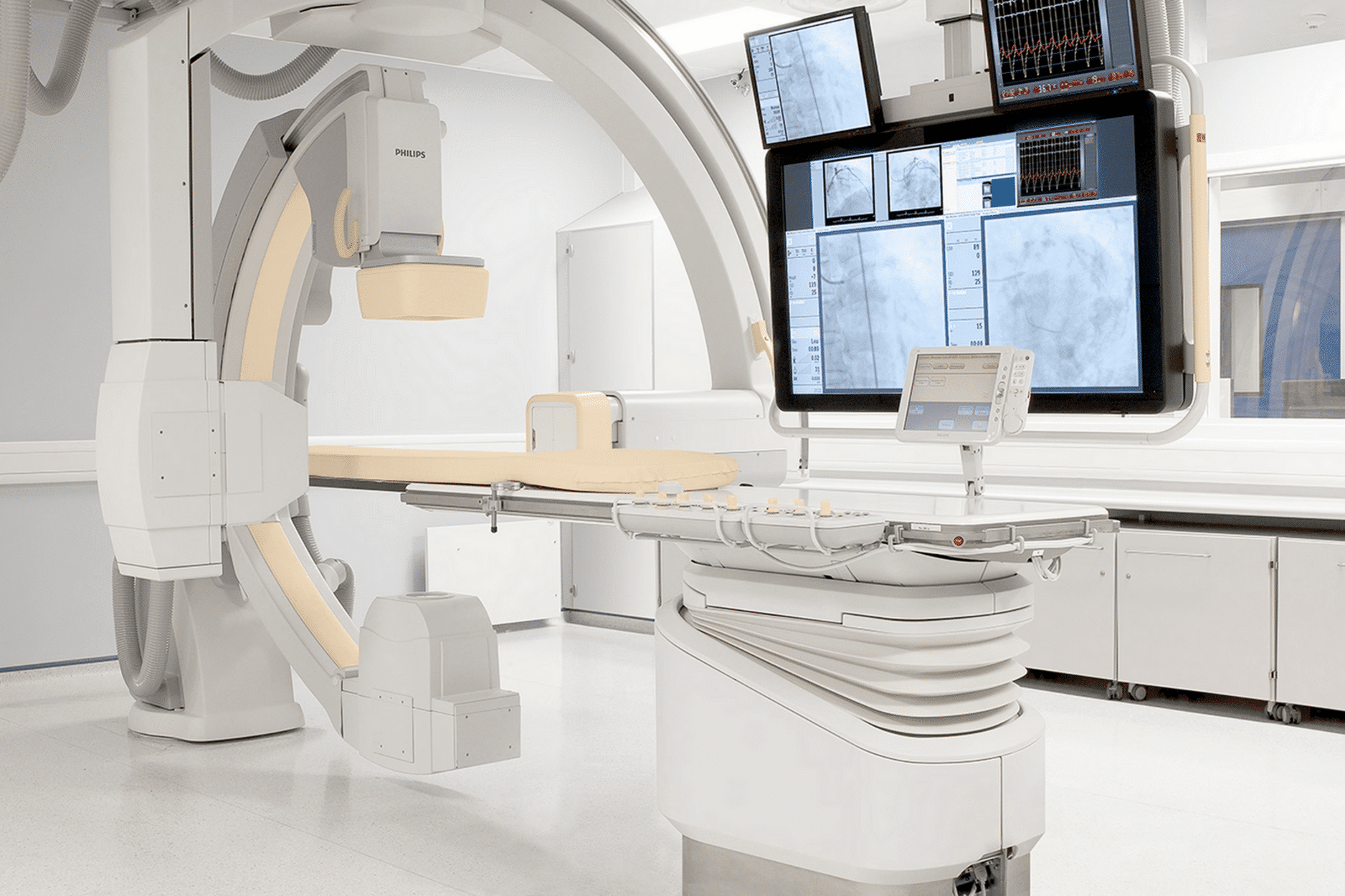
Flexible engineering allows hospital units and rooms to be rapidly reorganized based on emerging needs. Through modular surfaces and detachable walls, entire internal departments can be converted into intensive care or isolation wards within hours. Clear functional zoning helps reduce crowding and directs medical resources efficiently, avoiding the need for costly external expansions.

2) Airflow Control and Ventilation Systems

Controlling air movement and ventilation is a cornerstone of pandemic-ready hospital design. Negative pressure systems and HEPA filters are essential in limiting the spread of airborne pathogens. Increasing air exchange rates to over 12 cycles per hour in isolation rooms creates a safer and healthier environment for both patients and staff, minimizing cross-infection risks.

3) Dedicated Isolation Zones and Patient Pathways

Establishing dedicated pathways for patients suspected or confirmed to carry infectious diseases is vital. This includes primary screening entry points equipped with rapid diagnostic tools and temporary internal corridors with mobile barriers to house medical teams and disinfection units. These zones ensure complete separation between routine patient areas and those designated for pandemic cases.

Pandemic Hospital Design

4) Architecture and Internal Circulation

Structured horizontal layouts and limited cross-traffic corridors help reduce contact points between patients and staff. A well-designed Pandemic Hospital Design, Healthcare Infrastructure plan includes distinct access points for staff, visitors, and logistics services. Emergency pathways allow critical cases to be transferred quickly without disrupting daily operations in other departments.

Get to know also: Your Guide to Medical Equipment Planning in Hospitals and Medical Centers

Key Lessons from COVID-19 in Pandemic Hospital Design

The COVID-19 pandemic served as a real-world stress test for hospital preparedness and response capabilities. It revealed critical insights into the weaknesses and strengths of healthcare systems worldwide. From this experience, experts developed a valuable set of lessons emphasizing the need for flexible and adaptive Pandemic Hospital Design, Healthcare Infrastructure to handle varying infection scenarios and emergency surges.

1) Cross-Functional Collaboration and Integrated Planning

COVID-19 demonstrated that collaboration between doctors, engineers, and administrative professionals is far more effective than siloed operations. Through interdisciplinary teams, some hospitals were able to build dedicated treatment wings within days instead of weeks. This rapid response helped alleviate pressure on intensive care units and improved overall patient outcomes during surges.

2) Embracing Digital Health and Telemedicine

Telemedicine platforms significantly reduced routine hospital visits while maintaining high-quality patient-doctor communication. As a result, integrating digital infrastructure such as high-resolution screens and secure network connections has become an essential component of Pandemic Hospital Design, Healthcare Infrastructure. These elements ensure continuity of care even when in-person services are limited.

Pandemic Hospital Design

3) Temporary Expansions and Operational Flexibility

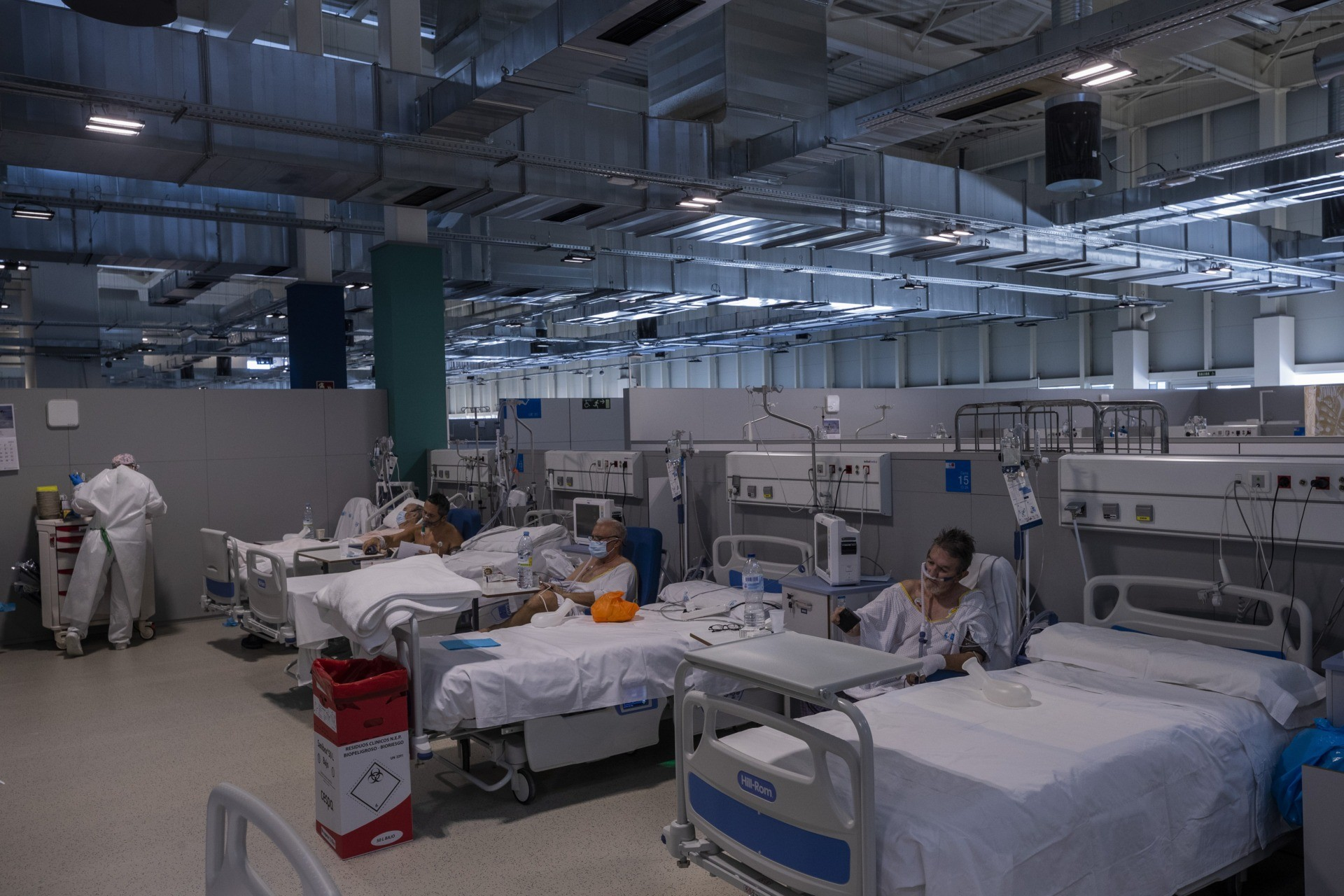
At the pandemic’s peak, some hospitals resorted to setting up mobile units in parking lots or repurposing indoor halls as temporary emergency wards. This underscores the importance of flexible expansion strategies, including pre-planned lightweight structures and quickly deployable modular roofs. These solutions enable hospitals to accommodate patient overflow without disrupting essential services.

4) Maintaining Routine Services Alongside Emergency Response

It became clear that halting all routine medical services during a pandemic is not a viable option. One of the key takeaways was the necessity of dividing hospitals into distinct zones one for handling infectious cases and another for routine care. This zoning ensures that surgeries, critical diagnostics, and other vital procedures continue without delays or exposure risks.

Future Recommendations for Strengthening Pandemic Hospital Design

To ensure resilience and readiness, healthcare facilities must adopt innovative design strategies and operational frameworks that allow for adaptability, safety, and continuity of care.

  1. Modular Design for Rapid Expansion: Hospitals should adopt modular designs that allow for the quick addition or removal of treatment units as needed. This flexibility enables facilities to scale operations in response to evolving healthcare demands without requiring extensive structural changes.
  2. Advanced Ventilation Systems with Adjustable Pressure Control: Investing in dynamic ventilation systems is essential. These systems should have the ability to adjust air pressure levels based on the risk profile of each hospital zone, thereby minimizing airborne contamination and improving infection control.
  3. Smart Isolation Pathways and Electronic Zoning: The implementation of smart isolation corridors featuring electronic gates and mobile partitions ensures complete separation between infectious and non-infectious zones. These smart pathways optimize patient flow and enhance safety for both staff and patients.
  4. Digital Infrastructure to Support Telemedicine: Expanding digital infrastructure is vital for enabling telehealth services. Equipping hospitals with secure networks and high-tech communication tools allows remote management of infectious patients, reducing the need for direct contact while maintaining care standards.
  5. Pre-Arranged Contracts with Suppliers and Contractors: Establishing pre-crisis agreements with suppliers and construction firms ensures the swift delivery of essential materials and equipment during emergencies. This readiness significantly reduces response time and operational delays during outbreaks.

In conclusion, the deep challenges revealed by the COVID-19 pandemic underscore the necessity of embracing an advanced approach to Pandemic Hospital Design, Healthcare Infrastructure. At the forefront of this transformation is HSI Healthcare Systems International, a center dedicated to healthcare training and consulting, with a mission to elevate the biomedical engineering sector.

Under the guidance of top-tier experts, HSI offers more than just training. it delivers tailored consulting and professional mentorship to healthcare institutions aiming to enhance their technical and service infrastructure. Through this unique combination of education and strategic advisory, HSI provides a comprehensive platform that empowers professionals and organizations to take an active role in shaping a safer, smarter, and more innovative healthcare environment.

Source: Hospitals’ Collaborations Strengthen Pandemic Preparedness: Lessons Learnt from COVID-19

How to Present Technical Information to Non-Technical Clients

The ability to present technical information clearly to non-technical audiences has become a critical skill in today’s digital world where technology intersects with every business sector, especially in fields like biomedical engineering, technical sales, and customer communication teams, simplifying technical concepts and delivering them in a smooth and engaging way is essential for success. This article explores key strategies and practical tips for effectively communicating technical information to non-specialists.

The Importance of Simplifying Technical Information in Sales Success

In a fast-paced, ever-evolving market, technical information has become a cornerstone of technical sales and customer interactions. Presenting complex concepts in a way that is easy for non-experts to grasp builds trust and strengthens the relationship between technical teams and their clients. Mastering the delivery of technical information is not just about knowledge transfer—it’s an art that balances accuracy, clarity, and creativity. The following strategies will help transform technical content into practical tools that support sales and improve customer engagement.

Technical Information

1) Start by Highlighting Relevance and Benefits

When presenting technical information, begin by clearly demonstrating how it impacts your client and what it means for them in real-world terms. It’s not enough to explain how a system works or describe technical processes you need to highlight the direct benefits your audience will gain, such as enhanced performance, cost savings, or improved efficiency.

Before any presentation, conduct research to understand your audience’s needs and interests. This preparation helps you tailor your message to answer the crucial question: “What’s in it for me?” from the outset. Connecting technical details to tangible client benefits makes the conversation smoother and keeps the audience engaged.

You can check out: Mastering Technical Sales in Biomedical Engineering
2) Minimize Excess Technical Information

It’s common for technical professionals to possess a vast amount of technical information, but trying to convey everything in a short time can overwhelm clients. Instead, it’s essential to focus on the most critical points and eliminate any non-essential details that may distract or confuse the audience.

Carefully selecting the core ideas that define the project or technology and anticipating potential client questions will enhance understanding. When a presentation centers on key takeaways, it becomes much easier for clients to grasp the overall concept without feeling pressured or overloaded.

3) Use Storytelling to Clarify Complex Concepts

Nothing captures attention quite like a compelling story. When presenting technical information such as the features of a medical device—you can transform complex ideas into a narrative that’s easy to follow and engaging. Real-life examples, personal experiences, and success stories help demonstrate how technology applies in everyday practice.

Technical Information

For instance, instead of diving straight into the specifications of a digital security system, you might tell a story about a healthcare facility that protected its patients thanks to the right technology. This storytelling approach not only clarifies the concept but also builds trust and emotional connection with the client.

4) Eliminate Complex Terminology

Alongside the above strategies, one of the most important practices in sharing technical information is avoiding jargon. Technical experts often use specialized terms that are only familiar within their field. To communicate effectively with non-technical audiences, it’s crucial to simplify the language.

Adopt a clear and straightforward explanation style. If technical terms must be used, consider providing a brief glossary or defining them in context with real-world examples. Breaking down essential information into digestible pieces helps clients connect terminology with actual value, making your message clearer and more impactful.

5) Use Visual Aids to Enhance Understanding

Visual tools are among the most effective methods for delivering technical information quickly and clearly. Studies show that a large percentage of people are visual learners, which makes charts, infographics, and visual slides essential elements in any presentation.

Prepare diagrams, models, and step-by-step flowcharts to illustrate the technical process clearly. Visuals can reduce the need for lengthy explanations and provide a comprehensive overview that helps clients understand key concepts faster. Use color schemes, visual highlights, and subheadings to emphasize important points and strengthen the overall message.

Technical Information

6) Encourage Interaction and Listen to Feedback

Engaging with your audience is a vital part of presenting technical information. The presentation shouldn’t be a one-way lecture, it should include dedicated moments for questions and discussions. This approach demonstrates respect for the audience and gives them the opportunity to clarify any unclear points directly.

Pay attention to facial expressions and audience reactions to gauge comprehension. Don’t hesitate to revisit or simplify complex ideas. Asking simple follow-up questions can confirm whether the message has been understood. This interactive method fosters trust and creates a stronger connection between you and your clients.

You can learn more about: Tips and Skills to Improve Public Speaking for Biomedical Engineers

7) Focus on Business Outcomes

In technical sales, clients are ultimately interested in the practical benefits of the proposed technology. That’s why your presentation of technical information should emphasize how it contributes to tangible business outcomes, such as return on investment (ROI), operational efficiency, or risk reduction.

When comparing technologies, highlight the features that directly translate to business value, like cost savings, improved workflows, or enhanced cybersecurity. By presenting these clear, real-world benefits, you give your clients a compelling reason to adopt the technology and understand how it fits into their business strategy.

Simplifying, technical information is a strategic investment in building trust and strong communication with non-technical clients. At HSI, we are proud to be your partner in advancing excellence in biomedical engineering. We offer specialized training courses and advanced consultations designed to transform complex technical information into practical, innovative solutions. Join us now to develop essential skills and receive personalized guidance that empowers you to thrive in a fast-evolving world!

Source: How to Explain Technical Concepts to a Non-Technical Audience

The Importance of Teamwork in Engineering Biomedical Projects
In the field of biomedical engineering, teamwork in engineering has become a crucial factor in achieving scientific advancements and innovations that contribute to improving healthcare quality and developing medical technologies. The rapid progress in this domain can only be realized through effective collaboration among experts from various disciplines, including medicine, engineering, computational sciences, and biology. This article explores the significance of teamwork in biomedical engineering projects.

Key Aspects of Teamwork in Biomedical Engineering Projects
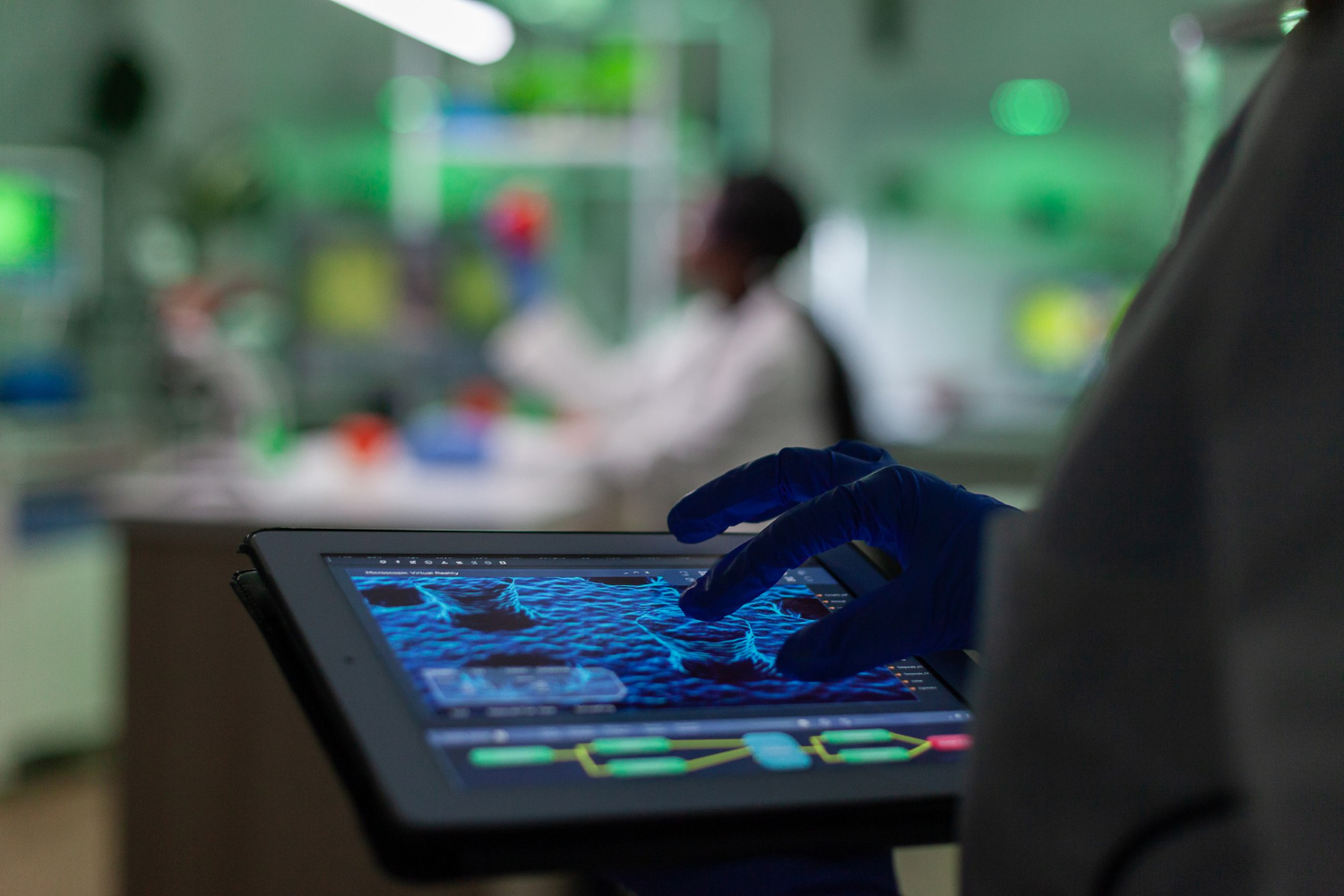
The biomedical engineering sector faces complex challenges that require a deep and integrated knowledge base. Given the intricate nature of medical and technological problems, teamwork in engineering is essential, bringing together specialized minds to develop innovative and sustainable solutions. In this context, teamwork plays a pivotal role in enhancing decision-making processes, data analysis, and the development of computational models that assist in predicting treatment pathways and identifying factors affecting the performance of medical devices.

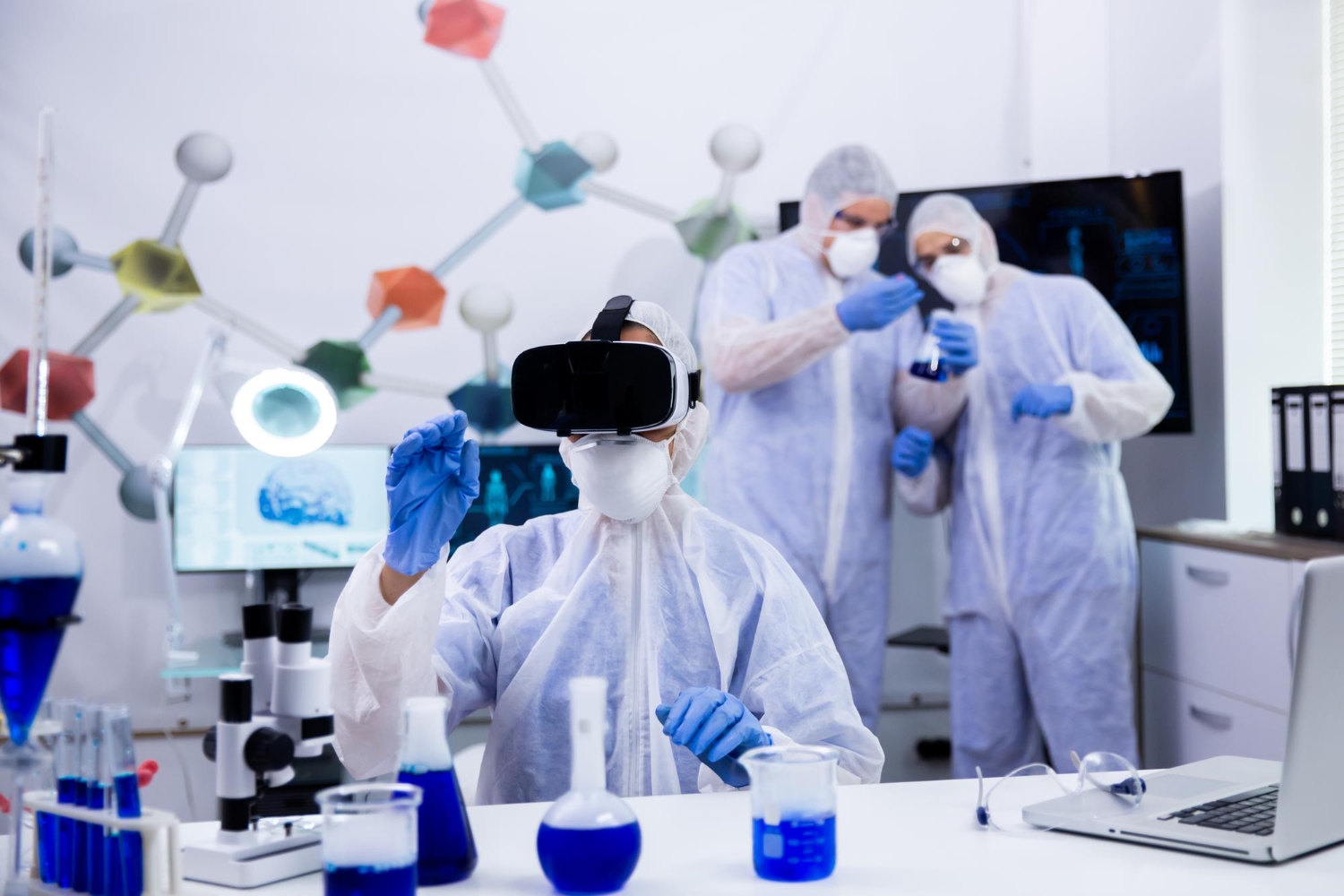
Teamwork in Engineering Biomedical
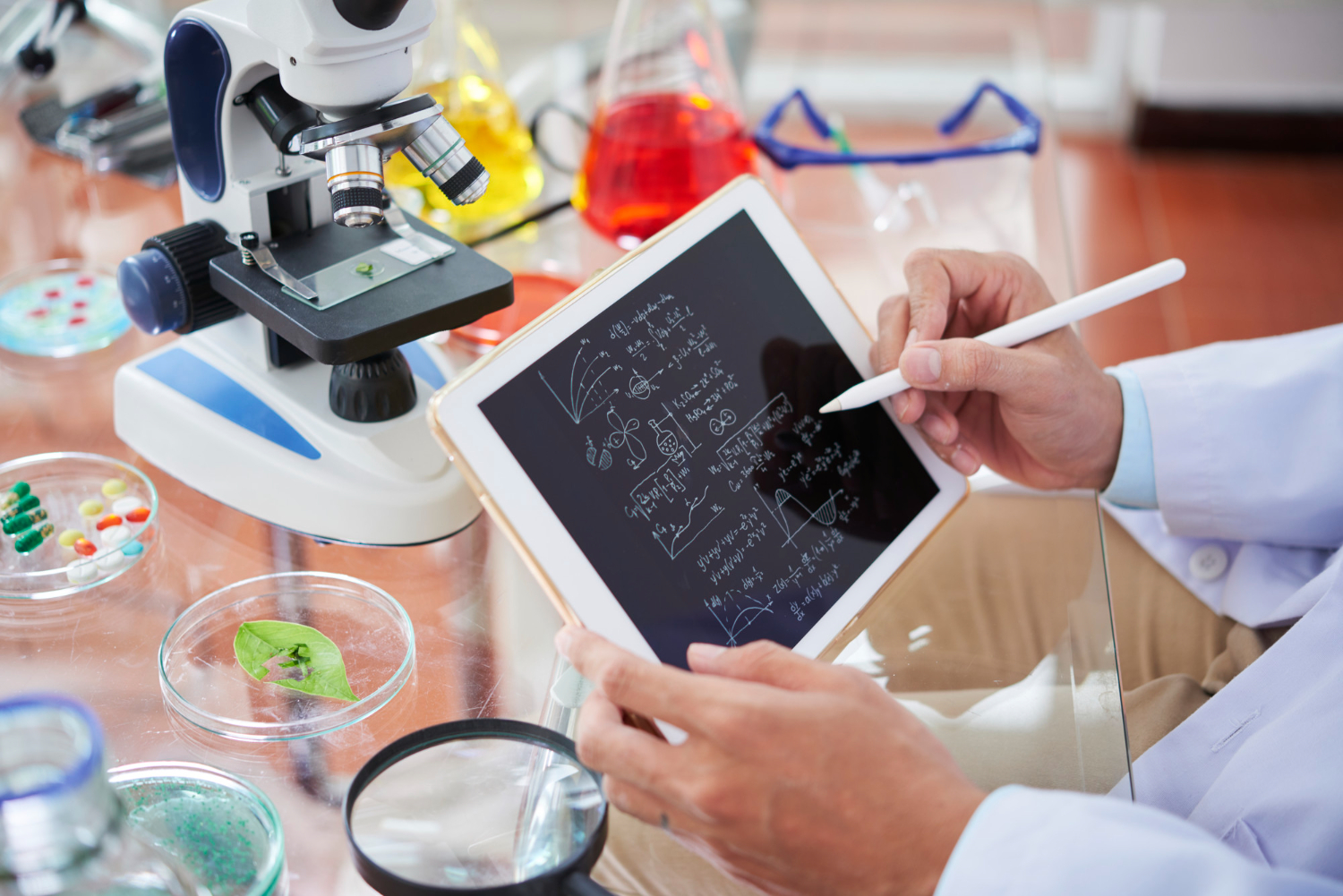
By combining diverse expertise and skills, teams can exchange ideas and theories, leading to a deeper understanding of the issues at hand and providing comprehensive solutions that go beyond individual expertise. For this reason, teamwork in engineering remains a fundamental pillar of success in biomedical research and development projects.


1) Enhancing Knowledge and Expertise Sharing

Teamwork in engineering enables knowledge exchange among team members, with each individual bringing unique experiences and skills that complement one another. For instance, software engineers collaborate closely with doctors and biological researchers to analyze medical data and design advanced treatment solutions. This diversity in expertise strengthens the team’s ability to understand problems from multiple perspectives and develop well-rounded, effective solutions.

You can also get acquainted with: Effective Communication Skills for Biomedical Engineers

2) Accelerating the pace of innovation and development

When a team works together, it can adopt innovative thinking approaches that combine advanced computational models, statistical analysis, and technological innovation. Studies have shown that teamwork in engineering accelerates the pace of innovation by fostering the interaction of diverse ideas within a single environment. This leads to the development of new technologies in a shorter time and with higher efficiency.

3) Enhancing Decision-Making Processes

Through regular meetings and consultations among team members, decision-making becomes more precise, based on scientific data and a comprehensive analysis of problems. This continuous interaction among different specialties ensures that decisions are well-studied and grounded in a broad perspective, helping to minimize errors and achieve optimal outcomes in biomedical projects.

Teamwork in Engineering Biomedical
4) Strengthening Analytical and Predictive Capabilities

Computational models play a crucial role in biomedical engineering projects by analyzing large and complex data sets. Here, teamwork in engineering truly shines, as it enables the integration of computational model results with human expertise to provide accurate recommendations. This synergy between computational analysis and human insight helps develop powerful predictive tools that improve disease diagnosis and treatment selection with greater efficiency.

5) Creating an Inspiring and Collaborative Work Environment

A collaborative and interactive work environment is one of the key factors in the success of engineering projects. When team members feel that their opinions are valued and their contributions matter, they are motivated to give their best. Teamwork in engineering fosters a culture of trust and mutual respect, enhancing team spirit and leading to groundbreaking results.

Applications of Teamwork in Engineering for Biomedical Innovations
Collaboration is the foundation of various biomedical engineering applications, enabling the integration of multiple disciplines to achieve optimal results. Multidisciplinary teams tackle complex medical challenges by sharing knowledge and utilizing modern technology. Below are some key applications that highlight the significance of teamwork in engineering within this field.
Teamwork in Engineering Biomedical
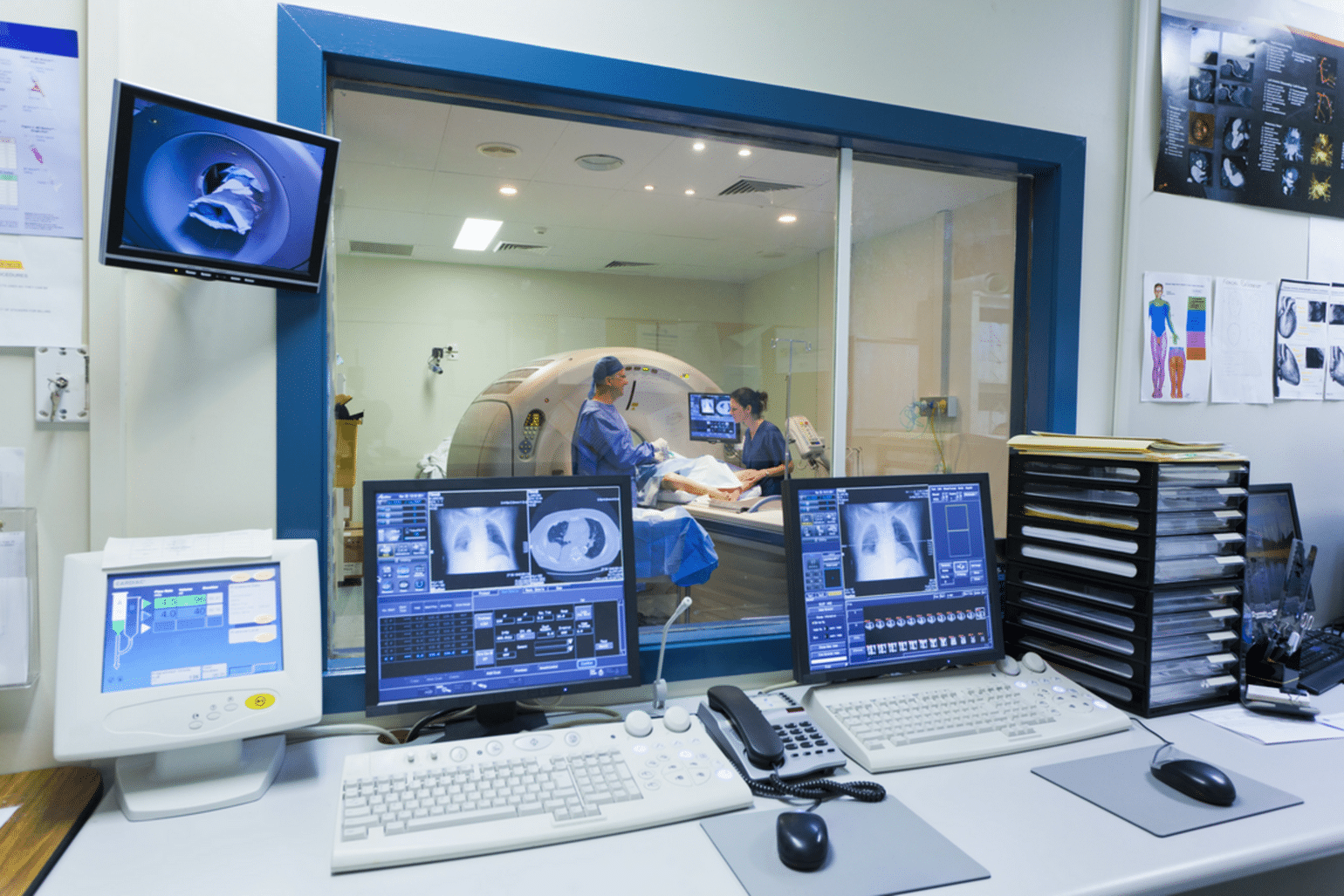
Medical Device Design

Developing a new medical device requires expertise from various fields, from engineering design to clinical testing. A collaborative team works together to:

  • Analyze User Needs: Gathering insights from doctors and patients to ensure the device meets practical medical requirements.
  • Develop Prototypes: Engineers and designers collaborate to create and test initial prototypes.
  • Refine and Improve: The team reviews test results, identifies weaknesses, and enhances the device based on feedback.

Research and Development in Biotechnologies

Biomedical research projects rely on multidisciplinary teams working together to develop innovative solutions for complex medical challenges. For instance:

  • Artificial Intelligence and Data Analysis: Data scientists collaborate with software engineers to create algorithms that analyze patient data and predict disease progression.
  • Medical Imaging: Medical imaging specialists work with engineers to enhance imaging technologies and improve diagnostic accuracy.

Teamwork in Engineering Biomedical

Managing Complex Medical Projects

Managing biomedical projects is one of the most complex tasks, requiring high-level coordination among all team members. Through teamwork in engineering, responsibilities can be clearly defined, tasks efficiently distributed, and overall project performance optimized while minimizing time and resource waste. This effective coordination contributes to:

  • Achieving Research Goals: By tracking progress and conducting regular evaluations.
  • Enhancing Communication: Ensuring continuous information exchange and project updates.
  • Risk Management: Anticipating challenges and implementing preventive measures before they escalate.

You can read more about: The Importance of Sales Skills for Biomedical Engineers and How to Master Them

In conclusion, Innovation and progress in biomedical engineering are impossible without a collaborative environment that supports knowledge exchange and shared expertise. The integration of different specialties plays a key role in developing more efficient medical solutions and enhancing healthcare quality. This is where HSI, placing teamwork in engineering at the core of its mission to advance professionals in biomedical engineering through specialized training programs and advanced healthcare solutions.



HSI offers a comprehensive range of training programs designed to equip professionals with essential skills and knowledge to excel in the field, from medical device design to healthcare software development and health system management. Additionally, HSI provides expert consulting services to assist individuals and organizations in achieving their professional goals and making a meaningful impact in the healthcare industry. If you aspire to elevate your career in biomedical engineering, HSI is your ideal partner on the journey to excellence and innovation!
Source: Characterizing Teamwork Dynamics and Computational Model-Based Reasoning in Biomedical Engineering Projects

The Role of AI in Hospital Workflows and Its Optimization

In today’s era of advanced technology and digital transformation, AI in hospital workflows has become a cornerstone of healthcare development. This powerful technology is revolutionizing how hospitals operate and manage internal processes by improving administrative efficiency, streamlining clinical procedures, and enhancing the overall quality of healthcare services. In this article, we explore how artificial intelligence is driving the transition from traditional hospitals to smart hospitals that offer integrated, high-quality medical services.

The Impact of AI on Hospital Operations

AI represents a fundamental shift in how hospitals are managed and operated. By integrating digital technologies with medical expertise, hospitals can now access innovative, fast, and accurate solutions. AI in hospital workflows serves as a key enabler of progress in healthcare, allowing institutions to perform advanced data analysis, automate routine tasks, and provide intelligent diagnostic support.

AI in Hospital Workflows

This transformation not only enhances administrative and clinical systems but also fosters a more responsive and patient-centric environment. AI creates a smart healthcare ecosystem that prioritizes quality service delivery and adapts to patient needs efficiently. As technology and medicine converge, hospitals are entering a new era of smart care designed to meet modern healthcare standards.

Also get acquainted with: Revolution of AI in medical imaging

Enhancing Administrative Efficiency with AI

One of the most significant contributions of AI in hospital workflows is its role in improving administrative efficiency. AI automates repetitive tasks and reduces the burden on both medical and administrative staff, allowing them to focus more on patient care. These smart systems minimize human error and save valuable time, making hospital operations smoother and more effective. Some of the key administrative benefits include:

  1. Automated Scheduling: AI in hospital workflows in systems help optimize patient and staff scheduling. This reduces no-shows, improves time management, and ensures better resource allocation.
  2. Efficient Document Management: AI tools streamline medical record organization and retrieval, drastically cutting down the time spent on paperwork and ensuring data is readily accessible when needed.
  3. Accurate Billing and Medical Coding: By leveraging AI, hospitals can enhance the accuracy of billing and coding processes. This ensures compliance with standards and accelerates reimbursement procedures.

Revolutionizing Clinical and Diagnostic Processes

The role of artificial intelligence has expanded beyond administrative functions to significantly impact clinical and diagnostic operations. Today, AI in hospital workflows plays a vital role in analyzing medical images and clinical data with high precision, enabling early disease detection and supporting doctors in making accurate diagnoses.

AI in Hospital Workflows

AI-powered technologies enhance the diagnostic process by offering data-driven insights and treatment recommendations based on the   latest clinical guidelines. These systems allow for the creation of personalized treatment plans tailored to each patient’s condition. Additionally, real-time monitoring tools powered by AI continuously track patients’ health status and alert medical teams to any sudden changes, allowing for rapid intervention when necessary.

Optimizing Patient Flow and Resource Management

Managing patient flow and hospital resources remains a major challenge, especially with the growing number of patients and increasing pressure on healthcare infrastructure. AI in hospital workflows contributes to solving these issues by streamlining operational efficiency through the following applications:

  • Predictive Analytics: AI in hospital workflows and its systems can forecast patient admissions and discharges, allowing hospitals to plan ahead and optimize bed availability. This predictive capability helps prevent overcrowding and ensures a smoother care experience.
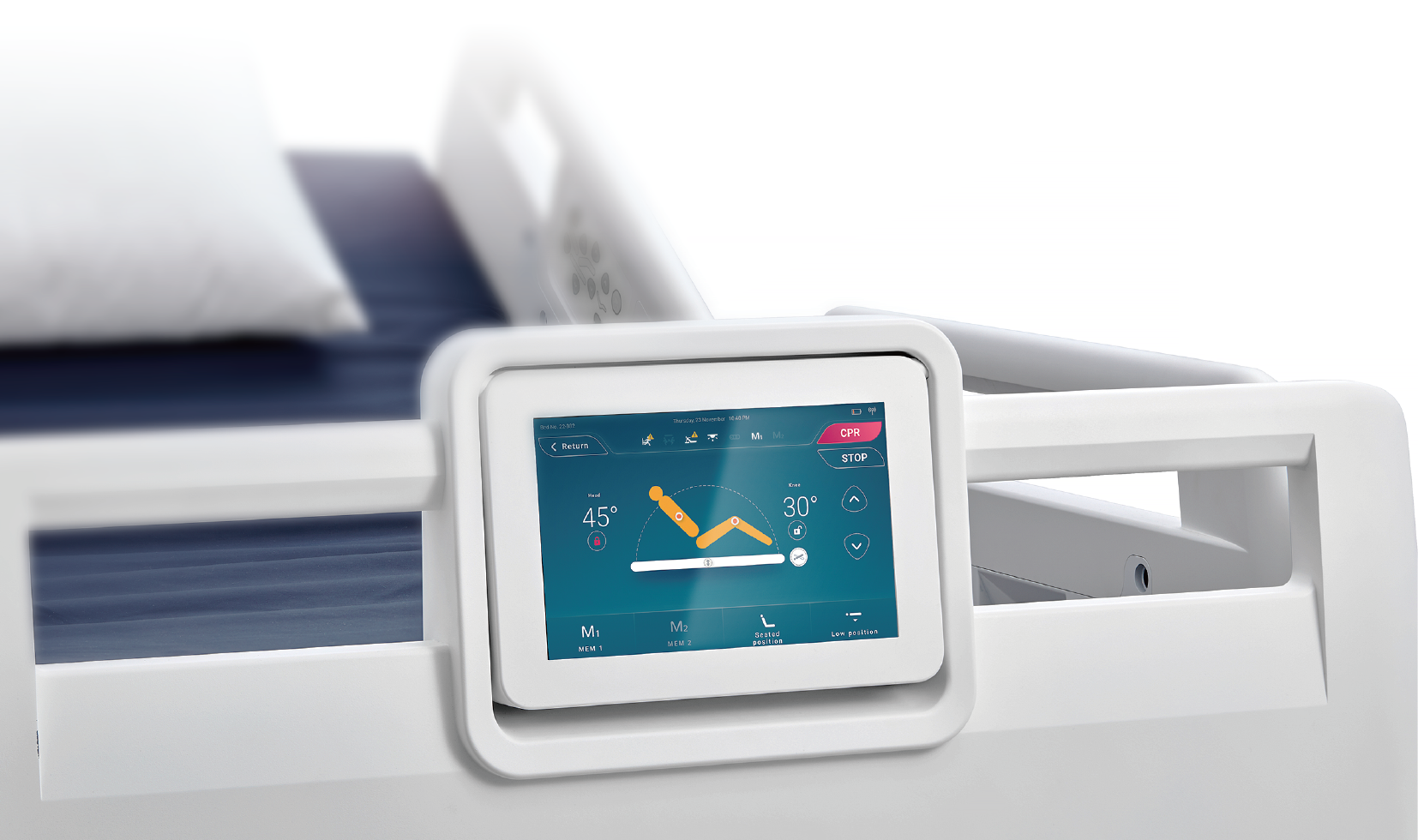
  • Smart Bed Management: AI technologies enhance bed allocation by minimizing idle time and improving utilization rates, which contributes to delivering timely and effective care.
  • Emergency Department Optimization: AI applications improve triage processes in emergency departments by prioritizing cases based on severity, significantly reducing wait times and ensuring patients receive immediate attention.

Enhancing Patient Experience and Communication

Patient experience is a core indicator of the quality of healthcare services and improving it has become a primary goal for modern smart hospitals. Today, AI in hospital workflows plays a vital role in strengthening communication between patients and healthcare providers by delivering personalized services tailored to individual needs. Smart systems can send appointment reminders, provide detailed treatment information, and help patients track their health status effectively.

AI in Hospital Workflows

AI-powered virtual assistants offer round-the-clock consultations, easing the burden on medical staff and ensuring continuous support for patients. Remote monitoring systems, driven by AI, allow healthcare teams to track patient conditions while they remain at home—enhancing care quality and reducing unnecessary hospital visits. These technologies support a more efficient, patient-centric approach to healthcare delivery.

You can read more about: The Future of AI in Healthcare: What to Expect

Financial Benefits and Future Challenges

AI in hospital workflows also offers tangible financial advantages. By automating repetitive manual tasks, hospitals can significantly reduce operational costs and improve financial performance. Minimizing human errors in billing and medical coding translates into substantial savings, eliminating the need for costly corrections or insurance disputes. Some studies suggest that AI implementation can reduce healthcare costs by up to 20% through shorter hospital stays, better resource management, and guiding patients toward optimal treatment pathways.

Despite these advantages, the road to fully integrated AI in hospital workflows isn’t without challenges. Data security remains a top concern, as hospitals are frequent targets of cyberattacks. Significant investments in cybersecurity infrastructure are needed to safeguard sensitive patient data. Moreover, integrating AI with legacy systems requires coordinated efforts and the development of flexible infrastructure to ensure seamless operation without disrupting daily workflows.

AI in Hospital Workflows

Another major challenge is staff adaptation. Healthcare professionals may view AI as a threat to job security or a reduction of human roles. That’s why it’s essential to implement clear change management strategies that involve staff at every stage, along with ongoing digital skills training to help them work effectively with emerging technologies. Ethical considerations must also be addressed—ensuring algorithm transparency and preventing bias in AI-supported decisions. Maintaining patient trust and fairness in care delivery is essential for successful implementation.

In conclusion, as healthcare continues to evolve, AI in hospital workflows is becoming a cornerstone of innovation and efficiency. To successfully adopt these technologies, institutions must equip their workforce with the right skills and knowledge.

This is where HSI Center for Healthcare Training and Consultation plays a key role. Offering specialized training programs in biomedical engineering, medical device design, healthcare software development, and smart hospital systems management, HSI empowers professionals to thrive in the era of intelligent healthcare. Backed by certified experts and tailored consultation services—join HSI now and begin your journey toward excellence in smart healthcare!

Source: The Power of AI in Streamlining Healthcare Workflows

The role of AI in biomaterials and their development from next-generation

The modern medical industry is experiencing a growing revolution in research and development, with AI in biomaterials emerging as a key pillar of this transformation. The integration of artificial intelligence with biotechnology enables the development of advanced materials used in diagnosis and treatment with innovative precision. This breakthrough is paving the way for improved healthcare quality and reduced patient suffering. By leveraging AI in biomaterials, researchers can design and develop materials that meet the highest safety and efficacy standards. In this article, we explore the impact of AI on biomaterials, from their design and development to understanding their complex interactions with the human body and their promising future in enhancing medical technologies.

Designing and Developing Biomaterials with AI

With rapid advancements in medicine and bioengineering, biomaterials have become an essential component of therapeutic and diagnostic strategies. Traditionally, these materials served as structural supports to aid healing and restore damaged tissues in cardiac, orthopedic, and dental surgeries. However, their role has now expanded beyond mere structural support to become dynamic components that seamlessly integrate with natural tissues.

AI in biomaterials

AI in biomaterials plays a crucial role in redefining the design and development process by offering advanced analytical tools that help researchers:

  • Organize and analyze vast amounts of scientific and experimental data.
  • Predict the properties of new materials and their interactions with cells and tissues.
  • Reduce reliance on time-consuming and costly traditional experiments.

For instance, machine learning models can identify patterns and key factors influencing the successful integration of biomaterials with tissues. This allows for the development of materials with enhanced performance and faster adaptability in therapeutic applications. As a result, AI in biomaterials is becoming a strategic tool for improving research accuracy, efficiency, and achieving faster, validated results.

Understanding Complex Interactions Between Biomaterials and Biological Systems

Since the introduction of biomaterials in medicine, understanding their interactions with the human biological system has been a major challenge. Early implant success rates were limited due to the unclear effects of these materials on surrounding cells and tissues. However, over time, concepts like biocompatibility have emerged, highlighting the need to redefine and update standards for evaluating these interactions.

AI in biomaterials

AI in biomaterials provides advanced solutions to address these challenges by:

  • Analyzing complex biological data using techniques like natural language processing and predictive modeling.
  • Aggregating and standardizing information from multiple sources to create comprehensive databases that precisely identify chemical and biological interactions.
  • Developing models that simulate the behavior of biomaterials inside the body, predicting potential adverse reactions.

A deep understanding of biochemical and mechanical interactions between biomaterials and cells is essential for improving material design and ensuring safety in medical applications. By analyzing these interactions in detail, AI helps establish new evaluation criteria that consider subtle differences in how biomaterials interact with tissues, leading to optimal integration between the material and the body.

The Pioneering Role of AI in Performance Optimization

Evaluating biomaterials requires an integrated approach that combines traditional methods with modern technological advancements. While conventional laboratory tests are precise, they are often time-consuming and resource-intensive. AI in biomaterials is revolutionizing this process by:

  • Developing predictive data-driven algorithms to simulate biomaterial behavior under various conditions.
  • Providing analytical tools to assess mechanical and biological performance under changing conditions, such as mechanical stress, degradation, and chemical interactions.
  • Reducing the need for costly and lengthy live experiments by offering precise results based on digital analysis and mathematical modeling.

Additionally, AI-driven technologies help predict potential risks, such as adverse reactions or the release of harmful byproducts. By leveraging large-scale databases and deep learning techniques, researchers can identify patterns and factors that impact the long-term safety of biomaterials. This allows for modifications in design and development before advancing to clinical trials.

AI in biomaterials

This innovative approach to integrating AI in biomaterials not only enhances performance but also accelerates innovation and continuous improvement in medical products. Moreover, it strengthens regulatory and consumer confidence by providing solid evidence of the safety and effectiveness of new biomaterials.

A Bright Future for AI Integration in Biomaterials

With the growing expansion of artificial intelligence applications across various scientific fields, the future of AI in biomaterials looks incredibly promising. Experts predict that this integration will lead to the development of smart biomaterials capable of dynamically interacting with biological environments. This advancement paves the way for personalized treatments tailored to each patient while also enhancing diagnostic and therapeutic outcomes through AI-driven sensors and monitoring systems. These innovations contribute to early disease detection and continuous health condition tracking.

The integration of AI in biomaterials also boosts efficiency in research and development by leveraging advanced analytical techniques, significantly reducing the time from innovation to real-world application. Furthermore, this technological synergy represents a major step toward improved ethical standards, as it minimizes reliance on animal models for laboratory experiments. AI-powered digital models provide promising alternatives for analyzing biological interactions without the need for live testing, aligning with global efforts to promote animal welfare and elevate scientific research standards.

Innovation and Collaboration as Key Pillars

The future of AI in biomaterials cannot be discussed without emphasizing the importance of interdisciplinary collaboration. Integrating medical engineering, data science, and molecular biology fosters a comprehensive research environment where knowledge and expertise can be exchanged. This cross-disciplinary approach enables researchers to tackle the complex challenges associated with biomaterials and accelerate their practical applications.

Developing standardized data platforms and advanced information systems is essential for consolidating information and streamlining its use in predictive modeling. Additionally, providing specialized educational and training resources for researchers will raise awareness of AI’s significance in biomaterials, promoting widespread adoption in laboratories and global research centers.

AI in biomaterials

Challenges and Future Opportunities

Despite the numerous benefits offered by AI in biomaterials, several challenges must be addressed, including:

  1. The need for high-quality and consistent data to effectively train AI models.
  2. Technical difficulties in interpreting algorithm-generated results, as the complexity of biological interactions often requires expert intervention.
  3. Security and privacy concerns related to storing and utilizing biological data, necessitating strict policies and procedures to protect sensitive information.

However, the future opportunities in this field remain vast. AI-driven biomaterials are expected to enhance clinical trial success rates, reduce costs, and accelerate innovation and development. Continued investments and strategic partnerships between universities, research institutions, and pharmaceutical industries will play a crucial role in ensuring sustainable and impactful progress.

In conclusion, artificial intelligence in biomaterials represents the gateway to the future of smart healthcare, where technological innovations seamlessly integrate with human needs to create a transformative shift in the quality of diagnosis and treatment. In this context, HSI Biomedical Engineering Training Center offers you an exceptional opportunity to embark on this future through specialized training programs in medical engineering, designed to equip you with the knowledge and skills needed to lead in this rapidly evolving field. Join us today and be part of a generation shaping the future.

Source: How artificial intelligence shapes the future of biomaterials?

Fluoroscopy: Real-Time X-ray Imaging in Medicine

Fluoroscopy is one of the most important technologies in modern medical imaging, allowing doctors and specialists to view internal body structures in real-time. This revolutionary technique has transformed diagnostic methods and interventional procedures in medicine, significantly improving diagnostic accuracy and guiding treatments more effectively. In this detailed article, we will explore the working mechanism of this technique, its applications, benefits, associated risks, and the latest advancements in this vital field of medical engineering.

What is Fluoroscopy?

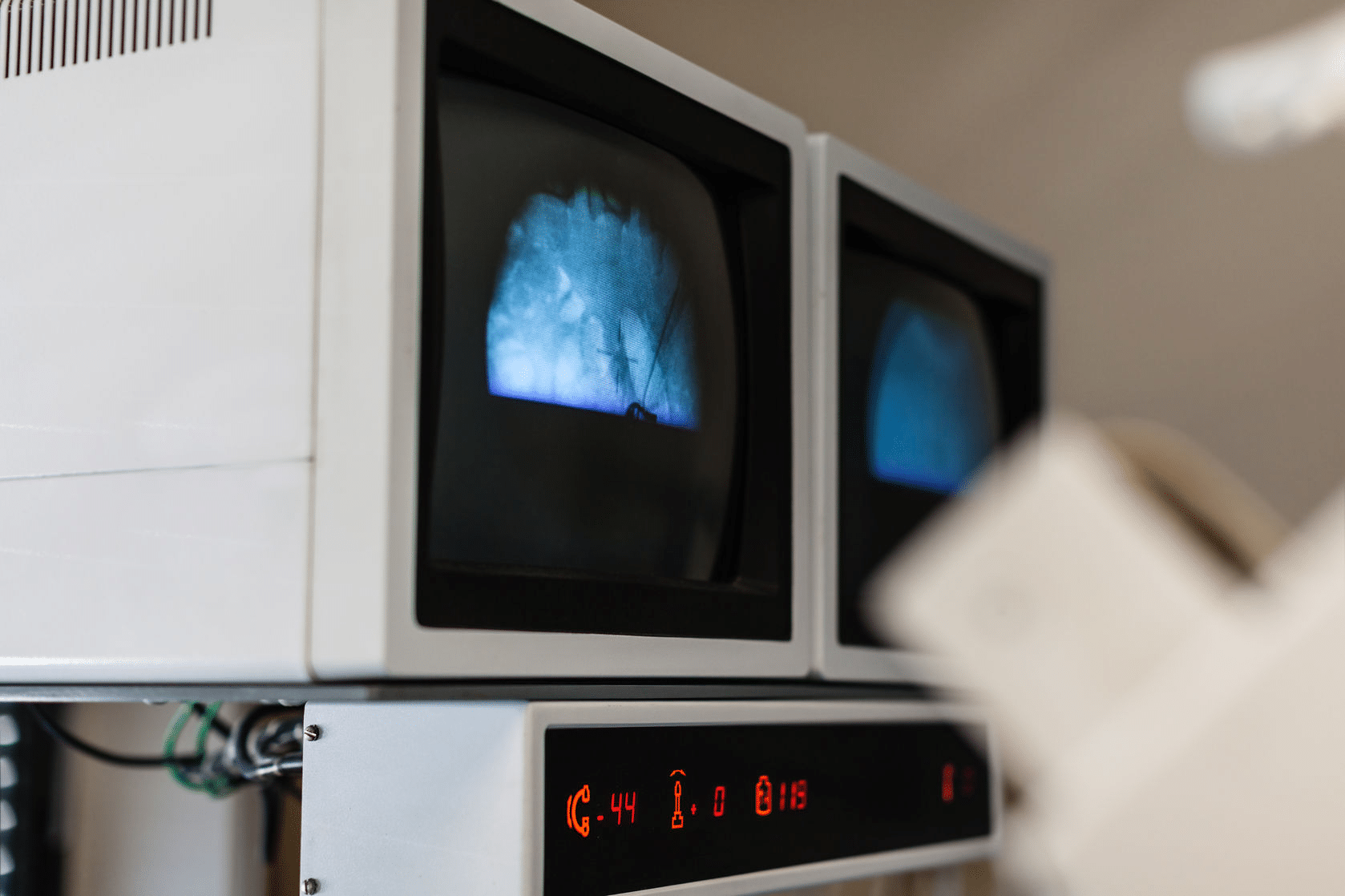
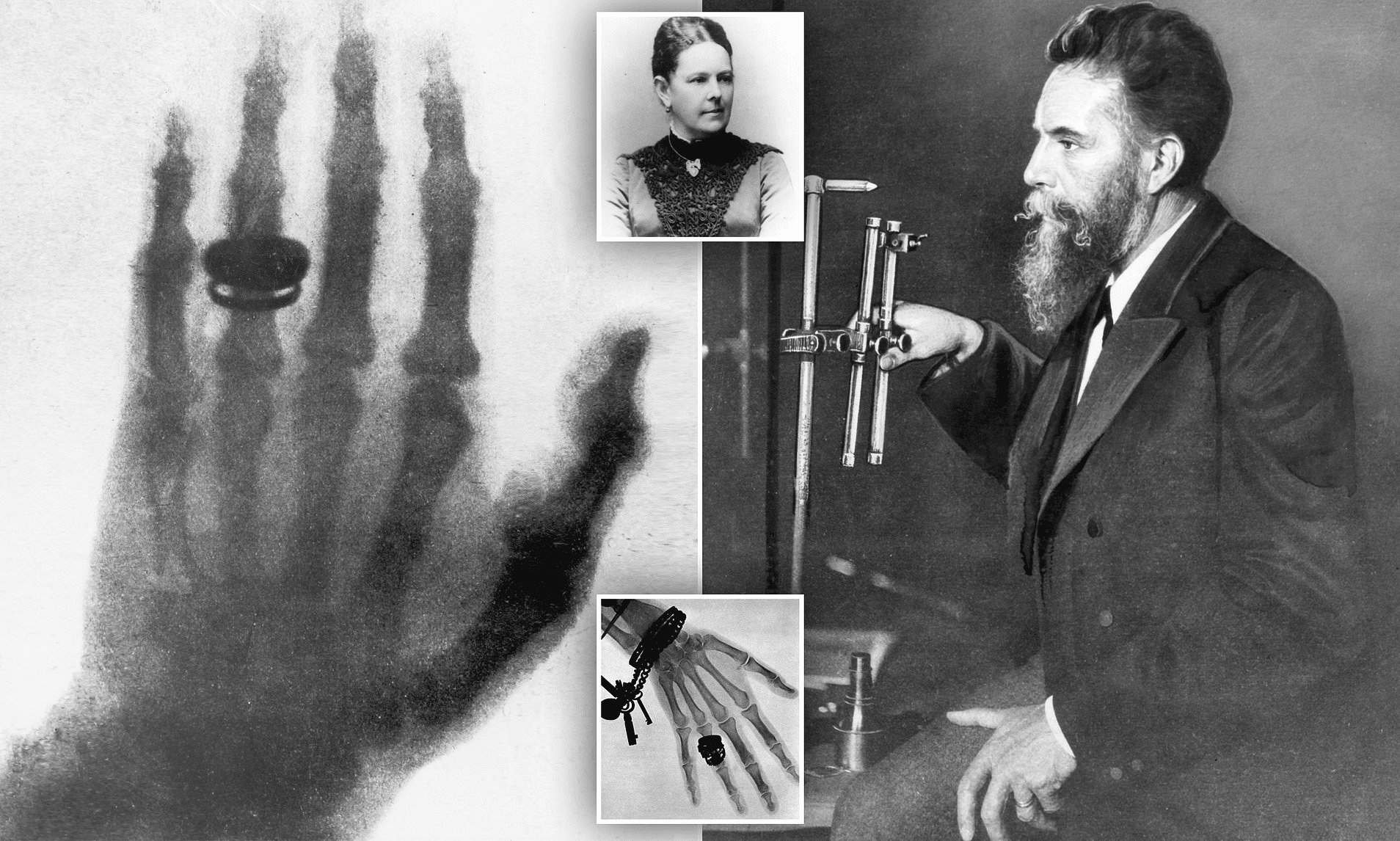
Fluoroscopy is an advanced imaging technique that utilizes X-rays to generate a continuous series of images displayed as a real-time video. This technique is widely used in emergency departments, operating rooms, and diagnostic radiology clinics, enabling surgeons and physicians to monitor the movement of organs and internal structures during procedures or diagnostic examinations. The increasing reliance on fluoroscopy reflects its significance in providing accurate and immediate insights into various medical conditions.

Fluoroscopy

Fundamental Principles of Fluoroscopy

Fluoroscopy is extensively used across multiple medical specialties, enhancing the quality of healthcare. To fully understand this technique, it is essential to delve into the fundamental principles that underpin fluoroscopy, forming its scientific and technical foundation.

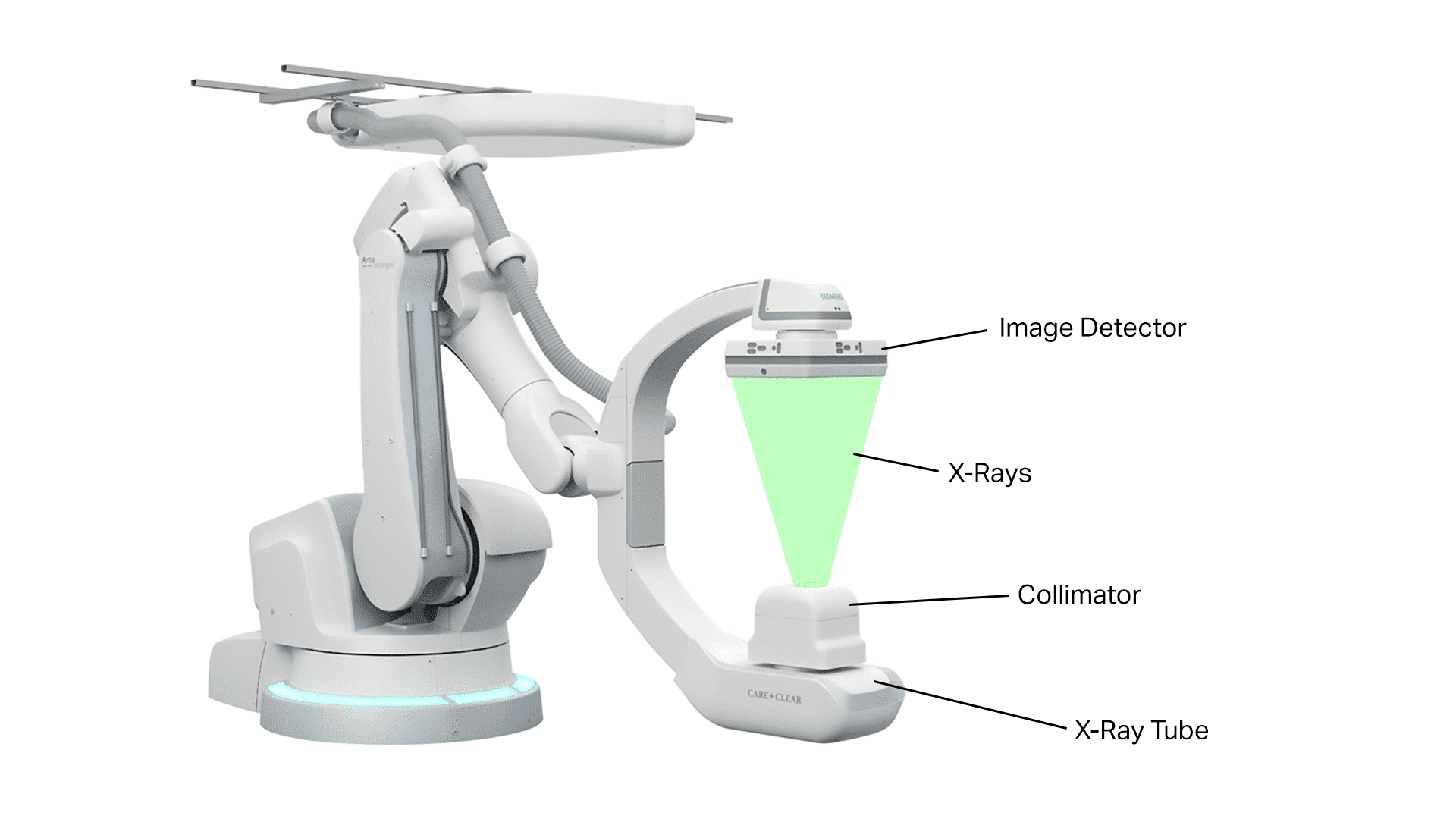
X-ray Mechanism

This technique operates on the same principles as conventional X-ray imaging but with the ability to produce sequential images in real time, creating a video-like sequence of still images. The process begins with generating X-rays through a specialized tube, where a high-voltage current is applied. This accelerates electrons toward a metallic target, typically tungsten—a chemical element. Upon collision, X-rays are emitted and directed toward the area of the body being examined.

Image Intensification

The image intensifier in fluoroscopy plays a crucial role in enhancing the clarity of internal details. This device amplifies the signals produced by X-rays passing through the body, resulting in a bright and clear image. Recent advancements have led to the replacement of traditional image intensifiers with flat-panel detectors, which provide high-quality images while minimizing radiation exposure.

Diverse applications of Fluoroscopy

Fluoroscopy has a wide range of medical applications, both in diagnostics and interventional procedures. This system is highly flexible and capable of providing real-time moving images, allowing doctors to monitor physiological changes instantly.

Fluoroscopy

Diagnostic Applications

Fluoroscopy is used in several essential diagnostic procedures, including:

  • Gastrointestinal Studies: Fluoroscopy is employed to assess the digestive tract, including the esophagus, stomach, and intestines. Barium studies, such as barium swallow and barium enema, help evaluate abnormalities or motility disorders.
  • Neuromuscular and Spinal Imaging: This technique is used in diagnostic imaging of the spine, particularly in myelography, which aids in assessing spinal cord conditions.
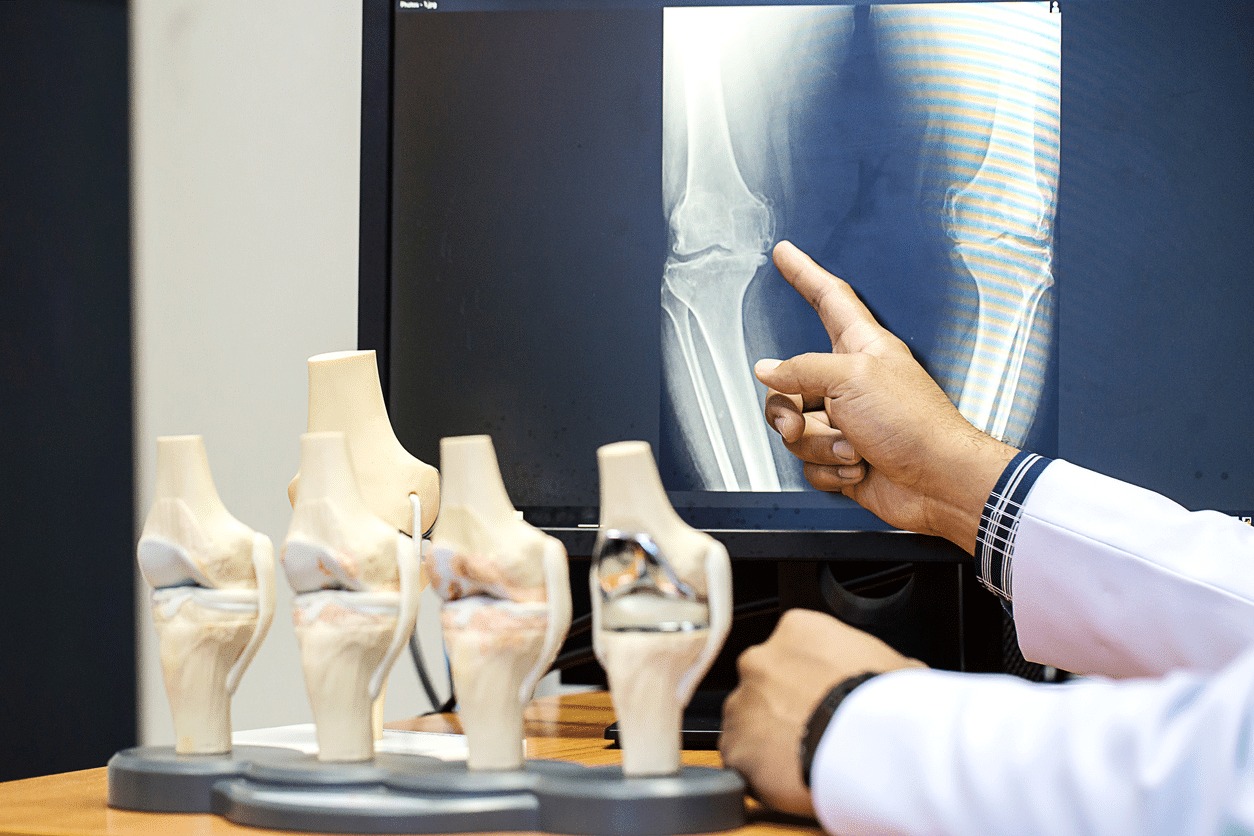
  • Joint Evaluations: For joint-related issues, fluoroscopy is also used in arthrography to evaluate abnormalities or injuries affecting the joints.

Interventional Applications

This technique is a cornerstone in medical engineering for interventional procedures, providing live imaging during operations, which contributes to:

  • Guiding Surgical Procedures: Fluoroscopy assists in catheter placement during cardiac procedures, such as coronary angiography, ensuring precise positioning and minimizing procedural risks.
  • Interventional Treatments: It is utilized in therapeutic interventions, including stent placement, bone fixation in fracture surgeries, and the insertion of delicate medical devices.
  • Minimally Invasive Procedures: This technology facilitates minimally invasive procedures requiring small or no surgical incisions, reducing patient discomfort and promoting faster recovery.

Benefits of Fluoroscopy in Medical Practice

Fluoroscopy is a pioneering technique that enhances medical care quality for several key reasons:

1) Enhanced and Accurate Diagnosis

This technology provides dynamic imaging that reveals the functional movements of internal organs, such as diaphragm motion, intestinal activity, and blood flow through vessels. This capability helps in early disease detection, as moving images can uncover functional changes that static images might not reveal.

Fluoroscopy

2) High Precision in Interventional Procedures

By offering live imaging during medical procedures, fluoroscopy enables precise manipulation of medical instruments within the body. This reduces the likelihood of surgical complications and improves success rates in procedures like stent placement and fracture fixation.

3) Reduced Surgical Invasiveness

This technique allows for numerous minimally invasive procedures, reducing the need for major surgeries. Minimally invasive techniques are less painful, promote faster recovery, and lower the risk of post-operative infections, making them a significant advancement in modern medicine.

Risks and Safety Considerations in Fluoroscopy

Despite the significant benefits of fluoroscopy, there are certain risks associated with its use that must be carefully considered.

Fluoroscopy

Radiation Exposure

Radiation exposure is one of the primary concerns when using fluoroscopy. Prolonged procedures may increase the amount of radiation a patient is exposed to. The level of exposure depends on the duration of the procedure and the examined area. To mitigate these risks, advanced techniques such as pulsed fluoroscopy and dose-reduction algorithms have been developed to minimize radiation exposure.

Contrast Media Reactions

Contrast media are often used during this technique to enhance the visibility of internal structures. However, some patients may have allergic reactions to these substances, ranging from mild skin rashes to severe anaphylactic responses. To manage these risks, pre-procedure screening and emergency medications are utilized when necessary.

Occupational Radiation Exposure

Medical professionals performing frequent fluoroscopy procedures are at risk of occupational radiation exposure. Strict protective measures, such as wearing personal protective equipment (e.g., lead aprons and thyroid shields), are essential. Additionally, regular monitoring of radiation levels ensures the safety of doctors and healthcare staff, helping to prevent potential long-term risks.

Recent Advances in Fluoroscopy Technology

The field of fluoroscopy has seen significant advancements in recent years, leading to improved image quality and reduced radiation risks. Traditional systems have been replaced with digital fluoroscopy using flat-panel detectors, which enhance image resolution while minimizing radiation exposure. This digital system provides high-definition images and allows for post-processing adjustments to refine diagnostics. Additionally, it enables seamless image sharing among medical teams for quick consultations and decision-making.

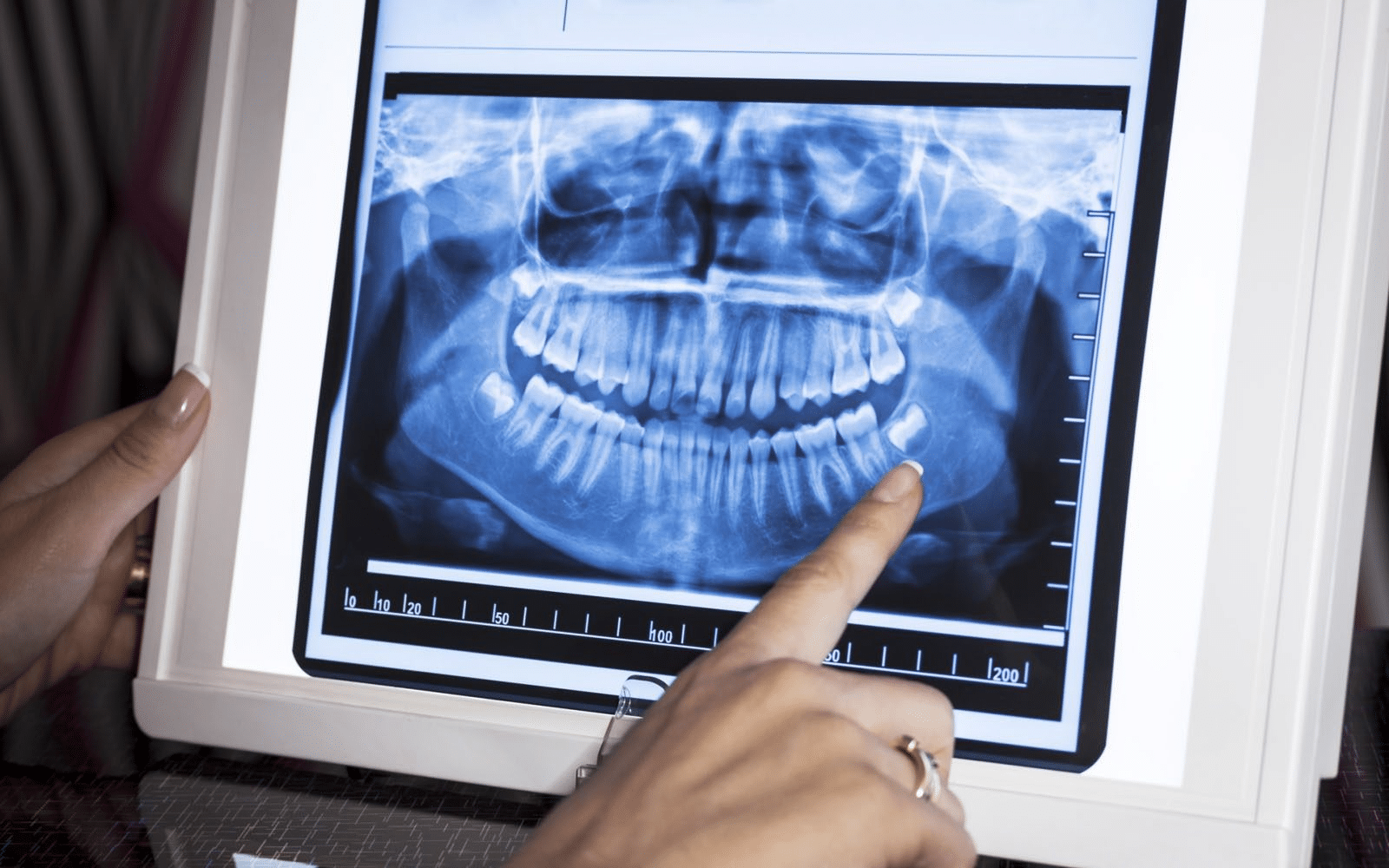
Furthermore, the integration of cone-beam computed tomography (CBCT) with fluoroscopy now offers detailed 3D imaging for complex anatomical assessments. This technology is widely used in dentistry, orthopedic surgeries, and interventional procedures requiring precise localization.

Fluoroscopy

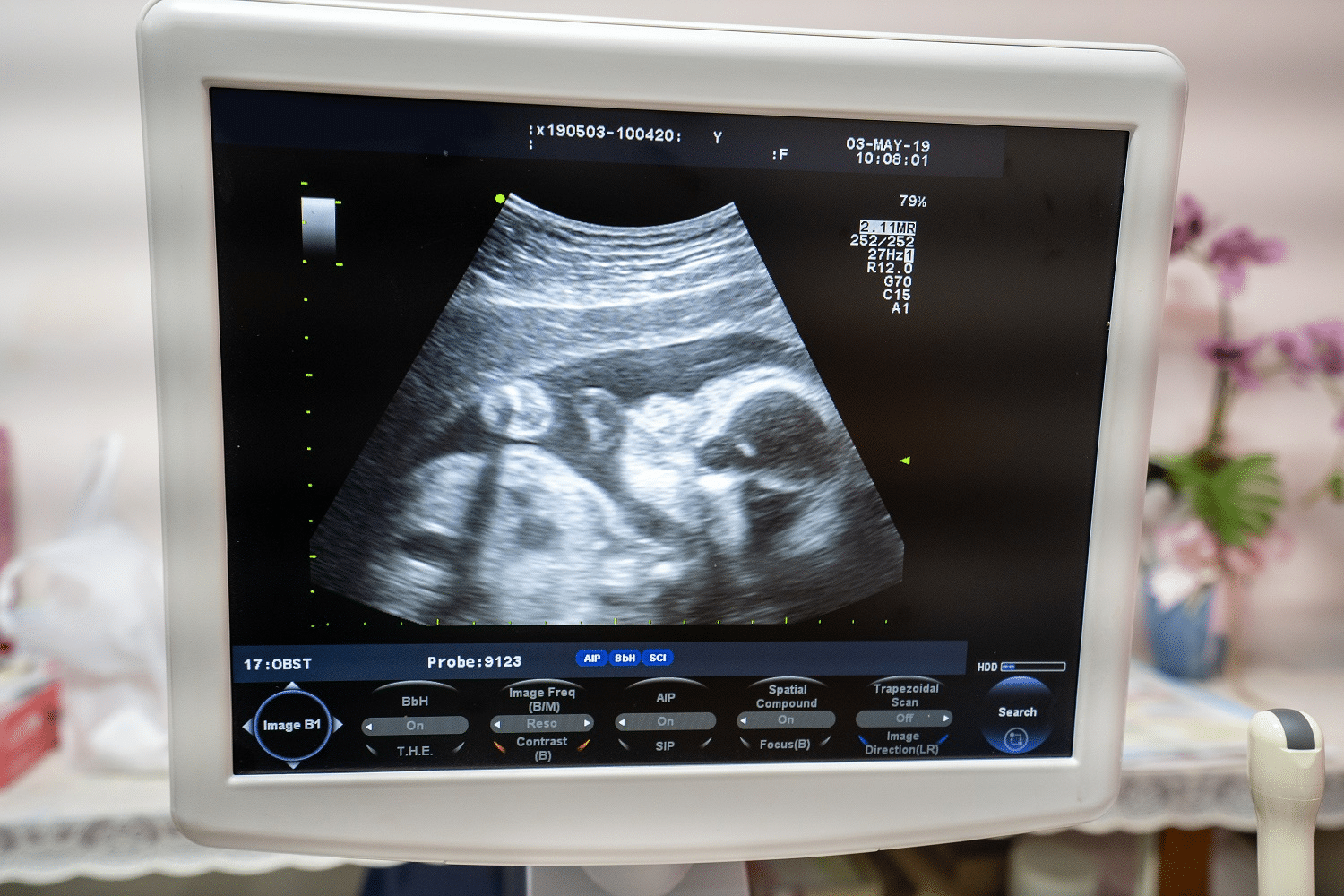
Moreover, combining this technique with other imaging modalities such as ultrasound and magnetic resonance imaging (MRI) has led to the development of hybrid imaging systems. These systems provide both anatomical and functional insights, enhancing diagnostic accuracy and guiding interventional procedures more effectively, particularly in oncology and tumor treatments.

The Future of Fluoroscopy

The future of this technique looks promising, with continuous research and technological advancements aimed at improving procedural efficiency and reducing radiation-related risks.

Integration of Artificial Intelligence

Artificial intelligence (AI) is expected to play a pivotal role in fluoroscopy’s evolution. AI algorithms can analyze real-time images, detecting anomalies that may be overlooked by the human eye. Additionally, AI-driven techniques can optimize radiation dose reduction strategies, enhancing patient and healthcare worker safety.

Portable Fluoroscopy Systems

Research and development efforts are currently focused on creating portable fluoroscopy units that can be easily transported to emergency departments or remote areas. These mobile units will enable rapid diagnostic imaging and treatment in locations with limited medical infrastructure, thereby expanding access to essential healthcare services.

Exploring Radiation-Free Alternatives

Scientists are actively exploring non-ionizing imaging alternatives such as optical coherence tomography (OCT) and photoacoustic imaging. While these alternatives are still in experimental stages, they hold great potential for reducing radiation-related risks in this technique, potentially revolutionizing the future of medical imaging.

In conclusion, we live in an era where cutting-edge fluoroscopy technologies are transforming medical diagnostics and interventions. However, behind every advanced imaging system stands a well-trained professional who makes critical decisions. This is where HSI Healthcare Training & Consultancy comes in. Join HSI today—not just to keep up with medical advancements, but to lead them. Because in the world of healthcare, history is not just written by machines but by those who master their language. Are you ready to shape the future of medical imaging?

Source: Real-Time Imaging and Its Impact on Modern Medicine

Mastering Technical Sales in Biomedical Engineering: A Beginner’s Guide

Technical sales in biomedical engineering is a crucial field that bridges technical expertise and commercial knowledge to deliver innovative solutions that enhance healthcare services. With the rapid advancement of technology and continuous innovation in this sector, both beginners and professionals must develop a deep understanding of technical sales strategies and their practical applications to drive business success and improve medical products. In this article, we will explore key concepts and fundamental theories in technical sales, providing a comprehensive guide for beginners on leveraging advanced strategies and technological tools to achieve successful sales in biomedical engineering.

The Role and Importance of Technical Sales in Biomedical Engineering

Technical sales involve selling products or services that require specialized technological and technical knowledge. Sales professionals in this field must have an in-depth understanding of the product, system, and underlying technology. In biomedical engineering, the primary objective of technical sales is to provide innovative solutions that enhance healthcare quality. This includes selling medical devices, technological software, and diagnostic and monitoring systems that support accurate clinical decision-making.

Technical Sales in Biomedical Engineering

Why Are Technical Sales Important?

Technical sales have become a fundamental component of biomedical equipment and device companies. Investing in technical sales development directly contributes to improved commercial performance and excellence in delivering sustainable healthcare services. The importance of technical sales in this field can be summarized as follows:

  • Continuous Technological Advancements: Constant innovation demands the introduction of advanced products and solutions.
  • Need for Customized Solutions: Tailored solutions are required to meet the precise needs of hospitals and medical centers.
  • Increasing Competition: Companies must offer added value beyond just the technical features of their products to stay ahead.

Key Elements of Successful Technical Sales

To excel in technical sales, sales professionals must master a set of essential skills and elements, including:

  1. Deep Technical Knowledge: A thorough understanding of medical products and systems, including technical specifications and functionality, is crucial. This requires continuous monitoring of the latest developments in medical technology.
  2. Communication and Negotiation Skills: The ability to simplify technical benefits for non-specialist buyers is a critical skill for success.
  3. Market Analysis: Understanding market trends and identifying customer needs help in offering precise solutions.
  4. Innovation and Creativity: Developing unique presentations and customized solutions gives a competitive edge.
  5. Technical Support and Training: Providing post-sales support and technical training builds trust and fosters long-term customer relationships.

You can also check out: The Importance of Sales Skills for Biomedical Engineers and How to Master Them

The Role of Technology and Innovation in Enhancing Technical Sales

Technology plays a pivotal role in advancing technical sales in biomedical engineering. The integration of digital systems, artificial intelligence, and data analytics significantly improves how sales presentations are delivered and how solutions are tailored to meet customer needs. Some of the key technological applications in technical sales include:

  • Virtual and Augmented Reality: These technologies enable interactive presentations, allowing customers to experience products before making a purchase.
  • Smart Analytics: Data analysis helps understand customer behavior and predict future needs.
  • Advanced CRM Tools: Modern customer relationship management (CRM) systems track customer interactions and analyze data to refine sales strategies.
  • E-Learning and Training: Continuous educational resources help sales teams stay updated with the latest technological advancements.

Technical Sales in Biomedical Engineering

Challenges in Technical Sales and How to Overcome Them

Despite the potential for success in technical sales, professionals in this field face various challenges due to the complexity of products and the ongoing innovations in medical technology worldwide. The most common challenges include:

  1. Knowledge Gap Between Sales Teams and Customers: Many customers have limited technical knowledge, requiring simplified explanations and ongoing technical support.
  2. Intense Competition: Strong market competition demands value-added offerings that go beyond conventional sales approaches.
  3. Evolving Market Needs: Companies must continuously adapt to the latest advancements in medical technology to ensure they provide innovative solutions.
  4. Regulatory and Legal Challenges: Compliance with industry regulations can impact how medical products are marketed and distributed.

To overcome these challenges, experts recommend adopting flexible strategies that include continuous training for sales teams, investing in research and development, and leveraging advanced digital marketing techniques. These strategies are essential for improving performance and strengthening a company’s market position.

The Importance of Training and Professional Development

Training and professional development are essential for achieving success in technical sales. Companies that prioritize skill enhancement for their sales teams consistently gain a competitive edge. Key aspects of effective training include:

  • Workshops and Training Courses: Focused on both technical knowledge and sales skills.
  • Continuous Learning: Keeping up with the latest research and reports on medical technology.
  • Simulation and Practical Training: Using simulation techniques to prepare sales teams for real-world scenarios.

According to reports from leading biomedical engineering publications, investing in professional training significantly enhances sales team efficiency, leading to improved performance and higher customer satisfaction.

Successful Case Studies in Technical Sales

Several case studies highlight the effectiveness of technical sales in the biomedical engineering field. For example, a leading medical device manufacturer increased its market share by 30% in just one year by adopting advanced technical sales strategies. This success was driven by leveraging data analytics to understand customer needs and using virtual reality to create innovative sales presentations.

In another case, a startup specializing in medical software implemented an advanced CRM system to analyze customer data and personalize sales offers. This approach resulted in an improved customer experience and higher conversion rates. These examples demonstrate that technical sales are not just about selling products but about integrating technology and innovation to achieve measurable success.

Technical Sales in Biomedical Engineering

Essential Tips for Beginners in Technical Sales

If you are new to technical sales in biomedical engineering, understanding key strategies can help you build a strong foundation and achieve success in this highly competitive field. Here are some valuable tips to help you get started with confidence:

  • Commit to Continuous Learning: Stay updated on the latest advancements in medical technology and innovations shaping the medical devices market.
  • Develop Your Technical Skills: Gain in-depth knowledge of the products and systems you are selling to effectively explain their benefits to customers.
  • Communicate Effectively: Build strong relationships with clients by providing ongoing technical support and tailored solutions.
  • Gain Practical Experience: Participate in workshops and training sessions, and study real-world case studies showcasing best practices in technical sales.
  • Understand the Market: Analyze market data and the current needs of hospitals and medical centers to tailor sales offers that meet customer expectations.
  • Leverage Technology: Use digital tools for data analysis and interactive presentations to highlight product advantages in an engaging and innovative way.

You can also get acquainted with: How to develop effective presentation skills for sales

Mastering technical sales in biomedical engineering is not just a skill—it is the key to success in a rapidly evolving industry that demands both deep technological understanding and the ability to deliver innovative solutions. As competition increases, continuous training and professional development become essential for ambitious professionals.

At HSI Training & Consulting, we offer specialized programs designed to enhance the skills of biomedical engineers. Through hands-on training and expert guidance, we equip you with the tools needed to excel in technical sales and make a real impact in the healthcare industry. Contact us now and become a leader in the future of biomedical engineering!

Soft skills for engineers of biomedical 2025 | 5 basic skills

In an era of rapid advancements in biomedical engineering, technical knowledge alone is no longer sufficient for success. Soft skills for engineers have become a crucial component in the career development of any biomedical engineer aiming to excel in this competitive field. In this article, we will explore five fundamental soft skills that blend personal and professional aspects, forming the cornerstone of a successful future for biomedical engineers in 2025.

Soft Skills for Biomedical Engineers

In the growing field of biomedical engineering, soft skills are essential for success and innovation. Biomedical engineers must integrate a combination of scientific knowledge, technical expertise, and interpersonal skills to excel in their roles. Below are the key soft skills that biomedical engineers need to thrive in the evolving landscape of biomedical technology and healthcare.

1) Effective Communication and Collaboration Skills

Effective communication is one of the most critical soft skills for engineers, especially in a field that requires collaboration with multidisciplinary teams. Biomedical engineering is not solely about technical expertise; it also involves the ability to explain complex concepts clearly to doctors, nurses, scientists, and other healthcare professionals.

soft skills for engineers

The Importance of Communication in the Workplace

In biomedical projects, engineers from various disciplines, such as electronics, mechanics, and biology, collaborate to develop medical devices or innovative treatment solutions. Therefore, engineers must be capable of:

  • Explaining Complex Ideas in Simple Terms: This helps facilitate knowledge transfer among professionals with different backgrounds.
  • Negotiating and Conflict Resolution: Engineers should be able to manage discussions and resolve personal conflicts that may arise during teamwork.
  • Delivering Presentations and Reports: Strong presentation skills ensure that projects meet required standards and receive necessary support from all stakeholders.

Additionally, active listening is a crucial part of soft skills for engineers. It enables them to quickly grasp team feedback and develop integrated solutions that align with workplace needs. Given the intense competition and complex challenges in the industry, continuous collaboration and effective communication significantly enhance an engineer’s ability to innovate and accelerate project execution.

2) Problem-Solving and Creative Innovation

Biomedical engineers face complex challenges that require innovative and effective solutions, making problem-solving and creative thinking fundamental pillars in medical project development.

Integrating Creativity with Problem-Solving Methodologies

Developing advanced medical devices demands a deep understanding of medical challenges and a precise analysis before proposing innovative solutions. This highlights the importance of:

  • Critical Problem Analysis: Studying all aspects of a problem and identifying strengths and weaknesses in the system.
  • Generating New Ideas: Utilizing creativity to design devices or systems that enhance treatment outcomes.
  • Experimentation and Practical Application: Testing new ideas in a simulated environment or on a small scale before full implementation.

soft skills for engineers

By refining their soft skills, engineers can systematically and creatively tackle problems, delivering solutions that exceed expectations and contribute to improving healthcare services. Furthermore, combining analytical thinking with creativity fosters an innovative work environment where technical expertise meets renewal and invention.

3) Analytical Thinking and Scientific Research

Analytical thinking and scientific research are core elements and the driving force behind innovation in biomedical engineering. These soft skills for engineers expand the boundaries of knowledge and open new horizons for medical technology advancements.

The Role of Research and Analysis in Performance Improvement

Engineers face challenges that require a deep understanding of data and precise analysis to develop practical solutions that directly aid patient treatment and assist medical professionals. This process involves:

  • Data Collection and Analysis: Utilizing advanced scientific research methods to analyze results and ensure the safety and effectiveness of medical devices.
  • Continuous Experimentation: Conducting repeated trials to refine prototypes and improve them based on analytical findings.
  • Practical Application of Research: Translating research outcomes into technological solutions applicable in hospitals and medical centers.

Enhancing engineers’ analytical and research skills enables them to gain deeper insights into medical needs, leading to the development of cutting-edge devices that improve patient quality of life. Moreover, the ability to analyze information and extract valuable conclusions is key to progress in this field, especially with the continuous advancements in information technology and big data.

You can also check out: The Importance of Sales Skills for Biomedical Engineers and How to Master Them

4) Adaptability and Continuous Learning

Another essential soft skill for engineers, particularly in biomedical engineering, is the ability to adapt and engage in continuous learning. Given the rapid technological advancements in the healthcare sector, staying updated is crucial for long-term success.

soft skills for engineers

Challenges and Changes in the Work Environment

Biomedical engineering is one of the most rapidly evolving fields, with new technologies emerging regularly and market demands constantly shifting. Engineers must:

  • Stay Updated with Innovations: Follow the latest research, technologies, and breakthroughs relevant to their field.
  • Be Open to Change: Embrace new learning methodologies and develop practical strategies to handle evolving challenges.
  • Invest in Self-Development: Participate in training courses, workshops, and scientific events to enhance their knowledge and skills.

Adaptability is a key soft skill for engineers that enhances resilience and confidence in handling industry changes. Engineers who commit to continuous learning not only keep up with current trends but also invest in their professional future, ensuring they remain competitive and innovative in their field.

5) Ethical Professionalism and Compliance with Standards

Given the critical nature of biomedical engineering, where patient safety and well-being are at stake, ethical professionalism and adherence to industry standards are among the most vital soft skills for engineers in this domain. Technical expertise alone is not enough—engineers must also uphold ethical responsibility in their work.

soft skills for engineers

The Importance of Ethics and Regulatory Standards

When designing medical devices and therapeutic applications, engineers must ensure that all processes align with strict ethical and regulatory guidelines, including:

  • Compliance with Regulatory Bodies: Adhering to standards set by organizations like the FDA and ISO to guarantee product safety and effectiveness.
  • Protecting Patient Privacy: Ensuring that all technological solutions respect patient rights and maintain data confidentiality.
  • Social Responsibility: Practicing transparency and integrity in all professional interactions.

Strengthening ethical professionalism ensures that engineers play an active role not only in technological advancements but also in patient safety and community welfare. Upholding high ethical standards and industry compliance builds trust and credibility, which are invaluable assets in a successful engineering career.

In the rapidly evolving field of biomedical engineering, success is not solely dependent on technical knowledge. Soft skills for engineers, such as adaptability, analytical thinking, problem-solving, and ethical professionalism, are critical for innovation and effective collaboration in multidisciplinary environments.

If you are looking to advance your career in biomedical engineering, HSI is your gateway to excellence. We offer a comprehensive range of specialized training programs led by industry experts to help you acquire the skills necessary to enhance your career prospects and make a real impact in the healthcare sector. Join us now and be part of the future of biomedical engineering!

Source: Top Skills You Need for a Career in Biomedical Engineering

Smart Hospital Design: Integrating IoT and AI for Better Patient Care

In an era where healthcare challenges and pressure on medical systems are increasing, Smart Hospital Design emerges as an innovative solution that leverages technology to enhance medical outcomes. This concept integrates advanced technologies such as the Internet of Things (IoT), Artificial Intelligence (AI), and other digital systems to create a seamless environment that supports early disease diagnosis, enables continuous patient monitoring, and optimizes resource management effectively.

Understanding Smart Hospital Design

Smart Hospital Design refers to the integration of modern technologies within a hospital’s infrastructure to achieve comprehensive and efficient patient care. This concept goes beyond traditional healthcare by utilizing intelligent systems that communicate in real time, providing instant data on patient conditions, medical equipment, and environmental factors within the hospital. Through this approach, smart hospital design contributes to:

  • Enhancing Patient Experience: By offering personalized healthcare services and precise monitoring of their condition.
  • Improving Operational Efficiency: Through automation of administrative and medical tasks, reducing human errors.
  • Supporting Decision-Making: By analyzing data and predicting future needs using AI-driven algorithms.

Smart Hospital Design

Essential Technologies in Smart Hospital Design

The integration of cutting-edge technologies is a driving force behind Smart Hospital Design, enabling healthcare facilities to enhance efficiency, patient care, and medical outcomes. Many countries are actively adopting these innovations to transform traditional hospitals into smart healthcare environments. Below are the key technologies shaping smart hospital design.

1) Internet of Things (IoT)

The Internet of Things (IoT) serves as the backbone of Smart Hospital Design, consisting of a network of connected smart devices that collect real-time data. Its applications include:

Continuous Monitoring: Smart sensors track vital signs such as blood pressure, heart rate, and oxygen levels, allowing medical teams to respond swiftly to any abnormalities.

  • Asset Management: Hospitals utilize RFID technology and sensors to monitor the location of medical equipment, reducing time spent searching for critical devices.
  • Environmental Control: Automated systems adjust lighting, temperature, and humidity levels to create an optimal healing environment for patients.

2) Artificial Intelligence (AI)

The integration of AI in healthcare plays a crucial role, especially in smart hospital design, as it helps in:

  • Medical Data Analysis: AI-driven algorithms analyze medical imaging and clinical data, leading to faster and more accurate disease diagnoses.
  • Risk Prediction: AI-powered predictive models help physicians anticipate potential complications, enabling early interventions.
  • Surgical Precision: AI-assisted surgical systems support surgeons in making precise decisions, reducing human error and improving surgical outcomes.

Smart Hospital Design

3) Big Data Analytics

The collection and analysis of big data are integral to Smart Hospital Design, offering benefits such as:

  • Electronic Health Record (EHR) Management: Massive amounts of patient data are stored and analyzed to provide a comprehensive view of a patient’s health across departments.
  • Health Trend Monitoring: Data analytics helps detect disease patterns and guide healthcare policies to better address community health needs.

4) Robotics and Assistive Technologies

Robotics play a significant role in Smart Hospital Design, contributing to surgical assistance, advanced robotic systems enhance precision in surgeries, leading to shorter recovery times and fewer complications. And automated routine tasks, robots perform essential functions like medication delivery and medical supply transportation, reducing the burden on healthcare staff and allowing them to focus on patient care.

5) Telemedicine Technologies

Modern telemedicine solutions expand healthcare accessibility, particularly in remote areas, by enabling remote consultations, patients can receive medical advice from specialists without the need for in-person visits. And chronic disease management by smart devices continuously monitor patients’ conditions and send regular health reports to medical teams for proactive care.

Smart Hospital Design

Benefits of Smart Hospital Design

  • Smart hospital design enhances patient care by enabling real-time monitoring of vital signs, allowing doctors to provide immediate and precise treatment, ultimately improving recovery rates.
  • It optimizes hospital resource management by tracking medical equipment locations and managing work schedules efficiently, reducing costs, streamlining operations, and improving healthcare service quality.
  • Medical errors are minimized through the automation of critical processes. Smart systems relying on data analysis provide instant alerts in case of any malfunction or safety threshold breach.
  • With data analytics and AI-driven predictions, well-informed decisions are made based on accurate insights, leading to better clinical outcomes and improved healthcare delivery.

Challenges in Implementing Smart Hospital Design

Despite these challenges, Smart Hospital Design represents the future of healthcare, offering innovative solutions to enhance patient outcomes and streamline hospital operations.

  1. Investment Cost: Integrating advanced technologies requires significant investments in infrastructure and medical equipment. Many hospitals struggle to secure the necessary funding to implement such modern systems.
  2. Data Security: With increased digital connectivity within hospitals, the risk of patient data exposure to cyberattacks rises, necessitating the implementation of advanced security solutions to ensure data confidentiality and integrity.
  3. Medical Staff Training: Transitioning to smart hospital designs requires training healthcare professionals to effectively use modern technologies, which can take additional time and effort.
  4. System Integration: Ensuring seamless communication and integration between different systems is a major challenge, as all hospital devices must operate in perfect harmony without disruptions.

Smart hospital Design - Singapore General Hospital

Models of Integrating IoT and AI in Hospital Design

The healthcare sector is undergoing a radical transformation with the adoption of IoT and AI technologies in smart hospital design. These innovations enhance medical service quality by improving diagnostic accuracy, reducing errors, and accelerating emergency response. Below are some leading examples showcasing how these technologies are revolutionizing patient experience and operational efficiency in hospitals.

1- Johns Hopkins Hospital

Johns Hopkins Hospital is a leading example of Smart Hospital Design, incorporating AI and robotics into surgical procedures. These innovations have significantly improved surgical precision and reduced patient recovery times. Additionally, its electronic health record (EHR) system allows doctors to access patient information quickly and efficiently, streamlining medical decision-making.

2- Cleveland Clinic

Cleveland Clinic has embraced telemedicine as part of its Smart Hospital Design, expanding access to healthcare services. Patient rooms are equipped with IoT devices that continuously monitor vital signs, ensuring immediate medical intervention when necessary. This approach enhances patient safety and enables real-time health tracking.

3- Singapore General Hospital

Singapore General Hospital utilizes big data analytics as a core component of its Smart Hospital Design strategy. By analyzing patient admission patterns, the hospital optimizes logistics and resource management. Additionally, automated transport systems powered by robotics efficiently deliver medical supplies, reducing operational delays and enhancing efficiency.

Finally, Smart Hospital Design represents a bold step toward the future of healthcare, where IoT and AI-driven systems create a more efficient, accurate, and patient-centered environment. These advancements improve patient experiences, enhance staff performance, and revolutionize medical service delivery.

Source: Smart Hospitals, Integrating Technology into Healthcare Design Management

Revolution of AI in medical imaging: A Beginner’s Guide to AI in MRI and Ultrasound

The healthcare industry is undergoing a transformative shift, thanks to AI in medical imaging, which has become a crucial tool for improving diagnostic accuracy and accelerating treatment processes. With rapid technological advancements, AI is no longer just an assistive tool but a strategic partner in medical imaging—particularly in MRI and ultrasound. This guide provides a comprehensive introduction for beginners, highlighting how AI in medical imaging is applied in MRI and ultrasound.

The Integration of AI in Medical Imaging Technologies

AI in medical imaging is one of the most significant innovations enhancing disease diagnosis methods. Through machine learning and deep learning techniques, AI-powered systems can analyze medical images with remarkable precision. This capability enables early disease detection and the development of effective treatment plans. AI’s role extends beyond expediting diagnosis—it enhances overall healthcare quality, minimizes human error, and alleviates the workload on medical professionals.

AI in medical imaging

Specifically, AI plays a vital role in MRI and ultrasound imaging, improving image quality and reducing scan time, ultimately enhancing patient comfort and lowering healthcare costs. AI in medical imaging refers to the use of machine learning and deep learning algorithms to analyze and interpret medical images. These technologies include:

  • Machine Learning – Teaching systems to recognize patterns and differences in medical images.
  • Deep Learning – Utilizing neural networks to analyze images at multiple levels, enabling accurate insights.
  • Computer Vision – Applying AI techniques to digital images for detecting fine details that may be difficult for the human eye to perceive.

By implementing these technologies, AI-driven systems can identify diseases, monitor patient progress, and provide highly accurate diagnostic recommendations. AI in medical imaging represents a revolutionary advancement in medical diagnostics, combining human expertise with computational intelligence to achieve unprecedented levels of accuracy and efficiency.

AI in medical imaging and its application in MRI

AI in medical imaging is revolutionizing MRI and ultrasound diagnostics by enhancing image analysis and improving disease detection accuracy at an unprecedented speed. This article explores the significance of MRI in medical diagnostics and how AI is optimizing this advanced imaging technology.

MRI in Medical Diagnostics

MRI (Magnetic Resonance Imaging) is a non-invasive imaging technique used to obtain detailed images of organs and tissues within the body. It relies on powerful magnetic fields and radio waves to generate high-resolution images that reveal subtle changes in biological structures. MRI plays a critical role in detecting neurological disorders, tumors, and internal injuries, making it an indispensable tool in modern medicine.

AI in medical imaging

You can check out: Understanding MRI | Principles and Applications

How AI Enhances MRI Imaging

AI in medical imaging significantly improves MRI efficiency through various innovative approaches, including:

  • Reducing Scan Time: AI-driven algorithms optimize image reconstruction, cutting scan times by up to 50%.
  • Enhancing Image Quality: Deep learning techniques reduce noise and refine image clarity, enabling more accurate diagnoses.
  • Early Disease Detection: AI-powered systems analyze MRI scans with high precision, identifying subtle abnormalities indicative of conditions such as tumors and multiple sclerosis.
  • Big Data Analysis: AI rapidly processes vast amounts of imaging data, extracting critical diagnostic insights and generating detailed reports.

Through these advancements, AI in medical imaging has become an essential partner in diagnostics, refining MRI quality and boosting early disease detection rates. This transformation in medical imaging improves healthcare efficiency and enhances patient outcomes.

AI in medical imaging and its application in Ultrasound Diagnostics

AI is also revolutionizing ultrasound imaging, refining examination quality, and improving diagnostic precision. The following sections explore the significance of ultrasound in medicine and how AI enhances this widely used imaging technique.

The Importance of Ultrasound in Medicine

Ultrasound is a fundamental diagnostic tool, particularly in obstetrics, gynecology, and internal organ assessment. This imaging method is safe, non-invasive, and uses high-frequency sound waves to produce real-time images of tissues and organs, making it an invaluable tool for monitoring fetal development and diagnosing various medical conditions.

AI in medical imaging

AI Applications in Ultrasound Imaging

AI in medical imaging enhances ultrasound accuracy through:

  • Automated Image Analysis: AI algorithms analyze ultrasound images with high precision, reducing operator dependency and minimizing diagnostic errors.
  • Anomaly Detection: Machine learning models identify abnormalities, such as fetal deformities and potential tumors, improving early diagnosis rates.
  • Guidance in Surgical Procedures: AI assists doctors during interventional procedures, increasing surgical precision and minimizing risks.
  • Real-Time Data Processing: AI-driven ultrasound systems analyze images instantly, expediting medical decision-making and treatment planning.

By integrating AI, ultrasound imaging becomes more efficient and accurate, providing high-quality diagnostic images that facilitate early disease detection and improve patient care.

You can also get acquainted with: What are The Basics of Ultrasound Technology?

The Multifaceted Benefits of AI in Medical Imaging

  1. AI-powered medical imaging systems analyze vast amounts of data with exceptional precision. These smart technologies can detect subtle abnormalities in images that may be overlooked by the human eye, significantly improving the early diagnosis of conditions such as tumors and multiple sclerosis.
  2. One of the major advantages of AI in medical imaging is the ability to expedite scanning procedures. By utilizing advanced algorithms, AI reduces scan times and enhances image reconstruction, allowing doctors to provide quicker diagnoses and shorten patient wait times.
  3. Deep learning techniques optimize image clarity by reducing noise and enhancing detail visibility. This improvement results in highly accurate medical images, which are crucial for precise diagnoses and effective treatment planning.
  4. AI-driven imaging systems generate detailed analytical reports and automatically identify disease indicators, minimizing human errors. By supporting physicians with data-backed insights, AI helps reduce the likelihood of misdiagnosis and enhances overall medical decision-making.
  5. Support for Medical Decision-Making: With its advanced analytical capabilities, AI provides detailed diagnostic data that aids in making swift and accurate treatment decisions. Doctors can rely on AI-generated insights to tailor treatment plans based on each patient’s unique condition.

AI in medical imaging

AI in MRI Imaging

Several research initiatives and practical applications have begun incorporating AI in medical imaging to enhance MRI efficiency. Notable examples include:

  • FastMRI Project: A collaboration between academic institutions and tech companies aimed at reducing scan time while improving image quality, making MRI scans more comfortable for patients.
  • Neural Image Analysis Systems: These AI-powered tools assist in the early detection of neurological disorders such as multiple sclerosis and brain tumors, offering faster and more precise diagnoses through deep learning algorithms.

AI in Ultrasound Imaging

AI is also making strides in ultrasound imaging, improving the accuracy and efficiency of diagnostic procedures:

  • Real-Time Image Analysis: AI-powered systems analyze ultrasound images instantly, enabling doctors to make immediate clinical decisions during examinations.
  • Smart Guidance Systems: These AI-driven technologies assist physicians during interventional procedures, enhancing surgical precision and minimizing risks.
  • Early Diagnosis in Obstetrics and Gynecology: AI plays a vital role in detecting fetal abnormalities and congenital defects at an early stage, allowing timely medical interventions.

Ultimately, with the rapid advancements in artificial intelligence technologies in medical imaging, it has become essential for professionals in biomedical engineering to keep up with these transformations and seize the opportunities they offer. For this reason, HSI Center provides specialized training programs that equip industry professionals with the knowledge and skills needed to apply the latest technologies, including AI, contributing to skill development and enhancing professional excellence. Get in touch with us today and discover how HSI can be your ideal partner in your career journey.

Source: Revolutionizing Radiology with Artificial Intelligence

Effective Communication Skills for Biomedical Engineers

Have you ever imagined that a single word could save a patient’s life? Or that effective communication skills between an engineer and a doctor could lead to the invention of a device capable of diagnosing critical diseases? This article is not just a theoretical discussion about the importance of communication; it is an exploratory journey into how effective communication makes the difference between a successful medical device and a failed one. It also highlights how a biomedical engineer serves as a bridge between complexity and simplicity, between laboratories and hospitals, and between technology and humanity.

Why Do Biomedical Engineers Need Strong Communication Skills?

Biomedical engineering is a multidisciplinary field that combines engineering, medicine, and biology. Biomedical engineers are responsible for designing medical devices, improving diagnostic systems, and even developing software that assists in medical data analysis. However, the success of these innovations heavily depends on engineers’ ability to communicate effectively with various professionals in the healthcare industry.

Communication Skills for Biomedical Engineers

Many assume that a biomedical engineer’s role is limited to designing devices or analyzing data. In reality, this field is a complex network of relationships requiring constant communication with key individuals such as:

  • Doctors and nurses: To accurately understand clinical needs.
  • Patients: To grasp the daily challenges, they face.
  • Technicians and programmers: To translate ideas into technical protocols.
  • Investors and regulatory officials: To persuade them of the viability of innovations.

Without strong communication skills, groundbreaking ideas may lose their true value. For instance, if a biomedical engineer fails to clearly explain how a new medical device functions to a healthcare team, the device may be ignored or misused, putting patients’ lives at risk. Therefore, communication is not merely an additional skill or a luxury—it is an essential part of a biomedical engineer’s daily work.

Essential Communication Skills for Biomedical Engineers

To achieve effective communication, biomedical engineers must develop a diverse set of skills, including:

  1. Speaking in clear and simple language: Avoiding complex technical jargon when communicating with non-specialists, such as doctors or patients, and instead using clear and straightforward language.
  2. Active listening: Communication is not just about conveying information but also about understanding the needs and concerns of others. For example, when working with a doctor to develop a new medical device, an engineer must fully grasp the clinical challenges faced by the physician and how the device can help address them.
  3. Delivering compelling presentations: Whether in team meetings or scientific conferences, biomedical engineers must be able to present their ideas clearly and persuasively, utilizing charts and visuals to explain complex concepts effectively.

Communication Skills for Biomedical Engineers

Challenges in Communication within Biomedical Engineering

Despite its importance, communication in biomedical engineering comes with several challenges, primarily due to the knowledge gap between engineering and medicine. Since biomedical engineering is a relatively new field, these challenges can be summarized as follows:

Challenge 1: The Gap Between “Engineering Language” and “Medical Language”

Engineers are trained to think analytically and technically, whereas doctors focus more on clinical and human-centered aspects. While a doctor emphasizes clinical diagnosis, an engineer concentrates on measurement accuracy. The solution? Creating shared spaces such as joint workshops where each party familiarizes the other with fundamental terminology and develops strategies to integrate their perspectives effectively.

Challenge 2: Communicating with Patients Who Lack Technical Backgrounds

How would a doctor explain the use of a cochlear implant to a patient without overwhelming them? The key lies in using simple analogies—such as comparing the device to a “translator that converts sounds into electrical signals the brain can understand.” Simplifying concepts by putting oneself in the other person’s shoes makes the information more accessible and understandable.

Communication Skills for Biomedical Engineers

Challenge 3: Communicating with Global Teams

Many biomedical engineering projects involve teams distributed across different countries. Here, understanding cultural differences becomes an essential communication skill. For example, in some cultures, expressing opinions too directly may be considered impolite. Biomedical engineers must develop adaptive communication styles that consider cultural sensitivities, ensuring a smooth exchange of ideas without barriers.

Strategies for Improving Effective Communication

To overcome these challenges, biomedical engineers can adopt several strategies to enhance their communication skills:

  • Continuous Training: Engineers can participate in training programs focused on communication skills, such as public speaking, negotiation techniques, and technical writing. These courses help engineers learn how to express their ideas more clearly and effectively.
  • Team Collaboration: Encouraging teamwork between engineers and doctors can bridge the knowledge gap. By working closely together, both professionals can learn from each other and develop a common language that facilitates communication.
  • Leveraging Technology: Technology can improve communication through tools such as virtual reality (VR) to create 3D models of medical devices before manufacturing or video conferencing software that enables real-time collaboration between geographically dispersed teams.
  • Seeking Feedback: Requesting advice and feedback from colleagues and patients can help engineers identify strengths and weaknesses in their communication skills, allowing them to refine and improve their approach.

Communication Skills for Biomedical Engineers

Effective Communication and Innovation in Biomedical Engineering

Effective communication is not only crucial for ensuring the correct operation of medical devices but also serves as a key driver of innovation in biomedical engineering. When engineers can communicate effectively with doctors and researchers, they can gather insights and ideas that contribute to developing new solutions for healthcare challenges.

For instance, a doctor might identify a specific issue in diagnosing patients. Without collaboration with a biomedical engineer, this observation might never translate into a practical solution. However, through effective communication, doctors and engineers can work together to develop new devices or enhance existing technologies to address the problem.

If you want to be part of this inspiring journey—where words become a bridge between technology and humanity and ideas transform into life-saving innovations—HSI is your gateway. Through our specialized biomedical engineering courses and hands-on training, we provide you with the tools and skills needed to excel in this vital field.

Source: 10 Emerging Skills Biomedical Engineers Need to Stay Competitive

How to Start a Career in Medical Device Sales

Medical device sales are one of the most dynamic and rapidly growing fields in the modern business world. With the increasing demand for healthcare services and improvements in quality of life, the role of a medical sales representative has become crucial. If you are considering a career in medical device sales, this guide will provide you with a detailed and reliable roadmap on how to get started and achieve success in the industry.

Key Steps to Start a Career in Medical Device Sales

In a world driven by rapid technological advancements and an increasing focus on healthcare, medical device sales stand out as an exciting and impactful profession. To enter this vital field, you must understand the essential steps that will lead you to success. Let’s explore the fundamental steps to kickstart a rewarding career in medical device sales and biomedical sales and how to turn challenges into opportunities for excellence.

Medical Device Sales

1. Understanding the Role of a Medical Device Sales Representative

Before beginning your career in medical device sales, it is crucial to have a comprehensive understanding of the job itself. A medical device sales representative acts as a key link between medical technology manufacturers and healthcare providers, such as doctors and hospitals, who utilize these products in patient care.

The responsibilities of a medical device sales representative typically include selling medical equipment and devices to hospitals, medical centers, and private clinics. Also, building strong relationships with healthcare professionals with demonstrating in-depth knowledge of the products being sold and understanding market needs and adapting sales strategies accordingly. This role requires exceptional communication and relationship-building skills, along with a thorough knowledge of the medical products being marketed.

2. Educational Background and Academic Requirements

A medical or science-related degree is not always a prerequisite for entering the medical device sales field. However, holding a bachelor’s degree in one of the following disciplines can enhance your chances of securing a position in the industry:

  • Life Sciences (such as Biology or Chemistry).
  • Business Administration.
  • Marketing.
  • Communications.

If your degree is in an unrelated field, there is no need to worry. You can acquire the necessary skills through training and hands-on experience. Success in this profession heavily depends on your ability to communicate persuasively, build strong client relationships, and offer effective solutions to medical professionals.

3. Earning a Professional Certification to Boost Your Career

To stand out from the competition and enhance your credibility, consider obtaining specialized certifications in medical device sales. While not mandatory, these certifications can provide a competitive edge and demonstrate your commitment to professional growth.

Medical Device Sales

4. Gaining Knowledge of Medical Devices and Market Trends

A successful medical device sales representative must have a comprehensive understanding of the products they sell, including their applications and regulatory requirements. Keeping up with the latest technological advancements and industry innovations will allow you to confidently engage with healthcare professionals and provide them with effective solutions.

5. Choosing Between Inbound and Outbound Sales

Medical device sales can be categorized into two main strategies:

  • Inbound Sales: This approach involves online marketing, email communication, and social media engagement to convert potential leads into customers.
  • Outbound Sales: This strategy requires direct customer interaction through phone calls and in-person visits. If you prefer face-to-face communication, be prepared for cold calls and field visits in various medical settings.

6. Gaining Sales Experience

If you are new to sales, gaining experience in general or consumer product sales can help you develop essential skills such as negotiation, client interaction, and relationship management. This foundational experience will make it easier to transition into the medical device sales industry.

Medical Device Sales

7. Specializing in the Medical Sector

Specializing in the medical field is essential for building credibility and strong relationships with healthcare professionals. Understanding medical terminology, hospital workflows, and industry practices will set you apart. Consider training opportunities such as internships with specialized companies or shadowing experienced sales representatives to gain practical insights.

8. Continuous Learning and Training

The medical device industry is constantly evolving, with new technological advancements and scientific breakthroughs emerging regularly. Staying updated with the latest industry trends and developments is crucial to maintaining a competitive edge.

Attending workshops, seminars, and specialized medical conferences will provide you with valuable learning opportunities. These events allow you to gain insights from industry experts and keep up with the latest market innovations, ensuring you stay ahead in this fast-paced sector.

9. Building a Strong Professional Network

One of the most important skills in medical device sales is the ability to establish and maintain a strong professional network. Utilizing platforms like LinkedIn to connect with healthcare professionals and industry experts can significantly boost your career.

Engaging with peers, sharing knowledge, and staying in touch with key contacts will help you grow within the industry. Networking with medical consultants and employees from other medical device companies can open doors to new opportunities and career growth.

Medical Device Sales

10. Preparing for Hard Work and Challenges

Medical device sales are a competitive and demanding field that requires dedication and resilience. The industry comes with high expectations, performance metrics, and market competition, which can make it a challenging career path.

However, those who are willing to put in the effort will find great rewards, including career advancement and high earning potential. The more experience you gain, the more opportunities will open up for you in this lucrative industry.

11. Effective Communication and Exceptional Customer Service

Success in medical device sales is not just about selling products; it is also about building trust with clients and providing outstanding customer service. As a sales representative, your role extends beyond selling—you must act as a consultant who offers valuable solutions to healthcare providers.

Focusing on long-term client relationships, providing excellent service, and assisting medical professionals in decision-making will enhance your reputation and ensure continued business success.

12. Preparing for Job Interviews

Once you secure an interview opportunity in medical device sales, thorough preparation is key. Research the company, its products, and market presence before your interview. Understanding the company’s industry standing and product line will help you make a strong impression.

During the interview, highlight your achievements, demonstrate your industry knowledge, and showcase your enthusiasm for the role. This is your chance to prove that you possess the skills and passion needed to excel in the field.

In the end, if you aspire to join this dynamic and evolving industry, HSI offers specialized training programs to help you develop the skills and knowledge necessary for success. Whether you are a beginner or an experienced professional, our carefully designed courses in biomedical engineering and medical device sales will equip you with the expertise needed to stand out in the field.

Don’t miss the opportunity to advance your career. Join us and become part of the future of healthcare innovation. We believe that excellence starts with the right education and training, and we are here to support you on your journey to professional success.

Source: How to Break into Medical Sales with No Experience

3D Printing in Medicine: Transforming Patient Care

3D printing is one of the most groundbreaking technologies revolutionizing our world today. With the rapid advancement of technology reshaping various industries, the medical field has embraced this innovative tool to enhance patient care and provide customized, effective medical solutions. Among the sectors experiencing remarkable progress due to 3D printing, healthcare stands at the forefront. This article explores this advanced technology, its diverse applications, and its significant impact on medicine and healthcare.

What is 3D Printing in Medicine?

3D printing, also known as additive manufacturing in the medical field, is a process of creating three-dimensional objects from digital models specifically designed for medical purposes. This technology builds successive layers of materials such as bioplastics, metals, and even living cells to produce customized medical devices, prosthetics, and precise anatomical models, such as heart valves.

heart valves

Imagine a surgeon preparing for a complex heart surgery. Using CT scan or MRI data, a detailed 3D digital model of the patient’s heart can be created. This model serves as a guide for a 3D printer to produce an exact replica of the heart, allowing the surgeon to meticulously plan the procedure. Such applications not only improve surgical accuracy but also reduce the time patients spend in the operating room.

Current Applications of 3D Printing in Hospitals

Several significant applications of 3D printing stand out in the healthcare sector, particularly in hospitals. These applications play a crucial role in providing direct solutions and accurate diagnoses for patients with various internal and external medical conditions. Below are some of the most notable applications:

1. Personalized Medical Solutions

One of the primary advantages of 3D printing in healthcare is its ability to offer personalized medical solutions for each patient. For instance, children who require prosthetic limbs can receive customized prosthetics designed to fit their growing bodies perfectly. These tailored prosthetic limbs not only provide comfort but also enhance functionality, enabling patients to lead active and normal lives.

2. Surgical Planning with Anatomical Models

3D printing is revolutionizing surgical planning by enabling the creation of realistic anatomical models. These models, which replicate organs, bones, and complex soft tissues, allow surgeons to better understand difficult cases. By using these models, surgeons can plan procedures in advance and practice techniques before entering the operating room, reducing risks and increasing success rates.

3D printing

3. 3D-Printed Prosthetics and Implants

Medical implants and prosthetics require patients to adapt to them. However, bioprinting (3D printing of organs) has changed the game by enabling the creation of patient-specific implants designed to match the anatomy of organs.

4. Applications in Dentistry

3D printing is also making significant advancements in dentistry. Today, dentists can create crowns, bridges, and even orthodontic devices directly in their clinics using 3D printers. This eliminates the need to send orders to external laboratories, reducing patient waiting times and enhancing overall satisfaction and experience.

Benefits of 3D Printing in Healthcare

3D printing is transforming the medical field by offering faster production, cost-effective solutions, and customized medical devices. This technology is reshaping patient care, making treatments more accessible and efficient. Below, we explore the key benefits of 3D printing in healthcare.

Speed and Efficiency

One of the most significant benefits of 3D printing in healthcare is the speed at which medical devices and anatomical models can be produced. In emergency medical situations, rapid production can be a lifesaving factor. Traditional manufacturing methods may take weeks or even months to create a customized medical device, whereas 3D printing can achieve this in just hours or days.

3D printing

Cost Reduction

Although the initial investment in 3D printing technology can be high, the long-term savings are substantial. The ability to produce customized medical devices on demand reduces storage costs and minimizes unnecessary waste. Additionally, hospitals can manufacture many essential devices in-house, reducing transportation and logistical expenses.

Challenges Facing 3D Printing in Healthcare

Although there are many advantages and useful applications of three-dimensional printing technology, this technology faces some difficult challenges in the field of healthcare, these challenges are formed in the following important points:

Regulatory Barriers

One of the major challenges limiting the widespread adoption of 3D printing in healthcare is regulatory complexity. Medical devices produced through 3D printing must comply with strict safety and efficacy standards to ensure patient well-being. Regulatory bodies, such as the U.S. Food and Drug Administration (FDA), continuously develop guidelines for these devices. However, as technology evolves, regulatory frameworks must adapt accordingly.

Material Limitations

Despite the expanding range of materials suitable for medical 3D printing, significant challenges remain. One key issue is the search for biocompatible materials that can withstand medical conditions while meeting regulatory standards. Researchers are actively working on innovative materials, such as bio-ink for tissue printing and advanced polymers for long-term implants.

3D printing

Technological Barriers

Scalability and precision remain critical challenges in certain medical 3D printing applications. For example, while 3D printing can create highly intricate structures, achieving the necessary accuracy for delicate devices—such as drug delivery systems—remains a significant obstacle. Overcoming these limitations is essential for expanding the scope of 3D printing in medical applications.

The Future of 3D Printing

As we explore the vast potential of 3D printing, it becomes clear that its future in healthcare is incredibly promising. Emerging technologies such as bioprinting, which involves printing living tissues and organs, are nearing reality. Imagine a world where patients no longer need to wait years for organ transplants—organs could be printed using their own cells.

This breakthrough could significantly reduce wait times and lower the risk of organ rejection. Additionally, personalized medicine through 3D-printed drugs with tailored dosages and controlled release properties holds enormous potential for more effective treatments.

3D printing

Case Studies and Real-World Applications

Several real-world studies and applications have successfully demonstrated the impact of 3D printing in medical devices. Here are some noteworthy examples:

  1. Northwestern University: Researchers at Northwestern University are leveraging 3D-printed scaffolds for tissue engineering and regenerative medicine. They successfully created a 3D-printed ovary, which was implanted in mice, enabling them to ovulate and reproduce. This breakthrough marks a significant step toward advancements in human reproductive medicine.
  2. Veterans’ Health Administration: The Veterans Health Administration has adopted 3D printing to develop customized prosthetic limbs for veterans. This initiative has not only enhanced the fit and functionality of prosthetic devices but also reduced wait times and costs associated with providing these essential medical solutions.

In conclusion, 3D printing is undoubtedly reshaping the future of healthcare by offering precise, customized, and effective medical solutions. As advancements continue, expertise in this field remains crucial for professionals leading this technological revolution.

HSI plays a vital role in this transformation by offering advanced training programs and innovative consultancy services to equip medical and engineering professionals with the necessary skills. Whether you’re looking to enhance your expertise in designing medical devices or managing healthcare systems, join us on this journey toward a brighter future in medical engineering. Be part of the change that makes a difference in patients’ lives and society as a whole.

Source: Creality – specialized in the production of printers developed with advanced technologies

X-ray Technology: How It Changed Medicine

Since their discovery in the late 19th century, X-rays have played a pivotal role in the advancement of medical diagnostics. This revolutionary innovation, which initially emerged as a curious physical phenomenon, has become an indispensable tool aiding physicians in accurately detecting diseases and identifying injuries. In this article, we explore the journey of X-rays from their initial discovery to their modern applications and profound impact on the world of medicine and healthcare.

The Discovery of X-Rays: A Historic Turning Point in Medicine

In 1895, German physicist Wilhelm Conrad Roentgen was studying electron beams within a gas discharge tube when he observed an unexpected phenomenon. He noticed a glow emanating from a nearby fluorescent screen when the tube was activated. Curiosity led him to place his hand between the tube and the screen, resulting in a surprising image of his hand’s bones projected onto the screen. Thus, X-ray technology was born. Shortly thereafter, Roentgen published a scientific paper titled “On a New Kind of Rays,” which included images of his wife’s hand and several metal objects. At that time, scientists were not fully aware of the potential dangers of unshielded radiation, but this discovery opened new horizons in the field of medicine.

German physicist Wilhelm Conrad Roentgen - X-Ray Technology

Public Fascination and Early Applications

Initially, X-rays were not only used for medical purposes but also captivated the general public’s interest. Fluoroscope displays showcasing moving images of human bones became popular attractions at fairs and carnivals, where people paid small fees to view their “magic bones.” Some stores even utilized this technology to entice customers; for example, shoe stores offered X-ray images of customers’ feet to highlight the skeletal structure when trying on new shoes.

Over time, the medical community recognized the significant potential of X-rays, especially in emergencies and warfare. They became the only tool capable of locating bullets or shrapnel within the body, saving numerous lives. However, the harmful effects of unprotected radiation were not yet known, leading operators of X-ray machines to suffer severe injuries, sometimes resulting in limb loss. This prompted scientists and practitioners to seek methods to reduce radiation exposure.

The Evolution of X-Ray Applications from Manual to Digital

As scientific knowledge advanced over time, researchers developed better ways to protect patients and medical professionals from radiation exposure. This led to safer and more effective applications of X-ray technology. By the 1930s, X-rays had become an essential tool for diagnosing injuries and detecting various medical conditions.

X-Ray Technology

With rapid technological progress, the 1970s marked the shift from traditional printed X-ray images to digital imaging, revolutionizing the speed and accuracy of medical diagnostics. This transition not only saved time and effort but also significantly improved image quality and storage efficiency.

Modern-Day Applications of X-Ray Technology

Today, X-ray technology is one of the safest and most effective diagnostic tools in medicine. It is widely used to identify a broad range of medical conditions, from accidental injuries to chronic diseases such as cancer. Thanks to technological advancements, X-ray images have become clearer and more precise, allowing doctors to examine bones and soft tissues non-invasively. Here are some of its key applications:

1. Diagnosing Fractures and Injuries

When a patient suffers an accident or injury, an X-ray is often the first step in determining the extent of damage to the bones or surrounding tissues. This technology enables doctors to pinpoint fractures accurately, facilitating swift and effective treatment planning.

2. Detecting Degenerative Diseases and Cancer

X-rays also play a crucial role in identifying changes that may indicate tumors or degenerative bone diseases. Additionally, they are used in routine screenings for early detection of conditions such as lung cancer, increasing the chances of successful treatment and recovery.

lung cancer

3. Diagnosing Respiratory Diseases

Modern X-ray techniques have significantly improved the diagnosis of respiratory illnesses like pneumonia. Given the ongoing global health challenges, X-ray imaging has become a vital tool for diagnosing and monitoring pneumonia cases, which pose serious risks to both children and adults.

4. Applications in Dentistry

Beyond general medical diagnostics, this technology is essential in dentistry. It is used to detect cavities, assess gum health, and evaluate the condition of surrounding bone structures. This technology helps dentists make well-informed treatment decisions based on accurate and detailed imaging.

Future Innovations and Benefits of X-Ray Technology

This technology has saved millions of lives over the decades, yet there is still room for development and innovation. One of the most promising future trends is the shift toward advanced digital imaging powered by artificial intelligence (AI). These technologies are expected to enhance the speed and accuracy of diagnoses by automatically analyzing images and detecting subtle patterns that may be overlooked by the human eye.

X-Ray Technology

Researchers are also working on reducing the radiation doses required for each scan. The growing focus on minimizing radiation risks is driving scientists to develop new devices with advanced techniques for precise radiation control. This makes X-ray technology safer, especially for:

  • Children
  • Pregnant women

The Impact of X-Ray Technology in Developing Countries

The technology is not limited to developed nations—it plays a crucial role in improving healthcare in developing countries as well. In regions with limited medical resources, such as parts of Africa and Asia, X-ray machines serve as essential diagnostic tools that enable quick and accurate disease detection. Early diagnosis through X-ray imaging helps save countless lives by allowing timely medical intervention. Additionally, the increasing adoption of digital technology in these areas has enhanced diagnostic and treatment capabilities, underscoring the vital role of X-ray technology in global healthcare improvement.

X-Ray Technology

Challenges and Future Developments

Despite the significant advancements in X-ray technology, challenges remain. One of the main obstacles is the continuous need to train medical professionals on modern techniques and advanced equipment. Another key research priority is reducing radiation exposure while maintaining high-quality imaging to ensure patient safety.

Furthermore, improving medical data storage and analysis is a critical aspect of the technology development. As the volume of collected data grows, the need for intelligent systems to analyze and deliver accurate results quickly becomes more apparent. These advancements can accelerate medical decision-making and improve patient outcomes.

Ultimately, the continuous evolution of X-ray technology has revolutionized medical diagnostics and treatment, significantly improving healthcare standards. However, like all medical advancements, investing in education and professional training remains essential to ensuring the optimal use of these technologies.

If you are looking to advance your career in medical engineering, HSI is the ideal choice for you. Through our specialized training programs, we provide the skills and knowledge needed to be part of the ever-evolving healthcare industry. Let us help you build a distinguished career with expert guidance and innovative consulting services. Join us now and become a leader in delivering advanced medical solutions that improve lives.

Source: X-Ray Technology: The Past, Present, and Future

What is the difference between the FDA vs CE marks? and their approval?

In the world of Health, Medicine and technology, the marks and certificates that medical products carry cannot be overlooked, especially in the FDA vs CE brands, which are very famous around the world, but what is the difference between FDA vs CE Is one of them better than the other And why each of them is of particular importance This article will cover all aspects of these two brands, explaining the differences between them and how each of them affects the local and global markets.

What Are FDA vs CE Certifications?

The FDA vs CE certifications are frequently compared across various industries, particularly in the medical devices, pharmaceuticals, and medical electronics sectors. Both systems aim to protect public health by ensuring that products meet stringent safety and quality standards.

FDA vs CE

1) What Is CE Certification?

CE stands for Conformité Européenne, meaning “European Conformity.” This certification ensures that a product complies with the health, safety, and environmental protection standards required by the European Union (EU). Products bearing the CE mark can be sold in the 33 member states of the EU and European Economic Area (EEA).

CE certification is applicable to a wide range of products, including medical devices, electronics, and food items. When a product carries the CE mark, it indicates compliance with EU regulations, guaranteeing it meets specific requirements to safeguard human health and the environment.

2) What Is FDA Certification?

FDA certification is granted by the United States Food and Drug Administration (FDA). This certification signifies that a product complies with U.S. health and safety laws, making it mandatory for medical devices, pharmaceuticals, dietary supplements, and cosmetics sold in the United States.

FDA-certified products undergo rigorous testing to ensure their safety and efficacy. Known for its stringent standards, the FDA is considered one of the most demanding regulatory authorities globally. Products with FDA approval can enter the U.S. market, one of the world’s largest and most competitive.

FDA vs CE

Is CE Better Than FDA?

A common question arises: Is CE certification better than FDA certification? The answer is not straightforward. Each certification serves different markets and adheres to distinct regulations. The choice between FDA vs CE depends on the geographic market a manufacturer is targeting.

  • For the European market, CE certification is essential and sufficient.
  • For the U.S. market, FDA approval is required.

In some cases, companies may need both certifications to access multiple markets. Thus, the decision hinges on strategic business goals and market reach.

FDA vs CE

What About FDA vs CE IVD?

The distinction between FDA vs CE extends to IVD (In Vitro Diagnostic) devices, which are specialized medical devices used for disease testing and diagnosis.

FDA IVD Certification: The FDA’s certification process for IVD devices involves comprehensive reviews of safety, effectiveness, and potential side effects. The FDA’s stringent approach ensures that approved IVD products meet the highest standards of reliability.

CE IVD Certification: While CE certification also ensures the safety and efficacy of IVD devices, it is sometimes more flexible. European companies may provide safety assurances without undergoing the same rigorous procedures mandated by the FDA.

Ultimately, both certifications are essential in their respective regions. Companies must choose or combine them based on their target audience and regulatory requirements.

FDA vs CE

Is CE certification accepted in the United States?

A common question often arises: Is CE certification accepted in the United States? The answer is no. CE certification is not a substitute for FDA approval in the U.S. While the CE mark guarantees product quality in European markets, the FDA is the sole authority that provides the necessary approvals for selling products in the United States.

This means that if you are manufacturing a medical or pharmaceutical product and wish to market it in the U.S., you must undergo FDA evaluation, even if you already hold CE certification. Although CE certification is recognized worldwide and valid across all EU countries, it does not fulfill FDA requirements.

FDA vs CE

Key Differences Between FDA and CE

To fully understand the difference between FDA vs CE certifications, it’s essential to examine their main distinctions. These differences define their purpose and influence on global markets.

  1. Geographic Scope: The primary difference lies in their geographic scope. FDA certification applies exclusively to the U.S. market, while CE certification is specific to the European market. If your product is aimed at European consumers, CE certification is sufficient. For the U.S. market, FDA approval is mandatory.
  2. Regulatory Requirements: The regulatory requirements for FDA are significantly stricter compared to CE. FDA approval involves comprehensive evaluations, including in-depth clinical trials and detailed reviews, before allowing the product to be marketed in the U.S. CE certification focuses more on compliance with European standards, often enabling quicker market access.
  3. Process and Timeline: Obtaining FDA approval is typically a more complex and time-consuming process. It can take several months—sometimes over six months—to secure FDA certification. In contrast, CE certification procedures are generally less complicated and faster, often taking as little as four weeks.
  4. Costs: FDA certification is notably more expensive due to the extensive procedures and tests required. CE certification, on the other hand, is generally more cost-effective, making it a quicker and less expensive route to market.

FDA vs CE

Why Are FDA vs CE Certifications Important?

Earning FDA vs CE certification not only means that a product meets stringent safety and quality standards but also serves as an endorsement from leading regulatory authorities. These certifications enhance a product’s credibility and assure consumers of its safety and effectiveness.

In conclusion, at HSI, we understand the critical role these certifications play in expanding market access for medical products. Our services include specialized training programs, innovative healthcare solutions, and personalized coaching to help professionals excel in this vital sector. Join HSI to achieve excellence in the ever-evolving healthcare industry.

Source: CE Mark vs FDA Approval For Medical Devices

Discover Daily Checklist for Clinical Engineers

One might wonder, how does a medical engineer organize their day? What is the daily checklist for medical engineers? Medical engineers stand out as the unsung heroes behind the scenes, with a mission that goes beyond merely maintaining medical equipment; it extends to ensuring patient safety and the efficiency of health systems. Technology plays a pivotal role in saving lives in the field of medical engineering through the work of these engineers. In this article, we aim to take you on a journey into the daily checklist of medical engineers, revealing the steps that make their day organized and effective in this unconventional profession.

The Daily Checklist of a Medical Engineer

The daily checklist of a medical engineer can be summarized as starting with planning and ending with accomplishment. The daily list is not just a routine task but a critical tool that they are trained on. It also serves as a roadmap that ensures each piece of medical equipment is working efficiently to achieve the highest benefit in patient treatment, and that every medical team receives the technical support they need. Let’s explore how this day can be ideally organized.

Daily Checklist

Beginning of the Day: Preparation and Inspection

  1. Urgent Message Review: The day starts with reviewing emails and messages to address any urgent requests from the medical team.
  2. Task Planning: The daily schedule is reviewed to prioritize tasks such as equipment maintenance or calibration.
  3. Quick Inspection: The medical engineer performs a quick check on critical medical devices to ensure they are functioning correctly.
  4. Update Maintenance Records: Any issues discovered during the morning inspection are logged.
  5. Morning Meeting: A meeting with the medical team to discuss challenges or updates related to equipment.
  6. Task Assignment: Tasks are delegated to the engineering team based on the day’s priorities.
  7. Tool Verification: Ensuring all necessary tools and spare parts are available for planned maintenance.
  8. Compliance with Standards: Ensuring all tasks are carried out according to safety protocols and regulatory standards.
  9. Document Preparation: Preparing necessary documents for any new installations or upgrades of equipment.
  10. Coordination with Suppliers: Communicating with suppliers to confirm orders or service requests.

Daily Checklist

Post-Midday: Analysis and Support

  1. Update Maintenance Records: Reviewing and logging all work completed in the morning.
  2. Routine Inspection: Inspecting high-priority medical equipment to ensure it continues to meet safety standards.
  3. Troubleshooting: Collaborating with the biomedical engineering team to diagnose and fix any reported faults.
  4. Administrative Meeting: Attending a meeting with management to discuss upcoming projects and resource allocation.
  5. Training and Support: Providing technical support and training for the medical staff on the use of new equipment.
  6. Fault Documentation: Recording any device malfunctions and notifying the Quality Assurance team.
  7. Order Preparation: Preparing purchase orders for spare parts and tools.
  8. Data Analysis: Reviewing equipment performance data to identify any trends or potential issues.
  9. Inventory Update: Logging any new or decommissioned equipment in the inventory management system.
  10. Responding to Urgent Requests: Handling any urgent service requests from medical departments.

Why is the Daily Checklist Necessary?

Some may wonder, why is the daily checklist so crucial? The answer is that the daily checklist is not just an organizational tool; it’s a guarantee of continuous high-quality healthcare. By following these steps, the medical engineer ensures that every device is functioning efficiently, and every doctor or nurse receives the ongoing technical support they need. This checklist reflects the medical engineers’ commitment to their vital role in improving healthcare quality.

Daily Checklist

Can the Daily Checklist Be Skipped?

The straightforward answer is perhaps, but it would be like driving a car in the dark without headlights! More clearly, the daily checklist is not just a to-do list; it’s the compass that guides medical engineers in their daily journey to ensure patient safety and healthcare quality.

In a world filled with complex medical devices, intertwined tasks, and emergencies, the daily checklist is an indispensable tool to organize priorities and avoid chaos. Without it, urgent and important tasks might be forgotten, or vital equipment maintenance could be neglected, putting patient lives at risk. Think about it: a ventilator suddenly failing due to neglected routine maintenance, or an X-ray machine not providing accurate results because it wasn’t calibrated on time. These aren’t just hypothetical scenarios; they are real risks that can be avoided thanks to the daily checklist.

For medical engineers, the daily checklist is not only an organizational tool, but it’s also a means to build trust between them and the medical teams. When doctors and nurses know that someone is monitoring and maintaining the equipment they depend on, it enhances teamwork efficiency and reduces stress in high-pressure medical environments.

So, after what’s been mentioned, can the daily checklist be skipped? The likely answer is no, because that would come at the expense of quality and safety. It is the secret behind medical engineers’ success in performing their tasks with precision and efficiency, making them heroes behind the scenes in the world of healthcare.

A Sample of the Daily Checklist for Medical Engineers

As a real-world example, let’s consider Yemen. Amid the challenges facing the healthcare sector in Yemen, medical engineers play a pivotal role in ensuring the continuity of medical services through the maintenance and development of medical equipment. The daily checklist for medical engineers in Yemen is not much different from its global counterpart, but it takes into account the unique conditions of the local healthcare sector.

Daily Checklist

Daily Checklists and Preventive Maintenance

In healthcare units in Yemen, preventive maintenance is a key pillar to ensure the continuous and effective operation of medical devices. The daily checklist for medical engineers in Yemen includes tasks such as:

  • Critical Device Inspection: Such as ventilators and anesthesia machines, to ensure their safety.
  • Fault Logging: Documenting any technical issues discovered during the daily inspection.
  • Coordination with Medical Teams: Responding quickly to any urgent maintenance requests.
  • Inventory Management: Ensuring the availability of essential spare parts, especially in times of supply shortages.
  • Ongoing Training: Providing workshops for medical staff on the optimal use of medical devices.

And for more details on how to organize the daily checklist for medical engineers in Yemen, you can refer to this model that provides detailed checklists to ensure effective preventive maintenance in medical service units.

In conclusion, after understanding the importance of the daily checklist for medical engineers in ensuring medical equipment efficiency and patient safety, the next question is: How do we develop these skills and elevate performance? Here, HSI Center stands out as a strategic partner, offering specialized training programs and one-on-one mentoring to empower medical engineers to transform their daily tasks into effective strategies that enhance healthcare quality. With HSI, the checklist won’t just be a routine task; it will be a step towards excellence and innovation in the world of healthcare. Discover our programs and be part of the future of medicine!

Source: Clinical Engineer Daily Planner Template

What are The Basics of Ultrasound Technology?

In the modern medical world, ultrasound technology stands out as one of the most groundbreaking innovations, revolutionizing both diagnosis and treatment. What began as a pioneering method to visualize the human body has evolved into a versatile tool, utilized for everything from routine pregnancy monitoring to advanced therapeutic interventions. But what exactly is ultrasound? How does it work? And why is it considered a medical revolution? Let’s take a closer look at the world of this technology.

What Is Ultrasound?

Ultrasound refers to sound waves with frequencies higher than the upper audible limit of human hearing, typically around 20,000 Hertz. In medicine, these waves are used for both diagnostic and therapeutic purposes. Diagnostic ultrasound generates images of internal organs and tissues, while therapeutic ultrasound modifies or treats tissues.

Ultrasound Technology

This technology is safe, non-invasive, and highly versatile, making it an ideal choice for various patient groups, including pregnant women and children. Unlike ionizing radiation, which can pose health risks if overused, it does not rely on ionizing radiation, thereby avoiding potential harm associated with its exposure.

How Does Ultrasound Work?

The technology relies on a device called a transducer, which emits and receives sound waves. The transducer contains piezoelectric crystals that produce sound waves when exposed to an electric current. These waves travel through the body, bouncing off internal structures and creating echoes. The transducer captures these echoes, which are then processed by sophisticated software to generate detailed images.

To ensure optimal results, a special gel is applied between the transducer and the patient’s skin. This gel eliminates air pockets that could obstruct the sound waves’ transmission, enabling accurate imaging. The technique’s precision allows for two-dimensional imaging of organs and tissues by analyzing the time and intensity of returning echoes.

Types of Ultrasounds

As a form of sound wave technology surpassing the human hearing range, ultrasounds have numerous applications thanks to its ability to penetrate tissues without causing harm. In medicine, two primary types of ultrasound are widely used: diagnostic and therapeutic. Let’s explore each in detail.

Ultrasound Technology

1) Diagnostic Ultrasound

Diagnostic ultrasound serves as the cornerstone of medical imaging. While often associated with pregnancy care—allowing parents a first glimpse of their baby—its applications extend far beyond obstetrics. It is used to image the heart, blood vessels, and various organs such as the liver, kidneys, and thyroid gland.

One significant advancement in this field is functional, which combines anatomical imaging with tissue motion and blood flow analysis. For example, Doppler ultrasounds evaluate blood flow in arteries and veins, providing crucial insights into cardiovascular health. Similarly, elastography measures tissue stiffness, aiding in early detection of conditions such as tumors and liver fibrosis.

2) Therapeutic Ultrasound

Technology’s role isn’t confined to diagnostics; it’s also a powerful therapeutic tool. High-intensity focused ultrasounds (HIFU) is a prominent example, focusing sound waves on specific areas to destroy tumors, dissolve clots, or alleviate pain without invasive procedures.

Therapeutic ultrasounds also facilitates targeted drug delivery and accelerates wound healing. Its non-invasive nature reduces recovery time and minimizes potential complications, making it a valuable option for modern medical treatments.

Ultrasound Technology

This technology has undeniably transformed the medical landscape. With its diverse applications and safety advantages, it continues to be a cornerstone of innovation in healthcare, offering diagnostic clarity and therapeutic precision.

Innovations in This Technology

The field of this technology is witnessing continuous advancements driven by research and engineering. Among the latest innovations are wireless wearable devices that enable continuous monitoring of vital signs such as heart rate and blood pressure. These devices represent a significant leap forward in telemedicine, allowing patients to receive high-quality care from the comfort of their homes.

Another notable innovation is the use of ultrasounds in precise surgical procedures. For instance, technologies like ultrasound-guided biopsies allow doctors to accurately target suspicious tissues, reducing the need for exploratory surgeries.

What Are the Everyday Applications of Ultrasound?

Ultrasound has found its way into nearly every medical specialty. In cardiology, it is used to evaluate heart function and detect conditions such as valve disorders or fluid accumulation around the heart. In emergency medicine, it is utilized to assess internal injuries or bleeding, making it an indispensable tool in critical situations.

In musculoskeletal medicine, ultrasound helps diagnose conditions like tendon tears and joint inflammations. It is also used in dermatology to evaluate skin layers and in ophthalmology to measure internal structures of the eye.

Ultrasound Technology

Addressing Safety Concerns of Ultrasound

Although it is considered safe, it must be used with care. The U.S. Food and Drug Administration (FDA) has established strict guidelines to ensure devices operate within safe limits. However, it is recommended not to use this technology for non-medical purposes, such as creating souvenir videos during pregnancy. it should only be used when there is a genuine medical need.

The Future of Ultrasound: What Lies Ahead?

The future of this technology holds immense potential. Researchers are exploring its applications in 3D bioprinting, where it is used to shape special inks within tissues to repair bones or soft tissues.

Scientists are also investigating its potential to induce hibernation-like states in patients by targeting specific brain regions. They have successfully reduced metabolic rates in animal models, paving the way for possible applications in critical care.

Ultrasound Technology

Why Does Ultrasound Matter?

Ultrasound is a cornerstone of modern medicine due to its accessibility, affordability, and versatility. Unlike many other imaging technologies, it is portable and does not require complex infrastructure, making it invaluable in rural and underserved areas.

Additionally, it provides real-time imaging, enabling rapid decision-making in critical situations. Whether guiding surgeons during procedures or monitoring a fetus’s heartbeat, it continues to save lives and improve quality of life.

In conclusion, the technology represents a significant advancement in the medical field, enabling safer and more effective diagnosis and treatment. If you work in healthcare and aim to enhance your skills and knowledge in this area, HSI offers the perfect solutions.

Through comprehensive training programs in healthcare, you can learn modern strategies and techniques to enhance your practical skills in applying this technology and other medical innovations. HSI also provides consulting and mentorship programs for professionals, fostering career development and offering innovative solutions to improve patient care and operational efficiency.

Source: Ultrasounds – National Institute of Biomedical Imaging and Bioengineering

Understanding MRI | Principles and Applications

In today’s technological era, Magnetic Resonance Imaging (MRI) stands as one of the most groundbreaking innovations in medical imaging. This advanced technique allows doctors to visualize intricate details of internal tissues without requiring any surgical intervention. While MRI might seem complex to many, it is fundamentally based on straightforward scientific principles that have revolutionized modern medicine.

What Is Magnetic Resonance Imaging (MRI)?

Magnetic Resonance Imaging (MRI) is a non-invasive medical imaging technique that utilizes strong magnetic fields and radio waves to generate highly detailed images of the body’s organs and tissues. Unlike X-rays or CT scans, MRI does not use ionizing radiation, making it a safer option, especially for patients requiring frequent monitoring.

This technique is based on a physical phenomenon known as nuclear magnetic resonance (NMR). It works by stimulating hydrogen atoms in the body using a powerful magnetic field. When exposed to radio waves, these atoms emit signals, which are then captured and transformed into high-resolution, three-dimensional images.

Magnetic resonance imaging (MRI)

Key Principles of MRI

To understand how MRI functions, it is essential to grasp some fundamental principles, Firstly, strong magnetic field, one of the core components of this technology is the use of a powerful magnetic field. When a patient enters the MRI machine, their body is subjected to an extremely strong magnetic force, which alters the orientation of hydrogen atoms in their tissues. The scanner detects signals emitted by these atoms after exposure to the magnetic field.

In addition to radio frequency pulses, after the hydrogen atoms align with the magnetic field, the system of this technology emits radio frequency pulses. These pulses excite the hydrogen atoms, causing them to release energy, which is detected and processed by the scanner. Adding to signal detection and image processing that specialized sensors capture the energy signals emitted by hydrogen atoms. These signals are then processed by a computer to generate highly detailed, multi-dimensional images of the body’s internal structures.

Finally, tissue differentiation that one of the most remarkable features of this technology is its ability to distinguish between different tissue types. The rate at which hydrogen atoms return to their normal state varies depending on the tissue type, enabling the scanner to differentiate between muscles, fat, and organs with remarkable precision.

Key Advantages of MRI in Medical Imaging

Magnetic Resonance Imaging is a powerful and non-invasive medical imaging technique that offers numerous benefits, making it an essential tool for diagnosing various medical conditions. Its unique capabilities help doctors detect and assess health issues that may not be visible through other imaging methods. Below are the main advantages of MRI:

  1. High-Resolution Imaging: One of the standout benefits of MRI is its ability to produce highly detailed and clear images. This precision allows doctors to examine the body’s internal structures with exceptional accuracy, leading to improved diagnosis and more effective treatment plans.
  2. A Non-Invasive and Safe Technique: the technology is a completely non-invasive procedure, meaning it does not require surgical intervention. This reduces the risk of infection and pain, making it a safer alternative for patients. Additionally, since MRI does not use ionizing radiation, it is considered safe even for pregnant women in certain cases.
  3. Suitable for Children and Elderly Patients: Because MRI does not involve radiation exposure or invasive procedures, it is an excellent option for both children and elderly patients. This makes it a preferred imaging technique for diagnosing a wide range of conditions in these vulnerable groups.
  4. Versatile Medical Applications: MRI is capable of imaging a wide variety of tissues and organs, making it useful across numerous medical specialties, including oncology, cardiology, neurology, and orthopedics.

Magnetic resonance imaging (MRI)

Applications of MRI in Medicine

Magnetic resonance imaging is widely used in the diagnosis and treatment of various medical conditions. Here are some of its primary applications:

1) Brain and Nervous System Imaging

Magnetic resonance imaging plays a crucial role in diagnosing neurological disorders such as brain tumors, multiple sclerosis, strokes, and traumatic brain injuries. It also helps detect changes in the brain associated with neurodegenerative diseases like Alzheimer’s disease.

2) Spine and Nerve Disorders

Magnetic resonance imaging is commonly used to assess conditions affecting the spine and nervous system, including herniated discs and nerve inflammations. The high-resolution images help doctors evaluate the vertebral discs and spinal cord, facilitating precise treatment planning.

3) Cardiac and Vascular Imaging

Magnetic resonance imaging provides detailed insights into heart health by detecting weakened heart muscles and identifying vascular issues such as aneurysms or blocked arteries. This is particularly valuable for diagnosing cardiovascular diseases without the need for invasive procedures.

4) Internal Organ Examination

Magnetic resonance imaging is a vital tool for examining soft tissues such as the liver and kidneys. It aids in diagnosing conditions like tumors, hepatitis, and chronic kidney diseases with high accuracy.

5) Joint and Soft Tissue Assessment

Magnetic resonance imaging is frequently used in orthopedic and sports medicine to evaluate joint injuries, ligament tears, and tendon damage. It is also effective in diagnosing conditions like arthritis and soft tissue disorders, ensuring optimal treatment strategies.

Why Is MRI Considered a Non-Invasive Medical Imaging Technique?

Magnetic resonance imaging (MRI) is widely recognized as a non-invasive medical imaging technique. But what makes it non-invasive? The primary advantage of MRI lies in its ability to generate highly detailed images of internal organs without the need for surgical procedures. Unlike other imaging techniques such as X-rays or computed tomography (CT) scans, MRI does not rely on harmful radiation. This makes it a safer option, allowing for repeated use without concerns about radiation exposure.

Magnetic resonance imaging (MRI)

Preparation for MRI Scans

Although MRI is a non-invasive and generally safe procedure, patients need to follow specific preparatory steps to ensure accurate imaging and safety:

  1. Removing Metal Objects: Due to the strong magnetic field used in MRI, patients must remove all metallic items, including jewelry, watches, and glasses.
  2. Disclosing Medical History: It is crucial to inform the doctor about any implanted medical devices such as pacemakers or any known allergies to contrast materials that might be used in some scans.
  3. Fasting Requirements: In certain cases, fasting may be required before the scan, especially when contrast agents are involved.

Limitations and Challenges of MRI

Despite its numerous benefits, Magnetic resonance imaging does come with some limitations and challenges that should be considered:

  • Time-Consuming Process: MRI scans generally take longer compared to X-rays or CT scans.
  • High Cost: MRI is relatively expensive compared to other diagnostic imaging techniques.
  • Suitability Concerns: Individuals with metallic implants, such as pacemakers or artificial joints, may not be suitable candidates for MRI scans due to potential safety risks.

In conclusion, as medical imaging technology continues to evolve, MRI remains a crucial tool in the field. Keeping up with advancements in MRI and biomedical engineering is essential for professionals seeking excellence. HSI provides specialized training programs and innovative consulting solutions to empower healthcare professionals and institutions. Whether you’re looking to enhance your skills in medical device design or healthcare system management, HSI is your ideal partner in achieving success. Join us in shaping a brighter future in the world of biomedical engineering!

Source: National Institute of Biomedical Imaging and Bioengineering at USA

How to develop effective presentation skills for sales

In the world of biomedical engineering, effective presentation skills are essential for showcasing innovative solutions that can revolutionize healthcare delivery. However, it’s not just about presenting a product; it’s an art that requires a deep understanding of the diverse needs of clients such as physicians, hospital executives, or biomedical engineers seeking efficient solutions. How can a biomedical engineer improve their presentation skills to create a greater impact in sales pitches? This article provides seven tips to enhance your presentation skills, particularly in the fields of biomedical engineering and healthcare sales.

The Importance of Presentation Skills in Sales

Sales are the lifeblood of any business, serving as the direct link between a product or service and potential clients. Without an effective sales process, even the best products remain shelved, leaving companies unable to meet their goals. In this context, presentation skills are a critical factor in closing deals. Delivering a compelling sales pitch requires more than just product knowledge; it hinges on effective communication, understanding client needs, and offering solutions that align with their challenges.

presentation skills

By honing presentation skills, a salesperson can transform every pitch into a meaningful interaction with the client, increasing the likelihood of success. Presentation skills are more than a tool for boosting sales—they’re an art that builds trust, delivers tangible value, and establishes sustainable client relationships. Let’s explore practical tips to enhance these skills!

1) Understand Your Client’s Needs

No sales presentation can succeed without thorough research into the client’s requirements. In the field of biomedical engineering, it’s crucial to understand the medical and technical challenges clients face. Gather detailed information about the company or institution you are working with, and analyze their focus areas, such as healthcare improvement or scientific research.

You should also be familiar with the client’s existing devices or products, as well as those of their competitors. Leveraging tools like artificial intelligence and data analysis can help you gain deeper insights into customer behavior and needs. Tailor your presentation to address these specific needs, making it both relevant and impactful.

2) Target the Right Audience

One of the key aspects of improving presentation skills is identifying the decision-maker in the purchasing process. In biomedical engineering, this could be a physician, biomedical engineer, or a hospital executive. By pinpointing the right audience, you can customize your presentation to cater to their technical and financial interests, increasing your chances of making a successful impact.

presentation skills

3) Provide Tangible Solutions

A significant challenge in medical sales presentations is communicating complex technical solutions in an understandable and realistic way. After identifying the client’s needs, the next step is to present tailored solutions. Explain how your medical device or technology addresses the client’s challenges in a clear and concrete manner.

At this stage, it’s crucial to emphasize the benefits the client will gain from using the product. Highlight how it can improve medical outcomes or streamline healthcare operations. Ensure your presentation aligns with the client’s specific needs, focusing on the value they will derive rather than just the general features of the product.

4) Be Prepared to Handle Objections

Sales professionals in biomedical engineering frequently face objections related to technical issues, budget constraints, feasibility, or timing. Anticipating these objections and preparing well-thought-out responses is essential. Common objections include:

  • Budget limitations
  • Efficiency concerns
  • Perceived necessity
  • Time constraints or a combination of these factors

For example, if a client objects to the price, be ready to demonstrate how your device or technology can save costs over time by improving operational efficiency or reducing medical errors. Similarly, provide clear explanations of the technical advantages your product offers compared to competing solutions.

presentation skills

5) Listening Is Key to Success

In medical sales, active listening can be the deciding factor between closing a deal and losing an opportunity. Instead of focusing solely on presenting your product, listen attentively to your client’s needs and concerns. Ask thoughtful questions to encourage deeper discussions about the challenges they face. By understanding their unique circumstances, you can tailor your presentation to provide a truly relevant solution.

6) Be Proactive and Follow Up

After delivering your presentation, don’t wait for the client to contact you. Being proactive demonstrates your commitment to their needs. Set up a follow-up plan, such as scheduling a demonstration, offering a trial period, or addressing unresolved technical or financial concerns. Consistent follow-up builds trust and strengthens client relationships, increasing the likelihood of closing the deal.

presentation skills

7) Start Strong with Referrals

Referrals can be a powerful tool in the biomedical engineering sector. If you have established a strong relationship with a client or hospital, don’t hesitate to ask for referrals. A personal introduction, such as an email recommendation, often yields better results than sharing contact information alone. Leverage your network to expand your client base and increase your chances of securing new opportunities.

In conclusion, in a fast-evolving world of technology and healthcare challenges, presentation skills play a pivotal role in achieving sales success. HSI serves as a trusted partner for professionals aiming to excel in biomedical engineering, healthcare software development, and system management. Through comprehensive training programs, personalized coaching, and specialized consulting, HSI empowers individuals and organizations to deliver impactful solutions and thrive in the competitive healthcare landscape.

Source: 7 Tips for Successful Sales Presentation Skills

5 Essential Skills for Biomedical Engineers

At the moment, Biomedical Engineers play a pivotal role in advancing healthcare by designing medical devices, improving systems, and innovating new technologies to enhance patient care quality. Combining technical expertise with interpersonal skills, they thrive in dynamic and complex environments like hospitals and clinics. If you aspire to excel as a clinical engineer, mastering essential skills is crucial for success in this competitive field. This article highlights five key skills every clinical engineer should possess and offers tips on developing and showcasing them when pursuing career opportunities.

Essential Skills for Biomedical Engineers

Biomedical Engineers require a blend of technical and interpersonal skills to design and develop medical devices, optimize healthcare technologies, and collaborate effectively with medical teams to improve patient outcomes. These skills go beyond technical knowledge to include communication, problem-solving, and organizational abilities. Below are the essential skills clinical engineers need to excel in their field:

Clinical Engineers

1) Attention to Detail

Attention to detail is a fundamental skill for clinical engineers, given the high stakes of working in a sensitive field that demands precision. Errors in designing or manufacturing medical devices can have serious consequences for patients. For instance, designing a pacemaker requires every component to be meticulously accurate to ensure patient safety.

Additionally, Biomedical Engineers must frequently review protocols and technical specifications, making attention to detail indispensable. This skill also involves understanding regulatory requirements and healthcare standards, ensuring that medical devices comply with global guidelines.

2) Performing Under Pressure

Biomedical Engineers often work in high-pressure environments, particularly during emergencies or when developing medical devices under tight deadlines. The ability to remain calm and make swift, effective decisions is critical. For example, a clinical engineer may need to repair a vital medical device during surgery, where time is of the essence in saving a patient’s life.

They also face challenges such as meeting project deadlines or resolving urgent technical issues. Effective time management and prioritization under pressure distinguish successful clinical engineers, fostering trust between medical teams and engineers while enhancing healthcare delivery.

Clinical Engineers

3) Understanding Patient Needs

While Biomedical Engineers do not provide direct patient care, understanding patient needs is vital. This skill enables them to design devices and technologies that meet the requirements of healthcare professionals and improve patient experiences. For example, a clinical engineer might propose voice-controlled devices to facilitate surgical procedures, minimizing errors and boosting efficiency.

By focusing on patient-centered innovations, clinical engineers contribute to better healthcare outcomes and the overall advancement of medical technology.

4) Communication Skills

Effective communication is indispensable for clinical engineers, who interact with diverse stakeholders, including doctors, nurses, patients, and fellow engineers. They must simplify complex technical concepts for non-specialists, such as explaining the operation of a new medical device to a medical team.

Moreover, strong communication skills help engineers gather feedback from healthcare professionals, fostering collaboration and idea exchange to optimize healthcare systems.

Biomedical Engineers

5) Problem-Solving Skills

Problem-solving is among the most critical skills for clinical engineers. They often encounter challenges such as malfunctioning medical devices or the need to enhance existing systems. With strong problem-solving abilities, engineers can analyze issues, identify root causes, and implement effective solutions based on data and logic.

For instance, if a medical device malfunctions, a clinical engineer might investigate the root cause, utilize their technical knowledge, and repair the device. Additionally, they can propose system improvements to increase efficiency and minimize errors, driving innovation in healthcare technologies.

Key Technical Skills for Clinical Engineers

For aspiring Biomedical Engineers, mastering both fundamental and technical skills is essential. Clinical engineers rely on this combination to excel in their work, as neither set of skills can stand alone. Among the most critical technical skills for clinical engineers are engineering and technical expertise.

Engineering Skills

One of the foremost skills Biomedical Engineers must possess is advanced engineering knowledge. This includes a deep understanding of mathematics and statistics, as well as the ability to analyze data and manage operations. Proficiency in computer-aided design (CAD) software to model and design new medical devices is also vital. Clinical engineers often collaborate with other engineers, utilizing precise terminology to describe components and technical processes.

Moreover, a strong educational foundation in fields like mechanical engineering or biomedical engineering is indispensable. This background enables clinical engineers to refine their technical skills and apply them effectively to develop innovative medical devices.

Clinical Engineers

Technical Expertise

Technical expertise is a cornerstone of clinical engineering, encompassing skills like programming, computer science, and technical writing. Biomedical Engineers leverage these skills to maintain medical devices, troubleshoot technical issues, and interpret complex schematics and technical drawings.

For instance, a Biomedical Engineers might need to analyze an intricate manual for a new medical device or create software to monitor device performance in a hospital setting. These skills empower them to adapt to rapid technological advancements in healthcare.

How to Develop Technical Skills as a Biomedical Engineers

Relying solely on basic skills is insufficient for long-term success in clinical engineering. Continuous improvement is essential to remain among the top professionals in the field. Here are practical steps to enhance your skills:

Set Clear Goals

Start by identifying a specific skill you want to improve, such as communication or problem-solving. Define a measurable goal, like “Enhance my ability to explain technical concepts to medical teams within three months.” Break this goal into smaller, manageable steps to stay motivated and track your progress.

Manage Your Time Effectively

Effective time management is key to skill development. Dedicate regular time to practice new skills, such as reading technical articles, analyzing industry case studies, or attending training sessions. Use downtime to learn something new, as consistent effort helps you make steady progress without feeling overwhelmed.

Time management for Clinical Engineers

Seek Feedback

Don’t hesitate to seek advice or feedback from colleagues or supervisors. For example, if you’re improving your technical skills, ask a colleague to review your code or design. Listen to their input carefully and use it to refine your work. Constructive feedback highlights your strengths and areas for improvement, allowing you to focus on what matters most.

Embrace Continuous Learning

The field of clinical engineering evolves rapidly, making it essential to stay informed about the latest technologies and trends. Enroll in specialized training courses, read industry-specific books and journals, and participate in scientific conferences. Lifelong learning ensures you remain at the forefront of your field and continually enhance your skills.

In conclusion, if you aspire to be a part of the exciting advancements in Biomedical Engineers and contribute to transforming healthcare, HSI offers the gateway to achieving your dream. Through its specialized courses and innovative training programs, HSI provides all the tools you need to develop both technical and interpersonal skills. Start your journey with HSI today and make excellence in clinical engineering a reality. The future awaits creative and skilled clinical engineers like you!

Source: Clinical Engineer Skills: Definition and 6 Examples

All copyrights reserved to © HSI