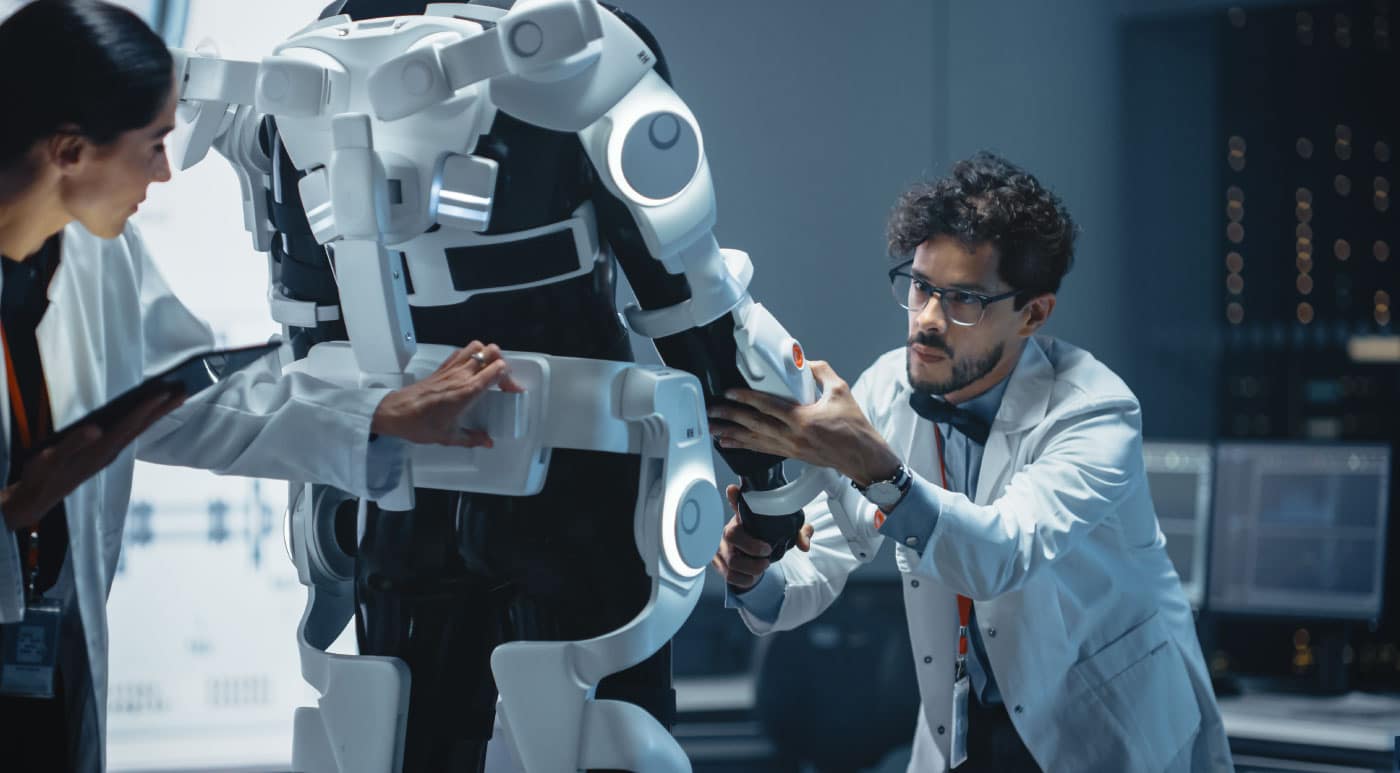
The Future of Wearable ECG Monitoring Devices

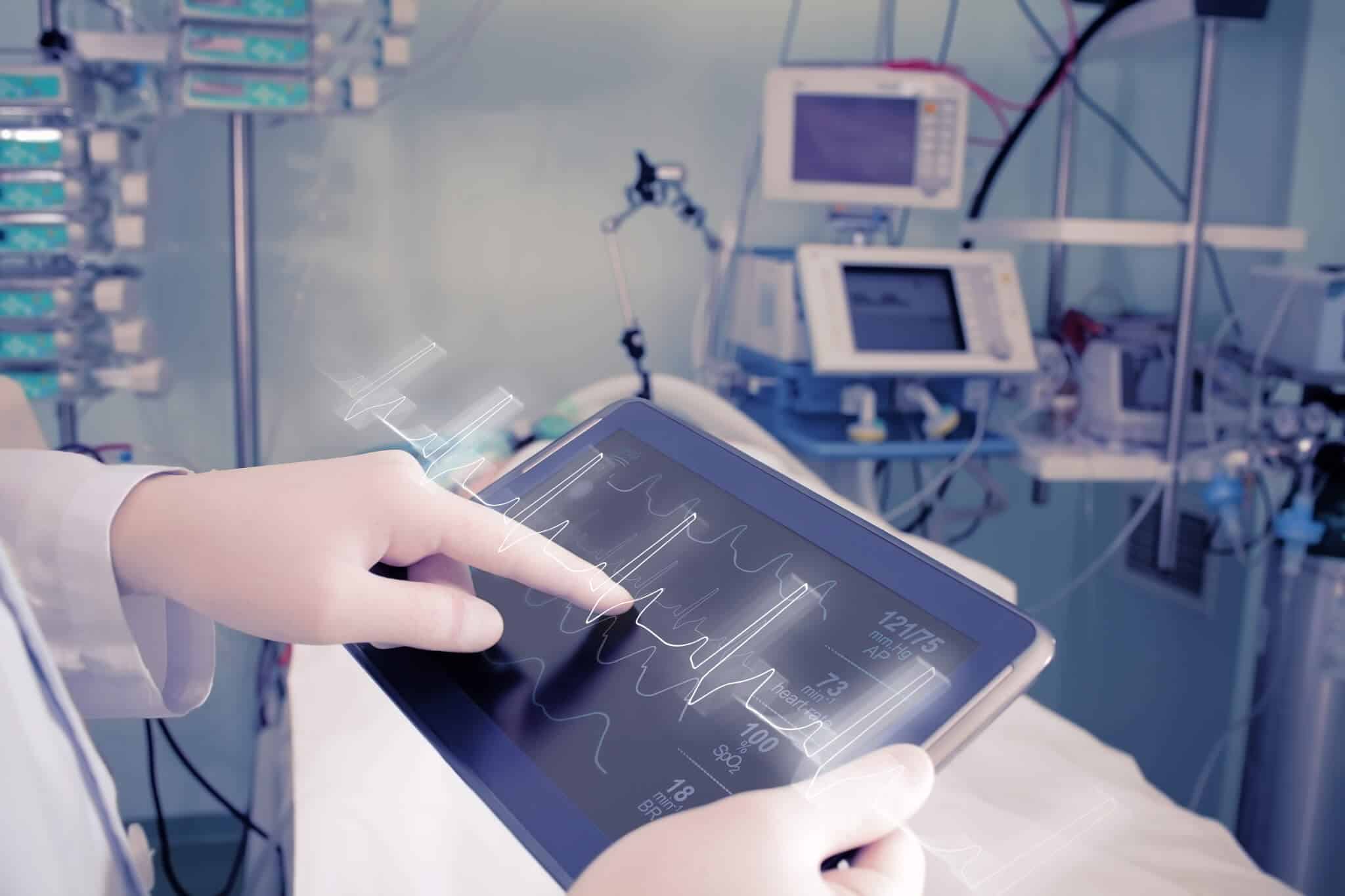
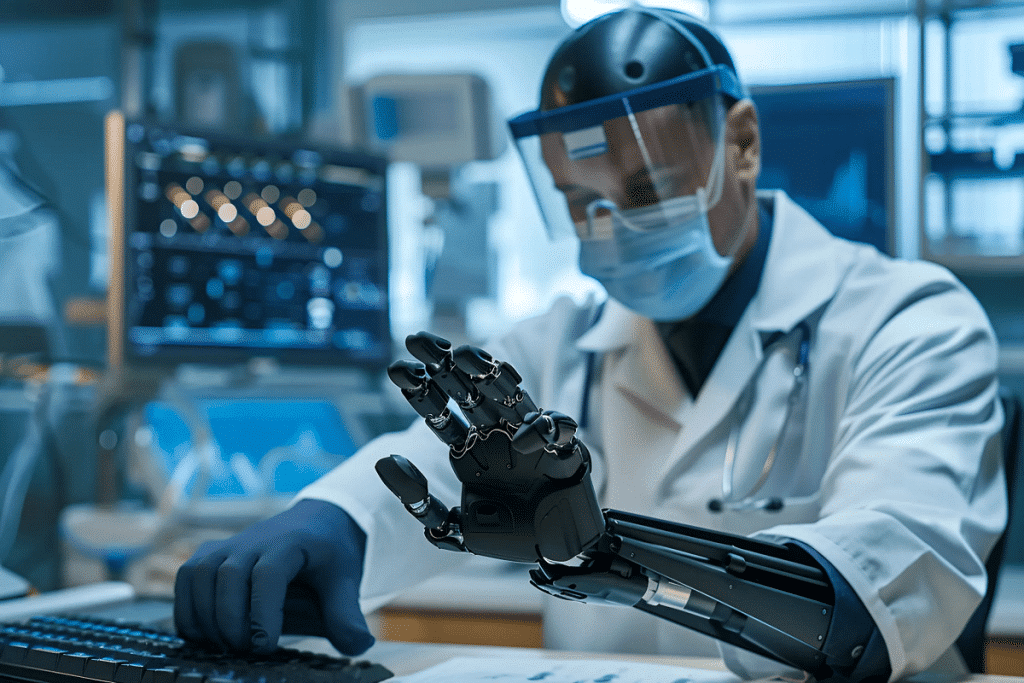
The healthcare field has witnessed significant developments thanks to technological advancements that have enabled the use of AI-powered wearable ECG monitoring devices. Since the early days of using various monitoring and diagnostic techniques, patient conditions have been observed more accurately than before. This has led to improved treatment quality and more efficient medical procedures. The process is no longer limited to visits to hospitals and traditional medical centers; patients can now monitor their health at home using these smart devices.

Combining health monitoring technologies with artificial intelligence

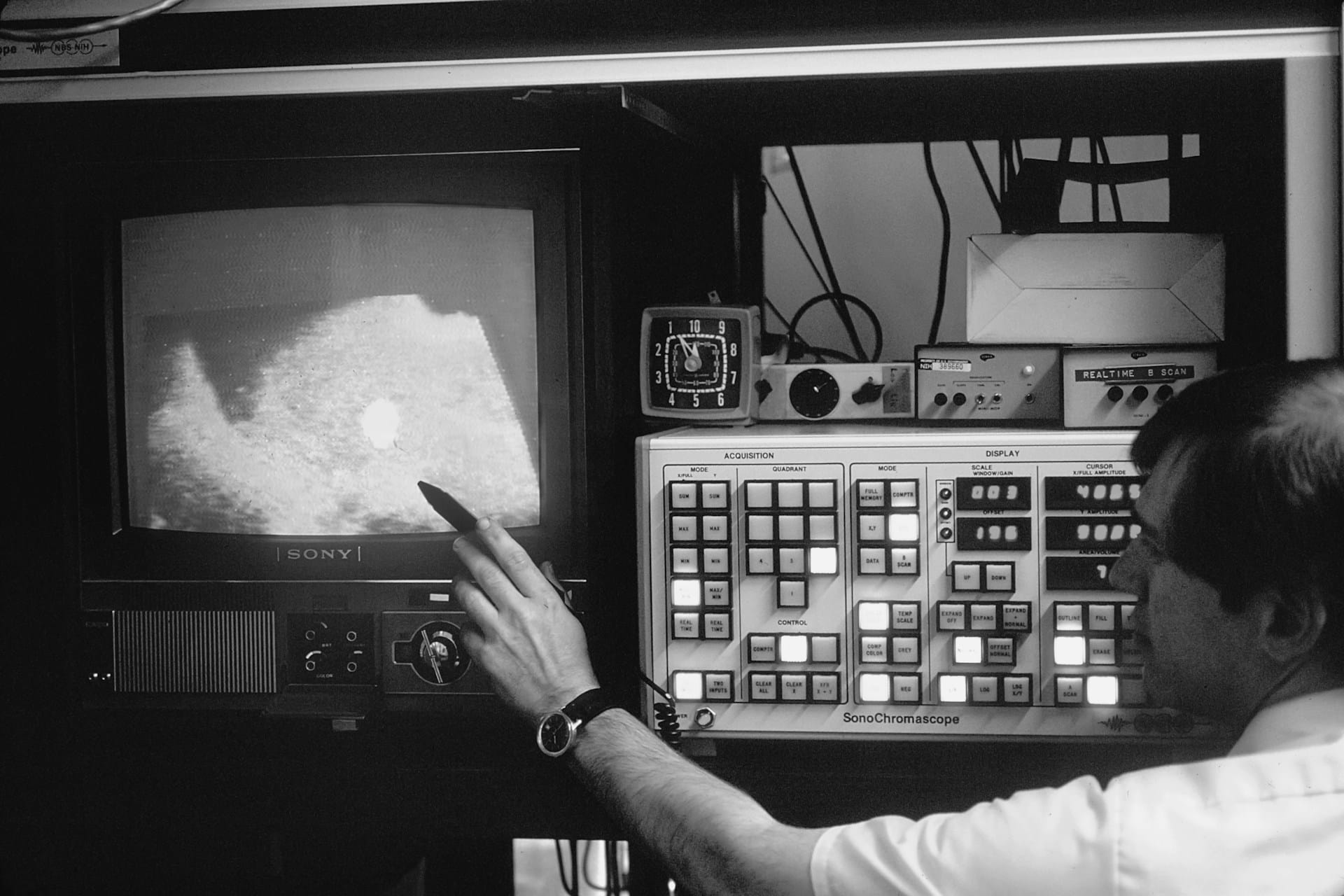
The idea of integrating wearable monitoring technologies with artificial intelligence began several decades ago, with scientists and innovators developing early prototypes for early diagnosis. Today, with noticeable improvements in computing capabilities and the availability of vast amounts of data, AI plays a pivotal role in analyzing medical information and providing accurate recommendations, thereby enhancing the performance of wearable ECG monitoring devices.

Wearable ECG

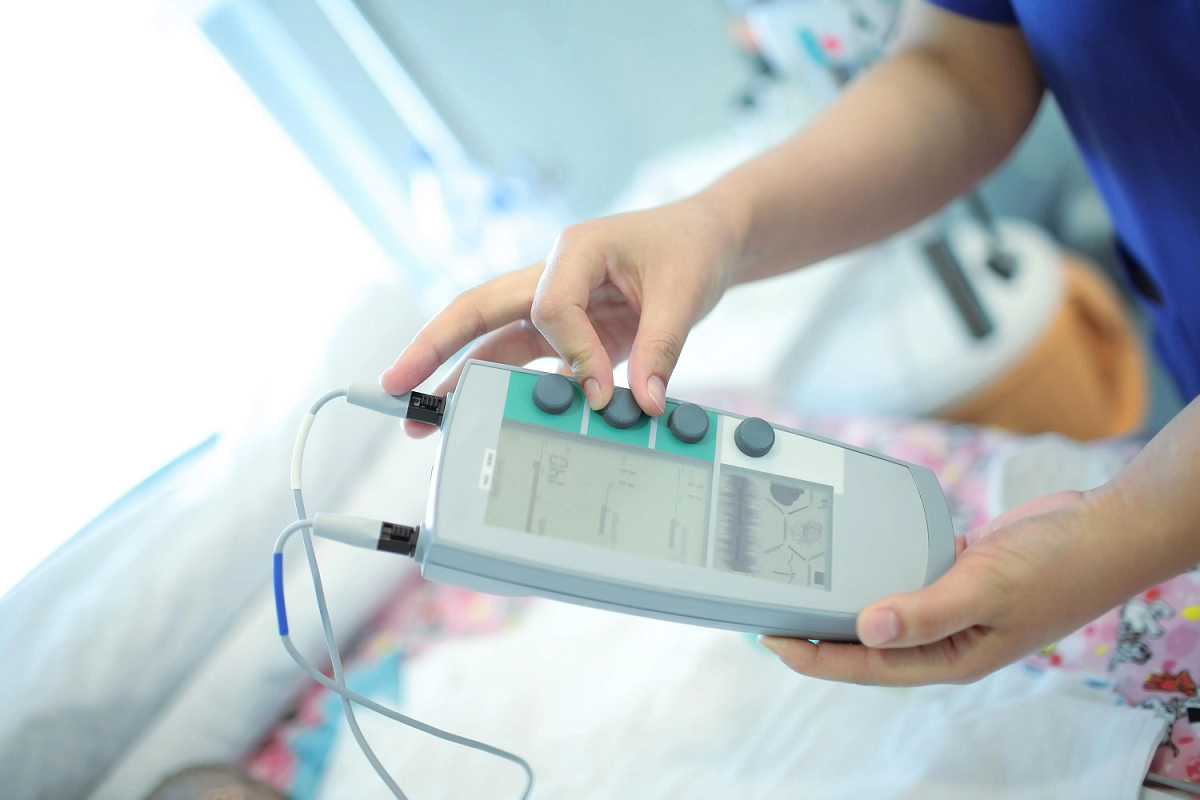
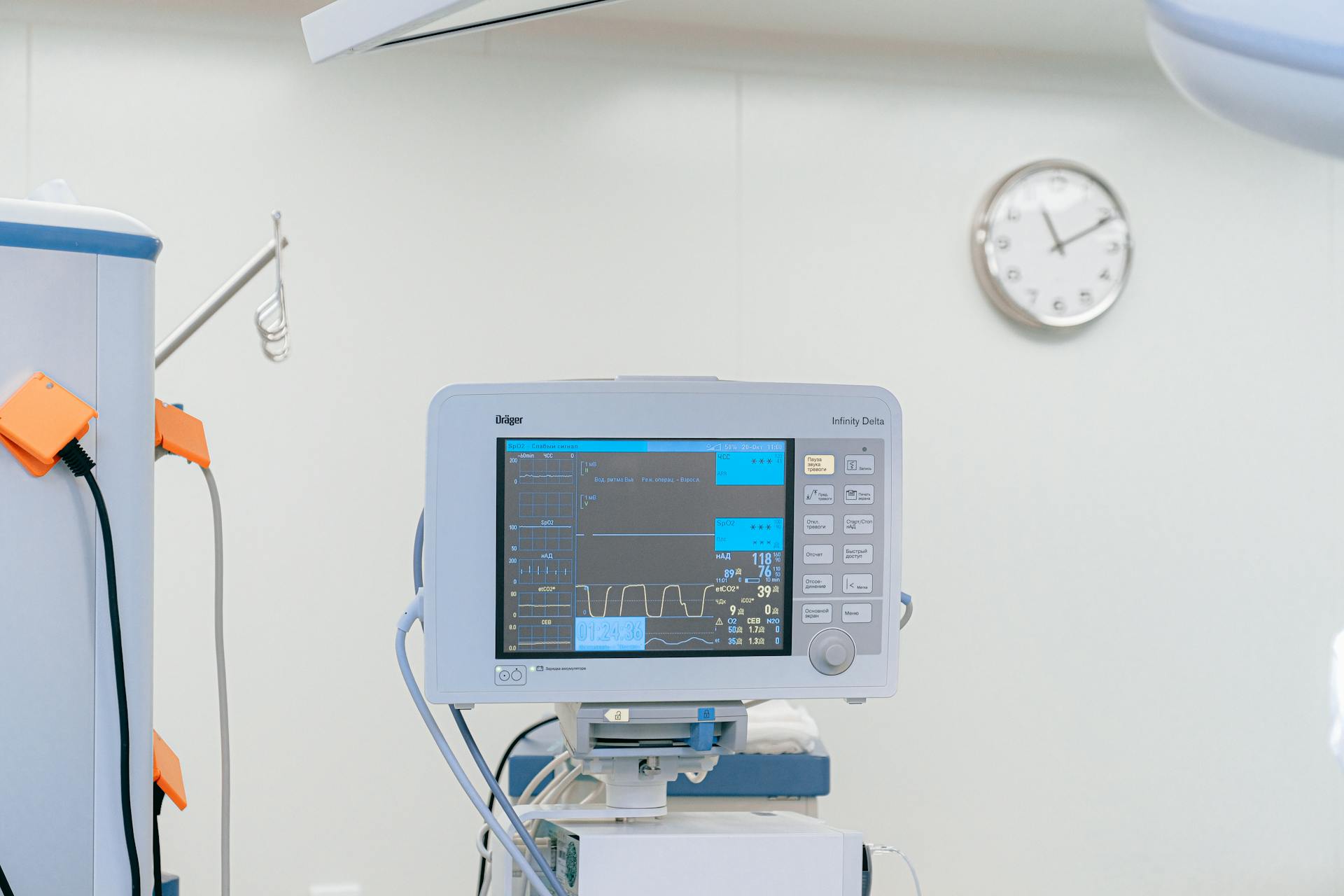
These devices are used to measure a wide range of vital signs, such as heart rate, blood pressure, blood oxygen levels, and electrocardiogram (ECG) activity. These measurements have narrowed the gap between patients and doctors, allowing for early medical intervention and preventing the development of chronic diseases.

Research and Evaluation Methodology

Modern studies rely on a comprehensive analysis of published research in the field of wearable ECG monitoring devices and artificial intelligence. The references and data are classified through several stages:

  • Identifying Sources and Data: The process began by gathering sources from global databases such as Google Scholar, resulting in thousands of articles discussing AI and its applications in healthcare.
  • Reviewing Titles and Abstracts: A meticulous filtering process was carried out to select the most relevant articles, focusing on studies that addressed the use of wearable ECG monitoring devices in disease diagnosis.
  • Technical Evaluation: The review included an assessment of the research methodologies and techniques used in each study, highlighting the technological innovations and the AI used in analyzing patient data.
  • Data Integration: The data was merged to create a comprehensive view of how wearable ECG monitoring devices impact workflow in medical institutions and enhance the quality of healthcare.

This methodology illustrates that progress in wearable ECG monitoring devices is not solely dependent on technical advancements but also on how they integrate with existing electronic medical record systems and established AI systems.

Research Findings and Key Innovations

There are several remarkable outcomes from research in this field, including:

1- Improved Early Diagnosis and Continuous Monitoring

Numerous studies have demonstrated that wearable ECG monitoring devices contribute to the early detection of arrhythmias, such as atrial fibrillation. These devices offer continuous monitoring of vital heart indicators, enabling doctors to detect any abnormal changes immediately. One study indicated that using these devices could reduce diagnostic errors by up to 30%, thereby improving patient treatment outcomes.

2- Reduced Need for Frequent Medical Visits

Thanks to wearable ECG monitoring devices, patients can now monitor their health remotely, reducing the need for repeated hospital visits. This approach not only eases the burden on healthcare systems but also saves time and effort for patients, especially those with chronic conditions that require constant monitoring.

3- Enhanced Quality of Medical Data

Continuous and effective data collection is one of the key advantages of wearable ECG monitoring devices. These devices provide accurate data regarding the patient’s health status, which helps train AI models to analyze patterns and predict potential health risks. Moreover, this data can be integrated with electronic medical records, offering a comprehensive system for monitoring and documenting medical cases.

4- Enhanced Interaction Between Patients and Healthcare Providers

The use of wearable ECG monitoring devices fosters an interactive environment between patients and doctors, as physicians can monitor data in real time and provide immediate medical consultations. This direct interaction helps build trust between both parties and enables the delivery of more personalized and effective healthcare.

Opportunities for Innovation in Healthcare

Integrating wearable ECG monitoring devices with AI technologies marks a transformative shift in healthcare. These innovations are expected to improve the efficiency of diagnosis and treatment, as AI can analyze data faster and more accurately than traditional methods while reducing healthcare costs. By minimizing medical errors and optimizing time and resource management, personalized medicine is enabled, where continuous data provides an accurate picture of each patient’s condition. This allows for the customization of treatment plans to meet individual needs, enhances preventive care, and ensures continuous monitoring by identifying health risks before they escalate and enabling early intervention.

Challenges Facing Device Implementation

Despite the clear benefits, wearable ECG monitoring devices face some core challenges. One of the main issues is managing the vast amounts of data generated by these devices, which require effective and secure storage and analysis. Integrating the generated data with existing electronic medical records demands the development of new protocols and updates to technical infrastructure, privacy, and security measures. Protecting patients’ health information from cyberattacks and breaches is of utmost priority. Additionally, doctors and nurses need to trust and adopt the new technology as an aid in providing healthcare without undermining their traditional skills and expertise.

The Role of Artificial Intelligence in Device Development

Artificial intelligence is considered the pivotal element that will transform wearable ECG monitoring devices from mere measuring tools into integrated diagnostic systems. AI relies on machine learning and deep learning techniques to analyze data patterns and deliver accurate predictions regarding a patient’s health status. Through these analyses, diagnostic accuracy can be improved and medical error rates reduced. Moreover, AI enables the development of interpretative models that explain the decision-making process, thereby increasing users’ confidence in the system.

Current Applications in Healthcare

Wearable ECG monitoring devices are currently used in many medical institutions, where they are integrated with smartphone applications and remote monitoring systems. For example, they are employed for the early detection of arrhythmias, continuously monitoring heartbeats to detect any irregularities. They also facilitate remote patient monitoring, especially for those suffering from chronic diseases, allowing doctors to track their condition without the need for frequent visits. Additionally, data analysis through AI algorithms provides precise treatment recommendations based on the collected data.

It is expected that the future will bring unprecedented developments in wearable ECG monitoring devices, particularly with advancements in AI and wireless communications. Some future trends include increased integration with advanced AI systems, which will lead to continuously improved diagnostic accuracy and analysis. Moreover, the development of more comfortable and wearable devices, with improved manufacturing materials for enhanced flexibility and lightness, will allow for extended use without discomfort. The scope of usage is also expected to expand beyond just ECG monitoring to include other health indicators, creating a comprehensive health system based on continuous monitoring and early prevention. Additionally, advanced protocols for data protection and cybersecurity will be developed to ensure safety and privacy.

At HSI, we believe that empowering medical engineers with modern knowledge and skills is key to the future. Therefore, we invite you to join our specialized training courses as we delve into these technologies and prepare you to play an active role in shaping the future of smart healthcare.
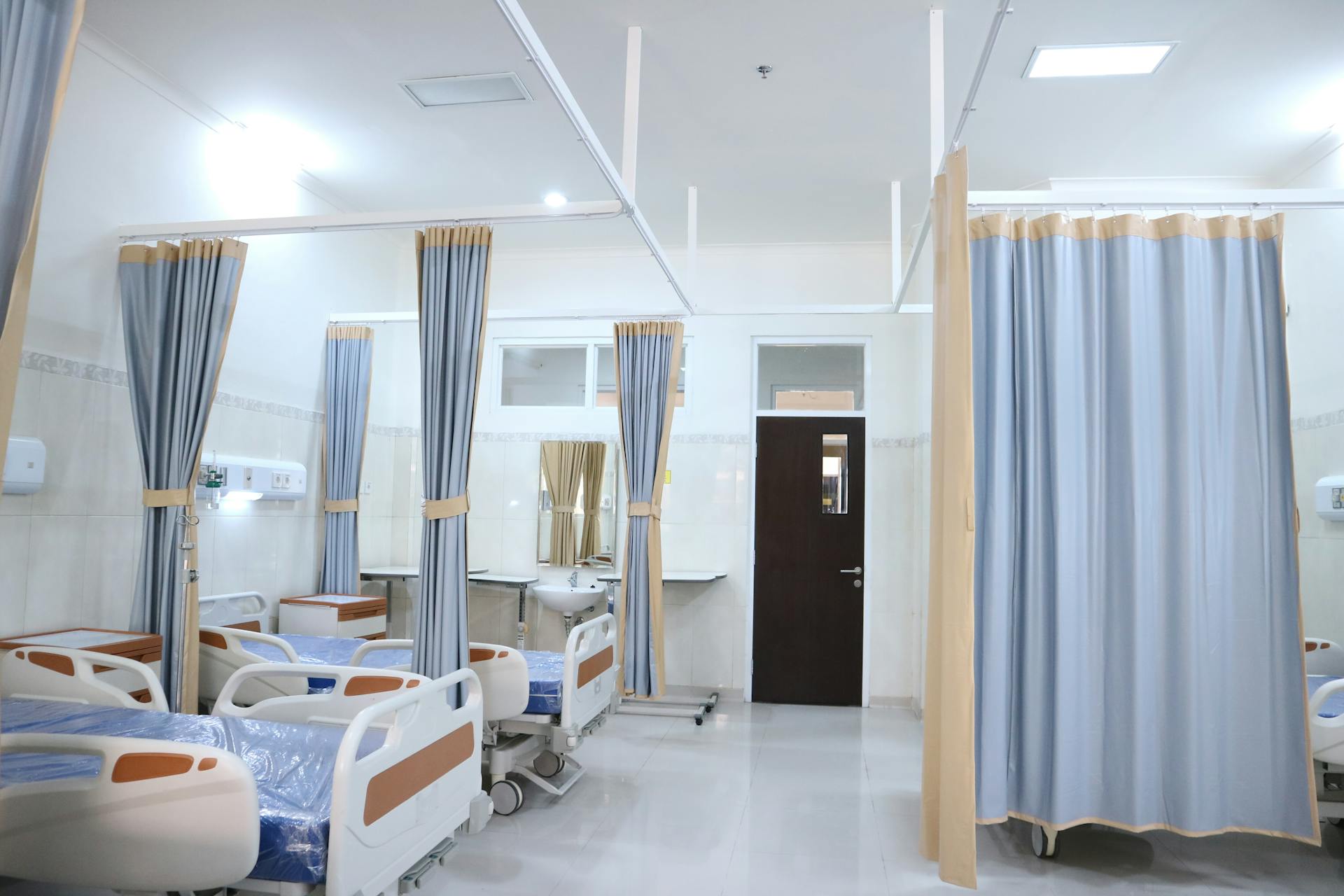

How to Design Energy-Efficient Hospitals | A Guide for Biomedical Engineers

Energy efficiency has always been a persistent challenge in designing healthcare facilities, as hospitals consume up to five times more energy than a luxury hotel. With the catastrophic pressures that the healthcare sector endured in 2020 due to the COVID-19 pandemic that shook the world at that time, healthcare administrators must consider every possible means to achieve economic sustainability. Even if it was not a top priority in the past, designing energy-efficient hospitals has now become a pressing necessity rather than merely an option.

Energy-efficient hospitals play a vital role not only in reducing operating costs but also in protecting the environment and enhancing the comfort of both patients and staff. In this article, we will detail how to design hospitals to transform them into energy-efficient hospitals, relying on the latest studies and research addressing energy efficiency in healthcare facilities, while providing a practical guide for biomedical engineers to apply these principles in design and renovation.

Energy-Efficient Hospitals

The Importance of Energy Efficiency in Hospital Design
Hospitals consume enormous amounts of energy around the clock to operate heating, ventilation, and air conditioning (HVAC) systems, in addition to lighting, medical equipment, and numerous other devices. This excessive energy consumption not only leads to high operating costs but also contributes to increased greenhouse gas emissions, negatively impacting the environment. Therefore, designing energy-efficient hospitals is a critical necessity to achieve both financial and environmental sustainability.

Energy-Efficient Hospitals

The Role of Biomedical Engineers in the Design Process

Biomedical engineers play a crucial role in designing energy-efficient hospitals. They are responsible for integrating and managing the medical technologies that consume a significant portion of a hospital’s energy. Through their deep understanding of the energy requirements of medical equipment, they can:

Select Energy-Efficient Equipment: Evaluate the energy efficiency of various medical devices and choose those that consume less energy without compromising performance or quality.

Optimize Equipment Usage: Develop protocols and procedures to ensure efficient use of medical equipment, such as turning off devices when not in use and scheduling regular maintenance to maintain optimal performance.

Design Integrated Systems: Collaborate with architects, mechanical, and electrical engineers to integrate medical equipment into the building design in a way that minimizes energy consumption. For example, they can help design efficient cooling and ventilation systems for laboratories and operating rooms.

Monitor and Analyze Energy Consumption: Utilize energy management systems to monitor and analyze the energy consumption of medical equipment and identify areas for improvement.

مستشفيات موفرة للطاقة

Strategies for Designing Energy-Efficient Hospitals

Biomedical engineers and designers hold a pivotal role in radically transforming energy consumption in hospitals by adopting a variety of innovative strategies. Among these strategies, improving HVAC systems stands out, as they are one of the largest energy consumers in healthcare facilities. This can be achieved by using high-efficiency HVAC systems and implementing heat recovery systems that recycle wasted energy, in addition to activating demand-controlled ventilation to ensure that unoccupied spaces are not unnecessarily ventilated. Furthermore, enhancing the design of air ducts and using high-quality insulation materials to reduce energy loss are also key factors.

In addition to HVAC systems, lighting represents another critical element that can be developed to reduce energy consumption. This is primarily achieved by replacing traditional bulbs with LED lights, which are known for their high efficiency and long lifespan. Maximizing the use of natural light through smart architectural design plays a significant role in reducing reliance on artificial lighting during daylight hours. Moreover, installing motion sensors and lighting control devices ensures that lights are turned off in unoccupied areas, effectively contributing to energy conservation.

Efforts to save energy do not stop at the basic building systems; they also extend to the medical equipment itself. It is crucial to acquire high-energy-efficiency medical devices and establish regular maintenance programs to ensure they operate at maximum capacity while consuming the least amount of energy. Additionally, implementing clear protocols to turn off equipment when it is not needed is a simple yet effective step in reducing overall energy consumption.

Looking further ahead, embracing sustainable design principles for buildings—including the use of insulated building materials, energy-efficient windows, designs that maximize natural light, the integration of renewable energy sources such as solar panels and geothermal energy, and the implementation of smart energy management systems to monitor and analyze consumption—are all integrated steps toward achieving hospitals that use energy more efficiently and are sustainable in the long term.

Practical Steps for Designing Energy-Efficient Hospitals

There are several crucial steps to take when starting a project to design or renovate hospitals with energy savings in mind:

1- Assess the Current Situation:

Before beginning any renovation or new design project, engineers should conduct a comprehensive assessment of the hospital’s current infrastructure. This includes reviewing heating and cooling systems, thermal insulation, lighting, and electrical equipment. This assessment is the first step toward identifying weaknesses and strengths that can be improved to achieve better efficiency.

2- Apply Dynamic Energy Modeling:

Using simulation software and dynamic energy modeling can help visualize multiple scenarios for energy saving. By studying the effects of different modifications, designers can choose the best solutions that achieve energy savings without compromising patient comfort or operational efficiency.

3- Adopt Machine Learning Techniques:

Employing machine learning models is an innovative step to predict and analyze energy consumption. These models can identify patterns and the most influential factors, allowing adjustments to systems based on different operating conditions and achieving enhanced energy performance. This approach represents the future of designing energy-efficient hospitals, as models can be regularly updated with changing environmental and operational conditions.

4- Improve Insulation and Windows:

As many studies have shown, improving glazing and window technologies plays a central role in designing energy-efficient hospitals. Adopting double-glazed windows and choosing types of glass that reduce thermal loss allow the hospital to benefit from natural light without adversely affecting the heating and cooling systems.

5- Use Advanced Lighting and Electrical Systems:

Implementing modern lighting technologies, such as LED lighting, is one of the effective means of reducing energy consumption. Additionally, integrating smart control systems that adjust lighting and air conditioning levels according to the building’s needs and different times of the day can further optimize energy use.

Designing energy-efficient hospitals requires a comprehensive approach that combines innovative architectural design, advanced technology, and effective energy management. Biomedical engineers play a pivotal role in this effort by ensuring the efficient integration and use of medical equipment. By adopting sustainable design strategies and best practices, we can create hospitals that not only reduce energy consumption and operating costs but also enhance patient comfort and safety, contributing to a more sustainable future. If you want to elevate your status as a biomedical engineer to reach a high level, all you need to do is contact us through the HSI website and explore our services and training courses.

How to Build Customer Relationships in Biomedical Engineering Sales

Have you ever wondered how a biomedical sales engineer handles all these tasks — from building customer relationships, working with the development team, to preparing proposals? In most tech companies, there’s a sales team that includes Account Executives, Sales Development Representatives, and others who assist sales engineers. However, managing customer relationships remains the cornerstone upon which sales are built — whether in the medical field or any other industry. In this article, we’ll explore how customer relationships are specifically built in biomedical engineering sales.

The Importance of Customer Relationships in Biomedical Engineering

Customer relationships form the foundation of a successful sales strategy. They enable strong performance in your territory and help meet company expectations. However, their importance goes beyond performance metrics—they foster trust, loyalty, and long-term mutual benefits. As a sales representative or manager, you act as the anchor for creating lasting connections, serving as a bridge between the needs of healthcare professionals and the solutions you offer. In biomedical engineering, where decisions are often complex and trust-dependent, building strong customer relationships becomes even more critical.

Customer Relationships

1- Building Trust and Communication

Trust is the cornerstone of any strong customer relationship. To build trust, it’s essential to communicate clearly, honestly, and with integrity. This means ensuring your messages are straightforward and easy to understand, always providing accurate information, avoiding exaggerated promises, and maintaining ethical and transparent conduct. Trust-based relationships lead to greater customer loyalty and repeat business.

For example, you should always answer product questions truthfully and provide factual information. If you don’t have the answer, it’s essential to obtain it from reliable sources such as medical information requests or by consulting a specialist. In biomedical engineering, trust in product quality and efficacy is crucial, so building customer relationships based on trust can enhance your personal and your company’s reputation.

2- Understanding and Managing Emotions

Moreover, relationship-building involves understanding and managing emotions. To close a successful sale, it’s important to recognize and respond to your clients’ emotional cues. Show empathy by putting yourself in their shoes to understand their perspective and challenges. Be authentic—genuine interactions foster deeper connections and greater trust. Emotional intelligence helps create a positive and lasting impression, making customers feel valued and understood. In biomedical sales, where professionals face complex and sensitive decisions, emotional intelligence can help build relationships grounded in trust and mutual understanding.

3- Understanding Customer Needs

Active listening is critical to understanding your customers’ needs and concerns. Effective listening involves giving your full attention, focusing entirely on the client during interactions, asking open-ended questions to encourage them to share more, and reflecting and clarifying by summarizing what they said to ensure correct understanding. Attentive listening helps tailor your solutions to their specific needs, enhancing customer satisfaction. In biomedical engineering, where solutions are often customized to meet specific requirements, effective listening can strengthen customer relationships by delivering personalized solutions.

4- Gaining Customer Trust and Providing Post-Sale Follow-Up

Reliability is key to maintaining strong relationships. To demonstrate reliability, you must always follow through on your commitments, consistently deliver on promises, and maintain regular follow-ups by staying in touch with customers to ensure their satisfaction and address any ongoing concerns. Take initiative to anticipate their needs and provide timely updates. Consistent follow-ups show that you care about their success and are committed to supporting them. In biomedical sales, where timely support can significantly impact patient care, fulfilling your promises and maintaining follow-up can enhance customer relationships and strengthen trust in your products and services.

5- Personalizing Customer Communication

Personalization makes your interactions more relevant and impactful. To personalize effectively, it’s important to know your customer, use CRM tools to gather and analyze customer data, talk with clients to understand their demographics, tailor your message to their specific needs and preferences, and show appreciation with personalized gestures like thank-you notes or holiday cards. Personal interactions make customers feel valued and understood, leading to stronger relationships. In biomedical sales, where professionals seek solutions tailored to their patients’ unique needs, personalizing your interactions can build customer relationships by showing that you understand their specific requirements.

6- Providing Outstanding Customer Service

Exceptional customer service is a key factor that sets you apart. To ensure outstanding service, it must be prompt (responding to inquiries and issues quickly), accessible (available through multiple channels such as phone, email, and social media), and sincere (showing empathy and a genuine willingness to help). Exceptional service can turn satisfied customers into loyal advocates. In biomedical engineering, where fast and effective support can impact patient outcomes, outstanding customer service can enhance relationships and create a competitive advantage.

7- Strengthening Long-Term Relationships

Adding value beyond the initial sale can strengthen relationships. Consider providing educational resources, offering access to relevant information such as clinical studies or industry updates, delivering ongoing support, and offering continued assistance and updates to help clients get the most out of your products. Provide networking opportunities by connecting them with key opinion leaders or other valuable contacts. Creating added value positions you as a trusted advisor, not just a sales representative. By going beyond the transaction and offering continuous support and valuable insights, you can build customer relationships that stand the test of time.

8- Maintaining Continuous Communication

Long-term engagement is essential for sustainable success. To promote engagement, conduct regular check-ins to stay top of mind, create feedback loops by actively seeking customer feedback and acting on it to improve your service. Long-term engagement ensures your customers remain loyal and continue to see value in their relationship with you. In biomedical sales, where product life cycles can span years, maintaining strong customer relationships through continuous engagement is critical for long-term success.

In conclusion, by focusing on these key strategies and integrating personal experience, you can build and sustain customer relationships that lead to long-term trust, loyalty, and success in the pharmaceutical and medical device industries. And if you’re looking to take your professional life to the next level as a biomedical engineer, you can now explore our services at HSI. We offer the best training courses and engineering consultations in the field of biomedical engineering. Let’s work together to achieve the highest levels of success.

Effective Communication Skills for Biomedical Engineers

Biomedical engineers play a pivotal role in developing and applying technology within healthcare. They serve as the bridge between engineering and medicine, integrating engineering principles with biomedical sciences to create solutions that enhance diagnosis, treatment, and overall patient care. Given the interdisciplinary nature of their work, effective communication skills are the cornerstone of their success.
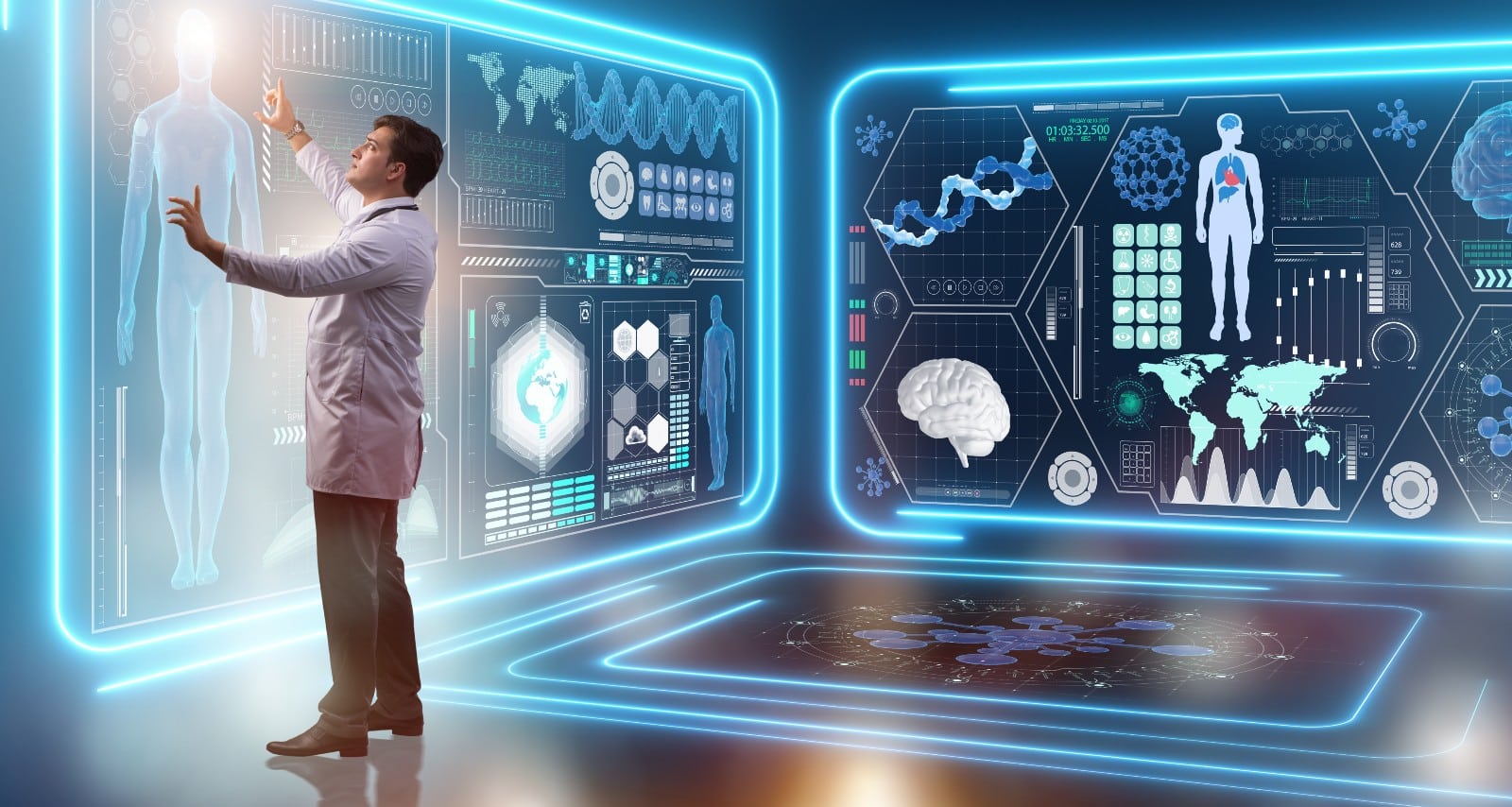
The Importance of Communication Skills in Biomedical Engineering

Biomedical engineers often operate at the intersection of healthcare, engineering, and technology, requiring them to convey complex technical information clearly to a diverse audience—including healthcare professionals, patients, and regulatory bodies. This clear communication ensures that their innovative solutions and technologies are properly understood and correctly implemented in clinical settings, which is essential for patient safety and the successful adoption of biomedical devices. Thus, communication skills become an integral part of their professional practice.

Communication Skills in Biomedical Engineering

Communicating Effectively with Healthcare Professionals

Biomedical engineers collaborate closely with physicians, nurses, and other healthcare specialists. This collaboration demands clear, concise exchange of ideas and information. For example, when developing a new medical device, the engineer must explain the device’s design, functionality, and technical features to a physician in an accessible manner. Likewise, the engineer needs to understand the physician’s needs and requirements to design a device that effectively meets those needs. Strong communication here ensures smooth collaboration and the best possible outcomes for patients.

Communicating with Patients

In some cases, biomedical engineers interact directly with patients, especially when designing or fitting devices such as prosthetics or assistive technologies. In these situations, clear communication and empathy are critical. The engineer must be able to explain how the device works, how to use it, and how to maintain it. Additionally, they must listen attentively to patients’ concerns and questions and provide the necessary support and guidance. Good communication skills in these interactions help build trust between engineer and patient and contribute to a better patient experience and treatment outcome.

Communicating with Regulatory Bodies

The development of biomedical devices is subject to strict oversight by regulatory agencies such as the U.S. Food and Drug Administration (FDA). Biomedical engineers must prepare and submit technical documentation to obtain regulatory approvals. This requires excellent written communication skills and the ability to present complex technical information clearly and concisely. Effective communication in this context ensures compliance with regulations and facilitates the approval process for biomedical devices.

The Role of Communication in Team Collaboration

Strong communication skills enhance collaboration within multidisciplinary teams. Biomedical engineers often work alongside doctors, scientists, and other engineers, necessitating clear, concise exchanges of ideas and information. This collaboration is vital for problem-solving, as it allows integration of diverse perspectives and expertise, leading to more innovative and effective solutions. Good communication helps align team objectives, manage project timelines, and ensure that all team members are informed and engaged throughout the development process.

Problem-Solving and Decision-Making

When facing technical challenges, biomedical engineers must communicate effectively with colleagues to brainstorm ideas and identify possible solutions. This involves clearly explaining the problem, listening to different viewpoints, evaluating proposed solutions, and reaching consensus. Without strong communication skills, teams may struggle to solve complex problems and make sound decisions.

Project Management

Biomedical engineers often lead projects to develop medical devices. Effective project management involves continuous communication with team members and stakeholders. The project manager must define project goals, delegate tasks, track progress, and report results. Communication skills are essential to keep the project on track, within budget, and on schedule.

Written and Oral Communication

In addition to face-to-face interaction, biomedical engineers need excellent written and oral communication skills. Written communication includes preparing technical reports, writing research papers, and creating presentations. Engineers must be able to produce clear, concise, and accurate documents that faithfully reflect their work and achievements.

Oral communication encompasses delivering presentations at conferences and meetings, discussing ideas with colleagues and patients, and participating in technical discussions. Engineers must express their ideas clearly and confidently and respond effectively to questions.

Communication for Professional Growth

Beyond practical benefits, effective communication is also crucial for the professional growth and career advancement of biomedical engineers. Being able to present ideas and results through presentations, research papers, and reports boosts professional credibility and can lead to greater recognition in the field. It also opens doors to leadership roles, as effective communicators are often seen as leaders who can inspire and guide teams. Overall, the ability to communicate effectively is indispensable for biomedical engineers to advance their careers, foster collaboration, and ensure the successful application of their technical expertise in healthcare.
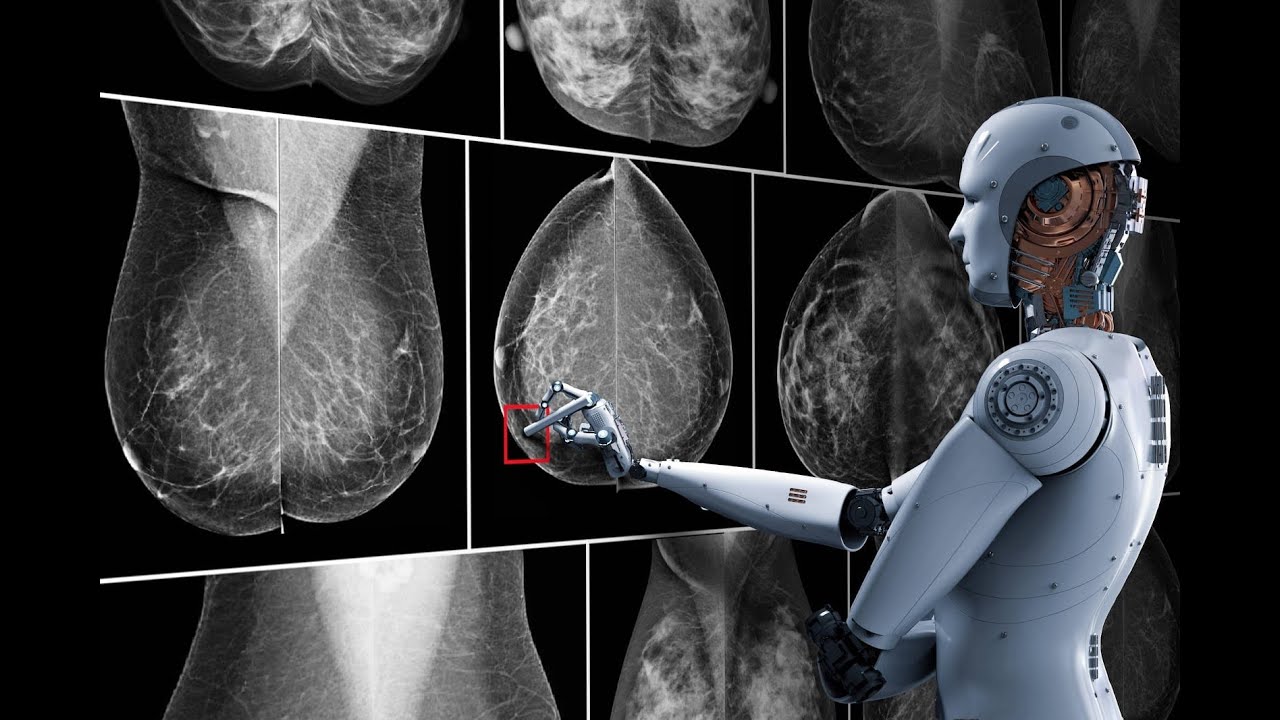
Persuasion and Influence

Biomedical engineers sometimes need to persuade others to adopt their ideas or solutions. This process involves presenting compelling arguments, supporting them with evidence, and communicating in a way that resonates with the audience. Communication skills are essential for influencing decisions and achieving objectives.

Predictive Maintenance of Medical Equipment

Active Listening

Communication is not just about speaking and writing; it also involves active listening. Biomedical engineers must listen attentively to others’ perspectives, understand their needs and concerns, and respond appropriately. Active listening helps avoid misunderstandings, build trust, and improve relationships.

The importance of communication skills for biomedical engineers cannot be overstated. They are essential for effective interaction with healthcare professionals, patients, and regulatory bodies; for collaboration within multidisciplinary teams; and for professional growth and relationship building. By developing these skills, biomedical engineers can amplify their impact, achieve career success, and ultimately contribute to improving healthcare. If you’d like to enhance your communication skills as a biomedical engineer, check out our specialized training courses and services in biomedical engineering.
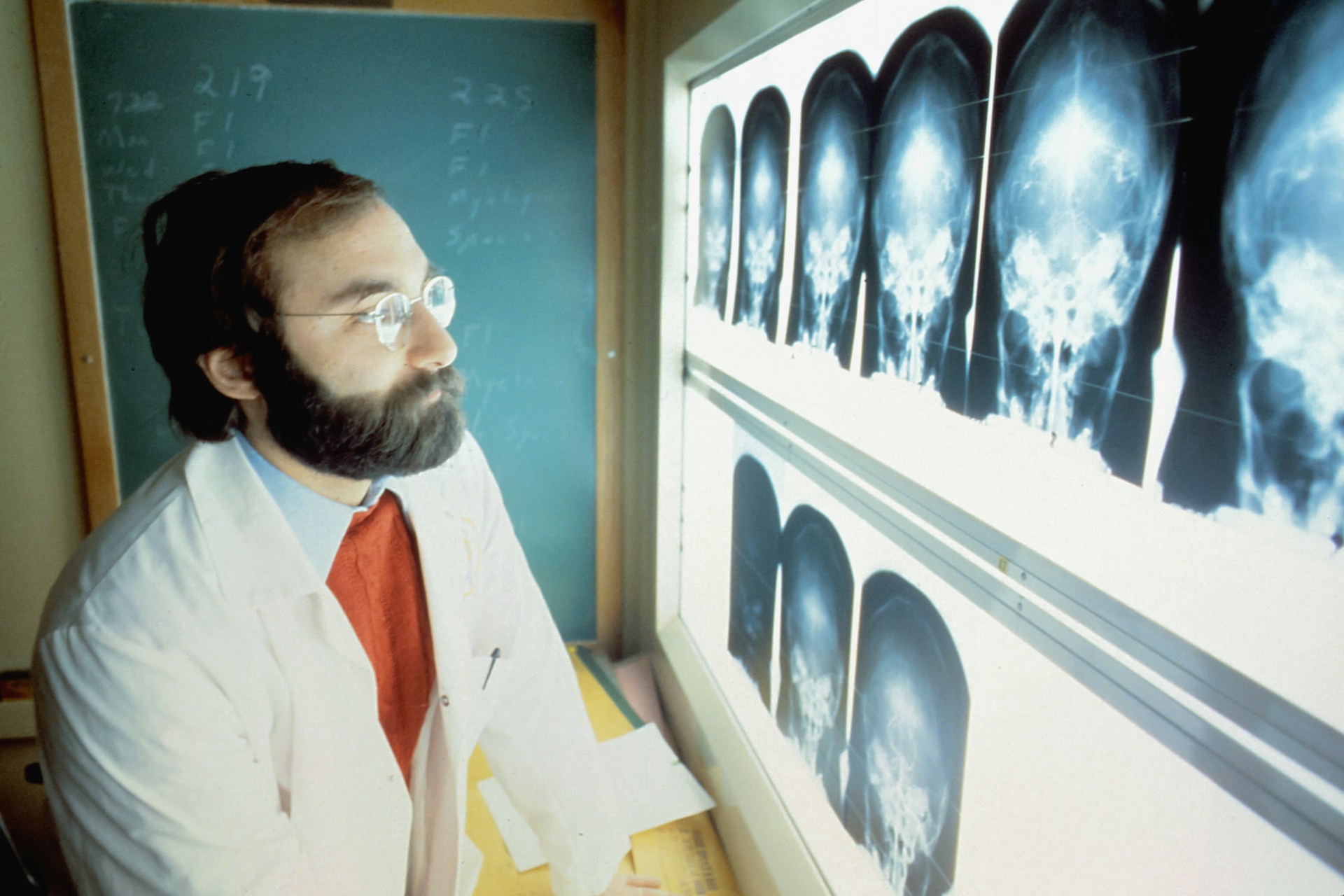
Comprehensive Guide to Choosing Medical Equipment for Your Hospital

Medical equipment is considered the cornerstone of delivering effective and high-quality healthcare within hospitals. It plays a pivotal role in diagnosing diseases, treating patients, and monitoring their conditions. With rapid technological advancements, choosing the right medical equipment has become a complex task that requires a careful study of several factors to ensure the best patient outcomes and improve operational efficiency within the hospital. Making informed decisions regarding the selection of medical equipment directly impacts the quality of healthcare services provided, patient safety, and the economic viability of the medical institution.

With a wide range of options available, those responsible for choosing medical equipment may find themselves facing a significant challenge. The vast diversity in device types, specifications, technologies, and manufacturers necessitates the existence of a comprehensive guide that assists in making the right decisions. This article aims to serve as that guide by discussing the fundamental criteria to consider when selecting medical equipment for your hospital, with a focus on patient needs, safety, and ensuring accuracy and reliability.

Choosing Medical Equipment

Essential Criteria to Consider When Choosing Medical Equipment
The process of choosing the right medical equipment requires a careful evaluation of several essential criteria to ensure that the health needs of patients are met and the hospital’s objectives are achieved.

Patient Needs and Safety

The first and most important factor to consider when choosing medical equipment is the specific needs of patients and their safety. The hospital must accurately determine the demographic profile of the patients it serves, including their average ages, common health conditions, and the medical specialties provided. For instance, if the hospital serves a large number of children, it is crucial to select medical equipment specifically designed to meet their needs, taking into account their small sizes and unique physiological requirements. Similarly, the medical furniture should be comfortable and practical to accommodate patients of different ages and categories.

Choosing Medical Equipment

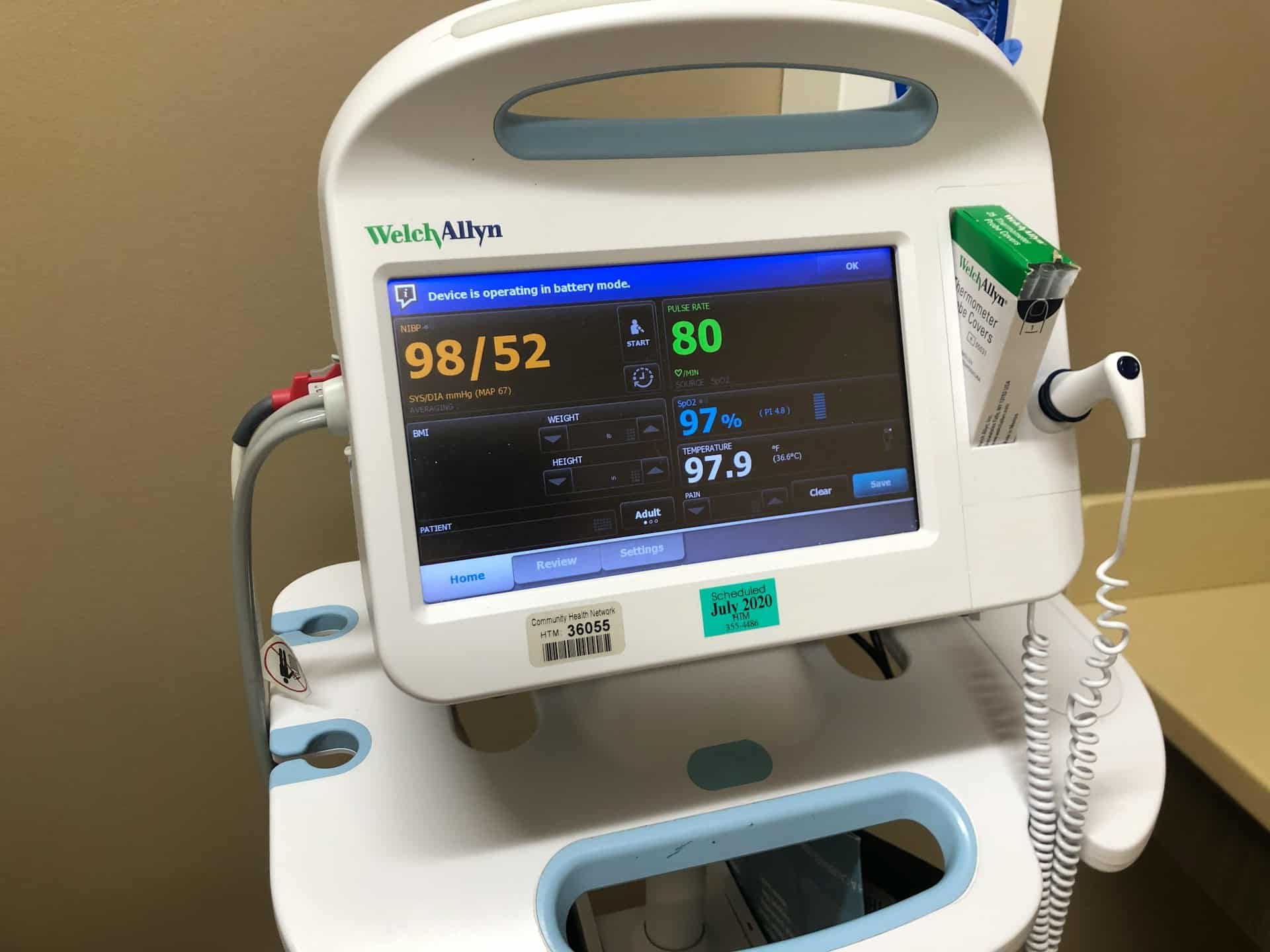
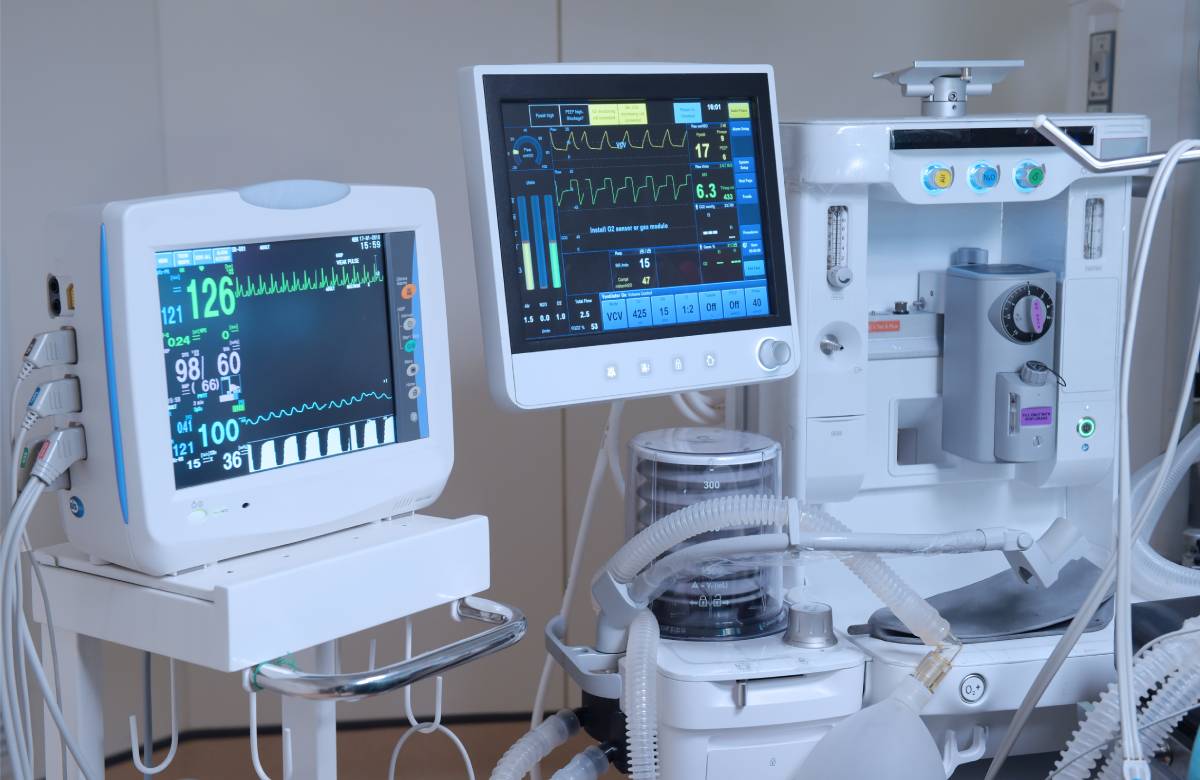
Ensuring patient safety is of utmost importance. Medical equipment should be chosen with built-in safety features, such as alarm systems that alert the medical staff in case of any malfunction or abnormal readings. The equipment should also include automatic shut-off mechanisms to reduce potential risks and infection control procedures to prevent the spread of diseases. For example, when selecting medical equipment such as vital signs monitors, features such as continuous monitoring, alerts for abnormal readings, and secure data transmission to prevent unauthorized access must be considered.

Another critical aspect is compatibility with existing healthcare systems to ensure smooth integration and efficient data management. It is essential to ensure that the new equipment can be easily integrated with the electronic health record (EHR) system and other medical devices used within the hospital. This integration helps streamline workflows, improve data accuracy, and enhance overall clinical efficiency.

Accuracy and Reliability

Accuracy and reliability are key characteristics when choosing medical equipment. Inaccurate or unreliable devices can lead to misdiagnosis and ineffective treatment, thereby endangering patient health. To ensure accuracy, it is necessary to select medical equipment that has undergone rigorous testing and obtained the necessary regulatory approvals. Look for quality certifications such as ISO 13485, which pertains to quality management systems in the medical device industry and ensures that manufacturers adhere to global safety and quality standards.

It is also important to research the reputation of the manufacturer and evaluate its performance in real-world environments. Obtaining feedback from other healthcare professionals who have used the equipment can provide valuable insights into its performance under clinical conditions. Additionally, the availability of support and maintenance services should be taken into account to ensure that any issues can be promptly resolved, minimizing downtime.

Economic Viability and Long-Term Value

While the initial cost of medical equipment is an important factor, it is equally crucial to assess the long-term value and economic viability of the selection. A cost-benefit analysis should be conducted to determine whether the benefits of the equipment outweigh its expenses in the long run. Factors such as durability, warranty coverage, and the potential for future upgrades or modifications should be considered.

Investing in high-quality equipment that offers long-term value can lead to cost savings and improved patient outcomes over time. For example, choosing medical equipment with advanced features and connectivity capabilities can enhance efficiency and data management, resulting in better clinical decision-making and a reduction in manual paperwork. Additionally, the availability of spare parts, as well as maintenance and repair costs, should be considered. Often, choosing medical equipment from reputable manufacturers ensures a reliable supply of spare parts and access to a network of authorized service centers, which minimizes downtime and extends the lifespan of the equipment.

Ensuring Quality and Safety in Choosing Medical Equipment

To guarantee that the selected medical equipment meets the highest standards of quality and safety, hospitals must follow several key steps.

Verifying Quality Certifications and Industry Standards:

Hospitals should meticulously check quality certifications and industry standards when choosing medical equipment. The ISO 13485 certification is one of the most important in this field, as it indicates that the manufacturer has a quality management system that meets the requirements for medical devices. Additionally, it is essential to ensure that the equipment has obtained the necessary regulatory approvals from both local and international authorities, such as the U.S. Food and Drug Administration (FDA) or the CE mark in Europe.

Conducting a Comprehensive Risk Assessment for the Equipment:

The process of choosing medical equipment should include a thorough risk assessment of the potential hazards associated with using the equipment. It is important to identify and evaluate the risks that patients and healthcare providers may face and to implement measures to mitigate these risks. For example, ensuring that the equipment is user-friendly can reduce the likelihood of user errors, and selecting devices made of biocompatible materials can minimize the risk of adverse reactions in patients. Furthermore, appropriate protocols for cleaning and sterilizing the equipment should be established to prevent the spread of infections.

Impact on Hospital Efficiency and Patient Outcomes

The proper selection of medical equipment has a significant impact on the efficiency of hospital operations and patient outcomes.

Accurate and Timely Diagnosis of Diseases:

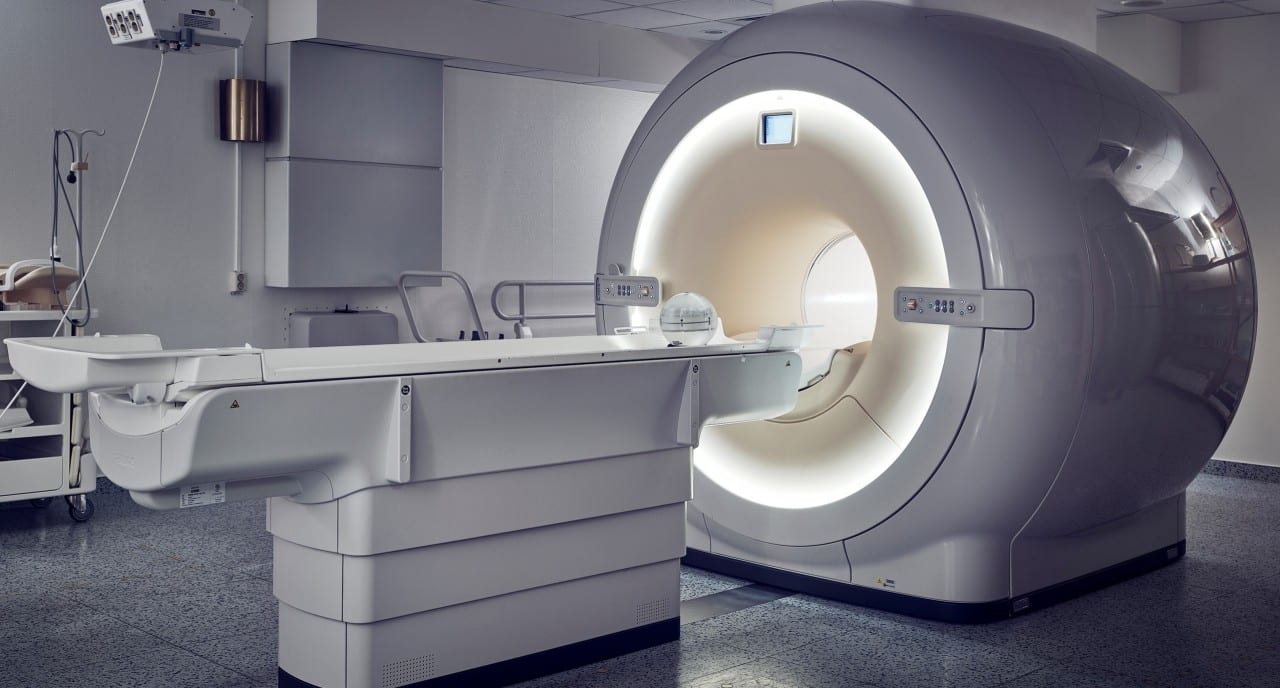
Modern and advanced medical equipment contributes to the precise and prompt diagnosis of diseases. Advanced imaging devices such as Magnetic Resonance Imaging (MRI), Computed Tomography (CT) scans, and Electrocardiogram (ECG) machines provide detailed images and accurate information that help physicians detect diseases at early stages and precisely determine their characteristics. Early diagnosis can lead to more effective treatment and increase the chances of full recovery.

Improved Treatment Outcomes:

The impact of choosing the right medical equipment extends to improving the treatment outcomes of diseases. Advanced medical devices, such as ventilators, blood pumps, artificial heart devices, and minimally invasive surgical instruments, provide effective tools for delivering appropriate treatment for a variety of conditions. These technologies help accelerate the recovery process, reduce the risk of complications, and enhance the overall quality of life for patients.

Reducing the Risk of Injuries and Complications:

Selecting the appropriate medical equipment can significantly reduce the risk of injuries and complications among patients. Modern patient monitoring systems offer continuous surveillance of vital signs and provide timely alerts in case of any abnormal changes, allowing the medical staff to intervene swiftly. Moreover, the use of minimally invasive surgical tools reduces the size of incisions, shortens recovery periods, and minimizes the risk of infections and other complications associated with traditional surgery.

Enhancing Operational Efficiency in Hospitals:

The adoption of modern medical equipment leads to improved operational efficiency within hospitals. Advanced devices can streamline workflows, enhance data management, and reduce the length of hospital stays. For instance, remote patient monitoring systems can decrease the need for frequent in-person visits to the hospital or clinic, thereby reducing healthcare costs. Additionally, the implementation of automated systems minimizes human error and increases the speed and accuracy of clinical processes.

Choosing the right medical equipment for your hospital is a strategic decision that profoundly affects the quality of healthcare, patient outcomes, and operational efficiency. It requires a comprehensive and well-thought-out approach that considers patient needs, safety, accuracy, reliability, training, technical support, and a detailed analysis of economic viability and long-term value.

Collaboration among doctors, technicians, and administrators is essential during the equipment selection process to ensure that the needs of all stakeholders are met. The selection of medical equipment should be viewed as an ongoing process that necessitates regular evaluation and updates to keep pace with technological advancements and changing patient needs. By making informed decisions, hospitals can ensure that they are equipped with the best medical equipment to provide high-quality and effective healthcare to their patients.

If you wish to receive comprehensive courses in the field of biomedical engineering to develop yourself and enhance your skills, HSI provides you with the necessary tools to ensure a bright future as a biomedical engineer. All you need to do is check out our services and contact us for more information.

Hybrid Imaging | The Latest Technologies for Disease Detection

Amid the rapid technological advances in the fields of medicine and biomedical engineering, hybrid imaging has emerged as a revolutionary technique that has transformed the concepts of medical diagnosis like never before. This approach relies on combining multiple imaging modalities such as magnetic resonance imaging (MRI), computed tomography (CT), and nuclear medical imaging, which enables the acquisition of precise and comprehensive images of a pathological condition. Moreover, recent developments in artificial intelligence have contributed to analyzing these images with exceptional precision and speed, making this technology the ideal choice for early diagnosis.

The Remarkable Features of Hybrid Imaging Technology

Hybrid imaging is considered an innovative technique that combines the advantages of each imaging modality to provide both quantitative and qualitative information that assists physicians in accurately evaluating a patient’s condition. This technology is used in the detection of tumors, chronic diseases, and functional disorders of vital organs. In addition, the integration of different techniques delivers detailed anatomical and functional data, while artificial intelligence enhances the process of analyzing and interpreting this data in a scientifically reliable manner.

The Importance of Hybrid Imaging in Medical Diagnosis

Hybrid imaging plays a vital role in the early and accurate diagnosis of numerous diseases, especially cancerous tumors and cardiovascular and neurological disorders. It provides valuable information that helps doctors in:

  • Detecting cancerous tumors at early stages: Hybrid imaging can identify small tumors that are difficult to detect using conventional imaging techniques.
  • Determining the extent of cancer spread: It helps in assessing whether the cancer has metastasized to other organs in the body.
  • Evaluating tumor response to treatment: Hybrid imaging can be used to monitor the effectiveness of treatments and determine whether a tumor is responding to therapy.
  • Diagnosing heart diseases: It aids in assessing cardiac functions and identifying areas with insufficient blood supply.
  • Diagnosing neurological diseases: This technology can be used in the diagnosis of conditions
  • such as Alzheimer’s, Parkinson’s, and multiple sclerosis.

Hybrid Imaging

Recent Developments in Imaging Techniques and Artificial Intelligence

With continuous technological progress, hybrid imaging techniques have seen significant advancements in recent years. Modern innovations have enhanced the quality of final images and reduced the time required to obtain results, which has led to an overall improvement in healthcare quality. Artificial intelligence techniques are utilized to process and analyze data in innovative ways, where algorithms are trained on massive datasets of medical images to deliver precise and immediate diagnoses. These applications serve as strong support for traditional techniques and contribute to building an integrated diagnostic system.

The Role of Artificial Intelligence in Enhancing Medical Diagnosis

Artificial intelligence is one of the fundamental pillars in the development of hybrid imaging techniques, relying on advanced algorithms to analyze images and detect fine details that are difficult to observe with the naked eye. These algorithms help in precisely determining the characteristics of tumors and tissues and assist in predicting the stages of disease progression more rapidly. By integrating artificial intelligence with hybrid imaging, physicians can achieve early and effective diagnosis, which contributes to improved treatment outcomes and a reduction in potential complications.

Modern hybrid imaging technologies are vital tools for the early and effective detection of diseases, as they enable doctors to obtain comprehensive data about the patient’s condition. This approach facilitates precise and prompt therapeutic decision-making, thereby enhancing the chances of treatment success. Artificial intelligence plays a pivotal role in analyzing this data and extracting critical biomarkers that may be overlooked by conventional methods, which in turn increases the accuracy and reliability of diagnostic results.

Challenges and Future Development Prospects

Despite the significant achievements of hybrid imaging in the field of medical diagnosis, challenges still remain for researchers and clinicians in the optimal application of this technology. Among these challenges is the need to develop more advanced artificial intelligence algorithms and to provide extensive training datasets to improve diagnostic performance. Moreover, the integration of various imaging techniques represents a complex task that requires high-level coordination between devices and software. Artificial intelligence remains at the forefront of efforts to address these challenges and to achieve promising future developments in medical diagnosis.

A Future Vision for Hybrid Imaging in Medicine

The future of medicine is moving towards an increased reliance on digital technologies and artificial intelligence, opening up new horizons in the field of hybrid imaging. Artificial intelligence is considered a cornerstone for developing diagnostic methods and analyzing data much faster than before, enabling physicians to offer advanced and personalized treatment services to each patient for quicker and better recovery. These technologies contribute to improving survival rates and reducing healthcare costs, while also providing valuable data that supports well-informed therapeutic decisions. Hybrid imaging, assisted by artificial intelligence, shows tremendous potential in enhancing healthcare quality and elevating the standards of medical diagnosis.

Hybrid imaging represents a true revolution in the field of medical diagnosis, thanks to the integration of various imaging techniques and the rapid advancement of artificial intelligence. These technologies provide precise and comprehensive insights that aid in the early detection of diseases and in determining the most appropriate treatment pathways for each case. The synergy between advanced imaging techniques and artificial intelligence holds great promise for improving healthcare quality and achieving outstanding therapeutic outcomes, making this technology one of the most important future tools in medicine. Continuous research and development in artificial intelligence and hybrid imaging remain the key to achieving further breakthroughs and innovations in the world of medical diagnostics.

In conclusion, after exploring hybrid imaging technologies and in light of the rapid advancements in medical imaging and artificial intelligence, if you aspire to become a part of the biomedical engineering field, connect with HSI Center. Through our specialized training and consulting programs, we empower students and professionals to gain both practical and scientific skills, enabling them to keep pace with the latest innovations and actively contribute to improving the quality of healthcare.
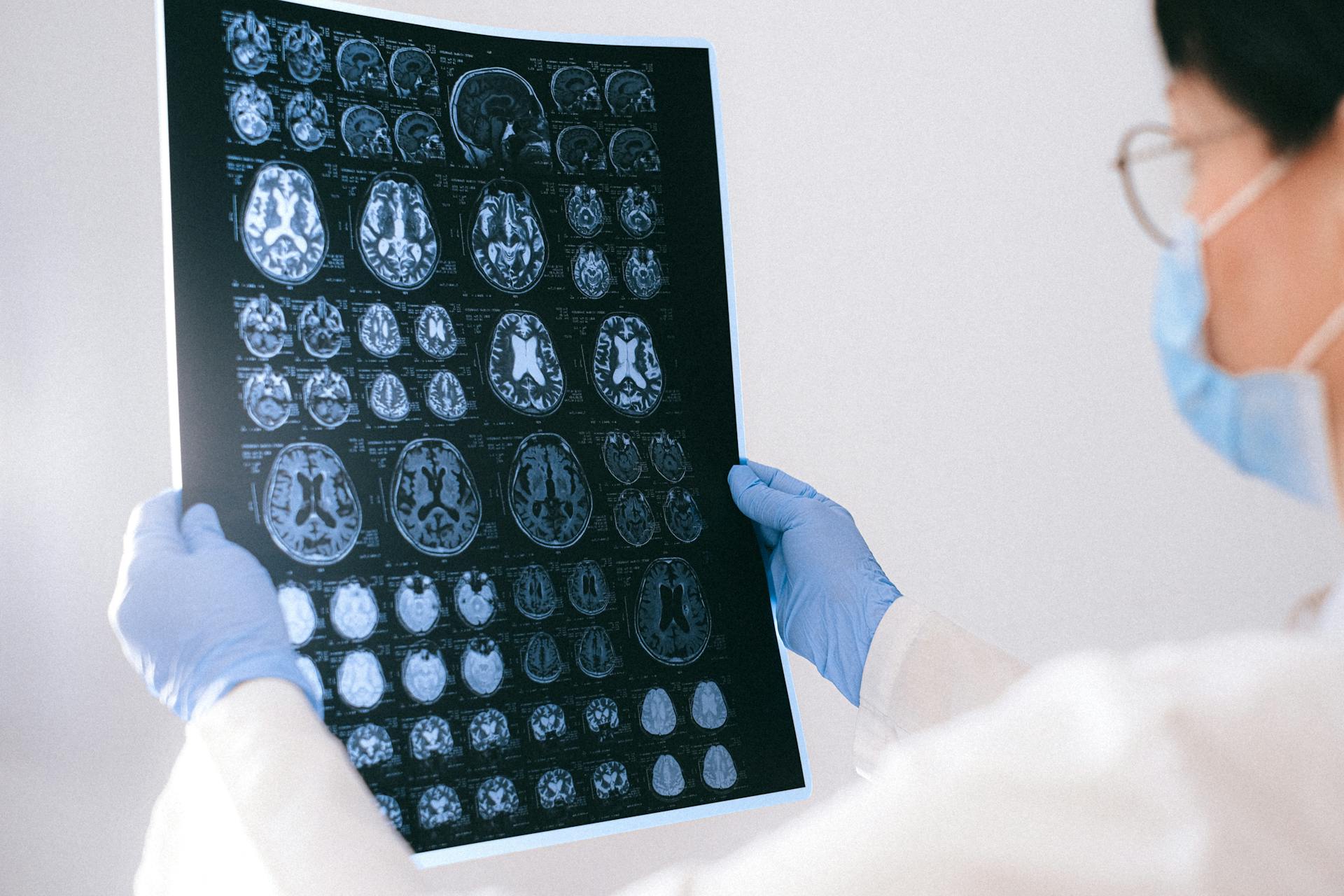
Source: Hybrid imaging is the future of molecular imaging – PMC

Regulatory Compliance Challenges in Medical Equipment Planning: A Practical Guide

The healthcare sector faces numerous challenges that necessitate strict adherence to regulatory compliance, particularly in the field of medical equipment planning. Regulatory compliance is the cornerstone of ensuring the delivery of safe and high-quality healthcare services. It protects patients from potential hazards and ensures the implementation of the highest safety and quality standards at all stages. In this practical guide, we will explore the concept of regulatory compliance, its importance in medical equipment planning, the relevant regulatory environments and authorities, the essential components of regulatory compliance, and the technological solutions that facilitate the process, while highlighting common challenges and possible solutions to address them.

What is Regulatory Compliance?

In the healthcare sector, regulatory compliance refers to the process through which healthcare institutions and stakeholders adhere to the laws, regulations, and standards issued by government agencies and regulatory bodies. Regarding medical equipment planning, regulatory compliance involves ensuring that all devices and technologies used comply with the technical and legal requirements aimed at protecting patient health and achieving the highest levels of quality and safety. The objectives of regulatory compliance include:

  • Protecting patients from potential hazards.
  • Ensuring the delivery of effective and safe medical services.
  • Maintaining the reputation of the healthcare institution.
  • Avoiding legal risks and financial penalties resulting from non-compliance.


Importance of Regulatory Compliance in Medical Equipment Planning

Regulatory compliance is of paramount importance in medical equipment planning. It forms the backbone of ensuring patient safety by implementing precise standards that guarantee the efficient operation of devices and reduce the likelihood of medical errors. Adherence to these standards also helps mitigate legal risks that may arise from negligence or non-compliance, thereby protecting the healthcare institution from legal penalties and financial fines that could harm its reputation and operational capabilities.

Furthermore, regulatory compliance is a fundamental element in improving the quality of healthcare services provided. It ensures the use of the latest technologies and equipment that meet patient needs in accordance with international standards. It also enhances trust among patients, investors, and regulatory bodies by demonstrating the institution’s transparency and integrity in all its dealings. In this way, healthcare providers can achieve an ideal balance between innovation in medical equipment planning and strict adherence to the standards necessary to ensure the delivery of safe and effective services.

التنظير التألقي

Regulatory Bodies in the Field of Medical Equipment

The healthcare sector in many countries is characterized by a stringent regulatory environment that imposes precise standards on the planning and use of medical equipment, ensuring patient safety and the quality of services provided. In this context, regulatory bodies play a vital role in monitoring and approving medical devices and ensuring their compliance with the highest safety and efficiency standards.

Among the most prominent of these bodies is the U.S. Food and Drug Administration (FDA), which is a key reference in reviewing and approving medical devices before they are placed on the market and also monitors recall processes in case any violations are discovered to ensure consumer protection. Centers for Medicare & Medicaid Services (CMS) also supervise the provision of health insurance services to citizens by setting precise standards related to the planning and use of medical equipment, thereby achieving the highest levels of safety and quality.

Additionally, the Health Insurance Portability and Accountability Act (HIPAA) is an essential part of the regulatory compliance system, focusing on protecting the privacy of health data, especially when exchanging information related to medical equipment and its planning. The health system does not overlook the importance of adhering to local and international regulations, as regulations vary from country to country, requiring healthcare institutions to keep pace with local requirements and apply international standards that contribute to improving the quality of planning and management of medical equipment.

In light of the rapid technological developments in recent times, new regulatory trends are emerging that require regular updates to regulations to keep pace with changes. Digital transformation has become an urgent necessity with the increasing use of electronic systems in data management, which necessitates updating information protection procedures within the framework of regulatory compliance. The spread of virtual care services has also led to the emergence of new regulatory challenges in monitoring the use of medical equipment and digital technologies, which necessitates reconsidering regulatory frameworks to ensure the provision of advanced and safe healthcare services that meet the needs of the digital age.

Essential Components of Regulatory Compliance

Building a robust regulatory compliance system in medical equipment planning is a comprehensive process that relies on several essential components that contribute to ensuring continuous adherence to regulations and standards. This process begins with the development of effective policies and procedures, where healthcare institutions must formulate clear and comprehensive policies that specify the steps necessary for planning and using medical equipment in accordance with regulatory standards, while maintaining records of documentation and continuous reviews of policies and procedures to demonstrate compliance.

Regulatory Compliance in health

This is followed by training and awareness of employees by providing specialized training courses for all workers, focusing on the importance of regulatory compliance and the application of regulatory regulations for medical equipment planning, and organizing workshops and periodic educational courses to ensure that all employees remain up to date with the latest developments. The process also includes risk assessment and management by conducting periodic assessments to identify weaknesses in medical equipment planning and areas that may be exposed to regulatory risks and developing practical strategies to reduce these risks.

Monitoring and auditing include conducting regular internal audits to ensure that all departments of the institution comply with the policies and procedures followed and implementing corrective action plans in case any violations or deficiencies in the system are discovered.

Technological Solutions to Enhance Regulatory Compliance

With the rapid technological development, digital solutions have become essential tools to improve regulatory compliance in medical equipment planning. These solutions can be divided into three main categories:

Electronic Health Records (EHR) Systems

  • Data Protection: Electronic systems ensure the protection of health information through advanced encryption techniques and multiple verification procedures, thereby enhancing regulatory compliance.
  • Accurate Documentation: Electronic health records provide comprehensive and accurate documentation of medical information, which helps achieve compliance standards by tracking details.
  • Notifications and Alerts: Modern systems provide users with instant alerts when any malfunction occurs, allowing for quick corrective actions.

Regulatory Compliance Management Software

  • Policy and Procedure Management: These programs facilitate the creation and updating of a central library of policies and procedures, increasing compliance transparency.
  • Training and Certification Tracking: Institutions can track training courses and their results to ensure employees are familiar with regulations.
  • Conducting Audits: Compliance programs simplify internal audit processes by collecting and analyzing data automatically, reducing manual effort.

Data Encryption Technologies and Security Solutions

  • Data Encryption: Institutions use advanced encryption techniques such as AES to protect data during transmission and storage.
  • Access Control Systems: RBAC is implemented to ensure employees access data according to their responsibilities only.
  • Periodic Security Assessment: Penetration tests are conducted to detect and address security vulnerabilities, enhancing information protection.

Challenges and Solutions for Medical Equipment Planning

Healthcare institutions face several challenges during the implementation of regulatory compliance, and these challenges and their solutions can be divided into four main categories:

Compliance Fatigue

  • Challenge: Employee fatigue due to continuous adherence to regulations and procedures.
  • Impact: Increased risks and non-compliance with procedures.
  • Solutions:
    • Periodic training and awareness of the importance of compliance.
    • Use of compliance management programs and automated tools.
    • Employee motivation and rewards.

Keeping Pace with Regulatory Changes

  • Challenge: Continuous changes in regulations and laws.
  • Impact: Reliance on outdated policies, legal penalties, and operational risks.
  • Solutions:
    • Appointing specialized teams to monitor regulatory developments.
    • Subscribing to specialized publications from regulatory bodies.
    • Using specialized software that automatically updates data.

Regulatory Compliance in health

Challenges Related to Data Security and Information Privacy

  • Challenge: Protecting sensitive data from cyberattacks.
  • Impact: Financial losses, erosion of patient trust, and legal penalties.
  • Solutions:
    • Enhancing encryption technologies to protect information.
    • Implementing strict access control policies.
    • Training employees on data protection and cybersecurity.

Balancing Regulatory Compliance and Quality of Patient Care

  • Challenge: Difficulty balancing compliance and providing personalized and rapid healthcare.
  • Impact: Delays in decision-making, and negative impact on service delivery speed.
  • Solutions:
    • Simplifying procedures to integrate compliance standards into daily operations.
    • Using smart technologies to monitor compliance automatically.
    • Involving medical staff in policy development to ensure quality care.

Regulatory compliance in medical equipment planning is an imperative to ensure patient safety, improve the quality of health services, and avoid legal and operational risks. Adherence to regulatory regulations and standards is the foundation upon which the success of healthcare institutions in facing the increasing challenges in a rapidly changing regulatory environment is based.

Building an integrated regulatory compliance system requires the adoption of essential components that include accurate policies and procedures, continuous training and awareness, risk assessment and management, and periodic monitoring and auditing. The use of advanced technological solutions is also a key pillar to facilitate planning and data management, contributing to achieving the highest standards of regulatory compliance.

HSI Center for Health Training and Consulting provides specialized courses and consulting services that keep them aware of the latest developments in the medical field, helping them provide the best level of service and care to patients.

How to Overcome Customer Management Challenges in the Medical Sector?

Under the rapid advancements in biomedical engineering, customer management has become a pivotal factor for success in a competitive market. The biomedical field is among the most complex sectors due to its direct impact on human health, reliance on cutting-edge technologies, and stringent regulatory frameworks. Here, Customer Relationship Management (CRM) systems emerge as strategic tools to enhance communication, boost sales, and build long-term partnerships with clients. But how can these systems be effectively implemented in a sensitive field like biomedicine?

Customer Relationship Management (CRM) systems are technological platforms designed to organize a company’s interactions with clients—from targeting and follow-up to data analysis for service improvement. In biomedicine, the significance of these systems extends beyond sales growth to ensuring compliance with medical regulations, enhancing service quality for hospitals and physicians, and even strengthening brand reputation. Customer management here is not merely a marketing tool but part of an ethical framework aimed at safeguarding patients and institutions.

Customer Management

For instance, CRM systems help track client requests for medical devices, manage warranties, and remind technical teams of scheduled maintenance. This meticulous organization reduces human error and bolsters client trust in the brand—especially when dealing with diagnostic or therapeutic devices that directly impact patient lives. Effective customer relationship management thus becomes a social responsibility before a commercial one.

The Role of CRM Systems in Boosting Sales

The challenges in the biomedical sector go beyond developing medical solutions; they also involve managing multiple stakeholders in the sales process. A single client may include diverse parties such as physicians, procurement teams, maintenance staff, and regulatory bodies. CRM systems prove critical in coordinating communication among these stakeholders without losing vital information, ensuring a unified client experience. Successful CRM relies on understanding each party’s role and addressing their needs efficiently.

Moreover, medical devices often require specialized technical support and urgent interventions during emergencies. Enhanced CRM systems allow complaints to be prioritized and routed to the appropriate teams seamlessly, ensuring swift responses to client requests. In this context, customer management becomes about saving lives before generating profits.

Key Challenges in Biomedical Customer Management

Companies in biomedicine face unique challenges when implementing CRM systems. Chief among these is strict compliance with regulations such as GDPR (data protection) and FDA guidelines. These laws require companies to adapt CRM systems to meet regulatory demands, avoiding legal penalties and safeguarding patient and institutional confidentiality. Additionally, the biomedical sector involves highly complex sales cycles—often spanning months or years—due to multi-stage evaluations, administrative approvals, and clinical trials. This complexity demands precise, customized sales pipelines within CRM systems, coupled with continuous client updates, necessitating patient customer management and long-term strategies.

Effective Strategies to Improve Customer Management in Biomedicine

To maximize CRM benefits, biomedical companies should adopt tailored strategies. The first step is customizing CRM systems to address unique medical needs. Off-the-shelf CRM solutions may fall short, requiring features like stored data on sold devices, integration with medical databases, or inclusion of international quality certifications (e.g., ISO 13485) in client profiles. Such customization ensures flexibility in meeting the sector’s distinct requirements.

Teams must also be trained in both technical and communication skills. Sales personnel should understand biomedical engineering fundamentals alongside CRM proficiency, enabling professional client interactions—especially when explaining complex device specifications. Successful customer management balances technical expertise with human empathy.

Predictive analytics can anticipate future client needs by analyzing past sales data. For example, if a hospital purchases an MRI machine, it may require upgrades or comprehensive maintenance after five years. Smart CRM shifts from reactive to proactive engagement.

The Role of Technology in Advancing CRM Systems

Technology has become essential in refining customer management, particularly in healthcare. Modern CRM systems offer revolutionary tools, including:
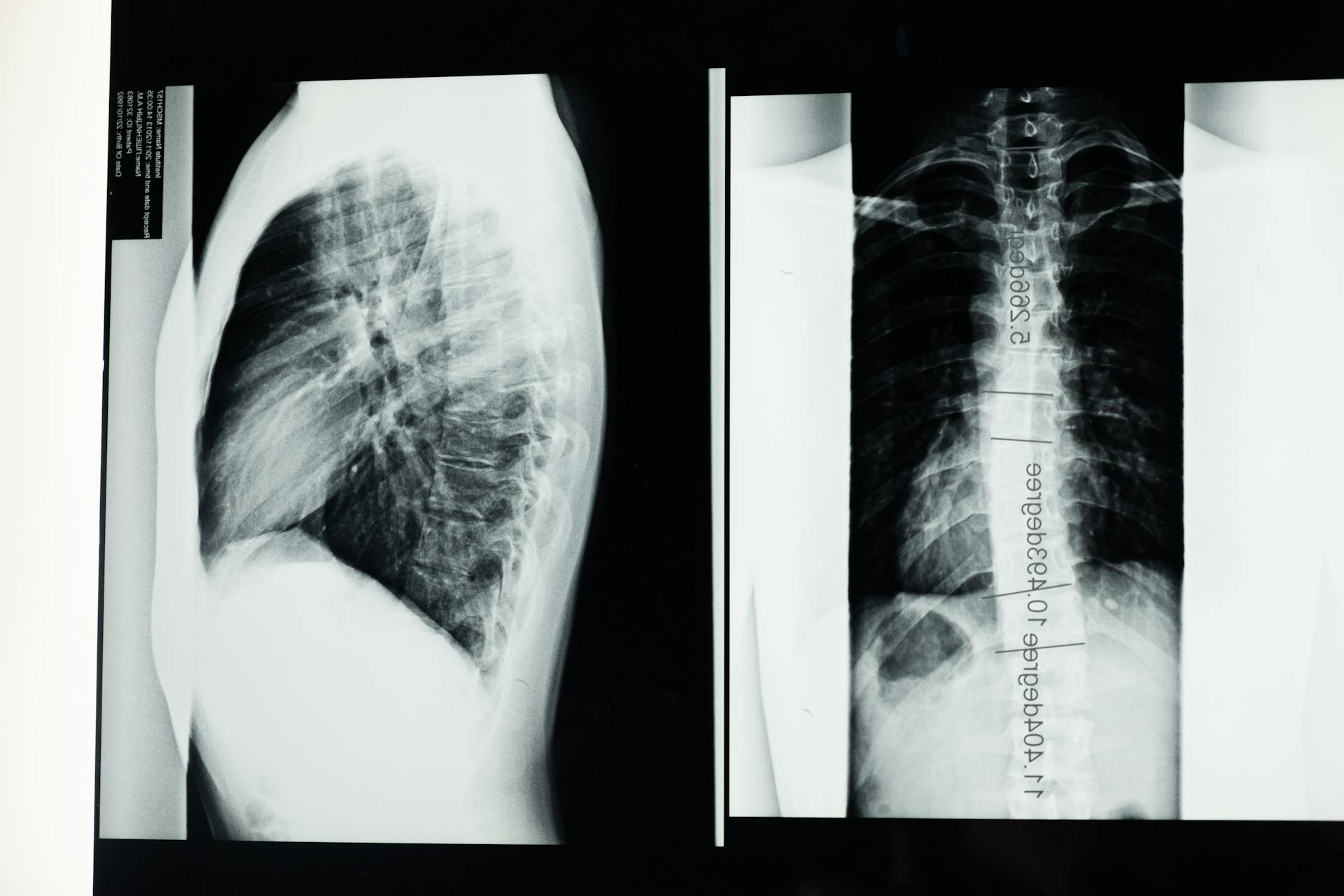
Artificial Intelligence (AI): Analyzes client data to propose innovative solutions.

Integration with smart devices: Monitors performance and sends maintenance alerts.

Interactive dashboards: Enable real-time performance tracking and informed decision-making.

Augmented Reality (AR): Provides remote, detailed demonstrations of medical devices.

Customer Management in the Medical Sector

These tools streamline maintenance, reduce downtime, deliver accurate insights, simplify purchasing, and enhance client satisfaction through seamless experiences.

The Future of CRM in Biomedicine

The future of customer management will see greater personalization, with technologies like the Internet of Things (IoT) enabling direct communication with medical devices, automated maintenance alerts, and proactive monitoring. Virtual Reality (VR) will enhance client training for complex equipment, strengthening brand engagement.

CRM systems are a strategic necessity for biomedical companies—not just to boost sales but to build trust through deep client understanding and innovative solutions. As technology evolves, these systems grow smarter, empowering companies to excel in a market where there is no room for chance.

Success in this field demands more than high-quality products; it hinges on communication, rapid problem resolution, and data-driven decisions. Customer management is not optional—it is an investment in brand reputation and client satisfaction. With the right tools and strategies, every client interaction becomes an opportunity to foster loyalty and drive innovation in a sector that touches millions of lives.

Artificial intelligence in medical imaging | A revolution in the world of diagnostics

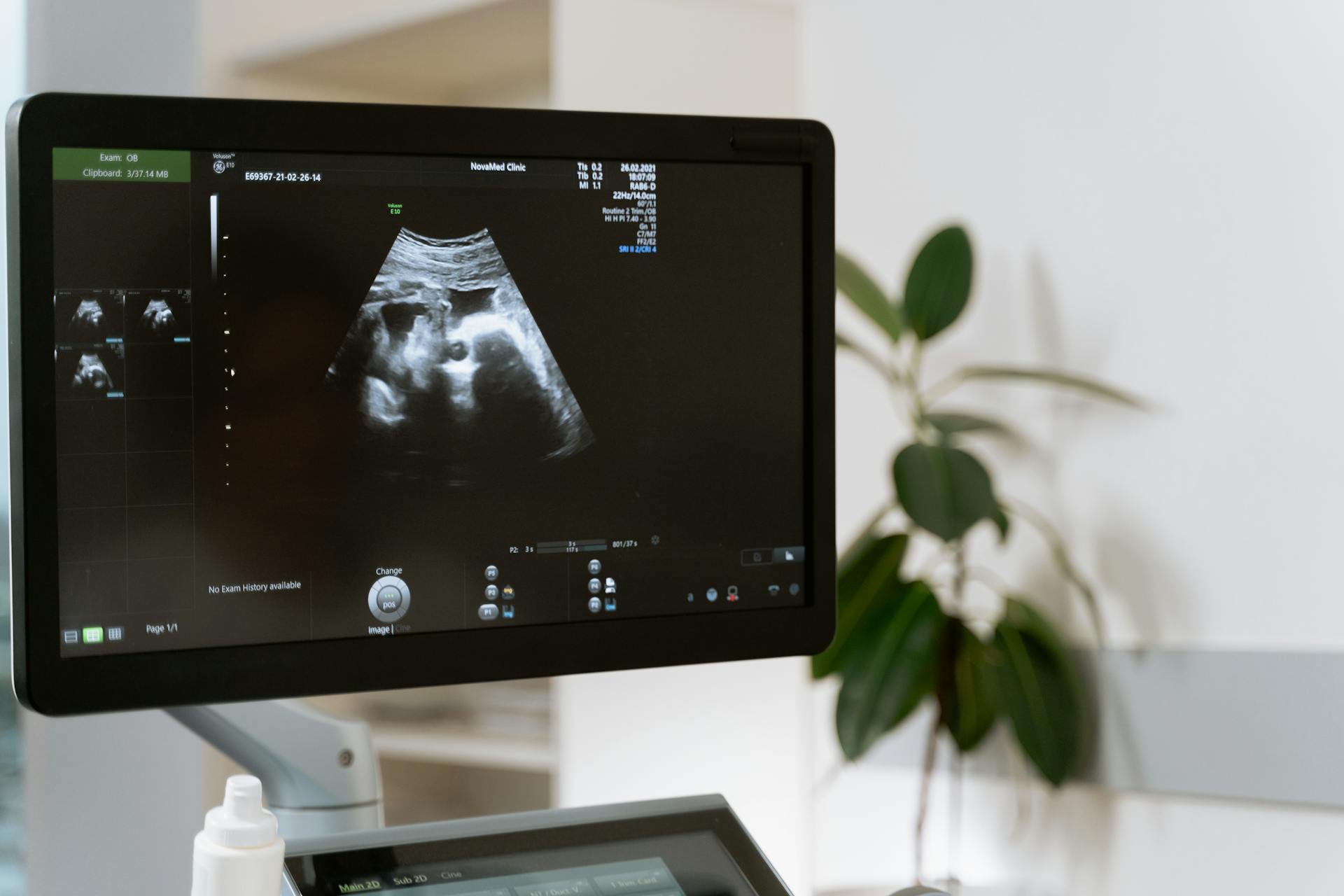
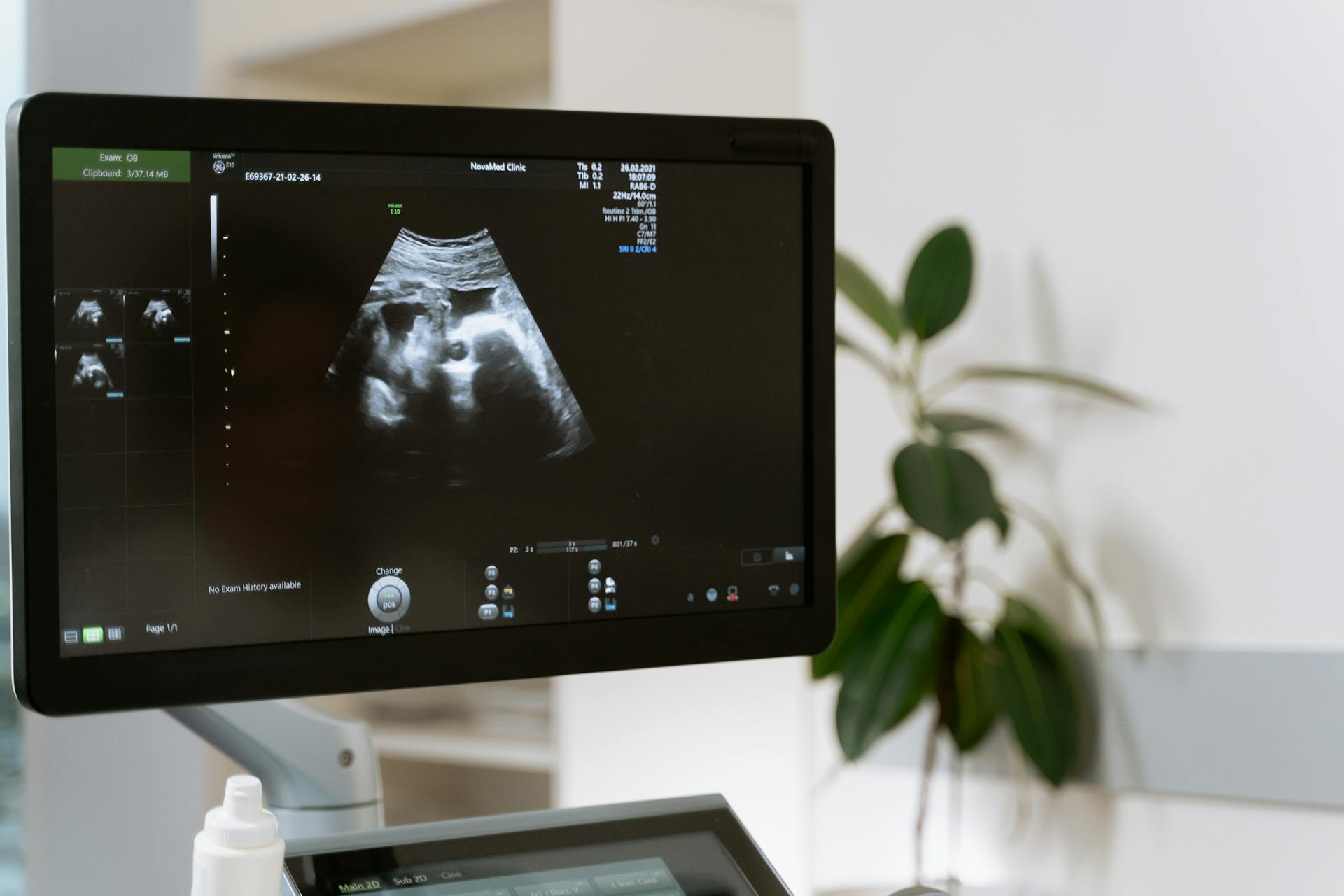
​In recent decades, there has been a significant advancement in medical diagnostics, especially following the recent surge in artificial intelligence (AI). AI has become a fundamental component in enhancing the accuracy and speed of disease detection. Physicians no longer rely solely on their clinical expertise and traditional tools; they can now leverage AI’s capabilities to analyze medical images and derive precise diagnoses swiftly. So, how does Artificial intelligence contribute to improving medical imaging? And what are its most prominent applications in this field?​

How Does Artificial Intelligence Operate in Medical Imaging?

AI systems in medical imaging rely on deep learning techniques, where algorithms are trained on vast datasets of pre-classified medical images. These systems can identify subtle patterns within images that might be imperceptible even to trained human eyes.​

The operation of AI in medical diagnostics involves three primary stages:

Data Collection: Amassing large volumes of radiological images and accurate diagnostic data from previous patients.​

Training: Teaching deep neural networks to recognize various pathological indicators.​

Analysis: Accurately examining new images and providing a diagnosis or alerting the physician to potential issues.​

ai

The Role of Artificial intelligence in medical imaging

Medical imaging stands as one of the most crucial diagnostic tools, with physicians depending on techniques like X-rays, Magnetic Resonance Imaging (MRI), and Computed Tomography (CT) scans. With AI’s evolution, it’s now possible to analyze these medical images using machine learning algorithms and deep neural networks.​

Artificial intelligence in this domain is characterized by its ability to:

  • Analyze images with exceptional precision, aiding in the early detection of tumors and chronic diseases such as cancer and heart conditions.​
  • Reduce medical errors, enhancing diagnostic accuracy and minimizing the chances of misdiagnosis.​
    welt.de
  • Accelerate medical procedures, as AI can examine thousands of images in a fraction of the time it would take using traditional methods.​

Applications of Artificial intelligence in Medical Imaging

AI is utilized in a wide array of applications within medical imaging, revolutionizing the diagnostic landscape. Notable applications include:​

Early Cancer Detection: AI enhances the identification of cancerous tumors, particularly in breast and lung cancers. Algorithms analyze mammograms and CT scans of the lungs, facilitating the discovery of tumors in their initial stages.​

Cardiovascular Disease Diagnosis: Echocardiography is a fundamental tool for diagnosing heart diseases. AI assists in analyzing cardiac images, measuring blood flow, and detecting valve disorders with high precision.​
X-ray Image Analysis: AI is employed to interpret X-ray images, identifying conditions like pneumonia, osteoporosis, and bone fractures. During the COVID-19 pandemic, it was extensively used to diagnose virus-induced pneumonia.​

MRI and CT Imaging: AI systems analyze MRI and CT images to detect neurological diseases such as Alzheimer’s and strokes, enabling faster assessment of brain changes compared to traditional methods.​
Ophthalmology and Retinal Disease Diagnosis: AI is a vital tool in diagnosing retinal conditions like diabetic retinopathy, glaucoma, and macular degeneration. It analyzes retinal images to detect potential issues early, aiding in vision preservation.​

Challenges Facing Artificial intelligence in Medical Diagnostics

Despite the significant progress AI has made in medical imaging, several challenges persist:

Need for High-Quality, Extensive Data: AI systems require large, diverse datasets for effective training, which can be limited due to legal constraints and medical data-sharing ethics.​
Physician Acceptance and Integration with Medical Systems: Some physicians remain hesitant to fully adopt AI, posing challenges to its acceptance and integration.​

Potential Data Bias: Training systems on unbalanced datasets can lead to diagnostic errors, especially when dealing with diverse populations.​
The future is trending towards increased integration of AI in healthcare, with expectations of improved diagnostic accuracy through the development of deep learning algorithms. This includes integrating AI with surgical robots to reduce errors, developing predictive techniques for early disease detection, and utilizing portable technologies to analyze medical images via smart devices.​

كيف يؤثر الذكاء الاصطناعي AI على مستقبل التصوير بالرنين المغناطيسي؟

AI has become a cornerstone in the revolution of medical diagnostics, contributing to improved analysis accuracy, error reduction, and faster diagnoses. Despite the challenges it faces, ongoing advancements in AI technologies promise a more precise and efficient future in medicine. Embracing these technologies will enhance healthcare quality, offering greater opportunities to save patients’ lives and improve diagnostic and treatment experiences.​

Having explored how Artificial intelligence is revolutionizing medical diagnostics, we invite you to be part of this remarkable development. If you’re seeking to gain in-depth knowledge and practical skills in this vital field, the HSI Center for Healthcare Training & Consultation offers you a golden opportunity through specialized biomedical engineering courses. These courses are designed to equip you with the latest technologies and knowledge necessary to keep pace with rapid advancements in AI and medical imaging. Join us today, invest in your professional future, and become a pioneer in utilizing AI to save patients’ lives and enhance healthcare quality.​

Machine Learning in Radiology | Case Studies and Key Applications

Artificial intelligence is defined as a branch of computer science aimed at designing systems and programs capable of simulating human cognitive abilities such as thinking, learning, and decision-making. One of its most prominent techniques in the medical field is known as machine learning in radiology, which relies on advanced algorithms to analyze big data and medical images. The applications of machine learning in radiology vary and include technologies such as deep learning and traditional machine learning, as well as the use of natural language processing (NLP) techniques that contribute to the preparation of medical reports and the analysis of electronic records. In this article, we will explore the applications of machine learning in medical imaging technologies.

Machine Learning in Radiology

The journey of applying artificial intelligence in radiology began decades ago with the advent of computer-aided detection systems, initially used in fields like breast imaging for tumor diagnosis. With increasing computational power and advancements in data technologies, machine learning techniques in radiology have come to play a pivotal role in significantly improving diagnostic accuracy and reducing medical errors. This development helps save time for radiology specialists by allowing intelligent systems to handle routine tasks, thereby enabling doctors to focus on complex cases.

Applications of Machine Learning in Radiology

Machine learning in radiology has brought about radical transformations in many radiology specialties. Below are the most prominent applications along with case studies that illustrate its effective impact.

1. Neuroimaging

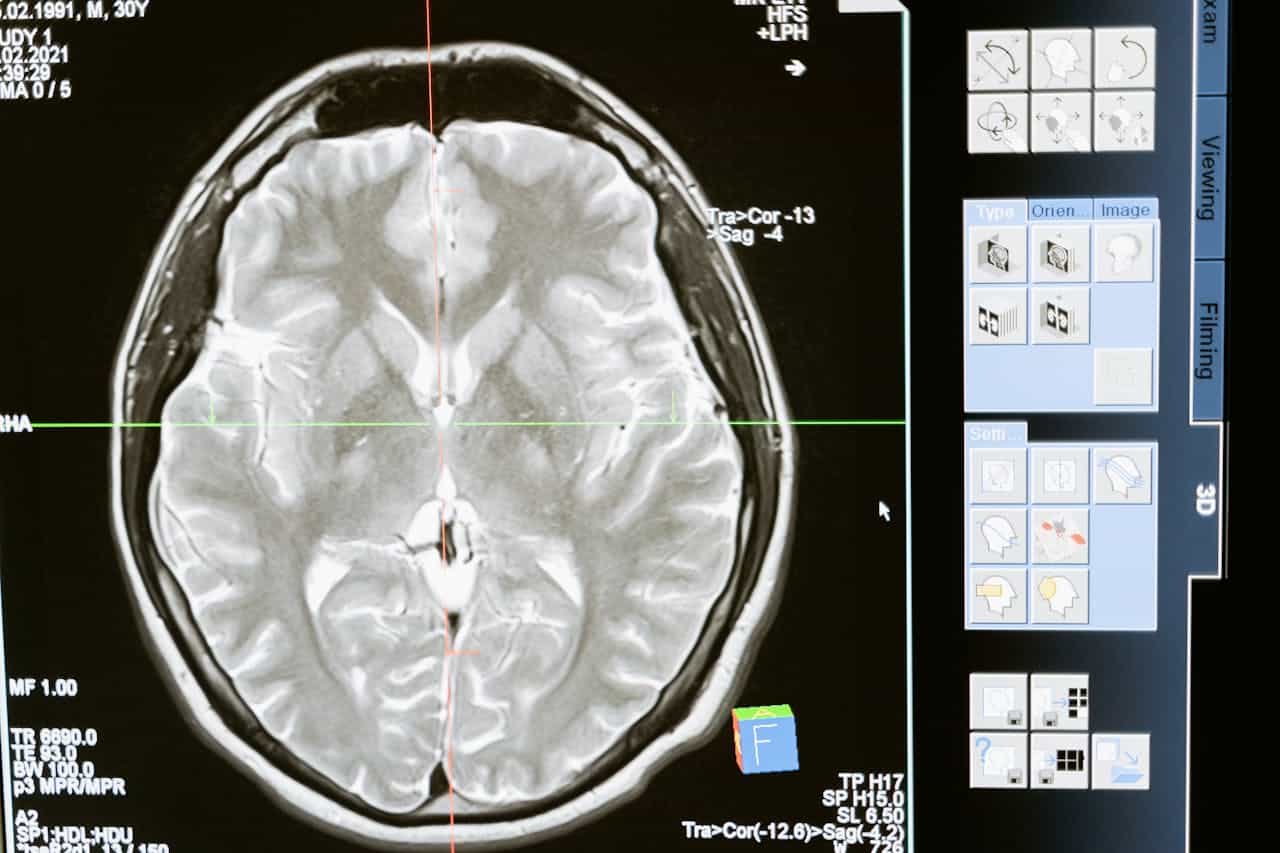
In the field of neuroimaging, machine learning is used to detect brain tumors and assess neurodegenerative diseases such as Alzheimer’s and Parkinson’s disease. Systems rely on deep learning algorithms to analyze magnetic resonance imaging (MRI) and computed tomography (CT) scans, discerning subtle differences between normal tissues and affected areas. For example, some studies have demonstrated that machine learning algorithms in radiology can distinguish between low-grade and high-grade tumors with greater accuracy than traditional methods, thereby contributing to improved treatment options and surgical planning.

Neuroimaging

2. Mammogram Imaging

The diagnosis of breast cancer is one of the most prominent areas benefiting from machine learning in radiology. Deep learning techniques have contributed to the development of medical image analysis systems that examine mammogram images and identify tumors at early stages. Case studies indicate that these systems can achieve high accuracy rates in detecting tumors that might be overlooked during manual examinations, thus reducing diagnostic errors and improving patient survival rates.

3. Chest Imaging

Machine learning in radiology plays an important role in analyzing X-ray and chest images to diagnose conditions such as pneumonia, tuberculosis, and pulmonary fibrosis. Deep learning techniques are employed to analyze these images with extreme precision, enabling the system to differentiate between healthy tissues and those affected by disease. Moreover, these techniques are applied in emergency settings to quickly identify critical conditions like pneumothorax and fluid accumulations, thereby aiding in prompt, life-saving interventions.

4. Cardiac Imaging

Evaluating heart and vascular diseases is a vital area that has greatly benefited from machine learning in radiology. Artificial intelligence techniques are used to analyze chest CT scans and cardiac MRI to detect arterial blockages and assess heart function. Machine learning-supported models can analyze multidimensional data and integrate it with results from other tests to provide comprehensive and accurate diagnoses, thus contributing to improved treatment plans and reduced surgical risks.

heart imaging

5. Abdominal Imaging

In abdominal imaging, machine learning techniques are used to diagnose diseases of the liver, pancreas, and kidneys. Systems analyze CT images to detect masses or tumors and evaluate their characteristics, helping to differentiate between benign and malignant tumors. Studies show that these techniques can reduce diagnosis time and increase accuracy, allowing doctors to intervene early and provide appropriate treatment.

6. Musculoskeletal Imaging

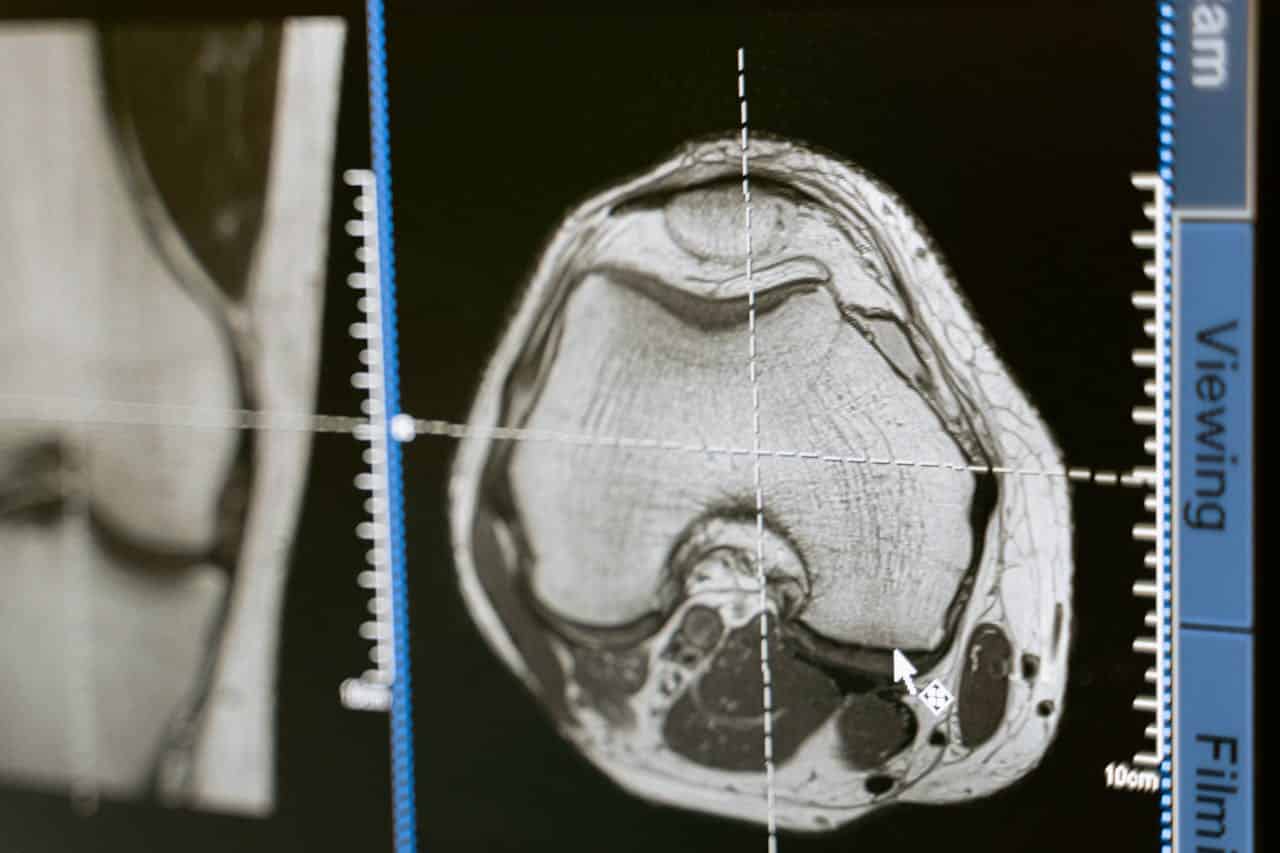
Applications in musculoskeletal imaging include diagnosing fractures, assessing joint and bone diseases, and identifying cases of arthritis. Algorithms analyze X-ray and MRI scans to accurately detect abnormalities in the skeletal structure. This enhanced analysis improves diagnostic accuracy and offers customized treatment recommendations, ultimately contributing to an improved quality of life for patients.

7. Nuclear Medicine Imaging

In nuclear medicine, machine learning in radiology has improved the quality of images obtained through techniques such as PET and SPECT. AI-based denoising and filtering techniques are used to reduce noise and enhance image precision, which contributes to the early detection of tumors and cardiac and neurological diseases. Additionally, these techniques help reduce the required radiation doses without compromising diagnostic quality.

8. Interventional Radiology

Machine learning is applied in interventional procedures to enhance the accuracy of surgical interventions and reduce risks. Algorithms provide immediate support during surgery by analyzing images and precisely identifying target tissues, which aids in planning procedures and improving patient outcomes. Intelligent systems are also used to monitor interventions and offer real-time recommendations to physicians during operations.

Interventional Radiology

Enhancing Patient Care Through Machine Learning in Radiology

The benefits of machine learning in radiology extend beyond diagnosis to include significant improvements in patient care:

  • Support for Medical Decision-Making: Intelligent systems help analyze clinical data and medical images to provide precise treatment recommendations, reducing medical errors and bolstering physicians’ confidence in their diagnoses.
  • Improved Workflow: Machine learning techniques help organize appointment schedules and prioritize examinations, thereby enhancing the efficiency of medical departments and reducing waiting times.
  • Reduced Radiation Exposure: By employing image enhancement techniques, the need for repeat examinations is minimized and radiation doses for patients are reduced without affecting diagnostic quality.
  • Early Diagnosis and Personalized Treatment: Intelligent systems enable the early detection of tumors and chronic diseases, allowing for personalized treatment plans tailored to each patient’s health condition.

Challenges and Future Prospects

Despite the significant achievements of machine learning in radiology, several challenges remain:

1- Data Quality and Diversity

Training machine learning algorithms requires large and varied datasets. However, issues of privacy and data confidentiality pose major obstacles to data collection. Techniques like federated learning may offer promising solutions to progress without compromising patient privacy.

2- Integration and Interoperability

Machine learning systems must operate seamlessly with existing medical systems such as Radiology Information Systems (RIS) and Picture Archiving and Communication Systems (PACS). Achieving interoperability and integration with diverse software systems represents a significant challenge.

Machine Learning in Radiology

3- Transparency and Explainability

A major challenge is the “black box” phenomenon, where it can be difficult to understand how algorithms make decisions. Developing explainable AI systems is essential to build trust between physicians and intelligent systems and ensure their safe and effective use in clinical environments.

4- Quality Assurance and Regulatory Approval

Machine learning systems must undergo rigorous testing to ensure their accuracy and safety before clinical use. Regulatory bodies like the FDA require strict standards to confirm that these systems are both safe and effective. Continuous research, development, and collaboration between developers and medical institutions are vital to achieving this.

5- Ethical and Privacy Concerns

Issues regarding data privacy and the handling of sensitive information pose significant ethical challenges. Medical institutions must adhere to the highest standards of data protection and ensure that the use of machine learning does not introduce biases that negatively impact certain patient groups. Clear policies for data management and the handling of diagnostic results are essential to maintain fairness and transparency throughout the diagnostic process.

Case Studies and Practical Applications

Multiple studies have demonstrated the tangible benefits of machine learning in radiology in real clinical settings. For example, the use of deep learning to analyze mammogram images has improved early detection of breast tumors and reduced mortality. In emergency settings, intelligent systems have expedited the diagnosis of pneumonia and pneumothorax via X-ray image analysis, enabling prompt intervention. Additionally, machine learning techniques have precisely analyzed cardiac MRI scans to identify heart failure and devise personalized treatment plans, while in abdominal imaging, intelligent models have differentiated between benign and malignant liver tumors, facilitating targeted treatments and reducing the need for complex surgeries.

Machine Learning in Radiology

Machine learning in radiology represents a qualitative leap in medical diagnostics, offering advanced analytical tools that enable early disease detection and enhanced patient care. Its applications span all radiology specialties—from neuroimaging to nuclear and interventional radiology—improving diagnostic accuracy and reducing medical errors. Despite challenges related to data diversity, interoperability, and transparency, ongoing research and development remain key to overcoming obstacles and achieving optimal integration between intelligent systems and clinical diagnosis.

The success of machine learning in radiology depends not only on technological advancements but also on close collaboration among physicians, researchers, developers, and policymakers. Such cooperation is essential for developing safe, transparent, and effective systems that ensure high-quality healthcare and improved patient outcomes.

As advancements continue, experts expect the future of machine learning in radiology to witness further innovations that will revolutionize the methods of diagnosing and treating diseases. This underscores the necessity of investing in education, training, and the development of digital infrastructure within medical institutions. These efforts will not only improve diagnosis and treatment but also open new horizons for scientific research and clinical applications, ultimately enhancing healthcare quality worldwide.

The HSI Center welcomes medical engineers passionate about exploring the world of medical imaging and its advanced technologies by offering unique training courses. Through these courses, participants will delve deep into both theoretical and practical knowledge, acquiring the skills needed to actively contribute to progress in this rapidly evolving field. Join us on this inspiring educational journey and become part of the future of medical imaging.

Your Guide to Medical Equipment Planning in Hospitals and Medical Centers

The field of medical technology is witnessing continuous and rapid advancements, with new and improved equipment being introduced regularly. Therefore, medical equipment planning must keep pace with this dynamic landscape while adhering to strict regulatory standards and managing significant financial investments. This process requires a deep understanding of the hospital’s clinical, technical, and financial needs.

This article aims to provide a detailed overview of the essential steps hospitals need to take to effectively plan for their medical equipment needs in the modern era. By reviewing these steps, hospitals can enhance their ability to deliver exceptional healthcare and achieve long-term sustainability.

Medical Equipment Planning

There is no doubt that modern medical equipment plays a pivotal role in delivering high-quality healthcare and improving patient outcomes. Contemporary hospitals heavily rely on a wide range of advanced devices for diagnosis, treatment, monitoring, and rehabilitation. The efficiency and proper availability of these devices directly impact the quality of healthcare services provided and the effectiveness of clinical operations.

Moreover, medical equipment is highly complex, and its technology is constantly evolving. As a result, it requires a high level of knowledge regarding precise installation procedures, design standards, and environmental conditions to ensure optimal performance. These requirements present numerous design challenges while also considering intricate logistics and reducing overall costs.

Medical Equipment Planning

Essential Steps for Medical Equipment Planning in Modern Hospitals

Medical equipment planning is not merely a logistical task; it is a strategic necessity for modern hospitals. This planning involves adopting a comprehensive approach to ensure that hospitals acquire the right equipment, in the right place, at the right time, and within the available budget. This strategic perspective is essential for optimizing resource allocation and achieving the hospital’s organizational goals.

1- Understanding the Hospital’s Needs

The fundamental step in planning medical equipment is a comprehensive understanding of the patient population served by the hospital. This includes analyzing demographics, prevailing health conditions, and social and economic factors to predict the types and volumes of medical services required. For instance, the needs of a hospital in an area with a large elderly population will differ from those of a hospital serving a younger demographic.

It is also crucial to clearly define the specialized departments and services offered by the hospital. These specific departments and services directly determine the hospital’s equipment requirements. For example, the cardiology department will require different equipment from the orthopedic surgery department, and a pediatric hospital’s needs will differ from those of a facility focused on elderly care. Therefore, a clear understanding of the hospital’s specialization and service portfolio is essential for effective medical equipment planning.

Before planning for new equipment, it is necessary to evaluate the current inventory of medical devices. This includes documenting the specifications, age, condition, and functions of existing equipment to determine whether upgrades or replacements are needed. This assessment helps avoid unnecessary purchases and ensures that the hospital’s equipment aligns with its present and future needs.

A comprehensive needs assessment forms the basis of effective medical equipment planning, ensuring that the procurement of equipment aligns with the hospital’s mission and patient needs. Without a clear understanding of whom the hospital serves and what services it offers, any effort to plan for medical equipment will be misplaced. Analyzing patient demographics helps predict the types and volumes of medical services required, which in turn determines the necessary equipment. Similarly, knowing the current inventory prevents over-purchasing and highlights areas that need updating.

2- Planning for Functionality and Efficiency

Medical equipment planning should focus on seamlessly integrating technology with the existing hardware and IT systems in the hospital while considering future technological developments. Modern medical devices often need to integrate with the hospital’s existing IT systems, such as electronic health records and other medical devices. The planning must account for the compatibility and interoperability of new equipment to ensure smooth data exchange and efficient workflows. Moreover, anticipating future technological advancements is critical to avoid purchasing equipment that may quickly become obsolete.

Prioritizing the selection of user-friendly equipment is essential to reduce the training time required for staff and enhance efficiency among healthcare professionals. User-friendly devices with intuitive interfaces can significantly decrease the time needed for staff training and reduce the likelihood of errors, ultimately leading to increased efficiency and improved patient care.

Medical equipment planning should also include developing comprehensive maintenance and service plans to ensure continuous equipment availability and prolong its lifespan. Regular maintenance is vital for ensuring that medical devices remain operational and perform optimally. Detailed maintenance schedules and service agreements should be developed as part of the planning process to extend equipment life and minimize downtime.

Effective workflow design around dedicated medical equipment is essential to enhance patient outcomes and staff productivity. Careful planning of the placement and utilization of medical equipment improves workflow, boosts patient throughput, and enhances staff productivity. This involves considering the physical layout of departments and the sequence of steps involved in patient care.

Planning for functionality and efficiency goes beyond mere equipment acquisition—it includes ensuring that equipment is effectively used and maintained within the hospital’s operational context. Modern hospitals are complex ecosystems where different technologies must interact seamlessly. Medical equipment planning must consider this interoperability to avoid compatibility issues that could hinder workflows and compromise patient care. Similarly, user-friendly designs reduce the learning curve for staff, leading to quicker adoption and fewer errors, while proactive maintenance planning minimizes downtime and ensures that equipment remains in optimal working condition.

3- Financial Considerations and Budgeting

Budgeting is a critical aspect of medical equipment planning, requiring meticulous financial planning to secure the best equipment at a sound investment. This involves considering not only the initial purchase price but also the long-term costs associated with maintenance, supplies, and operations to determine the total cost of ownership.

Hospitals invest in new equipment to enhance patient care, operational efficiency, diagnostic accuracy, and treatment outcomes. Evaluating the potential return on investment (ROI) helps justify the expenditure by demonstrating the expected benefits over time. Various financing options are available for acquiring medical equipment, including capital expenditure budgets, government grants, and leasing agreements. Medical equipment planning should explore these options and understand their respective advantages and disadvantages to make informed financial decisions.

Financial planning is a crucial aspect of medical equipment planning and requires a comprehensive understanding of the total cost of ownership and potential funding sources. The decision to acquire medical equipment involves a significant financial commitment that must extend beyond the initial purchase price to include long-term costs such as maintenance, supplies, and operational expenses. Evaluating the ROI helps justify the investment by highlighting the potential benefits in terms of improved patient outcomes, increased efficiency, or higher revenues. Exploring various financing options allows hospitals to optimize their financial resources and facilitate the necessary acquisitions.

4- Safety and Regulatory Compliance

Patient and staff safety must be a top priority in medical equipment planning. This involves selecting equipment with robust built-in safety features that minimize the risks associated with its use. Adhering to regulatory standards is one of the most critical steps in medical equipment planning, which includes compliance with local building codes, national legislation, and industry standards, as well as guidelines and regulations set forth by agencies such as the U.S. Food and Drug Administration (FDA).

When planning for new hospital equipment, it is essential to provide proper training for the staff to ensure their safety and the effective operation of the equipment. Additionally, when medical equipment reaches the end of its lifecycle, proper disposal methods that comply with regulatory requirements must be considered as part of the equipment plan.

Adhering to safety standards and regulatory compliance is non-negotiable in medical equipment planning, protecting both patients and healthcare professionals. Given the inherent risks associated with medical devices, planning must prioritize safety by selecting equipment with strong safety features and ensuring compliance with all relevant regulations. Adequate training is crucial to minimizing user errors and ensuring safe and effective equipment operation, while responsible disposal of outdated equipment is essential for environmental safety and regulatory compliance.

5- Space Planning and Infrastructure

Medical equipment planners work closely with architects and builders to ensure that there is adequate and appropriate space allocated for each piece of equipment. This includes considering factors such as power requirements, climate control systems, and necessary peripherals, and ensuring the seamless integration of equipment within the healthcare facility. The physical size and weight of the machines must also be taken into account.

Coordinating systems is an important aspect of hospital design, and medical equipment must be synchronized with other building systems such as lighting, alarms, and ventilation. Hospitals should plan for future growth and ensure that spaces are flexible enough to accommodate new medical equipment as needed. Incorporating flexible designs, such as modular interfaces, can facilitate future equipment changes.

Effective medical equipment planning requires a careful study of the physical environment and infrastructure needed to support the proper performance of medical devices. Medical equipment often has specific spatial and structural requirements, so planning must involve close collaboration with architects and engineers to ensure that the facility can accommodate the size, weight, power, and environmental control needs of the chosen equipment. Proper integration with existing building systems is critical for safety and functionality, and planning for future growth ensures that the hospital can adapt to technological advances without significant disruption.

6- Effective Inventory Management

Effective inventory management is the cornerstone of successful medical equipment planning. Inventory management programs play a vital role in ensuring that the appropriate equipment and supplies are available for healthcare facilities when needed. For successful use of barcode technology in medical equipment, barcodes must be clear and well-made, and staff should be provided with appropriate scanning technology to read them. Although not mentioned as a separate point, maintaining an accurate inventory through regular audits is crucial for effective medical equipment planning.

Future Planning for Medical Equipment

Hospitals must look beyond current circumstances and anticipate facility growth over time when planning for medical equipment. Equipment planning should also take into account future technological developments to avoid costly upgrades or replacements.

Future-oriented medical equipment planning involves having a long-term vision for the hospital, ensuring that current investments continue to meet future needs. Hospitals are dynamic entities that may experience growth in patient numbers or an expansion in services over time. Medical equipment planning should not be limited to immediate needs but should also forecast future requirements. Selecting scalable equipment and designing flexible spaces allow hospitals to adapt to these changes without incurring significant future costs or disruptions.

Thorough quality assurance and performance verification are essential steps in medical equipment planning to ensure that the acquired devices meet the required standards and perform as expected. Before putting medical equipment into service, it is crucial to verify that it operates correctly and safely. Comprehensive inspection and testing procedures conducted by qualified biomedical engineers can identify potential issues or defects before they impact patient care. Establishing performance metrics and monitoring equipment effectiveness post-implementation allows for continuous evaluation and ensures that the investment yields the intended benefits.

The Role of Technology in Medical Equipment Planning

The technology used in medical equipment is constantly evolving, which requires a high level of expertise for proper performance. Medical equipment planning must consider future technological developments to avoid costly upgrades or replacements. Specialized computer programs are used for collaborative building design, tracking equipment specifications, generating progress reports, and cost estimates.

Technology plays a dual role in medical equipment planning: as a subject of the planning process and as a tool to facilitate it. The rapid technological advancements in medicine mean that medical equipment planning must be forward-looking and anticipate future innovations. Additionally, technology itself provides valuable tools to manage the complexities of equipment planning—from collaborative design platforms to inventory management systems. The expertise of technology managers is crucial in navigating this evolving landscape and ensuring that technology investments align with the hospital’s strategic objectives.

The Importance of Engaging Medical Equipment Planning Experts

Medical equipment planners possess the knowledge and experience to determine specifications, overall cost, and more. Vendors can ensure that everything is classified correctly and that equipment is shipped to the right location on the right date and time. Experienced professionals can assist organizations in identifying any hospital equipment that their laboratory or facility may require.

Engaging external experts in medical equipment planning can provide valuable insights and ensure a more efficient and effective planning process, especially for complex projects. Medical equipment planning is a specialized field that requires an in-depth understanding of medical technologies, regulatory requirements, and best practices in project management. Involving experienced consultants enables hospitals to access this expertise, helping them make informed decisions, avoid costly errors, and ensure a smooth and successful equipment acquisition process.

Effective medical equipment planning is essential for delivering high-quality patient care and ensuring the long-term success of modern hospitals. By following these fundamental steps, hospitals can enhance their ability to meet the needs of their patients, staff, and the community as a whole.

Are you looking to advance your career in biomedical engineering? HSI Center is your ideal choice for achieving your ambitions. With our specialized and diverse training programs, we equip you with the necessary skills and knowledge to be at the forefront of the continuous evolution in the healthcare industry. Let us accompany you on a journey to build an exceptional professional future through expert guidance and innovative consulting services. Join us now and become one of the pioneers making a real difference in improving the lives of others.

Source: Comprehensive Guide to Medical Equipment Planning, Budgeting, and Procurement

Hospital Design | The Engineering and Technological Foundations for Building an Ideal Healing Environment

Hospital design is one of the essential elements that affects the quality of healthcare and operational efficiency. The success of any medical facility relies on its engineering design, which must take into account health, functional, and technological standards. A hospital is not merely a building but a complex environment that requires the integration of architectural design, engineering systems, and safety requirements. Moreover, good design contributes to enhancing the patient experience, increasing the efficiency of medical services, and promoting the safety of the medical staff.

The Basic Engineering Standards for Hospital Design

Before starting any hospital project, a comprehensive plan must be developed that takes into consideration the location, space, and the needs of both patients and medical staff. Good planning ensures a smooth flow of movement, which reduces chaos and enhances work efficiency. Relying on modern technology in design contributes to improving medical services and reducing errors. Planning should also consider the potential for future expansion to meet increasing demands, in addition to incorporating green spaces and rest areas to improve the comfort of patients and staff.

Hospital Design

Distribution of Interior Spaces

The distribution of departments within the hospital must be carefully planned to ensure ease of movement between clinics, operating rooms, and emergency departments. Wide corridors should be provided to allow the smooth movement of patient beds and ambulances. In addition, independent entrances and exits for emergencies must be established to ensure that critical cases are attended to without delay.

Ventilation and Air Conditioning Systems
Ventilation systems play an important role in maintaining a healthy environment within the hospital. Hospitals should be designed to include air conditioning and air filtration systems that reduce the transmission of infections and maintain the quality of indoor air. Moreover, fresh air must be distributed in operating rooms and intensive care units in a manner that prevents the spread of contaminants.

Safety and Fire Fighting Standards

Given the sensitivity of the medical environment, adherence to the highest safety standards is essential. This includes the presence of clear emergency exits, early fire alarm systems, and the use of fire-resistant materials in construction and interior finishes. Additionally, the hospital should be equipped with automatic fire extinguishing systems and surveillance cameras to ensure continuous protection.

Technological Considerations in Hospital Design

With the advancement of technology, digital infrastructure has become an integral part of hospital design. This includes health information systems, electronic medical records, and artificial intelligence technologies used in diagnosis and treatment. Moreover, robots can be employed to assist doctors in surgical procedures or in delivering medications within the hospital.

A hospital must be capable of operating at high efficiency in terms of energy consumption. Therefore, modern hospital design relies on renewable energy sources such as solar panels, the use of energy-saving lighting systems, and efficient water management techniques. The use of thermal insulation systems and insulated glass further helps to reduce energy consumption.

Challenges That May Face Hospital Design

Investing in hospital design is extremely costly, as it requires the use of high-quality materials and advanced technological systems, in addition to complying with international standards. The overall cost also includes modern medical equipment and the necessary infrastructure for its efficient operation.

Future Expansion

Given the increasing number of patients and the ongoing developments in the medical field, the design must be flexible and capable of future expansion without the need for radical changes. Therefore, advance plans should be in place for expanding buildings and adding new departments when needed.

Achieving a Balance Between Aesthetic and Functional Design

Hospital design should be attractive and visually comfortable, without compromising functional efficiency. Good design enhances patient comfort and positively influences their recovery, making the combination of aesthetics and functionality essential.

The Role of Medical Engineering in Hospital Design

Medical engineering plays a significant role in improving the quality of healthcare within hospitals. By designing modern medical devices and developing automated systems, the accuracy of diagnosis is enhanced and the efficiency of treatments provided to patients is increased. Additionally, the use of smart monitoring systems enables doctors to continuously track patients’ conditions, thereby enhancing the speed of intervention in the event of any emergency.

Hospital design is a complex process that requires careful planning and integration between architectural and medical engineering to ensure a safe and effective healing environment. Implementing the latest technological and engineering standards guarantees improved healthcare quality and the delivery of outstanding medical services to the community. Moreover, innovation in design plays a fundamental role in providing a comfortable and safe environment for both patients and medical staff, contributing to achieving the highest levels of performance in medical facilities.

In conclusion if you are a medical engineer seeking professional training courses in the field of medical engineering, you can contact us now through the HSI to receive the best training courses and engineering consultations that will take your career to new heights.

Tips and Skills to Improve Public Speaking for Biomedical Engineers

A biomedical engineer faces several challenges when speaking in public, as a medical engineer is not only responsible for developing medical devices and technologies, but also for clearly conveying their ideas to doctors, investors, patients, and even fellow engineers, public speaking being a crucial skill for any medical engineer who aspires to succeed in their field—whether presenting a research project or explaining how a new medical device works. In this article, we will discuss practical tips that help biomedical engineers enhance their public speaking skills while taking into account the technical and scientific aspects that characterize this field.

Key Public Speaking Skills for Biomedical Engineers

Public speaking is a crucial skill for biomedical engineers, whether they are presenting their research, pitching ideas, or communicating with diverse audiences. However, many biomedical engineers may feel anxious, unprepared, or unsure about how to deliver effective presentations. Here are some practical tips and strategies to enhance your public speaking skills as a biomedical engineer.

Public Speaking

1- Understand Your Audience Well

One of the most important secrets to successful public speaking is knowing who you are addressing, as biomedical engineers often speak to diverse audiences that may range from surgeons who need to understand how to use a particular device, to investors looking for investment opportunities, and researchers interested in R&D. Therefore, before any presentation, get to know your audience—are they experts in the field or non-technical individuals? Adjust the level of detail and technical terminology according to their knowledge; for example, when speaking to doctors, focus on the clinical benefits of the device, whereas with investors, emphasize the commercial aspects and financial returns.

2-Simplify Complex Information

Biomedical engineering is a field full of scientific terminology and complex data. When speaking in public, you should not overwhelm your audience with information that is difficult to understand. Use analogies and stories to make technical concepts easier to grasp; for instance, if you are explaining how a pacemaker works, you can compare it to a small battery that delivers electrical pulses to help the heart beat regularly. This approach makes the information clearer, especially if the audience is not specialized.

3- Use Body Language and Eye Contact

Effective communication relies not only on words but also on body language. When speaking, stand confidently and avoid putting your hands in your pockets or showing signs of nervousness. Make direct eye contact with your audience, as this enhances your credibility and keeps them more engaged. If you are presenting in front of investors, your body language should reflect enthusiasm and professionalism; whereas if you are explaining an experience to engineering students, you can use hand gestures to clarify the concepts.

4- Practice Your Presentation in Advance

Practice is the key to mastering public speaking. Do not leave things to chance; rehearse your presentation several times before the scheduled time. You can record yourself on video to review your performance and speaking quality, or present in front of friends or colleagues to get their feedback. Training not only boosts your confidence during the presentation but also helps reduce anxiety and manage any unexpected mistakes that may occur.

5- Focus on a Professional Visual Presentation

In the field of biomedical engineering, presentations often require the use of charts, illustrative images, and even 3D models. Ensure that your presentation contains clear and simple slides that are not overloaded with information and include visual elements that support your message rather than replace it. Avoid putting large amounts of text on each slide; instead, use key bullet points supported by images and graphics—for example, when explaining how an MRI machine works, you can display an image of the device along with a brief explanation next to it.

6- Handle Questions with Confidence

After any presentation, it is expected that the audience will ask questions. Do not be afraid of this; rather, consider it an opportunity to demonstrate your knowledge and ability to interact. Listen carefully to each question before responding, and do not rush your answer. If you encounter a question to which you do not know the answer, do not try to provide an uncertain response; instead, you can say: “That is an excellent question, and I will look into it and get back to you later.” This approach makes you appear more professional rather than unprepared.

7- Control Your Nerves

Nervousness is natural when speaking in public, but it should not control you. Use deep breathing and relaxation techniques before stepping on stage or speaking in front of colleagues. Regular practice also makes you more confident and reduces the likelihood of excessive nervousness. Try to visualize a successful presentation, as this helps calm your nerves and increase your focus.

8- Relate Your Talk to Real-Life Experiences

One of the most effective ways to capture your audience’s attention is to connect your talk to a personal experience or a real medical case. If you are explaining a medical device you developed, share the story of a patient who benefited from it. This method makes your talk more impactful and convincing, especially when dealing with investors or healthcare organizations. For example, if you are discussing a glucose monitoring sensor, you could mention the story of a patient who suffered from diabetes complications and how the device helped improve their quality of life.

9- Learn from the Experts

Observe other engineers who are successful in public speaking, whether they are speakers at scientific conferences or entrepreneurs in the medical technology field. Study their style, the way they present, and how they interact with the audience, as this can provide many ideas to enhance your own performance. You can also attend training courses in public speaking and presentation skills or even participate in specialized workshops on engineering project presentations.

Mastering public speaking is an essential skill for every medical engineer who wishes to succeed in their field. By understanding your audience, simplifying information, using effective body language, and continuous practice, you can deliver powerful and impactful presentations that enhance your professional influence. Do not be afraid to try new techniques and continually improve your skills with every opportunity to speak in public; over time and with practice, this skill will become a powerful tool that helps you achieve your professional goals as a biomedical engineer.

In conclusion If you are looking to make a transformative leap in your public speaking skills and enhance your presentation performance, HSI offers the ideal solutions! Contact us today to benefit from our specialized training courses and professional consulting services designed exclusively for biomedical engineers. Invest in yourself, begin your journey towards professionalism and excellence, and don’t miss the opportunity to be part of a community of experts who are always striving to learn and grow. Join HSI now and start changing the course of your professional life for the better!

Source: Professional & Executive Development | Harvard DCE

Understanding Medical Device Regulations | Complete Guide

Understanding medical device regulations is of utmost importance for biomedical engineers to ensure the safety of both patients and healthcare providers. In today’s era of rapid technological advancements, sophisticated medical devices such as Magnetic Resonance Imaging (MRI) machines have become integral to diagnosing and treating patients. However, with this progress comes an increased responsibility to thoroughly comprehend device regulations to ensure safety. Medical device regulations serve as a crucial regulatory framework to mitigate potential risks associated with the use of various medical devices. In the following sections, we will provide you with a comprehensive guide to understanding medical device regulations and how to effectively navigate them.

Medical device regulations

Compliance with regulations is not solely the responsibility of the biomedical engineer; it begins at the manufacturing stage. Manufacturers must adhere to specific regulations when producing medical devices and provide safety instructions and guidelines to protect both patients and healthcare professionals. While regulations vary from country to country, there are general principles that apply to all devices.

الاجهزة الطبية

Medical device regulations depend on the type of device, as each category has specific regulatory requirements based on the level of risk it may pose to patients. Medical devices are divided into three classes:

  • Class I: Low-risk devices, which are simple in design and intended for general use.
  • Class II: Moderate-risk devices that must meet specific performance standards.
  • Class III: High-risk devices, which are critical for sustaining patient life and may cause significant harm if misused.

The Importance of Compliance with Medical Device Regulations

Non-compliance with medical device regulations can lead to penalties for manufacturers, such as product recalls, legal accountability, and damage to the company’s reputation. On the other hand, adhering to regulatory requirements for quality and safety enhances a company’s success and competitiveness in the market. Although these regulations differ across countries, their ultimate goals are shared: ensuring the safety and effectiveness of medical devices in healthcare, protecting patients, and safeguarding healthcare professionals.

medical device regulations

Key Types of Regulations to Comply With

As mentioned earlier, there are numerous regulations governing the manufacturing and use of medical devices, but they share common requirements to achieve the overarching goal of safety. Below, we will explore some of the most important regulations that must be adhered to:

1. U.S. Food and Drug Administration (FDA) Regulations

The FDA is one of the most prominent global authorities in the medical field, overseeing the safety of medical devices in the United States. It classifies medical devices into three categories based on risk level:

Class I: Low-risk devices, such as bandages and stethoscopes, subject to general controls.

Class II: Moderate-risk devices, like infusion pumps and surgical gloves, requiring special controls and pre-market notification.

Class III: High-risk devices, such as pacemakers and heart valves, which require pre-market approval for manufacturing and marketing.

FDA vs CE

2. European Union (CE) Regulations

The Medical Device Regulation (MDR) indicates that medical devices comply with EU standards (CE). It covers key aspects such as device classification, which is divided into four main risk categories (I, IIa, IIb, III). Manufacturers must also comply with conformity assessments, prepare detailed documentation for risk evaluations, clinical assessments, and quality systems. Post-market surveillance is another requirement for manufacturers after devices are launched.

3. Health Canada Regulations

In Canada, Health Canada regulates and monitors medical devices. Devices are classified into four categories based on risk level (Class I to Class IV), and compliance with Canadian standards is mandatory before marketing.

4. World Health Organization (WHO) Regulations

The WHO issues guidelines to ensure the quality of medical devices, particularly in developing countries. These guidelines include requirements for clinical evaluations and post-market surveillance. WHO regulations are among the most critical and must be adhered to.

As mentioned, there are numerous regulations that vary from country to country and sometimes even within regions. Therefore, as a biomedical engineer, you must familiarize yourself with the specific regulations you need to comply with to ensure your safety and that of your patients.

How Are Safety Standards for Medical Devices Implemented?

Several professionals are involved in implementing safety standards and ensuring full compliance with regulations. They include:

1- Regulatory Affairs Specialist: Responsible for ensuring that medical devices meet all necessary standards before being marketed and sold. They prepare and submit regulatory documents and coordinate with relevant authorities.

2- Quality Assurance Manager: Oversees quality control processes for medical devices, ensuring manufacturing practices comply with regulations, conducting inspections, and implementing corrective actions to maintain product quality.

3- Compliance Officer: Monitors and enforces medical device regulations within the company, develops compliance programs, and trains employees on regulatory requirements.

How Can You, as a Biomedical Engineer, Start Complying with Medical Device Regulations?

Begin by exploring the key aspects. Gain a foundational understanding of various medical device regulations by enrolling in training courses on quality management systems and safety standards. Then, apply this knowledge practically until you gain sufficient experience to compete effectively in the job market. You can contact us now via the HSI website to explore our services for a better future as a biomedical engineer.

Source: Understanding Medical Device Regulations

The Most Important Fundamentals of Biomedical engineering for Ensuring a Successful Career

Biomedical engineering is the field that combines engineering, technology, and medicine to develop innovative solutions in healthcare,
is the field that integrates medical sciences with engineering and is considered one of the most important and impactful disciplines of the 21st century. If you are considering entering this field or are already at the beginning of your professional journey, you need to understand its fundamentals, which will help you build a bright future. In this article, we will explore these essentials in a non-traditional way, focusing on how to turn your passion for biomedical engineering into an outstanding career.

Biomedical Engineering

Biomedical engineering is the field that combines engineering, technology, and medicine to develop innovative solutions aimed at improving healthcare. These solutions can include designing medical devices such as pacemakers, developing software for medical image analysis, and even creating smart prosthetics. It is a profession that merges scientific creativity with the desire to serve humanity.
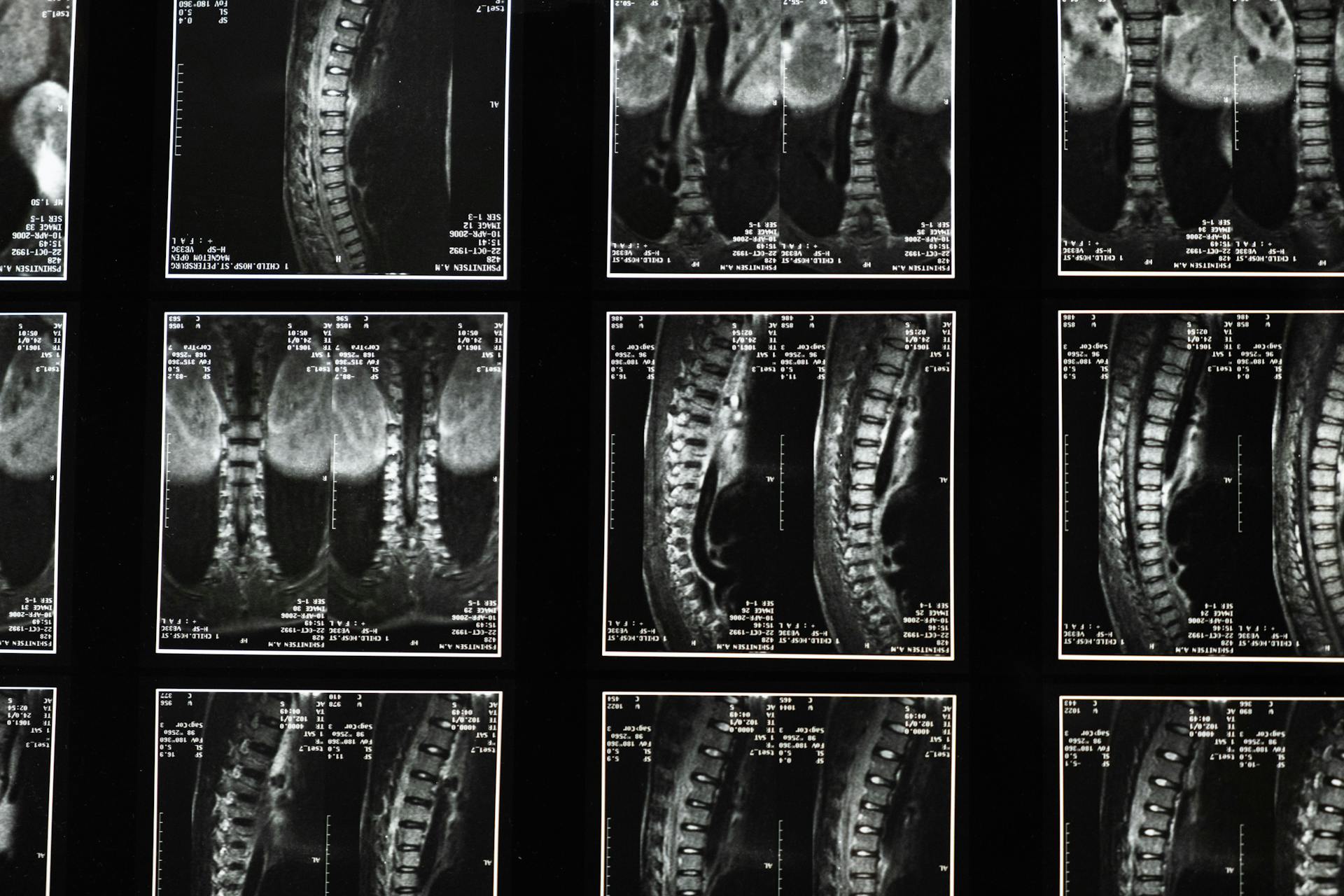
Key Fundamentals of Biomedical Engineering

As with any field, biomedical engineering has some fundamental principles that you, as a biomedical engineer, must master early on to ensure a successful and fruitful professional life. Continue reading to learn about the most important of these fundamentals:

1. Basic Sciences: The Foundation of Biomedical Engineering

Before you start designing medical devices or developing software for the healthcare sector, you need a solid understanding of the basic sciences. Physics, chemistry, and biology are not just academic subjects; they are the essential keys that unlock innovation in biomedical engineering.

Physics helps you understand how medical devices like MRI machines and X-rays work. Without a grasp of physics principles, you cannot develop precise and effective devices.

Chemistry plays a significant role in developing biomaterials used in medical applications, such as prosthetics or heart valves, making it essential for designing advanced medical solutions.

Biology provides a deep understanding of the human body and how it interacts with medical devices, which is crucial for designing devices that are compatible with human biology. Without these sciences, you would merely be a technician assembling lifeless parts, unable to innovate or solve complex problems in biomedical engineering.

2. Technology and Programming: The Languages of the Future in Biomedical Engineering

In a world increasingly reliant on artificial intelligence and data analysis, programming has become an indispensable skill for any biomedical engineer. Whether you are developing smart medical devices or analyzing health data, programming languages like Python and MATLAB will be your essential tools.

Medical Data Analysis: Programming allows you to process the vast amounts of data collected from medical devices, enabling faster and more accurate disease diagnosis.

Medical Software Development: This opens wide horizons, from smartphone apps that monitor heart rate to programs that efficiently manage hospital operations. Programming is the key to achieving these advancements.

Artificial Intelligence: AI has become an integral part of medical diagnosis, with advanced algorithms used to analyze medical images for detecting diseases like tumors, enhancing the accuracy and effectiveness of healthcare.
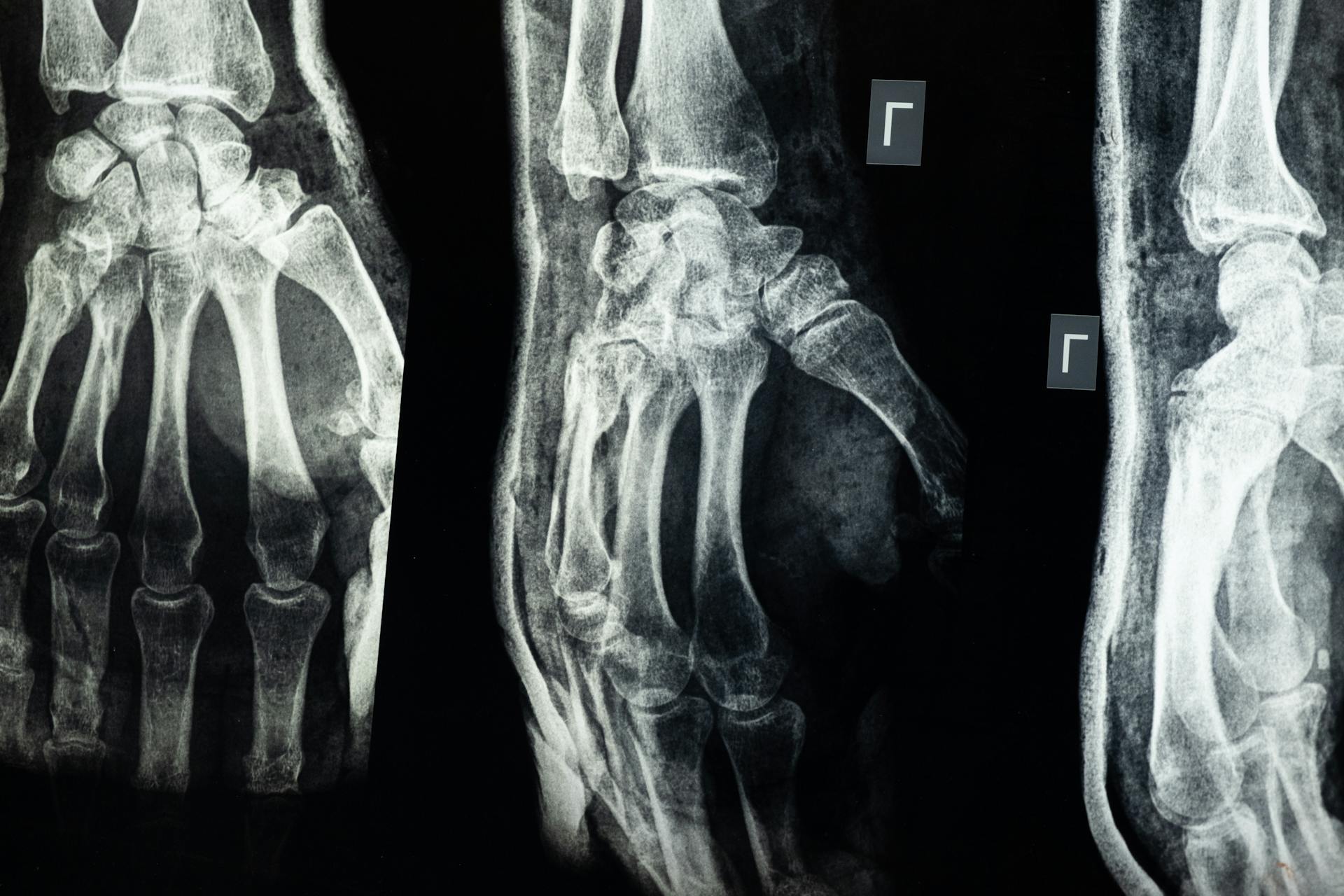
3. Design and Innovation: From Idea to Product

Biomedical engineering is not just about understanding science and technology; it is also the art of transforming ideas into real, useful products. The process begins with a simple idea and ends with a medical device capable of saving lives or making daily life easier. Computer-aided design (CAD) plays a pivotal role in this process, allowing you to create 3D models of medical devices before manufacturing them, saving time and money while reducing errors.

Innovation is at the heart of this field. Do not be afraid to think outside the box, as many modern medical devices we rely on today started as seemingly crazy ideas. Remember that prototyping is a critical phase, where any product must be rigorously tested to ensure its effectiveness and safety before reaching end-users.

4. Medical Ethics: The Social Responsibility of a Biomedical Engineer

When working in a field directly related to human life, ethics become an integral part of your work. You must be aware of the laws and regulations governing the medical device industry and uphold social responsibility. Data protection is at the forefront of these obligations, especially with the increasing use of internet-connected medical devices, making patient information security a top priority.

You must also be familiar with the strict ethical guidelines governing clinical trials on humans, emphasizing transparency at every step to ensure participant safety and result integrity. Legal responsibility cannot be overlooked, as any error in the design or manufacturing of medical devices can lead to severe legal consequences, underscoring the importance of precision and adherence to the highest quality standards.

إجراءات السلامة في التصوير بالرنين المغناطيسي

5. Continuous Learning: Staying Ahead of Developments

Biomedical engineering is a rapidly evolving field, and what you learn today may become obsolete tomorrow. This makes continuous learning and staying updated with the latest advancements essential for success in this field. You can achieve this by engaging in online training courses, which allow you to acquire new skills and update your knowledge continuously. Participating in medical conferences and workshops also provides opportunities to learn about the latest research and technologies and exchange experiences with experts. Additionally, staying informed through reading and researching scientific journals and recent studies helps you keep up with rapid developments and leverage them in your work.

6. Teamwork: No Room for Individualism in Biomedical Engineering

Biomedical engineering is not a field where you can work alone. You will always be part of a multidisciplinary team that includes doctors, nurses, and scientists, making teamwork and effective communication essential skills for success. You must be able to explain complex ideas in a simple and clear manner to your team to ensure everyone understands the goals and tasks. Even if you are not in a leadership position, possessing leadership skills such as motivating the team and managing projects is crucial for ensuring smooth workflow. Additionally, working with multidisciplinary teams requires high flexibility and the ability to adapt to different perspectives, fostering collaboration and leading to more creative and effective outcomes.

bio medical

7. Marketing and Business Management: Turning Innovation into Commercial Success

The goal of any medical device is to reach the market and benefit patients, which requires you to have a basic understanding of medical product marketing and business management. Medical marketing plays a pivotal role in understanding how to market medical devices and navigate the regulations governing this field. Additionally, project management is a vital skill that enables you to manage time and resources effectively to ensure project success and achieve desired goals. If you have an entrepreneurial spirit, you can turn your innovations into successful startups, amplifying your impact in biomedical engineering and contributing to improved healthcare on a broader scale.

Biomedical engineering is a multifaceted field requiring diverse skills, from basic sciences to programming, and from design to ethics. All these elements form a solid foundation for a successful career in this field. If you can combine these skills and stay updated with the latest developments, you will be on the right path to success in the world of biomedical engineering.

Biomedical engineering is not just a job; it is a mission to improve human life. So, prepare for the journey and be part of this significant change. You can contact us through the HSI website to learn about our services and training courses that will make your journey in biomedical engineering full of achievements.

How Ultrasound Imaging Technology Works | A Beginner’s Guide

Ultrasound imaging technology is one of the most significant advancements in biomedical engineering, combining cutting-edge technology with precise hospital design to create a safe and comfortable treatment environment. This imaging method is a fundamental diagnostic tool in various medical fields, enhancing healthcare quality and facilitating non-invasive and direct medical examinations.

How High-Frequency Ultrasound Waves Work

This technology relies on high-frequency sound waves that are inaudible to the human ear. These sound waves travel through tissues and reflect off internal surfaces, creating a detailed image of internal structures. Ultrasound is widely used for diagnosing various medical conditions, making it an ideal option for emergency medicine applications and significantly contributing to the advancement of medical treatment techniques.

Ultrasound Waves

The Principle of Ultrasound Imaging

This imaging technology operates on a simple physical principle that involves generating high-frequency sound waves. A specialized device, known as a transducer, emits sound pulses and receives the reflected signals after they interact with tissues and organs. These signals are then converted into a digital image displayed on the screen. Ultrasound plays a crucial role in accurately detecting tumors and masses within the body, making it a valuable tool for early disease diagnosis.

Diverse Diagnostic Applications of Ultrasound

This technology plays a vital role in diagnosing numerous medical conditions. It is commonly used to examine vital organs such as the heart, liver, and kidneys. Additionally, it is indispensable in monitoring pregnancy and assessing fetal health. Ultrasound is also employed in precise interventional procedures, such as biopsy sample collection and guided interventions, enhancing medical accuracy while minimizing the risks associated with surgical procedures.

Ultrasound Technology and Medical Devices

This imaging process requires advanced devices known for their high accuracy and efficiency in converting sound signals into detailed images. These devices use sophisticated computational techniques to enhance image quality and precision. Operational parameters are carefully adjusted to balance signal strength and accuracy. Ultrasound provides fast, non-invasive results, making it a preferred choice among physicians and medical professionals.

Applications of Ultrasound in Medicine

One of the key advantages of this imaging technique is its versatility across different medical fields. It is used in cardiology to assess valve function and detect cardiac disorders. It is also essential in obstetrics for monitoring fetal health during pregnancy. Furthermore, it is used to examine internal organs such as the liver, kidneys, and thyroid gland. Unlike other imaging techniques, such as X-rays and CT scans, Ultrasound does not use ionizing radiation, making it a safer diagnostic alternative.

تقنية الأشعة السينية

X-ray Technology

Recent Advances in Ultrasound Imaging TechnologyModern technology has led to significant advancements in imaging techniques, including the development of 3D and 4D imaging methods. These innovations allow doctors to view more detailed anatomical structures, improving diagnostic accuracy. Additionally, artificial intelligence (AI) and machine learning enhance Ultrasound imaging efficiency by optimizing image processing and improving pattern recognition for faster and more precise diagnoses.

Portable Ultrasound Imaging Devices and Their Impact on Healthcare

In recent years, the development of portable Ultrasound devices has enabled medical professionals to conduct examinations in various settings outside hospitals, such as mobile clinics, emergency rooms, and even remote areas lacking advanced medical infrastructure.This technological evolution significantly improves healthcare quality and increases accessibility to early diagnosis.

Imaging technology is a cornerstone of modern medical advancements, integrating physical principles with digital innovations to enhance diagnostics and treatment. The design of modern hospitals also plays a crucial role in supporting this technology, providing an optimal environment for efficient and accurate diagnoses.By combining Ultrasound imaging techniques with the latest engineering innovations, healthcare facilities ensure a safe and effective setting for patient care.
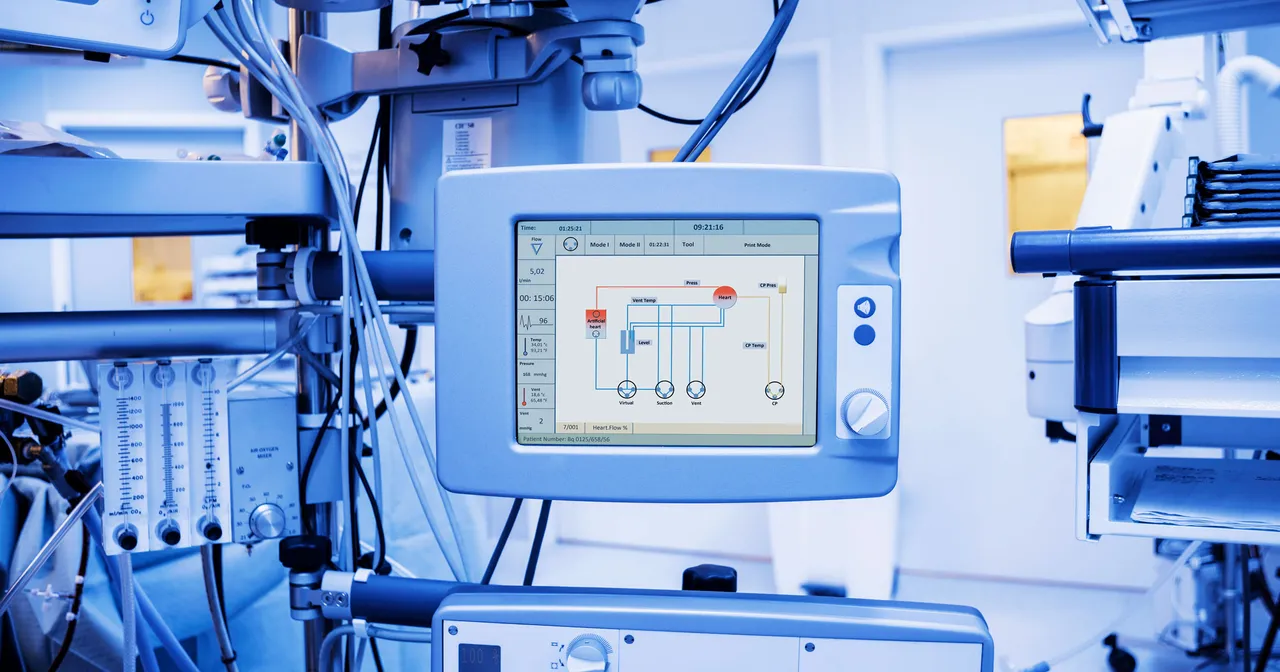
This diagnostic method remains a cutting-edge tool that offers both accuracy and speed, continually evolving to meet the future demands of healthcare. As such, investing in research and development is essential to achieve the best outcomes in medicine and biomedical engineering.
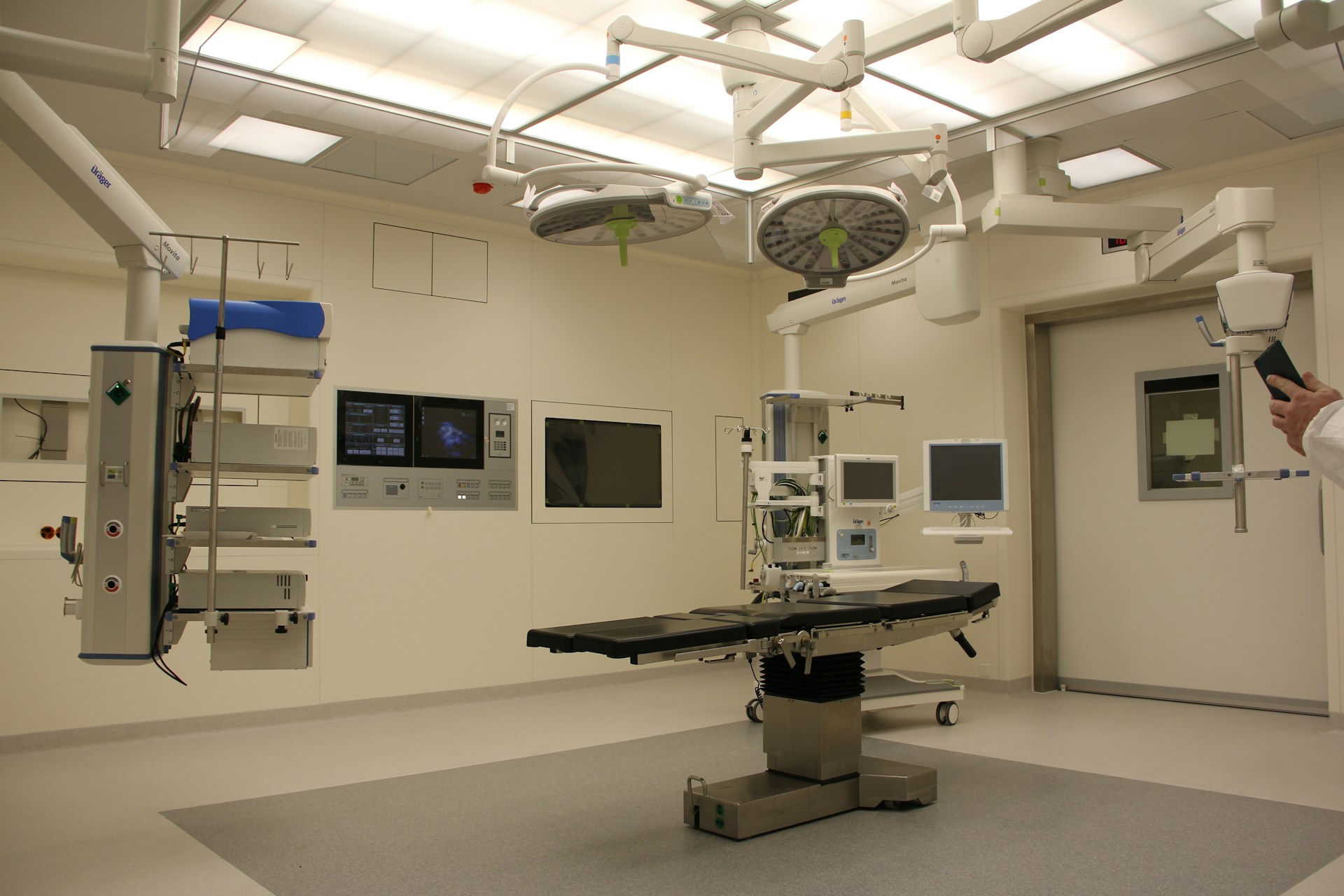
in conclusion Enhance Your Biomedical Engineering Career If you aspire to advance your career as a biomedical engineer, visit HSI today to explore our training courses. Our programs will equip you with the necessary skills to compete in the job market and elevate your engineering expertise to remarkable levels.

Source: Ultrasound – Special Subjects – MSD Manual Consumer Version

The Importance of Sales Skills for Biomedical Engineers and How to Master Them

The field of biomedical engineering is considered one of the most diverse branches of engineering, as it combines medical sciences and engineering sciences. It plays a crucial and pivotal role in developing and innovating medical devices and technologies that save the lives of millions of people daily. In today’s world, the job market is highly competitive, and it is not enough to be just a technically strong biomedical engineer.

There are many additional skills you must master to compete effectively in the job market and stand out among your peers. Among these skills are sales skills. Sales skills are not only for those working in real estate or automotive industries; everyone, regardless of their profession, should master them due to their significant importance in our current times. In the following lines, we will explore the importance of sales skills for biomedical engineers and how you can master them to maximize your benefit in your field.

sales skills

Sales skills are not just about selling a product or service. If you think about it, you will find that most of what we do in our daily lives is a form of selling. Convincing a colleague of a theory is a sales process. Trying to negotiate a lower price for a product is a sales process. Essentially, selling is about persuading someone else to believe in something you want them to believe. Some people are born with this skill and have a high ability to persuade others. However, as with all skills, you can acquire it through training and practice. Not only that, but you can master it as if you were born with it. Sales skills will significantly change your life and work for the better. They will make you one of the best in your field, and this will reflect on many aspects of your life. As a biomedical engineer, you should prioritize learning and mastering sales skills due to their great importance. Let us now explore together the importance of sales skills for biomedical engineers and how you can learn them as quickly as possible.
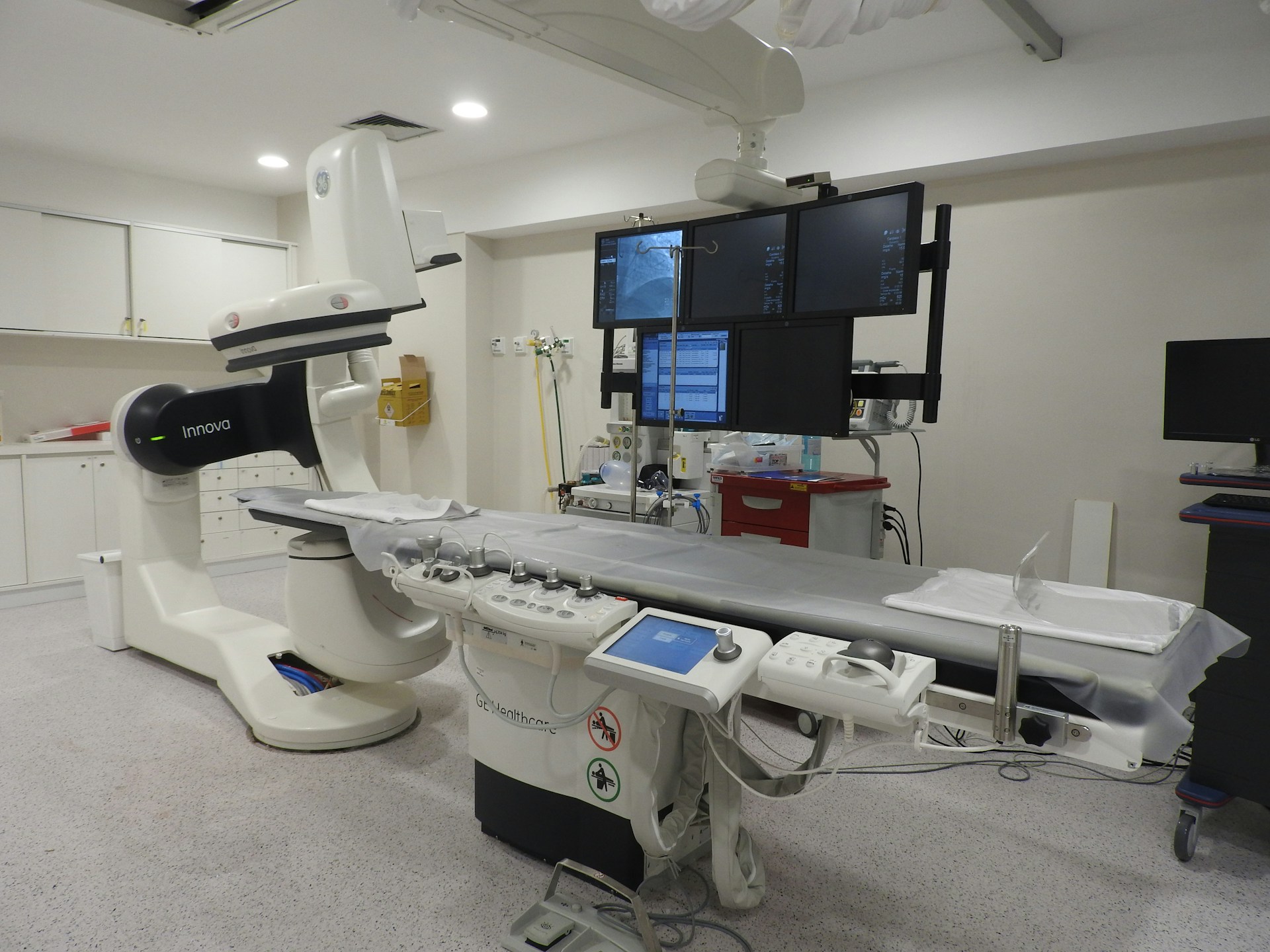
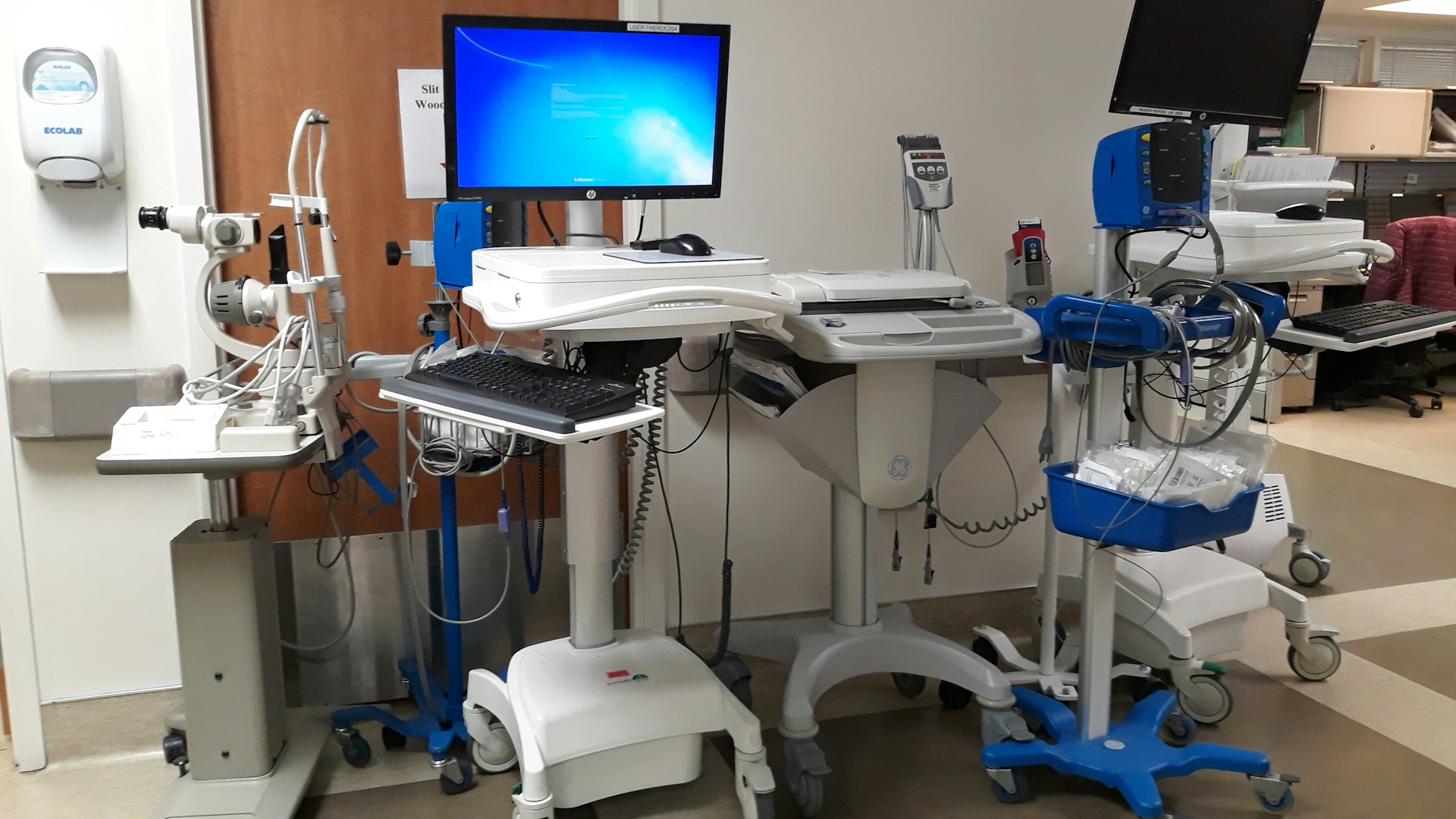
Why does a biomedical engineer need to master sales skills?

You might wonder what the relationship is between biomedical engineering and sales skills. In reality, biomedical engineering is not just about designing devices or technical solutions to facilitate the lives of patients and doctors alike. It is fundamentally about convincing others of the value of these solutions and how they will improve their lives and health. Whether you work in the manufacturing of medical devices, their marketing, or even providing technical consultations, you will undoubtedly need the ability to convince customers, colleagues, and even your superiors of the importance of what you offer.

Think about it: you might have an innovative idea that could revolutionize the medical world. You will certainly need strong persuasion skills to secure the necessary funding and support to bring this idea to light. How many great ideas have never reached the research and implementation stage due to their creators’ weakness and inability to convince others of their importance? Persuasion skills help you sell your ideas to your colleagues and managers to ensure maximum benefit. If you work in the marketing of medical devices, sales skills will greatly help you understand customer needs and present various suitable solutions, convincing them of the effectiveness of these solutions, thereby enhancing the success of your products in the market.

How can you master sales skills as a biomedical engineer?
Anyone can master sales skills. It requires some seriousness and commitment at the beginning, and it will become easier over time. All you need is to dedicate some time daily to training in the following skills:

1- Understanding Customer Needs

Understanding customer needs is the first step to a successful sales process. It depends on your ability to listen well, whether to doctors, nurses, or even hospital administrators. You must understand the challenges and problems they face. Are they struggling with device accuracy? Do they need innovative technologies and solutions to save time? After understanding the customer’s needs, you will have a complete picture to provide tailored solutions to meet these needs effectively.

2- Delivering Value Instead of the Product

This technique is excellent for any sales process. It relies on presenting the value or benefit of using the product rather than describing the product itself. For example, if you want to sell an MRI machine, focus on how this device can improve diagnostic accuracy, predict diseases, and reduce waiting times, thereby contributing to saving patients’ lives.

3- Mastering the Art of Persuasion

Persuasion is fundamentally about building trust between you and the other party through several steps, such as building trust, providing evidence, and using data and statistics to support your argument. You must also be well-prepared to answer any questions or objections that may arise. For example, if you are promoting a new medical device, you should present studies proving how this device significantly improves medical outcomes. Additionally, you must be confident during the conversation because most people can sense if you are genuinely confident in the product or service you are offering or if you are trying to fake it, which can have a negative impact.

4- Improving Effective Communication Skills

Effective communication is a fundamental skill for successful sales. Effective communication means being clear in your explanation and avoiding the use of complex technical terms that non-specialists may not understand. It relies on speaking clearly and using simple language to persuade the other person of your idea. Additionally, using body language is very important and enhances your self-confidence and ability to persuade.

5- Building a Strong Network

Building a strong network in itself may be the main reason for your great success as a biomedical engineer. In our current times, relationships are everything, and the wider and larger your network, the greater your chances of selling your ideas and marketing your products. You can build a strong network by joining groups on social media platforms like LinkedIn and Facebook, as well as participating in various medical conferences and meeting many important people in your field.

6- Continuous Training

Now that you have learned about the most important skills you need to acquire, it is time for continuous training to reach the level of mastery. Dedicate a specific amount of time daily, according to your ability, to train in these skills. Also, try to apply them in your professional life and outside of work. After a while, you will notice that you have acquired these skills and will see the huge difference they will make in your work as a biomedical engineer and in your life in general.

https://hsi-eg.co/contact/

At the beginning of learning these skills, you may naturally face some challenges, as is the case when learning any new skill. Over time, it will become easier. Sales skills are not just a tool to increase sales; they are the key to success in the world of biomedical engineering. Whether you work in research and development, marketing, or even management, mastering these skills will enable you to present your ideas and products more effectively and build strong relationships with customers and colleagues. Start today by developing these skills, and you will find that they are not only beneficial for your work but also for your career path in general. If you want to get advice on how to master sales skills as a biomedical engineer, you can contact the HSI website, and we will provide you with all the details.


All copyrights reserved to © HSI