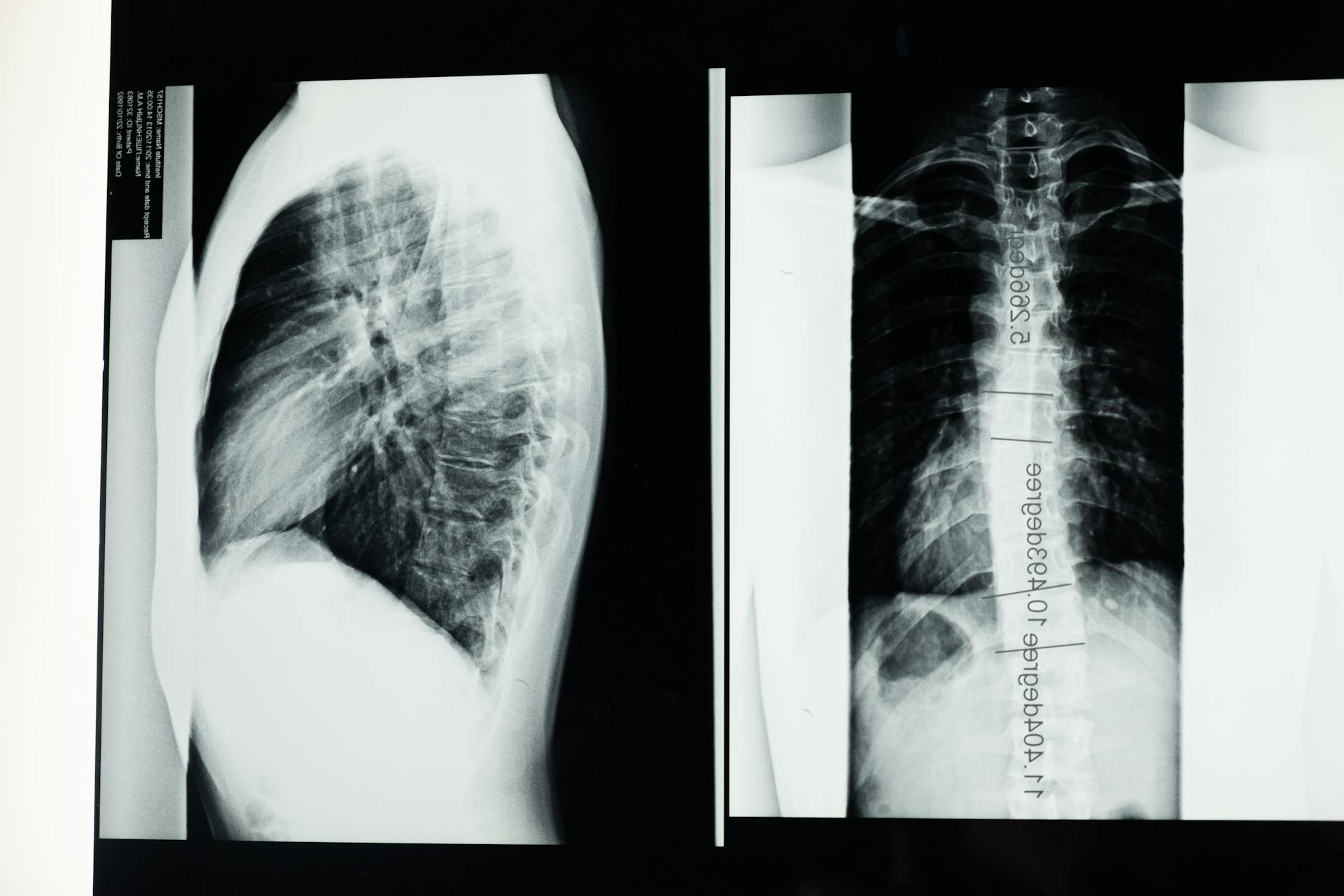
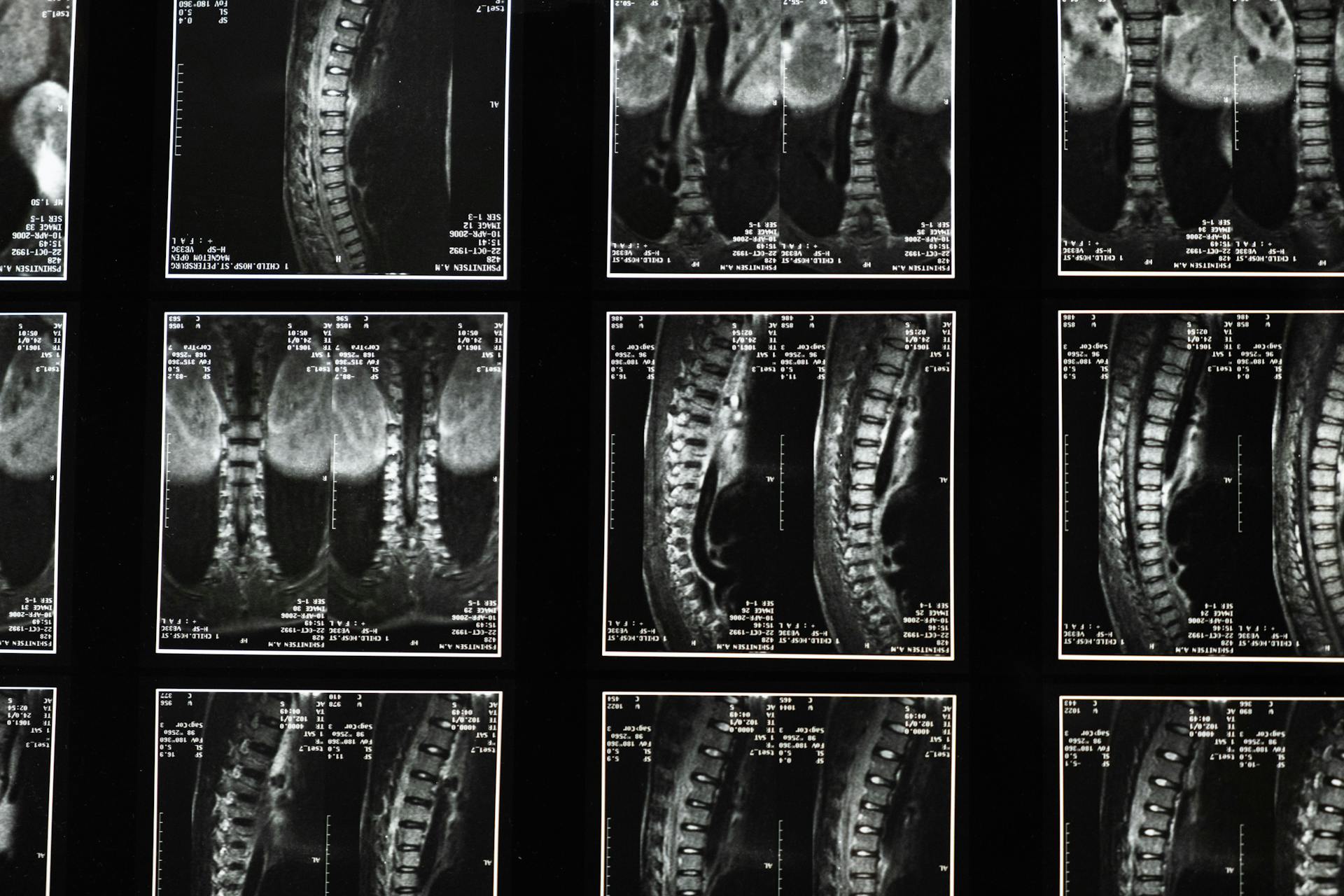
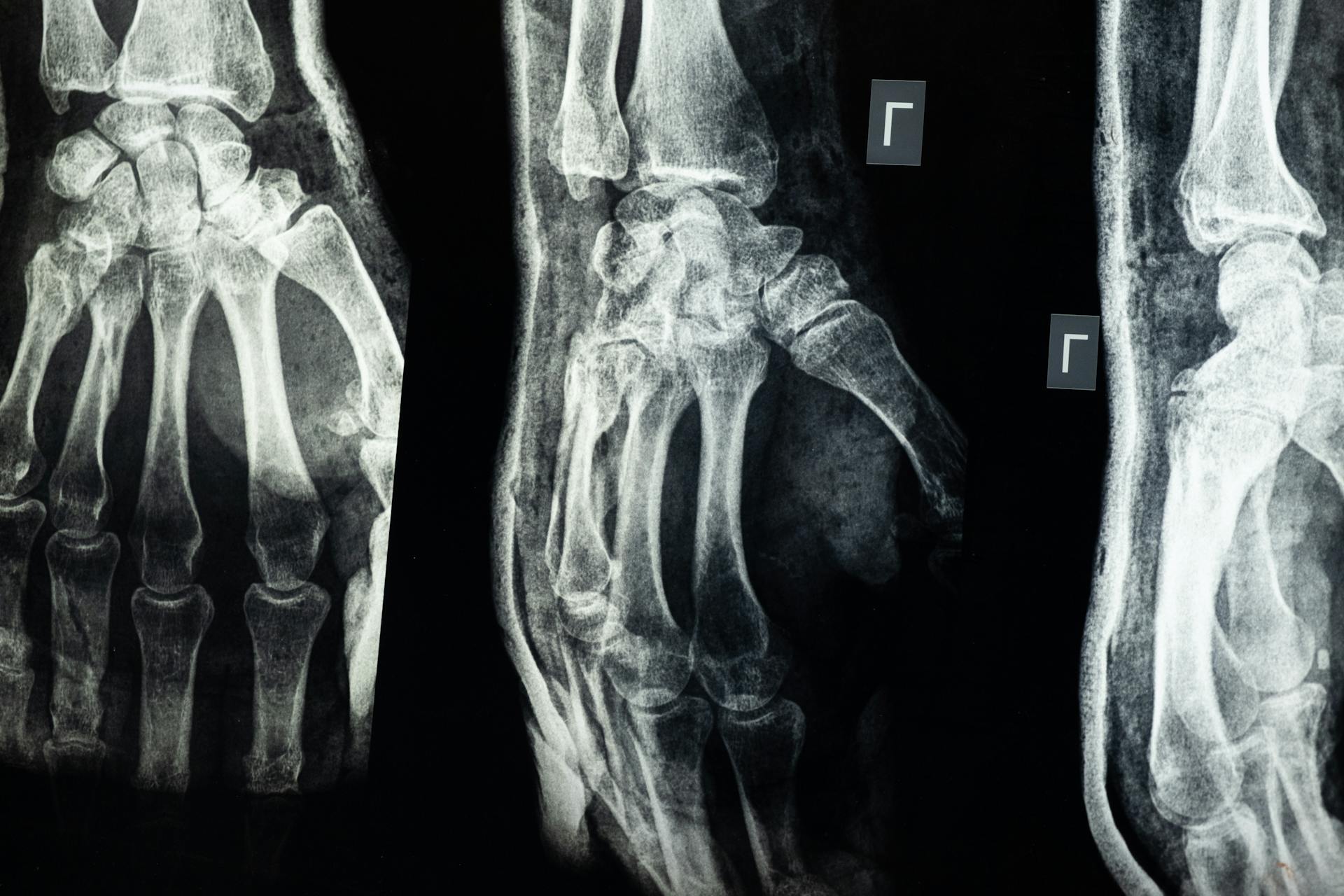
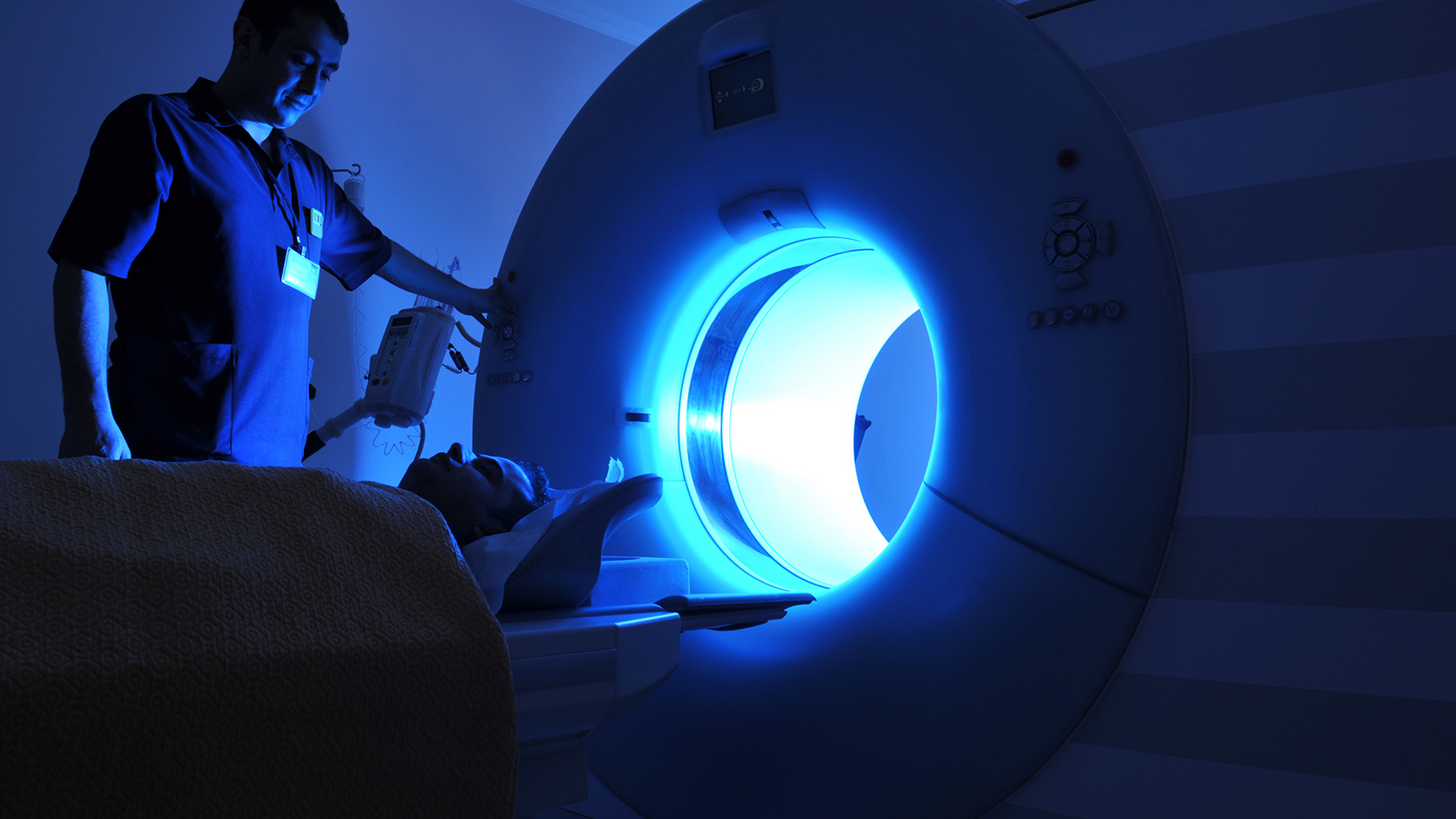
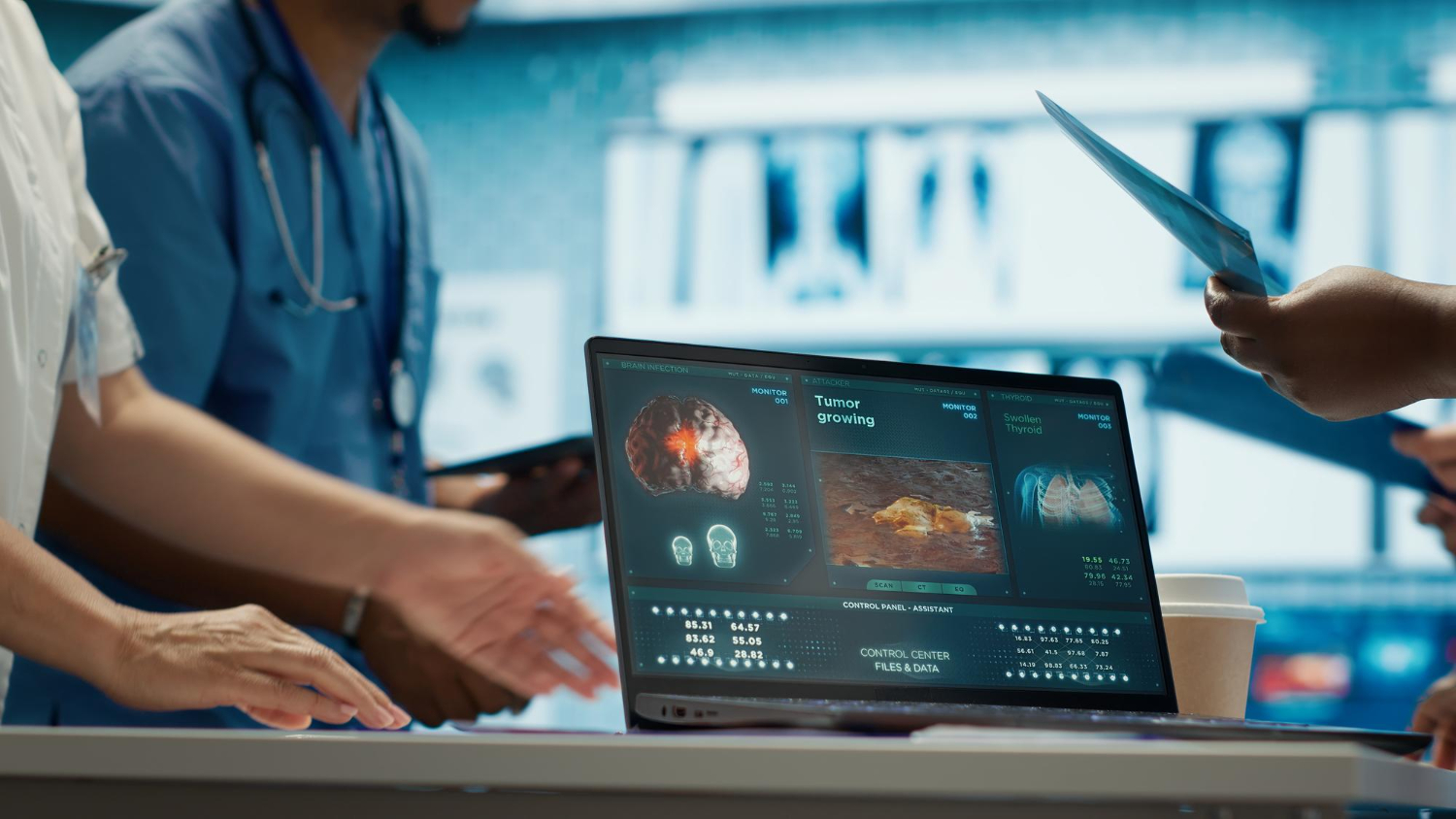
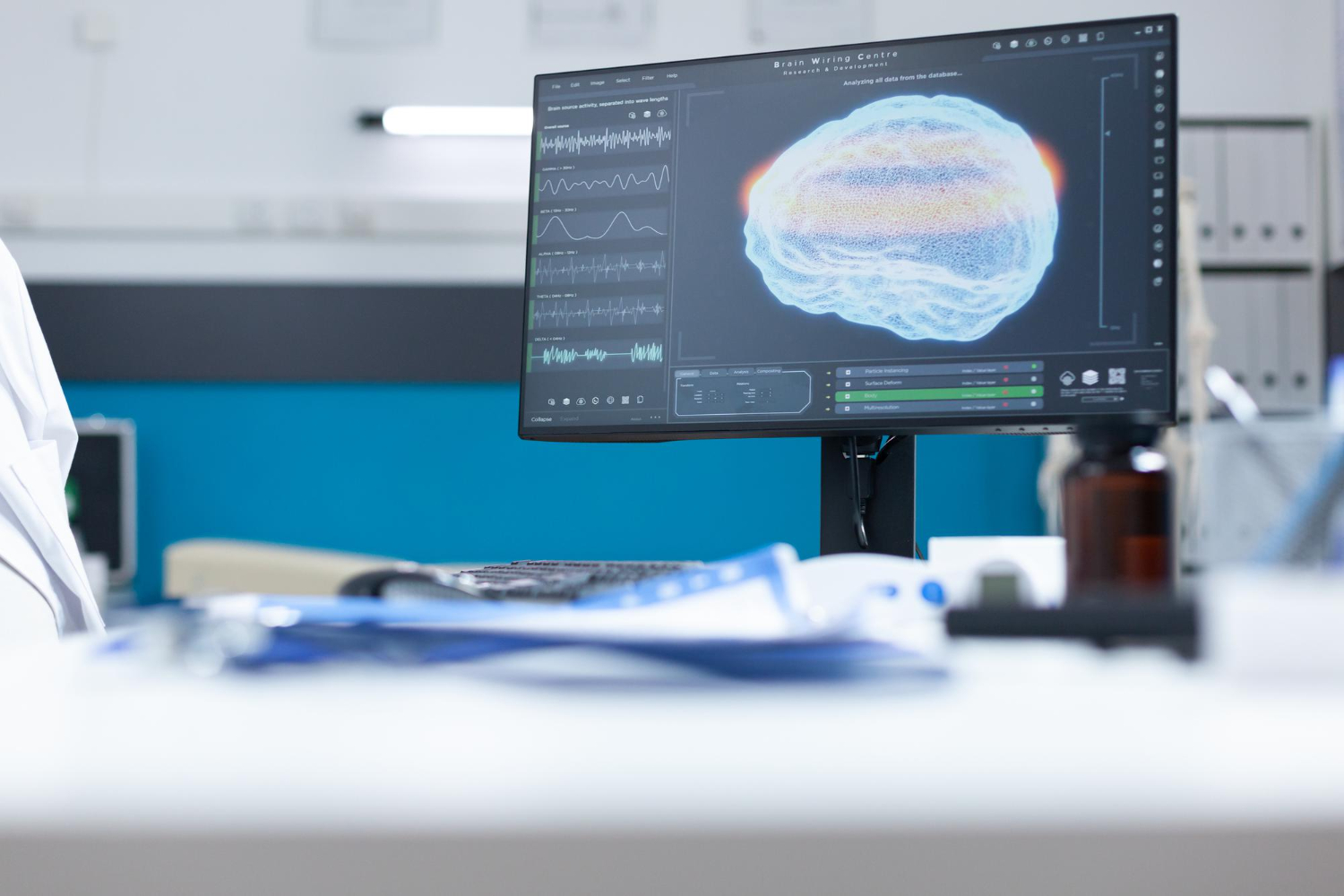
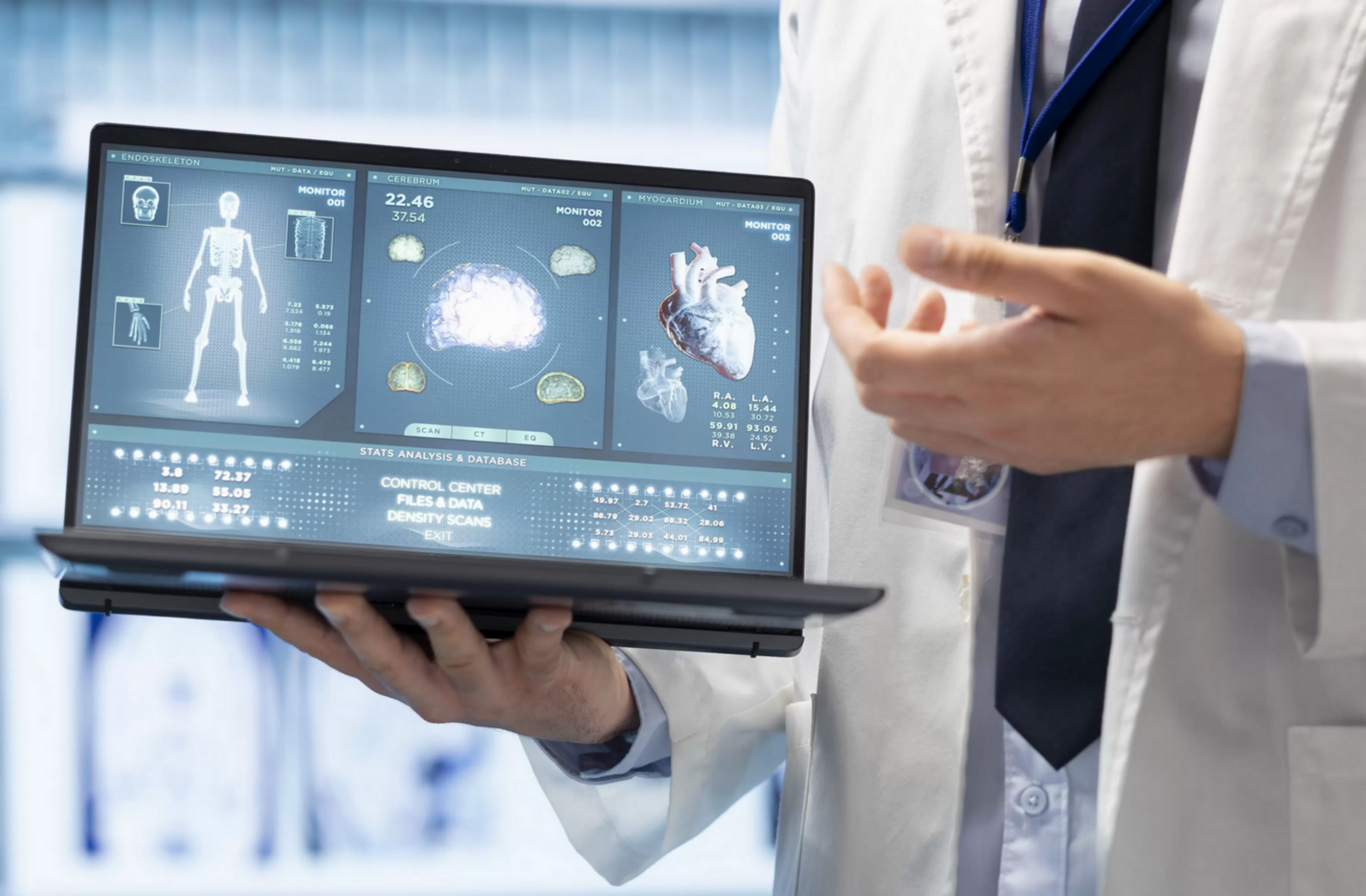
The development of biodegradable implants through AI revolution

In recent years, the field of biodegradable implants has undergone a transformative shift, thanks to the integration of AI in biomaterials and medical engineering. This evolution has moved us away from traditional trial and error methods toward a more precise, efficient, and intelligent process. Advanced algorithms now accelerate every stage from design and manufacturing to post implant monitoring. As artificial intelligence continues to influence global innovation, it’s crucial to dive deeper into this revolutionary fusion and understand its impact on the future of medicine. Let’s explore!

What Are Biodegradable Implants?

According to leading global medical institutions, biodegradable implants are medical devices designed to support or replace damaged tissues or bones inside the body. Over time, these implants naturally degrade into harmless components that are either absorbed or expelled by the body. This innovation presents a safer and more adaptable alternative to traditional permanent implants such as metal or plastic which often require additional surgeries for removal after healing.

The degradation rate of these implants depends on the type and structural composition of the material, allowing healthcare professionals to customize the duration of biological support based on the patient’s specific needs and the nature of the injury.
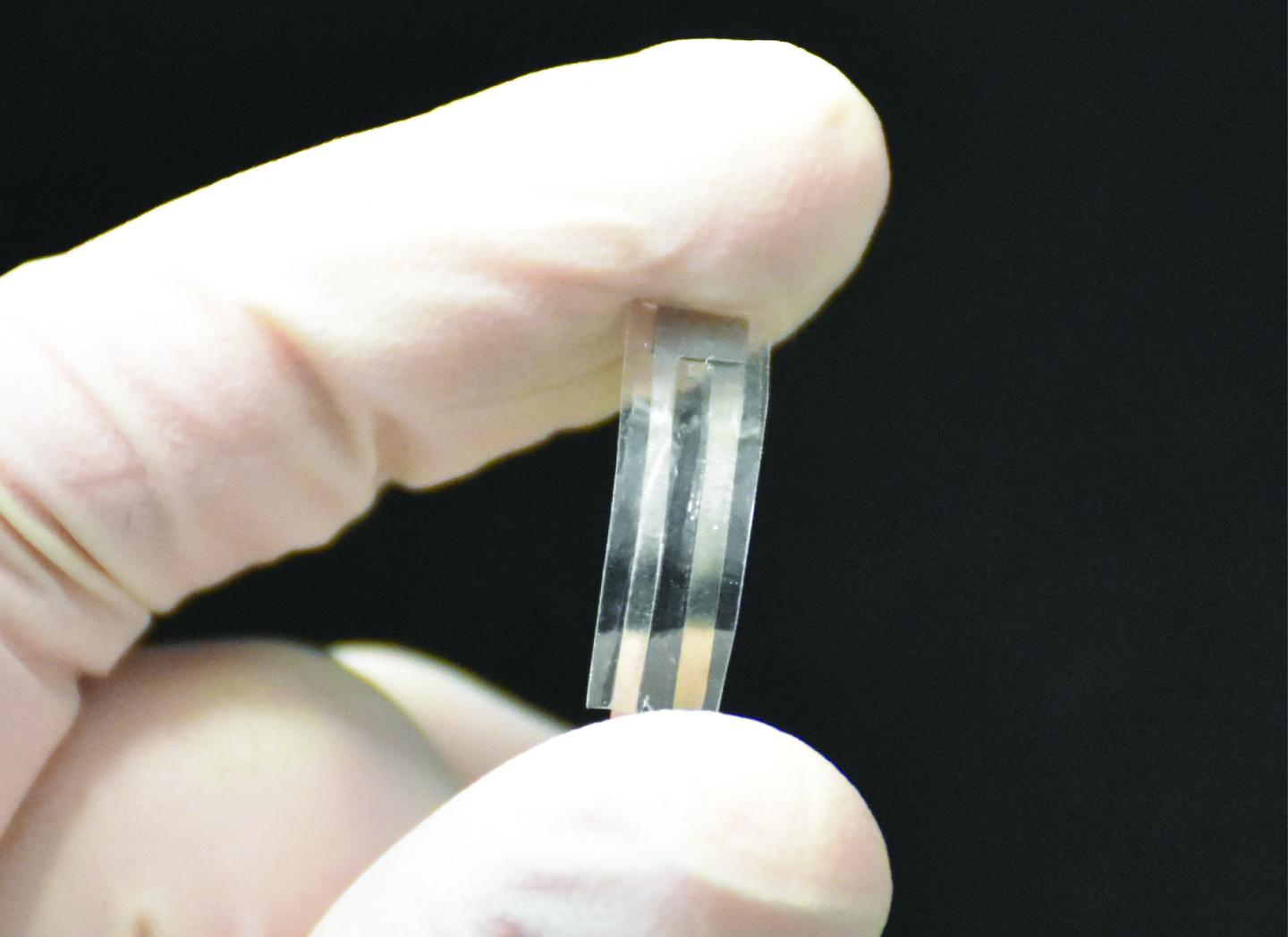
Biodegradable Implants

The Importance of Biodegradable Implants in Regenerative Medicine

Biodegradable implants play a critical role in the advancement of regenerative medicine. Their ability to support tissue healing without the need for follow-up surgeries significantly enhances patient recovery. These implants gradually dissolve after fulfilling their biological function, minimizing post-operative complications and surgical burdens.

By offering a smart and safe alternative to permanent implants, biodegradable devices improve clinical outcomes, especially for complex injuries or patients with chronic conditions. They also reduce emotional and physical stress, making treatments more efficient and patient friendly.

How AI Is Transforming Biodegradable Implant Design

As medical technology rapidly advances, artificial intelligence (AI) has emerged as a transformative force in the design of biodegradable implants. Traditional biomedical engineering standards are now being redefined, with AI in biomaterials enabling researchers to achieve unprecedented levels of precision and innovation. Let’s explore how this cutting-edge synergy is reshaping implant development.

1) Microscopic Structural Design with Machine Learning

  • Machine learning algorithms play a vital role in analyzing thousands of biological engineering samples to extract the optimal porous structures. These designs aim to strike the perfect balance between mechanical strength and degradation rate.
  • Artificial Neural Networks (ANNs) are trained on real-world mechanical data, generating precise implant structures that support fluid flow and nourish bone cells without compromising durability. This level of microstructural control would be nearly impossible without the capabilities of AI.
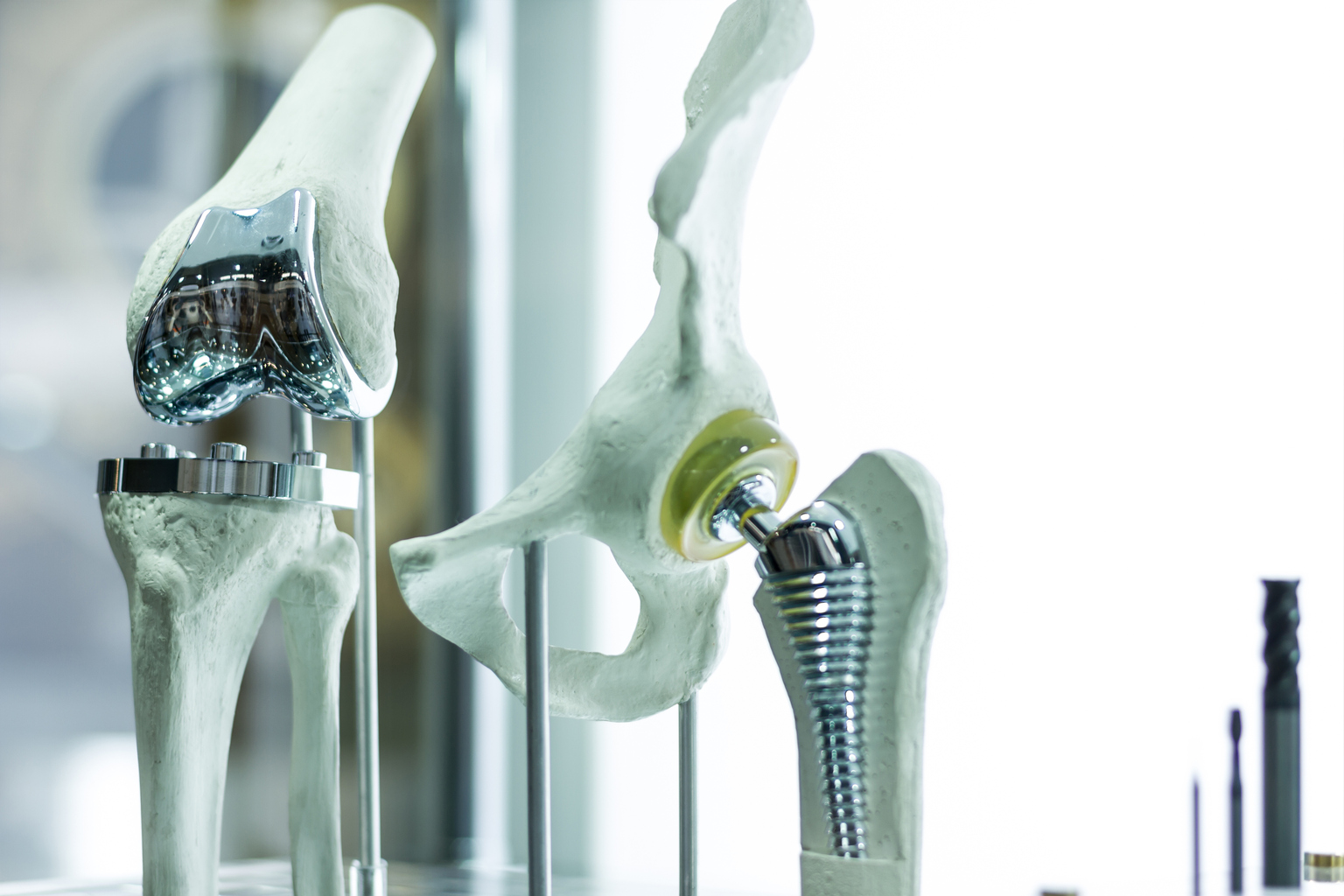
Biodegradable Implants

2) Numerical Simulation and Advanced Modeling Strategies

  • The design process of biodegradable implants greatly benefits from finite element methods (FEM), which simulate real-world body forces acting on the implant. These simulations help predict deformation and stress distribution before the manufacturing stage begins.
  • By integrating AI in biomaterials, researchers can refine these models further. Continuous training using laboratory and clinical test data allows AI systems to enhance simulation accuracy and bridge the gap between virtual predictions and real-life performance. This dramatically improves both the safety and efficiency of the final implant.

Also get acquainted with: The Role of AI in the Early Detection of Diseases through Medical Imaging

Smart Material Selection and Manufacturing

The success of biodegradable implants relies heavily on the careful selection and advanced manufacturing of smart materials. This phase is crucial for achieving the ideal balance between biocompatibility, durability, and controlled degradation.

1) AI-Powered Evaluation of Chemical Compositions

  • Both natural polymeric membranes (such as collagen and gelatin) and synthetic ones (like PLA and PGA) are commonly used in implant procedures. Through AI in biomaterials, thousands of material compositions can be virtually screened to identify the most suitable options based on biological, mechanical, and degradation criteria.
  • Molecular interaction modeling techniques—such as pharmacophore modeling—are applied to replace highly inflammatory components with atoms or functional groups that minimize immune responses. This process significantly enhances the safety and biocompatibility of the implant.

2) Additive Manufacturing and 3D Bioprinting

  • 3D bioprinting technology allows for the creation of patient-specific implants using CT and MRI scan data. These customized implants ensure uniform pore distribution, which is essential for effective tissue integration.
  • AI-driven control systems optimize the printing path and improve print efficiency, reducing production time, material waste, and overall costs. This not only enhances sustainability but also ensures a more accessible and scalable implant solution.

Biodegradable Implants

Intelligent Post-Implant Monitoring and Automation

After implantation, smart monitoring systems play a vital role in tracking the performance of biodegradable implants. These systems enable early interventions and tailored adjustments to improve healing outcomes.

1) Ultrasound and MRI-Based Monitoring

Computer vision algorithms are used to analyze imaging data—such as ultrasound and MRI scans—to monitor implant degradation and bone integration with high precision. These tools alert physicians to any delays in tissue fusion or abnormal implant morphology, allowing for timely medical decisions.

2) IoMT and Real-Time Healing Tracking

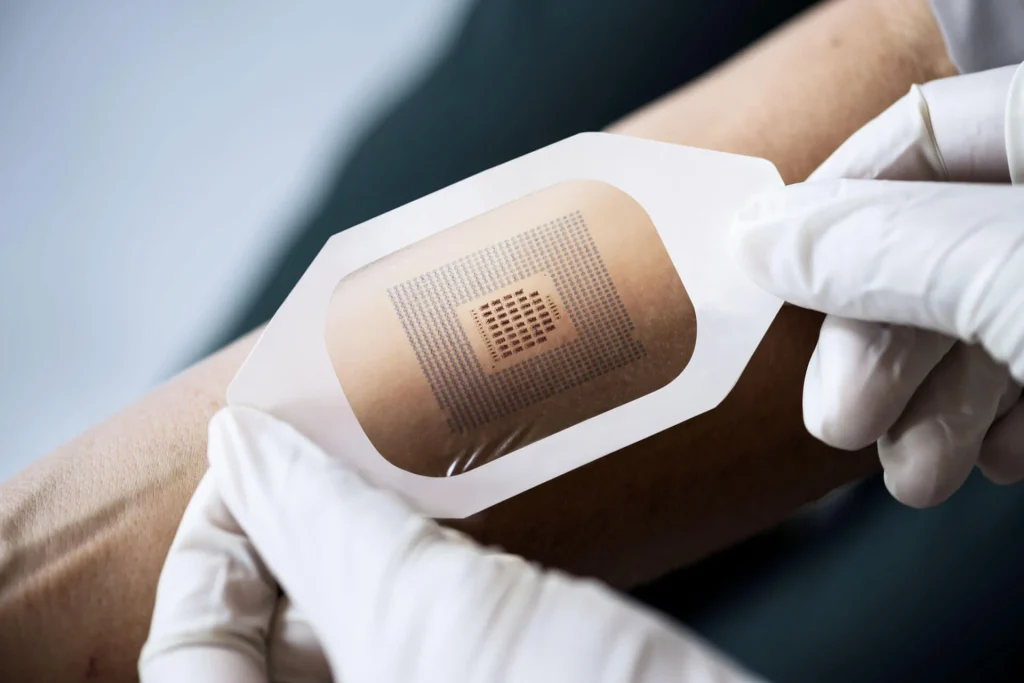
Next-generation implants are being equipped with micro-sensors that measure localized temperature, pH levels, and internal bone pressure. This real-time data is processed by AI algorithms to build predictive models of healing progress, offering personalized treatment recommendations for each patient.
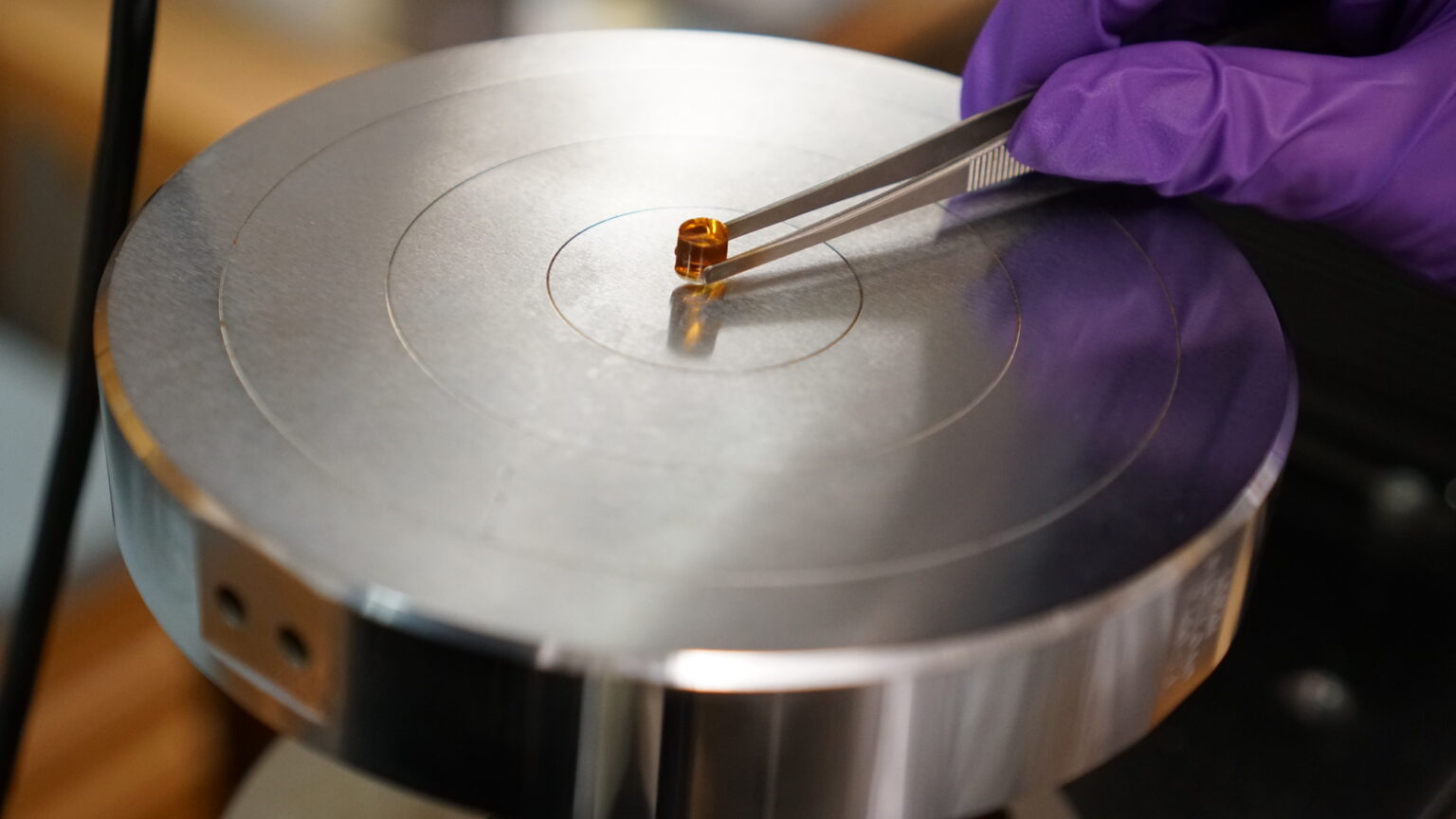
Biodegradable Implants

Personalized Patient-Centered Care

Deep personalization in medical implant design is revolutionizing recovery experiences and treatment outcomes. With the integration of AI in biomaterials, it is now possible to create biodegradable implants tailored to each patient’s unique physiological profile.

1) Comprehensive Patient Data Analysis

  • Advanced AI systems collect and process extensive patient data—including age, weight, bone density, and medical history—to generate a precise digital model of the skeletal structure.
  • This model becomes the blueprint for designing a custom biodegradable implant that meets specific strength, flexibility, and degradation rate requirements. This high level of personalization reduces the risk of implant rejection and speeds up healing.

2) Continuous Learning and Smart Drug Delivery

  • Some innovative biodegradable implants now include embedded drug-releasing molecules—such as bone growth factors or localized pain relievers—that are gradually released as the implant degrades.
  • Using deep learning algorithms, AI in biomaterials dynamically adjusts drug release rates based on the patient’s healing stage and biological feedback, creating a more responsive and effective treatment.

Biodegradable Implants

Ethical Challenges and Technical Considerations

As AI in biomaterials continues to evolve, the field faces several ethical, technical, and regulatory hurdles that must be addressed to ensure safety, transparency, and trust.

  • Data Availability and Diversity: Machine learning models require vast and diverse datasets, but current clinical implant trials are still limited, particularly for rare or complex cases. This data scarcity can hinder the accuracy and generalization of AI predictions.
  • Explainability and Trust: Medical professionals demand transparent AI models that clearly explain how decisions are made. Without interpretability, physicians may hesitate to fully adopt AI-driven implant systems.
  • Regulatory Approval and Global Standards: Medical device regulations vary from country to country, often leading to extended approval timelines for AI-based implants. Aligning these frameworks is key to accelerating innovation without compromising safety.

The Future of Biodegradable Implants and AI Integration

Looking ahead, the integration of AI in biomaterials is set to expand beyond orthopedic applications, driving innovation across the broader landscape of regenerative medicine.

  1. Nano-Tech Integration: Future biodegradable implants are expected to incorporate smart nanomaterials like nanoparticles that deliver antibiotics or growth factors in response to cellular signals enhancing healing and infection prevention.
  2. Smart Self-Diagnostics: Research is also exploring micro-sensors embedded within implants that detect inflammation markers and autonomously trigger alerts or therapeutic adjustments, improving real time care and patient safety.
  3. Expanding Beyond Bone: The benefits of biodegradable implants will extend to vascular systems, neural tissues, and soft organ reconstruction, unlocking new potential in personalized, less-invasive healthcare solutions.

In the end, in a world rapidly advancing toward digital transformation and medical innovation, biodegradable implants powered by AI in biomaterials represent a breakthrough in precision, performance, and personalization. At HSI Healthcare Simulation and Innovation Center, we’re proud to be at the forefront of this change. Our comprehensive training programs, led by expert professionals and enriched with hands-on learning and specialized consulting, equip you with the tools to lead the future of medical care. Be part of the transformation.

Source: Application of Artificial Intelligence at All Stages of Bone Tissue Engineering
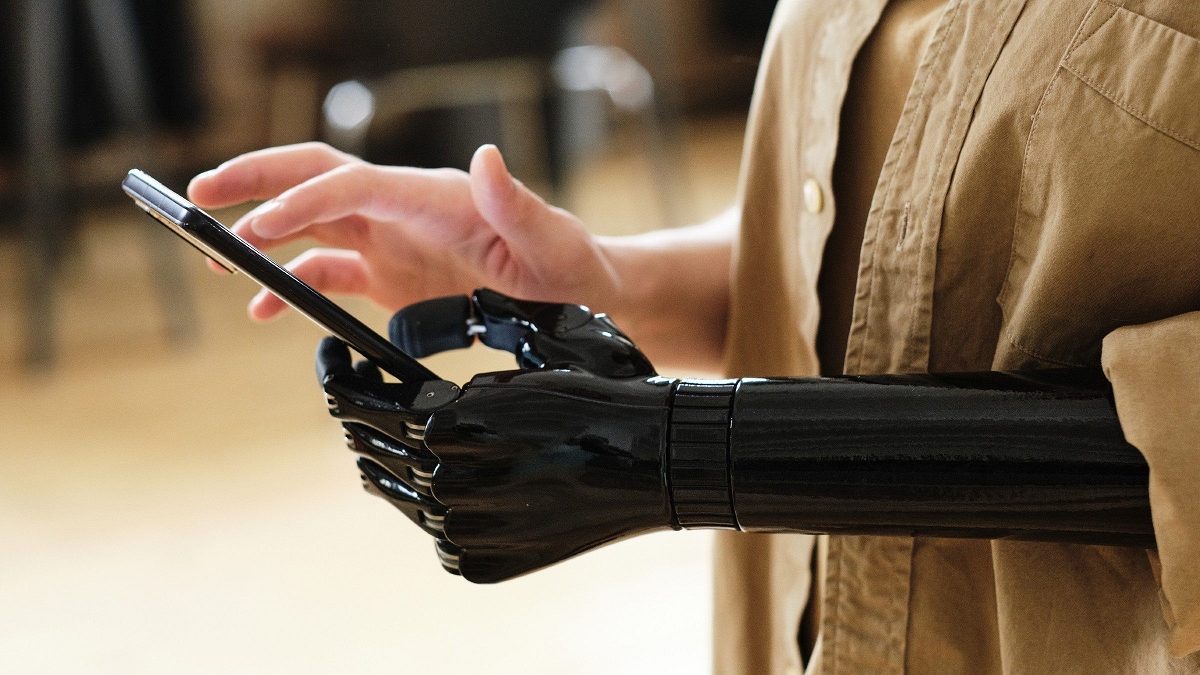
The Role of AI in the Development of Smart Prosthetics and the Challenges They Face

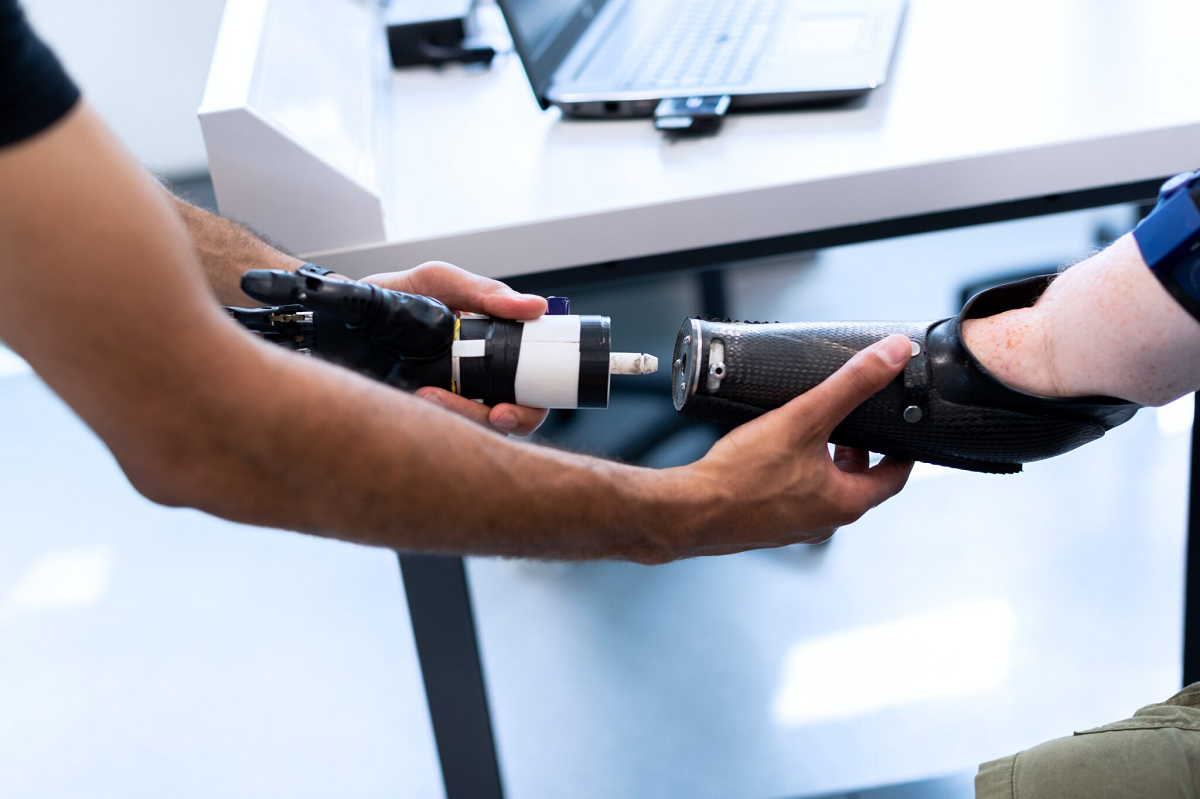
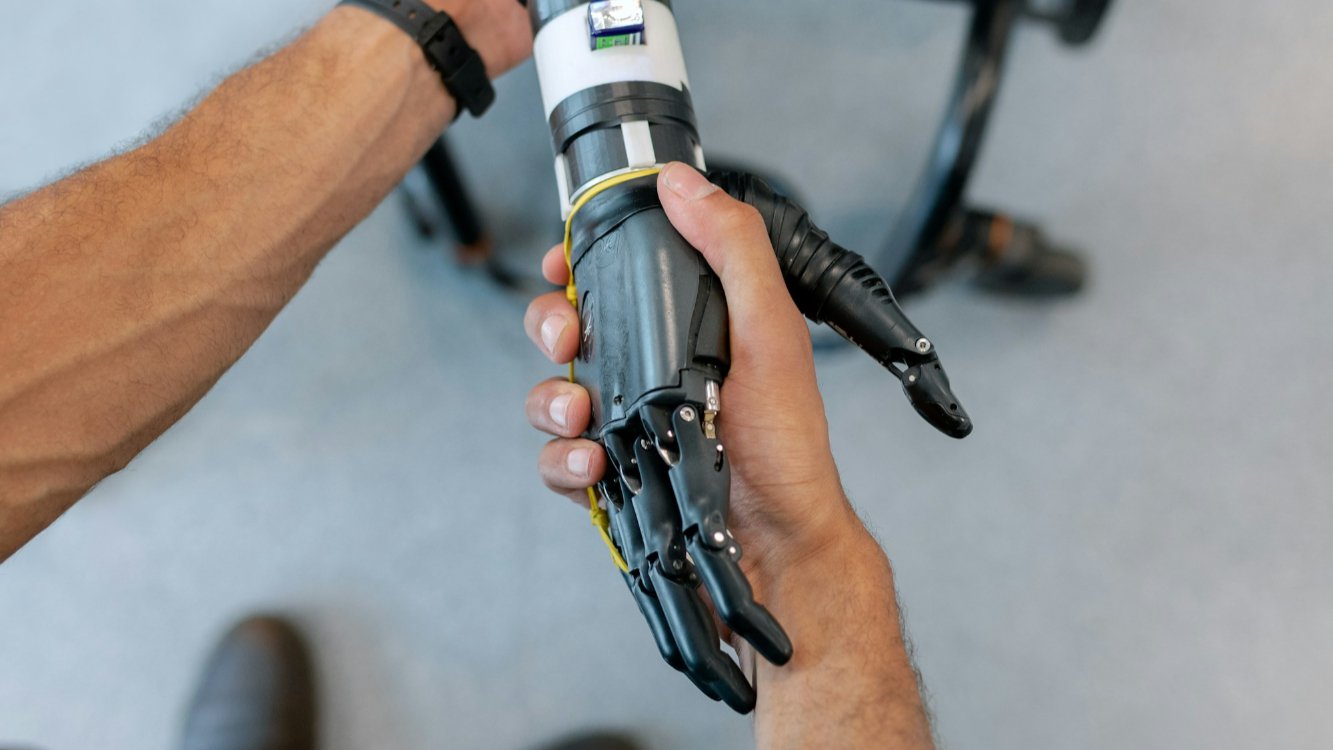
Over the past few years, artificial intelligence (AI) and smart prosthetics have begun transforming early prosthetic solutions. These technologies are not merely futuristic concepts but practical tools that are already enhancing how individuals embark on their prosthetic journeys.​

Understanding Early Smart Prosthetics and Their Challenges

Before delving into the specifics of this technology, it’s crucial to understand what early smart prosthetics are and their significant importance. These are the initial prosthetic devices provided to patients shortly after surgery, following wound healing and before the residual limb has fully stabilized.​

The Role of AI in the Development of Smart Prosthetics

The Role of Artificial Intelligence in Enhancing Prosthetic Movement

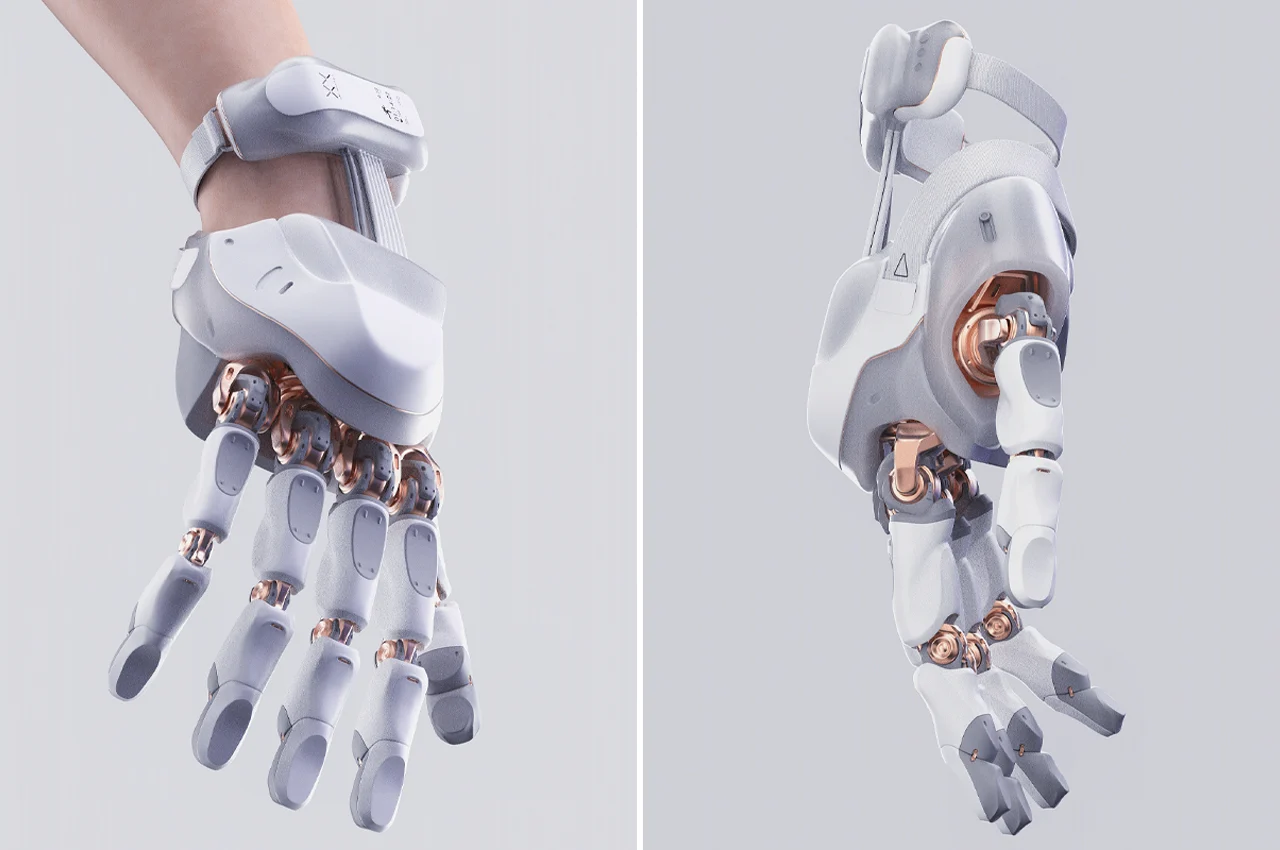
Imagine a prosthetic limb that not only mimics movement but also learns, adapts, and responds as if it were a natural extension of the body. This is what AI technologies offer in the field of prosthetics, revolutionizing their functionality by enabling more intelligent and fluid movements that adapt to the user’s needs. From predictive algorithms to machine learning, AI is fundamentally transforming prosthetics, making them more efficient and their functions more realistic and human-like.​

1- Processing and Adaptation

AI enhances prosthetic movements by processing vast amounts of data collected from sensors embedded in the device. These sensors monitor muscle signals, joint angles, and external conditions such as surface type or temperature. The AI system analyzes this data in real-time, allowing for precise adjustments to ensure smooth movement and immediate responsiveness.

2- Learning and User Adaptation

Machine learning, a branch of AI, drives smart prosthetics capable of adapting to individual user needs. By analyzing repetitive movements, the prosthetic can learn user patterns and understand their movement preferences. Over time, the device becomes more intelligent, anticipating the user’s intentions even before they are executed.

For example, an AI-powered prosthetic arm can distinguish between muscle signals associated with grasping a water cup and those for holding a pen, allowing for seamless transitions between tasks, making the device a natural extension of the body rather than just an assistive tool.

3- Enhancing Balance and Improving Gait

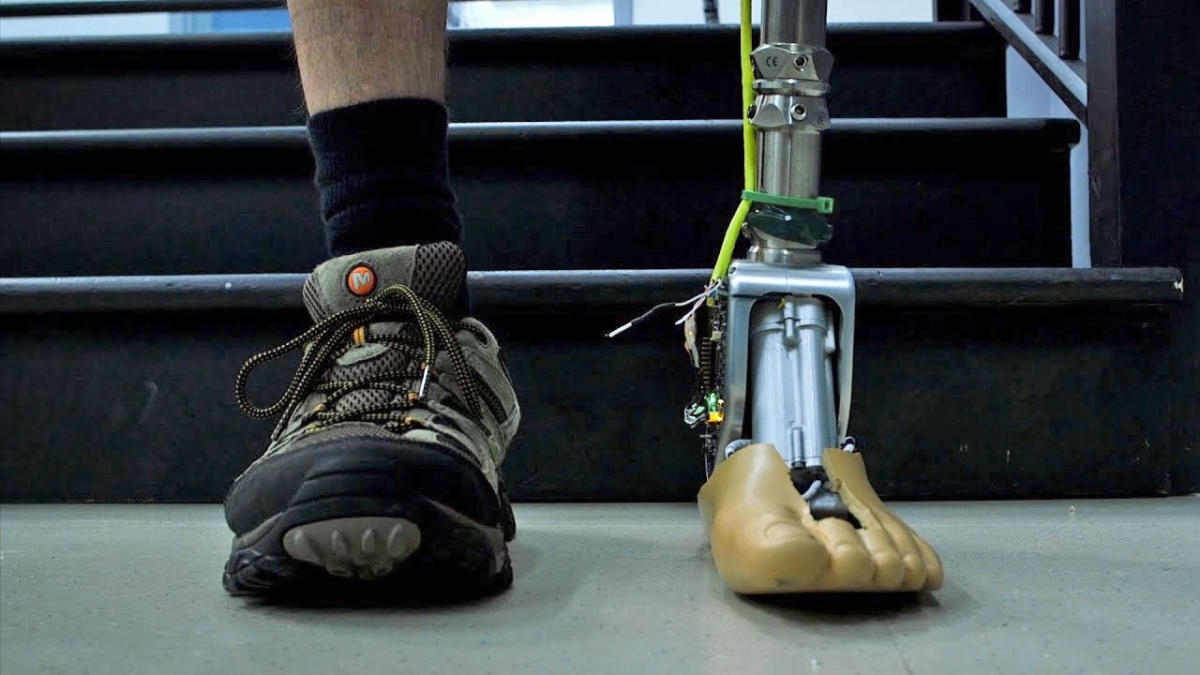
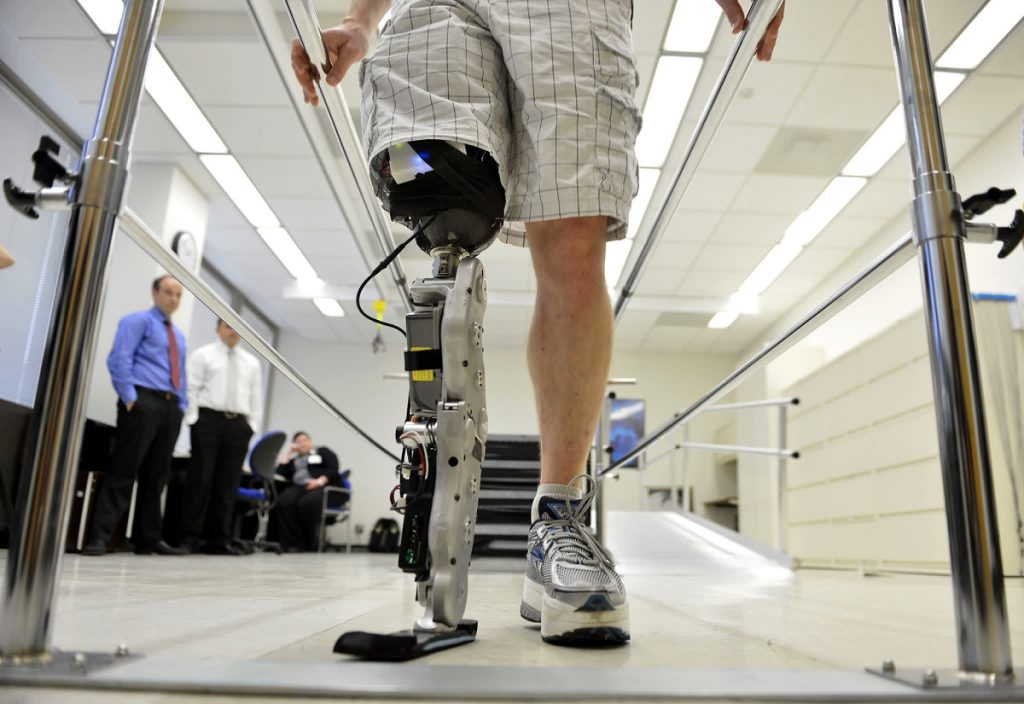
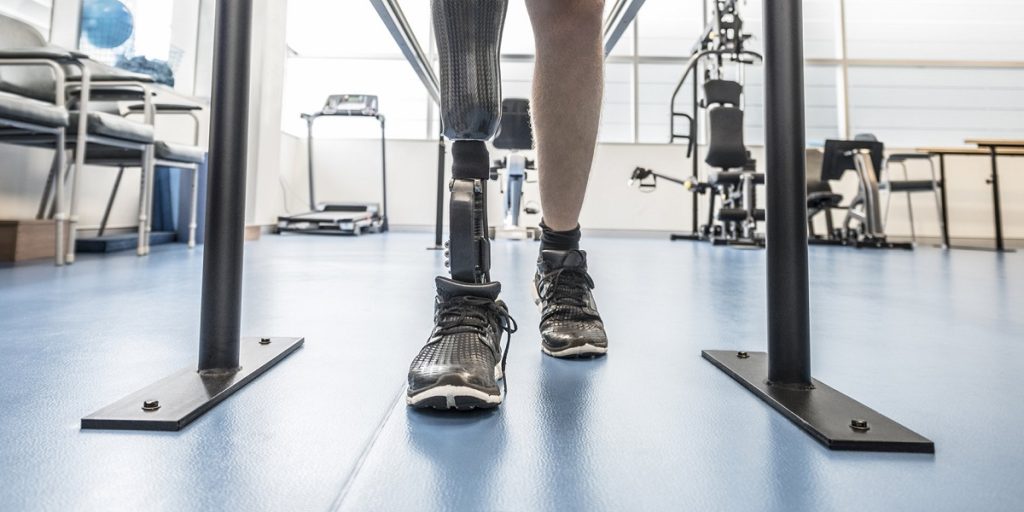
In lower-limb smart prosthetics, AI plays a crucial role in maintaining balance and improving gait patterns. By analyzing how the user distributes their weight and moves across different surfaces, the prosthetic can make precise adjustments to ensure stability.

For instance, walking on a sandy beach requires a different pattern than walking on a flat sidewalk. A smart prosthetic leg can detect these changes and adjust its stiffness, angle, or stride length, accordingly, reducing fatigue and ensuring the user’s safety.

Smart Prosthetics

The Importance of Early Prosthetic Fitting

Fitting a prosthetic limb at an early stage plays a crucial role in the recovery process, as it helps to:​

  • Reduce swelling​
  • Improve blood circulation​
  • Prevent joint stiffness​
  • Allow the patient to begin standing and moving​
  • Preserve muscle strength and balance​

Difficulties in Early Device Fitting

One of the biggest challenges facing early smart prosthetic fittings is the continuous change in the shape of the residual limb. Swelling may increase and decrease, the skin may be sensitive, and the shape of the residual limb is not yet final. Therefore, prosthetic sockets need to be adjusted as healing continues, making it difficult to design a socket that is both snug and comfortable.​

A socket that is too tight may cause pain or injury, while one that is too loose may lead to instability and increase the risk of imbalance. Thus, achieving the right fit requires a delicate balance and continuous care, where smart technology can make a real difference in prosthetic design.​

The technology behind smart prosthetics

​The technology behind smart prosthetics relies on a combination of hardware components and software to function efficiently. Sensors, actuators, and processors work together to collect data, analyze it, and execute precise movements.​

Advanced Algorithms

AI algorithms transform raw sensor data into actionable insights. For instance, a machine learning model can analyze thousands of steps to determine how a user’s gait changes when moving uphill versus downhill. The algorithm uses this knowledge to adjust the prosthetic’s movement automatically, ensuring a more seamless experience.​

Companies developing smart prosthetics should prioritize the accuracy and efficiency of these algorithms. Collaborating with data scientists and software engineers can help refine these systems, ensuring reliable performance under various conditions.​

Artificial foot

Sensor Integration

Sensors are the cornerstone of AI-powered prosthetics, gathering the necessary data to enable the system to learn and interact. These sensors include:​

  • Myoelectric Sensors: Capture electrical signals emitted by muscles.​
  • Gyroscopes: Measure stability and assist in adjusting movement.​
  • Pressure Sensors: Monitor weight distribution to ensure natural walking patterns.​

The data collected by these sensors is transmitted to an integrated processor within the prosthetic limb, where AI algorithms analyze it in real time. This allows the device to respond immediately to any changes in the user’s movement or surrounding environment, providing a smoother and more effective user experience.​

How AI is Transforming Early Prosthetic Design

AI brings speed, precision, and predictive capabilities to the prosthetic design process, facilitating a faster and more accurate match between the prosthetic design and the individual. This is achieved through:​

1- AI-Assisted Socket Design

In traditional socket design, a prosthetist uses measurements and molds to create a well-fitting socket. With smart prosthetics, it’s now possible to digitally scan the limb and input this data into advanced modeling software. This software predicts how the limb will change over time and suggests socket shapes that can adapt accordingly.​

2- Predicting Limb Volume Changes

One of the most challenging aspects of early prosthetic fitting is the continuous change in limb volume, which may shrink or shift weekly. AI can now track these changes using data from sensors and user inputs, even predicting future changes.​

3- Matching Appropriate Components to Each User

AI’s role extends beyond socket design to selecting the appropriate foot or knee for each user. Based on gait patterns, strength, age, and goals, AI can suggest prosthetic combinations that offer the best balance between support and flexibility. This enhances the success of the initial fitting, helps the user move faster with fewer adjustments, reduces trial time, and accelerates the transition to a more stable walking pattern.​

How AI is Transforming Early Prosthetic Design

The Future of Smart Prosthetics

The future of smart prosthetics extends beyond the devices themselves to building integrated systems that enhance user experience by incorporating complementary technologies.​

For example, mobile applications can serve as auxiliary tools, allowing users to monitor their prosthetics’ performance, adjust settings, and access tutorials or troubleshooting guides. These apps can also collect valuable data for companies, providing insights into how users interact with their devices and identifying areas for improvement.​

Additionally, wearable devices like smartwatches or fitness trackers can enhance functionality. By synchronizing with AI-powered prosthetics, these devices can provide real-time feedback on activity levels, body posture, and gait, helping users make informed decisions about their health and mobility.​

Expanding Access by Reducing Costs

While smart prosthetics offer advanced functionality, they often come with high production costs. To make these devices accessible to a broader range of users, companies should adopt cost-effective manufacturing techniques and explore alternative materials.​

Technologies like 3D printing can play a pivotal role in reducing production expenses. By leveraging additive manufacturing, companies can quickly produce complex prosthetic components at a lower cost. When combined with AI, these components provide the same high-level performance as traditionally manufactured parts.​

In conclusion, integrating AI into prosthetic design represents a revolutionary step toward improving users’ quality of life, offering them more natural movements and an enhanced user experience. In this context, HSI Center stands out as a leader in biomedical engineering and healthcare solutions, offering specialized training courses and professional consultations aimed at empowering professionals and organizations to make impactful contributions to the healthcare industry. ​

​The source: How AI and Smart Prosthetics Are Improving Early Fit Prosthetic Solutions.

The Role of AI in Hospital Workflows and Its Optimization

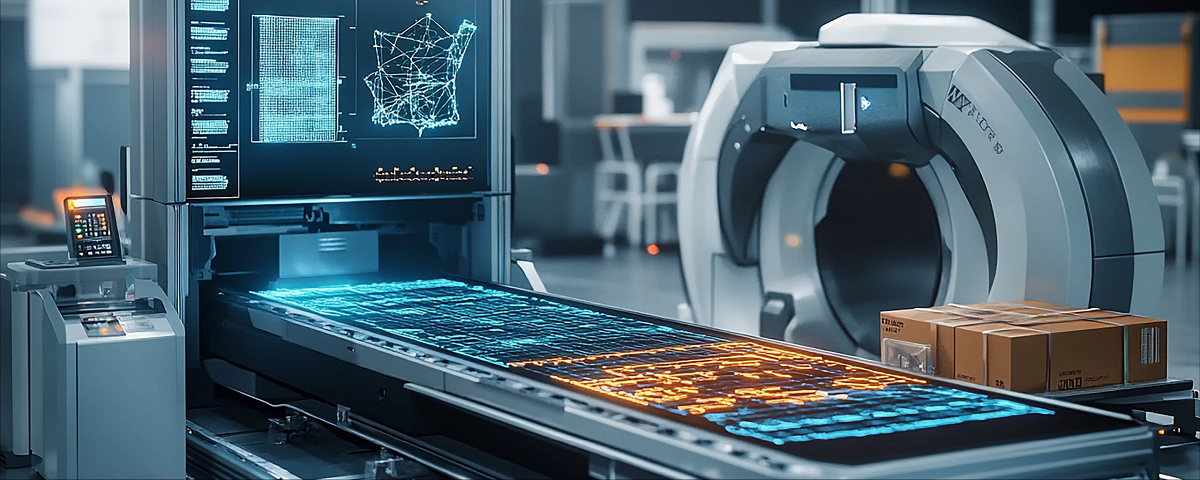
In today’s era of advanced technology and digital transformation, AI in hospital workflows has become a cornerstone of healthcare development. This powerful technology is revolutionizing how hospitals operate and manage internal processes by improving administrative efficiency, streamlining clinical procedures, and enhancing the overall quality of healthcare services. In this article, we explore how artificial intelligence is driving the transition from traditional hospitals to smart hospitals that offer integrated, high-quality medical services.

The Impact of AI on Hospital Operations

AI represents a fundamental shift in how hospitals are managed and operated. By integrating digital technologies with medical expertise, hospitals can now access innovative, fast, and accurate solutions. AI in hospital workflows serves as a key enabler of progress in healthcare, allowing institutions to perform advanced data analysis, automate routine tasks, and provide intelligent diagnostic support.

AI in Hospital Workflows

This transformation not only enhances administrative and clinical systems but also fosters a more responsive and patient-centric environment. AI creates a smart healthcare ecosystem that prioritizes quality service delivery and adapts to patient needs efficiently. As technology and medicine converge, hospitals are entering a new era of smart care designed to meet modern healthcare standards.

Also get acquainted with: Revolution of AI in medical imaging

Enhancing Administrative Efficiency with AI

One of the most significant contributions of AI in hospital workflows is its role in improving administrative efficiency. AI automates repetitive tasks and reduces the burden on both medical and administrative staff, allowing them to focus more on patient care. These smart systems minimize human error and save valuable time, making hospital operations smoother and more effective. Some of the key administrative benefits include:

  1. Automated Scheduling: AI in hospital workflows in systems help optimize patient and staff scheduling. This reduces no-shows, improves time management, and ensures better resource allocation.
  2. Efficient Document Management: AI tools streamline medical record organization and retrieval, drastically cutting down the time spent on paperwork and ensuring data is readily accessible when needed.
  3. Accurate Billing and Medical Coding: By leveraging AI, hospitals can enhance the accuracy of billing and coding processes. This ensures compliance with standards and accelerates reimbursement procedures.

Revolutionizing Clinical and Diagnostic Processes

The role of artificial intelligence has expanded beyond administrative functions to significantly impact clinical and diagnostic operations. Today, AI in hospital workflows plays a vital role in analyzing medical images and clinical data with high precision, enabling early disease detection and supporting doctors in making accurate diagnoses.

AI in Hospital Workflows

AI-powered technologies enhance the diagnostic process by offering data-driven insights and treatment recommendations based on the   latest clinical guidelines. These systems allow for the creation of personalized treatment plans tailored to each patient’s condition. Additionally, real-time monitoring tools powered by AI continuously track patients’ health status and alert medical teams to any sudden changes, allowing for rapid intervention when necessary.

Optimizing Patient Flow and Resource Management

Managing patient flow and hospital resources remains a major challenge, especially with the growing number of patients and increasing pressure on healthcare infrastructure. AI in hospital workflows contributes to solving these issues by streamlining operational efficiency through the following applications:

  • Predictive Analytics: AI in hospital workflows and its systems can forecast patient admissions and discharges, allowing hospitals to plan ahead and optimize bed availability. This predictive capability helps prevent overcrowding and ensures a smoother care experience.
  • Smart Bed Management: AI technologies enhance bed allocation by minimizing idle time and improving utilization rates, which contributes to delivering timely and effective care.
  • Emergency Department Optimization: AI applications improve triage processes in emergency departments by prioritizing cases based on severity, significantly reducing wait times and ensuring patients receive immediate attention.

Enhancing Patient Experience and Communication

Patient experience is a core indicator of the quality of healthcare services and improving it has become a primary goal for modern smart hospitals. Today, AI in hospital workflows plays a vital role in strengthening communication between patients and healthcare providers by delivering personalized services tailored to individual needs. Smart systems can send appointment reminders, provide detailed treatment information, and help patients track their health status effectively.

AI in Hospital Workflows

AI-powered virtual assistants offer round-the-clock consultations, easing the burden on medical staff and ensuring continuous support for patients. Remote monitoring systems, driven by AI, allow healthcare teams to track patient conditions while they remain at home—enhancing care quality and reducing unnecessary hospital visits. These technologies support a more efficient, patient-centric approach to healthcare delivery.

You can read more about: The Future of AI in Healthcare: What to Expect

Financial Benefits and Future Challenges

AI in hospital workflows also offers tangible financial advantages. By automating repetitive manual tasks, hospitals can significantly reduce operational costs and improve financial performance. Minimizing human errors in billing and medical coding translates into substantial savings, eliminating the need for costly corrections or insurance disputes. Some studies suggest that AI implementation can reduce healthcare costs by up to 20% through shorter hospital stays, better resource management, and guiding patients toward optimal treatment pathways.

Despite these advantages, the road to fully integrated AI in hospital workflows isn’t without challenges. Data security remains a top concern, as hospitals are frequent targets of cyberattacks. Significant investments in cybersecurity infrastructure are needed to safeguard sensitive patient data. Moreover, integrating AI with legacy systems requires coordinated efforts and the development of flexible infrastructure to ensure seamless operation without disrupting daily workflows.

AI in Hospital Workflows

Another major challenge is staff adaptation. Healthcare professionals may view AI as a threat to job security or a reduction of human roles. That’s why it’s essential to implement clear change management strategies that involve staff at every stage, along with ongoing digital skills training to help them work effectively with emerging technologies. Ethical considerations must also be addressed—ensuring algorithm transparency and preventing bias in AI-supported decisions. Maintaining patient trust and fairness in care delivery is essential for successful implementation.

In conclusion, as healthcare continues to evolve, AI in hospital workflows is becoming a cornerstone of innovation and efficiency. To successfully adopt these technologies, institutions must equip their workforce with the right skills and knowledge.

This is where HSI Center for Healthcare Training and Consultation plays a key role. Offering specialized training programs in biomedical engineering, medical device design, healthcare software development, and smart hospital systems management, HSI empowers professionals to thrive in the era of intelligent healthcare. Backed by certified experts and tailored consultation services—join HSI now and begin your journey toward excellence in smart healthcare!

Source: The Power of AI in Streamlining Healthcare Workflows

AI in Drug Discovery: How Machine Learning Accelerates Pharmaceutical Research

The development of new drugs is a complex, resource-intensive process with a high failure rate. In this context, leveraging Artificial Intelligence (AI) and Machine Learning (ML) holds tremendous potential to revolutionize the pharmaceutical industry. These technologies enhance data analysis and predictive modeling, leading to faster and more effective treatments. In this article, we explore the role of AI in drug discovery.

Challenges of Traditional Drug Development

The journey of developing new drugs is typically fraught with challenges. It can take 12 to 15 years, involves a high failure rate, and may cost billions of dollars to bring a single drug to market. Key reasons for these difficulties include:

  • Incomplete understanding of disease complexities.
  • Existing disease models often lack accuracy.
  • Difficulty translating model results into effective treatments.
  • Declining reliability of animal testing as a predictor for human outcomes, along with growing ethical concerns.

Drug Discovery

How AI Addresses These Challenges

Recent advancements—especially in machine learning—have significantly contributed to drug discovery. In the past, scientists spent extensive time on manual tasks like sample analysis and data collection. Now, AI aims to automate and speed up these processes.

Although automation is not a new concept, its integration with AI is a game-changer. AI allows companies to sift through and analyze vast datasets to extract precise insights about drugs. Data management and analysis—pillars of pharmaceutical R&D—are now more efficient, enabling researchers to overcome many recurring obstacles.

A Paradigm Shift in Pharmaceuticals: AI as an Innovation Driver

The pharmaceutical industry is undergoing a fundamental transformation by integrating AI into the complex drug discovery process. As is well-known, developing a new drug requires significant financial investment and years of research. However, integrating AI into pharmaceutical R&D is helping to reduce both the massive costs and extended timelines. Here’s how AI is contributing to this evolution:

1. Accelerating Drug Discovery

AI integration speeds up the transition of drugs from the design stage to clinical trials. Recent analyses show that some AI-powered companies have advanced drug candidates to human trials in less than ten years, with some developed in just two and a half years. A notable example includes a leading medication for respiratory diseases that swiftly reached clinical trials thanks to AI technologies.

2. Digital Compounds and Molecular Visualization
AI’s impact extends into the digital realm, where it analyzes vast molecular libraries and protein structures using tools like 3D databases and large-scale integrations. This accelerates the discovery process from years to just months. Key benefits include:

  • Rapid evaluation of millions of potential molecules.
  • Intelligent search for drug compounds.
  • Designing new molecules using generative models.

AI in Drug Discovery

3. Predictive Analytics and Intelligent Systems

To reduce clinical trial failure rates, AI offers powerful tools such as:

  1. Text analysis of medical records using Natural Language Processing (NLP).
  2. Protein structure prediction and chemical compound optimization.
  3. Analysis of genomic data and biosignals from wearable devices to generate actionable insights.
  4. These tools are also used to understand drug effects post-launch, improving treatment strategies.

4. Identifying Disease Pathways and Therapeutic Candidates

Tackling complex diseases like Alzheimer’s requires precise identification of new therapeutic targets. AI is now employed to analyze genetic data and protein interactions, helping to uncover these targets. It has even facilitated the repurposing of existing drugs—like diabetes medications—to reduce Alzheimer’s risk.

AI Within the Regulatory Framework

AI, especially machine learning, is transforming drug discovery and development. Prior to AI integration, getting FDA approval was a long and costly process. But AI is gradually changing this landscape.

The FDA’s Stance on AI

The U.S. Food and Drug Administration (FDA) has shown a positive attitude toward adopting AI technologies in the pharmaceutical industry. Highlights include:

  • Acknowledgment of AI’s value: The FDA has published position papers outlining its vision for AI in drug development.
  • Surge in submissions: Over 100 AI/ML-related applications were submitted to the FDA in 2021.
  • Risk-based framework: The FDA aims to strike a balance between public safety and innovation potential while safeguarding patient data and drug safety.

AI in Drug Discovery

AI Integration in Pharmaceutical Companies

Incorporating AI into pharmaceutical operations can lead to a major leap in how drugs are discovered and developed. Combining AI with big data analytics has proven to reduce costs and speed up development.

How Can Pharmaceutical Companies Benefit from AI?

  • Cost reduction: Potential to save billions in expenses.
  • Increased efficiency: Enhances R&D productivity through data automation.
  • Advanced technologies: Techniques like Virtual Ligand Screening (VLS) and protein databases help in quicker compound selection.
  • Predictive modeling: Forecasting protein structures and identifying the most suitable therapeutic classes.
  • Regulatory compliance: Ensuring AI usage aligns with FDA guidelines.

Steps for Integrating AI into Pharma

  1. Conduct thorough analysis to identify areas where AI offers the most value.
  2. Develop a protocol for AI implementation aligned with company values and regulations.
  3. Train staff to use AI tools and technologies.
  4. Prepare and test AI models to ensure alignment with business objectives.
  5. Scale usage based on company growth and market needs.

Benefits of AI in Pharmaceuticals

  • Lower operational costs: Reports indicate up to a 50% reduction in hiring costs.
  • Improved task accuracy: Accuracy levels can reach 90% for certain functions.
  • Advances in personalized medicine: Ability to design drugs based on individual genomes and predict future health issues.

Conclusion, in an era of rapid technological advancement, the pharmaceutical industry can no longer overlook the immense capabilities of AI. No longer just a supportive tool, AI has become a strategic partner in accelerating innovation, cutting costs, and improving the success rate of discovering safe and effective treatments. Companies that proactively adopt and intelligently integrate these advanced technologies into their strategies will lead the future and gain a true competitive edge in a market demanding faster responses and more accurate decisions.

Source: AI in Drug Discovery: Accelerating Pharmaceutical Breakthroughs

The Role of AI in the Early Detection of Diseases through Medical Imaging

AI’s Role in Early Disease Detection via Medical Imaging
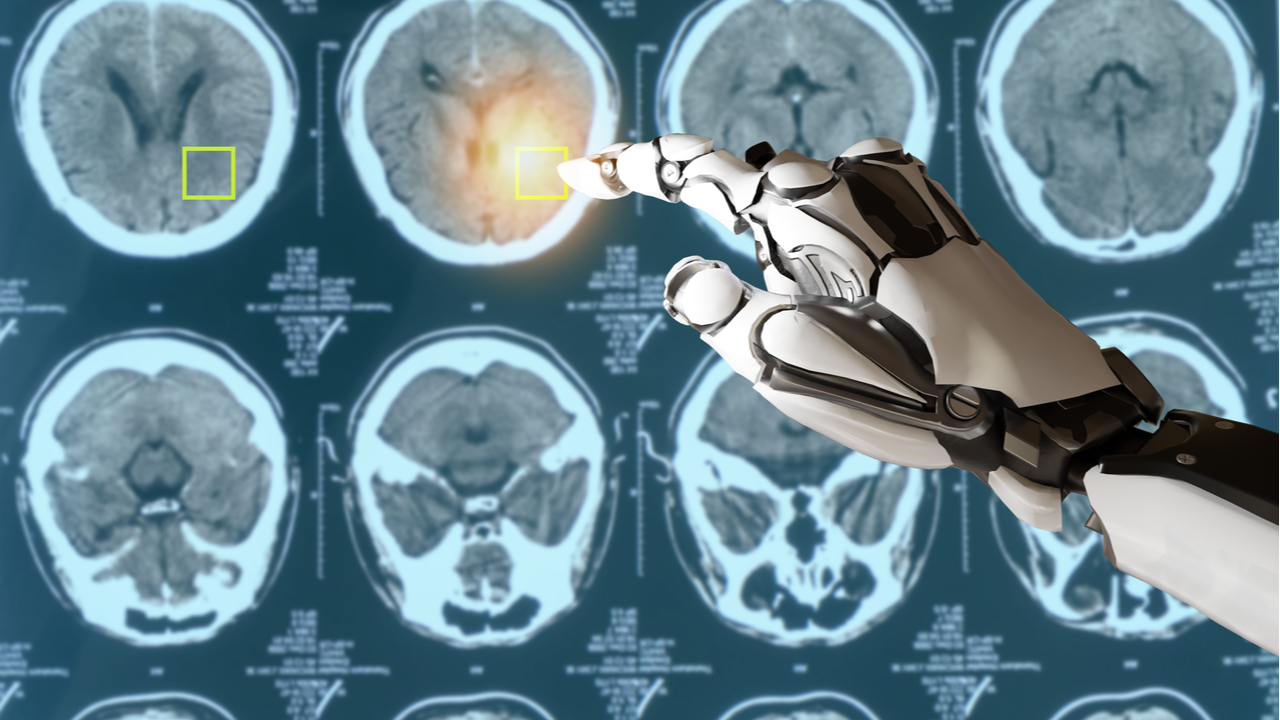
The use of AI in medical imaging represents a major breakthrough in integrating technology into healthcare. This integration is not just a technological advancement, but a qualitative leap in enhancing diagnostic and treatment plans. AI is leveraged in the early detection of diseases through advanced imaging techniques. In this article, we will discuss this role and how it contributes to improving healthcare.

The Importance of AI in Early Disease Detection

We are not exaggerating when we talk about the importance of AI in healthcare and medical imaging. It goes beyond merely improving image quality and processing speed. AI capabilities in medical imaging have evolved from basic diagnostics to aiding in early disease detection. It’s no longer just about faster and clearer images, but also about saving lives through early intervention and providing personalized treatment options.

Early Detection of Diseases

These advancements have had a significant impact on healthcare, especially in fields like oncology and neurology, where timely and accurate diagnosis is critical. More specifically, these innovations have significantly increased the number of patients undergoing screenings, enhancing not only patient outcomes and safety but also productivity and cost-effectiveness.

AI Capabilities in Medical Imaging

AI technologies have a multifaceted impact on medical imaging. They improve diagnostic accuracy, reduce human error, and enable early disease detection, ultimately raising the standard of patient care. AI can be utilized in various ways to enhance medical imaging.

The full potential of AI can be realized through the effective use of machine learning and deep learning algorithms, which are now playing a pivotal role in advancing imaging technologies.

AI Improvements in Medical Imaging

  1. One of the most notable advancements is image quality enhancement. AI algorithms can analyze massive volumes of imaging data, learning to detect subtle patterns and anomalies that may be invisible to the human eye. The increased clarity and resolution of these images have paved the way for more accurate diagnoses, such as the ability to detect fractures.
  2. Image processing speed is another area where AI makes a significant difference in early disease detection. In the past, analyzing medical images was time-consuming, which affected the timing of diagnoses and treatment.
  3. Thanks to its ability to quickly process and analyze large datasets, AI significantly reduces the time needed to analyze medical images. As a result, AI systems can now interpret and generate complex images much faster than traditional methods, speeding up the diagnostic process.
  4. By integrating deep learning algorithms, AI can identify patterns associated with specific diseases, making it a powerful tool for early detection and diagnosis. Through advanced image analysis, AI can detect abnormalities such as tumors in their early stages, greatly enhancing the patient experience.
  5. AI also plays a major role in personalized medicine and preventive healthcare. By analyzing medical imaging data alongside a patient’s medical history, AI can provide personalized diagnostic insights, paving the way for more tailored treatment plans.

Key Applications of AI in Medical Imaging

Current AI applications in medical imaging are significantly impacting fields such as radiology, oncology, and neurology. By harnessing AI, medical professionals in these areas can improve the accuracy and efficiency of numerous diagnoses and treat medical conditions more successfully.

These three fields demonstrate how AI applications in medical imaging are not only enhancing current diagnostic and treatment methods but also opening new horizons in personalized medicine. From improving diagnostic accuracy in radiology to aiding in the early detection of cancerous cells and neurological diseases, AI is proving its value in the healthcare sector.

Below are the key fields that benefit from AI in the early detection of diseases.

1. Radiology

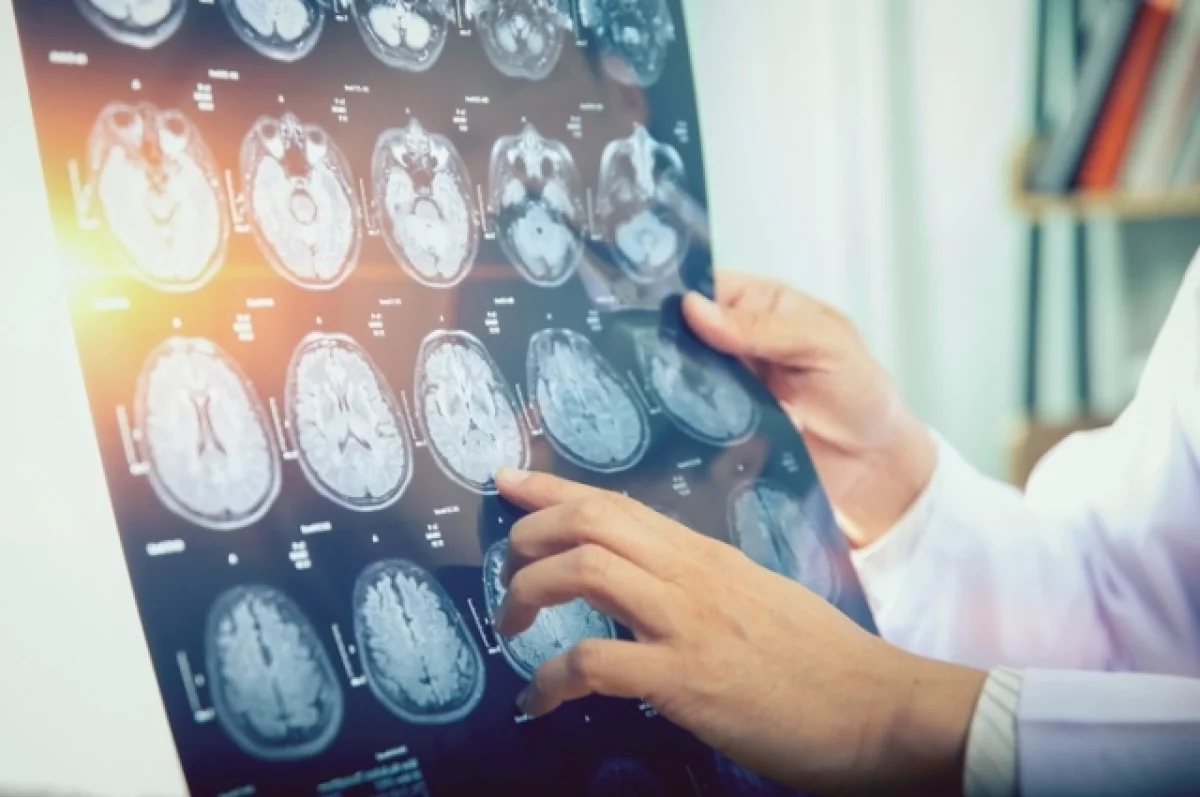
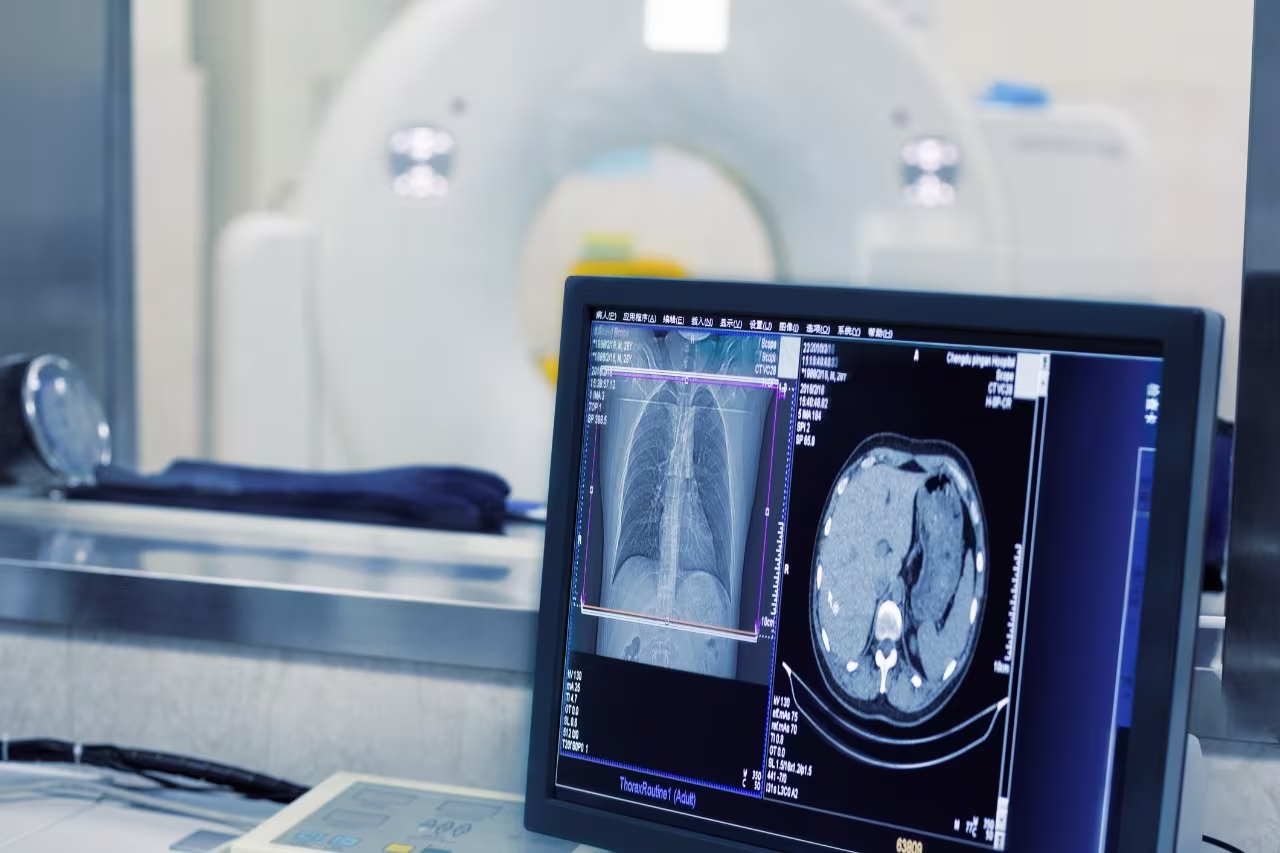
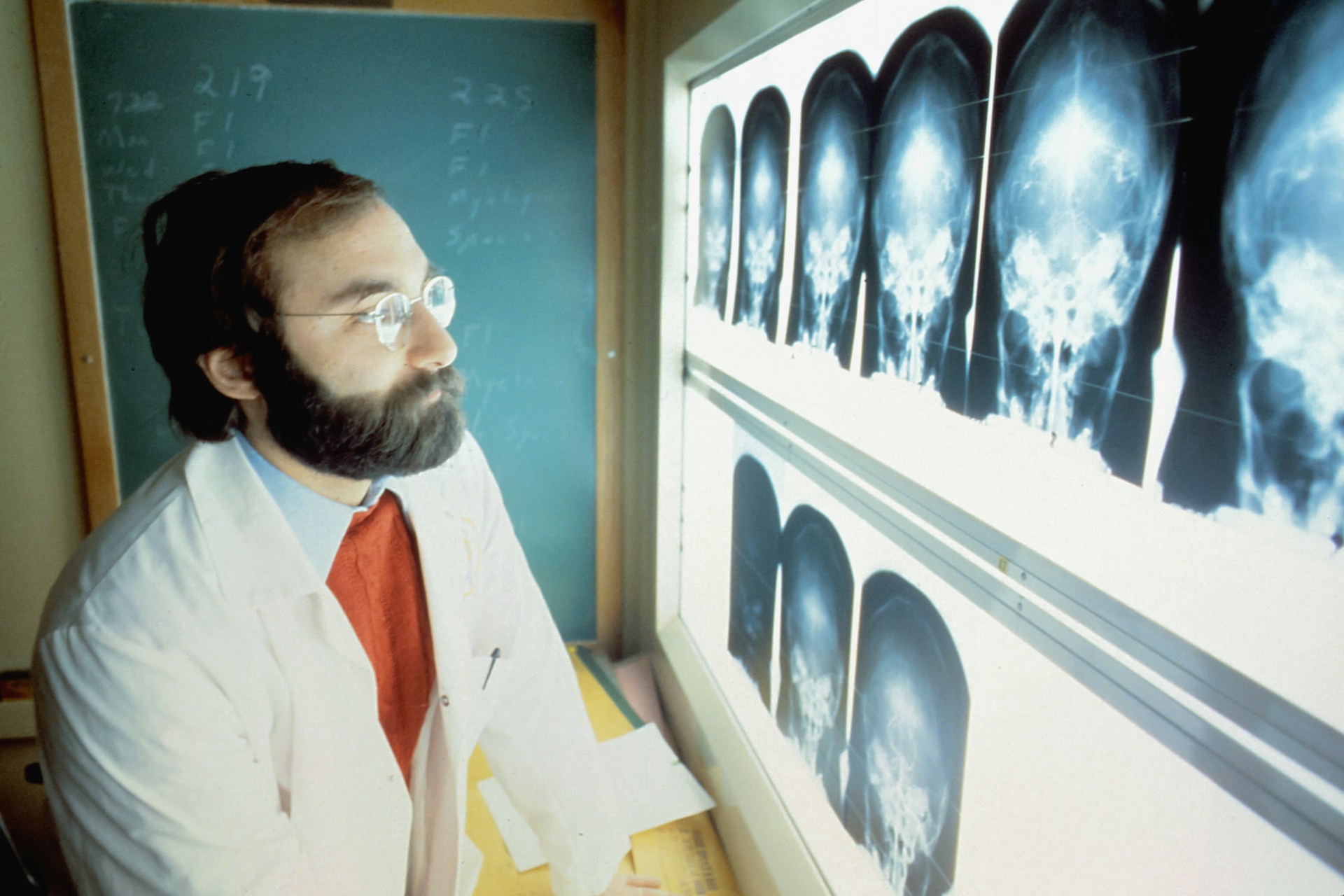
In the field of radiology, for example, artificial intelligence is primarily used to identify abnormalities in imaging scans. AI algorithms applied to computed tomography (CT) and magnetic resonance imaging (MRI) can quickly detect and segment areas of interest in scans of the lungs, liver, and brain.

2. Cancer Tumor Detection

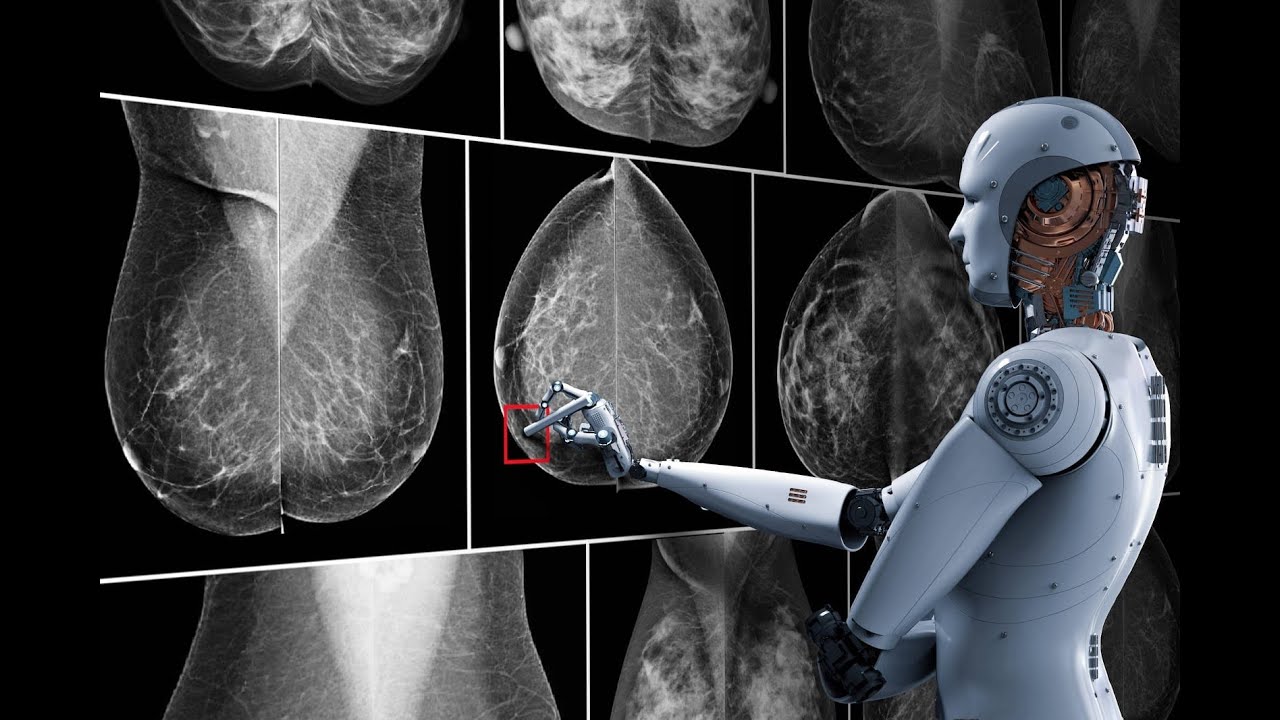
Particular attention should be given to AI’s role in tumor imaging. It assists in detecting and monitoring cancerous tumors, improving the accuracy of cancer screenings. For instance, deep learning AI techniques have been used to analyze mammograms and accurately distinguish between malignant and benign tumors.

Early Detection of Diseases

3. Neurology

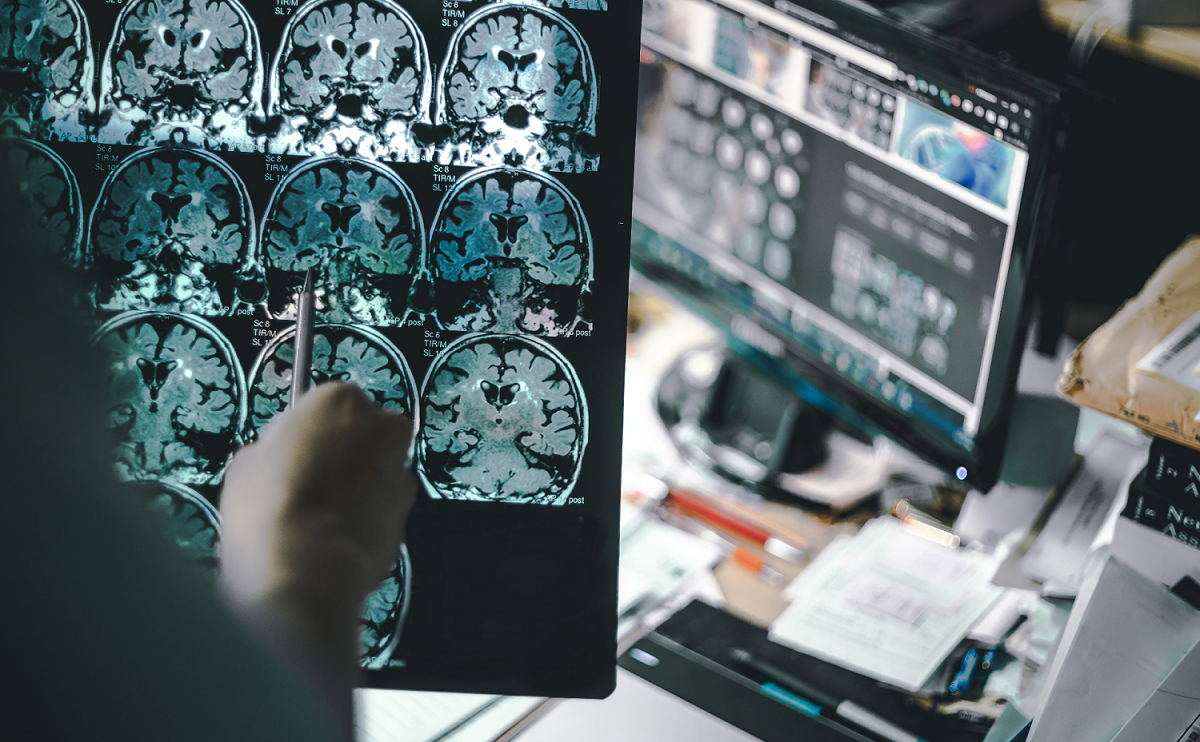
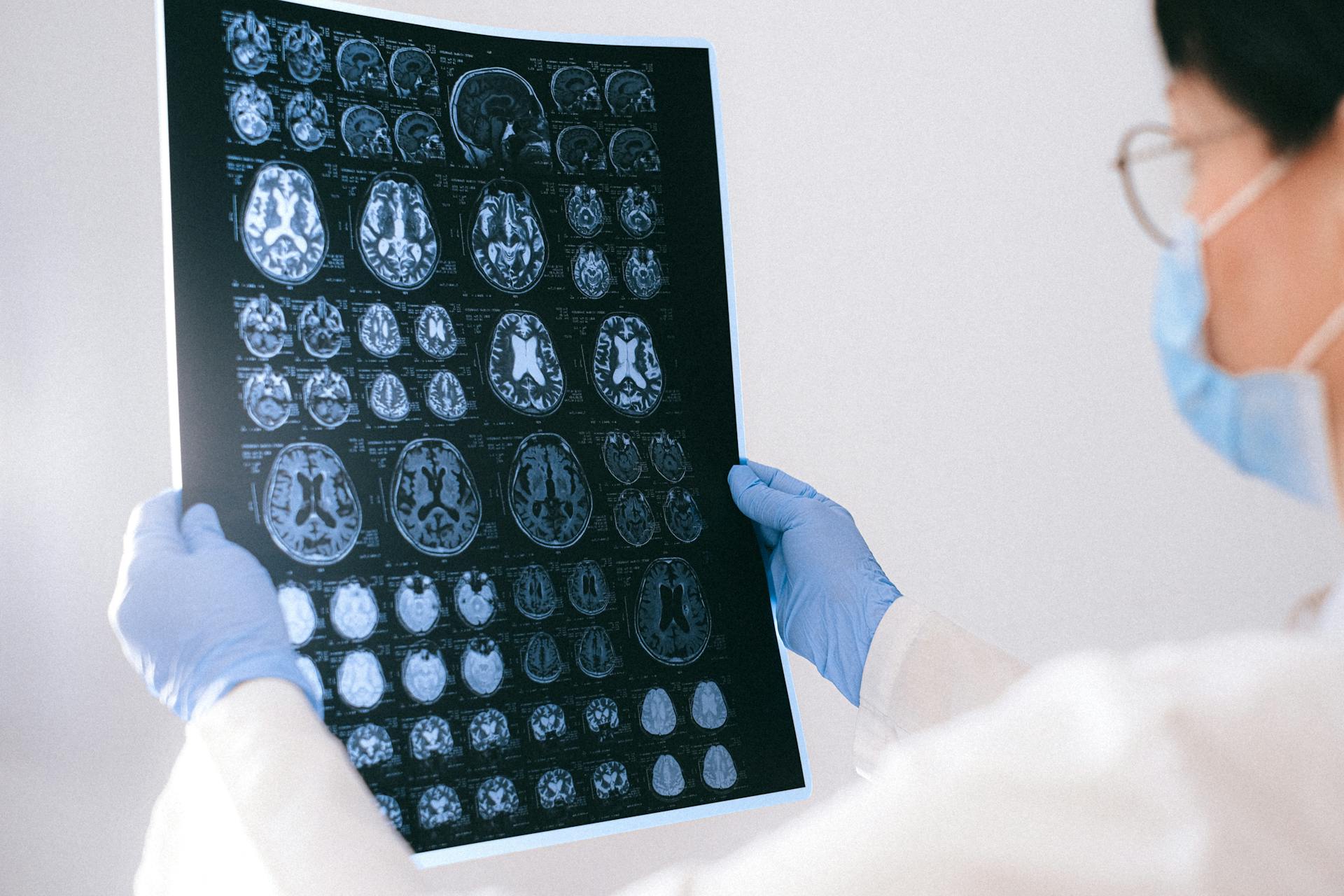
In neurology, AI enhances the analysis of brain images for conditions such as stroke, Alzheimer’s disease, and brain tumors. AI algorithms can detect subtle changes in brain tissue, allowing for early intervention and treatment. A notable example is the use of AI in diffusion-weighted imaging, a type of MRI, to quickly identify stroke-affected areas in the brain.

AI’s Impact on Diagnostic Accuracy

The integration of AI into medical imaging analysis has significantly improved diagnostic accuracy. It reduces human error and enhances early disease detection. This shift toward AI-enhanced diagnostic and imaging methods is reshaping the landscape of medical imaging technology and precision medicine. Below are the key impacts:

1. Improved Diagnosis of Various Medical Conditions

Thanks to its ability to learn from large datasets, AI algorithms have shown remarkable improvement in identifying and diagnosing medical conditions. For example, AI can match—or even surpass—the accuracy of human radiologists in detecting diseases like pneumonia in chest X-rays. This level of precision is especially critical in cases where early detection greatly influences treatment outcomes.

2. Reduction of Human Error

The second major advantage of AI in medical imaging is its consistency, which significantly reduces human error. Unlike human radiologists who may be affected by fatigue or subjective judgment, AI systems provide consistent analyses. AI support can reduce diagnostic errors in mammograms for breast cancer, thereby improving diagnostic accuracy.

Medical Imaging

3. Early Disease Detection

Early disease detection is crucial for effective treatment, and AI is playing a vital role in this area. For example, AI has been instrumental in the early detection of diabetic retinopathy—a condition that can lead to blindness if left untreated. By analyzing retinal images, AI can detect this condition with high accuracy, often before any physical symptoms appear in the patient.

Challenges and Ethical Considerations

Despite the tremendous potential of artificial intelligence in the healthcare sector and medical imaging technologies, it still faces a number of challenges and concerns that slow down its widespread adoption. These challenges include:

1. Data Privacy

The first challenge affecting AI is the concern over data privacy. AI systems require access to large datasets of patient images, which raises significant concerns about confidentiality. Ensuring the security and privacy of this sensitive data is absolutely critical. Healthcare institutions must comply with strict data protection regulations, as safeguarding this information is essential.

2. High Costs

The cost of integrating AI into existing standard imaging technologies presents a major barrier to its adoption. Acquiring AI software, along with the necessary hardware upgrades, can be extremely expensive for many healthcare institutions—especially public ones.

3. Training Medical Staff

For AI to be successfully used in medical imaging, it also requires specialized training for healthcare professionals. Radiologists and technicians must be educated on how to interpret AI results and incorporate them into clinical decision-making processes.

4. Technical Challenges

Technical issues—such as data integration and algorithmic bias—pose significant challenges. Integrating AI into current health IT systems can be complex and demands seamless compatibility. To address this, AI systems must be trained on diverse and comprehensive datasets and undergo rigorous validation processes to ensure accuracy and fairness.

It is essential to ensure the transparency of AI-supported systems in decision-making processes and to clearly define accountability for the outcomes of those decisions. Regulatory frameworks must be established to guarantee the safe and effective use of AI in the medical field. These frameworks should address key issues such as:

  • Validating algorithm reliability.
  • Official certification and approval.
  • Managing potential biases within the systems.

In conclusion, integrating AI into medical imaging is not merely a technical advancement, but a promising paradigm shift that redefines diagnosis and treatment planning. The positive impact of AI integration in imaging systems extends beyond patients, medical practitioners, and healthcare providers—it benefits anyone seeking a more efficient and error-free healthcare system.

Source: The Role of AI in Medical Imaging

The Role of AI in Predictive Maintenance of Medical Equipment

The medical field is undergoing an unprecedented revolution through the integration of artificial intelligence technologies. This innovative advancement is transforming the way doctors diagnose diseases, develop new treatments, perform surgeries, and even maintain medical equipment.

Unexpected equipment failures can lead to significant issues in healthcare institutions. But what if there were a way to predict a malfunction before it occurs? That’s exactly what we’ll explore in this article on the role of AI in predictive maintenance of medical equipment—aimed at reducing the risks of catastrophic or costly problems before they happen.

What is Predictive Maintenance in Medical Equipment?

Healthcare facilities typically rely on scheduled preventive maintenance or immediate repairs when equipment breaks down. However, this approach may not always be effective, often leading to sudden equipment downtime that negatively impacts patient care. This is where predictive maintenance comes in—a proactive approach designed to anticipate and prevent equipment failures.

Predictive Maintenance of Medical Equipment

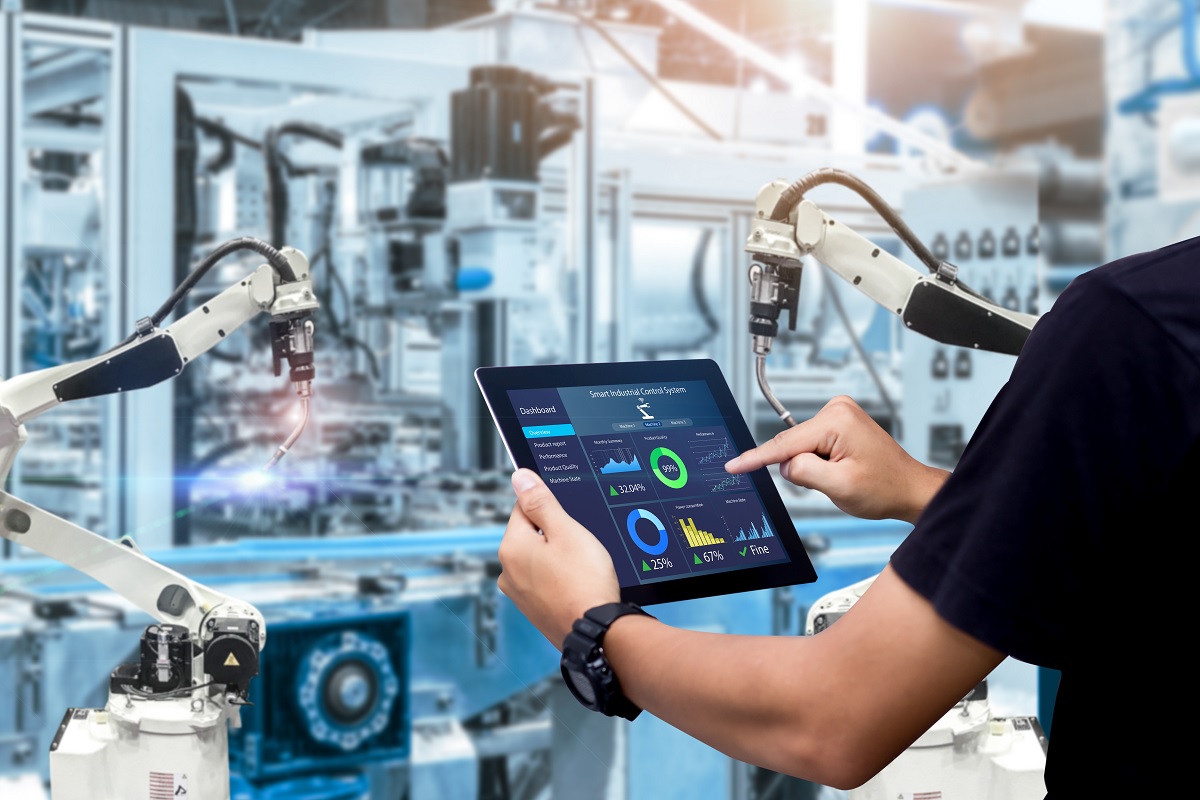
Predictive maintenance is an efficient solution that relies on automation and AI to foresee equipment failures before they occur. Modern medical equipment is often equipped with sensors that collect real-time data on performance metrics. This data is then fed into AI algorithms that analyze trends and detect potential issues. Through continuous monitoring of equipment conditions, these AI-powered systems can predict possible malfunctions and schedule maintenance interventions in advance.

One of the key techniques used in this type of maintenance is condition-based monitoring, where sensors gather data on equipment health and performance. Machine learning then analyzes this data to detect early warning signs of potential issues, enabling maintenance teams to act proactively.

Predictive maintenance in medical equipment helps:

  • Avoid costly and unplanned downtimes
  • Reduce unnecessary maintenance tasks
  • Extend equipment lifespan by preventing premature failures
  • Improve maintenance scheduling

AI in Medical Equipment Maintenance

The role of AI in predictive maintenance of medical equipment goes beyond simply integrating technology to ensure smooth operations, prolong equipment life, and enhance patient safety. AI remains a driving force in the development of medical technologies. The integration of AI advancements positions predictive maintenance as a critical element in transforming healthcare equipment management and paving the way for a new era of patient-centered care.

By embedding AI algorithms, medical equipment can be programmed to perform tasks independently or with minimal human intervention, setting a new standard in the reliability and efficiency of medical services.

How Artificial Intelligence Works in Predictive Maintenance of Medical Equipment

Artificial intelligence in predictive maintenance relies on a complex process involving predictive analytics, machine learning, and data collection. Therefore, understanding the fundamental AI concepts is essential to grasp how machines learn.

Data Collection and Analysis

The role of AI in predictive maintenance of medical equipment is a modern approach to collecting and analyzing data from medical devices. AI uses sensors installed on medical equipment to continuously collect data, then analyzes trends to detect issues before they become critical.

Predictive Analytics

As part of AI’s role in predictive maintenance of medical equipment, machine learning and data analysis are used to predict the behavior of equipment. This helps reduce risks and enables swift action in healthcare operations.

Predictive Maintenance of Medical Equipment

Supervised Learning

AI models trained on labeled datasets improve the accuracy of predicting equipment failures, with a focus on enhancing AI’s role in medical devices.

Unsupervised Learning

AI is essential for gaining deep insights from medical device data analytics, as it can identify anomalies and unexpected issues without prior labeling.

Reinforcement Learning

This involves training an agent to interact with an environment and learn optimal actions through trial and error. It can be used to enhance maintenance scheduling or resource allocation strategies to minimize unplanned downtime and boost reliability.

The Role of AI in Predictive Maintenance

AI tools are designed to simulate human intelligence in performing specific tasks, allowing these tasks to be completed automatically instead of manually. In the case of predictive maintenance, AI solutions can analyze current operating conditions and search for indicators that a device might fail in the future—even if no apparent operational problems exist. By assessing the current performance against baseline data, AI tools can detect slight efficiency drops that signal the need for maintenance.

The role of AI in predictive maintenance of medical equipment includes the following:

1. Generating Work Instructions

Generative AI can analyze historical maintenance data, equipment specifications, and sensor readings to create customized work instructions for technicians. These instructions are clear, precise, and tailored to the specific needs of each maintenance task, minimizing errors and improving first-time fix rates.

2. Optimizing Work Order Planning

By analyzing historical trends and predicting potential equipment failures, generative AI integration helps schedule maintenance activities more efficiently. This allows preventive maintenance to occur before failures, reducing downtime and associated costs.

3. Supporting Reliability Engineering

AI helps analyze sensor data and maintenance history to identify patterns indicating potential equipment degradation. This enables proactive maintenance actions, ensuring efficient equipment operation and avoiding unexpected failures.

Predictive Maintenance of Medical Equipment

4. Analyzing and Applying Maintenance Standards

AI can be trained on industry standards and regulations related to equipment maintenance. This allows it to review existing maintenance plans and identify areas that may not comply with current standards—improving safety and regulatory compliance.

5. Updating Maintenance Quality

AI can continuously learn and improve from new data. As it analyzes outcomes of completed maintenance tasks, it can identify areas for procedural improvement or where new techniques may be applied. This ongoing feedback loop supports continuous enhancement of the quality and effectiveness of maintenance practices.

Benefits of AI-Enhanced Predictive Maintenance

AI-enhanced predictive maintenance significantly contributes to reducing maintenance costs through proactive measures that address potential failures before they occur. Algorithms analyze sensor and monitoring system data to detect early warning signs, enabling timely intervention to prevent breakdowns and reducing the need for costly emergency repairs.

It helps extend the lifespan of equipment by addressing issues early and avoiding unnecessary stress on the machines. This leads to fewer replacements and minimized downtime.

It improves operational efficiency by optimizing maintenance schedules, allowing maintenance teams to accomplish more with fewer resources, lowering labor costs, and increasing overall technician productivity.

Predictive Maintenance of Medical Equipment

Applications of AI in Predictive Maintenance of Medical Equipment

AI-based predictive maintenance is an advanced step toward improving the quality and efficiency of healthcare by reducing unexpected failures and ensuring the continuous operation of critical medical equipment. In this context, the applications of AI in predictive maintenance of medical devices fall into three main areas: medical imaging equipment, diagnostic devices, and life support systems. Each area includes a range of devices that benefit from AI’s ability to predict failures, enhance performance, and reduce sudden downtime that may negatively impact the quality of healthcare services provided to patients.

MRI (Magnetic Resonance Imaging) Machines

AI-powered predictive maintenance for MRI machines involves continuous monitoring of components to ensure optimal performance and reduce downtime. AI algorithms analyze data patterns to predict potential issues, enabling immediate intervention and avoiding delays in diagnosis.

X-Ray Machines

Predictive analytics, component deviation detection, and failure forecasting are key areas where AI is applied to X-ray machines. By taking a proactive approach, AI helps prevent unplanned interruptions and ensures smooth diagnostic operations.

Blood Analyzers

Real-time monitoring of baseline parameters is a key aspect of AI-driven predictive maintenance for blood analyzers. AI systems forecast potential failures by studying data trends, allowing issues to be addressed before they impact diagnostic accuracy.

ECG (Electrocardiogram) Devices

AI is used in predictive maintenance of ECG machines to monitor device components and signal quality. This proactive approach ensures the continuous availability of accurate cardiac data, aiding in fast and reliable patient diagnosis.

Ventilators

Predicting issues related to airflow, pressure, and sensor performance is a core application of AI in maintaining ventilators. Proactive monitoring ensures the reliability of life support systems, which are critical in emergency care.

Infusion Pumps

AI-powered predictive maintenance for infusion pumps includes monitoring fluid delivery accuracy and pump calibration. AI predicts potential issues by analyzing usage patterns, ensuring the accuracy and continuity of medication dosages.

Source: How AI Is Used in Predictive Maintenance

Wearable Medical Devices: How AI is Shaping the Future of Healthcare

In recent years, the healthcare sector has witnessed groundbreaking technological advancements, with the integration of artificial intelligence (AI) bringing a paradigm shift in patient care. One of the most notable developments is wearable medical devices, which are revolutionizing healthcare. These innovative devices not only transform how we monitor and manage our health but also unlock new possibilities in medical research and personalized medicine. In this article, we will explore these advancements in detail.

What Are Wearable Medical Devices?

Wearable medical devices are small, portable electronic devices worn on the body, capable of collecting, analyzing, and transmitting a wide range of health data. These devices can monitor various vital signs, such as heart rate, blood pressure, and temperature, providing real-time information that can be used for early disease detection or chronic condition management. With technological advancements, these devices have become more sophisticated, offering features such as ECG monitoring, continuous glucose monitoring (CGMs), and even sleep tracking.

Wearable Medical Devices - How AI is Shaping the Future of Healthcare

Benefits of AI-Powered Wearable Medical Devices

The integration of AI in wearable medical devices is transforming healthcare by providing patients and healthcare providers with continuous, data-driven insights. This personalized approach enhances patient care, particularly in managing chronic diseases and promoting preventive health measures. By tailoring interventions to individual needs, AI-powered wearables improve patient outcomes, enhance healthcare services, and empower individuals to take control of their health. Here are some key benefits of incorporating AI into these devices:

1. Enhanced Monitoring and Early Detection

AI-powered wearable devices continuously monitor vital signs and detect irregularities, enabling early detection of health risks such as arrhythmias or sudden changes in blood sugar levels—often before noticeable symptoms appear. This allows timely interventions and has shown promising results in detecting atrial fibrillation, potentially preventing strokes.

2. Personalized Treatment Plans

By analyzing individual health data, AI tailors’ treatment recommendations to meet specific patient needs, optimizing medication dosages, exercise routines, or dietary adjustments for more effective care. For instance, AI can adjust insulin doses for diabetics based on real-time glucose readings or suggest lifestyle modifications for hypertension patients.

3. Better Chronic Disease Management

Continuous monitoring enables more effective management of chronic diseases, particularly where one-size-fits-all treatments often fall short, such as diabetes, hypertension, and cardiovascular conditions. This reduces complications and hospital admissions, leading to more responsive care.

Wearable Medical Devices - Future of Healthcare

4. Empowering Patients

AI-powered wearable medical devices enhance patient engagement by providing real-time health insights, personalized health tips, and reminders, enabling individuals to manage their health more effectively.

5. Improved Patient Outcomes

By facilitating early interventions and continuous data-driven analysis, wearable devices improve long-term healthcare outcomes. Preventing severe complications, reducing hospital admissions, and minimizing emergency visits ultimately enhance patients’ quality of life.

6. A Key Role in Preventive Medicine

AI-powered medical devices play a crucial role in preventive medicine. Through continuous monitoring of vital signs and daily activities, these devices help individuals identify potential health risks and make informed decisions to prevent illnesses. For example, a wearable device tracking physical activity and sleep patterns can provide valuable insights into lifestyle habits that may contribute to obesity or sleep disorders.

7. Enabling Individuals to Take Charge of Their Health

Patients can easily track their progress and share data with their doctors, facilitating informed decision-making in diagnosis and treatment. For example, individuals with chronic conditions can use wearables to monitor symptoms and make necessary lifestyle or medication adjustments, ultimately leading to better health outcomes and quality of life.

How Wearable Medical Devices Support Medical Research

The benefits of wearable medical devices extend beyond patients; they also offer significant advantages to the medical research community. In clinical trials, these devices play a crucial role in collecting accurate and reliable data. Traditional data collection methods often rely on self-reported information or intermittent measurements, which can be prone to errors. In contrast, wearable devices provide continuous and objective data, offering a more comprehensive view of a patient’s health.

By integrating these devices into clinical trials, researchers can gather real-time data on how patients respond to treatments, identify potential side effects, and monitor adherence to prescribed therapies. This wealth of information allows for more precise assessments of the efficacy and safety of new treatments, ultimately accelerating drug development and bringing new medications to market faster.

How Do Wearable Medical Devices Work?

Wearable medical devices are equipped with sensors that continuously collect data on vital signs, physical activity, and other health metrics. This data is then transmitted to a smartphone or another connected device for analysis and interpretation. Some devices provide real-time feedback, while others store the information for healthcare professionals to review later.

Wearable Medical Devices

Types of Wearable Medical Devices

  1. Wearable medical devices come in a variety of forms, catering to different health needs and preferences. Here are some common examples:
  2. Fitness Trackers: Monitor physical activity, heart rate, sleep patterns, and calorie consumption.
  3. Smartwatches: Many smartwatches include health monitoring features, such as heart rate tracking, blood pressure monitoring, and ECG functionality.
  4. Continuous Glucose Monitors (CGMs): Essential for individuals with diabetes, these devices provide real-time blood sugar readings without the need for finger pricks.
  5. Wearable ECG Monitors: Detect irregular heart rhythms and other cardiac issues, enabling early intervention and heart attack prevention.
    Smart Rings: Compact devices offering various health monitoring features, including heart rate tracking, blood oxygen levels, and sleep analysis.
  6. Wearable Biosensors: Advanced devices capable of measuring multiple biomarkers, such as stress levels and skin temperature.
  7. AI-Powered Devices: Enhance data analysis, allowing for precise health monitoring and predictive insights.
  8. Sleep Management Devices: Track sleep patterns and provide actionable insights to improve sleep quality and overall health.
  9. Wearable Hearing Aids: Advanced hearing aids and smart earbuds that offer hearing assistance, health tracking, and seamless connectivity.
  10. Smart Glasses: Enhance vision, provide real-time data, and assist in rehabilitation or accessibility solutions.
  11. Wearable Robots: Aid mobility and rehabilitation, supporting physical therapy and improving movement.
  12. Smart Clothing: Garments embedded with sensors to track physical activity, posture, and health metrics.

The Future of Wearable Medical Devices

The field of wearable medical devices is advancing rapidly, and we can expect to see smaller, more comfortable devices with expanded capabilities. Integration with artificial intelligence (AI) will enable more sophisticated data analysis and personalized recommendations. Moreover, wearable technology will play an increasingly vital role in managing chronic diseases, monitoring mental health, and providing remote patient care.

How AI is Shaping the Future of Healthcare

Challenges Facing Wearable Devices

While wearable medical devices significantly enhance healthcare, they also face several challenges that must be addressed:

  1. Data Privacy and Security: Protecting sensitive health data is crucial to prevent unauthorized access.
  2. Regulatory Compliance: The development and commercialization of these devices must adhere to strict regulatory guidelines to ensure safety and effectiveness.
  3. User Adoption: Ensuring that individuals wear and use these devices correctly is essential for accurate data collection and effective health management.
  4. Battery Life: Limited battery life can be inconvenient and hinder continuous monitoring.
  5. Data Accuracy: These devices rely on sensors to monitor vital signs, but external factors such as body movement, environmental conditions, or sensor placement can impact data accuracy.

Conclusion

Despite these challenges, wearable medical devices have revolutionized healthcare by offering innovative solutions for monitoring, diagnosing, and treating a wide range of health conditions. With advancements in sensor technology, AI integration, and personalized healthcare, these devices are becoming more accurate, user-friendly, and accessible. As they continue to evolve, they hold great promise for improving patient outcomes, enhancing healthcare management, and reducing the burden on traditional healthcare systems.

source: Wearable Medical Devices: The Future of Healthcare

The role of AI in biomaterials and their development from next-generation

The modern medical industry is experiencing a growing revolution in research and development, with AI in biomaterials emerging as a key pillar of this transformation. The integration of artificial intelligence with biotechnology enables the development of advanced materials used in diagnosis and treatment with innovative precision. This breakthrough is paving the way for improved healthcare quality and reduced patient suffering. By leveraging AI in biomaterials, researchers can design and develop materials that meet the highest safety and efficacy standards. In this article, we explore the impact of AI on biomaterials, from their design and development to understanding their complex interactions with the human body and their promising future in enhancing medical technologies.

Designing and Developing Biomaterials with AI

With rapid advancements in medicine and bioengineering, biomaterials have become an essential component of therapeutic and diagnostic strategies. Traditionally, these materials served as structural supports to aid healing and restore damaged tissues in cardiac, orthopedic, and dental surgeries. However, their role has now expanded beyond mere structural support to become dynamic components that seamlessly integrate with natural tissues.

AI in biomaterials

AI in biomaterials plays a crucial role in redefining the design and development process by offering advanced analytical tools that help researchers:

  • Organize and analyze vast amounts of scientific and experimental data.
  • Predict the properties of new materials and their interactions with cells and tissues.
  • Reduce reliance on time-consuming and costly traditional experiments.

For instance, machine learning models can identify patterns and key factors influencing the successful integration of biomaterials with tissues. This allows for the development of materials with enhanced performance and faster adaptability in therapeutic applications. As a result, AI in biomaterials is becoming a strategic tool for improving research accuracy, efficiency, and achieving faster, validated results.

Understanding Complex Interactions Between Biomaterials and Biological Systems

Since the introduction of biomaterials in medicine, understanding their interactions with the human biological system has been a major challenge. Early implant success rates were limited due to the unclear effects of these materials on surrounding cells and tissues. However, over time, concepts like biocompatibility have emerged, highlighting the need to redefine and update standards for evaluating these interactions.

AI in biomaterials

AI in biomaterials provides advanced solutions to address these challenges by:

  • Analyzing complex biological data using techniques like natural language processing and predictive modeling.
  • Aggregating and standardizing information from multiple sources to create comprehensive databases that precisely identify chemical and biological interactions.
  • Developing models that simulate the behavior of biomaterials inside the body, predicting potential adverse reactions.

A deep understanding of biochemical and mechanical interactions between biomaterials and cells is essential for improving material design and ensuring safety in medical applications. By analyzing these interactions in detail, AI helps establish new evaluation criteria that consider subtle differences in how biomaterials interact with tissues, leading to optimal integration between the material and the body.

The Pioneering Role of AI in Performance Optimization

Evaluating biomaterials requires an integrated approach that combines traditional methods with modern technological advancements. While conventional laboratory tests are precise, they are often time-consuming and resource-intensive. AI in biomaterials is revolutionizing this process by:

  • Developing predictive data-driven algorithms to simulate biomaterial behavior under various conditions.
  • Providing analytical tools to assess mechanical and biological performance under changing conditions, such as mechanical stress, degradation, and chemical interactions.
  • Reducing the need for costly and lengthy live experiments by offering precise results based on digital analysis and mathematical modeling.

Additionally, AI-driven technologies help predict potential risks, such as adverse reactions or the release of harmful byproducts. By leveraging large-scale databases and deep learning techniques, researchers can identify patterns and factors that impact the long-term safety of biomaterials. This allows for modifications in design and development before advancing to clinical trials.

AI in biomaterials

This innovative approach to integrating AI in biomaterials not only enhances performance but also accelerates innovation and continuous improvement in medical products. Moreover, it strengthens regulatory and consumer confidence by providing solid evidence of the safety and effectiveness of new biomaterials.

A Bright Future for AI Integration in Biomaterials

With the growing expansion of artificial intelligence applications across various scientific fields, the future of AI in biomaterials looks incredibly promising. Experts predict that this integration will lead to the development of smart biomaterials capable of dynamically interacting with biological environments. This advancement paves the way for personalized treatments tailored to each patient while also enhancing diagnostic and therapeutic outcomes through AI-driven sensors and monitoring systems. These innovations contribute to early disease detection and continuous health condition tracking.

The integration of AI in biomaterials also boosts efficiency in research and development by leveraging advanced analytical techniques, significantly reducing the time from innovation to real-world application. Furthermore, this technological synergy represents a major step toward improved ethical standards, as it minimizes reliance on animal models for laboratory experiments. AI-powered digital models provide promising alternatives for analyzing biological interactions without the need for live testing, aligning with global efforts to promote animal welfare and elevate scientific research standards.

Innovation and Collaboration as Key Pillars

The future of AI in biomaterials cannot be discussed without emphasizing the importance of interdisciplinary collaboration. Integrating medical engineering, data science, and molecular biology fosters a comprehensive research environment where knowledge and expertise can be exchanged. This cross-disciplinary approach enables researchers to tackle the complex challenges associated with biomaterials and accelerate their practical applications.

Developing standardized data platforms and advanced information systems is essential for consolidating information and streamlining its use in predictive modeling. Additionally, providing specialized educational and training resources for researchers will raise awareness of AI’s significance in biomaterials, promoting widespread adoption in laboratories and global research centers.

AI in biomaterials

Challenges and Future Opportunities

Despite the numerous benefits offered by AI in biomaterials, several challenges must be addressed, including:

  1. The need for high-quality and consistent data to effectively train AI models.
  2. Technical difficulties in interpreting algorithm-generated results, as the complexity of biological interactions often requires expert intervention.
  3. Security and privacy concerns related to storing and utilizing biological data, necessitating strict policies and procedures to protect sensitive information.

However, the future opportunities in this field remain vast. AI-driven biomaterials are expected to enhance clinical trial success rates, reduce costs, and accelerate innovation and development. Continued investments and strategic partnerships between universities, research institutions, and pharmaceutical industries will play a crucial role in ensuring sustainable and impactful progress.

In conclusion, artificial intelligence in biomaterials represents the gateway to the future of smart healthcare, where technological innovations seamlessly integrate with human needs to create a transformative shift in the quality of diagnosis and treatment. In this context, HSI Biomedical Engineering Training Center offers you an exceptional opportunity to embark on this future through specialized training programs in medical engineering, designed to equip you with the knowledge and skills needed to lead in this rapidly evolving field. Join us today and be part of a generation shaping the future.
Source: How artificial intelligence shapes the future of biomaterials?

Artificial intelligence in medical imaging | A revolution in the world of diagnostics

​In recent decades, there has been a significant advancement in medical diagnostics, especially following the recent surge in artificial intelligence (AI). AI has become a fundamental component in enhancing the accuracy and speed of disease detection. Physicians no longer rely solely on their clinical expertise and traditional tools; they can now leverage AI’s capabilities to analyze medical images and derive precise diagnoses swiftly. So, how does Artificial intelligence contribute to improving medical imaging? And what are its most prominent applications in this field?​

How Does Artificial Intelligence Operate in Medical Imaging?

AI systems in medical imaging rely on deep learning techniques, where algorithms are trained on vast datasets of pre-classified medical images. These systems can identify subtle patterns within images that might be imperceptible even to trained human eyes.​

The operation of AI in medical diagnostics involves three primary stages:

Data Collection: Amassing large volumes of radiological images and accurate diagnostic data from previous patients.​

Training: Teaching deep neural networks to recognize various pathological indicators.​

Analysis: Accurately examining new images and providing a diagnosis or alerting the physician to potential issues.​

ai

The Role of Artificial intelligence in medical imaging

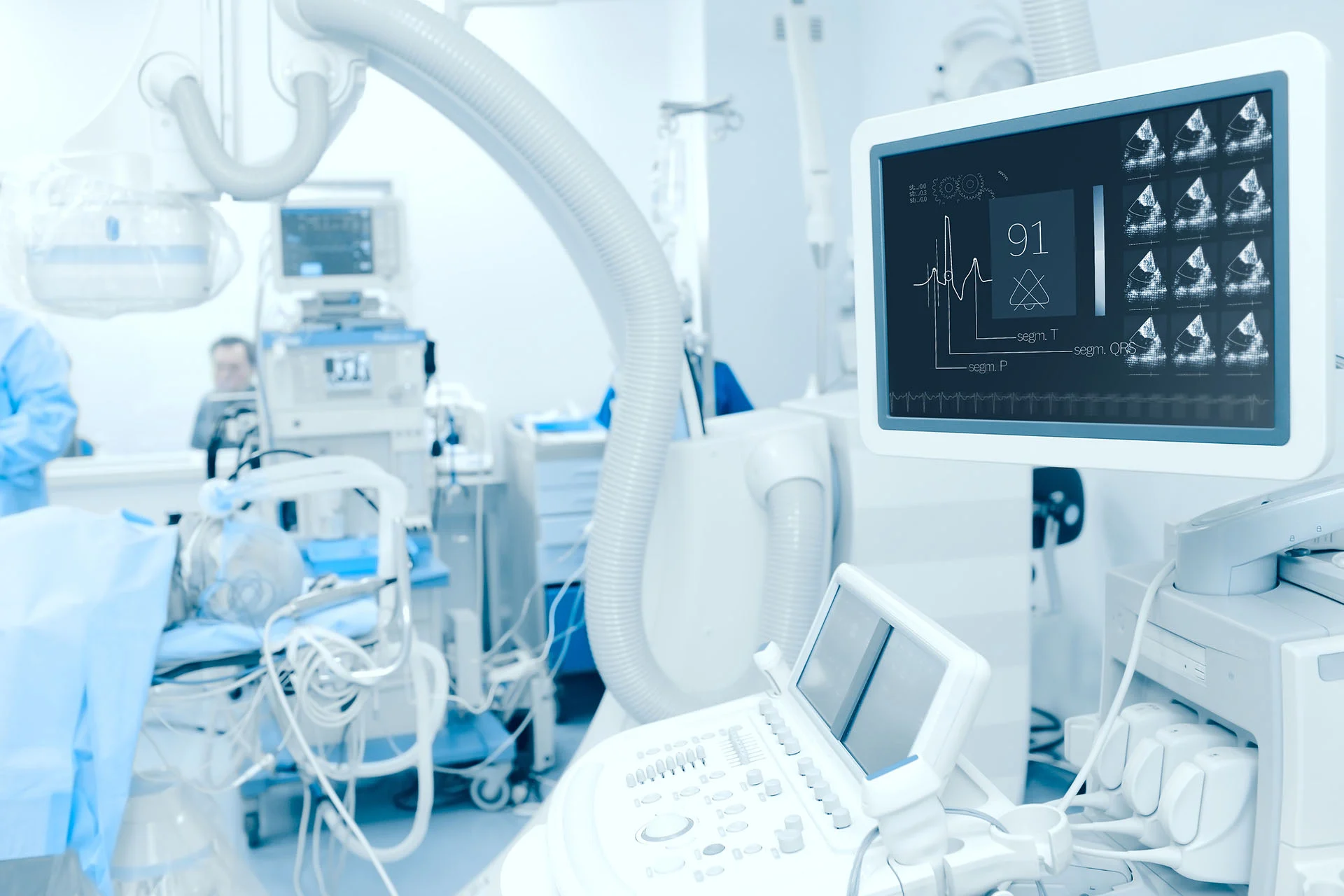
Medical imaging stands as one of the most crucial diagnostic tools, with physicians depending on techniques like X-rays, Magnetic Resonance Imaging (MRI), and Computed Tomography (CT) scans. With AI’s evolution, it’s now possible to analyze these medical images using machine learning algorithms and deep neural networks.​

Artificial intelligence in this domain is characterized by its ability to:

  • Analyze images with exceptional precision, aiding in the early detection of tumors and chronic diseases such as cancer and heart conditions.​
  • Reduce medical errors, enhancing diagnostic accuracy and minimizing the chances of misdiagnosis.​
    welt.de
  • Accelerate medical procedures, as AI can examine thousands of images in a fraction of the time it would take using traditional methods.​

Applications of Artificial intelligence in Medical Imaging

AI is utilized in a wide array of applications within medical imaging, revolutionizing the diagnostic landscape. Notable applications include:​

Early Cancer Detection: AI enhances the identification of cancerous tumors, particularly in breast and lung cancers. Algorithms analyze mammograms and CT scans of the lungs, facilitating the discovery of tumors in their initial stages.​

Cardiovascular Disease Diagnosis: Echocardiography is a fundamental tool for diagnosing heart diseases. AI assists in analyzing cardiac images, measuring blood flow, and detecting valve disorders with high precision.​
X-ray Image Analysis: AI is employed to interpret X-ray images, identifying conditions like pneumonia, osteoporosis, and bone fractures. During the COVID-19 pandemic, it was extensively used to diagnose virus-induced pneumonia.​

MRI and CT Imaging: AI systems analyze MRI and CT images to detect neurological diseases such as Alzheimer’s and strokes, enabling faster assessment of brain changes compared to traditional methods.​
Ophthalmology and Retinal Disease Diagnosis: AI is a vital tool in diagnosing retinal conditions like diabetic retinopathy, glaucoma, and macular degeneration. It analyzes retinal images to detect potential issues early, aiding in vision preservation.​

Challenges Facing Artificial intelligence in Medical Diagnostics

Despite the significant progress AI has made in medical imaging, several challenges persist:

Need for High-Quality, Extensive Data: AI systems require large, diverse datasets for effective training, which can be limited due to legal constraints and medical data-sharing ethics.​
Physician Acceptance and Integration with Medical Systems: Some physicians remain hesitant to fully adopt AI, posing challenges to its acceptance and integration.​

Potential Data Bias: Training systems on unbalanced datasets can lead to diagnostic errors, especially when dealing with diverse populations.​
The future is trending towards increased integration of AI in healthcare, with expectations of improved diagnostic accuracy through the development of deep learning algorithms. This includes integrating AI with surgical robots to reduce errors, developing predictive techniques for early disease detection, and utilizing portable technologies to analyze medical images via smart devices.​

كيف يؤثر الذكاء الاصطناعي AI على مستقبل التصوير بالرنين المغناطيسي؟

AI has become a cornerstone in the revolution of medical diagnostics, contributing to improved analysis accuracy, error reduction, and faster diagnoses. Despite the challenges it faces, ongoing advancements in AI technologies promise a more precise and efficient future in medicine. Embracing these technologies will enhance healthcare quality, offering greater opportunities to save patients’ lives and improve diagnostic and treatment experiences.​

Having explored how Artificial intelligence is revolutionizing medical diagnostics, we invite you to be part of this remarkable development. If you’re seeking to gain in-depth knowledge and practical skills in this vital field, the HSI Center for Healthcare Training & Consultation offers you a golden opportunity through specialized biomedical engineering courses. These courses are designed to equip you with the latest technologies and knowledge necessary to keep pace with rapid advancements in AI and medical imaging. Join us today, invest in your professional future, and become a pioneer in utilizing AI to save patients’ lives and enhance healthcare quality.​
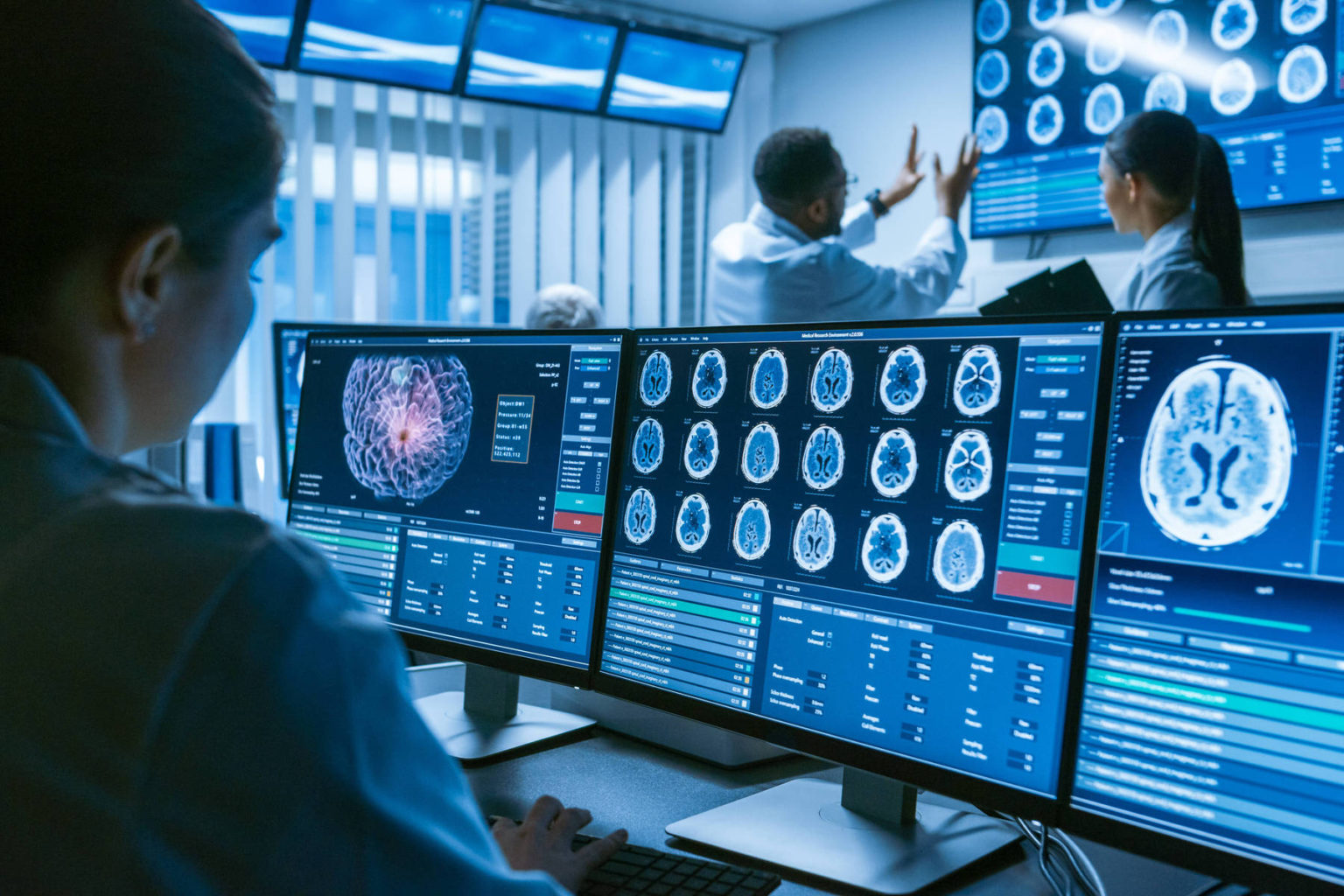
Biomechanics and the Role of Artificial Intelligence in Prosthetic Design

The technological integration in biomechanics and the role played by machine learning and artificial intelligence in prosthetic design have become a boon for individuals with disabilities. Leading manufacturers of rehabilitation aids have utilized the concept of neural networks to simulate various anatomical and biomechanical functions of missing human body parts. The involvement of human interaction with various factors such as electronic circuits, software, robotics, etc., has had a revolutionary impact in the field of rehabilitation, leading to the development of devices like prosthetic legs, human body-controlled prosthetics, and exoskeletons. In this article, we will discuss the role of Biomechanics and artificial intelligence in prosthetic design and rehabilitation.

Prosthetics: Innovation in Medical Compensation

Prosthetics include any artificial device that replaces a missing body part due to injury, disease, or congenital defects. Some companies have developed various types of prosthetics, ranging from purely cosmetic to advanced devices made using titanium and carbon fibers. Regarding the manufacturing of these prosthetics using biomechanics, the process is quite similar to making medical insoles. The end of the amputated limb is digitally scanned, and then a special socket is designed to which the prosthetic is attached. Using electrodes, electrical signals from the muscles are received and sent to an electronic control board inside the prosthetic, which translates these signals into actual movements.

Biomechanics

Understanding Prosthetic and Orthotic Engineering
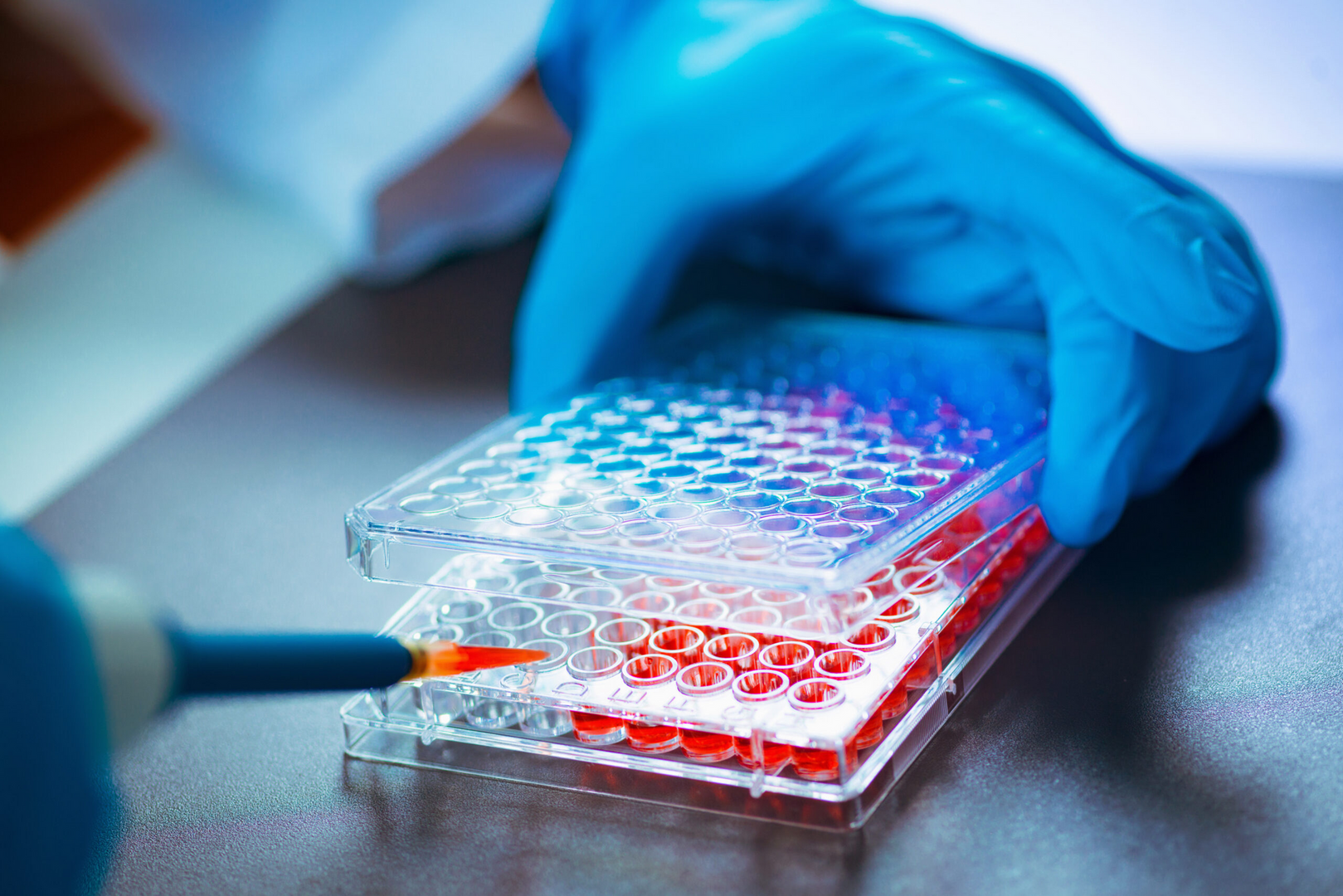
The field of prosthetics focuses on creating artificial limbs, while orthotic specialists design devices to support or correct musculoskeletal conditions. Traditionally, this field relied on manual measurements, mechanical adjustments, and trial-and-error methods. Although these techniques were effective, they often lacked precision and adaptability to achieve optimal results.

Artificial Intelligence in Prosthetic Design is changing this landscape by integrating machine learning, robotics, and sensing technology. These tools transform static devices into dynamic systems capable of learning and evolving based on individual user needs. The result is a new level of functionality that mimics natural movement and intelligently responds to unique biomechanical challenges.

History of Artificial Intelligence in Prosthetics and Orthotics

The first intelligent prosthetic limb was developed by Charles A. Blatchford & Sons, Ltd in 1993, with an improved version in 1995 called the Intelligent Prosthesis Plus. In 1998, Blatchford developed an adaptive prosthetic limb combining three operating mechanisms—hydraulic, pneumatic, and microprocessor control. A fully microprocessor-controlled knee was developed in 1997 by Ottobock, known as the C-leg. In 2015, Blatchford introduced Linx, the world’s first fully integrated limb with seven sensors and four CPUs throughout the leg, allowing coordination and synchronization of the knee and ankle joints by sensing and analyzing data about the user’s movement and activities to make them more natural.

The first prosthetic hand was launched by Touch Bionics in 2007, featuring individually powered fingers and a thumb with gripping capabilities. The design was later integrated with a rotating thumb known as i-limb ultra and i-limb revolution designs, implemented using Biosim and the My i-limb application. Bebionic was commercially launched in the market in 2010 by RSL Steeper.

Biomechanics in Prosthetic Design

The concept of a brain-computer interface (BCI) implemented by neural prosthetics or mind-controlled prosthetics that can recognize real-time data and tools to achieve nearly natural function is a current requirement. A mind-controlled smart prosthetic arm based on electroencephalography was presented at the IEEE Conference in 2016 but has not yet been commercialized. Researchers are on the path to developing more complex devices that mimic the natural brain by implementing artificial intelligence on onboard computers that read and respond to neural signals transmitted to prosthetics and robotic orthotics that enhance the function of amputated and paralyzed body parts.

Application of Artificial Intelligence in Prosthetic Design

Artificial intelligence (AI) is driving a significant transformation in the engineering of prosthetics and orthotics, converting traditional devices into intelligent, adaptive tools. These innovations not only enhance mobility but also improve the overall quality of life for individuals with physical disabilities. By leveraging the latest advancements in AI for prosthetic design, these devices have become more responsive, intuitive, and integrated into daily routines. As AI progresses, it bridges the gap between human capability and technological support in ways previously deemed impossible.
The integration of AI with biomechanics has significantly improved prosthetic control, enabling amputees to operate prosthetic limbs more effectively. Recently, a brain-controlled prosthetic (a form of myoelectric control) was introduced as the latest advancement in AI-assisted control systems. A joint project between the Pentagon and Johns Hopkins University’s Applied Physics Laboratory (APL) led to the development of a modular prosthetic limb entirely controlled by brain-implanted sensors. This innovation even aims to restore the sense of touch by sending electrical pulses from the limb to the sensory cortex.

Types of AI Applications in Prosthetic Design

The application of biomechanics and Artificial Intelligence in Prosthetic Design can be categorized based on the affected area:

  1. Lower limb prosthetics and orthotics
  2. Upper limb prosthetics and orthotics
  3. Rehabilitation aids such as automated mobility devices

Prosthetic

Role of Biomechanics and AI in Prosthetic Design

  1. Adaptive Prosthetics: AI-powered prosthetics utilize algorithms to instantly adapt to user movements and environmental changes.
  2. Dynamic Adjustment: AI-driven prosthetic legs adjust gait and force distribution dynamically when transitioning from flat surfaces to stairs or uneven terrain.
  3. Customized Design: AI-enhanced technology leverages imaging data and user feedback to design devices that offer optimal fit and improved function.
  4. Generative Design Tools: These tools craft prosthetic sockets that precisely fit individual anatomy, enhancing comfort and reducing pressure points.
  5. Neural Integration: AI-based brain-machine interfaces allow users to control prosthetics via neural signals.
  6. Neural Signal Interpretation: AI interprets brain activity to execute precise movements in prosthetics, providing users with greater autonomy.
  7. Predictive Maintenance: AI technology tracks device usage to predict wear and tear, ensuring timely maintenance and longer lifespan.
  8. Smart Orthotic Braces: Equipped with sensors, these braces alert users to potential issues before failures occur.
  9. Biomechanical Simulation: AI simulates human movement to optimize prosthetic and orthotic designs before production.
  10. Digital Assessment: Digital tools evaluate balance, alignment, and weight distribution, allowing for precise adjustments during design.

Technological Innovations in AI

  1. Generative AI in Design: AI maximizes functionality while minimizing material usage by creating efficient, user-specific designs.
  2. Virtual Modeling: Virtual models simulate device performance, allowing for precise adjustments and reduced development cycles.
  3. Self-Learning Prosthetics: Prosthetics equipped with self-learning systems improve through use and feedback over time.
  4. Advanced Sensor Integration: AI-driven sensors analyze movement patterns and pressure, continuously enhancing device performance.

Application-of-AI-in-Prosthetic-Design

Challenges and Ethical Considerations

  1. Data Privacy: Protecting sensitive user information collected by AI systems.
  2. Accessibility: Ensuring these technologies are available to underserved populations.
  3. Bias in AI Models: Mitigating errors that could affect device functionality.
  4. Regulatory Compliance: Meeting stringent medical standards.

Future Trends

  1. Neuroprosthetics: Improved brain-device communication may restore sensory feedback.
  2. Hybrid Bio-Devices: Combining AI with genetically modified tissues could achieve seamless body integration.
  3. On-Demand Manufacturing: AI and 3D printing can streamline custom prosthetic fabrication, reducing costs and wait times.
  4. Emotionally Intelligent Devices: Future devices may adapt to user emotions, providing additional support during stress or fatigue.

In conclusion, the role of biomechanics and Artificial Intelligence in Prosthetic Design has revolutionized the engineering of prosthetics and orthotics by transforming them into intelligent tools that enhance independence and mobility. Despite significant advancements in recent years, there remains a need for more affordable and accessible prosthetics to ensure availability for individuals with disabilities, regardless of their financial means, without hindering their opportunity to live normally.
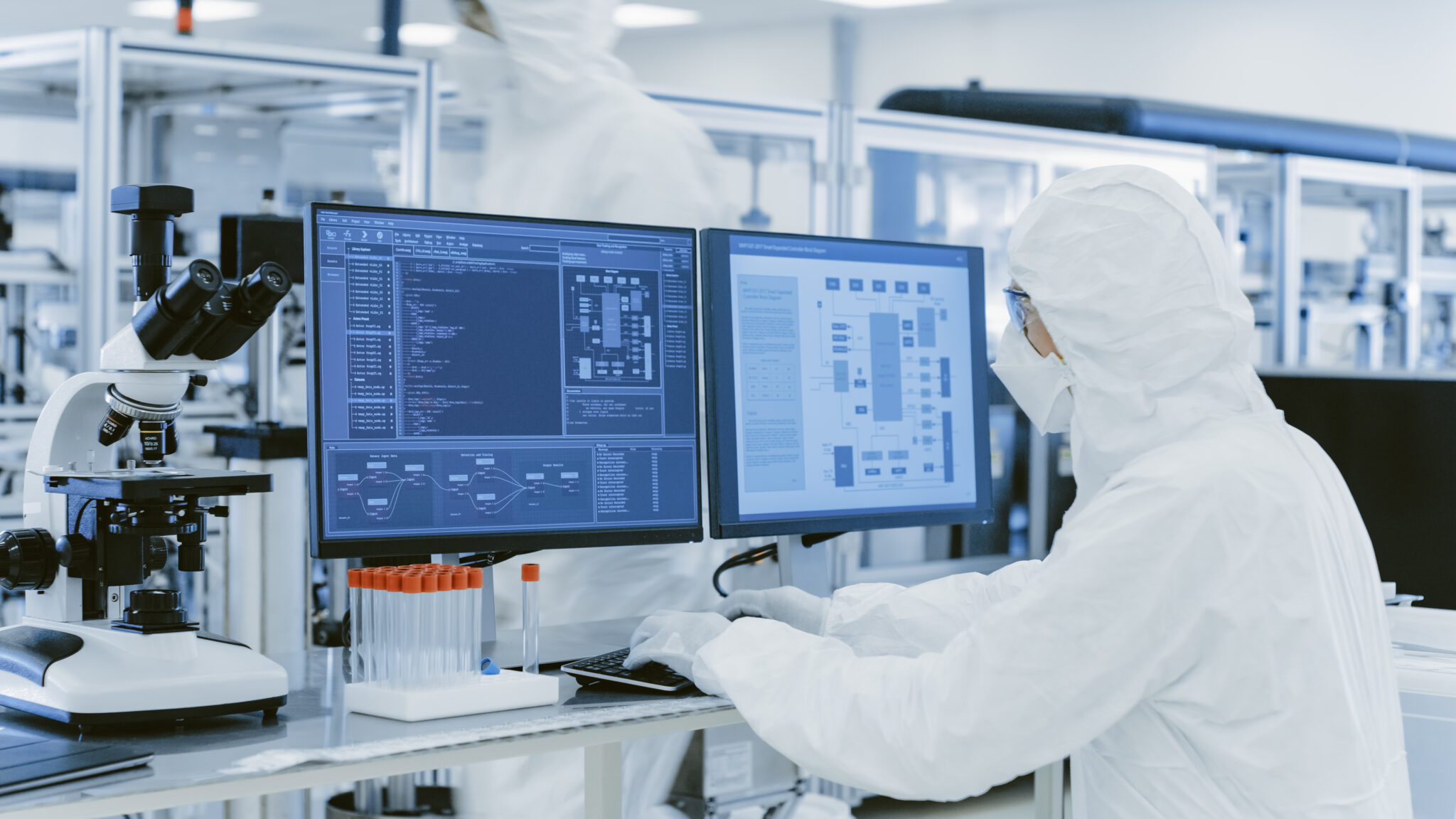
Herein lies the role of HSI Center in offering innovative solutions in the field of medical engineering. HSI is committed to advancing the sector through a comprehensive range of specialized courses and high-quality healthcare solutions, contributing to enhancing the quality of life for individuals in need of these technologies.

Source: AI in Biomechanics: From Creating Cosmetic Prosthetics to Making Metahumans

Machine Learning in Radiology | Case Studies and Key Applications

Artificial intelligence is defined as a branch of computer science aimed at designing systems and programs capable of simulating human cognitive abilities such as thinking, learning, and decision-making. One of its most prominent techniques in the medical field is known as machine learning in radiology, which relies on advanced algorithms to analyze big data and medical images. The applications of machine learning in radiology vary and include technologies such as deep learning and traditional machine learning, as well as the use of natural language processing (NLP) techniques that contribute to the preparation of medical reports and the analysis of electronic records. In this article, we will explore the applications of machine learning in medical imaging technologies.

Machine Learning in Radiology

The journey of applying artificial intelligence in radiology began decades ago with the advent of computer-aided detection systems, initially used in fields like breast imaging for tumor diagnosis. With increasing computational power and advancements in data technologies, machine learning techniques in radiology have come to play a pivotal role in significantly improving diagnostic accuracy and reducing medical errors. This development helps save time for radiology specialists by allowing intelligent systems to handle routine tasks, thereby enabling doctors to focus on complex cases.

Applications of Machine Learning in Radiology

Machine learning in radiology has brought about radical transformations in many radiology specialties. Below are the most prominent applications along with case studies that illustrate its effective impact.

1. Neuroimaging

In the field of neuroimaging, machine learning is used to detect brain tumors and assess neurodegenerative diseases such as Alzheimer’s and Parkinson’s disease. Systems rely on deep learning algorithms to analyze magnetic resonance imaging (MRI) and computed tomography (CT) scans, discerning subtle differences between normal tissues and affected areas. For example, some studies have demonstrated that machine learning algorithms in radiology can distinguish between low-grade and high-grade tumors with greater accuracy than traditional methods, thereby contributing to improved treatment options and surgical planning.

Neuroimaging

2. Mammogram Imaging

The diagnosis of breast cancer is one of the most prominent areas benefiting from machine learning in radiology. Deep learning techniques have contributed to the development of medical image analysis systems that examine mammogram images and identify tumors at early stages. Case studies indicate that these systems can achieve high accuracy rates in detecting tumors that might be overlooked during manual examinations, thus reducing diagnostic errors and improving patient survival rates.

3. Chest Imaging

Machine learning in radiology plays an important role in analyzing X-ray and chest images to diagnose conditions such as pneumonia, tuberculosis, and pulmonary fibrosis. Deep learning techniques are employed to analyze these images with extreme precision, enabling the system to differentiate between healthy tissues and those affected by disease. Moreover, these techniques are applied in emergency settings to quickly identify critical conditions like pneumothorax and fluid accumulations, thereby aiding in prompt, life-saving interventions.

4. Cardiac Imaging

Evaluating heart and vascular diseases is a vital area that has greatly benefited from machine learning in radiology. Artificial intelligence techniques are used to analyze chest CT scans and cardiac MRI to detect arterial blockages and assess heart function. Machine learning-supported models can analyze multidimensional data and integrate it with results from other tests to provide comprehensive and accurate diagnoses, thus contributing to improved treatment plans and reduced surgical risks.

heart imaging

5. Abdominal Imaging

In abdominal imaging, machine learning techniques are used to diagnose diseases of the liver, pancreas, and kidneys. Systems analyze CT images to detect masses or tumors and evaluate their characteristics, helping to differentiate between benign and malignant tumors. Studies show that these techniques can reduce diagnosis time and increase accuracy, allowing doctors to intervene early and provide appropriate treatment.

6. Musculoskeletal Imaging

Applications in musculoskeletal imaging include diagnosing fractures, assessing joint and bone diseases, and identifying cases of arthritis. Algorithms analyze X-ray and MRI scans to accurately detect abnormalities in the skeletal structure. This enhanced analysis improves diagnostic accuracy and offers customized treatment recommendations, ultimately contributing to an improved quality of life for patients.

7. Nuclear Medicine Imaging

In nuclear medicine, machine learning in radiology has improved the quality of images obtained through techniques such as PET and SPECT. AI-based denoising and filtering techniques are used to reduce noise and enhance image precision, which contributes to the early detection of tumors and cardiac and neurological diseases. Additionally, these techniques help reduce the required radiation doses without compromising diagnostic quality.

8. Interventional Radiology

Machine learning is applied in interventional procedures to enhance the accuracy of surgical interventions and reduce risks. Algorithms provide immediate support during surgery by analyzing images and precisely identifying target tissues, which aids in planning procedures and improving patient outcomes. Intelligent systems are also used to monitor interventions and offer real-time recommendations to physicians during operations.

Interventional Radiology

Enhancing Patient Care Through Machine Learning in Radiology

The benefits of machine learning in radiology extend beyond diagnosis to include significant improvements in patient care:

  • Support for Medical Decision-Making: Intelligent systems help analyze clinical data and medical images to provide precise treatment recommendations, reducing medical errors and bolstering physicians’ confidence in their diagnoses.
  • Improved Workflow: Machine learning techniques help organize appointment schedules and prioritize examinations, thereby enhancing the efficiency of medical departments and reducing waiting times.
  • Reduced Radiation Exposure: By employing image enhancement techniques, the need for repeat examinations is minimized and radiation doses for patients are reduced without affecting diagnostic quality.
  • Early Diagnosis and Personalized Treatment: Intelligent systems enable the early detection of tumors and chronic diseases, allowing for personalized treatment plans tailored to each patient’s health condition.

Challenges and Future Prospects

Despite the significant achievements of machine learning in radiology, several challenges remain:

1- Data Quality and Diversity

Training machine learning algorithms requires large and varied datasets. However, issues of privacy and data confidentiality pose major obstacles to data collection. Techniques like federated learning may offer promising solutions to progress without compromising patient privacy.

2- Integration and Interoperability

Machine learning systems must operate seamlessly with existing medical systems such as Radiology Information Systems (RIS) and Picture Archiving and Communication Systems (PACS). Achieving interoperability and integration with diverse software systems represents a significant challenge.

Machine Learning in Radiology

3- Transparency and Explainability

A major challenge is the “black box” phenomenon, where it can be difficult to understand how algorithms make decisions. Developing explainable AI systems is essential to build trust between physicians and intelligent systems and ensure their safe and effective use in clinical environments.

4- Quality Assurance and Regulatory Approval

Machine learning systems must undergo rigorous testing to ensure their accuracy and safety before clinical use. Regulatory bodies like the FDA require strict standards to confirm that these systems are both safe and effective. Continuous research, development, and collaboration between developers and medical institutions are vital to achieving this.

5- Ethical and Privacy Concerns

Issues regarding data privacy and the handling of sensitive information pose significant ethical challenges. Medical institutions must adhere to the highest standards of data protection and ensure that the use of machine learning does not introduce biases that negatively impact certain patient groups. Clear policies for data management and the handling of diagnostic results are essential to maintain fairness and transparency throughout the diagnostic process.

Case Studies and Practical Applications

Multiple studies have demonstrated the tangible benefits of machine learning in radiology in real clinical settings. For example, the use of deep learning to analyze mammogram images has improved early detection of breast tumors and reduced mortality. In emergency settings, intelligent systems have expedited the diagnosis of pneumonia and pneumothorax via X-ray image analysis, enabling prompt intervention. Additionally, machine learning techniques have precisely analyzed cardiac MRI scans to identify heart failure and devise personalized treatment plans, while in abdominal imaging, intelligent models have differentiated between benign and malignant liver tumors, facilitating targeted treatments and reducing the need for complex surgeries.

Machine Learning in Radiology

Machine learning in radiology represents a qualitative leap in medical diagnostics, offering advanced analytical tools that enable early disease detection and enhanced patient care. Its applications span all radiology specialties—from neuroimaging to nuclear and interventional radiology—improving diagnostic accuracy and reducing medical errors. Despite challenges related to data diversity, interoperability, and transparency, ongoing research and development remain key to overcoming obstacles and achieving optimal integration between intelligent systems and clinical diagnosis.

The success of machine learning in radiology depends not only on technological advancements but also on close collaboration among physicians, researchers, developers, and policymakers. Such cooperation is essential for developing safe, transparent, and effective systems that ensure high-quality healthcare and improved patient outcomes.

As advancements continue, experts expect the future of machine learning in radiology to witness further innovations that will revolutionize the methods of diagnosing and treating diseases. This underscores the necessity of investing in education, training, and the development of digital infrastructure within medical institutions. These efforts will not only improve diagnosis and treatment but also open new horizons for scientific research and clinical applications, ultimately enhancing healthcare quality worldwide.

The HSI Center welcomes medical engineers passionate about exploring the world of medical imaging and its advanced technologies by offering unique training courses. Through these courses, participants will delve deep into both theoretical and practical knowledge, acquiring the skills needed to actively contribute to progress in this rapidly evolving field. Join us on this inspiring educational journey and become part of the future of medical imaging.

Revolution of AI in medical imaging: A Beginner’s Guide to AI in MRI and Ultrasound

The healthcare industry is undergoing a transformative shift, thanks to AI in medical imaging, which has become a crucial tool for improving diagnostic accuracy and accelerating treatment processes. With rapid technological advancements, AI is no longer just an assistive tool but a strategic partner in medical imaging—particularly in MRI and ultrasound. This guide provides a comprehensive introduction for beginners, highlighting how AI in medical imaging is applied in MRI and ultrasound.

The Integration of AI in Medical Imaging Technologies

AI in medical imaging is one of the most significant innovations enhancing disease diagnosis methods. Through machine learning and deep learning techniques, AI-powered systems can analyze medical images with remarkable precision. This capability enables early disease detection and the development of effective treatment plans. AI’s role extends beyond expediting diagnosis—it enhances overall healthcare quality, minimizes human error, and alleviates the workload on medical professionals.

AI in medical imaging

Specifically, AI plays a vital role in MRI and ultrasound imaging, improving image quality and reducing scan time, ultimately enhancing patient comfort and lowering healthcare costs. AI in medical imaging refers to the use of machine learning and deep learning algorithms to analyze and interpret medical images. These technologies include:

  • Machine Learning – Teaching systems to recognize patterns and differences in medical images.
  • Deep Learning – Utilizing neural networks to analyze images at multiple levels, enabling accurate insights.
  • Computer Vision – Applying AI techniques to digital images for detecting fine details that may be difficult for the human eye to perceive.

By implementing these technologies, AI-driven systems can identify diseases, monitor patient progress, and provide highly accurate diagnostic recommendations. AI in medical imaging represents a revolutionary advancement in medical diagnostics, combining human expertise with computational intelligence to achieve unprecedented levels of accuracy and efficiency.

AI in medical imaging and its application in MRI

AI in medical imaging is revolutionizing MRI and ultrasound diagnostics by enhancing image analysis and improving disease detection accuracy at an unprecedented speed. This article explores the significance of MRI in medical diagnostics and how AI is optimizing this advanced imaging technology.

MRI in Medical Diagnostics

MRI (Magnetic Resonance Imaging) is a non-invasive imaging technique used to obtain detailed images of organs and tissues within the body. It relies on powerful magnetic fields and radio waves to generate high-resolution images that reveal subtle changes in biological structures. MRI plays a critical role in detecting neurological disorders, tumors, and internal injuries, making it an indispensable tool in modern medicine.

AI in medical imaging

You can check out: Understanding MRI | Principles and Applications

How AI Enhances MRI Imaging

AI in medical imaging significantly improves MRI efficiency through various innovative approaches, including:

  • Reducing Scan Time: AI-driven algorithms optimize image reconstruction, cutting scan times by up to 50%.
  • Enhancing Image Quality: Deep learning techniques reduce noise and refine image clarity, enabling more accurate diagnoses.
  • Early Disease Detection: AI-powered systems analyze MRI scans with high precision, identifying subtle abnormalities indicative of conditions such as tumors and multiple sclerosis.
  • Big Data Analysis: AI rapidly processes vast amounts of imaging data, extracting critical diagnostic insights and generating detailed reports.

Through these advancements, AI in medical imaging has become an essential partner in diagnostics, refining MRI quality and boosting early disease detection rates. This transformation in medical imaging improves healthcare efficiency and enhances patient outcomes.

AI in medical imaging and its application in Ultrasound Diagnostics

AI is also revolutionizing ultrasound imaging, refining examination quality, and improving diagnostic precision. The following sections explore the significance of ultrasound in medicine and how AI enhances this widely used imaging technique.

The Importance of Ultrasound in Medicine

Ultrasound is a fundamental diagnostic tool, particularly in obstetrics, gynecology, and internal organ assessment. This imaging method is safe, non-invasive, and uses high-frequency sound waves to produce real-time images of tissues and organs, making it an invaluable tool for monitoring fetal development and diagnosing various medical conditions.

AI in medical imaging

AI Applications in Ultrasound Imaging

AI in medical imaging enhances ultrasound accuracy through:

  • Automated Image Analysis: AI algorithms analyze ultrasound images with high precision, reducing operator dependency and minimizing diagnostic errors.
  • Anomaly Detection: Machine learning models identify abnormalities, such as fetal deformities and potential tumors, improving early diagnosis rates.
  • Guidance in Surgical Procedures: AI assists doctors during interventional procedures, increasing surgical precision and minimizing risks.
  • Real-Time Data Processing: AI-driven ultrasound systems analyze images instantly, expediting medical decision-making and treatment planning.

By integrating AI, ultrasound imaging becomes more efficient and accurate, providing high-quality diagnostic images that facilitate early disease detection and improve patient care.

You can also get acquainted with: What are The Basics of Ultrasound Technology?

The Multifaceted Benefits of AI in Medical Imaging

  1. AI-powered medical imaging systems analyze vast amounts of data with exceptional precision. These smart technologies can detect subtle abnormalities in images that may be overlooked by the human eye, significantly improving the early diagnosis of conditions such as tumors and multiple sclerosis.
  2. One of the major advantages of AI in medical imaging is the ability to expedite scanning procedures. By utilizing advanced algorithms, AI reduces scan times and enhances image reconstruction, allowing doctors to provide quicker diagnoses and shorten patient wait times.
  3. Deep learning techniques optimize image clarity by reducing noise and enhancing detail visibility. This improvement results in highly accurate medical images, which are crucial for precise diagnoses and effective treatment planning.
  4. AI-driven imaging systems generate detailed analytical reports and automatically identify disease indicators, minimizing human errors. By supporting physicians with data-backed insights, AI helps reduce the likelihood of misdiagnosis and enhances overall medical decision-making.
  5. Support for Medical Decision-Making: With its advanced analytical capabilities, AI provides detailed diagnostic data that aids in making swift and accurate treatment decisions. Doctors can rely on AI-generated insights to tailor treatment plans based on each patient’s unique condition.

AI in medical imaging

AI in MRI Imaging

Several research initiatives and practical applications have begun incorporating AI in medical imaging to enhance MRI efficiency. Notable examples include:

  • FastMRI Project: A collaboration between academic institutions and tech companies aimed at reducing scan time while improving image quality, making MRI scans more comfortable for patients.
  • Neural Image Analysis Systems: These AI-powered tools assist in the early detection of neurological disorders such as multiple sclerosis and brain tumors, offering faster and more precise diagnoses through deep learning algorithms.

AI in Ultrasound Imaging

AI is also making strides in ultrasound imaging, improving the accuracy and efficiency of diagnostic procedures:

  • Real-Time Image Analysis: AI-powered systems analyze ultrasound images instantly, enabling doctors to make immediate clinical decisions during examinations.
  • Smart Guidance Systems: These AI-driven technologies assist physicians during interventional procedures, enhancing surgical precision and minimizing risks.
  • Early Diagnosis in Obstetrics and Gynecology: AI plays a vital role in detecting fetal abnormalities and congenital defects at an early stage, allowing timely medical interventions.

Ultimately, with the rapid advancements in artificial intelligence technologies in medical imaging, it has become essential for professionals in biomedical engineering to keep up with these transformations and seize the opportunities they offer. For this reason, HSI Center provides specialized training programs that equip industry professionals with the knowledge and skills needed to apply the latest technologies, including AI, contributing to skill development and enhancing professional excellence. Get in touch with us today and discover how HSI can be your ideal partner in your career journey.
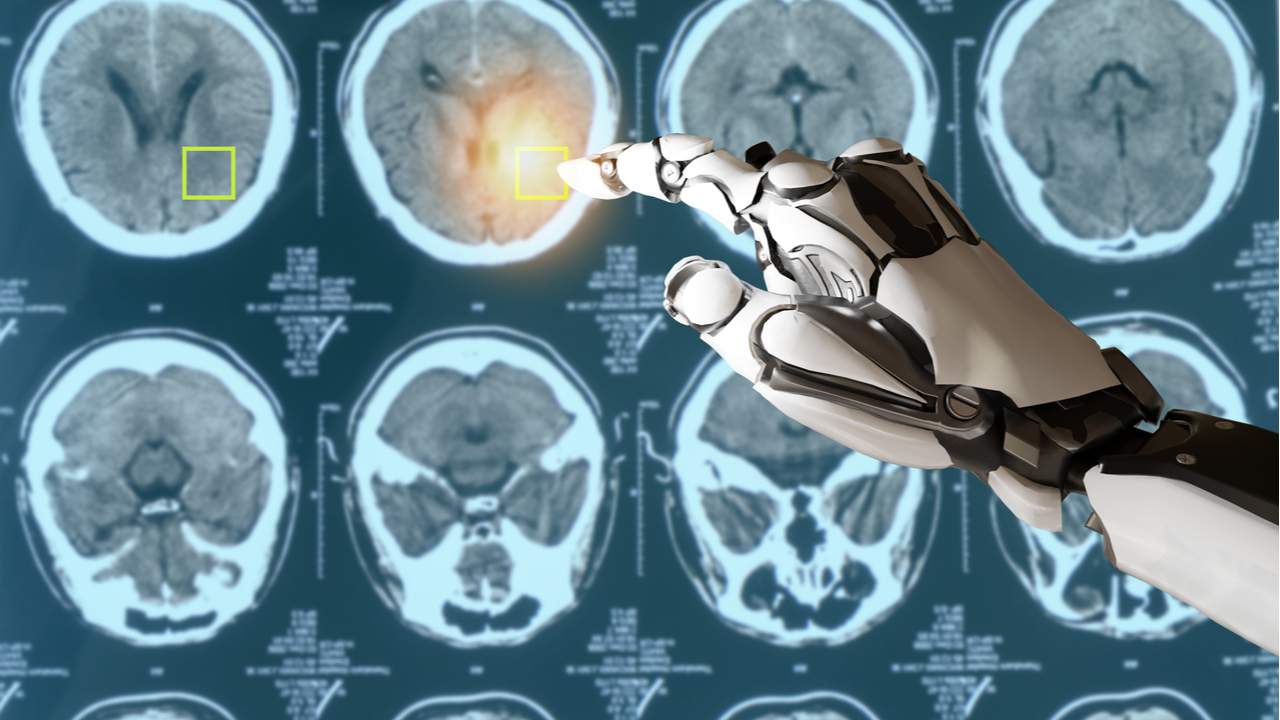
Source: Revolutionizing Radiology with Artificial Intelligence

The Future of AI in Healthcare: What to Expect

The role of artificial intelligence (AI) in healthcare has emerged as a transformative force, offering unprecedented opportunities to enhance patient care and advance the medical field. By 2025, the impact of AI has become evident with numerous applications in medical imaging, diagnostics, personalized medicine, and virtual health assistance. However, the true potential of AI in healthcare has yet to fully unfold, with significant advancements and challenges expected in the coming years. In today’s article, we will explore the current and anticipated role of AI in healthcare and the long-term impact it is likely to have on the medical field.
What is the Role of AI in Healthcare?

Artificial intelligence refers to the ability to simulate human intelligence and perform complex automated tasks using computers and machine learning technologies. AI-powered devices aim to replicate human cognitive abilities but can also surpass them in many areas, particularly when it comes to quickly analyzing vast amounts of big data to identify patterns, variations, and trends. In healthcare, AI is already transforming the patient experience, how doctors practice medicine, and how the pharmaceutical industry operates.

AI in Healthcare

The Role of AI in Healthcare

AI in healthcare encompasses a wide range of technological advancements that enable machines to perform tasks such as learning, problem-solving, and decision-making—tasks that typically require human intelligence. By identifying patterns and connections, AI-powered systems analyze and interpret text, images, audio, and video. These algorithms are essential for machine learning, a branch of AI that allows healthcare systems to learn from data and continually improve across various functions. This includes recommendation systems, natural language processing, and image recognition.

Current Applications of AI in Healthcare

Artificial intelligence is rapidly being integrated by healthcare organizations across several domains, including:

1- Drug Development and Discovery

By analyzing massive datasets to identify promising drug candidates, AI accelerates the process of discovering and developing new medications. AI-powered simulations can save time and costs by modeling drug interactions and predicting drug efficacy.

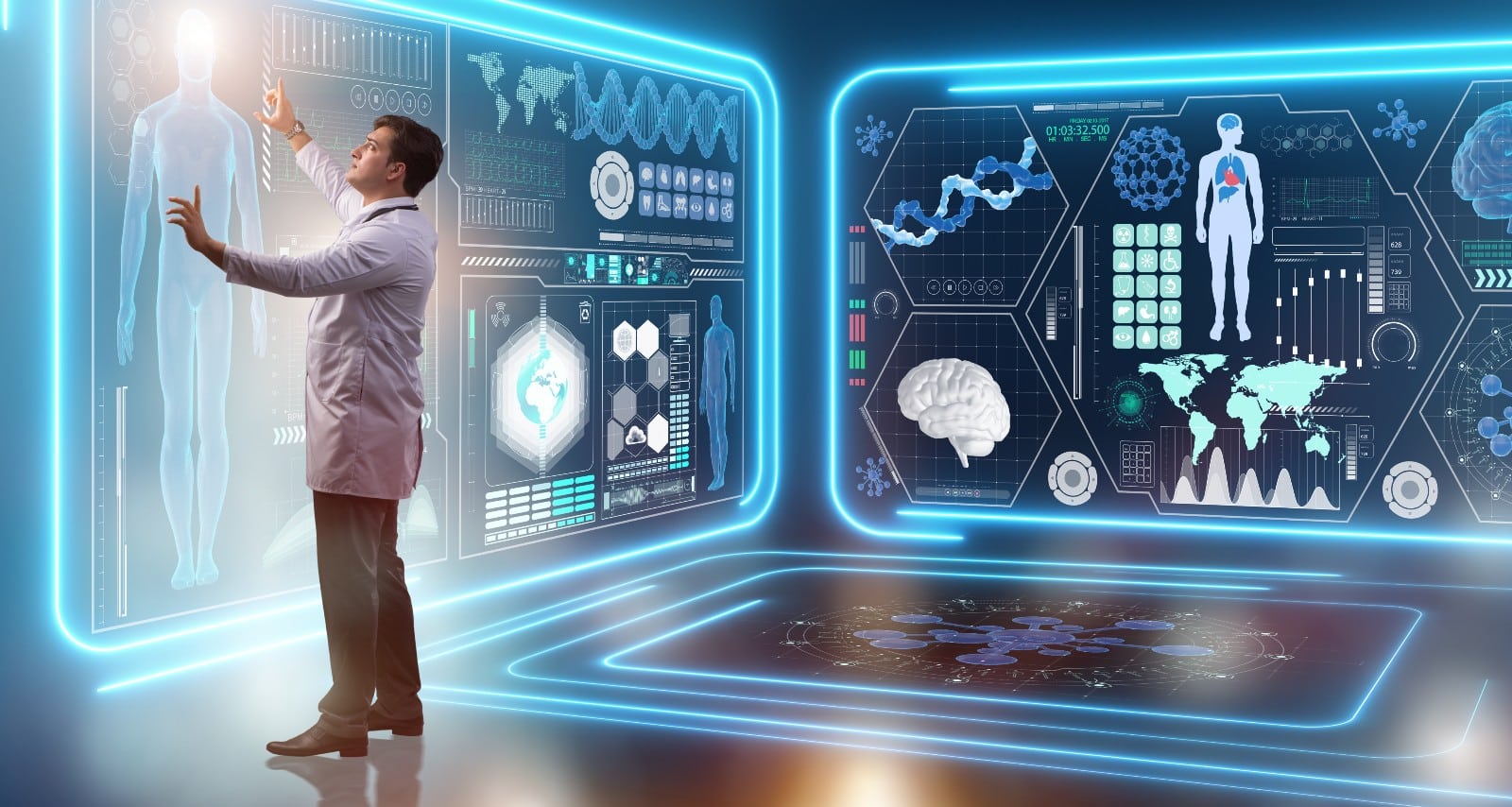

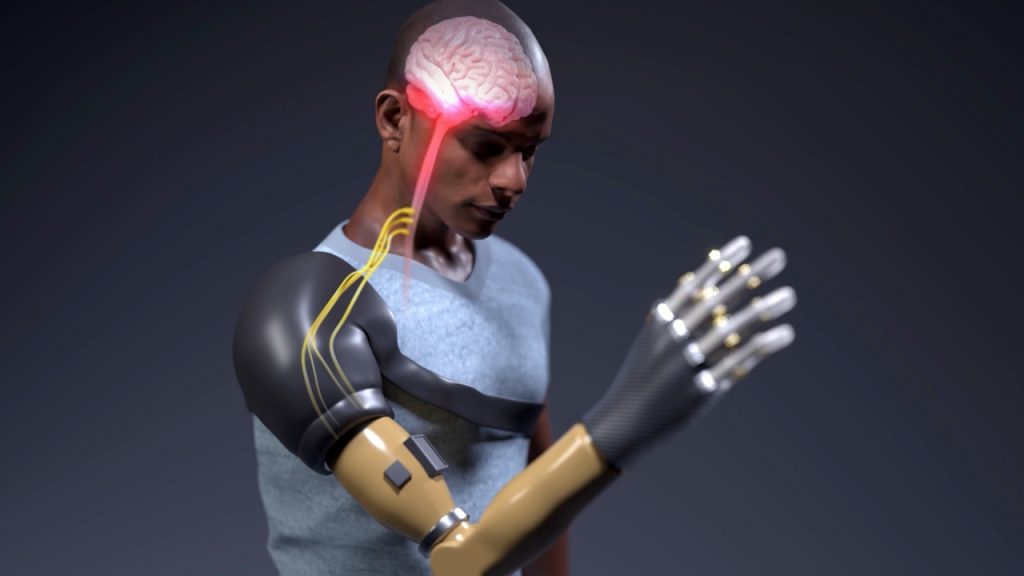
2- Predictive Analytics and Risk Assessment

Through the evaluation of patient data and environmental variables, AI supports public health by predicting the likelihood of disease outbreaks. Early interventions based on predictive analytics improve patient outcomes by managing health issues and preventing hospital readmissions.

The Future of AI in Healthcare

3- Disease Detection and Diagnosis

AI-driven algorithms can accurately identify diseases such as cancer, fractures, and cardiovascular disorders by analyzing medical images like MRIs, CT scans, and X-rays. Machine learning algorithms enhance early disease detection by recognizing patterns and abnormalities in medical data.

4- Treatment Planning and Personalization

AI assists medical practitioners in creating personalized treatment plans based on patients’ clinical, genetic, and lifestyle information. Tailoring treatment recommendations to unique health profiles improves therapeutic outcomes.

5- Administrative Efficiency

AI-powered applications help healthcare organizations automate administrative tasks such as billing, scheduling, and patient inquiries. Robotic process automation (RPA) ensures more efficient claims processing and medical data management.

6- Remote Monitoring and Telemedicine

Real-time health data collection is made possible by AI-enabled sensors and smart devices, facilitating remote patient monitoring. Telemedicine systems use AI to conduct virtual consultations, enabling patients to access medical care from anywhere in the world.

The Future of AI in Healthcare What to Expect

The Future of Artificial Intelligence in Healthcare

Artificial intelligence (AI) is a broad term encompassing various interconnected processes. Below are some of the most common applications of AI in healthcare:

  • Machine Learning (ML): The process of training algorithms to perform tasks such as information classification and outcome prediction using datasets like medical records.
  • Deep Learning: A subset of machine learning that creates neural networks capable of handling more complex tasks using larger datasets, longer training periods, and multiple layers of machine learning algorithms.
  • Natural Language Processing (NLP): The application of machine learning to human spoken and written language. In healthcare, NLP is used to comprehend published research, reports, notes, and documentation.

AI is also employed in computer systems to automate administrative and clinical processes through Robotic Process Automation (RPA). Many healthcare organizations use RPA to streamline daily operations in their facilities and enhance patient experiences. AI can be applied in three key areas within healthcare:

  1. Patient-Oriented AI
  2. Physician-Oriented AI
  3. Administration and Operations-Oriented AI

Will AI Change the Future of Healthcare Delivery?

AI is reshaping healthcare delivery and diagnostics across various stages of the value chain. AI systems can accurately evaluate medical images to assist healthcare professionals in diagnosing issues. AI-powered technologies expedite the analysis of pathology slides, improving diagnostic precision. Additionally, AI models leverage patient data and medical histories to predict disease outbreaks and develop personalized treatment systems based on lifestyle, clinical history, and genetic variables.

The Future of AI in Healthcare

AI-enabled telemedicine systems offer remote consultations, while wearable technologies and sensors facilitate real-time health monitoring and early intervention. With tailored educational materials and recommendations, AI solutions enhance administrative processes and boost patient engagement.

AI also improves surgical outcomes through robotics designed to stabilize movements and provide real-time feedback to physicians. Furthermore, AI scans vast databases to extract valuable insights for policymaking, drug development, and resource allocation in healthcare.

Opportunities for Transformation with AI

It’s no surprise that AI offers extensive opportunities to improve standard medical procedures, from diagnosing diseases to identifying the most effective treatment paths for patients with critical conditions like cancer. By reducing physical inconsistencies and providing up-to-date information throughout medical procedures, AI-equipped robotic surgery technology enables physicians to perform operations with greater precision.

1. Enhancing Quality

By leveraging massive datasets and advanced algorithms, AI significantly improves diagnostic accuracy, treatment plans, and personalized care, ultimately leading to better patient outcomes and an overall enhancement in healthcare quality.

2. Reducing Costs

AI-driven automation, predictive analytics, and optimized resource allocation streamline processes, minimize waste, and reduce the overall costs of delivering healthcare services.

3. Improving Accessibility

AI can bridge the gap in healthcare access between urban and rural areas. Even in the most remote locations, high-quality treatment becomes feasible through AI-enabled telemedicine and remote monitoring.

What Are the Challenges of AI in Healthcare?

In conclusion, despite predictions about the future of artificial intelligence in healthcare, several challenges persist. These include concerns about data privacy, integration with existing systems, the need for high-quality data, addressing ethical issues, and ensuring that AI tools are unbiased and transparent in their decision-making processes. To address these anticipated challenges, HSI offers training courses in medical AI, empowering healthcare professionals to stay updated with ongoing advancements and effectively leverage AI to serve patients better.

source: Artificial intelligence in medicine: current trends and future possibilities

All copyrights reserved to © HSI