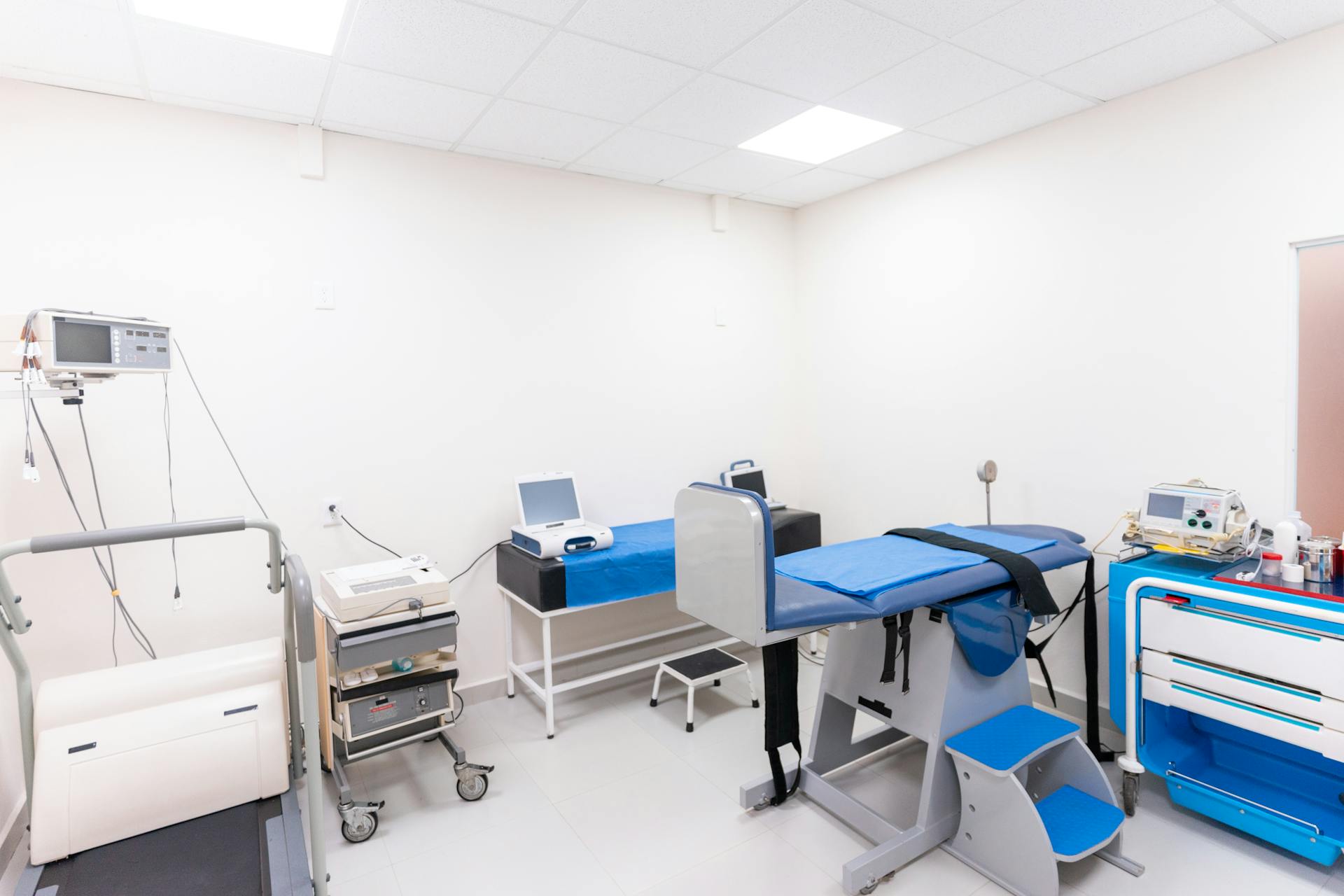
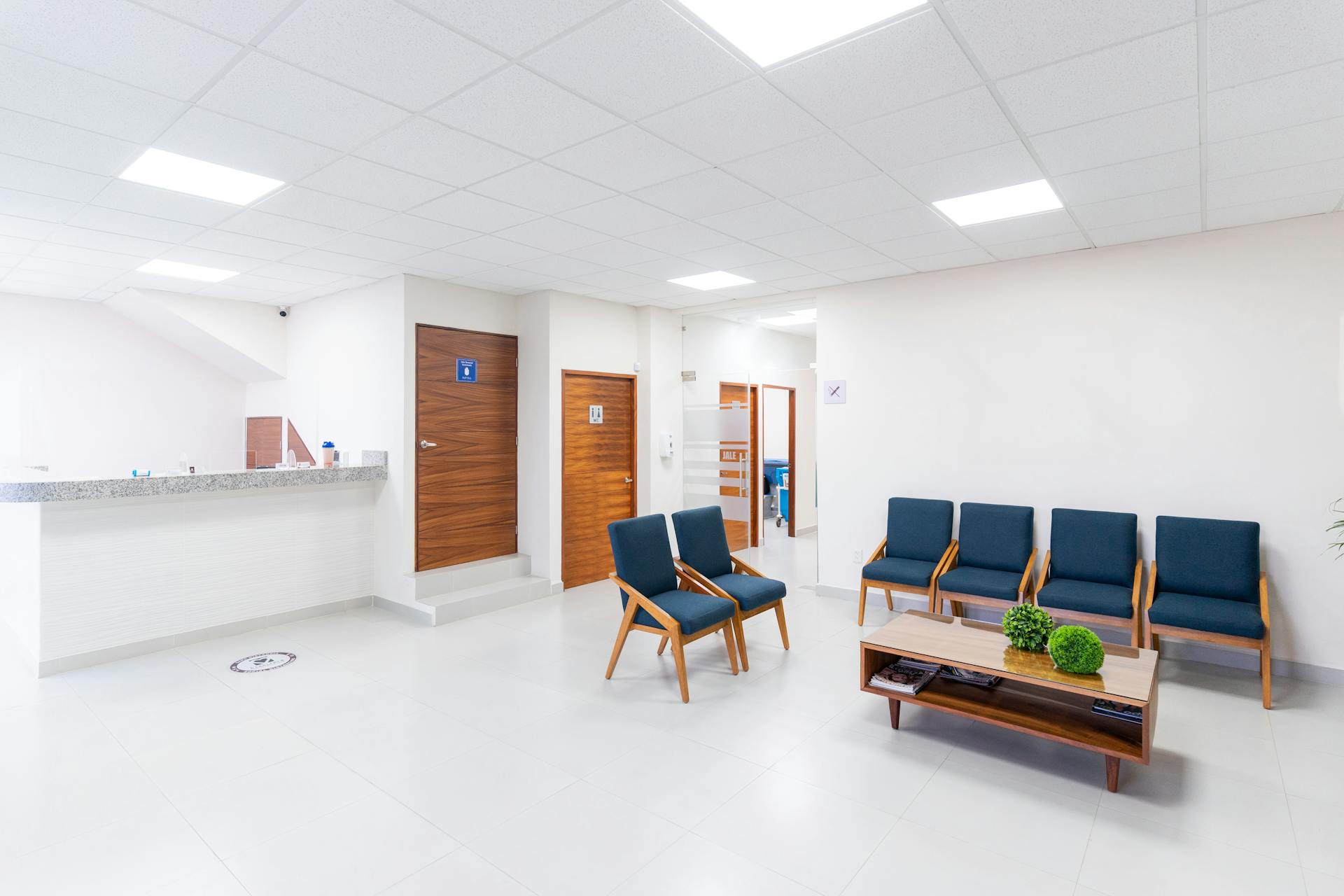
How to Design Energy-Efficient Hospitals | A Guide for Biomedical Engineers

Energy efficiency has always been a persistent challenge in designing healthcare facilities, as hospitals consume up to five times more energy than a luxury hotel. With the catastrophic pressures that the healthcare sector endured in 2020 due to the COVID-19 pandemic that shook the world at that time, healthcare administrators must consider every possible means to achieve economic sustainability. Even if it was not a top priority in the past, designing energy-efficient hospitals has now become a pressing necessity rather than merely an option.

Energy-efficient hospitals play a vital role not only in reducing operating costs but also in protecting the environment and enhancing the comfort of both patients and staff. In this article, we will detail how to design hospitals to transform them into energy-efficient hospitals, relying on the latest studies and research addressing energy efficiency in healthcare facilities, while providing a practical guide for biomedical engineers to apply these principles in design and renovation.

Energy-Efficient Hospitals

The Importance of Energy Efficiency in Hospital Design
Hospitals consume enormous amounts of energy around the clock to operate heating, ventilation, and air conditioning (HVAC) systems, in addition to lighting, medical equipment, and numerous other devices. This excessive energy consumption not only leads to high operating costs but also contributes to increased greenhouse gas emissions, negatively impacting the environment. Therefore, designing energy-efficient hospitals is a critical necessity to achieve both financial and environmental sustainability.
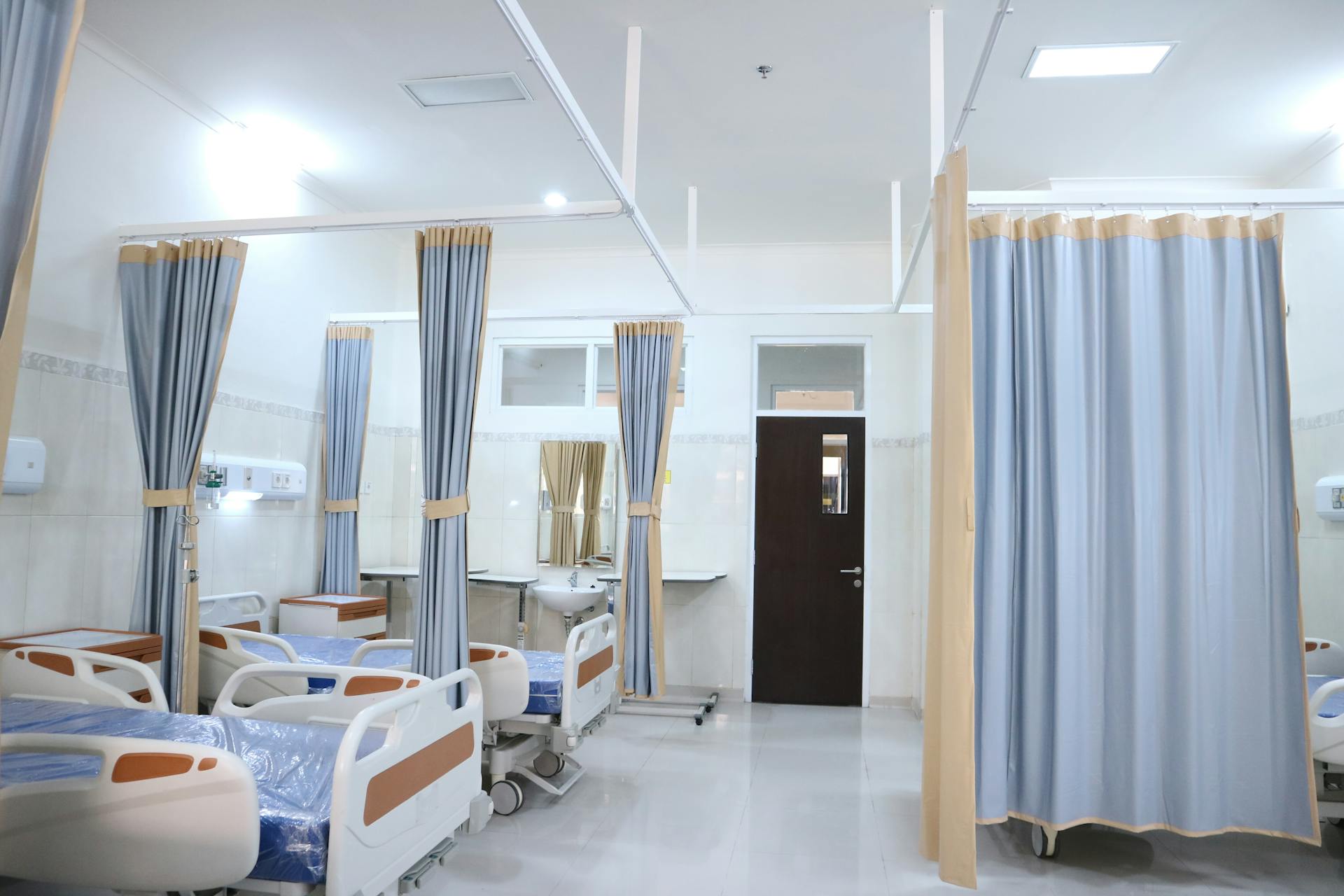
Energy-Efficient Hospitals

The Role of Biomedical Engineers in the Design Process

Biomedical engineers play a crucial role in designing energy-efficient hospitals. They are responsible for integrating and managing the medical technologies that consume a significant portion of a hospital’s energy. Through their deep understanding of the energy requirements of medical equipment, they can:

Select Energy-Efficient Equipment: Evaluate the energy efficiency of various medical devices and choose those that consume less energy without compromising performance or quality.

Optimize Equipment Usage: Develop protocols and procedures to ensure efficient use of medical equipment, such as turning off devices when not in use and scheduling regular maintenance to maintain optimal performance.

Design Integrated Systems: Collaborate with architects, mechanical, and electrical engineers to integrate medical equipment into the building design in a way that minimizes energy consumption. For example, they can help design efficient cooling and ventilation systems for laboratories and operating rooms.

Monitor and Analyze Energy Consumption: Utilize energy management systems to monitor and analyze the energy consumption of medical equipment and identify areas for improvement.

مستشفيات موفرة للطاقة

Strategies for Designing Energy-Efficient Hospitals

Biomedical engineers and designers hold a pivotal role in radically transforming energy consumption in hospitals by adopting a variety of innovative strategies. Among these strategies, improving HVAC systems stands out, as they are one of the largest energy consumers in healthcare facilities. This can be achieved by using high-efficiency HVAC systems and implementing heat recovery systems that recycle wasted energy, in addition to activating demand-controlled ventilation to ensure that unoccupied spaces are not unnecessarily ventilated. Furthermore, enhancing the design of air ducts and using high-quality insulation materials to reduce energy loss are also key factors.

In addition to HVAC systems, lighting represents another critical element that can be developed to reduce energy consumption. This is primarily achieved by replacing traditional bulbs with LED lights, which are known for their high efficiency and long lifespan. Maximizing the use of natural light through smart architectural design plays a significant role in reducing reliance on artificial lighting during daylight hours. Moreover, installing motion sensors and lighting control devices ensures that lights are turned off in unoccupied areas, effectively contributing to energy conservation.

Efforts to save energy do not stop at the basic building systems; they also extend to the medical equipment itself. It is crucial to acquire high-energy-efficiency medical devices and establish regular maintenance programs to ensure they operate at maximum capacity while consuming the least amount of energy. Additionally, implementing clear protocols to turn off equipment when it is not needed is a simple yet effective step in reducing overall energy consumption.

Looking further ahead, embracing sustainable design principles for buildings—including the use of insulated building materials, energy-efficient windows, designs that maximize natural light, the integration of renewable energy sources such as solar panels and geothermal energy, and the implementation of smart energy management systems to monitor and analyze consumption—are all integrated steps toward achieving hospitals that use energy more efficiently and are sustainable in the long term.
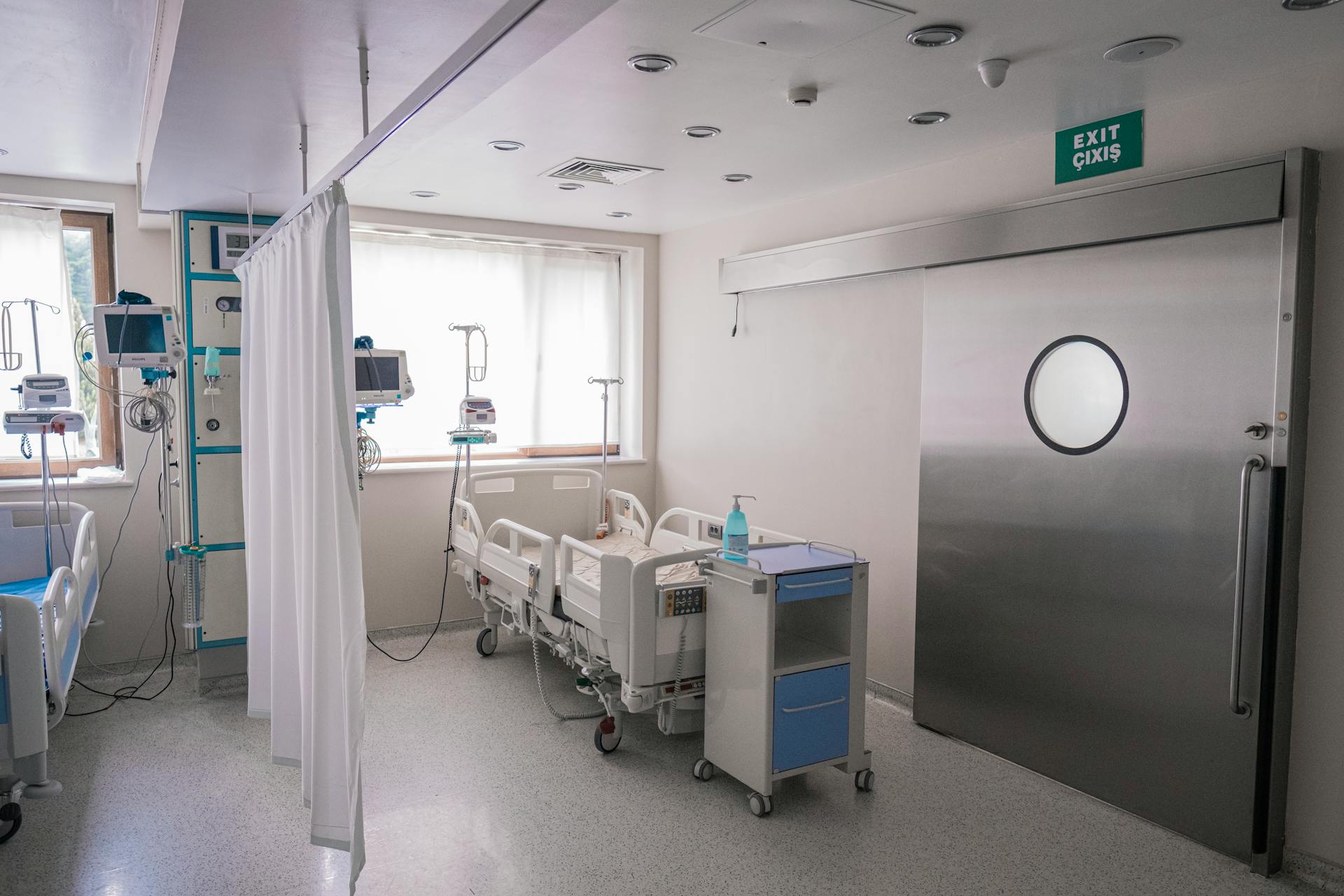
Practical Steps for Designing Energy-Efficient Hospitals

There are several crucial steps to take when starting a project to design or renovate hospitals with energy savings in mind:

1- Assess the Current Situation:

Before beginning any renovation or new design project, engineers should conduct a comprehensive assessment of the hospital’s current infrastructure. This includes reviewing heating and cooling systems, thermal insulation, lighting, and electrical equipment. This assessment is the first step toward identifying weaknesses and strengths that can be improved to achieve better efficiency.

2- Apply Dynamic Energy Modeling:

Using simulation software and dynamic energy modeling can help visualize multiple scenarios for energy saving. By studying the effects of different modifications, designers can choose the best solutions that achieve energy savings without compromising patient comfort or operational efficiency.

3- Adopt Machine Learning Techniques:

Employing machine learning models is an innovative step to predict and analyze energy consumption. These models can identify patterns and the most influential factors, allowing adjustments to systems based on different operating conditions and achieving enhanced energy performance. This approach represents the future of designing energy-efficient hospitals, as models can be regularly updated with changing environmental and operational conditions.
4- Improve Insulation and Windows:

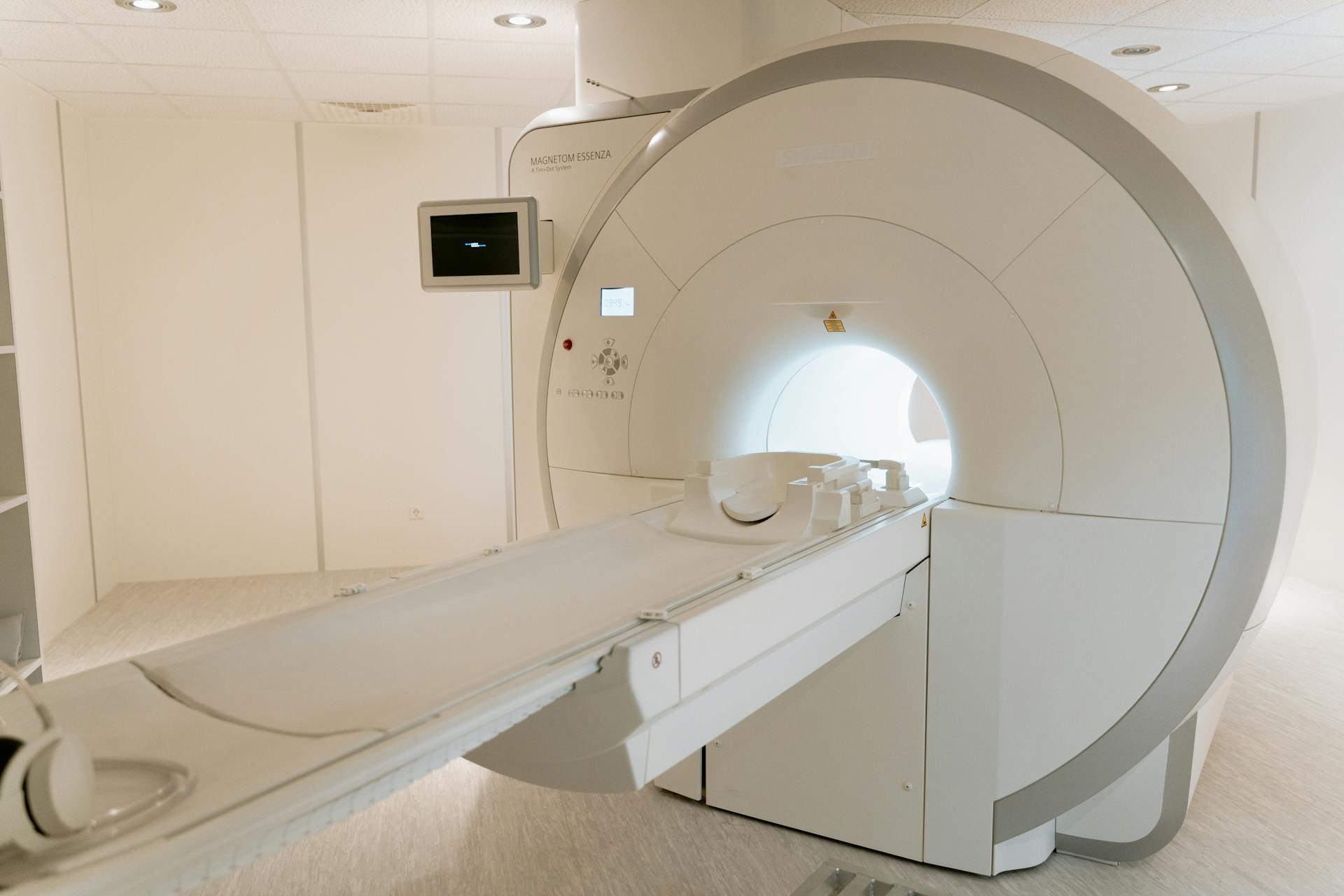
As many studies have shown, improving glazing and window technologies plays a central role in designing energy-efficient hospitals. Adopting double-glazed windows and choosing types of glass that reduce thermal loss allow the hospital to benefit from natural light without adversely affecting the heating and cooling systems.

5- Use Advanced Lighting and Electrical Systems:

Implementing modern lighting technologies, such as LED lighting, is one of the effective means of reducing energy consumption. Additionally, integrating smart control systems that adjust lighting and air conditioning levels according to the building’s needs and different times of the day can further optimize energy use.

Designing energy-efficient hospitals requires a comprehensive approach that combines innovative architectural design, advanced technology, and effective energy management. Biomedical engineers play a pivotal role in this effort by ensuring the efficient integration and use of medical equipment. By adopting sustainable design strategies and best practices, we can create hospitals that not only reduce energy consumption and operating costs but also enhance patient comfort and safety, contributing to a more sustainable future. If you want to elevate your status as a biomedical engineer to reach a high level, all you need to do is contact us through the HSI website and explore our services and training courses.
Pandemic Hospital Design Preparedness: Lessons from COVID-19

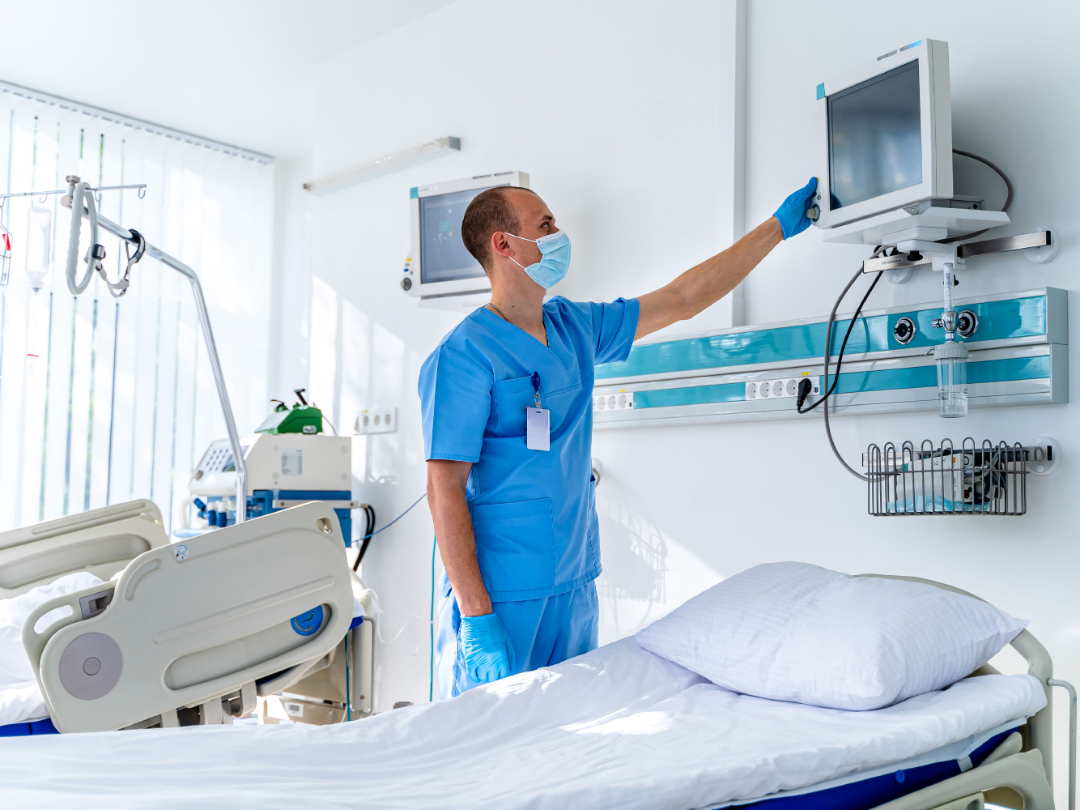
In light of the growing challenges posed by global pandemics, Pandemic Hospital Design, Healthcare Infrastructure has become a critical factor in ensuring the continuity of medical services and safeguarding lives. The COVID-19 pandemic exposed both strengths and weaknesses in healthcare infrastructure worldwide, prompting experts to reconsider architectural and engineering standards in hospital planning. This article explores the key lessons learned from COVID-19 and the subsequent practical recommendations, focusing on essential components that make pandemic hospital design an effective tool for future health crises.

The Importance of Pandemic-Focused Hospital Design

As the spread of novel diseases and mutating viruses intensifies, healthcare systems must integrate pandemic-specific design principles into their development and expansion plans. The hospital layout must offer enough flexibility to shift between routine operations and emergency response modes while ensuring the safety of patients and healthcare workers. Efficient separation of infection pathways and quick adaptation capabilities are crucial to minimizing response times during health emergencies.

Pandemic Hospital Design

Core Principles of Pandemic Hospital Design

These principles focus on building a medical infrastructure capable of responding rapidly to crises without compromising the efficiency of daily operations. Flexible design layouts and precise spatial zoning provide a solid foundation that ensures ease in managing patient flows and implementing isolation protocols and other safety and security measures during emergencies.

1) Engineering Flexibility and Functional Zoning

Flexible engineering allows hospital units and rooms to be rapidly reorganized based on emerging needs. Through modular surfaces and detachable walls, entire internal departments can be converted into intensive care or isolation wards within hours. Clear functional zoning helps reduce crowding and directs medical resources efficiently, avoiding the need for costly external expansions.

2) Airflow Control and Ventilation Systems

Controlling air movement and ventilation is a cornerstone of pandemic-ready hospital design. Negative pressure systems and HEPA filters are essential in limiting the spread of airborne pathogens. Increasing air exchange rates to over 12 cycles per hour in isolation rooms creates a safer and healthier environment for both patients and staff, minimizing cross-infection risks.

3) Dedicated Isolation Zones and Patient Pathways

Establishing dedicated pathways for patients suspected or confirmed to carry infectious diseases is vital. This includes primary screening entry points equipped with rapid diagnostic tools and temporary internal corridors with mobile barriers to house medical teams and disinfection units. These zones ensure complete separation between routine patient areas and those designated for pandemic cases.

Pandemic Hospital Design

4) Architecture and Internal Circulation

Structured horizontal layouts and limited cross-traffic corridors help reduce contact points between patients and staff. A well-designed Pandemic Hospital Design, Healthcare Infrastructure plan includes distinct access points for staff, visitors, and logistics services. Emergency pathways allow critical cases to be transferred quickly without disrupting daily operations in other departments.

Get to know also: Your Guide to Medical Equipment Planning in Hospitals and Medical Centers

Key Lessons from COVID-19 in Pandemic Hospital Design

The COVID-19 pandemic served as a real-world stress test for hospital preparedness and response capabilities. It revealed critical insights into the weaknesses and strengths of healthcare systems worldwide. From this experience, experts developed a valuable set of lessons emphasizing the need for flexible and adaptive Pandemic Hospital Design, Healthcare Infrastructure to handle varying infection scenarios and emergency surges.

1) Cross-Functional Collaboration and Integrated Planning

COVID-19 demonstrated that collaboration between doctors, engineers, and administrative professionals is far more effective than siloed operations. Through interdisciplinary teams, some hospitals were able to build dedicated treatment wings within days instead of weeks. This rapid response helped alleviate pressure on intensive care units and improved overall patient outcomes during surges.

2) Embracing Digital Health and Telemedicine

Telemedicine platforms significantly reduced routine hospital visits while maintaining high-quality patient-doctor communication. As a result, integrating digital infrastructure such as high-resolution screens and secure network connections has become an essential component of Pandemic Hospital Design, Healthcare Infrastructure. These elements ensure continuity of care even when in-person services are limited.

Pandemic Hospital Design

3) Temporary Expansions and Operational Flexibility

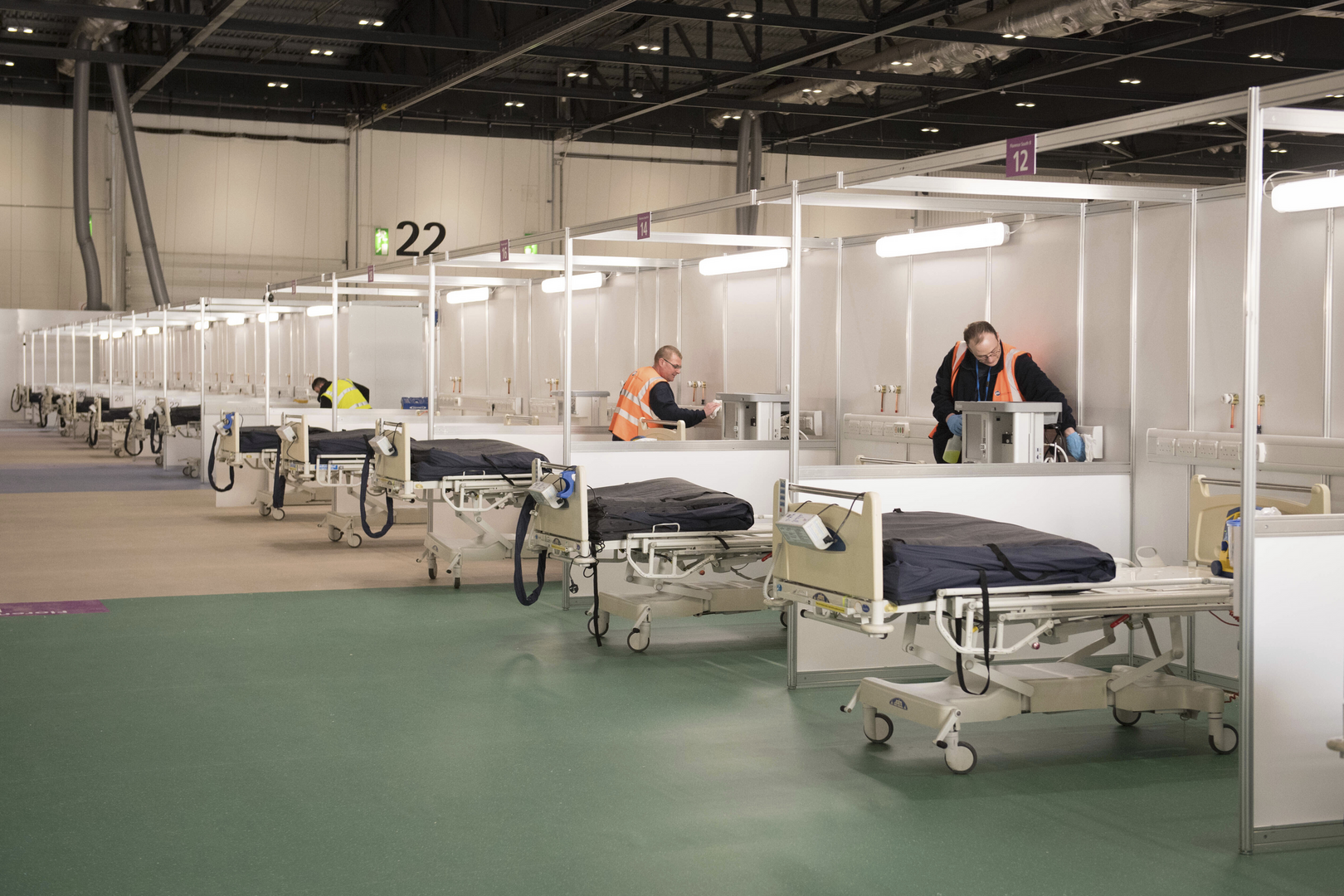
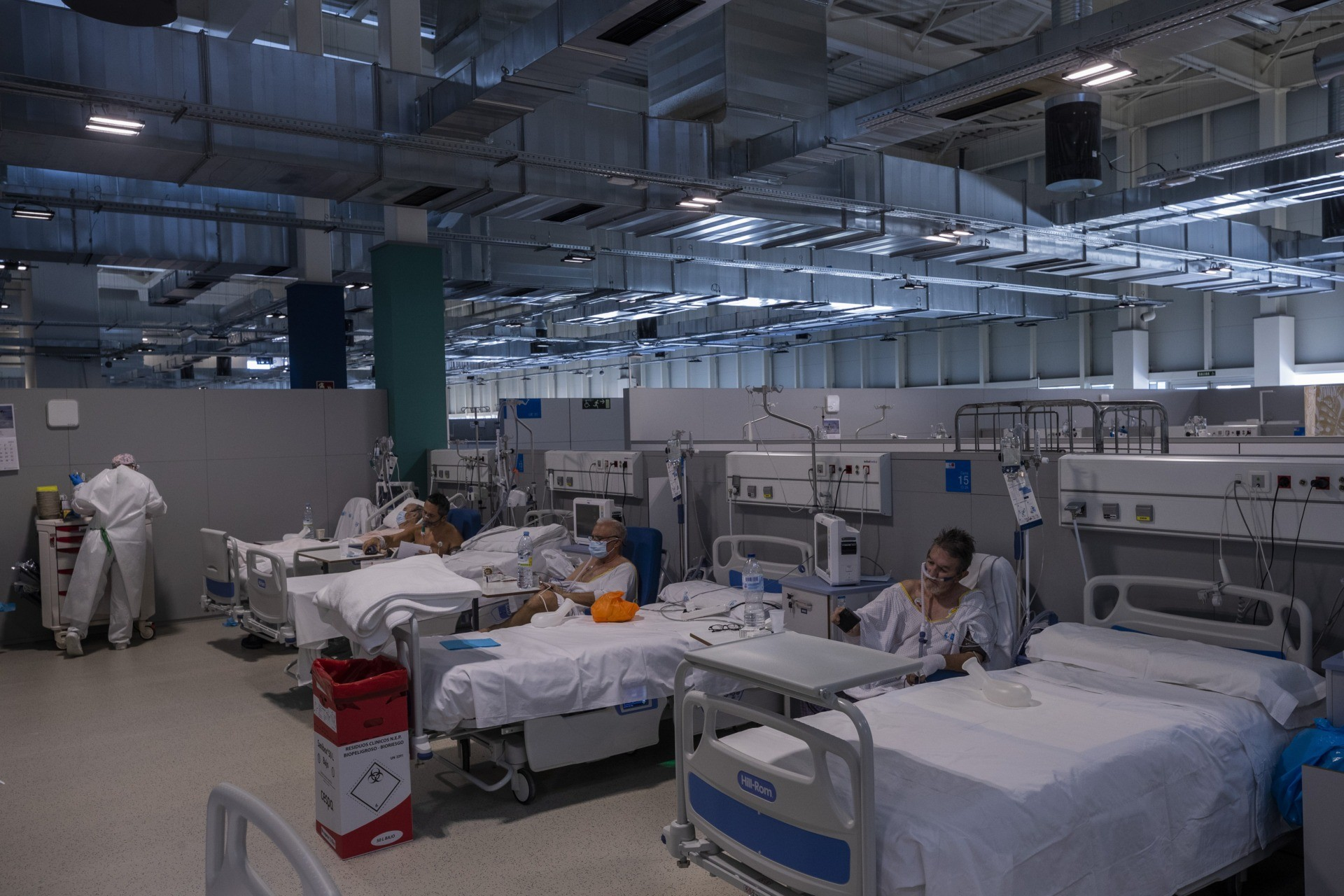
At the pandemic’s peak, some hospitals resorted to setting up mobile units in parking lots or repurposing indoor halls as temporary emergency wards. This underscores the importance of flexible expansion strategies, including pre-planned lightweight structures and quickly deployable modular roofs. These solutions enable hospitals to accommodate patient overflow without disrupting essential services.

4) Maintaining Routine Services Alongside Emergency Response

It became clear that halting all routine medical services during a pandemic is not a viable option. One of the key takeaways was the necessity of dividing hospitals into distinct zones one for handling infectious cases and another for routine care. This zoning ensures that surgeries, critical diagnostics, and other vital procedures continue without delays or exposure risks.

Future Recommendations for Strengthening Pandemic Hospital Design

To ensure resilience and readiness, healthcare facilities must adopt innovative design strategies and operational frameworks that allow for adaptability, safety, and continuity of care.

  1. Modular Design for Rapid Expansion: Hospitals should adopt modular designs that allow for the quick addition or removal of treatment units as needed. This flexibility enables facilities to scale operations in response to evolving healthcare demands without requiring extensive structural changes.
  2. Advanced Ventilation Systems with Adjustable Pressure Control: Investing in dynamic ventilation systems is essential. These systems should have the ability to adjust air pressure levels based on the risk profile of each hospital zone, thereby minimizing airborne contamination and improving infection control.
  3. Smart Isolation Pathways and Electronic Zoning: The implementation of smart isolation corridors featuring electronic gates and mobile partitions ensures complete separation between infectious and non-infectious zones. These smart pathways optimize patient flow and enhance safety for both staff and patients.
  4. Digital Infrastructure to Support Telemedicine: Expanding digital infrastructure is vital for enabling telehealth services. Equipping hospitals with secure networks and high-tech communication tools allows remote management of infectious patients, reducing the need for direct contact while maintaining care standards.
  5. Pre-Arranged Contracts with Suppliers and Contractors: Establishing pre-crisis agreements with suppliers and construction firms ensures the swift delivery of essential materials and equipment during emergencies. This readiness significantly reduces response time and operational delays during outbreaks.

In conclusion, the deep challenges revealed by the COVID-19 pandemic underscore the necessity of embracing an advanced approach to Pandemic Hospital Design, Healthcare Infrastructure. At the forefront of this transformation is HSI Healthcare Systems International, a center dedicated to healthcare training and consulting, with a mission to elevate the biomedical engineering sector.

Under the guidance of top-tier experts, HSI offers more than just training. it delivers tailored consulting and professional mentorship to healthcare institutions aiming to enhance their technical and service infrastructure. Through this unique combination of education and strategic advisory, HSI provides a comprehensive platform that empowers professionals and organizations to take an active role in shaping a safer, smarter, and more innovative healthcare environment.

Source: Hospitals’ Collaborations Strengthen Pandemic Preparedness: Lessons Learnt from COVID-19

Smart Hospital Design: Integrating IoT and AI for Better Patient Care

In an era where healthcare challenges and pressure on medical systems are increasing, Smart Hospital Design emerges as an innovative solution that leverages technology to enhance medical outcomes. This concept integrates advanced technologies such as the Internet of Things (IoT), Artificial Intelligence (AI), and other digital systems to create a seamless environment that supports early disease diagnosis, enables continuous patient monitoring, and optimizes resource management effectively.

Understanding Smart Hospital Design

Smart Hospital Design refers to the integration of modern technologies within a hospital’s infrastructure to achieve comprehensive and efficient patient care. This concept goes beyond traditional healthcare by utilizing intelligent systems that communicate in real time, providing instant data on patient conditions, medical equipment, and environmental factors within the hospital. Through this approach, smart hospital design contributes to:

  • Enhancing Patient Experience: By offering personalized healthcare services and precise monitoring of their condition.
  • Improving Operational Efficiency: Through automation of administrative and medical tasks, reducing human errors.
  • Supporting Decision-Making: By analyzing data and predicting future needs using AI-driven algorithms.

Smart Hospital Design

Essential Technologies in Smart Hospital Design

The integration of cutting-edge technologies is a driving force behind Smart Hospital Design, enabling healthcare facilities to enhance efficiency, patient care, and medical outcomes. Many countries are actively adopting these innovations to transform traditional hospitals into smart healthcare environments. Below are the key technologies shaping smart hospital design.

1) Internet of Things (IoT)

The Internet of Things (IoT) serves as the backbone of Smart Hospital Design, consisting of a network of connected smart devices that collect real-time data. Its applications include:

Continuous Monitoring: Smart sensors track vital signs such as blood pressure, heart rate, and oxygen levels, allowing medical teams to respond swiftly to any abnormalities.

  • Asset Management: Hospitals utilize RFID technology and sensors to monitor the location of medical equipment, reducing time spent searching for critical devices.
  • Environmental Control: Automated systems adjust lighting, temperature, and humidity levels to create an optimal healing environment for patients.

2) Artificial Intelligence (AI)

The integration of AI in healthcare plays a crucial role, especially in smart hospital design, as it helps in:

  • Medical Data Analysis: AI-driven algorithms analyze medical imaging and clinical data, leading to faster and more accurate disease diagnoses.
  • Risk Prediction: AI-powered predictive models help physicians anticipate potential complications, enabling early interventions.
  • Surgical Precision: AI-assisted surgical systems support surgeons in making precise decisions, reducing human error and improving surgical outcomes.

Smart Hospital Design

3) Big Data Analytics

The collection and analysis of big data are integral to Smart Hospital Design, offering benefits such as:

  • Electronic Health Record (EHR) Management: Massive amounts of patient data are stored and analyzed to provide a comprehensive view of a patient’s health across departments.
  • Health Trend Monitoring: Data analytics helps detect disease patterns and guide healthcare policies to better address community health needs.

4) Robotics and Assistive Technologies

Robotics play a significant role in Smart Hospital Design, contributing to surgical assistance, advanced robotic systems enhance precision in surgeries, leading to shorter recovery times and fewer complications. And automated routine tasks, robots perform essential functions like medication delivery and medical supply transportation, reducing the burden on healthcare staff and allowing them to focus on patient care.

5) Telemedicine Technologies

Modern telemedicine solutions expand healthcare accessibility, particularly in remote areas, by enabling remote consultations, patients can receive medical advice from specialists without the need for in-person visits. And chronic disease management by smart devices continuously monitor patients’ conditions and send regular health reports to medical teams for proactive care.

Smart Hospital Design

Benefits of Smart Hospital Design

  • Smart hospital design enhances patient care by enabling real-time monitoring of vital signs, allowing doctors to provide immediate and precise treatment, ultimately improving recovery rates.
  • It optimizes hospital resource management by tracking medical equipment locations and managing work schedules efficiently, reducing costs, streamlining operations, and improving healthcare service quality.
  • Medical errors are minimized through the automation of critical processes. Smart systems relying on data analysis provide instant alerts in case of any malfunction or safety threshold breach.
  • With data analytics and AI-driven predictions, well-informed decisions are made based on accurate insights, leading to better clinical outcomes and improved healthcare delivery.

Challenges in Implementing Smart Hospital Design

Despite these challenges, Smart Hospital Design represents the future of healthcare, offering innovative solutions to enhance patient outcomes and streamline hospital operations.

  1. Investment Cost: Integrating advanced technologies requires significant investments in infrastructure and medical equipment. Many hospitals struggle to secure the necessary funding to implement such modern systems.
  2. Data Security: With increased digital connectivity within hospitals, the risk of patient data exposure to cyberattacks rises, necessitating the implementation of advanced security solutions to ensure data confidentiality and integrity.
  3. Medical Staff Training: Transitioning to smart hospital designs requires training healthcare professionals to effectively use modern technologies, which can take additional time and effort.
  4. System Integration: Ensuring seamless communication and integration between different systems is a major challenge, as all hospital devices must operate in perfect harmony without disruptions.

Smart hospital Design - Singapore General Hospital

Models of Integrating IoT and AI in Hospital Design

The healthcare sector is undergoing a radical transformation with the adoption of IoT and AI technologies in smart hospital design. These innovations enhance medical service quality by improving diagnostic accuracy, reducing errors, and accelerating emergency response. Below are some leading examples showcasing how these technologies are revolutionizing patient experience and operational efficiency in hospitals.

1- Johns Hopkins Hospital

Johns Hopkins Hospital is a leading example of Smart Hospital Design, incorporating AI and robotics into surgical procedures. These innovations have significantly improved surgical precision and reduced patient recovery times. Additionally, its electronic health record (EHR) system allows doctors to access patient information quickly and efficiently, streamlining medical decision-making.

2- Cleveland Clinic

Cleveland Clinic has embraced telemedicine as part of its Smart Hospital Design, expanding access to healthcare services. Patient rooms are equipped with IoT devices that continuously monitor vital signs, ensuring immediate medical intervention when necessary. This approach enhances patient safety and enables real-time health tracking.

3- Singapore General Hospital

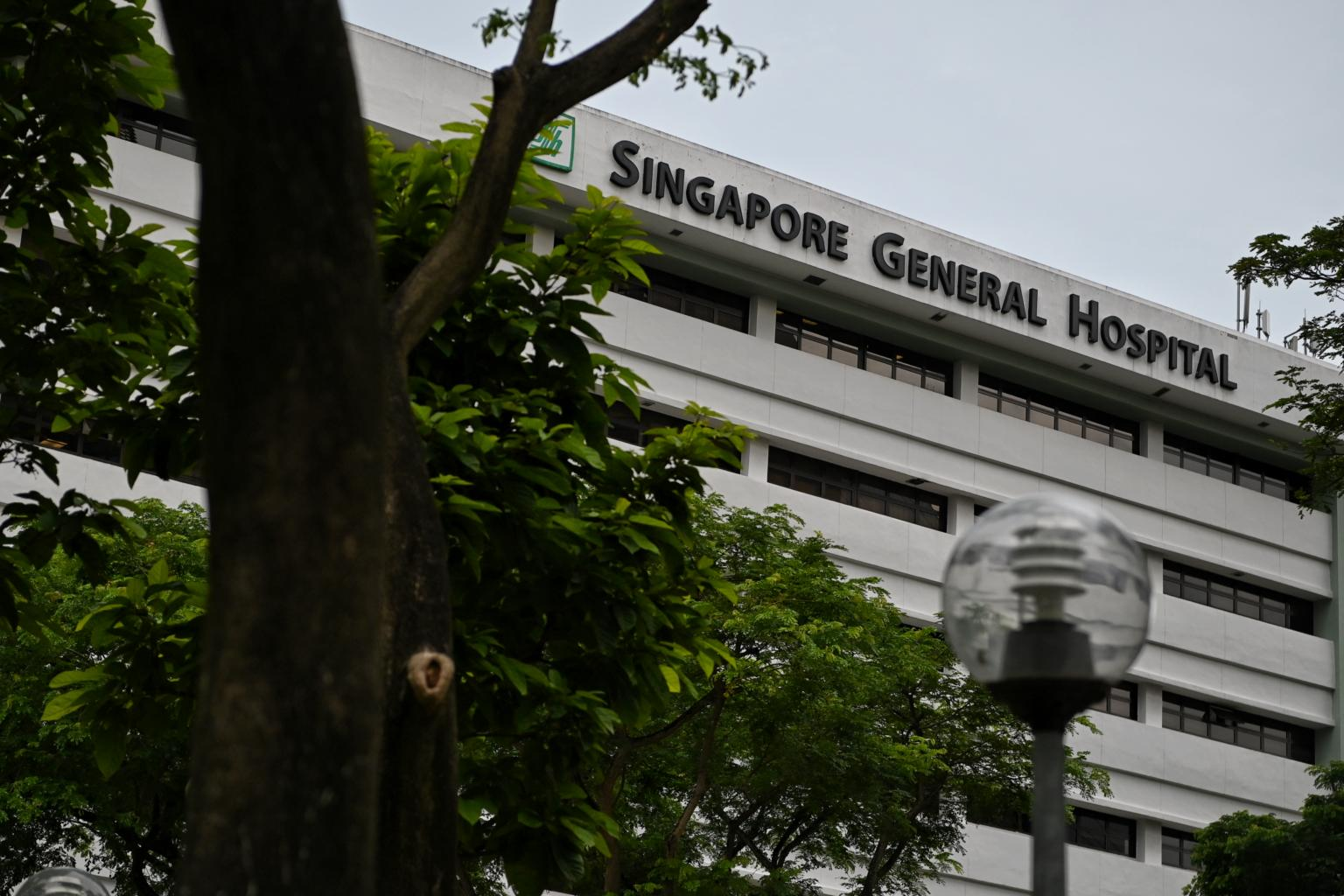
Singapore General Hospital utilizes big data analytics as a core component of its Smart Hospital Design strategy. By analyzing patient admission patterns, the hospital optimizes logistics and resource management. Additionally, automated transport systems powered by robotics efficiently deliver medical supplies, reducing operational delays and enhancing efficiency.

Finally, Smart Hospital Design represents a bold step toward the future of healthcare, where IoT and AI-driven systems create a more efficient, accurate, and patient-centered environment. These advancements improve patient experiences, enhance staff performance, and revolutionize medical service delivery.

Source: Smart Hospitals, Integrating Technology into Healthcare Design Management

Five Essential Considerations for Designing a Highly Efficient Operating Room

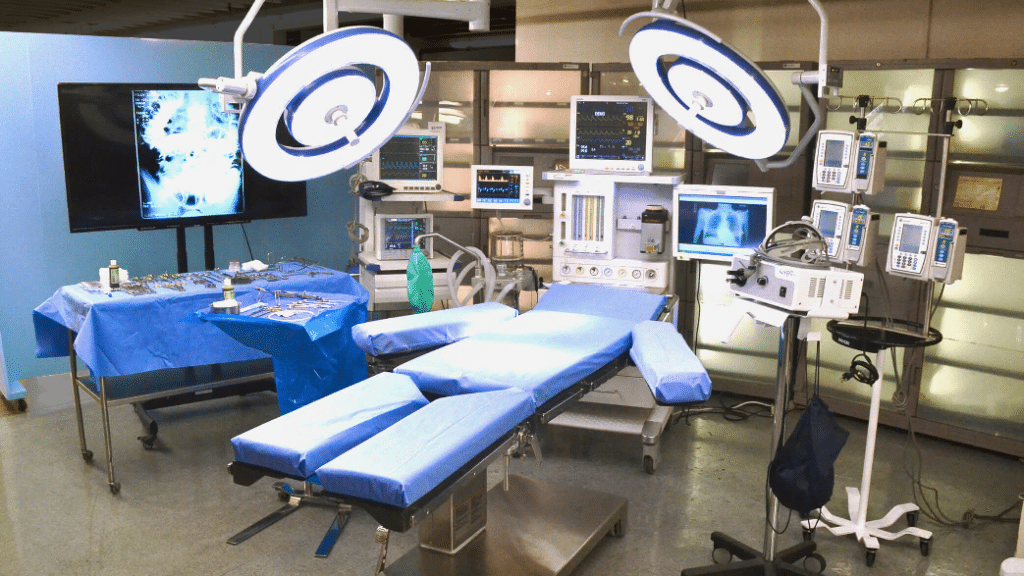
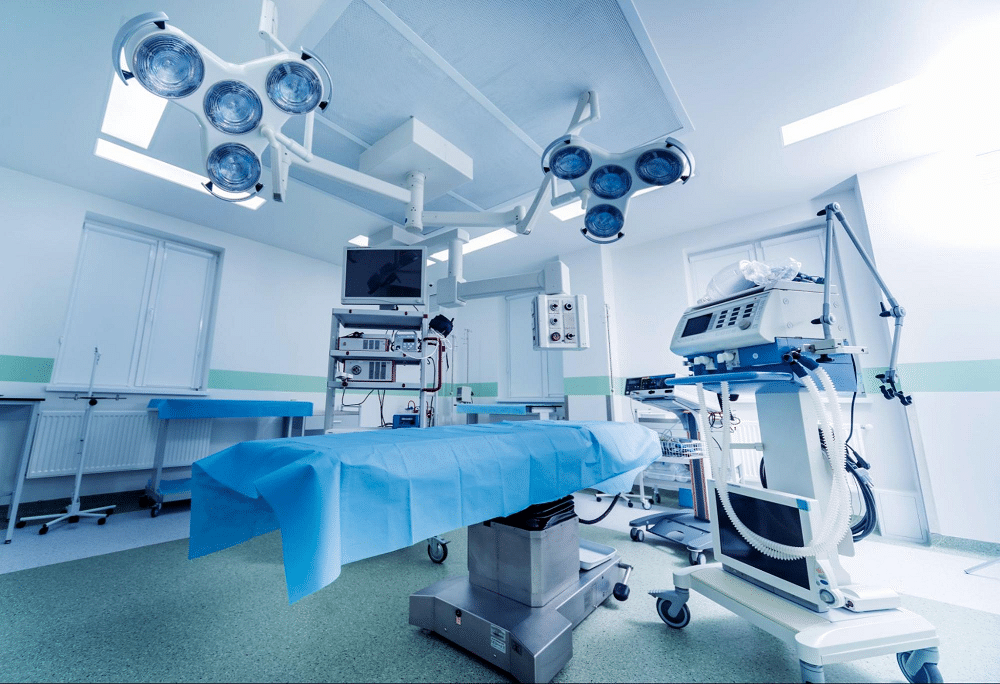
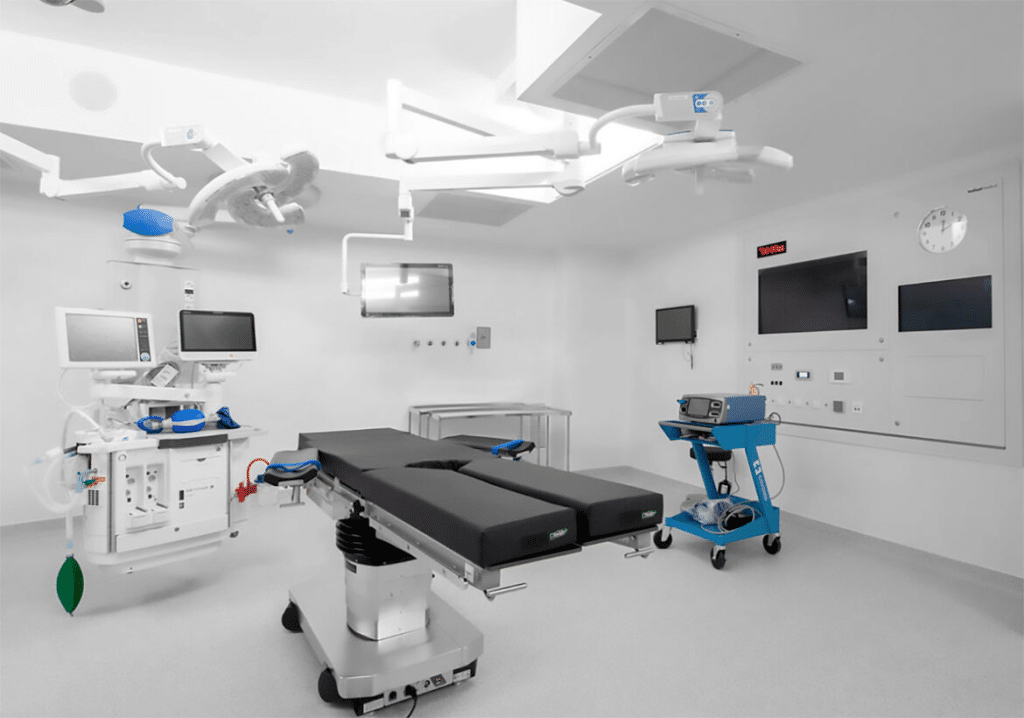
Designing a Highly Efficient Operating Room properly is a critical factor in enabling hospitals to have efficient operating rooms that can adapt to ongoing innovations in healthcare and better safeguard patient health. Given the significant role that operating rooms play in saving patients’ lives, attention must be paid to the environment where surgeries are performed, regardless of their type.

Considering the current social and economic situation in the healthcare sector, hospitals must optimize their resources more than ever. Efficiency, performance, and innovation must integrate to reduce healthcare spending without compromising patient-centered care.

Operating Room Zoning

Modern hospital operating rooms are committed to creating distinct and differentiated areas within the surgical zone. The primary goal is to prevent potential contamination and infection of patients, as the major source of postoperative wound infections stems from improper handling of shared spaces between medical staff and patients.

designing Efficient Operating Room

Therefore, dividing the structure of the operating room into three different zones reduces and eliminates sources of contamination:

  • Black Zone: This is the initial isolation area upon entering the operating room. Here, the patient is prepared with appropriate surgical attire. It is the area where patients are received, with semi-restricted access, and includes administration and changing rooms.
  • Gray Zone: The clean area where individuals present must wear sterile masks and caps. Patient companions and medical staff are allowed in this area. It contains the pharmacy, storage for surgical instruments, and access areas to operating rooms.
  • White Zone: An area with maximum restrictions, where the operating room and sterile access corridors are located. In this zone, doors must remain closed at all times.

Operating Room Design

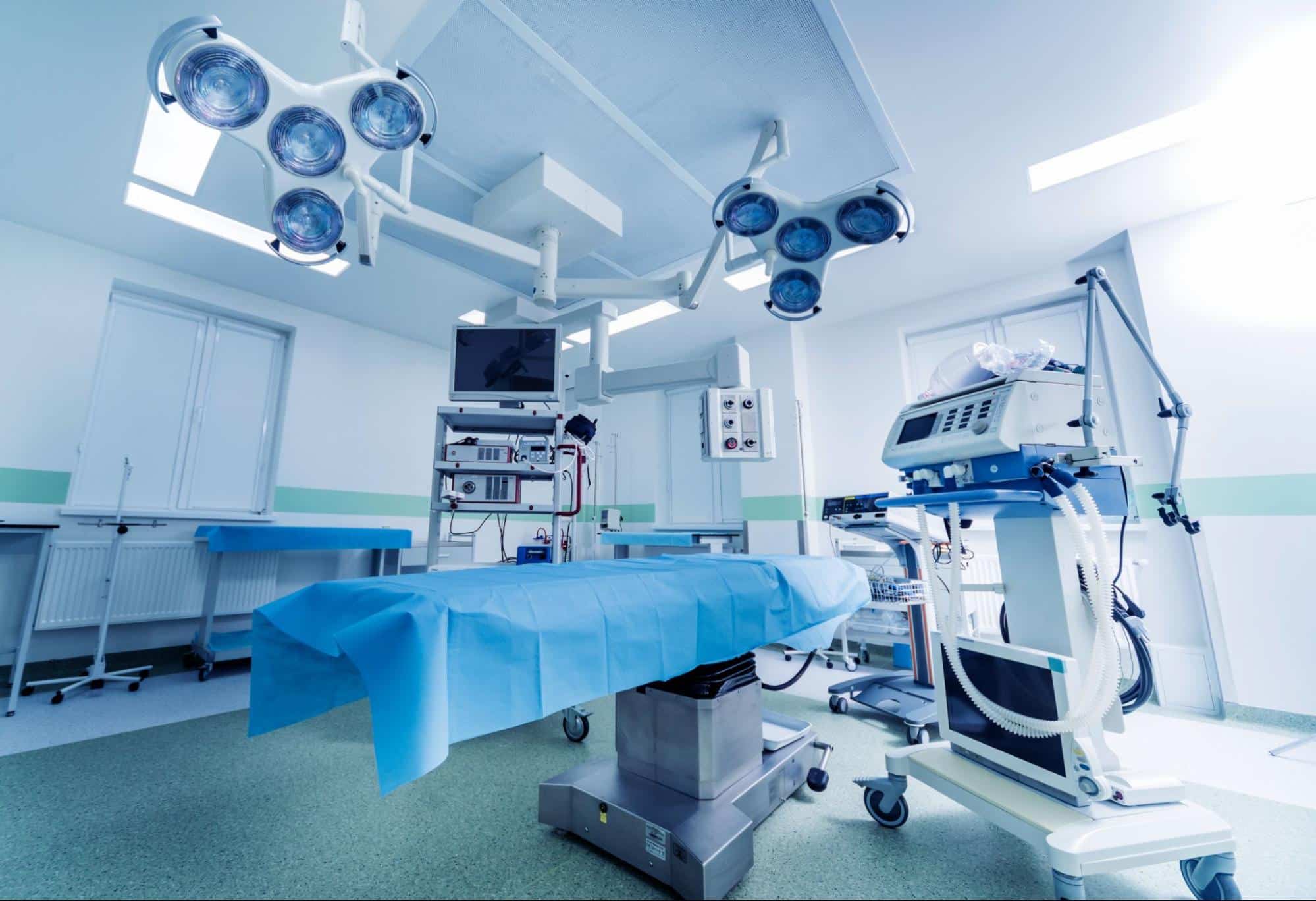
In improving hospital and healthcare center facilities, surgical intervention areas, or operating rooms, are among the most critical areas to consider. One of the key steps to enhance them is innovation in operating room design, taking into account essential design considerations, which we will discuss in this article.

When designing surgical rooms, the location and flow of patients, staff, and materials should be considered as the three main elements during the design stages of the operating room. Additionally, isolating it from the main traffic in the hospital, having direct access to recovery units, communication with pharmacy units, radiology, and emergency entrances are important. The surgical area should also have good lighting focused on the surgical table and provide proper air conditioning.

Operating Room Zoning

Consideration should be given to providing a sterile protection area, changing rooms for all medical staff, rooms for administrative staff, a cleaning room, and equipment storage.

It should also include several sub-areas such as:

  • Preoperative registration or reception area.
  • Preparation area.
  • Anesthesia room.
  • Post-anesthesia care units.
  • Facilities for cleaning staff.

Basic Requirements When Designing Operating Rooms

  • Double Circulation Design: Operating areas should be designed with a double circulation system to ensure proper workflow protocols.
  • Separation of the Clean Area: The clean area in the operating room should be defined and separated from other areas.
  • Proper Air System: An appropriate air system is essential, and positive pressure gradients must be maintained.
  • Surgical Handwashing Area: A surgical handwashing area with a sensor-operated sink should be provided.
  • Size of Surgical Rooms: Operating rooms should have a minimum area of 25 square meters.
  • Floor Materials: The floor should be made of semi-conductive materials connected to the ground, with attention to electrical installations and their maintenance.
  • Doors: Doors should be tightly sealed or sliding and operate automatically.
  • Surface Coverings: Walls, ceilings, and floors should be covered with smooth materials, free from cracks or openings.
  • Avoiding Gaps: Gaps such as corners and crevices should be avoided.
  • Emergency Communication System: Rooms should have an optimal communication system for emergencies, including telephones, intercoms, buzzers, emergency lights, and a computer area.
  • Lighting: Lighting should be appropriate, preferably using LED lights.

Operating- Room

Key Considerations When Designing Operating Rooms

Designing operating rooms is a critical task that combines functionality, safety, and comfort. The environment where surgical procedures are performed must be meticulously planned, as its design plays a significant role in the success of surgical operations. Therefore, it is essential to consider several factors to ensure that these spaces meet the needs of healthcare professionals and provide the best possible outcomes for patients.

1- Attention to Operating Room Layout

The design should facilitate the smooth flow of personnel and equipment, minimizing the risk of contamination during procedures. An effective layout typically includes designated areas for surgical instruments, a sterile zone where the surgical team operates, and clear pathways for easy access to essential medical supplies. Additionally, integrating advanced technology, such as surgical lighting and imaging systems, should be seamless to enhance the room’s functionality.

2- Infection Control Measures

Preventing infections is paramount when designing an operating room, as these environments can be breeding grounds for bacteria and viruses. It’s crucial to implement measures to prevent the spread of infections. One advantage of maintaining a lower temperature in the operating room is that microorganisms grow more slowly at reduced temperatures. Key considerations for infection control include:

  • Using non-porous, easy-to-clean materials in the construction of the operating room.
  • Designing walls, floors, and ceilings to minimize dust accumulation and facilitate maintenance.
  • Carefully planning the ventilation system to ensure proper air circulation and filtration, thereby reducing the risk of airborne contaminants.

3- Adequate Lighting

Sufficient lighting is essential for the surgical team to have clear visibility and perform precise procedures. Utilizing a combination of ambient lighting and task lighting can provide the necessary illumination.

4- Facilitating Movement

Ergonomics cannot be overlooked in operating room design. The layout should promote comfort and ease of movement for the surgical team. Factors such as the height of surfaces, accessibility of equipment, and the positioning of monitors can significantly impact the efficiency and effectiveness of work in the operating room.

5- Integrating Technology into Operating Room Design

Advanced surgical equipment and integrated technology can enhance surgical precision and improve communication among the surgical team. Ensuring that all technological components are seamlessly incorporated into the operating room design can streamline workflow.

In conclusion, designing operating rooms is a multifaceted process that requires careful consideration of various factors, including layout, infection control, lighting, ergonomics, technology integration, and collaboration with healthcare professionals. By focusing on these elements, designers can create operating rooms that support the surgical team in delivering high-quality patient care and achieving successful surgical outcomes.

At HSI, we offer specialized courses to guide and assist healthcare professionals, including effective strategies for designing operating rooms that serve patients and enhance overall medical services.

Source: All the Keys to the Correct Design of an Operating Theatre

Hospital Design | The Engineering and Technological Foundations for Building an Ideal Healing Environment

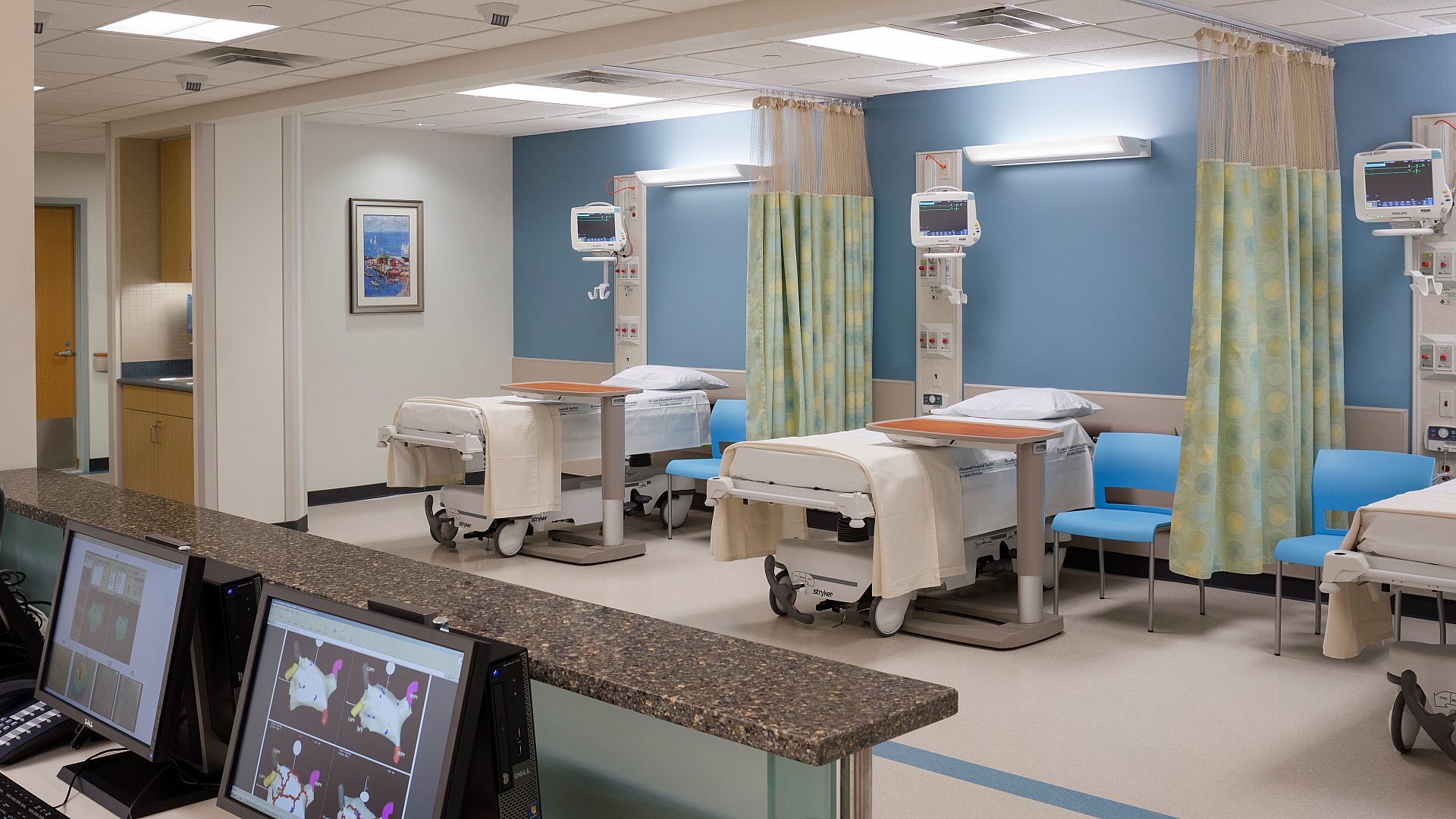
Hospital design is one of the essential elements that affects the quality of healthcare and operational efficiency. The success of any medical facility relies on its engineering design, which must take into account health, functional, and technological standards. A hospital is not merely a building but a complex environment that requires the integration of architectural design, engineering systems, and safety requirements. Moreover, good design contributes to enhancing the patient experience, increasing the efficiency of medical services, and promoting the safety of the medical staff.

The Basic Engineering Standards for Hospital Design

Before starting any hospital project, a comprehensive plan must be developed that takes into consideration the location, space, and the needs of both patients and medical staff. Good planning ensures a smooth flow of movement, which reduces chaos and enhances work efficiency. Relying on modern technology in design contributes to improving medical services and reducing errors. Planning should also consider the potential for future expansion to meet increasing demands, in addition to incorporating green spaces and rest areas to improve the comfort of patients and staff.

Hospital Design

Distribution of Interior Spaces

The distribution of departments within the hospital must be carefully planned to ensure ease of movement between clinics, operating rooms, and emergency departments. Wide corridors should be provided to allow the smooth movement of patient beds and ambulances. In addition, independent entrances and exits for emergencies must be established to ensure that critical cases are attended to without delay.

Ventilation and Air Conditioning Systems
Ventilation systems play an important role in maintaining a healthy environment within the hospital. Hospitals should be designed to include air conditioning and air filtration systems that reduce the transmission of infections and maintain the quality of indoor air. Moreover, fresh air must be distributed in operating rooms and intensive care units in a manner that prevents the spread of contaminants.

Safety and Fire Fighting Standards

Given the sensitivity of the medical environment, adherence to the highest safety standards is essential. This includes the presence of clear emergency exits, early fire alarm systems, and the use of fire-resistant materials in construction and interior finishes. Additionally, the hospital should be equipped with automatic fire extinguishing systems and surveillance cameras to ensure continuous protection.

Technological Considerations in Hospital Design

With the advancement of technology, digital infrastructure has become an integral part of hospital design. This includes health information systems, electronic medical records, and artificial intelligence technologies used in diagnosis and treatment. Moreover, robots can be employed to assist doctors in surgical procedures or in delivering medications within the hospital.

A hospital must be capable of operating at high efficiency in terms of energy consumption. Therefore, modern hospital design relies on renewable energy sources such as solar panels, the use of energy-saving lighting systems, and efficient water management techniques. The use of thermal insulation systems and insulated glass further helps to reduce energy consumption.

Challenges That May Face Hospital Design

Investing in hospital design is extremely costly, as it requires the use of high-quality materials and advanced technological systems, in addition to complying with international standards. The overall cost also includes modern medical equipment and the necessary infrastructure for its efficient operation.

Future Expansion

Given the increasing number of patients and the ongoing developments in the medical field, the design must be flexible and capable of future expansion without the need for radical changes. Therefore, advance plans should be in place for expanding buildings and adding new departments when needed.

Achieving a Balance Between Aesthetic and Functional Design

Hospital design should be attractive and visually comfortable, without compromising functional efficiency. Good design enhances patient comfort and positively influences their recovery, making the combination of aesthetics and functionality essential.

The Role of Medical Engineering in Hospital Design

Medical engineering plays a significant role in improving the quality of healthcare within hospitals. By designing modern medical devices and developing automated systems, the accuracy of diagnosis is enhanced and the efficiency of treatments provided to patients is increased. Additionally, the use of smart monitoring systems enables doctors to continuously track patients’ conditions, thereby enhancing the speed of intervention in the event of any emergency.

Hospital design is a complex process that requires careful planning and integration between architectural and medical engineering to ensure a safe and effective healing environment. Implementing the latest technological and engineering standards guarantees improved healthcare quality and the delivery of outstanding medical services to the community. Moreover, innovation in design plays a fundamental role in providing a comfortable and safe environment for both patients and medical staff, contributing to achieving the highest levels of performance in medical facilities.

In conclusion if you are a medical engineer seeking professional training courses in the field of medical engineering, you can contact us now through the HSI to receive the best training courses and engineering consultations that will take your career to new heights.

All copyrights reserved to © HSI