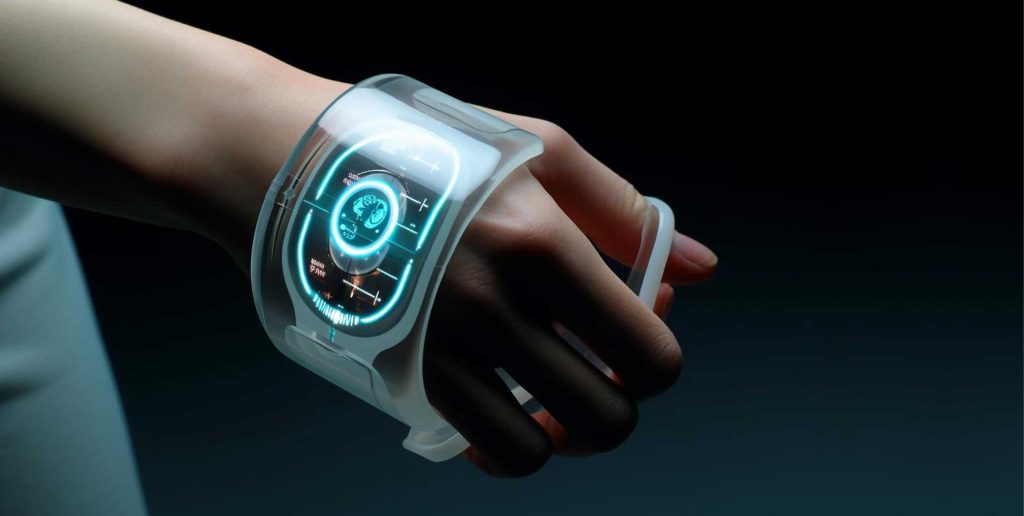
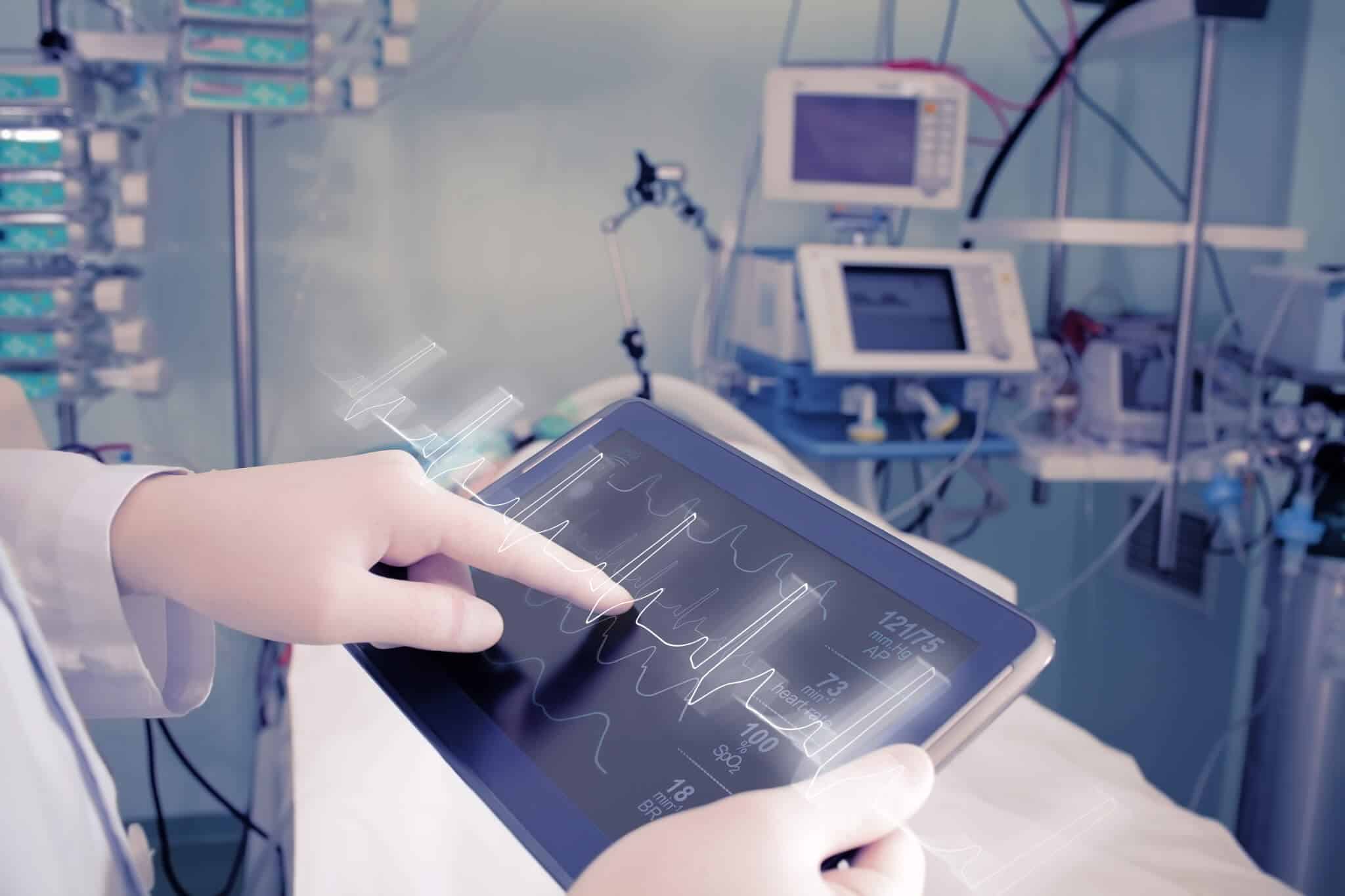
The Future of Wearable ECG Monitoring Devices

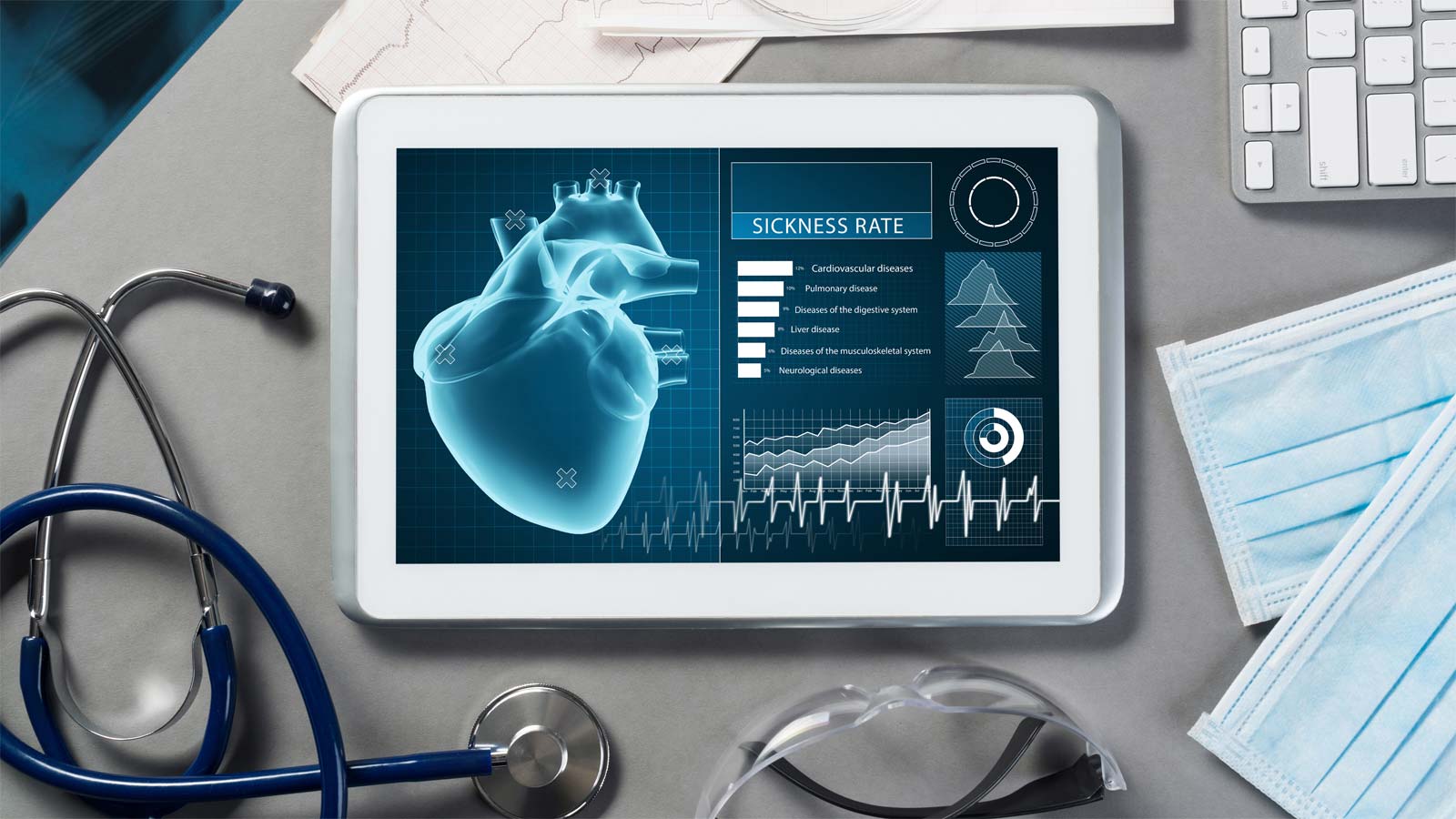
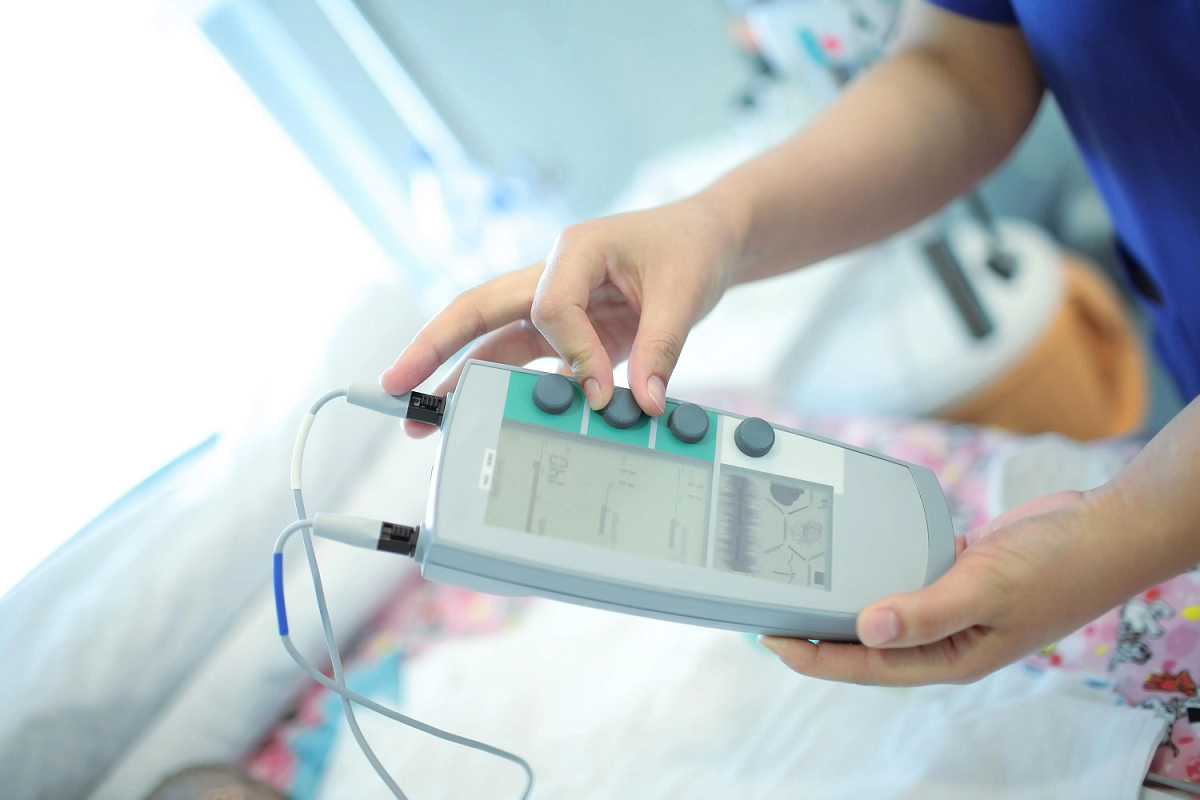
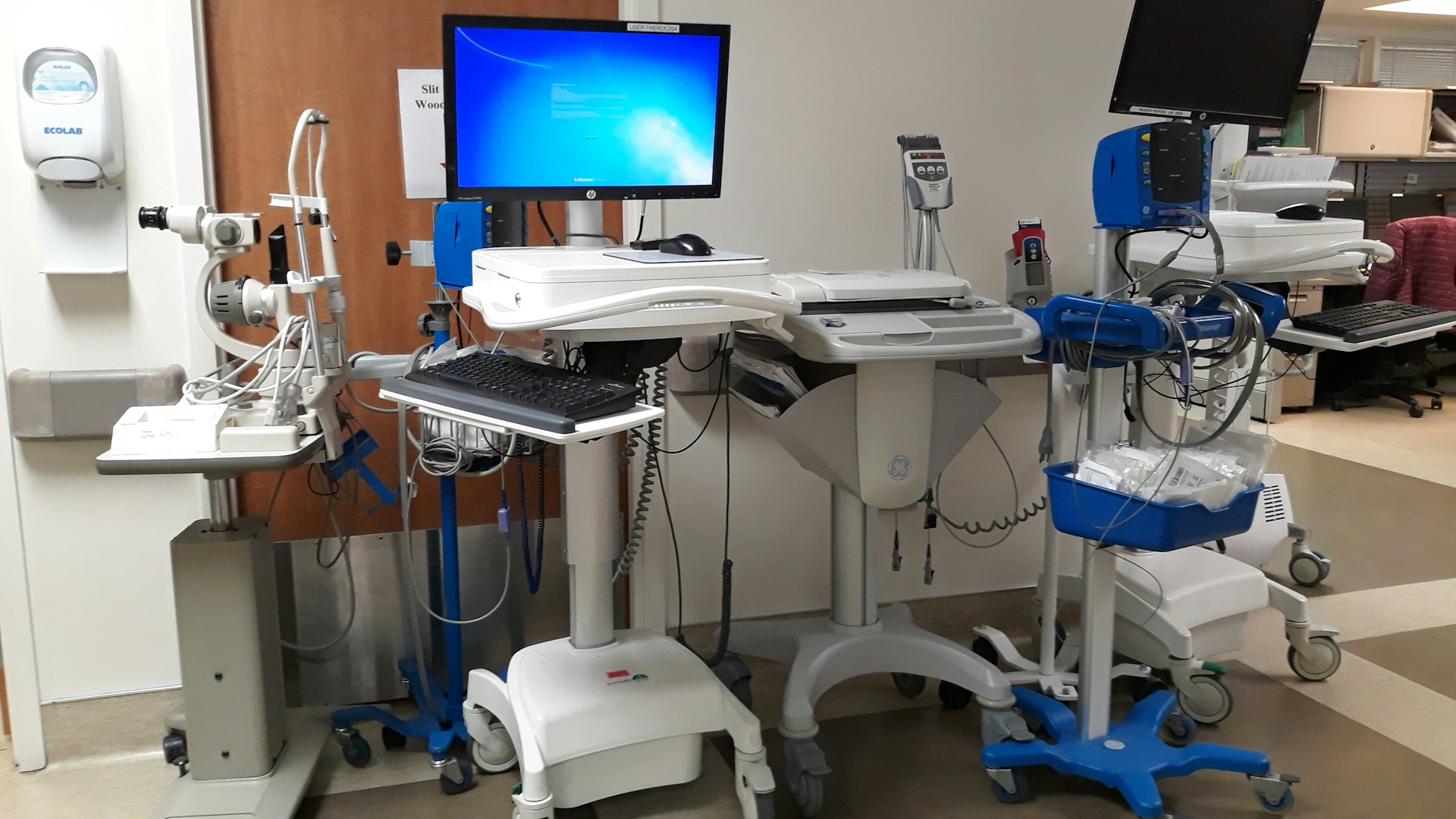
The healthcare field has witnessed significant developments thanks to technological advancements that have enabled the use of AI-powered wearable ECG monitoring devices. Since the early days of using various monitoring and diagnostic techniques, patient conditions have been observed more accurately than before. This has led to improved treatment quality and more efficient medical procedures. The process is no longer limited to visits to hospitals and traditional medical centers; patients can now monitor their health at home using these smart devices.

Combining health monitoring technologies with artificial intelligence

The idea of integrating wearable monitoring technologies with artificial intelligence began several decades ago, with scientists and innovators developing early prototypes for early diagnosis. Today, with noticeable improvements in computing capabilities and the availability of vast amounts of data, AI plays a pivotal role in analyzing medical information and providing accurate recommendations, thereby enhancing the performance of wearable ECG monitoring devices.

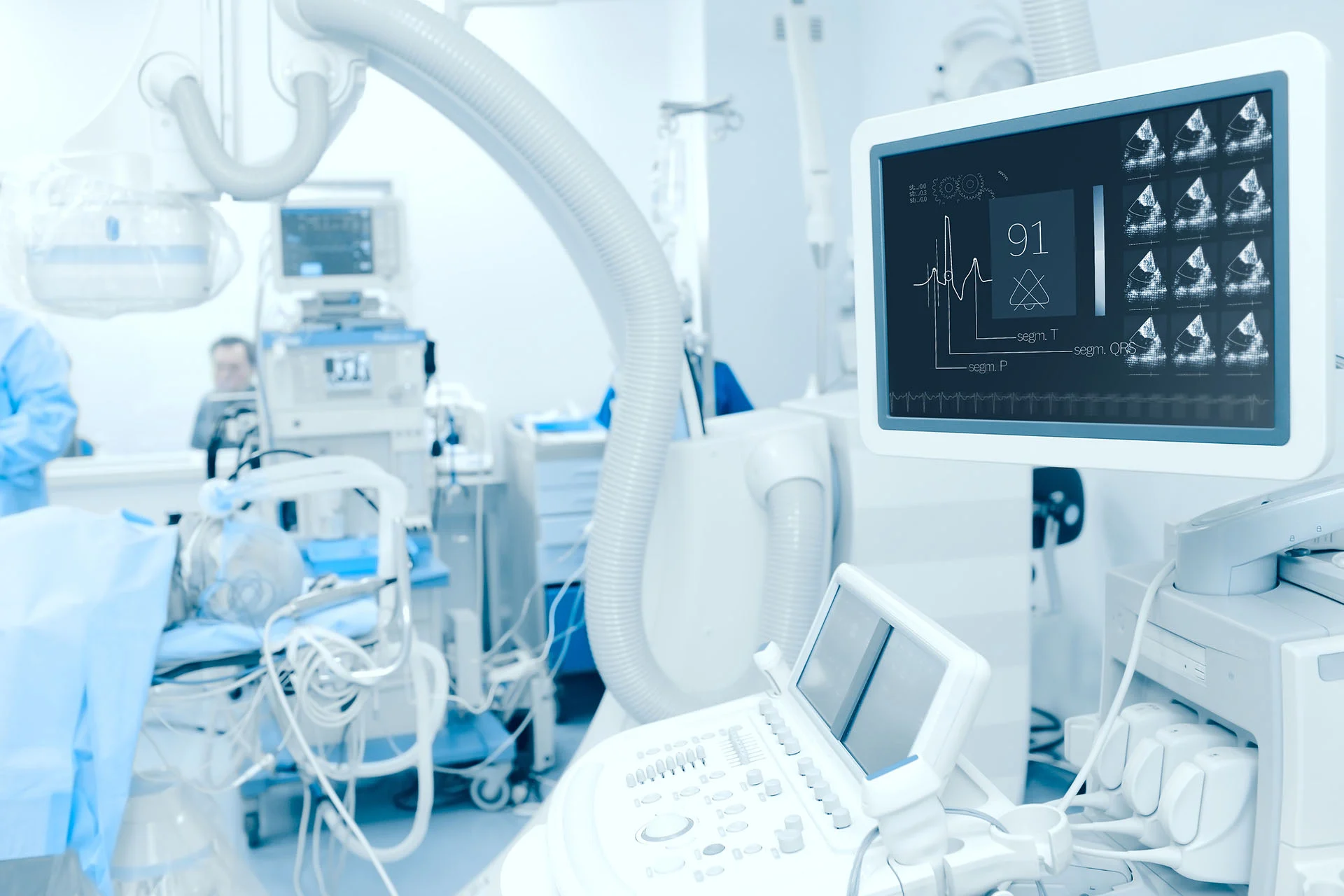
Wearable ECG

These devices are used to measure a wide range of vital signs, such as heart rate, blood pressure, blood oxygen levels, and electrocardiogram (ECG) activity. These measurements have narrowed the gap between patients and doctors, allowing for early medical intervention and preventing the development of chronic diseases.

Research and Evaluation Methodology

Modern studies rely on a comprehensive analysis of published research in the field of wearable ECG monitoring devices and artificial intelligence. The references and data are classified through several stages:

  • Identifying Sources and Data: The process began by gathering sources from global databases such as Google Scholar, resulting in thousands of articles discussing AI and its applications in healthcare.
  • Reviewing Titles and Abstracts: A meticulous filtering process was carried out to select the most relevant articles, focusing on studies that addressed the use of wearable ECG monitoring devices in disease diagnosis.
  • Technical Evaluation: The review included an assessment of the research methodologies and techniques used in each study, highlighting the technological innovations and the AI used in analyzing patient data.
  • Data Integration: The data was merged to create a comprehensive view of how wearable ECG monitoring devices impact workflow in medical institutions and enhance the quality of healthcare.

This methodology illustrates that progress in wearable ECG monitoring devices is not solely dependent on technical advancements but also on how they integrate with existing electronic medical record systems and established AI systems.

Research Findings and Key Innovations

There are several remarkable outcomes from research in this field, including:

1- Improved Early Diagnosis and Continuous Monitoring

Numerous studies have demonstrated that wearable ECG monitoring devices contribute to the early detection of arrhythmias, such as atrial fibrillation. These devices offer continuous monitoring of vital heart indicators, enabling doctors to detect any abnormal changes immediately. One study indicated that using these devices could reduce diagnostic errors by up to 30%, thereby improving patient treatment outcomes.

2- Reduced Need for Frequent Medical Visits

Thanks to wearable ECG monitoring devices, patients can now monitor their health remotely, reducing the need for repeated hospital visits. This approach not only eases the burden on healthcare systems but also saves time and effort for patients, especially those with chronic conditions that require constant monitoring.

3- Enhanced Quality of Medical Data

Continuous and effective data collection is one of the key advantages of wearable ECG monitoring devices. These devices provide accurate data regarding the patient’s health status, which helps train AI models to analyze patterns and predict potential health risks. Moreover, this data can be integrated with electronic medical records, offering a comprehensive system for monitoring and documenting medical cases.

4- Enhanced Interaction Between Patients and Healthcare Providers

The use of wearable ECG monitoring devices fosters an interactive environment between patients and doctors, as physicians can monitor data in real time and provide immediate medical consultations. This direct interaction helps build trust between both parties and enables the delivery of more personalized and effective healthcare.

Opportunities for Innovation in Healthcare

Integrating wearable ECG monitoring devices with AI technologies marks a transformative shift in healthcare. These innovations are expected to improve the efficiency of diagnosis and treatment, as AI can analyze data faster and more accurately than traditional methods while reducing healthcare costs. By minimizing medical errors and optimizing time and resource management, personalized medicine is enabled, where continuous data provides an accurate picture of each patient’s condition. This allows for the customization of treatment plans to meet individual needs, enhances preventive care, and ensures continuous monitoring by identifying health risks before they escalate and enabling early intervention.

Challenges Facing Device Implementation

Despite the clear benefits, wearable ECG monitoring devices face some core challenges. One of the main issues is managing the vast amounts of data generated by these devices, which require effective and secure storage and analysis. Integrating the generated data with existing electronic medical records demands the development of new protocols and updates to technical infrastructure, privacy, and security measures. Protecting patients’ health information from cyberattacks and breaches is of utmost priority. Additionally, doctors and nurses need to trust and adopt the new technology as an aid in providing healthcare without undermining their traditional skills and expertise.

The Role of Artificial Intelligence in Device Development

Artificial intelligence is considered the pivotal element that will transform wearable ECG monitoring devices from mere measuring tools into integrated diagnostic systems. AI relies on machine learning and deep learning techniques to analyze data patterns and deliver accurate predictions regarding a patient’s health status. Through these analyses, diagnostic accuracy can be improved and medical error rates reduced. Moreover, AI enables the development of interpretative models that explain the decision-making process, thereby increasing users’ confidence in the system.

Current Applications in Healthcare

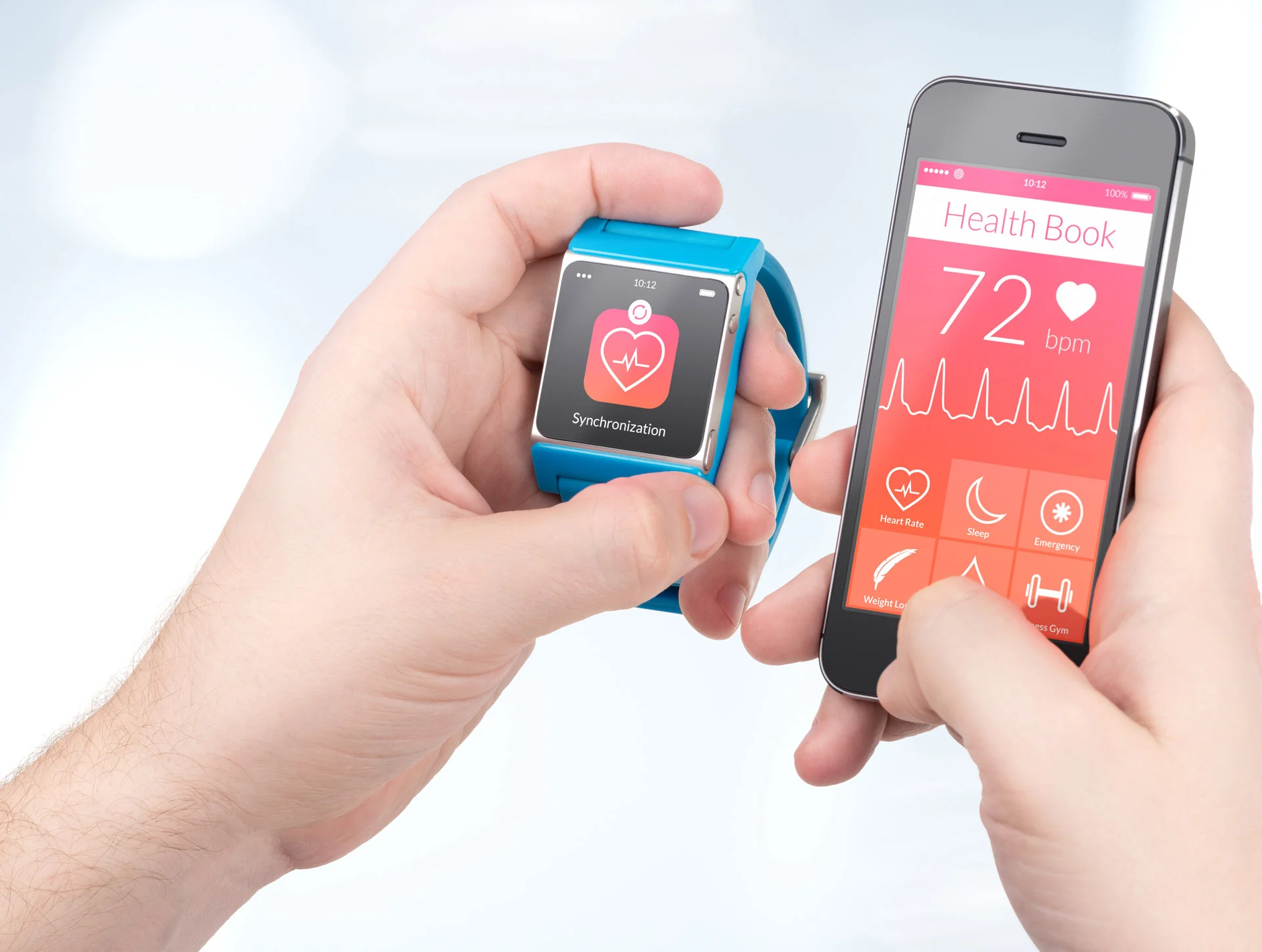
Wearable ECG monitoring devices are currently used in many medical institutions, where they are integrated with smartphone applications and remote monitoring systems. For example, they are employed for the early detection of arrhythmias, continuously monitoring heartbeats to detect any irregularities. They also facilitate remote patient monitoring, especially for those suffering from chronic diseases, allowing doctors to track their condition without the need for frequent visits. Additionally, data analysis through AI algorithms provides precise treatment recommendations based on the collected data.

It is expected that the future will bring unprecedented developments in wearable ECG monitoring devices, particularly with advancements in AI and wireless communications. Some future trends include increased integration with advanced AI systems, which will lead to continuously improved diagnostic accuracy and analysis. Moreover, the development of more comfortable and wearable devices, with improved manufacturing materials for enhanced flexibility and lightness, will allow for extended use without discomfort. The scope of usage is also expected to expand beyond just ECG monitoring to include other health indicators, creating a comprehensive health system based on continuous monitoring and early prevention. Additionally, advanced protocols for data protection and cybersecurity will be developed to ensure safety and privacy.

At HSI, we believe that empowering medical engineers with modern knowledge and skills is key to the future. Therefore, we invite you to join our specialized training courses as we delve into these technologies and prepare you to play an active role in shaping the future of smart healthcare.

How to Design Energy-Efficient Hospitals | A Guide for Biomedical Engineers

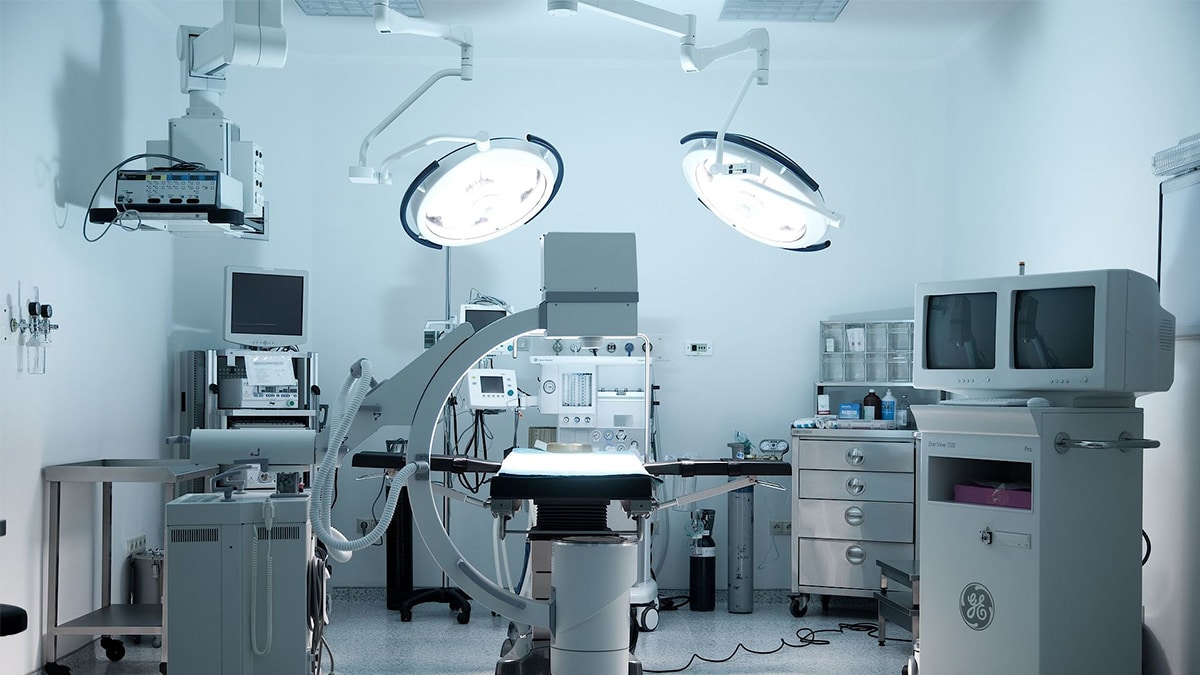
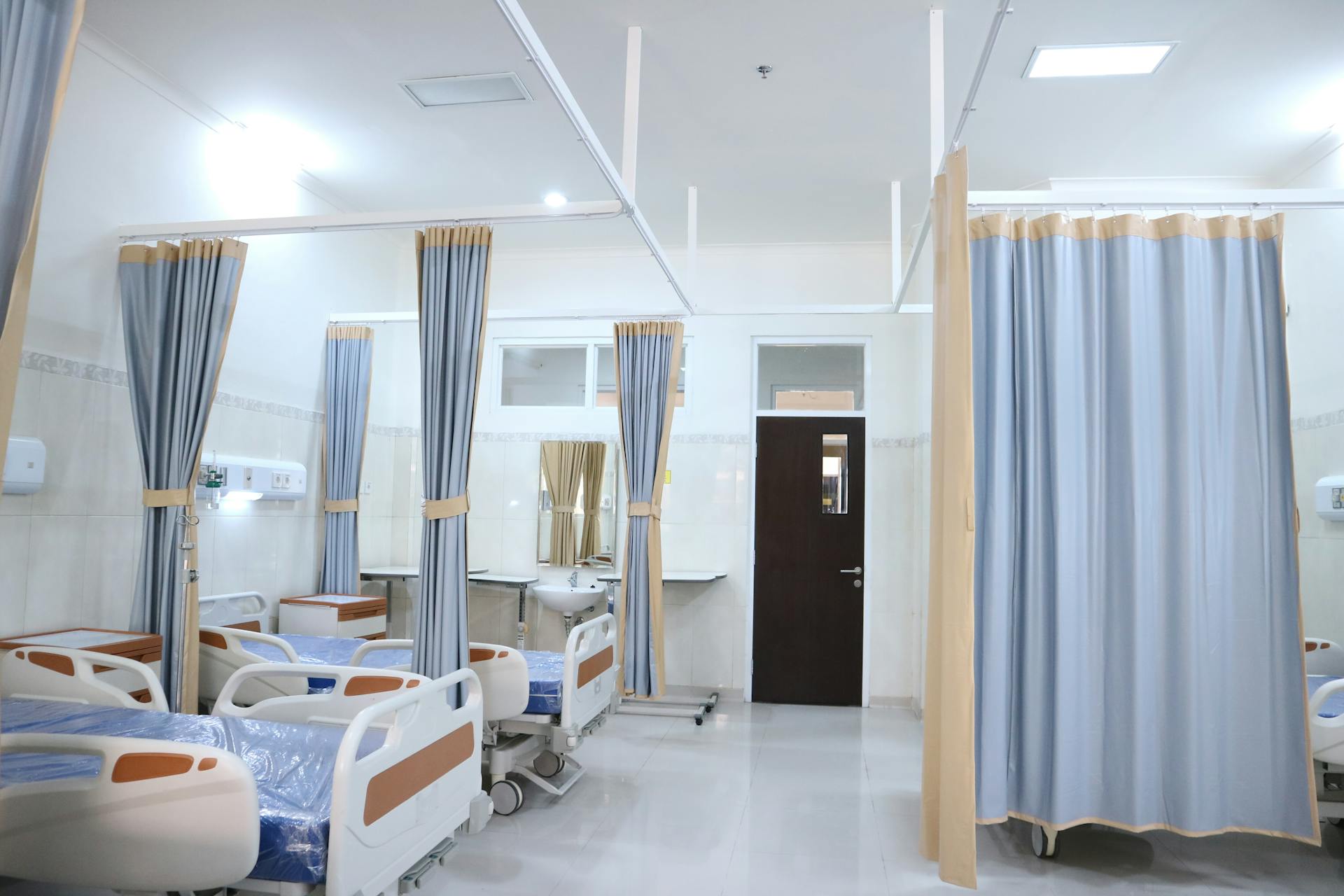
Energy efficiency has always been a persistent challenge in designing healthcare facilities, as hospitals consume up to five times more energy than a luxury hotel. With the catastrophic pressures that the healthcare sector endured in 2020 due to the COVID-19 pandemic that shook the world at that time, healthcare administrators must consider every possible means to achieve economic sustainability. Even if it was not a top priority in the past, designing energy-efficient hospitals has now become a pressing necessity rather than merely an option.

Energy-efficient hospitals play a vital role not only in reducing operating costs but also in protecting the environment and enhancing the comfort of both patients and staff. In this article, we will detail how to design hospitals to transform them into energy-efficient hospitals, relying on the latest studies and research addressing energy efficiency in healthcare facilities, while providing a practical guide for biomedical engineers to apply these principles in design and renovation.

Energy-Efficient Hospitals

The Importance of Energy Efficiency in Hospital Design
Hospitals consume enormous amounts of energy around the clock to operate heating, ventilation, and air conditioning (HVAC) systems, in addition to lighting, medical equipment, and numerous other devices. This excessive energy consumption not only leads to high operating costs but also contributes to increased greenhouse gas emissions, negatively impacting the environment. Therefore, designing energy-efficient hospitals is a critical necessity to achieve both financial and environmental sustainability.

Energy-Efficient Hospitals

The Role of Biomedical Engineers in the Design Process

Biomedical engineers play a crucial role in designing energy-efficient hospitals. They are responsible for integrating and managing the medical technologies that consume a significant portion of a hospital’s energy. Through their deep understanding of the energy requirements of medical equipment, they can:

Select Energy-Efficient Equipment: Evaluate the energy efficiency of various medical devices and choose those that consume less energy without compromising performance or quality.

Optimize Equipment Usage: Develop protocols and procedures to ensure efficient use of medical equipment, such as turning off devices when not in use and scheduling regular maintenance to maintain optimal performance.

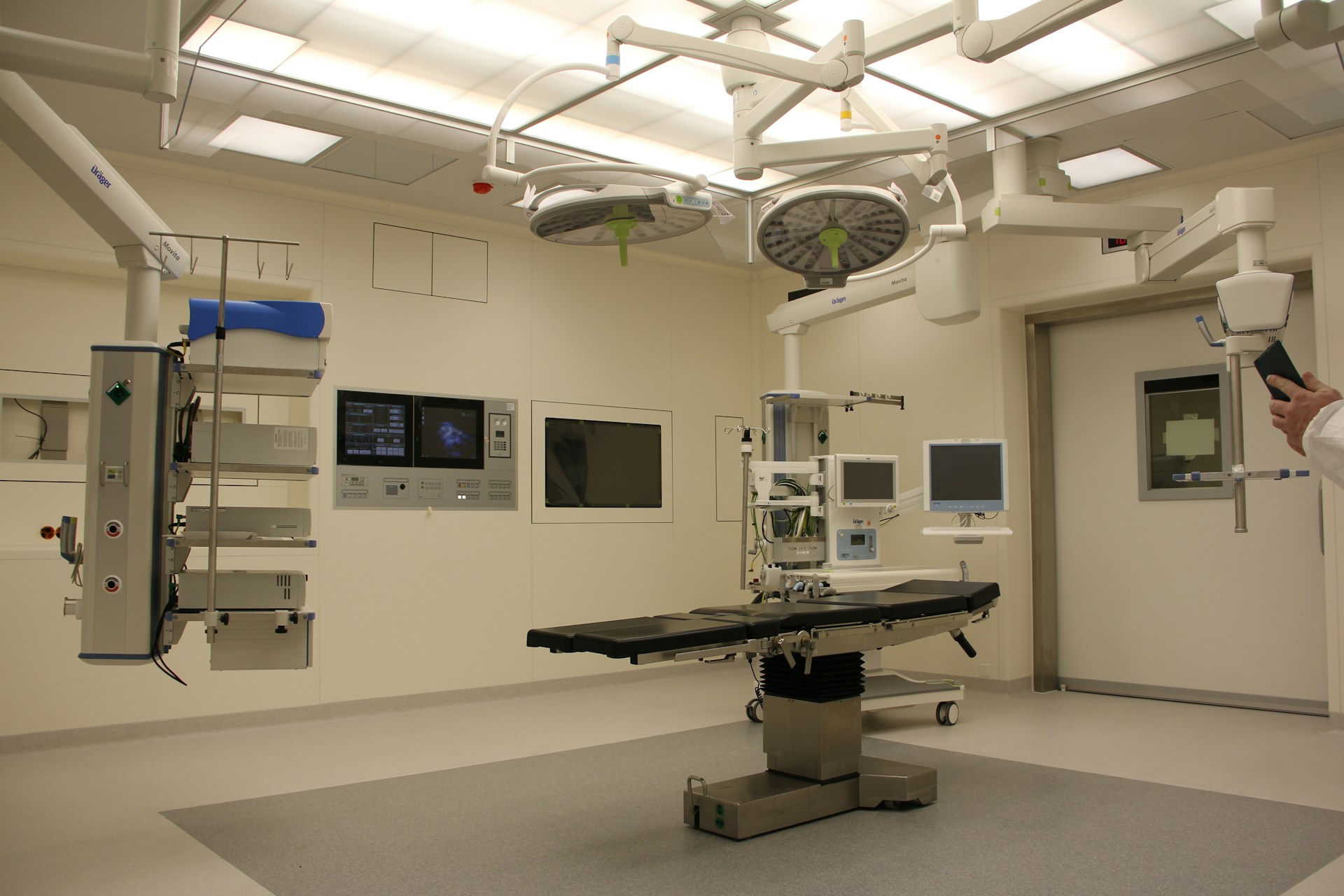
Design Integrated Systems: Collaborate with architects, mechanical, and electrical engineers to integrate medical equipment into the building design in a way that minimizes energy consumption. For example, they can help design efficient cooling and ventilation systems for laboratories and operating rooms.

Monitor and Analyze Energy Consumption: Utilize energy management systems to monitor and analyze the energy consumption of medical equipment and identify areas for improvement.

مستشفيات موفرة للطاقة

Strategies for Designing Energy-Efficient Hospitals

Biomedical engineers and designers hold a pivotal role in radically transforming energy consumption in hospitals by adopting a variety of innovative strategies. Among these strategies, improving HVAC systems stands out, as they are one of the largest energy consumers in healthcare facilities. This can be achieved by using high-efficiency HVAC systems and implementing heat recovery systems that recycle wasted energy, in addition to activating demand-controlled ventilation to ensure that unoccupied spaces are not unnecessarily ventilated. Furthermore, enhancing the design of air ducts and using high-quality insulation materials to reduce energy loss are also key factors.

In addition to HVAC systems, lighting represents another critical element that can be developed to reduce energy consumption. This is primarily achieved by replacing traditional bulbs with LED lights, which are known for their high efficiency and long lifespan. Maximizing the use of natural light through smart architectural design plays a significant role in reducing reliance on artificial lighting during daylight hours. Moreover, installing motion sensors and lighting control devices ensures that lights are turned off in unoccupied areas, effectively contributing to energy conservation.

Efforts to save energy do not stop at the basic building systems; they also extend to the medical equipment itself. It is crucial to acquire high-energy-efficiency medical devices and establish regular maintenance programs to ensure they operate at maximum capacity while consuming the least amount of energy. Additionally, implementing clear protocols to turn off equipment when it is not needed is a simple yet effective step in reducing overall energy consumption.

Looking further ahead, embracing sustainable design principles for buildings—including the use of insulated building materials, energy-efficient windows, designs that maximize natural light, the integration of renewable energy sources such as solar panels and geothermal energy, and the implementation of smart energy management systems to monitor and analyze consumption—are all integrated steps toward achieving hospitals that use energy more efficiently and are sustainable in the long term.

Practical Steps for Designing Energy-Efficient Hospitals

There are several crucial steps to take when starting a project to design or renovate hospitals with energy savings in mind:

1- Assess the Current Situation:

Before beginning any renovation or new design project, engineers should conduct a comprehensive assessment of the hospital’s current infrastructure. This includes reviewing heating and cooling systems, thermal insulation, lighting, and electrical equipment. This assessment is the first step toward identifying weaknesses and strengths that can be improved to achieve better efficiency.

2- Apply Dynamic Energy Modeling:

Using simulation software and dynamic energy modeling can help visualize multiple scenarios for energy saving. By studying the effects of different modifications, designers can choose the best solutions that achieve energy savings without compromising patient comfort or operational efficiency.

3- Adopt Machine Learning Techniques:

Employing machine learning models is an innovative step to predict and analyze energy consumption. These models can identify patterns and the most influential factors, allowing adjustments to systems based on different operating conditions and achieving enhanced energy performance. This approach represents the future of designing energy-efficient hospitals, as models can be regularly updated with changing environmental and operational conditions.

4- Improve Insulation and Windows:

As many studies have shown, improving glazing and window technologies plays a central role in designing energy-efficient hospitals. Adopting double-glazed windows and choosing types of glass that reduce thermal loss allow the hospital to benefit from natural light without adversely affecting the heating and cooling systems.

5- Use Advanced Lighting and Electrical Systems:

Implementing modern lighting technologies, such as LED lighting, is one of the effective means of reducing energy consumption. Additionally, integrating smart control systems that adjust lighting and air conditioning levels according to the building’s needs and different times of the day can further optimize energy use.

Designing energy-efficient hospitals requires a comprehensive approach that combines innovative architectural design, advanced technology, and effective energy management. Biomedical engineers play a pivotal role in this effort by ensuring the efficient integration and use of medical equipment. By adopting sustainable design strategies and best practices, we can create hospitals that not only reduce energy consumption and operating costs but also enhance patient comfort and safety, contributing to a more sustainable future. If you want to elevate your status as a biomedical engineer to reach a high level, all you need to do is contact us through the HSI website and explore our services and training courses.

Understanding CE Marking for Medical Devices | A Beginner’s Guide

Selling and marking medical devices in European Union (EU) countries requires them to bear the CE marking. Medical device manufacturers must comply with regulatory requirements to ensure their products meet quality and safety standards. International regulations and standards related to medical devices, such as the European MDR 2017/745 and ISO 13485:2016, can be complex but are essential. Non-compliance with these regulations and standards may result in manufacturers ceasing production altogether. In this article, we provide a guide to understanding the key regulations for obtaining the CE marking.

What is the CE marking?

The CE marking stands for Conformité Européenne (European Conformity in French). As the name suggests, it certifies that a product complies with European requirements ensuring safety, health, and environmental protection standards. While this marking is required for many products, for medical devices, the CE marking allows companies to distribute and sell their devices across the 30 countries in the European Economic Area (EEA). This is possible once they comply with the European Regulation 2017/745, also known as the Medical Device Regulation (MDR). This regulation governs the placement of medical devices on the Markin get for human use. Therefore, the presence of the CE letters on medical devices signifies that the product meets all legal requirements for distribution throughout the EEA.

Understanding CE Marking for Medical Devices

Why is the CE marking Important for Medical Devices?

All medical devices that comply with European legislation can obtain the CE marking. The CE marking indicates that a medical device has undergone risk assessment procedures and is a safe and high-quality product for patients.

A product cannot be legally sold or markingeted in EEA countries without this marking—except for devices exclusively used for research purposes, which are an exception. Moreover, compliance with this regulation provides opportunities for many companies worldwide to expand their business.

For example, during the COVID-19 pandemic, numerous infrared thermometers entered the European markinget, regardless of the manufacturer’s country of origin. The CE marking indicated that these devices complied with the requirements and could be legally sold and markingeted in EEA countries.

Here are some key benefits of obtaining the CE marking:

  • Confirms that your device meets the essential legal requirements of the EU.
  • Allows markingeting in all 30 EEA member countries.
  • Some non-EEA countries recognize the CE marking, providing an advantage in entering new markingets.
  • Demonstrates compliance with safety and quality standards.

Standards and Regulations for CE markinging

Understanding the regulations and standards related to medical devices is crucial. Below, we outline the key international standards and regulations necessary for a better understanding of the CE markinging process.

1. Regulation (EU) 2017/745

Regulation (EU) 2017/745, also known as the European Medical Device Regulation (MDR), is the current regulation replacing the previous Medical Device Directive (MDD) and the Active Implantable Medical Devices Directive (AIMD) entirely.

2. Directive 2001/83/EC

Directive 2001/83/EC concerns the placement of medicinal products for human use on the markinget. When medical devices are combined with a medicinal product, such as a drug, manufacturers must determine which component is responsible for the primary function of the combined product.

If the drug enhances the activity of the medical device and cannot be used separately, it becomes an integral part of the device. The combined product is then classified as a medical device and must comply with Regulation (EU) 2017/745.

Understanding CE Marking for Medical Devices

3. Regulation (EC) 276/2004

Regulation (EC) 276/2004 concerns the placement of medicinal products for human and veterinary use on the markinget. For medical devices, it functions similarly to Directive 2001/83/EC.

4. Directive 2004/23/EC

Directive 2004/23/EC establishes quality and safety standards for the donation, procurement, testing, processing, preservation, storage, and distribution of human tissues and cells. Medical devices containing non-viable tissues or cells with a secondary function must comply with MDR.

The general safety and performance requirements in the MDR must be applied to the part of the device containing these elements, regardless of their primary function.

5- ISO 13485:2016

The ISO 13485:2016 standard defines the requirements for a quality management system (QMS) for medical devices. Medical device manufacturers often adhere to this standard, as compliance with it is assumed to align with the QMS requirements in the MDR.

Compliance with this standard ensures adherence to quality management system requirements, including:

  • Quality manual
  • Document and record control
  • Quality management system
  • Human resources
  • Facility structure
  • Contamination control
  • Design, development, and transfer planning
  • Medical device files
  • Supplier evaluation and selection
  • Service activities
  • Sterile medical device requirements
  • Medical device identification and traceability
  • Complaint handling
  • Nonconforming product control
  • Post-markinget surveillance

ISO 13485-2016

6- ISO 14971:2019

ISO 14971:2019 is specifically developed for medical device manufacturers based on principles for applying risk management to medical devices. It serves as a guide for developing and maintaining risk management processes.

Risk management is a requirement in the MDR. However, manufacturers can achieve compliance without necessarily obtaining certification under this standard.

7- FDA 21 CFR Part 820

FDA 21 CFR Part 820 outlines the quality system requirements applicable to medical device manufacturers. Companies aiming to enter the U.S. markinget must have a quality management system (QMS) that complies with FDA 21 CFR Part 820 and obtain FDA approval.

This standard can serve as a guide for MDR quality management system requirements in the European markinget. However, most companies opt to follow ISO 13485:2016, as certification for it can be obtained.

FDA 21 CFR Part 820

Steps to Obtain the CE marking for Medical Devices

The process of obtaining a CE marking can be somewhat complex. To assist you, this guide outlines the general steps to acquire it.

1. Determine the Medical Device Classification

Identify the classification guidelines set by the MDR based on risk level, body placement, and duration of use.

Risk: Devices are categorized into Class I, IIa, IIb, and III. The higher the class, the greater the risk posed to the patient.

Body placement: Devices can be non-invasive (on the body’s surface) or invasive (penetrating the body).

  • Duration of use: Devices are classified as:
  • Transient use: Up to 60 minutes.
    • Short-term use: Up to 30 days.
    • Long-term use: More than 30 days.

2. Appoint a Person Responsible for Regulatory Compliance (PRRC)

Medical device manufacturers must designate at least one individual responsible for regulatory compliance within the company. This person should have expertise in the medical device field.

3. Implement a Quality Management System and Risk Management

The MDR requires manufacturers to have quality management and risk management systems in place. This is why medical device manufacturers choose to comply with ISO 13485:2016, as it is presumed to align with MDR requirements for a quality management system.

MDR

4. Prepare Technical Documentation

Technical documentation, also known as medical device technical files, contains detailed information about the lifecycle of your medical device and is a requirement under the MDR.

5. Implement a Supplier Management System

The MDR requires medical device companies to have a supplier management system in place. Suppliers must be audited to ensure compliance with requirements and standards. Creating a list of approved suppliers based on predefined criteria is useful to ensure that only qualified suppliers provide products and services.

6. Conduct a Clinical Evaluation

Manufacturers must conduct a clinical evaluation to demonstrate compliance with safety and performance requirements. In practice, this means developing a plan to collect and analyze clinical data from relevant scientific literature and clinical investigations involving the specific medical device or an equivalent product.

7. Appoint an Authorized Representative in Europe (if required)

If the medical device manufacturer is not based in the European Economic Area (EEA), they must appoint an authorized representative within an EEA member state.

The authorized representative is responsible for tasks such as:

  • Verifying technical documentation
  • Informing the manufacturer of complaints
  • Registering a physical location for the notified body to receive device samples for inspection

8. Obtain Certification from a Notified Body

A notified body is an independent organization responsible for assessing product compliance before it is placed on the markinget. For medical devices, the notified body audits manufacturers and issues certifications confirming compliance with the MDR.

For higher-risk medical devices, this certification is mandatory, specific to each procedure, and valid for a maximum of five years. After this period, the notified body will audit the manufacturer’s quality management system (QMS) and technical documentation to verify continued compliance with the MDR.

Understanding CE Marking for Medical Devices

9. Prepare a Declaration of Conformity

After obtaining certification from the notified body, manufacturers must prepare a Declaration of Conformity (DoC), taking responsibility for ensuring that the device meets the specific requirements of the MDR.

10. Register Your Device with a Unique Device Identifier (UDI)

To facilitate the traceability of medical devices, each device model must be assigned a Unique Device Identifier (UDI).

The UDI is a unique numeric or alphanumeric code stored in the European Database on Medical Devices (EUDAMED), where essential information about the device can be accessed. The UDI is an additional requirement and does not replace the CE marking or other labeling requirements.

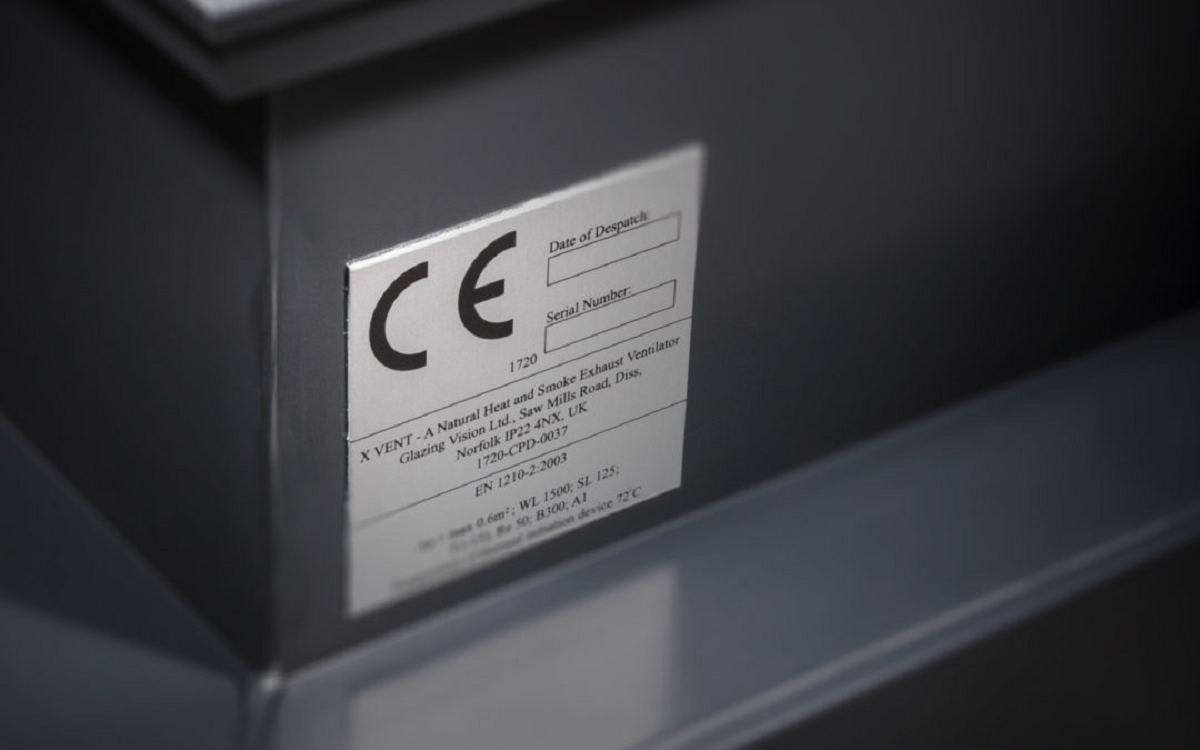
11. Affix the CE marking on the Medical Device

After obtaining approval from national authorities and certification from the notified body, manufacturers can place the CE marking on their medical devices.

The CE marking must be displayed on:

  • The device itself
  • The packaging
  • Any instructions for use

It is essential that the CE marking is visible, legible, and made of a material that cannot be removed or washed off.

For Class II and Class III medical devices, the four-digit number of the notified body must also be printed next to the CE marking.

12. Maintain Post-markinget Surveillance

Before obtaining the CE marking and placing a medical device on the European Economic Area (EEA) markinget, manufacturers must demonstrate that a post-markinget surveillance (PMS) system has already been implemented to address safety and effectiveness concerns.

Medical device companies must collect data on their sold devices through post-markinget surveillance, vigilance activities, and markinget monitoring plans.

This includes feedback related to patient experience with the medical device and the product lifecycle.

Manufacturer Requirements Include:

  • Monitoring complaints, adverse events, and non-conformities
  • Regularly updating safety reports
  • Conducting internal and supplier audits regularly
  • Keeping technical documentation, databases, and records up to date

This surveillance ensures proactive actions to collect and review real-world evidence on device quality and safety. As a result, manufacturers can better handle customer complaints, identify risks, and implement product recalls and implementing product recalls and other market actions.

Medical Devices

Frequently Asked Questions About the CE marking

Here are some common questions about the CE marking for medical devices, which ensures compliance with safety, health, and environmental protection standards.

1- Is the CE marking the same as FDA approval?

Both the European CE marking and the U.S. Food and Drug Administration (FDA) approval aim to evaluate the safety and effectiveness of medical devices. However, they are only valid in their respective markingets.

2- How long is the CE marking valid?

The validity of the CE marking is determined by the notified body and depends on the classification of the medical device. However, it cannot exceed five years. After that, the device must undergo recertification.

For example, a Class IIa device may receive certification valid for only three years. Additionally, annual surveillance audits are conducted between certification renewals.

3- Can a CE marking be placed on a medical device product?

Class I medical devices that are non-sterile and non-measuring can self-declare compliance. However, higher-class devices must be assessed by notified bodies to obtain the CE marking.

4- How long does it take to get CE marking approval?

The approval timeline for the CE marking varies depending on the device’s classification and complexity, as well as whether the manufacturer already has a certified Quality Management System (QMS) under ISO 13485:2016. Generally, obtaining CE marking approval takes between 16 to 18 months from start to finish.

5- How many notified bodies are designated for CE markinging?

According to the NANDO database, as of 2022, there were 34 notified bodies accredited for MDR and 7 for IVDR.

Source: CE markinging for Medical Devices [Step-by-Step Guide]

Comprehensive Guide to Choosing Medical Equipment for Your Hospital

Medical equipment is considered the cornerstone of delivering effective and high-quality healthcare within hospitals. It plays a pivotal role in diagnosing diseases, treating patients, and monitoring their conditions. With rapid technological advancements, choosing the right medical equipment has become a complex task that requires a careful study of several factors to ensure the best patient outcomes and improve operational efficiency within the hospital. Making informed decisions regarding the selection of medical equipment directly impacts the quality of healthcare services provided, patient safety, and the economic viability of the medical institution.

With a wide range of options available, those responsible for choosing medical equipment may find themselves facing a significant challenge. The vast diversity in device types, specifications, technologies, and manufacturers necessitates the existence of a comprehensive guide that assists in making the right decisions. This article aims to serve as that guide by discussing the fundamental criteria to consider when selecting medical equipment for your hospital, with a focus on patient needs, safety, and ensuring accuracy and reliability.

Choosing Medical Equipment

Essential Criteria to Consider When Choosing Medical Equipment
The process of choosing the right medical equipment requires a careful evaluation of several essential criteria to ensure that the health needs of patients are met and the hospital’s objectives are achieved.

Patient Needs and Safety

The first and most important factor to consider when choosing medical equipment is the specific needs of patients and their safety. The hospital must accurately determine the demographic profile of the patients it serves, including their average ages, common health conditions, and the medical specialties provided. For instance, if the hospital serves a large number of children, it is crucial to select medical equipment specifically designed to meet their needs, taking into account their small sizes and unique physiological requirements. Similarly, the medical furniture should be comfortable and practical to accommodate patients of different ages and categories.

Choosing Medical Equipment

Ensuring patient safety is of utmost importance. Medical equipment should be chosen with built-in safety features, such as alarm systems that alert the medical staff in case of any malfunction or abnormal readings. The equipment should also include automatic shut-off mechanisms to reduce potential risks and infection control procedures to prevent the spread of diseases. For example, when selecting medical equipment such as vital signs monitors, features such as continuous monitoring, alerts for abnormal readings, and secure data transmission to prevent unauthorized access must be considered.

Another critical aspect is compatibility with existing healthcare systems to ensure smooth integration and efficient data management. It is essential to ensure that the new equipment can be easily integrated with the electronic health record (EHR) system and other medical devices used within the hospital. This integration helps streamline workflows, improve data accuracy, and enhance overall clinical efficiency.

Accuracy and Reliability

Accuracy and reliability are key characteristics when choosing medical equipment. Inaccurate or unreliable devices can lead to misdiagnosis and ineffective treatment, thereby endangering patient health. To ensure accuracy, it is necessary to select medical equipment that has undergone rigorous testing and obtained the necessary regulatory approvals. Look for quality certifications such as ISO 13485, which pertains to quality management systems in the medical device industry and ensures that manufacturers adhere to global safety and quality standards.

It is also important to research the reputation of the manufacturer and evaluate its performance in real-world environments. Obtaining feedback from other healthcare professionals who have used the equipment can provide valuable insights into its performance under clinical conditions. Additionally, the availability of support and maintenance services should be taken into account to ensure that any issues can be promptly resolved, minimizing downtime.

Economic Viability and Long-Term Value

While the initial cost of medical equipment is an important factor, it is equally crucial to assess the long-term value and economic viability of the selection. A cost-benefit analysis should be conducted to determine whether the benefits of the equipment outweigh its expenses in the long run. Factors such as durability, warranty coverage, and the potential for future upgrades or modifications should be considered.

Investing in high-quality equipment that offers long-term value can lead to cost savings and improved patient outcomes over time. For example, choosing medical equipment with advanced features and connectivity capabilities can enhance efficiency and data management, resulting in better clinical decision-making and a reduction in manual paperwork. Additionally, the availability of spare parts, as well as maintenance and repair costs, should be considered. Often, choosing medical equipment from reputable manufacturers ensures a reliable supply of spare parts and access to a network of authorized service centers, which minimizes downtime and extends the lifespan of the equipment.

Ensuring Quality and Safety in Choosing Medical Equipment

To guarantee that the selected medical equipment meets the highest standards of quality and safety, hospitals must follow several key steps.

Verifying Quality Certifications and Industry Standards:

Hospitals should meticulously check quality certifications and industry standards when choosing medical equipment. The ISO 13485 certification is one of the most important in this field, as it indicates that the manufacturer has a quality management system that meets the requirements for medical devices. Additionally, it is essential to ensure that the equipment has obtained the necessary regulatory approvals from both local and international authorities, such as the U.S. Food and Drug Administration (FDA) or the CE mark in Europe.

Conducting a Comprehensive Risk Assessment for the Equipment:

The process of choosing medical equipment should include a thorough risk assessment of the potential hazards associated with using the equipment. It is important to identify and evaluate the risks that patients and healthcare providers may face and to implement measures to mitigate these risks. For example, ensuring that the equipment is user-friendly can reduce the likelihood of user errors, and selecting devices made of biocompatible materials can minimize the risk of adverse reactions in patients. Furthermore, appropriate protocols for cleaning and sterilizing the equipment should be established to prevent the spread of infections.

Impact on Hospital Efficiency and Patient Outcomes

The proper selection of medical equipment has a significant impact on the efficiency of hospital operations and patient outcomes.

Accurate and Timely Diagnosis of Diseases:

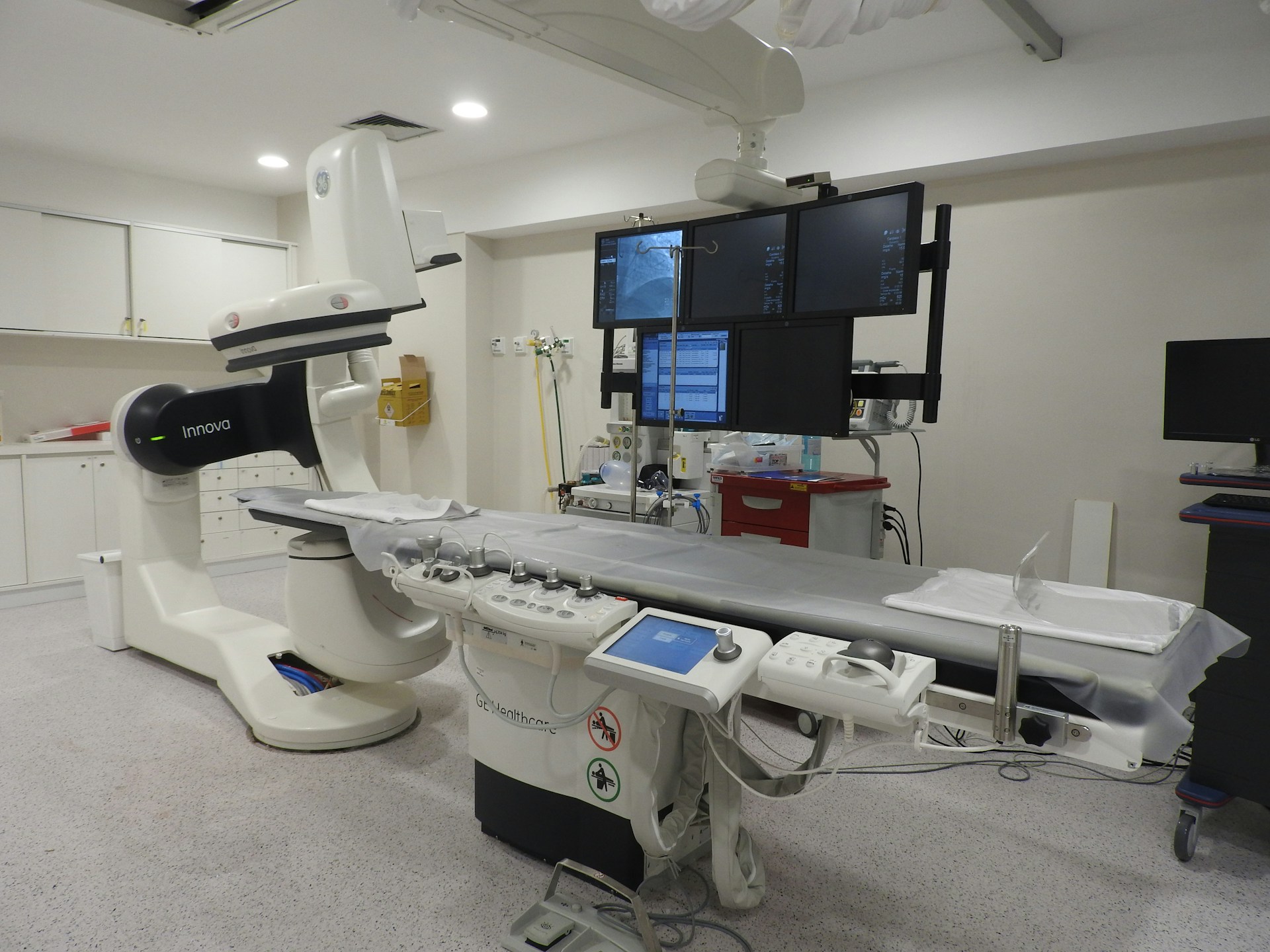
Modern and advanced medical equipment contributes to the precise and prompt diagnosis of diseases. Advanced imaging devices such as Magnetic Resonance Imaging (MRI), Computed Tomography (CT) scans, and Electrocardiogram (ECG) machines provide detailed images and accurate information that help physicians detect diseases at early stages and precisely determine their characteristics. Early diagnosis can lead to more effective treatment and increase the chances of full recovery.

Improved Treatment Outcomes:

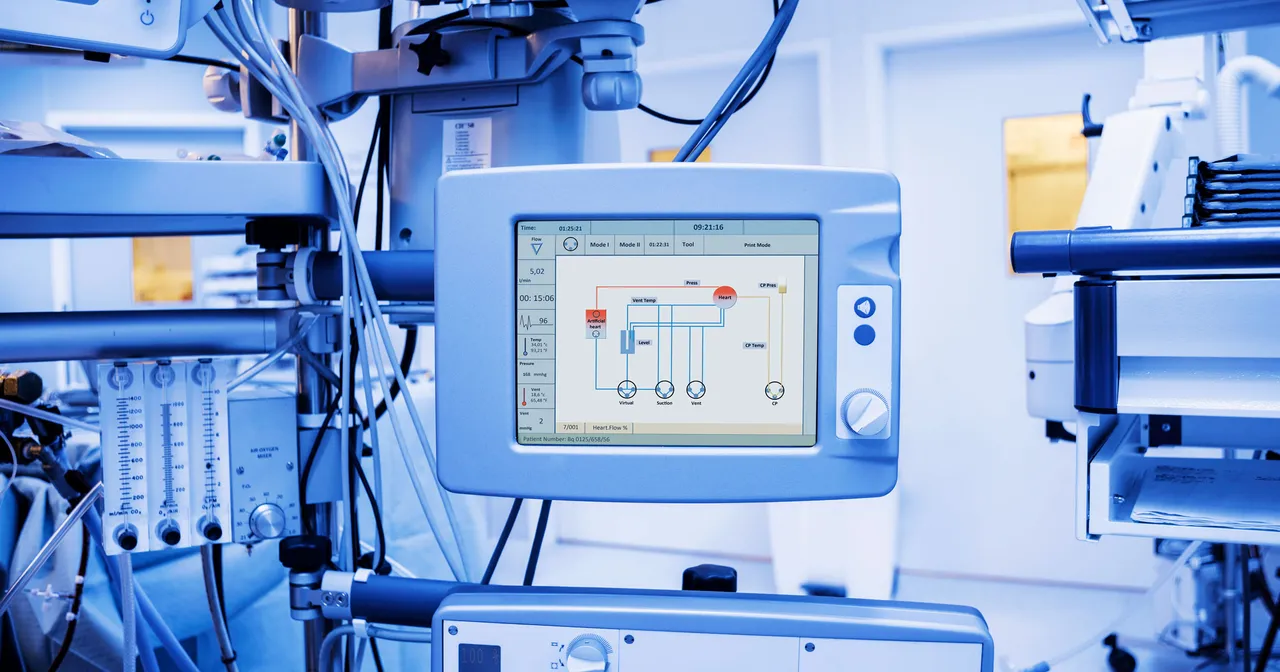
The impact of choosing the right medical equipment extends to improving the treatment outcomes of diseases. Advanced medical devices, such as ventilators, blood pumps, artificial heart devices, and minimally invasive surgical instruments, provide effective tools for delivering appropriate treatment for a variety of conditions. These technologies help accelerate the recovery process, reduce the risk of complications, and enhance the overall quality of life for patients.

Reducing the Risk of Injuries and Complications:

Selecting the appropriate medical equipment can significantly reduce the risk of injuries and complications among patients. Modern patient monitoring systems offer continuous surveillance of vital signs and provide timely alerts in case of any abnormal changes, allowing the medical staff to intervene swiftly. Moreover, the use of minimally invasive surgical tools reduces the size of incisions, shortens recovery periods, and minimizes the risk of infections and other complications associated with traditional surgery.

Enhancing Operational Efficiency in Hospitals:

The adoption of modern medical equipment leads to improved operational efficiency within hospitals. Advanced devices can streamline workflows, enhance data management, and reduce the length of hospital stays. For instance, remote patient monitoring systems can decrease the need for frequent in-person visits to the hospital or clinic, thereby reducing healthcare costs. Additionally, the implementation of automated systems minimizes human error and increases the speed and accuracy of clinical processes.

Choosing the right medical equipment for your hospital is a strategic decision that profoundly affects the quality of healthcare, patient outcomes, and operational efficiency. It requires a comprehensive and well-thought-out approach that considers patient needs, safety, accuracy, reliability, training, technical support, and a detailed analysis of economic viability and long-term value.

Collaboration among doctors, technicians, and administrators is essential during the equipment selection process to ensure that the needs of all stakeholders are met. The selection of medical equipment should be viewed as an ongoing process that necessitates regular evaluation and updates to keep pace with technological advancements and changing patient needs. By making informed decisions, hospitals can ensure that they are equipped with the best medical equipment to provide high-quality and effective healthcare to their patients.

If you wish to receive comprehensive courses in the field of biomedical engineering to develop yourself and enhance your skills, HSI provides you with the necessary tools to ensure a bright future as a biomedical engineer. All you need to do is check out our services and contact us for more information.

The Role of AI in Predictive Maintenance of Medical Equipment

The medical field is undergoing an unprecedented revolution through the integration of artificial intelligence technologies. This innovative advancement is transforming the way doctors diagnose diseases, develop new treatments, perform surgeries, and even maintain medical equipment.

Unexpected equipment failures can lead to significant issues in healthcare institutions. But what if there were a way to predict a malfunction before it occurs? That’s exactly what we’ll explore in this article on the role of AI in predictive maintenance of medical equipment—aimed at reducing the risks of catastrophic or costly problems before they happen.

What is Predictive Maintenance in Medical Equipment?

Healthcare facilities typically rely on scheduled preventive maintenance or immediate repairs when equipment breaks down. However, this approach may not always be effective, often leading to sudden equipment downtime that negatively impacts patient care. This is where predictive maintenance comes in—a proactive approach designed to anticipate and prevent equipment failures.

Predictive Maintenance of Medical Equipment

Predictive maintenance is an efficient solution that relies on automation and AI to foresee equipment failures before they occur. Modern medical equipment is often equipped with sensors that collect real-time data on performance metrics. This data is then fed into AI algorithms that analyze trends and detect potential issues. Through continuous monitoring of equipment conditions, these AI-powered systems can predict possible malfunctions and schedule maintenance interventions in advance.

One of the key techniques used in this type of maintenance is condition-based monitoring, where sensors gather data on equipment health and performance. Machine learning then analyzes this data to detect early warning signs of potential issues, enabling maintenance teams to act proactively.

Predictive maintenance in medical equipment helps:

  • Avoid costly and unplanned downtimes
  • Reduce unnecessary maintenance tasks
  • Extend equipment lifespan by preventing premature failures
  • Improve maintenance scheduling

AI in Medical Equipment Maintenance

The role of AI in predictive maintenance of medical equipment goes beyond simply integrating technology to ensure smooth operations, prolong equipment life, and enhance patient safety. AI remains a driving force in the development of medical technologies. The integration of AI advancements positions predictive maintenance as a critical element in transforming healthcare equipment management and paving the way for a new era of patient-centered care.

By embedding AI algorithms, medical equipment can be programmed to perform tasks independently or with minimal human intervention, setting a new standard in the reliability and efficiency of medical services.

How Artificial Intelligence Works in Predictive Maintenance of Medical Equipment

Artificial intelligence in predictive maintenance relies on a complex process involving predictive analytics, machine learning, and data collection. Therefore, understanding the fundamental AI concepts is essential to grasp how machines learn.

Data Collection and Analysis

The role of AI in predictive maintenance of medical equipment is a modern approach to collecting and analyzing data from medical devices. AI uses sensors installed on medical equipment to continuously collect data, then analyzes trends to detect issues before they become critical.

Predictive Analytics

As part of AI’s role in predictive maintenance of medical equipment, machine learning and data analysis are used to predict the behavior of equipment. This helps reduce risks and enables swift action in healthcare operations.

Predictive Maintenance of Medical Equipment

Supervised Learning

AI models trained on labeled datasets improve the accuracy of predicting equipment failures, with a focus on enhancing AI’s role in medical devices.

Unsupervised Learning

AI is essential for gaining deep insights from medical device data analytics, as it can identify anomalies and unexpected issues without prior labeling.

Reinforcement Learning

This involves training an agent to interact with an environment and learn optimal actions through trial and error. It can be used to enhance maintenance scheduling or resource allocation strategies to minimize unplanned downtime and boost reliability.

The Role of AI in Predictive Maintenance

AI tools are designed to simulate human intelligence in performing specific tasks, allowing these tasks to be completed automatically instead of manually. In the case of predictive maintenance, AI solutions can analyze current operating conditions and search for indicators that a device might fail in the future—even if no apparent operational problems exist. By assessing the current performance against baseline data, AI tools can detect slight efficiency drops that signal the need for maintenance.

The role of AI in predictive maintenance of medical equipment includes the following:

1. Generating Work Instructions

Generative AI can analyze historical maintenance data, equipment specifications, and sensor readings to create customized work instructions for technicians. These instructions are clear, precise, and tailored to the specific needs of each maintenance task, minimizing errors and improving first-time fix rates.

2. Optimizing Work Order Planning

By analyzing historical trends and predicting potential equipment failures, generative AI integration helps schedule maintenance activities more efficiently. This allows preventive maintenance to occur before failures, reducing downtime and associated costs.

3. Supporting Reliability Engineering

AI helps analyze sensor data and maintenance history to identify patterns indicating potential equipment degradation. This enables proactive maintenance actions, ensuring efficient equipment operation and avoiding unexpected failures.

Predictive Maintenance of Medical Equipment

4. Analyzing and Applying Maintenance Standards

AI can be trained on industry standards and regulations related to equipment maintenance. This allows it to review existing maintenance plans and identify areas that may not comply with current standards—improving safety and regulatory compliance.

5. Updating Maintenance Quality

AI can continuously learn and improve from new data. As it analyzes outcomes of completed maintenance tasks, it can identify areas for procedural improvement or where new techniques may be applied. This ongoing feedback loop supports continuous enhancement of the quality and effectiveness of maintenance practices.

Benefits of AI-Enhanced Predictive Maintenance

AI-enhanced predictive maintenance significantly contributes to reducing maintenance costs through proactive measures that address potential failures before they occur. Algorithms analyze sensor and monitoring system data to detect early warning signs, enabling timely intervention to prevent breakdowns and reducing the need for costly emergency repairs.

It helps extend the lifespan of equipment by addressing issues early and avoiding unnecessary stress on the machines. This leads to fewer replacements and minimized downtime.

It improves operational efficiency by optimizing maintenance schedules, allowing maintenance teams to accomplish more with fewer resources, lowering labor costs, and increasing overall technician productivity.

Predictive Maintenance of Medical Equipment

Applications of AI in Predictive Maintenance of Medical Equipment

AI-based predictive maintenance is an advanced step toward improving the quality and efficiency of healthcare by reducing unexpected failures and ensuring the continuous operation of critical medical equipment. In this context, the applications of AI in predictive maintenance of medical devices fall into three main areas: medical imaging equipment, diagnostic devices, and life support systems. Each area includes a range of devices that benefit from AI’s ability to predict failures, enhance performance, and reduce sudden downtime that may negatively impact the quality of healthcare services provided to patients.

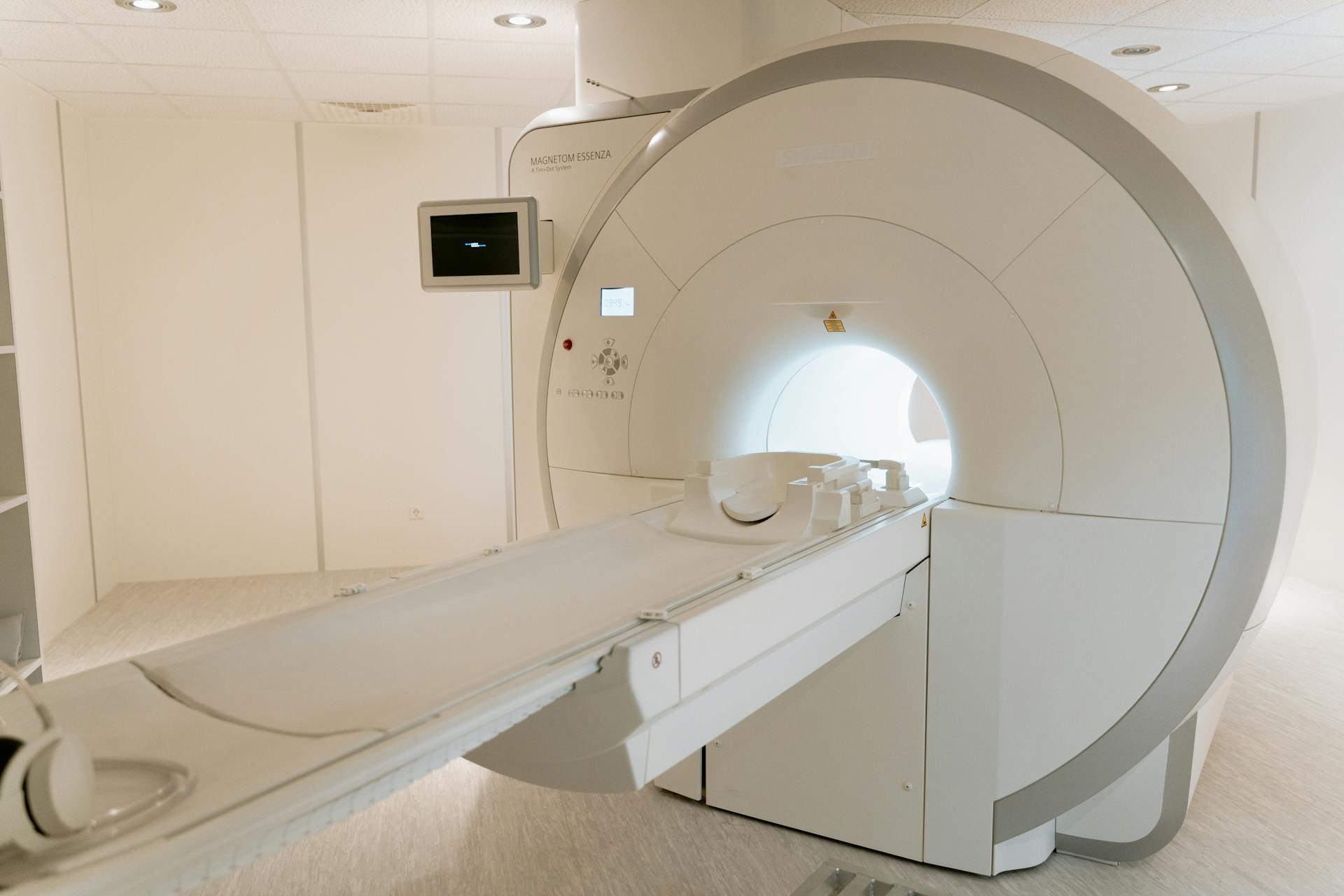
MRI (Magnetic Resonance Imaging) Machines

AI-powered predictive maintenance for MRI machines involves continuous monitoring of components to ensure optimal performance and reduce downtime. AI algorithms analyze data patterns to predict potential issues, enabling immediate intervention and avoiding delays in diagnosis.

X-Ray Machines

Predictive analytics, component deviation detection, and failure forecasting are key areas where AI is applied to X-ray machines. By taking a proactive approach, AI helps prevent unplanned interruptions and ensures smooth diagnostic operations.

Blood Analyzers

Real-time monitoring of baseline parameters is a key aspect of AI-driven predictive maintenance for blood analyzers. AI systems forecast potential failures by studying data trends, allowing issues to be addressed before they impact diagnostic accuracy.

ECG (Electrocardiogram) Devices

AI is used in predictive maintenance of ECG machines to monitor device components and signal quality. This proactive approach ensures the continuous availability of accurate cardiac data, aiding in fast and reliable patient diagnosis.

Ventilators

Predicting issues related to airflow, pressure, and sensor performance is a core application of AI in maintaining ventilators. Proactive monitoring ensures the reliability of life support systems, which are critical in emergency care.

Infusion Pumps

AI-powered predictive maintenance for infusion pumps includes monitoring fluid delivery accuracy and pump calibration. AI predicts potential issues by analyzing usage patterns, ensuring the accuracy and continuity of medication dosages.

Source: How AI Is Used in Predictive Maintenance

Regulatory Compliance Challenges in Medical Equipment Planning: A Practical Guide

The healthcare sector faces numerous challenges that necessitate strict adherence to regulatory compliance, particularly in the field of medical equipment planning. Regulatory compliance is the cornerstone of ensuring the delivery of safe and high-quality healthcare services. It protects patients from potential hazards and ensures the implementation of the highest safety and quality standards at all stages. In this practical guide, we will explore the concept of regulatory compliance, its importance in medical equipment planning, the relevant regulatory environments and authorities, the essential components of regulatory compliance, and the technological solutions that facilitate the process, while highlighting common challenges and possible solutions to address them.

What is Regulatory Compliance?

In the healthcare sector, regulatory compliance refers to the process through which healthcare institutions and stakeholders adhere to the laws, regulations, and standards issued by government agencies and regulatory bodies. Regarding medical equipment planning, regulatory compliance involves ensuring that all devices and technologies used comply with the technical and legal requirements aimed at protecting patient health and achieving the highest levels of quality and safety. The objectives of regulatory compliance include:

  • Protecting patients from potential hazards.
  • Ensuring the delivery of effective and safe medical services.
  • Maintaining the reputation of the healthcare institution.
  • Avoiding legal risks and financial penalties resulting from non-compliance.


Importance of Regulatory Compliance in Medical Equipment Planning

Regulatory compliance is of paramount importance in medical equipment planning. It forms the backbone of ensuring patient safety by implementing precise standards that guarantee the efficient operation of devices and reduce the likelihood of medical errors. Adherence to these standards also helps mitigate legal risks that may arise from negligence or non-compliance, thereby protecting the healthcare institution from legal penalties and financial fines that could harm its reputation and operational capabilities.

Furthermore, regulatory compliance is a fundamental element in improving the quality of healthcare services provided. It ensures the use of the latest technologies and equipment that meet patient needs in accordance with international standards. It also enhances trust among patients, investors, and regulatory bodies by demonstrating the institution’s transparency and integrity in all its dealings. In this way, healthcare providers can achieve an ideal balance between innovation in medical equipment planning and strict adherence to the standards necessary to ensure the delivery of safe and effective services.

التنظير التألقي

Regulatory Bodies in the Field of Medical Equipment

The healthcare sector in many countries is characterized by a stringent regulatory environment that imposes precise standards on the planning and use of medical equipment, ensuring patient safety and the quality of services provided. In this context, regulatory bodies play a vital role in monitoring and approving medical devices and ensuring their compliance with the highest safety and efficiency standards.

Among the most prominent of these bodies is the U.S. Food and Drug Administration (FDA), which is a key reference in reviewing and approving medical devices before they are placed on the market and also monitors recall processes in case any violations are discovered to ensure consumer protection. Centers for Medicare & Medicaid Services (CMS) also supervise the provision of health insurance services to citizens by setting precise standards related to the planning and use of medical equipment, thereby achieving the highest levels of safety and quality.

Additionally, the Health Insurance Portability and Accountability Act (HIPAA) is an essential part of the regulatory compliance system, focusing on protecting the privacy of health data, especially when exchanging information related to medical equipment and its planning. The health system does not overlook the importance of adhering to local and international regulations, as regulations vary from country to country, requiring healthcare institutions to keep pace with local requirements and apply international standards that contribute to improving the quality of planning and management of medical equipment.

In light of the rapid technological developments in recent times, new regulatory trends are emerging that require regular updates to regulations to keep pace with changes. Digital transformation has become an urgent necessity with the increasing use of electronic systems in data management, which necessitates updating information protection procedures within the framework of regulatory compliance. The spread of virtual care services has also led to the emergence of new regulatory challenges in monitoring the use of medical equipment and digital technologies, which necessitates reconsidering regulatory frameworks to ensure the provision of advanced and safe healthcare services that meet the needs of the digital age.

Essential Components of Regulatory Compliance

Building a robust regulatory compliance system in medical equipment planning is a comprehensive process that relies on several essential components that contribute to ensuring continuous adherence to regulations and standards. This process begins with the development of effective policies and procedures, where healthcare institutions must formulate clear and comprehensive policies that specify the steps necessary for planning and using medical equipment in accordance with regulatory standards, while maintaining records of documentation and continuous reviews of policies and procedures to demonstrate compliance.

Regulatory Compliance in health

This is followed by training and awareness of employees by providing specialized training courses for all workers, focusing on the importance of regulatory compliance and the application of regulatory regulations for medical equipment planning, and organizing workshops and periodic educational courses to ensure that all employees remain up to date with the latest developments. The process also includes risk assessment and management by conducting periodic assessments to identify weaknesses in medical equipment planning and areas that may be exposed to regulatory risks and developing practical strategies to reduce these risks.

Monitoring and auditing include conducting regular internal audits to ensure that all departments of the institution comply with the policies and procedures followed and implementing corrective action plans in case any violations or deficiencies in the system are discovered.

Technological Solutions to Enhance Regulatory Compliance

With the rapid technological development, digital solutions have become essential tools to improve regulatory compliance in medical equipment planning. These solutions can be divided into three main categories:

Electronic Health Records (EHR) Systems

  • Data Protection: Electronic systems ensure the protection of health information through advanced encryption techniques and multiple verification procedures, thereby enhancing regulatory compliance.
  • Accurate Documentation: Electronic health records provide comprehensive and accurate documentation of medical information, which helps achieve compliance standards by tracking details.
  • Notifications and Alerts: Modern systems provide users with instant alerts when any malfunction occurs, allowing for quick corrective actions.

Regulatory Compliance Management Software

  • Policy and Procedure Management: These programs facilitate the creation and updating of a central library of policies and procedures, increasing compliance transparency.
  • Training and Certification Tracking: Institutions can track training courses and their results to ensure employees are familiar with regulations.
  • Conducting Audits: Compliance programs simplify internal audit processes by collecting and analyzing data automatically, reducing manual effort.

Data Encryption Technologies and Security Solutions

  • Data Encryption: Institutions use advanced encryption techniques such as AES to protect data during transmission and storage.
  • Access Control Systems: RBAC is implemented to ensure employees access data according to their responsibilities only.
  • Periodic Security Assessment: Penetration tests are conducted to detect and address security vulnerabilities, enhancing information protection.

Challenges and Solutions for Medical Equipment Planning

Healthcare institutions face several challenges during the implementation of regulatory compliance, and these challenges and their solutions can be divided into four main categories:

Compliance Fatigue

  • Challenge: Employee fatigue due to continuous adherence to regulations and procedures.
  • Impact: Increased risks and non-compliance with procedures.
  • Solutions:
    • Periodic training and awareness of the importance of compliance.
    • Use of compliance management programs and automated tools.
    • Employee motivation and rewards.

Keeping Pace with Regulatory Changes

  • Challenge: Continuous changes in regulations and laws.
  • Impact: Reliance on outdated policies, legal penalties, and operational risks.
  • Solutions:
    • Appointing specialized teams to monitor regulatory developments.
    • Subscribing to specialized publications from regulatory bodies.
    • Using specialized software that automatically updates data.

Regulatory Compliance in health

Challenges Related to Data Security and Information Privacy

  • Challenge: Protecting sensitive data from cyberattacks.
  • Impact: Financial losses, erosion of patient trust, and legal penalties.
  • Solutions:
    • Enhancing encryption technologies to protect information.
    • Implementing strict access control policies.
    • Training employees on data protection and cybersecurity.

Balancing Regulatory Compliance and Quality of Patient Care

  • Challenge: Difficulty balancing compliance and providing personalized and rapid healthcare.
  • Impact: Delays in decision-making, and negative impact on service delivery speed.
  • Solutions:
    • Simplifying procedures to integrate compliance standards into daily operations.
    • Using smart technologies to monitor compliance automatically.
    • Involving medical staff in policy development to ensure quality care.

Regulatory compliance in medical equipment planning is an imperative to ensure patient safety, improve the quality of health services, and avoid legal and operational risks. Adherence to regulatory regulations and standards is the foundation upon which the success of healthcare institutions in facing the increasing challenges in a rapidly changing regulatory environment is based.

Building an integrated regulatory compliance system requires the adoption of essential components that include accurate policies and procedures, continuous training and awareness, risk assessment and management, and periodic monitoring and auditing. The use of advanced technological solutions is also a key pillar to facilitate planning and data management, contributing to achieving the highest standards of regulatory compliance.

HSI Center for Health Training and Consulting provides specialized courses and consulting services that keep them aware of the latest developments in the medical field, helping them provide the best level of service and care to patients.

Wearable Medical Devices: How AI is Shaping the Future of Healthcare

In recent years, the healthcare sector has witnessed groundbreaking technological advancements, with the integration of artificial intelligence (AI) bringing a paradigm shift in patient care. One of the most notable developments is wearable medical devices, which are revolutionizing healthcare. These innovative devices not only transform how we monitor and manage our health but also unlock new possibilities in medical research and personalized medicine. In this article, we will explore these advancements in detail.

What Are Wearable Medical Devices?

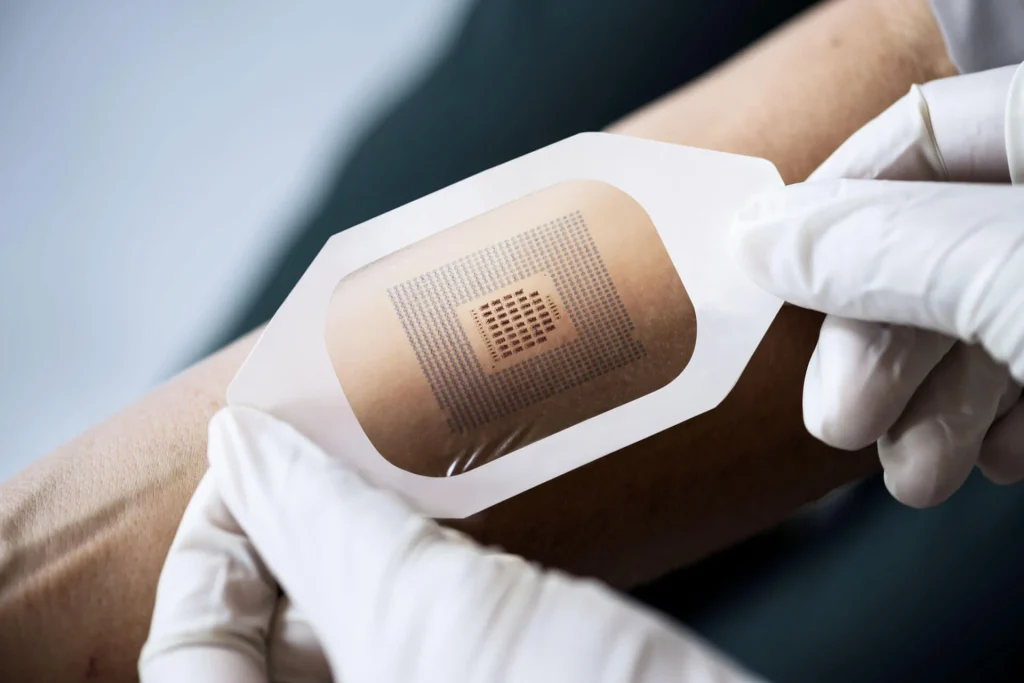
Wearable medical devices are small, portable electronic devices worn on the body, capable of collecting, analyzing, and transmitting a wide range of health data. These devices can monitor various vital signs, such as heart rate, blood pressure, and temperature, providing real-time information that can be used for early disease detection or chronic condition management. With technological advancements, these devices have become more sophisticated, offering features such as ECG monitoring, continuous glucose monitoring (CGMs), and even sleep tracking.

Wearable Medical Devices - How AI is Shaping the Future of Healthcare

Benefits of AI-Powered Wearable Medical Devices

The integration of AI in wearable medical devices is transforming healthcare by providing patients and healthcare providers with continuous, data-driven insights. This personalized approach enhances patient care, particularly in managing chronic diseases and promoting preventive health measures. By tailoring interventions to individual needs, AI-powered wearables improve patient outcomes, enhance healthcare services, and empower individuals to take control of their health. Here are some key benefits of incorporating AI into these devices:

1. Enhanced Monitoring and Early Detection

AI-powered wearable devices continuously monitor vital signs and detect irregularities, enabling early detection of health risks such as arrhythmias or sudden changes in blood sugar levels—often before noticeable symptoms appear. This allows timely interventions and has shown promising results in detecting atrial fibrillation, potentially preventing strokes.

2. Personalized Treatment Plans

By analyzing individual health data, AI tailors’ treatment recommendations to meet specific patient needs, optimizing medication dosages, exercise routines, or dietary adjustments for more effective care. For instance, AI can adjust insulin doses for diabetics based on real-time glucose readings or suggest lifestyle modifications for hypertension patients.
3. Better Chronic Disease Management

Continuous monitoring enables more effective management of chronic diseases, particularly where one-size-fits-all treatments often fall short, such as diabetes, hypertension, and cardiovascular conditions. This reduces complications and hospital admissions, leading to more responsive care.
Wearable Medical Devices - Future of Healthcare

4. Empowering Patients

AI-powered wearable medical devices enhance patient engagement by providing real-time health insights, personalized health tips, and reminders, enabling individuals to manage their health more effectively.

5. Improved Patient Outcomes

By facilitating early interventions and continuous data-driven analysis, wearable devices improve long-term healthcare outcomes. Preventing severe complications, reducing hospital admissions, and minimizing emergency visits ultimately enhance patients’ quality of life.

6. A Key Role in Preventive Medicine

AI-powered medical devices play a crucial role in preventive medicine. Through continuous monitoring of vital signs and daily activities, these devices help individuals identify potential health risks and make informed decisions to prevent illnesses. For example, a wearable device tracking physical activity and sleep patterns can provide valuable insights into lifestyle habits that may contribute to obesity or sleep disorders.

7. Enabling Individuals to Take Charge of Their Health

Patients can easily track their progress and share data with their doctors, facilitating informed decision-making in diagnosis and treatment. For example, individuals with chronic conditions can use wearables to monitor symptoms and make necessary lifestyle or medication adjustments, ultimately leading to better health outcomes and quality of life.

How Wearable Medical Devices Support Medical Research

The benefits of wearable medical devices extend beyond patients; they also offer significant advantages to the medical research community. In clinical trials, these devices play a crucial role in collecting accurate and reliable data. Traditional data collection methods often rely on self-reported information or intermittent measurements, which can be prone to errors. In contrast, wearable devices provide continuous and objective data, offering a more comprehensive view of a patient’s health.

By integrating these devices into clinical trials, researchers can gather real-time data on how patients respond to treatments, identify potential side effects, and monitor adherence to prescribed therapies. This wealth of information allows for more precise assessments of the efficacy and safety of new treatments, ultimately accelerating drug development and bringing new medications to market faster.

How Do Wearable Medical Devices Work?

Wearable medical devices are equipped with sensors that continuously collect data on vital signs, physical activity, and other health metrics. This data is then transmitted to a smartphone or another connected device for analysis and interpretation. Some devices provide real-time feedback, while others store the information for healthcare professionals to review later.

Wearable Medical Devices

Types of Wearable Medical Devices

  1. Wearable medical devices come in a variety of forms, catering to different health needs and preferences. Here are some common examples:
  2. Fitness Trackers: Monitor physical activity, heart rate, sleep patterns, and calorie consumption.
  3. Smartwatches: Many smartwatches include health monitoring features, such as heart rate tracking, blood pressure monitoring, and ECG functionality.
  4. Continuous Glucose Monitors (CGMs): Essential for individuals with diabetes, these devices provide real-time blood sugar readings without the need for finger pricks.
  5. Wearable ECG Monitors: Detect irregular heart rhythms and other cardiac issues, enabling early intervention and heart attack prevention.
    Smart Rings: Compact devices offering various health monitoring features, including heart rate tracking, blood oxygen levels, and sleep analysis.
  6. Wearable Biosensors: Advanced devices capable of measuring multiple biomarkers, such as stress levels and skin temperature.
  7. AI-Powered Devices: Enhance data analysis, allowing for precise health monitoring and predictive insights.
  8. Sleep Management Devices: Track sleep patterns and provide actionable insights to improve sleep quality and overall health.
  9. Wearable Hearing Aids: Advanced hearing aids and smart earbuds that offer hearing assistance, health tracking, and seamless connectivity.
  10. Smart Glasses: Enhance vision, provide real-time data, and assist in rehabilitation or accessibility solutions.
  11. Wearable Robots: Aid mobility and rehabilitation, supporting physical therapy and improving movement.
  12. Smart Clothing: Garments embedded with sensors to track physical activity, posture, and health metrics.

The Future of Wearable Medical Devices

The field of wearable medical devices is advancing rapidly, and we can expect to see smaller, more comfortable devices with expanded capabilities. Integration with artificial intelligence (AI) will enable more sophisticated data analysis and personalized recommendations. Moreover, wearable technology will play an increasingly vital role in managing chronic diseases, monitoring mental health, and providing remote patient care.
How AI is Shaping the Future of Healthcare

Challenges Facing Wearable Devices

While wearable medical devices significantly enhance healthcare, they also face several challenges that must be addressed:

  1. Data Privacy and Security: Protecting sensitive health data is crucial to prevent unauthorized access.
  2. Regulatory Compliance: The development and commercialization of these devices must adhere to strict regulatory guidelines to ensure safety and effectiveness.
  3. User Adoption: Ensuring that individuals wear and use these devices correctly is essential for accurate data collection and effective health management.
  4. Battery Life: Limited battery life can be inconvenient and hinder continuous monitoring.
  5. Data Accuracy: These devices rely on sensors to monitor vital signs, but external factors such as body movement, environmental conditions, or sensor placement can impact data accuracy.

Conclusion

Despite these challenges, wearable medical devices have revolutionized healthcare by offering innovative solutions for monitoring, diagnosing, and treating a wide range of health conditions. With advancements in sensor technology, AI integration, and personalized healthcare, these devices are becoming more accurate, user-friendly, and accessible. As they continue to evolve, they hold great promise for improving patient outcomes, enhancing healthcare management, and reducing the burden on traditional healthcare systems.

source: Wearable Medical Devices: The Future of Healthcare

Your Guide to Medical Equipment Planning in Hospitals and Medical Centers

The field of medical technology is witnessing continuous and rapid advancements, with new and improved equipment being introduced regularly. Therefore, medical equipment planning must keep pace with this dynamic landscape while adhering to strict regulatory standards and managing significant financial investments. This process requires a deep understanding of the hospital’s clinical, technical, and financial needs.

This article aims to provide a detailed overview of the essential steps hospitals need to take to effectively plan for their medical equipment needs in the modern era. By reviewing these steps, hospitals can enhance their ability to deliver exceptional healthcare and achieve long-term sustainability.

Medical Equipment Planning

There is no doubt that modern medical equipment plays a pivotal role in delivering high-quality healthcare and improving patient outcomes. Contemporary hospitals heavily rely on a wide range of advanced devices for diagnosis, treatment, monitoring, and rehabilitation. The efficiency and proper availability of these devices directly impact the quality of healthcare services provided and the effectiveness of clinical operations.

Moreover, medical equipment is highly complex, and its technology is constantly evolving. As a result, it requires a high level of knowledge regarding precise installation procedures, design standards, and environmental conditions to ensure optimal performance. These requirements present numerous design challenges while also considering intricate logistics and reducing overall costs.

Medical Equipment Planning

Essential Steps for Medical Equipment Planning in Modern Hospitals

Medical equipment planning is not merely a logistical task; it is a strategic necessity for modern hospitals. This planning involves adopting a comprehensive approach to ensure that hospitals acquire the right equipment, in the right place, at the right time, and within the available budget. This strategic perspective is essential for optimizing resource allocation and achieving the hospital’s organizational goals.

1- Understanding the Hospital’s Needs

The fundamental step in planning medical equipment is a comprehensive understanding of the patient population served by the hospital. This includes analyzing demographics, prevailing health conditions, and social and economic factors to predict the types and volumes of medical services required. For instance, the needs of a hospital in an area with a large elderly population will differ from those of a hospital serving a younger demographic.

It is also crucial to clearly define the specialized departments and services offered by the hospital. These specific departments and services directly determine the hospital’s equipment requirements. For example, the cardiology department will require different equipment from the orthopedic surgery department, and a pediatric hospital’s needs will differ from those of a facility focused on elderly care. Therefore, a clear understanding of the hospital’s specialization and service portfolio is essential for effective medical equipment planning.

Before planning for new equipment, it is necessary to evaluate the current inventory of medical devices. This includes documenting the specifications, age, condition, and functions of existing equipment to determine whether upgrades or replacements are needed. This assessment helps avoid unnecessary purchases and ensures that the hospital’s equipment aligns with its present and future needs.

A comprehensive needs assessment forms the basis of effective medical equipment planning, ensuring that the procurement of equipment aligns with the hospital’s mission and patient needs. Without a clear understanding of whom the hospital serves and what services it offers, any effort to plan for medical equipment will be misplaced. Analyzing patient demographics helps predict the types and volumes of medical services required, which in turn determines the necessary equipment. Similarly, knowing the current inventory prevents over-purchasing and highlights areas that need updating.

2- Planning for Functionality and Efficiency

Medical equipment planning should focus on seamlessly integrating technology with the existing hardware and IT systems in the hospital while considering future technological developments. Modern medical devices often need to integrate with the hospital’s existing IT systems, such as electronic health records and other medical devices. The planning must account for the compatibility and interoperability of new equipment to ensure smooth data exchange and efficient workflows. Moreover, anticipating future technological advancements is critical to avoid purchasing equipment that may quickly become obsolete.

Prioritizing the selection of user-friendly equipment is essential to reduce the training time required for staff and enhance efficiency among healthcare professionals. User-friendly devices with intuitive interfaces can significantly decrease the time needed for staff training and reduce the likelihood of errors, ultimately leading to increased efficiency and improved patient care.

Medical equipment planning should also include developing comprehensive maintenance and service plans to ensure continuous equipment availability and prolong its lifespan. Regular maintenance is vital for ensuring that medical devices remain operational and perform optimally. Detailed maintenance schedules and service agreements should be developed as part of the planning process to extend equipment life and minimize downtime.

Effective workflow design around dedicated medical equipment is essential to enhance patient outcomes and staff productivity. Careful planning of the placement and utilization of medical equipment improves workflow, boosts patient throughput, and enhances staff productivity. This involves considering the physical layout of departments and the sequence of steps involved in patient care.

Planning for functionality and efficiency goes beyond mere equipment acquisition—it includes ensuring that equipment is effectively used and maintained within the hospital’s operational context. Modern hospitals are complex ecosystems where different technologies must interact seamlessly. Medical equipment planning must consider this interoperability to avoid compatibility issues that could hinder workflows and compromise patient care. Similarly, user-friendly designs reduce the learning curve for staff, leading to quicker adoption and fewer errors, while proactive maintenance planning minimizes downtime and ensures that equipment remains in optimal working condition.

3- Financial Considerations and Budgeting

Budgeting is a critical aspect of medical equipment planning, requiring meticulous financial planning to secure the best equipment at a sound investment. This involves considering not only the initial purchase price but also the long-term costs associated with maintenance, supplies, and operations to determine the total cost of ownership.

Hospitals invest in new equipment to enhance patient care, operational efficiency, diagnostic accuracy, and treatment outcomes. Evaluating the potential return on investment (ROI) helps justify the expenditure by demonstrating the expected benefits over time. Various financing options are available for acquiring medical equipment, including capital expenditure budgets, government grants, and leasing agreements. Medical equipment planning should explore these options and understand their respective advantages and disadvantages to make informed financial decisions.

Financial planning is a crucial aspect of medical equipment planning and requires a comprehensive understanding of the total cost of ownership and potential funding sources. The decision to acquire medical equipment involves a significant financial commitment that must extend beyond the initial purchase price to include long-term costs such as maintenance, supplies, and operational expenses. Evaluating the ROI helps justify the investment by highlighting the potential benefits in terms of improved patient outcomes, increased efficiency, or higher revenues. Exploring various financing options allows hospitals to optimize their financial resources and facilitate the necessary acquisitions.

4- Safety and Regulatory Compliance

Patient and staff safety must be a top priority in medical equipment planning. This involves selecting equipment with robust built-in safety features that minimize the risks associated with its use. Adhering to regulatory standards is one of the most critical steps in medical equipment planning, which includes compliance with local building codes, national legislation, and industry standards, as well as guidelines and regulations set forth by agencies such as the U.S. Food and Drug Administration (FDA).

When planning for new hospital equipment, it is essential to provide proper training for the staff to ensure their safety and the effective operation of the equipment. Additionally, when medical equipment reaches the end of its lifecycle, proper disposal methods that comply with regulatory requirements must be considered as part of the equipment plan.

Adhering to safety standards and regulatory compliance is non-negotiable in medical equipment planning, protecting both patients and healthcare professionals. Given the inherent risks associated with medical devices, planning must prioritize safety by selecting equipment with strong safety features and ensuring compliance with all relevant regulations. Adequate training is crucial to minimizing user errors and ensuring safe and effective equipment operation, while responsible disposal of outdated equipment is essential for environmental safety and regulatory compliance.

5- Space Planning and Infrastructure

Medical equipment planners work closely with architects and builders to ensure that there is adequate and appropriate space allocated for each piece of equipment. This includes considering factors such as power requirements, climate control systems, and necessary peripherals, and ensuring the seamless integration of equipment within the healthcare facility. The physical size and weight of the machines must also be taken into account.

Coordinating systems is an important aspect of hospital design, and medical equipment must be synchronized with other building systems such as lighting, alarms, and ventilation. Hospitals should plan for future growth and ensure that spaces are flexible enough to accommodate new medical equipment as needed. Incorporating flexible designs, such as modular interfaces, can facilitate future equipment changes.

Effective medical equipment planning requires a careful study of the physical environment and infrastructure needed to support the proper performance of medical devices. Medical equipment often has specific spatial and structural requirements, so planning must involve close collaboration with architects and engineers to ensure that the facility can accommodate the size, weight, power, and environmental control needs of the chosen equipment. Proper integration with existing building systems is critical for safety and functionality, and planning for future growth ensures that the hospital can adapt to technological advances without significant disruption.

6- Effective Inventory Management

Effective inventory management is the cornerstone of successful medical equipment planning. Inventory management programs play a vital role in ensuring that the appropriate equipment and supplies are available for healthcare facilities when needed. For successful use of barcode technology in medical equipment, barcodes must be clear and well-made, and staff should be provided with appropriate scanning technology to read them. Although not mentioned as a separate point, maintaining an accurate inventory through regular audits is crucial for effective medical equipment planning.

Future Planning for Medical Equipment

Hospitals must look beyond current circumstances and anticipate facility growth over time when planning for medical equipment. Equipment planning should also take into account future technological developments to avoid costly upgrades or replacements.

Future-oriented medical equipment planning involves having a long-term vision for the hospital, ensuring that current investments continue to meet future needs. Hospitals are dynamic entities that may experience growth in patient numbers or an expansion in services over time. Medical equipment planning should not be limited to immediate needs but should also forecast future requirements. Selecting scalable equipment and designing flexible spaces allow hospitals to adapt to these changes without incurring significant future costs or disruptions.

Thorough quality assurance and performance verification are essential steps in medical equipment planning to ensure that the acquired devices meet the required standards and perform as expected. Before putting medical equipment into service, it is crucial to verify that it operates correctly and safely. Comprehensive inspection and testing procedures conducted by qualified biomedical engineers can identify potential issues or defects before they impact patient care. Establishing performance metrics and monitoring equipment effectiveness post-implementation allows for continuous evaluation and ensures that the investment yields the intended benefits.

The Role of Technology in Medical Equipment Planning

The technology used in medical equipment is constantly evolving, which requires a high level of expertise for proper performance. Medical equipment planning must consider future technological developments to avoid costly upgrades or replacements. Specialized computer programs are used for collaborative building design, tracking equipment specifications, generating progress reports, and cost estimates.

Technology plays a dual role in medical equipment planning: as a subject of the planning process and as a tool to facilitate it. The rapid technological advancements in medicine mean that medical equipment planning must be forward-looking and anticipate future innovations. Additionally, technology itself provides valuable tools to manage the complexities of equipment planning—from collaborative design platforms to inventory management systems. The expertise of technology managers is crucial in navigating this evolving landscape and ensuring that technology investments align with the hospital’s strategic objectives.

The Importance of Engaging Medical Equipment Planning Experts

Medical equipment planners possess the knowledge and experience to determine specifications, overall cost, and more. Vendors can ensure that everything is classified correctly and that equipment is shipped to the right location on the right date and time. Experienced professionals can assist organizations in identifying any hospital equipment that their laboratory or facility may require.

Engaging external experts in medical equipment planning can provide valuable insights and ensure a more efficient and effective planning process, especially for complex projects. Medical equipment planning is a specialized field that requires an in-depth understanding of medical technologies, regulatory requirements, and best practices in project management. Involving experienced consultants enables hospitals to access this expertise, helping them make informed decisions, avoid costly errors, and ensure a smooth and successful equipment acquisition process.

Effective medical equipment planning is essential for delivering high-quality patient care and ensuring the long-term success of modern hospitals. By following these fundamental steps, hospitals can enhance their ability to meet the needs of their patients, staff, and the community as a whole.

Are you looking to advance your career in biomedical engineering? HSI Center is your ideal choice for achieving your ambitions. With our specialized and diverse training programs, we equip you with the necessary skills and knowledge to be at the forefront of the continuous evolution in the healthcare industry. Let us accompany you on a journey to build an exceptional professional future through expert guidance and innovative consulting services. Join us now and become one of the pioneers making a real difference in improving the lives of others.

Source: Comprehensive Guide to Medical Equipment Planning, Budgeting, and Procurement

Medical Equipment Planning in New Hospitals

There is no doubt that the process of purchasing medical equipment can be long and complex. Therefore, medical equipment planning is crucial for healthcare facilities, such as hospitals and surgical centers, that strive to maintain a high standard of healthcare quality. But what about purchasing medical devices and equipment when building a new hospital or renovating an existing facility? When should medical equipment planning discussions begin? This article will provide a detailed insight into medical equipment planning in hospital construction projects and its importance.

Medical Equipment Planning Process

Medical devices and equipment are fundamental components of healthcare delivery. Equipping healthcare facilities requires precise planning and prior coordination to ensure that clinical needs and equipment requirements align with appropriate design and functionality. The ultimate goal of planning is to ensure that all selected products are fit for purpose, within the allocated budget, and purchased, delivered, and operated according to the medical institution’s construction program.

Medical Equipment Procurement

Stages of Medical Equipment Planning

Medical equipment planning involves several stages, including equipment assessment, budgeting, equipment selection, defining technical specifications, and equipment procurement. These steps consider the required technology level, programmatic planning goals, and available budget. Each project is unique, and the first step is to understand the medical institution’s strategy and scope to determine equipment needs, as follows:

1- Equipment Assessment

  • Auditing existing equipment, both large and small, to evaluate its efficiency in terms of performance and cost.
  • Preparing a list of responsibilities that defines tasks related to planning, purchasing, receiving, and installation.
  • Evaluating the efficiency and usability of current equipment.
  • Determining the possibility of reusing or relocating equipment to other sites.
  • Preparing a list of new equipment and estimating the initial budget.

2- Budget Preparation

  • Each facility has different financial needs, so interviews are conducted with departments to understand equipment preferences, concerns, and priorities.
  • Reviewing architectural designs to identify elements that may affect equipment functionality or staff operations.

3- Defining Equipment Specifications

Once specifications are finalized, bidding documents are prepared, and a list of potential suppliers is created.

4- Procurement

  • Purchasing medical devices and equipment is the most expensive phase of medical equipment planning and must be done at the lowest possible cost while considering priorities and needs.

5- Receiving and Logistics

  • Coordinating with architects and contractors to ensure the safe delivery and timely installation of equipment.

Medical Equipment Planning

Understanding Medical System Requirements

System coordination is a key factor in hospital design, especially with the ongoing evolution of digitization. Systems such as lighting, alarm devices, and ventilation must all function in perfect coordination to ensure a safe and efficient operational environment. Additionally, advanced medical equipment and surgical tools require precise environmental conditions depending on their usage. Factors such as humidity and temperature must be optimally controlled while ensuring that systems support infection control requirements, which are critical for patient safety during treatment.

Key Considerations When Purchasing Medical Equipment

  1. It is preferable to select equipment that comes with maintenance services and warranty contracts, as these often provide added value for a minimal additional fee.
  2. Room design should be jointly planned by experts, contractors, and healthcare teams to ensure optimal space utilization.
  3. Medical equipment planning helps evaluate institutional needs and ensure compliance with local regulations.
  4. Choosing suppliers with a proven track record of providing direct on-site services and ensuring precise delivery.
  5. Regulatory laws should be considered, and compliance with local and international regulatory standards should be verified when purchasing equipment.
  6. Planning for equipment delivery and installation during non-peak periods ensures minimal disruption to medical operations.
  7. Involving relevant departments that will use the equipment daily in the purchasing process ensures that equipment meets their needs.
  8. Biomedical engineering teams must inspect and test equipment before final acceptance and conduct electrical safety tests before signing contracts.

Challenges in Planning Healthcare Facility Equipment

Medical equipment is highly complex and constantly evolving. Its installation requires specialized knowledge of design standards, precise installation measures, and the necessary environmental conditions to ensure optimal performance. These requirements impose multiple design challenges, along with the need to handle logistical complexities while minimizing overall costs. Below are the key challenges related to medical equipment planning in new hospitals and ways to overcome them.

1- Technological Challenges

Technological challenges represent the first step in identifying issues associated with hospital equipment planning. Equipment planners must determine technological requirements as early as possible to ensure smooth implementation. Key aspects to consider include:

  • Actual size: What is the size of the equipment? What are the required dimensions for the treatment room?
  • Weight: Is the equipment heavy? Does the floor structure need additional reinforcement?
  • Accessibility: What are the access requirements for medical staff, patients, and maintenance teams?
  • Facilities and services: What facilities are required (electricity, water, ventilation, etc.)?
  • Integration with Electronic Health Records (EHR): Is additional software needed?
  • Risks: Are there any specific risks associated with this equipment?

Medical Equipment Procurement

2- Equipment Procurement

  • The challenges of procuring equipment involve several aspects, such as identifying suppliers, negotiations, maintenance contracts, and equipment delivery.
  • Equipment planners must purchase auxiliary devices and determine installation requirements and costs.
  • They should also develop a plan for protecting and storing equipment before installation, as hospitals may not have adequate storage space for equipment assembly before installation.

3- Project Management

  • Given the limited time allocated for equipment installation, project management must be professionally handled by equipment planners or project managers.
  • This task requires specialized expertise to ensure adherence to deadlines, minimize disruptions, and control costs.
  • Any delays in installation can be costly, making comprehensive coordination at each stage essential to avoid unexpected setbacks.

4- Challenges of Equipment Proximity

Determining the locations of medical devices and equipment relative to one another is essential to ensuring proper performance and avoiding interference. For example, hybrid operating rooms contain large imaging systems that must function seamlessly together, allowing doctors to provide patient care in one location.

5- Managing Complex Logistics

  • The implementation of new medical technologies requires meticulous planning at all levels.
  • Planning begins from the pre-design phase through to the construction phase.

Conclusion

Opening a new hospital is a significant milestone for any organization. Healthcare providers worldwide face an increasingly competitive environment. With continuous technological advancements, healthcare institutions must keep pace with these changes through proper medical equipment planning while considering the costs and other factors discussed in this article. If you own a medical center or hospital and are planning to purchase medical equipment, contact HSI Center, pioneers in biomedical engineering and healthcare solutions, and we will assist you in planning medical equipment for your healthcare institution.

Source: Hospital Medical Equipment Planner

Understanding Medical Device Regulations | Complete Guide

Understanding medical device regulations is of utmost importance for biomedical engineers to ensure the safety of both patients and healthcare providers. In today’s era of rapid technological advancements, sophisticated medical devices such as Magnetic Resonance Imaging (MRI) machines have become integral to diagnosing and treating patients. However, with this progress comes an increased responsibility to thoroughly comprehend device regulations to ensure safety. Medical device regulations serve as a crucial regulatory framework to mitigate potential risks associated with the use of various medical devices. In the following sections, we will provide you with a comprehensive guide to understanding medical device regulations and how to effectively navigate them.

Medical device regulations

Compliance with regulations is not solely the responsibility of the biomedical engineer; it begins at the manufacturing stage. Manufacturers must adhere to specific regulations when producing medical devices and provide safety instructions and guidelines to protect both patients and healthcare professionals. While regulations vary from country to country, there are general principles that apply to all devices.

الاجهزة الطبية

Medical device regulations depend on the type of device, as each category has specific regulatory requirements based on the level of risk it may pose to patients. Medical devices are divided into three classes:

  • Class I: Low-risk devices, which are simple in design and intended for general use.
  • Class II: Moderate-risk devices that must meet specific performance standards.
  • Class III: High-risk devices, which are critical for sustaining patient life and may cause significant harm if misused.

The Importance of Compliance with Medical Device Regulations

Non-compliance with medical device regulations can lead to penalties for manufacturers, such as product recalls, legal accountability, and damage to the company’s reputation. On the other hand, adhering to regulatory requirements for quality and safety enhances a company’s success and competitiveness in the market. Although these regulations differ across countries, their ultimate goals are shared: ensuring the safety and effectiveness of medical devices in healthcare, protecting patients, and safeguarding healthcare professionals.

medical device regulations

Key Types of Regulations to Comply With

As mentioned earlier, there are numerous regulations governing the manufacturing and use of medical devices, but they share common requirements to achieve the overarching goal of safety. Below, we will explore some of the most important regulations that must be adhered to:

1. U.S. Food and Drug Administration (FDA) Regulations

The FDA is one of the most prominent global authorities in the medical field, overseeing the safety of medical devices in the United States. It classifies medical devices into three categories based on risk level:

Class I: Low-risk devices, such as bandages and stethoscopes, subject to general controls.

Class II: Moderate-risk devices, like infusion pumps and surgical gloves, requiring special controls and pre-market notification.

Class III: High-risk devices, such as pacemakers and heart valves, which require pre-market approval for manufacturing and marketing.

FDA vs CE

2. European Union (CE) Regulations

The Medical Device Regulation (MDR) indicates that medical devices comply with EU standards (CE). It covers key aspects such as device classification, which is divided into four main risk categories (I, IIa, IIb, III). Manufacturers must also comply with conformity assessments, prepare detailed documentation for risk evaluations, clinical assessments, and quality systems. Post-market surveillance is another requirement for manufacturers after devices are launched.

3. Health Canada Regulations

In Canada, Health Canada regulates and monitors medical devices. Devices are classified into four categories based on risk level (Class I to Class IV), and compliance with Canadian standards is mandatory before marketing.

4. World Health Organization (WHO) Regulations

The WHO issues guidelines to ensure the quality of medical devices, particularly in developing countries. These guidelines include requirements for clinical evaluations and post-market surveillance. WHO regulations are among the most critical and must be adhered to.

As mentioned, there are numerous regulations that vary from country to country and sometimes even within regions. Therefore, as a biomedical engineer, you must familiarize yourself with the specific regulations you need to comply with to ensure your safety and that of your patients.

How Are Safety Standards for Medical Devices Implemented?

Several professionals are involved in implementing safety standards and ensuring full compliance with regulations. They include:

1- Regulatory Affairs Specialist: Responsible for ensuring that medical devices meet all necessary standards before being marketed and sold. They prepare and submit regulatory documents and coordinate with relevant authorities.

2- Quality Assurance Manager: Oversees quality control processes for medical devices, ensuring manufacturing practices comply with regulations, conducting inspections, and implementing corrective actions to maintain product quality.

3- Compliance Officer: Monitors and enforces medical device regulations within the company, develops compliance programs, and trains employees on regulatory requirements.

How Can You, as a Biomedical Engineer, Start Complying with Medical Device Regulations?

Begin by exploring the key aspects. Gain a foundational understanding of various medical device regulations by enrolling in training courses on quality management systems and safety standards. Then, apply this knowledge practically until you gain sufficient experience to compete effectively in the job market. You can contact us now via the HSI website to explore our services for a better future as a biomedical engineer.

Source: Understanding Medical Device Regulations

All copyrights reserved to © HSI