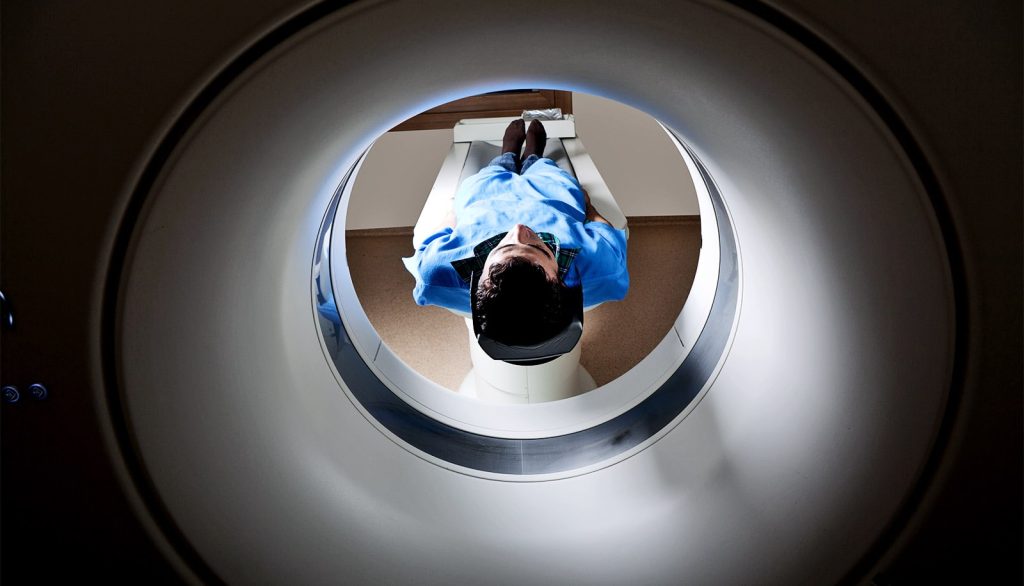
The Role of AI in the Early Detection of Diseases through Medical Imaging

AI’s Role in Early Disease Detection via Medical Imaging
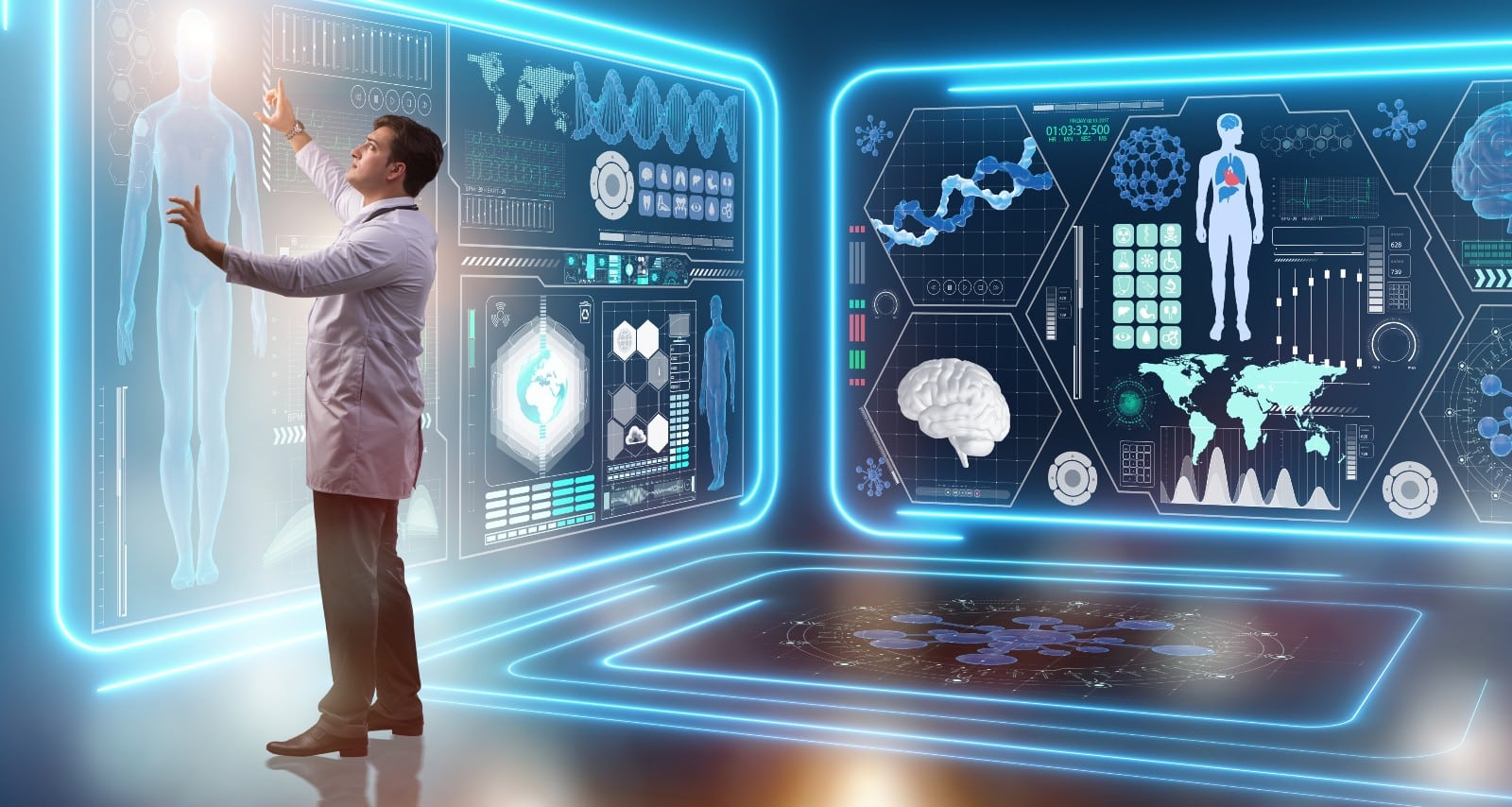
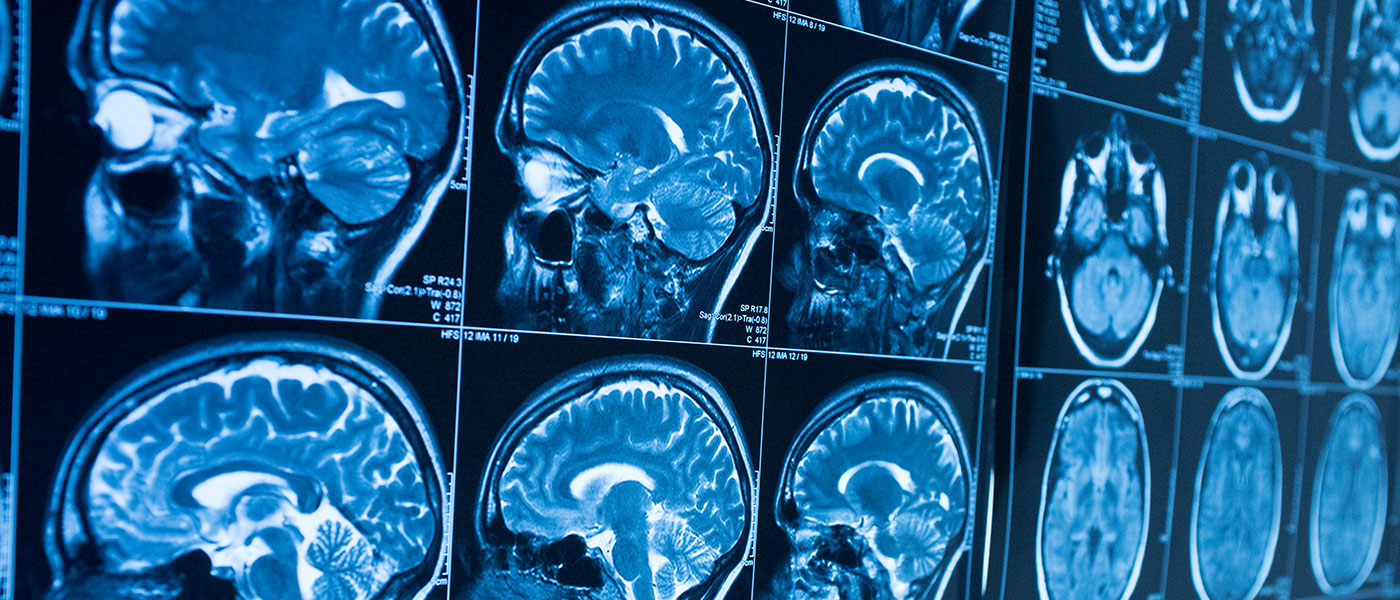
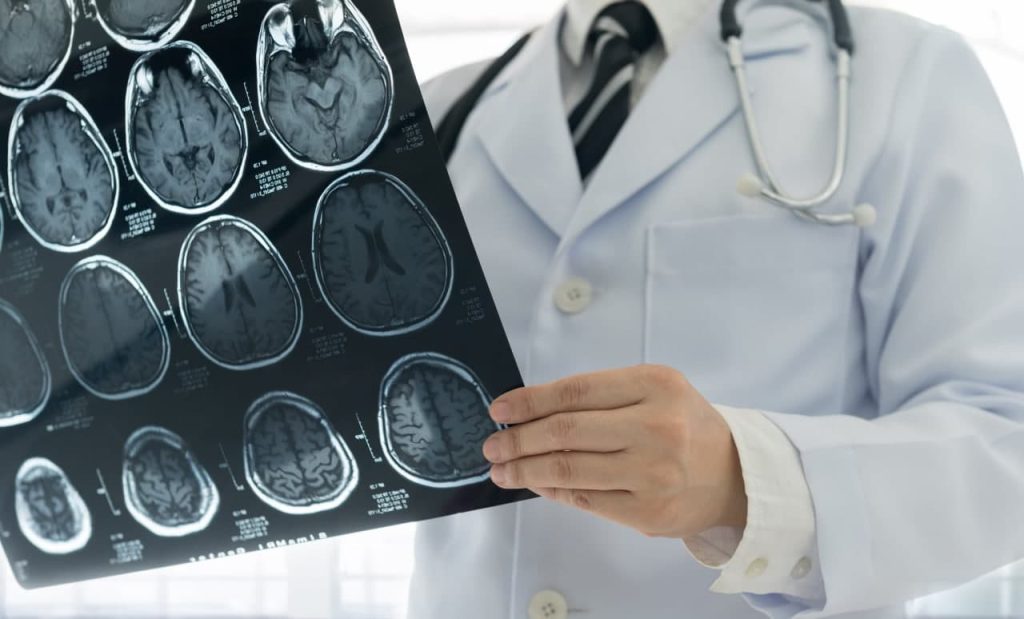
The use of AI in medical imaging represents a major breakthrough in integrating technology into healthcare. This integration is not just a technological advancement, but a qualitative leap in enhancing diagnostic and treatment plans. AI is leveraged in the early detection of diseases through advanced imaging techniques. In this article, we will discuss this role and how it contributes to improving healthcare.

The Importance of AI in Early Disease Detection

We are not exaggerating when we talk about the importance of AI in healthcare and medical imaging. It goes beyond merely improving image quality and processing speed. AI capabilities in medical imaging have evolved from basic diagnostics to aiding in early disease detection. It’s no longer just about faster and clearer images, but also about saving lives through early intervention and providing personalized treatment options.
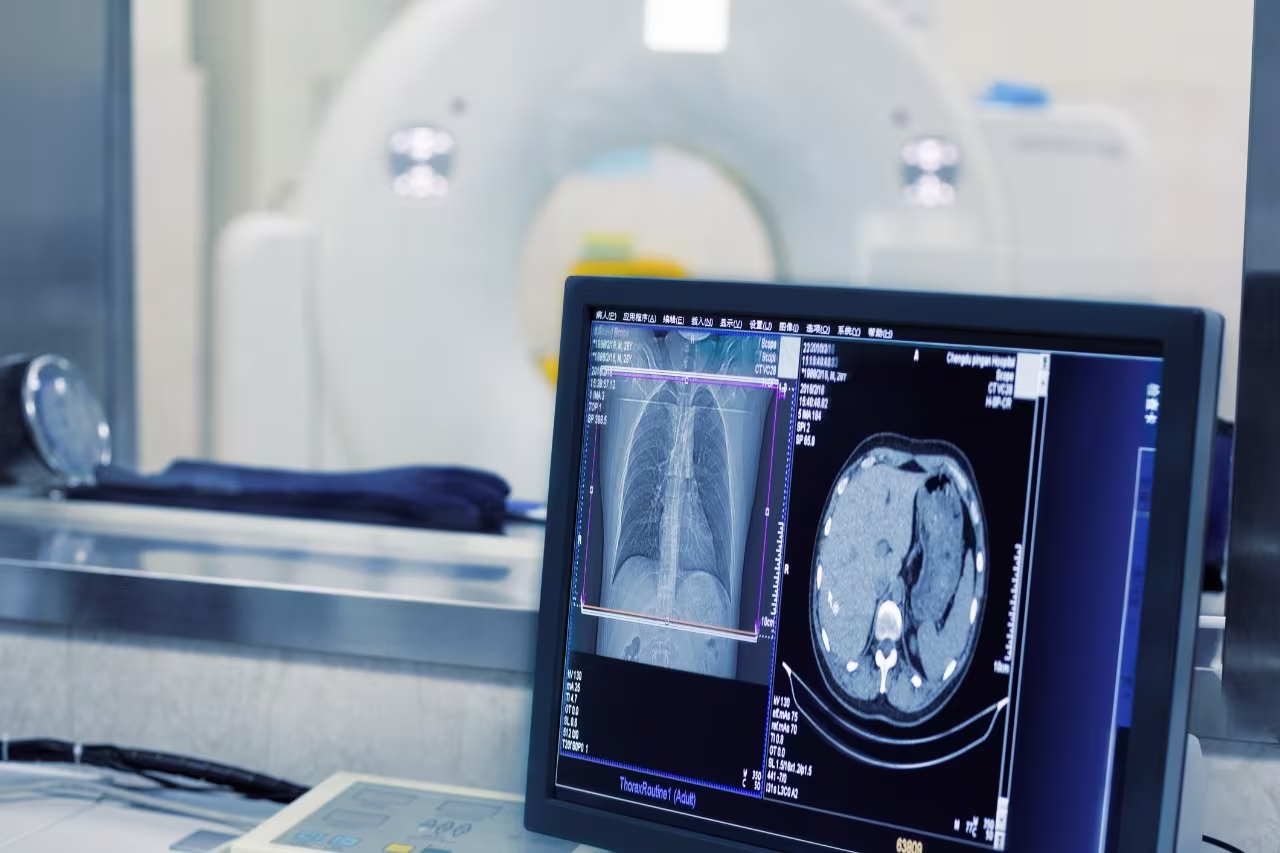
Early Detection of Diseases

These advancements have had a significant impact on healthcare, especially in fields like oncology and neurology, where timely and accurate diagnosis is critical. More specifically, these innovations have significantly increased the number of patients undergoing screenings, enhancing not only patient outcomes and safety but also productivity and cost-effectiveness.

AI Capabilities in Medical Imaging

AI technologies have a multifaceted impact on medical imaging. They improve diagnostic accuracy, reduce human error, and enable early disease detection, ultimately raising the standard of patient care. AI can be utilized in various ways to enhance medical imaging.

The full potential of AI can be realized through the effective use of machine learning and deep learning algorithms, which are now playing a pivotal role in advancing imaging technologies.

AI Improvements in Medical Imaging

  1. One of the most notable advancements is image quality enhancement. AI algorithms can analyze massive volumes of imaging data, learning to detect subtle patterns and anomalies that may be invisible to the human eye. The increased clarity and resolution of these images have paved the way for more accurate diagnoses, such as the ability to detect fractures.
  2. Image processing speed is another area where AI makes a significant difference in early disease detection. In the past, analyzing medical images was time-consuming, which affected the timing of diagnoses and treatment.
  3. Thanks to its ability to quickly process and analyze large datasets, AI significantly reduces the time needed to analyze medical images. As a result, AI systems can now interpret and generate complex images much faster than traditional methods, speeding up the diagnostic process.
  4. By integrating deep learning algorithms, AI can identify patterns associated with specific diseases, making it a powerful tool for early detection and diagnosis. Through advanced image analysis, AI can detect abnormalities such as tumors in their early stages, greatly enhancing the patient experience.
  5. AI also plays a major role in personalized medicine and preventive healthcare. By analyzing medical imaging data alongside a patient’s medical history, AI can provide personalized diagnostic insights, paving the way for more tailored treatment plans.

Key Applications of AI in Medical Imaging

Current AI applications in medical imaging are significantly impacting fields such as radiology, oncology, and neurology. By harnessing AI, medical professionals in these areas can improve the accuracy and efficiency of numerous diagnoses and treat medical conditions more successfully.

These three fields demonstrate how AI applications in medical imaging are not only enhancing current diagnostic and treatment methods but also opening new horizons in personalized medicine. From improving diagnostic accuracy in radiology to aiding in the early detection of cancerous cells and neurological diseases, AI is proving its value in the healthcare sector.

Below are the key fields that benefit from AI in the early detection of diseases.

1. Radiology

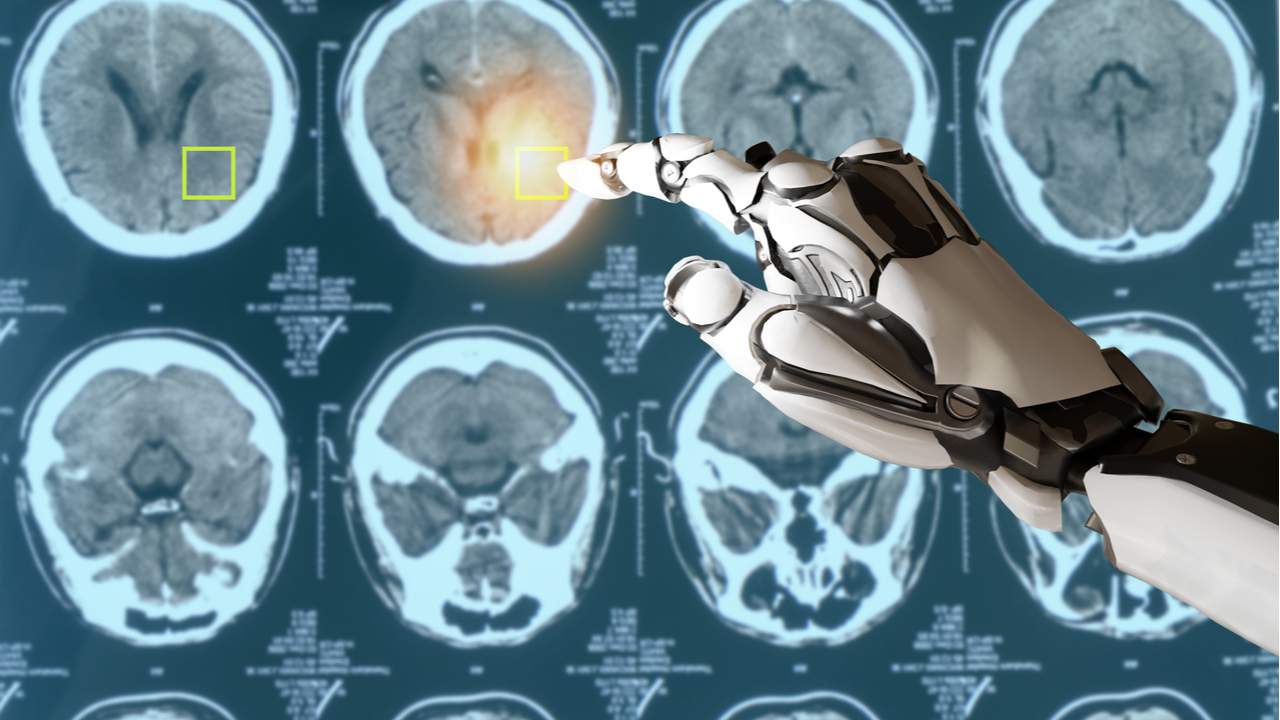
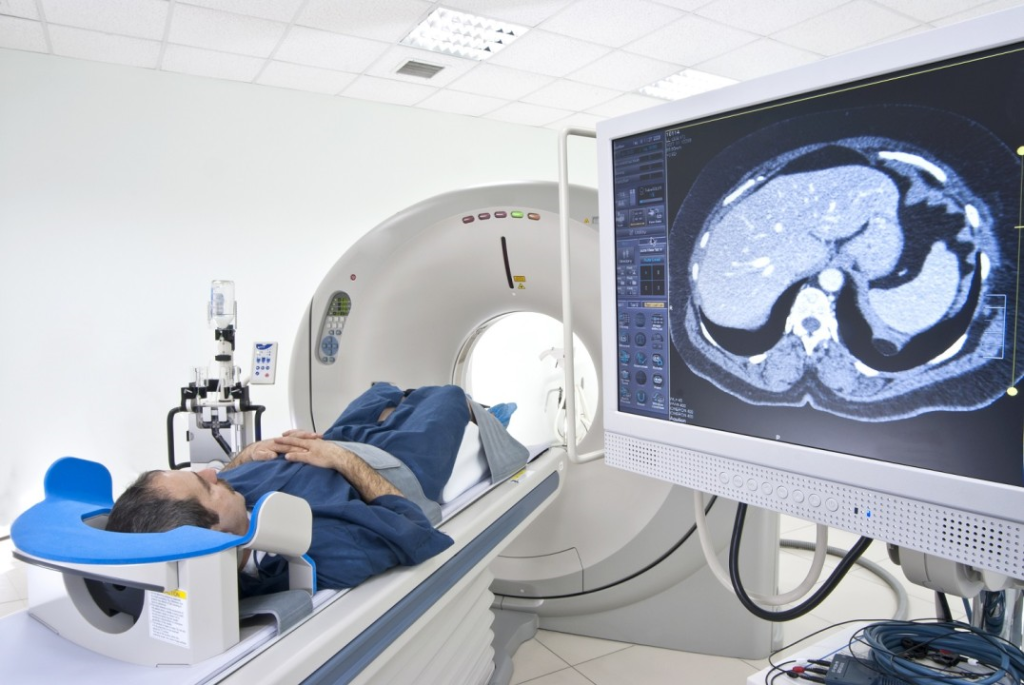
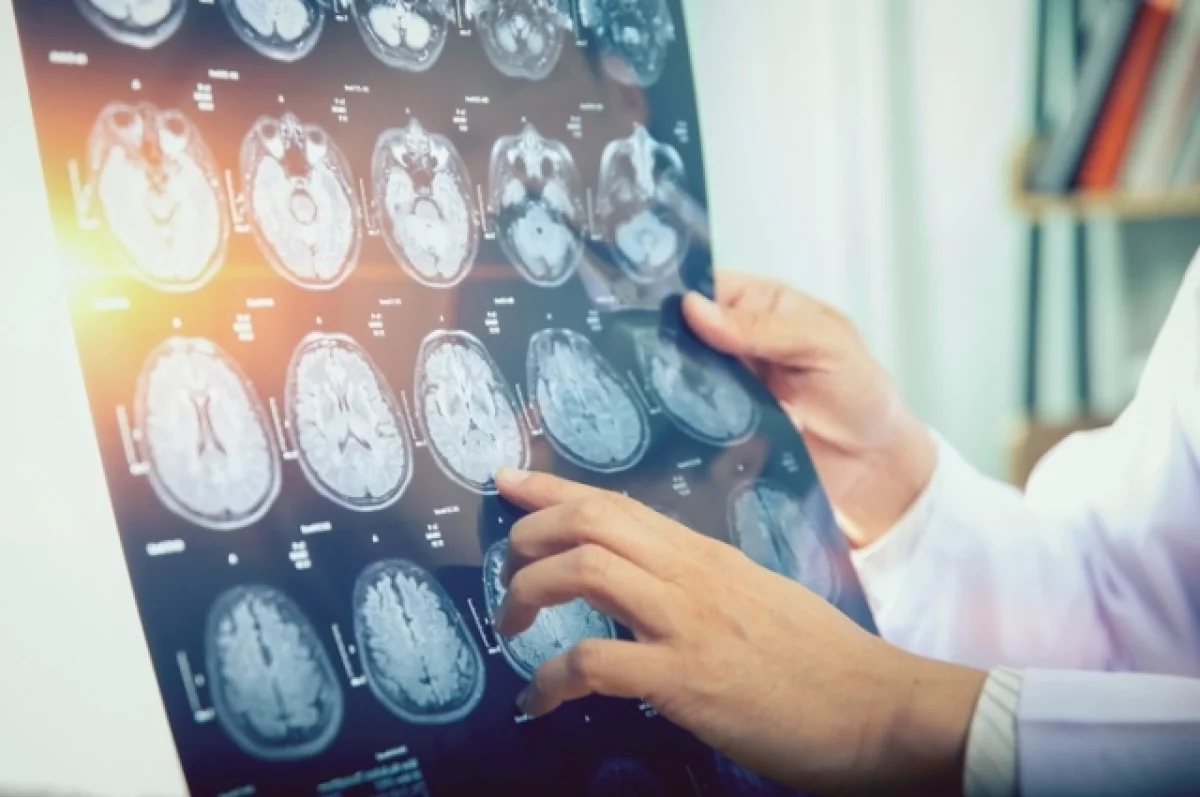
In the field of radiology, for example, artificial intelligence is primarily used to identify abnormalities in imaging scans. AI algorithms applied to computed tomography (CT) and magnetic resonance imaging (MRI) can quickly detect and segment areas of interest in scans of the lungs, liver, and brain.

2. Cancer Tumor Detection

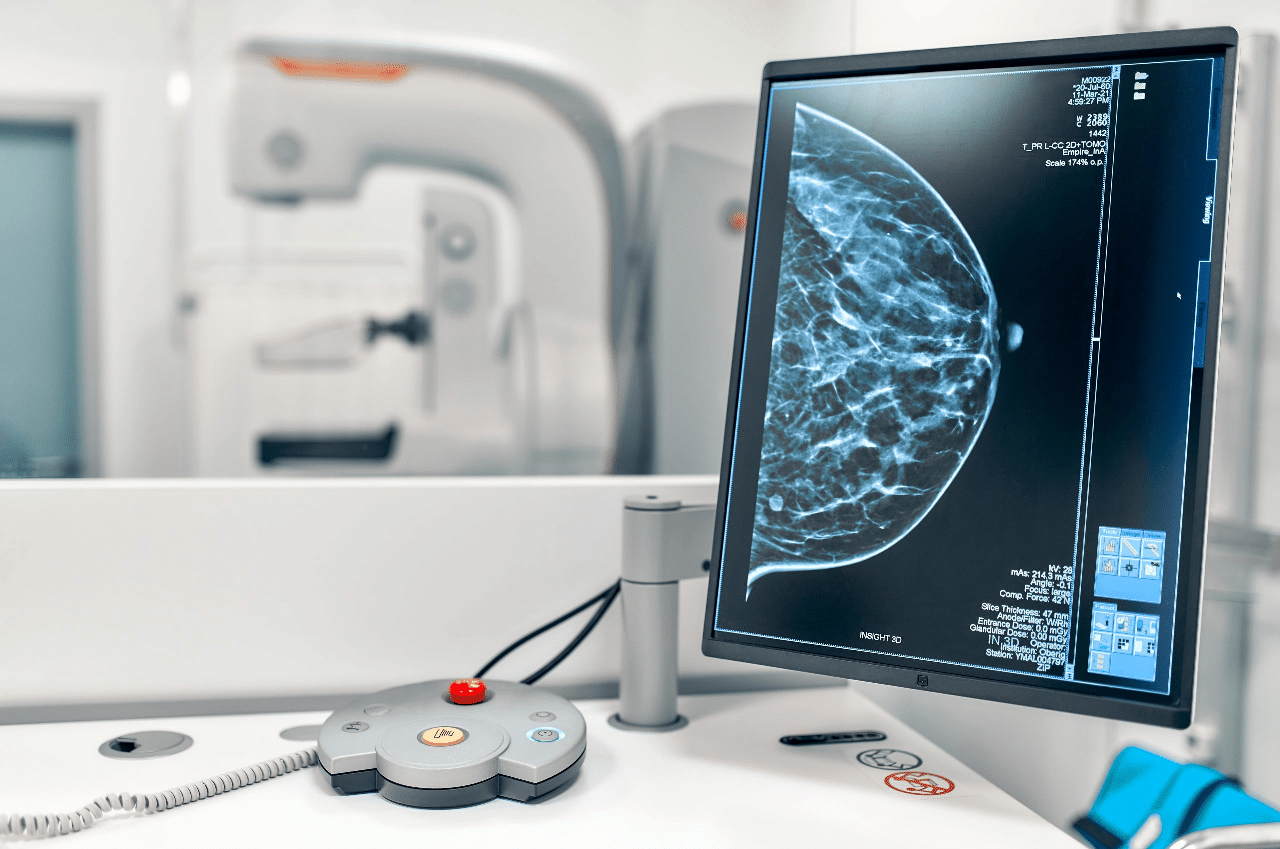
Particular attention should be given to AI’s role in tumor imaging. It assists in detecting and monitoring cancerous tumors, improving the accuracy of cancer screenings. For instance, deep learning AI techniques have been used to analyze mammograms and accurately distinguish between malignant and benign tumors.
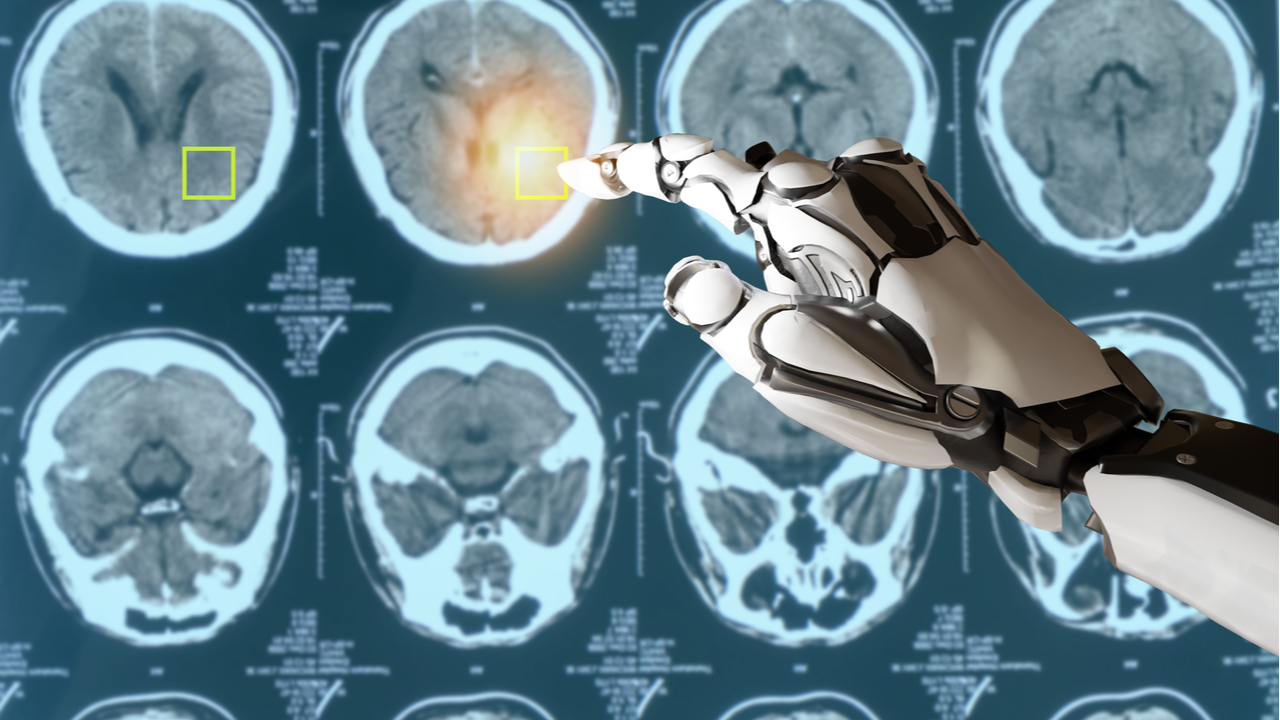
Early Detection of Diseases

3. Neurology

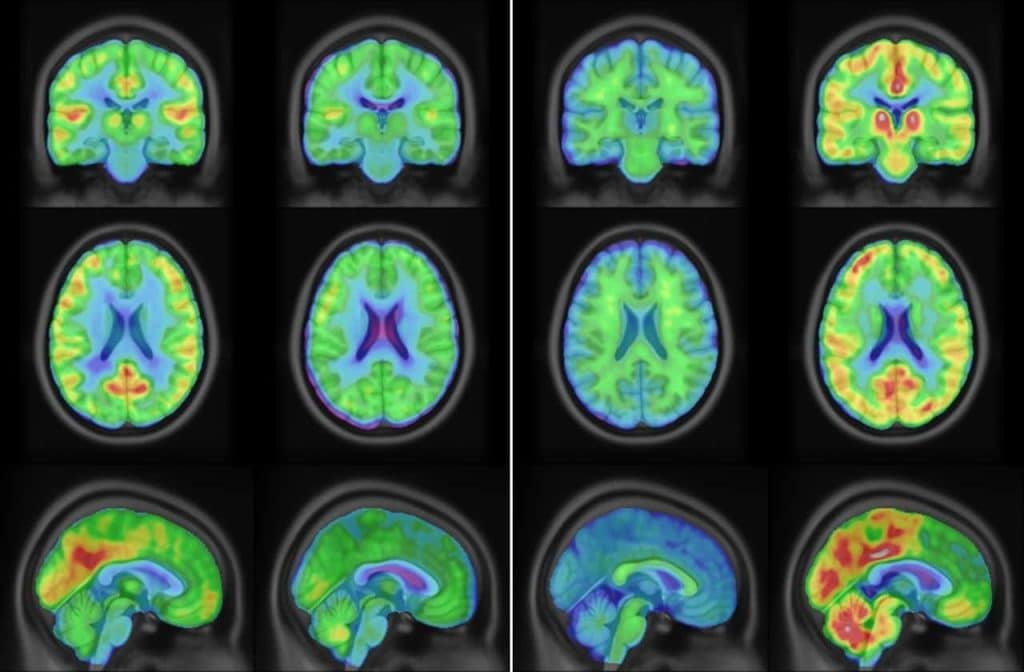
In neurology, AI enhances the analysis of brain images for conditions such as stroke, Alzheimer’s disease, and brain tumors. AI algorithms can detect subtle changes in brain tissue, allowing for early intervention and treatment. A notable example is the use of AI in diffusion-weighted imaging, a type of MRI, to quickly identify stroke-affected areas in the brain.

AI’s Impact on Diagnostic Accuracy

The integration of AI into medical imaging analysis has significantly improved diagnostic accuracy. It reduces human error and enhances early disease detection. This shift toward AI-enhanced diagnostic and imaging methods is reshaping the landscape of medical imaging technology and precision medicine. Below are the key impacts:

1. Improved Diagnosis of Various Medical Conditions

Thanks to its ability to learn from large datasets, AI algorithms have shown remarkable improvement in identifying and diagnosing medical conditions. For example, AI can match—or even surpass—the accuracy of human radiologists in detecting diseases like pneumonia in chest X-rays. This level of precision is especially critical in cases where early detection greatly influences treatment outcomes.

2. Reduction of Human Error

The second major advantage of AI in medical imaging is its consistency, which significantly reduces human error. Unlike human radiologists who may be affected by fatigue or subjective judgment, AI systems provide consistent analyses. AI support can reduce diagnostic errors in mammograms for breast cancer, thereby improving diagnostic accuracy.
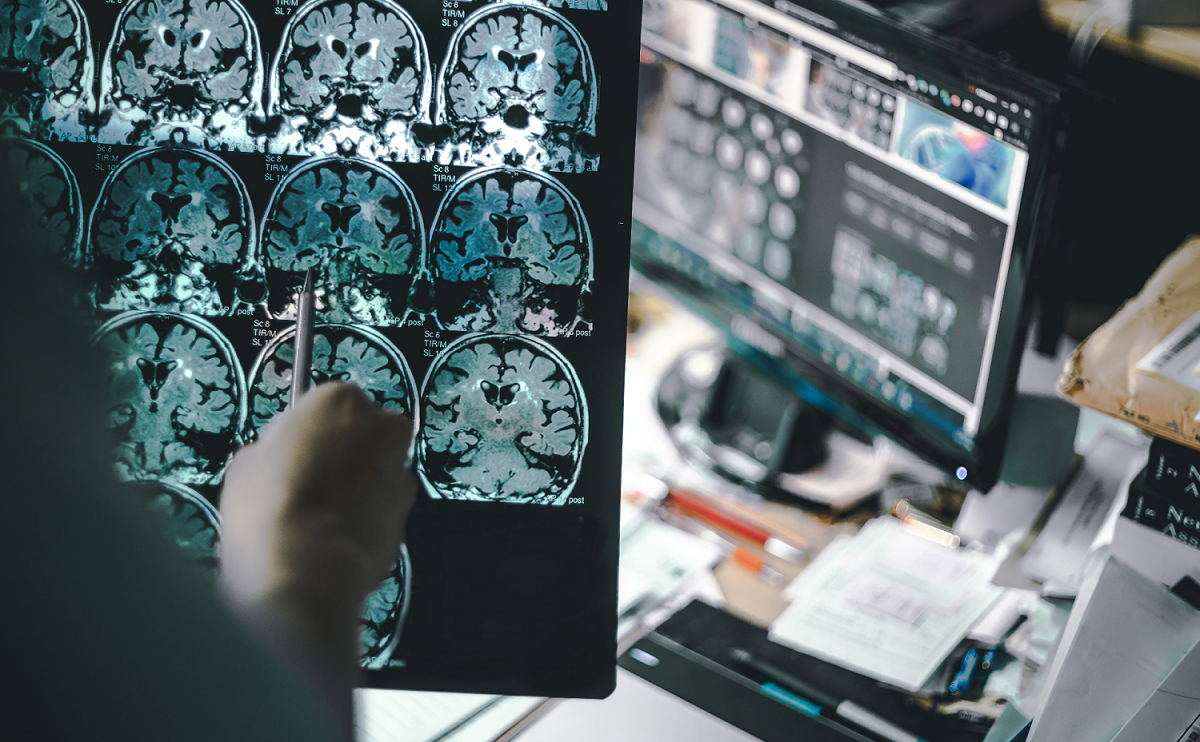
Medical Imaging

3. Early Disease Detection

Early disease detection is crucial for effective treatment, and AI is playing a vital role in this area. For example, AI has been instrumental in the early detection of diabetic retinopathy—a condition that can lead to blindness if left untreated. By analyzing retinal images, AI can detect this condition with high accuracy, often before any physical symptoms appear in the patient.

Challenges and Ethical Considerations

Despite the tremendous potential of artificial intelligence in the healthcare sector and medical imaging technologies, it still faces a number of challenges and concerns that slow down its widespread adoption. These challenges include:

1. Data Privacy

The first challenge affecting AI is the concern over data privacy. AI systems require access to large datasets of patient images, which raises significant concerns about confidentiality. Ensuring the security and privacy of this sensitive data is absolutely critical. Healthcare institutions must comply with strict data protection regulations, as safeguarding this information is essential.

2. High Costs

The cost of integrating AI into existing standard imaging technologies presents a major barrier to its adoption. Acquiring AI software, along with the necessary hardware upgrades, can be extremely expensive for many healthcare institutions—especially public ones.

3. Training Medical Staff

For AI to be successfully used in medical imaging, it also requires specialized training for healthcare professionals. Radiologists and technicians must be educated on how to interpret AI results and incorporate them into clinical decision-making processes.

4. Technical Challenges

Technical issues—such as data integration and algorithmic bias—pose significant challenges. Integrating AI into current health IT systems can be complex and demands seamless compatibility. To address this, AI systems must be trained on diverse and comprehensive datasets and undergo rigorous validation processes to ensure accuracy and fairness.

It is essential to ensure the transparency of AI-supported systems in decision-making processes and to clearly define accountability for the outcomes of those decisions. Regulatory frameworks must be established to guarantee the safe and effective use of AI in the medical field. These frameworks should address key issues such as:

  • Validating algorithm reliability.
  • Official certification and approval.
  • Managing potential biases within the systems.

In conclusion, integrating AI into medical imaging is not merely a technical advancement, but a promising paradigm shift that redefines diagnosis and treatment planning. The positive impact of AI integration in imaging systems extends beyond patients, medical practitioners, and healthcare providers—it benefits anyone seeking a more efficient and error-free healthcare system.
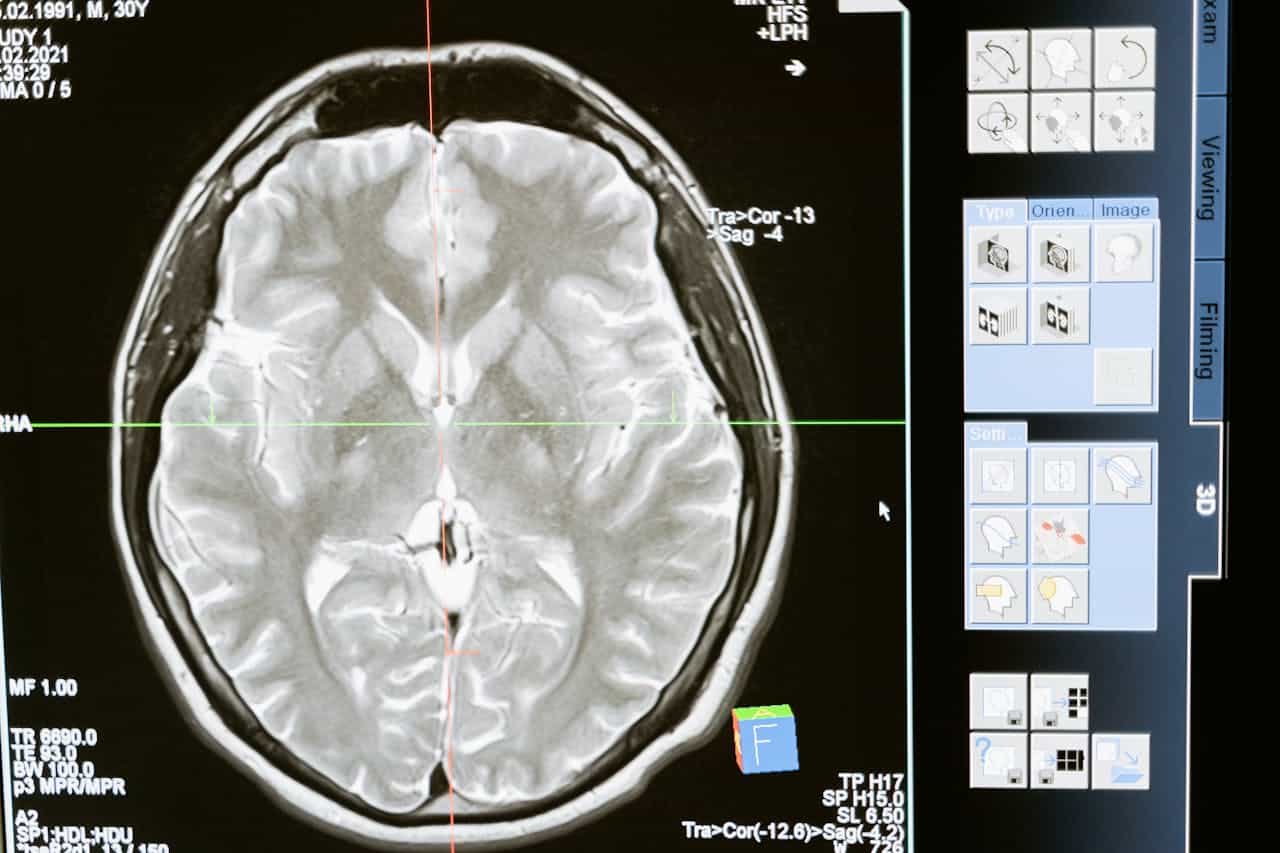
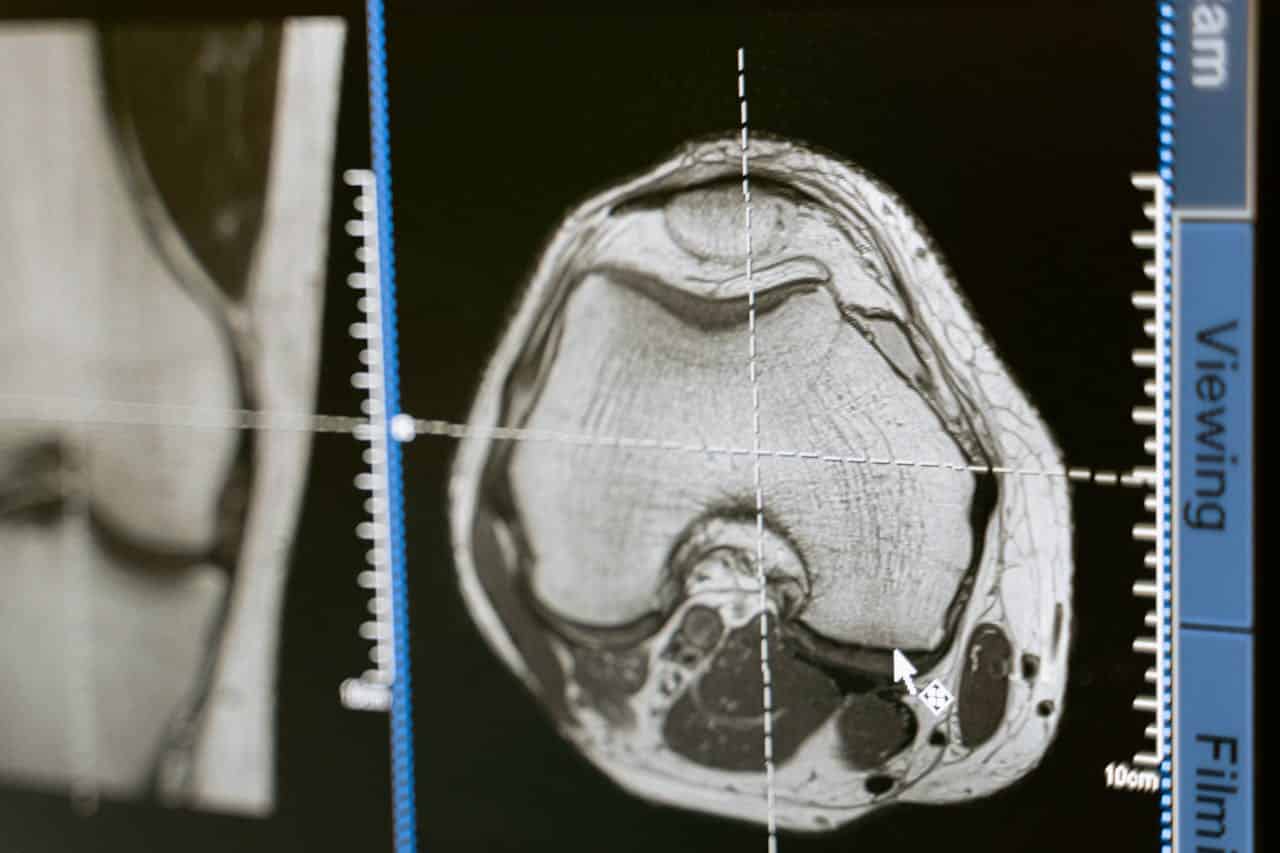
Source: The Role of AI in Medical Imaging

Hybrid Imaging | The Latest Technologies for Disease Detection

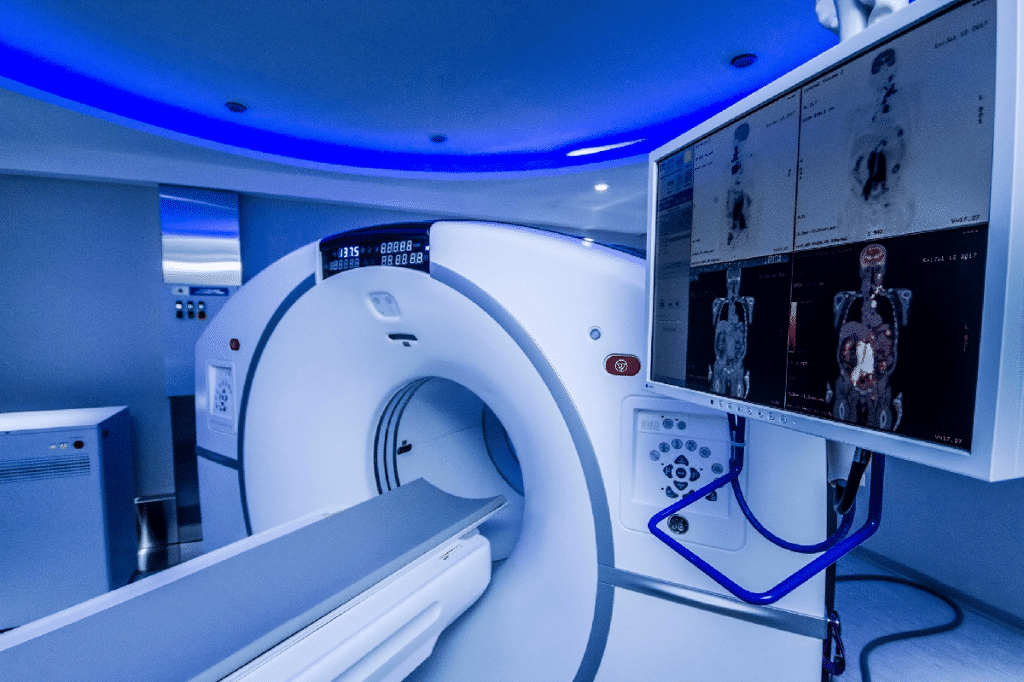
Amid the rapid technological advances in the fields of medicine and biomedical engineering, hybrid imaging has emerged as a revolutionary technique that has transformed the concepts of medical diagnosis like never before. This approach relies on combining multiple imaging modalities such as magnetic resonance imaging (MRI), computed tomography (CT), and nuclear medical imaging, which enables the acquisition of precise and comprehensive images of a pathological condition. Moreover, recent developments in artificial intelligence have contributed to analyzing these images with exceptional precision and speed, making this technology the ideal choice for early diagnosis.

The Remarkable Features of Hybrid Imaging Technology

Hybrid imaging is considered an innovative technique that combines the advantages of each imaging modality to provide both quantitative and qualitative information that assists physicians in accurately evaluating a patient’s condition. This technology is used in the detection of tumors, chronic diseases, and functional disorders of vital organs. In addition, the integration of different techniques delivers detailed anatomical and functional data, while artificial intelligence enhances the process of analyzing and interpreting this data in a scientifically reliable manner.

The Importance of Hybrid Imaging in Medical Diagnosis

Hybrid imaging plays a vital role in the early and accurate diagnosis of numerous diseases, especially cancerous tumors and cardiovascular and neurological disorders. It provides valuable information that helps doctors in:

  • Detecting cancerous tumors at early stages: Hybrid imaging can identify small tumors that are difficult to detect using conventional imaging techniques.
  • Determining the extent of cancer spread: It helps in assessing whether the cancer has metastasized to other organs in the body.
  • Evaluating tumor response to treatment: Hybrid imaging can be used to monitor the effectiveness of treatments and determine whether a tumor is responding to therapy.
  • Diagnosing heart diseases: It aids in assessing cardiac functions and identifying areas with insufficient blood supply.
  • Diagnosing neurological diseases: This technology can be used in the diagnosis of conditions
  • such as Alzheimer’s, Parkinson’s, and multiple sclerosis.

Hybrid Imaging

Recent Developments in Imaging Techniques and Artificial Intelligence

With continuous technological progress, hybrid imaging techniques have seen significant advancements in recent years. Modern innovations have enhanced the quality of final images and reduced the time required to obtain results, which has led to an overall improvement in healthcare quality. Artificial intelligence techniques are utilized to process and analyze data in innovative ways, where algorithms are trained on massive datasets of medical images to deliver precise and immediate diagnoses. These applications serve as strong support for traditional techniques and contribute to building an integrated diagnostic system.

The Role of Artificial Intelligence in Enhancing Medical Diagnosis

Artificial intelligence is one of the fundamental pillars in the development of hybrid imaging techniques, relying on advanced algorithms to analyze images and detect fine details that are difficult to observe with the naked eye. These algorithms help in precisely determining the characteristics of tumors and tissues and assist in predicting the stages of disease progression more rapidly. By integrating artificial intelligence with hybrid imaging, physicians can achieve early and effective diagnosis, which contributes to improved treatment outcomes and a reduction in potential complications.

Modern hybrid imaging technologies are vital tools for the early and effective detection of diseases, as they enable doctors to obtain comprehensive data about the patient’s condition. This approach facilitates precise and prompt therapeutic decision-making, thereby enhancing the chances of treatment success. Artificial intelligence plays a pivotal role in analyzing this data and extracting critical biomarkers that may be overlooked by conventional methods, which in turn increases the accuracy and reliability of diagnostic results.

Challenges and Future Development Prospects

Despite the significant achievements of hybrid imaging in the field of medical diagnosis, challenges still remain for researchers and clinicians in the optimal application of this technology. Among these challenges is the need to develop more advanced artificial intelligence algorithms and to provide extensive training datasets to improve diagnostic performance. Moreover, the integration of various imaging techniques represents a complex task that requires high-level coordination between devices and software. Artificial intelligence remains at the forefront of efforts to address these challenges and to achieve promising future developments in medical diagnosis.

A Future Vision for Hybrid Imaging in Medicine

The future of medicine is moving towards an increased reliance on digital technologies and artificial intelligence, opening up new horizons in the field of hybrid imaging. Artificial intelligence is considered a cornerstone for developing diagnostic methods and analyzing data much faster than before, enabling physicians to offer advanced and personalized treatment services to each patient for quicker and better recovery. These technologies contribute to improving survival rates and reducing healthcare costs, while also providing valuable data that supports well-informed therapeutic decisions. Hybrid imaging, assisted by artificial intelligence, shows tremendous potential in enhancing healthcare quality and elevating the standards of medical diagnosis.

Hybrid imaging represents a true revolution in the field of medical diagnosis, thanks to the integration of various imaging techniques and the rapid advancement of artificial intelligence. These technologies provide precise and comprehensive insights that aid in the early detection of diseases and in determining the most appropriate treatment pathways for each case. The synergy between advanced imaging techniques and artificial intelligence holds great promise for improving healthcare quality and achieving outstanding therapeutic outcomes, making this technology one of the most important future tools in medicine. Continuous research and development in artificial intelligence and hybrid imaging remain the key to achieving further breakthroughs and innovations in the world of medical diagnostics.

In conclusion, after exploring hybrid imaging technologies and in light of the rapid advancements in medical imaging and artificial intelligence, if you aspire to become a part of the biomedical engineering field, connect with HSI Center. Through our specialized training and consulting programs, we empower students and professionals to gain both practical and scientific skills, enabling them to keep pace with the latest innovations and actively contribute to improving the quality of healthcare.

Source: Hybrid imaging is the future of molecular imaging – PMC

Artificial intelligence in medical imaging | A revolution in the world of diagnostics

​In recent decades, there has been a significant advancement in medical diagnostics, especially following the recent surge in artificial intelligence (AI). AI has become a fundamental component in enhancing the accuracy and speed of disease detection. Physicians no longer rely solely on their clinical expertise and traditional tools; they can now leverage AI’s capabilities to analyze medical images and derive precise diagnoses swiftly. So, how does Artificial intelligence contribute to improving medical imaging? And what are its most prominent applications in this field?​

How Does Artificial Intelligence Operate in Medical Imaging?

AI systems in medical imaging rely on deep learning techniques, where algorithms are trained on vast datasets of pre-classified medical images. These systems can identify subtle patterns within images that might be imperceptible even to trained human eyes.​

The operation of AI in medical diagnostics involves three primary stages:

Data Collection: Amassing large volumes of radiological images and accurate diagnostic data from previous patients.​

Training: Teaching deep neural networks to recognize various pathological indicators.​

Analysis: Accurately examining new images and providing a diagnosis or alerting the physician to potential issues.​

ai

The Role of Artificial intelligence in medical imaging

Medical imaging stands as one of the most crucial diagnostic tools, with physicians depending on techniques like X-rays, Magnetic Resonance Imaging (MRI), and Computed Tomography (CT) scans. With AI’s evolution, it’s now possible to analyze these medical images using machine learning algorithms and deep neural networks.​

Artificial intelligence in this domain is characterized by its ability to:

  • Analyze images with exceptional precision, aiding in the early detection of tumors and chronic diseases such as cancer and heart conditions.​
  • Reduce medical errors, enhancing diagnostic accuracy and minimizing the chances of misdiagnosis.​
    welt.de
  • Accelerate medical procedures, as AI can examine thousands of images in a fraction of the time it would take using traditional methods.​

Applications of Artificial intelligence in Medical Imaging

AI is utilized in a wide array of applications within medical imaging, revolutionizing the diagnostic landscape. Notable applications include:​

Early Cancer Detection: AI enhances the identification of cancerous tumors, particularly in breast and lung cancers. Algorithms analyze mammograms and CT scans of the lungs, facilitating the discovery of tumors in their initial stages.​

Cardiovascular Disease Diagnosis: Echocardiography is a fundamental tool for diagnosing heart diseases. AI assists in analyzing cardiac images, measuring blood flow, and detecting valve disorders with high precision.​
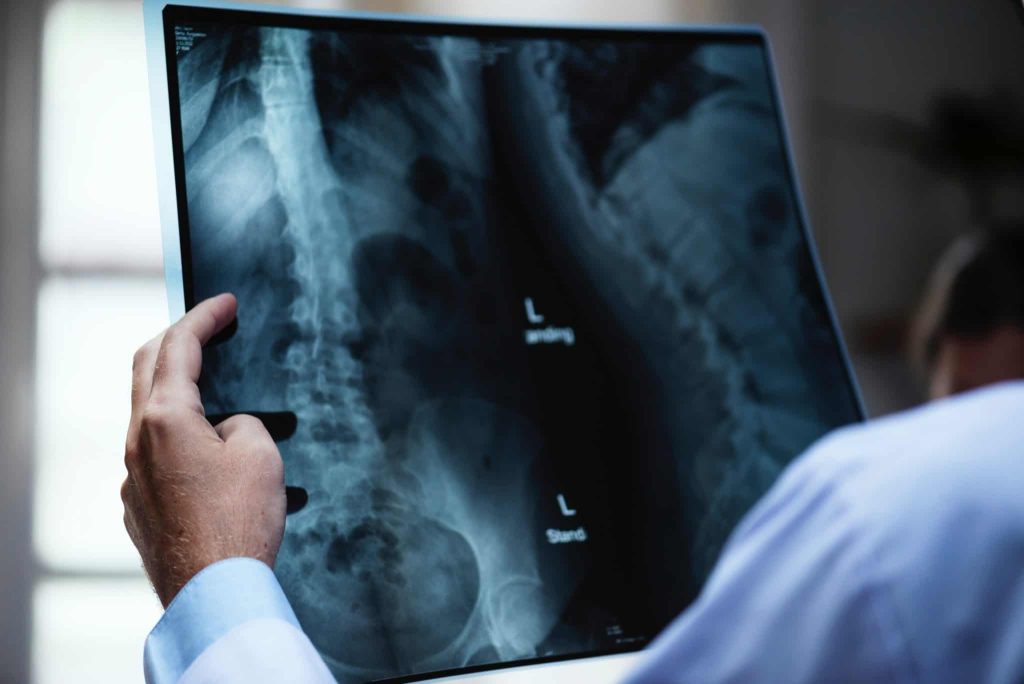
X-ray Image Analysis: AI is employed to interpret X-ray images, identifying conditions like pneumonia, osteoporosis, and bone fractures. During the COVID-19 pandemic, it was extensively used to diagnose virus-induced pneumonia.​

MRI and CT Imaging: AI systems analyze MRI and CT images to detect neurological diseases such as Alzheimer’s and strokes, enabling faster assessment of brain changes compared to traditional methods.​
Ophthalmology and Retinal Disease Diagnosis: AI is a vital tool in diagnosing retinal conditions like diabetic retinopathy, glaucoma, and macular degeneration. It analyzes retinal images to detect potential issues early, aiding in vision preservation.​

Challenges Facing Artificial intelligence in Medical Diagnostics

Despite the significant progress AI has made in medical imaging, several challenges persist:

Need for High-Quality, Extensive Data: AI systems require large, diverse datasets for effective training, which can be limited due to legal constraints and medical data-sharing ethics.​
Physician Acceptance and Integration with Medical Systems: Some physicians remain hesitant to fully adopt AI, posing challenges to its acceptance and integration.​

Potential Data Bias: Training systems on unbalanced datasets can lead to diagnostic errors, especially when dealing with diverse populations.​
The future is trending towards increased integration of AI in healthcare, with expectations of improved diagnostic accuracy through the development of deep learning algorithms. This includes integrating AI with surgical robots to reduce errors, developing predictive techniques for early disease detection, and utilizing portable technologies to analyze medical images via smart devices.​

كيف يؤثر الذكاء الاصطناعي AI على مستقبل التصوير بالرنين المغناطيسي؟

AI has become a cornerstone in the revolution of medical diagnostics, contributing to improved analysis accuracy, error reduction, and faster diagnoses. Despite the challenges it faces, ongoing advancements in AI technologies promise a more precise and efficient future in medicine. Embracing these technologies will enhance healthcare quality, offering greater opportunities to save patients’ lives and improve diagnostic and treatment experiences.​

Having explored how Artificial intelligence is revolutionizing medical diagnostics, we invite you to be part of this remarkable development. If you’re seeking to gain in-depth knowledge and practical skills in this vital field, the HSI Center for Healthcare Training & Consultation offers you a golden opportunity through specialized biomedical engineering courses. These courses are designed to equip you with the latest technologies and knowledge necessary to keep pace with rapid advancements in AI and medical imaging. Join us today, invest in your professional future, and become a pioneer in utilizing AI to save patients’ lives and enhance healthcare quality.​

The Role of Mammography in Breast Cancer Detection

Mammography, also known as a mammogram, plays a pivotal role in the early detection of breast cancer. It can reveal changes in the breast years before they can be felt by the patient or the doctor. Current guidelines from the American College of Radiology (ACR) and the National Comprehensive Cancer Network (NCCN) recommend annual mammograms for women starting at age 40. Research has shown that annual mammograms help with early cancer detection, improve treatment plans, and increase survival rates. In this article, we will explore the importance of mammograms in breast cancer screening and diagnosis.

What is Mammography?

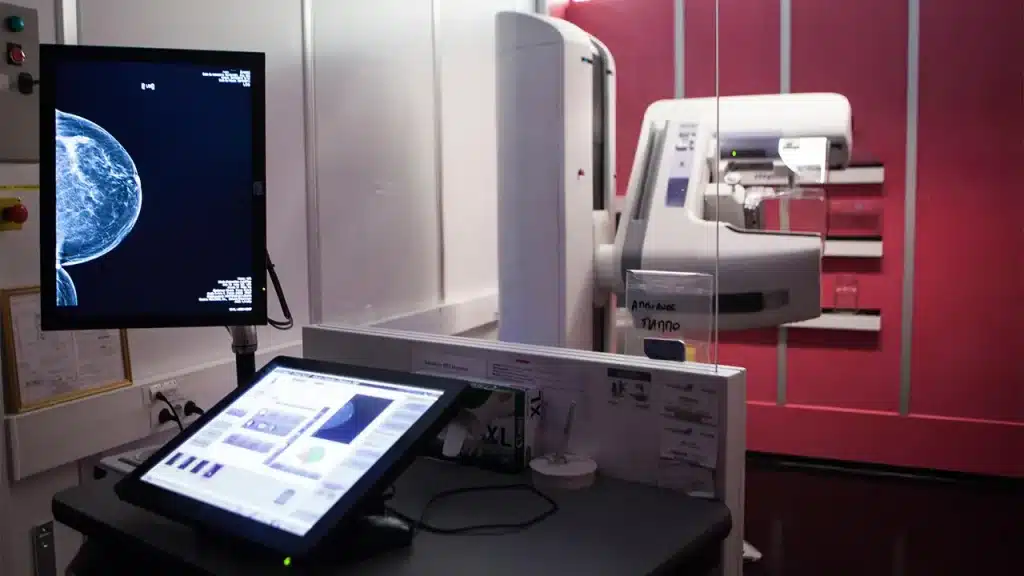
Mammography is a specialized medical imaging technique that uses a low-dose X-ray system to view the internal tissues of the breast. Mammograms assist in the early detection and diagnosis of breast diseases in women.

image shows Mammography in Breast Cancer Detection

Mammography can detect abnormal breast tissue, but it cannot diagnose cancer on its own. It shows irregular areas that might require further testing, such as a breast biopsy, which can confirm whether the tissue is cancerous or benign.

Mammogram developments

Three key advancements in mammography include digital mammography, computer-aided detection (CAD), and breast tomosynthesis.

Digital Mammography:

Also known as full-field digital mammography (FFDM), this system replaces traditional film with digital sensors that convert X-rays into breast images. Like digital cameras, it provides clearer images with less radiation exposure. The images can be reviewed by radiologists on computers and stored for long-term access. The patient’s experience during digital mammography is similar to that of conventional mammograms.

Computer-Aided Detection (CAD):

CAD systems analyze mammogram images to identify areas of unusual density, mass, or calcifications that might indicate cancer. These areas are highlighted for the radiologist to review more carefully.

Breast Tomosynthesis:

Also known as 3D mammography or digital breast tomosynthesis (DBT), this technique captures multiple images of the breast from different angles, which are then reconstructed into a 3D image. Similar to a CT scan, the process provides more detailed, layered images.

Mammography in Breast Cancer Detection

Breast tomosynthesis can:

  • Detect small cancers that might be hidden in traditional mammograms
  • Reduce unnecessary biopsies or additional tests
  • Improve the detection of multiple tumors
  • Provide clearer images of dense breast tissue
  • Offer more accurate information about tumor size, shape, and location

Important Note: Mammograms expose patients to a small amount of radiation. However, research indicates that the benefits of early detection far outweigh the risks. The radiation dose is comparable to 18 weeks of natural environmental exposure, and modern mammography machines use minimal radiation to maintain high-quality imaging.

Types of Mammograms

Mammography can be categorized into two types:

Screening Mammogram:

This test is performed on women with no symptoms of breast cancer to detect tumors too small to be felt. It can identify cancers as tiny as a grain of rice. For women over 50, screening mammograms are the most effective method for early breast cancer detection.

Diagnostic Mammogram:

This type is used to investigate symptoms such as lumps, nipple discharge, or abnormalities found in a screening mammogram. Radiologists may take additional images to get a more detailed view of the suspicious area.

an-image-showing-the-results-of-a-mammogram

The Importance of Mammograms in Cancer Detection

Mammograms reduce the risk of death from breast cancer by helping doctors find cancer early, when it is most treatable. They detect various types of breast cancer, including invasive ductal carcinoma and invasive lobular carcinoma. Early detection provides more treatment options and increases the likelihood of successful outcomes. Benefits of Screening Mammograms:

1- Increased Survival Rates:

Studies show that for every 1,000 women screened biennially from age 50 to 74, approximately 8 lives are saved.

2- Improved Early Detection:

Mammograms can find cancers too small to be detected by touch. Detecting cancer early significantly improves the chances of effective treatment.

3- Better Treatment Outcomes:

Cancers detected early are more likely to be smaller and easier to treat, often requiring less aggressive therapies and offering a higher quality of life during and after treatment.

Conclusion:

Mammography plays a crucial role in the early detection of breast cancer by identifying abnormalities before symptoms appear. It remains the most reliable tool for routine breast cancer screening, helping save lives through early detection. If you are interested in learning more about radiology, HSI Center offers specialized training programs in diagnostic imaging, including mammography, led by experienced professionals in the medical engineering field.

Source: The Vital Role of Mammograms in Early Cancer Detection

The Use of Contrast Agents in Medical Imaging

The field of radiology has undergone remarkable transformations since Wilhelm Roentgen’s groundbreaking discovery of X-rays in 1895. Among the many advancements, the development and application of contrast agents in medical imaging stand out as pivotal contributions that have significantly enhanced the diagnostic capabilities of various imaging modalities.

The use of contrast agents in medical imaging has revolutionized diagnostics, greatly improved the visualization of internal structures and enhanced diagnostic accuracy across X-ray imaging, computed tomography (CT), magnetic resonance imaging (MRI), and ultrasound. In this article, we will explore in detail the types of contrast agents, their benefits in medical imaging, and their potential risks.

Historical Development of Contrast Agents

The historical development of contrast agents has been marked by significant milestones. Early contrast materials, such as simple salts and barium sulfate, provided initial glimpses into internal anatomical structures but were limited due to their high toxicity and poor image quality. The development of iodine-based agents in the 20th century revolutionized X-ray imaging by offering lower toxicity and improved clarity. Similarly, the introduction of gadolinium-based agents in the 1980s transformed MRI imaging, providing more precise details. Modern innovations, including nanoparticle-based imaging systems, continue to enhance specificity and safety in diagnostic imaging. Now, let’s explore what contrast agents are and their applications in medical imaging.

Contrast Agents in Medical Imaging

What Are Contrast Agents and How Are They Used?

Contrast media (MDC), or contrast agents, are substances used in diagnostic imaging to improve the clarity of high-resolution scans, such as CT and MRI. These agents enhance image quality by highlighting tissue details and potential abnormalities that would otherwise be difficult to detect. Contrast agents improve the visualization of internal structures within the body, facilitating early and accurate diagnosis of a wide range of medical conditions, including vascular diseases, tumors, and neurological disorders. They are also known as contrast media or contrast dyes, but the term “contrast agent” is the most commonly used.

As mentioned, contrast agents are an integral part of various imaging techniques, including X-rays, CT scans, MRI scans, and ultrasound. Each modality utilizes specific types of contrast media designed to improve image quality and diagnostic accuracy. For example, iodine-based contrast agents are primarily used in CT scans and angiographic studies, while gadolinium-based agents are essential for enhancing MRI scans. The introduction of microbubble contrast agents has expanded ultrasound imaging capabilities, enabling real-time, detailed assessments of blood flow and tissue perfusion.

Effects on X-ray Images: Positive, Negative, and Neutral Contrast

Contrast agents in medical imaging enhance the visibility of specific tissues or blood vessels during imaging procedures. They help improve image quality and clarity, allowing for more precise detection and diagnosis of various medical conditions. Contrast agents are categorized into three groups based on their effects on the final images:

  1. Positive Contrast Agents
  2. Negative Contrast Agents
  3. Neutral Contrast Agents

Use of contrast media in diagnostic imaging

What Are Positive Contrast Agents?

Positive contrast agents increase X-ray attenuation within the body, making tissues or structures containing these agents appear whiter or brighter on X-ray images. These agents are generally radiopaque, meaning they absorb X-rays more readily than surrounding tissues. Increased X-ray absorption leads to greater contrast between the contrast agent and surrounding tissues, making it easier to visualize specific structures or abnormalities.

Examples of Positive Contrast Agents

Common examples of positive contrast agents include iodine-based contrast media and barium sulfate. These agents are widely used in various diagnostic imaging procedures, such as angiography, CT scans, and gastrointestinal tract examinations.

What Are Negative Contrast Agents?

In contrast to positive contrast agents, negative contrast agents decrease X-ray attenuation within the body, making tissues or structures containing these agents appear darker on X-ray images. These agents are radiolucent, meaning they allow X-rays to pass through more easily than surrounding tissues. Reduced X-ray absorption, caused by contrast agents like air or carbon dioxide, creates a distinct contrast between the agent and surrounding tissues, helping highlight specific structures or abnormalities.

Examples of Negative Contrast Agents

Air and carbon dioxide are common examples of negative contrast agents used in imaging. These agents are often utilized for imaging specific areas, such as the gastrointestinal tract, where the presence of gas can provide valuable diagnostic information.

What Are Neutral Contrast Agents?

Water is considered a neutral contrast agent because it is readily available, inexpensive, and harmless to the human body. When used in abdominal imaging, water can be ingested or administered through an enema to aid in visualizing the digestive tract and other structures in the abdomen.

One of the primary benefits of using water as a contrast agent is its natural properties. Water has a density similar to many tissues and fluids in the body, meaning it does not significantly alter the overall appearance of organs and structures being imaged. This natural compatibility helps provide a clear and accurate representation of the area being examined.

Contrast Agents in X-ray Imaging

All radiographic contrast agents used in X-ray imaging can be classified based on their effects on the resulting images and the type of physical media they utilize. Some also refer to these agents as contrast dyes. In radiology, understanding these classifications is crucial in determining the appropriate iodinated contrast agent for a specific imaging procedure.

Contrast Agents in X-ray Imaging

In X-ray imaging, contrast plays a critical role in distinguishing between different tissues and structures within the body. The inherent contrast in these images results from the differential attenuation of X-rays and the density variations in anatomical structures. As X-rays pass through the body, they are absorbed or scattered depending on the density of the tissues they encounter. Dense tissues with a high atomic number, such as bones, absorb more X-rays and appear white on the image, whereas less dense tissues, such as muscles or fat, allow more X-rays to pass through and appear darker.

Contrast Agents in Computed Tomography (CT)

One of the imaging modalities that use radiographic contrast fluids is computed tomography (CT). In this case, organic iodine contrast agents are used. Today, advancements in contrast agents have led to the development of substances that are better tolerated by the body and are generally well-accepted, even by patients with severe allergies.

It is important to note that contrast agents are large molecules and are not routinely used medications. They are known for their potential intolerance and may cause unpredictable adverse reactions upon administration.


Contrast Agents in Magnetic Resonance Imaging (MRI)

In magnetic resonance imaging (MRI), contrast agents are used, but iodinated organic substances (as in CT scans) are not utilized. Instead, MRI contrast agents are primarily based on gadolinium, an element in the periodic table that belongs to the rare earth metals. Gadolinium is well tolerated by the body and has minimal side effects.

Contrast Agents in (MRI)

The contrast medium used in MRI is excreted through the kidneys, and thus, the same precautions applied to iodinated contrast agents are considered, including assessing kidney function via plasma creatinine levels before the examination.

Uses of Gadolinium Contrast Agents

Gadolinium-based contrast agents are used for various purposes, including:

  • Evaluating suspected abdominal masses to determine whether they are malignant tumors (sarcomas) or benign lipomas.
  • Studying the brain and central nervous system, including degenerative diseases such as multiple sclerosis.
  • Performing MR angiography (angio-MRI) to analyze arterial and venous vascular structures, where contrast agents are injected to enhance visualization.

Nanoparticle Contrast Agents

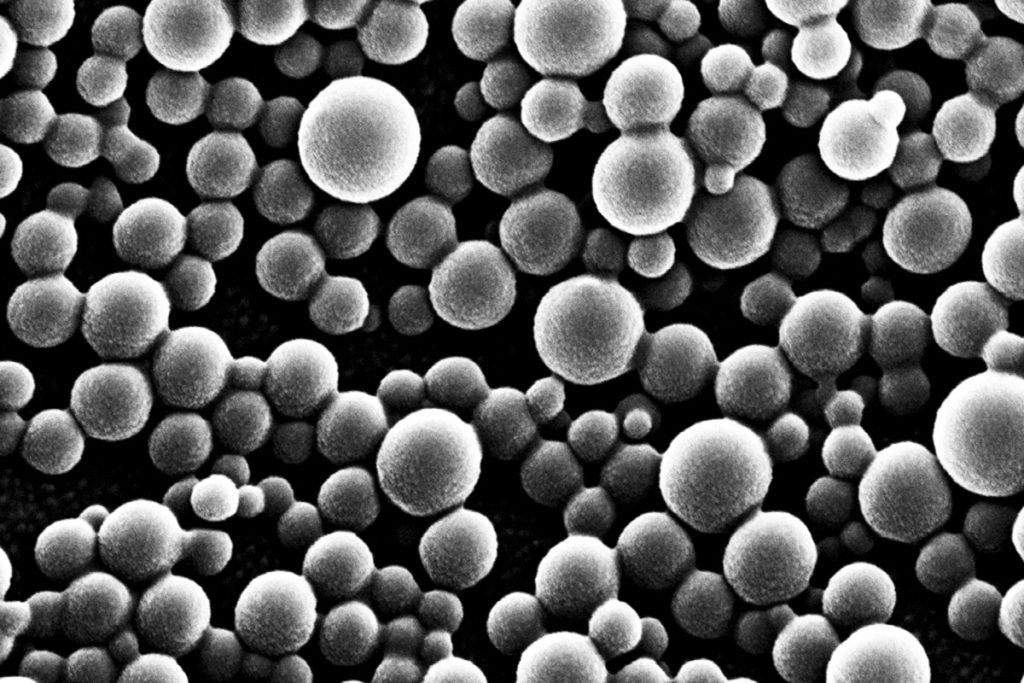
Nanoparticle contrast agents have the potential to revolutionize medical imaging, offering a powerful tool for disease visualization and diagnosis. These unique agents consist of tiny particles ranging from 1 to 100 nanometers, allowing them to interact with specific tissues and organs in the body, enhancing contrast in imaging techniques such as MRI, CT, and ultrasound.

Nanoparticle Contrast Agents

One of the key advantages of nanoparticle contrast agents is their ability to target specific cells or tissues, significantly improving imaging accuracy. This targeted approach not only enhances the visualization of diseased tissues but also reduces the required contrast agent dosage, minimizing potential side effects for patients.

Additionally, the small size of nanoparticles allows them to penetrate biological barriers and accumulate in specific areas, making them ideal for detecting and monitoring diseases such as cancer, cardiovascular diseases, and neurological disorders.

Elimination of Contrast Fluids

With normal kidney function, both gadolinium-based and iodinated organic contrast agents are typically eliminated within a few hours to a maximum of one day.

For contrast agents used in liver imaging, elimination occurs via the liver and bile, followed by excretion through the digestive system.

Side Effects, Considerations, and Safety

Despite their undeniable benefits, contrast agents are not without risks. Adverse reactions to contrast media can range from mild hypersensitivity reactions to severe kidney toxicity, posing significant challenges for physicians.

Understanding the safety profiles of different contrast agents and implementing proper management strategies is essential to minimizing these risks. Therefore, staying updated with the latest literature on contrast protocols is crucial to ensuring optimal patient outcomes.

Some contrast media have specific contraindications, such as:

  • Barium contrast: contraindicated in cases of colonic perforation.
  • Iodine contrast: contraindicated in severe kidney disease.
  • Contrast-enhanced studies are widely used in both X-ray and CT imaging, making them an essential component of modern diagnostic radiology.

Source: Contrast Agents (Radiographic Contrast Agents and Iodinated Contrast Media)

PET Scans: Understanding Nuclear Medicine Imaging

The latest advancement in medical imaging today is Positron Emission Tomography PET scans. This type of medical imaging helps detect early signs of cancer, heart disease, and brain disorders. It involves injecting a safe radioactive tracer that assists in identifying diseased cells.

In this article, we will explore PET imaging in detail to gain a deeper understanding of nuclear medical imaging, how this diagnostic method works, and what it reveals.

What is Nuclear Medicine?

Nuclear medicine is a type of imaging that uses very small amounts of radioactive materials to diagnose and monitor diseases, including various types of cancer. These tests do more than just capture images—they also provide doctors with insights into how organs function and how well they are performing.

The most commonly examined areas in nuclear medicine include the bones, kidneys, lungs, thyroid gland, and prostate. Nuclear medicine tests are non-invasive and do not require any preparation from the patient.

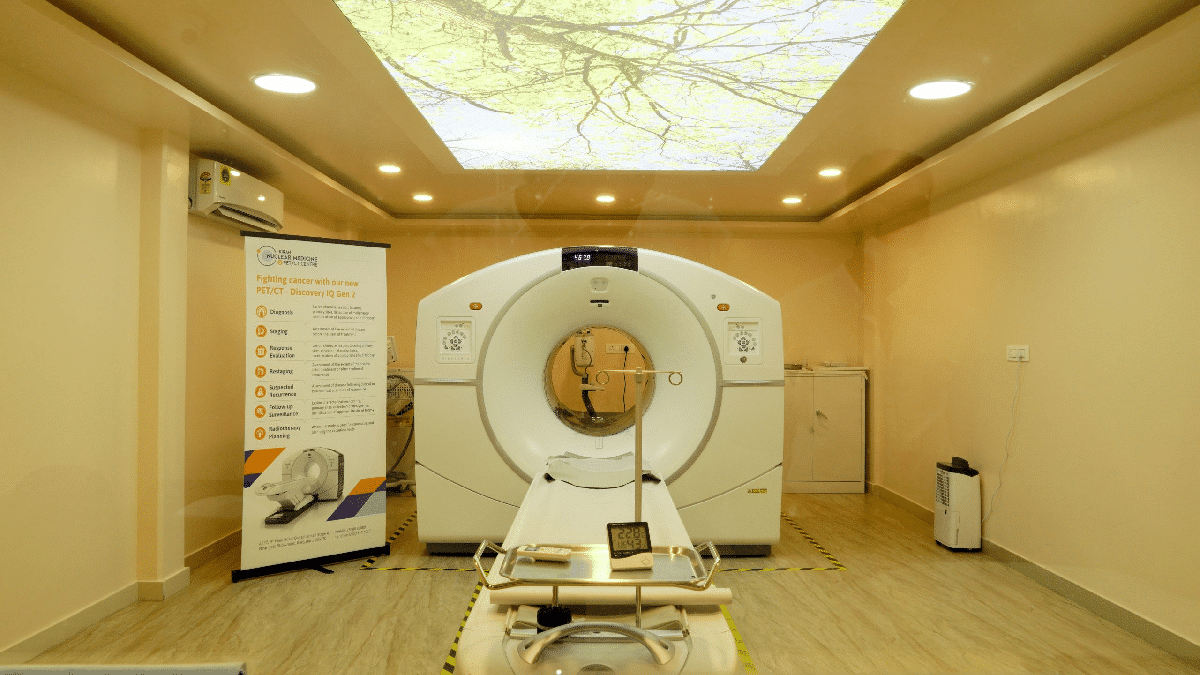
PET Scans - Positron Emission Tomography

What is Positron Emission Tomography (PET)?

Positron Emission Tomography (PET) is an imaging test that produces real-time images of organs and tissues in action. The test uses a safe radioactive chemical known as a radiotracer, along with a PET scanner.

The scanner detects diseased cells that absorb large amounts of the radiotracer, which could indicate a potential health issue.

Nuclear medicine specialists use PET imaging to diagnose and monitor certain types of cancer. In many cases, PET scans can detect tumors before they appear in other imaging tests, such as CT scans or MRI scans.

Difference Between PET and Nuclear Medicine

PET imaging is a combination of nuclear medicine and biochemical analysis. It is primarily used for patients with brain diseases, heart conditions, or cancer. PET imaging helps visualize biochemical changes in the body, such as metabolism processes, which involve how cells convert food into energy after digestion and absorption into the bloodstream.

PET scans differ from other nuclear medicine tests in that PET focuses on detecting metabolic activity within body tissues, while other nuclear medicine tests measure the amount of radioactive material accumulating in a specific tissue to assess its function.

PET Scan result

Why is a PET Scan Performed?

In general, PET scans help evaluate organs and tissues for diseases and assess their functionality, such as in the heart or brain. However, the most common use of PET imaging is in cancer detection and treatment evaluation.

Specific Reasons for PET Scans Include:

  • Cancer detection
  • Helping determines biopsy/ tissue sampling locations
    Assessing whether cancer has spread (metastasized) in the body
  • Assisting in radiation therapy planning and adjustments
  • Evaluating the effectiveness of cancer treatment plans
  • Determining if cancer has returned after treatment
  • Participating in various medical research studies
  • Diagnosing mental function disorders such as Alzheimer’s disease
  • Pinpointing the exact location for brain surgery before procedures
  • Evaluating brain conditions after trauma to detect bleeding or clots
  • Assessing blood flow to the heart muscle
  • Detecting tumor recurrence earlier than other diagnostic methods
  • Providing more insight into lung lesions or masses
  • detected on chest X-rays or CT scans

How Does Positron Emission Tomography (PET) Work?

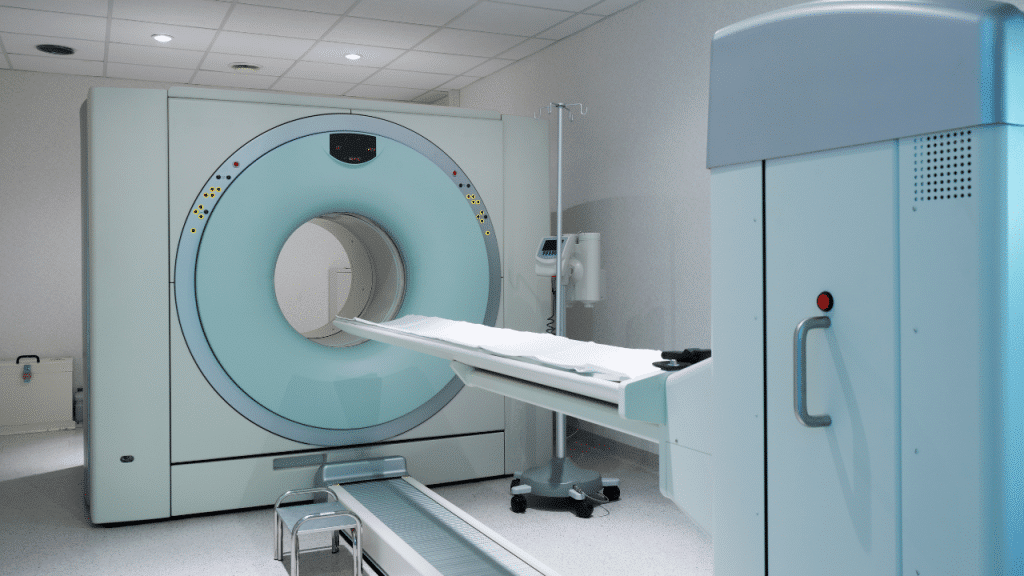
PET imaging technology works using a scanning device (a machine with a large central opening) that detects photons (subatomic particles) emitted from the radiotracer in the organ or tissue being examined.

The radiotracers used in PET scans are created by attaching a radioactive atom to chemical compounds that the target organ or tissue naturally uses in its metabolism.

For example, in brain PET scans, a radioactive atom is attached to glucose (blood sugar) to create a radiotracer called fluorodeoxyglucose (FDG). Since the brain relies on glucose for metabolism, FDG is widely used in PET imaging.

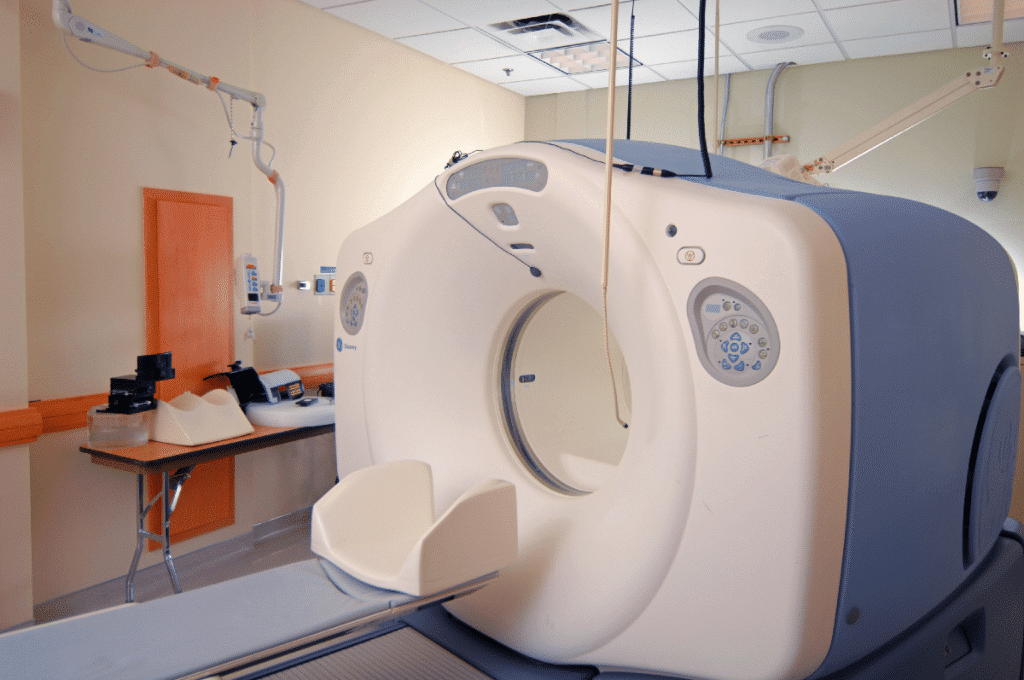
Nuclear Medicine

Other radiotracers can be used depending on the purpose of the scan. If the focus is on blood flow or tissue perfusion, the radiotracer may be a radioactive form of oxygen, carbon, nitrogen, or gallium.

How is the PET Scans Performed?

  1. Radiotracer Injection: The radiotracer is injected into a vein through an intravenous (IV) line.
  2. Scanner Movement: The PET scanner moves slowly over the targeted area of the body.
  3. Positron Emission: The radiotracer decays, releasing positrons.
  4. Annihilation Photons Formation: The positrons collide with electrons near the decay site, generating gamma rays known as annihilation photons.
  5. Photon Detection: The PET scanner detects the annihilation photons, which arrive at detectors simultaneously and 180 degrees apart.
  6. Computer Analysis: The computer processes the gamma ray data and creates a detailed image map of the organ or tissue.
  7. Image Interpretation: The brightness of tissues in the image depends on how much radiotracer they absorb, indicating organ or tissue function levels.

How Should a Patient Prepare for a PET Scan?

PET scans are typically performed on an outpatient basis. However, some hospitalized patients may undergo PET imaging for specific treatments. While medical facilities may have their own specific protocols, the general PET scans procedure follows these steps:

  • The patient will be asked to remove clothing and wear a hospital gown.
  • All jewelry and metallic objects that might interfere with the scan must be removed.
  • The patient will be asked to empty their bladder before the procedure.
  • Some abdominal or pelvic scans may require a urinary catheter to drain the bladder during the scan.
  • An IV line (or two, depending on the study) will be inserted into the hand or arm to administer the radiotracer.
  • In some cases, an initial scan may be performed before injecting the radiotracer, depending on the type of study.
  • The radiotracer is injected into the IV, and the patient will wait 30 to 60 minutes for it to concentrate in the targeted organ or tissue.
  • Once the radiotracer has been absorbed, the scan begins. The PET scanner moves slowly over the area of interest.
  • After the scan is complete, the IV line is removed. If a urinary catheter was used, it will also be removed.

PET Scans - nuclear medicine imaging

How Long Do the PET Scans Take?

The entire PET scans procedure takes approximately two hours. The radiotracer absorption in the body takes about 60 minutes, during which the patient must sit quietly and limit movement. The actual imaging process lasts around 30 minutes. After the scan, the patient will wait while the radiology technician reviews the images to ensure they are clear.

Potential Side Effects of a PET Scans

Generally, a PET scans is considered safe and rarely causes complications. The amount of radiation in the radiotracer is very low and does not stay in the body for long. Patients are advised to drink plenty of water after the scan to help flush out the radioactive material from their system.

However, there are certain risks in specific cases:

  • Pregnancy and Breastfeeding: Radiation may be harmful to the fetus or could pass to an infant through breast milk.
  • Allergic Reactions: In very rare cases, some individuals may have an allergic reaction to the radiotracer. These reactions are usually mild and can be quickly managed with medication.
  • Diabetes: Individuals with diabetes may have difficulty absorbing glucose from the radiotracer, which could affect the accuracy of the results. If you have diabetes, your doctor will provide special instructions on adjusting your diet and medication before the scan.

Final Thoughts

Positron Emission Tomography (PET) is one of the most significant advancements in nuclear medicine, allowing doctors to diagnose diseases with high accuracy, improve treatment plans, and determine the most effective therapeutic approaches. By understanding how PET works, we can appreciate its vital role in early disease detection and management.

Additionally, HSI Center is a leader in biomedical engineering and healthcare solutions, striving to enhance the skills and knowledge of professionals in this critical sector through specialized training programs and expert consultations.

Source: Positron Emission Tomography (PET)

All copyrights reserved to © HSI