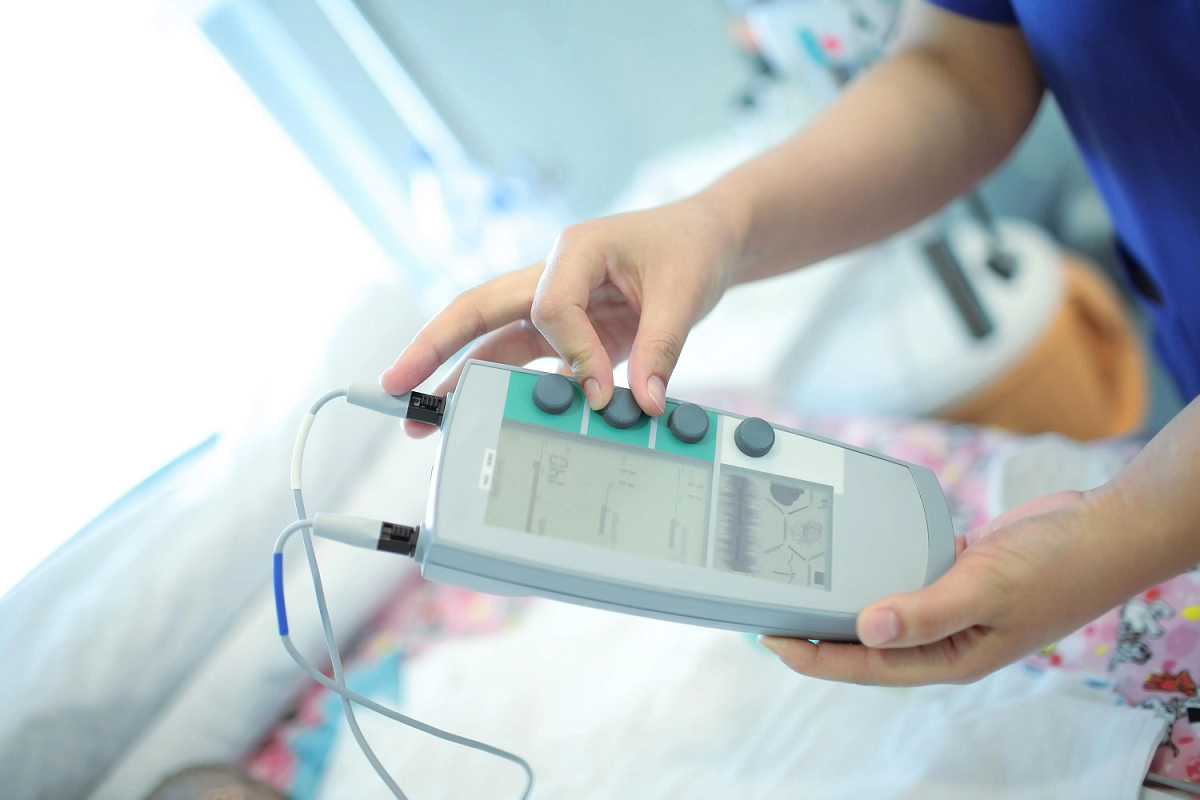
The Future of Wearable ECG Monitoring Devices

The healthcare field has witnessed significant developments thanks to technological advancements that have enabled the use of AI-powered wearable ECG monitoring devices. Since the early days of using various monitoring and diagnostic techniques, patient conditions have been observed more accurately than before. This has led to improved treatment quality and more efficient medical procedures. The process is no longer limited to visits to hospitals and traditional medical centers; patients can now monitor their health at home using these smart devices.

Combining health monitoring technologies with artificial intelligence

The idea of integrating wearable monitoring technologies with artificial intelligence began several decades ago, with scientists and innovators developing early prototypes for early diagnosis. Today, with noticeable improvements in computing capabilities and the availability of vast amounts of data, AI plays a pivotal role in analyzing medical information and providing accurate recommendations, thereby enhancing the performance of wearable ECG monitoring devices.

Wearable ECG

These devices are used to measure a wide range of vital signs, such as heart rate, blood pressure, blood oxygen levels, and electrocardiogram (ECG) activity. These measurements have narrowed the gap between patients and doctors, allowing for early medical intervention and preventing the development of chronic diseases.

Research and Evaluation Methodology

Modern studies rely on a comprehensive analysis of published research in the field of wearable ECG monitoring devices and artificial intelligence. The references and data are classified through several stages:

  • Identifying Sources and Data: The process began by gathering sources from global databases such as Google Scholar, resulting in thousands of articles discussing AI and its applications in healthcare.
  • Reviewing Titles and Abstracts: A meticulous filtering process was carried out to select the most relevant articles, focusing on studies that addressed the use of wearable ECG monitoring devices in disease diagnosis.
  • Technical Evaluation: The review included an assessment of the research methodologies and techniques used in each study, highlighting the technological innovations and the AI used in analyzing patient data.
  • Data Integration: The data was merged to create a comprehensive view of how wearable ECG monitoring devices impact workflow in medical institutions and enhance the quality of healthcare.

This methodology illustrates that progress in wearable ECG monitoring devices is not solely dependent on technical advancements but also on how they integrate with existing electronic medical record systems and established AI systems.

Research Findings and Key Innovations

There are several remarkable outcomes from research in this field, including:

1- Improved Early Diagnosis and Continuous Monitoring

Numerous studies have demonstrated that wearable ECG monitoring devices contribute to the early detection of arrhythmias, such as atrial fibrillation. These devices offer continuous monitoring of vital heart indicators, enabling doctors to detect any abnormal changes immediately. One study indicated that using these devices could reduce diagnostic errors by up to 30%, thereby improving patient treatment outcomes.

2- Reduced Need for Frequent Medical Visits

Thanks to wearable ECG monitoring devices, patients can now monitor their health remotely, reducing the need for repeated hospital visits. This approach not only eases the burden on healthcare systems but also saves time and effort for patients, especially those with chronic conditions that require constant monitoring.

3- Enhanced Quality of Medical Data

Continuous and effective data collection is one of the key advantages of wearable ECG monitoring devices. These devices provide accurate data regarding the patient’s health status, which helps train AI models to analyze patterns and predict potential health risks. Moreover, this data can be integrated with electronic medical records, offering a comprehensive system for monitoring and documenting medical cases.

4- Enhanced Interaction Between Patients and Healthcare Providers

The use of wearable ECG monitoring devices fosters an interactive environment between patients and doctors, as physicians can monitor data in real time and provide immediate medical consultations. This direct interaction helps build trust between both parties and enables the delivery of more personalized and effective healthcare.

Opportunities for Innovation in Healthcare

Integrating wearable ECG monitoring devices with AI technologies marks a transformative shift in healthcare. These innovations are expected to improve the efficiency of diagnosis and treatment, as AI can analyze data faster and more accurately than traditional methods while reducing healthcare costs. By minimizing medical errors and optimizing time and resource management, personalized medicine is enabled, where continuous data provides an accurate picture of each patient’s condition. This allows for the customization of treatment plans to meet individual needs, enhances preventive care, and ensures continuous monitoring by identifying health risks before they escalate and enabling early intervention.

Challenges Facing Device Implementation

Despite the clear benefits, wearable ECG monitoring devices face some core challenges. One of the main issues is managing the vast amounts of data generated by these devices, which require effective and secure storage and analysis. Integrating the generated data with existing electronic medical records demands the development of new protocols and updates to technical infrastructure, privacy, and security measures. Protecting patients’ health information from cyberattacks and breaches is of utmost priority. Additionally, doctors and nurses need to trust and adopt the new technology as an aid in providing healthcare without undermining their traditional skills and expertise.

The Role of Artificial Intelligence in Device Development

Artificial intelligence is considered the pivotal element that will transform wearable ECG monitoring devices from mere measuring tools into integrated diagnostic systems. AI relies on machine learning and deep learning techniques to analyze data patterns and deliver accurate predictions regarding a patient’s health status. Through these analyses, diagnostic accuracy can be improved and medical error rates reduced. Moreover, AI enables the development of interpretative models that explain the decision-making process, thereby increasing users’ confidence in the system.

Current Applications in Healthcare

Wearable ECG monitoring devices are currently used in many medical institutions, where they are integrated with smartphone applications and remote monitoring systems. For example, they are employed for the early detection of arrhythmias, continuously monitoring heartbeats to detect any irregularities. They also facilitate remote patient monitoring, especially for those suffering from chronic diseases, allowing doctors to track their condition without the need for frequent visits. Additionally, data analysis through AI algorithms provides precise treatment recommendations based on the collected data.

It is expected that the future will bring unprecedented developments in wearable ECG monitoring devices, particularly with advancements in AI and wireless communications. Some future trends include increased integration with advanced AI systems, which will lead to continuously improved diagnostic accuracy and analysis. Moreover, the development of more comfortable and wearable devices, with improved manufacturing materials for enhanced flexibility and lightness, will allow for extended use without discomfort. The scope of usage is also expected to expand beyond just ECG monitoring to include other health indicators, creating a comprehensive health system based on continuous monitoring and early prevention. Additionally, advanced protocols for data protection and cybersecurity will be developed to ensure safety and privacy.

At HSI, we believe that empowering medical engineers with modern knowledge and skills is key to the future. Therefore, we invite you to join our specialized training courses as we delve into these technologies and prepare you to play an active role in shaping the future of smart healthcare.

Pandemic Hospital Design Preparedness: Lessons from COVID-19

In light of the growing challenges posed by global pandemics, Pandemic Hospital Design, Healthcare Infrastructure has become a critical factor in ensuring the continuity of medical services and safeguarding lives. The COVID-19 pandemic exposed both strengths and weaknesses in healthcare infrastructure worldwide, prompting experts to reconsider architectural and engineering standards in hospital planning. This article explores the key lessons learned from COVID-19 and the subsequent practical recommendations, focusing on essential components that make pandemic hospital design an effective tool for future health crises.

The Importance of Pandemic-Focused Hospital Design

As the spread of novel diseases and mutating viruses intensifies, healthcare systems must integrate pandemic-specific design principles into their development and expansion plans. The hospital layout must offer enough flexibility to shift between routine operations and emergency response modes while ensuring the safety of patients and healthcare workers. Efficient separation of infection pathways and quick adaptation capabilities are crucial to minimizing response times during health emergencies.

Pandemic Hospital Design

Core Principles of Pandemic Hospital Design

These principles focus on building a medical infrastructure capable of responding rapidly to crises without compromising the efficiency of daily operations. Flexible design layouts and precise spatial zoning provide a solid foundation that ensures ease in managing patient flows and implementing isolation protocols and other safety and security measures during emergencies.

1) Engineering Flexibility and Functional Zoning

Flexible engineering allows hospital units and rooms to be rapidly reorganized based on emerging needs. Through modular surfaces and detachable walls, entire internal departments can be converted into intensive care or isolation wards within hours. Clear functional zoning helps reduce crowding and directs medical resources efficiently, avoiding the need for costly external expansions.

2) Airflow Control and Ventilation Systems

Controlling air movement and ventilation is a cornerstone of pandemic-ready hospital design. Negative pressure systems and HEPA filters are essential in limiting the spread of airborne pathogens. Increasing air exchange rates to over 12 cycles per hour in isolation rooms creates a safer and healthier environment for both patients and staff, minimizing cross-infection risks.

3) Dedicated Isolation Zones and Patient Pathways

Establishing dedicated pathways for patients suspected or confirmed to carry infectious diseases is vital. This includes primary screening entry points equipped with rapid diagnostic tools and temporary internal corridors with mobile barriers to house medical teams and disinfection units. These zones ensure complete separation between routine patient areas and those designated for pandemic cases.

Pandemic Hospital Design

4) Architecture and Internal Circulation

Structured horizontal layouts and limited cross-traffic corridors help reduce contact points between patients and staff. A well-designed Pandemic Hospital Design, Healthcare Infrastructure plan includes distinct access points for staff, visitors, and logistics services. Emergency pathways allow critical cases to be transferred quickly without disrupting daily operations in other departments.

Get to know also: Your Guide to Medical Equipment Planning in Hospitals and Medical Centers

Key Lessons from COVID-19 in Pandemic Hospital Design

The COVID-19 pandemic served as a real-world stress test for hospital preparedness and response capabilities. It revealed critical insights into the weaknesses and strengths of healthcare systems worldwide. From this experience, experts developed a valuable set of lessons emphasizing the need for flexible and adaptive Pandemic Hospital Design, Healthcare Infrastructure to handle varying infection scenarios and emergency surges.

1) Cross-Functional Collaboration and Integrated Planning

COVID-19 demonstrated that collaboration between doctors, engineers, and administrative professionals is far more effective than siloed operations. Through interdisciplinary teams, some hospitals were able to build dedicated treatment wings within days instead of weeks. This rapid response helped alleviate pressure on intensive care units and improved overall patient outcomes during surges.

2) Embracing Digital Health and Telemedicine

Telemedicine platforms significantly reduced routine hospital visits while maintaining high-quality patient-doctor communication. As a result, integrating digital infrastructure such as high-resolution screens and secure network connections has become an essential component of Pandemic Hospital Design, Healthcare Infrastructure. These elements ensure continuity of care even when in-person services are limited.

Pandemic Hospital Design

3) Temporary Expansions and Operational Flexibility

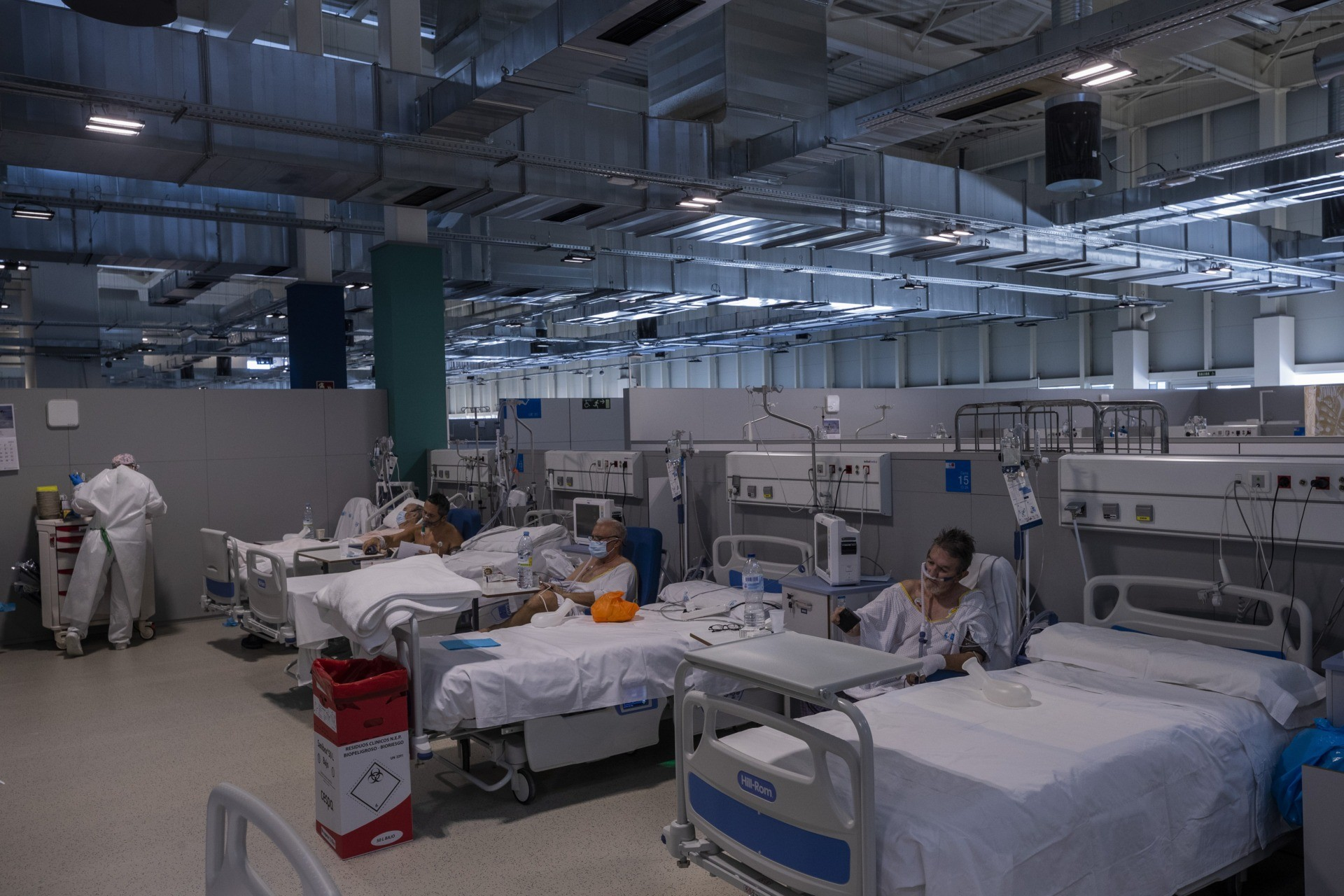
At the pandemic’s peak, some hospitals resorted to setting up mobile units in parking lots or repurposing indoor halls as temporary emergency wards. This underscores the importance of flexible expansion strategies, including pre-planned lightweight structures and quickly deployable modular roofs. These solutions enable hospitals to accommodate patient overflow without disrupting essential services.

4) Maintaining Routine Services Alongside Emergency Response

It became clear that halting all routine medical services during a pandemic is not a viable option. One of the key takeaways was the necessity of dividing hospitals into distinct zones one for handling infectious cases and another for routine care. This zoning ensures that surgeries, critical diagnostics, and other vital procedures continue without delays or exposure risks.

Future Recommendations for Strengthening Pandemic Hospital Design

To ensure resilience and readiness, healthcare facilities must adopt innovative design strategies and operational frameworks that allow for adaptability, safety, and continuity of care.

  1. Modular Design for Rapid Expansion: Hospitals should adopt modular designs that allow for the quick addition or removal of treatment units as needed. This flexibility enables facilities to scale operations in response to evolving healthcare demands without requiring extensive structural changes.
  2. Advanced Ventilation Systems with Adjustable Pressure Control: Investing in dynamic ventilation systems is essential. These systems should have the ability to adjust air pressure levels based on the risk profile of each hospital zone, thereby minimizing airborne contamination and improving infection control.
  3. Smart Isolation Pathways and Electronic Zoning: The implementation of smart isolation corridors featuring electronic gates and mobile partitions ensures complete separation between infectious and non-infectious zones. These smart pathways optimize patient flow and enhance safety for both staff and patients.
  4. Digital Infrastructure to Support Telemedicine: Expanding digital infrastructure is vital for enabling telehealth services. Equipping hospitals with secure networks and high-tech communication tools allows remote management of infectious patients, reducing the need for direct contact while maintaining care standards.
  5. Pre-Arranged Contracts with Suppliers and Contractors: Establishing pre-crisis agreements with suppliers and construction firms ensures the swift delivery of essential materials and equipment during emergencies. This readiness significantly reduces response time and operational delays during outbreaks.

In conclusion, the deep challenges revealed by the COVID-19 pandemic underscore the necessity of embracing an advanced approach to Pandemic Hospital Design, Healthcare Infrastructure. At the forefront of this transformation is HSI Healthcare Systems International, a center dedicated to healthcare training and consulting, with a mission to elevate the biomedical engineering sector.

Under the guidance of top-tier experts, HSI offers more than just training. it delivers tailored consulting and professional mentorship to healthcare institutions aiming to enhance their technical and service infrastructure. Through this unique combination of education and strategic advisory, HSI provides a comprehensive platform that empowers professionals and organizations to take an active role in shaping a safer, smarter, and more innovative healthcare environment.

Source: Hospitals’ Collaborations Strengthen Pandemic Preparedness: Lessons Learnt from COVID-19

Regulatory Compliance Challenges in Medical Equipment Planning: A Practical Guide

The healthcare sector faces numerous challenges that necessitate strict adherence to regulatory compliance, particularly in the field of medical equipment planning. Regulatory compliance is the cornerstone of ensuring the delivery of safe and high-quality healthcare services. It protects patients from potential hazards and ensures the implementation of the highest safety and quality standards at all stages. In this practical guide, we will explore the concept of regulatory compliance, its importance in medical equipment planning, the relevant regulatory environments and authorities, the essential components of regulatory compliance, and the technological solutions that facilitate the process, while highlighting common challenges and possible solutions to address them.

What is Regulatory Compliance?

In the healthcare sector, regulatory compliance refers to the process through which healthcare institutions and stakeholders adhere to the laws, regulations, and standards issued by government agencies and regulatory bodies. Regarding medical equipment planning, regulatory compliance involves ensuring that all devices and technologies used comply with the technical and legal requirements aimed at protecting patient health and achieving the highest levels of quality and safety. The objectives of regulatory compliance include:

  • Protecting patients from potential hazards.
  • Ensuring the delivery of effective and safe medical services.
  • Maintaining the reputation of the healthcare institution.
  • Avoiding legal risks and financial penalties resulting from non-compliance.


Importance of Regulatory Compliance in Medical Equipment Planning

Regulatory compliance is of paramount importance in medical equipment planning. It forms the backbone of ensuring patient safety by implementing precise standards that guarantee the efficient operation of devices and reduce the likelihood of medical errors. Adherence to these standards also helps mitigate legal risks that may arise from negligence or non-compliance, thereby protecting the healthcare institution from legal penalties and financial fines that could harm its reputation and operational capabilities.

Furthermore, regulatory compliance is a fundamental element in improving the quality of healthcare services provided. It ensures the use of the latest technologies and equipment that meet patient needs in accordance with international standards. It also enhances trust among patients, investors, and regulatory bodies by demonstrating the institution’s transparency and integrity in all its dealings. In this way, healthcare providers can achieve an ideal balance between innovation in medical equipment planning and strict adherence to the standards necessary to ensure the delivery of safe and effective services.

التنظير التألقي

Regulatory Bodies in the Field of Medical Equipment

The healthcare sector in many countries is characterized by a stringent regulatory environment that imposes precise standards on the planning and use of medical equipment, ensuring patient safety and the quality of services provided. In this context, regulatory bodies play a vital role in monitoring and approving medical devices and ensuring their compliance with the highest safety and efficiency standards.

Among the most prominent of these bodies is the U.S. Food and Drug Administration (FDA), which is a key reference in reviewing and approving medical devices before they are placed on the market and also monitors recall processes in case any violations are discovered to ensure consumer protection. Centers for Medicare & Medicaid Services (CMS) also supervise the provision of health insurance services to citizens by setting precise standards related to the planning and use of medical equipment, thereby achieving the highest levels of safety and quality.

Additionally, the Health Insurance Portability and Accountability Act (HIPAA) is an essential part of the regulatory compliance system, focusing on protecting the privacy of health data, especially when exchanging information related to medical equipment and its planning. The health system does not overlook the importance of adhering to local and international regulations, as regulations vary from country to country, requiring healthcare institutions to keep pace with local requirements and apply international standards that contribute to improving the quality of planning and management of medical equipment.

In light of the rapid technological developments in recent times, new regulatory trends are emerging that require regular updates to regulations to keep pace with changes. Digital transformation has become an urgent necessity with the increasing use of electronic systems in data management, which necessitates updating information protection procedures within the framework of regulatory compliance. The spread of virtual care services has also led to the emergence of new regulatory challenges in monitoring the use of medical equipment and digital technologies, which necessitates reconsidering regulatory frameworks to ensure the provision of advanced and safe healthcare services that meet the needs of the digital age.

Essential Components of Regulatory Compliance

Building a robust regulatory compliance system in medical equipment planning is a comprehensive process that relies on several essential components that contribute to ensuring continuous adherence to regulations and standards. This process begins with the development of effective policies and procedures, where healthcare institutions must formulate clear and comprehensive policies that specify the steps necessary for planning and using medical equipment in accordance with regulatory standards, while maintaining records of documentation and continuous reviews of policies and procedures to demonstrate compliance.

Regulatory Compliance in health

This is followed by training and awareness of employees by providing specialized training courses for all workers, focusing on the importance of regulatory compliance and the application of regulatory regulations for medical equipment planning, and organizing workshops and periodic educational courses to ensure that all employees remain up to date with the latest developments. The process also includes risk assessment and management by conducting periodic assessments to identify weaknesses in medical equipment planning and areas that may be exposed to regulatory risks and developing practical strategies to reduce these risks.

Monitoring and auditing include conducting regular internal audits to ensure that all departments of the institution comply with the policies and procedures followed and implementing corrective action plans in case any violations or deficiencies in the system are discovered.

Technological Solutions to Enhance Regulatory Compliance

With the rapid technological development, digital solutions have become essential tools to improve regulatory compliance in medical equipment planning. These solutions can be divided into three main categories:

Electronic Health Records (EHR) Systems

  • Data Protection: Electronic systems ensure the protection of health information through advanced encryption techniques and multiple verification procedures, thereby enhancing regulatory compliance.
  • Accurate Documentation: Electronic health records provide comprehensive and accurate documentation of medical information, which helps achieve compliance standards by tracking details.
  • Notifications and Alerts: Modern systems provide users with instant alerts when any malfunction occurs, allowing for quick corrective actions.

Regulatory Compliance Management Software

  • Policy and Procedure Management: These programs facilitate the creation and updating of a central library of policies and procedures, increasing compliance transparency.
  • Training and Certification Tracking: Institutions can track training courses and their results to ensure employees are familiar with regulations.
  • Conducting Audits: Compliance programs simplify internal audit processes by collecting and analyzing data automatically, reducing manual effort.

Data Encryption Technologies and Security Solutions

  • Data Encryption: Institutions use advanced encryption techniques such as AES to protect data during transmission and storage.
  • Access Control Systems: RBAC is implemented to ensure employees access data according to their responsibilities only.
  • Periodic Security Assessment: Penetration tests are conducted to detect and address security vulnerabilities, enhancing information protection.

Challenges and Solutions for Medical Equipment Planning

Healthcare institutions face several challenges during the implementation of regulatory compliance, and these challenges and their solutions can be divided into four main categories:

Compliance Fatigue

  • Challenge: Employee fatigue due to continuous adherence to regulations and procedures.
  • Impact: Increased risks and non-compliance with procedures.
  • Solutions:
    • Periodic training and awareness of the importance of compliance.
    • Use of compliance management programs and automated tools.
    • Employee motivation and rewards.

Keeping Pace with Regulatory Changes

  • Challenge: Continuous changes in regulations and laws.
  • Impact: Reliance on outdated policies, legal penalties, and operational risks.
  • Solutions:
    • Appointing specialized teams to monitor regulatory developments.
    • Subscribing to specialized publications from regulatory bodies.
    • Using specialized software that automatically updates data.

Regulatory Compliance in health

Challenges Related to Data Security and Information Privacy

  • Challenge: Protecting sensitive data from cyberattacks.
  • Impact: Financial losses, erosion of patient trust, and legal penalties.
  • Solutions:
    • Enhancing encryption technologies to protect information.
    • Implementing strict access control policies.
    • Training employees on data protection and cybersecurity.

Balancing Regulatory Compliance and Quality of Patient Care

  • Challenge: Difficulty balancing compliance and providing personalized and rapid healthcare.
  • Impact: Delays in decision-making, and negative impact on service delivery speed.
  • Solutions:
    • Simplifying procedures to integrate compliance standards into daily operations.
    • Using smart technologies to monitor compliance automatically.
    • Involving medical staff in policy development to ensure quality care.

Regulatory compliance in medical equipment planning is an imperative to ensure patient safety, improve the quality of health services, and avoid legal and operational risks. Adherence to regulatory regulations and standards is the foundation upon which the success of healthcare institutions in facing the increasing challenges in a rapidly changing regulatory environment is based.

Building an integrated regulatory compliance system requires the adoption of essential components that include accurate policies and procedures, continuous training and awareness, risk assessment and management, and periodic monitoring and auditing. The use of advanced technological solutions is also a key pillar to facilitate planning and data management, contributing to achieving the highest standards of regulatory compliance.

HSI Center for Health Training and Consulting provides specialized courses and consulting services that keep them aware of the latest developments in the medical field, helping them provide the best level of service and care to patients.

How to Overcome Customer Management Challenges in the Medical Sector?

Under the rapid advancements in biomedical engineering, customer management has become a pivotal factor for success in a competitive market. The biomedical field is among the most complex sectors due to its direct impact on human health, reliance on cutting-edge technologies, and stringent regulatory frameworks. Here, Customer Relationship Management (CRM) systems emerge as strategic tools to enhance communication, boost sales, and build long-term partnerships with clients. But how can these systems be effectively implemented in a sensitive field like biomedicine?

Customer Relationship Management (CRM) systems are technological platforms designed to organize a company’s interactions with clients—from targeting and follow-up to data analysis for service improvement. In biomedicine, the significance of these systems extends beyond sales growth to ensuring compliance with medical regulations, enhancing service quality for hospitals and physicians, and even strengthening brand reputation. Customer management here is not merely a marketing tool but part of an ethical framework aimed at safeguarding patients and institutions.

Customer Management

For instance, CRM systems help track client requests for medical devices, manage warranties, and remind technical teams of scheduled maintenance. This meticulous organization reduces human error and bolsters client trust in the brand—especially when dealing with diagnostic or therapeutic devices that directly impact patient lives. Effective customer relationship management thus becomes a social responsibility before a commercial one.

The Role of CRM Systems in Boosting Sales

The challenges in the biomedical sector go beyond developing medical solutions; they also involve managing multiple stakeholders in the sales process. A single client may include diverse parties such as physicians, procurement teams, maintenance staff, and regulatory bodies. CRM systems prove critical in coordinating communication among these stakeholders without losing vital information, ensuring a unified client experience. Successful CRM relies on understanding each party’s role and addressing their needs efficiently.

Moreover, medical devices often require specialized technical support and urgent interventions during emergencies. Enhanced CRM systems allow complaints to be prioritized and routed to the appropriate teams seamlessly, ensuring swift responses to client requests. In this context, customer management becomes about saving lives before generating profits.

Key Challenges in Biomedical Customer Management

Companies in biomedicine face unique challenges when implementing CRM systems. Chief among these is strict compliance with regulations such as GDPR (data protection) and FDA guidelines. These laws require companies to adapt CRM systems to meet regulatory demands, avoiding legal penalties and safeguarding patient and institutional confidentiality. Additionally, the biomedical sector involves highly complex sales cycles—often spanning months or years—due to multi-stage evaluations, administrative approvals, and clinical trials. This complexity demands precise, customized sales pipelines within CRM systems, coupled with continuous client updates, necessitating patient customer management and long-term strategies.

Effective Strategies to Improve Customer Management in Biomedicine

To maximize CRM benefits, biomedical companies should adopt tailored strategies. The first step is customizing CRM systems to address unique medical needs. Off-the-shelf CRM solutions may fall short, requiring features like stored data on sold devices, integration with medical databases, or inclusion of international quality certifications (e.g., ISO 13485) in client profiles. Such customization ensures flexibility in meeting the sector’s distinct requirements.

Teams must also be trained in both technical and communication skills. Sales personnel should understand biomedical engineering fundamentals alongside CRM proficiency, enabling professional client interactions—especially when explaining complex device specifications. Successful customer management balances technical expertise with human empathy.

Predictive analytics can anticipate future client needs by analyzing past sales data. For example, if a hospital purchases an MRI machine, it may require upgrades or comprehensive maintenance after five years. Smart CRM shifts from reactive to proactive engagement.

The Role of Technology in Advancing CRM Systems

Technology has become essential in refining customer management, particularly in healthcare. Modern CRM systems offer revolutionary tools, including:

Artificial Intelligence (AI): Analyzes client data to propose innovative solutions.

Integration with smart devices: Monitors performance and sends maintenance alerts.

Interactive dashboards: Enable real-time performance tracking and informed decision-making.

Augmented Reality (AR): Provides remote, detailed demonstrations of medical devices.

Customer Management in the Medical Sector

These tools streamline maintenance, reduce downtime, deliver accurate insights, simplify purchasing, and enhance client satisfaction through seamless experiences.

The Future of CRM in Biomedicine

The future of customer management will see greater personalization, with technologies like the Internet of Things (IoT) enabling direct communication with medical devices, automated maintenance alerts, and proactive monitoring. Virtual Reality (VR) will enhance client training for complex equipment, strengthening brand engagement.

CRM systems are a strategic necessity for biomedical companies—not just to boost sales but to build trust through deep client understanding and innovative solutions. As technology evolves, these systems grow smarter, empowering companies to excel in a market where there is no room for chance.

Success in this field demands more than high-quality products; it hinges on communication, rapid problem resolution, and data-driven decisions. Customer management is not optional—it is an investment in brand reputation and client satisfaction. With the right tools and strategies, every client interaction becomes an opportunity to foster loyalty and drive innovation in a sector that touches millions of lives.

All copyrights reserved to © HSI