How to Build Customer Relationships in Biomedical Engineering Sales

Have you ever wondered how a biomedical sales engineer handles all these tasks — from building customer relationships, working with the development team, to preparing proposals? In most tech companies, there’s a sales team that includes Account Executives, Sales Development Representatives, and others who assist sales engineers. However, managing customer relationships remains the cornerstone upon which sales are built — whether in the medical field or any other industry. In this article, we’ll explore how customer relationships are specifically built in biomedical engineering sales.

The Importance of Customer Relationships in Biomedical Engineering

Customer relationships form the foundation of a successful sales strategy. They enable strong performance in your territory and help meet company expectations. However, their importance goes beyond performance metrics—they foster trust, loyalty, and long-term mutual benefits. As a sales representative or manager, you act as the anchor for creating lasting connections, serving as a bridge between the needs of healthcare professionals and the solutions you offer. In biomedical engineering, where decisions are often complex and trust-dependent, building strong customer relationships becomes even more critical.

Customer Relationships

1- Building Trust and Communication

Trust is the cornerstone of any strong customer relationship. To build trust, it’s essential to communicate clearly, honestly, and with integrity. This means ensuring your messages are straightforward and easy to understand, always providing accurate information, avoiding exaggerated promises, and maintaining ethical and transparent conduct. Trust-based relationships lead to greater customer loyalty and repeat business.

For example, you should always answer product questions truthfully and provide factual information. If you don’t have the answer, it’s essential to obtain it from reliable sources such as medical information requests or by consulting a specialist. In biomedical engineering, trust in product quality and efficacy is crucial, so building customer relationships based on trust can enhance your personal and your company’s reputation.

2- Understanding and Managing Emotions

Moreover, relationship-building involves understanding and managing emotions. To close a successful sale, it’s important to recognize and respond to your clients’ emotional cues. Show empathy by putting yourself in their shoes to understand their perspective and challenges. Be authentic—genuine interactions foster deeper connections and greater trust. Emotional intelligence helps create a positive and lasting impression, making customers feel valued and understood. In biomedical sales, where professionals face complex and sensitive decisions, emotional intelligence can help build relationships grounded in trust and mutual understanding.

3- Understanding Customer Needs

Active listening is critical to understanding your customers’ needs and concerns. Effective listening involves giving your full attention, focusing entirely on the client during interactions, asking open-ended questions to encourage them to share more, and reflecting and clarifying by summarizing what they said to ensure correct understanding. Attentive listening helps tailor your solutions to their specific needs, enhancing customer satisfaction. In biomedical engineering, where solutions are often customized to meet specific requirements, effective listening can strengthen customer relationships by delivering personalized solutions.

4- Gaining Customer Trust and Providing Post-Sale Follow-Up

Reliability is key to maintaining strong relationships. To demonstrate reliability, you must always follow through on your commitments, consistently deliver on promises, and maintain regular follow-ups by staying in touch with customers to ensure their satisfaction and address any ongoing concerns. Take initiative to anticipate their needs and provide timely updates. Consistent follow-ups show that you care about their success and are committed to supporting them. In biomedical sales, where timely support can significantly impact patient care, fulfilling your promises and maintaining follow-up can enhance customer relationships and strengthen trust in your products and services.

5- Personalizing Customer Communication

Personalization makes your interactions more relevant and impactful. To personalize effectively, it’s important to know your customer, use CRM tools to gather and analyze customer data, talk with clients to understand their demographics, tailor your message to their specific needs and preferences, and show appreciation with personalized gestures like thank-you notes or holiday cards. Personal interactions make customers feel valued and understood, leading to stronger relationships. In biomedical sales, where professionals seek solutions tailored to their patients’ unique needs, personalizing your interactions can build customer relationships by showing that you understand their specific requirements.

6- Providing Outstanding Customer Service

Exceptional customer service is a key factor that sets you apart. To ensure outstanding service, it must be prompt (responding to inquiries and issues quickly), accessible (available through multiple channels such as phone, email, and social media), and sincere (showing empathy and a genuine willingness to help). Exceptional service can turn satisfied customers into loyal advocates. In biomedical engineering, where fast and effective support can impact patient outcomes, outstanding customer service can enhance relationships and create a competitive advantage.

7- Strengthening Long-Term Relationships

Adding value beyond the initial sale can strengthen relationships. Consider providing educational resources, offering access to relevant information such as clinical studies or industry updates, delivering ongoing support, and offering continued assistance and updates to help clients get the most out of your products. Provide networking opportunities by connecting them with key opinion leaders or other valuable contacts. Creating added value positions you as a trusted advisor, not just a sales representative. By going beyond the transaction and offering continuous support and valuable insights, you can build customer relationships that stand the test of time.

8- Maintaining Continuous Communication

Long-term engagement is essential for sustainable success. To promote engagement, conduct regular check-ins to stay top of mind, create feedback loops by actively seeking customer feedback and acting on it to improve your service. Long-term engagement ensures your customers remain loyal and continue to see value in their relationship with you. In biomedical sales, where product life cycles can span years, maintaining strong customer relationships through continuous engagement is critical for long-term success.

In conclusion, by focusing on these key strategies and integrating personal experience, you can build and sustain customer relationships that lead to long-term trust, loyalty, and success in the pharmaceutical and medical device industries. And if you’re looking to take your professional life to the next level as a biomedical engineer, you can now explore our services at HSI. We offer the best training courses and engineering consultations in the field of biomedical engineering. Let’s work together to achieve the highest levels of success.

Effective Communication Skills for Biomedical Engineers

Biomedical engineers play a pivotal role in developing and applying technology within healthcare. They serve as the bridge between engineering and medicine, integrating engineering principles with biomedical sciences to create solutions that enhance diagnosis, treatment, and overall patient care. Given the interdisciplinary nature of their work, effective communication skills are the cornerstone of their success.

The Importance of Communication Skills in Biomedical Engineering

Biomedical engineers often operate at the intersection of healthcare, engineering, and technology, requiring them to convey complex technical information clearly to a diverse audience—including healthcare professionals, patients, and regulatory bodies. This clear communication ensures that their innovative solutions and technologies are properly understood and correctly implemented in clinical settings, which is essential for patient safety and the successful adoption of biomedical devices. Thus, communication skills become an integral part of their professional practice.

Communication Skills in Biomedical Engineering

Communicating Effectively with Healthcare Professionals

Biomedical engineers collaborate closely with physicians, nurses, and other healthcare specialists. This collaboration demands clear, concise exchange of ideas and information. For example, when developing a new medical device, the engineer must explain the device’s design, functionality, and technical features to a physician in an accessible manner. Likewise, the engineer needs to understand the physician’s needs and requirements to design a device that effectively meets those needs. Strong communication here ensures smooth collaboration and the best possible outcomes for patients.

Communicating with Patients

In some cases, biomedical engineers interact directly with patients, especially when designing or fitting devices such as prosthetics or assistive technologies. In these situations, clear communication and empathy are critical. The engineer must be able to explain how the device works, how to use it, and how to maintain it. Additionally, they must listen attentively to patients’ concerns and questions and provide the necessary support and guidance. Good communication skills in these interactions help build trust between engineer and patient and contribute to a better patient experience and treatment outcome.

Communicating with Regulatory Bodies

The development of biomedical devices is subject to strict oversight by regulatory agencies such as the U.S. Food and Drug Administration (FDA). Biomedical engineers must prepare and submit technical documentation to obtain regulatory approvals. This requires excellent written communication skills and the ability to present complex technical information clearly and concisely. Effective communication in this context ensures compliance with regulations and facilitates the approval process for biomedical devices.

The Role of Communication in Team Collaboration

Strong communication skills enhance collaboration within multidisciplinary teams. Biomedical engineers often work alongside doctors, scientists, and other engineers, necessitating clear, concise exchanges of ideas and information. This collaboration is vital for problem-solving, as it allows integration of diverse perspectives and expertise, leading to more innovative and effective solutions. Good communication helps align team objectives, manage project timelines, and ensure that all team members are informed and engaged throughout the development process.

Problem-Solving and Decision-Making

When facing technical challenges, biomedical engineers must communicate effectively with colleagues to brainstorm ideas and identify possible solutions. This involves clearly explaining the problem, listening to different viewpoints, evaluating proposed solutions, and reaching consensus. Without strong communication skills, teams may struggle to solve complex problems and make sound decisions.

Project Management

Biomedical engineers often lead projects to develop medical devices. Effective project management involves continuous communication with team members and stakeholders. The project manager must define project goals, delegate tasks, track progress, and report results. Communication skills are essential to keep the project on track, within budget, and on schedule.

Written and Oral Communication

In addition to face-to-face interaction, biomedical engineers need excellent written and oral communication skills. Written communication includes preparing technical reports, writing research papers, and creating presentations. Engineers must be able to produce clear, concise, and accurate documents that faithfully reflect their work and achievements.

Oral communication encompasses delivering presentations at conferences and meetings, discussing ideas with colleagues and patients, and participating in technical discussions. Engineers must express their ideas clearly and confidently and respond effectively to questions.

Communication for Professional Growth

Beyond practical benefits, effective communication is also crucial for the professional growth and career advancement of biomedical engineers. Being able to present ideas and results through presentations, research papers, and reports boosts professional credibility and can lead to greater recognition in the field. It also opens doors to leadership roles, as effective communicators are often seen as leaders who can inspire and guide teams. Overall, the ability to communicate effectively is indispensable for biomedical engineers to advance their careers, foster collaboration, and ensure the successful application of their technical expertise in healthcare.

Persuasion and Influence

Biomedical engineers sometimes need to persuade others to adopt their ideas or solutions. This process involves presenting compelling arguments, supporting them with evidence, and communicating in a way that resonates with the audience. Communication skills are essential for influencing decisions and achieving objectives.

Predictive Maintenance of Medical Equipment

Active Listening

Communication is not just about speaking and writing; it also involves active listening. Biomedical engineers must listen attentively to others’ perspectives, understand their needs and concerns, and respond appropriately. Active listening helps avoid misunderstandings, build trust, and improve relationships.

The importance of communication skills for biomedical engineers cannot be overstated. They are essential for effective interaction with healthcare professionals, patients, and regulatory bodies; for collaboration within multidisciplinary teams; and for professional growth and relationship building. By developing these skills, biomedical engineers can amplify their impact, achieve career success, and ultimately contribute to improving healthcare. If you’d like to enhance your communication skills as a biomedical engineer, check out our specialized training courses and services in biomedical engineering.

How to Present Technical Information to Non-Technical Clients

The ability to present technical information clearly to non-technical audiences has become a critical skill in today’s digital world where technology intersects with every business sector, especially in fields like biomedical engineering, technical sales, and customer communication teams, simplifying technical concepts and delivering them in a smooth and engaging way is essential for success. This article explores key strategies and practical tips for effectively communicating technical information to non-specialists.
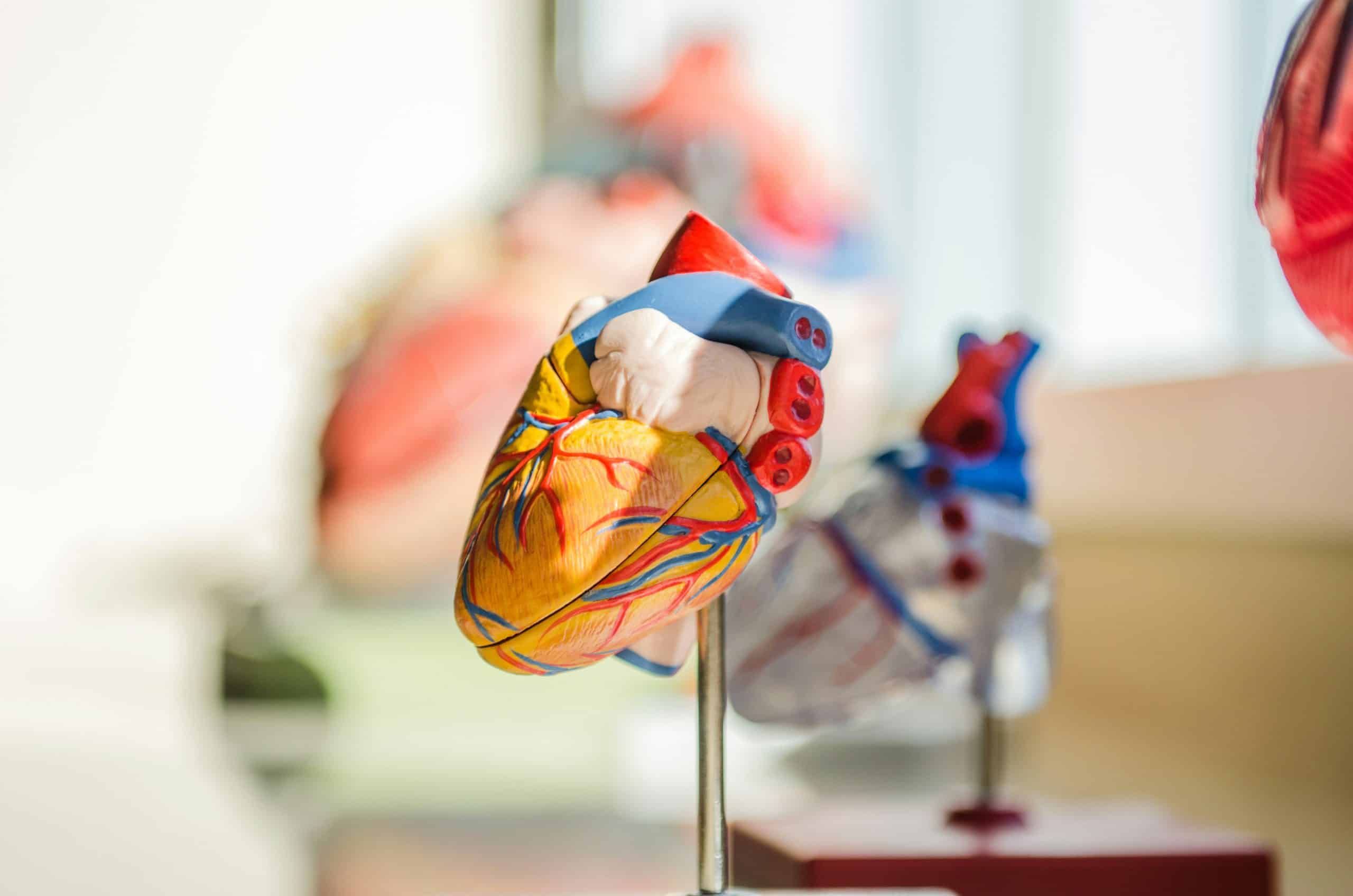
The Importance of Simplifying Technical Information in Sales Success

In a fast-paced, ever-evolving market, technical information has become a cornerstone of technical sales and customer interactions. Presenting complex concepts in a way that is easy for non-experts to grasp builds trust and strengthens the relationship between technical teams and their clients. Mastering the delivery of technical information is not just about knowledge transfer—it’s an art that balances accuracy, clarity, and creativity. The following strategies will help transform technical content into practical tools that support sales and improve customer engagement.

Technical Information

1) Start by Highlighting Relevance and Benefits

When presenting technical information, begin by clearly demonstrating how it impacts your client and what it means for them in real-world terms. It’s not enough to explain how a system works or describe technical processes you need to highlight the direct benefits your audience will gain, such as enhanced performance, cost savings, or improved efficiency.

Before any presentation, conduct research to understand your audience’s needs and interests. This preparation helps you tailor your message to answer the crucial question: “What’s in it for me?” from the outset. Connecting technical details to tangible client benefits makes the conversation smoother and keeps the audience engaged.

You can check out: Mastering Technical Sales in Biomedical Engineering

2) Minimize Excess Technical Information

It’s common for technical professionals to possess a vast amount of technical information, but trying to convey everything in a short time can overwhelm clients. Instead, it’s essential to focus on the most critical points and eliminate any non-essential details that may distract or confuse the audience.

Carefully selecting the core ideas that define the project or technology and anticipating potential client questions will enhance understanding. When a presentation centers on key takeaways, it becomes much easier for clients to grasp the overall concept without feeling pressured or overloaded.

3) Use Storytelling to Clarify Complex Concepts

Nothing captures attention quite like a compelling story. When presenting technical information such as the features of a medical device—you can transform complex ideas into a narrative that’s easy to follow and engaging. Real-life examples, personal experiences, and success stories help demonstrate how technology applies in everyday practice.

Technical Information

For instance, instead of diving straight into the specifications of a digital security system, you might tell a story about a healthcare facility that protected its patients thanks to the right technology. This storytelling approach not only clarifies the concept but also builds trust and emotional connection with the client.

4) Eliminate Complex Terminology

Alongside the above strategies, one of the most important practices in sharing technical information is avoiding jargon. Technical experts often use specialized terms that are only familiar within their field. To communicate effectively with non-technical audiences, it’s crucial to simplify the language.

Adopt a clear and straightforward explanation style. If technical terms must be used, consider providing a brief glossary or defining them in context with real-world examples. Breaking down essential information into digestible pieces helps clients connect terminology with actual value, making your message clearer and more impactful.

5) Use Visual Aids to Enhance Understanding

Visual tools are among the most effective methods for delivering technical information quickly and clearly. Studies show that a large percentage of people are visual learners, which makes charts, infographics, and visual slides essential elements in any presentation.

Prepare diagrams, models, and step-by-step flowcharts to illustrate the technical process clearly. Visuals can reduce the need for lengthy explanations and provide a comprehensive overview that helps clients understand key concepts faster. Use color schemes, visual highlights, and subheadings to emphasize important points and strengthen the overall message.

Technical Information

6) Encourage Interaction and Listen to Feedback

Engaging with your audience is a vital part of presenting technical information. The presentation shouldn’t be a one-way lecture, it should include dedicated moments for questions and discussions. This approach demonstrates respect for the audience and gives them the opportunity to clarify any unclear points directly.

Pay attention to facial expressions and audience reactions to gauge comprehension. Don’t hesitate to revisit or simplify complex ideas. Asking simple follow-up questions can confirm whether the message has been understood. This interactive method fosters trust and creates a stronger connection between you and your clients.

You can learn more about: Tips and Skills to Improve Public Speaking for Biomedical Engineers

7) Focus on Business Outcomes

In technical sales, clients are ultimately interested in the practical benefits of the proposed technology. That’s why your presentation of technical information should emphasize how it contributes to tangible business outcomes, such as return on investment (ROI), operational efficiency, or risk reduction.

When comparing technologies, highlight the features that directly translate to business value, like cost savings, improved workflows, or enhanced cybersecurity. By presenting these clear, real-world benefits, you give your clients a compelling reason to adopt the technology and understand how it fits into their business strategy.

Simplifying, technical information is a strategic investment in building trust and strong communication with non-technical clients. At HSI, we are proud to be your partner in advancing excellence in biomedical engineering. We offer specialized training courses and advanced consultations designed to transform complex technical information into practical, innovative solutions. Join us now to develop essential skills and receive personalized guidance that empowers you to thrive in a fast-evolving world!

Source: How to Explain Technical Concepts to a Non-Technical Audience

The Importance of Teamwork in Engineering Biomedical Projects

In the field of biomedical engineering, teamwork in engineering has become a crucial factor in achieving scientific advancements and innovations that contribute to improving healthcare quality and developing medical technologies. The rapid progress in this domain can only be realized through effective collaboration among experts from various disciplines, including medicine, engineering, computational sciences, and biology. This article explores the significance of teamwork in biomedical engineering projects.

Key Aspects of Teamwork in Biomedical Engineering Projects

The biomedical engineering sector faces complex challenges that require a deep and integrated knowledge base. Given the intricate nature of medical and technological problems, teamwork in engineering is essential, bringing together specialized minds to develop innovative and sustainable solutions. In this context, teamwork plays a pivotal role in enhancing decision-making processes, data analysis, and the development of computational models that assist in predicting treatment pathways and identifying factors affecting the performance of medical devices.

Teamwork in Engineering Biomedical

By combining diverse expertise and skills, teams can exchange ideas and theories, leading to a deeper understanding of the issues at hand and providing comprehensive solutions that go beyond individual expertise. For this reason, teamwork in engineering remains a fundamental pillar of success in biomedical research and development projects.

1) Enhancing Knowledge and Expertise Sharing

Teamwork in engineering enables knowledge exchange among team members, with each individual bringing unique experiences and skills that complement one another. For instance, software engineers collaborate closely with doctors and biological researchers to analyze medical data and design advanced treatment solutions. This diversity in expertise strengthens the team’s ability to understand problems from multiple perspectives and develop well-rounded, effective solutions.

You can also get acquainted with: Effective Communication Skills for Biomedical Engineers

2) Accelerating the pace of innovation and development

When a team works together, it can adopt innovative thinking approaches that combine advanced computational models, statistical analysis, and technological innovation. Studies have shown that teamwork in engineering accelerates the pace of innovation by fostering the interaction of diverse ideas within a single environment. This leads to the development of new technologies in a shorter time and with higher efficiency.

3) Enhancing Decision-Making Processes

Through regular meetings and consultations among team members, decision-making becomes more precise, based on scientific data and a comprehensive analysis of problems. This continuous interaction among different specialties ensures that decisions are well-studied and grounded in a broad perspective, helping to minimize errors and achieve optimal outcomes in biomedical projects.

Teamwork in Engineering Biomedical

4) Strengthening Analytical and Predictive Capabilities

Computational models play a crucial role in biomedical engineering projects by analyzing large and complex data sets. Here, teamwork in engineering truly shines, as it enables the integration of computational model results with human expertise to provide accurate recommendations. This synergy between computational analysis and human insight helps develop powerful predictive tools that improve disease diagnosis and treatment selection with greater efficiency.

5) Creating an Inspiring and Collaborative Work Environment

A collaborative and interactive work environment is one of the key factors in the success of engineering projects. When team members feel that their opinions are valued and their contributions matter, they are motivated to give their best. Teamwork in engineering fosters a culture of trust and mutual respect, enhancing team spirit and leading to groundbreaking results.

Applications of Teamwork in Engineering for Biomedical Innovations

Collaboration is the foundation of various biomedical engineering applications, enabling the integration of multiple disciplines to achieve optimal results. Multidisciplinary teams tackle complex medical challenges by sharing knowledge and utilizing modern technology. Below are some key applications that highlight the significance of teamwork in engineering within this field.

Teamwork in Engineering Biomedical

Medical Device Design

Developing a new medical device requires expertise from various fields, from engineering design to clinical testing. A collaborative team works together to:

  • Analyze User Needs: Gathering insights from doctors and patients to ensure the device meets practical medical requirements.
  • Develop Prototypes: Engineers and designers collaborate to create and test initial prototypes.
  • Refine and Improve: The team reviews test results, identifies weaknesses, and enhances the device based on feedback.

Research and Development in Biotechnologies

Biomedical research projects rely on multidisciplinary teams working together to develop innovative solutions for complex medical challenges. For instance:

  • Artificial Intelligence and Data Analysis: Data scientists collaborate with software engineers to create algorithms that analyze patient data and predict disease progression.
  • Medical Imaging: Medical imaging specialists work with engineers to enhance imaging technologies and improve diagnostic accuracy.

Teamwork in Engineering Biomedical

Managing Complex Medical Projects

Managing biomedical projects is one of the most complex tasks, requiring high-level coordination among all team members. Through teamwork in engineering, responsibilities can be clearly defined, tasks efficiently distributed, and overall project performance optimized while minimizing time and resource waste. This effective coordination contributes to:

  • Achieving Research Goals: By tracking progress and conducting regular evaluations.
  • Enhancing Communication: Ensuring continuous information exchange and project updates.
  • Risk Management: Anticipating challenges and implementing preventive measures before they escalate.

You can read more about: The Importance of Sales Skills for Biomedical Engineers and How to Master Them

In conclusion, Innovation and progress in biomedical engineering are impossible without a collaborative environment that supports knowledge exchange and shared expertise. The integration of different specialties plays a key role in developing more efficient medical solutions and enhancing healthcare quality. This is where HSI, placing teamwork in engineering at the core of its mission to advance professionals in biomedical engineering through specialized training programs and advanced healthcare solutions.

HSI offers a comprehensive range of training programs designed to equip professionals with essential skills and knowledge to excel in the field, from medical device design to healthcare software development and health system management. Additionally, HSI provides expert consulting services to assist individuals and organizations in achieving their professional goals and making a meaningful impact in the healthcare industry. If you aspire to elevate your career in biomedical engineering, HSI is your ideal partner on the journey to excellence and innovation!

Source: Characterizing Teamwork Dynamics and Computational Model-Based Reasoning in Biomedical Engineering Projects

Mastering Technical Sales in Biomedical Engineering: A Beginner’s Guide

Technical sales in biomedical engineering is a crucial field that bridges technical expertise and commercial knowledge to deliver innovative solutions that enhance healthcare services. With the rapid advancement of technology and continuous innovation in this sector, both beginners and professionals must develop a deep understanding of technical sales strategies and their practical applications to drive business success and improve medical products. In this article, we will explore key concepts and fundamental theories in technical sales, providing a comprehensive guide for beginners on leveraging advanced strategies and technological tools to achieve successful sales in biomedical engineering.

The Role and Importance of Technical Sales in Biomedical Engineering

Technical sales involve selling products or services that require specialized technological and technical knowledge. Sales professionals in this field must have an in-depth understanding of the product, system, and underlying technology. In biomedical engineering, the primary objective of technical sales is to provide innovative solutions that enhance healthcare quality. This includes selling medical devices, technological software, and diagnostic and monitoring systems that support accurate clinical decision-making.

Technical Sales in Biomedical Engineering

Why Are Technical Sales Important?

Technical sales have become a fundamental component of biomedical equipment and device companies. Investing in technical sales development directly contributes to improved commercial performance and excellence in delivering sustainable healthcare services. The importance of technical sales in this field can be summarized as follows:

  • Continuous Technological Advancements: Constant innovation demands the introduction of advanced products and solutions.
  • Need for Customized Solutions: Tailored solutions are required to meet the precise needs of hospitals and medical centers.
  • Increasing Competition: Companies must offer added value beyond just the technical features of their products to stay ahead.

Key Elements of Successful Technical Sales

To excel in technical sales, sales professionals must master a set of essential skills and elements, including:

  1. Deep Technical Knowledge: A thorough understanding of medical products and systems, including technical specifications and functionality, is crucial. This requires continuous monitoring of the latest developments in medical technology.
  2. Communication and Negotiation Skills: The ability to simplify technical benefits for non-specialist buyers is a critical skill for success.

  3. Market Analysis: Understanding market trends and identifying customer needs help in offering precise solutions.
  4. Innovation and Creativity: Developing unique presentations and customized solutions gives a competitive edge.
  5. Technical Support and Training: Providing post-sales support and technical training builds trust and fosters long-term customer relationships.

You can also check out: The Importance of Sales Skills for Biomedical Engineers and How to Master Them

The Role of Technology and Innovation in Enhancing Technical Sales

Technology plays a pivotal role in advancing technical sales in biomedical engineering. The integration of digital systems, artificial intelligence, and data analytics significantly improves how sales presentations are delivered and how solutions are tailored to meet customer needs. Some of the key technological applications in technical sales include:

  • Virtual and Augmented Reality: These technologies enable interactive presentations, allowing customers to experience products before making a purchase.
  • Smart Analytics: Data analysis helps understand customer behavior and predict future needs.
  • Advanced CRM Tools: Modern customer relationship management (CRM) systems track customer interactions and analyze data to refine sales strategies.
  • E-Learning and Training: Continuous educational resources help sales teams stay updated with the latest technological advancements.

Technical Sales in Biomedical Engineering

Challenges in Technical Sales and How to Overcome Them

Despite the potential for success in technical sales, professionals in this field face various challenges due to the complexity of products and the ongoing innovations in medical technology worldwide. The most common challenges include:

  1. Knowledge Gap Between Sales Teams and Customers: Many customers have limited technical knowledge, requiring simplified explanations and ongoing technical support.
  2. Intense Competition: Strong market competition demands value-added offerings that go beyond conventional sales approaches.
  3. Evolving Market Needs: Companies must continuously adapt to the latest advancements in medical technology to ensure they provide innovative solutions.
  4. Regulatory and Legal Challenges: Compliance with industry regulations can impact how medical products are marketed and distributed.

To overcome these challenges, experts recommend adopting flexible strategies that include continuous training for sales teams, investing in research and development, and leveraging advanced digital marketing techniques. These strategies are essential for improving performance and strengthening a company’s market position.

The Importance of Training and Professional Development

Training and professional development are essential for achieving success in technical sales. Companies that prioritize skill enhancement for their sales teams consistently gain a competitive edge. Key aspects of effective training include:

  • Workshops and Training Courses: Focused on both technical knowledge and sales skills.
  • Continuous Learning: Keeping up with the latest research and reports on medical technology.
  • Simulation and Practical Training: Using simulation techniques to prepare sales teams for real-world scenarios.

According to reports from leading biomedical engineering publications, investing in professional training significantly enhances sales team efficiency, leading to improved performance and higher customer satisfaction.

Successful Case Studies in Technical Sales

Several case studies highlight the effectiveness of technical sales in the biomedical engineering field. For example, a leading medical device manufacturer increased its market share by 30% in just one year by adopting advanced technical sales strategies. This success was driven by leveraging data analytics to understand customer needs and using virtual reality to create innovative sales presentations.

In another case, a startup specializing in medical software implemented an advanced CRM system to analyze customer data and personalize sales offers. This approach resulted in an improved customer experience and higher conversion rates. These examples demonstrate that technical sales are not just about selling products but about integrating technology and innovation to achieve measurable success.
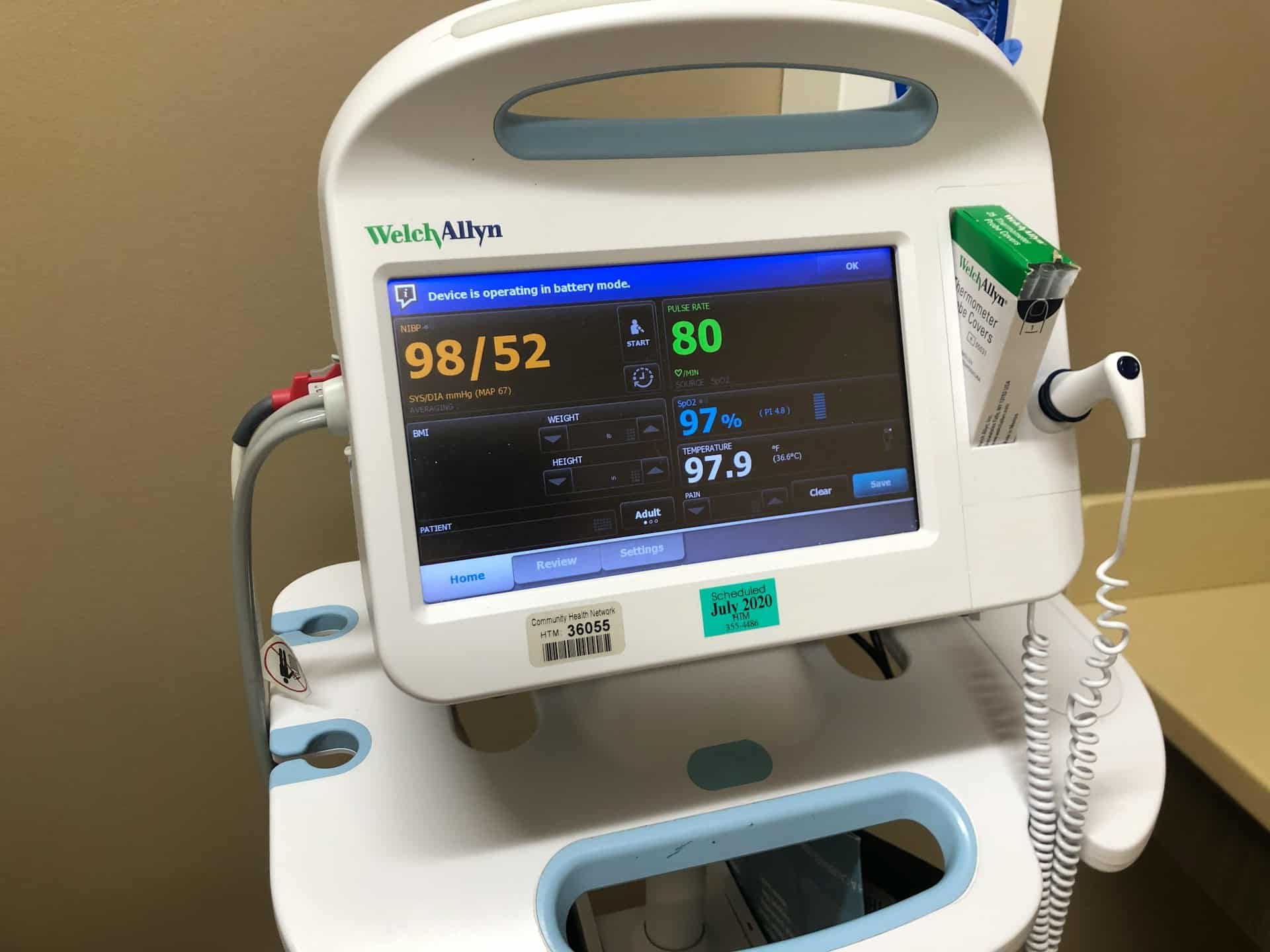
Technical Sales in Biomedical Engineering

Essential Tips for Beginners in Technical Sales

If you are new to technical sales in biomedical engineering, understanding key strategies can help you build a strong foundation and achieve success in this highly competitive field. Here are some valuable tips to help you get started with confidence:

  • Commit to Continuous Learning: Stay updated on the latest advancements in medical technology and innovations shaping the medical devices market.
  • Develop Your Technical Skills: Gain in-depth knowledge of the products and systems you are selling to effectively explain their benefits to customers.
  • Communicate Effectively: Build strong relationships with clients by providing ongoing technical support and tailored solutions.
  • Gain Practical Experience: Participate in workshops and training sessions, and study real-world case studies showcasing best practices in technical sales.
  • Understand the Market: Analyze market data and the current needs of hospitals and medical centers to tailor sales offers that meet customer expectations.
  • Leverage Technology: Use digital tools for data analysis and interactive presentations to highlight product advantages in an engaging and innovative way.

You can also get acquainted with: How to develop effective presentation skills for sales

Mastering technical sales in biomedical engineering is not just a skill—it is the key to success in a rapidly evolving industry that demands both deep technological understanding and the ability to deliver innovative solutions. As competition increases, continuous training and professional development become essential for ambitious professionals.

At HSI Training & Consulting, we offer specialized programs designed to enhance the skills of biomedical engineers. Through hands-on training and expert guidance, we equip you with the tools needed to excel in technical sales and make a real impact in the healthcare industry. Contact us now and become a leader in the future of biomedical engineering!

Soft skills for engineers of biomedical 2025 | 5 basic skills

In an era of rapid advancements in biomedical engineering, technical knowledge alone is no longer sufficient for success. Soft skills for engineers have become a crucial component in the career development of any biomedical engineer aiming to excel in this competitive field. In this article, we will explore five fundamental soft skills that blend personal and professional aspects, forming the cornerstone of a successful future for biomedical engineers in 2025.
Soft Skills for Biomedical Engineers

In the growing field of biomedical engineering, soft skills are essential for success and innovation. Biomedical engineers must integrate a combination of scientific knowledge, technical expertise, and interpersonal skills to excel in their roles. Below are the key soft skills that biomedical engineers need to thrive in the evolving landscape of biomedical technology and healthcare.

1) Effective Communication and Collaboration Skills

Effective communication is one of the most critical soft skills for engineers, especially in a field that requires collaboration with multidisciplinary teams. Biomedical engineering is not solely about technical expertise; it also involves the ability to explain complex concepts clearly to doctors, nurses, scientists, and other healthcare professionals.

soft skills for engineers

The Importance of Communication in the Workplace

In biomedical projects, engineers from various disciplines, such as electronics, mechanics, and biology, collaborate to develop medical devices or innovative treatment solutions. Therefore, engineers must be capable of:

  • Explaining Complex Ideas in Simple Terms: This helps facilitate knowledge transfer among professionals with different backgrounds.
  • Negotiating and Conflict Resolution: Engineers should be able to manage discussions and resolve personal conflicts that may arise during teamwork.
  • Delivering Presentations and Reports: Strong presentation skills ensure that projects meet required standards and receive necessary support from all stakeholders.

Additionally, active listening is a crucial part of soft skills for engineers. It enables them to quickly grasp team feedback and develop integrated solutions that align with workplace needs. Given the intense competition and complex challenges in the industry, continuous collaboration and effective communication significantly enhance an engineer’s ability to innovate and accelerate project execution.

2) Problem-Solving and Creative Innovation

Biomedical engineers face complex challenges that require innovative and effective solutions, making problem-solving and creative thinking fundamental pillars in medical project development.

Integrating Creativity with Problem-Solving Methodologies

Developing advanced medical devices demands a deep understanding of medical challenges and a precise analysis before proposing innovative solutions. This highlights the importance of:

  • Critical Problem Analysis: Studying all aspects of a problem and identifying strengths and weaknesses in the system.
  • Generating New Ideas: Utilizing creativity to design devices or systems that enhance treatment outcomes.
  • Experimentation and Practical Application: Testing new ideas in a simulated environment or on a small scale before full implementation.

soft skills for engineers

By refining their soft skills, engineers can systematically and creatively tackle problems, delivering solutions that exceed expectations and contribute to improving healthcare services. Furthermore, combining analytical thinking with creativity fosters an innovative work environment where technical expertise meets renewal and invention.

3) Analytical Thinking and Scientific Research

Analytical thinking and scientific research are core elements and the driving force behind innovation in biomedical engineering. These soft skills for engineers expand the boundaries of knowledge and open new horizons for medical technology advancements.

The Role of Research and Analysis in Performance Improvement

Engineers face challenges that require a deep understanding of data and precise analysis to develop practical solutions that directly aid patient treatment and assist medical professionals. This process involves:

  • Data Collection and Analysis: Utilizing advanced scientific research methods to analyze results and ensure the safety and effectiveness of medical devices.
  • Continuous Experimentation: Conducting repeated trials to refine prototypes and improve them based on analytical findings.
  • Practical Application of Research: Translating research outcomes into technological solutions applicable in hospitals and medical centers.

Enhancing engineers’ analytical and research skills enables them to gain deeper insights into medical needs, leading to the development of cutting-edge devices that improve patient quality of life. Moreover, the ability to analyze information and extract valuable conclusions is key to progress in this field, especially with the continuous advancements in information technology and big data.

You can also check out: The Importance of Sales Skills for Biomedical Engineers and How to Master Them

4) Adaptability and Continuous Learning

Another essential soft skill for engineers, particularly in biomedical engineering, is the ability to adapt and engage in continuous learning. Given the rapid technological advancements in the healthcare sector, staying updated is crucial for long-term success.
soft skills for engineers

Challenges and Changes in the Work Environment

Biomedical engineering is one of the most rapidly evolving fields, with new technologies emerging regularly and market demands constantly shifting. Engineers must:

  • Stay Updated with Innovations: Follow the latest research, technologies, and breakthroughs relevant to their field.
  • Be Open to Change: Embrace new learning methodologies and develop practical strategies to handle evolving challenges.
  • Invest in Self-Development: Participate in training courses, workshops, and scientific events to enhance their knowledge and skills.

Adaptability is a key soft skill for engineers that enhances resilience and confidence in handling industry changes. Engineers who commit to continuous learning not only keep up with current trends but also invest in their professional future, ensuring they remain competitive and innovative in their field.

5) Ethical Professionalism and Compliance with Standards

Given the critical nature of biomedical engineering, where patient safety and well-being are at stake, ethical professionalism and adherence to industry standards are among the most vital soft skills for engineers in this domain. Technical expertise alone is not enough—engineers must also uphold ethical responsibility in their work.

soft skills for engineers

The Importance of Ethics and Regulatory Standards

When designing medical devices and therapeutic applications, engineers must ensure that all processes align with strict ethical and regulatory guidelines, including:

  • Compliance with Regulatory Bodies: Adhering to standards set by organizations like the FDA and ISO to guarantee product safety and effectiveness.
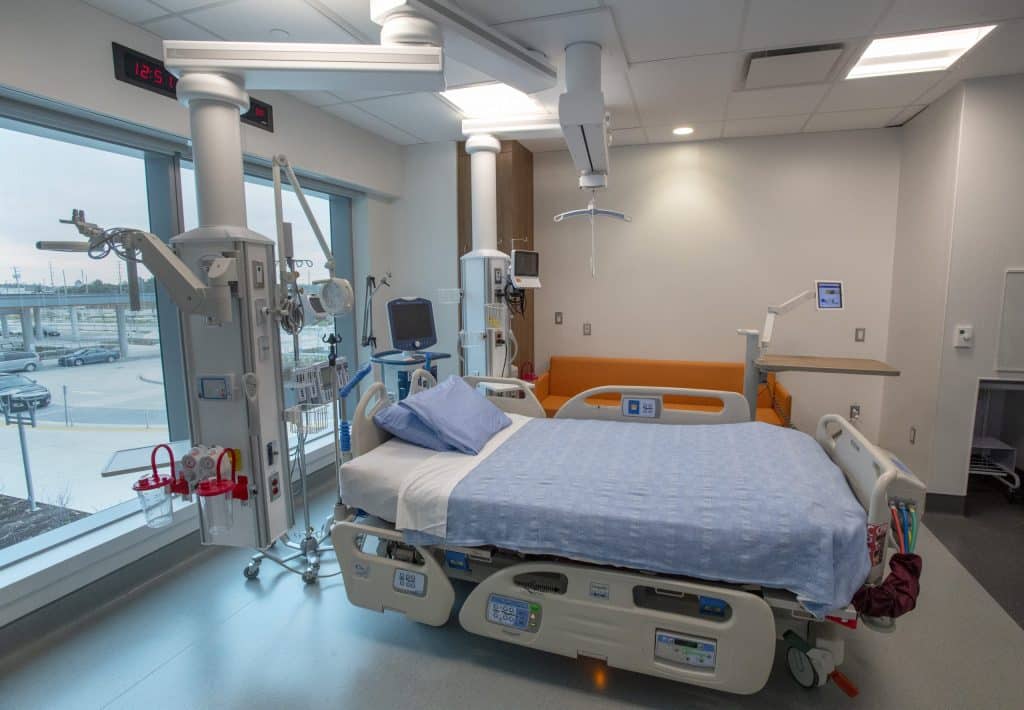
  • Protecting Patient Privacy: Ensuring that all technological solutions respect patient rights and maintain data confidentiality.
  • Social Responsibility: Practicing transparency and integrity in all professional interactions.
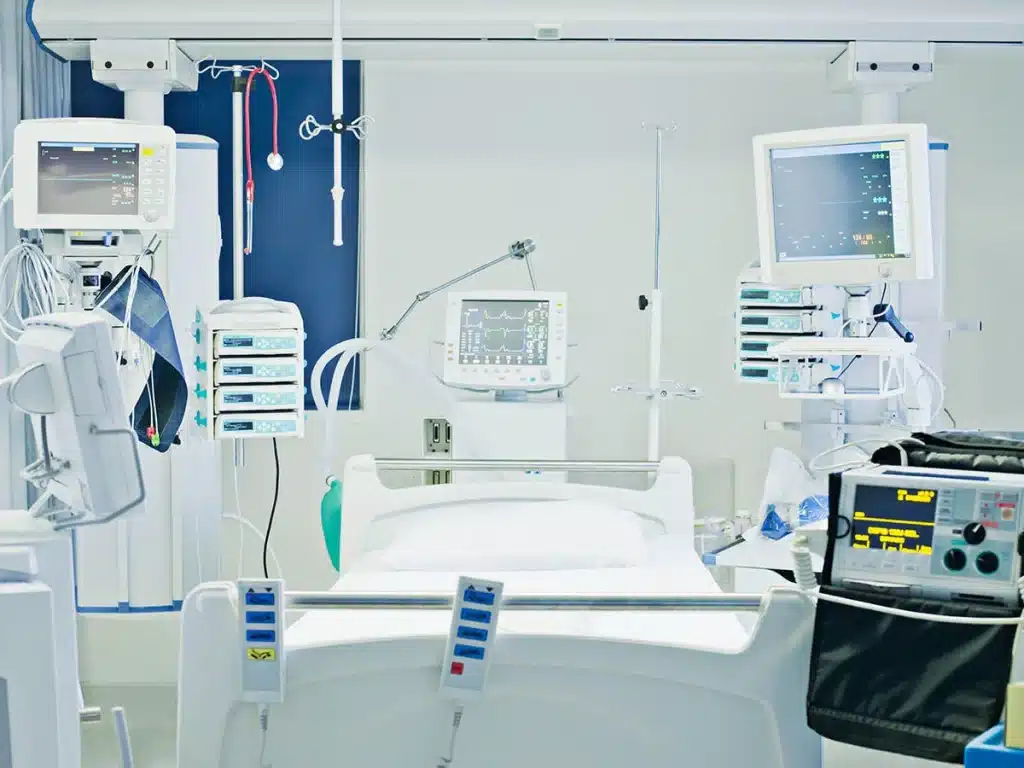
Strengthening ethical professionalism ensures that engineers play an active role not only in technological advancements but also in patient safety and community welfare. Upholding high ethical standards and industry compliance builds trust and credibility, which are invaluable assets in a successful engineering career.
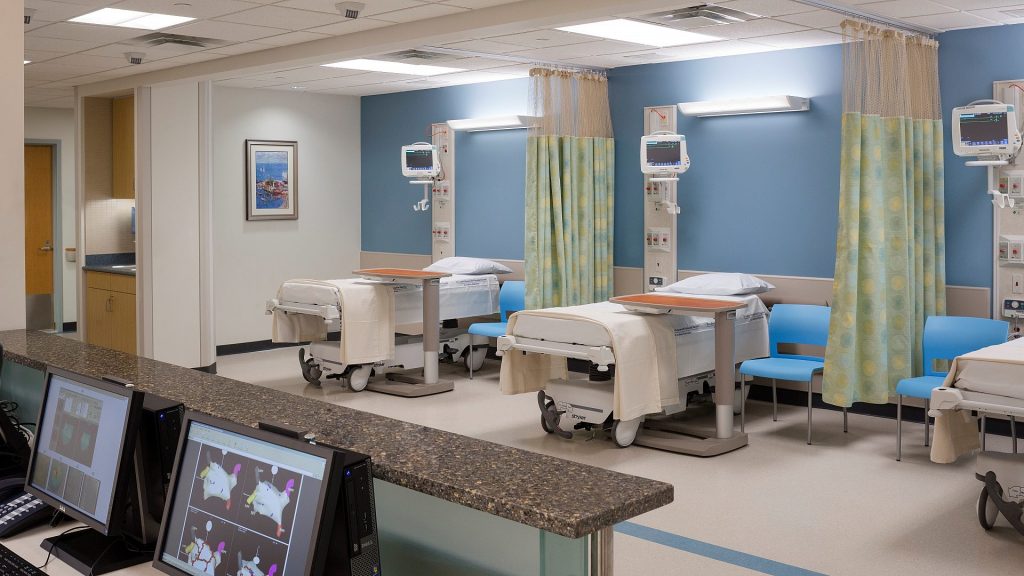
In the rapidly evolving field of biomedical engineering, success is not solely dependent on technical knowledge. Soft skills for engineers, such as adaptability, analytical thinking, problem-solving, and ethical professionalism, are critical for innovation and effective collaboration in multidisciplinary environments.

If you are looking to advance your career in biomedical engineering, HSI is your gateway to excellence. We offer a comprehensive range of specialized training programs led by industry experts to help you acquire the skills necessary to enhance your career prospects and make a real impact in the healthcare sector. Join us now and be part of the future of biomedical engineering!

Source: Top Skills You Need for a Career in Biomedical Engineering

Effective Communication Skills for Biomedical Engineers

Have you ever imagined that a single word could save a patient’s life? Or that effective communication skills between an engineer and a doctor could lead to the invention of a device capable of diagnosing critical diseases? This article is not just a theoretical discussion about the importance of communication; it is an exploratory journey into how effective communication makes the difference between a successful medical device and a failed one. It also highlights how a biomedical engineer serves as a bridge between complexity and simplicity, between laboratories and hospitals, and between technology and humanity.

Why Do Biomedical Engineers Need Strong Communication Skills?

Biomedical engineering is a multidisciplinary field that combines engineering, medicine, and biology. Biomedical engineers are responsible for designing medical devices, improving diagnostic systems, and even developing software that assists in medical data analysis. However, the success of these innovations heavily depends on engineers’ ability to communicate effectively with various professionals in the healthcare industry.

Communication Skills for Biomedical Engineers

Many assume that a biomedical engineer’s role is limited to designing devices or analyzing data. In reality, this field is a complex network of relationships requiring constant communication with key individuals such as:

  • Doctors and nurses: To accurately understand clinical needs.
  • Patients: To grasp the daily challenges, they face.
  • Technicians and programmers: To translate ideas into technical protocols.
  • Investors and regulatory officials: To persuade them of the viability of innovations.

Without strong communication skills, groundbreaking ideas may lose their true value. For instance, if a biomedical engineer fails to clearly explain how a new medical device functions to a healthcare team, the device may be ignored or misused, putting patients’ lives at risk. Therefore, communication is not merely an additional skill or a luxury—it is an essential part of a biomedical engineer’s daily work.

Essential Communication Skills for Biomedical Engineers

To achieve effective communication, biomedical engineers must develop a diverse set of skills, including:

  1. Speaking in clear and simple language: Avoiding complex technical jargon when communicating with non-specialists, such as doctors or patients, and instead using clear and straightforward language.
  2. Active listening: Communication is not just about conveying information but also about understanding the needs and concerns of others. For example, when working with a doctor to develop a new medical device, an engineer must fully grasp the clinical challenges faced by the physician and how the device can help address them.
  3. Delivering compelling presentations: Whether in team meetings or scientific conferences, biomedical engineers must be able to present their ideas clearly and persuasively, utilizing charts and visuals to explain complex concepts effectively.

Communication Skills for Biomedical Engineers

Challenges in Communication within Biomedical Engineering

Despite its importance, communication in biomedical engineering comes with several challenges, primarily due to the knowledge gap between engineering and medicine. Since biomedical engineering is a relatively new field, these challenges can be summarized as follows:

Challenge 1: The Gap Between “Engineering Language” and “Medical Language”

Engineers are trained to think analytically and technically, whereas doctors focus more on clinical and human-centered aspects. While a doctor emphasizes clinical diagnosis, an engineer concentrates on measurement accuracy. The solution? Creating shared spaces such as joint workshops where each party familiarizes the other with fundamental terminology and develops strategies to integrate their perspectives effectively.

Challenge 2: Communicating with Patients Who Lack Technical Backgrounds

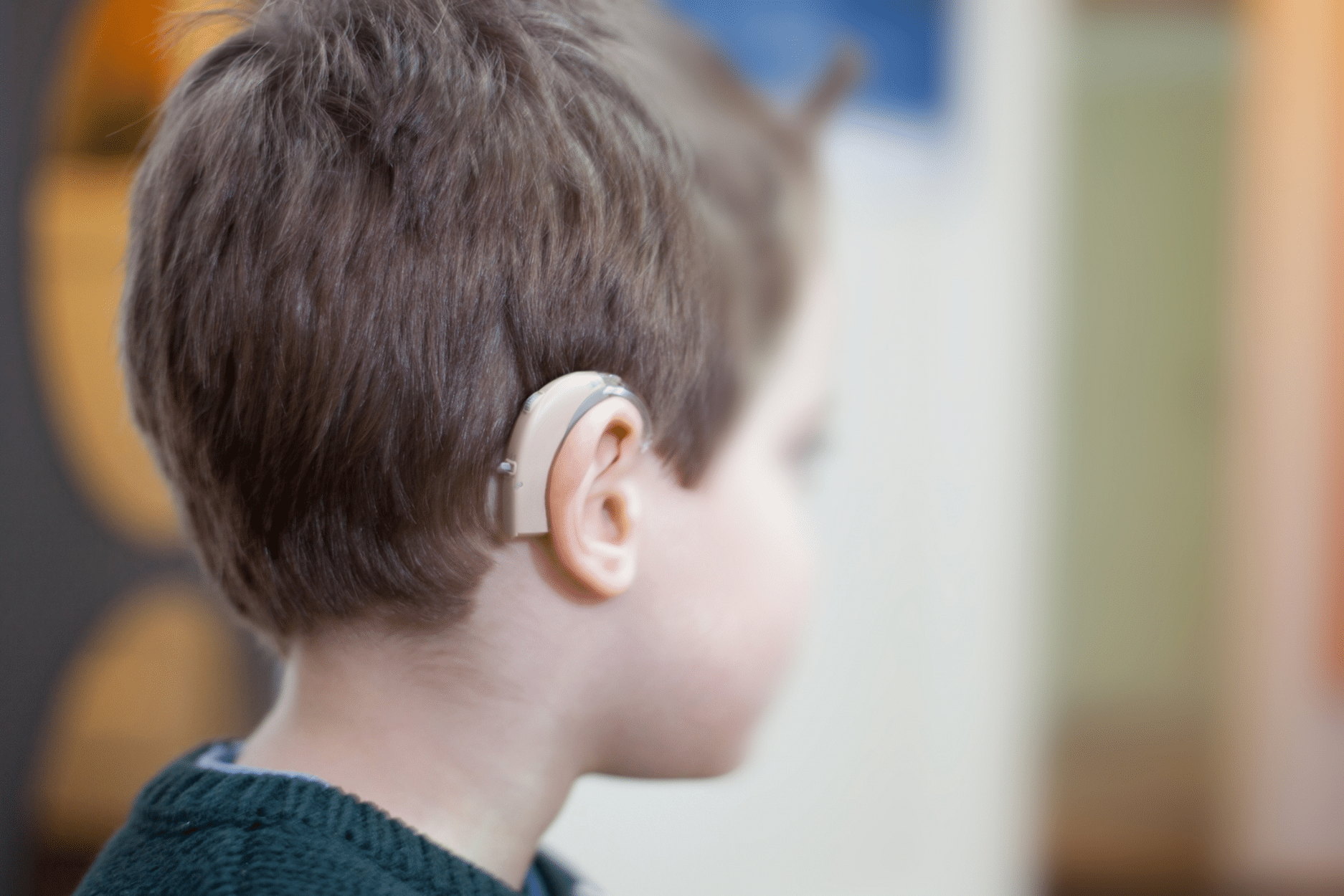
How would a doctor explain the use of a cochlear implant to a patient without overwhelming them? The key lies in using simple analogies—such as comparing the device to a “translator that converts sounds into electrical signals the brain can understand.” Simplifying concepts by putting oneself in the other person’s shoes makes the information more accessible and understandable.

Communication Skills for Biomedical Engineers

Challenge 3: Communicating with Global Teams

Many biomedical engineering projects involve teams distributed across different countries. Here, understanding cultural differences becomes an essential communication skill. For example, in some cultures, expressing opinions too directly may be considered impolite. Biomedical engineers must develop adaptive communication styles that consider cultural sensitivities, ensuring a smooth exchange of ideas without barriers.

Strategies for Improving Effective Communication

To overcome these challenges, biomedical engineers can adopt several strategies to enhance their communication skills:

  • Continuous Training: Engineers can participate in training programs focused on communication skills, such as public speaking, negotiation techniques, and technical writing. These courses help engineers learn how to express their ideas more clearly and effectively.
  • Team Collaboration: Encouraging teamwork between engineers and doctors can bridge the knowledge gap. By working closely together, both professionals can learn from each other and develop a common language that facilitates communication.
  • Leveraging Technology: Technology can improve communication through tools such as virtual reality (VR) to create 3D models of medical devices before manufacturing or video conferencing software that enables real-time collaboration between geographically dispersed teams.
  • Seeking Feedback: Requesting advice and feedback from colleagues and patients can help engineers identify strengths and weaknesses in their communication skills, allowing them to refine and improve their approach.

Communication Skills for Biomedical Engineers

Effective Communication and Innovation in Biomedical Engineering

Effective communication is not only crucial for ensuring the correct operation of medical devices but also serves as a key driver of innovation in biomedical engineering. When engineers can communicate effectively with doctors and researchers, they can gather insights and ideas that contribute to developing new solutions for healthcare challenges.

For instance, a doctor might identify a specific issue in diagnosing patients. Without collaboration with a biomedical engineer, this observation might never translate into a practical solution. However, through effective communication, doctors and engineers can work together to develop new devices or enhance existing technologies to address the problem.

If you want to be part of this inspiring journey—where words become a bridge between technology and humanity and ideas transform into life-saving innovations—HSI is your gateway. Through our specialized biomedical engineering courses and hands-on training, we provide you with the tools and skills needed to excel in this vital field.

Source: 10 Emerging Skills Biomedical Engineers Need to Stay Competitive

How to Start a Career in Medical Device Sales

Medical device sales are one of the most dynamic and rapidly growing fields in the modern business world. With the increasing demand for healthcare services and improvements in quality of life, the role of a medical sales representative has become crucial. If you are considering a career in medical device sales, this guide will provide you with a detailed and reliable roadmap on how to get started and achieve success in the industry.

Key Steps to Start a Career in Medical Device Sales

In a world driven by rapid technological advancements and an increasing focus on healthcare, medical device sales stand out as an exciting and impactful profession. To enter this vital field, you must understand the essential steps that will lead you to success. Let’s explore the fundamental steps to kickstart a rewarding career in medical device sales and biomedical sales and how to turn challenges into opportunities for excellence.

Medical Device Sales

1. Understanding the Role of a Medical Device Sales Representative

Before beginning your career in medical device sales, it is crucial to have a comprehensive understanding of the job itself. A medical device sales representative acts as a key link between medical technology manufacturers and healthcare providers, such as doctors and hospitals, who utilize these products in patient care.

The responsibilities of a medical device sales representative typically include selling medical equipment and devices to hospitals, medical centers, and private clinics. Also, building strong relationships with healthcare professionals with demonstrating in-depth knowledge of the products being sold and understanding market needs and adapting sales strategies accordingly. This role requires exceptional communication and relationship-building skills, along with a thorough knowledge of the medical products being marketed.

2. Educational Background and Academic Requirements

A medical or science-related degree is not always a prerequisite for entering the medical device sales field. However, holding a bachelor’s degree in one of the following disciplines can enhance your chances of securing a position in the industry:

  • Life Sciences (such as Biology or Chemistry).
  • Business Administration.
  • Marketing.
  • Communications.

If your degree is in an unrelated field, there is no need to worry. You can acquire the necessary skills through training and hands-on experience. Success in this profession heavily depends on your ability to communicate persuasively, build strong client relationships, and offer effective solutions to medical professionals.

3. Earning a Professional Certification to Boost Your Career

To stand out from the competition and enhance your credibility, consider obtaining specialized certifications in medical device sales. While not mandatory, these certifications can provide a competitive edge and demonstrate your commitment to professional growth.

Medical Device Sales

4. Gaining Knowledge of Medical Devices and Market Trends

A successful medical device sales representative must have a comprehensive understanding of the products they sell, including their applications and regulatory requirements. Keeping up with the latest technological advancements and industry innovations will allow you to confidently engage with healthcare professionals and provide them with effective solutions.

5. Choosing Between Inbound and Outbound Sales

Medical device sales can be categorized into two main strategies:

  • Inbound Sales: This approach involves online marketing, email communication, and social media engagement to convert potential leads into customers.
  • Outbound Sales: This strategy requires direct customer interaction through phone calls and in-person visits. If you prefer face-to-face communication, be prepared for cold calls and field visits in various medical settings.

6. Gaining Sales Experience

If you are new to sales, gaining experience in general or consumer product sales can help you develop essential skills such as negotiation, client interaction, and relationship management. This foundational experience will make it easier to transition into the medical device sales industry.

Medical Device Sales

7. Specializing in the Medical Sector

Specializing in the medical field is essential for building credibility and strong relationships with healthcare professionals. Understanding medical terminology, hospital workflows, and industry practices will set you apart. Consider training opportunities such as internships with specialized companies or shadowing experienced sales representatives to gain practical insights.

8. Continuous Learning and Training

The medical device industry is constantly evolving, with new technological advancements and scientific breakthroughs emerging regularly. Staying updated with the latest industry trends and developments is crucial to maintaining a competitive edge.

Attending workshops, seminars, and specialized medical conferences will provide you with valuable learning opportunities. These events allow you to gain insights from industry experts and keep up with the latest market innovations, ensuring you stay ahead in this fast-paced sector.

9. Building a Strong Professional Network

One of the most important skills in medical device sales is the ability to establish and maintain a strong professional network. Utilizing platforms like LinkedIn to connect with healthcare professionals and industry experts can significantly boost your career.

Engaging with peers, sharing knowledge, and staying in touch with key contacts will help you grow within the industry. Networking with medical consultants and employees from other medical device companies can open doors to new opportunities and career growth.

Medical Device Sales

10. Preparing for Hard Work and Challenges

Medical device sales are a competitive and demanding field that requires dedication and resilience. The industry comes with high expectations, performance metrics, and market competition, which can make it a challenging career path.

However, those who are willing to put in the effort will find great rewards, including career advancement and high earning potential. The more experience you gain, the more opportunities will open up for you in this lucrative industry.

11. Effective Communication and Exceptional Customer Service

Success in medical device sales is not just about selling products; it is also about building trust with clients and providing outstanding customer service. As a sales representative, your role extends beyond selling—you must act as a consultant who offers valuable solutions to healthcare providers.

Focusing on long-term client relationships, providing excellent service, and assisting medical professionals in decision-making will enhance your reputation and ensure continued business success.

12. Preparing for Job Interviews

Once you secure an interview opportunity in medical device sales, thorough preparation is key. Research the company, its products, and market presence before your interview. Understanding the company’s industry standing and product line will help you make a strong impression.

During the interview, highlight your achievements, demonstrate your industry knowledge, and showcase your enthusiasm for the role. This is your chance to prove that you possess the skills and passion needed to excel in the field.

In the end, if you aspire to join this dynamic and evolving industry, HSI offers specialized training programs to help you develop the skills and knowledge necessary for success. Whether you are a beginner or an experienced professional, our carefully designed courses in biomedical engineering and medical device sales will equip you with the expertise needed to stand out in the field.

Don’t miss the opportunity to advance your career. Join us and become part of the future of healthcare innovation. We believe that excellence starts with the right education and training, and we are here to support you on your journey to professional success.

Source: How to Break into Medical Sales with No Experience

Tips and Skills to Improve Public Speaking for Biomedical Engineers

A biomedical engineer faces several challenges when speaking in public, as a medical engineer is not only responsible for developing medical devices and technologies, but also for clearly conveying their ideas to doctors, investors, patients, and even fellow engineers, public speaking being a crucial skill for any medical engineer who aspires to succeed in their field—whether presenting a research project or explaining how a new medical device works. In this article, we will discuss practical tips that help biomedical engineers enhance their public speaking skills while taking into account the technical and scientific aspects that characterize this field.

Key Public Speaking Skills for Biomedical Engineers

Public speaking is a crucial skill for biomedical engineers, whether they are presenting their research, pitching ideas, or communicating with diverse audiences. However, many biomedical engineers may feel anxious, unprepared, or unsure about how to deliver effective presentations. Here are some practical tips and strategies to enhance your public speaking skills as a biomedical engineer.

Public Speaking

1- Understand Your Audience Well

One of the most important secrets to successful public speaking is knowing who you are addressing, as biomedical engineers often speak to diverse audiences that may range from surgeons who need to understand how to use a particular device, to investors looking for investment opportunities, and researchers interested in R&D. Therefore, before any presentation, get to know your audience—are they experts in the field or non-technical individuals? Adjust the level of detail and technical terminology according to their knowledge; for example, when speaking to doctors, focus on the clinical benefits of the device, whereas with investors, emphasize the commercial aspects and financial returns.

2-Simplify Complex Information

Biomedical engineering is a field full of scientific terminology and complex data. When speaking in public, you should not overwhelm your audience with information that is difficult to understand. Use analogies and stories to make technical concepts easier to grasp; for instance, if you are explaining how a pacemaker works, you can compare it to a small battery that delivers electrical pulses to help the heart beat regularly. This approach makes the information clearer, especially if the audience is not specialized.

3- Use Body Language and Eye Contact

Effective communication relies not only on words but also on body language. When speaking, stand confidently and avoid putting your hands in your pockets or showing signs of nervousness. Make direct eye contact with your audience, as this enhances your credibility and keeps them more engaged. If you are presenting in front of investors, your body language should reflect enthusiasm and professionalism; whereas if you are explaining an experience to engineering students, you can use hand gestures to clarify the concepts.

4- Practice Your Presentation in Advance

Practice is the key to mastering public speaking. Do not leave things to chance; rehearse your presentation several times before the scheduled time. You can record yourself on video to review your performance and speaking quality, or present in front of friends or colleagues to get their feedback. Training not only boosts your confidence during the presentation but also helps reduce anxiety and manage any unexpected mistakes that may occur.

5- Focus on a Professional Visual Presentation

In the field of biomedical engineering, presentations often require the use of charts, illustrative images, and even 3D models. Ensure that your presentation contains clear and simple slides that are not overloaded with information and include visual elements that support your message rather than replace it. Avoid putting large amounts of text on each slide; instead, use key bullet points supported by images and graphics—for example, when explaining how an MRI machine works, you can display an image of the device along with a brief explanation next to it.

6- Handle Questions with Confidence

After any presentation, it is expected that the audience will ask questions. Do not be afraid of this; rather, consider it an opportunity to demonstrate your knowledge and ability to interact. Listen carefully to each question before responding, and do not rush your answer. If you encounter a question to which you do not know the answer, do not try to provide an uncertain response; instead, you can say: “That is an excellent question, and I will look into it and get back to you later.” This approach makes you appear more professional rather than unprepared.

7- Control Your Nerves

Nervousness is natural when speaking in public, but it should not control you. Use deep breathing and relaxation techniques before stepping on stage or speaking in front of colleagues. Regular practice also makes you more confident and reduces the likelihood of excessive nervousness. Try to visualize a successful presentation, as this helps calm your nerves and increase your focus.

8- Relate Your Talk to Real-Life Experiences

One of the most effective ways to capture your audience’s attention is to connect your talk to a personal experience or a real medical case. If you are explaining a medical device you developed, share the story of a patient who benefited from it. This method makes your talk more impactful and convincing, especially when dealing with investors or healthcare organizations. For example, if you are discussing a glucose monitoring sensor, you could mention the story of a patient who suffered from diabetes complications and how the device helped improve their quality of life.

9- Learn from the Experts

Observe other engineers who are successful in public speaking, whether they are speakers at scientific conferences or entrepreneurs in the medical technology field. Study their style, the way they present, and how they interact with the audience, as this can provide many ideas to enhance your own performance. You can also attend training courses in public speaking and presentation skills or even participate in specialized workshops on engineering project presentations.

Mastering public speaking is an essential skill for every medical engineer who wishes to succeed in their field. By understanding your audience, simplifying information, using effective body language, and continuous practice, you can deliver powerful and impactful presentations that enhance your professional influence. Do not be afraid to try new techniques and continually improve your skills with every opportunity to speak in public; over time and with practice, this skill will become a powerful tool that helps you achieve your professional goals as a biomedical engineer.

In conclusion If you are looking to make a transformative leap in your public speaking skills and enhance your presentation performance, HSI offers the ideal solutions! Contact us today to benefit from our specialized training courses and professional consulting services designed exclusively for biomedical engineers. Invest in yourself, begin your journey towards professionalism and excellence, and don’t miss the opportunity to be part of a community of experts who are always striving to learn and grow. Join HSI now and start changing the course of your professional life for the better!

Source: Professional & Executive Development | Harvard DCE

How to Effectively Design an Intensive Care Unit

There is no doubt that the Intensive Care Unit (ICU) is one of the most crucial departments within medical facilities. However, the spotlight on the importance of ICU design gained momentum with the COVID-19 pandemic, which highlighted the critical need for such units. Modern ICUs are no longer limited to a single unit handling all critical cases. Facilities with specialized departments, such as surgery, pediatrics, neonatology, and cardiology, often have separate ICUs tailored to each specialty. Let’s explore how ICUs have evolved over time to meet patients’ needs.

Designing an Intensive Care Unit

Establishing an effective ICU requires specialized architectural and structural design to meet the demanding needs of intensive care. Studies indicate that efficient ICU design has a direct impact on patient morbidity and mortality rates, reduces medical errors, shortens patient stays, improves outcomes, and helps lower treatment costs.

Considerations for ICU and CCU Design

ICU vs. Critical Care Units

What is the difference between an Intensive Care Unit (ICU) and a Critical Care Unit (CCU), also known as a Coronary Care Unit? Both are designed to provide specialized medical care for critically ill patients.

Patients may be admitted to an ICU for various reasons, including planned admission after surgery, unplanned admission due to an accident, or a severe decline in health.

ICU teams consist of highly skilled professionals, such as ICU nurses, doctors, and specialists, trained to provide critical care to patients suffering from diverse medical, surgical, and trauma-related conditions.

Some hospital ICUs specialize in specific medical conditions or injuries, such as major trauma, severe burns, respiratory failure, organ transplants, complex spinal surgeries, and cardiothoracic procedures.

Levels of Critical Care

There are three levels of adult critical care:

  • Level 1: Requires basic monitoring or minor interventions after discharge from advanced care.
  • Level 2: Focuses on pre-operative optimization or extended post-operative care.
  • Level 3: Involves advanced respiratory support or support for at least two organ systems.

Intensive Care Unit

Key Elements in Designing an Intensive Care Unit

Design guidelines for Intensive Care Units (ICUs) have recently gained significant recognition for their ability to create safer and more efficient healthcare environments for both patients and staff. These designs focus on optimizing the layout and functionality of ICU rooms to enhance patient care while supporting the needs of medical teams.

These designs are not based solely on personal preferences or assumptions; they incorporate research findings and scientific evidence to guide decision-making regarding patient care, staff needs, room design, and critical care. The following guidelines emphasize room layout, organization, staff training and expertise, and overall unit design.

1. Reducing Stress Levels

One of the primary benefits of evidence-based ICU design is its ability to reduce stress levels for patients, families, and medical team members in critical care rooms. The design of patient care rooms plays a vital role in influencing the emotional state and overall well-being of both staff and patients.

Evidence-based designs consider factors such as noise reduction in patient care rooms, privacy for critical care patients, exposure to natural light in staff areas, and access to natural views. These elements help create a calming environment that promotes healing and recovery.

2. Enhancing Lighting

Lighting is a critical element in ICU design, as it impacts various aspects of patient care, room functionality, and staff performance. Evidence-based guidelines emphasize the importance of appropriate lighting conditions in critical care rooms to support clinical tasks and ensure patient comfort.

Designing an Intensive Care Unit

When implementing lighting solutions, staff should consider the room layout. Adequate lighting levels in critical care rooms improve visibility for medical staff while maintaining a warm and comforting atmosphere for patients.

Incorporating natural light in ICU rooms has been proven to reduce depression rates and improve sleep quality for both patients and staff. Effective lighting design is essential for creating a therapeutic environment.

3. Improving Ventilation

Proper ventilation is crucial for maintaining optimal air quality within ICUs, ensuring better patient care and reducing the risk of airborne infections for both patients and staff.

Good air circulation in critical care units minimizes the concentration of pathogens and ensures a consistent supply of fresh air for patients and medical staff. Adequate ventilation also helps regulate temperature within critical care units, creating a comfortable environment conducive to recovery.

4. Soundproofing

External noise is one of the most disruptive factors in healthcare facilities, especially in ICUs where constant monitoring and medical interventions are conducted. This can disturb both patients and staff. However, thoughtful design can minimize noise levels, creating a more peaceful environment for everyone.

ICU rooms design that incorporate sound-absorbing materials, such as acoustic ceiling tiles and soundproof wall panels, help reduce noise levels. This enhances patient comfort and improves communication among healthcare workers.

5. Allocating Sufficient Space for Equipment, Staff, and Patients

A key consideration in critical care unit design is ensuring sufficient space for patients and staff. This includes enough room to accommodate essential medical equipment, supplies, staff, and patients within the ICU layout. The design should facilitate ease of movement and accessibility for both medical teams and patients without feeling crowded or constrained.

Key Elements in Designing an Intensive Care Unit

6. Incorporating Infection Control Measures

Infection control is vital in any healthcare setting, especially in ICUs where critically ill patients and post-surgery recovery patients are more susceptible to infections. Design plays a pivotal role in ensuring effective infection control measures are implemented.

Designing ICUs with infection control guidelines in mind helps minimize the spread of diseases within critical care units, ensuring patient safety.

Considerations for ICU and CCU Design

  1. Key considerations for designing an ICU or a Critical Care Unit (CCU) include creating patient rooms tailored to critical care needs.
  2. Ensuring adequate space for patient beds, medical equipment, and staff movement is essential for effective healthcare delivery.
  3. Proper lighting and ventilation in patient rooms create a safe and comfortable environment, following guidelines for equipment placement and spatial requirements.
  4. Easy access to emergency equipment and supplies is critical for providing intensive care and ensuring patient safety in critical situations. Quick response times are essential for patient care, making accessibility to emergency equipment and supplies a top priority. These resources must be well-organized and easily accessible throughout patient rooms and other facility areas.
  5. Soundproof rooms reduce noise and provide patients with a quiet, restful environment. These rooms should also be equipped with necessary medical equipment.
  6. Effective monitoring and care in healthcare rooms require clear visibility and communication between patients and staff. Design plays a crucial role in ensuring optimal health outcomes.

In conclusion, ICU rooms are among the most critical units in hospitals, offering life-saving care for patients in critical conditions. This requires meticulous design to meet patient needs, support medical teams, and ensure safety. At HSI, we offer specialized courses to assist professionals in designing ICUs that cater to patients’ needs while supporting doctors and nurses in their work. In this article, we have outlined some essential considerations to help achieve the best design outcomes.

Source: Basic Intensive Care Unit Design Guidelines

5 Essential Skills for Biomedical Engineers

At the moment, Biomedical Engineers play a pivotal role in advancing healthcare by designing medical devices, improving systems, and innovating new technologies to enhance patient care quality. Combining technical expertise with interpersonal skills, they thrive in dynamic and complex environments like hospitals and clinics. If you aspire to excel as a clinical engineer, mastering essential skills is crucial for success in this competitive field. This article highlights five key skills every clinical engineer should possess and offers tips on developing and showcasing them when pursuing career opportunities.

Essential Skills for Biomedical Engineers

Biomedical Engineers require a blend of technical and interpersonal skills to design and develop medical devices, optimize healthcare technologies, and collaborate effectively with medical teams to improve patient outcomes. These skills go beyond technical knowledge to include communication, problem-solving, and organizational abilities. Below are the essential skills clinical engineers need to excel in their field:

Clinical Engineers

1) Attention to Detail

Attention to detail is a fundamental skill for clinical engineers, given the high stakes of working in a sensitive field that demands precision. Errors in designing or manufacturing medical devices can have serious consequences for patients. For instance, designing a pacemaker requires every component to be meticulously accurate to ensure patient safety.

Additionally, Biomedical Engineers must frequently review protocols and technical specifications, making attention to detail indispensable. This skill also involves understanding regulatory requirements and healthcare standards, ensuring that medical devices comply with global guidelines.

2) Performing Under Pressure

Biomedical Engineers often work in high-pressure environments, particularly during emergencies or when developing medical devices under tight deadlines. The ability to remain calm and make swift, effective decisions is critical. For example, a clinical engineer may need to repair a vital medical device during surgery, where time is of the essence in saving a patient’s life.

They also face challenges such as meeting project deadlines or resolving urgent technical issues. Effective time management and prioritization under pressure distinguish successful clinical engineers, fostering trust between medical teams and engineers while enhancing healthcare delivery.

Clinical Engineers

3) Understanding Patient Needs

While Biomedical Engineers do not provide direct patient care, understanding patient needs is vital. This skill enables them to design devices and technologies that meet the requirements of healthcare professionals and improve patient experiences. For example, a clinical engineer might propose voice-controlled devices to facilitate surgical procedures, minimizing errors and boosting efficiency.

By focusing on patient-centered innovations, clinical engineers contribute to better healthcare outcomes and the overall advancement of medical technology.

4) Communication Skills

Effective communication is indispensable for clinical engineers, who interact with diverse stakeholders, including doctors, nurses, patients, and fellow engineers. They must simplify complex technical concepts for non-specialists, such as explaining the operation of a new medical device to a medical team.

Moreover, strong communication skills help engineers gather feedback from healthcare professionals, fostering collaboration and idea exchange to optimize healthcare systems.

Biomedical Engineers

5) Problem-Solving Skills

Problem-solving is among the most critical skills for clinical engineers. They often encounter challenges such as malfunctioning medical devices or the need to enhance existing systems. With strong problem-solving abilities, engineers can analyze issues, identify root causes, and implement effective solutions based on data and logic.

For instance, if a medical device malfunctions, a clinical engineer might investigate the root cause, utilize their technical knowledge, and repair the device. Additionally, they can propose system improvements to increase efficiency and minimize errors, driving innovation in healthcare technologies.

Key Technical Skills for Clinical Engineers

For aspiring Biomedical Engineers, mastering both fundamental and technical skills is essential. Clinical engineers rely on this combination to excel in their work, as neither set of skills can stand alone. Among the most critical technical skills for clinical engineers are engineering and technical expertise.

Engineering Skills

One of the foremost skills Biomedical Engineers must possess is advanced engineering knowledge. This includes a deep understanding of mathematics and statistics, as well as the ability to analyze data and manage operations. Proficiency in computer-aided design (CAD) software to model and design new medical devices is also vital. Clinical engineers often collaborate with other engineers, utilizing precise terminology to describe components and technical processes.

Moreover, a strong educational foundation in fields like mechanical engineering or biomedical engineering is indispensable. This background enables clinical engineers to refine their technical skills and apply them effectively to develop innovative medical devices.

Clinical Engineers

Technical Expertise

Technical expertise is a cornerstone of clinical engineering, encompassing skills like programming, computer science, and technical writing. Biomedical Engineers leverage these skills to maintain medical devices, troubleshoot technical issues, and interpret complex schematics and technical drawings.

For instance, a Biomedical Engineers might need to analyze an intricate manual for a new medical device or create software to monitor device performance in a hospital setting. These skills empower them to adapt to rapid technological advancements in healthcare.

How to Develop Technical Skills as a Biomedical Engineers

Relying solely on basic skills is insufficient for long-term success in clinical engineering. Continuous improvement is essential to remain among the top professionals in the field. Here are practical steps to enhance your skills:

Set Clear Goals

Start by identifying a specific skill you want to improve, such as communication or problem-solving. Define a measurable goal, like “Enhance my ability to explain technical concepts to medical teams within three months.” Break this goal into smaller, manageable steps to stay motivated and track your progress.

Manage Your Time Effectively

Effective time management is key to skill development. Dedicate regular time to practice new skills, such as reading technical articles, analyzing industry case studies, or attending training sessions. Use downtime to learn something new, as consistent effort helps you make steady progress without feeling overwhelmed.

Time management for Clinical Engineers

Seek Feedback

Don’t hesitate to seek advice or feedback from colleagues or supervisors. For example, if you’re improving your technical skills, ask a colleague to review your code or design. Listen to their input carefully and use it to refine your work. Constructive feedback highlights your strengths and areas for improvement, allowing you to focus on what matters most.

Embrace Continuous Learning

The field of clinical engineering evolves rapidly, making it essential to stay informed about the latest technologies and trends. Enroll in specialized training courses, read industry-specific books and journals, and participate in scientific conferences. Lifelong learning ensures you remain at the forefront of your field and continually enhance your skills.

In conclusion, if you aspire to be a part of the exciting advancements in Biomedical Engineers and contribute to transforming healthcare, HSI offers the gateway to achieving your dream. Through its specialized courses and innovative training programs, HSI provides all the tools you need to develop both technical and interpersonal skills. Start your journey with HSI today and make excellence in clinical engineering a reality. The future awaits creative and skilled clinical engineers like you!

Source: Clinical Engineer Skills: Definition and 6 Examples

Soft Skills for Biomedical Professionals

Continuously developing personal skills is of utmost importance for everyone. When it comes to the skills required in the medical and healthcare field, this becomes even more critical. soft skills are a key component of the success of professionals working in the medical sector. While practical skills are essential, personal skills are what make performance holistic and consistently progressive. When we talk about personal skills, it’s not only about individual abilities but also about fostering team skills as a whole. In the following lines, we will explore the essential personal skills that all healthcare professionals should possess and their importance.

Soft Skills

The Role of Personal Skills in the Medical Field

Possessing and continuously developing personal skills in healthcare greatly enhances the quality of both individual and team performance, contributing to comprehensive patient care. With the rapid and immense advancements in the medical field in recent years, it has become crucial to improve skills such as effective communication within the healthcare team, critical thinking, and time management to achieve the best possible outcomes in delivering essential healthcare services to patients. It is far better for a patient to be treated by a medical team that excels in communication and interaction than by another team that lacks these vital skills, even if both have the same level of technical expertise.

Key Soft Skills for Success in the Medical Field

Below are the critical personal skills that every individual in the medical and healthcare field must acquire and develop. These skills will elevate you to an outstanding level of professionalism, earning the trust of patients, and colleagues, and enhancing your self-confidence in tackling challenges with expertise.

1. Effective Communication

Effective communication is one of the most important personal skills in the medical field, as it helps reduce errors and improve collaboration among all members of the medical team. This skill is not limited to the medical team but extends to patients as well. It is crucial to communicate with patients in a simple, easy-to-understand language that matches their level of comprehension and addresses their needs. This helps build patients’ trust in healthcare providers. Every individual in the medical field should be capable of simplifying complex concepts and conveying information effectively to both their team and patients.

2. Critical Thinking and Decision-Making

Critical thinking is crucial across all fields today, particularly in the medical sector. It involves the ability to analyze situations and problems and devise innovative solutions based on available data. In healthcare, professionals often encounter complex issues that require diverse approaches to resolve. Thus, developing this skill is essential for overcoming challenges through non-traditional methods.

3. Coordination and Collaboration Across Specializations

Success in the medical field heavily relies on collaborating and working within a multidisciplinary team. For a productive team environment, good communication and mutual respect among all team members are essential to achieve shared goals. Collaboration fosters an exchange of diverse ideas, facilitates problem-solving, and addresses challenges creatively, ultimately improving the quality of healthcare provided to patients.

4. Time Management and Prioritization

Time management and prioritization are fundamental personal skills for all healthcare professionals. Prioritizing tasks significantly helps balance responsibilities and avoid stress or burnout caused by accumulating duties. Developing planning and time management skills enhances productivity and ensures tasks are completed within set deadlines.

5. Empathy and Support for Patients

This skill closely aligns with communication but focuses specifically on offering adequate psychological support to both medical teams and patients. Demonstrating empathy towards patients and actively listening to their needs can greatly improve the quality of healthcare provided, instilling a sense of trust and comfort in patients. Similarly, supporting fellow healthcare team members improves workplace morale and overall performance.

6. Staying Updated with Technological Advancements

With the rapid advancement in medical technology, keeping up with these developments is indispensable for professionals in biomedical sciences. In recent years, artificial intelligence has revolutionized various fields. Attending conferences and workshops provides opportunities to learn about the latest innovations and share knowledge with experts. Additionally, online educational resources offer a flexible way to self-learn, helping professionals stay up to date in this dynamic sector.

How to Choose Skills Based on Career Path

In the healthcare sector, identifying the personal skills that need development should align with your specialization and career path. For example, if you are an emergency room physician, skills like quick decision-making under pressure and time management are crucial for optimal performance in your role. On the other hand, for nurses, effective communication and empathy are pivotal in enhancing patient care.

In areas requiring advanced technology, such as radiology or laboratory diagnostics, focusing on technological proficiency becomes paramount. Assessing your professional needs and understanding the challenges in your role is essential for selecting the most impactful skills for your career. Remember, developing personal skills is a continuous process requiring dedication and commitment. By improving these skills, you can achieve better performance, ensure patient satisfaction, and contribute effectively to enhancing the quality of healthcare services.

How to Develop Personal Skills

After identifying the key skills to focus on, the next step is developing them. Improving personal skills involves setting clear professional goals and enhancing areas that require growth. This can include attending training courses to refine skills such as communication and time management, engaging in professional discussions, and exchanging experiences with colleagues. Regular performance evaluation helps identify strengths and weaknesses, enabling continuous improvement.

To streamline this process, explore the training and educational services provided by HSI. These courses and workshops are designed to equip you with all the skills needed for tremendous success in your professional journey.

Source: Top 10 Soft Skills for Healthcare Professionals

All copyrights reserved to © HSI