How to Build Customer Relationships in Biomedical Engineering Sales

Have you ever wondered how a biomedical sales engineer handles all these tasks — from building customer relationships, working with the development team, to preparing proposals? In most tech companies, there’s a sales team that includes Account Executives, Sales Development Representatives, and others who assist sales engineers. However, managing customer relationships remains the cornerstone upon which sales are built — whether in the medical field or any other industry. In this article, we’ll explore how customer relationships are specifically built in biomedical engineering sales.

The Importance of Customer Relationships in Biomedical Engineering

Customer relationships form the foundation of a successful sales strategy. They enable strong performance in your territory and help meet company expectations. However, their importance goes beyond performance metrics—they foster trust, loyalty, and long-term mutual benefits. As a sales representative or manager, you act as the anchor for creating lasting connections, serving as a bridge between the needs of healthcare professionals and the solutions you offer. In biomedical engineering, where decisions are often complex and trust-dependent, building strong customer relationships becomes even more critical.

Customer Relationships

1- Building Trust and Communication

Trust is the cornerstone of any strong customer relationship. To build trust, it’s essential to communicate clearly, honestly, and with integrity. This means ensuring your messages are straightforward and easy to understand, always providing accurate information, avoiding exaggerated promises, and maintaining ethical and transparent conduct. Trust-based relationships lead to greater customer loyalty and repeat business.

For example, you should always answer product questions truthfully and provide factual information. If you don’t have the answer, it’s essential to obtain it from reliable sources such as medical information requests or by consulting a specialist. In biomedical engineering, trust in product quality and efficacy is crucial, so building customer relationships based on trust can enhance your personal and your company’s reputation.

2- Understanding and Managing Emotions

Moreover, relationship-building involves understanding and managing emotions. To close a successful sale, it’s important to recognize and respond to your clients’ emotional cues. Show empathy by putting yourself in their shoes to understand their perspective and challenges. Be authentic—genuine interactions foster deeper connections and greater trust. Emotional intelligence helps create a positive and lasting impression, making customers feel valued and understood. In biomedical sales, where professionals face complex and sensitive decisions, emotional intelligence can help build relationships grounded in trust and mutual understanding.

3- Understanding Customer Needs

Active listening is critical to understanding your customers’ needs and concerns. Effective listening involves giving your full attention, focusing entirely on the client during interactions, asking open-ended questions to encourage them to share more, and reflecting and clarifying by summarizing what they said to ensure correct understanding. Attentive listening helps tailor your solutions to their specific needs, enhancing customer satisfaction. In biomedical engineering, where solutions are often customized to meet specific requirements, effective listening can strengthen customer relationships by delivering personalized solutions.

4- Gaining Customer Trust and Providing Post-Sale Follow-Up

Reliability is key to maintaining strong relationships. To demonstrate reliability, you must always follow through on your commitments, consistently deliver on promises, and maintain regular follow-ups by staying in touch with customers to ensure their satisfaction and address any ongoing concerns. Take initiative to anticipate their needs and provide timely updates. Consistent follow-ups show that you care about their success and are committed to supporting them. In biomedical sales, where timely support can significantly impact patient care, fulfilling your promises and maintaining follow-up can enhance customer relationships and strengthen trust in your products and services.

5- Personalizing Customer Communication

Personalization makes your interactions more relevant and impactful. To personalize effectively, it’s important to know your customer, use CRM tools to gather and analyze customer data, talk with clients to understand their demographics, tailor your message to their specific needs and preferences, and show appreciation with personalized gestures like thank-you notes or holiday cards. Personal interactions make customers feel valued and understood, leading to stronger relationships. In biomedical sales, where professionals seek solutions tailored to their patients’ unique needs, personalizing your interactions can build customer relationships by showing that you understand their specific requirements.

6- Providing Outstanding Customer Service

Exceptional customer service is a key factor that sets you apart. To ensure outstanding service, it must be prompt (responding to inquiries and issues quickly), accessible (available through multiple channels such as phone, email, and social media), and sincere (showing empathy and a genuine willingness to help). Exceptional service can turn satisfied customers into loyal advocates. In biomedical engineering, where fast and effective support can impact patient outcomes, outstanding customer service can enhance relationships and create a competitive advantage.

7- Strengthening Long-Term Relationships

Adding value beyond the initial sale can strengthen relationships. Consider providing educational resources, offering access to relevant information such as clinical studies or industry updates, delivering ongoing support, and offering continued assistance and updates to help clients get the most out of your products. Provide networking opportunities by connecting them with key opinion leaders or other valuable contacts. Creating added value positions you as a trusted advisor, not just a sales representative. By going beyond the transaction and offering continuous support and valuable insights, you can build customer relationships that stand the test of time.

8- Maintaining Continuous Communication

Long-term engagement is essential for sustainable success. To promote engagement, conduct regular check-ins to stay top of mind, create feedback loops by actively seeking customer feedback and acting on it to improve your service. Long-term engagement ensures your customers remain loyal and continue to see value in their relationship with you. In biomedical sales, where product life cycles can span years, maintaining strong customer relationships through continuous engagement is critical for long-term success.

In conclusion, by focusing on these key strategies and integrating personal experience, you can build and sustain customer relationships that lead to long-term trust, loyalty, and success in the pharmaceutical and medical device industries. And if you’re looking to take your professional life to the next level as a biomedical engineer, you can now explore our services at HSI. We offer the best training courses and engineering consultations in the field of biomedical engineering. Let’s work together to achieve the highest levels of success.
The Use of Contrast Agents in Medical Imaging

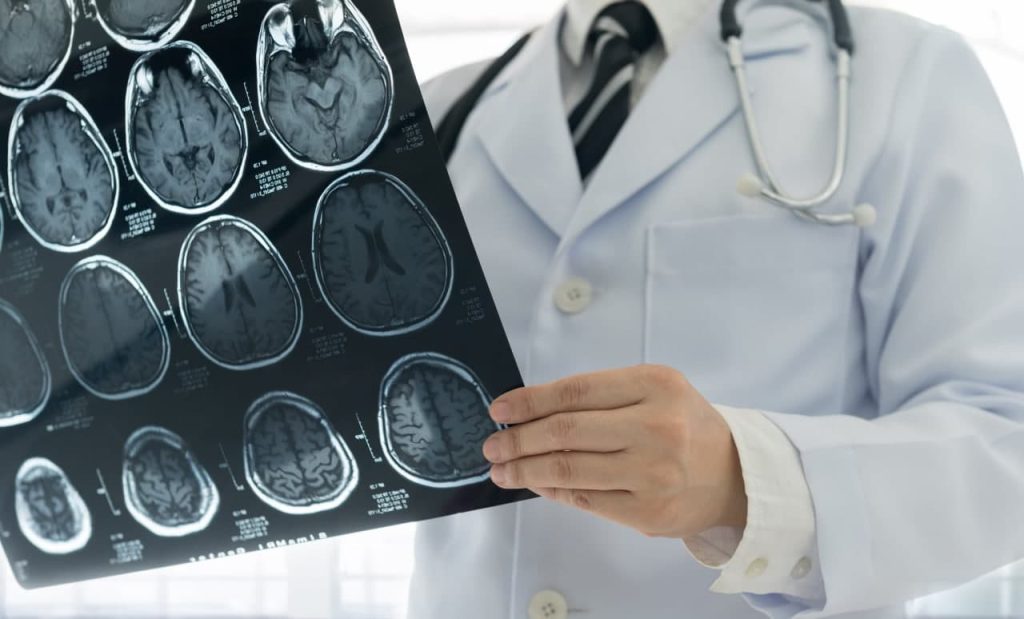
The field of radiology has undergone remarkable transformations since Wilhelm Roentgen’s groundbreaking discovery of X-rays in 1895. Among the many advancements, the development and application of contrast agents in medical imaging stand out as pivotal contributions that have significantly enhanced the diagnostic capabilities of various imaging modalities.

The use of contrast agents in medical imaging has revolutionized diagnostics, greatly improved the visualization of internal structures and enhanced diagnostic accuracy across X-ray imaging, computed tomography (CT), magnetic resonance imaging (MRI), and ultrasound. In this article, we will explore in detail the types of contrast agents, their benefits in medical imaging, and their potential risks.

Historical Development of Contrast Agents

The historical development of contrast agents has been marked by significant milestones. Early contrast materials, such as simple salts and barium sulfate, provided initial glimpses into internal anatomical structures but were limited due to their high toxicity and poor image quality. The development of iodine-based agents in the 20th century revolutionized X-ray imaging by offering lower toxicity and improved clarity. Similarly, the introduction of gadolinium-based agents in the 1980s transformed MRI imaging, providing more precise details. Modern innovations, including nanoparticle-based imaging systems, continue to enhance specificity and safety in diagnostic imaging. Now, let’s explore what contrast agents are and their applications in medical imaging.

Contrast Agents in Medical Imaging

What Are Contrast Agents and How Are They Used?

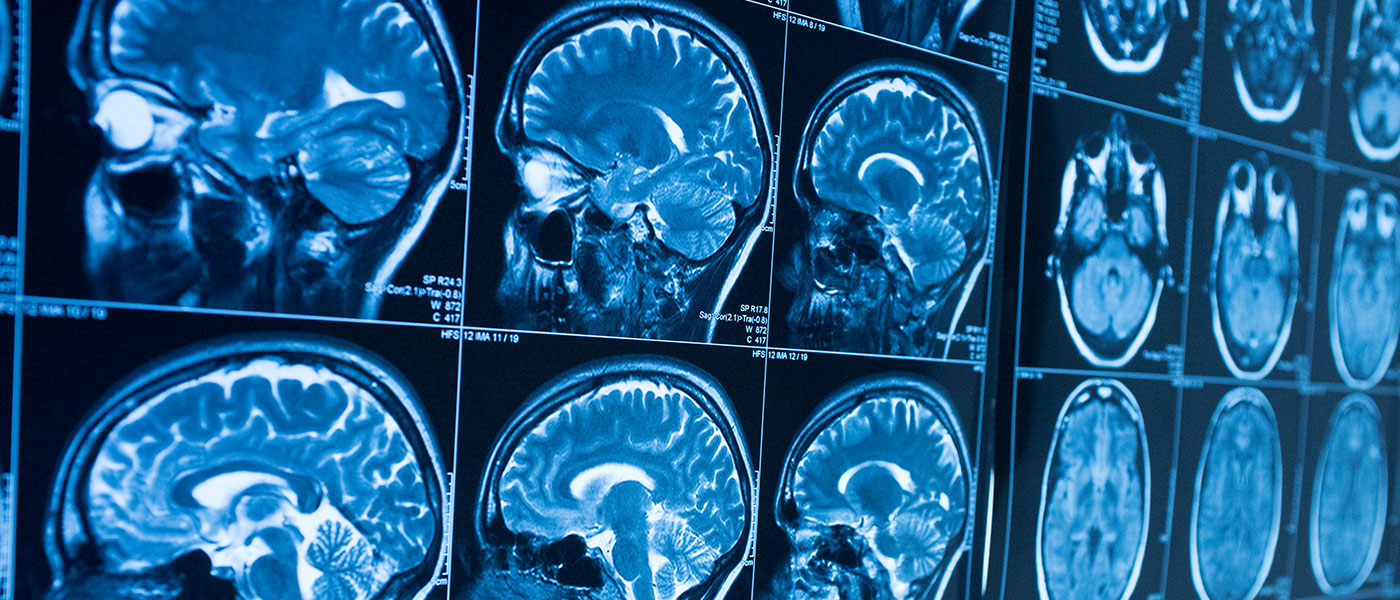
Contrast media (MDC), or contrast agents, are substances used in diagnostic imaging to improve the clarity of high-resolution scans, such as CT and MRI. These agents enhance image quality by highlighting tissue details and potential abnormalities that would otherwise be difficult to detect. Contrast agents improve the visualization of internal structures within the body, facilitating early and accurate diagnosis of a wide range of medical conditions, including vascular diseases, tumors, and neurological disorders. They are also known as contrast media or contrast dyes, but the term “contrast agent” is the most commonly used.

As mentioned, contrast agents are an integral part of various imaging techniques, including X-rays, CT scans, MRI scans, and ultrasound. Each modality utilizes specific types of contrast media designed to improve image quality and diagnostic accuracy. For example, iodine-based contrast agents are primarily used in CT scans and angiographic studies, while gadolinium-based agents are essential for enhancing MRI scans. The introduction of microbubble contrast agents has expanded ultrasound imaging capabilities, enabling real-time, detailed assessments of blood flow and tissue perfusion.

Effects on X-ray Images: Positive, Negative, and Neutral Contrast

Contrast agents in medical imaging enhance the visibility of specific tissues or blood vessels during imaging procedures. They help improve image quality and clarity, allowing for more precise detection and diagnosis of various medical conditions. Contrast agents are categorized into three groups based on their effects on the final images:

  1. Positive Contrast Agents
  2. Negative Contrast Agents
  3. Neutral Contrast Agents

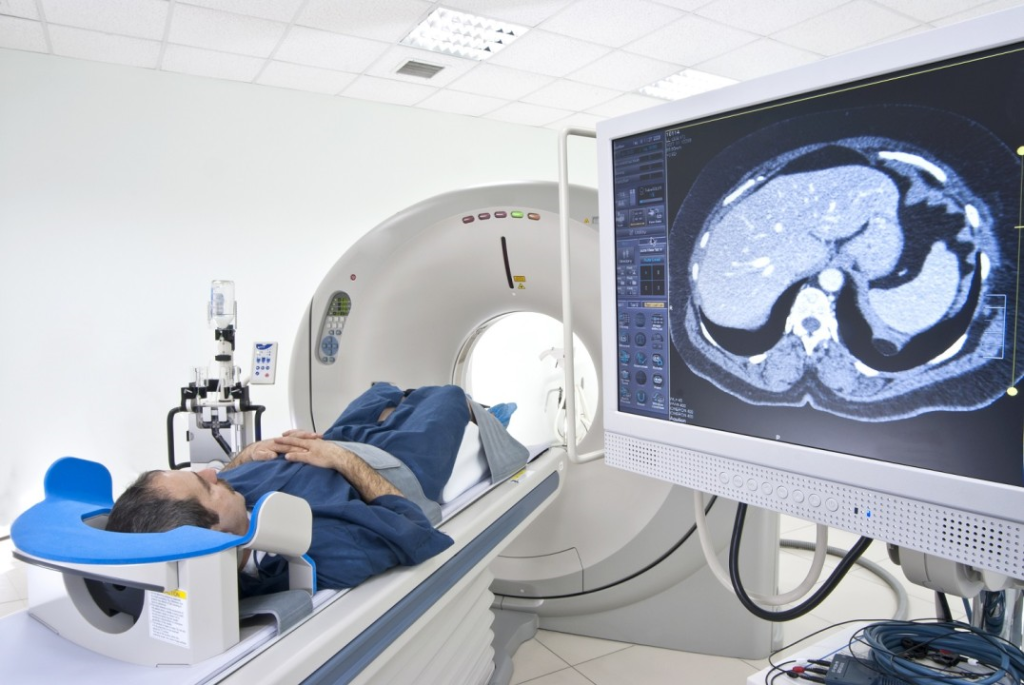
Use of contrast media in diagnostic imaging

What Are Positive Contrast Agents?

Positive contrast agents increase X-ray attenuation within the body, making tissues or structures containing these agents appear whiter or brighter on X-ray images. These agents are generally radiopaque, meaning they absorb X-rays more readily than surrounding tissues. Increased X-ray absorption leads to greater contrast between the contrast agent and surrounding tissues, making it easier to visualize specific structures or abnormalities.

Examples of Positive Contrast Agents

Common examples of positive contrast agents include iodine-based contrast media and barium sulfate. These agents are widely used in various diagnostic imaging procedures, such as angiography, CT scans, and gastrointestinal tract examinations.

What Are Negative Contrast Agents?

In contrast to positive contrast agents, negative contrast agents decrease X-ray attenuation within the body, making tissues or structures containing these agents appear darker on X-ray images. These agents are radiolucent, meaning they allow X-rays to pass through more easily than surrounding tissues. Reduced X-ray absorption, caused by contrast agents like air or carbon dioxide, creates a distinct contrast between the agent and surrounding tissues, helping highlight specific structures or abnormalities.

Examples of Negative Contrast Agents

Air and carbon dioxide are common examples of negative contrast agents used in imaging. These agents are often utilized for imaging specific areas, such as the gastrointestinal tract, where the presence of gas can provide valuable diagnostic information.

What Are Neutral Contrast Agents?

Water is considered a neutral contrast agent because it is readily available, inexpensive, and harmless to the human body. When used in abdominal imaging, water can be ingested or administered through an enema to aid in visualizing the digestive tract and other structures in the abdomen.

One of the primary benefits of using water as a contrast agent is its natural properties. Water has a density similar to many tissues and fluids in the body, meaning it does not significantly alter the overall appearance of organs and structures being imaged. This natural compatibility helps provide a clear and accurate representation of the area being examined.

Contrast Agents in X-ray Imaging

All radiographic contrast agents used in X-ray imaging can be classified based on their effects on the resulting images and the type of physical media they utilize. Some also refer to these agents as contrast dyes. In radiology, understanding these classifications is crucial in determining the appropriate iodinated contrast agent for a specific imaging procedure.

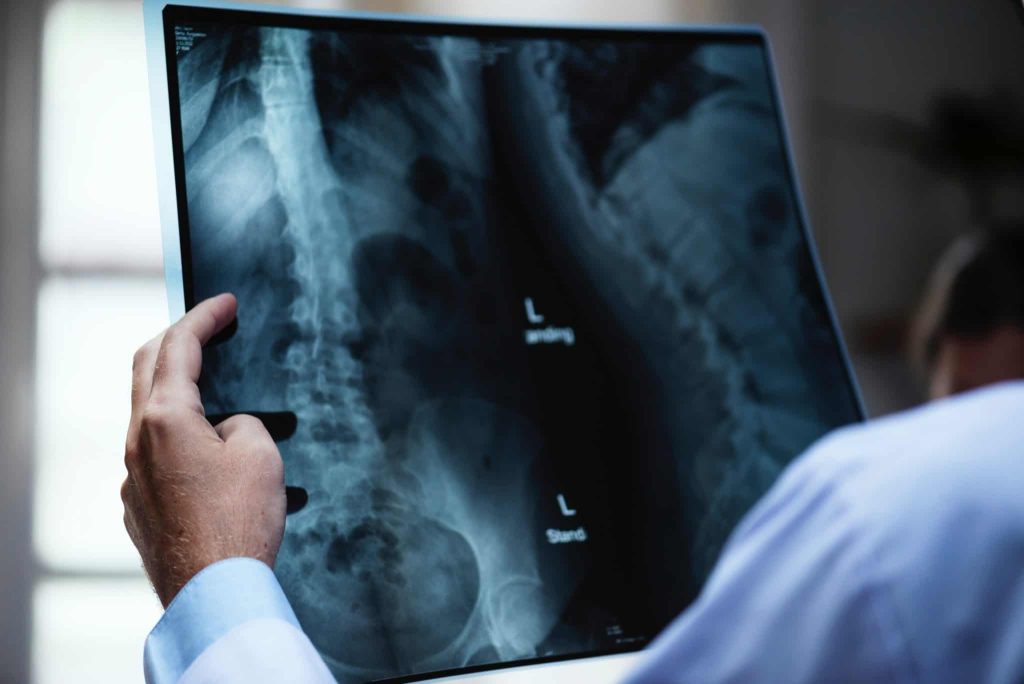
Contrast Agents in X-ray Imaging

In X-ray imaging, contrast plays a critical role in distinguishing between different tissues and structures within the body. The inherent contrast in these images results from the differential attenuation of X-rays and the density variations in anatomical structures. As X-rays pass through the body, they are absorbed or scattered depending on the density of the tissues they encounter. Dense tissues with a high atomic number, such as bones, absorb more X-rays and appear white on the image, whereas less dense tissues, such as muscles or fat, allow more X-rays to pass through and appear darker.

Contrast Agents in Computed Tomography (CT)

One of the imaging modalities that use radiographic contrast fluids is computed tomography (CT). In this case, organic iodine contrast agents are used. Today, advancements in contrast agents have led to the development of substances that are better tolerated by the body and are generally well-accepted, even by patients with severe allergies.

It is important to note that contrast agents are large molecules and are not routinely used medications. They are known for their potential intolerance and may cause unpredictable adverse reactions upon administration.


Contrast Agents in Magnetic Resonance Imaging (MRI)

In magnetic resonance imaging (MRI), contrast agents are used, but iodinated organic substances (as in CT scans) are not utilized. Instead, MRI contrast agents are primarily based on gadolinium, an element in the periodic table that belongs to the rare earth metals. Gadolinium is well tolerated by the body and has minimal side effects.

Contrast Agents in (MRI)

The contrast medium used in MRI is excreted through the kidneys, and thus, the same precautions applied to iodinated contrast agents are considered, including assessing kidney function via plasma creatinine levels before the examination.

Uses of Gadolinium Contrast Agents

Gadolinium-based contrast agents are used for various purposes, including:

  • Evaluating suspected abdominal masses to determine whether they are malignant tumors (sarcomas) or benign lipomas.
  • Studying the brain and central nervous system, including degenerative diseases such as multiple sclerosis.
  • Performing MR angiography (angio-MRI) to analyze arterial and venous vascular structures, where contrast agents are injected to enhance visualization.

Nanoparticle Contrast Agents

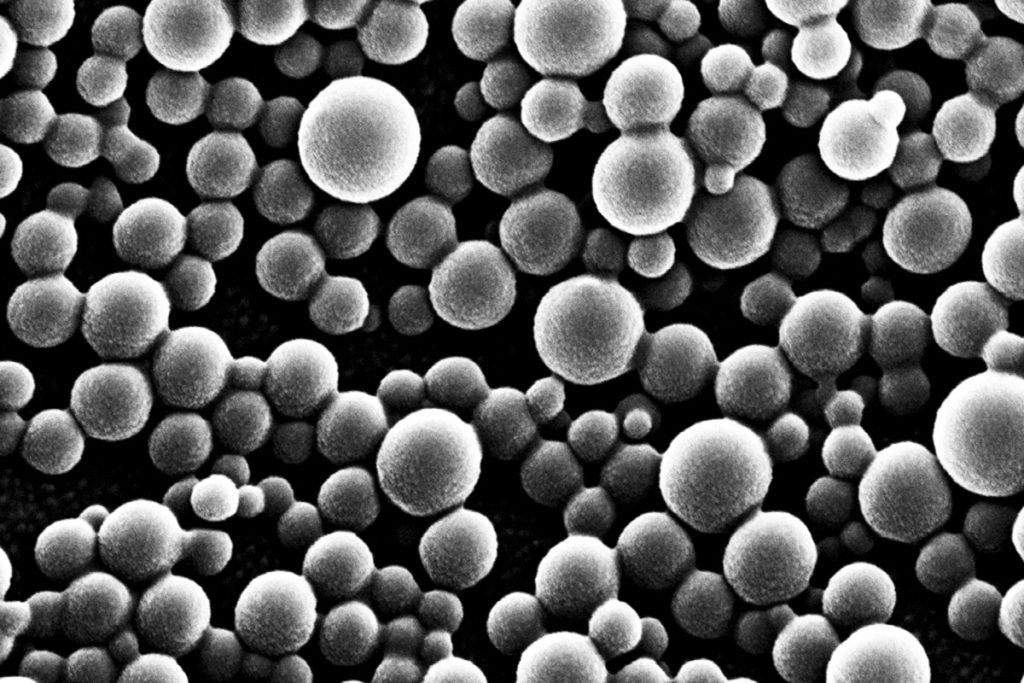
Nanoparticle contrast agents have the potential to revolutionize medical imaging, offering a powerful tool for disease visualization and diagnosis. These unique agents consist of tiny particles ranging from 1 to 100 nanometers, allowing them to interact with specific tissues and organs in the body, enhancing contrast in imaging techniques such as MRI, CT, and ultrasound.

Nanoparticle Contrast Agents

One of the key advantages of nanoparticle contrast agents is their ability to target specific cells or tissues, significantly improving imaging accuracy. This targeted approach not only enhances the visualization of diseased tissues but also reduces the required contrast agent dosage, minimizing potential side effects for patients.

Additionally, the small size of nanoparticles allows them to penetrate biological barriers and accumulate in specific areas, making them ideal for detecting and monitoring diseases such as cancer, cardiovascular diseases, and neurological disorders.

Elimination of Contrast Fluids

With normal kidney function, both gadolinium-based and iodinated organic contrast agents are typically eliminated within a few hours to a maximum of one day.

For contrast agents used in liver imaging, elimination occurs via the liver and bile, followed by excretion through the digestive system.

Side Effects, Considerations, and Safety

Despite their undeniable benefits, contrast agents are not without risks. Adverse reactions to contrast media can range from mild hypersensitivity reactions to severe kidney toxicity, posing significant challenges for physicians.

Understanding the safety profiles of different contrast agents and implementing proper management strategies is essential to minimizing these risks. Therefore, staying updated with the latest literature on contrast protocols is crucial to ensuring optimal patient outcomes.

Some contrast media have specific contraindications, such as:

  • Barium contrast: contraindicated in cases of colonic perforation.
  • Iodine contrast: contraindicated in severe kidney disease.
  • Contrast-enhanced studies are widely used in both X-ray and CT imaging, making them an essential component of modern diagnostic radiology.

Source: Contrast Agents (Radiographic Contrast Agents and Iodinated Contrast Media)

PET Scans: Understanding Nuclear Medicine Imaging

The latest advancement in medical imaging today is Positron Emission Tomography PET scans. This type of medical imaging helps detect early signs of cancer, heart disease, and brain disorders. It involves injecting a safe radioactive tracer that assists in identifying diseased cells.

In this article, we will explore PET imaging in detail to gain a deeper understanding of nuclear medical imaging, how this diagnostic method works, and what it reveals.

What is Nuclear Medicine?

Nuclear medicine is a type of imaging that uses very small amounts of radioactive materials to diagnose and monitor diseases, including various types of cancer. These tests do more than just capture images—they also provide doctors with insights into how organs function and how well they are performing.

The most commonly examined areas in nuclear medicine include the bones, kidneys, lungs, thyroid gland, and prostate. Nuclear medicine tests are non-invasive and do not require any preparation from the patient.

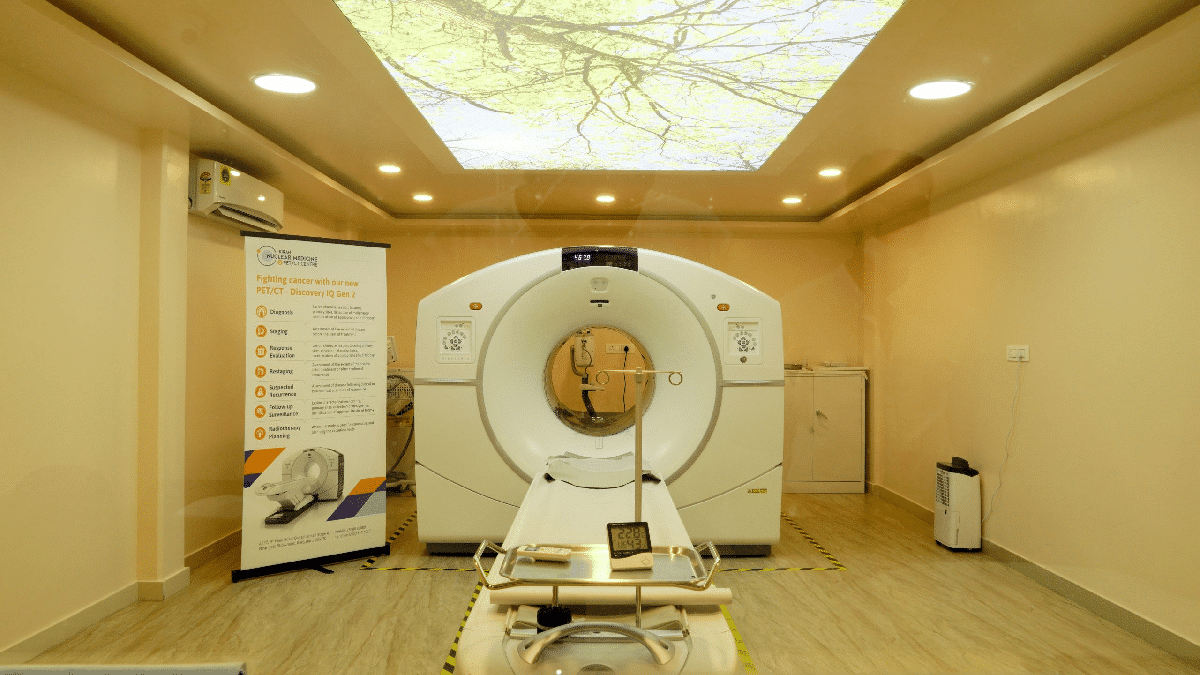
PET Scans - Positron Emission Tomography

What is Positron Emission Tomography (PET)?

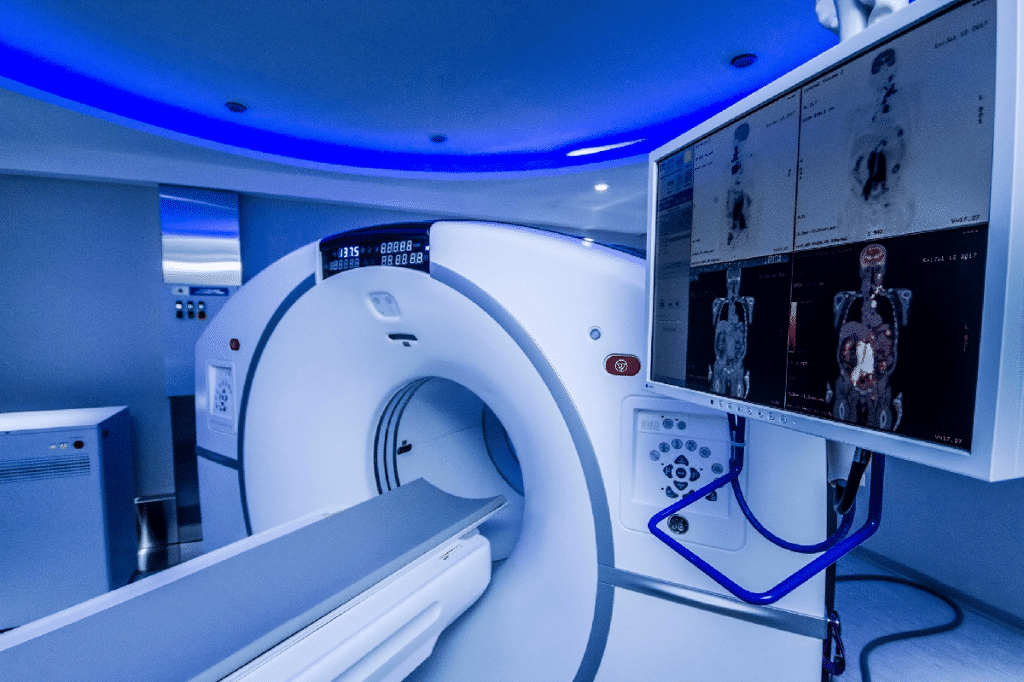
Positron Emission Tomography (PET) is an imaging test that produces real-time images of organs and tissues in action. The test uses a safe radioactive chemical known as a radiotracer, along with a PET scanner.

The scanner detects diseased cells that absorb large amounts of the radiotracer, which could indicate a potential health issue.

Nuclear medicine specialists use PET imaging to diagnose and monitor certain types of cancer. In many cases, PET scans can detect tumors before they appear in other imaging tests, such as CT scans or MRI scans.

Difference Between PET and Nuclear Medicine

PET imaging is a combination of nuclear medicine and biochemical analysis. It is primarily used for patients with brain diseases, heart conditions, or cancer. PET imaging helps visualize biochemical changes in the body, such as metabolism processes, which involve how cells convert food into energy after digestion and absorption into the bloodstream.

PET scans differ from other nuclear medicine tests in that PET focuses on detecting metabolic activity within body tissues, while other nuclear medicine tests measure the amount of radioactive material accumulating in a specific tissue to assess its function.

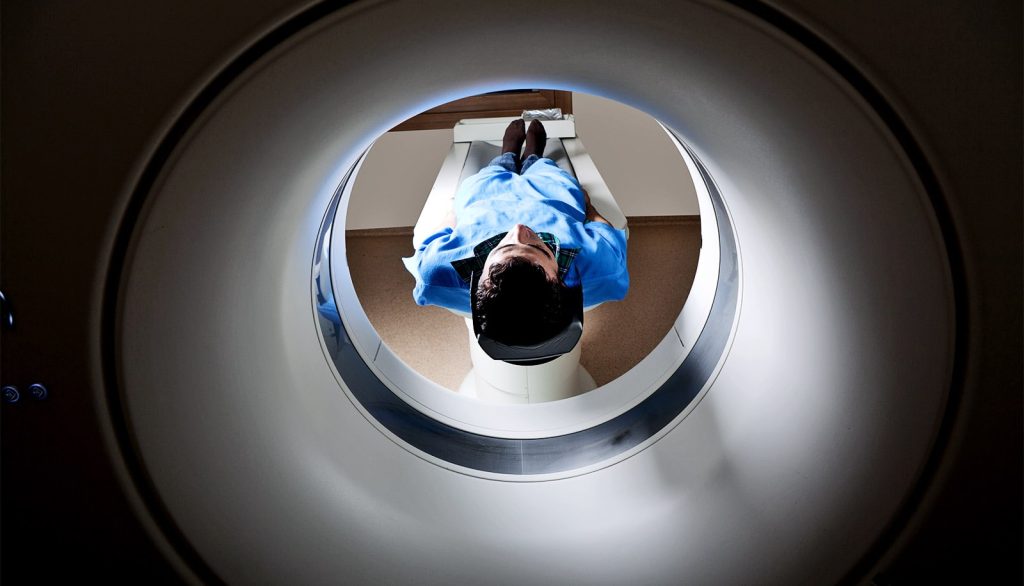
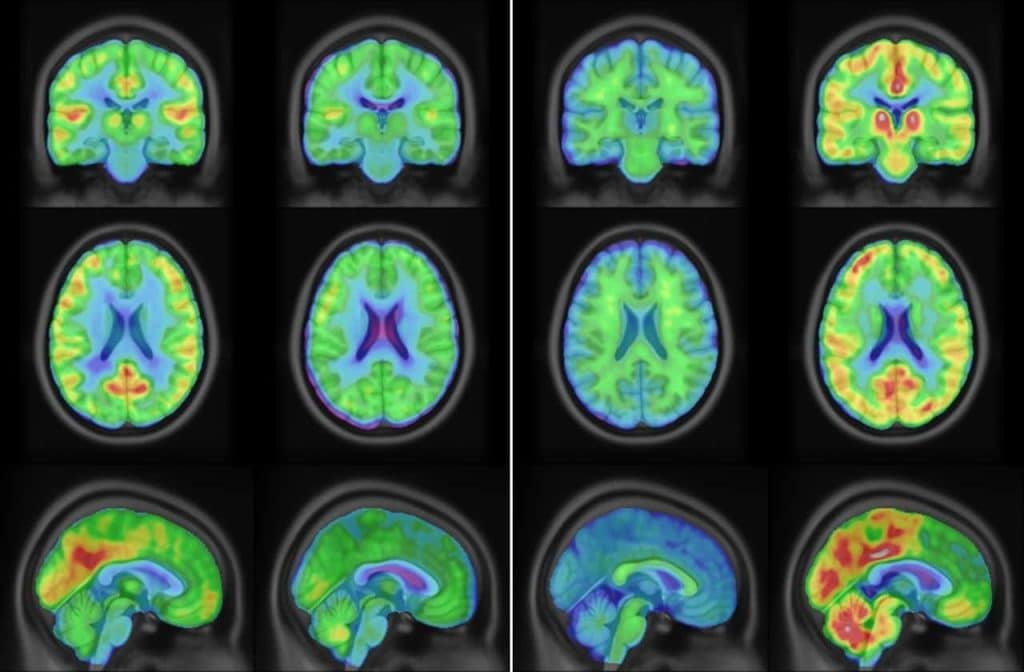
PET Scan result

Why is a PET Scan Performed?

In general, PET scans help evaluate organs and tissues for diseases and assess their functionality, such as in the heart or brain. However, the most common use of PET imaging is in cancer detection and treatment evaluation.

Specific Reasons for PET Scans Include:

  • Cancer detection
  • Helping determines biopsy/ tissue sampling locations
    Assessing whether cancer has spread (metastasized) in the body
  • Assisting in radiation therapy planning and adjustments
  • Evaluating the effectiveness of cancer treatment plans
  • Determining if cancer has returned after treatment
  • Participating in various medical research studies
  • Diagnosing mental function disorders such as Alzheimer’s disease
  • Pinpointing the exact location for brain surgery before procedures
  • Evaluating brain conditions after trauma to detect bleeding or clots
  • Assessing blood flow to the heart muscle
  • Detecting tumor recurrence earlier than other diagnostic methods
  • Providing more insight into lung lesions or masses
  • detected on chest X-rays or CT scans

How Does Positron Emission Tomography (PET) Work?

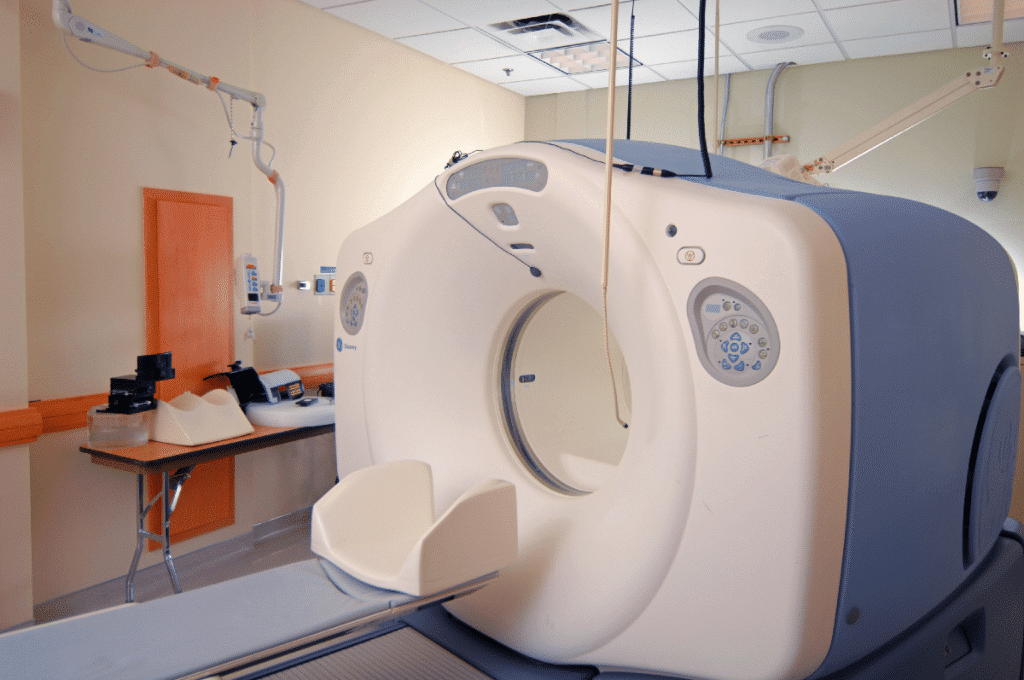
PET imaging technology works using a scanning device (a machine with a large central opening) that detects photons (subatomic particles) emitted from the radiotracer in the organ or tissue being examined.

The radiotracers used in PET scans are created by attaching a radioactive atom to chemical compounds that the target organ or tissue naturally uses in its metabolism.

For example, in brain PET scans, a radioactive atom is attached to glucose (blood sugar) to create a radiotracer called fluorodeoxyglucose (FDG). Since the brain relies on glucose for metabolism, FDG is widely used in PET imaging.

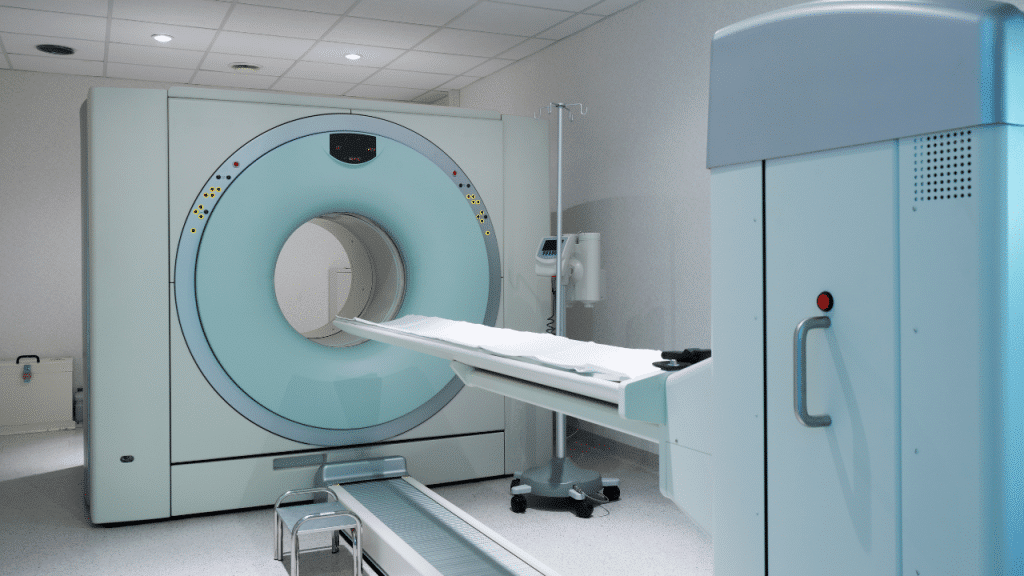
Nuclear Medicine

Other radiotracers can be used depending on the purpose of the scan. If the focus is on blood flow or tissue perfusion, the radiotracer may be a radioactive form of oxygen, carbon, nitrogen, or gallium.

How is the PET Scans Performed?

  1. Radiotracer Injection: The radiotracer is injected into a vein through an intravenous (IV) line.
  2. Scanner Movement: The PET scanner moves slowly over the targeted area of the body.
  3. Positron Emission: The radiotracer decays, releasing positrons.
  4. Annihilation Photons Formation: The positrons collide with electrons near the decay site, generating gamma rays known as annihilation photons.
  5. Photon Detection: The PET scanner detects the annihilation photons, which arrive at detectors simultaneously and 180 degrees apart.
  6. Computer Analysis: The computer processes the gamma ray data and creates a detailed image map of the organ or tissue.
  7. Image Interpretation: The brightness of tissues in the image depends on how much radiotracer they absorb, indicating organ or tissue function levels.

How Should a Patient Prepare for a PET Scan?

PET scans are typically performed on an outpatient basis. However, some hospitalized patients may undergo PET imaging for specific treatments. While medical facilities may have their own specific protocols, the general PET scans procedure follows these steps:

  • The patient will be asked to remove clothing and wear a hospital gown.
  • All jewelry and metallic objects that might interfere with the scan must be removed.
  • The patient will be asked to empty their bladder before the procedure.
  • Some abdominal or pelvic scans may require a urinary catheter to drain the bladder during the scan.
  • An IV line (or two, depending on the study) will be inserted into the hand or arm to administer the radiotracer.
  • In some cases, an initial scan may be performed before injecting the radiotracer, depending on the type of study.
  • The radiotracer is injected into the IV, and the patient will wait 30 to 60 minutes for it to concentrate in the targeted organ or tissue.
  • Once the radiotracer has been absorbed, the scan begins. The PET scanner moves slowly over the area of interest.
  • After the scan is complete, the IV line is removed. If a urinary catheter was used, it will also be removed.

PET Scans - nuclear medicine imaging

How Long Do the PET Scans Take?

The entire PET scans procedure takes approximately two hours. The radiotracer absorption in the body takes about 60 minutes, during which the patient must sit quietly and limit movement. The actual imaging process lasts around 30 minutes. After the scan, the patient will wait while the radiology technician reviews the images to ensure they are clear.

Potential Side Effects of a PET Scans

Generally, a PET scans is considered safe and rarely causes complications. The amount of radiation in the radiotracer is very low and does not stay in the body for long. Patients are advised to drink plenty of water after the scan to help flush out the radioactive material from their system.

However, there are certain risks in specific cases:

  • Pregnancy and Breastfeeding: Radiation may be harmful to the fetus or could pass to an infant through breast milk.
  • Allergic Reactions: In very rare cases, some individuals may have an allergic reaction to the radiotracer. These reactions are usually mild and can be quickly managed with medication.
  • Diabetes: Individuals with diabetes may have difficulty absorbing glucose from the radiotracer, which could affect the accuracy of the results. If you have diabetes, your doctor will provide special instructions on adjusting your diet and medication before the scan.

Final Thoughts

Positron Emission Tomography (PET) is one of the most significant advancements in nuclear medicine, allowing doctors to diagnose diseases with high accuracy, improve treatment plans, and determine the most effective therapeutic approaches. By understanding how PET works, we can appreciate its vital role in early disease detection and management.

Additionally, HSI Center is a leader in biomedical engineering and healthcare solutions, striving to enhance the skills and knowledge of professionals in this critical sector through specialized training programs and expert consultations.

Source: Positron Emission Tomography (PET)

How Ultrasound Imaging Technology Works | A Beginner’s Guide

Ultrasound imaging technology is one of the most significant advancements in biomedical engineering, combining cutting-edge technology with precise hospital design to create a safe and comfortable treatment environment. This imaging method is a fundamental diagnostic tool in various medical fields, enhancing healthcare quality and facilitating non-invasive and direct medical examinations.

How High-Frequency Ultrasound Waves Work

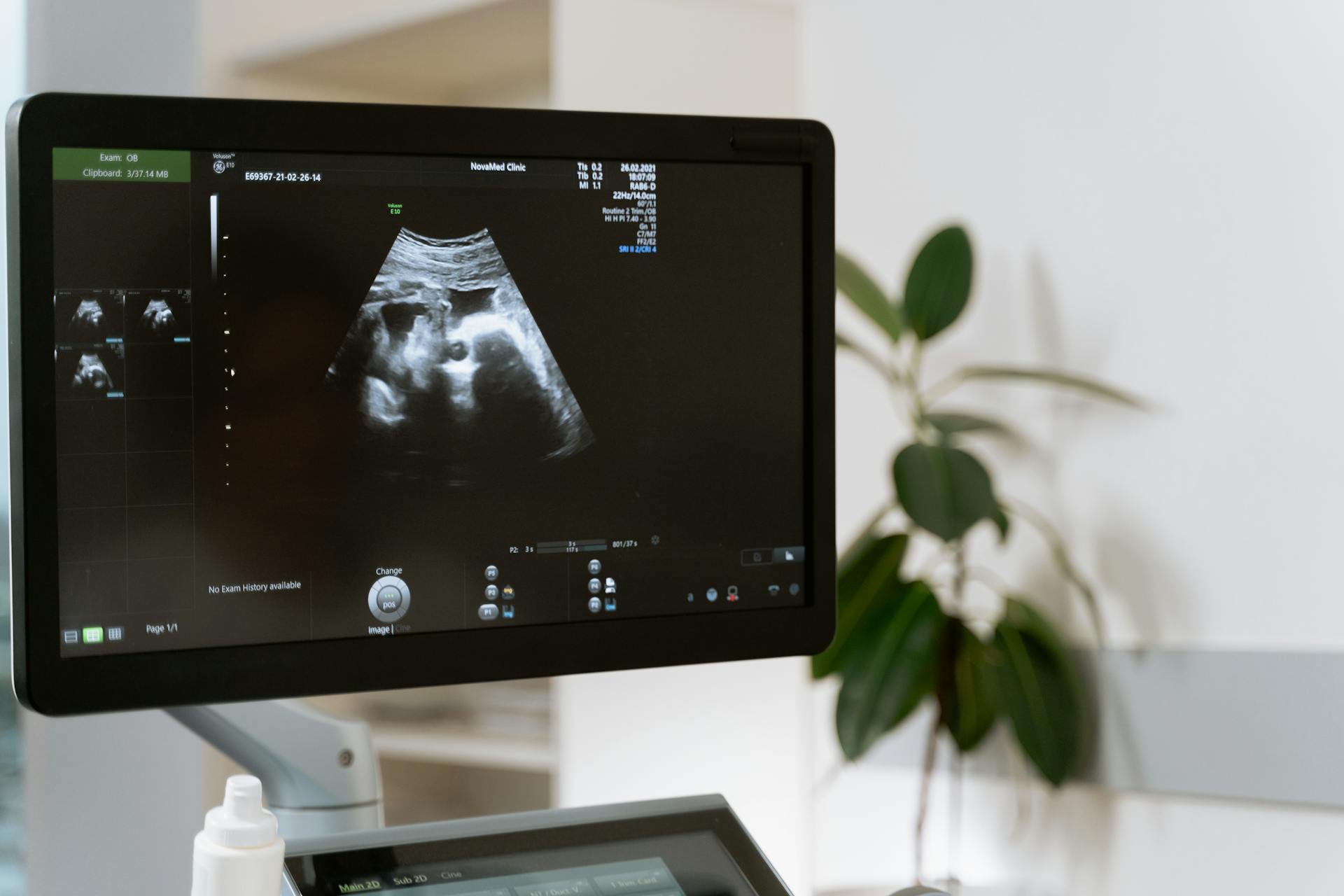
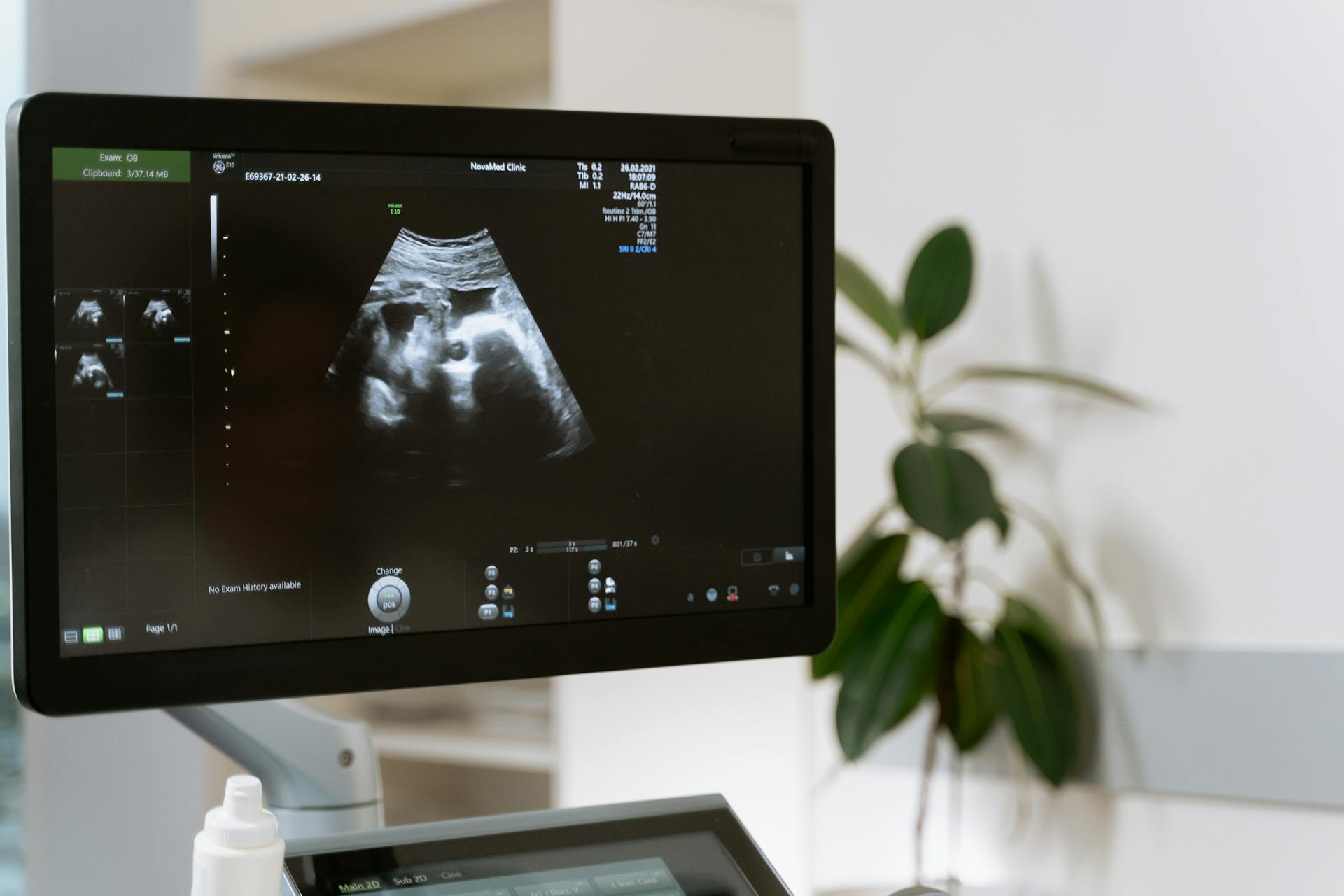
This technology relies on high-frequency sound waves that are inaudible to the human ear. These sound waves travel through tissues and reflect off internal surfaces, creating a detailed image of internal structures. Ultrasound is widely used for diagnosing various medical conditions, making it an ideal option for emergency medicine applications and significantly contributing to the advancement of medical treatment techniques.

Ultrasound Waves

The Principle of Ultrasound Imaging

This imaging technology operates on a simple physical principle that involves generating high-frequency sound waves. A specialized device, known as a transducer, emits sound pulses and receives the reflected signals after they interact with tissues and organs. These signals are then converted into a digital image displayed on the screen. Ultrasound plays a crucial role in accurately detecting tumors and masses within the body, making it a valuable tool for early disease diagnosis.

Diverse Diagnostic Applications of Ultrasound

This technology plays a vital role in diagnosing numerous medical conditions. It is commonly used to examine vital organs such as the heart, liver, and kidneys. Additionally, it is indispensable in monitoring pregnancy and assessing fetal health. Ultrasound is also employed in precise interventional procedures, such as biopsy sample collection and guided interventions, enhancing medical accuracy while minimizing the risks associated with surgical procedures.

Ultrasound Technology and Medical Devices

This imaging process requires advanced devices known for their high accuracy and efficiency in converting sound signals into detailed images. These devices use sophisticated computational techniques to enhance image quality and precision. Operational parameters are carefully adjusted to balance signal strength and accuracy. Ultrasound provides fast, non-invasive results, making it a preferred choice among physicians and medical professionals.

Applications of Ultrasound in Medicine

One of the key advantages of this imaging technique is its versatility across different medical fields. It is used in cardiology to assess valve function and detect cardiac disorders. It is also essential in obstetrics for monitoring fetal health during pregnancy. Furthermore, it is used to examine internal organs such as the liver, kidneys, and thyroid gland. Unlike other imaging techniques, such as X-rays and CT scans, Ultrasound does not use ionizing radiation, making it a safer diagnostic alternative.

تقنية الأشعة السينية

X-ray Technology

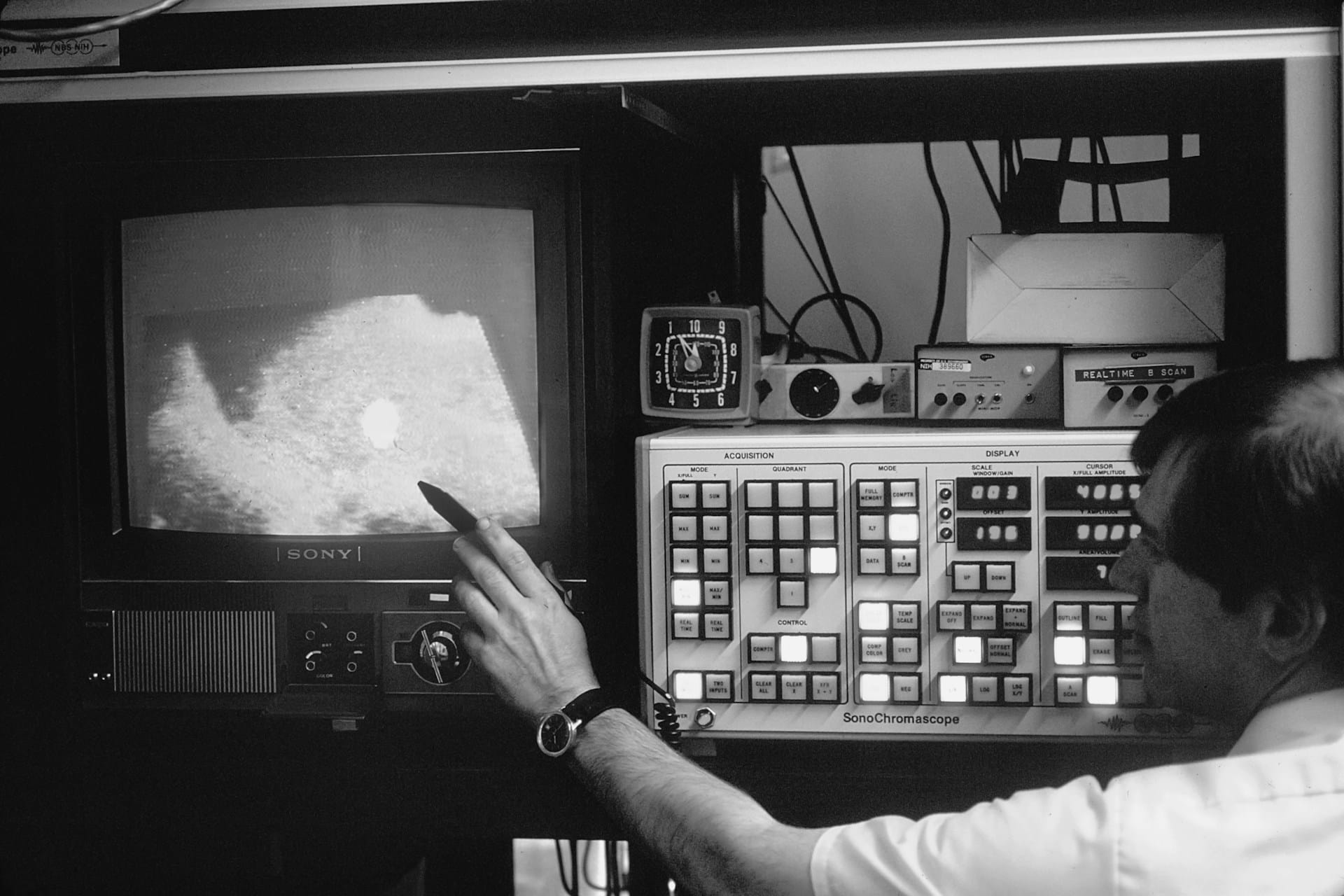
Recent Advances in Ultrasound Imaging TechnologyModern technology has led to significant advancements in imaging techniques, including the development of 3D and 4D imaging methods. These innovations allow doctors to view more detailed anatomical structures, improving diagnostic accuracy. Additionally, artificial intelligence (AI) and machine learning enhance Ultrasound imaging efficiency by optimizing image processing and improving pattern recognition for faster and more precise diagnoses.

Portable Ultrasound Imaging Devices and Their Impact on Healthcare

In recent years, the development of portable Ultrasound devices has enabled medical professionals to conduct examinations in various settings outside hospitals, such as mobile clinics, emergency rooms, and even remote areas lacking advanced medical infrastructure.This technological evolution significantly improves healthcare quality and increases accessibility to early diagnosis.

Imaging technology is a cornerstone of modern medical advancements, integrating physical principles with digital innovations to enhance diagnostics and treatment. The design of modern hospitals also plays a crucial role in supporting this technology, providing an optimal environment for efficient and accurate diagnoses.By combining Ultrasound imaging techniques with the latest engineering innovations, healthcare facilities ensure a safe and effective setting for patient care.

This diagnostic method remains a cutting-edge tool that offers both accuracy and speed, continually evolving to meet the future demands of healthcare. As such, investing in research and development is essential to achieve the best outcomes in medicine and biomedical engineering.

in conclusion Enhance Your Biomedical Engineering Career If you aspire to advance your career as a biomedical engineer, visit HSI today to explore our training courses. Our programs will equip you with the necessary skills to compete in the job market and elevate your engineering expertise to remarkable levels.

Source: Ultrasound – Special Subjects – MSD Manual Consumer Version

The Importance of Sales Skills for Biomedical Engineers and How to Master Them

The field of biomedical engineering is considered one of the most diverse branches of engineering, as it combines medical sciences and engineering sciences. It plays a crucial and pivotal role in developing and innovating medical devices and technologies that save the lives of millions of people daily. In today’s world, the job market is highly competitive, and it is not enough to be just a technically strong biomedical engineer.

There are many additional skills you must master to compete effectively in the job market and stand out among your peers. Among these skills are sales skills. Sales skills are not only for those working in real estate or automotive industries; everyone, regardless of their profession, should master them due to their significant importance in our current times. In the following lines, we will explore the importance of sales skills for biomedical engineers and how you can master them to maximize your benefit in your field.

sales skills

Sales skills are not just about selling a product or service. If you think about it, you will find that most of what we do in our daily lives is a form of selling. Convincing a colleague of a theory is a sales process. Trying to negotiate a lower price for a product is a sales process. Essentially, selling is about persuading someone else to believe in something you want them to believe. Some people are born with this skill and have a high ability to persuade others. However, as with all skills, you can acquire it through training and practice. Not only that, but you can master it as if you were born with it. Sales skills will significantly change your life and work for the better. They will make you one of the best in your field, and this will reflect on many aspects of your life. As a biomedical engineer, you should prioritize learning and mastering sales skills due to their great importance. Let us now explore together the importance of sales skills for biomedical engineers and how you can learn them as quickly as possible.

Why does a biomedical engineer need to master sales skills?

You might wonder what the relationship is between biomedical engineering and sales skills. In reality, biomedical engineering is not just about designing devices or technical solutions to facilitate the lives of patients and doctors alike. It is fundamentally about convincing others of the value of these solutions and how they will improve their lives and health. Whether you work in the manufacturing of medical devices, their marketing, or even providing technical consultations, you will undoubtedly need the ability to convince customers, colleagues, and even your superiors of the importance of what you offer.

Think about it: you might have an innovative idea that could revolutionize the medical world. You will certainly need strong persuasion skills to secure the necessary funding and support to bring this idea to light. How many great ideas have never reached the research and implementation stage due to their creators’ weakness and inability to convince others of their importance? Persuasion skills help you sell your ideas to your colleagues and managers to ensure maximum benefit. If you work in the marketing of medical devices, sales skills will greatly help you understand customer needs and present various suitable solutions, convincing them of the effectiveness of these solutions, thereby enhancing the success of your products in the market.

How can you master sales skills as a biomedical engineer?
Anyone can master sales skills. It requires some seriousness and commitment at the beginning, and it will become easier over time. All you need is to dedicate some time daily to training in the following skills:

1- Understanding Customer Needs

Understanding customer needs is the first step to a successful sales process. It depends on your ability to listen well, whether to doctors, nurses, or even hospital administrators. You must understand the challenges and problems they face. Are they struggling with device accuracy? Do they need innovative technologies and solutions to save time? After understanding the customer’s needs, you will have a complete picture to provide tailored solutions to meet these needs effectively.

2- Delivering Value Instead of the Product

This technique is excellent for any sales process. It relies on presenting the value or benefit of using the product rather than describing the product itself. For example, if you want to sell an MRI machine, focus on how this device can improve diagnostic accuracy, predict diseases, and reduce waiting times, thereby contributing to saving patients’ lives.

3- Mastering the Art of Persuasion

Persuasion is fundamentally about building trust between you and the other party through several steps, such as building trust, providing evidence, and using data and statistics to support your argument. You must also be well-prepared to answer any questions or objections that may arise. For example, if you are promoting a new medical device, you should present studies proving how this device significantly improves medical outcomes. Additionally, you must be confident during the conversation because most people can sense if you are genuinely confident in the product or service you are offering or if you are trying to fake it, which can have a negative impact.

4- Improving Effective Communication Skills

Effective communication is a fundamental skill for successful sales. Effective communication means being clear in your explanation and avoiding the use of complex technical terms that non-specialists may not understand. It relies on speaking clearly and using simple language to persuade the other person of your idea. Additionally, using body language is very important and enhances your self-confidence and ability to persuade.

5- Building a Strong Network

Building a strong network in itself may be the main reason for your great success as a biomedical engineer. In our current times, relationships are everything, and the wider and larger your network, the greater your chances of selling your ideas and marketing your products. You can build a strong network by joining groups on social media platforms like LinkedIn and Facebook, as well as participating in various medical conferences and meeting many important people in your field.

6- Continuous Training

Now that you have learned about the most important skills you need to acquire, it is time for continuous training to reach the level of mastery. Dedicate a specific amount of time daily, according to your ability, to train in these skills. Also, try to apply them in your professional life and outside of work. After a while, you will notice that you have acquired these skills and will see the huge difference they will make in your work as a biomedical engineer and in your life in general.

https://hsi-eg.co/contact/

At the beginning of learning these skills, you may naturally face some challenges, as is the case when learning any new skill. Over time, it will become easier. Sales skills are not just a tool to increase sales; they are the key to success in the world of biomedical engineering. Whether you work in research and development, marketing, or even management, mastering these skills will enable you to present your ideas and products more effectively and build strong relationships with customers and colleagues. Start today by developing these skills, and you will find that they are not only beneficial for your work but also for your career path in general. If you want to get advice on how to master sales skills as a biomedical engineer, you can contact the HSI website, and we will provide you with all the details.


How to develop effective presentation skills for sales

In the world of biomedical engineering, effective presentation skills are essential for showcasing innovative solutions that can revolutionize healthcare delivery. However, it’s not just about presenting a product; it’s an art that requires a deep understanding of the diverse needs of clients such as physicians, hospital executives, or biomedical engineers seeking efficient solutions. How can a biomedical engineer improve their presentation skills to create a greater impact in sales pitches? This article provides seven tips to enhance your presentation skills, particularly in the fields of biomedical engineering and healthcare sales.

The Importance of Presentation Skills in Sales

Sales are the lifeblood of any business, serving as the direct link between a product or service and potential clients. Without an effective sales process, even the best products remain shelved, leaving companies unable to meet their goals. In this context, presentation skills are a critical factor in closing deals. Delivering a compelling sales pitch requires more than just product knowledge; it hinges on effective communication, understanding client needs, and offering solutions that align with their challenges.

presentation skills

By honing presentation skills, a salesperson can transform every pitch into a meaningful interaction with the client, increasing the likelihood of success. Presentation skills are more than a tool for boosting sales—they’re an art that builds trust, delivers tangible value, and establishes sustainable client relationships. Let’s explore practical tips to enhance these skills!

1) Understand Your Client’s Needs

No sales presentation can succeed without thorough research into the client’s requirements. In the field of biomedical engineering, it’s crucial to understand the medical and technical challenges clients face. Gather detailed information about the company or institution you are working with, and analyze their focus areas, such as healthcare improvement or scientific research.

You should also be familiar with the client’s existing devices or products, as well as those of their competitors. Leveraging tools like artificial intelligence and data analysis can help you gain deeper insights into customer behavior and needs. Tailor your presentation to address these specific needs, making it both relevant and impactful.

2) Target the Right Audience

One of the key aspects of improving presentation skills is identifying the decision-maker in the purchasing process. In biomedical engineering, this could be a physician, biomedical engineer, or a hospital executive. By pinpointing the right audience, you can customize your presentation to cater to their technical and financial interests, increasing your chances of making a successful impact.

presentation skills

3) Provide Tangible Solutions

A significant challenge in medical sales presentations is communicating complex technical solutions in an understandable and realistic way. After identifying the client’s needs, the next step is to present tailored solutions. Explain how your medical device or technology addresses the client’s challenges in a clear and concrete manner.

At this stage, it’s crucial to emphasize the benefits the client will gain from using the product. Highlight how it can improve medical outcomes or streamline healthcare operations. Ensure your presentation aligns with the client’s specific needs, focusing on the value they will derive rather than just the general features of the product.

4) Be Prepared to Handle Objections

Sales professionals in biomedical engineering frequently face objections related to technical issues, budget constraints, feasibility, or timing. Anticipating these objections and preparing well-thought-out responses is essential. Common objections include:

  • Budget limitations
  • Efficiency concerns
  • Perceived necessity
  • Time constraints or a combination of these factors

For example, if a client objects to the price, be ready to demonstrate how your device or technology can save costs over time by improving operational efficiency or reducing medical errors. Similarly, provide clear explanations of the technical advantages your product offers compared to competing solutions.

presentation skills

5) Listening Is Key to Success

In medical sales, active listening can be the deciding factor between closing a deal and losing an opportunity. Instead of focusing solely on presenting your product, listen attentively to your client’s needs and concerns. Ask thoughtful questions to encourage deeper discussions about the challenges they face. By understanding their unique circumstances, you can tailor your presentation to provide a truly relevant solution.

6) Be Proactive and Follow Up

After delivering your presentation, don’t wait for the client to contact you. Being proactive demonstrates your commitment to their needs. Set up a follow-up plan, such as scheduling a demonstration, offering a trial period, or addressing unresolved technical or financial concerns. Consistent follow-up builds trust and strengthens client relationships, increasing the likelihood of closing the deal.

presentation skills

7) Start Strong with Referrals

Referrals can be a powerful tool in the biomedical engineering sector. If you have established a strong relationship with a client or hospital, don’t hesitate to ask for referrals. A personal introduction, such as an email recommendation, often yields better results than sharing contact information alone. Leverage your network to expand your client base and increase your chances of securing new opportunities.

In conclusion, in a fast-evolving world of technology and healthcare challenges, presentation skills play a pivotal role in achieving sales success. HSI serves as a trusted partner for professionals aiming to excel in biomedical engineering, healthcare software development, and system management. Through comprehensive training programs, personalized coaching, and specialized consulting, HSI empowers individuals and organizations to deliver impactful solutions and thrive in the competitive healthcare landscape.

Source: 7 Tips for Successful Sales Presentation Skills

All copyrights reserved to © HSI