The Role of AI in the Early Detection of Diseases through Medical Imaging

AI’s Role in Early Disease Detection via Medical Imaging
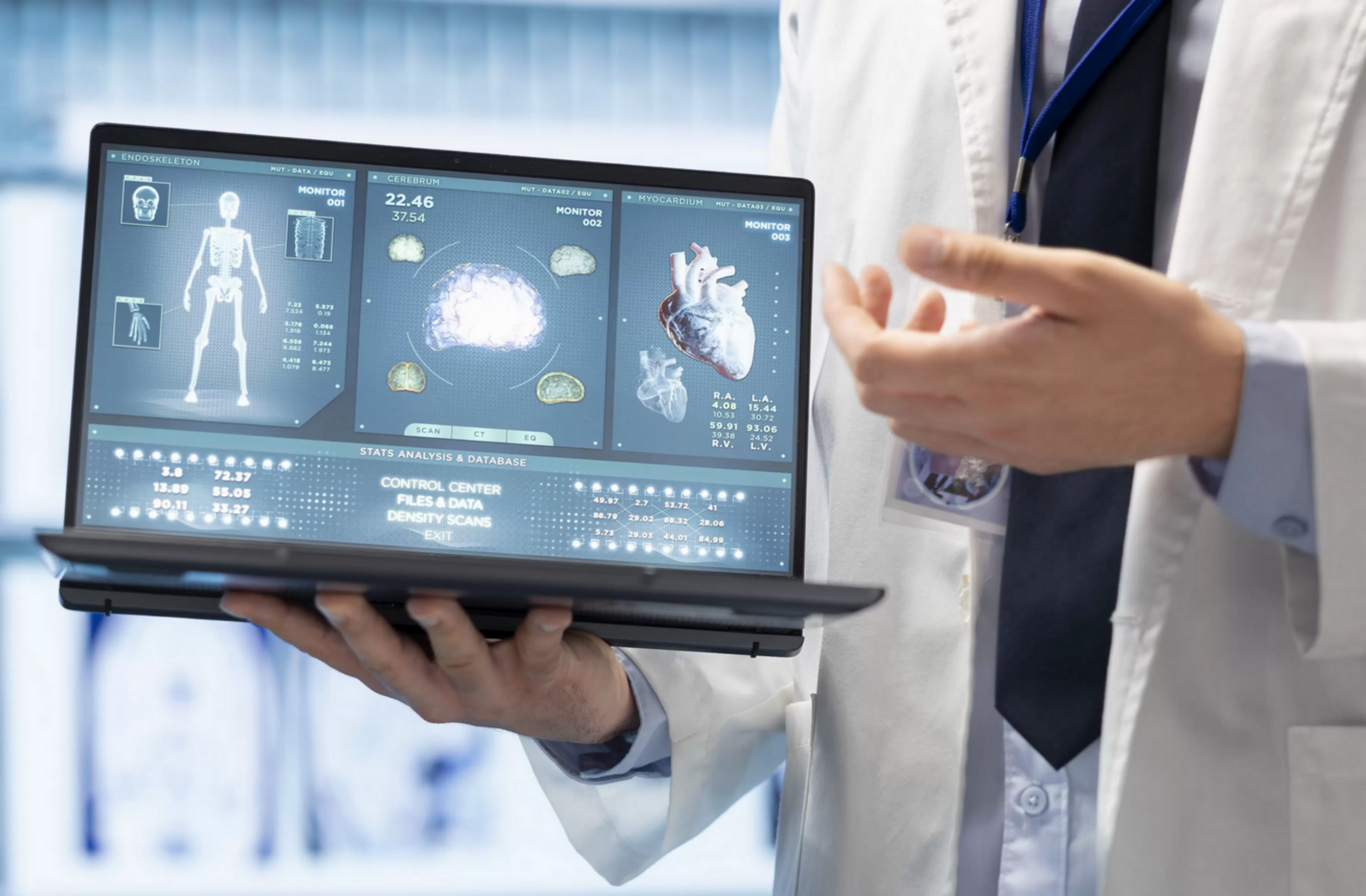
The use of AI in medical imaging represents a major breakthrough in integrating technology into healthcare. This integration is not just a technological advancement, but a qualitative leap in enhancing diagnostic and treatment plans. AI is leveraged in the early detection of diseases through advanced imaging techniques. In this article, we will discuss this role and how it contributes to improving healthcare.

The Importance of AI in Early Disease Detection

We are not exaggerating when we talk about the importance of AI in healthcare and medical imaging. It goes beyond merely improving image quality and processing speed. AI capabilities in medical imaging have evolved from basic diagnostics to aiding in early disease detection. It’s no longer just about faster and clearer images, but also about saving lives through early intervention and providing personalized treatment options.
Early Detection of Diseases

These advancements have had a significant impact on healthcare, especially in fields like oncology and neurology, where timely and accurate diagnosis is critical. More specifically, these innovations have significantly increased the number of patients undergoing screenings, enhancing not only patient outcomes and safety but also productivity and cost-effectiveness.

AI Capabilities in Medical Imaging

AI technologies have a multifaceted impact on medical imaging. They improve diagnostic accuracy, reduce human error, and enable early disease detection, ultimately raising the standard of patient care. AI can be utilized in various ways to enhance medical imaging.

The full potential of AI can be realized through the effective use of machine learning and deep learning algorithms, which are now playing a pivotal role in advancing imaging technologies.

AI Improvements in Medical Imaging

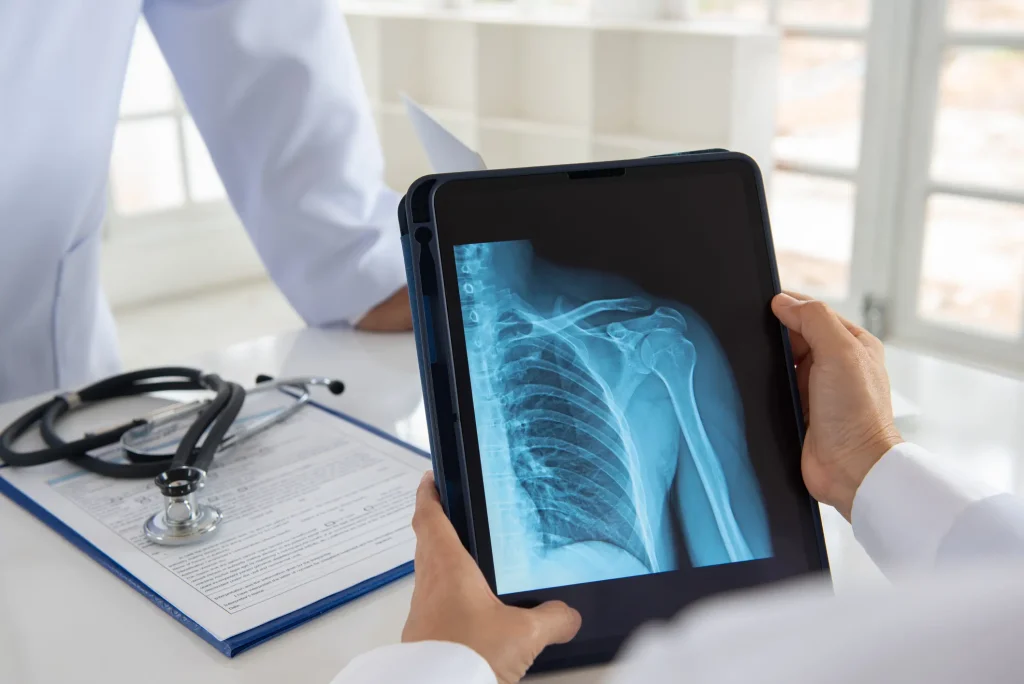
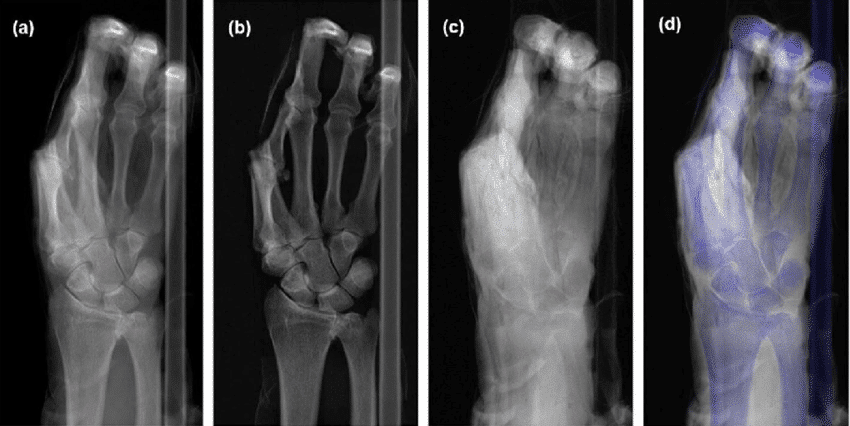
  1. One of the most notable advancements is image quality enhancement. AI algorithms can analyze massive volumes of imaging data, learning to detect subtle patterns and anomalies that may be invisible to the human eye. The increased clarity and resolution of these images have paved the way for more accurate diagnoses, such as the ability to detect fractures.
  2. Image processing speed is another area where AI makes a significant difference in early disease detection. In the past, analyzing medical images was time-consuming, which affected the timing of diagnoses and treatment.
  3. Thanks to its ability to quickly process and analyze large datasets, AI significantly reduces the time needed to analyze medical images. As a result, AI systems can now interpret and generate complex images much faster than traditional methods, speeding up the diagnostic process.
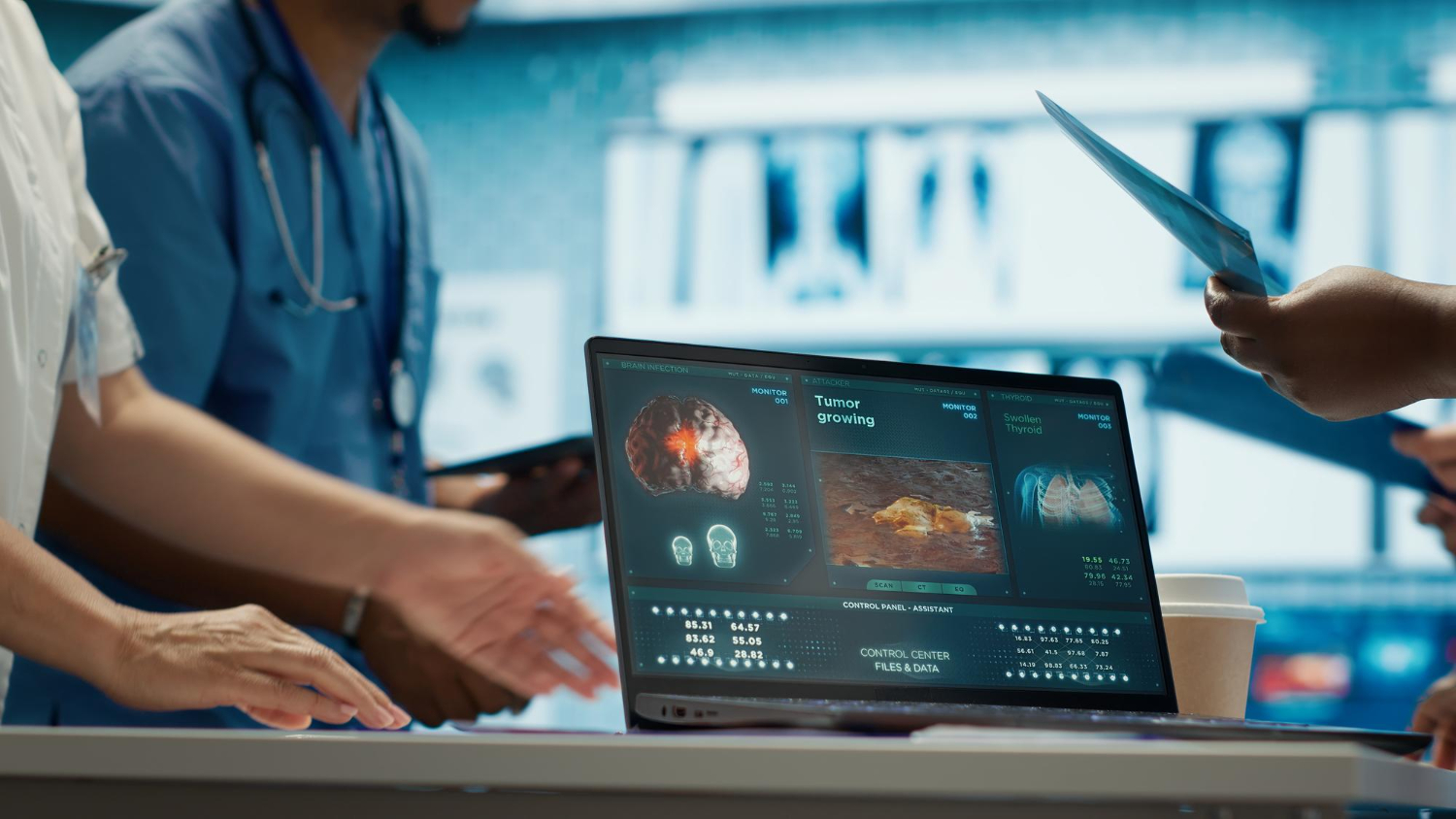
  4. By integrating deep learning algorithms, AI can identify patterns associated with specific diseases, making it a powerful tool for early detection and diagnosis. Through advanced image analysis, AI can detect abnormalities such as tumors in their early stages, greatly enhancing the patient experience.
  5. AI also plays a major role in personalized medicine and preventive healthcare. By analyzing medical imaging data alongside a patient’s medical history, AI can provide personalized diagnostic insights, paving the way for more tailored treatment plans.

Key Applications of AI in Medical Imaging

Current AI applications in medical imaging are significantly impacting fields such as radiology, oncology, and neurology. By harnessing AI, medical professionals in these areas can improve the accuracy and efficiency of numerous diagnoses and treat medical conditions more successfully.

These three fields demonstrate how AI applications in medical imaging are not only enhancing current diagnostic and treatment methods but also opening new horizons in personalized medicine. From improving diagnostic accuracy in radiology to aiding in the early detection of cancerous cells and neurological diseases, AI is proving its value in the healthcare sector.

Below are the key fields that benefit from AI in the early detection of diseases.

1. Radiology

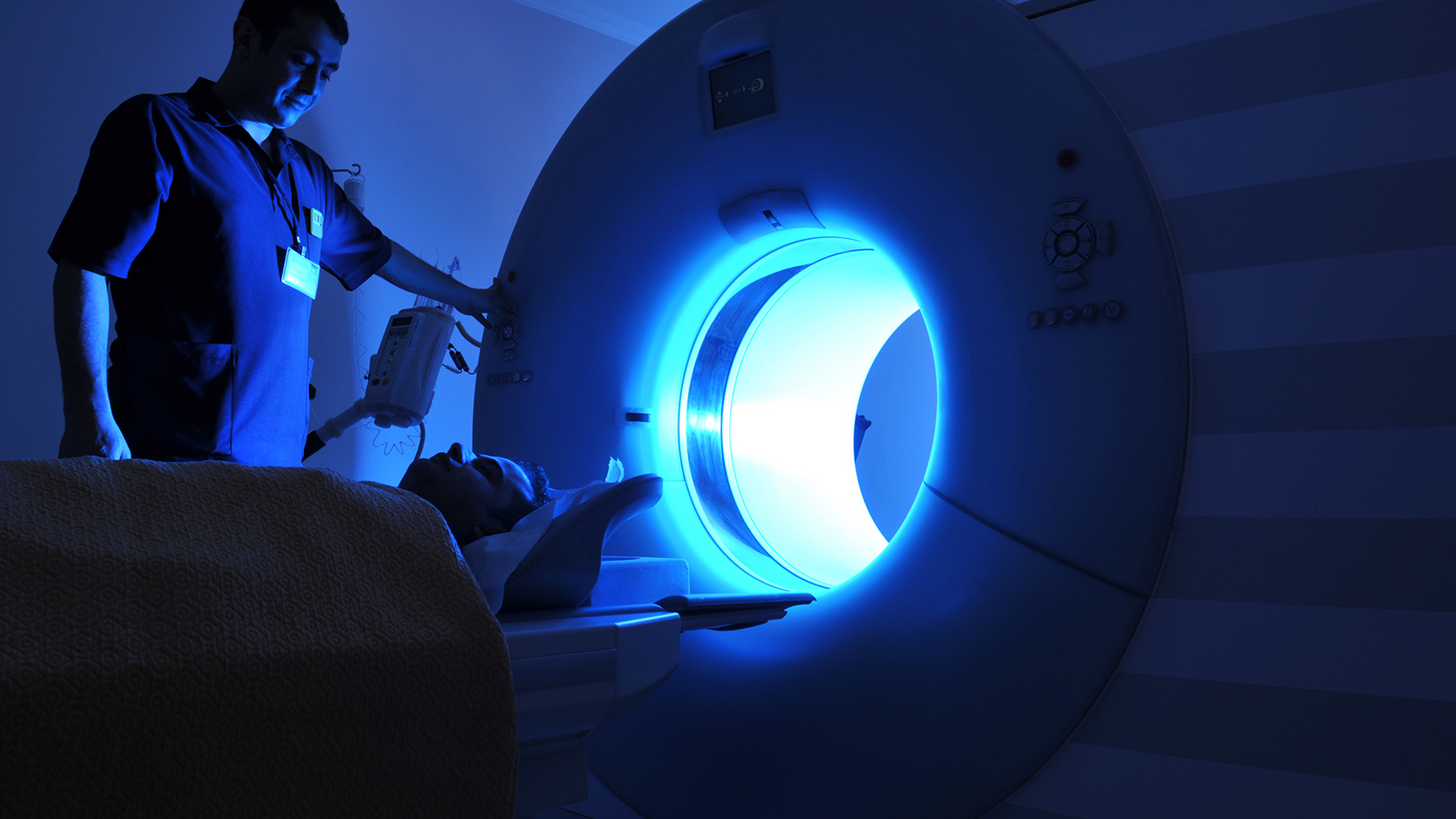
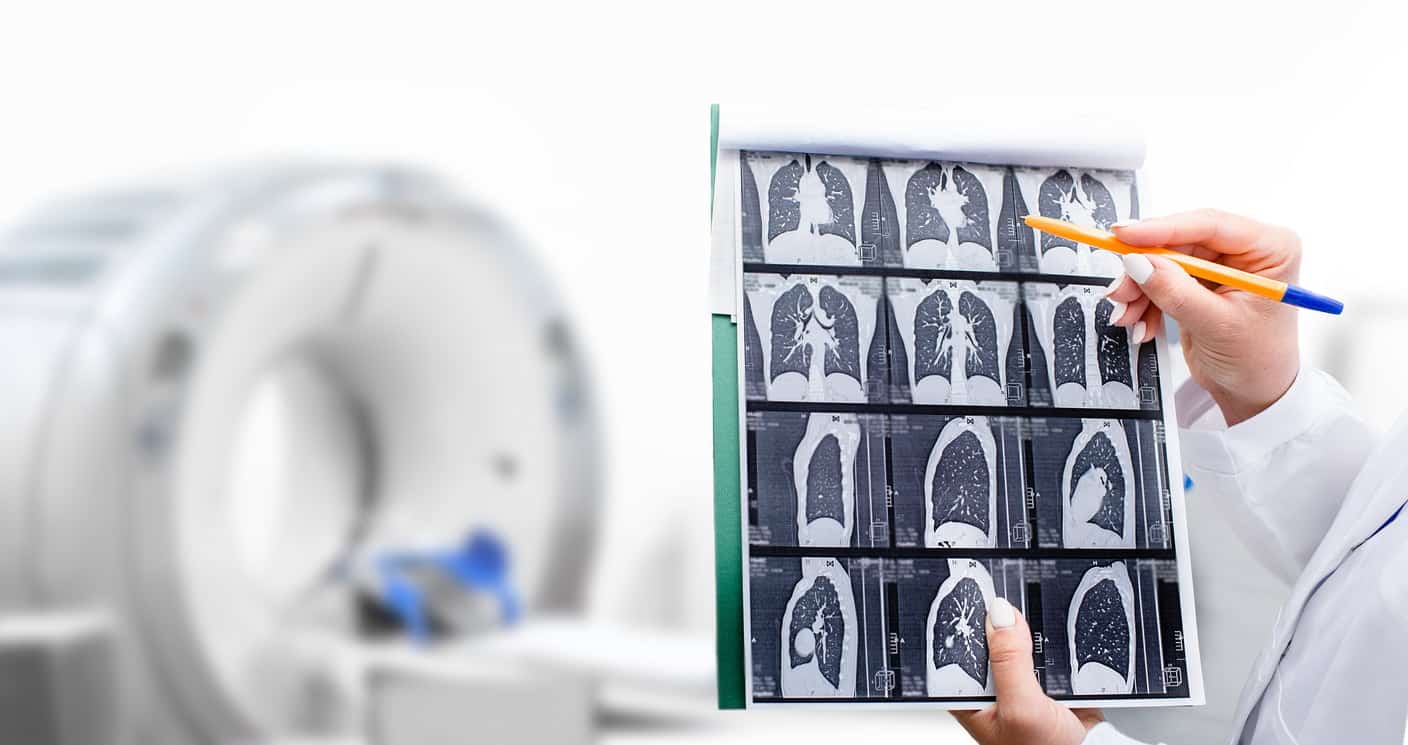
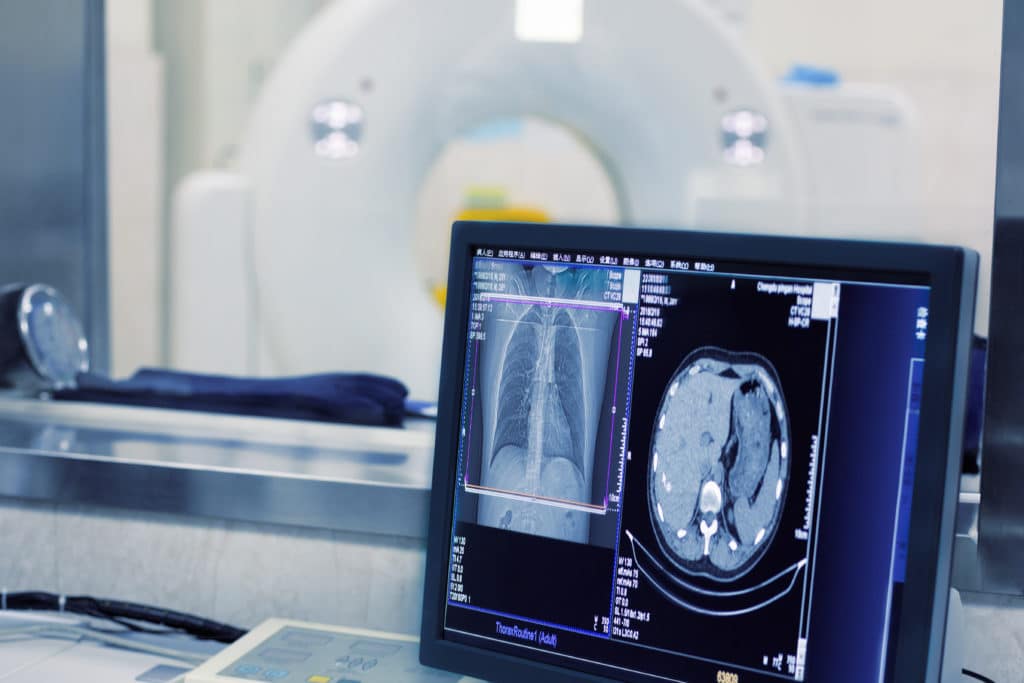
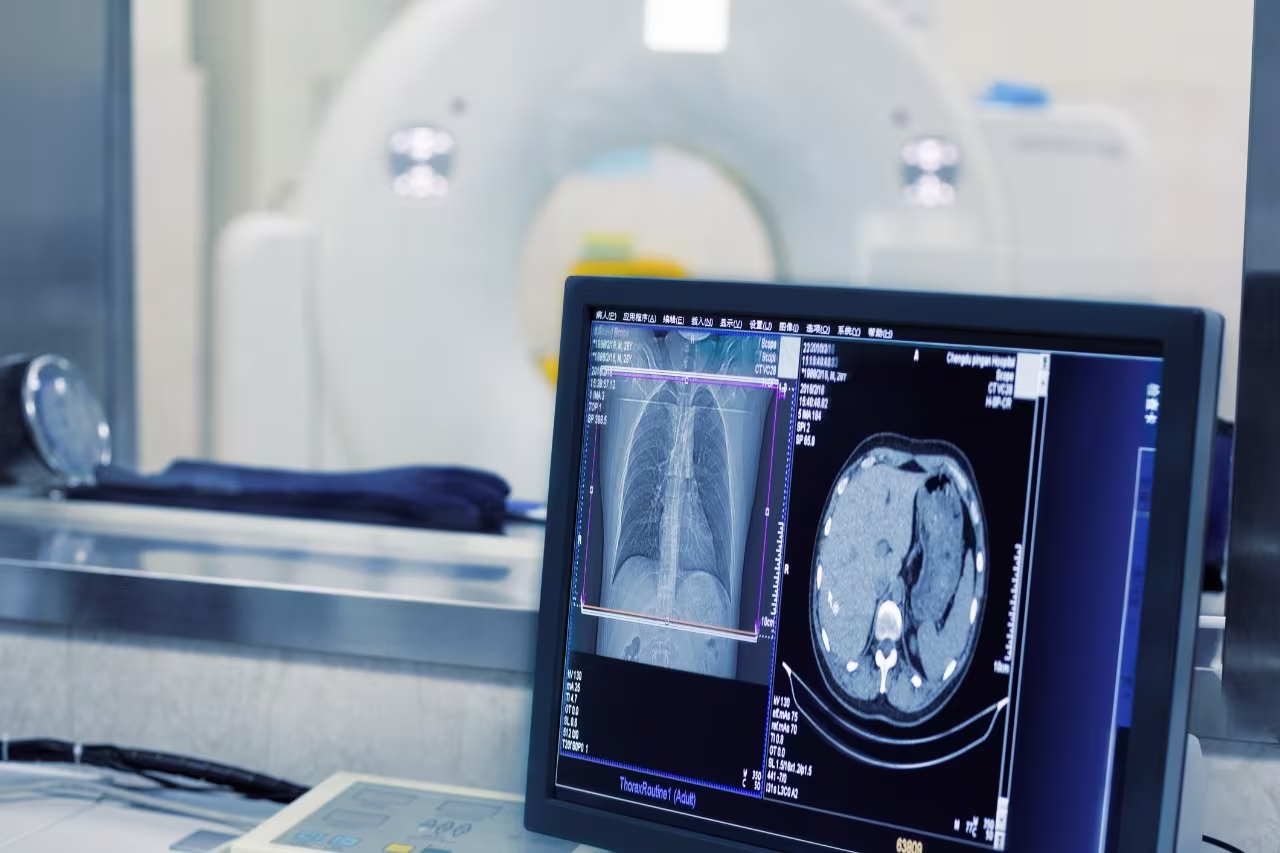
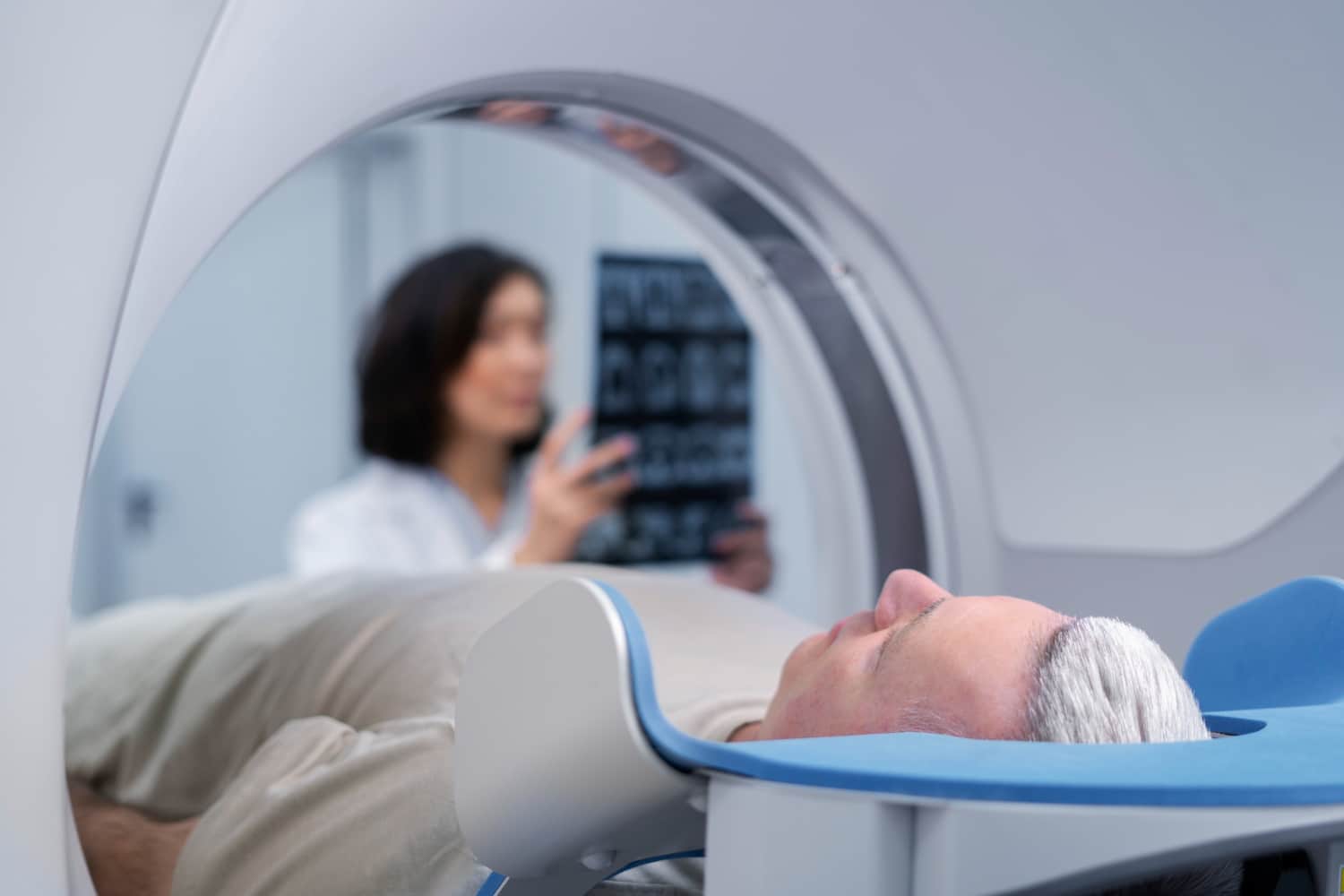
In the field of radiology, for example, artificial intelligence is primarily used to identify abnormalities in imaging scans. AI algorithms applied to computed tomography (CT) and magnetic resonance imaging (MRI) can quickly detect and segment areas of interest in scans of the lungs, liver, and brain.

2. Cancer Tumor Detection

Particular attention should be given to AI’s role in tumor imaging. It assists in detecting and monitoring cancerous tumors, improving the accuracy of cancer screenings. For instance, deep learning AI techniques have been used to analyze mammograms and accurately distinguish between malignant and benign tumors.
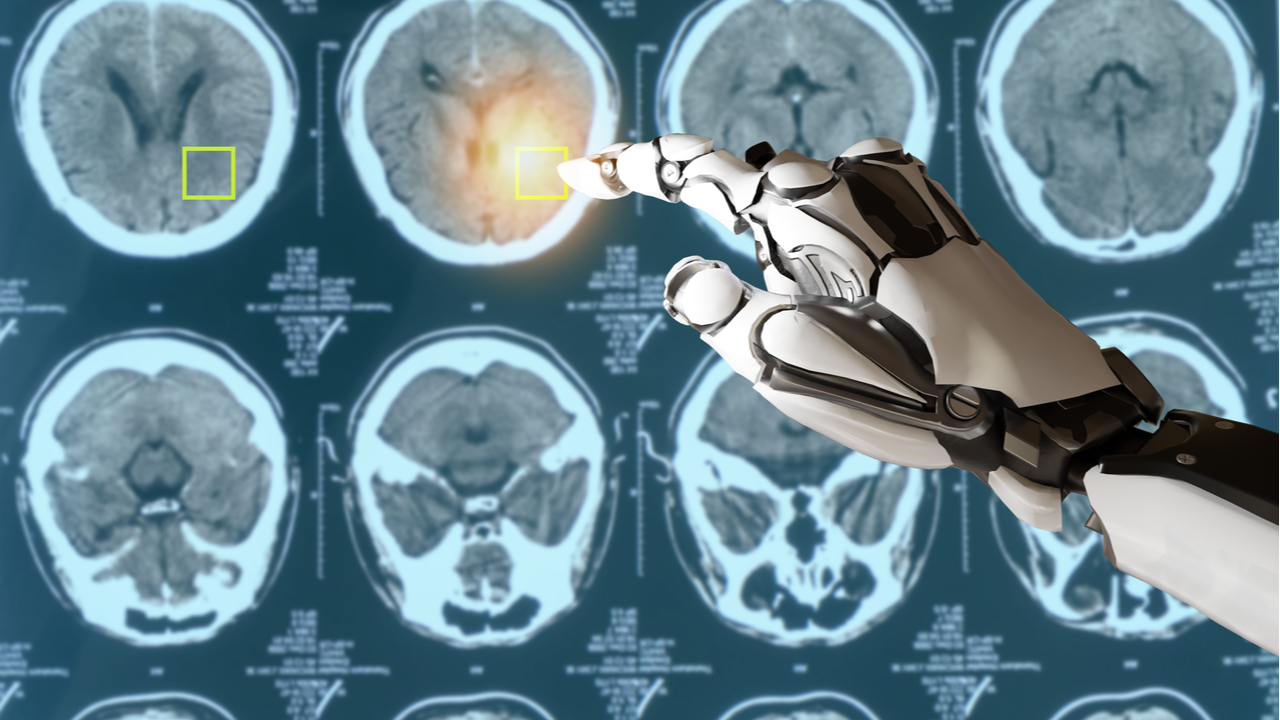
Early Detection of Diseases

3. Neurology

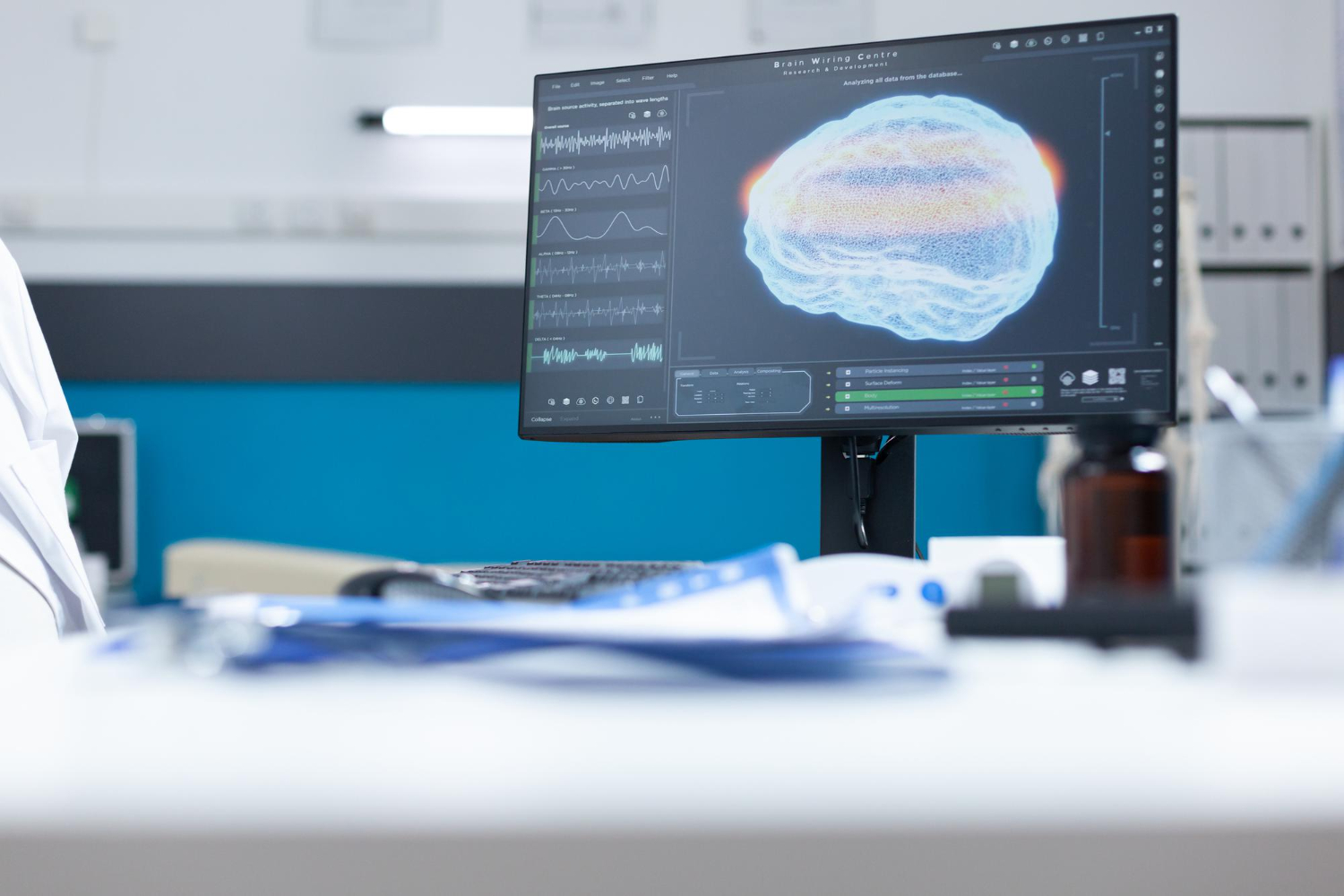
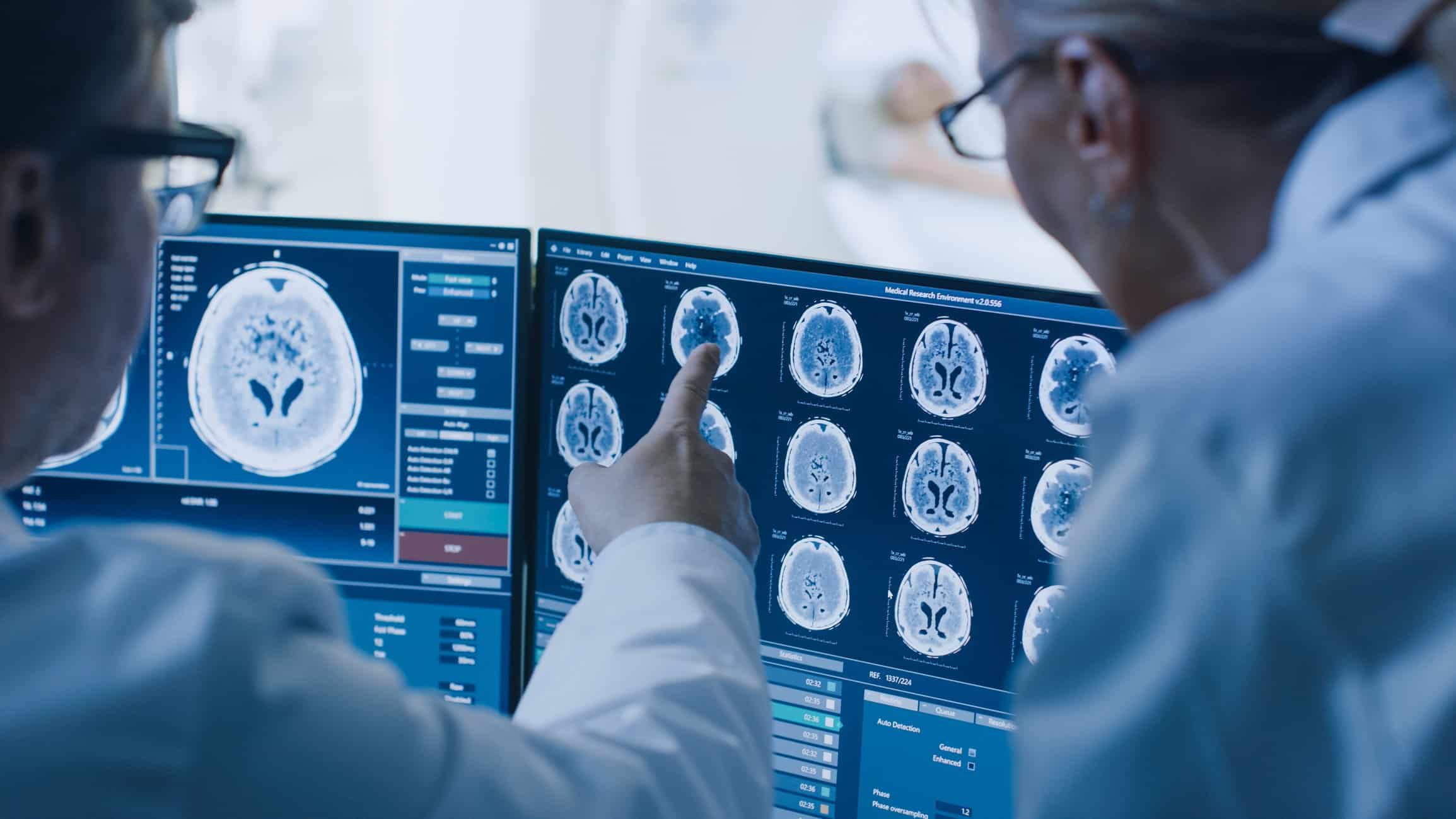
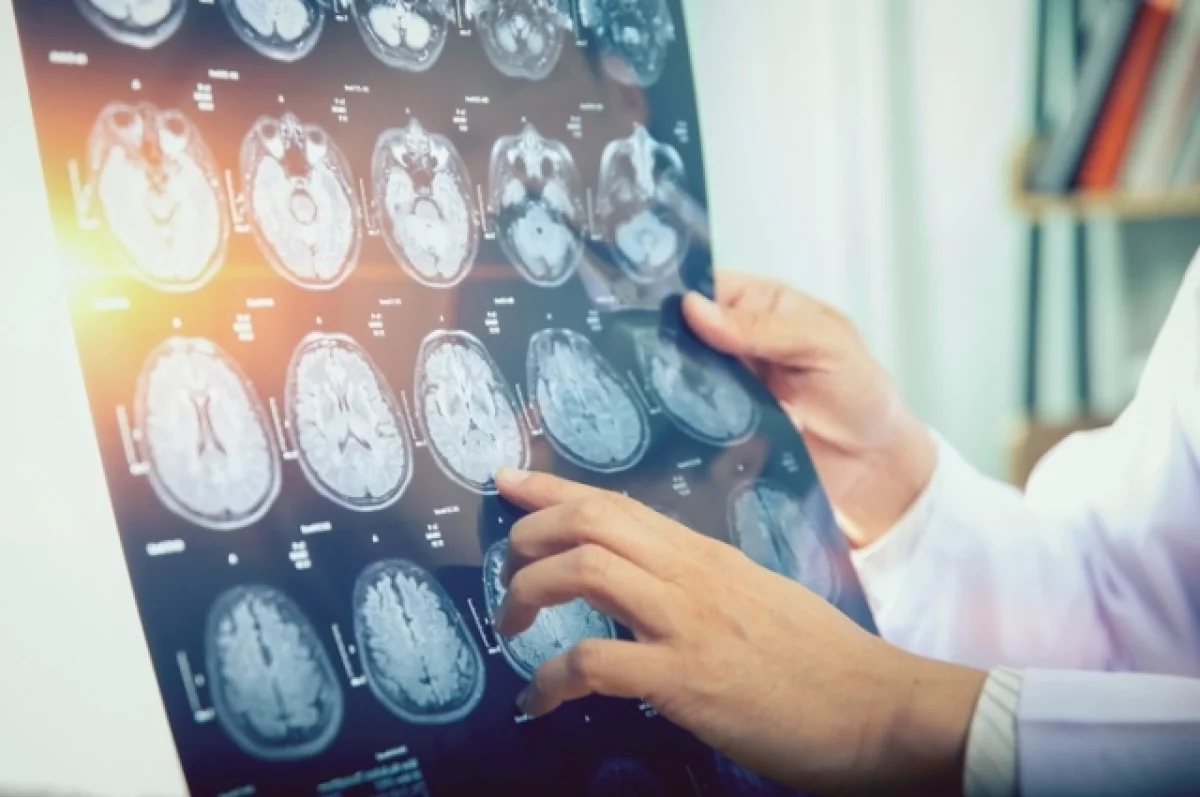
In neurology, AI enhances the analysis of brain images for conditions such as stroke, Alzheimer’s disease, and brain tumors. AI algorithms can detect subtle changes in brain tissue, allowing for early intervention and treatment. A notable example is the use of AI in diffusion-weighted imaging, a type of MRI, to quickly identify stroke-affected areas in the brain.

AI’s Impact on Diagnostic Accuracy

The integration of AI into medical imaging analysis has significantly improved diagnostic accuracy. It reduces human error and enhances early disease detection. This shift toward AI-enhanced diagnostic and imaging methods is reshaping the landscape of medical imaging technology and precision medicine. Below are the key impacts:

1. Improved Diagnosis of Various Medical Conditions

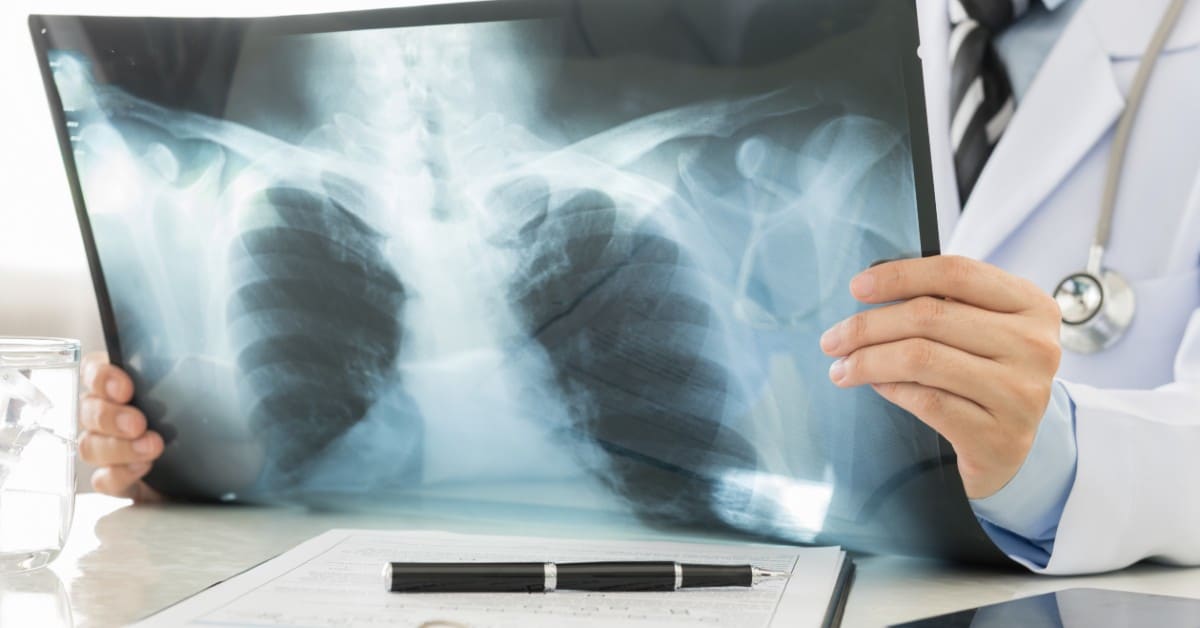
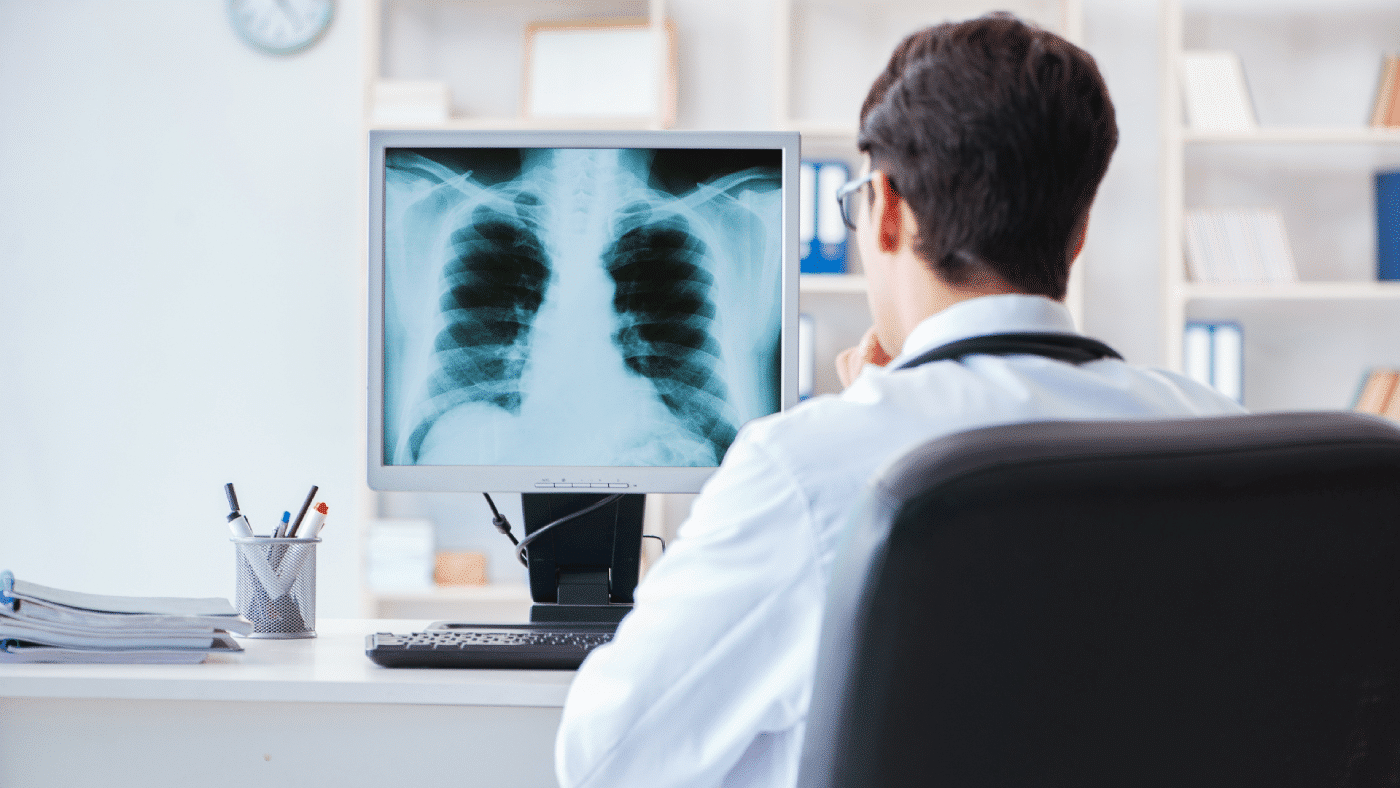
Thanks to its ability to learn from large datasets, AI algorithms have shown remarkable improvement in identifying and diagnosing medical conditions. For example, AI can match—or even surpass—the accuracy of human radiologists in detecting diseases like pneumonia in chest X-rays. This level of precision is especially critical in cases where early detection greatly influences treatment outcomes.

2. Reduction of Human Error

The second major advantage of AI in medical imaging is its consistency, which significantly reduces human error. Unlike human radiologists who may be affected by fatigue or subjective judgment, AI systems provide consistent analyses. AI support can reduce diagnostic errors in mammograms for breast cancer, thereby improving diagnostic accuracy.
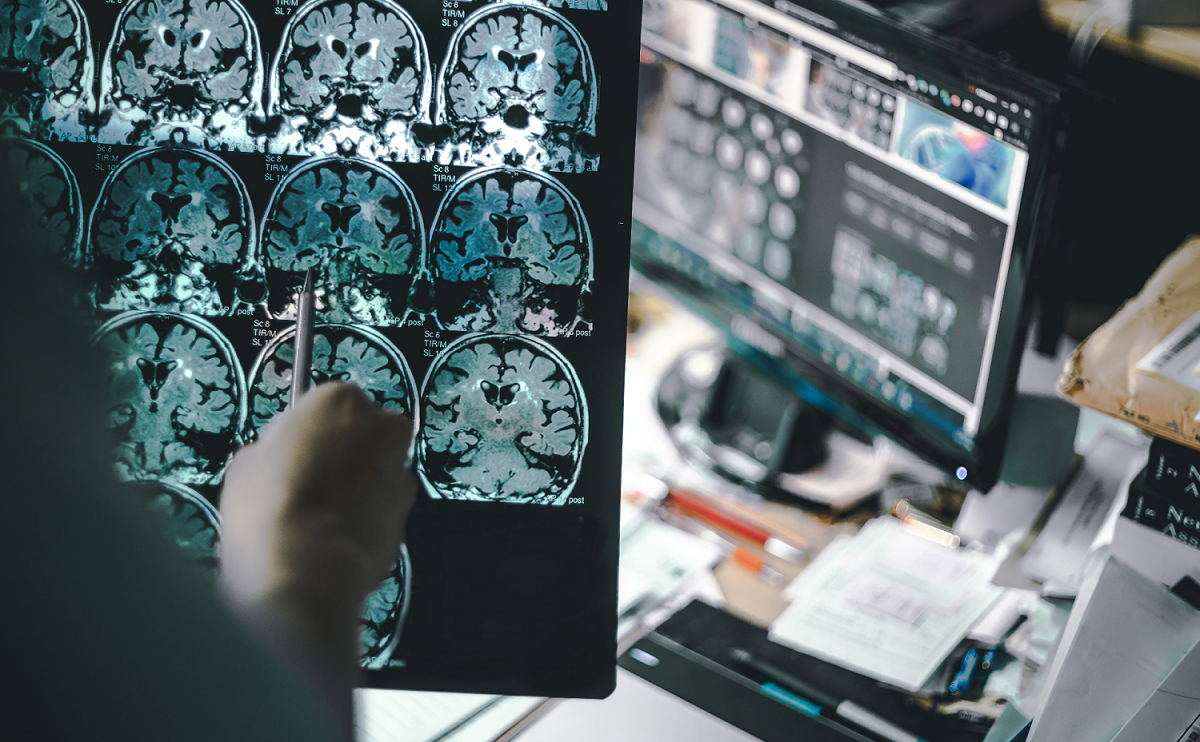
Medical Imaging

3. Early Disease Detection

Early disease detection is crucial for effective treatment, and AI is playing a vital role in this area. For example, AI has been instrumental in the early detection of diabetic retinopathy—a condition that can lead to blindness if left untreated. By analyzing retinal images, AI can detect this condition with high accuracy, often before any physical symptoms appear in the patient.

Challenges and Ethical Considerations

Despite the tremendous potential of artificial intelligence in the healthcare sector and medical imaging technologies, it still faces a number of challenges and concerns that slow down its widespread adoption. These challenges include:

1. Data Privacy

The first challenge affecting AI is the concern over data privacy. AI systems require access to large datasets of patient images, which raises significant concerns about confidentiality. Ensuring the security and privacy of this sensitive data is absolutely critical. Healthcare institutions must comply with strict data protection regulations, as safeguarding this information is essential.

2. High Costs

The cost of integrating AI into existing standard imaging technologies presents a major barrier to its adoption. Acquiring AI software, along with the necessary hardware upgrades, can be extremely expensive for many healthcare institutions—especially public ones.

3. Training Medical Staff

For AI to be successfully used in medical imaging, it also requires specialized training for healthcare professionals. Radiologists and technicians must be educated on how to interpret AI results and incorporate them into clinical decision-making processes.

4. Technical Challenges

Technical issues—such as data integration and algorithmic bias—pose significant challenges. Integrating AI into current health IT systems can be complex and demands seamless compatibility. To address this, AI systems must be trained on diverse and comprehensive datasets and undergo rigorous validation processes to ensure accuracy and fairness.

It is essential to ensure the transparency of AI-supported systems in decision-making processes and to clearly define accountability for the outcomes of those decisions. Regulatory frameworks must be established to guarantee the safe and effective use of AI in the medical field. These frameworks should address key issues such as:

  • Validating algorithm reliability.
  • Official certification and approval.
  • Managing potential biases within the systems.

In conclusion, integrating AI into medical imaging is not merely a technical advancement, but a promising paradigm shift that redefines diagnosis and treatment planning. The positive impact of AI integration in imaging systems extends beyond patients, medical practitioners, and healthcare providers—it benefits anyone seeking a more efficient and error-free healthcare system.
Source: The Role of AI in Medical Imaging

Fluoroscopy: Real-Time X-ray Imaging in Medicine

Fluoroscopy is one of the most important technologies in modern medical imaging, allowing doctors and specialists to view internal body structures in real-time. This revolutionary technique has transformed diagnostic methods and interventional procedures in medicine, significantly improving diagnostic accuracy and guiding treatments more effectively. In this detailed article, we will explore the working mechanism of this technique, its applications, benefits, associated risks, and the latest advancements in this vital field of medical engineering.

What is Fluoroscopy?

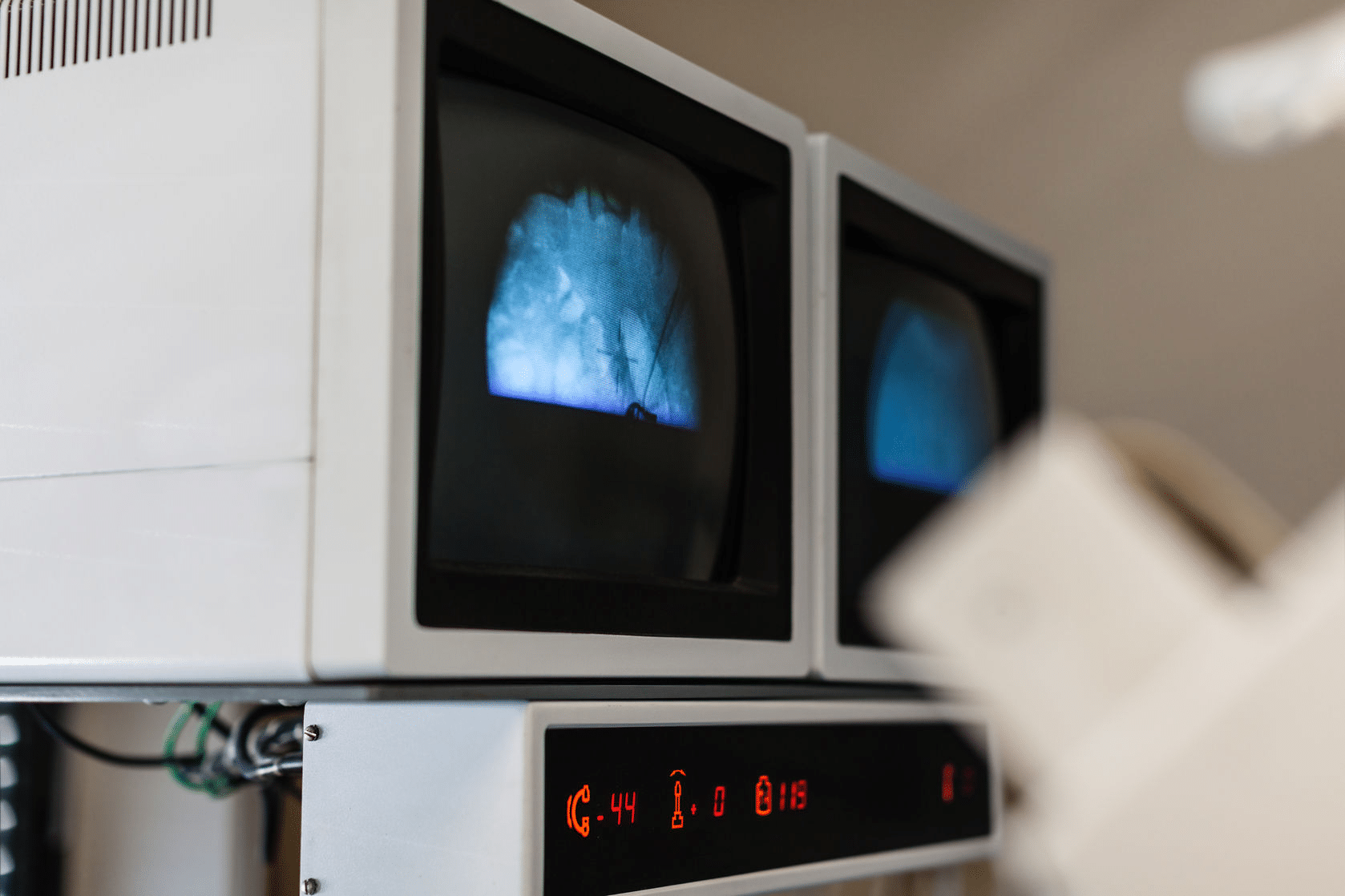
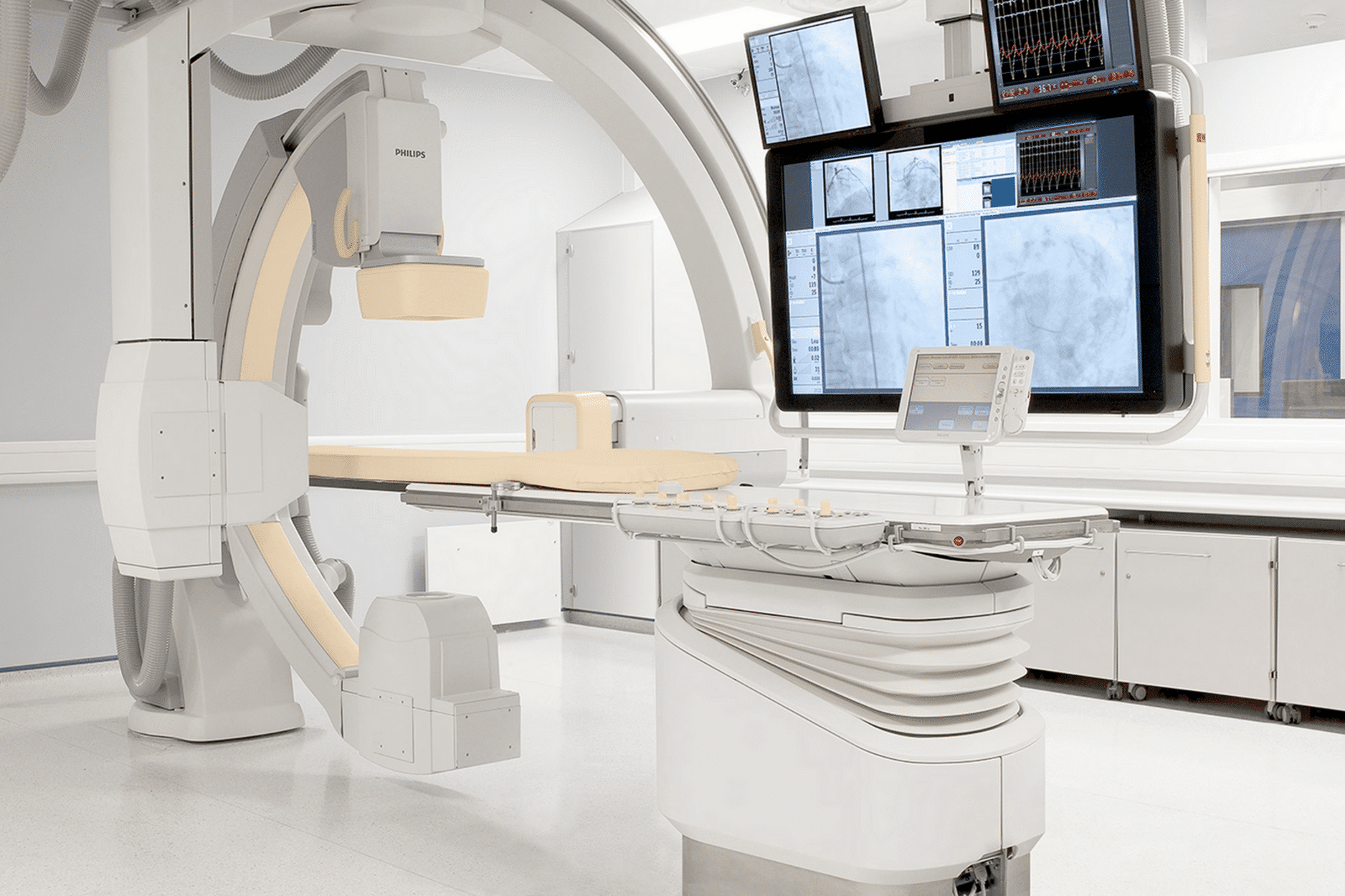
Fluoroscopy is an advanced imaging technique that utilizes X-rays to generate a continuous series of images displayed as a real-time video. This technique is widely used in emergency departments, operating rooms, and diagnostic radiology clinics, enabling surgeons and physicians to monitor the movement of organs and internal structures during procedures or diagnostic examinations. The increasing reliance on fluoroscopy reflects its significance in providing accurate and immediate insights into various medical conditions.

Fluoroscopy

Fundamental Principles of Fluoroscopy

Fluoroscopy is extensively used across multiple medical specialties, enhancing the quality of healthcare. To fully understand this technique, it is essential to delve into the fundamental principles that underpin fluoroscopy, forming its scientific and technical foundation.

X-ray Mechanism

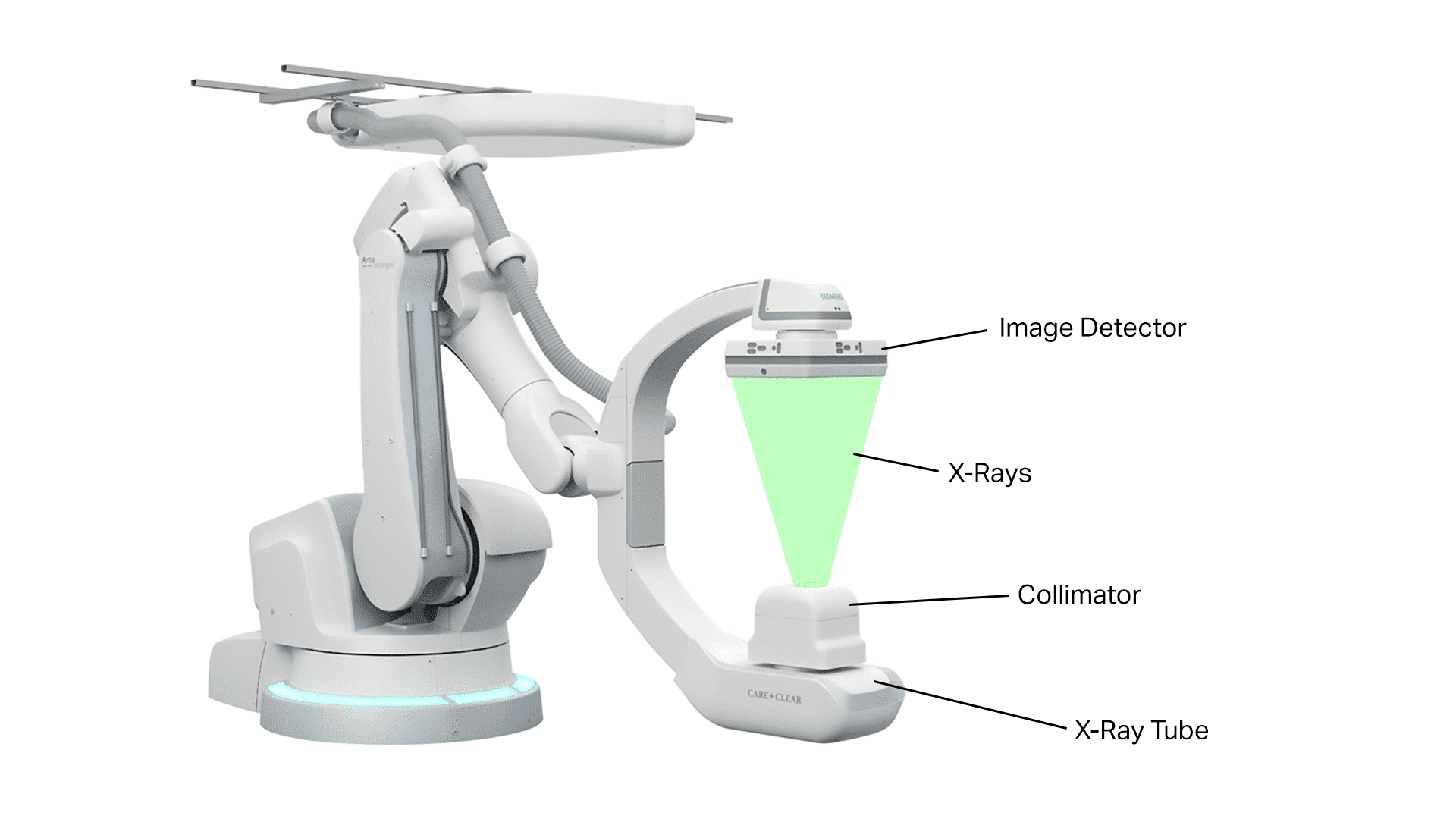
This technique operates on the same principles as conventional X-ray imaging but with the ability to produce sequential images in real time, creating a video-like sequence of still images. The process begins with generating X-rays through a specialized tube, where a high-voltage current is applied. This accelerates electrons toward a metallic target, typically tungsten—a chemical element. Upon collision, X-rays are emitted and directed toward the area of the body being examined.

Image Intensification

The image intensifier in fluoroscopy plays a crucial role in enhancing the clarity of internal details. This device amplifies the signals produced by X-rays passing through the body, resulting in a bright and clear image. Recent advancements have led to the replacement of traditional image intensifiers with flat-panel detectors, which provide high-quality images while minimizing radiation exposure.

Diverse applications of Fluoroscopy

Fluoroscopy has a wide range of medical applications, both in diagnostics and interventional procedures. This system is highly flexible and capable of providing real-time moving images, allowing doctors to monitor physiological changes instantly.

Fluoroscopy

Diagnostic Applications

Fluoroscopy is used in several essential diagnostic procedures, including:

  • Gastrointestinal Studies: Fluoroscopy is employed to assess the digestive tract, including the esophagus, stomach, and intestines. Barium studies, such as barium swallow and barium enema, help evaluate abnormalities or motility disorders.
  • Neuromuscular and Spinal Imaging: This technique is used in diagnostic imaging of the spine, particularly in myelography, which aids in assessing spinal cord conditions.
  • Joint Evaluations: For joint-related issues, fluoroscopy is also used in arthrography to evaluate abnormalities or injuries affecting the joints.

Interventional Applications

This technique is a cornerstone in medical engineering for interventional procedures, providing live imaging during operations, which contributes to:

  • Guiding Surgical Procedures: Fluoroscopy assists in catheter placement during cardiac procedures, such as coronary angiography, ensuring precise positioning and minimizing procedural risks.
  • Interventional Treatments: It is utilized in therapeutic interventions, including stent placement, bone fixation in fracture surgeries, and the insertion of delicate medical devices.
  • Minimally Invasive Procedures: This technology facilitates minimally invasive procedures requiring small or no surgical incisions, reducing patient discomfort and promoting faster recovery.

Benefits of Fluoroscopy in Medical Practice

Fluoroscopy is a pioneering technique that enhances medical care quality for several key reasons:

1) Enhanced and Accurate Diagnosis

This technology provides dynamic imaging that reveals the functional movements of internal organs, such as diaphragm motion, intestinal activity, and blood flow through vessels. This capability helps in early disease detection, as moving images can uncover functional changes that static images might not reveal.

Fluoroscopy

2) High Precision in Interventional Procedures

By offering live imaging during medical procedures, fluoroscopy enables precise manipulation of medical instruments within the body. This reduces the likelihood of surgical complications and improves success rates in procedures like stent placement and fracture fixation.

3) Reduced Surgical Invasiveness

This technique allows for numerous minimally invasive procedures, reducing the need for major surgeries. Minimally invasive techniques are less painful, promote faster recovery, and lower the risk of post-operative infections, making them a significant advancement in modern medicine.

Risks and Safety Considerations in Fluoroscopy

Despite the significant benefits of fluoroscopy, there are certain risks associated with its use that must be carefully considered.

Fluoroscopy

Radiation Exposure

Radiation exposure is one of the primary concerns when using fluoroscopy. Prolonged procedures may increase the amount of radiation a patient is exposed to. The level of exposure depends on the duration of the procedure and the examined area. To mitigate these risks, advanced techniques such as pulsed fluoroscopy and dose-reduction algorithms have been developed to minimize radiation exposure.

Contrast Media Reactions

Contrast media are often used during this technique to enhance the visibility of internal structures. However, some patients may have allergic reactions to these substances, ranging from mild skin rashes to severe anaphylactic responses. To manage these risks, pre-procedure screening and emergency medications are utilized when necessary.

Occupational Radiation Exposure

Medical professionals performing frequent fluoroscopy procedures are at risk of occupational radiation exposure. Strict protective measures, such as wearing personal protective equipment (e.g., lead aprons and thyroid shields), are essential. Additionally, regular monitoring of radiation levels ensures the safety of doctors and healthcare staff, helping to prevent potential long-term risks.

Recent Advances in Fluoroscopy Technology

The field of fluoroscopy has seen significant advancements in recent years, leading to improved image quality and reduced radiation risks. Traditional systems have been replaced with digital fluoroscopy using flat-panel detectors, which enhance image resolution while minimizing radiation exposure. This digital system provides high-definition images and allows for post-processing adjustments to refine diagnostics. Additionally, it enables seamless image sharing among medical teams for quick consultations and decision-making.

Furthermore, the integration of cone-beam computed tomography (CBCT) with fluoroscopy now offers detailed 3D imaging for complex anatomical assessments. This technology is widely used in dentistry, orthopedic surgeries, and interventional procedures requiring precise localization.

Fluoroscopy

Moreover, combining this technique with other imaging modalities such as ultrasound and magnetic resonance imaging (MRI) has led to the development of hybrid imaging systems. These systems provide both anatomical and functional insights, enhancing diagnostic accuracy and guiding interventional procedures more effectively, particularly in oncology and tumor treatments.

The Future of Fluoroscopy

The future of this technique looks promising, with continuous research and technological advancements aimed at improving procedural efficiency and reducing radiation-related risks.

Integration of Artificial Intelligence

Artificial intelligence (AI) is expected to play a pivotal role in fluoroscopy’s evolution. AI algorithms can analyze real-time images, detecting anomalies that may be overlooked by the human eye. Additionally, AI-driven techniques can optimize radiation dose reduction strategies, enhancing patient and healthcare worker safety.

Portable Fluoroscopy Systems

Research and development efforts are currently focused on creating portable fluoroscopy units that can be easily transported to emergency departments or remote areas. These mobile units will enable rapid diagnostic imaging and treatment in locations with limited medical infrastructure, thereby expanding access to essential healthcare services.

Exploring Radiation-Free Alternatives

Scientists are actively exploring non-ionizing imaging alternatives such as optical coherence tomography (OCT) and photoacoustic imaging. While these alternatives are still in experimental stages, they hold great potential for reducing radiation-related risks in this technique, potentially revolutionizing the future of medical imaging.

In conclusion, we live in an era where cutting-edge fluoroscopy technologies are transforming medical diagnostics and interventions. However, behind every advanced imaging system stands a well-trained professional who makes critical decisions. This is where HSI Healthcare Training & Consultancy comes in. Join HSI today—not just to keep up with medical advancements, but to lead them. Because in the world of healthcare, history is not just written by machines but by those who master their language. Are you ready to shape the future of medical imaging?
Source: Real-Time Imaging and Its Impact on Modern Medicine

Revolution of AI in medical imaging: A Beginner’s Guide to AI in MRI and Ultrasound

The healthcare industry is undergoing a transformative shift, thanks to AI in medical imaging, which has become a crucial tool for improving diagnostic accuracy and accelerating treatment processes. With rapid technological advancements, AI is no longer just an assistive tool but a strategic partner in medical imaging—particularly in MRI and ultrasound. This guide provides a comprehensive introduction for beginners, highlighting how AI in medical imaging is applied in MRI and ultrasound.

The Integration of AI in Medical Imaging Technologies

AI in medical imaging is one of the most significant innovations enhancing disease diagnosis methods. Through machine learning and deep learning techniques, AI-powered systems can analyze medical images with remarkable precision. This capability enables early disease detection and the development of effective treatment plans. AI’s role extends beyond expediting diagnosis—it enhances overall healthcare quality, minimizes human error, and alleviates the workload on medical professionals.

AI in medical imaging

Specifically, AI plays a vital role in MRI and ultrasound imaging, improving image quality and reducing scan time, ultimately enhancing patient comfort and lowering healthcare costs. AI in medical imaging refers to the use of machine learning and deep learning algorithms to analyze and interpret medical images. These technologies include:

  • Machine Learning – Teaching systems to recognize patterns and differences in medical images.
  • Deep Learning – Utilizing neural networks to analyze images at multiple levels, enabling accurate insights.
  • Computer Vision – Applying AI techniques to digital images for detecting fine details that may be difficult for the human eye to perceive.

By implementing these technologies, AI-driven systems can identify diseases, monitor patient progress, and provide highly accurate diagnostic recommendations. AI in medical imaging represents a revolutionary advancement in medical diagnostics, combining human expertise with computational intelligence to achieve unprecedented levels of accuracy and efficiency.

AI in medical imaging and its application in MRI

AI in medical imaging is revolutionizing MRI and ultrasound diagnostics by enhancing image analysis and improving disease detection accuracy at an unprecedented speed. This article explores the significance of MRI in medical diagnostics and how AI is optimizing this advanced imaging technology.

MRI in Medical Diagnostics

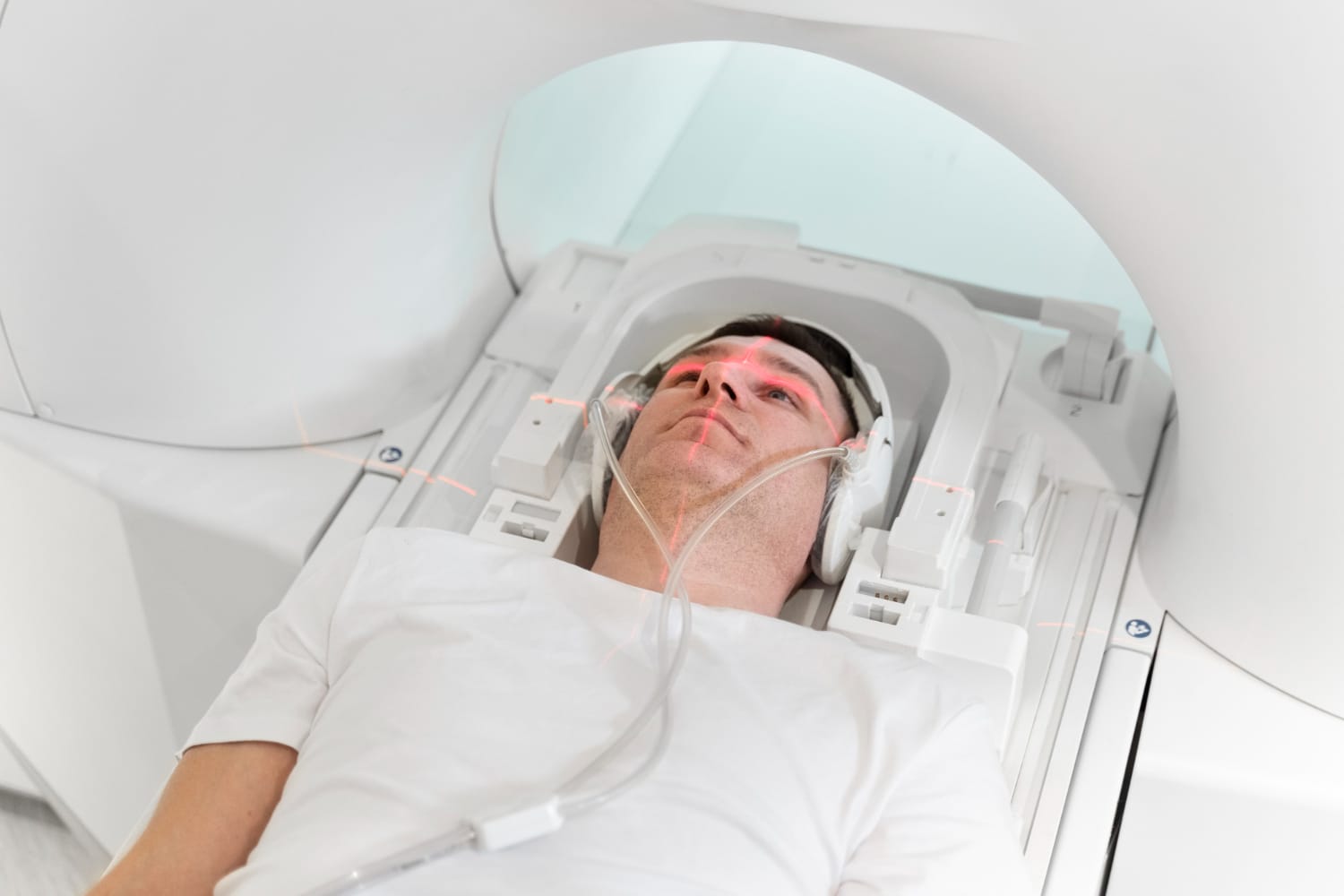
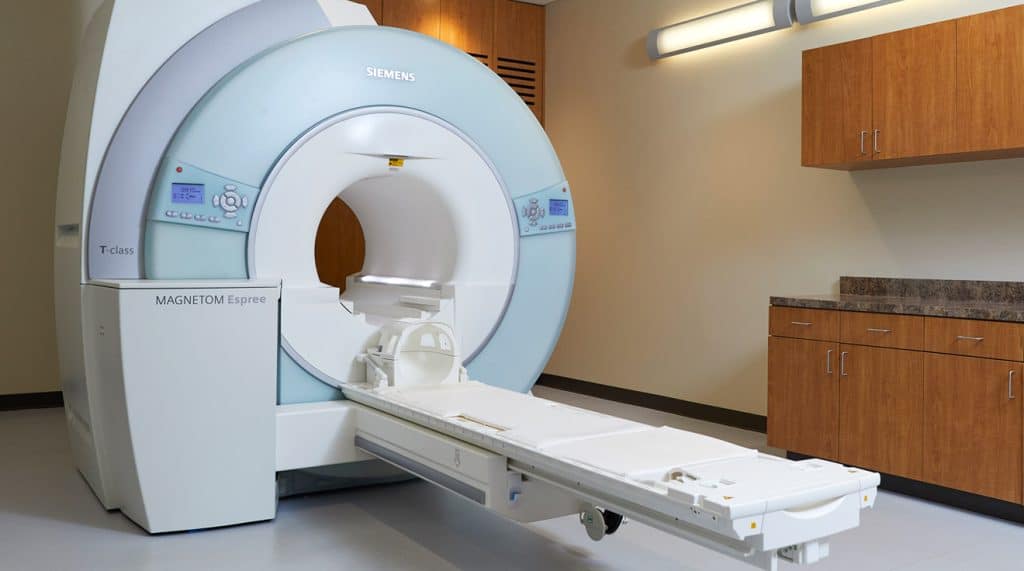
MRI (Magnetic Resonance Imaging) is a non-invasive imaging technique used to obtain detailed images of organs and tissues within the body. It relies on powerful magnetic fields and radio waves to generate high-resolution images that reveal subtle changes in biological structures. MRI plays a critical role in detecting neurological disorders, tumors, and internal injuries, making it an indispensable tool in modern medicine.

AI in medical imaging

You can check out: Understanding MRI | Principles and Applications

How AI Enhances MRI Imaging

AI in medical imaging significantly improves MRI efficiency through various innovative approaches, including:

  • Reducing Scan Time: AI-driven algorithms optimize image reconstruction, cutting scan times by up to 50%.
  • Enhancing Image Quality: Deep learning techniques reduce noise and refine image clarity, enabling more accurate diagnoses.
  • Early Disease Detection: AI-powered systems analyze MRI scans with high precision, identifying subtle abnormalities indicative of conditions such as tumors and multiple sclerosis.
  • Big Data Analysis: AI rapidly processes vast amounts of imaging data, extracting critical diagnostic insights and generating detailed reports.

Through these advancements, AI in medical imaging has become an essential partner in diagnostics, refining MRI quality and boosting early disease detection rates. This transformation in medical imaging improves healthcare efficiency and enhances patient outcomes.

AI in medical imaging and its application in Ultrasound Diagnostics

AI is also revolutionizing ultrasound imaging, refining examination quality, and improving diagnostic precision. The following sections explore the significance of ultrasound in medicine and how AI enhances this widely used imaging technique.

The Importance of Ultrasound in Medicine

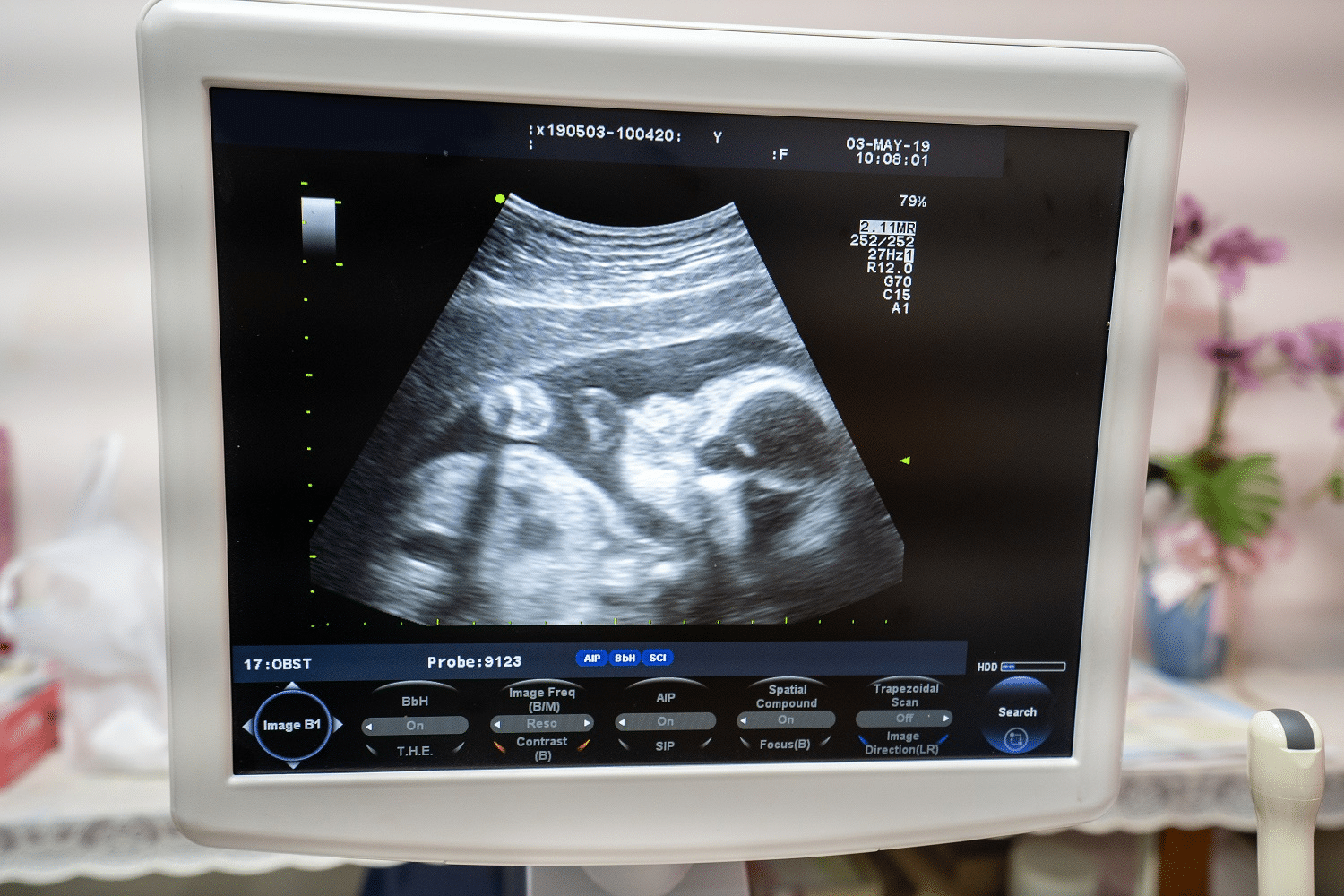
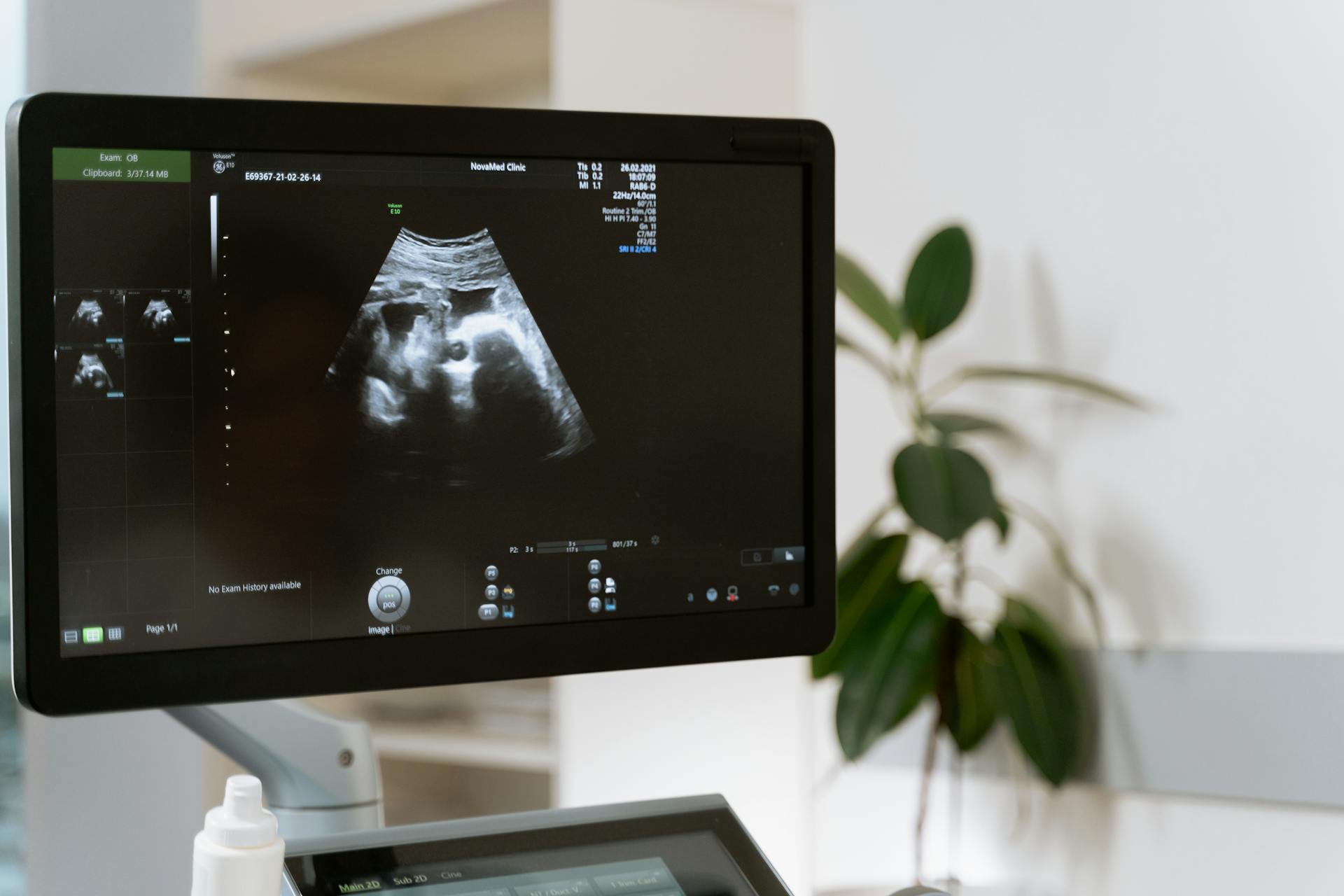
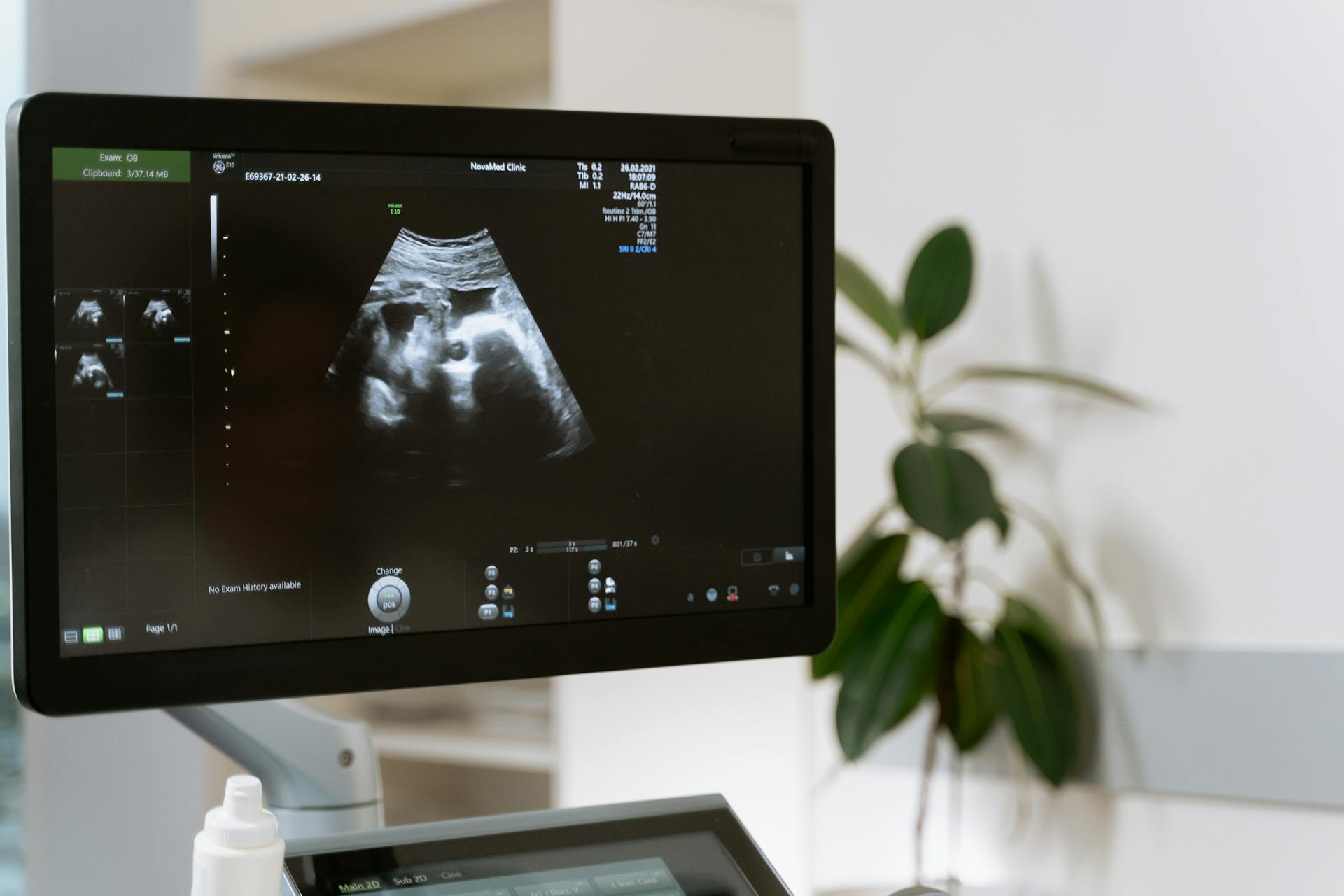
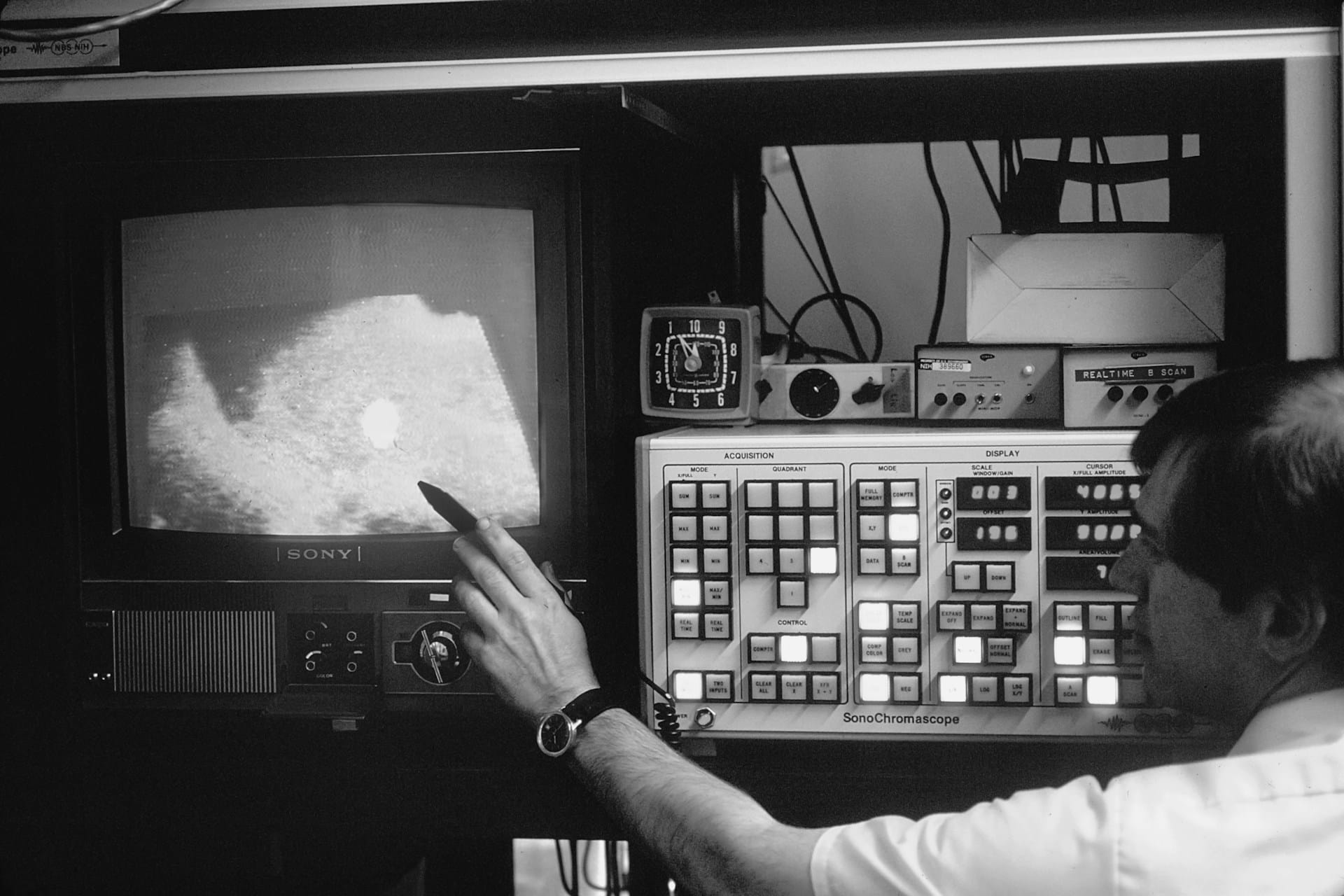
Ultrasound is a fundamental diagnostic tool, particularly in obstetrics, gynecology, and internal organ assessment. This imaging method is safe, non-invasive, and uses high-frequency sound waves to produce real-time images of tissues and organs, making it an invaluable tool for monitoring fetal development and diagnosing various medical conditions.

AI in medical imaging

AI Applications in Ultrasound Imaging

AI in medical imaging enhances ultrasound accuracy through:

  • Automated Image Analysis: AI algorithms analyze ultrasound images with high precision, reducing operator dependency and minimizing diagnostic errors.
  • Anomaly Detection: Machine learning models identify abnormalities, such as fetal deformities and potential tumors, improving early diagnosis rates.
  • Guidance in Surgical Procedures: AI assists doctors during interventional procedures, increasing surgical precision and minimizing risks.
  • Real-Time Data Processing: AI-driven ultrasound systems analyze images instantly, expediting medical decision-making and treatment planning.

By integrating AI, ultrasound imaging becomes more efficient and accurate, providing high-quality diagnostic images that facilitate early disease detection and improve patient care.

You can also get acquainted with: What are The Basics of Ultrasound Technology?

The Multifaceted Benefits of AI in Medical Imaging

  1. AI-powered medical imaging systems analyze vast amounts of data with exceptional precision. These smart technologies can detect subtle abnormalities in images that may be overlooked by the human eye, significantly improving the early diagnosis of conditions such as tumors and multiple sclerosis.
  2. One of the major advantages of AI in medical imaging is the ability to expedite scanning procedures. By utilizing advanced algorithms, AI reduces scan times and enhances image reconstruction, allowing doctors to provide quicker diagnoses and shorten patient wait times.
  3. Deep learning techniques optimize image clarity by reducing noise and enhancing detail visibility. This improvement results in highly accurate medical images, which are crucial for precise diagnoses and effective treatment planning.
  4. AI-driven imaging systems generate detailed analytical reports and automatically identify disease indicators, minimizing human errors. By supporting physicians with data-backed insights, AI helps reduce the likelihood of misdiagnosis and enhances overall medical decision-making.
  5. Support for Medical Decision-Making: With its advanced analytical capabilities, AI provides detailed diagnostic data that aids in making swift and accurate treatment decisions. Doctors can rely on AI-generated insights to tailor treatment plans based on each patient’s unique condition.

AI in medical imaging

AI in MRI Imaging

Several research initiatives and practical applications have begun incorporating AI in medical imaging to enhance MRI efficiency. Notable examples include:

  • FastMRI Project: A collaboration between academic institutions and tech companies aimed at reducing scan time while improving image quality, making MRI scans more comfortable for patients.
  • Neural Image Analysis Systems: These AI-powered tools assist in the early detection of neurological disorders such as multiple sclerosis and brain tumors, offering faster and more precise diagnoses through deep learning algorithms.

AI in Ultrasound Imaging

AI is also making strides in ultrasound imaging, improving the accuracy and efficiency of diagnostic procedures:

  • Real-Time Image Analysis: AI-powered systems analyze ultrasound images instantly, enabling doctors to make immediate clinical decisions during examinations.
  • Smart Guidance Systems: These AI-driven technologies assist physicians during interventional procedures, enhancing surgical precision and minimizing risks.
  • Early Diagnosis in Obstetrics and Gynecology: AI plays a vital role in detecting fetal abnormalities and congenital defects at an early stage, allowing timely medical interventions.

Ultimately, with the rapid advancements in artificial intelligence technologies in medical imaging, it has become essential for professionals in biomedical engineering to keep up with these transformations and seize the opportunities they offer. For this reason, HSI Center provides specialized training programs that equip industry professionals with the knowledge and skills needed to apply the latest technologies, including AI, contributing to skill development and enhancing professional excellence. Get in touch with us today and discover how HSI can be your ideal partner in your career journey.

Source: Revolutionizing Radiology with Artificial Intelligence

CT scans: When and Why They Are Used

According to most medical studies, computed tomography CT scans is considered one of the top five medical advancements in the past 50 years. CT imaging has proven its value as a medical diagnostic tool to the extent that the 1979 Nobel Prize in Medicine was awarded to its inventors. In this article, we will delve deeper to understand this type of medical imaging and explore when and why it is used. Let’s get started.

What is CT Scanning?

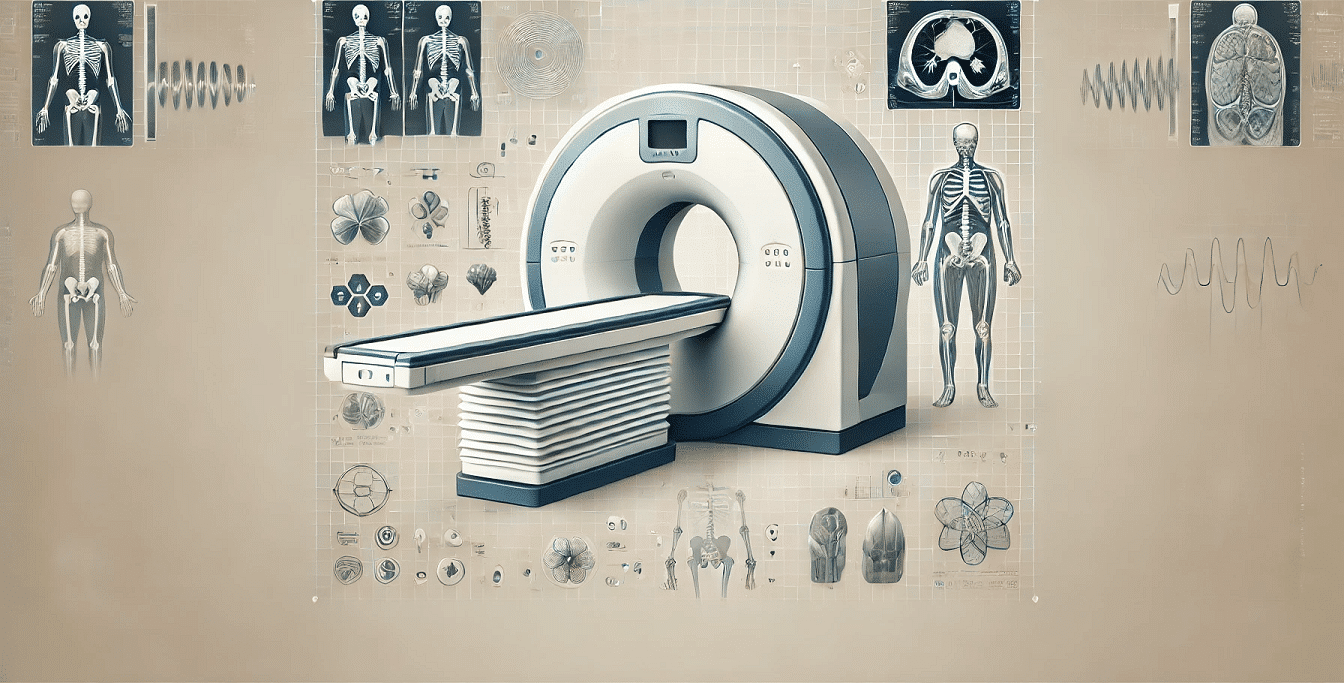
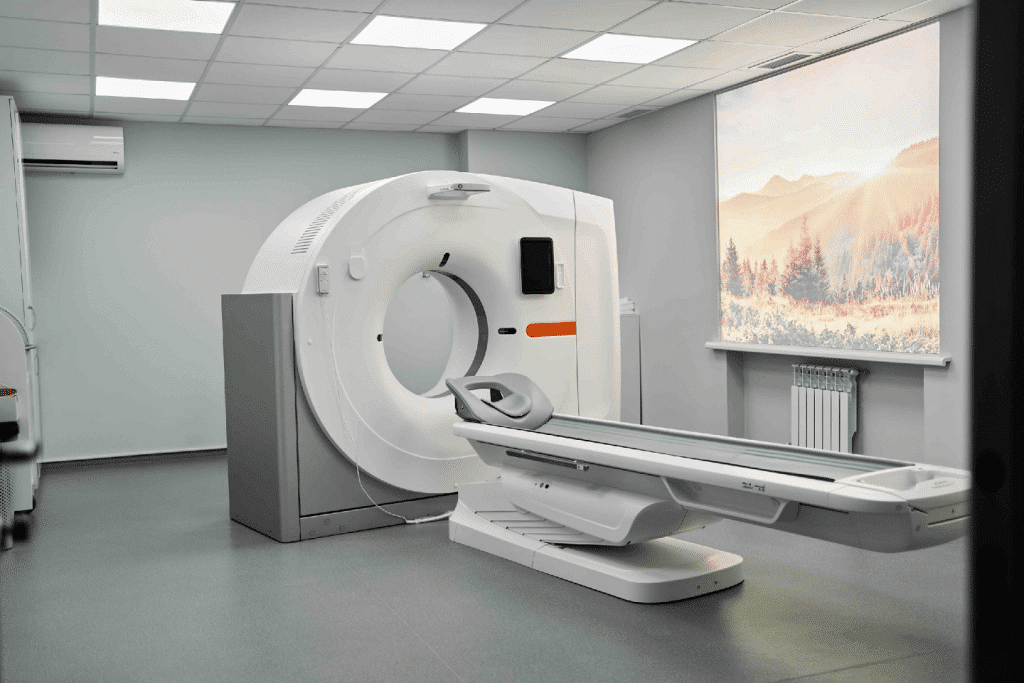
Computed Tomography (CT) or CT scanning is a diagnostic procedure that uses a combination of X-rays and computer technology to produce internal images of the body. This procedure provides accurate images of any part of the body, including bones, muscles, fat, organs, and blood vessels. CT scanning can be used to diagnose tumors, check for internal bleeding, assess injuries or internal damage, and even guide biopsies of tissues or fluids.

CT Scans When and Why They Are Used

CT imaging is more detailed than regular X-rays. In traditional X-rays, an energy beam is directed to the area being examined, capturing differences in the beam as it passes through the skin, bones, muscles, and other tissues. However, X-rays do not provide much detail about internal organs or fine structures.

In CT scans, the X-ray beam rotates in a circular motion around the body, allowing multiple-angle views of the same organ or structure and providing much clearer details. The X-ray data is sent to a computer, displaying images in 2D, and with modern technology, 3D images can also be produced.

Reasons You May Need a CT scan

After understanding what CT imaging is, the critical question arises: why do doctors request CT scans? These scans are used worldwide in hospitals and specialized medical centers as one of the modern diagnostic tools for various reasons. Below, we discuss 10 of the most common reasons why your doctor may request a CT scan.

1. Examining Blood Vessels

CT scans provide sufficient detail for doctors to examine blood vessels and check for blockages or other potential issues. The images produced provide essential information to diagnose vascular diseases without requiring exploratory surgeries or surgical biopsies.

CT-Scans

2. Diagnosing Abdominal Issues

Abdominal CT scans may use barium contrast to produce highly detailed images of organs, including the liver, kidneys, gallbladder, spleen, ovaries, and uterus. The addition of iodine based IV contrast enhances the images further, enabling doctors to diagnose a wide range of health issues.

CT scans can detect:

  • Abdominal tumors
  • Causes of unexplained weight loss
  • Potential obstructions in the small or large intestines
  • Intestinal infections
  • Kidney stones

A specific type of CT scan, known as CT Urography, is used to diagnose the kidneys, bladder, and ureters.

3. Examining Small Bones

Bones in areas like the hands and feet are exceptionally small, making injuries in these areas difficult to detect using X-rays alone. CT scans provide doctors with clear and detailed images, aiding surgical repairs.

4. Examining Tumors

CT imaging often serves as the first step in surgical treatment for tumors. The more information surgeons have about a tumor’s location and size, the better equipped they are to perform procedures like biopsies efficiently. CT scans also help determine the spread of the tumor into surrounding tissues, improving surgical outcomes.

CT-scans-using

5. Guiding Cancer Treatment

CT scans are frequently used to diagnose cancer and develop treatment plans. During radiation therapy, CT scans are used to pinpoint tumor locations. Additionally, CT imaging helps assess the effectiveness of chemotherapy by showing the extent and speed of cancer progression.

6. Assessing Head and Brain Injuries

Head CT scans provide brain images that help assess:

  • Head injuries
  • Severe and chronic headaches
  • Persistent dizziness
  • Bleeding
  • Stroke
  • Brain tumors

They are also occasionally used to:

  • Evaluate soft tissue and bone damage following facial trauma
    Plan reconstructive surgeries
  • Diagnose problems in the temporal bone of the skull that may cause
  • hearing issues
  • Detect sinus inflammation
  • Evaluate aneurysms

7. Diagnosing Soft Tissue Damage

Traditional X-rays reveal very little about soft tissues, whereas CT scans offer a dual advantage by showing both bone and soft tissue conditions. This provides a more comprehensive understanding of injuries to aid in diagnosis and recovery planning.

How CT Work

8. Diagnosing Spine Problems and Chronic Pain

Chronic back pain or spinal injuries are among the most common reasons for CT scans. Doctors may also request CT imaging for the spine to:

  • Evaluate spinal fractures
  • Assess spinal conditions before and after surgeries
  • Identify the cause of spinal pain, such as herniated discs
  • Measure bone density to predict fracture risks in patients with osteoporosis

CT imaging is also helpful alongside MRI for patients with spinal canal narrowing, infections, or arthritis.

9. Investigating Post-Accident Injuries

Accidents leading to severe internal injuries often require CT scans. Internal injuries cannot typically be identified with X-rays alone. In emergencies, CT imaging is the first choice for doctors, especially after car accidents or other traumas.

10. Obtaining Images When MRI Isn’t Feasible

While MRI and CT are similar, certain situations make MRI unsuitable, while CT remains a viable option. MRIs can take considerable time to complete. For patients unable to remain still during the procedure, CT scans produce more accurate images in less time.


Note: Individuals with medical implants of any kind cannot undergo MRI and should opt for CT scans instead.


How CT Scans Work

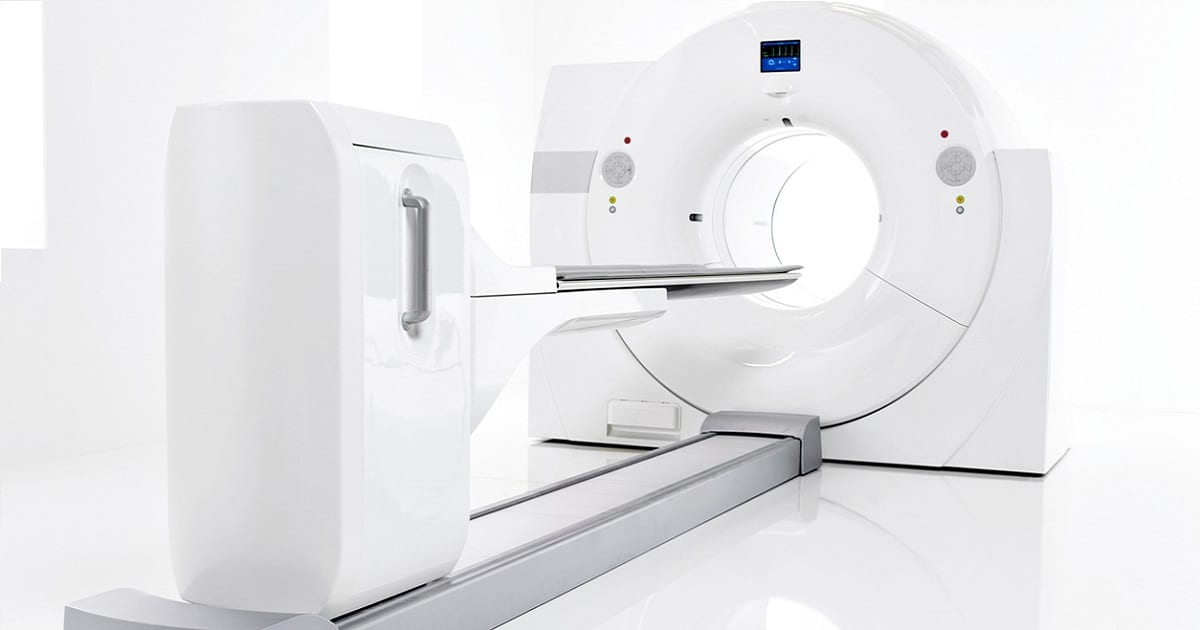
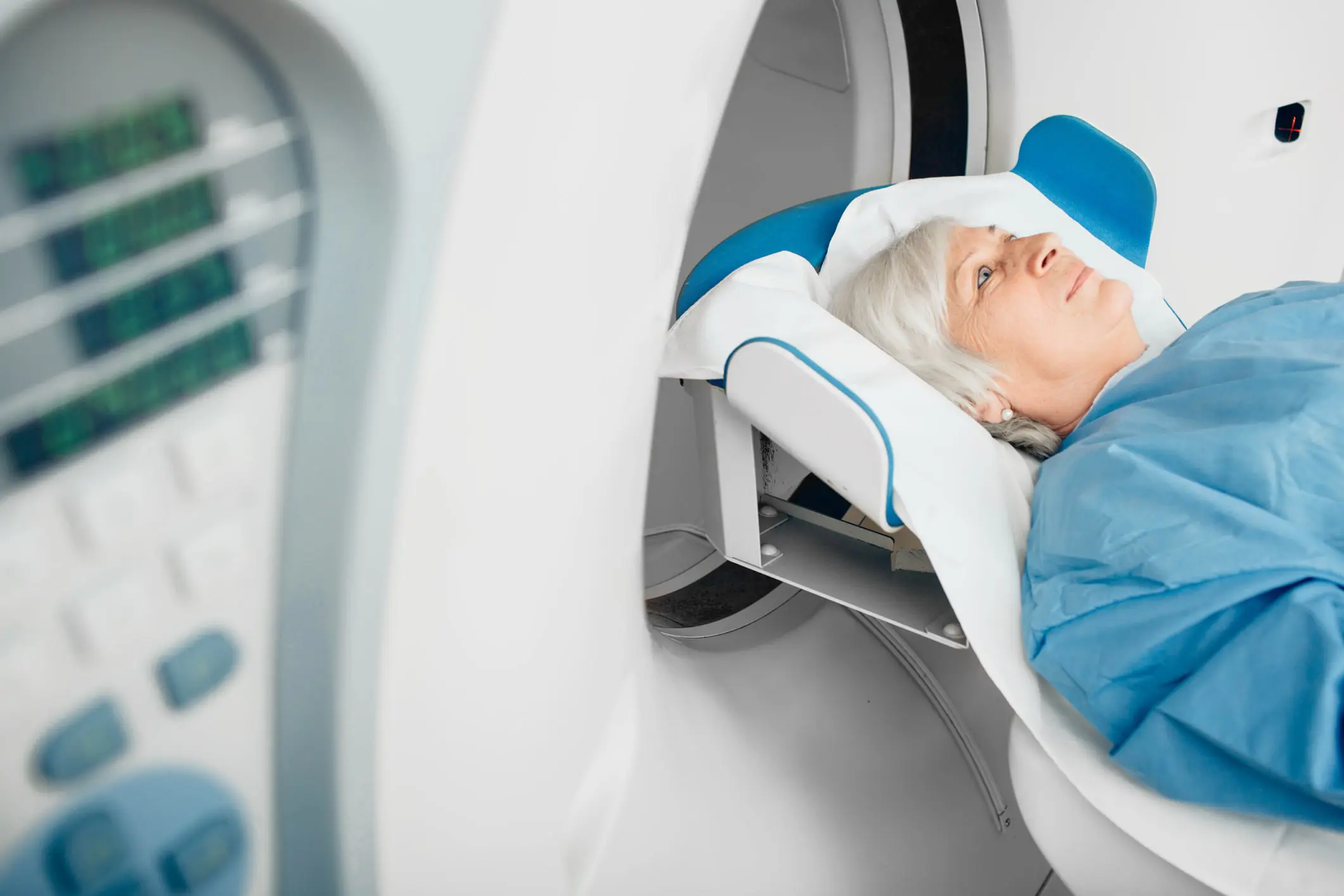
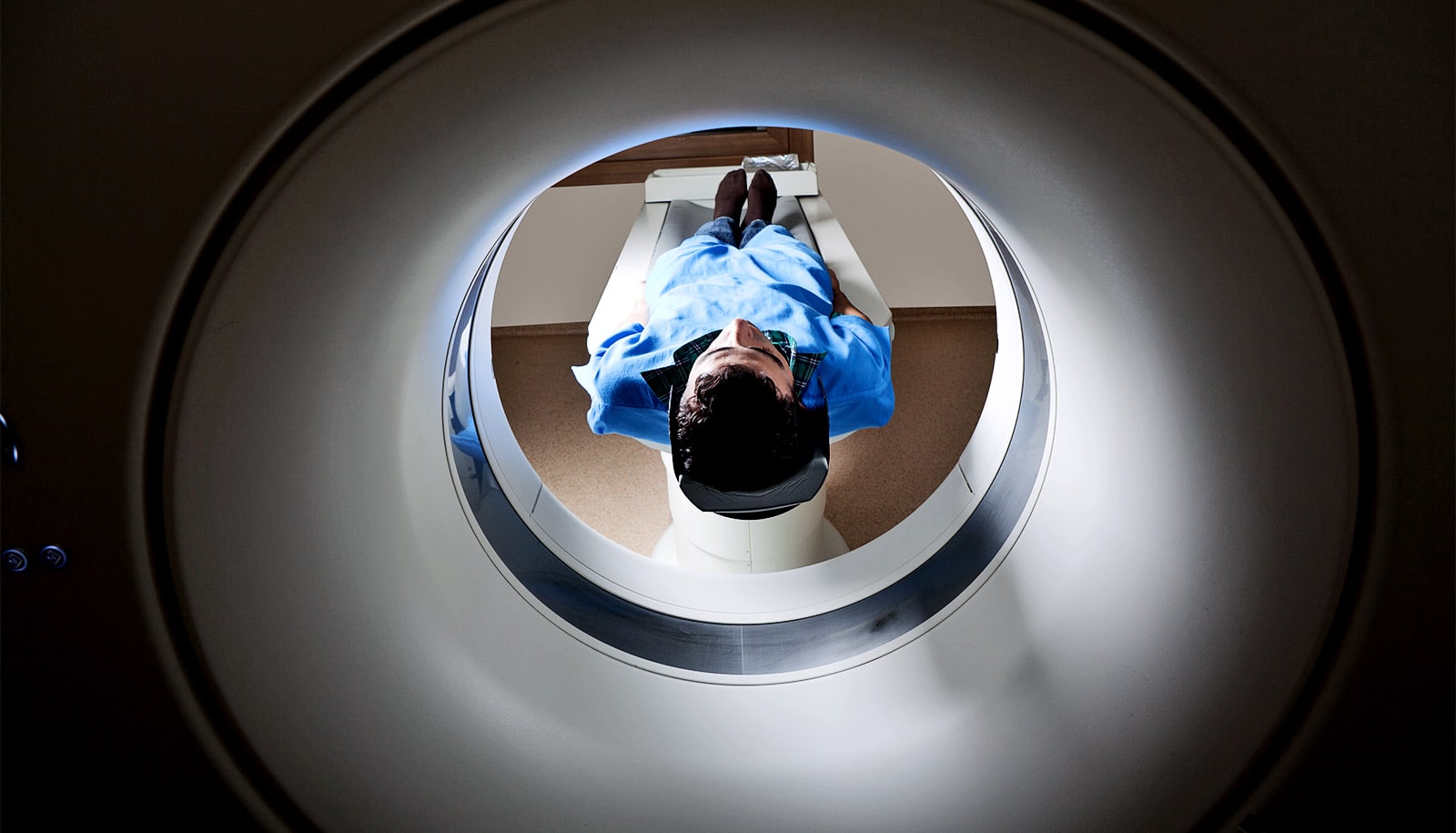
CT devices are large, donut-shaped machines with an X-ray tube and sensors on opposite sides. The center contains a short tunnel where the patient lies on a table that slides in and out. During the scan, the X-ray equipment rotates around the patient, producing vital internal images. The entire procedure takes only a few minutes, making it less stressful for those with claustrophobia.

How-CT-Scans-Work

Preparing for a CT scan depends on whether contrast material is needed. If contrast is required, the patient may need to refrain from eating for a few hours prior to the scan. With IV contrast, patients receive an injection of a dye that may cause warmth, flushing, or a metallic taste in the mouth. Removing all jewelry or metal objects is necessary before the scan. Afterward, patients can continue their daily activities as usual, but if contrast was used, drinking several glasses of water is recommended to help flush out the dye.

Why Is Contrast Sometimes Used in CT scans?

Contrast is a substance taken orally or injected to highlight a specific organ or tissue more clearly. If contrast is needed, fasting for a certain period may be required, and the doctor will provide instructions.

  • Notify your doctor if you’ve experienced a reaction to any contrast material before or if you have kidney problems.
  • Seafood allergies are not a contraindication to using iodine-based contrast.
  • Always inform your doctor of any health conditions.

In conclusion, we hope this article provided a clear understanding of CT imaging, its applications in medical diagnostics, and how it works. At HSI, pioneers in biomedical engineering and healthcare solutions, we offer specialized courses on this type of medical imaging with a focus on training.

Source: Reasons You May Need a CT scan

X-ray Technology: How It Changed Medicine

Since their discovery in the late 19th century, X-rays have played a pivotal role in the advancement of medical diagnostics. This revolutionary innovation, which initially emerged as a curious physical phenomenon, has become an indispensable tool aiding physicians in accurately detecting diseases and identifying injuries. In this article, we explore the journey of X-rays from their initial discovery to their modern applications and profound impact on the world of medicine and healthcare.

The Discovery of X-Rays: A Historic Turning Point in Medicine

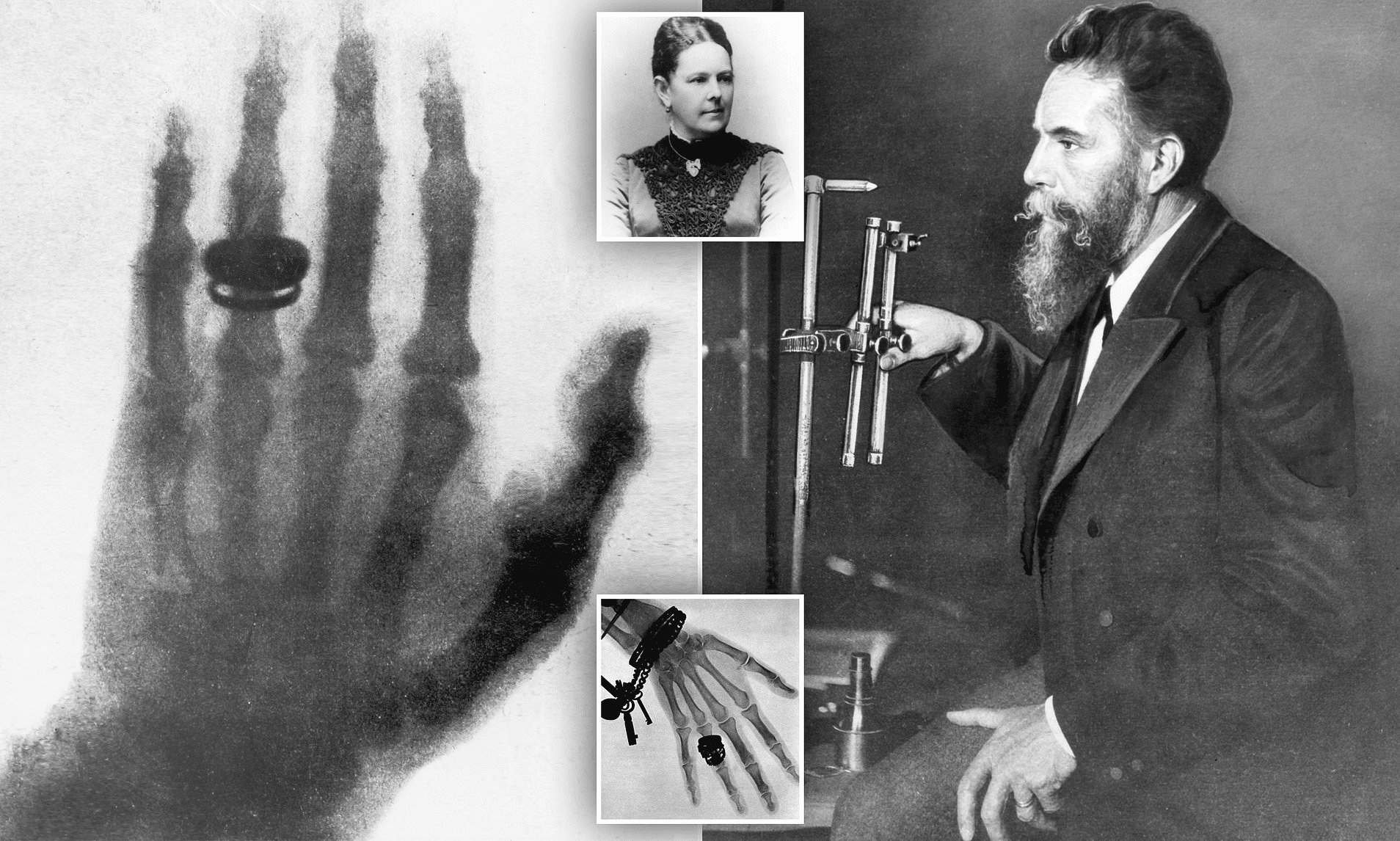
In 1895, German physicist Wilhelm Conrad Roentgen was studying electron beams within a gas discharge tube when he observed an unexpected phenomenon. He noticed a glow emanating from a nearby fluorescent screen when the tube was activated. Curiosity led him to place his hand between the tube and the screen, resulting in a surprising image of his hand’s bones projected onto the screen. Thus, X-ray technology was born. Shortly thereafter, Roentgen published a scientific paper titled “On a New Kind of Rays,” which included images of his wife’s hand and several metal objects. At that time, scientists were not fully aware of the potential dangers of unshielded radiation, but this discovery opened new horizons in the field of medicine.

German physicist Wilhelm Conrad Roentgen - X-Ray Technology

Public Fascination and Early Applications

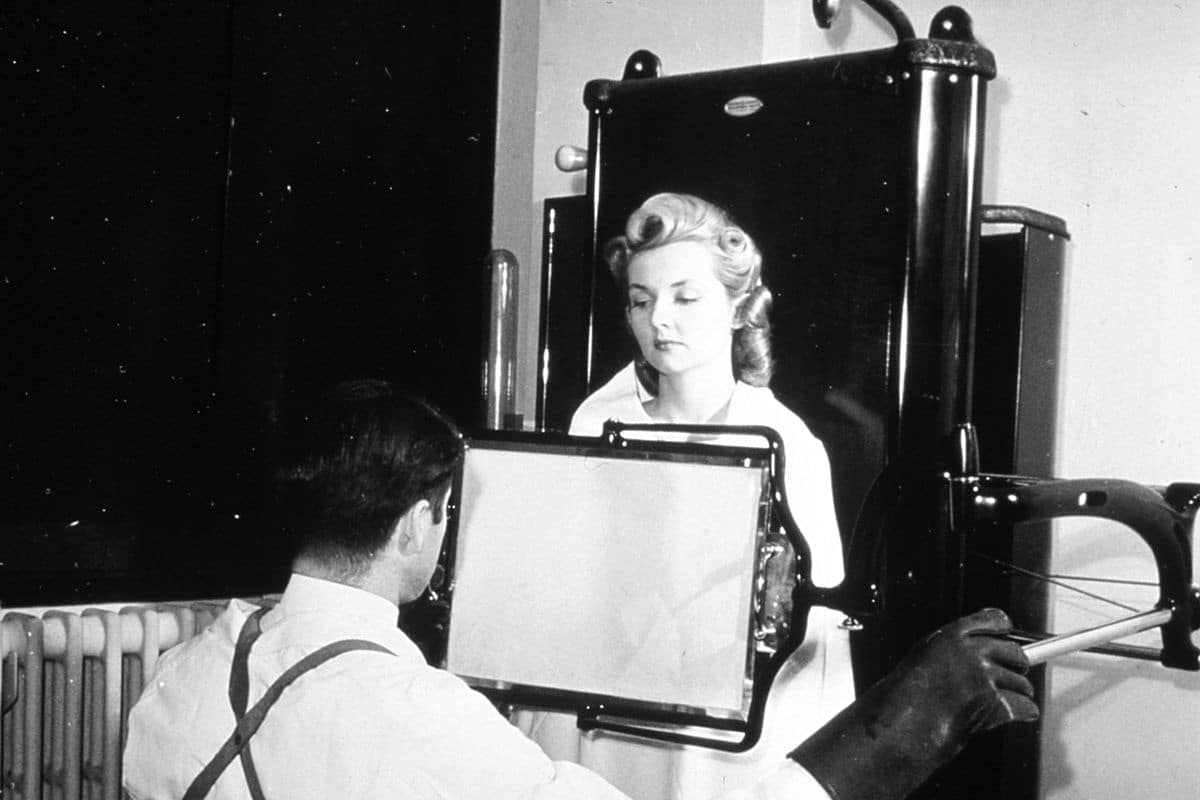
Initially, X-rays were not only used for medical purposes but also captivated the general public’s interest. Fluoroscope displays showcasing moving images of human bones became popular attractions at fairs and carnivals, where people paid small fees to view their “magic bones.” Some stores even utilized this technology to entice customers; for example, shoe stores offered X-ray images of customers’ feet to highlight the skeletal structure when trying on new shoes.

Over time, the medical community recognized the significant potential of X-rays, especially in emergencies and warfare. They became the only tool capable of locating bullets or shrapnel within the body, saving numerous lives. However, the harmful effects of unprotected radiation were not yet known, leading operators of X-ray machines to suffer severe injuries, sometimes resulting in limb loss. This prompted scientists and practitioners to seek methods to reduce radiation exposure.

The Evolution of X-Ray Applications from Manual to Digital

As scientific knowledge advanced over time, researchers developed better ways to protect patients and medical professionals from radiation exposure. This led to safer and more effective applications of X-ray technology. By the 1930s, X-rays had become an essential tool for diagnosing injuries and detecting various medical conditions.

X-Ray Technology

With rapid technological progress, the 1970s marked the shift from traditional printed X-ray images to digital imaging, revolutionizing the speed and accuracy of medical diagnostics. This transition not only saved time and effort but also significantly improved image quality and storage efficiency.

Modern-Day Applications of X-Ray Technology

Today, X-ray technology is one of the safest and most effective diagnostic tools in medicine. It is widely used to identify a broad range of medical conditions, from accidental injuries to chronic diseases such as cancer. Thanks to technological advancements, X-ray images have become clearer and more precise, allowing doctors to examine bones and soft tissues non-invasively. Here are some of its key applications:

1. Diagnosing Fractures and Injuries

When a patient suffers an accident or injury, an X-ray is often the first step in determining the extent of damage to the bones or surrounding tissues. This technology enables doctors to pinpoint fractures accurately, facilitating swift and effective treatment planning.

2. Detecting Degenerative Diseases and Cancer

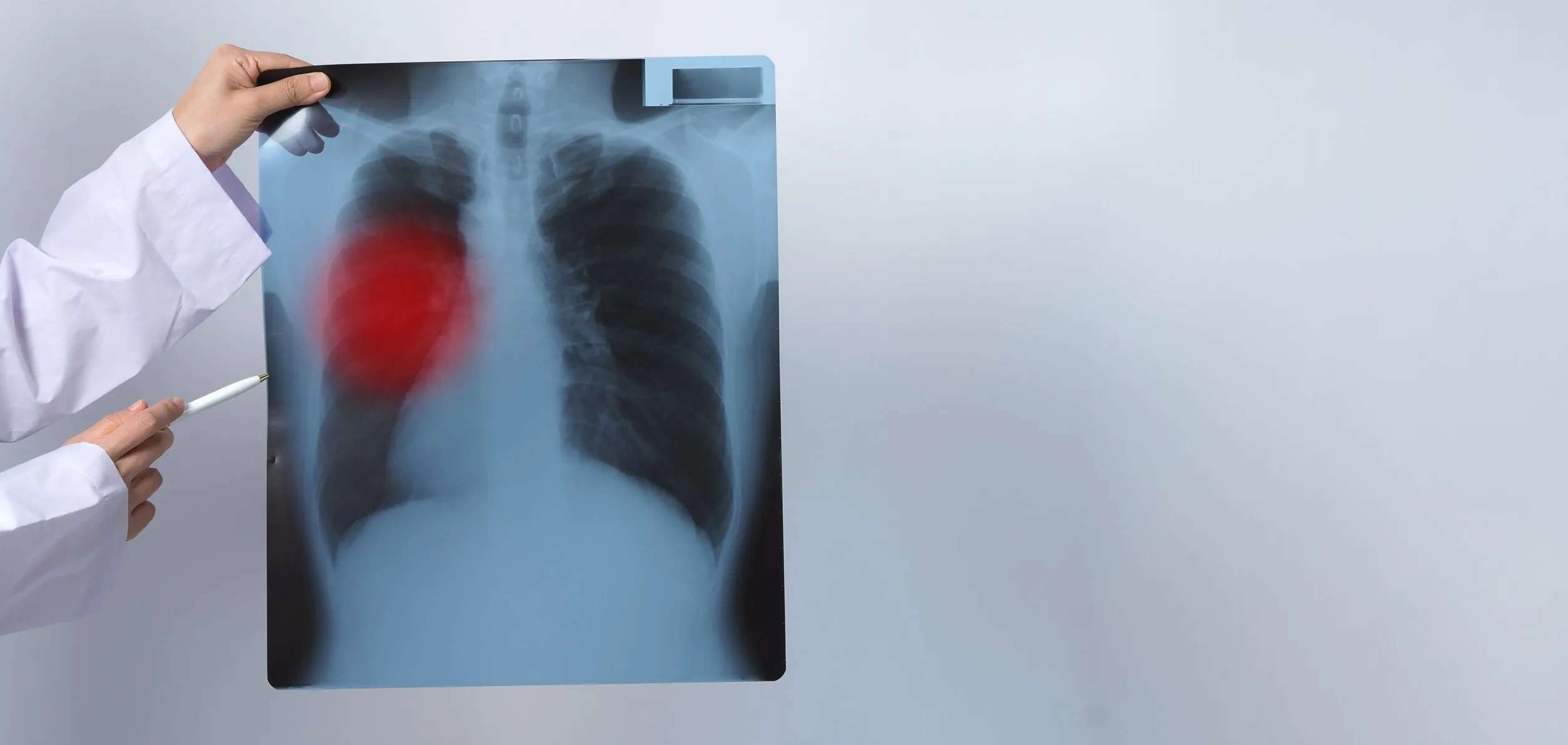
X-rays also play a crucial role in identifying changes that may indicate tumors or degenerative bone diseases. Additionally, they are used in routine screenings for early detection of conditions such as lung cancer, increasing the chances of successful treatment and recovery.

lung cancer

3. Diagnosing Respiratory Diseases

Modern X-ray techniques have significantly improved the diagnosis of respiratory illnesses like pneumonia. Given the ongoing global health challenges, X-ray imaging has become a vital tool for diagnosing and monitoring pneumonia cases, which pose serious risks to both children and adults.

4. Applications in Dentistry

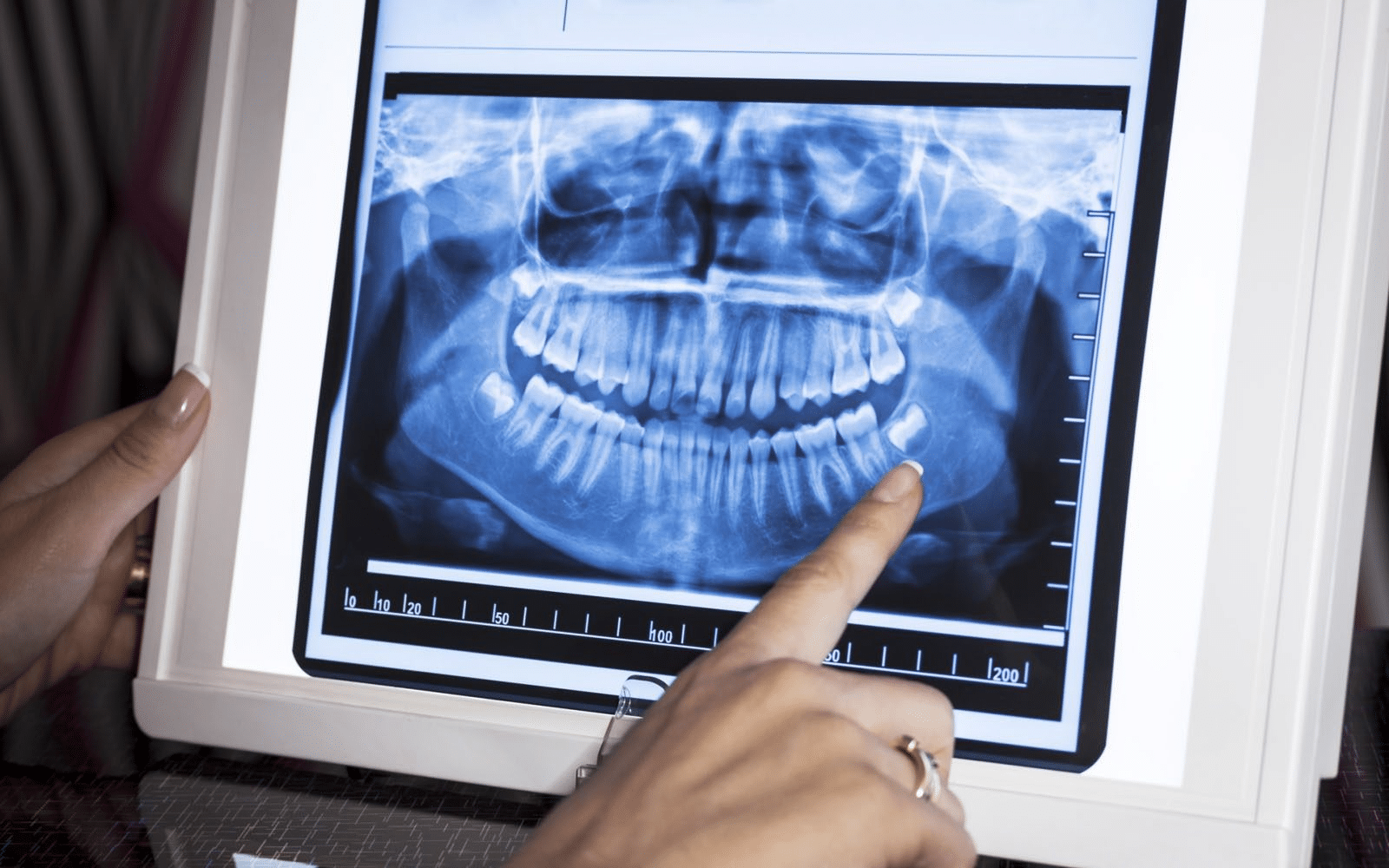
Beyond general medical diagnostics, this technology is essential in dentistry. It is used to detect cavities, assess gum health, and evaluate the condition of surrounding bone structures. This technology helps dentists make well-informed treatment decisions based on accurate and detailed imaging.

Future Innovations and Benefits of X-Ray Technology

This technology has saved millions of lives over the decades, yet there is still room for development and innovation. One of the most promising future trends is the shift toward advanced digital imaging powered by artificial intelligence (AI). These technologies are expected to enhance the speed and accuracy of diagnoses by automatically analyzing images and detecting subtle patterns that may be overlooked by the human eye.

X-Ray Technology

Researchers are also working on reducing the radiation doses required for each scan. The growing focus on minimizing radiation risks is driving scientists to develop new devices with advanced techniques for precise radiation control. This makes X-ray technology safer, especially for:

  • Children
  • Pregnant women

The Impact of X-Ray Technology in Developing Countries

The technology is not limited to developed nations—it plays a crucial role in improving healthcare in developing countries as well. In regions with limited medical resources, such as parts of Africa and Asia, X-ray machines serve as essential diagnostic tools that enable quick and accurate disease detection. Early diagnosis through X-ray imaging helps save countless lives by allowing timely medical intervention. Additionally, the increasing adoption of digital technology in these areas has enhanced diagnostic and treatment capabilities, underscoring the vital role of X-ray technology in global healthcare improvement.

X-Ray Technology

Challenges and Future Developments

Despite the significant advancements in X-ray technology, challenges remain. One of the main obstacles is the continuous need to train medical professionals on modern techniques and advanced equipment. Another key research priority is reducing radiation exposure while maintaining high-quality imaging to ensure patient safety.

Furthermore, improving medical data storage and analysis is a critical aspect of the technology development. As the volume of collected data grows, the need for intelligent systems to analyze and deliver accurate results quickly becomes more apparent. These advancements can accelerate medical decision-making and improve patient outcomes.

Ultimately, the continuous evolution of X-ray technology has revolutionized medical diagnostics and treatment, significantly improving healthcare standards. However, like all medical advancements, investing in education and professional training remains essential to ensuring the optimal use of these technologies.

If you are looking to advance your career in medical engineering, HSI is the ideal choice for you. Through our specialized training programs, we provide the skills and knowledge needed to be part of the ever-evolving healthcare industry. Let us help you build a distinguished career with expert guidance and innovative consulting services. Join us now and become a leader in delivering advanced medical solutions that improve lives.

Source: X-Ray Technology: The Past, Present, and Future

X-ray and MRI: Choosing the Right Imaging Tool

When it comes to diagnostic imaging techniques, X-ray and MRI are two of the most commonly used tools to help doctors evaluate and diagnose a wide range of medical conditions. While both provide vital diagnostic information, each technology has its own uses and distinct advantages.

Differences Between X-ray and MRI

This guide will help you understand the processes, benefits, limitations, and key differences between X-rays and MRI. With all the necessary information, you’ll feel reassured and well-informed about the diagnostic option most suitable for your health condition.

X-ray and MRI- Choosing the Right Imaging Tool

X-ray

X-rays are an imaging test that uses electromagnetic waves (radiation) to create two-dimensional (2D) images of the body’s tissues and skeletal structures. The radiation used in X-rays is similar to ultraviolet (UV) radiation from the sun but has much higher energy. However, it is used in very low doses that vary depending on the area being imaged.

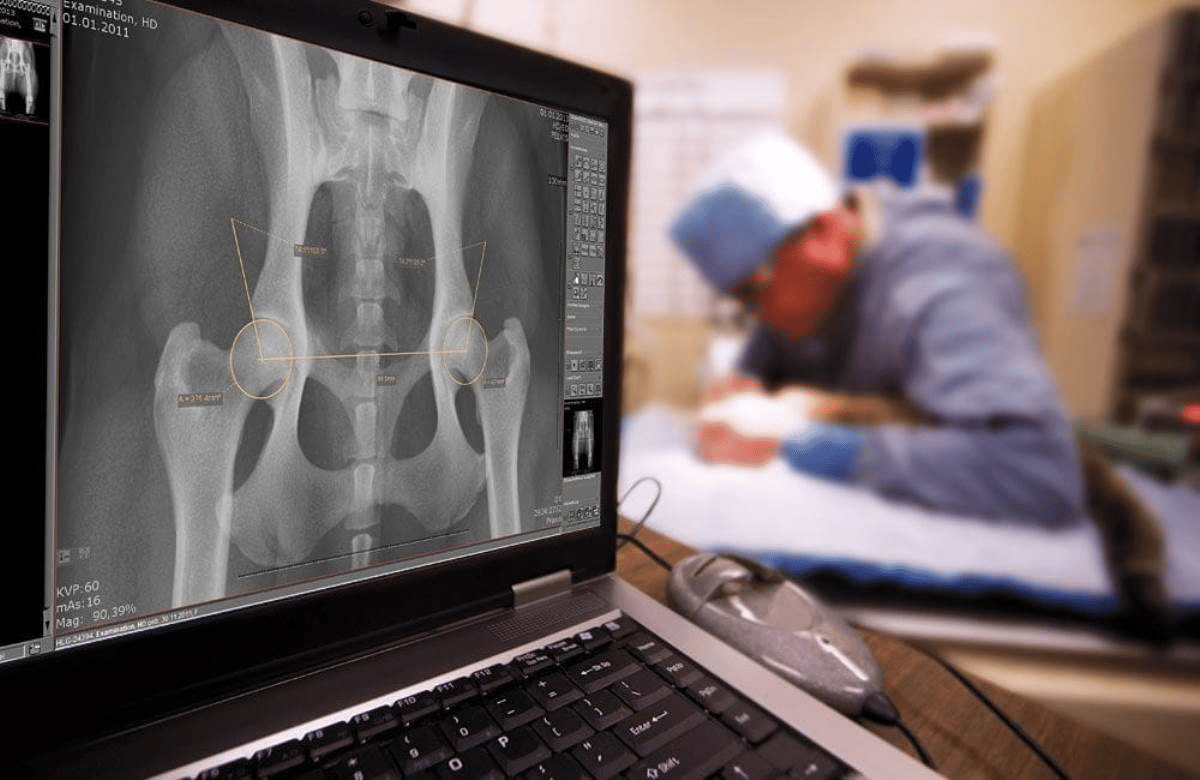
X-rays rely on electromagnetic radiation to create internal images of the body and are particularly effective at imaging bones and diagnosing fractures, tumors, or infections. X-rays are fast, relatively inexpensive, and well-suited for initial diagnosis, especially in emergency situations. However, they lack the ability to provide detailed views of soft tissues, such as muscles and tendons.

How Do X-rays Work?

The imaging process involves lying on a motorized table (or standing, for chest or mammogram X-rays) between an X-ray source and a detector (such as photographic plates or fluoroscopic screens).

When the X-ray source directs a beam of radiation through your body toward the detector, an image is created based on the shadows cast by different tissues, depending on how much radiation they absorb.

X-ray and MRI Choosing the Right Imaging Tool

Quick Guide to Understanding Shadows in a Typical X-ray Image:

  • Bones: Being very dense, bones absorb most of the X-rays, casting shadows that appear white.
  • Fluids, fat, and muscles: These tissues absorb moderate amounts of X-rays, appearing in varying shades of gray.
  • Lungs: Filled with air that does not block X-rays, they allow the radiation to pass through and appear black in the image.

Magnetic Resonance Imaging (MRI)

Magnetic Resonance Imaging (MRI) is a painless, non-invasive imaging technique that uses a strong magnetic field and radio waves to create detailed three-dimensional (3D) images of internal structures in the body, including organs, bones, joints, and soft tissues (such as nerves, muscles, and blood vessels).

This technique is ideal for diagnosing disorders of the brain, spinal cord, joints, or internal organs. Unlike X-rays, MRI does not use ionizing radiation, making it a safer option, especially for pregnant women and children. However, MRI is more expensive, takes longer, and may be uncomfortable for patients with claustrophobia.

How Does MRI Work?

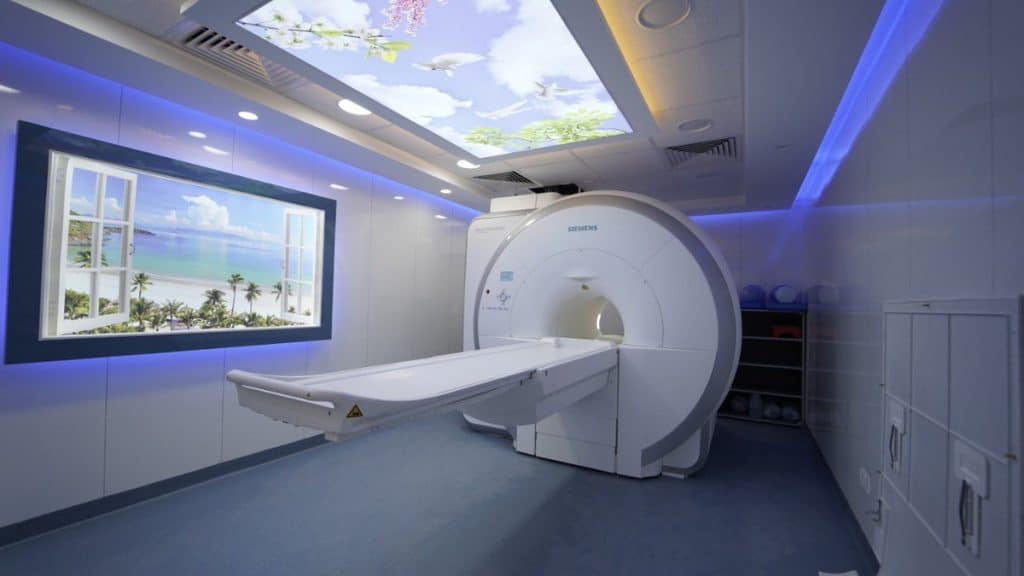
A traditional MRI machine consists of a large cylindrical scanner that acts as a powerful magnet, with a flat motorized table that moves the patient into the device. Depending on the area being examined, you may enter the machine head-first or feet-first.

MRI works by using the magnetic field to align hydrogen atoms, particularly protons (positively charged particles at the center of atoms). Hydrogen is abundant in both water and fat.

Water makes up about 60% of the human body, flowing freely in the blood and connecting with every cell, tissue, and organ. Fat is distributed throughout the body, around the heart and blood vessels, inside the brain, bones, and nerves, and behind the eyes. This explains MRI’s high sensitivity to conditions involving abnormal fat accumulation (e.g., tumors) or increased fluid presence (e.g., cysts).

MRI

Quick Comparison Between X-rays and MRI

X-rays and MRI are both essential diagnostic tools for evaluating various medical conditions. While each technology has unique advantages, the choice of the appropriate method depends on the condition being diagnosed. Below is a quick comparison between the two:

Diagnostic Capability:

  • X-rays: Best for imaging bones; highly accurate for detecting fractures, dental issues, and spine problems.
  • MRI: Offers a broader range, providing detailed images of bones, soft tissues, and organs. Used to diagnose tumors, neurological disorders, and joint or muscle injuries.

Availability:

  • X-rays: Widely available and affordable.
  • MRI: Less common and typically reserved for cases requiring detailed imaging.

Risks:

  • X-rays: Uses ionizing radiation (which may increase cancer risk with high doses). Doses used are typically very low, but caution is advised during pregnancy.
  • MRI: Generally safe since it does not use radiation. However, the magnetic field poses risks for individuals with metal implants. Contrast agents may cause mild side effects, and the procedure can be uncomfortable for those with claustrophobia or limited mobility.

Cost:

  • X-rays: Relatively low-cost.
  • MRI: More expensive compared to X-rays.

Speed:

  • X-rays: Very fast, taking about 5 to 15 minutes.
  • MRI: Slower, taking 15 to 90 minutes depending on the area being examined.

X-ray

What Can MRI Show That X-rays Cannot?

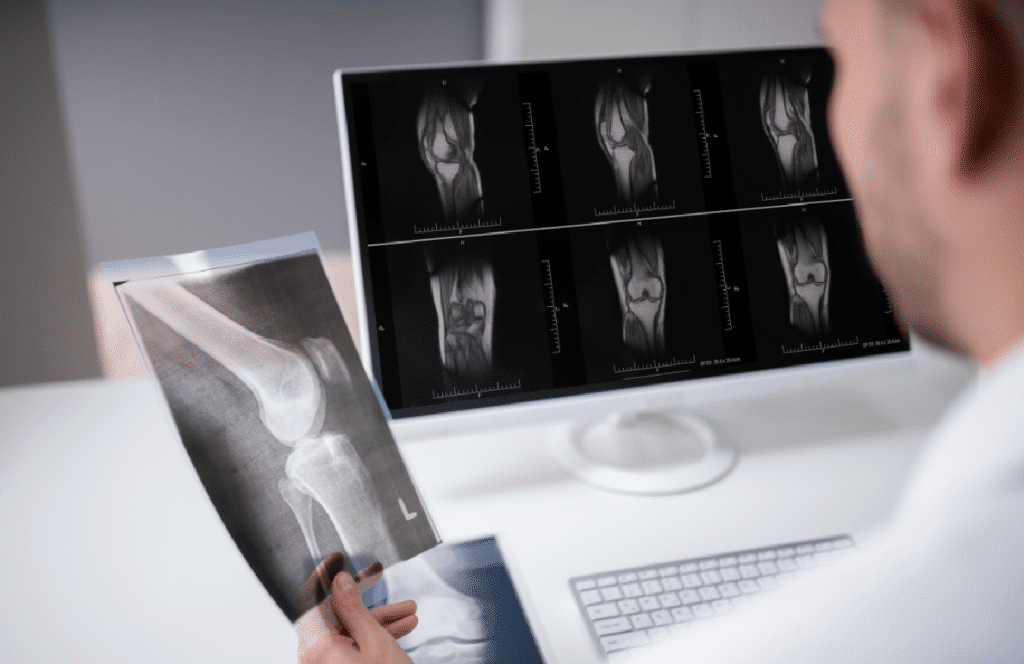
Magnetic Resonance Imaging (MRI) is more accurate in diagnosing musculoskeletal pain caused by soft tissue injuries that X-rays cannot detect. These conditions include:

  • Ligament and tendon injuries
  • Degenerative Disc Diseases (DDD)
  • Muscle tears or strains
  • Nerve compression and damage
  • Cartilage injuries (such as meniscal tears in the knee)
    Joint disorders (such as osteoarthritis or rheumatoid arthritis)

In cases where X-rays are used as an initial imaging tool to rule out suspected conditions, an MRI or CT scan may be recommended as a complementary test to provide an accurate diagnosis and comprehensive assessment of the problem.
Uses of MRI

MRI can be used to detect abnormalities, infections, degeneration, inflammation, and diseases in soft, dense, and fluid-filled tissues in various parts of the body, including:

  • Heart
  • Liver
  • Adrenal glands
  • Kidneys
  • Hand, shoulder, elbow, and wrist
  • Foot and ankle
  • All parts of the spine, including cervical (neck), lumbar
  • (back), thoracic (mid-back), and sacral regions
  • Brain and head

There are also special types of MRI, such as:

  • Magnetic Resonance Cholangiopancreatography (MRCP): Used to detect stones, infections, and diseases in the pancreas, gallbladder, and bile and pancreatic ducts.
  • Magnetic Resonance Angiography (MRA): Used to assess the health of blood vessels.

MRI

What Can X-rays Detect?

X-rays are used to detect the following conditions:

  • Bone injuries such as fractures and dislocations
  • Bone tumors, whether cancerous or non-cancerous (additional tests may be required for a definitive diagnosis)
  • Osteoporosis (loss of bone density)
  • Scoliosis (abnormal curvature of the spine)
  • Dental issues, such as cavities, tooth decay, and abscesses
  • Lung diseases, including pneumonia and pulmonary nodules (tumors)
  • Calcifications (solid calcium deposits) in soft tissues, which may indicate specific medical conditions
  • Foreign objects lodged inside the body

Factors Influencing the Choice of Diagnostic Tool

When determining the appropriate choice between X-rays and MRI, the following factors should be considered:

Nature of the Medical Condition

  • In cases like bone fractures, X-rays are often sufficient.
  • When there are unexplained joint pains or neurological symptoms, MRI may be necessary to provide detailed images of soft tissues.

Patient Condition

  • Patients with implanted devices, such as pacemakers or metal implants, may not be suitable candidates for MRI due to the risks associated with the magnetic field.
  • Age, medical history, and previous imaging studies play an important role in selecting the appropriate tool.

Comprehensive Diagnosis

In some cases, a comprehensive diagnosis may require both tests to provide a clear and thorough picture.

Conclusion

Both X-rays and MRI are valuable diagnostic tools, each serving a specific role in identifying various medical conditions. The choice of the most suitable tool depends on the nature of the condition, the patient’s history, and diagnostic requirements. Therefore, it is essential to consult with a healthcare provider to determine the best option for your case, ensuring an accurate diagnosis and effective treatment.

Source: MRI vs X-ray: The Difference Between MRI and X-ray and Which to Choose

X-Ray Imaging and Disease Diagnosis

Before the late 19th century, doctors relied on stethoscopes to diagnose lung diseases and physical touch to identify bone fractures. However, the German physicist Wilhelm Röntgen discovered X-rays and their use in imaging. Initially, the use of X-ray imaging was merely a side demonstration, but it quickly spread worldwide and became a fundamental aspect of medical diagnosis.

What is X-ray imaging?

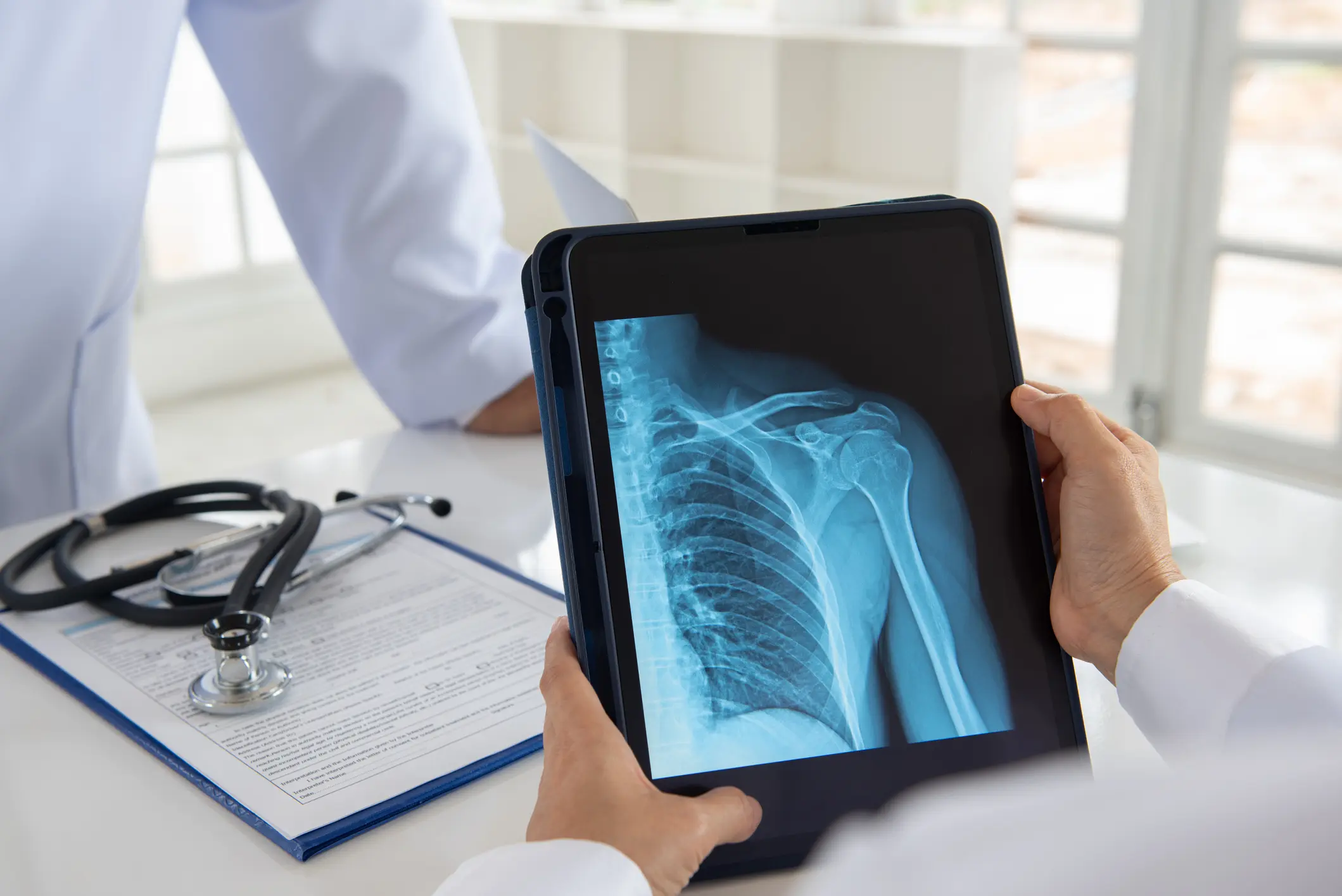
X-ray imaging uses invisible electromagnetic energy beams to produce images of internal tissues, bones, and organs on film or digital media. Standard X-rays are performed for various reasons, including diagnosing tumors, bone injuries, dental examinations, and aiding in detecting a wide range of injuries, disorders, and diseases.

Historical_X-ray

X-Ray Imaging are performed using external radiation to produce images of the body, its organs, and other internal structures for diagnostic purposes. X-rays pass through the body’s structures onto specially treated plates, similar to camera films or digital media. The denser the structure, the whiter it appears on the film.

How do X-rays work?

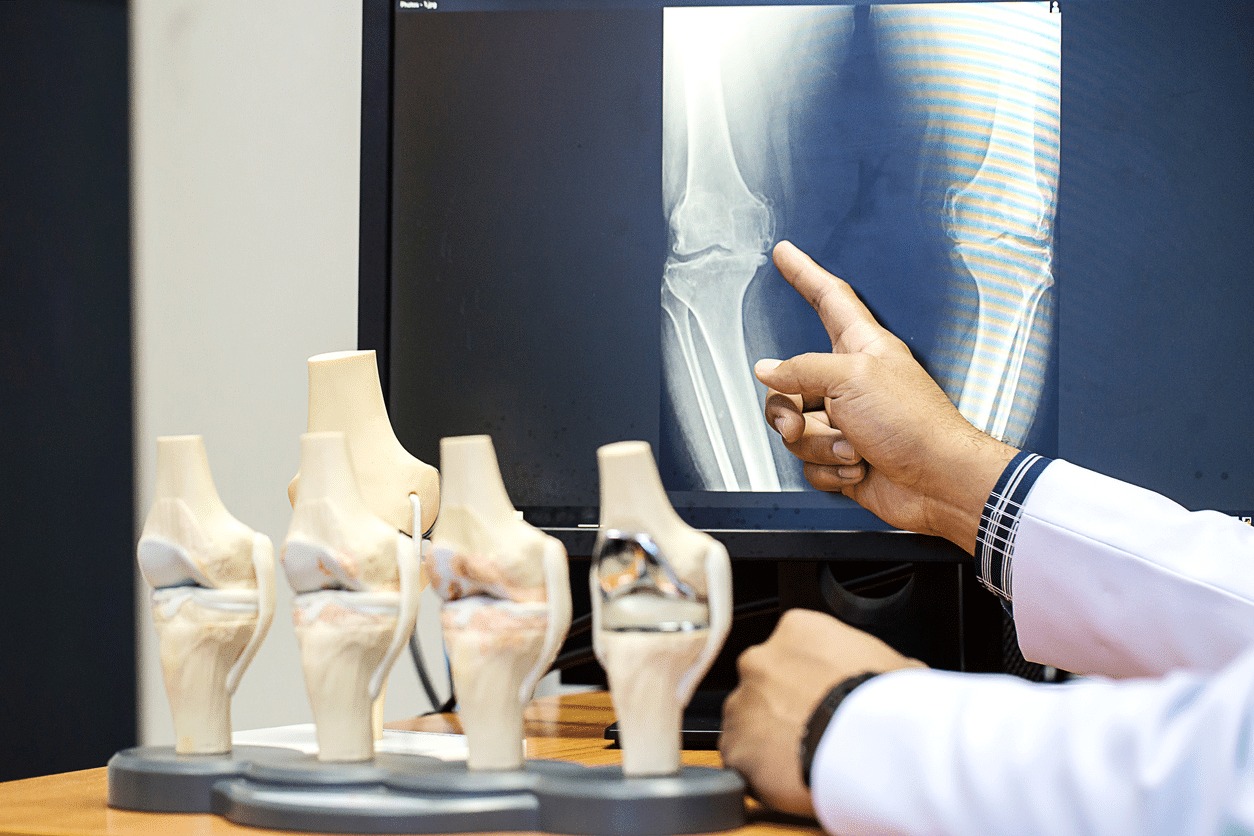
Most people refer to X-ray imaging as a regular radiographic image (a single film or photo). However, X-rays are also a type of radiation used by imaging devices to create images. X-rays are also used in other types of medical imaging, such as computed tomography (CT) scans, to obtain multiple images that computers interpret to create three-dimensional pictures.

When the body is exposed to X-rays, different parts of the body allow varying amounts of X-rays to pass through. Soft tissues like blood, skin, fat, and muscles allow most X-rays to pass through, appearing dark gray on film or digital media. On the other hand, bones or tumors, which are denser than soft tissues, allow fewer X-rays to pass through and appear white on X-rays. When a bone fracture occurs, the X-ray beam passes through the broken area, which appears as a dark line on the white bone in the X-ray.

X-Ray Imaging with contrast material

Some X-Ray Imaging use contrast material (also called contrast agents or dyes). These make certain structures in the body, such as blood vessels, easier to see.

Contrast material can be in liquid, powder, or tablet form, consumed before the X-ray depending on the type of examination. Patients may receive contrast material via:

  1. Oral ingestion.
  2. Intravenous (IV) injection or spinal fluid injection.
  3. Enema.

X-Ray Imaging

How is an X-ray performed?

X-ray examinations can be performed in outpatient clinics or as part of inpatient care in hospitals. Although each facility may have specific protocols, the general steps for performing an X-ray are as follows:

1. Preparation before imaging

The patient is asked to remove any clothing or jewelry that may interfere with imaging the area being examined. If necessary, the patient is provided with a gown. The use of lotions, creams, or perfumes is avoided, as these substances can create shadows on X-rays, leading to inaccurate results. Patients may also need to refrain from eating or drinking several hours before the procedure.

2. Body positioning

The area being examined is carefully placed between the X-ray machine and a plate containing the X-ray film or a specialized image plate. Depending on the type of examination, the patient may need to lie down, sit, or stand.

3. Radiation protection

The parts of the body not being examined are covered with a lead shield to reduce radiation exposure.

4. Directing the X-ray beam

The beam is directed at the area being examined. The patient must remain still to avoid blurry images. Maintaining stillness during the imaging process ensures high-quality results.

5. Capturing images

The radiology technician stands behind a protective window to capture the image. Multiple images may be taken from different angles depending on the area being examined. For example, when imaging the chest, both front and side views are usually taken.

x-ray imaging

What are the types of X-rays?

Several types of X-rays are used to image different areas of the body. Some of the most common types include:

1- Abdominal X-rays

These X-rays help healthcare providers evaluate parts of the digestive system and diagnose conditions such as kidney or bladder stones.

2- Bone X-rays

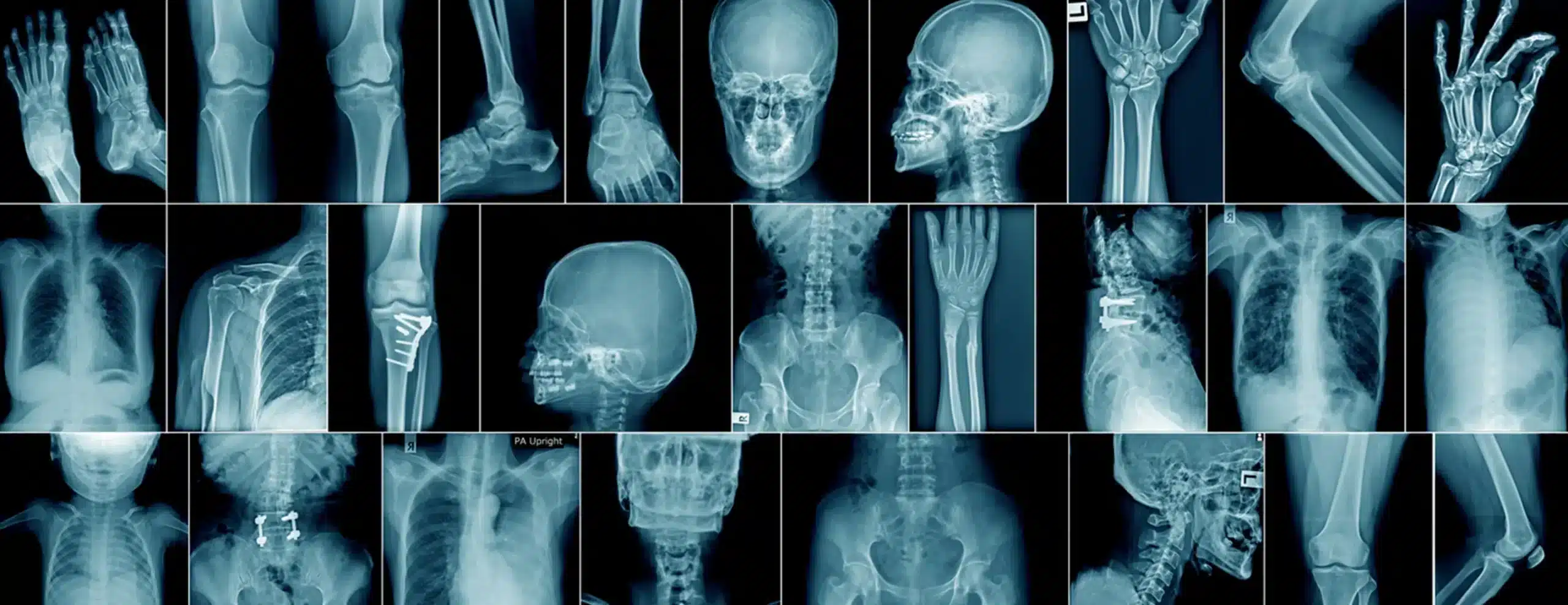
Patients may undergo bone X-rays if a doctor suspects fractures, joint dislocations, or arthritis. Bone X-rays can also show signs of bone cancer or infections.

3- Chest X-ray

A doctor may request chest X-rays if a patient experiences symptoms such as chest pain, shortness of breath, or a persistent cough.

4- Dental X-rays

Dentists regularly take X-rays of the mouth to check for issues in the teeth, gums, or jaw.

5- Head X-rays

These images help identify skull fractures from head injuries or conditions affecting how skull bones form, such as craniosynostosis.

6- Spinal X-rays

Spinal X-rays can help diagnose spinal curvatures, herniated discs, or other spinal issues.

Other advanced medical imaging techniques using X-rays interpreted by computers include:

  • Bone density scans (DXA)
  • Computed tomography (CT scans)
  • Fluoroscopy
  • Mammography

x ray imaging

When does a patient need X-rays?

  1. Diagnosing tumors.
  2. Detecting bone injuries.
  3. Imaging arteries to examine blood vessels.
  4. CT scans for three-dimensional imaging.
  5. Fluoroscopy to monitor internal movements.
  6. Identifying the causes of symptoms like pain or swelling.
  7. Detecting signs of lung infections.
  8. Locating foreign objects inside the body.
  9. Identifying structural problems in bones, joints, or soft tissues.
  10. Planning and evaluating treatments.

What can X-Ray Imaging show?

X-rays can reveal issues such as:

  • Arthritis.
  • Bone fractures.
  • Changes or abnormalities in bone structure.
  • Spinal disc herniation.
  • Infections.
  • Kidney stones.
  • Spinal curvatures.
  • Dental cavities.
  • Tumors.

Can X-Ray Imaging show cancerous tumors?

X-Ray Imaging can reveal cancerous tumors, but they are not the primary method for detecting or diagnosing cancer. This is because tumors in certain organs may be small, hidden behind other structures (e.g., ribs in chest X-rays), or blend with normal tissues.

In conclusion

X-ray imaging has revolutionized the diagnosis of medical conditions, enabling healthcare professionals to visualize the internal structures of the human body, which has facilitated the detection of various diseases. For healthcare professionals seeking to deepen their understanding and proficiency in the field of medical imaging, the HSI Center for Health Training and Consulting offers specialized courses and consulting services that keep them up to date with the latest advancements in the medical field, helping them provide the highest level of service and care to patients.

Source: Diagnostic X-Ray Procedures

How Ultrasound Imaging Technology Works | A Beginner’s Guide

Ultrasound imaging technology is one of the most significant advancements in biomedical engineering, combining cutting-edge technology with precise hospital design to create a safe and comfortable treatment environment. This imaging method is a fundamental diagnostic tool in various medical fields, enhancing healthcare quality and facilitating non-invasive and direct medical examinations.

How High-Frequency Ultrasound Waves Work

This technology relies on high-frequency sound waves that are inaudible to the human ear. These sound waves travel through tissues and reflect off internal surfaces, creating a detailed image of internal structures. Ultrasound is widely used for diagnosing various medical conditions, making it an ideal option for emergency medicine applications and significantly contributing to the advancement of medical treatment techniques.

Ultrasound Waves

The Principle of Ultrasound Imaging

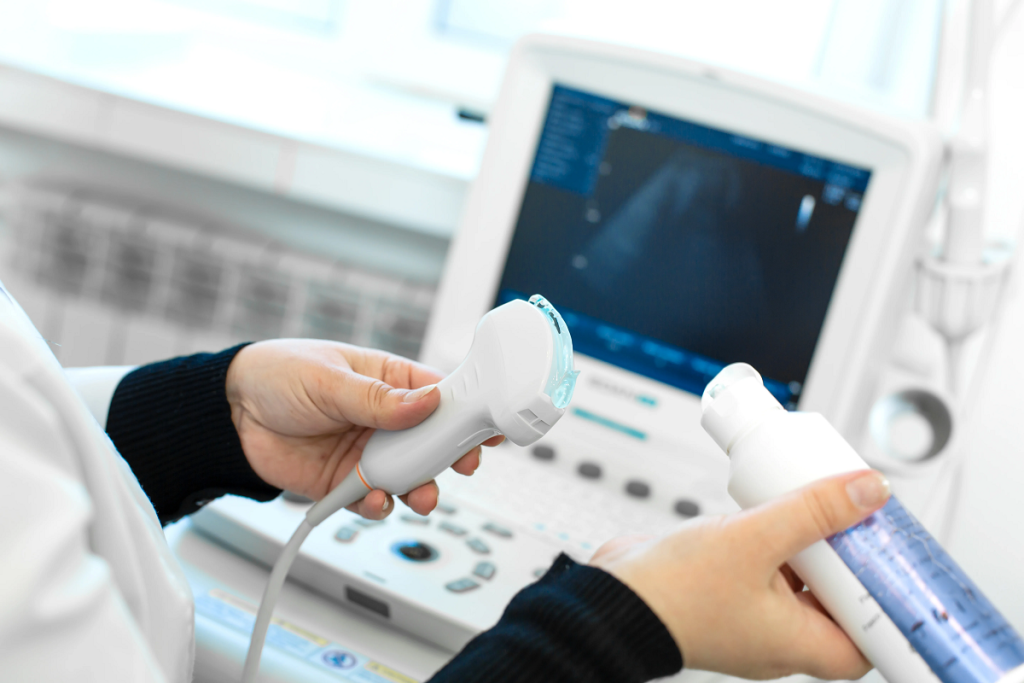
This imaging technology operates on a simple physical principle that involves generating high-frequency sound waves. A specialized device, known as a transducer, emits sound pulses and receives the reflected signals after they interact with tissues and organs. These signals are then converted into a digital image displayed on the screen. Ultrasound plays a crucial role in accurately detecting tumors and masses within the body, making it a valuable tool for early disease diagnosis.

Diverse Diagnostic Applications of Ultrasound

This technology plays a vital role in diagnosing numerous medical conditions. It is commonly used to examine vital organs such as the heart, liver, and kidneys. Additionally, it is indispensable in monitoring pregnancy and assessing fetal health. Ultrasound is also employed in precise interventional procedures, such as biopsy sample collection and guided interventions, enhancing medical accuracy while minimizing the risks associated with surgical procedures.

Ultrasound Technology and Medical Devices

This imaging process requires advanced devices known for their high accuracy and efficiency in converting sound signals into detailed images. These devices use sophisticated computational techniques to enhance image quality and precision. Operational parameters are carefully adjusted to balance signal strength and accuracy. Ultrasound provides fast, non-invasive results, making it a preferred choice among physicians and medical professionals.

Applications of Ultrasound in Medicine

One of the key advantages of this imaging technique is its versatility across different medical fields. It is used in cardiology to assess valve function and detect cardiac disorders. It is also essential in obstetrics for monitoring fetal health during pregnancy. Furthermore, it is used to examine internal organs such as the liver, kidneys, and thyroid gland. Unlike other imaging techniques, such as X-rays and CT scans, Ultrasound does not use ionizing radiation, making it a safer diagnostic alternative.

تقنية الأشعة السينية

X-ray Technology

Recent Advances in Ultrasound Imaging TechnologyModern technology has led to significant advancements in imaging techniques, including the development of 3D and 4D imaging methods. These innovations allow doctors to view more detailed anatomical structures, improving diagnostic accuracy. Additionally, artificial intelligence (AI) and machine learning enhance Ultrasound imaging efficiency by optimizing image processing and improving pattern recognition for faster and more precise diagnoses.

Portable Ultrasound Imaging Devices and Their Impact on Healthcare

In recent years, the development of portable Ultrasound devices has enabled medical professionals to conduct examinations in various settings outside hospitals, such as mobile clinics, emergency rooms, and even remote areas lacking advanced medical infrastructure.This technological evolution significantly improves healthcare quality and increases accessibility to early diagnosis.

Imaging technology is a cornerstone of modern medical advancements, integrating physical principles with digital innovations to enhance diagnostics and treatment. The design of modern hospitals also plays a crucial role in supporting this technology, providing an optimal environment for efficient and accurate diagnoses.By combining Ultrasound imaging techniques with the latest engineering innovations, healthcare facilities ensure a safe and effective setting for patient care.

This diagnostic method remains a cutting-edge tool that offers both accuracy and speed, continually evolving to meet the future demands of healthcare. As such, investing in research and development is essential to achieve the best outcomes in medicine and biomedical engineering.

in conclusion Enhance Your Biomedical Engineering Career If you aspire to advance your career as a biomedical engineer, visit HSI today to explore our training courses. Our programs will equip you with the necessary skills to compete in the job market and elevate your engineering expertise to remarkable levels.

Source: Ultrasound – Special Subjects – MSD Manual Consumer Version

All copyrights reserved to © HSI