The Future of Wearable ECG Monitoring Devices

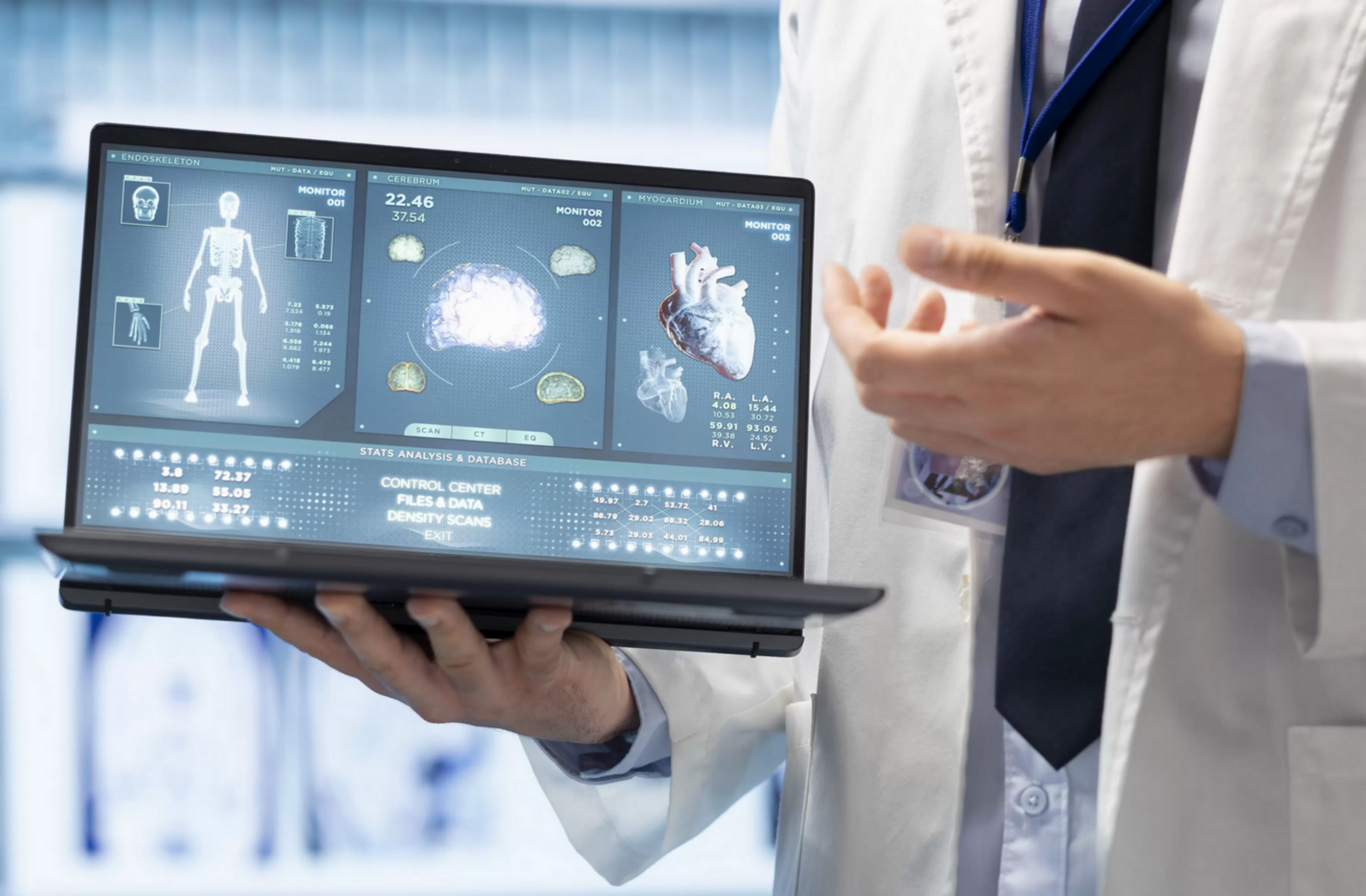
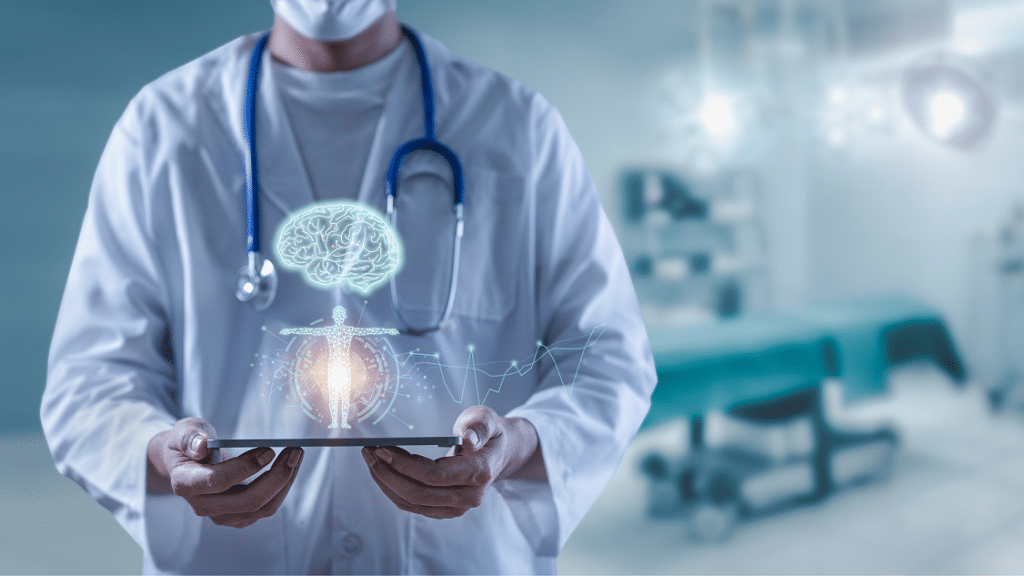
The healthcare field has witnessed significant developments thanks to technological advancements that have enabled the use of AI-powered wearable ECG monitoring devices. Since the early days of using various monitoring and diagnostic techniques, patient conditions have been observed more accurately than before. This has led to improved treatment quality and more efficient medical procedures. The process is no longer limited to visits to hospitals and traditional medical centers; patients can now monitor their health at home using these smart devices.

Combining health monitoring technologies with artificial intelligence

The idea of integrating wearable monitoring technologies with artificial intelligence began several decades ago, with scientists and innovators developing early prototypes for early diagnosis. Today, with noticeable improvements in computing capabilities and the availability of vast amounts of data, AI plays a pivotal role in analyzing medical information and providing accurate recommendations, thereby enhancing the performance of wearable ECG monitoring devices.

Wearable ECG

These devices are used to measure a wide range of vital signs, such as heart rate, blood pressure, blood oxygen levels, and electrocardiogram (ECG) activity. These measurements have narrowed the gap between patients and doctors, allowing for early medical intervention and preventing the development of chronic diseases.

Research and Evaluation Methodology

Modern studies rely on a comprehensive analysis of published research in the field of wearable ECG monitoring devices and artificial intelligence. The references and data are classified through several stages:

  • Identifying Sources and Data: The process began by gathering sources from global databases such as Google Scholar, resulting in thousands of articles discussing AI and its applications in healthcare.
  • Reviewing Titles and Abstracts: A meticulous filtering process was carried out to select the most relevant articles, focusing on studies that addressed the use of wearable ECG monitoring devices in disease diagnosis.
  • Technical Evaluation: The review included an assessment of the research methodologies and techniques used in each study, highlighting the technological innovations and the AI used in analyzing patient data.
  • Data Integration: The data was merged to create a comprehensive view of how wearable ECG monitoring devices impact workflow in medical institutions and enhance the quality of healthcare.

This methodology illustrates that progress in wearable ECG monitoring devices is not solely dependent on technical advancements but also on how they integrate with existing electronic medical record systems and established AI systems.

Research Findings and Key Innovations

There are several remarkable outcomes from research in this field, including:

1- Improved Early Diagnosis and Continuous Monitoring

Numerous studies have demonstrated that wearable ECG monitoring devices contribute to the early detection of arrhythmias, such as atrial fibrillation. These devices offer continuous monitoring of vital heart indicators, enabling doctors to detect any abnormal changes immediately. One study indicated that using these devices could reduce diagnostic errors by up to 30%, thereby improving patient treatment outcomes.

2- Reduced Need for Frequent Medical Visits

Thanks to wearable ECG monitoring devices, patients can now monitor their health remotely, reducing the need for repeated hospital visits. This approach not only eases the burden on healthcare systems but also saves time and effort for patients, especially those with chronic conditions that require constant monitoring.

3- Enhanced Quality of Medical Data

Continuous and effective data collection is one of the key advantages of wearable ECG monitoring devices. These devices provide accurate data regarding the patient’s health status, which helps train AI models to analyze patterns and predict potential health risks. Moreover, this data can be integrated with electronic medical records, offering a comprehensive system for monitoring and documenting medical cases.

4- Enhanced Interaction Between Patients and Healthcare Providers

The use of wearable ECG monitoring devices fosters an interactive environment between patients and doctors, as physicians can monitor data in real time and provide immediate medical consultations. This direct interaction helps build trust between both parties and enables the delivery of more personalized and effective healthcare.

Opportunities for Innovation in Healthcare

Integrating wearable ECG monitoring devices with AI technologies marks a transformative shift in healthcare. These innovations are expected to improve the efficiency of diagnosis and treatment, as AI can analyze data faster and more accurately than traditional methods while reducing healthcare costs. By minimizing medical errors and optimizing time and resource management, personalized medicine is enabled, where continuous data provides an accurate picture of each patient’s condition. This allows for the customization of treatment plans to meet individual needs, enhances preventive care, and ensures continuous monitoring by identifying health risks before they escalate and enabling early intervention.

Challenges Facing Device Implementation

Despite the clear benefits, wearable ECG monitoring devices face some core challenges. One of the main issues is managing the vast amounts of data generated by these devices, which require effective and secure storage and analysis. Integrating the generated data with existing electronic medical records demands the development of new protocols and updates to technical infrastructure, privacy, and security measures. Protecting patients’ health information from cyberattacks and breaches is of utmost priority. Additionally, doctors and nurses need to trust and adopt the new technology as an aid in providing healthcare without undermining their traditional skills and expertise.

The Role of Artificial Intelligence in Device Development

Artificial intelligence is considered the pivotal element that will transform wearable ECG monitoring devices from mere measuring tools into integrated diagnostic systems. AI relies on machine learning and deep learning techniques to analyze data patterns and deliver accurate predictions regarding a patient’s health status. Through these analyses, diagnostic accuracy can be improved and medical error rates reduced. Moreover, AI enables the development of interpretative models that explain the decision-making process, thereby increasing users’ confidence in the system.

Current Applications in Healthcare

Wearable ECG monitoring devices are currently used in many medical institutions, where they are integrated with smartphone applications and remote monitoring systems. For example, they are employed for the early detection of arrhythmias, continuously monitoring heartbeats to detect any irregularities. They also facilitate remote patient monitoring, especially for those suffering from chronic diseases, allowing doctors to track their condition without the need for frequent visits. Additionally, data analysis through AI algorithms provides precise treatment recommendations based on the collected data.

It is expected that the future will bring unprecedented developments in wearable ECG monitoring devices, particularly with advancements in AI and wireless communications. Some future trends include increased integration with advanced AI systems, which will lead to continuously improved diagnostic accuracy and analysis. Moreover, the development of more comfortable and wearable devices, with improved manufacturing materials for enhanced flexibility and lightness, will allow for extended use without discomfort. The scope of usage is also expected to expand beyond just ECG monitoring to include other health indicators, creating a comprehensive health system based on continuous monitoring and early prevention. Additionally, advanced protocols for data protection and cybersecurity will be developed to ensure safety and privacy.

At HSI, we believe that empowering medical engineers with modern knowledge and skills is key to the future. Therefore, we invite you to join our specialized training courses as we delve into these technologies and prepare you to play an active role in shaping the future of smart healthcare.


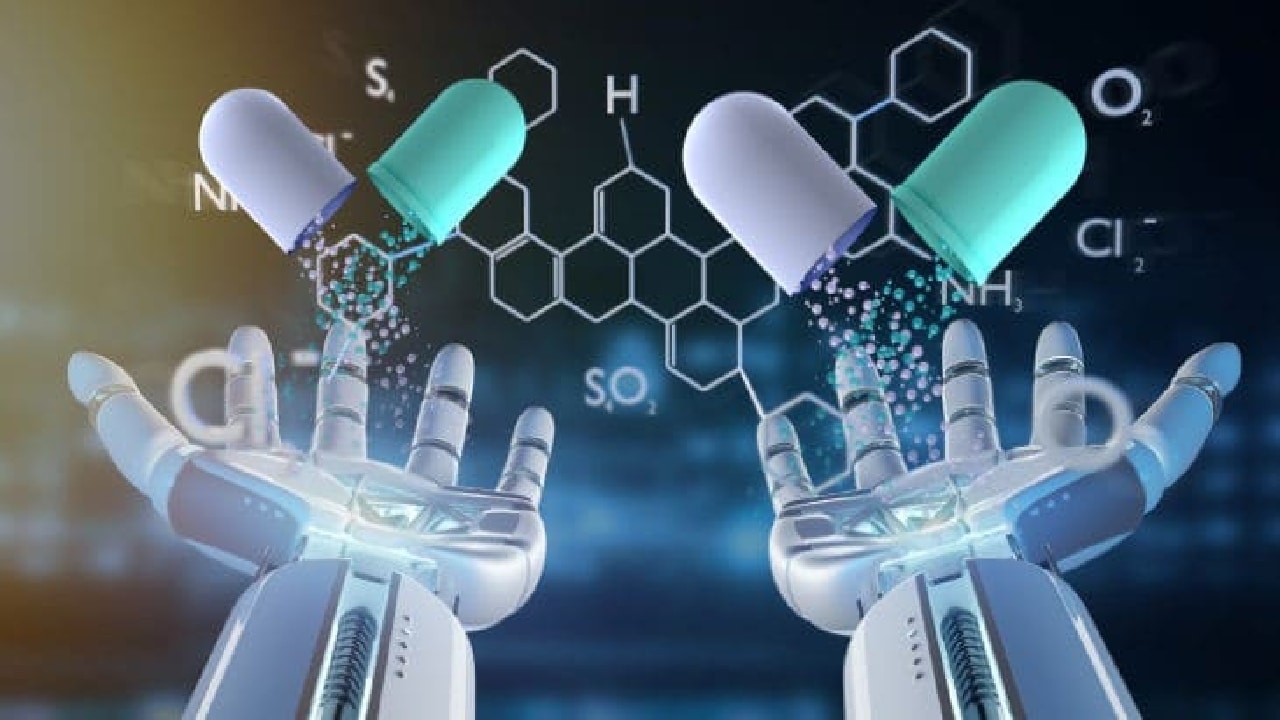
AI in Drug Discovery: How Machine Learning Accelerates Pharmaceutical Research

The development of new drugs is a complex, resource-intensive process with a high failure rate. In this context, leveraging Artificial Intelligence (AI) and Machine Learning (ML) holds tremendous potential to revolutionize the pharmaceutical industry. These technologies enhance data analysis and predictive modeling, leading to faster and more effective treatments. In this article, we explore the role of AI in drug discovery.

Challenges of Traditional Drug Development

The journey of developing new drugs is typically fraught with challenges. It can take 12 to 15 years, involves a high failure rate, and may cost billions of dollars to bring a single drug to market. Key reasons for these difficulties include:

  • Incomplete understanding of disease complexities.
  • Existing disease models often lack accuracy.
  • Difficulty translating model results into effective treatments.
  • Declining reliability of animal testing as a predictor for human outcomes, along with growing ethical concerns.

Drug Discovery

How AI Addresses These Challenges

Recent advancements—especially in machine learning—have significantly contributed to drug discovery. In the past, scientists spent extensive time on manual tasks like sample analysis and data collection. Now, AI aims to automate and speed up these processes.

Although automation is not a new concept, its integration with AI is a game-changer. AI allows companies to sift through and analyze vast datasets to extract precise insights about drugs. Data management and analysis—pillars of pharmaceutical R&D—are now more efficient, enabling researchers to overcome many recurring obstacles.

A Paradigm Shift in Pharmaceuticals: AI as an Innovation Driver

The pharmaceutical industry is undergoing a fundamental transformation by integrating AI into the complex drug discovery process. As is well-known, developing a new drug requires significant financial investment and years of research. However, integrating AI into pharmaceutical R&D is helping to reduce both the massive costs and extended timelines. Here’s how AI is contributing to this evolution:

1. Accelerating Drug Discovery

AI integration speeds up the transition of drugs from the design stage to clinical trials. Recent analyses show that some AI-powered companies have advanced drug candidates to human trials in less than ten years, with some developed in just two and a half years. A notable example includes a leading medication for respiratory diseases that swiftly reached clinical trials thanks to AI technologies.

2. Digital Compounds and Molecular Visualization
AI’s impact extends into the digital realm, where it analyzes vast molecular libraries and protein structures using tools like 3D databases and large-scale integrations. This accelerates the discovery process from years to just months. Key benefits include:

  • Rapid evaluation of millions of potential molecules.
  • Intelligent search for drug compounds.
  • Designing new molecules using generative models.

AI in Drug Discovery

3. Predictive Analytics and Intelligent Systems

To reduce clinical trial failure rates, AI offers powerful tools such as:

  1. Text analysis of medical records using Natural Language Processing (NLP).
  2. Protein structure prediction and chemical compound optimization.
  3. Analysis of genomic data and biosignals from wearable devices to generate actionable insights.
  4. These tools are also used to understand drug effects post-launch, improving treatment strategies.

4. Identifying Disease Pathways and Therapeutic Candidates

Tackling complex diseases like Alzheimer’s requires precise identification of new therapeutic targets. AI is now employed to analyze genetic data and protein interactions, helping to uncover these targets. It has even facilitated the repurposing of existing drugs—like diabetes medications—to reduce Alzheimer’s risk.

AI Within the Regulatory Framework

AI, especially machine learning, is transforming drug discovery and development. Prior to AI integration, getting FDA approval was a long and costly process. But AI is gradually changing this landscape.

The FDA’s Stance on AI

The U.S. Food and Drug Administration (FDA) has shown a positive attitude toward adopting AI technologies in the pharmaceutical industry. Highlights include:

  • Acknowledgment of AI’s value: The FDA has published position papers outlining its vision for AI in drug development.
  • Surge in submissions: Over 100 AI/ML-related applications were submitted to the FDA in 2021.
  • Risk-based framework: The FDA aims to strike a balance between public safety and innovation potential while safeguarding patient data and drug safety.

AI in Drug Discovery

AI Integration in Pharmaceutical Companies

Incorporating AI into pharmaceutical operations can lead to a major leap in how drugs are discovered and developed. Combining AI with big data analytics has proven to reduce costs and speed up development.

How Can Pharmaceutical Companies Benefit from AI?

  • Cost reduction: Potential to save billions in expenses.
  • Increased efficiency: Enhances R&D productivity through data automation.
  • Advanced technologies: Techniques like Virtual Ligand Screening (VLS) and protein databases help in quicker compound selection.
  • Predictive modeling: Forecasting protein structures and identifying the most suitable therapeutic classes.
  • Regulatory compliance: Ensuring AI usage aligns with FDA guidelines.

Steps for Integrating AI into Pharma

  1. Conduct thorough analysis to identify areas where AI offers the most value.
  2. Develop a protocol for AI implementation aligned with company values and regulations.
  3. Train staff to use AI tools and technologies.
  4. Prepare and test AI models to ensure alignment with business objectives.
  5. Scale usage based on company growth and market needs.

Benefits of AI in Pharmaceuticals

  • Lower operational costs: Reports indicate up to a 50% reduction in hiring costs.
  • Improved task accuracy: Accuracy levels can reach 90% for certain functions.
  • Advances in personalized medicine: Ability to design drugs based on individual genomes and predict future health issues.

Conclusion, in an era of rapid technological advancement, the pharmaceutical industry can no longer overlook the immense capabilities of AI. No longer just a supportive tool, AI has become a strategic partner in accelerating innovation, cutting costs, and improving the success rate of discovering safe and effective treatments. Companies that proactively adopt and intelligently integrate these advanced technologies into their strategies will lead the future and gain a true competitive edge in a market demanding faster responses and more accurate decisions.

Source: AI in Drug Discovery: Accelerating Pharmaceutical Breakthroughs

The Role of AI in Predictive Maintenance of Medical Equipment

The medical field is undergoing an unprecedented revolution through the integration of artificial intelligence technologies. This innovative advancement is transforming the way doctors diagnose diseases, develop new treatments, perform surgeries, and even maintain medical equipment.

Unexpected equipment failures can lead to significant issues in healthcare institutions. But what if there were a way to predict a malfunction before it occurs? That’s exactly what we’ll explore in this article on the role of AI in predictive maintenance of medical equipment—aimed at reducing the risks of catastrophic or costly problems before they happen.

What is Predictive Maintenance in Medical Equipment?

Healthcare facilities typically rely on scheduled preventive maintenance or immediate repairs when equipment breaks down. However, this approach may not always be effective, often leading to sudden equipment downtime that negatively impacts patient care. This is where predictive maintenance comes in—a proactive approach designed to anticipate and prevent equipment failures.

Predictive Maintenance of Medical Equipment

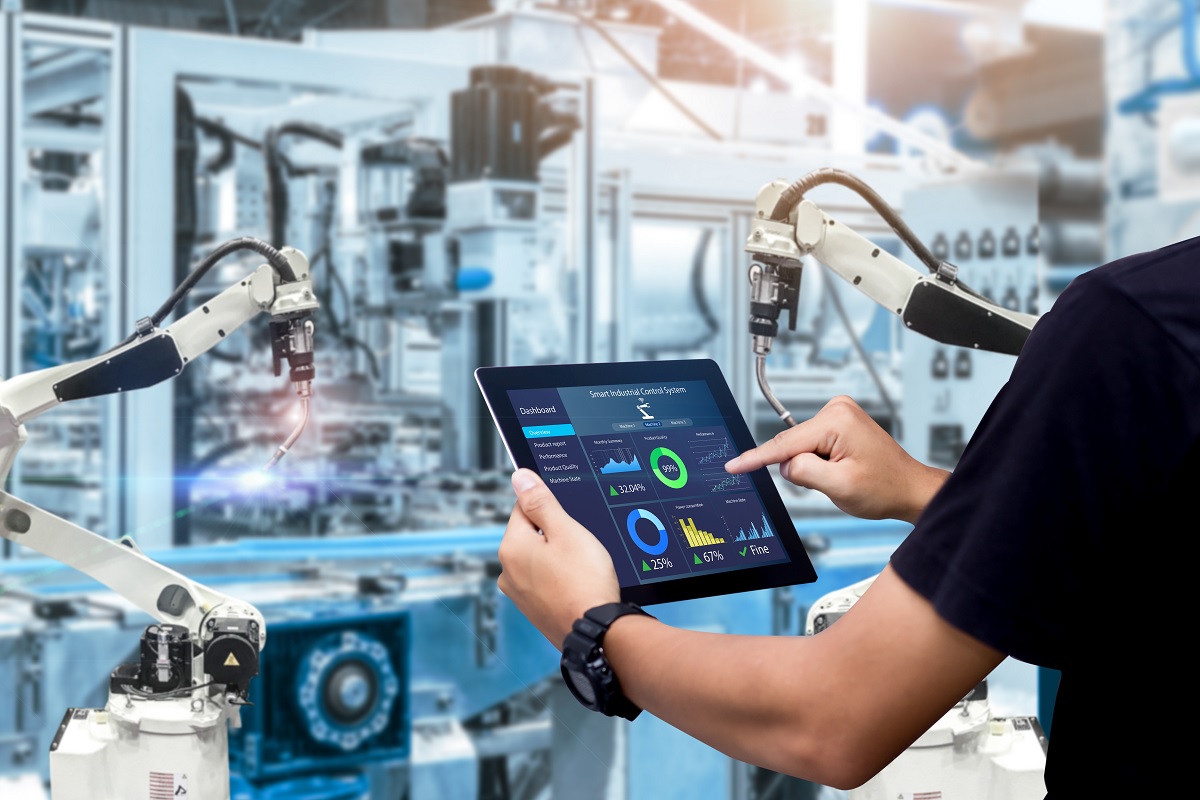
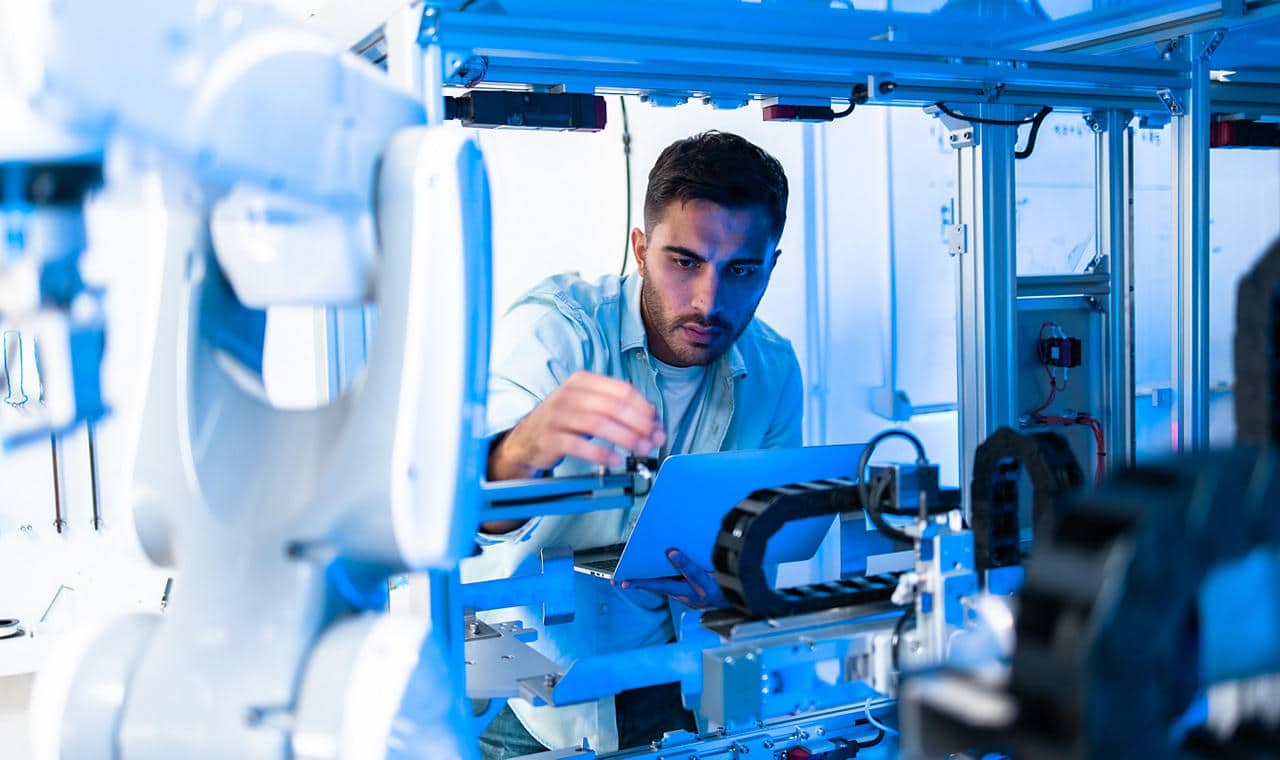
Predictive maintenance is an efficient solution that relies on automation and AI to foresee equipment failures before they occur. Modern medical equipment is often equipped with sensors that collect real-time data on performance metrics. This data is then fed into AI algorithms that analyze trends and detect potential issues. Through continuous monitoring of equipment conditions, these AI-powered systems can predict possible malfunctions and schedule maintenance interventions in advance.

One of the key techniques used in this type of maintenance is condition-based monitoring, where sensors gather data on equipment health and performance. Machine learning then analyzes this data to detect early warning signs of potential issues, enabling maintenance teams to act proactively.

Predictive maintenance in medical equipment helps:

  • Avoid costly and unplanned downtimes
  • Reduce unnecessary maintenance tasks
  • Extend equipment lifespan by preventing premature failures
  • Improve maintenance scheduling

AI in Medical Equipment Maintenance

The role of AI in predictive maintenance of medical equipment goes beyond simply integrating technology to ensure smooth operations, prolong equipment life, and enhance patient safety. AI remains a driving force in the development of medical technologies. The integration of AI advancements positions predictive maintenance as a critical element in transforming healthcare equipment management and paving the way for a new era of patient-centered care.

By embedding AI algorithms, medical equipment can be programmed to perform tasks independently or with minimal human intervention, setting a new standard in the reliability and efficiency of medical services.

How Artificial Intelligence Works in Predictive Maintenance of Medical Equipment

Artificial intelligence in predictive maintenance relies on a complex process involving predictive analytics, machine learning, and data collection. Therefore, understanding the fundamental AI concepts is essential to grasp how machines learn.

Data Collection and Analysis

The role of AI in predictive maintenance of medical equipment is a modern approach to collecting and analyzing data from medical devices. AI uses sensors installed on medical equipment to continuously collect data, then analyzes trends to detect issues before they become critical.

Predictive Analytics

As part of AI’s role in predictive maintenance of medical equipment, machine learning and data analysis are used to predict the behavior of equipment. This helps reduce risks and enables swift action in healthcare operations.

Predictive Maintenance of Medical Equipment

Supervised Learning

AI models trained on labeled datasets improve the accuracy of predicting equipment failures, with a focus on enhancing AI’s role in medical devices.

Unsupervised Learning

AI is essential for gaining deep insights from medical device data analytics, as it can identify anomalies and unexpected issues without prior labeling.

Reinforcement Learning

This involves training an agent to interact with an environment and learn optimal actions through trial and error. It can be used to enhance maintenance scheduling or resource allocation strategies to minimize unplanned downtime and boost reliability.

The Role of AI in Predictive Maintenance

AI tools are designed to simulate human intelligence in performing specific tasks, allowing these tasks to be completed automatically instead of manually. In the case of predictive maintenance, AI solutions can analyze current operating conditions and search for indicators that a device might fail in the future—even if no apparent operational problems exist. By assessing the current performance against baseline data, AI tools can detect slight efficiency drops that signal the need for maintenance.

The role of AI in predictive maintenance of medical equipment includes the following:

1. Generating Work Instructions

Generative AI can analyze historical maintenance data, equipment specifications, and sensor readings to create customized work instructions for technicians. These instructions are clear, precise, and tailored to the specific needs of each maintenance task, minimizing errors and improving first-time fix rates.

2. Optimizing Work Order Planning

By analyzing historical trends and predicting potential equipment failures, generative AI integration helps schedule maintenance activities more efficiently. This allows preventive maintenance to occur before failures, reducing downtime and associated costs.

3. Supporting Reliability Engineering

AI helps analyze sensor data and maintenance history to identify patterns indicating potential equipment degradation. This enables proactive maintenance actions, ensuring efficient equipment operation and avoiding unexpected failures.

Predictive Maintenance of Medical Equipment

4. Analyzing and Applying Maintenance Standards

AI can be trained on industry standards and regulations related to equipment maintenance. This allows it to review existing maintenance plans and identify areas that may not comply with current standards—improving safety and regulatory compliance.

5. Updating Maintenance Quality

AI can continuously learn and improve from new data. As it analyzes outcomes of completed maintenance tasks, it can identify areas for procedural improvement or where new techniques may be applied. This ongoing feedback loop supports continuous enhancement of the quality and effectiveness of maintenance practices.

Benefits of AI-Enhanced Predictive Maintenance

AI-enhanced predictive maintenance significantly contributes to reducing maintenance costs through proactive measures that address potential failures before they occur. Algorithms analyze sensor and monitoring system data to detect early warning signs, enabling timely intervention to prevent breakdowns and reducing the need for costly emergency repairs.

It helps extend the lifespan of equipment by addressing issues early and avoiding unnecessary stress on the machines. This leads to fewer replacements and minimized downtime.

It improves operational efficiency by optimizing maintenance schedules, allowing maintenance teams to accomplish more with fewer resources, lowering labor costs, and increasing overall technician productivity.

Predictive Maintenance of Medical Equipment

Applications of AI in Predictive Maintenance of Medical Equipment

AI-based predictive maintenance is an advanced step toward improving the quality and efficiency of healthcare by reducing unexpected failures and ensuring the continuous operation of critical medical equipment. In this context, the applications of AI in predictive maintenance of medical devices fall into three main areas: medical imaging equipment, diagnostic devices, and life support systems. Each area includes a range of devices that benefit from AI’s ability to predict failures, enhance performance, and reduce sudden downtime that may negatively impact the quality of healthcare services provided to patients.

MRI (Magnetic Resonance Imaging) Machines

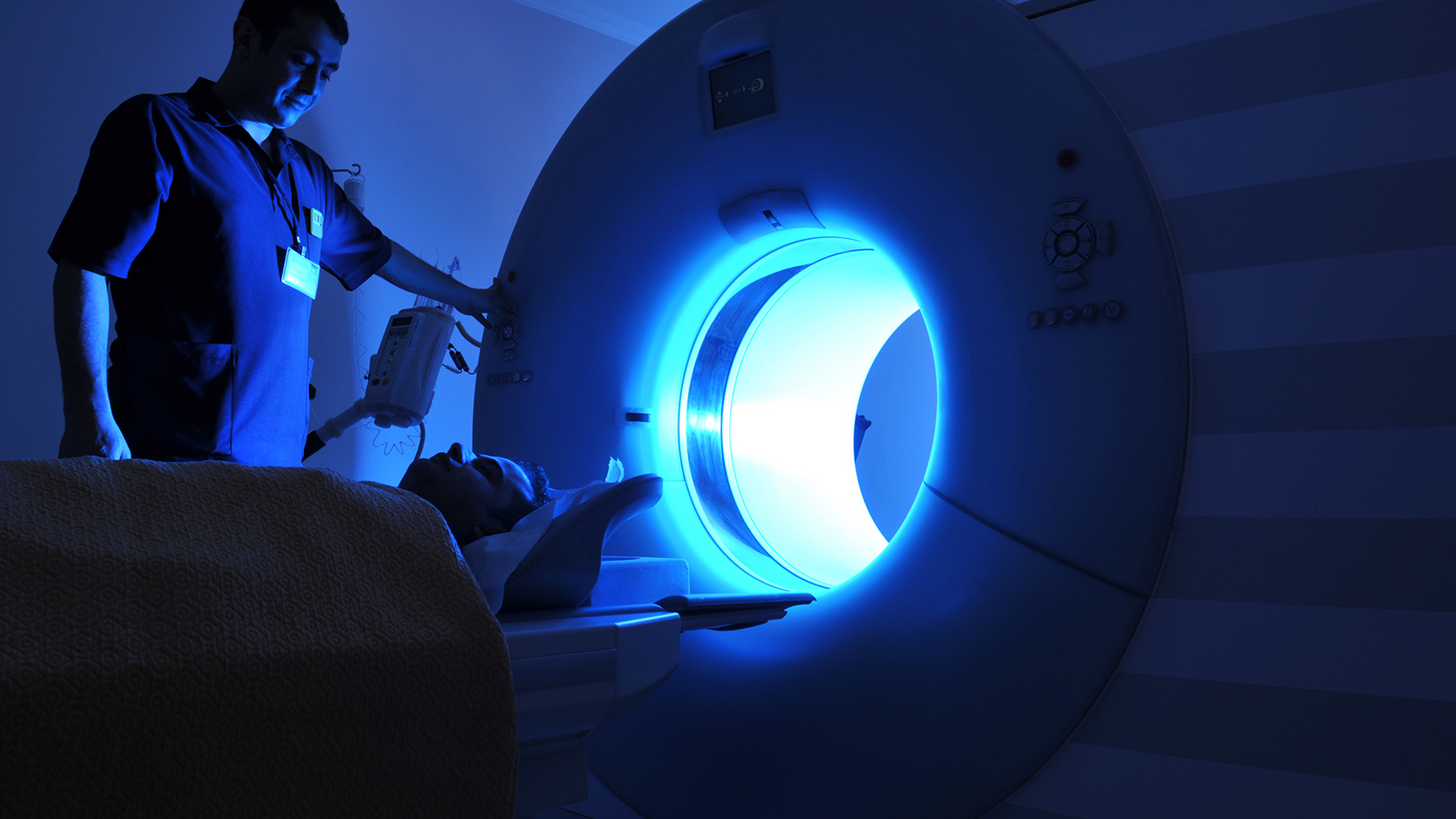
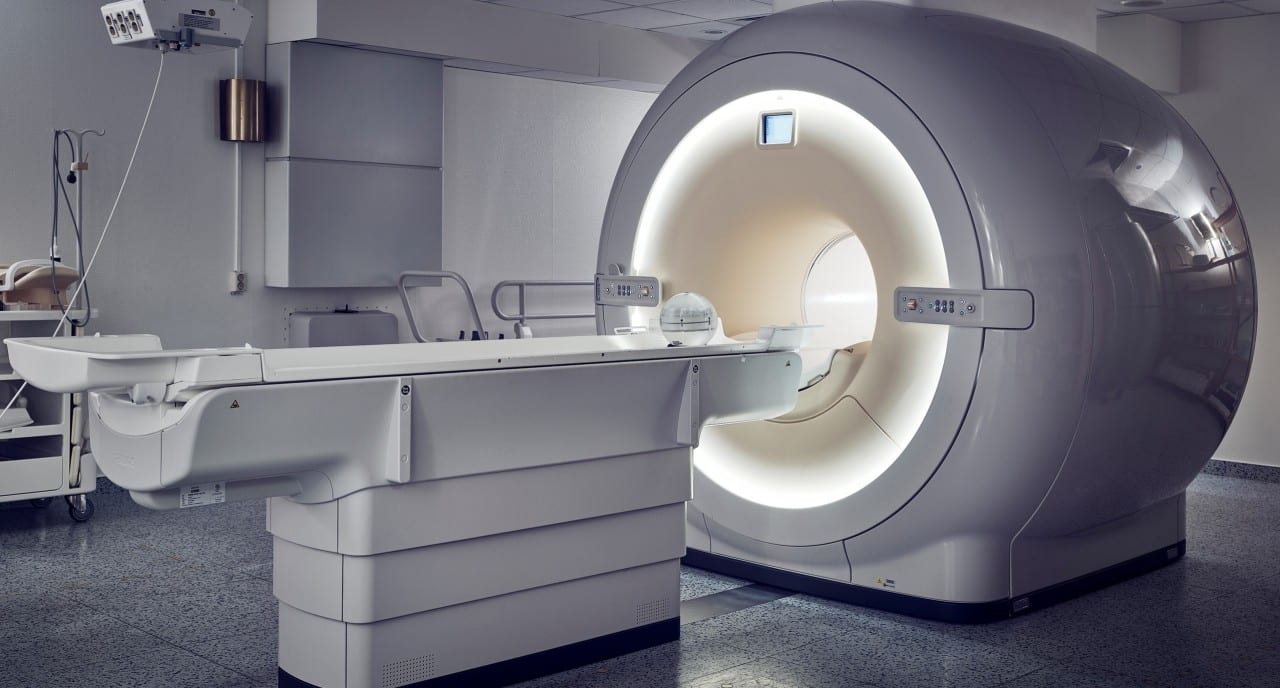
AI-powered predictive maintenance for MRI machines involves continuous monitoring of components to ensure optimal performance and reduce downtime. AI algorithms analyze data patterns to predict potential issues, enabling immediate intervention and avoiding delays in diagnosis.

X-Ray Machines

Predictive analytics, component deviation detection, and failure forecasting are key areas where AI is applied to X-ray machines. By taking a proactive approach, AI helps prevent unplanned interruptions and ensures smooth diagnostic operations.

Blood Analyzers

Real-time monitoring of baseline parameters is a key aspect of AI-driven predictive maintenance for blood analyzers. AI systems forecast potential failures by studying data trends, allowing issues to be addressed before they impact diagnostic accuracy.

ECG (Electrocardiogram) Devices

AI is used in predictive maintenance of ECG machines to monitor device components and signal quality. This proactive approach ensures the continuous availability of accurate cardiac data, aiding in fast and reliable patient diagnosis.

Ventilators

Predicting issues related to airflow, pressure, and sensor performance is a core application of AI in maintaining ventilators. Proactive monitoring ensures the reliability of life support systems, which are critical in emergency care.

Infusion Pumps

AI-powered predictive maintenance for infusion pumps includes monitoring fluid delivery accuracy and pump calibration. AI predicts potential issues by analyzing usage patterns, ensuring the accuracy and continuity of medication dosages.

Source: How AI Is Used in Predictive Maintenance

Hybrid Imaging | The Latest Technologies for Disease Detection

Amid the rapid technological advances in the fields of medicine and biomedical engineering, hybrid imaging has emerged as a revolutionary technique that has transformed the concepts of medical diagnosis like never before. This approach relies on combining multiple imaging modalities such as magnetic resonance imaging (MRI), computed tomography (CT), and nuclear medical imaging, which enables the acquisition of precise and comprehensive images of a pathological condition. Moreover, recent developments in artificial intelligence have contributed to analyzing these images with exceptional precision and speed, making this technology the ideal choice for early diagnosis.

The Remarkable Features of Hybrid Imaging Technology

Hybrid imaging is considered an innovative technique that combines the advantages of each imaging modality to provide both quantitative and qualitative information that assists physicians in accurately evaluating a patient’s condition. This technology is used in the detection of tumors, chronic diseases, and functional disorders of vital organs. In addition, the integration of different techniques delivers detailed anatomical and functional data, while artificial intelligence enhances the process of analyzing and interpreting this data in a scientifically reliable manner.

The Importance of Hybrid Imaging in Medical Diagnosis

Hybrid imaging plays a vital role in the early and accurate diagnosis of numerous diseases, especially cancerous tumors and cardiovascular and neurological disorders. It provides valuable information that helps doctors in:

  • Detecting cancerous tumors at early stages: Hybrid imaging can identify small tumors that are difficult to detect using conventional imaging techniques.
  • Determining the extent of cancer spread: It helps in assessing whether the cancer has metastasized to other organs in the body.
  • Evaluating tumor response to treatment: Hybrid imaging can be used to monitor the effectiveness of treatments and determine whether a tumor is responding to therapy.
  • Diagnosing heart diseases: It aids in assessing cardiac functions and identifying areas with insufficient blood supply.
  • Diagnosing neurological diseases: This technology can be used in the diagnosis of conditions
  • such as Alzheimer’s, Parkinson’s, and multiple sclerosis.

Hybrid Imaging

Recent Developments in Imaging Techniques and Artificial Intelligence

With continuous technological progress, hybrid imaging techniques have seen significant advancements in recent years. Modern innovations have enhanced the quality of final images and reduced the time required to obtain results, which has led to an overall improvement in healthcare quality. Artificial intelligence techniques are utilized to process and analyze data in innovative ways, where algorithms are trained on massive datasets of medical images to deliver precise and immediate diagnoses. These applications serve as strong support for traditional techniques and contribute to building an integrated diagnostic system.

The Role of Artificial Intelligence in Enhancing Medical Diagnosis

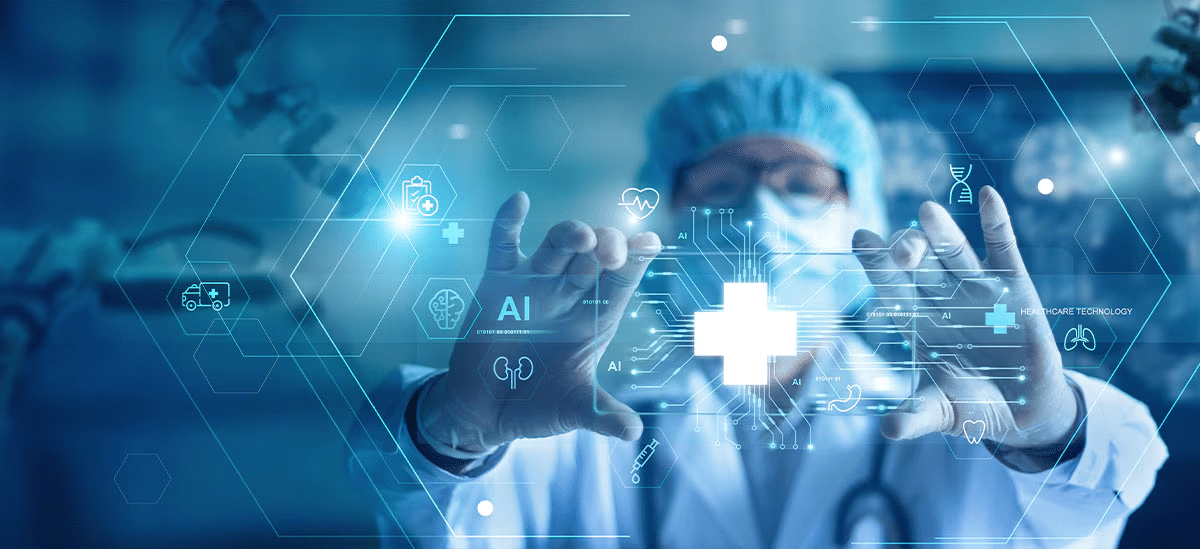
Artificial intelligence is one of the fundamental pillars in the development of hybrid imaging techniques, relying on advanced algorithms to analyze images and detect fine details that are difficult to observe with the naked eye. These algorithms help in precisely determining the characteristics of tumors and tissues and assist in predicting the stages of disease progression more rapidly. By integrating artificial intelligence with hybrid imaging, physicians can achieve early and effective diagnosis, which contributes to improved treatment outcomes and a reduction in potential complications.

Modern hybrid imaging technologies are vital tools for the early and effective detection of diseases, as they enable doctors to obtain comprehensive data about the patient’s condition. This approach facilitates precise and prompt therapeutic decision-making, thereby enhancing the chances of treatment success. Artificial intelligence plays a pivotal role in analyzing this data and extracting critical biomarkers that may be overlooked by conventional methods, which in turn increases the accuracy and reliability of diagnostic results.

Challenges and Future Development Prospects

Despite the significant achievements of hybrid imaging in the field of medical diagnosis, challenges still remain for researchers and clinicians in the optimal application of this technology. Among these challenges is the need to develop more advanced artificial intelligence algorithms and to provide extensive training datasets to improve diagnostic performance. Moreover, the integration of various imaging techniques represents a complex task that requires high-level coordination between devices and software. Artificial intelligence remains at the forefront of efforts to address these challenges and to achieve promising future developments in medical diagnosis.

A Future Vision for Hybrid Imaging in Medicine

The future of medicine is moving towards an increased reliance on digital technologies and artificial intelligence, opening up new horizons in the field of hybrid imaging. Artificial intelligence is considered a cornerstone for developing diagnostic methods and analyzing data much faster than before, enabling physicians to offer advanced and personalized treatment services to each patient for quicker and better recovery. These technologies contribute to improving survival rates and reducing healthcare costs, while also providing valuable data that supports well-informed therapeutic decisions. Hybrid imaging, assisted by artificial intelligence, shows tremendous potential in enhancing healthcare quality and elevating the standards of medical diagnosis.

Hybrid imaging represents a true revolution in the field of medical diagnosis, thanks to the integration of various imaging techniques and the rapid advancement of artificial intelligence. These technologies provide precise and comprehensive insights that aid in the early detection of diseases and in determining the most appropriate treatment pathways for each case. The synergy between advanced imaging techniques and artificial intelligence holds great promise for improving healthcare quality and achieving outstanding therapeutic outcomes, making this technology one of the most important future tools in medicine. Continuous research and development in artificial intelligence and hybrid imaging remain the key to achieving further breakthroughs and innovations in the world of medical diagnostics.

In conclusion, after exploring hybrid imaging technologies and in light of the rapid advancements in medical imaging and artificial intelligence, if you aspire to become a part of the biomedical engineering field, connect with HSI Center. Through our specialized training and consulting programs, we empower students and professionals to gain both practical and scientific skills, enabling them to keep pace with the latest innovations and actively contribute to improving the quality of healthcare.
Source: Hybrid imaging is the future of molecular imaging – PMC

The role of AI in biomaterials and their development from next-generation

The modern medical industry is experiencing a growing revolution in research and development, with AI in biomaterials emerging as a key pillar of this transformation. The integration of artificial intelligence with biotechnology enables the development of advanced materials used in diagnosis and treatment with innovative precision. This breakthrough is paving the way for improved healthcare quality and reduced patient suffering. By leveraging AI in biomaterials, researchers can design and develop materials that meet the highest safety and efficacy standards. In this article, we explore the impact of AI on biomaterials, from their design and development to understanding their complex interactions with the human body and their promising future in enhancing medical technologies.

Designing and Developing Biomaterials with AI

With rapid advancements in medicine and bioengineering, biomaterials have become an essential component of therapeutic and diagnostic strategies. Traditionally, these materials served as structural supports to aid healing and restore damaged tissues in cardiac, orthopedic, and dental surgeries. However, their role has now expanded beyond mere structural support to become dynamic components that seamlessly integrate with natural tissues.

AI in biomaterials

AI in biomaterials plays a crucial role in redefining the design and development process by offering advanced analytical tools that help researchers:

  • Organize and analyze vast amounts of scientific and experimental data.
  • Predict the properties of new materials and their interactions with cells and tissues.
  • Reduce reliance on time-consuming and costly traditional experiments.

For instance, machine learning models can identify patterns and key factors influencing the successful integration of biomaterials with tissues. This allows for the development of materials with enhanced performance and faster adaptability in therapeutic applications. As a result, AI in biomaterials is becoming a strategic tool for improving research accuracy, efficiency, and achieving faster, validated results.

Understanding Complex Interactions Between Biomaterials and Biological Systems

Since the introduction of biomaterials in medicine, understanding their interactions with the human biological system has been a major challenge. Early implant success rates were limited due to the unclear effects of these materials on surrounding cells and tissues. However, over time, concepts like biocompatibility have emerged, highlighting the need to redefine and update standards for evaluating these interactions.

AI in biomaterials

AI in biomaterials provides advanced solutions to address these challenges by:

  • Analyzing complex biological data using techniques like natural language processing and predictive modeling.
  • Aggregating and standardizing information from multiple sources to create comprehensive databases that precisely identify chemical and biological interactions.
  • Developing models that simulate the behavior of biomaterials inside the body, predicting potential adverse reactions.

A deep understanding of biochemical and mechanical interactions between biomaterials and cells is essential for improving material design and ensuring safety in medical applications. By analyzing these interactions in detail, AI helps establish new evaluation criteria that consider subtle differences in how biomaterials interact with tissues, leading to optimal integration between the material and the body.

The Pioneering Role of AI in Performance Optimization

Evaluating biomaterials requires an integrated approach that combines traditional methods with modern technological advancements. While conventional laboratory tests are precise, they are often time-consuming and resource-intensive. AI in biomaterials is revolutionizing this process by:

  • Developing predictive data-driven algorithms to simulate biomaterial behavior under various conditions.
  • Providing analytical tools to assess mechanical and biological performance under changing conditions, such as mechanical stress, degradation, and chemical interactions.
  • Reducing the need for costly and lengthy live experiments by offering precise results based on digital analysis and mathematical modeling.

Additionally, AI-driven technologies help predict potential risks, such as adverse reactions or the release of harmful byproducts. By leveraging large-scale databases and deep learning techniques, researchers can identify patterns and factors that impact the long-term safety of biomaterials. This allows for modifications in design and development before advancing to clinical trials.

AI in biomaterials

This innovative approach to integrating AI in biomaterials not only enhances performance but also accelerates innovation and continuous improvement in medical products. Moreover, it strengthens regulatory and consumer confidence by providing solid evidence of the safety and effectiveness of new biomaterials.

A Bright Future for AI Integration in Biomaterials

With the growing expansion of artificial intelligence applications across various scientific fields, the future of AI in biomaterials looks incredibly promising. Experts predict that this integration will lead to the development of smart biomaterials capable of dynamically interacting with biological environments. This advancement paves the way for personalized treatments tailored to each patient while also enhancing diagnostic and therapeutic outcomes through AI-driven sensors and monitoring systems. These innovations contribute to early disease detection and continuous health condition tracking.

The integration of AI in biomaterials also boosts efficiency in research and development by leveraging advanced analytical techniques, significantly reducing the time from innovation to real-world application. Furthermore, this technological synergy represents a major step toward improved ethical standards, as it minimizes reliance on animal models for laboratory experiments. AI-powered digital models provide promising alternatives for analyzing biological interactions without the need for live testing, aligning with global efforts to promote animal welfare and elevate scientific research standards.

Innovation and Collaboration as Key Pillars

The future of AI in biomaterials cannot be discussed without emphasizing the importance of interdisciplinary collaboration. Integrating medical engineering, data science, and molecular biology fosters a comprehensive research environment where knowledge and expertise can be exchanged. This cross-disciplinary approach enables researchers to tackle the complex challenges associated with biomaterials and accelerate their practical applications.

Developing standardized data platforms and advanced information systems is essential for consolidating information and streamlining its use in predictive modeling. Additionally, providing specialized educational and training resources for researchers will raise awareness of AI’s significance in biomaterials, promoting widespread adoption in laboratories and global research centers.

AI in biomaterials

Challenges and Future Opportunities

Despite the numerous benefits offered by AI in biomaterials, several challenges must be addressed, including:

  1. The need for high-quality and consistent data to effectively train AI models.
  2. Technical difficulties in interpreting algorithm-generated results, as the complexity of biological interactions often requires expert intervention.
  3. Security and privacy concerns related to storing and utilizing biological data, necessitating strict policies and procedures to protect sensitive information.

However, the future opportunities in this field remain vast. AI-driven biomaterials are expected to enhance clinical trial success rates, reduce costs, and accelerate innovation and development. Continued investments and strategic partnerships between universities, research institutions, and pharmaceutical industries will play a crucial role in ensuring sustainable and impactful progress.

In conclusion, artificial intelligence in biomaterials represents the gateway to the future of smart healthcare, where technological innovations seamlessly integrate with human needs to create a transformative shift in the quality of diagnosis and treatment. In this context, HSI Biomedical Engineering Training Center offers you an exceptional opportunity to embark on this future through specialized training programs in medical engineering, designed to equip you with the knowledge and skills needed to lead in this rapidly evolving field. Join us today and be part of a generation shaping the future.

Source: How artificial intelligence shapes the future of biomaterials?

Smart Hospital Design: Integrating IoT and AI for Better Patient Care

In an era where healthcare challenges and pressure on medical systems are increasing, Smart Hospital Design emerges as an innovative solution that leverages technology to enhance medical outcomes. This concept integrates advanced technologies such as the Internet of Things (IoT), Artificial Intelligence (AI), and other digital systems to create a seamless environment that supports early disease diagnosis, enables continuous patient monitoring, and optimizes resource management effectively.

Understanding Smart Hospital Design

Smart Hospital Design refers to the integration of modern technologies within a hospital’s infrastructure to achieve comprehensive and efficient patient care. This concept goes beyond traditional healthcare by utilizing intelligent systems that communicate in real time, providing instant data on patient conditions, medical equipment, and environmental factors within the hospital. Through this approach, smart hospital design contributes to:

  • Enhancing Patient Experience: By offering personalized healthcare services and precise monitoring of their condition.
  • Improving Operational Efficiency: Through automation of administrative and medical tasks, reducing human errors.
  • Supporting Decision-Making: By analyzing data and predicting future needs using AI-driven algorithms.

Smart Hospital Design

Essential Technologies in Smart Hospital Design

The integration of cutting-edge technologies is a driving force behind Smart Hospital Design, enabling healthcare facilities to enhance efficiency, patient care, and medical outcomes. Many countries are actively adopting these innovations to transform traditional hospitals into smart healthcare environments. Below are the key technologies shaping smart hospital design.

1) Internet of Things (IoT)

The Internet of Things (IoT) serves as the backbone of Smart Hospital Design, consisting of a network of connected smart devices that collect real-time data. Its applications include:

Continuous Monitoring: Smart sensors track vital signs such as blood pressure, heart rate, and oxygen levels, allowing medical teams to respond swiftly to any abnormalities.

  • Asset Management: Hospitals utilize RFID technology and sensors to monitor the location of medical equipment, reducing time spent searching for critical devices.
  • Environmental Control: Automated systems adjust lighting, temperature, and humidity levels to create an optimal healing environment for patients.

2) Artificial Intelligence (AI)

The integration of AI in healthcare plays a crucial role, especially in smart hospital design, as it helps in:

  • Medical Data Analysis: AI-driven algorithms analyze medical imaging and clinical data, leading to faster and more accurate disease diagnoses.
  • Risk Prediction: AI-powered predictive models help physicians anticipate potential complications, enabling early interventions.
  • Surgical Precision: AI-assisted surgical systems support surgeons in making precise decisions, reducing human error and improving surgical outcomes.

Smart Hospital Design

3) Big Data Analytics

The collection and analysis of big data are integral to Smart Hospital Design, offering benefits such as:

  • Electronic Health Record (EHR) Management: Massive amounts of patient data are stored and analyzed to provide a comprehensive view of a patient’s health across departments.
  • Health Trend Monitoring: Data analytics helps detect disease patterns and guide healthcare policies to better address community health needs.

4) Robotics and Assistive Technologies

Robotics play a significant role in Smart Hospital Design, contributing to surgical assistance, advanced robotic systems enhance precision in surgeries, leading to shorter recovery times and fewer complications. And automated routine tasks, robots perform essential functions like medication delivery and medical supply transportation, reducing the burden on healthcare staff and allowing them to focus on patient care.

5) Telemedicine Technologies

Modern telemedicine solutions expand healthcare accessibility, particularly in remote areas, by enabling remote consultations, patients can receive medical advice from specialists without the need for in-person visits. And chronic disease management by smart devices continuously monitor patients’ conditions and send regular health reports to medical teams for proactive care.

Smart Hospital Design

Benefits of Smart Hospital Design

  • Smart hospital design enhances patient care by enabling real-time monitoring of vital signs, allowing doctors to provide immediate and precise treatment, ultimately improving recovery rates.
  • It optimizes hospital resource management by tracking medical equipment locations and managing work schedules efficiently, reducing costs, streamlining operations, and improving healthcare service quality.
  • Medical errors are minimized through the automation of critical processes. Smart systems relying on data analysis provide instant alerts in case of any malfunction or safety threshold breach.
  • With data analytics and AI-driven predictions, well-informed decisions are made based on accurate insights, leading to better clinical outcomes and improved healthcare delivery.

Challenges in Implementing Smart Hospital Design

Despite these challenges, Smart Hospital Design represents the future of healthcare, offering innovative solutions to enhance patient outcomes and streamline hospital operations.

  1. Investment Cost: Integrating advanced technologies requires significant investments in infrastructure and medical equipment. Many hospitals struggle to secure the necessary funding to implement such modern systems.
  2. Data Security: With increased digital connectivity within hospitals, the risk of patient data exposure to cyberattacks rises, necessitating the implementation of advanced security solutions to ensure data confidentiality and integrity.
  3. Medical Staff Training: Transitioning to smart hospital designs requires training healthcare professionals to effectively use modern technologies, which can take additional time and effort.
  4. System Integration: Ensuring seamless communication and integration between different systems is a major challenge, as all hospital devices must operate in perfect harmony without disruptions.

Smart hospital Design - Singapore General Hospital

Models of Integrating IoT and AI in Hospital Design

The healthcare sector is undergoing a radical transformation with the adoption of IoT and AI technologies in smart hospital design. These innovations enhance medical service quality by improving diagnostic accuracy, reducing errors, and accelerating emergency response. Below are some leading examples showcasing how these technologies are revolutionizing patient experience and operational efficiency in hospitals.

1- Johns Hopkins Hospital

Johns Hopkins Hospital is a leading example of Smart Hospital Design, incorporating AI and robotics into surgical procedures. These innovations have significantly improved surgical precision and reduced patient recovery times. Additionally, its electronic health record (EHR) system allows doctors to access patient information quickly and efficiently, streamlining medical decision-making.

2- Cleveland Clinic

Cleveland Clinic has embraced telemedicine as part of its Smart Hospital Design, expanding access to healthcare services. Patient rooms are equipped with IoT devices that continuously monitor vital signs, ensuring immediate medical intervention when necessary. This approach enhances patient safety and enables real-time health tracking.

3- Singapore General Hospital

Singapore General Hospital utilizes big data analytics as a core component of its Smart Hospital Design strategy. By analyzing patient admission patterns, the hospital optimizes logistics and resource management. Additionally, automated transport systems powered by robotics efficiently deliver medical supplies, reducing operational delays and enhancing efficiency.

Finally, Smart Hospital Design represents a bold step toward the future of healthcare, where IoT and AI-driven systems create a more efficient, accurate, and patient-centered environment. These advancements improve patient experiences, enhance staff performance, and revolutionize medical service delivery.

Source: Smart Hospitals, Integrating Technology into Healthcare Design Management

Revolution of AI in medical imaging: A Beginner’s Guide to AI in MRI and Ultrasound

The healthcare industry is undergoing a transformative shift, thanks to AI in medical imaging, which has become a crucial tool for improving diagnostic accuracy and accelerating treatment processes. With rapid technological advancements, AI is no longer just an assistive tool but a strategic partner in medical imaging—particularly in MRI and ultrasound. This guide provides a comprehensive introduction for beginners, highlighting how AI in medical imaging is applied in MRI and ultrasound.

The Integration of AI in Medical Imaging Technologies

AI in medical imaging is one of the most significant innovations enhancing disease diagnosis methods. Through machine learning and deep learning techniques, AI-powered systems can analyze medical images with remarkable precision. This capability enables early disease detection and the development of effective treatment plans. AI’s role extends beyond expediting diagnosis—it enhances overall healthcare quality, minimizes human error, and alleviates the workload on medical professionals.

AI in medical imaging

Specifically, AI plays a vital role in MRI and ultrasound imaging, improving image quality and reducing scan time, ultimately enhancing patient comfort and lowering healthcare costs. AI in medical imaging refers to the use of machine learning and deep learning algorithms to analyze and interpret medical images. These technologies include:

  • Machine Learning – Teaching systems to recognize patterns and differences in medical images.
  • Deep Learning – Utilizing neural networks to analyze images at multiple levels, enabling accurate insights.
  • Computer Vision – Applying AI techniques to digital images for detecting fine details that may be difficult for the human eye to perceive.

By implementing these technologies, AI-driven systems can identify diseases, monitor patient progress, and provide highly accurate diagnostic recommendations. AI in medical imaging represents a revolutionary advancement in medical diagnostics, combining human expertise with computational intelligence to achieve unprecedented levels of accuracy and efficiency.

AI in medical imaging and its application in MRI

AI in medical imaging is revolutionizing MRI and ultrasound diagnostics by enhancing image analysis and improving disease detection accuracy at an unprecedented speed. This article explores the significance of MRI in medical diagnostics and how AI is optimizing this advanced imaging technology.

MRI in Medical Diagnostics

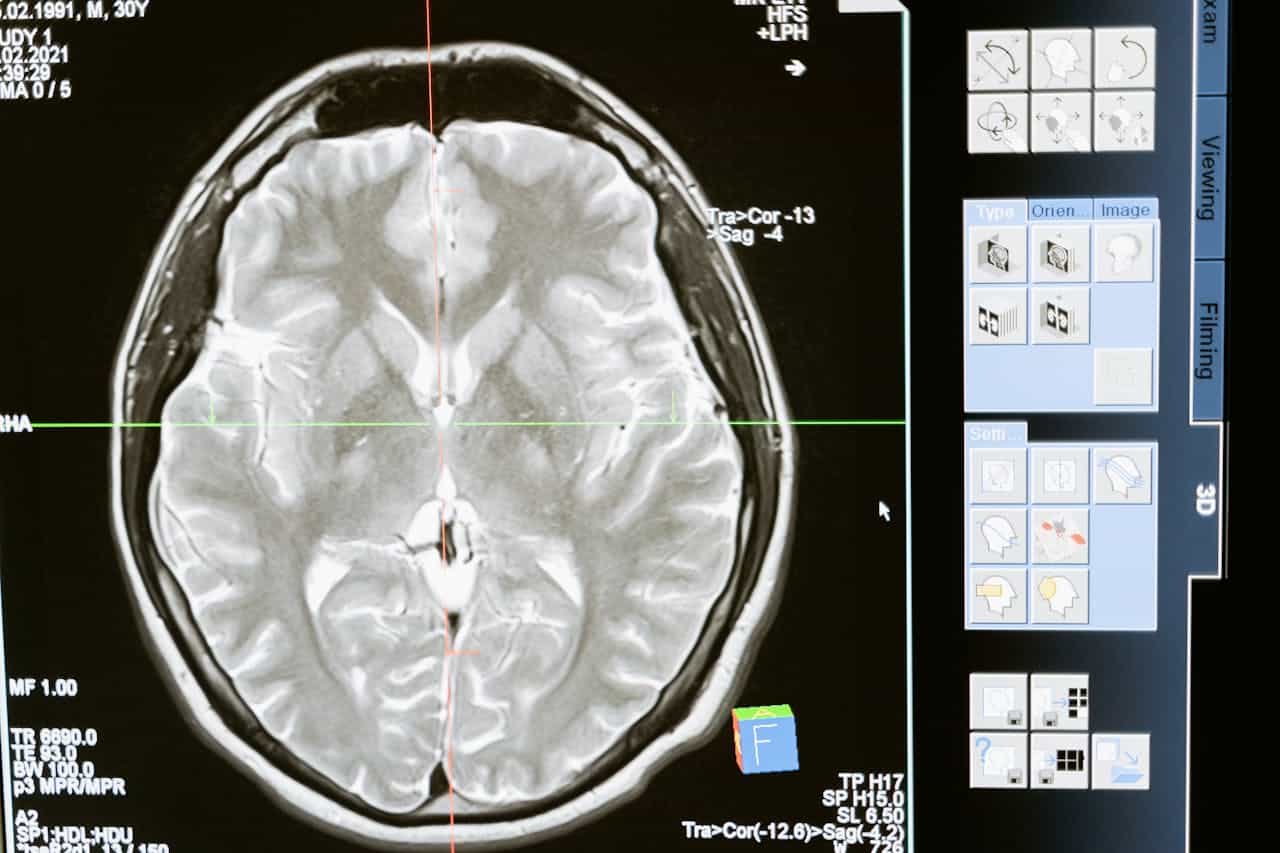
MRI (Magnetic Resonance Imaging) is a non-invasive imaging technique used to obtain detailed images of organs and tissues within the body. It relies on powerful magnetic fields and radio waves to generate high-resolution images that reveal subtle changes in biological structures. MRI plays a critical role in detecting neurological disorders, tumors, and internal injuries, making it an indispensable tool in modern medicine.

AI in medical imaging

You can check out: Understanding MRI | Principles and Applications

How AI Enhances MRI Imaging

AI in medical imaging significantly improves MRI efficiency through various innovative approaches, including:

  • Reducing Scan Time: AI-driven algorithms optimize image reconstruction, cutting scan times by up to 50%.
  • Enhancing Image Quality: Deep learning techniques reduce noise and refine image clarity, enabling more accurate diagnoses.
  • Early Disease Detection: AI-powered systems analyze MRI scans with high precision, identifying subtle abnormalities indicative of conditions such as tumors and multiple sclerosis.
  • Big Data Analysis: AI rapidly processes vast amounts of imaging data, extracting critical diagnostic insights and generating detailed reports.

Through these advancements, AI in medical imaging has become an essential partner in diagnostics, refining MRI quality and boosting early disease detection rates. This transformation in medical imaging improves healthcare efficiency and enhances patient outcomes.

AI in medical imaging and its application in Ultrasound Diagnostics

AI is also revolutionizing ultrasound imaging, refining examination quality, and improving diagnostic precision. The following sections explore the significance of ultrasound in medicine and how AI enhances this widely used imaging technique.

The Importance of Ultrasound in Medicine

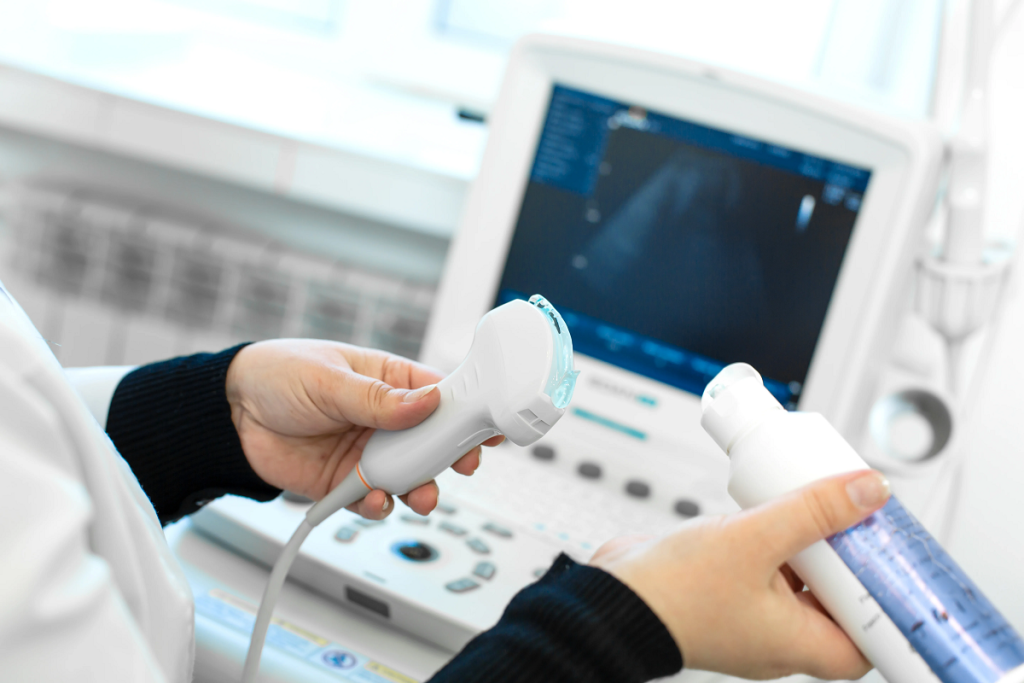
Ultrasound is a fundamental diagnostic tool, particularly in obstetrics, gynecology, and internal organ assessment. This imaging method is safe, non-invasive, and uses high-frequency sound waves to produce real-time images of tissues and organs, making it an invaluable tool for monitoring fetal development and diagnosing various medical conditions.

AI in medical imaging

AI Applications in Ultrasound Imaging

AI in medical imaging enhances ultrasound accuracy through:

  • Automated Image Analysis: AI algorithms analyze ultrasound images with high precision, reducing operator dependency and minimizing diagnostic errors.
  • Anomaly Detection: Machine learning models identify abnormalities, such as fetal deformities and potential tumors, improving early diagnosis rates.
  • Guidance in Surgical Procedures: AI assists doctors during interventional procedures, increasing surgical precision and minimizing risks.
  • Real-Time Data Processing: AI-driven ultrasound systems analyze images instantly, expediting medical decision-making and treatment planning.

By integrating AI, ultrasound imaging becomes more efficient and accurate, providing high-quality diagnostic images that facilitate early disease detection and improve patient care.

You can also get acquainted with: What are The Basics of Ultrasound Technology?

The Multifaceted Benefits of AI in Medical Imaging

  1. AI-powered medical imaging systems analyze vast amounts of data with exceptional precision. These smart technologies can detect subtle abnormalities in images that may be overlooked by the human eye, significantly improving the early diagnosis of conditions such as tumors and multiple sclerosis.
  2. One of the major advantages of AI in medical imaging is the ability to expedite scanning procedures. By utilizing advanced algorithms, AI reduces scan times and enhances image reconstruction, allowing doctors to provide quicker diagnoses and shorten patient wait times.
  3. Deep learning techniques optimize image clarity by reducing noise and enhancing detail visibility. This improvement results in highly accurate medical images, which are crucial for precise diagnoses and effective treatment planning.
  4. AI-driven imaging systems generate detailed analytical reports and automatically identify disease indicators, minimizing human errors. By supporting physicians with data-backed insights, AI helps reduce the likelihood of misdiagnosis and enhances overall medical decision-making.
  5. Support for Medical Decision-Making: With its advanced analytical capabilities, AI provides detailed diagnostic data that aids in making swift and accurate treatment decisions. Doctors can rely on AI-generated insights to tailor treatment plans based on each patient’s unique condition.

AI in medical imaging

AI in MRI Imaging

Several research initiatives and practical applications have begun incorporating AI in medical imaging to enhance MRI efficiency. Notable examples include:

  • FastMRI Project: A collaboration between academic institutions and tech companies aimed at reducing scan time while improving image quality, making MRI scans more comfortable for patients.
  • Neural Image Analysis Systems: These AI-powered tools assist in the early detection of neurological disorders such as multiple sclerosis and brain tumors, offering faster and more precise diagnoses through deep learning algorithms.

AI in Ultrasound Imaging

AI is also making strides in ultrasound imaging, improving the accuracy and efficiency of diagnostic procedures:

  • Real-Time Image Analysis: AI-powered systems analyze ultrasound images instantly, enabling doctors to make immediate clinical decisions during examinations.
  • Smart Guidance Systems: These AI-driven technologies assist physicians during interventional procedures, enhancing surgical precision and minimizing risks.
  • Early Diagnosis in Obstetrics and Gynecology: AI plays a vital role in detecting fetal abnormalities and congenital defects at an early stage, allowing timely medical interventions.

Ultimately, with the rapid advancements in artificial intelligence technologies in medical imaging, it has become essential for professionals in biomedical engineering to keep up with these transformations and seize the opportunities they offer. For this reason, HSI Center provides specialized training programs that equip industry professionals with the knowledge and skills needed to apply the latest technologies, including AI, contributing to skill development and enhancing professional excellence. Get in touch with us today and discover how HSI can be your ideal partner in your career journey.

Source: Revolutionizing Radiology with Artificial Intelligence

The Future of AI in Healthcare: What to Expect

The role of artificial intelligence (AI) in healthcare has emerged as a transformative force, offering unprecedented opportunities to enhance patient care and advance the medical field. By 2025, the impact of AI has become evident with numerous applications in medical imaging, diagnostics, personalized medicine, and virtual health assistance. However, the true potential of AI in healthcare has yet to fully unfold, with significant advancements and challenges expected in the coming years. In today’s article, we will explore the current and anticipated role of AI in healthcare and the long-term impact it is likely to have on the medical field.

What is the Role of AI in Healthcare?

Artificial intelligence refers to the ability to simulate human intelligence and perform complex automated tasks using computers and machine learning technologies. AI-powered devices aim to replicate human cognitive abilities but can also surpass them in many areas, particularly when it comes to quickly analyzing vast amounts of big data to identify patterns, variations, and trends. In healthcare, AI is already transforming the patient experience, how doctors practice medicine, and how the pharmaceutical industry operates.

AI in Healthcare

The Role of AI in Healthcare

AI in healthcare encompasses a wide range of technological advancements that enable machines to perform tasks such as learning, problem-solving, and decision-making—tasks that typically require human intelligence. By identifying patterns and connections, AI-powered systems analyze and interpret text, images, audio, and video. These algorithms are essential for machine learning, a branch of AI that allows healthcare systems to learn from data and continually improve across various functions. This includes recommendation systems, natural language processing, and image recognition.

Current Applications of AI in Healthcare

Artificial intelligence is rapidly being integrated by healthcare organizations across several domains, including:

1- Drug Development and Discovery

By analyzing massive datasets to identify promising drug candidates, AI accelerates the process of discovering and developing new medications. AI-powered simulations can save time and costs by modeling drug interactions and predicting drug efficacy.

2- Predictive Analytics and Risk Assessment

Through the evaluation of patient data and environmental variables, AI supports public health by predicting the likelihood of disease outbreaks. Early interventions based on predictive analytics improve patient outcomes by managing health issues and preventing hospital readmissions.

The Future of AI in Healthcare

3- Disease Detection and Diagnosis

AI-driven algorithms can accurately identify diseases such as cancer, fractures, and cardiovascular disorders by analyzing medical images like MRIs, CT scans, and X-rays. Machine learning algorithms enhance early disease detection by recognizing patterns and abnormalities in medical data.

4- Treatment Planning and Personalization

AI assists medical practitioners in creating personalized treatment plans based on patients’ clinical, genetic, and lifestyle information. Tailoring treatment recommendations to unique health profiles improves therapeutic outcomes.

5- Administrative Efficiency

AI-powered applications help healthcare organizations automate administrative tasks such as billing, scheduling, and patient inquiries. Robotic process automation (RPA) ensures more efficient claims processing and medical data management.

6- Remote Monitoring and Telemedicine

Real-time health data collection is made possible by AI-enabled sensors and smart devices, facilitating remote patient monitoring. Telemedicine systems use AI to conduct virtual consultations, enabling patients to access medical care from anywhere in the world.

The Future of AI in Healthcare What to Expect

The Future of Artificial Intelligence in Healthcare

Artificial intelligence (AI) is a broad term encompassing various interconnected processes. Below are some of the most common applications of AI in healthcare:

  • Machine Learning (ML): The process of training algorithms to perform tasks such as information classification and outcome prediction using datasets like medical records.
  • Deep Learning: A subset of machine learning that creates neural networks capable of handling more complex tasks using larger datasets, longer training periods, and multiple layers of machine learning algorithms.
  • Natural Language Processing (NLP): The application of machine learning to human spoken and written language. In healthcare, NLP is used to comprehend published research, reports, notes, and documentation.

AI is also employed in computer systems to automate administrative and clinical processes through Robotic Process Automation (RPA). Many healthcare organizations use RPA to streamline daily operations in their facilities and enhance patient experiences. AI can be applied in three key areas within healthcare:

  1. Patient-Oriented AI
  2. Physician-Oriented AI
  3. Administration and Operations-Oriented AI

Will AI Change the Future of Healthcare Delivery?

AI is reshaping healthcare delivery and diagnostics across various stages of the value chain. AI systems can accurately evaluate medical images to assist healthcare professionals in diagnosing issues. AI-powered technologies expedite the analysis of pathology slides, improving diagnostic precision. Additionally, AI models leverage patient data and medical histories to predict disease outbreaks and develop personalized treatment systems based on lifestyle, clinical history, and genetic variables.

The Future of AI in Healthcare

AI-enabled telemedicine systems offer remote consultations, while wearable technologies and sensors facilitate real-time health monitoring and early intervention. With tailored educational materials and recommendations, AI solutions enhance administrative processes and boost patient engagement.

AI also improves surgical outcomes through robotics designed to stabilize movements and provide real-time feedback to physicians. Furthermore, AI scans vast databases to extract valuable insights for policymaking, drug development, and resource allocation in healthcare.
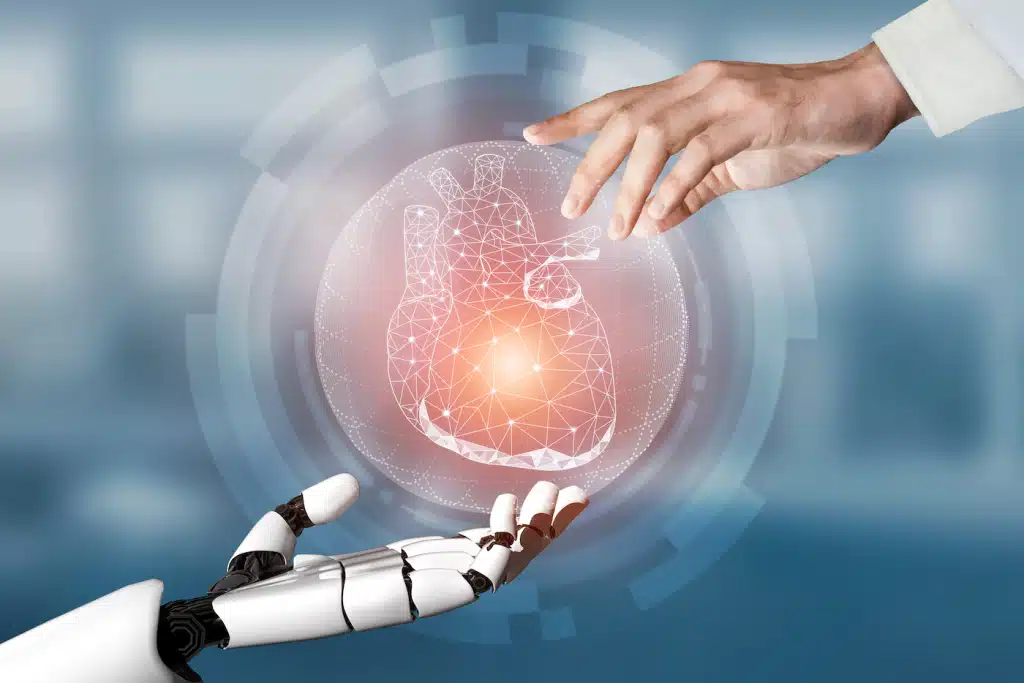
Opportunities for Transformation with AI

It’s no surprise that AI offers extensive opportunities to improve standard medical procedures, from diagnosing diseases to identifying the most effective treatment paths for patients with critical conditions like cancer. By reducing physical inconsistencies and providing up-to-date information throughout medical procedures, AI-equipped robotic surgery technology enables physicians to perform operations with greater precision.

1. Enhancing Quality

By leveraging massive datasets and advanced algorithms, AI significantly improves diagnostic accuracy, treatment plans, and personalized care, ultimately leading to better patient outcomes and an overall enhancement in healthcare quality.

2. Reducing Costs

AI-driven automation, predictive analytics, and optimized resource allocation streamline processes, minimize waste, and reduce the overall costs of delivering healthcare services.

3. Improving Accessibility

AI can bridge the gap in healthcare access between urban and rural areas. Even in the most remote locations, high-quality treatment becomes feasible through AI-enabled telemedicine and remote monitoring.

What Are the Challenges of AI in Healthcare?

In conclusion, despite predictions about the future of artificial intelligence in healthcare, several challenges persist. These include concerns about data privacy, integration with existing systems, the need for high-quality data, addressing ethical issues, and ensuring that AI tools are unbiased and transparent in their decision-making processes. To address these anticipated challenges, HSI offers training courses in medical AI, empowering healthcare professionals to stay updated with ongoing advancements and effectively leverage AI to serve patients better.

source: Artificial intelligence in medicine: current trends and future possibilities

The Most Important Fundamentals of Biomedical engineering for Ensuring a Successful Career

Biomedical engineering is the field that combines engineering, technology, and medicine to develop innovative solutions in healthcare,
is the field that integrates medical sciences with engineering and is considered one of the most important and impactful disciplines of the 21st century. If you are considering entering this field or are already at the beginning of your professional journey, you need to understand its fundamentals, which will help you build a bright future. In this article, we will explore these essentials in a non-traditional way, focusing on how to turn your passion for biomedical engineering into an outstanding career.

Biomedical Engineering

Biomedical engineering is the field that combines engineering, technology, and medicine to develop innovative solutions aimed at improving healthcare. These solutions can include designing medical devices such as pacemakers, developing software for medical image analysis, and even creating smart prosthetics. It is a profession that merges scientific creativity with the desire to serve humanity.
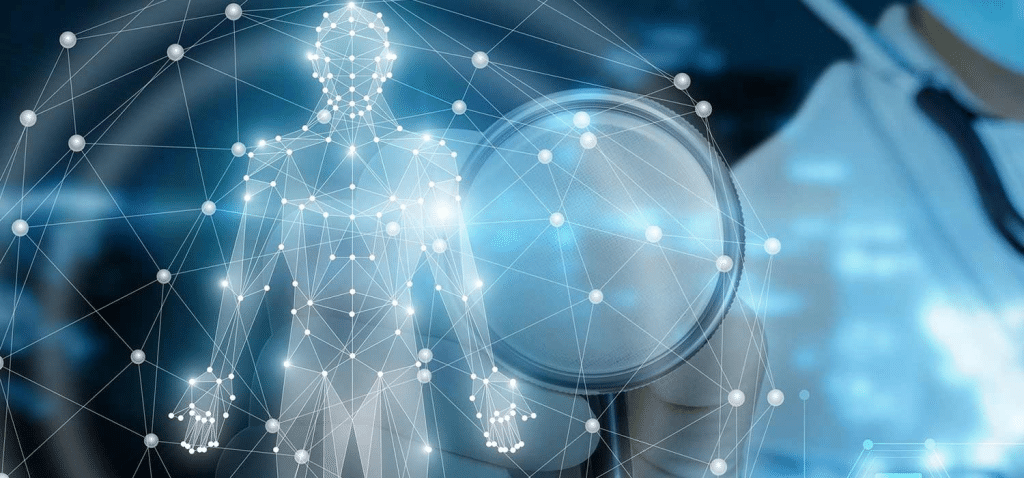
Key Fundamentals of Biomedical Engineering

As with any field, biomedical engineering has some fundamental principles that you, as a biomedical engineer, must master early on to ensure a successful and fruitful professional life. Continue reading to learn about the most important of these fundamentals:

1. Basic Sciences: The Foundation of Biomedical Engineering

Before you start designing medical devices or developing software for the healthcare sector, you need a solid understanding of the basic sciences. Physics, chemistry, and biology are not just academic subjects; they are the essential keys that unlock innovation in biomedical engineering.

Physics helps you understand how medical devices like MRI machines and X-rays work. Without a grasp of physics principles, you cannot develop precise and effective devices.

Chemistry plays a significant role in developing biomaterials used in medical applications, such as prosthetics or heart valves, making it essential for designing advanced medical solutions.

Biology provides a deep understanding of the human body and how it interacts with medical devices, which is crucial for designing devices that are compatible with human biology. Without these sciences, you would merely be a technician assembling lifeless parts, unable to innovate or solve complex problems in biomedical engineering.

2. Technology and Programming: The Languages of the Future in Biomedical Engineering

In a world increasingly reliant on artificial intelligence and data analysis, programming has become an indispensable skill for any biomedical engineer. Whether you are developing smart medical devices or analyzing health data, programming languages like Python and MATLAB will be your essential tools.

Medical Data Analysis: Programming allows you to process the vast amounts of data collected from medical devices, enabling faster and more accurate disease diagnosis.

Medical Software Development: This opens wide horizons, from smartphone apps that monitor heart rate to programs that efficiently manage hospital operations. Programming is the key to achieving these advancements.

Artificial Intelligence: AI has become an integral part of medical diagnosis, with advanced algorithms used to analyze medical images for detecting diseases like tumors, enhancing the accuracy and effectiveness of healthcare.
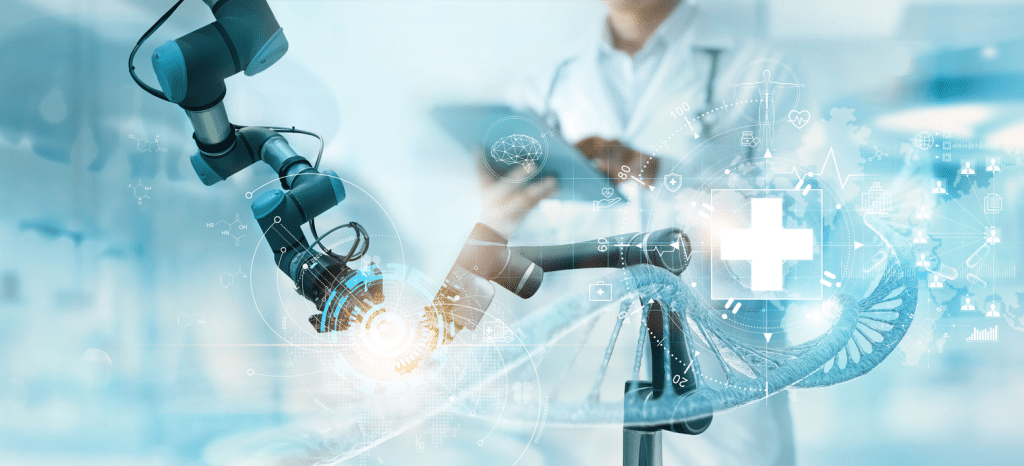
3. Design and Innovation: From Idea to Product

Biomedical engineering is not just about understanding science and technology; it is also the art of transforming ideas into real, useful products. The process begins with a simple idea and ends with a medical device capable of saving lives or making daily life easier. Computer-aided design (CAD) plays a pivotal role in this process, allowing you to create 3D models of medical devices before manufacturing them, saving time and money while reducing errors.

Innovation is at the heart of this field. Do not be afraid to think outside the box, as many modern medical devices we rely on today started as seemingly crazy ideas. Remember that prototyping is a critical phase, where any product must be rigorously tested to ensure its effectiveness and safety before reaching end-users.

4. Medical Ethics: The Social Responsibility of a Biomedical Engineer

When working in a field directly related to human life, ethics become an integral part of your work. You must be aware of the laws and regulations governing the medical device industry and uphold social responsibility. Data protection is at the forefront of these obligations, especially with the increasing use of internet-connected medical devices, making patient information security a top priority.

You must also be familiar with the strict ethical guidelines governing clinical trials on humans, emphasizing transparency at every step to ensure participant safety and result integrity. Legal responsibility cannot be overlooked, as any error in the design or manufacturing of medical devices can lead to severe legal consequences, underscoring the importance of precision and adherence to the highest quality standards.

إجراءات السلامة في التصوير بالرنين المغناطيسي

5. Continuous Learning: Staying Ahead of Developments

Biomedical engineering is a rapidly evolving field, and what you learn today may become obsolete tomorrow. This makes continuous learning and staying updated with the latest advancements essential for success in this field. You can achieve this by engaging in online training courses, which allow you to acquire new skills and update your knowledge continuously. Participating in medical conferences and workshops also provides opportunities to learn about the latest research and technologies and exchange experiences with experts. Additionally, staying informed through reading and researching scientific journals and recent studies helps you keep up with rapid developments and leverage them in your work.

6. Teamwork: No Room for Individualism in Biomedical Engineering

Biomedical engineering is not a field where you can work alone. You will always be part of a multidisciplinary team that includes doctors, nurses, and scientists, making teamwork and effective communication essential skills for success. You must be able to explain complex ideas in a simple and clear manner to your team to ensure everyone understands the goals and tasks. Even if you are not in a leadership position, possessing leadership skills such as motivating the team and managing projects is crucial for ensuring smooth workflow. Additionally, working with multidisciplinary teams requires high flexibility and the ability to adapt to different perspectives, fostering collaboration and leading to more creative and effective outcomes.
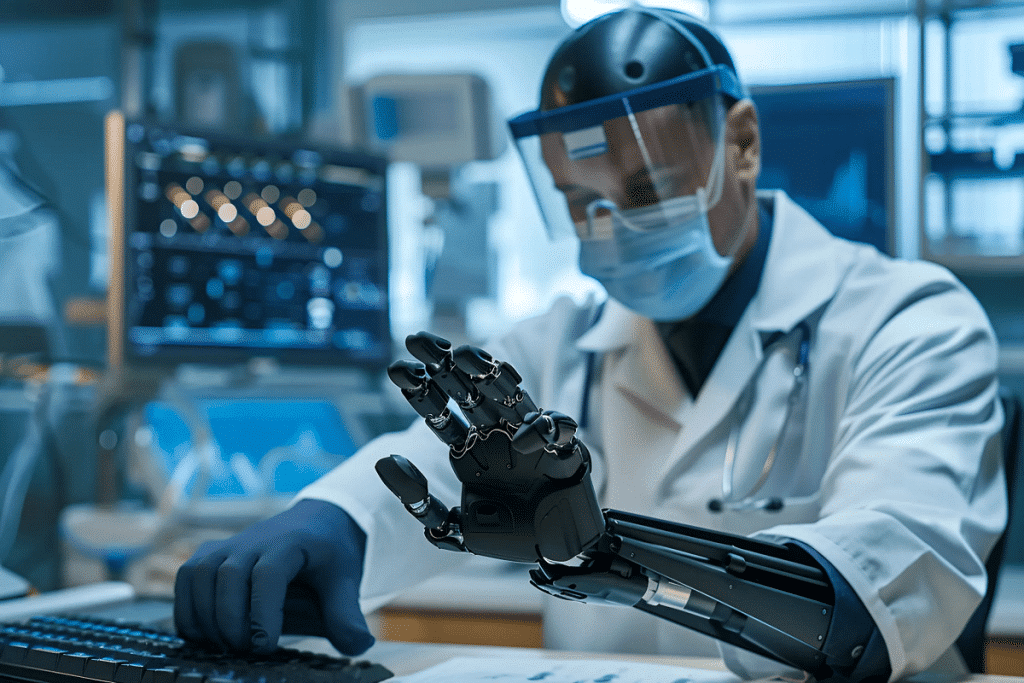
bio medical

7. Marketing and Business Management: Turning Innovation into Commercial Success

The goal of any medical device is to reach the market and benefit patients, which requires you to have a basic understanding of medical product marketing and business management. Medical marketing plays a pivotal role in understanding how to market medical devices and navigate the regulations governing this field. Additionally, project management is a vital skill that enables you to manage time and resources effectively to ensure project success and achieve desired goals. If you have an entrepreneurial spirit, you can turn your innovations into successful startups, amplifying your impact in biomedical engineering and contributing to improved healthcare on a broader scale.

Biomedical engineering is a multifaceted field requiring diverse skills, from basic sciences to programming, and from design to ethics. All these elements form a solid foundation for a successful career in this field. If you can combine these skills and stay updated with the latest developments, you will be on the right path to success in the world of biomedical engineering.

Biomedical engineering is not just a job; it is a mission to improve human life. So, prepare for the journey and be part of this significant change. You can contact us through the HSI website to learn about our services and training courses that will make your journey in biomedical engineering full of achievements.

All copyrights reserved to © HSI