The Role of AI in Hospital Workflows and Its Optimization

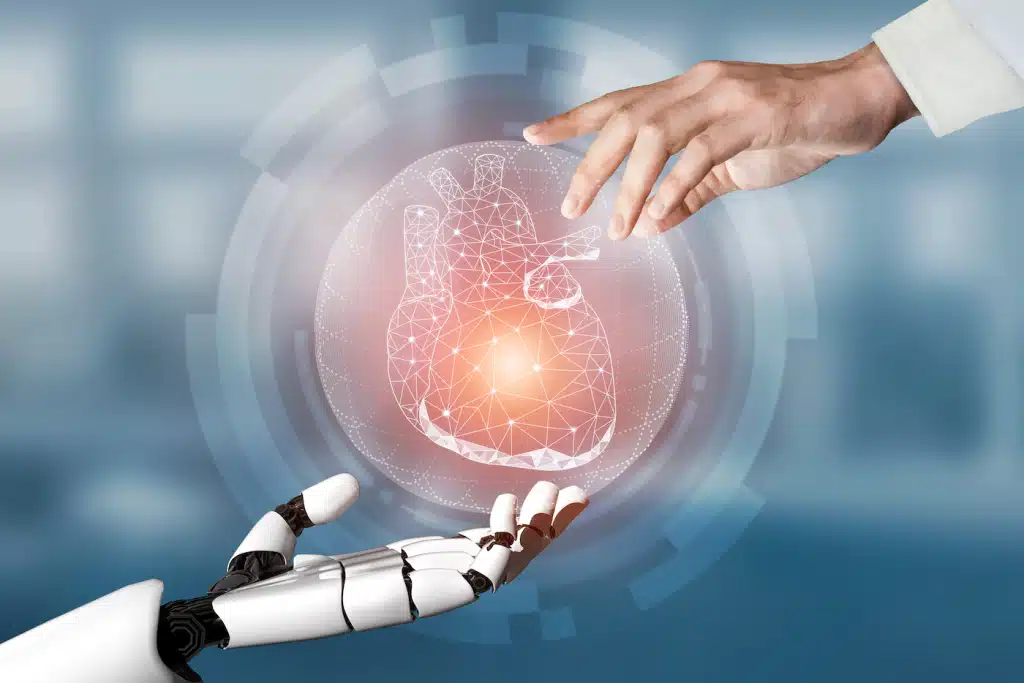
In today’s era of advanced technology and digital transformation, AI in hospital workflows has become a cornerstone of healthcare development. This powerful technology is revolutionizing how hospitals operate and manage internal processes by improving administrative efficiency, streamlining clinical procedures, and enhancing the overall quality of healthcare services. In this article, we explore how artificial intelligence is driving the transition from traditional hospitals to smart hospitals that offer integrated, high-quality medical services.

The Impact of AI on Hospital Operations

AI represents a fundamental shift in how hospitals are managed and operated. By integrating digital technologies with medical expertise, hospitals can now access innovative, fast, and accurate solutions. AI in hospital workflows serves as a key enabler of progress in healthcare, allowing institutions to perform advanced data analysis, automate routine tasks, and provide intelligent diagnostic support.

AI in Hospital Workflows

This transformation not only enhances administrative and clinical systems but also fosters a more responsive and patient-centric environment. AI creates a smart healthcare ecosystem that prioritizes quality service delivery and adapts to patient needs efficiently. As technology and medicine converge, hospitals are entering a new era of smart care designed to meet modern healthcare standards.

Also get acquainted with: Revolution of AI in medical imaging

Enhancing Administrative Efficiency with AI

One of the most significant contributions of AI in hospital workflows is its role in improving administrative efficiency. AI automates repetitive tasks and reduces the burden on both medical and administrative staff, allowing them to focus more on patient care. These smart systems minimize human error and save valuable time, making hospital operations smoother and more effective. Some of the key administrative benefits include:

  1. Automated Scheduling: AI in hospital workflows in systems help optimize patient and staff scheduling. This reduces no-shows, improves time management, and ensures better resource allocation.
  2. Efficient Document Management: AI tools streamline medical record organization and retrieval, drastically cutting down the time spent on paperwork and ensuring data is readily accessible when needed.
  3. Accurate Billing and Medical Coding: By leveraging AI, hospitals can enhance the accuracy of billing and coding processes. This ensures compliance with standards and accelerates reimbursement procedures.

Revolutionizing Clinical and Diagnostic Processes

The role of artificial intelligence has expanded beyond administrative functions to significantly impact clinical and diagnostic operations. Today, AI in hospital workflows plays a vital role in analyzing medical images and clinical data with high precision, enabling early disease detection and supporting doctors in making accurate diagnoses.

AI in Hospital Workflows

AI-powered technologies enhance the diagnostic process by offering data-driven insights and treatment recommendations based on the   latest clinical guidelines. These systems allow for the creation of personalized treatment plans tailored to each patient’s condition. Additionally, real-time monitoring tools powered by AI continuously track patients’ health status and alert medical teams to any sudden changes, allowing for rapid intervention when necessary.

Optimizing Patient Flow and Resource Management

Managing patient flow and hospital resources remains a major challenge, especially with the growing number of patients and increasing pressure on healthcare infrastructure. AI in hospital workflows contributes to solving these issues by streamlining operational efficiency through the following applications:

  • Predictive Analytics: AI in hospital workflows and its systems can forecast patient admissions and discharges, allowing hospitals to plan ahead and optimize bed availability. This predictive capability helps prevent overcrowding and ensures a smoother care experience.
  • Smart Bed Management: AI technologies enhance bed allocation by minimizing idle time and improving utilization rates, which contributes to delivering timely and effective care.
  • Emergency Department Optimization: AI applications improve triage processes in emergency departments by prioritizing cases based on severity, significantly reducing wait times and ensuring patients receive immediate attention.

Enhancing Patient Experience and Communication

Patient experience is a core indicator of the quality of healthcare services and improving it has become a primary goal for modern smart hospitals. Today, AI in hospital workflows plays a vital role in strengthening communication between patients and healthcare providers by delivering personalized services tailored to individual needs. Smart systems can send appointment reminders, provide detailed treatment information, and help patients track their health status effectively.

AI in Hospital Workflows

AI-powered virtual assistants offer round-the-clock consultations, easing the burden on medical staff and ensuring continuous support for patients. Remote monitoring systems, driven by AI, allow healthcare teams to track patient conditions while they remain at home—enhancing care quality and reducing unnecessary hospital visits. These technologies support a more efficient, patient-centric approach to healthcare delivery.

You can read more about: The Future of AI in Healthcare: What to Expect

Financial Benefits and Future Challenges

AI in hospital workflows also offers tangible financial advantages. By automating repetitive manual tasks, hospitals can significantly reduce operational costs and improve financial performance. Minimizing human errors in billing and medical coding translates into substantial savings, eliminating the need for costly corrections or insurance disputes. Some studies suggest that AI implementation can reduce healthcare costs by up to 20% through shorter hospital stays, better resource management, and guiding patients toward optimal treatment pathways.

Despite these advantages, the road to fully integrated AI in hospital workflows isn’t without challenges. Data security remains a top concern, as hospitals are frequent targets of cyberattacks. Significant investments in cybersecurity infrastructure are needed to safeguard sensitive patient data. Moreover, integrating AI with legacy systems requires coordinated efforts and the development of flexible infrastructure to ensure seamless operation without disrupting daily workflows.
AI in Hospital Workflows

Another major challenge is staff adaptation. Healthcare professionals may view AI as a threat to job security or a reduction of human roles. That’s why it’s essential to implement clear change management strategies that involve staff at every stage, along with ongoing digital skills training to help them work effectively with emerging technologies. Ethical considerations must also be addressed—ensuring algorithm transparency and preventing bias in AI-supported decisions. Maintaining patient trust and fairness in care delivery is essential for successful implementation.

In conclusion, as healthcare continues to evolve, AI in hospital workflows is becoming a cornerstone of innovation and efficiency. To successfully adopt these technologies, institutions must equip their workforce with the right skills and knowledge.

This is where HSI Center for Healthcare Training and Consultation plays a key role. Offering specialized training programs in biomedical engineering, medical device design, healthcare software development, and smart hospital systems management, HSI empowers professionals to thrive in the era of intelligent healthcare. Backed by certified experts and tailored consultation services—join HSI now and begin your journey toward excellence in smart healthcare!

Source: The Power of AI in Streamlining Healthcare Workflows
The Future of AI in Healthcare: What to Expect

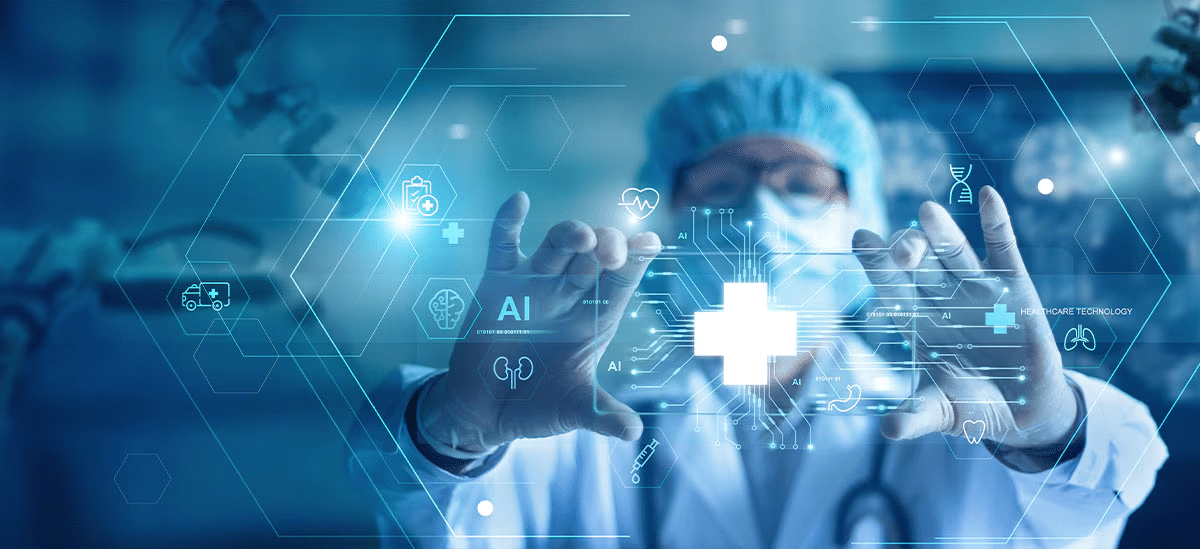
The role of artificial intelligence (AI) in healthcare has emerged as a transformative force, offering unprecedented opportunities to enhance patient care and advance the medical field. By 2025, the impact of AI has become evident with numerous applications in medical imaging, diagnostics, personalized medicine, and virtual health assistance. However, the true potential of AI in healthcare has yet to fully unfold, with significant advancements and challenges expected in the coming years. In today’s article, we will explore the current and anticipated role of AI in healthcare and the long-term impact it is likely to have on the medical field.

What is the Role of AI in Healthcare?

Artificial intelligence refers to the ability to simulate human intelligence and perform complex automated tasks using computers and machine learning technologies. AI-powered devices aim to replicate human cognitive abilities but can also surpass them in many areas, particularly when it comes to quickly analyzing vast amounts of big data to identify patterns, variations, and trends. In healthcare, AI is already transforming the patient experience, how doctors practice medicine, and how the pharmaceutical industry operates.

AI in Healthcare

The Role of AI in Healthcare

AI in healthcare encompasses a wide range of technological advancements that enable machines to perform tasks such as learning, problem-solving, and decision-making—tasks that typically require human intelligence. By identifying patterns and connections, AI-powered systems analyze and interpret text, images, audio, and video. These algorithms are essential for machine learning, a branch of AI that allows healthcare systems to learn from data and continually improve across various functions. This includes recommendation systems, natural language processing, and image recognition.

Current Applications of AI in Healthcare

Artificial intelligence is rapidly being integrated by healthcare organizations across several domains, including:

1- Drug Development and Discovery

By analyzing massive datasets to identify promising drug candidates, AI accelerates the process of discovering and developing new medications. AI-powered simulations can save time and costs by modeling drug interactions and predicting drug efficacy.

2- Predictive Analytics and Risk Assessment

Through the evaluation of patient data and environmental variables, AI supports public health by predicting the likelihood of disease outbreaks. Early interventions based on predictive analytics improve patient outcomes by managing health issues and preventing hospital readmissions.

The Future of AI in Healthcare

3- Disease Detection and Diagnosis

AI-driven algorithms can accurately identify diseases such as cancer, fractures, and cardiovascular disorders by analyzing medical images like MRIs, CT scans, and X-rays. Machine learning algorithms enhance early disease detection by recognizing patterns and abnormalities in medical data.

4- Treatment Planning and Personalization

AI assists medical practitioners in creating personalized treatment plans based on patients’ clinical, genetic, and lifestyle information. Tailoring treatment recommendations to unique health profiles improves therapeutic outcomes.

5- Administrative Efficiency

AI-powered applications help healthcare organizations automate administrative tasks such as billing, scheduling, and patient inquiries. Robotic process automation (RPA) ensures more efficient claims processing and medical data management.

6- Remote Monitoring and Telemedicine

Real-time health data collection is made possible by AI-enabled sensors and smart devices, facilitating remote patient monitoring. Telemedicine systems use AI to conduct virtual consultations, enabling patients to access medical care from anywhere in the world.

The Future of AI in Healthcare What to Expect

The Future of Artificial Intelligence in Healthcare

Artificial intelligence (AI) is a broad term encompassing various interconnected processes. Below are some of the most common applications of AI in healthcare:

  • Machine Learning (ML): The process of training algorithms to perform tasks such as information classification and outcome prediction using datasets like medical records.
  • Deep Learning: A subset of machine learning that creates neural networks capable of handling more complex tasks using larger datasets, longer training periods, and multiple layers of machine learning algorithms.
  • Natural Language Processing (NLP): The application of machine learning to human spoken and written language. In healthcare, NLP is used to comprehend published research, reports, notes, and documentation.

AI is also employed in computer systems to automate administrative and clinical processes through Robotic Process Automation (RPA). Many healthcare organizations use RPA to streamline daily operations in their facilities and enhance patient experiences. AI can be applied in three key areas within healthcare:

  1. Patient-Oriented AI
  2. Physician-Oriented AI
  3. Administration and Operations-Oriented AI

Will AI Change the Future of Healthcare Delivery?

AI is reshaping healthcare delivery and diagnostics across various stages of the value chain. AI systems can accurately evaluate medical images to assist healthcare professionals in diagnosing issues. AI-powered technologies expedite the analysis of pathology slides, improving diagnostic precision. Additionally, AI models leverage patient data and medical histories to predict disease outbreaks and develop personalized treatment systems based on lifestyle, clinical history, and genetic variables.

The Future of AI in Healthcare

AI-enabled telemedicine systems offer remote consultations, while wearable technologies and sensors facilitate real-time health monitoring and early intervention. With tailored educational materials and recommendations, AI solutions enhance administrative processes and boost patient engagement.

AI also improves surgical outcomes through robotics designed to stabilize movements and provide real-time feedback to physicians. Furthermore, AI scans vast databases to extract valuable insights for policymaking, drug development, and resource allocation in healthcare.

Opportunities for Transformation with AI

It’s no surprise that AI offers extensive opportunities to improve standard medical procedures, from diagnosing diseases to identifying the most effective treatment paths for patients with critical conditions like cancer. By reducing physical inconsistencies and providing up-to-date information throughout medical procedures, AI-equipped robotic surgery technology enables physicians to perform operations with greater precision.

1. Enhancing Quality

By leveraging massive datasets and advanced algorithms, AI significantly improves diagnostic accuracy, treatment plans, and personalized care, ultimately leading to better patient outcomes and an overall enhancement in healthcare quality.

2. Reducing Costs

AI-driven automation, predictive analytics, and optimized resource allocation streamline processes, minimize waste, and reduce the overall costs of delivering healthcare services.

3. Improving Accessibility

AI can bridge the gap in healthcare access between urban and rural areas. Even in the most remote locations, high-quality treatment becomes feasible through AI-enabled telemedicine and remote monitoring.

What Are the Challenges of AI in Healthcare?

In conclusion, despite predictions about the future of artificial intelligence in healthcare, several challenges persist. These include concerns about data privacy, integration with existing systems, the need for high-quality data, addressing ethical issues, and ensuring that AI tools are unbiased and transparent in their decision-making processes. To address these anticipated challenges, HSI offers training courses in medical AI, empowering healthcare professionals to stay updated with ongoing advancements and effectively leverage AI to serve patients better.

source: Artificial intelligence in medicine: current trends and future possibilities

All copyrights reserved to © HSI