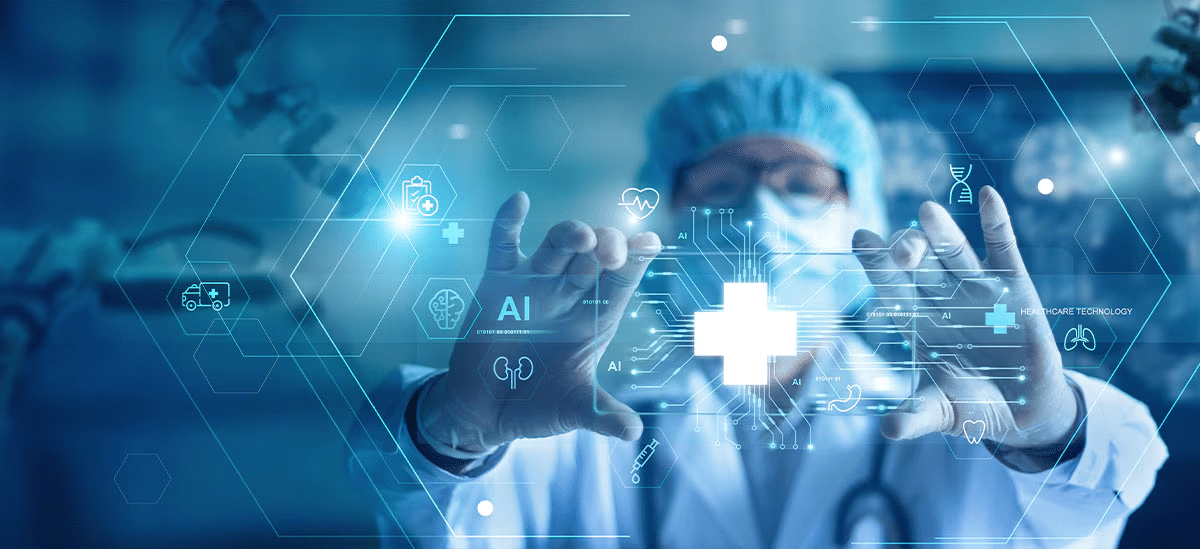
The Future of AI in Healthcare: What to Expect

The role of artificial intelligence (AI) in healthcare has emerged as a transformative force, offering unprecedented opportunities to enhance patient care and advance the medical field. By 2025, the impact of AI has become evident with numerous applications in medical imaging, diagnostics, personalized medicine, and virtual health assistance. However, the true potential of AI in healthcare has yet to fully unfold, with significant advancements and challenges expected in the coming years. In today’s article, we will explore the current and anticipated role of AI in healthcare and the long-term impact it is likely to have on the medical field.

What is the Role of AI in Healthcare?

Artificial intelligence refers to the ability to simulate human intelligence and perform complex automated tasks using computers and machine learning technologies. AI-powered devices aim to replicate human cognitive abilities but can also surpass them in many areas, particularly when it comes to quickly analyzing vast amounts of big data to identify patterns, variations, and trends. In healthcare, AI is already transforming the patient experience, how doctors practice medicine, and how the pharmaceutical industry operates.
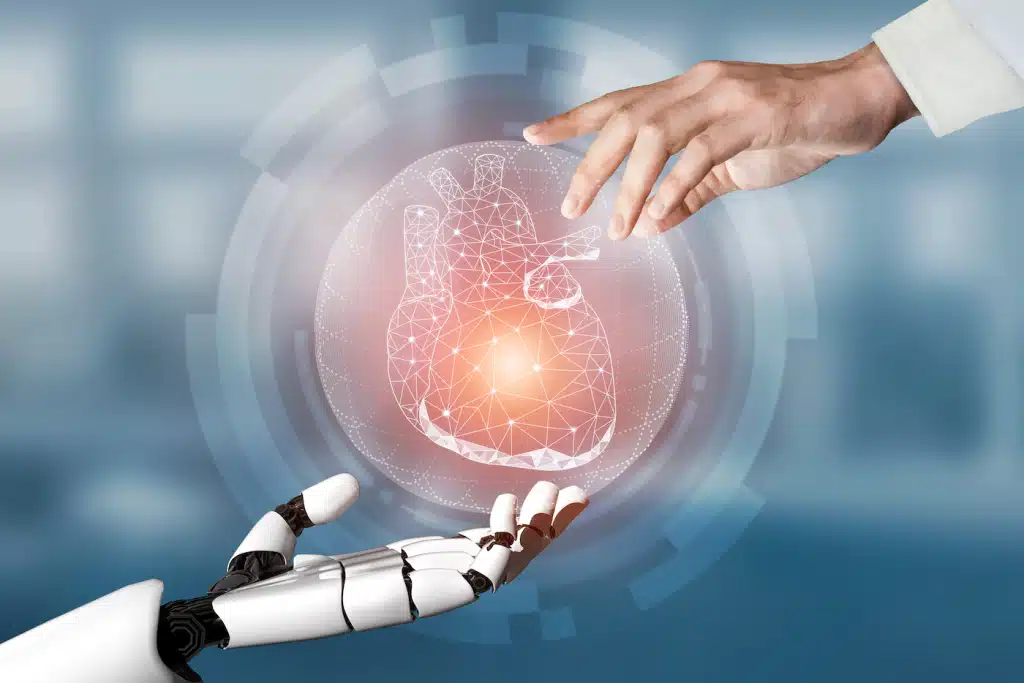
AI in Healthcare

The Role of AI in Healthcare

AI in healthcare encompasses a wide range of technological advancements that enable machines to perform tasks such as learning, problem-solving, and decision-making—tasks that typically require human intelligence. By identifying patterns and connections, AI-powered systems analyze and interpret text, images, audio, and video. These algorithms are essential for machine learning, a branch of AI that allows healthcare systems to learn from data and continually improve across various functions. This includes recommendation systems, natural language processing, and image recognition.

Current Applications of AI in Healthcare

Artificial intelligence is rapidly being integrated by healthcare organizations across several domains, including:

1- Drug Development and Discovery

By analyzing massive datasets to identify promising drug candidates, AI accelerates the process of discovering and developing new medications. AI-powered simulations can save time and costs by modeling drug interactions and predicting drug efficacy.

2- Predictive Analytics and Risk Assessment

Through the evaluation of patient data and environmental variables, AI supports public health by predicting the likelihood of disease outbreaks. Early interventions based on predictive analytics improve patient outcomes by managing health issues and preventing hospital readmissions.
The Future of AI in Healthcare

3- Disease Detection and Diagnosis

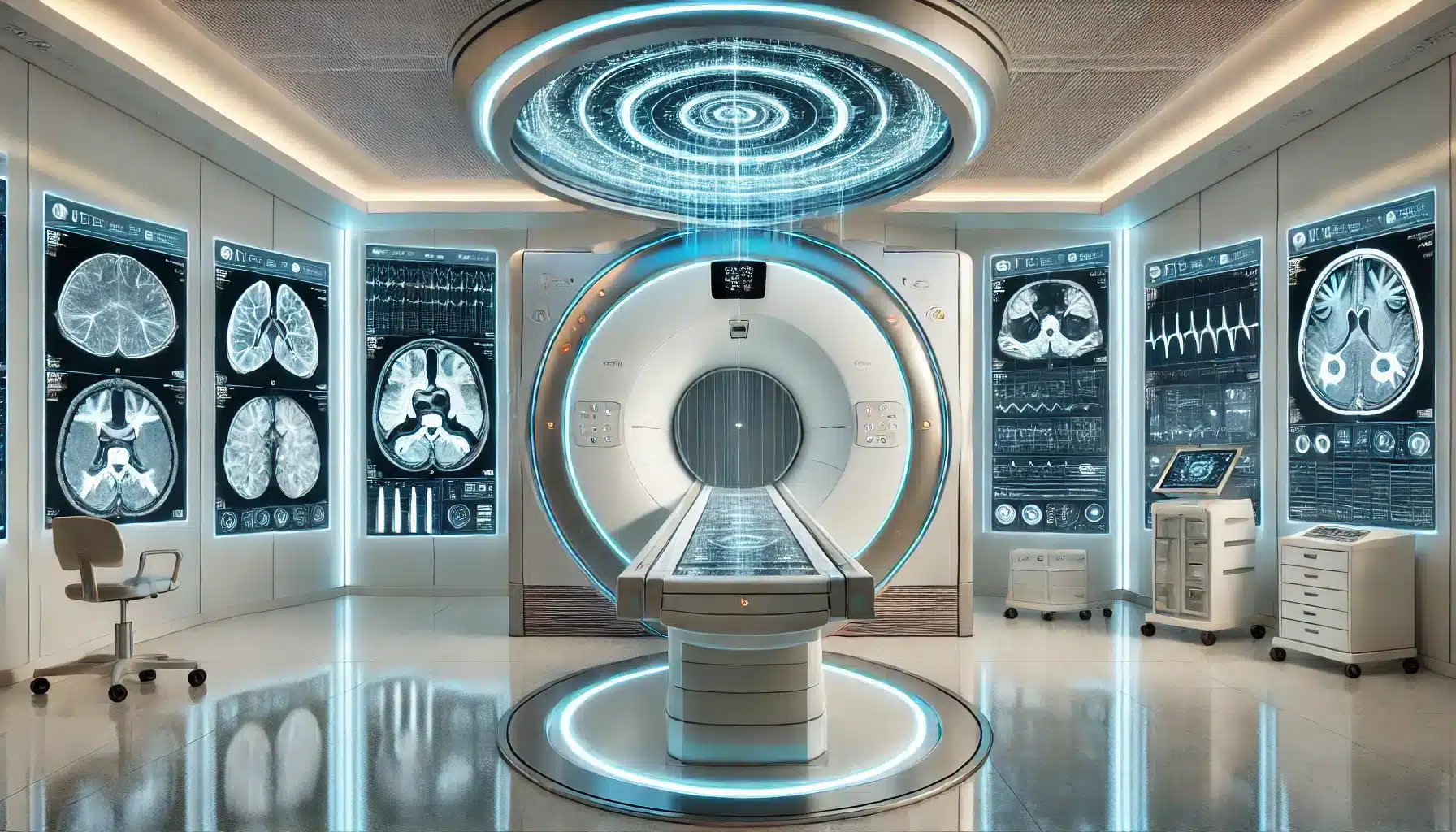
AI-driven algorithms can accurately identify diseases such as cancer, fractures, and cardiovascular disorders by analyzing medical images like MRIs, CT scans, and X-rays. Machine learning algorithms enhance early disease detection by recognizing patterns and abnormalities in medical data.

4- Treatment Planning and Personalization

AI assists medical practitioners in creating personalized treatment plans based on patients’ clinical, genetic, and lifestyle information. Tailoring treatment recommendations to unique health profiles improves therapeutic outcomes.

5- Administrative Efficiency

AI-powered applications help healthcare organizations automate administrative tasks such as billing, scheduling, and patient inquiries. Robotic process automation (RPA) ensures more efficient claims processing and medical data management.

6- Remote Monitoring and Telemedicine

Real-time health data collection is made possible by AI-enabled sensors and smart devices, facilitating remote patient monitoring. Telemedicine systems use AI to conduct virtual consultations, enabling patients to access medical care from anywhere in the world.
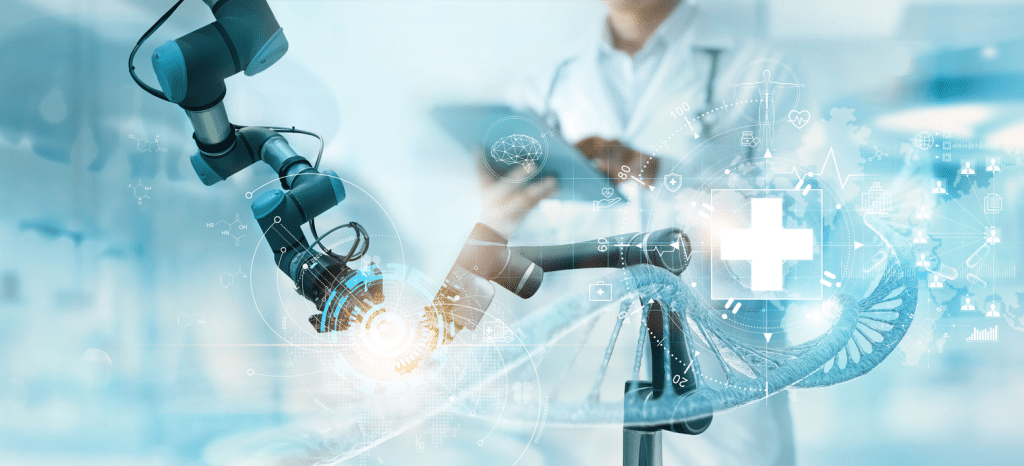
The Future of AI in Healthcare What to Expect

The Future of Artificial Intelligence in Healthcare

Artificial intelligence (AI) is a broad term encompassing various interconnected processes. Below are some of the most common applications of AI in healthcare:

  • Machine Learning (ML): The process of training algorithms to perform tasks such as information classification and outcome prediction using datasets like medical records.
  • Deep Learning: A subset of machine learning that creates neural networks capable of handling more complex tasks using larger datasets, longer training periods, and multiple layers of machine learning algorithms.
  • Natural Language Processing (NLP): The application of machine learning to human spoken and written language. In healthcare, NLP is used to comprehend published research, reports, notes, and documentation.

AI is also employed in computer systems to automate administrative and clinical processes through Robotic Process Automation (RPA). Many healthcare organizations use RPA to streamline daily operations in their facilities and enhance patient experiences. AI can be applied in three key areas within healthcare:

  1. Patient-Oriented AI
  2. Physician-Oriented AI
  3. Administration and Operations-Oriented AI

Will AI Change the Future of Healthcare Delivery?

AI is reshaping healthcare delivery and diagnostics across various stages of the value chain. AI systems can accurately evaluate medical images to assist healthcare professionals in diagnosing issues. AI-powered technologies expedite the analysis of pathology slides, improving diagnostic precision. Additionally, AI models leverage patient data and medical histories to predict disease outbreaks and develop personalized treatment systems based on lifestyle, clinical history, and genetic variables.
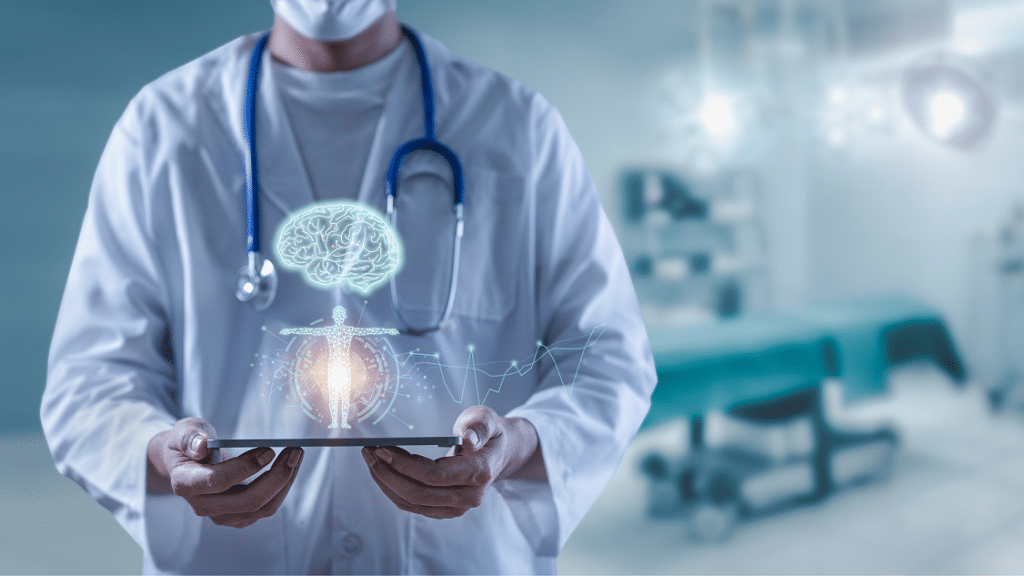
The Future of AI in Healthcare

AI-enabled telemedicine systems offer remote consultations, while wearable technologies and sensors facilitate real-time health monitoring and early intervention. With tailored educational materials and recommendations, AI solutions enhance administrative processes and boost patient engagement.

AI also improves surgical outcomes through robotics designed to stabilize movements and provide real-time feedback to physicians. Furthermore, AI scans vast databases to extract valuable insights for policymaking, drug development, and resource allocation in healthcare.

Opportunities for Transformation with AI

It’s no surprise that AI offers extensive opportunities to improve standard medical procedures, from diagnosing diseases to identifying the most effective treatment paths for patients with critical conditions like cancer. By reducing physical inconsistencies and providing up-to-date information throughout medical procedures, AI-equipped robotic surgery technology enables physicians to perform operations with greater precision.

1. Enhancing Quality

By leveraging massive datasets and advanced algorithms, AI significantly improves diagnostic accuracy, treatment plans, and personalized care, ultimately leading to better patient outcomes and an overall enhancement in healthcare quality.

2. Reducing Costs

AI-driven automation, predictive analytics, and optimized resource allocation streamline processes, minimize waste, and reduce the overall costs of delivering healthcare services.

3. Improving Accessibility

AI can bridge the gap in healthcare access between urban and rural areas. Even in the most remote locations, high-quality treatment becomes feasible through AI-enabled telemedicine and remote monitoring.

What Are the Challenges of AI in Healthcare?

In conclusion, despite predictions about the future of artificial intelligence in healthcare, several challenges persist. These include concerns about data privacy, integration with existing systems, the need for high-quality data, addressing ethical issues, and ensuring that AI tools are unbiased and transparent in their decision-making processes. To address these anticipated challenges, HSI offers training courses in medical AI, empowering healthcare professionals to stay updated with ongoing advancements and effectively leverage AI to serve patients better.

source: Artificial intelligence in medicine: current trends and future possibilities
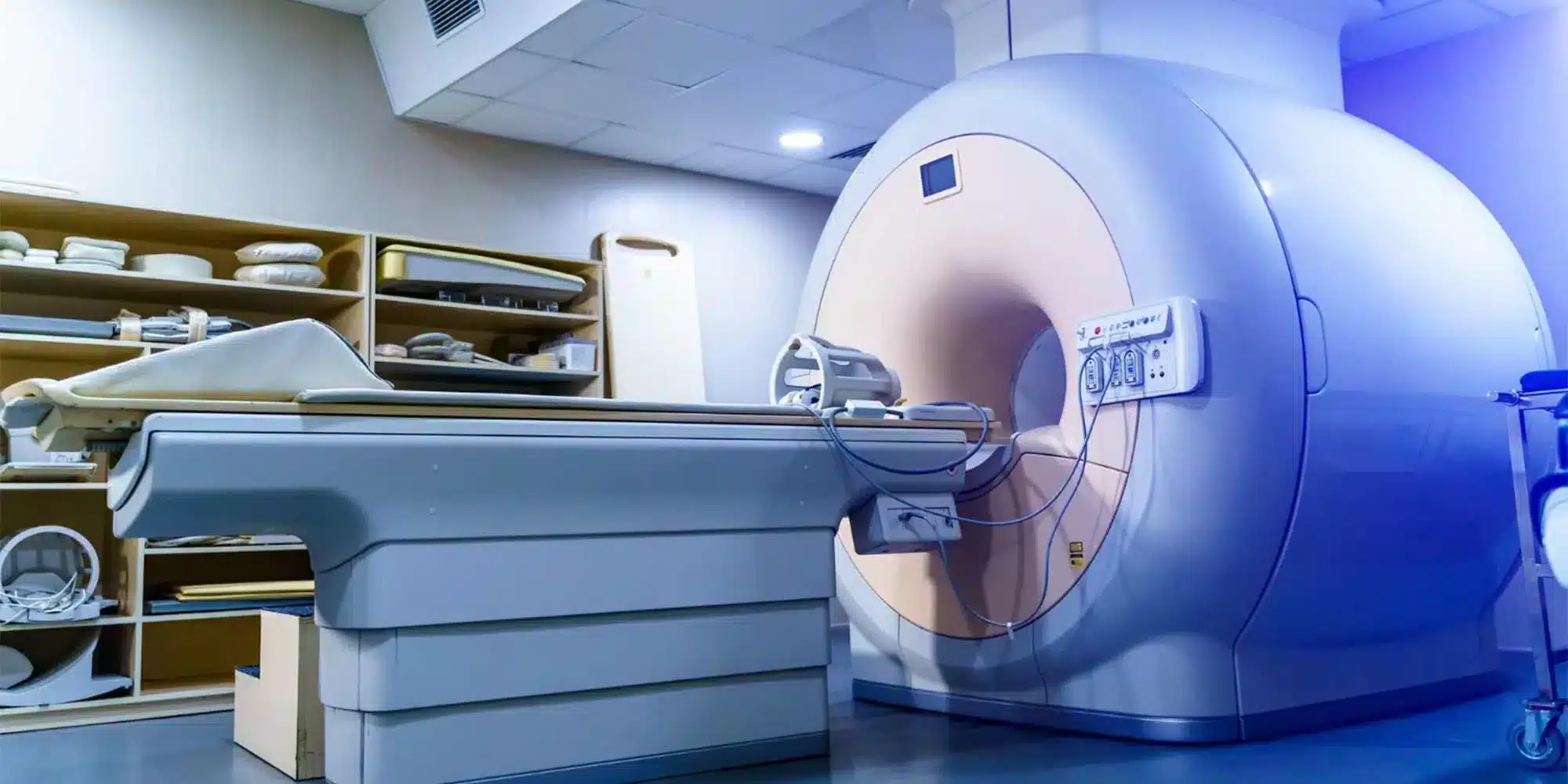
The Future of MRI Technology | Trends and Innovation

The development of MRI technology has relied on numerous contributions from scientists over the 20th and 21st centuries. Physicists such as Sir Peter Mansfield, Edward Purcell, and Felix Bloch played a prominent role in advancing this technology, alongside chemists like Paul Lauterbur and Eric Audeblad. Today, this technology continues to evolve, becoming a fundamental tool in medicine, especially in the fields of disease prevention and early detection of serious conditions such as cancer.

In addition to diagnosing many other medical conditions, MRI allows doctors to differentiate between healthy tissues and cancerous cells, greatly improving diagnostic accuracy and guiding appropriate treatments. In this article, we will explore the history of MRI technology, its applications, its significance in the medical field, its future prospects, and the role of artificial intelligence in its advancement.

A Brief Overview of MRI

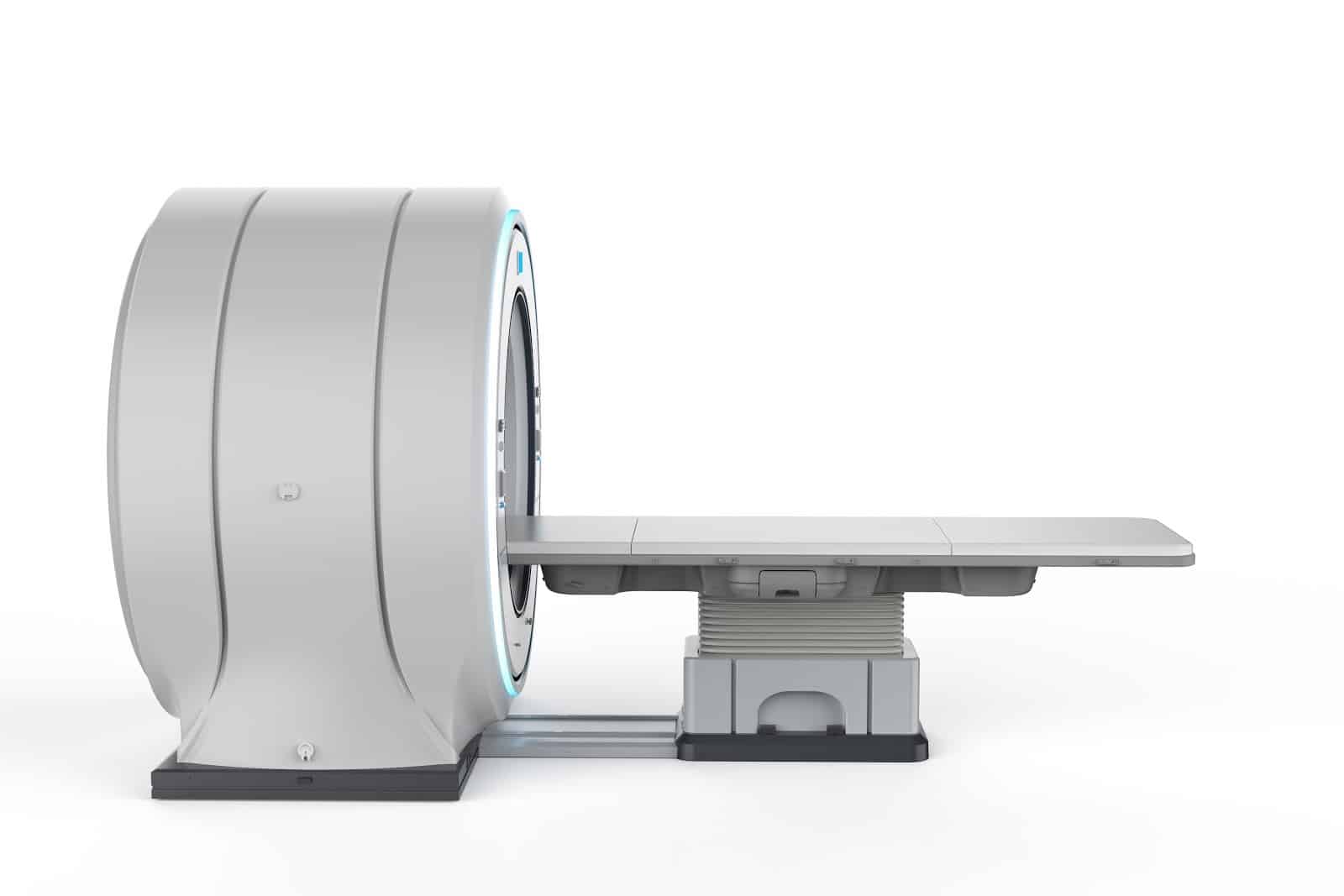
Magnetic Resonance Imaging (MRI) is a non-invasive imaging technique that produces detailed three-dimensional anatomical images, often used for detecting diseases, diagnosing them, and monitoring a patient’s treatment journey. It relies on an advanced technique that excites and detects changes in the orientation of the proton spins found in water, which forms the tissues of the body.

The first device used in magnetic resonance imaging

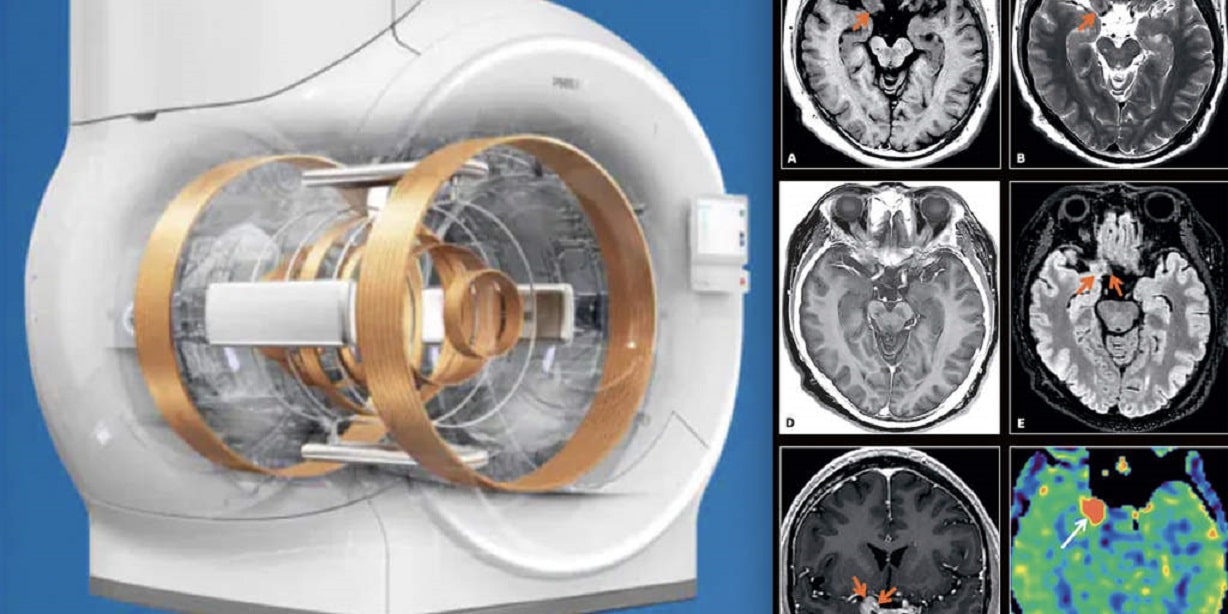
MRI machines use powerful magnets to create a magnetic field that reorients the protons in the body to align with it. When radiofrequency pulses are applied, the protons are stimulated, causing them to fall out of alignment. When the pulses are stopped, the machine measures the energy emitted as the protons realign with the magnetic field. The time it takes for the protons to realign, and the amount of energy emitted depend on the tissue characteristics and the chemical nature of the compounds. These differences help doctors distinguish between different tissues and diagnose medical conditions with greater accuracy.

The History of MRI and Its Development Over Time

The history of MRI technology dates back to the study of magnetic resonance and how the nuclei of electrons and atoms respond to magnetism. In the 1930s, physicist I.I. Rabi developed a technique for measuring the magnetic properties and movement of atoms, which laid the foundation for what is now known as Nuclear Magnetic Resonance (NMR), which became the basis for medical MRI.

In the 1940s, physicists Felix Bloch and Edward Purcell studied the magnetic resonance properties of materials, paving the way for the use of water content in the body to develop MRI images. In 1952, Purcell and Bloch were awarded the Nobel Prize in Physics for their work.

In 1969, Dr. Raymond Damadian proposed the possibility of using MRI to distinguish cancer cells from healthy cells, and he successfully demonstrated his hypothesis in mice. Damadian discovered that MRI could differentiate between tissues based on differences in relaxation times, leading him to develop a full-body MRI scanner. In 1972, Damadian filed the first patent for this technology, and in 1977, he captured the first MRI image of the human body, a cross-sectional image of his assistant’s chest, marking the beginning of MRI imaging as we know it today.

Applications of MRI Technology

The development of MRI technology has been a significant achievement in the medical field, allowing doctors and scientists to examine the inside of the human body in fine detail using a non-invasive tool. MRI is used to diagnose a wide range of conditions, including:

  • Brain and spinal cord abnormalities
  • Tumors, cysts, and lesions in different parts of the body
  • Early screening for breast cancer in women at high risk
  • Injuries or deformities of joints such as the back and knee
  • Certain types of heart problems
  • Liver diseases and other abdominal organ conditions
  • Assessment of pelvic pain in women, such as fibroids and endometriosis
  • Suspected uterine abnormalities in women undergoing infertility evaluation

The Importance of MRI in Medicine

MRI stands out for its ability to capture detailed images of any part of the body from any imaging direction, making it an essential tool for providing high contrast of soft tissues compared to other imaging techniques like CT scans. This ability to distinguish between fat, water, muscles, and soft tissues helps doctors diagnose a variety of medical conditions more effectively.

MRI

Among the key benefits of MRI is its ability to provide detailed three-dimensional images of the targeted area, which enhances doctors’ ability to diagnose diseases accurately and efficiently. It also does not use radiation, as in X-rays or CT scans, making it a safer option for radiation-sensitive individuals such as pregnant women and children.

In addition, MRI scans have become faster and more comfortable thanks to recent technological advancements. Scans that typically take between 15 to 30 minutes provide accurate results quickly. Moreover, modern MRI machines with wide openings help reduce patient anxiety, making the scan more comfortable and secure.

Functional MRI (fMRI) also measures what the tissues are doing rather than just their appearance, helping doctors assess brain activity. By identifying regions involved in vital functions like speaking, movement, sensation, or planning, fMRI can be used to accurately assess the risks of brain surgery.

Uses of Functional MRI

  • Determining the impact of tumors on the brain
  • Assessing the effects of strokes
  • Studying head and brain injuries
  • Monitoring neurodegenerative diseases like Alzheimer’s

Technological Advancements in MRI

The field of MRI has seen remarkable progress with the emergence of new techniques that improve image accuracy and scan speed. High-field MRI systems such as 7T and 10T have been developed, offering higher image resolution and more detailed visuals than traditional systems with 1.5T or 3T. Additionally, fast imaging techniques have been developed that reduce scan time without compromising image quality. Functional MRI (fMRI) now enables real-time brain activity monitoring. There has also been significant advancement in imaging techniques for white matter in the brain, as well as advanced methods for examining brain tumors and other brain conditions. These developments help improve medical diagnoses and provide more accurate and faster results.

The future of MRI technology

Recent Innovations in MRI Technology

  1. Advancements in both device technologies and image sequencing have led to faster scan times. Techniques such as parallel imaging, simultaneous multi-slice imaging, and compressed sensing have contributed to reducing scan times while improving image quality.
  2. Functional Magnetic Resonance Imaging (fMRI) allows for direct monitoring of brain activity, providing new insights into blood flow and oxygen levels in the brain. This enhances our understanding of brain functions and disorders.
  3. Diffusion Tensor Imaging (DTI) visualizes the movement of water molecules within tissues, offering a clear view of connectivity within the brain’s white matter. This is particularly useful for detecting changes in conditions like multiple sclerosis and brain injuries.
  4. Magnetic Resonance Spectroscopy (MRS) is an advanced technique used to study brain tumors, strokes, neurological disorders, and other diseases affecting the brain.
  5. Advanced Coil Technology has led to improved designs such as array and surface coils, enhancing image quality and sensitivity. This, in turn, reduces scan times and increases diagnostic accuracy.
  6. Intraoperative MRI (iMRI) integrates MRI imaging with surgical procedures, providing real-time, live images during surgery to guide surgeons and ensure precision.
  7. Weight-Bearing MRI is performed when the patient is in a weight-bearing position, such as standing or sitting. This type of MRI is helpful for diagnosing disorders resulting from changes in posture or load bearing, such as spinal and joint diseases.

How Artificial Intelligence Impacts the Future of MRI Imaging

The integration of Artificial Intelligence (AI) into MRI technology represents a significant turning point in medical diagnostics. AI provides substantial improvements in image accuracy and quality, enhancing early and precise diagnosis. Algorithms such as machine learning and deep learning improve scan speed and efficiency, while also automating image analysis and reducing human errors. These advancements open up new possibilities for applying MRI in areas like oncology, neurology, and cardiology, allowing for more personalized and effective medical care.

How Artificial Intelligence Impacts the Future of MRI Imaging

Key Contributions of Artificial Intelligence in MRI

  • Improved Diagnostic Accuracy: AI enhances the precision of MRI image analysis, allowing for more accurate diagnoses.
  • Increased Efficiency: Through the automation of image analysis, AI reduces the time required for interpretation, enabling faster decision-making.
  • Personalized Medicine: AI offers tailored insights into patient health, aiding in the development of customized treatment plans.
  • In Oncology: AI assists in detecting tumors and distinguishing between benign and malignant lesions, improving cancer diagnosis and treatment.
  • In Neurology: AI helps in identifying early signs of neurological diseases such as Alzheimer’s and Parkinson’s, facilitating earlier intervention.
  • In Cardiology: AI is used to analyze heart images and guide treatment decisions regarding heart function and blood flow.
  • Patient Comfort: By reducing scan times and enhancing image quality without compromising accuracy, AI contributes to a more comfortable MRI experience for patients.

Future Directions in MRI Technology

Diagnostic imaging technologies are advancing rapidly, offering more precise, non-invasive methods for early disease detection. Notable developments in this field include artificial intelligence and machine learning, where algorithms are used to analyze medical images with a speed and accuracy that sometimes surpasses that of radiologists. These advancements allow for earlier detection of tumors and other diseases and help in tailoring treatments for individual patients based on their specific needs.

On the other hand, 3D and 4D Imaging provides more detailed views of the body compared to traditional 2D images, facilitating the diagnosis of complex conditions such as bone diseases and heart diseases. Additionally, Molecular Imaging allows physicians to visualize biological processes at the cellular level, aiding in the early detection of cancer.

Portable Point-of-Care Devices are also an emerging technology, enabling physicians to perform real-time scans close to patients, whether in hospitals or remote areas. In conclusion, the future of diagnostic imaging holds great promise for improving diagnostic accuracy, personalizing patient care, reducing costs, and expanding access to healthcare.

In conclusion, with the rapid advancements in the field of Magnetic Resonance Imaging (MRI), it has become essential to keep up with the latest technologies and modern practices to ensure accurate diagnoses and advanced healthcare. Therefore, HSI offers specialized courses in MRI techniques aimed at equipping medical professionals with the practical and scientific knowledge necessary to utilize this technology in the best possible way.

Source: The Future of Magnetic Resonance Imaging (MRI)

All copyrights reserved to © HSI