Effective Communication Skills for Biomedical Engineers

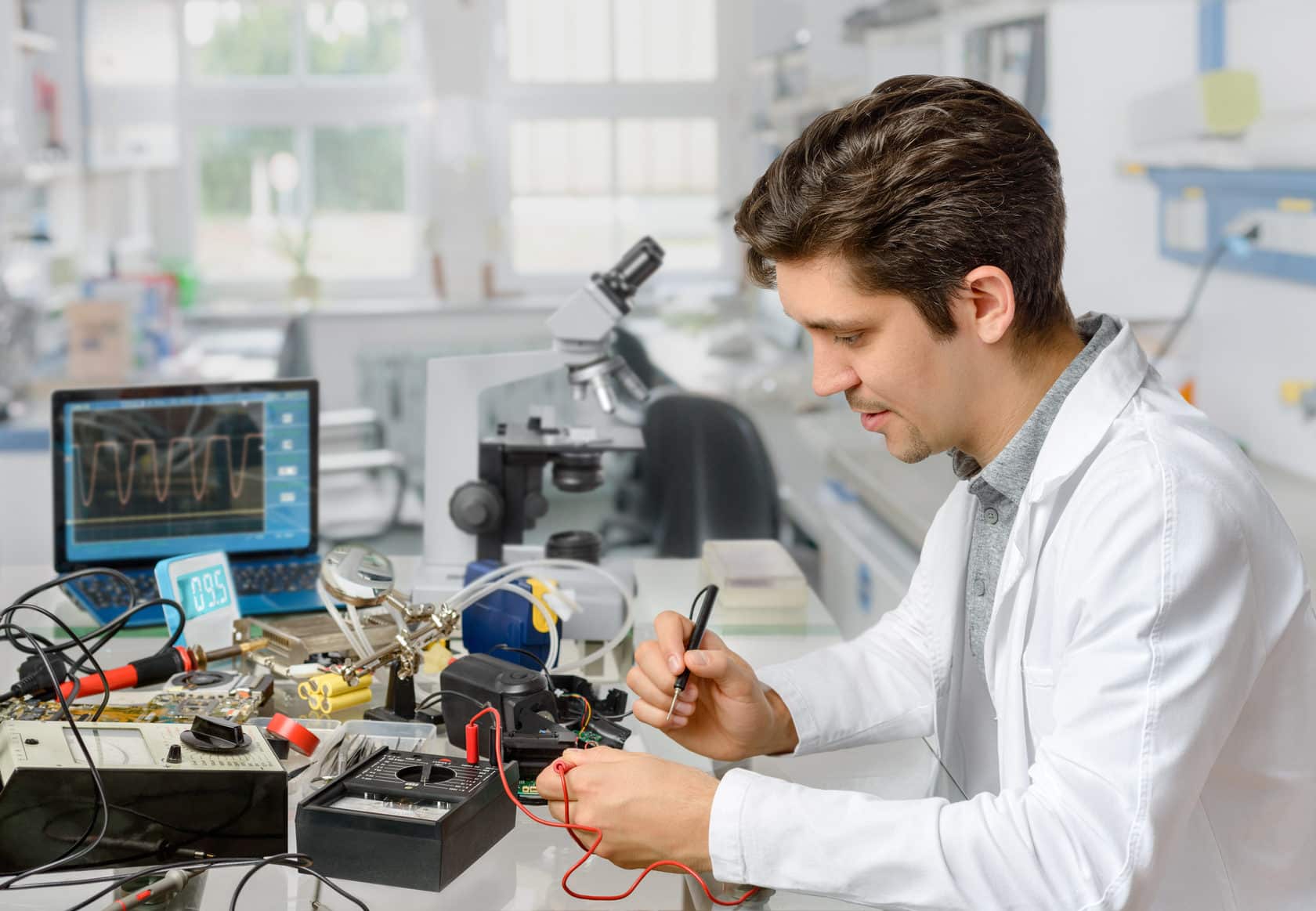
Biomedical engineers play a pivotal role in developing and applying technology within healthcare. They serve as the bridge between engineering and medicine, integrating engineering principles with biomedical sciences to create solutions that enhance diagnosis, treatment, and overall patient care. Given the interdisciplinary nature of their work, effective communication skills are the cornerstone of their success.

The Importance of Communication Skills in Biomedical Engineering

Biomedical engineers often operate at the intersection of healthcare, engineering, and technology, requiring them to convey complex technical information clearly to a diverse audience—including healthcare professionals, patients, and regulatory bodies. This clear communication ensures that their innovative solutions and technologies are properly understood and correctly implemented in clinical settings, which is essential for patient safety and the successful adoption of biomedical devices. Thus, communication skills become an integral part of their professional practice.

Communication Skills in Biomedical Engineering

Communicating Effectively with Healthcare Professionals

Biomedical engineers collaborate closely with physicians, nurses, and other healthcare specialists. This collaboration demands clear, concise exchange of ideas and information. For example, when developing a new medical device, the engineer must explain the device’s design, functionality, and technical features to a physician in an accessible manner. Likewise, the engineer needs to understand the physician’s needs and requirements to design a device that effectively meets those needs. Strong communication here ensures smooth collaboration and the best possible outcomes for patients.

Communicating with Patients

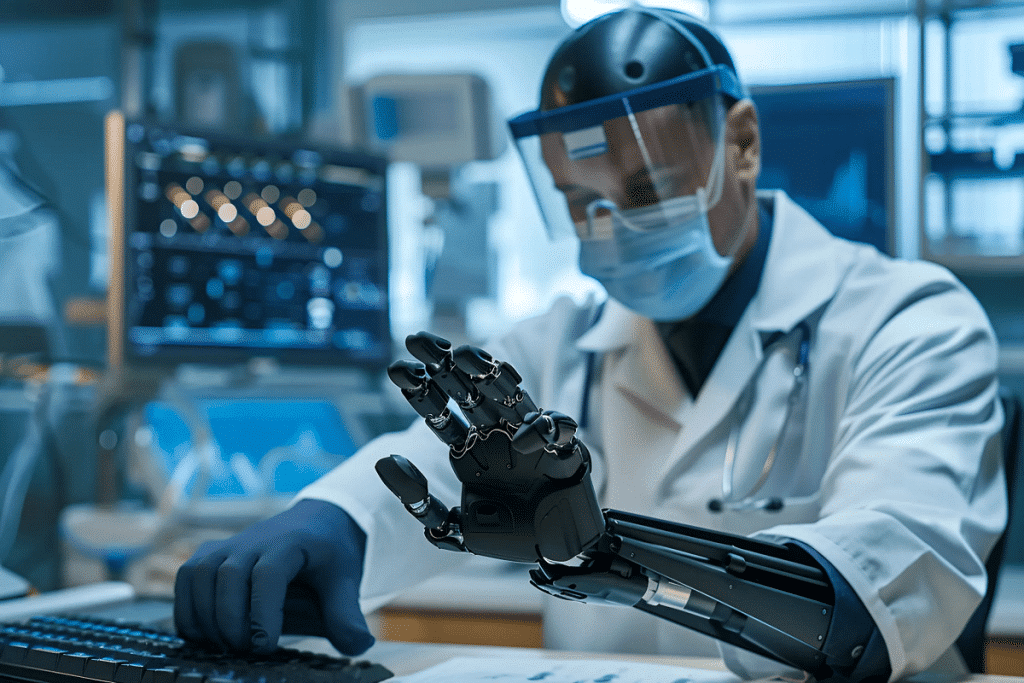
In some cases, biomedical engineers interact directly with patients, especially when designing or fitting devices such as prosthetics or assistive technologies. In these situations, clear communication and empathy are critical. The engineer must be able to explain how the device works, how to use it, and how to maintain it. Additionally, they must listen attentively to patients’ concerns and questions and provide the necessary support and guidance. Good communication skills in these interactions help build trust between engineer and patient and contribute to a better patient experience and treatment outcome.

Communicating with Regulatory Bodies

The development of biomedical devices is subject to strict oversight by regulatory agencies such as the U.S. Food and Drug Administration (FDA). Biomedical engineers must prepare and submit technical documentation to obtain regulatory approvals. This requires excellent written communication skills and the ability to present complex technical information clearly and concisely. Effective communication in this context ensures compliance with regulations and facilitates the approval process for biomedical devices.

The Role of Communication in Team Collaboration

Strong communication skills enhance collaboration within multidisciplinary teams. Biomedical engineers often work alongside doctors, scientists, and other engineers, necessitating clear, concise exchanges of ideas and information. This collaboration is vital for problem-solving, as it allows integration of diverse perspectives and expertise, leading to more innovative and effective solutions. Good communication helps align team objectives, manage project timelines, and ensure that all team members are informed and engaged throughout the development process.

Problem-Solving and Decision-Making

When facing technical challenges, biomedical engineers must communicate effectively with colleagues to brainstorm ideas and identify possible solutions. This involves clearly explaining the problem, listening to different viewpoints, evaluating proposed solutions, and reaching consensus. Without strong communication skills, teams may struggle to solve complex problems and make sound decisions.

Project Management

Biomedical engineers often lead projects to develop medical devices. Effective project management involves continuous communication with team members and stakeholders. The project manager must define project goals, delegate tasks, track progress, and report results. Communication skills are essential to keep the project on track, within budget, and on schedule.

Written and Oral Communication

In addition to face-to-face interaction, biomedical engineers need excellent written and oral communication skills. Written communication includes preparing technical reports, writing research papers, and creating presentations. Engineers must be able to produce clear, concise, and accurate documents that faithfully reflect their work and achievements.

Oral communication encompasses delivering presentations at conferences and meetings, discussing ideas with colleagues and patients, and participating in technical discussions. Engineers must express their ideas clearly and confidently and respond effectively to questions.

Communication for Professional Growth

Beyond practical benefits, effective communication is also crucial for the professional growth and career advancement of biomedical engineers. Being able to present ideas and results through presentations, research papers, and reports boosts professional credibility and can lead to greater recognition in the field. It also opens doors to leadership roles, as effective communicators are often seen as leaders who can inspire and guide teams. Overall, the ability to communicate effectively is indispensable for biomedical engineers to advance their careers, foster collaboration, and ensure the successful application of their technical expertise in healthcare.

Persuasion and Influence

Biomedical engineers sometimes need to persuade others to adopt their ideas or solutions. This process involves presenting compelling arguments, supporting them with evidence, and communicating in a way that resonates with the audience. Communication skills are essential for influencing decisions and achieving objectives.
Predictive Maintenance of Medical Equipment

Active Listening

Communication is not just about speaking and writing; it also involves active listening. Biomedical engineers must listen attentively to others’ perspectives, understand their needs and concerns, and respond appropriately. Active listening helps avoid misunderstandings, build trust, and improve relationships.

The importance of communication skills for biomedical engineers cannot be overstated. They are essential for effective interaction with healthcare professionals, patients, and regulatory bodies; for collaboration within multidisciplinary teams; and for professional growth and relationship building. By developing these skills, biomedical engineers can amplify their impact, achieve career success, and ultimately contribute to improving healthcare. If you’d like to enhance your communication skills as a biomedical engineer, check out our specialized training courses and services in biomedical engineering.


The Importance of Teamwork in Engineering Biomedical Projects

In the field of biomedical engineering, teamwork in engineering has become a crucial factor in achieving scientific advancements and innovations that contribute to improving healthcare quality and developing medical technologies. The rapid progress in this domain can only be realized through effective collaboration among experts from various disciplines, including medicine, engineering, computational sciences, and biology. This article explores the significance of teamwork in biomedical engineering projects.

Key Aspects of Teamwork in Biomedical Engineering Projects

The biomedical engineering sector faces complex challenges that require a deep and integrated knowledge base. Given the intricate nature of medical and technological problems, teamwork in engineering is essential, bringing together specialized minds to develop innovative and sustainable solutions. In this context, teamwork plays a pivotal role in enhancing decision-making processes, data analysis, and the development of computational models that assist in predicting treatment pathways and identifying factors affecting the performance of medical devices.

Teamwork in Engineering Biomedical

By combining diverse expertise and skills, teams can exchange ideas and theories, leading to a deeper understanding of the issues at hand and providing comprehensive solutions that go beyond individual expertise. For this reason, teamwork in engineering remains a fundamental pillar of success in biomedical research and development projects.

1) Enhancing Knowledge and Expertise Sharing

Teamwork in engineering enables knowledge exchange among team members, with each individual bringing unique experiences and skills that complement one another. For instance, software engineers collaborate closely with doctors and biological researchers to analyze medical data and design advanced treatment solutions. This diversity in expertise strengthens the team’s ability to understand problems from multiple perspectives and develop well-rounded, effective solutions.

You can also get acquainted with: Effective Communication Skills for Biomedical Engineers

2) Accelerating the pace of innovation and development

When a team works together, it can adopt innovative thinking approaches that combine advanced computational models, statistical analysis, and technological innovation. Studies have shown that teamwork in engineering accelerates the pace of innovation by fostering the interaction of diverse ideas within a single environment. This leads to the development of new technologies in a shorter time and with higher efficiency.

3) Enhancing Decision-Making Processes

Through regular meetings and consultations among team members, decision-making becomes more precise, based on scientific data and a comprehensive analysis of problems. This continuous interaction among different specialties ensures that decisions are well-studied and grounded in a broad perspective, helping to minimize errors and achieve optimal outcomes in biomedical projects.

Teamwork in Engineering Biomedical

4) Strengthening Analytical and Predictive Capabilities

Computational models play a crucial role in biomedical engineering projects by analyzing large and complex data sets. Here, teamwork in engineering truly shines, as it enables the integration of computational model results with human expertise to provide accurate recommendations. This synergy between computational analysis and human insight helps develop powerful predictive tools that improve disease diagnosis and treatment selection with greater efficiency.

5) Creating an Inspiring and Collaborative Work Environment

A collaborative and interactive work environment is one of the key factors in the success of engineering projects. When team members feel that their opinions are valued and their contributions matter, they are motivated to give their best. Teamwork in engineering fosters a culture of trust and mutual respect, enhancing team spirit and leading to groundbreaking results.

Applications of Teamwork in Engineering for Biomedical Innovations

Collaboration is the foundation of various biomedical engineering applications, enabling the integration of multiple disciplines to achieve optimal results. Multidisciplinary teams tackle complex medical challenges by sharing knowledge and utilizing modern technology. Below are some key applications that highlight the significance of teamwork in engineering within this field.

Teamwork in Engineering Biomedical

Medical Device Design

Developing a new medical device requires expertise from various fields, from engineering design to clinical testing. A collaborative team works together to:

  • Analyze User Needs: Gathering insights from doctors and patients to ensure the device meets practical medical requirements.
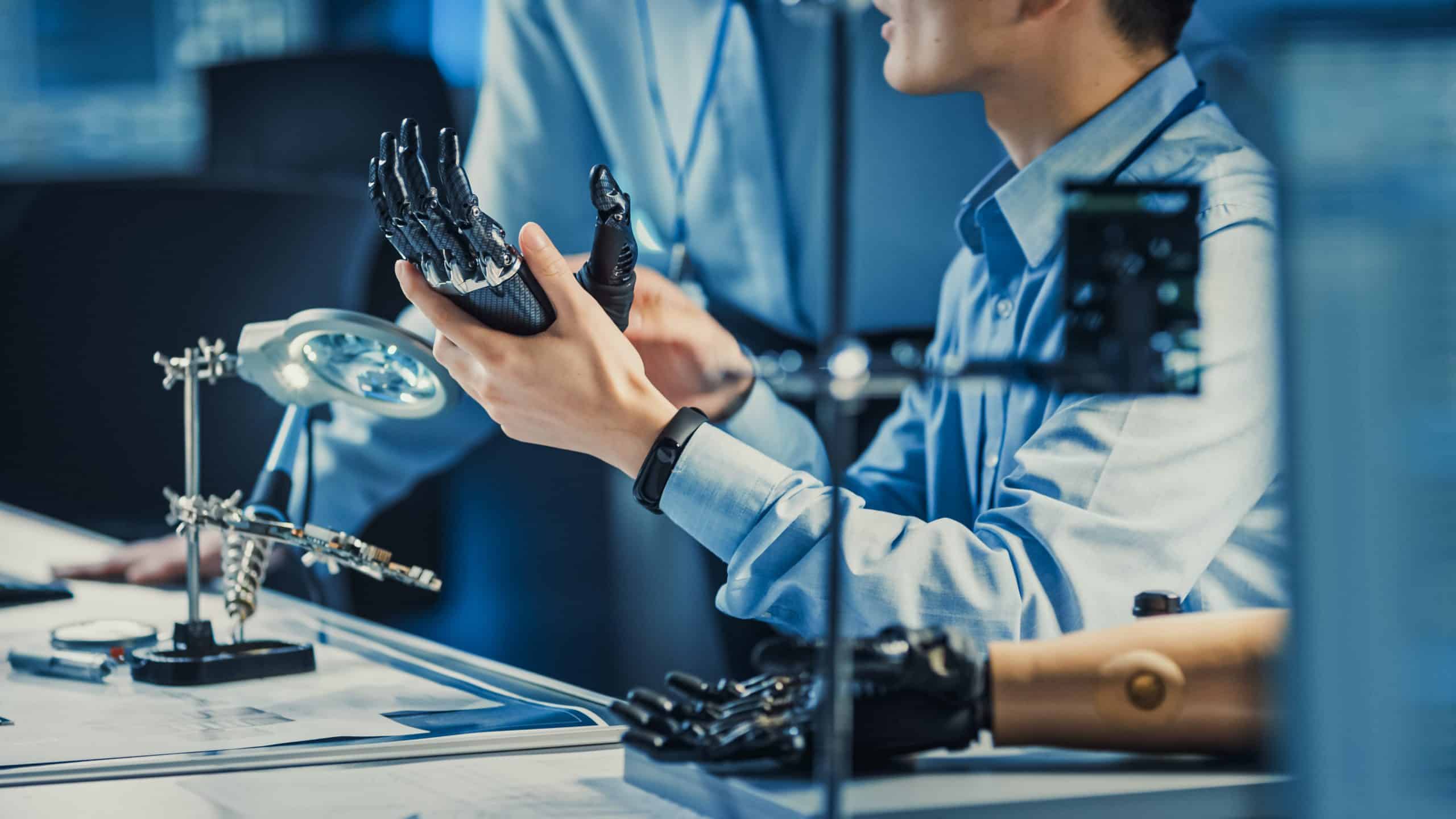
  • Develop Prototypes: Engineers and designers collaborate to create and test initial prototypes.
  • Refine and Improve: The team reviews test results, identifies weaknesses, and enhances the device based on feedback.

Research and Development in Biotechnologies

Biomedical research projects rely on multidisciplinary teams working together to develop innovative solutions for complex medical challenges. For instance:

  • Artificial Intelligence and Data Analysis: Data scientists collaborate with software engineers to create algorithms that analyze patient data and predict disease progression.
  • Medical Imaging: Medical imaging specialists work with engineers to enhance imaging technologies and improve diagnostic accuracy.

Teamwork in Engineering Biomedical

Managing Complex Medical Projects

Managing biomedical projects is one of the most complex tasks, requiring high-level coordination among all team members. Through teamwork in engineering, responsibilities can be clearly defined, tasks efficiently distributed, and overall project performance optimized while minimizing time and resource waste. This effective coordination contributes to:

  • Achieving Research Goals: By tracking progress and conducting regular evaluations.
  • Enhancing Communication: Ensuring continuous information exchange and project updates.
  • Risk Management: Anticipating challenges and implementing preventive measures before they escalate.

You can read more about: The Importance of Sales Skills for Biomedical Engineers and How to Master Them

In conclusion, Innovation and progress in biomedical engineering are impossible without a collaborative environment that supports knowledge exchange and shared expertise. The integration of different specialties plays a key role in developing more efficient medical solutions and enhancing healthcare quality. This is where HSI, placing teamwork in engineering at the core of its mission to advance professionals in biomedical engineering through specialized training programs and advanced healthcare solutions.

HSI offers a comprehensive range of training programs designed to equip professionals with essential skills and knowledge to excel in the field, from medical device design to healthcare software development and health system management. Additionally, HSI provides expert consulting services to assist individuals and organizations in achieving their professional goals and making a meaningful impact in the healthcare industry. If you aspire to elevate your career in biomedical engineering, HSI is your ideal partner on the journey to excellence and innovation!

Source: Characterizing Teamwork Dynamics and Computational Model-Based Reasoning in Biomedical Engineering Projects

Comprehensive Guide to Choosing Medical Equipment for Your Hospital

Medical equipment is considered the cornerstone of delivering effective and high-quality healthcare within hospitals. It plays a pivotal role in diagnosing diseases, treating patients, and monitoring their conditions. With rapid technological advancements, choosing the right medical equipment has become a complex task that requires a careful study of several factors to ensure the best patient outcomes and improve operational efficiency within the hospital. Making informed decisions regarding the selection of medical equipment directly impacts the quality of healthcare services provided, patient safety, and the economic viability of the medical institution.

With a wide range of options available, those responsible for choosing medical equipment may find themselves facing a significant challenge. The vast diversity in device types, specifications, technologies, and manufacturers necessitates the existence of a comprehensive guide that assists in making the right decisions. This article aims to serve as that guide by discussing the fundamental criteria to consider when selecting medical equipment for your hospital, with a focus on patient needs, safety, and ensuring accuracy and reliability.

Choosing Medical Equipment

Essential Criteria to Consider When Choosing Medical Equipment
The process of choosing the right medical equipment requires a careful evaluation of several essential criteria to ensure that the health needs of patients are met and the hospital’s objectives are achieved.

Patient Needs and Safety

The first and most important factor to consider when choosing medical equipment is the specific needs of patients and their safety. The hospital must accurately determine the demographic profile of the patients it serves, including their average ages, common health conditions, and the medical specialties provided. For instance, if the hospital serves a large number of children, it is crucial to select medical equipment specifically designed to meet their needs, taking into account their small sizes and unique physiological requirements. Similarly, the medical furniture should be comfortable and practical to accommodate patients of different ages and categories.

Choosing Medical Equipment

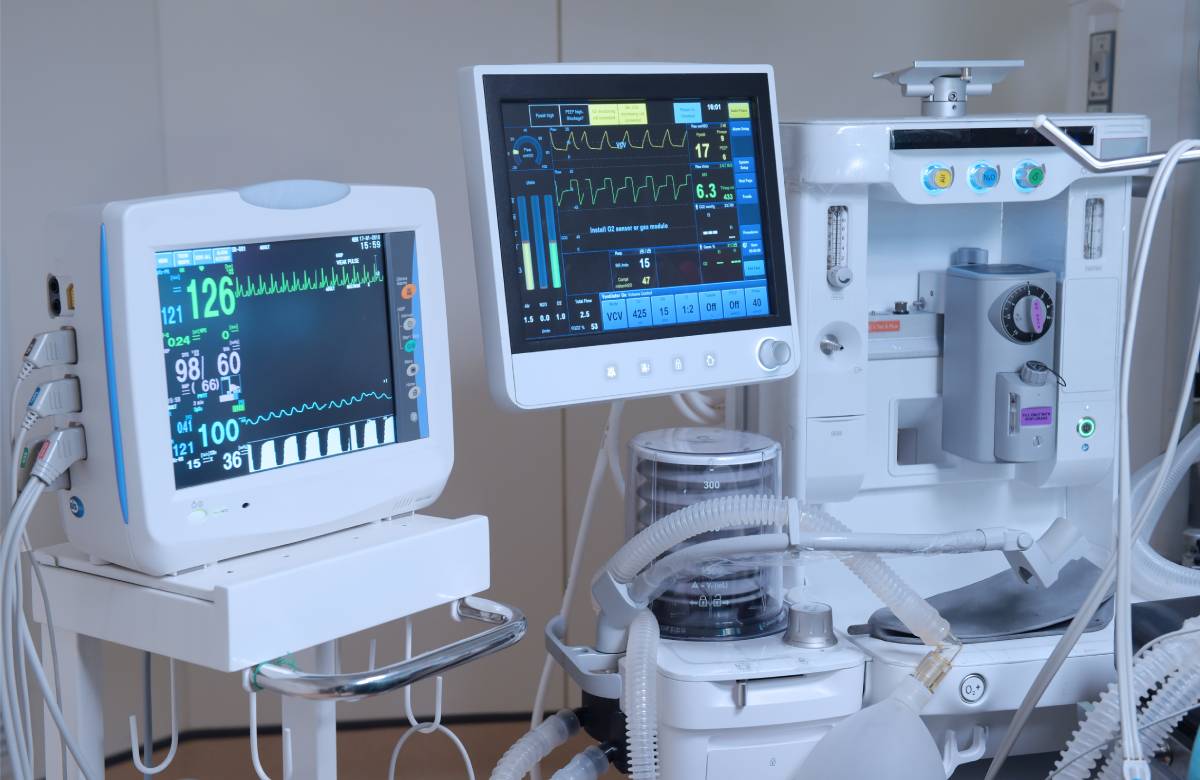
Ensuring patient safety is of utmost importance. Medical equipment should be chosen with built-in safety features, such as alarm systems that alert the medical staff in case of any malfunction or abnormal readings. The equipment should also include automatic shut-off mechanisms to reduce potential risks and infection control procedures to prevent the spread of diseases. For example, when selecting medical equipment such as vital signs monitors, features such as continuous monitoring, alerts for abnormal readings, and secure data transmission to prevent unauthorized access must be considered.

Another critical aspect is compatibility with existing healthcare systems to ensure smooth integration and efficient data management. It is essential to ensure that the new equipment can be easily integrated with the electronic health record (EHR) system and other medical devices used within the hospital. This integration helps streamline workflows, improve data accuracy, and enhance overall clinical efficiency.

Accuracy and Reliability

Accuracy and reliability are key characteristics when choosing medical equipment. Inaccurate or unreliable devices can lead to misdiagnosis and ineffective treatment, thereby endangering patient health. To ensure accuracy, it is necessary to select medical equipment that has undergone rigorous testing and obtained the necessary regulatory approvals. Look for quality certifications such as ISO 13485, which pertains to quality management systems in the medical device industry and ensures that manufacturers adhere to global safety and quality standards.

It is also important to research the reputation of the manufacturer and evaluate its performance in real-world environments. Obtaining feedback from other healthcare professionals who have used the equipment can provide valuable insights into its performance under clinical conditions. Additionally, the availability of support and maintenance services should be taken into account to ensure that any issues can be promptly resolved, minimizing downtime.

Economic Viability and Long-Term Value

While the initial cost of medical equipment is an important factor, it is equally crucial to assess the long-term value and economic viability of the selection. A cost-benefit analysis should be conducted to determine whether the benefits of the equipment outweigh its expenses in the long run. Factors such as durability, warranty coverage, and the potential for future upgrades or modifications should be considered.

Investing in high-quality equipment that offers long-term value can lead to cost savings and improved patient outcomes over time. For example, choosing medical equipment with advanced features and connectivity capabilities can enhance efficiency and data management, resulting in better clinical decision-making and a reduction in manual paperwork. Additionally, the availability of spare parts, as well as maintenance and repair costs, should be considered. Often, choosing medical equipment from reputable manufacturers ensures a reliable supply of spare parts and access to a network of authorized service centers, which minimizes downtime and extends the lifespan of the equipment.

Ensuring Quality and Safety in Choosing Medical Equipment

To guarantee that the selected medical equipment meets the highest standards of quality and safety, hospitals must follow several key steps.

Verifying Quality Certifications and Industry Standards:

Hospitals should meticulously check quality certifications and industry standards when choosing medical equipment. The ISO 13485 certification is one of the most important in this field, as it indicates that the manufacturer has a quality management system that meets the requirements for medical devices. Additionally, it is essential to ensure that the equipment has obtained the necessary regulatory approvals from both local and international authorities, such as the U.S. Food and Drug Administration (FDA) or the CE mark in Europe.

Conducting a Comprehensive Risk Assessment for the Equipment:

The process of choosing medical equipment should include a thorough risk assessment of the potential hazards associated with using the equipment. It is important to identify and evaluate the risks that patients and healthcare providers may face and to implement measures to mitigate these risks. For example, ensuring that the equipment is user-friendly can reduce the likelihood of user errors, and selecting devices made of biocompatible materials can minimize the risk of adverse reactions in patients. Furthermore, appropriate protocols for cleaning and sterilizing the equipment should be established to prevent the spread of infections.

Impact on Hospital Efficiency and Patient Outcomes

The proper selection of medical equipment has a significant impact on the efficiency of hospital operations and patient outcomes.

Accurate and Timely Diagnosis of Diseases:

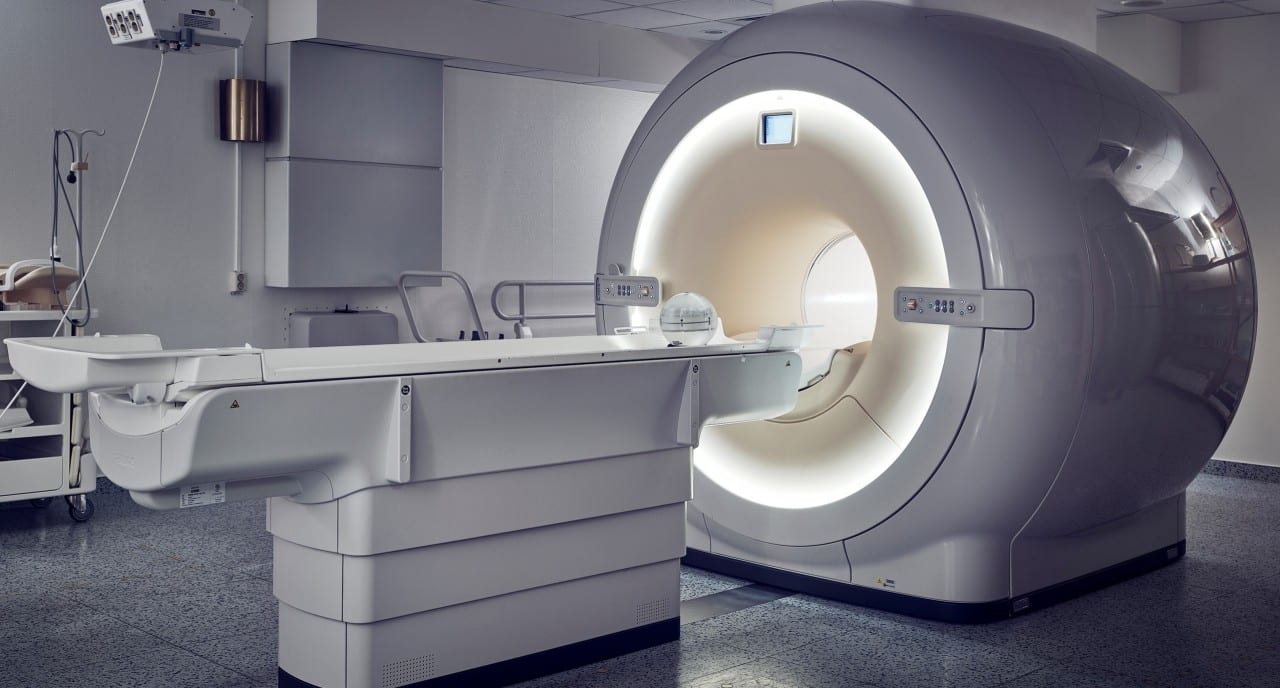
Modern and advanced medical equipment contributes to the precise and prompt diagnosis of diseases. Advanced imaging devices such as Magnetic Resonance Imaging (MRI), Computed Tomography (CT) scans, and Electrocardiogram (ECG) machines provide detailed images and accurate information that help physicians detect diseases at early stages and precisely determine their characteristics. Early diagnosis can lead to more effective treatment and increase the chances of full recovery.

Improved Treatment Outcomes:

The impact of choosing the right medical equipment extends to improving the treatment outcomes of diseases. Advanced medical devices, such as ventilators, blood pumps, artificial heart devices, and minimally invasive surgical instruments, provide effective tools for delivering appropriate treatment for a variety of conditions. These technologies help accelerate the recovery process, reduce the risk of complications, and enhance the overall quality of life for patients.

Reducing the Risk of Injuries and Complications:

Selecting the appropriate medical equipment can significantly reduce the risk of injuries and complications among patients. Modern patient monitoring systems offer continuous surveillance of vital signs and provide timely alerts in case of any abnormal changes, allowing the medical staff to intervene swiftly. Moreover, the use of minimally invasive surgical tools reduces the size of incisions, shortens recovery periods, and minimizes the risk of infections and other complications associated with traditional surgery.

Enhancing Operational Efficiency in Hospitals:

The adoption of modern medical equipment leads to improved operational efficiency within hospitals. Advanced devices can streamline workflows, enhance data management, and reduce the length of hospital stays. For instance, remote patient monitoring systems can decrease the need for frequent in-person visits to the hospital or clinic, thereby reducing healthcare costs. Additionally, the implementation of automated systems minimizes human error and increases the speed and accuracy of clinical processes.

Choosing the right medical equipment for your hospital is a strategic decision that profoundly affects the quality of healthcare, patient outcomes, and operational efficiency. It requires a comprehensive and well-thought-out approach that considers patient needs, safety, accuracy, reliability, training, technical support, and a detailed analysis of economic viability and long-term value.

Collaboration among doctors, technicians, and administrators is essential during the equipment selection process to ensure that the needs of all stakeholders are met. The selection of medical equipment should be viewed as an ongoing process that necessitates regular evaluation and updates to keep pace with technological advancements and changing patient needs. By making informed decisions, hospitals can ensure that they are equipped with the best medical equipment to provide high-quality and effective healthcare to their patients.

If you wish to receive comprehensive courses in the field of biomedical engineering to develop yourself and enhance your skills, HSI provides you with the necessary tools to ensure a bright future as a biomedical engineer. All you need to do is check out our services and contact us for more information.

Biomechanics and the Role of Artificial Intelligence in Prosthetic Design

The technological integration in biomechanics and the role played by machine learning and artificial intelligence in prosthetic design have become a boon for individuals with disabilities. Leading manufacturers of rehabilitation aids have utilized the concept of neural networks to simulate various anatomical and biomechanical functions of missing human body parts. The involvement of human interaction with various factors such as electronic circuits, software, robotics, etc., has had a revolutionary impact in the field of rehabilitation, leading to the development of devices like prosthetic legs, human body-controlled prosthetics, and exoskeletons. In this article, we will discuss the role of Biomechanics and artificial intelligence in prosthetic design and rehabilitation.

Prosthetics: Innovation in Medical Compensation

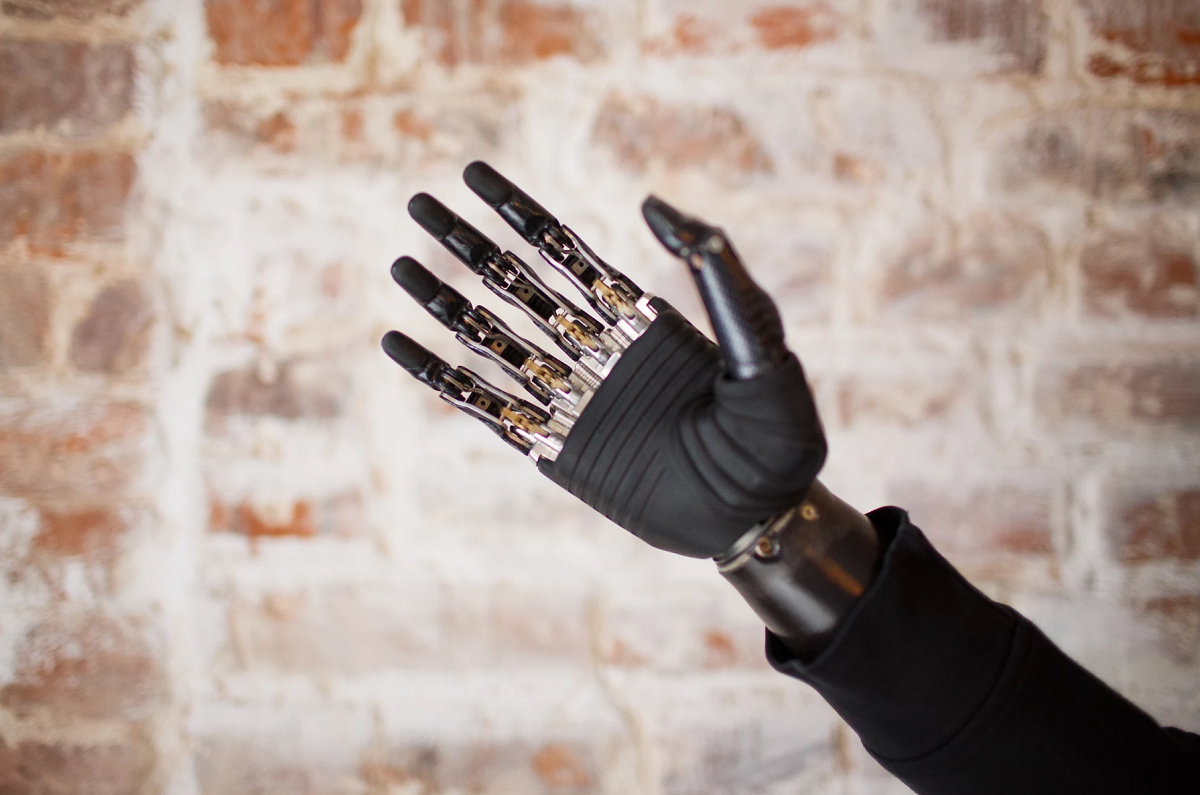
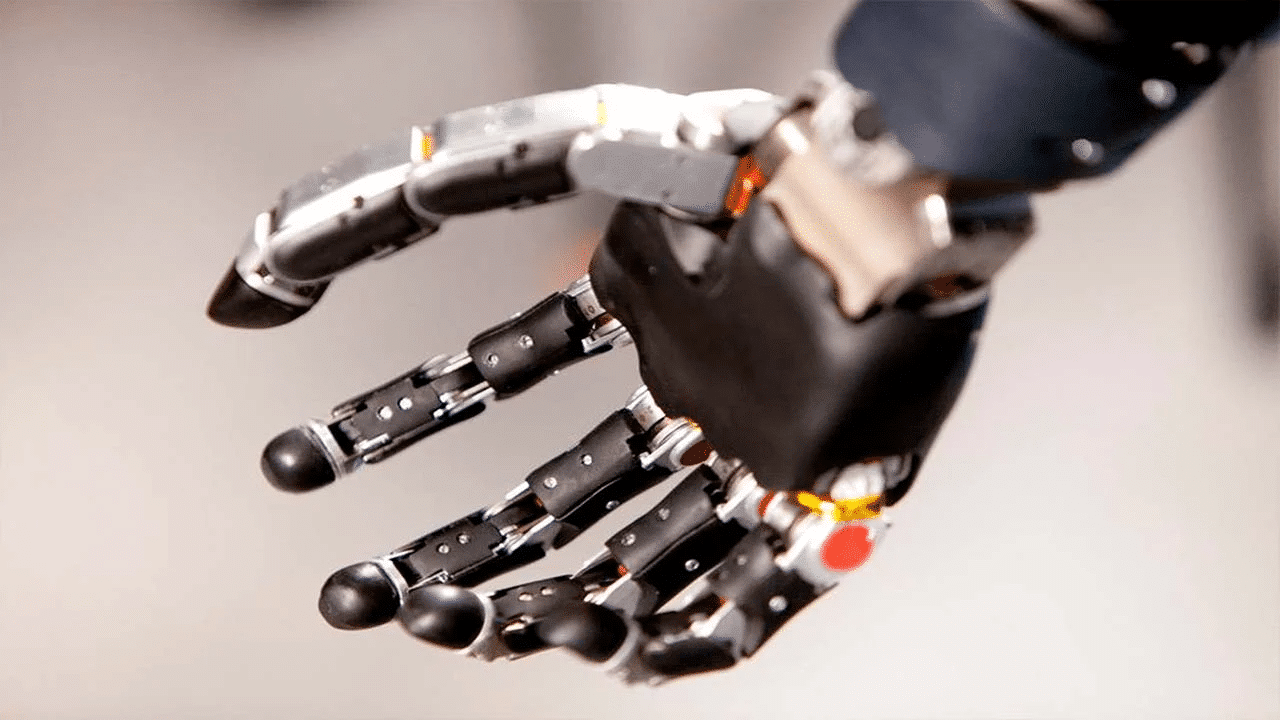
Prosthetics include any artificial device that replaces a missing body part due to injury, disease, or congenital defects. Some companies have developed various types of prosthetics, ranging from purely cosmetic to advanced devices made using titanium and carbon fibers. Regarding the manufacturing of these prosthetics using biomechanics, the process is quite similar to making medical insoles. The end of the amputated limb is digitally scanned, and then a special socket is designed to which the prosthetic is attached. Using electrodes, electrical signals from the muscles are received and sent to an electronic control board inside the prosthetic, which translates these signals into actual movements.

Biomechanics

Understanding Prosthetic and Orthotic Engineering

The field of prosthetics focuses on creating artificial limbs, while orthotic specialists design devices to support or correct musculoskeletal conditions. Traditionally, this field relied on manual measurements, mechanical adjustments, and trial-and-error methods. Although these techniques were effective, they often lacked precision and adaptability to achieve optimal results.

Artificial Intelligence in Prosthetic Design is changing this landscape by integrating machine learning, robotics, and sensing technology. These tools transform static devices into dynamic systems capable of learning and evolving based on individual user needs. The result is a new level of functionality that mimics natural movement and intelligently responds to unique biomechanical challenges.

History of Artificial Intelligence in Prosthetics and Orthotics

The first intelligent prosthetic limb was developed by Charles A. Blatchford & Sons, Ltd in 1993, with an improved version in 1995 called the Intelligent Prosthesis Plus. In 1998, Blatchford developed an adaptive prosthetic limb combining three operating mechanisms—hydraulic, pneumatic, and microprocessor control. A fully microprocessor-controlled knee was developed in 1997 by Ottobock, known as the C-leg. In 2015, Blatchford introduced Linx, the world’s first fully integrated limb with seven sensors and four CPUs throughout the leg, allowing coordination and synchronization of the knee and ankle joints by sensing and analyzing data about the user’s movement and activities to make them more natural.

The first prosthetic hand was launched by Touch Bionics in 2007, featuring individually powered fingers and a thumb with gripping capabilities. The design was later integrated with a rotating thumb known as i-limb ultra and i-limb revolution designs, implemented using Biosim and the My i-limb application. Bebionic was commercially launched in the market in 2010 by RSL Steeper.

Biomechanics in Prosthetic Design

The concept of a brain-computer interface (BCI) implemented by neural prosthetics or mind-controlled prosthetics that can recognize real-time data and tools to achieve nearly natural function is a current requirement. A mind-controlled smart prosthetic arm based on electroencephalography was presented at the IEEE Conference in 2016 but has not yet been commercialized. Researchers are on the path to developing more complex devices that mimic the natural brain by implementing artificial intelligence on onboard computers that read and respond to neural signals transmitted to prosthetics and robotic orthotics that enhance the function of amputated and paralyzed body parts.

Application of Artificial Intelligence in Prosthetic Design

Artificial intelligence (AI) is driving a significant transformation in the engineering of prosthetics and orthotics, converting traditional devices into intelligent, adaptive tools. These innovations not only enhance mobility but also improve the overall quality of life for individuals with physical disabilities. By leveraging the latest advancements in AI for prosthetic design, these devices have become more responsive, intuitive, and integrated into daily routines. As AI progresses, it bridges the gap between human capability and technological support in ways previously deemed impossible.

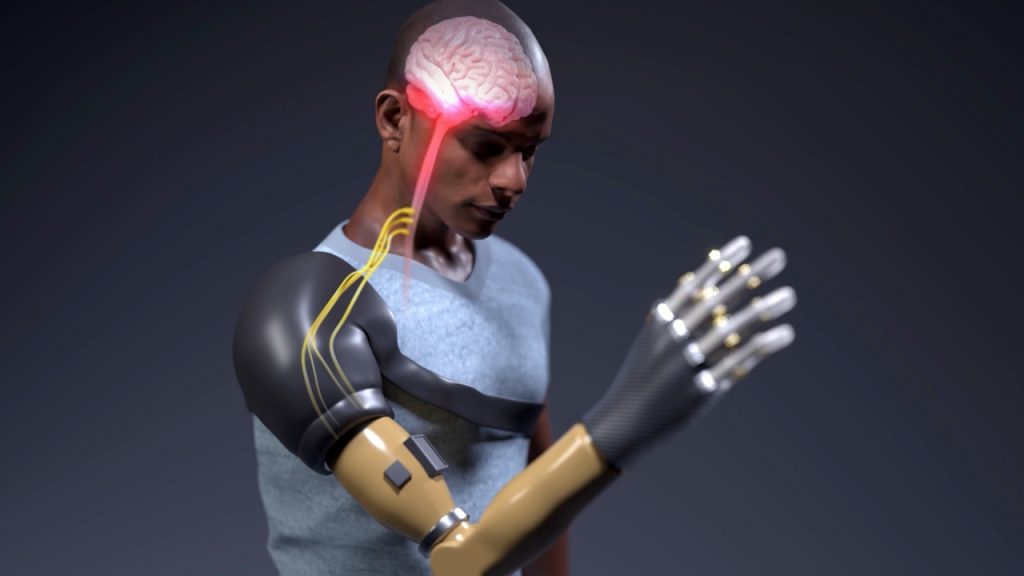
The integration of AI with biomechanics has significantly improved prosthetic control, enabling amputees to operate prosthetic limbs more effectively. Recently, a brain-controlled prosthetic (a form of myoelectric control) was introduced as the latest advancement in AI-assisted control systems. A joint project between the Pentagon and Johns Hopkins University’s Applied Physics Laboratory (APL) led to the development of a modular prosthetic limb entirely controlled by brain-implanted sensors. This innovation even aims to restore the sense of touch by sending electrical pulses from the limb to the sensory cortex.

Types of AI Applications in Prosthetic Design

The application of biomechanics and Artificial Intelligence in Prosthetic Design can be categorized based on the affected area:

  1. Lower limb prosthetics and orthotics
  2. Upper limb prosthetics and orthotics
  3. Rehabilitation aids such as automated mobility devices

Prosthetic

Role of Biomechanics and AI in Prosthetic Design

  1. Adaptive Prosthetics: AI-powered prosthetics utilize algorithms to instantly adapt to user movements and environmental changes.
  2. Dynamic Adjustment: AI-driven prosthetic legs adjust gait and force distribution dynamically when transitioning from flat surfaces to stairs or uneven terrain.
  3. Customized Design: AI-enhanced technology leverages imaging data and user feedback to design devices that offer optimal fit and improved function.
  4. Generative Design Tools: These tools craft prosthetic sockets that precisely fit individual anatomy, enhancing comfort and reducing pressure points.
  5. Neural Integration: AI-based brain-machine interfaces allow users to control prosthetics via neural signals.
  6. Neural Signal Interpretation: AI interprets brain activity to execute precise movements in prosthetics, providing users with greater autonomy.
  7. Predictive Maintenance: AI technology tracks device usage to predict wear and tear, ensuring timely maintenance and longer lifespan.
  8. Smart Orthotic Braces: Equipped with sensors, these braces alert users to potential issues before failures occur.
  9. Biomechanical Simulation: AI simulates human movement to optimize prosthetic and orthotic designs before production.
  10. Digital Assessment: Digital tools evaluate balance, alignment, and weight distribution, allowing for precise adjustments during design.

Technological Innovations in AI

  1. Generative AI in Design: AI maximizes functionality while minimizing material usage by creating efficient, user-specific designs.
  2. Virtual Modeling: Virtual models simulate device performance, allowing for precise adjustments and reduced development cycles.
  3. Self-Learning Prosthetics: Prosthetics equipped with self-learning systems improve through use and feedback over time.
  4. Advanced Sensor Integration: AI-driven sensors analyze movement patterns and pressure, continuously enhancing device performance.

Application-of-AI-in-Prosthetic-Design

Challenges and Ethical Considerations

  1. Data Privacy: Protecting sensitive user information collected by AI systems.
  2. Accessibility: Ensuring these technologies are available to underserved populations.
  3. Bias in AI Models: Mitigating errors that could affect device functionality.
  4. Regulatory Compliance: Meeting stringent medical standards.

Future Trends

  1. Neuroprosthetics: Improved brain-device communication may restore sensory feedback.
  2. Hybrid Bio-Devices: Combining AI with genetically modified tissues could achieve seamless body integration.
  3. On-Demand Manufacturing: AI and 3D printing can streamline custom prosthetic fabrication, reducing costs and wait times.
  4. Emotionally Intelligent Devices: Future devices may adapt to user emotions, providing additional support during stress or fatigue.

In conclusion, the role of biomechanics and Artificial Intelligence in Prosthetic Design has revolutionized the engineering of prosthetics and orthotics by transforming them into intelligent tools that enhance independence and mobility. Despite significant advancements in recent years, there remains a need for more affordable and accessible prosthetics to ensure availability for individuals with disabilities, regardless of their financial means, without hindering their opportunity to live normally.

Herein lies the role of HSI Center in offering innovative solutions in the field of medical engineering. HSI is committed to advancing the sector through a comprehensive range of specialized courses and high-quality healthcare solutions, contributing to enhancing the quality of life for individuals in need of these technologies.

Source: AI in Biomechanics: From Creating Cosmetic Prosthetics to Making Metahumans

Mastering Technical Sales in Biomedical Engineering: A Beginner’s Guide

Technical sales in biomedical engineering is a crucial field that bridges technical expertise and commercial knowledge to deliver innovative solutions that enhance healthcare services. With the rapid advancement of technology and continuous innovation in this sector, both beginners and professionals must develop a deep understanding of technical sales strategies and their practical applications to drive business success and improve medical products. In this article, we will explore key concepts and fundamental theories in technical sales, providing a comprehensive guide for beginners on leveraging advanced strategies and technological tools to achieve successful sales in biomedical engineering.
The Role and Importance of Technical Sales in Biomedical Engineering

Technical sales involve selling products or services that require specialized technological and technical knowledge. Sales professionals in this field must have an in-depth understanding of the product, system, and underlying technology. In biomedical engineering, the primary objective of technical sales is to provide innovative solutions that enhance healthcare quality. This includes selling medical devices, technological software, and diagnostic and monitoring systems that support accurate clinical decision-making.

Technical Sales in Biomedical Engineering

Why Are Technical Sales Important?

Technical sales have become a fundamental component of biomedical equipment and device companies. Investing in technical sales development directly contributes to improved commercial performance and excellence in delivering sustainable healthcare services. The importance of technical sales in this field can be summarized as follows:

  • Continuous Technological Advancements: Constant innovation demands the introduction of advanced products and solutions.
  • Need for Customized Solutions: Tailored solutions are required to meet the precise needs of hospitals and medical centers.
  • Increasing Competition: Companies must offer added value beyond just the technical features of their products to stay ahead.

Key Elements of Successful Technical Sales

To excel in technical sales, sales professionals must master a set of essential skills and elements, including:

  1. Deep Technical Knowledge: A thorough understanding of medical products and systems, including technical specifications and functionality, is crucial. This requires continuous monitoring of the latest developments in medical technology.
  2. Communication and Negotiation Skills: The ability to simplify technical benefits for non-specialist buyers is a critical skill for success.
  3. Market Analysis: Understanding market trends and identifying customer needs help in offering precise solutions.
  4. Innovation and Creativity: Developing unique presentations and customized solutions gives a competitive edge.
  5. Technical Support and Training: Providing post-sales support and technical training builds trust and fosters long-term customer relationships.

You can also check out: The Importance of Sales Skills for Biomedical Engineers and How to Master Them

The Role of Technology and Innovation in Enhancing Technical Sales

Technology plays a pivotal role in advancing technical sales in biomedical engineering. The integration of digital systems, artificial intelligence, and data analytics significantly improves how sales presentations are delivered and how solutions are tailored to meet customer needs. Some of the key technological applications in technical sales include:

  • Virtual and Augmented Reality: These technologies enable interactive presentations, allowing customers to experience products before making a purchase.
  • Smart Analytics: Data analysis helps understand customer behavior and predict future needs.
  • Advanced CRM Tools: Modern customer relationship management (CRM) systems track customer interactions and analyze data to refine sales strategies.
  • E-Learning and Training: Continuous educational resources help sales teams stay updated with the latest technological advancements.

Technical Sales in Biomedical Engineering

Challenges in Technical Sales and How to Overcome Them

Despite the potential for success in technical sales, professionals in this field face various challenges due to the complexity of products and the ongoing innovations in medical technology worldwide. The most common challenges include:

  1. Knowledge Gap Between Sales Teams and Customers: Many customers have limited technical knowledge, requiring simplified explanations and ongoing technical support.
  2. Intense Competition: Strong market competition demands value-added offerings that go beyond conventional sales approaches.
  3. Evolving Market Needs: Companies must continuously adapt to the latest advancements in medical technology to ensure they provide innovative solutions.
  4. Regulatory and Legal Challenges: Compliance with industry regulations can impact how medical products are marketed and distributed.

To overcome these challenges, experts recommend adopting flexible strategies that include continuous training for sales teams, investing in research and development, and leveraging advanced digital marketing techniques. These strategies are essential for improving performance and strengthening a company’s market position.

The Importance of Training and Professional Development

Training and professional development are essential for achieving success in technical sales. Companies that prioritize skill enhancement for their sales teams consistently gain a competitive edge. Key aspects of effective training include:

  • Workshops and Training Courses: Focused on both technical knowledge and sales skills.
  • Continuous Learning: Keeping up with the latest research and reports on medical technology.
  • Simulation and Practical Training: Using simulation techniques to prepare sales teams for real-world scenarios.

According to reports from leading biomedical engineering publications, investing in professional training significantly enhances sales team efficiency, leading to improved performance and higher customer satisfaction.

Successful Case Studies in Technical Sales

Several case studies highlight the effectiveness of technical sales in the biomedical engineering field. For example, a leading medical device manufacturer increased its market share by 30% in just one year by adopting advanced technical sales strategies. This success was driven by leveraging data analytics to understand customer needs and using virtual reality to create innovative sales presentations.

In another case, a startup specializing in medical software implemented an advanced CRM system to analyze customer data and personalize sales offers. This approach resulted in an improved customer experience and higher conversion rates. These examples demonstrate that technical sales are not just about selling products but about integrating technology and innovation to achieve measurable success.

Technical Sales in Biomedical Engineering

Essential Tips for Beginners in Technical Sales

If you are new to technical sales in biomedical engineering, understanding key strategies can help you build a strong foundation and achieve success in this highly competitive field. Here are some valuable tips to help you get started with confidence:

  • Commit to Continuous Learning: Stay updated on the latest advancements in medical technology and innovations shaping the medical devices market.
  • Develop Your Technical Skills: Gain in-depth knowledge of the products and systems you are selling to effectively explain their benefits to customers.
  • Communicate Effectively: Build strong relationships with clients by providing ongoing technical support and tailored solutions.
  • Gain Practical Experience: Participate in workshops and training sessions, and study real-world case studies showcasing best practices in technical sales.
  • Understand the Market: Analyze market data and the current needs of hospitals and medical centers to tailor sales offers that meet customer expectations.
  • Leverage Technology: Use digital tools for data analysis and interactive presentations to highlight product advantages in an engaging and innovative way.

You can also get acquainted with: How to develop effective presentation skills for sales

Mastering technical sales in biomedical engineering is not just a skill—it is the key to success in a rapidly evolving industry that demands both deep technological understanding and the ability to deliver innovative solutions. As competition increases, continuous training and professional development become essential for ambitious professionals.

At HSI Training & Consulting, we offer specialized programs designed to enhance the skills of biomedical engineers. Through hands-on training and expert guidance, we equip you with the tools needed to excel in technical sales and make a real impact in the healthcare industry. Contact us now and become a leader in the future of biomedical engineering!

The Most Important Fundamentals of Biomedical engineering for Ensuring a Successful Career

Biomedical engineering is the field that combines engineering, technology, and medicine to develop innovative solutions in healthcare,
is the field that integrates medical sciences with engineering and is considered one of the most important and impactful disciplines of the 21st century. If you are considering entering this field or are already at the beginning of your professional journey, you need to understand its fundamentals, which will help you build a bright future. In this article, we will explore these essentials in a non-traditional way, focusing on how to turn your passion for biomedical engineering into an outstanding career.

Biomedical Engineering

Biomedical engineering is the field that combines engineering, technology, and medicine to develop innovative solutions aimed at improving healthcare. These solutions can include designing medical devices such as pacemakers, developing software for medical image analysis, and even creating smart prosthetics. It is a profession that merges scientific creativity with the desire to serve humanity.

Key Fundamentals of Biomedical Engineering

As with any field, biomedical engineering has some fundamental principles that you, as a biomedical engineer, must master early on to ensure a successful and fruitful professional life. Continue reading to learn about the most important of these fundamentals:

1. Basic Sciences: The Foundation of Biomedical Engineering

Before you start designing medical devices or developing software for the healthcare sector, you need a solid understanding of the basic sciences. Physics, chemistry, and biology are not just academic subjects; they are the essential keys that unlock innovation in biomedical engineering.
Physics helps you understand how medical devices like MRI machines and X-rays work. Without a grasp of physics principles, you cannot develop precise and effective devices.

Chemistry plays a significant role in developing biomaterials used in medical applications, such as prosthetics or heart valves, making it essential for designing advanced medical solutions.

Biology provides a deep understanding of the human body and how it interacts with medical devices, which is crucial for designing devices that are compatible with human biology. Without these sciences, you would merely be a technician assembling lifeless parts, unable to innovate or solve complex problems in biomedical engineering.
2. Technology and Programming: The Languages of the Future in Biomedical Engineering

In a world increasingly reliant on artificial intelligence and data analysis, programming has become an indispensable skill for any biomedical engineer. Whether you are developing smart medical devices or analyzing health data, programming languages like Python and MATLAB will be your essential tools.

Medical Data Analysis: Programming allows you to process the vast amounts of data collected from medical devices, enabling faster and more accurate disease diagnosis.

Medical Software Development: This opens wide horizons, from smartphone apps that monitor heart rate to programs that efficiently manage hospital operations. Programming is the key to achieving these advancements.

Artificial Intelligence: AI has become an integral part of medical diagnosis, with advanced algorithms used to analyze medical images for detecting diseases like tumors, enhancing the accuracy and effectiveness of healthcare.

3. Design and Innovation: From Idea to Product

Biomedical engineering is not just about understanding science and technology; it is also the art of transforming ideas into real, useful products. The process begins with a simple idea and ends with a medical device capable of saving lives or making daily life easier. Computer-aided design (CAD) plays a pivotal role in this process, allowing you to create 3D models of medical devices before manufacturing them, saving time and money while reducing errors.

Innovation is at the heart of this field. Do not be afraid to think outside the box, as many modern medical devices we rely on today started as seemingly crazy ideas. Remember that prototyping is a critical phase, where any product must be rigorously tested to ensure its effectiveness and safety before reaching end-users.

4. Medical Ethics: The Social Responsibility of a Biomedical Engineer

When working in a field directly related to human life, ethics become an integral part of your work. You must be aware of the laws and regulations governing the medical device industry and uphold social responsibility. Data protection is at the forefront of these obligations, especially with the increasing use of internet-connected medical devices, making patient information security a top priority.

You must also be familiar with the strict ethical guidelines governing clinical trials on humans, emphasizing transparency at every step to ensure participant safety and result integrity. Legal responsibility cannot be overlooked, as any error in the design or manufacturing of medical devices can lead to severe legal consequences, underscoring the importance of precision and adherence to the highest quality standards.

إجراءات السلامة في التصوير بالرنين المغناطيسي

5. Continuous Learning: Staying Ahead of Developments

Biomedical engineering is a rapidly evolving field, and what you learn today may become obsolete tomorrow. This makes continuous learning and staying updated with the latest advancements essential for success in this field. You can achieve this by engaging in online training courses, which allow you to acquire new skills and update your knowledge continuously. Participating in medical conferences and workshops also provides opportunities to learn about the latest research and technologies and exchange experiences with experts. Additionally, staying informed through reading and researching scientific journals and recent studies helps you keep up with rapid developments and leverage them in your work.

6. Teamwork: No Room for Individualism in Biomedical Engineering

Biomedical engineering is not a field where you can work alone. You will always be part of a multidisciplinary team that includes doctors, nurses, and scientists, making teamwork and effective communication essential skills for success. You must be able to explain complex ideas in a simple and clear manner to your team to ensure everyone understands the goals and tasks. Even if you are not in a leadership position, possessing leadership skills such as motivating the team and managing projects is crucial for ensuring smooth workflow. Additionally, working with multidisciplinary teams requires high flexibility and the ability to adapt to different perspectives, fostering collaboration and leading to more creative and effective outcomes.

bio medical

7. Marketing and Business Management: Turning Innovation into Commercial Success

The goal of any medical device is to reach the market and benefit patients, which requires you to have a basic understanding of medical product marketing and business management. Medical marketing plays a pivotal role in understanding how to market medical devices and navigate the regulations governing this field. Additionally, project management is a vital skill that enables you to manage time and resources effectively to ensure project success and achieve desired goals. If you have an entrepreneurial spirit, you can turn your innovations into successful startups, amplifying your impact in biomedical engineering and contributing to improved healthcare on a broader scale.

Biomedical engineering is a multifaceted field requiring diverse skills, from basic sciences to programming, and from design to ethics. All these elements form a solid foundation for a successful career in this field. If you can combine these skills and stay updated with the latest developments, you will be on the right path to success in the world of biomedical engineering.
Biomedical engineering is not just a job; it is a mission to improve human life. So, prepare for the journey and be part of this significant change. You can contact us through the HSI website to learn about our services and training courses that will make your journey in biomedical engineering full of achievements.

The Importance of Sales Skills for Biomedical Engineers and How to Master Them

The field of biomedical engineering is considered one of the most diverse branches of engineering, as it combines medical sciences and engineering sciences. It plays a crucial and pivotal role in developing and innovating medical devices and technologies that save the lives of millions of people daily. In today’s world, the job market is highly competitive, and it is not enough to be just a technically strong biomedical engineer.

There are many additional skills you must master to compete effectively in the job market and stand out among your peers. Among these skills are sales skills. Sales skills are not only for those working in real estate or automotive industries; everyone, regardless of their profession, should master them due to their significant importance in our current times. In the following lines, we will explore the importance of sales skills for biomedical engineers and how you can master them to maximize your benefit in your field.

sales skills

Sales skills are not just about selling a product or service. If you think about it, you will find that most of what we do in our daily lives is a form of selling. Convincing a colleague of a theory is a sales process. Trying to negotiate a lower price for a product is a sales process. Essentially, selling is about persuading someone else to believe in something you want them to believe. Some people are born with this skill and have a high ability to persuade others. However, as with all skills, you can acquire it through training and practice. Not only that, but you can master it as if you were born with it. Sales skills will significantly change your life and work for the better. They will make you one of the best in your field, and this will reflect on many aspects of your life. As a biomedical engineer, you should prioritize learning and mastering sales skills due to their great importance. Let us now explore together the importance of sales skills for biomedical engineers and how you can learn them as quickly as possible.

Why does a biomedical engineer need to master sales skills?

You might wonder what the relationship is between biomedical engineering and sales skills. In reality, biomedical engineering is not just about designing devices or technical solutions to facilitate the lives of patients and doctors alike. It is fundamentally about convincing others of the value of these solutions and how they will improve their lives and health. Whether you work in the manufacturing of medical devices, their marketing, or even providing technical consultations, you will undoubtedly need the ability to convince customers, colleagues, and even your superiors of the importance of what you offer.

Think about it: you might have an innovative idea that could revolutionize the medical world. You will certainly need strong persuasion skills to secure the necessary funding and support to bring this idea to light. How many great ideas have never reached the research and implementation stage due to their creators’ weakness and inability to convince others of their importance? Persuasion skills help you sell your ideas to your colleagues and managers to ensure maximum benefit. If you work in the marketing of medical devices, sales skills will greatly help you understand customer needs and present various suitable solutions, convincing them of the effectiveness of these solutions, thereby enhancing the success of your products in the market.

How can you master sales skills as a biomedical engineer?
Anyone can master sales skills. It requires some seriousness and commitment at the beginning, and it will become easier over time. All you need is to dedicate some time daily to training in the following skills:

1- Understanding Customer Needs

Understanding customer needs is the first step to a successful sales process. It depends on your ability to listen well, whether to doctors, nurses, or even hospital administrators. You must understand the challenges and problems they face. Are they struggling with device accuracy? Do they need innovative technologies and solutions to save time? After understanding the customer’s needs, you will have a complete picture to provide tailored solutions to meet these needs effectively.

2- Delivering Value Instead of the Product

This technique is excellent for any sales process. It relies on presenting the value or benefit of using the product rather than describing the product itself. For example, if you want to sell an MRI machine, focus on how this device can improve diagnostic accuracy, predict diseases, and reduce waiting times, thereby contributing to saving patients’ lives.

3- Mastering the Art of Persuasion

Persuasion is fundamentally about building trust between you and the other party through several steps, such as building trust, providing evidence, and using data and statistics to support your argument. You must also be well-prepared to answer any questions or objections that may arise. For example, if you are promoting a new medical device, you should present studies proving how this device significantly improves medical outcomes. Additionally, you must be confident during the conversation because most people can sense if you are genuinely confident in the product or service you are offering or if you are trying to fake it, which can have a negative impact.

4- Improving Effective Communication Skills

Effective communication is a fundamental skill for successful sales. Effective communication means being clear in your explanation and avoiding the use of complex technical terms that non-specialists may not understand. It relies on speaking clearly and using simple language to persuade the other person of your idea. Additionally, using body language is very important and enhances your self-confidence and ability to persuade.

5- Building a Strong Network

Building a strong network in itself may be the main reason for your great success as a biomedical engineer. In our current times, relationships are everything, and the wider and larger your network, the greater your chances of selling your ideas and marketing your products. You can build a strong network by joining groups on social media platforms like LinkedIn and Facebook, as well as participating in various medical conferences and meeting many important people in your field.

6- Continuous Training

Now that you have learned about the most important skills you need to acquire, it is time for continuous training to reach the level of mastery. Dedicate a specific amount of time daily, according to your ability, to train in these skills. Also, try to apply them in your professional life and outside of work. After a while, you will notice that you have acquired these skills and will see the huge difference they will make in your work as a biomedical engineer and in your life in general.

https://hsi-eg.co/contact/

At the beginning of learning these skills, you may naturally face some challenges, as is the case when learning any new skill. Over time, it will become easier. Sales skills are not just a tool to increase sales; they are the key to success in the world of biomedical engineering. Whether you work in research and development, marketing, or even management, mastering these skills will enable you to present your ideas and products more effectively and build strong relationships with customers and colleagues. Start today by developing these skills, and you will find that they are not only beneficial for your work but also for your career path in general. If you want to get advice on how to master sales skills as a biomedical engineer, you can contact the HSI website, and we will provide you with all the details.
 

All copyrights reserved to © HSI