How to Design Energy-Efficient Hospitals | A Guide for Biomedical Engineers

Energy efficiency has always been a persistent challenge in designing healthcare facilities, as hospitals consume up to five times more energy than a luxury hotel. With the catastrophic pressures that the healthcare sector endured in 2020 due to the COVID-19 pandemic that shook the world at that time, healthcare administrators must consider every possible means to achieve economic sustainability. Even if it was not a top priority in the past, designing energy-efficient hospitals has now become a pressing necessity rather than merely an option.

Energy-efficient hospitals play a vital role not only in reducing operating costs but also in protecting the environment and enhancing the comfort of both patients and staff. In this article, we will detail how to design hospitals to transform them into energy-efficient hospitals, relying on the latest studies and research addressing energy efficiency in healthcare facilities, while providing a practical guide for biomedical engineers to apply these principles in design and renovation.

Energy-Efficient Hospitals

The Importance of Energy Efficiency in Hospital Design
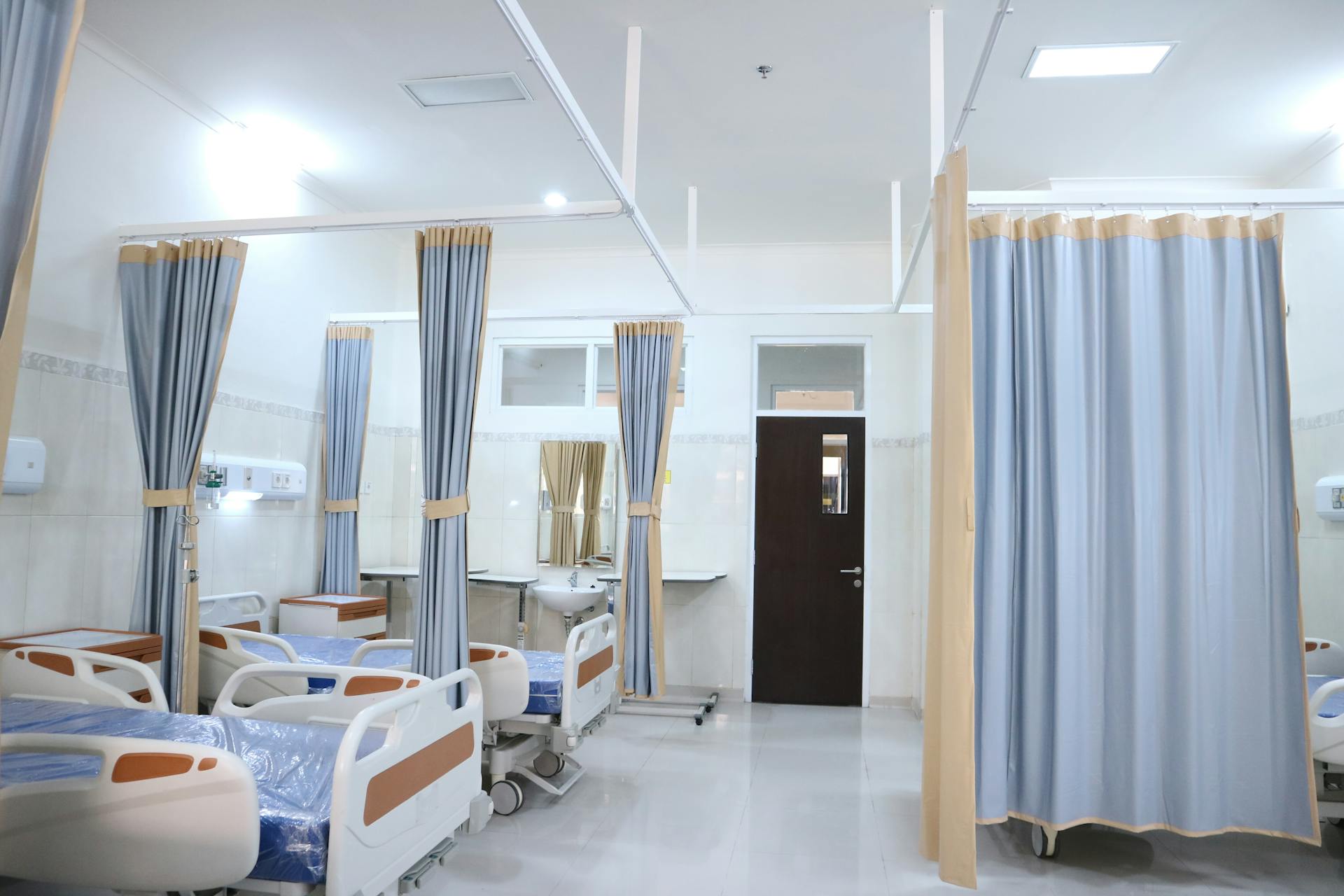
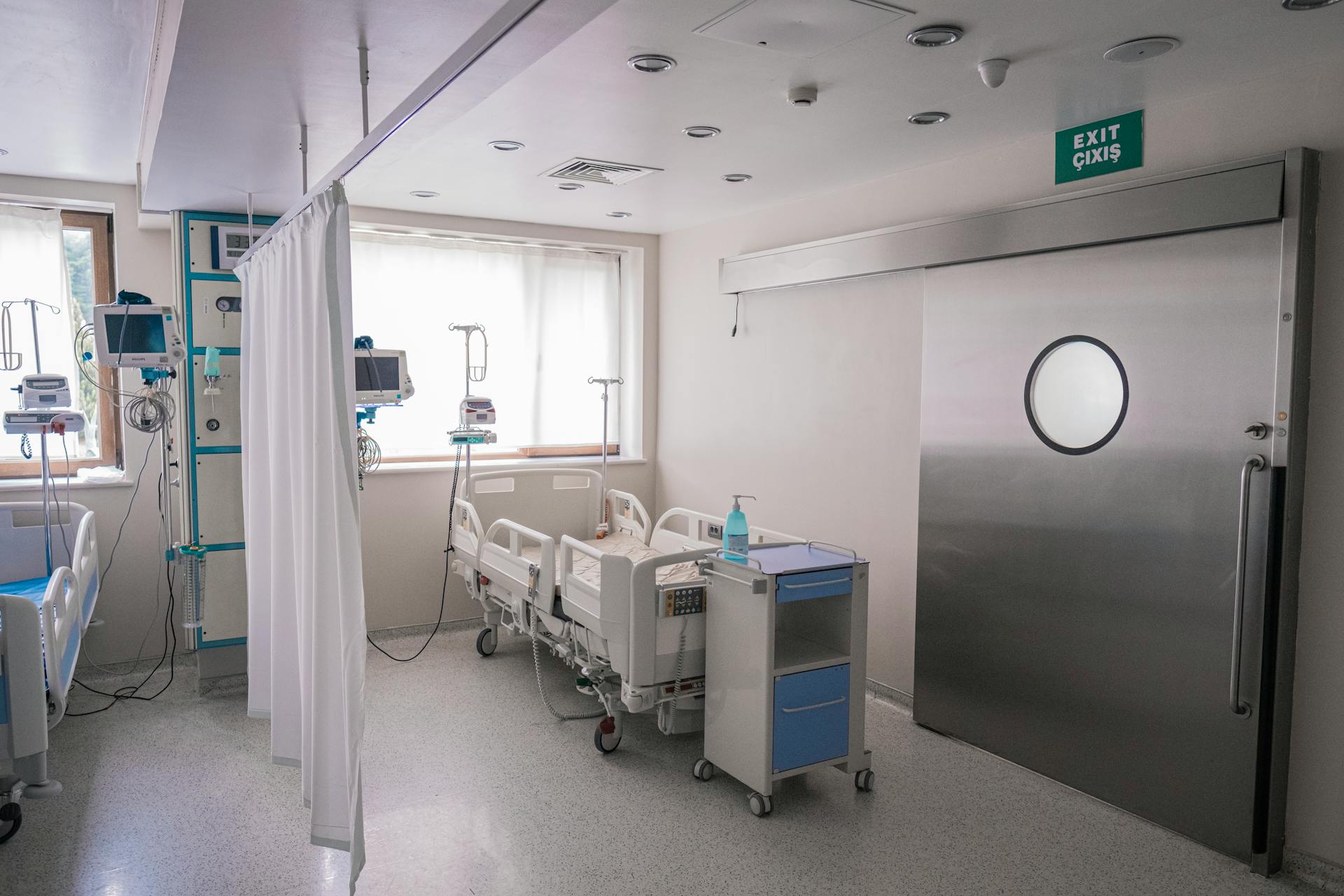
Hospitals consume enormous amounts of energy around the clock to operate heating, ventilation, and air conditioning (HVAC) systems, in addition to lighting, medical equipment, and numerous other devices. This excessive energy consumption not only leads to high operating costs but also contributes to increased greenhouse gas emissions, negatively impacting the environment. Therefore, designing energy-efficient hospitals is a critical necessity to achieve both financial and environmental sustainability.
Energy-Efficient Hospitals

The Role of Biomedical Engineers in the Design Process

Biomedical engineers play a crucial role in designing energy-efficient hospitals. They are responsible for integrating and managing the medical technologies that consume a significant portion of a hospital’s energy. Through their deep understanding of the energy requirements of medical equipment, they can:

Select Energy-Efficient Equipment: Evaluate the energy efficiency of various medical devices and choose those that consume less energy without compromising performance or quality.

Optimize Equipment Usage: Develop protocols and procedures to ensure efficient use of medical equipment, such as turning off devices when not in use and scheduling regular maintenance to maintain optimal performance.

Design Integrated Systems: Collaborate with architects, mechanical, and electrical engineers to integrate medical equipment into the building design in a way that minimizes energy consumption. For example, they can help design efficient cooling and ventilation systems for laboratories and operating rooms.

Monitor and Analyze Energy Consumption: Utilize energy management systems to monitor and analyze the energy consumption of medical equipment and identify areas for improvement.
مستشفيات موفرة للطاقة

Strategies for Designing Energy-Efficient Hospitals

Biomedical engineers and designers hold a pivotal role in radically transforming energy consumption in hospitals by adopting a variety of innovative strategies. Among these strategies, improving HVAC systems stands out, as they are one of the largest energy consumers in healthcare facilities. This can be achieved by using high-efficiency HVAC systems and implementing heat recovery systems that recycle wasted energy, in addition to activating demand-controlled ventilation to ensure that unoccupied spaces are not unnecessarily ventilated. Furthermore, enhancing the design of air ducts and using high-quality insulation materials to reduce energy loss are also key factors.

In addition to HVAC systems, lighting represents another critical element that can be developed to reduce energy consumption. This is primarily achieved by replacing traditional bulbs with LED lights, which are known for their high efficiency and long lifespan. Maximizing the use of natural light through smart architectural design plays a significant role in reducing reliance on artificial lighting during daylight hours. Moreover, installing motion sensors and lighting control devices ensures that lights are turned off in unoccupied areas, effectively contributing to energy conservation.

Efforts to save energy do not stop at the basic building systems; they also extend to the medical equipment itself. It is crucial to acquire high-energy-efficiency medical devices and establish regular maintenance programs to ensure they operate at maximum capacity while consuming the least amount of energy. Additionally, implementing clear protocols to turn off equipment when it is not needed is a simple yet effective step in reducing overall energy consumption.

Looking further ahead, embracing sustainable design principles for buildings—including the use of insulated building materials, energy-efficient windows, designs that maximize natural light, the integration of renewable energy sources such as solar panels and geothermal energy, and the implementation of smart energy management systems to monitor and analyze consumption—are all integrated steps toward achieving hospitals that use energy more efficiently and are sustainable in the long term.
Practical Steps for Designing Energy-Efficient Hospitals

There are several crucial steps to take when starting a project to design or renovate hospitals with energy savings in mind:

1- Assess the Current Situation:

Before beginning any renovation or new design project, engineers should conduct a comprehensive assessment of the hospital’s current infrastructure. This includes reviewing heating and cooling systems, thermal insulation, lighting, and electrical equipment. This assessment is the first step toward identifying weaknesses and strengths that can be improved to achieve better efficiency.

2- Apply Dynamic Energy Modeling:

Using simulation software and dynamic energy modeling can help visualize multiple scenarios for energy saving. By studying the effects of different modifications, designers can choose the best solutions that achieve energy savings without compromising patient comfort or operational efficiency.

3- Adopt Machine Learning Techniques:

Employing machine learning models is an innovative step to predict and analyze energy consumption. These models can identify patterns and the most influential factors, allowing adjustments to systems based on different operating conditions and achieving enhanced energy performance. This approach represents the future of designing energy-efficient hospitals, as models can be regularly updated with changing environmental and operational conditions.
4- Improve Insulation and Windows:

As many studies have shown, improving glazing and window technologies plays a central role in designing energy-efficient hospitals. Adopting double-glazed windows and choosing types of glass that reduce thermal loss allow the hospital to benefit from natural light without adversely affecting the heating and cooling systems.

5- Use Advanced Lighting and Electrical Systems:

Implementing modern lighting technologies, such as LED lighting, is one of the effective means of reducing energy consumption. Additionally, integrating smart control systems that adjust lighting and air conditioning levels according to the building’s needs and different times of the day can further optimize energy use.

Designing energy-efficient hospitals requires a comprehensive approach that combines innovative architectural design, advanced technology, and effective energy management. Biomedical engineers play a pivotal role in this effort by ensuring the efficient integration and use of medical equipment. By adopting sustainable design strategies and best practices, we can create hospitals that not only reduce energy consumption and operating costs but also enhance patient comfort and safety, contributing to a more sustainable future. If you want to elevate your status as a biomedical engineer to reach a high level, all you need to do is contact us through the HSI website and explore our services and training courses.


Soft skills for engineers of biomedical 2025 | 5 basic skills

In an era of rapid advancements in biomedical engineering, technical knowledge alone is no longer sufficient for success. Soft skills for engineers have become a crucial component in the career development of any biomedical engineer aiming to excel in this competitive field. In this article, we will explore five fundamental soft skills that blend personal and professional aspects, forming the cornerstone of a successful future for biomedical engineers in 2025.

Soft Skills for Biomedical Engineers

In the growing field of biomedical engineering, soft skills are essential for success and innovation. Biomedical engineers must integrate a combination of scientific knowledge, technical expertise, and interpersonal skills to excel in their roles. Below are the key soft skills that biomedical engineers need to thrive in the evolving landscape of biomedical technology and healthcare.

1) Effective Communication and Collaboration Skills

Effective communication is one of the most critical soft skills for engineers, especially in a field that requires collaboration with multidisciplinary teams. Biomedical engineering is not solely about technical expertise; it also involves the ability to explain complex concepts clearly to doctors, nurses, scientists, and other healthcare professionals.

soft skills for engineers

The Importance of Communication in the Workplace

In biomedical projects, engineers from various disciplines, such as electronics, mechanics, and biology, collaborate to develop medical devices or innovative treatment solutions. Therefore, engineers must be capable of:

  • Explaining Complex Ideas in Simple Terms: This helps facilitate knowledge transfer among professionals with different backgrounds.
  • Negotiating and Conflict Resolution: Engineers should be able to manage discussions and resolve personal conflicts that may arise during teamwork.
  • Delivering Presentations and Reports: Strong presentation skills ensure that projects meet required standards and receive necessary support from all stakeholders.

Additionally, active listening is a crucial part of soft skills for engineers. It enables them to quickly grasp team feedback and develop integrated solutions that align with workplace needs. Given the intense competition and complex challenges in the industry, continuous collaboration and effective communication significantly enhance an engineer’s ability to innovate and accelerate project execution.

2) Problem-Solving and Creative Innovation

Biomedical engineers face complex challenges that require innovative and effective solutions, making problem-solving and creative thinking fundamental pillars in medical project development.

Integrating Creativity with Problem-Solving Methodologies

Developing advanced medical devices demands a deep understanding of medical challenges and a precise analysis before proposing innovative solutions. This highlights the importance of:

  • Critical Problem Analysis: Studying all aspects of a problem and identifying strengths and weaknesses in the system.
  • Generating New Ideas: Utilizing creativity to design devices or systems that enhance treatment outcomes.
  • Experimentation and Practical Application: Testing new ideas in a simulated environment or on a small scale before full implementation.

soft skills for engineers

By refining their soft skills, engineers can systematically and creatively tackle problems, delivering solutions that exceed expectations and contribute to improving healthcare services. Furthermore, combining analytical thinking with creativity fosters an innovative work environment where technical expertise meets renewal and invention.

3) Analytical Thinking and Scientific Research

Analytical thinking and scientific research are core elements and the driving force behind innovation in biomedical engineering. These soft skills for engineers expand the boundaries of knowledge and open new horizons for medical technology advancements.

The Role of Research and Analysis in Performance Improvement

Engineers face challenges that require a deep understanding of data and precise analysis to develop practical solutions that directly aid patient treatment and assist medical professionals. This process involves:

  • Data Collection and Analysis: Utilizing advanced scientific research methods to analyze results and ensure the safety and effectiveness of medical devices.
  • Continuous Experimentation: Conducting repeated trials to refine prototypes and improve them based on analytical findings.
  • Practical Application of Research: Translating research outcomes into technological solutions applicable in hospitals and medical centers.

Enhancing engineers’ analytical and research skills enables them to gain deeper insights into medical needs, leading to the development of cutting-edge devices that improve patient quality of life. Moreover, the ability to analyze information and extract valuable conclusions is key to progress in this field, especially with the continuous advancements in information technology and big data.

You can also check out: The Importance of Sales Skills for Biomedical Engineers and How to Master Them

4) Adaptability and Continuous Learning

Another essential soft skill for engineers, particularly in biomedical engineering, is the ability to adapt and engage in continuous learning. Given the rapid technological advancements in the healthcare sector, staying updated is crucial for long-term success.

soft skills for engineers

Challenges and Changes in the Work Environment

Biomedical engineering is one of the most rapidly evolving fields, with new technologies emerging regularly and market demands constantly shifting. Engineers must:

  • Stay Updated with Innovations: Follow the latest research, technologies, and breakthroughs relevant to their field.
  • Be Open to Change: Embrace new learning methodologies and develop practical strategies to handle evolving challenges.
  • Invest in Self-Development: Participate in training courses, workshops, and scientific events to enhance their knowledge and skills.

Adaptability is a key soft skill for engineers that enhances resilience and confidence in handling industry changes. Engineers who commit to continuous learning not only keep up with current trends but also invest in their professional future, ensuring they remain competitive and innovative in their field.

5) Ethical Professionalism and Compliance with Standards

Given the critical nature of biomedical engineering, where patient safety and well-being are at stake, ethical professionalism and adherence to industry standards are among the most vital soft skills for engineers in this domain. Technical expertise alone is not enough—engineers must also uphold ethical responsibility in their work.

soft skills for engineers

The Importance of Ethics and Regulatory Standards

When designing medical devices and therapeutic applications, engineers must ensure that all processes align with strict ethical and regulatory guidelines, including:

  • Compliance with Regulatory Bodies: Adhering to standards set by organizations like the FDA and ISO to guarantee product safety and effectiveness.
  • Protecting Patient Privacy: Ensuring that all technological solutions respect patient rights and maintain data confidentiality.
  • Social Responsibility: Practicing transparency and integrity in all professional interactions.

Strengthening ethical professionalism ensures that engineers play an active role not only in technological advancements but also in patient safety and community welfare. Upholding high ethical standards and industry compliance builds trust and credibility, which are invaluable assets in a successful engineering career.

In the rapidly evolving field of biomedical engineering, success is not solely dependent on technical knowledge. Soft skills for engineers, such as adaptability, analytical thinking, problem-solving, and ethical professionalism, are critical for innovation and effective collaboration in multidisciplinary environments.

If you are looking to advance your career in biomedical engineering, HSI is your gateway to excellence. We offer a comprehensive range of specialized training programs led by industry experts to help you acquire the skills necessary to enhance your career prospects and make a real impact in the healthcare sector. Join us now and be part of the future of biomedical engineering!

Source: Top Skills You Need for a Career in Biomedical Engineering

Tips and Skills to Improve Public Speaking for Biomedical Engineers

A biomedical engineer faces several challenges when speaking in public, as a medical engineer is not only responsible for developing medical devices and technologies, but also for clearly conveying their ideas to doctors, investors, patients, and even fellow engineers, public speaking being a crucial skill for any medical engineer who aspires to succeed in their field—whether presenting a research project or explaining how a new medical device works. In this article, we will discuss practical tips that help biomedical engineers enhance their public speaking skills while taking into account the technical and scientific aspects that characterize this field.

Key Public Speaking Skills for Biomedical Engineers

Public speaking is a crucial skill for biomedical engineers, whether they are presenting their research, pitching ideas, or communicating with diverse audiences. However, many biomedical engineers may feel anxious, unprepared, or unsure about how to deliver effective presentations. Here are some practical tips and strategies to enhance your public speaking skills as a biomedical engineer.

Public Speaking

1- Understand Your Audience Well

One of the most important secrets to successful public speaking is knowing who you are addressing, as biomedical engineers often speak to diverse audiences that may range from surgeons who need to understand how to use a particular device, to investors looking for investment opportunities, and researchers interested in R&D. Therefore, before any presentation, get to know your audience—are they experts in the field or non-technical individuals? Adjust the level of detail and technical terminology according to their knowledge; for example, when speaking to doctors, focus on the clinical benefits of the device, whereas with investors, emphasize the commercial aspects and financial returns.

2-Simplify Complex Information

Biomedical engineering is a field full of scientific terminology and complex data. When speaking in public, you should not overwhelm your audience with information that is difficult to understand. Use analogies and stories to make technical concepts easier to grasp; for instance, if you are explaining how a pacemaker works, you can compare it to a small battery that delivers electrical pulses to help the heart beat regularly. This approach makes the information clearer, especially if the audience is not specialized.

3- Use Body Language and Eye Contact

Effective communication relies not only on words but also on body language. When speaking, stand confidently and avoid putting your hands in your pockets or showing signs of nervousness. Make direct eye contact with your audience, as this enhances your credibility and keeps them more engaged. If you are presenting in front of investors, your body language should reflect enthusiasm and professionalism; whereas if you are explaining an experience to engineering students, you can use hand gestures to clarify the concepts.

4- Practice Your Presentation in Advance

Practice is the key to mastering public speaking. Do not leave things to chance; rehearse your presentation several times before the scheduled time. You can record yourself on video to review your performance and speaking quality, or present in front of friends or colleagues to get their feedback. Training not only boosts your confidence during the presentation but also helps reduce anxiety and manage any unexpected mistakes that may occur.

5- Focus on a Professional Visual Presentation

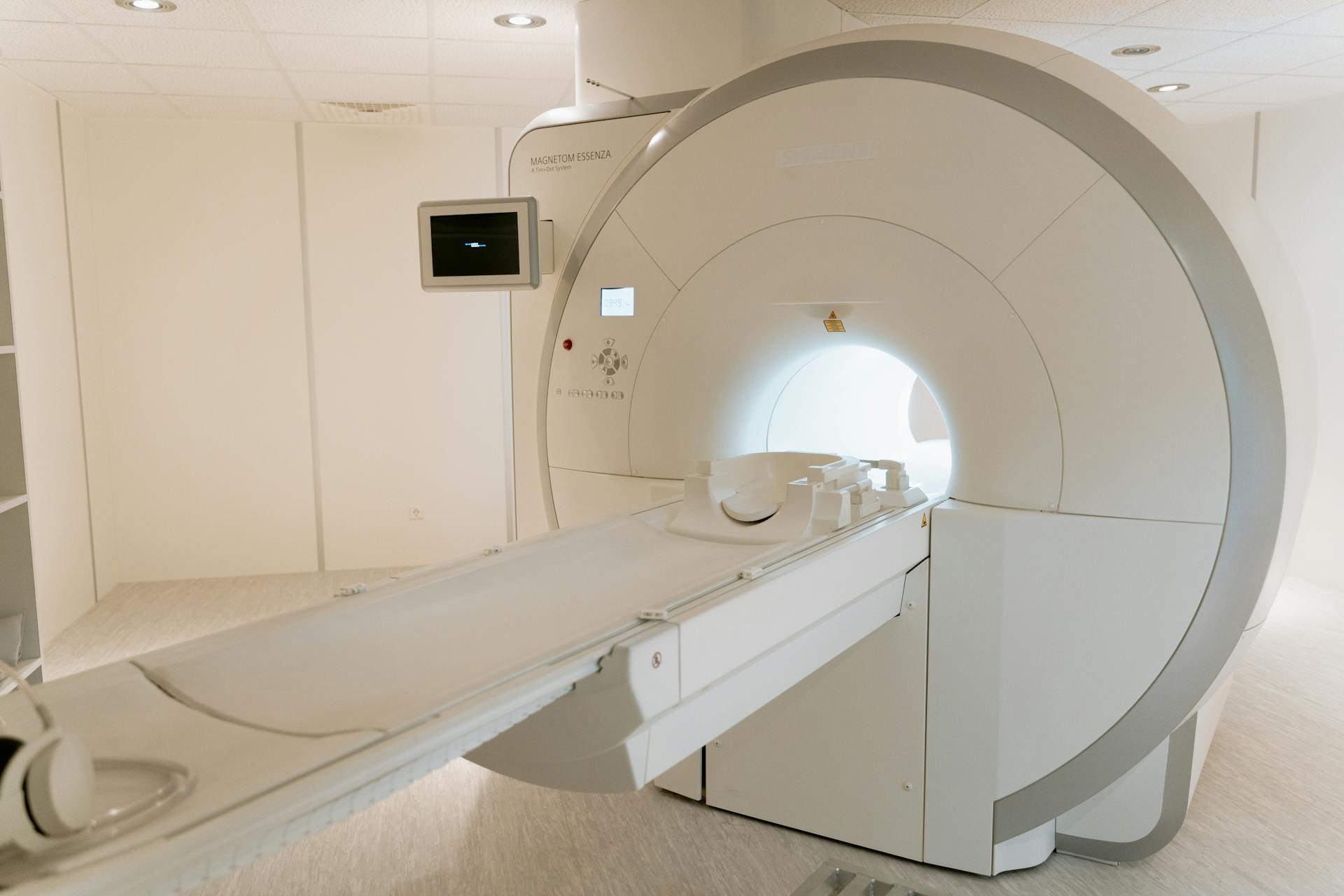
In the field of biomedical engineering, presentations often require the use of charts, illustrative images, and even 3D models. Ensure that your presentation contains clear and simple slides that are not overloaded with information and include visual elements that support your message rather than replace it. Avoid putting large amounts of text on each slide; instead, use key bullet points supported by images and graphics—for example, when explaining how an MRI machine works, you can display an image of the device along with a brief explanation next to it.

6- Handle Questions with Confidence

After any presentation, it is expected that the audience will ask questions. Do not be afraid of this; rather, consider it an opportunity to demonstrate your knowledge and ability to interact. Listen carefully to each question before responding, and do not rush your answer. If you encounter a question to which you do not know the answer, do not try to provide an uncertain response; instead, you can say: “That is an excellent question, and I will look into it and get back to you later.” This approach makes you appear more professional rather than unprepared.

7- Control Your Nerves

Nervousness is natural when speaking in public, but it should not control you. Use deep breathing and relaxation techniques before stepping on stage or speaking in front of colleagues. Regular practice also makes you more confident and reduces the likelihood of excessive nervousness. Try to visualize a successful presentation, as this helps calm your nerves and increase your focus.

8- Relate Your Talk to Real-Life Experiences

One of the most effective ways to capture your audience’s attention is to connect your talk to a personal experience or a real medical case. If you are explaining a medical device you developed, share the story of a patient who benefited from it. This method makes your talk more impactful and convincing, especially when dealing with investors or healthcare organizations. For example, if you are discussing a glucose monitoring sensor, you could mention the story of a patient who suffered from diabetes complications and how the device helped improve their quality of life.

9- Learn from the Experts

Observe other engineers who are successful in public speaking, whether they are speakers at scientific conferences or entrepreneurs in the medical technology field. Study their style, the way they present, and how they interact with the audience, as this can provide many ideas to enhance your own performance. You can also attend training courses in public speaking and presentation skills or even participate in specialized workshops on engineering project presentations.

Mastering public speaking is an essential skill for every medical engineer who wishes to succeed in their field. By understanding your audience, simplifying information, using effective body language, and continuous practice, you can deliver powerful and impactful presentations that enhance your professional influence. Do not be afraid to try new techniques and continually improve your skills with every opportunity to speak in public; over time and with practice, this skill will become a powerful tool that helps you achieve your professional goals as a biomedical engineer.

In conclusion If you are looking to make a transformative leap in your public speaking skills and enhance your presentation performance, HSI offers the ideal solutions! Contact us today to benefit from our specialized training courses and professional consulting services designed exclusively for biomedical engineers. Invest in yourself, begin your journey towards professionalism and excellence, and don’t miss the opportunity to be part of a community of experts who are always striving to learn and grow. Join HSI now and start changing the course of your professional life for the better!

Source: Professional & Executive Development | Harvard DCE

All copyrights reserved to © HSI