The Future of Wearable ECG Monitoring Devices

The healthcare field has witnessed significant developments thanks to technological advancements that have enabled the use of AI-powered wearable ECG monitoring devices. Since the early days of using various monitoring and diagnostic techniques, patient conditions have been observed more accurately than before. This has led to improved treatment quality and more efficient medical procedures. The process is no longer limited to visits to hospitals and traditional medical centers; patients can now monitor their health at home using these smart devices.

Combining health monitoring technologies with artificial intelligence

The idea of integrating wearable monitoring technologies with artificial intelligence began several decades ago, with scientists and innovators developing early prototypes for early diagnosis. Today, with noticeable improvements in computing capabilities and the availability of vast amounts of data, AI plays a pivotal role in analyzing medical information and providing accurate recommendations, thereby enhancing the performance of wearable ECG monitoring devices.
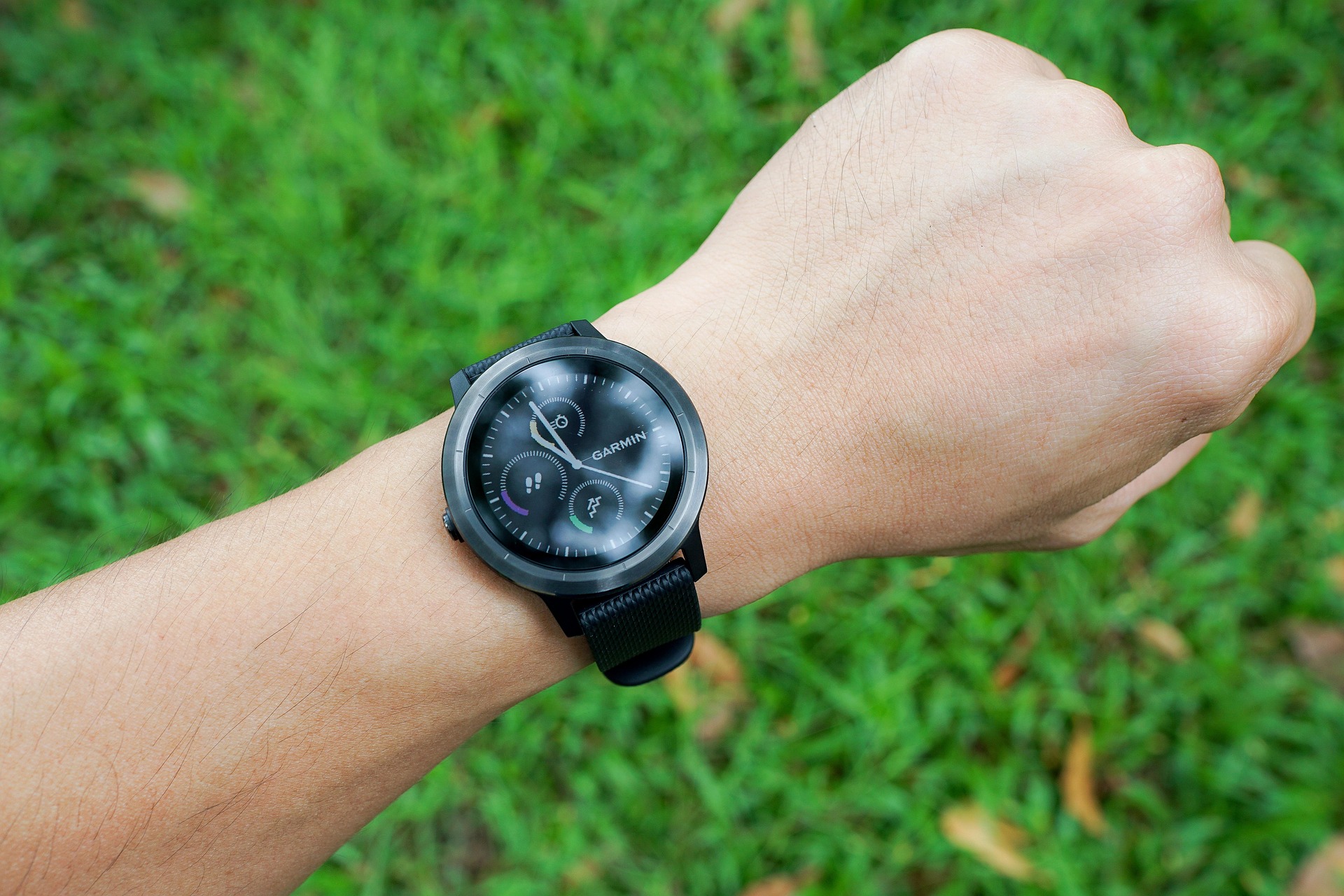
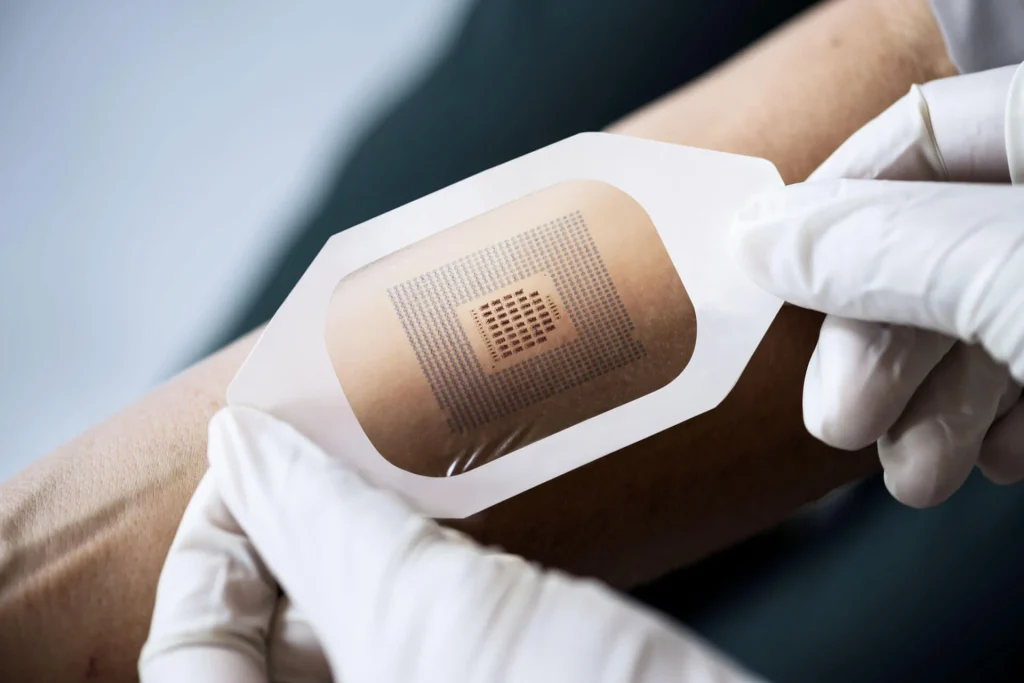
Wearable ECG

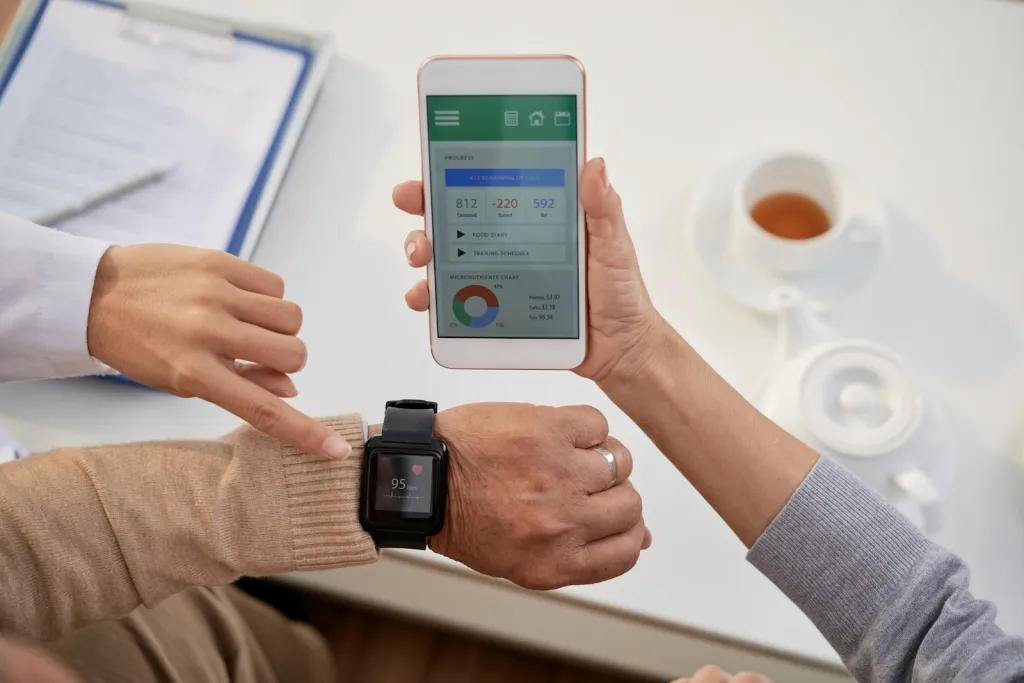
These devices are used to measure a wide range of vital signs, such as heart rate, blood pressure, blood oxygen levels, and electrocardiogram (ECG) activity. These measurements have narrowed the gap between patients and doctors, allowing for early medical intervention and preventing the development of chronic diseases.

Research and Evaluation Methodology

Modern studies rely on a comprehensive analysis of published research in the field of wearable ECG monitoring devices and artificial intelligence. The references and data are classified through several stages:

  • Identifying Sources and Data: The process began by gathering sources from global databases such as Google Scholar, resulting in thousands of articles discussing AI and its applications in healthcare.
  • Reviewing Titles and Abstracts: A meticulous filtering process was carried out to select the most relevant articles, focusing on studies that addressed the use of wearable ECG monitoring devices in disease diagnosis.
  • Technical Evaluation: The review included an assessment of the research methodologies and techniques used in each study, highlighting the technological innovations and the AI used in analyzing patient data.
  • Data Integration: The data was merged to create a comprehensive view of how wearable ECG monitoring devices impact workflow in medical institutions and enhance the quality of healthcare.

This methodology illustrates that progress in wearable ECG monitoring devices is not solely dependent on technical advancements but also on how they integrate with existing electronic medical record systems and established AI systems.

Research Findings and Key Innovations

There are several remarkable outcomes from research in this field, including:

1- Improved Early Diagnosis and Continuous Monitoring

Numerous studies have demonstrated that wearable ECG monitoring devices contribute to the early detection of arrhythmias, such as atrial fibrillation. These devices offer continuous monitoring of vital heart indicators, enabling doctors to detect any abnormal changes immediately. One study indicated that using these devices could reduce diagnostic errors by up to 30%, thereby improving patient treatment outcomes.

2- Reduced Need for Frequent Medical Visits

Thanks to wearable ECG monitoring devices, patients can now monitor their health remotely, reducing the need for repeated hospital visits. This approach not only eases the burden on healthcare systems but also saves time and effort for patients, especially those with chronic conditions that require constant monitoring.

3- Enhanced Quality of Medical Data

Continuous and effective data collection is one of the key advantages of wearable ECG monitoring devices. These devices provide accurate data regarding the patient’s health status, which helps train AI models to analyze patterns and predict potential health risks. Moreover, this data can be integrated with electronic medical records, offering a comprehensive system for monitoring and documenting medical cases.

4- Enhanced Interaction Between Patients and Healthcare Providers

The use of wearable ECG monitoring devices fosters an interactive environment between patients and doctors, as physicians can monitor data in real time and provide immediate medical consultations. This direct interaction helps build trust between both parties and enables the delivery of more personalized and effective healthcare.

Opportunities for Innovation in Healthcare

Integrating wearable ECG monitoring devices with AI technologies marks a transformative shift in healthcare. These innovations are expected to improve the efficiency of diagnosis and treatment, as AI can analyze data faster and more accurately than traditional methods while reducing healthcare costs. By minimizing medical errors and optimizing time and resource management, personalized medicine is enabled, where continuous data provides an accurate picture of each patient’s condition. This allows for the customization of treatment plans to meet individual needs, enhances preventive care, and ensures continuous monitoring by identifying health risks before they escalate and enabling early intervention.

Challenges Facing Device Implementation

Despite the clear benefits, wearable ECG monitoring devices face some core challenges. One of the main issues is managing the vast amounts of data generated by these devices, which require effective and secure storage and analysis. Integrating the generated data with existing electronic medical records demands the development of new protocols and updates to technical infrastructure, privacy, and security measures. Protecting patients’ health information from cyberattacks and breaches is of utmost priority. Additionally, doctors and nurses need to trust and adopt the new technology as an aid in providing healthcare without undermining their traditional skills and expertise.

The Role of Artificial Intelligence in Device Development

Artificial intelligence is considered the pivotal element that will transform wearable ECG monitoring devices from mere measuring tools into integrated diagnostic systems. AI relies on machine learning and deep learning techniques to analyze data patterns and deliver accurate predictions regarding a patient’s health status. Through these analyses, diagnostic accuracy can be improved and medical error rates reduced. Moreover, AI enables the development of interpretative models that explain the decision-making process, thereby increasing users’ confidence in the system.
Current Applications in Healthcare

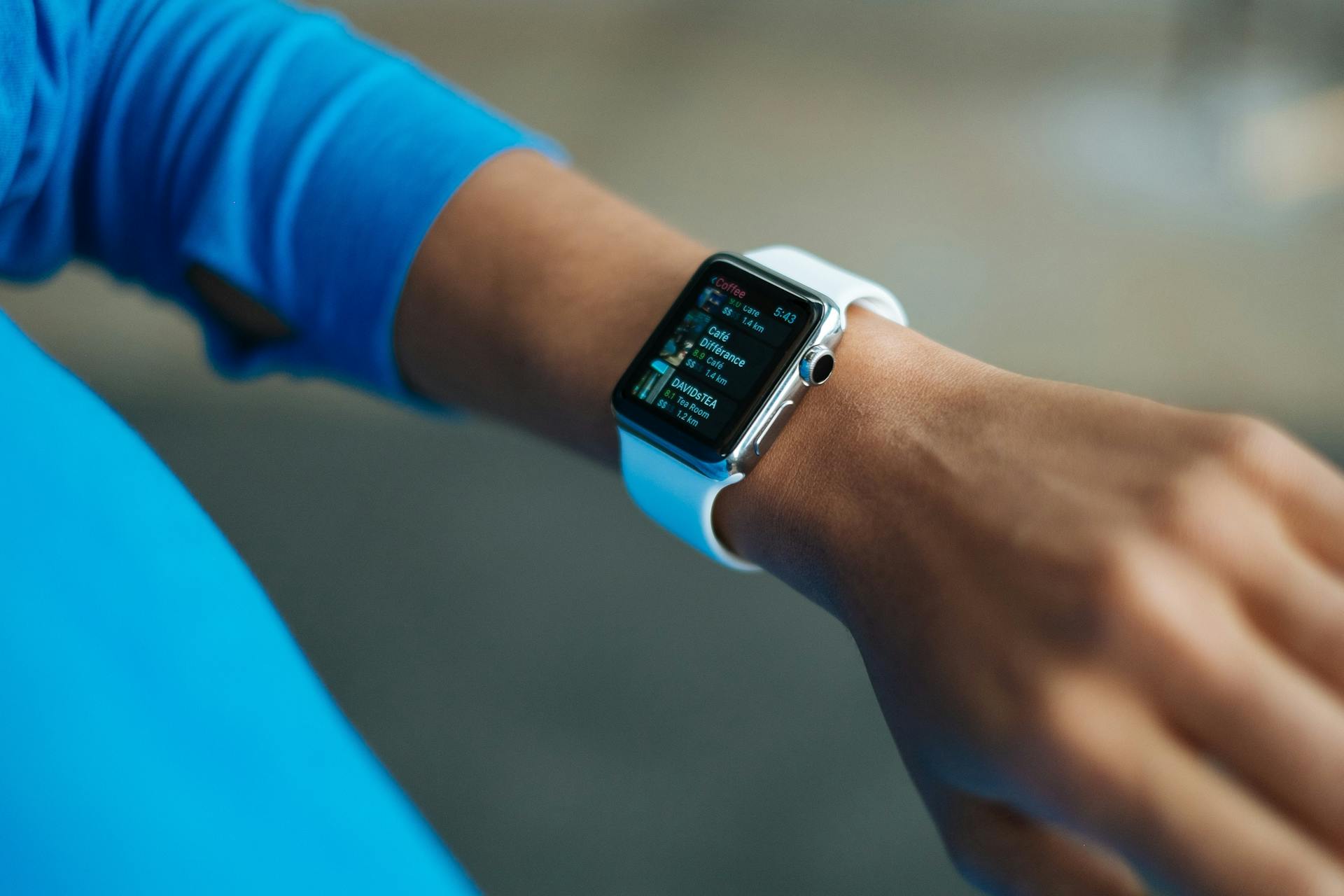
Wearable ECG monitoring devices are currently used in many medical institutions, where they are integrated with smartphone applications and remote monitoring systems. For example, they are employed for the early detection of arrhythmias, continuously monitoring heartbeats to detect any irregularities. They also facilitate remote patient monitoring, especially for those suffering from chronic diseases, allowing doctors to track their condition without the need for frequent visits. Additionally, data analysis through AI algorithms provides precise treatment recommendations based on the collected data.

It is expected that the future will bring unprecedented developments in wearable ECG monitoring devices, particularly with advancements in AI and wireless communications. Some future trends include increased integration with advanced AI systems, which will lead to continuously improved diagnostic accuracy and analysis. Moreover, the development of more comfortable and wearable devices, with improved manufacturing materials for enhanced flexibility and lightness, will allow for extended use without discomfort. The scope of usage is also expected to expand beyond just ECG monitoring to include other health indicators, creating a comprehensive health system based on continuous monitoring and early prevention. Additionally, advanced protocols for data protection and cybersecurity will be developed to ensure safety and privacy.

At HSI, we believe that empowering medical engineers with modern knowledge and skills is key to the future. Therefore, we invite you to join our specialized training courses as we delve into these technologies and prepare you to play an active role in shaping the future of smart healthcare.
Wearable Medical Devices: How AI is Shaping the Future of Healthcare

In recent years, the healthcare sector has witnessed groundbreaking technological advancements, with the integration of artificial intelligence (AI) bringing a paradigm shift in patient care. One of the most notable developments is wearable medical devices, which are revolutionizing healthcare. These innovative devices not only transform how we monitor and manage our health but also unlock new possibilities in medical research and personalized medicine. In this article, we will explore these advancements in detail.

What Are Wearable Medical Devices?

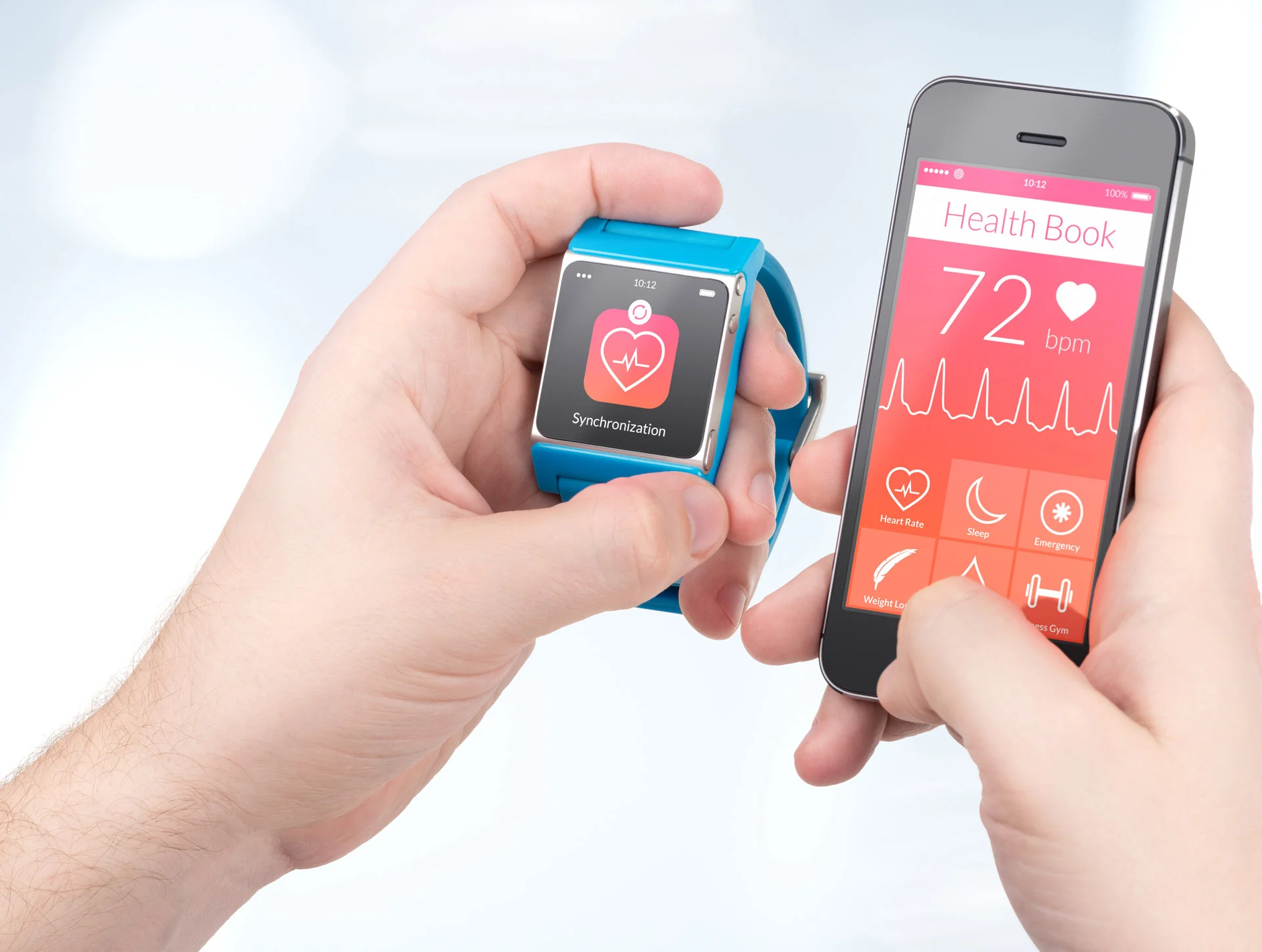
Wearable medical devices are small, portable electronic devices worn on the body, capable of collecting, analyzing, and transmitting a wide range of health data. These devices can monitor various vital signs, such as heart rate, blood pressure, and temperature, providing real-time information that can be used for early disease detection or chronic condition management. With technological advancements, these devices have become more sophisticated, offering features such as ECG monitoring, continuous glucose monitoring (CGMs), and even sleep tracking.

Wearable Medical Devices - How AI is Shaping the Future of Healthcare

Benefits of AI-Powered Wearable Medical Devices

The integration of AI in wearable medical devices is transforming healthcare by providing patients and healthcare providers with continuous, data-driven insights. This personalized approach enhances patient care, particularly in managing chronic diseases and promoting preventive health measures. By tailoring interventions to individual needs, AI-powered wearables improve patient outcomes, enhance healthcare services, and empower individuals to take control of their health. Here are some key benefits of incorporating AI into these devices:

1. Enhanced Monitoring and Early Detection

AI-powered wearable devices continuously monitor vital signs and detect irregularities, enabling early detection of health risks such as arrhythmias or sudden changes in blood sugar levels—often before noticeable symptoms appear. This allows timely interventions and has shown promising results in detecting atrial fibrillation, potentially preventing strokes.

2. Personalized Treatment Plans

By analyzing individual health data, AI tailors’ treatment recommendations to meet specific patient needs, optimizing medication dosages, exercise routines, or dietary adjustments for more effective care. For instance, AI can adjust insulin doses for diabetics based on real-time glucose readings or suggest lifestyle modifications for hypertension patients.

3. Better Chronic Disease Management

Continuous monitoring enables more effective management of chronic diseases, particularly where one-size-fits-all treatments often fall short, such as diabetes, hypertension, and cardiovascular conditions. This reduces complications and hospital admissions, leading to more responsive care.

Wearable Medical Devices - Future of Healthcare

4. Empowering Patients

AI-powered wearable medical devices enhance patient engagement by providing real-time health insights, personalized health tips, and reminders, enabling individuals to manage their health more effectively.

5. Improved Patient Outcomes

By facilitating early interventions and continuous data-driven analysis, wearable devices improve long-term healthcare outcomes. Preventing severe complications, reducing hospital admissions, and minimizing emergency visits ultimately enhance patients’ quality of life.

6. A Key Role in Preventive Medicine

AI-powered medical devices play a crucial role in preventive medicine. Through continuous monitoring of vital signs and daily activities, these devices help individuals identify potential health risks and make informed decisions to prevent illnesses. For example, a wearable device tracking physical activity and sleep patterns can provide valuable insights into lifestyle habits that may contribute to obesity or sleep disorders.

7. Enabling Individuals to Take Charge of Their Health

Patients can easily track their progress and share data with their doctors, facilitating informed decision-making in diagnosis and treatment. For example, individuals with chronic conditions can use wearables to monitor symptoms and make necessary lifestyle or medication adjustments, ultimately leading to better health outcomes and quality of life.

How Wearable Medical Devices Support Medical Research

The benefits of wearable medical devices extend beyond patients; they also offer significant advantages to the medical research community. In clinical trials, these devices play a crucial role in collecting accurate and reliable data. Traditional data collection methods often rely on self-reported information or intermittent measurements, which can be prone to errors. In contrast, wearable devices provide continuous and objective data, offering a more comprehensive view of a patient’s health.

By integrating these devices into clinical trials, researchers can gather real-time data on how patients respond to treatments, identify potential side effects, and monitor adherence to prescribed therapies. This wealth of information allows for more precise assessments of the efficacy and safety of new treatments, ultimately accelerating drug development and bringing new medications to market faster.

How Do Wearable Medical Devices Work?

Wearable medical devices are equipped with sensors that continuously collect data on vital signs, physical activity, and other health metrics. This data is then transmitted to a smartphone or another connected device for analysis and interpretation. Some devices provide real-time feedback, while others store the information for healthcare professionals to review later.

Wearable Medical Devices

Types of Wearable Medical Devices

  1. Wearable medical devices come in a variety of forms, catering to different health needs and preferences. Here are some common examples:
  2. Fitness Trackers: Monitor physical activity, heart rate, sleep patterns, and calorie consumption.
  3. Smartwatches: Many smartwatches include health monitoring features, such as heart rate tracking, blood pressure monitoring, and ECG functionality.
  4. Continuous Glucose Monitors (CGMs): Essential for individuals with diabetes, these devices provide real-time blood sugar readings without the need for finger pricks.
  5. Wearable ECG Monitors: Detect irregular heart rhythms and other cardiac issues, enabling early intervention and heart attack prevention.
    Smart Rings: Compact devices offering various health monitoring features, including heart rate tracking, blood oxygen levels, and sleep analysis.
  6. Wearable Biosensors: Advanced devices capable of measuring multiple biomarkers, such as stress levels and skin temperature.
  7. AI-Powered Devices: Enhance data analysis, allowing for precise health monitoring and predictive insights.
  8. Sleep Management Devices: Track sleep patterns and provide actionable insights to improve sleep quality and overall health.
  9. Wearable Hearing Aids: Advanced hearing aids and smart earbuds that offer hearing assistance, health tracking, and seamless connectivity.
  10. Smart Glasses: Enhance vision, provide real-time data, and assist in rehabilitation or accessibility solutions.
  11. Wearable Robots: Aid mobility and rehabilitation, supporting physical therapy and improving movement.
  12. Smart Clothing: Garments embedded with sensors to track physical activity, posture, and health metrics.

The Future of Wearable Medical Devices

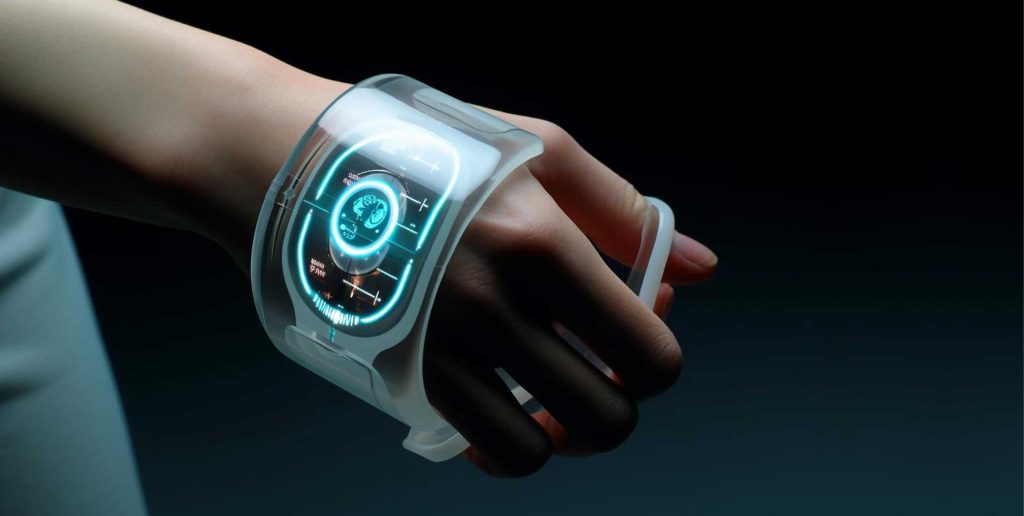
The field of wearable medical devices is advancing rapidly, and we can expect to see smaller, more comfortable devices with expanded capabilities. Integration with artificial intelligence (AI) will enable more sophisticated data analysis and personalized recommendations. Moreover, wearable technology will play an increasingly vital role in managing chronic diseases, monitoring mental health, and providing remote patient care.

How AI is Shaping the Future of Healthcare

Challenges Facing Wearable Devices

While wearable medical devices significantly enhance healthcare, they also face several challenges that must be addressed:

  1. Data Privacy and Security: Protecting sensitive health data is crucial to prevent unauthorized access.
  2. Regulatory Compliance: The development and commercialization of these devices must adhere to strict regulatory guidelines to ensure safety and effectiveness.
  3. User Adoption: Ensuring that individuals wear and use these devices correctly is essential for accurate data collection and effective health management.
  4. Battery Life: Limited battery life can be inconvenient and hinder continuous monitoring.
  5. Data Accuracy: These devices rely on sensors to monitor vital signs, but external factors such as body movement, environmental conditions, or sensor placement can impact data accuracy.

Conclusion

Despite these challenges, wearable medical devices have revolutionized healthcare by offering innovative solutions for monitoring, diagnosing, and treating a wide range of health conditions. With advancements in sensor technology, AI integration, and personalized healthcare, these devices are becoming more accurate, user-friendly, and accessible. As they continue to evolve, they hold great promise for improving patient outcomes, enhancing healthcare management, and reducing the burden on traditional healthcare systems.

source: Wearable Medical Devices: The Future of Healthcare

Smart Hospital Design: Integrating IoT and AI for Better Patient Care

In an era where healthcare challenges and pressure on medical systems are increasing, Smart Hospital Design emerges as an innovative solution that leverages technology to enhance medical outcomes. This concept integrates advanced technologies such as the Internet of Things (IoT), Artificial Intelligence (AI), and other digital systems to create a seamless environment that supports early disease diagnosis, enables continuous patient monitoring, and optimizes resource management effectively.

Understanding Smart Hospital Design

Smart Hospital Design refers to the integration of modern technologies within a hospital’s infrastructure to achieve comprehensive and efficient patient care. This concept goes beyond traditional healthcare by utilizing intelligent systems that communicate in real time, providing instant data on patient conditions, medical equipment, and environmental factors within the hospital. Through this approach, smart hospital design contributes to:

  • Enhancing Patient Experience: By offering personalized healthcare services and precise monitoring of their condition.
  • Improving Operational Efficiency: Through automation of administrative and medical tasks, reducing human errors.
  • Supporting Decision-Making: By analyzing data and predicting future needs using AI-driven algorithms.

Smart Hospital Design

Essential Technologies in Smart Hospital Design

The integration of cutting-edge technologies is a driving force behind Smart Hospital Design, enabling healthcare facilities to enhance efficiency, patient care, and medical outcomes. Many countries are actively adopting these innovations to transform traditional hospitals into smart healthcare environments. Below are the key technologies shaping smart hospital design.

1) Internet of Things (IoT)

The Internet of Things (IoT) serves as the backbone of Smart Hospital Design, consisting of a network of connected smart devices that collect real-time data. Its applications include:

Continuous Monitoring: Smart sensors track vital signs such as blood pressure, heart rate, and oxygen levels, allowing medical teams to respond swiftly to any abnormalities.

  • Asset Management: Hospitals utilize RFID technology and sensors to monitor the location of medical equipment, reducing time spent searching for critical devices.
  • Environmental Control: Automated systems adjust lighting, temperature, and humidity levels to create an optimal healing environment for patients.

2) Artificial Intelligence (AI)

The integration of AI in healthcare plays a crucial role, especially in smart hospital design, as it helps in:

  • Medical Data Analysis: AI-driven algorithms analyze medical imaging and clinical data, leading to faster and more accurate disease diagnoses.
  • Risk Prediction: AI-powered predictive models help physicians anticipate potential complications, enabling early interventions.
  • Surgical Precision: AI-assisted surgical systems support surgeons in making precise decisions, reducing human error and improving surgical outcomes.

Smart Hospital Design

3) Big Data Analytics

The collection and analysis of big data are integral to Smart Hospital Design, offering benefits such as:

  • Electronic Health Record (EHR) Management: Massive amounts of patient data are stored and analyzed to provide a comprehensive view of a patient’s health across departments.
  • Health Trend Monitoring: Data analytics helps detect disease patterns and guide healthcare policies to better address community health needs.

4) Robotics and Assistive Technologies

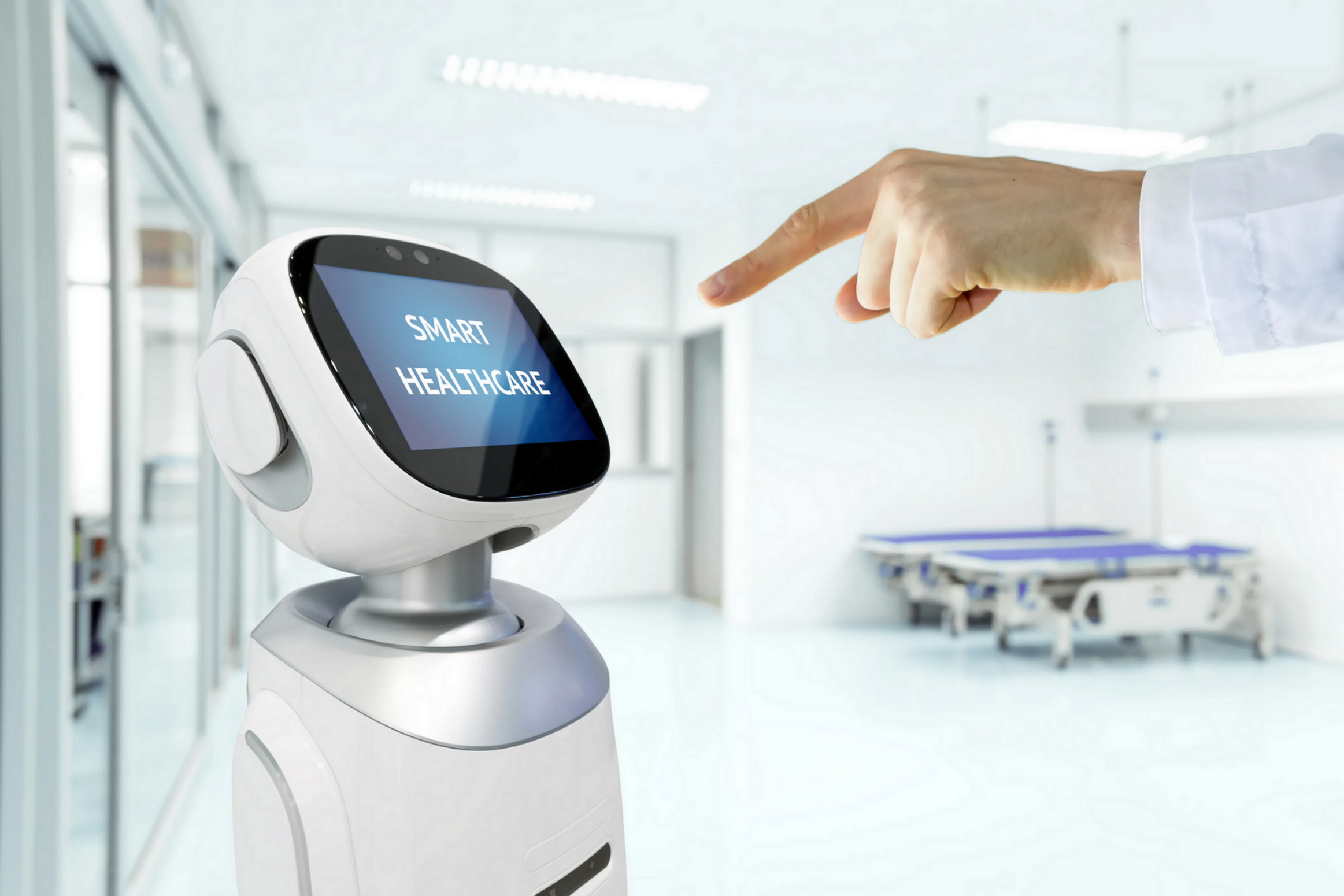
Robotics play a significant role in Smart Hospital Design, contributing to surgical assistance, advanced robotic systems enhance precision in surgeries, leading to shorter recovery times and fewer complications. And automated routine tasks, robots perform essential functions like medication delivery and medical supply transportation, reducing the burden on healthcare staff and allowing them to focus on patient care.

5) Telemedicine Technologies

Modern telemedicine solutions expand healthcare accessibility, particularly in remote areas, by enabling remote consultations, patients can receive medical advice from specialists without the need for in-person visits. And chronic disease management by smart devices continuously monitor patients’ conditions and send regular health reports to medical teams for proactive care.

Smart Hospital Design

Benefits of Smart Hospital Design

  • Smart hospital design enhances patient care by enabling real-time monitoring of vital signs, allowing doctors to provide immediate and precise treatment, ultimately improving recovery rates.
  • It optimizes hospital resource management by tracking medical equipment locations and managing work schedules efficiently, reducing costs, streamlining operations, and improving healthcare service quality.
  • Medical errors are minimized through the automation of critical processes. Smart systems relying on data analysis provide instant alerts in case of any malfunction or safety threshold breach.
  • With data analytics and AI-driven predictions, well-informed decisions are made based on accurate insights, leading to better clinical outcomes and improved healthcare delivery.

Challenges in Implementing Smart Hospital Design

Despite these challenges, Smart Hospital Design represents the future of healthcare, offering innovative solutions to enhance patient outcomes and streamline hospital operations.

  1. Investment Cost: Integrating advanced technologies requires significant investments in infrastructure and medical equipment. Many hospitals struggle to secure the necessary funding to implement such modern systems.
  2. Data Security: With increased digital connectivity within hospitals, the risk of patient data exposure to cyberattacks rises, necessitating the implementation of advanced security solutions to ensure data confidentiality and integrity.
  3. Medical Staff Training: Transitioning to smart hospital designs requires training healthcare professionals to effectively use modern technologies, which can take additional time and effort.
  4. System Integration: Ensuring seamless communication and integration between different systems is a major challenge, as all hospital devices must operate in perfect harmony without disruptions.

Smart hospital Design - Singapore General Hospital

Models of Integrating IoT and AI in Hospital Design

The healthcare sector is undergoing a radical transformation with the adoption of IoT and AI technologies in smart hospital design. These innovations enhance medical service quality by improving diagnostic accuracy, reducing errors, and accelerating emergency response. Below are some leading examples showcasing how these technologies are revolutionizing patient experience and operational efficiency in hospitals.

1- Johns Hopkins Hospital

Johns Hopkins Hospital is a leading example of Smart Hospital Design, incorporating AI and robotics into surgical procedures. These innovations have significantly improved surgical precision and reduced patient recovery times. Additionally, its electronic health record (EHR) system allows doctors to access patient information quickly and efficiently, streamlining medical decision-making.

2- Cleveland Clinic

Cleveland Clinic has embraced telemedicine as part of its Smart Hospital Design, expanding access to healthcare services. Patient rooms are equipped with IoT devices that continuously monitor vital signs, ensuring immediate medical intervention when necessary. This approach enhances patient safety and enables real-time health tracking.

3- Singapore General Hospital

Singapore General Hospital utilizes big data analytics as a core component of its Smart Hospital Design strategy. By analyzing patient admission patterns, the hospital optimizes logistics and resource management. Additionally, automated transport systems powered by robotics efficiently deliver medical supplies, reducing operational delays and enhancing efficiency.

Finally, Smart Hospital Design represents a bold step toward the future of healthcare, where IoT and AI-driven systems create a more efficient, accurate, and patient-centered environment. These advancements improve patient experiences, enhance staff performance, and revolutionize medical service delivery.

Source: Smart Hospitals, Integrating Technology into Healthcare Design Management

The Future of AI in Healthcare: What to Expect

The role of artificial intelligence (AI) in healthcare has emerged as a transformative force, offering unprecedented opportunities to enhance patient care and advance the medical field. By 2025, the impact of AI has become evident with numerous applications in medical imaging, diagnostics, personalized medicine, and virtual health assistance. However, the true potential of AI in healthcare has yet to fully unfold, with significant advancements and challenges expected in the coming years. In today’s article, we will explore the current and anticipated role of AI in healthcare and the long-term impact it is likely to have on the medical field.

What is the Role of AI in Healthcare?

Artificial intelligence refers to the ability to simulate human intelligence and perform complex automated tasks using computers and machine learning technologies. AI-powered devices aim to replicate human cognitive abilities but can also surpass them in many areas, particularly when it comes to quickly analyzing vast amounts of big data to identify patterns, variations, and trends. In healthcare, AI is already transforming the patient experience, how doctors practice medicine, and how the pharmaceutical industry operates.

AI in Healthcare

The Role of AI in Healthcare

AI in healthcare encompasses a wide range of technological advancements that enable machines to perform tasks such as learning, problem-solving, and decision-making—tasks that typically require human intelligence. By identifying patterns and connections, AI-powered systems analyze and interpret text, images, audio, and video. These algorithms are essential for machine learning, a branch of AI that allows healthcare systems to learn from data and continually improve across various functions. This includes recommendation systems, natural language processing, and image recognition.

Current Applications of AI in Healthcare

Artificial intelligence is rapidly being integrated by healthcare organizations across several domains, including:

1- Drug Development and Discovery

By analyzing massive datasets to identify promising drug candidates, AI accelerates the process of discovering and developing new medications. AI-powered simulations can save time and costs by modeling drug interactions and predicting drug efficacy.

2- Predictive Analytics and Risk Assessment

Through the evaluation of patient data and environmental variables, AI supports public health by predicting the likelihood of disease outbreaks. Early interventions based on predictive analytics improve patient outcomes by managing health issues and preventing hospital readmissions.

The Future of AI in Healthcare

3- Disease Detection and Diagnosis

AI-driven algorithms can accurately identify diseases such as cancer, fractures, and cardiovascular disorders by analyzing medical images like MRIs, CT scans, and X-rays. Machine learning algorithms enhance early disease detection by recognizing patterns and abnormalities in medical data.

4- Treatment Planning and Personalization

AI assists medical practitioners in creating personalized treatment plans based on patients’ clinical, genetic, and lifestyle information. Tailoring treatment recommendations to unique health profiles improves therapeutic outcomes.

5- Administrative Efficiency

AI-powered applications help healthcare organizations automate administrative tasks such as billing, scheduling, and patient inquiries. Robotic process automation (RPA) ensures more efficient claims processing and medical data management.

6- Remote Monitoring and Telemedicine

Real-time health data collection is made possible by AI-enabled sensors and smart devices, facilitating remote patient monitoring. Telemedicine systems use AI to conduct virtual consultations, enabling patients to access medical care from anywhere in the world.

The Future of AI in Healthcare What to Expect

The Future of Artificial Intelligence in Healthcare

Artificial intelligence (AI) is a broad term encompassing various interconnected processes. Below are some of the most common applications of AI in healthcare:

  • Machine Learning (ML): The process of training algorithms to perform tasks such as information classification and outcome prediction using datasets like medical records.
  • Deep Learning: A subset of machine learning that creates neural networks capable of handling more complex tasks using larger datasets, longer training periods, and multiple layers of machine learning algorithms.
  • Natural Language Processing (NLP): The application of machine learning to human spoken and written language. In healthcare, NLP is used to comprehend published research, reports, notes, and documentation.

AI is also employed in computer systems to automate administrative and clinical processes through Robotic Process Automation (RPA). Many healthcare organizations use RPA to streamline daily operations in their facilities and enhance patient experiences. AI can be applied in three key areas within healthcare:

  1. Patient-Oriented AI
  2. Physician-Oriented AI
  3. Administration and Operations-Oriented AI

Will AI Change the Future of Healthcare Delivery?

AI is reshaping healthcare delivery and diagnostics across various stages of the value chain. AI systems can accurately evaluate medical images to assist healthcare professionals in diagnosing issues. AI-powered technologies expedite the analysis of pathology slides, improving diagnostic precision. Additionally, AI models leverage patient data and medical histories to predict disease outbreaks and develop personalized treatment systems based on lifestyle, clinical history, and genetic variables.

The Future of AI in Healthcare

AI-enabled telemedicine systems offer remote consultations, while wearable technologies and sensors facilitate real-time health monitoring and early intervention. With tailored educational materials and recommendations, AI solutions enhance administrative processes and boost patient engagement.

AI also improves surgical outcomes through robotics designed to stabilize movements and provide real-time feedback to physicians. Furthermore, AI scans vast databases to extract valuable insights for policymaking, drug development, and resource allocation in healthcare.

Opportunities for Transformation with AI

It’s no surprise that AI offers extensive opportunities to improve standard medical procedures, from diagnosing diseases to identifying the most effective treatment paths for patients with critical conditions like cancer. By reducing physical inconsistencies and providing up-to-date information throughout medical procedures, AI-equipped robotic surgery technology enables physicians to perform operations with greater precision.

1. Enhancing Quality

By leveraging massive datasets and advanced algorithms, AI significantly improves diagnostic accuracy, treatment plans, and personalized care, ultimately leading to better patient outcomes and an overall enhancement in healthcare quality.

2. Reducing Costs

AI-driven automation, predictive analytics, and optimized resource allocation streamline processes, minimize waste, and reduce the overall costs of delivering healthcare services.

3. Improving Accessibility

AI can bridge the gap in healthcare access between urban and rural areas. Even in the most remote locations, high-quality treatment becomes feasible through AI-enabled telemedicine and remote monitoring.

What Are the Challenges of AI in Healthcare?

In conclusion, despite predictions about the future of artificial intelligence in healthcare, several challenges persist. These include concerns about data privacy, integration with existing systems, the need for high-quality data, addressing ethical issues, and ensuring that AI tools are unbiased and transparent in their decision-making processes. To address these anticipated challenges, HSI offers training courses in medical AI, empowering healthcare professionals to stay updated with ongoing advancements and effectively leverage AI to serve patients better.

source: Artificial intelligence in medicine: current trends and future possibilities

All copyrights reserved to © HSI