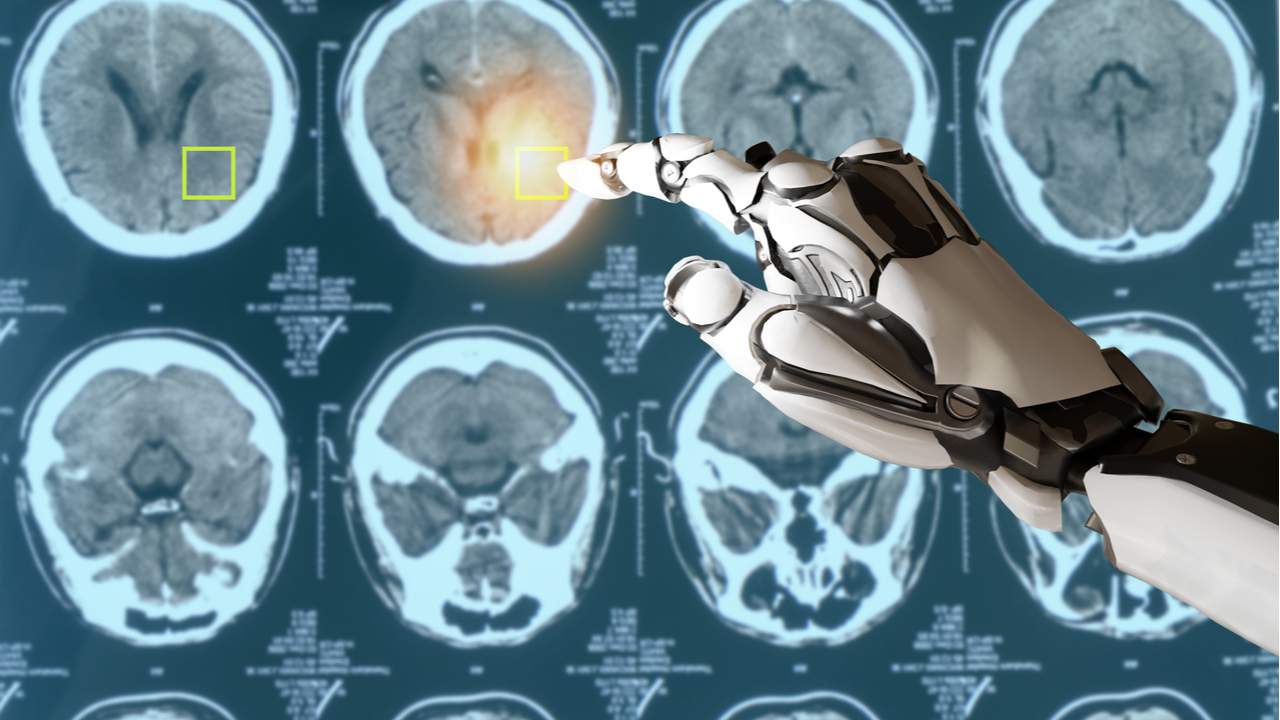
Artificial intelligence in medical imaging | A revolution in the world of diagnostics

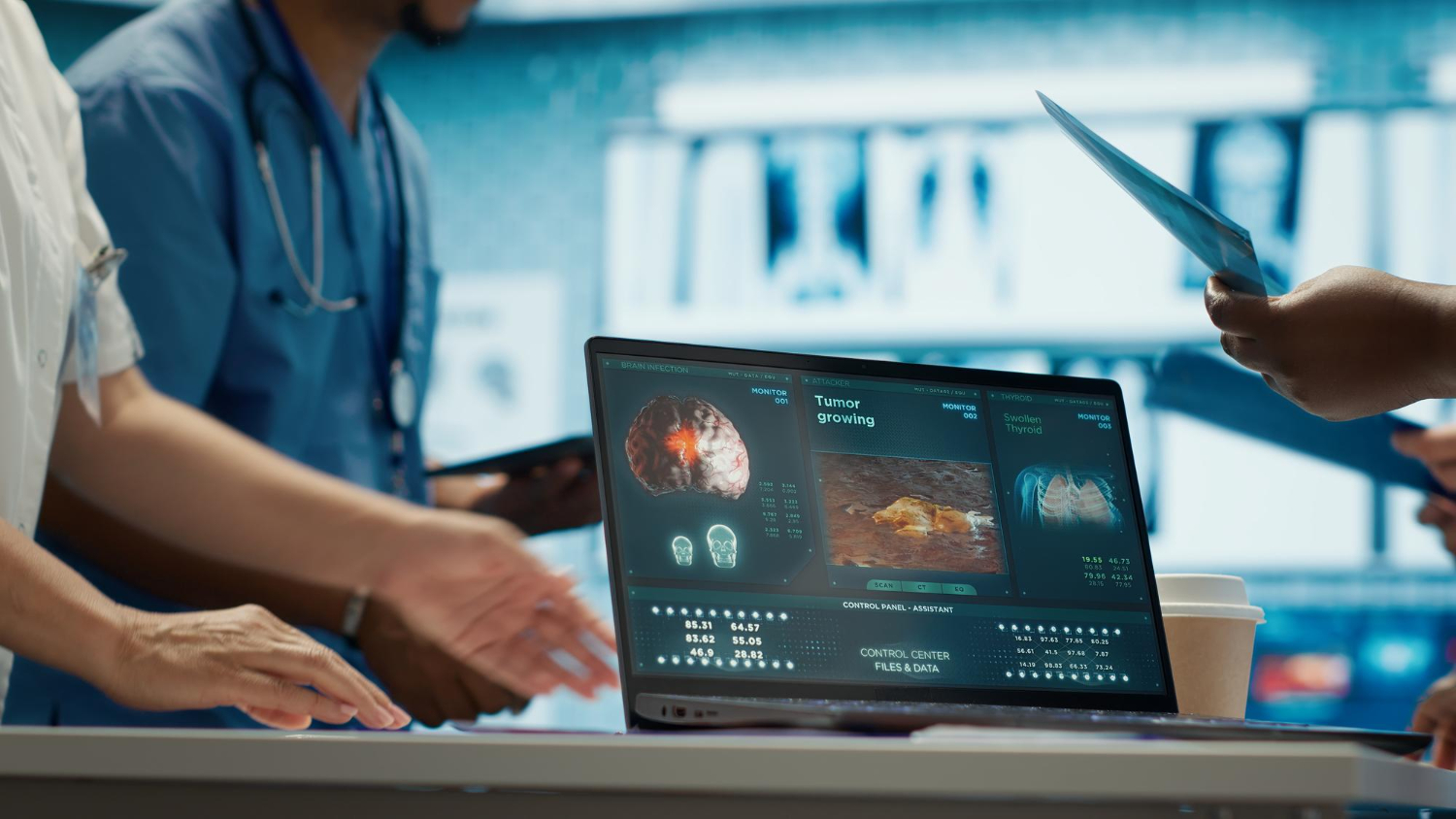
​In recent decades, there has been a significant advancement in medical diagnostics, especially following the recent surge in artificial intelligence (AI). AI has become a fundamental component in enhancing the accuracy and speed of disease detection. Physicians no longer rely solely on their clinical expertise and traditional tools; they can now leverage AI’s capabilities to analyze medical images and derive precise diagnoses swiftly. So, how does Artificial intelligence contribute to improving medical imaging? And what are its most prominent applications in this field?​

How Does Artificial Intelligence Operate in Medical Imaging?

AI systems in medical imaging rely on deep learning techniques, where algorithms are trained on vast datasets of pre-classified medical images. These systems can identify subtle patterns within images that might be imperceptible even to trained human eyes.​

The operation of AI in medical diagnostics involves three primary stages:

Data Collection: Amassing large volumes of radiological images and accurate diagnostic data from previous patients.​

Training: Teaching deep neural networks to recognize various pathological indicators.​

Analysis: Accurately examining new images and providing a diagnosis or alerting the physician to potential issues.​

ai

The Role of Artificial intelligence in medical imaging

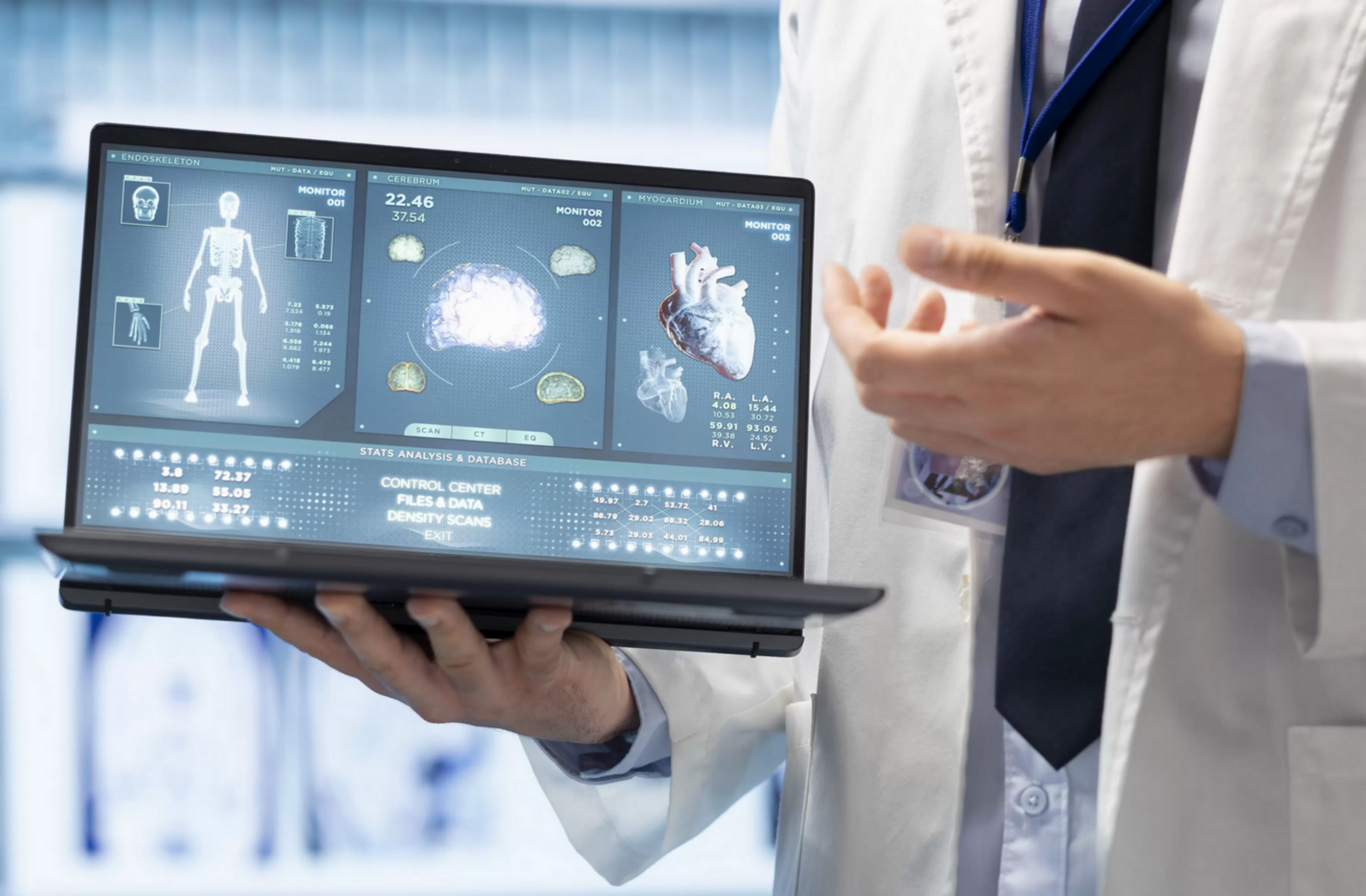
Medical imaging stands as one of the most crucial diagnostic tools, with physicians depending on techniques like X-rays, Magnetic Resonance Imaging (MRI), and Computed Tomography (CT) scans. With AI’s evolution, it’s now possible to analyze these medical images using machine learning algorithms and deep neural networks.​

Artificial intelligence in this domain is characterized by its ability to:

  • Analyze images with exceptional precision, aiding in the early detection of tumors and chronic diseases such as cancer and heart conditions.​
  • Reduce medical errors, enhancing diagnostic accuracy and minimizing the chances of misdiagnosis.​
    welt.de
  • Accelerate medical procedures, as AI can examine thousands of images in a fraction of the time it would take using traditional methods.​

Applications of Artificial intelligence in Medical Imaging

AI is utilized in a wide array of applications within medical imaging, revolutionizing the diagnostic landscape. Notable applications include:​

Early Cancer Detection: AI enhances the identification of cancerous tumors, particularly in breast and lung cancers. Algorithms analyze mammograms and CT scans of the lungs, facilitating the discovery of tumors in their initial stages.​

Cardiovascular Disease Diagnosis: Echocardiography is a fundamental tool for diagnosing heart diseases. AI assists in analyzing cardiac images, measuring blood flow, and detecting valve disorders with high precision.​
X-ray Image Analysis: AI is employed to interpret X-ray images, identifying conditions like pneumonia, osteoporosis, and bone fractures. During the COVID-19 pandemic, it was extensively used to diagnose virus-induced pneumonia.​

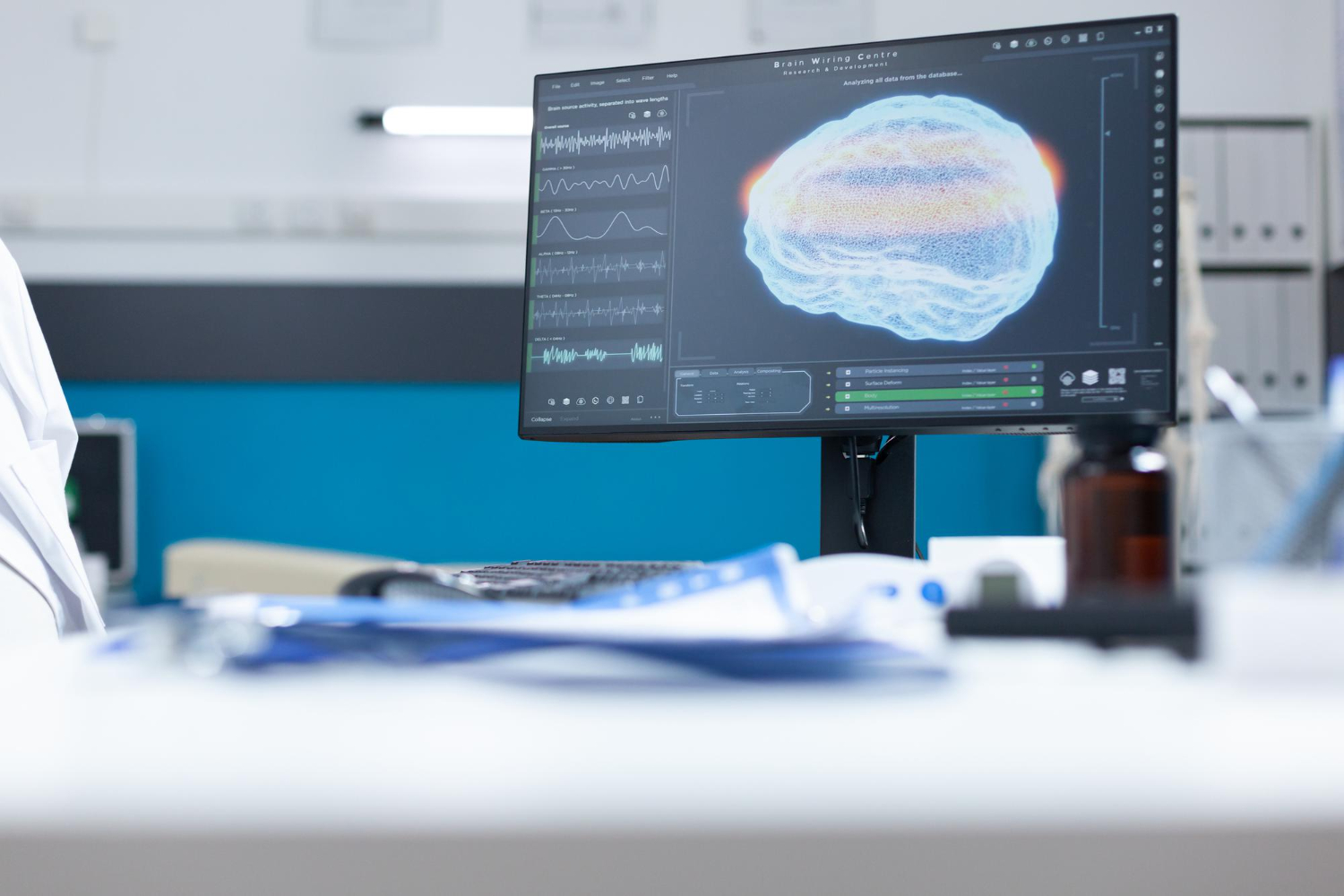
MRI and CT Imaging: AI systems analyze MRI and CT images to detect neurological diseases such as Alzheimer’s and strokes, enabling faster assessment of brain changes compared to traditional methods.​
Ophthalmology and Retinal Disease Diagnosis: AI is a vital tool in diagnosing retinal conditions like diabetic retinopathy, glaucoma, and macular degeneration. It analyzes retinal images to detect potential issues early, aiding in vision preservation.​

Challenges Facing Artificial intelligence in Medical Diagnostics

Despite the significant progress AI has made in medical imaging, several challenges persist:

Need for High-Quality, Extensive Data: AI systems require large, diverse datasets for effective training, which can be limited due to legal constraints and medical data-sharing ethics.​
Physician Acceptance and Integration with Medical Systems: Some physicians remain hesitant to fully adopt AI, posing challenges to its acceptance and integration.​

Potential Data Bias: Training systems on unbalanced datasets can lead to diagnostic errors, especially when dealing with diverse populations.​
The future is trending towards increased integration of AI in healthcare, with expectations of improved diagnostic accuracy through the development of deep learning algorithms. This includes integrating AI with surgical robots to reduce errors, developing predictive techniques for early disease detection, and utilizing portable technologies to analyze medical images via smart devices.​

كيف يؤثر الذكاء الاصطناعي AI على مستقبل التصوير بالرنين المغناطيسي؟

AI has become a cornerstone in the revolution of medical diagnostics, contributing to improved analysis accuracy, error reduction, and faster diagnoses. Despite the challenges it faces, ongoing advancements in AI technologies promise a more precise and efficient future in medicine. Embracing these technologies will enhance healthcare quality, offering greater opportunities to save patients’ lives and improve diagnostic and treatment experiences.​

Having explored how Artificial intelligence is revolutionizing medical diagnostics, we invite you to be part of this remarkable development. If you’re seeking to gain in-depth knowledge and practical skills in this vital field, the HSI Center for Healthcare Training & Consultation offers you a golden opportunity through specialized biomedical engineering courses. These courses are designed to equip you with the latest technologies and knowledge necessary to keep pace with rapid advancements in AI and medical imaging. Join us today, invest in your professional future, and become a pioneer in utilizing AI to save patients’ lives and enhance healthcare quality.​

Revolution of AI in medical imaging: A Beginner’s Guide to AI in MRI and Ultrasound

The healthcare industry is undergoing a transformative shift, thanks to AI in medical imaging, which has become a crucial tool for improving diagnostic accuracy and accelerating treatment processes. With rapid technological advancements, AI is no longer just an assistive tool but a strategic partner in medical imaging—particularly in MRI and ultrasound. This guide provides a comprehensive introduction for beginners, highlighting how AI in medical imaging is applied in MRI and ultrasound.

The Integration of AI in Medical Imaging Technologies

AI in medical imaging is one of the most significant innovations enhancing disease diagnosis methods. Through machine learning and deep learning techniques, AI-powered systems can analyze medical images with remarkable precision. This capability enables early disease detection and the development of effective treatment plans. AI’s role extends beyond expediting diagnosis—it enhances overall healthcare quality, minimizes human error, and alleviates the workload on medical professionals.

AI in medical imaging

Specifically, AI plays a vital role in MRI and ultrasound imaging, improving image quality and reducing scan time, ultimately enhancing patient comfort and lowering healthcare costs. AI in medical imaging refers to the use of machine learning and deep learning algorithms to analyze and interpret medical images. These technologies include:

  • Machine Learning – Teaching systems to recognize patterns and differences in medical images.
  • Deep Learning – Utilizing neural networks to analyze images at multiple levels, enabling accurate insights.
  • Computer Vision – Applying AI techniques to digital images for detecting fine details that may be difficult for the human eye to perceive.

By implementing these technologies, AI-driven systems can identify diseases, monitor patient progress, and provide highly accurate diagnostic recommendations. AI in medical imaging represents a revolutionary advancement in medical diagnostics, combining human expertise with computational intelligence to achieve unprecedented levels of accuracy and efficiency.

AI in medical imaging and its application in MRI

AI in medical imaging is revolutionizing MRI and ultrasound diagnostics by enhancing image analysis and improving disease detection accuracy at an unprecedented speed. This article explores the significance of MRI in medical diagnostics and how AI is optimizing this advanced imaging technology.

MRI in Medical Diagnostics

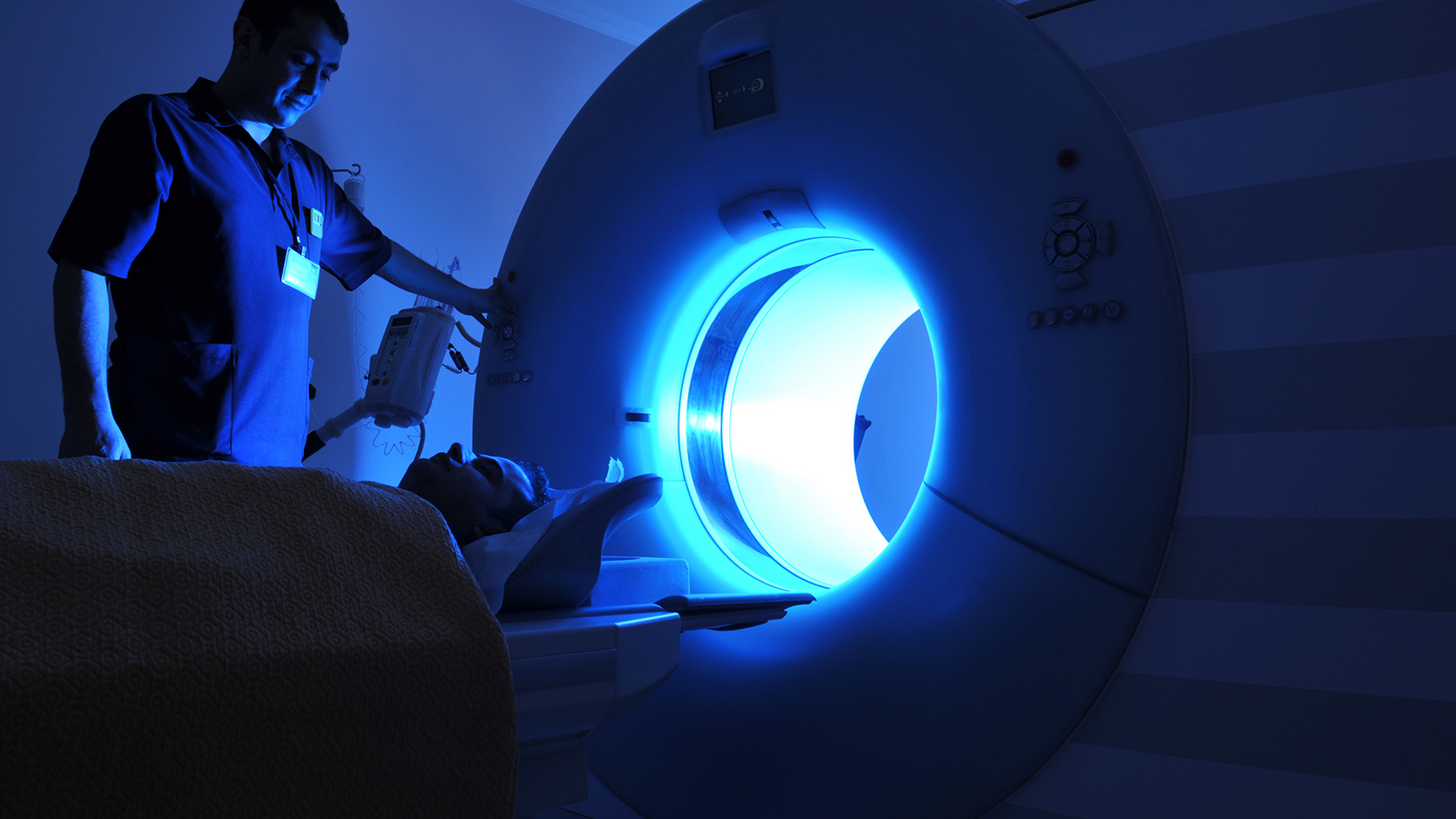
MRI (Magnetic Resonance Imaging) is a non-invasive imaging technique used to obtain detailed images of organs and tissues within the body. It relies on powerful magnetic fields and radio waves to generate high-resolution images that reveal subtle changes in biological structures. MRI plays a critical role in detecting neurological disorders, tumors, and internal injuries, making it an indispensable tool in modern medicine.

AI in medical imaging

You can check out: Understanding MRI | Principles and Applications

How AI Enhances MRI Imaging

AI in medical imaging significantly improves MRI efficiency through various innovative approaches, including:

  • Reducing Scan Time: AI-driven algorithms optimize image reconstruction, cutting scan times by up to 50%.
  • Enhancing Image Quality: Deep learning techniques reduce noise and refine image clarity, enabling more accurate diagnoses.
  • Early Disease Detection: AI-powered systems analyze MRI scans with high precision, identifying subtle abnormalities indicative of conditions such as tumors and multiple sclerosis.
  • Big Data Analysis: AI rapidly processes vast amounts of imaging data, extracting critical diagnostic insights and generating detailed reports.

Through these advancements, AI in medical imaging has become an essential partner in diagnostics, refining MRI quality and boosting early disease detection rates. This transformation in medical imaging improves healthcare efficiency and enhances patient outcomes.

AI in medical imaging and its application in Ultrasound Diagnostics

AI is also revolutionizing ultrasound imaging, refining examination quality, and improving diagnostic precision. The following sections explore the significance of ultrasound in medicine and how AI enhances this widely used imaging technique.

The Importance of Ultrasound in Medicine

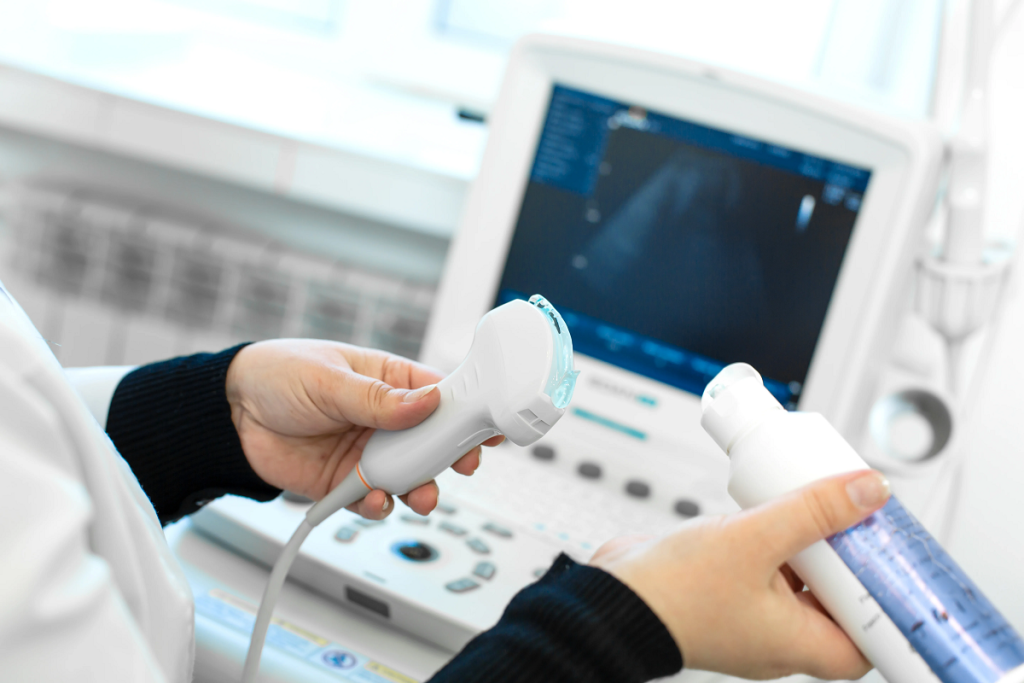
Ultrasound is a fundamental diagnostic tool, particularly in obstetrics, gynecology, and internal organ assessment. This imaging method is safe, non-invasive, and uses high-frequency sound waves to produce real-time images of tissues and organs, making it an invaluable tool for monitoring fetal development and diagnosing various medical conditions.

AI in medical imaging

AI Applications in Ultrasound Imaging

AI in medical imaging enhances ultrasound accuracy through:

  • Automated Image Analysis: AI algorithms analyze ultrasound images with high precision, reducing operator dependency and minimizing diagnostic errors.
  • Anomaly Detection: Machine learning models identify abnormalities, such as fetal deformities and potential tumors, improving early diagnosis rates.
  • Guidance in Surgical Procedures: AI assists doctors during interventional procedures, increasing surgical precision and minimizing risks.
  • Real-Time Data Processing: AI-driven ultrasound systems analyze images instantly, expediting medical decision-making and treatment planning.

By integrating AI, ultrasound imaging becomes more efficient and accurate, providing high-quality diagnostic images that facilitate early disease detection and improve patient care.

You can also get acquainted with: What are The Basics of Ultrasound Technology?

The Multifaceted Benefits of AI in Medical Imaging

  1. AI-powered medical imaging systems analyze vast amounts of data with exceptional precision. These smart technologies can detect subtle abnormalities in images that may be overlooked by the human eye, significantly improving the early diagnosis of conditions such as tumors and multiple sclerosis.
  2. One of the major advantages of AI in medical imaging is the ability to expedite scanning procedures. By utilizing advanced algorithms, AI reduces scan times and enhances image reconstruction, allowing doctors to provide quicker diagnoses and shorten patient wait times.
  3. Deep learning techniques optimize image clarity by reducing noise and enhancing detail visibility. This improvement results in highly accurate medical images, which are crucial for precise diagnoses and effective treatment planning.
  4. AI-driven imaging systems generate detailed analytical reports and automatically identify disease indicators, minimizing human errors. By supporting physicians with data-backed insights, AI helps reduce the likelihood of misdiagnosis and enhances overall medical decision-making.
  5. Support for Medical Decision-Making: With its advanced analytical capabilities, AI provides detailed diagnostic data that aids in making swift and accurate treatment decisions. Doctors can rely on AI-generated insights to tailor treatment plans based on each patient’s unique condition.

AI in medical imaging

AI in MRI Imaging

Several research initiatives and practical applications have begun incorporating AI in medical imaging to enhance MRI efficiency. Notable examples include:

  • FastMRI Project: A collaboration between academic institutions and tech companies aimed at reducing scan time while improving image quality, making MRI scans more comfortable for patients.
  • Neural Image Analysis Systems: These AI-powered tools assist in the early detection of neurological disorders such as multiple sclerosis and brain tumors, offering faster and more precise diagnoses through deep learning algorithms.

AI in Ultrasound Imaging

AI is also making strides in ultrasound imaging, improving the accuracy and efficiency of diagnostic procedures:

  • Real-Time Image Analysis: AI-powered systems analyze ultrasound images instantly, enabling doctors to make immediate clinical decisions during examinations.
  • Smart Guidance Systems: These AI-driven technologies assist physicians during interventional procedures, enhancing surgical precision and minimizing risks.
  • Early Diagnosis in Obstetrics and Gynecology: AI plays a vital role in detecting fetal abnormalities and congenital defects at an early stage, allowing timely medical interventions.

Ultimately, with the rapid advancements in artificial intelligence technologies in medical imaging, it has become essential for professionals in biomedical engineering to keep up with these transformations and seize the opportunities they offer. For this reason, HSI Center provides specialized training programs that equip industry professionals with the knowledge and skills needed to apply the latest technologies, including AI, contributing to skill development and enhancing professional excellence. Get in touch with us today and discover how HSI can be your ideal partner in your career journey.

Source: Revolutionizing Radiology with Artificial Intelligence

All copyrights reserved to © HSI