3D Printing in Medicine: Transforming Patient Care

3D printing is one of the most groundbreaking technologies revolutionizing our world today. With the rapid advancement of technology reshaping various industries, the medical field has embraced this innovative tool to enhance patient care and provide customized, effective medical solutions. Among the sectors experiencing remarkable progress due to 3D printing, healthcare stands at the forefront. This article explores this advanced technology, its diverse applications, and its significant impact on medicine and healthcare.

What is 3D Printing in Medicine?

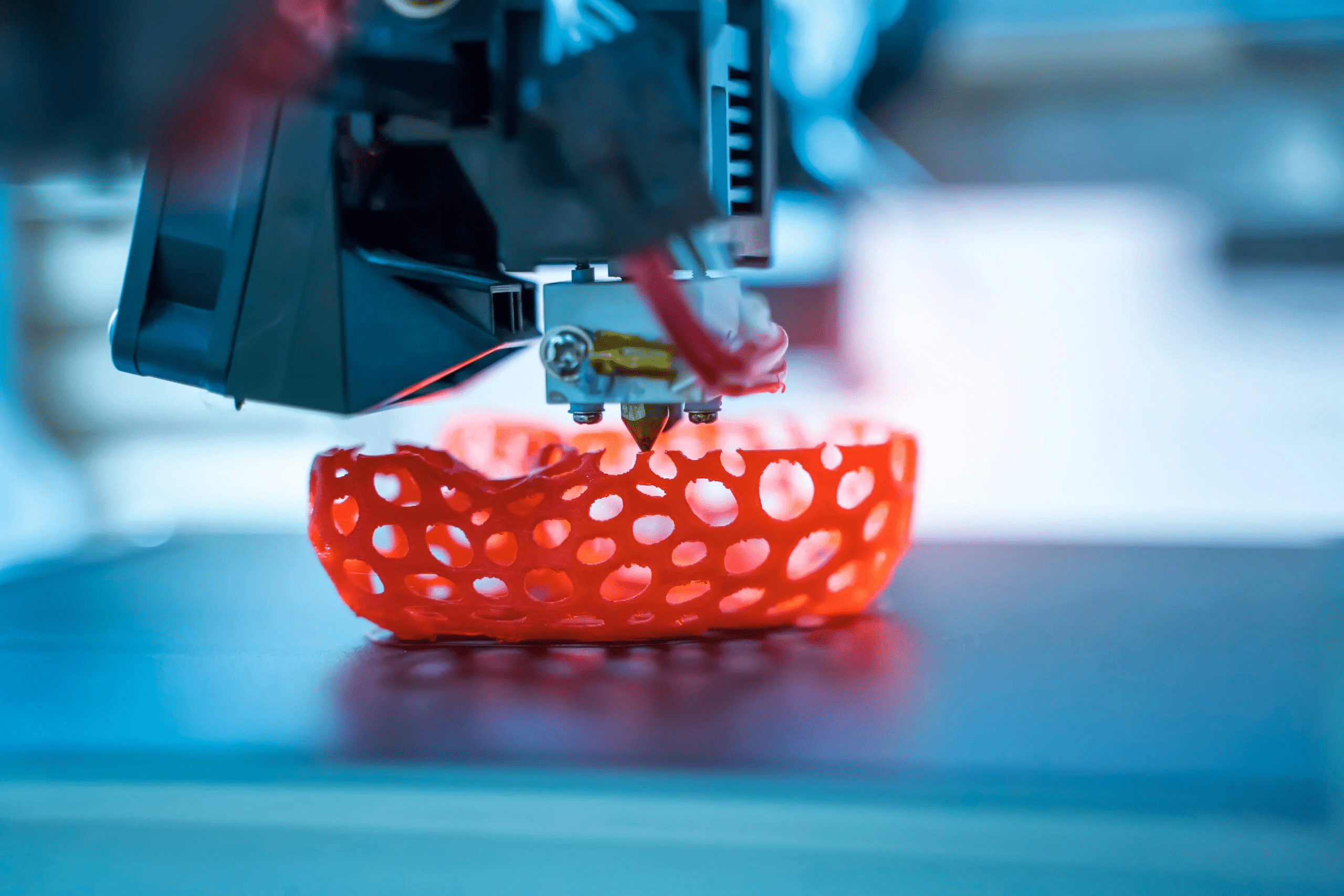
3D printing, also known as additive manufacturing in the medical field, is a process of creating three-dimensional objects from digital models specifically designed for medical purposes. This technology builds successive layers of materials such as bioplastics, metals, and even living cells to produce customized medical devices, prosthetics, and precise anatomical models, such as heart valves.
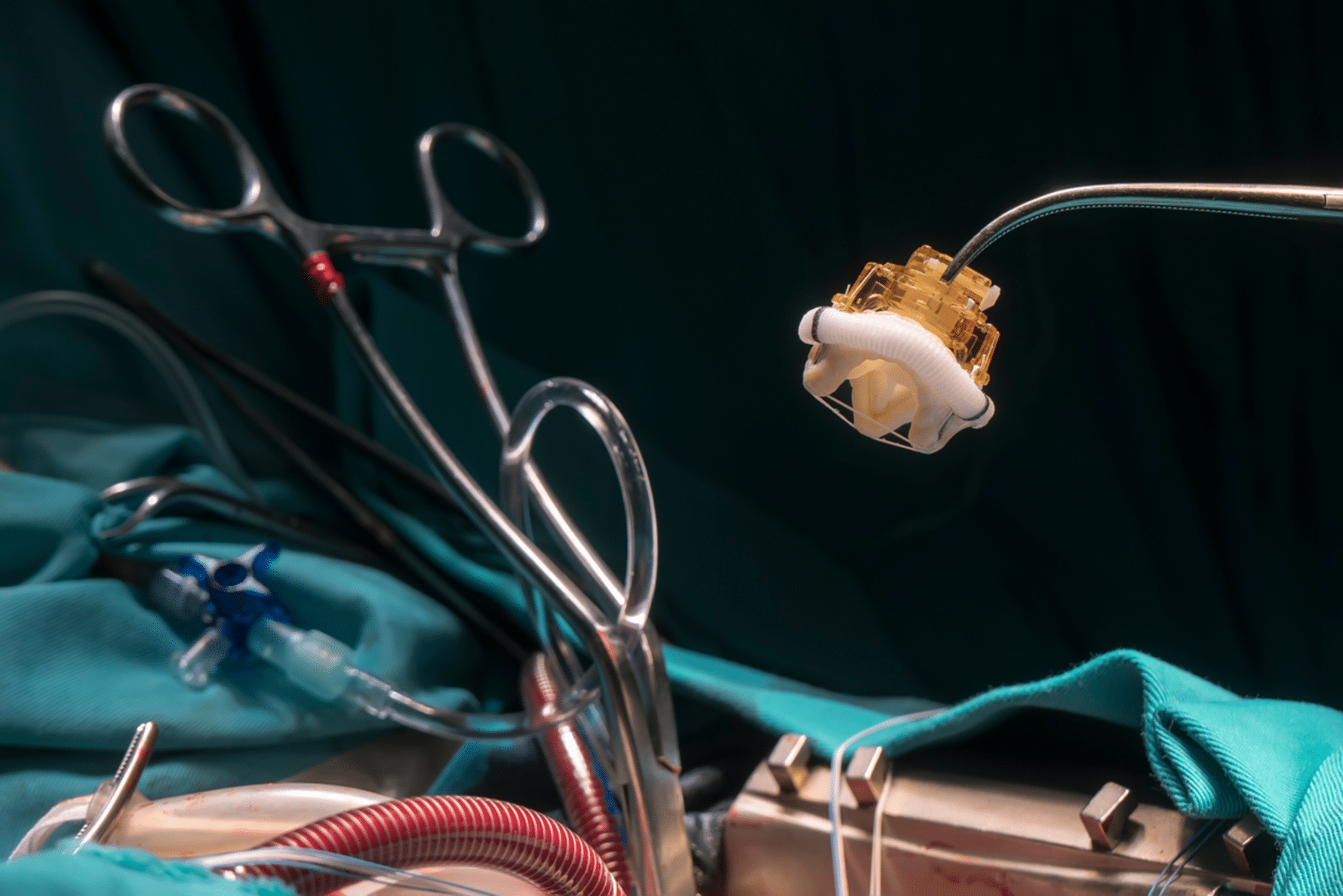
heart valves

Imagine a surgeon preparing for a complex heart surgery. Using CT scan or MRI data, a detailed 3D digital model of the patient’s heart can be created. This model serves as a guide for a 3D printer to produce an exact replica of the heart, allowing the surgeon to meticulously plan the procedure. Such applications not only improve surgical accuracy but also reduce the time patients spend in the operating room.

Current Applications of 3D Printing in Hospitals

Several significant applications of 3D printing stand out in the healthcare sector, particularly in hospitals. These applications play a crucial role in providing direct solutions and accurate diagnoses for patients with various internal and external medical conditions. Below are some of the most notable applications:

1. Personalized Medical Solutions

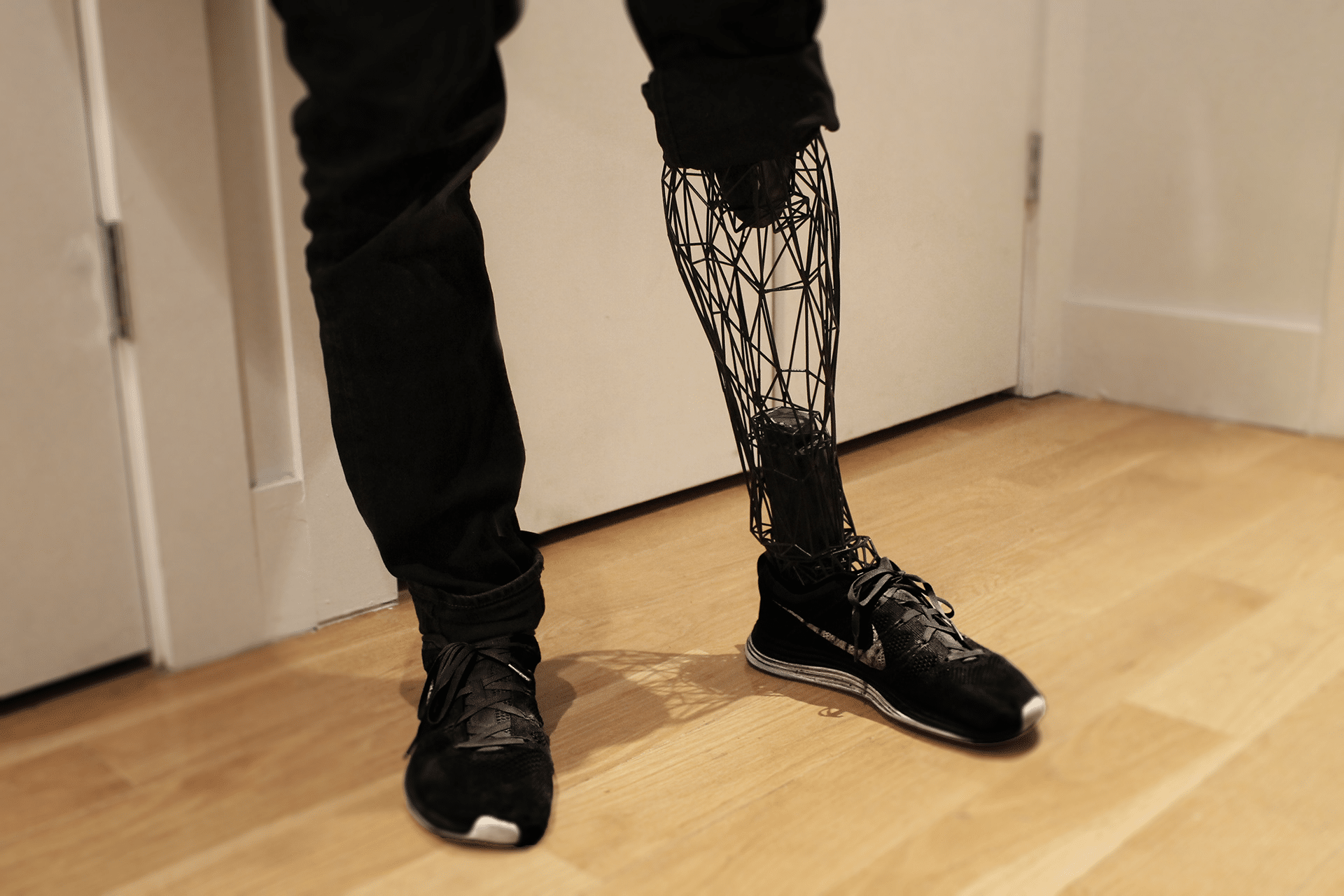
One of the primary advantages of 3D printing in healthcare is its ability to offer personalized medical solutions for each patient. For instance, children who require prosthetic limbs can receive customized prosthetics designed to fit their growing bodies perfectly. These tailored prosthetic limbs not only provide comfort but also enhance functionality, enabling patients to lead active and normal lives.

2. Surgical Planning with Anatomical Models

3D printing is revolutionizing surgical planning by enabling the creation of realistic anatomical models. These models, which replicate organs, bones, and complex soft tissues, allow surgeons to better understand difficult cases. By using these models, surgeons can plan procedures in advance and practice techniques before entering the operating room, reducing risks and increasing success rates.
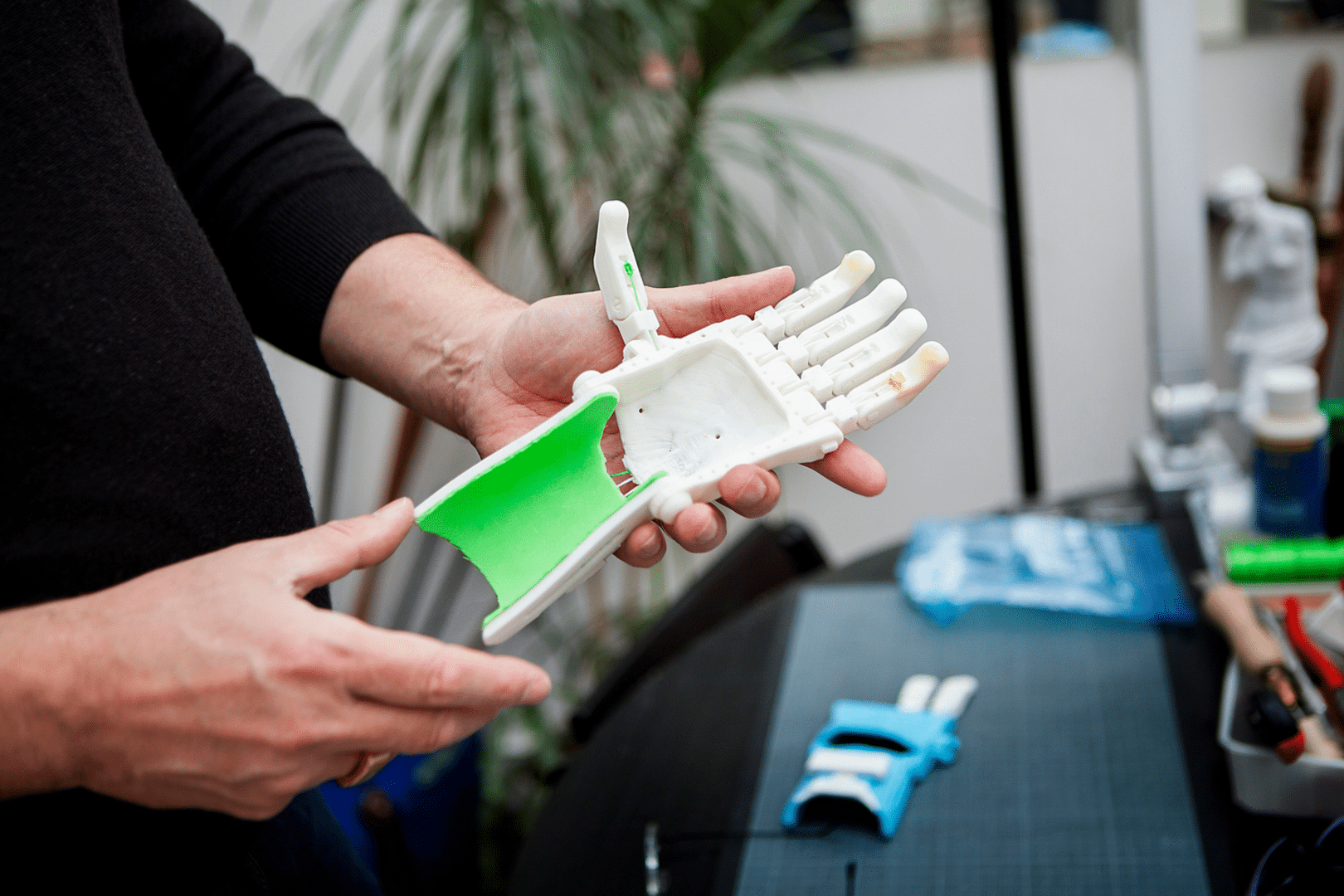
3D printing

3. 3D-Printed Prosthetics and Implants

Medical implants and prosthetics require patients to adapt to them. However, bioprinting (3D printing of organs) has changed the game by enabling the creation of patient-specific implants designed to match the anatomy of organs.

4. Applications in Dentistry

3D printing is also making significant advancements in dentistry. Today, dentists can create crowns, bridges, and even orthodontic devices directly in their clinics using 3D printers. This eliminates the need to send orders to external laboratories, reducing patient waiting times and enhancing overall satisfaction and experience.

Benefits of 3D Printing in Healthcare

3D printing is transforming the medical field by offering faster production, cost-effective solutions, and customized medical devices. This technology is reshaping patient care, making treatments more accessible and efficient. Below, we explore the key benefits of 3D printing in healthcare.

Speed and Efficiency

One of the most significant benefits of 3D printing in healthcare is the speed at which medical devices and anatomical models can be produced. In emergency medical situations, rapid production can be a lifesaving factor. Traditional manufacturing methods may take weeks or even months to create a customized medical device, whereas 3D printing can achieve this in just hours or days.
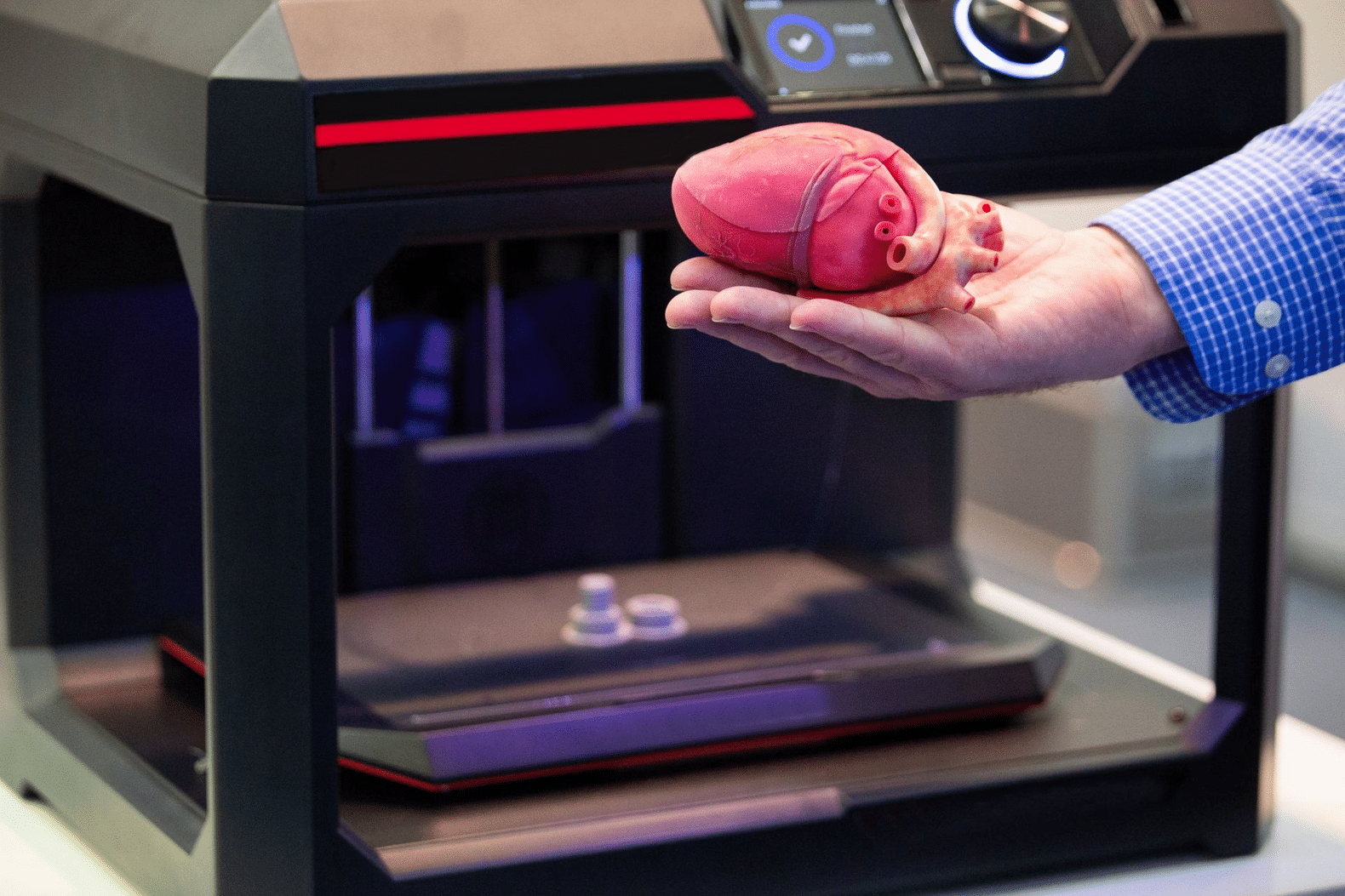
3D printing

Cost Reduction

Although the initial investment in 3D printing technology can be high, the long-term savings are substantial. The ability to produce customized medical devices on demand reduces storage costs and minimizes unnecessary waste. Additionally, hospitals can manufacture many essential devices in-house, reducing transportation and logistical expenses.

Challenges Facing 3D Printing in Healthcare

Although there are many advantages and useful applications of three-dimensional printing technology, this technology faces some difficult challenges in the field of healthcare, these challenges are formed in the following important points:

Regulatory Barriers

One of the major challenges limiting the widespread adoption of 3D printing in healthcare is regulatory complexity. Medical devices produced through 3D printing must comply with strict safety and efficacy standards to ensure patient well-being. Regulatory bodies, such as the U.S. Food and Drug Administration (FDA), continuously develop guidelines for these devices. However, as technology evolves, regulatory frameworks must adapt accordingly.

Material Limitations

Despite the expanding range of materials suitable for medical 3D printing, significant challenges remain. One key issue is the search for biocompatible materials that can withstand medical conditions while meeting regulatory standards. Researchers are actively working on innovative materials, such as bio-ink for tissue printing and advanced polymers for long-term implants.
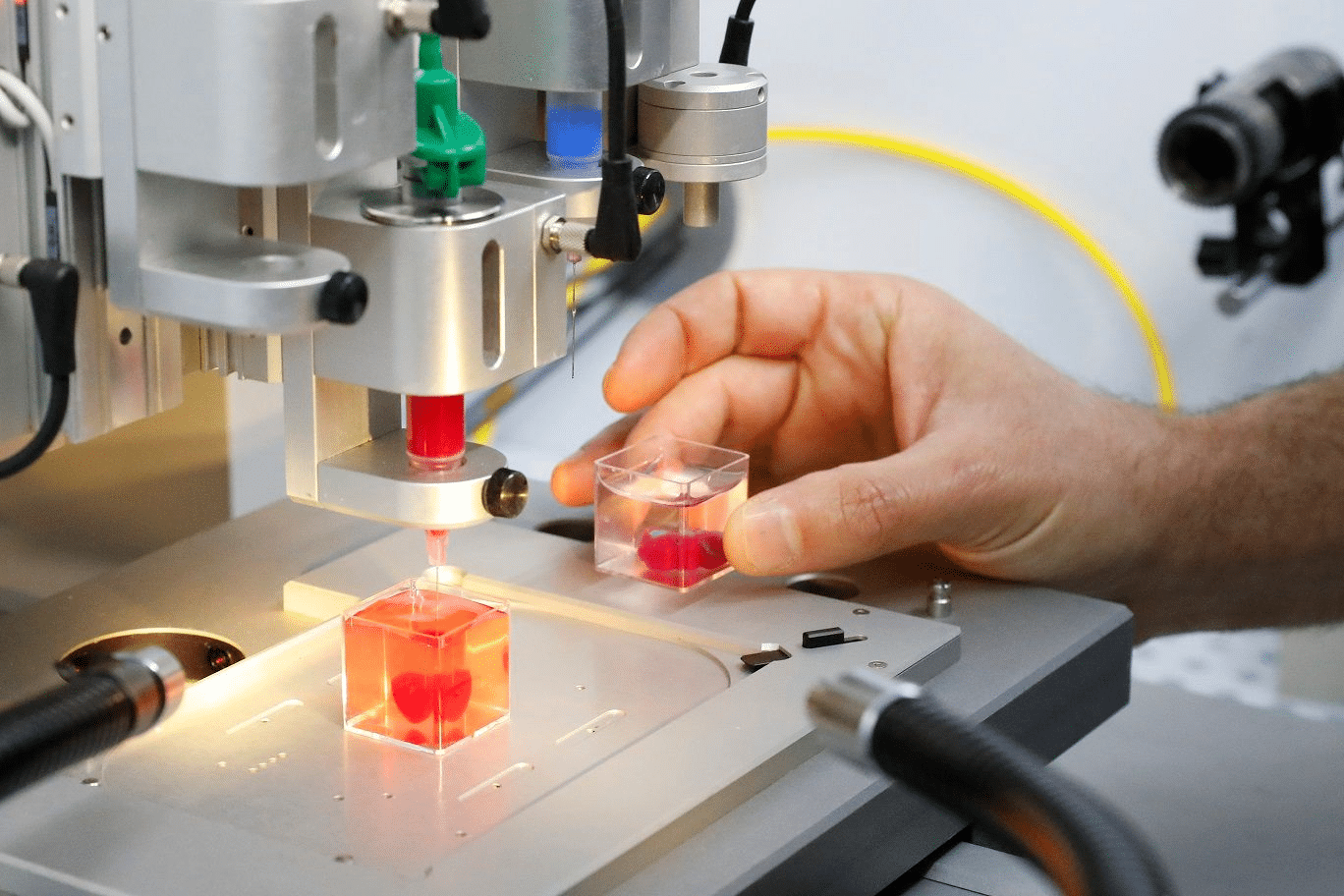
3D printing

Technological Barriers

Scalability and precision remain critical challenges in certain medical 3D printing applications. For example, while 3D printing can create highly intricate structures, achieving the necessary accuracy for delicate devices—such as drug delivery systems—remains a significant obstacle. Overcoming these limitations is essential for expanding the scope of 3D printing in medical applications.

The Future of 3D Printing

As we explore the vast potential of 3D printing, it becomes clear that its future in healthcare is incredibly promising. Emerging technologies such as bioprinting, which involves printing living tissues and organs, are nearing reality. Imagine a world where patients no longer need to wait years for organ transplants—organs could be printed using their own cells.

This breakthrough could significantly reduce wait times and lower the risk of organ rejection. Additionally, personalized medicine through 3D-printed drugs with tailored dosages and controlled release properties holds enormous potential for more effective treatments.
3D printing

Case Studies and Real-World Applications

Several real-world studies and applications have successfully demonstrated the impact of 3D printing in medical devices. Here are some noteworthy examples:

  1. Northwestern University: Researchers at Northwestern University are leveraging 3D-printed scaffolds for tissue engineering and regenerative medicine. They successfully created a 3D-printed ovary, which was implanted in mice, enabling them to ovulate and reproduce. This breakthrough marks a significant step toward advancements in human reproductive medicine.
  2. Veterans’ Health Administration: The Veterans Health Administration has adopted 3D printing to develop customized prosthetic limbs for veterans. This initiative has not only enhanced the fit and functionality of prosthetic devices but also reduced wait times and costs associated with providing these essential medical solutions.

In conclusion, 3D printing is undoubtedly reshaping the future of healthcare by offering precise, customized, and effective medical solutions. As advancements continue, expertise in this field remains crucial for professionals leading this technological revolution.

HSI plays a vital role in this transformation by offering advanced training programs and innovative consultancy services to equip medical and engineering professionals with the necessary skills. Whether you’re looking to enhance your expertise in designing medical devices or managing healthcare systems, join us on this journey toward a brighter future in medical engineering. Be part of the change that makes a difference in patients’ lives and society as a whole.

Source: Creality – specialized in the production of printers developed with advanced technologies
The Future of AI in Healthcare: What to Expect

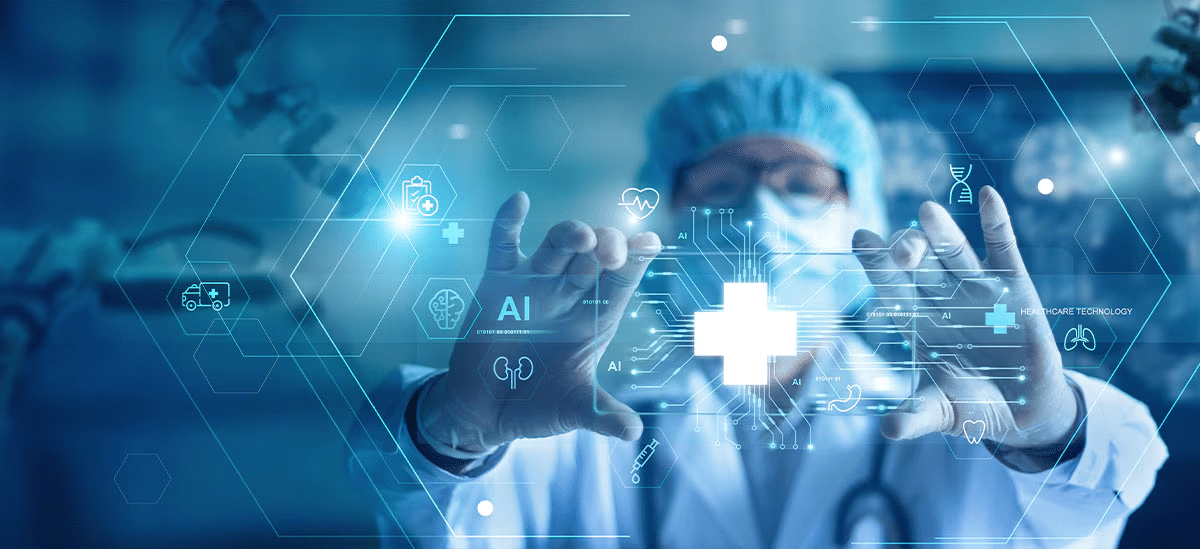
The role of artificial intelligence (AI) in healthcare has emerged as a transformative force, offering unprecedented opportunities to enhance patient care and advance the medical field. By 2025, the impact of AI has become evident with numerous applications in medical imaging, diagnostics, personalized medicine, and virtual health assistance. However, the true potential of AI in healthcare has yet to fully unfold, with significant advancements and challenges expected in the coming years. In today’s article, we will explore the current and anticipated role of AI in healthcare and the long-term impact it is likely to have on the medical field.

What is the Role of AI in Healthcare?

Artificial intelligence refers to the ability to simulate human intelligence and perform complex automated tasks using computers and machine learning technologies. AI-powered devices aim to replicate human cognitive abilities but can also surpass them in many areas, particularly when it comes to quickly analyzing vast amounts of big data to identify patterns, variations, and trends. In healthcare, AI is already transforming the patient experience, how doctors practice medicine, and how the pharmaceutical industry operates.

AI in Healthcare

The Role of AI in Healthcare

AI in healthcare encompasses a wide range of technological advancements that enable machines to perform tasks such as learning, problem-solving, and decision-making—tasks that typically require human intelligence. By identifying patterns and connections, AI-powered systems analyze and interpret text, images, audio, and video. These algorithms are essential for machine learning, a branch of AI that allows healthcare systems to learn from data and continually improve across various functions. This includes recommendation systems, natural language processing, and image recognition.

Current Applications of AI in Healthcare

Artificial intelligence is rapidly being integrated by healthcare organizations across several domains, including:

1- Drug Development and Discovery

By analyzing massive datasets to identify promising drug candidates, AI accelerates the process of discovering and developing new medications. AI-powered simulations can save time and costs by modeling drug interactions and predicting drug efficacy.

2- Predictive Analytics and Risk Assessment

Through the evaluation of patient data and environmental variables, AI supports public health by predicting the likelihood of disease outbreaks. Early interventions based on predictive analytics improve patient outcomes by managing health issues and preventing hospital readmissions.

The Future of AI in Healthcare

3- Disease Detection and Diagnosis

AI-driven algorithms can accurately identify diseases such as cancer, fractures, and cardiovascular disorders by analyzing medical images like MRIs, CT scans, and X-rays. Machine learning algorithms enhance early disease detection by recognizing patterns and abnormalities in medical data.

4- Treatment Planning and Personalization

AI assists medical practitioners in creating personalized treatment plans based on patients’ clinical, genetic, and lifestyle information. Tailoring treatment recommendations to unique health profiles improves therapeutic outcomes.

5- Administrative Efficiency

AI-powered applications help healthcare organizations automate administrative tasks such as billing, scheduling, and patient inquiries. Robotic process automation (RPA) ensures more efficient claims processing and medical data management.

6- Remote Monitoring and Telemedicine

Real-time health data collection is made possible by AI-enabled sensors and smart devices, facilitating remote patient monitoring. Telemedicine systems use AI to conduct virtual consultations, enabling patients to access medical care from anywhere in the world.

The Future of AI in Healthcare What to Expect

The Future of Artificial Intelligence in Healthcare

Artificial intelligence (AI) is a broad term encompassing various interconnected processes. Below are some of the most common applications of AI in healthcare:

  • Machine Learning (ML): The process of training algorithms to perform tasks such as information classification and outcome prediction using datasets like medical records.
  • Deep Learning: A subset of machine learning that creates neural networks capable of handling more complex tasks using larger datasets, longer training periods, and multiple layers of machine learning algorithms.
  • Natural Language Processing (NLP): The application of machine learning to human spoken and written language. In healthcare, NLP is used to comprehend published research, reports, notes, and documentation.

AI is also employed in computer systems to automate administrative and clinical processes through Robotic Process Automation (RPA). Many healthcare organizations use RPA to streamline daily operations in their facilities and enhance patient experiences. AI can be applied in three key areas within healthcare:

  1. Patient-Oriented AI
  2. Physician-Oriented AI
  3. Administration and Operations-Oriented AI

Will AI Change the Future of Healthcare Delivery?

AI is reshaping healthcare delivery and diagnostics across various stages of the value chain. AI systems can accurately evaluate medical images to assist healthcare professionals in diagnosing issues. AI-powered technologies expedite the analysis of pathology slides, improving diagnostic precision. Additionally, AI models leverage patient data and medical histories to predict disease outbreaks and develop personalized treatment systems based on lifestyle, clinical history, and genetic variables.

The Future of AI in Healthcare

AI-enabled telemedicine systems offer remote consultations, while wearable technologies and sensors facilitate real-time health monitoring and early intervention. With tailored educational materials and recommendations, AI solutions enhance administrative processes and boost patient engagement.

AI also improves surgical outcomes through robotics designed to stabilize movements and provide real-time feedback to physicians. Furthermore, AI scans vast databases to extract valuable insights for policymaking, drug development, and resource allocation in healthcare.

Opportunities for Transformation with AI

It’s no surprise that AI offers extensive opportunities to improve standard medical procedures, from diagnosing diseases to identifying the most effective treatment paths for patients with critical conditions like cancer. By reducing physical inconsistencies and providing up-to-date information throughout medical procedures, AI-equipped robotic surgery technology enables physicians to perform operations with greater precision.

1. Enhancing Quality

By leveraging massive datasets and advanced algorithms, AI significantly improves diagnostic accuracy, treatment plans, and personalized care, ultimately leading to better patient outcomes and an overall enhancement in healthcare quality.

2. Reducing Costs

AI-driven automation, predictive analytics, and optimized resource allocation streamline processes, minimize waste, and reduce the overall costs of delivering healthcare services.

3. Improving Accessibility

AI can bridge the gap in healthcare access between urban and rural areas. Even in the most remote locations, high-quality treatment becomes feasible through AI-enabled telemedicine and remote monitoring.

What Are the Challenges of AI in Healthcare?

In conclusion, despite predictions about the future of artificial intelligence in healthcare, several challenges persist. These include concerns about data privacy, integration with existing systems, the need for high-quality data, addressing ethical issues, and ensuring that AI tools are unbiased and transparent in their decision-making processes. To address these anticipated challenges, HSI offers training courses in medical AI, empowering healthcare professionals to stay updated with ongoing advancements and effectively leverage AI to serve patients better.

source: Artificial intelligence in medicine: current trends and future possibilities

All copyrights reserved to © HSI