The healthcare sector faces numerous challenges that necessitate strict adherence to regulatory compliance, particularly in the field of medical equipment planning. Regulatory compliance is the cornerstone of ensuring the delivery of safe and high-quality healthcare services. It protects patients from potential hazards and ensures the implementation of the highest safety and quality standards at all stages. In this practical guide, we will explore the concept of regulatory compliance, its importance in medical equipment planning, the relevant regulatory environments and authorities, the essential components of regulatory compliance, and the technological solutions that facilitate the process, while highlighting common challenges and possible solutions to address them.
What is Regulatory Compliance?
In the healthcare sector, regulatory compliance refers to the process through which healthcare institutions and stakeholders adhere to the laws, regulations, and standards issued by government agencies and regulatory bodies. Regarding medical equipment planning, regulatory compliance involves ensuring that all devices and technologies used comply with the technical and legal requirements aimed at protecting patient health and achieving the highest levels of quality and safety. The objectives of regulatory compliance include:
- Protecting patients from potential hazards.
- Ensuring the delivery of effective and safe medical services.
- Maintaining the reputation of the healthcare institution.
- Avoiding legal risks and financial penalties resulting from non-compliance.
Importance of Regulatory Compliance in Medical Equipment Planning
Regulatory compliance is of paramount importance in medical equipment planning. It forms the backbone of ensuring patient safety by implementing precise standards that guarantee the efficient operation of devices and reduce the likelihood of medical errors. Adherence to these standards also helps mitigate legal risks that may arise from negligence or non-compliance, thereby protecting the healthcare institution from legal penalties and financial fines that could harm its reputation and operational capabilities.
Furthermore, regulatory compliance is a fundamental element in improving the quality of healthcare services provided. It ensures the use of the latest technologies and equipment that meet patient needs in accordance with international standards. It also enhances trust among patients, investors, and regulatory bodies by demonstrating the institution’s transparency and integrity in all its dealings. In this way, healthcare providers can achieve an ideal balance between innovation in medical equipment planning and strict adherence to the standards necessary to ensure the delivery of safe and effective services.
Regulatory Bodies in the Field of Medical Equipment
The healthcare sector in many countries is characterized by a stringent regulatory environment that imposes precise standards on the planning and use of medical equipment, ensuring patient safety and the quality of services provided. In this context, regulatory bodies play a vital role in monitoring and approving medical devices and ensuring their compliance with the highest safety and efficiency standards.
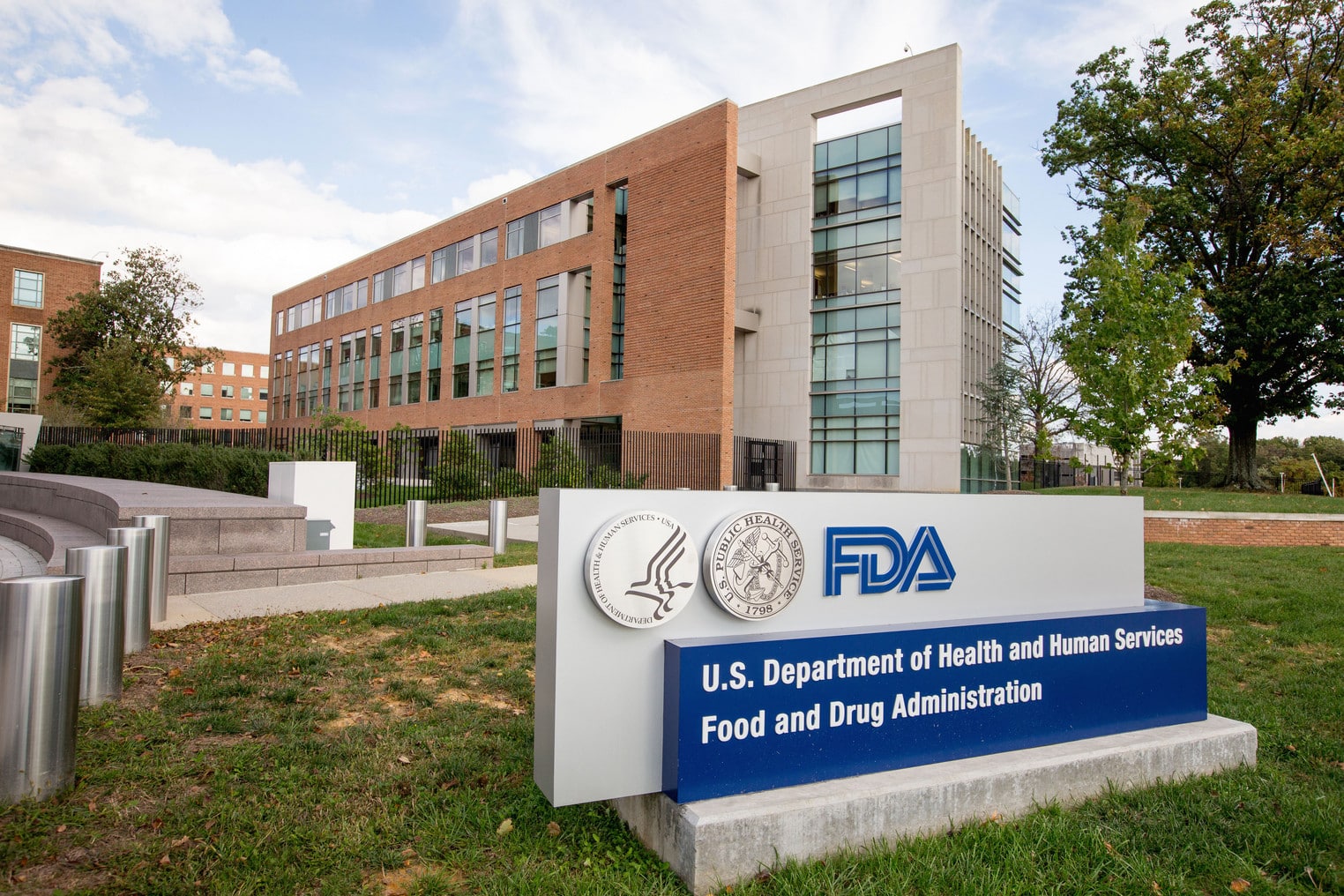
Among the most prominent of these bodies is the U.S. Food and Drug Administration (FDA), which is a key reference in reviewing and approving medical devices before they are placed on the market and also monitors recall processes in case any violations are discovered to ensure consumer protection. Centers for Medicare & Medicaid Services (CMS) also supervise the provision of health insurance services to citizens by setting precise standards related to the planning and use of medical equipment, thereby achieving the highest levels of safety and quality.
Additionally, the Health Insurance Portability and Accountability Act (HIPAA) is an essential part of the regulatory compliance system, focusing on protecting the privacy of health data, especially when exchanging information related to medical equipment and its planning. The health system does not overlook the importance of adhering to local and international regulations, as regulations vary from country to country, requiring healthcare institutions to keep pace with local requirements and apply international standards that contribute to improving the quality of planning and management of medical equipment.
In light of the rapid technological developments in recent times, new regulatory trends are emerging that require regular updates to regulations to keep pace with changes. Digital transformation has become an urgent necessity with the increasing use of electronic systems in data management, which necessitates updating information protection procedures within the framework of regulatory compliance. The spread of virtual care services has also led to the emergence of new regulatory challenges in monitoring the use of medical equipment and digital technologies, which necessitates reconsidering regulatory frameworks to ensure the provision of advanced and safe healthcare services that meet the needs of the digital age.
Essential Components of Regulatory Compliance
Building a robust regulatory compliance system in medical equipment planning is a comprehensive process that relies on several essential components that contribute to ensuring continuous adherence to regulations and standards. This process begins with the development of effective policies and procedures, where healthcare institutions must formulate clear and comprehensive policies that specify the steps necessary for planning and using medical equipment in accordance with regulatory standards, while maintaining records of documentation and continuous reviews of policies and procedures to demonstrate compliance.

This is followed by training and awareness of employees by providing specialized training courses for all workers, focusing on the importance of regulatory compliance and the application of regulatory regulations for medical equipment planning, and organizing workshops and periodic educational courses to ensure that all employees remain up to date with the latest developments. The process also includes risk assessment and management by conducting periodic assessments to identify weaknesses in medical equipment planning and areas that may be exposed to regulatory risks and developing practical strategies to reduce these risks.
Monitoring and auditing include conducting regular internal audits to ensure that all departments of the institution comply with the policies and procedures followed and implementing corrective action plans in case any violations or deficiencies in the system are discovered.
Technological Solutions to Enhance Regulatory Compliance
With the rapid technological development, digital solutions have become essential tools to improve regulatory compliance in medical equipment planning. These solutions can be divided into three main categories:
Electronic Health Records (EHR) Systems
- Data Protection: Electronic systems ensure the protection of health information through advanced encryption techniques and multiple verification procedures, thereby enhancing regulatory compliance.
- Accurate Documentation: Electronic health records provide comprehensive and accurate documentation of medical information, which helps achieve compliance standards by tracking details.
- Notifications and Alerts: Modern systems provide users with instant alerts when any malfunction occurs, allowing for quick corrective actions.
Regulatory Compliance Management Software
- Policy and Procedure Management: These programs facilitate the creation and updating of a central library of policies and procedures, increasing compliance transparency.
- Training and Certification Tracking: Institutions can track training courses and their results to ensure employees are familiar with regulations.
- Conducting Audits: Compliance programs simplify internal audit processes by collecting and analyzing data automatically, reducing manual effort.

Data Encryption Technologies and Security Solutions
- Data Encryption: Institutions use advanced encryption techniques such as AES to protect data during transmission and storage.
- Access Control Systems: RBAC is implemented to ensure employees access data according to their responsibilities only.
- Periodic Security Assessment: Penetration tests are conducted to detect and address security vulnerabilities, enhancing information protection.
Challenges and Solutions for Medical Equipment Planning
Healthcare institutions face several challenges during the implementation of regulatory compliance, and these challenges and their solutions can be divided into four main categories:
Compliance Fatigue
- Challenge: Employee fatigue due to continuous adherence to regulations and procedures.
- Impact: Increased risks and non-compliance with procedures.
- Solutions:
- Periodic training and awareness of the importance of compliance.
- Use of compliance management programs and automated tools.
- Employee motivation and rewards.
Keeping Pace with Regulatory Changes
- Challenge: Continuous changes in regulations and laws.
- Impact: Reliance on outdated policies, legal penalties, and operational risks.
- Solutions:
- Appointing specialized teams to monitor regulatory developments.
- Subscribing to specialized publications from regulatory bodies.
- Using specialized software that automatically updates data.

Challenges Related to Data Security and Information Privacy
- Challenge: Protecting sensitive data from cyberattacks.
- Impact: Financial losses, erosion of patient trust, and legal penalties.
- Solutions:
- Enhancing encryption technologies to protect information.
- Implementing strict access control policies.
- Training employees on data protection and cybersecurity.
Balancing Regulatory Compliance and Quality of Patient Care
- Challenge: Difficulty balancing compliance and providing personalized and rapid healthcare.
- Impact: Delays in decision-making, and negative impact on service delivery speed.
- Solutions:
- Simplifying procedures to integrate compliance standards into daily operations.
- Using smart technologies to monitor compliance automatically.
- Involving medical staff in policy development to ensure quality care.
Regulatory compliance in medical equipment planning is an imperative to ensure patient safety, improve the quality of health services, and avoid legal and operational risks. Adherence to regulatory regulations and standards is the foundation upon which the success of healthcare institutions in facing the increasing challenges in a rapidly changing regulatory environment is based.
Building an integrated regulatory compliance system requires the adoption of essential components that include accurate policies and procedures, continuous training and awareness, risk assessment and management, and periodic monitoring and auditing. The use of advanced technological solutions is also a key pillar to facilitate planning and data management, contributing to achieving the highest standards of regulatory compliance.
HSI Center for Health Training and Consulting provides specialized courses and consulting services that keep them aware of the latest developments in the medical field, helping them provide the best level of service and care to patients.