Regulatory Compliance Challenges in Medical Equipment Planning: A Practical Guide

The healthcare sector faces numerous challenges that necessitate strict adherence to regulatory compliance, particularly in the field of medical equipment planning. Regulatory compliance is the cornerstone of ensuring the delivery of safe and high-quality healthcare services. It protects patients from potential hazards and ensures the implementation of the highest safety and quality standards at all stages. In this practical guide, we will explore the concept of regulatory compliance, its importance in medical equipment planning, the relevant regulatory environments and authorities, the essential components of regulatory compliance, and the technological solutions that facilitate the process, while highlighting common challenges and possible solutions to address them.

What is Regulatory Compliance?

In the healthcare sector, regulatory compliance refers to the process through which healthcare institutions and stakeholders adhere to the laws, regulations, and standards issued by government agencies and regulatory bodies. Regarding medical equipment planning, regulatory compliance involves ensuring that all devices and technologies used comply with the technical and legal requirements aimed at protecting patient health and achieving the highest levels of quality and safety. The objectives of regulatory compliance include:

  • Protecting patients from potential hazards.
  • Ensuring the delivery of effective and safe medical services.
  • Maintaining the reputation of the healthcare institution.
  • Avoiding legal risks and financial penalties resulting from non-compliance.


Importance of Regulatory Compliance in Medical Equipment Planning

Regulatory compliance is of paramount importance in medical equipment planning. It forms the backbone of ensuring patient safety by implementing precise standards that guarantee the efficient operation of devices and reduce the likelihood of medical errors. Adherence to these standards also helps mitigate legal risks that may arise from negligence or non-compliance, thereby protecting the healthcare institution from legal penalties and financial fines that could harm its reputation and operational capabilities.

Furthermore, regulatory compliance is a fundamental element in improving the quality of healthcare services provided. It ensures the use of the latest technologies and equipment that meet patient needs in accordance with international standards. It also enhances trust among patients, investors, and regulatory bodies by demonstrating the institution’s transparency and integrity in all its dealings. In this way, healthcare providers can achieve an ideal balance between innovation in medical equipment planning and strict adherence to the standards necessary to ensure the delivery of safe and effective services.
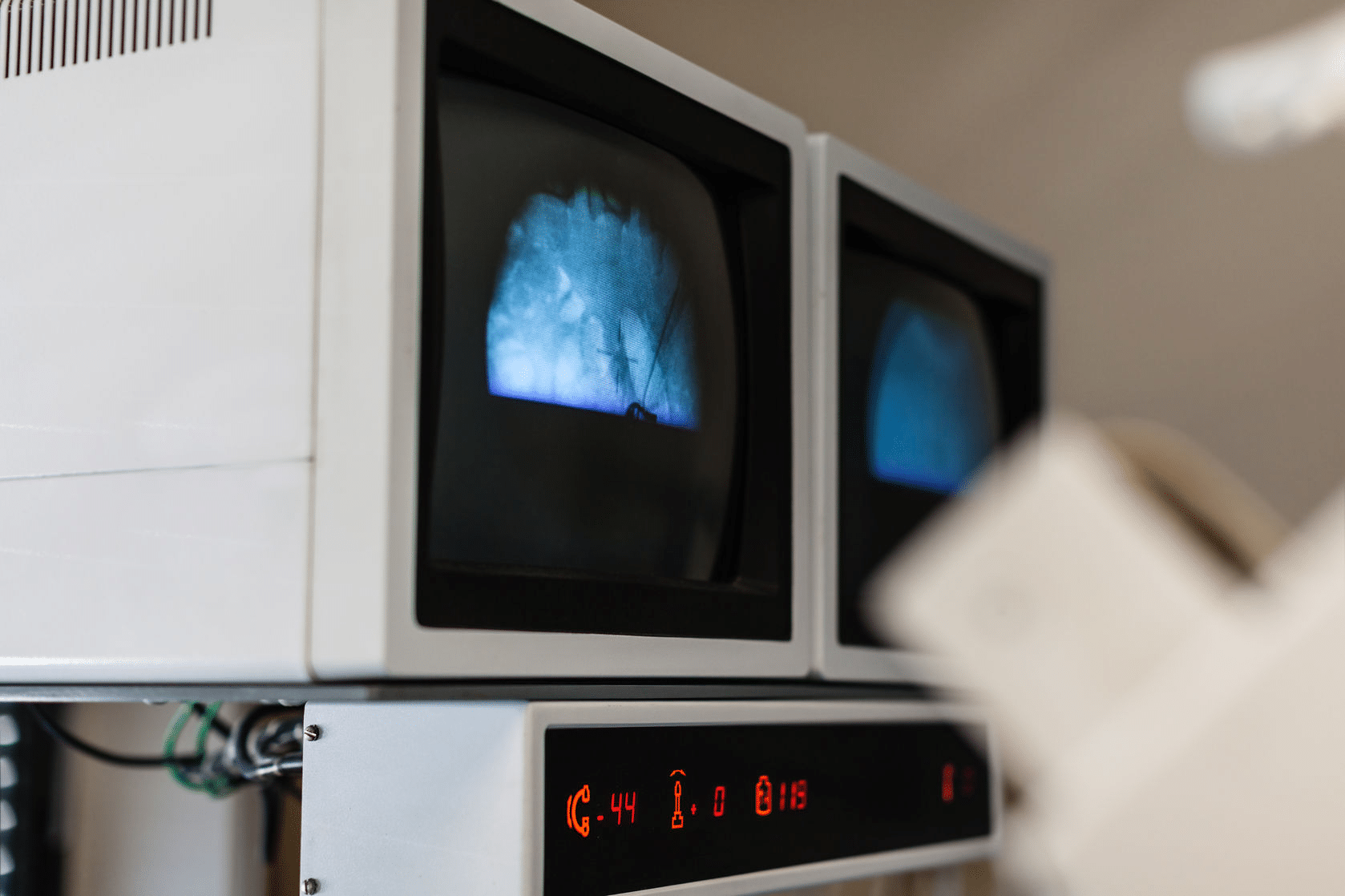
التنظير التألقي

Regulatory Bodies in the Field of Medical Equipment

The healthcare sector in many countries is characterized by a stringent regulatory environment that imposes precise standards on the planning and use of medical equipment, ensuring patient safety and the quality of services provided. In this context, regulatory bodies play a vital role in monitoring and approving medical devices and ensuring their compliance with the highest safety and efficiency standards.

Among the most prominent of these bodies is the U.S. Food and Drug Administration (FDA), which is a key reference in reviewing and approving medical devices before they are placed on the market and also monitors recall processes in case any violations are discovered to ensure consumer protection. Centers for Medicare & Medicaid Services (CMS) also supervise the provision of health insurance services to citizens by setting precise standards related to the planning and use of medical equipment, thereby achieving the highest levels of safety and quality.

Additionally, the Health Insurance Portability and Accountability Act (HIPAA) is an essential part of the regulatory compliance system, focusing on protecting the privacy of health data, especially when exchanging information related to medical equipment and its planning. The health system does not overlook the importance of adhering to local and international regulations, as regulations vary from country to country, requiring healthcare institutions to keep pace with local requirements and apply international standards that contribute to improving the quality of planning and management of medical equipment.

In light of the rapid technological developments in recent times, new regulatory trends are emerging that require regular updates to regulations to keep pace with changes. Digital transformation has become an urgent necessity with the increasing use of electronic systems in data management, which necessitates updating information protection procedures within the framework of regulatory compliance. The spread of virtual care services has also led to the emergence of new regulatory challenges in monitoring the use of medical equipment and digital technologies, which necessitates reconsidering regulatory frameworks to ensure the provision of advanced and safe healthcare services that meet the needs of the digital age.

Essential Components of Regulatory Compliance

Building a robust regulatory compliance system in medical equipment planning is a comprehensive process that relies on several essential components that contribute to ensuring continuous adherence to regulations and standards. This process begins with the development of effective policies and procedures, where healthcare institutions must formulate clear and comprehensive policies that specify the steps necessary for planning and using medical equipment in accordance with regulatory standards, while maintaining records of documentation and continuous reviews of policies and procedures to demonstrate compliance.

Regulatory Compliance in health

This is followed by training and awareness of employees by providing specialized training courses for all workers, focusing on the importance of regulatory compliance and the application of regulatory regulations for medical equipment planning, and organizing workshops and periodic educational courses to ensure that all employees remain up to date with the latest developments. The process also includes risk assessment and management by conducting periodic assessments to identify weaknesses in medical equipment planning and areas that may be exposed to regulatory risks and developing practical strategies to reduce these risks.

Monitoring and auditing include conducting regular internal audits to ensure that all departments of the institution comply with the policies and procedures followed and implementing corrective action plans in case any violations or deficiencies in the system are discovered.

Technological Solutions to Enhance Regulatory Compliance

With the rapid technological development, digital solutions have become essential tools to improve regulatory compliance in medical equipment planning. These solutions can be divided into three main categories:

Electronic Health Records (EHR) Systems

  • Data Protection: Electronic systems ensure the protection of health information through advanced encryption techniques and multiple verification procedures, thereby enhancing regulatory compliance.
  • Accurate Documentation: Electronic health records provide comprehensive and accurate documentation of medical information, which helps achieve compliance standards by tracking details.
  • Notifications and Alerts: Modern systems provide users with instant alerts when any malfunction occurs, allowing for quick corrective actions.

Regulatory Compliance Management Software

  • Policy and Procedure Management: These programs facilitate the creation and updating of a central library of policies and procedures, increasing compliance transparency.
  • Training and Certification Tracking: Institutions can track training courses and their results to ensure employees are familiar with regulations.
  • Conducting Audits: Compliance programs simplify internal audit processes by collecting and analyzing data automatically, reducing manual effort.

Data Encryption Technologies and Security Solutions

  • Data Encryption: Institutions use advanced encryption techniques such as AES to protect data during transmission and storage.
  • Access Control Systems: RBAC is implemented to ensure employees access data according to their responsibilities only.
  • Periodic Security Assessment: Penetration tests are conducted to detect and address security vulnerabilities, enhancing information protection.

Challenges and Solutions for Medical Equipment Planning

Healthcare institutions face several challenges during the implementation of regulatory compliance, and these challenges and their solutions can be divided into four main categories:

Compliance Fatigue

  • Challenge: Employee fatigue due to continuous adherence to regulations and procedures.
  • Impact: Increased risks and non-compliance with procedures.
  • Solutions:
    • Periodic training and awareness of the importance of compliance.
    • Use of compliance management programs and automated tools.
    • Employee motivation and rewards.

Keeping Pace with Regulatory Changes

  • Challenge: Continuous changes in regulations and laws.
  • Impact: Reliance on outdated policies, legal penalties, and operational risks.
  • Solutions:
    • Appointing specialized teams to monitor regulatory developments.
    • Subscribing to specialized publications from regulatory bodies.
    • Using specialized software that automatically updates data.
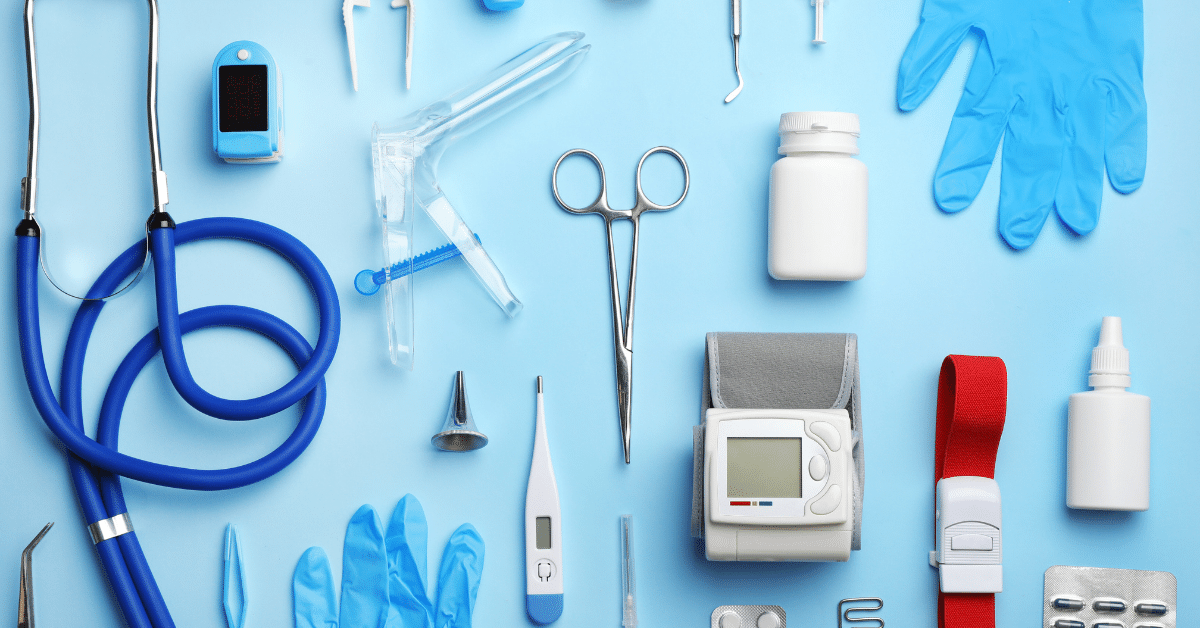
Regulatory Compliance in health

Challenges Related to Data Security and Information Privacy

  • Challenge: Protecting sensitive data from cyberattacks.
  • Impact: Financial losses, erosion of patient trust, and legal penalties.
  • Solutions:
    • Enhancing encryption technologies to protect information.
    • Implementing strict access control policies.
    • Training employees on data protection and cybersecurity.

Balancing Regulatory Compliance and Quality of Patient Care

  • Challenge: Difficulty balancing compliance and providing personalized and rapid healthcare.
  • Impact: Delays in decision-making, and negative impact on service delivery speed.
  • Solutions:
    • Simplifying procedures to integrate compliance standards into daily operations.
    • Using smart technologies to monitor compliance automatically.
    • Involving medical staff in policy development to ensure quality care.

Regulatory compliance in medical equipment planning is an imperative to ensure patient safety, improve the quality of health services, and avoid legal and operational risks. Adherence to regulatory regulations and standards is the foundation upon which the success of healthcare institutions in facing the increasing challenges in a rapidly changing regulatory environment is based.

Building an integrated regulatory compliance system requires the adoption of essential components that include accurate policies and procedures, continuous training and awareness, risk assessment and management, and periodic monitoring and auditing. The use of advanced technological solutions is also a key pillar to facilitate planning and data management, contributing to achieving the highest standards of regulatory compliance.

HSI Center for Health Training and Consulting provides specialized courses and consulting services that keep them aware of the latest developments in the medical field, helping them provide the best level of service and care to patients.
The Future of AI in Healthcare: What to Expect

The role of artificial intelligence (AI) in healthcare has emerged as a transformative force, offering unprecedented opportunities to enhance patient care and advance the medical field. By 2025, the impact of AI has become evident with numerous applications in medical imaging, diagnostics, personalized medicine, and virtual health assistance. However, the true potential of AI in healthcare has yet to fully unfold, with significant advancements and challenges expected in the coming years. In today’s article, we will explore the current and anticipated role of AI in healthcare and the long-term impact it is likely to have on the medical field.

What is the Role of AI in Healthcare?

Artificial intelligence refers to the ability to simulate human intelligence and perform complex automated tasks using computers and machine learning technologies. AI-powered devices aim to replicate human cognitive abilities but can also surpass them in many areas, particularly when it comes to quickly analyzing vast amounts of big data to identify patterns, variations, and trends. In healthcare, AI is already transforming the patient experience, how doctors practice medicine, and how the pharmaceutical industry operates.

AI in Healthcare

The Role of AI in Healthcare

AI in healthcare encompasses a wide range of technological advancements that enable machines to perform tasks such as learning, problem-solving, and decision-making—tasks that typically require human intelligence. By identifying patterns and connections, AI-powered systems analyze and interpret text, images, audio, and video. These algorithms are essential for machine learning, a branch of AI that allows healthcare systems to learn from data and continually improve across various functions. This includes recommendation systems, natural language processing, and image recognition.

Current Applications of AI in Healthcare

Artificial intelligence is rapidly being integrated by healthcare organizations across several domains, including:

1- Drug Development and Discovery

By analyzing massive datasets to identify promising drug candidates, AI accelerates the process of discovering and developing new medications. AI-powered simulations can save time and costs by modeling drug interactions and predicting drug efficacy.

2- Predictive Analytics and Risk Assessment

Through the evaluation of patient data and environmental variables, AI supports public health by predicting the likelihood of disease outbreaks. Early interventions based on predictive analytics improve patient outcomes by managing health issues and preventing hospital readmissions.

The Future of AI in Healthcare

3- Disease Detection and Diagnosis

AI-driven algorithms can accurately identify diseases such as cancer, fractures, and cardiovascular disorders by analyzing medical images like MRIs, CT scans, and X-rays. Machine learning algorithms enhance early disease detection by recognizing patterns and abnormalities in medical data.

4- Treatment Planning and Personalization

AI assists medical practitioners in creating personalized treatment plans based on patients’ clinical, genetic, and lifestyle information. Tailoring treatment recommendations to unique health profiles improves therapeutic outcomes.

5- Administrative Efficiency

AI-powered applications help healthcare organizations automate administrative tasks such as billing, scheduling, and patient inquiries. Robotic process automation (RPA) ensures more efficient claims processing and medical data management.

6- Remote Monitoring and Telemedicine

Real-time health data collection is made possible by AI-enabled sensors and smart devices, facilitating remote patient monitoring. Telemedicine systems use AI to conduct virtual consultations, enabling patients to access medical care from anywhere in the world.

The Future of AI in Healthcare What to Expect

The Future of Artificial Intelligence in Healthcare

Artificial intelligence (AI) is a broad term encompassing various interconnected processes. Below are some of the most common applications of AI in healthcare:

  • Machine Learning (ML): The process of training algorithms to perform tasks such as information classification and outcome prediction using datasets like medical records.
  • Deep Learning: A subset of machine learning that creates neural networks capable of handling more complex tasks using larger datasets, longer training periods, and multiple layers of machine learning algorithms.
  • Natural Language Processing (NLP): The application of machine learning to human spoken and written language. In healthcare, NLP is used to comprehend published research, reports, notes, and documentation.

AI is also employed in computer systems to automate administrative and clinical processes through Robotic Process Automation (RPA). Many healthcare organizations use RPA to streamline daily operations in their facilities and enhance patient experiences. AI can be applied in three key areas within healthcare:

  1. Patient-Oriented AI
  2. Physician-Oriented AI
  3. Administration and Operations-Oriented AI

Will AI Change the Future of Healthcare Delivery?

AI is reshaping healthcare delivery and diagnostics across various stages of the value chain. AI systems can accurately evaluate medical images to assist healthcare professionals in diagnosing issues. AI-powered technologies expedite the analysis of pathology slides, improving diagnostic precision. Additionally, AI models leverage patient data and medical histories to predict disease outbreaks and develop personalized treatment systems based on lifestyle, clinical history, and genetic variables.

The Future of AI in Healthcare

AI-enabled telemedicine systems offer remote consultations, while wearable technologies and sensors facilitate real-time health monitoring and early intervention. With tailored educational materials and recommendations, AI solutions enhance administrative processes and boost patient engagement.

AI also improves surgical outcomes through robotics designed to stabilize movements and provide real-time feedback to physicians. Furthermore, AI scans vast databases to extract valuable insights for policymaking, drug development, and resource allocation in healthcare.

Opportunities for Transformation with AI

It’s no surprise that AI offers extensive opportunities to improve standard medical procedures, from diagnosing diseases to identifying the most effective treatment paths for patients with critical conditions like cancer. By reducing physical inconsistencies and providing up-to-date information throughout medical procedures, AI-equipped robotic surgery technology enables physicians to perform operations with greater precision.

1. Enhancing Quality

By leveraging massive datasets and advanced algorithms, AI significantly improves diagnostic accuracy, treatment plans, and personalized care, ultimately leading to better patient outcomes and an overall enhancement in healthcare quality.

2. Reducing Costs

AI-driven automation, predictive analytics, and optimized resource allocation streamline processes, minimize waste, and reduce the overall costs of delivering healthcare services.

3. Improving Accessibility

AI can bridge the gap in healthcare access between urban and rural areas. Even in the most remote locations, high-quality treatment becomes feasible through AI-enabled telemedicine and remote monitoring.

What Are the Challenges of AI in Healthcare?

In conclusion, despite predictions about the future of artificial intelligence in healthcare, several challenges persist. These include concerns about data privacy, integration with existing systems, the need for high-quality data, addressing ethical issues, and ensuring that AI tools are unbiased and transparent in their decision-making processes. To address these anticipated challenges, HSI offers training courses in medical AI, empowering healthcare professionals to stay updated with ongoing advancements and effectively leverage AI to serve patients better.

source: Artificial intelligence in medicine: current trends and future possibilities

Soft Skills for Biomedical Professionals

Continuously developing personal skills is of utmost importance for everyone. When it comes to the skills required in the medical and healthcare field, this becomes even more critical. soft skills are a key component of the success of professionals working in the medical sector. While practical skills are essential, personal skills are what make performance holistic and consistently progressive. When we talk about personal skills, it’s not only about individual abilities but also about fostering team skills as a whole. In the following lines, we will explore the essential personal skills that all healthcare professionals should possess and their importance.

Soft Skills

The Role of Personal Skills in the Medical Field

Possessing and continuously developing personal skills in healthcare greatly enhances the quality of both individual and team performance, contributing to comprehensive patient care. With the rapid and immense advancements in the medical field in recent years, it has become crucial to improve skills such as effective communication within the healthcare team, critical thinking, and time management to achieve the best possible outcomes in delivering essential healthcare services to patients. It is far better for a patient to be treated by a medical team that excels in communication and interaction than by another team that lacks these vital skills, even if both have the same level of technical expertise.

Key Soft Skills for Success in the Medical Field

Below are the critical personal skills that every individual in the medical and healthcare field must acquire and develop. These skills will elevate you to an outstanding level of professionalism, earning the trust of patients, and colleagues, and enhancing your self-confidence in tackling challenges with expertise.

1. Effective Communication

Effective communication is one of the most important personal skills in the medical field, as it helps reduce errors and improve collaboration among all members of the medical team. This skill is not limited to the medical team but extends to patients as well. It is crucial to communicate with patients in a simple, easy-to-understand language that matches their level of comprehension and addresses their needs. This helps build patients’ trust in healthcare providers. Every individual in the medical field should be capable of simplifying complex concepts and conveying information effectively to both their team and patients.

2. Critical Thinking and Decision-Making

Critical thinking is crucial across all fields today, particularly in the medical sector. It involves the ability to analyze situations and problems and devise innovative solutions based on available data. In healthcare, professionals often encounter complex issues that require diverse approaches to resolve. Thus, developing this skill is essential for overcoming challenges through non-traditional methods.

3. Coordination and Collaboration Across Specializations

Success in the medical field heavily relies on collaborating and working within a multidisciplinary team. For a productive team environment, good communication and mutual respect among all team members are essential to achieve shared goals. Collaboration fosters an exchange of diverse ideas, facilitates problem-solving, and addresses challenges creatively, ultimately improving the quality of healthcare provided to patients.

4. Time Management and Prioritization

Time management and prioritization are fundamental personal skills for all healthcare professionals. Prioritizing tasks significantly helps balance responsibilities and avoid stress or burnout caused by accumulating duties. Developing planning and time management skills enhances productivity and ensures tasks are completed within set deadlines.

5. Empathy and Support for Patients

This skill closely aligns with communication but focuses specifically on offering adequate psychological support to both medical teams and patients. Demonstrating empathy towards patients and actively listening to their needs can greatly improve the quality of healthcare provided, instilling a sense of trust and comfort in patients. Similarly, supporting fellow healthcare team members improves workplace morale and overall performance.

6. Staying Updated with Technological Advancements

With the rapid advancement in medical technology, keeping up with these developments is indispensable for professionals in biomedical sciences. In recent years, artificial intelligence has revolutionized various fields. Attending conferences and workshops provides opportunities to learn about the latest innovations and share knowledge with experts. Additionally, online educational resources offer a flexible way to self-learn, helping professionals stay up to date in this dynamic sector.

How to Choose Skills Based on Career Path

In the healthcare sector, identifying the personal skills that need development should align with your specialization and career path. For example, if you are an emergency room physician, skills like quick decision-making under pressure and time management are crucial for optimal performance in your role. On the other hand, for nurses, effective communication and empathy are pivotal in enhancing patient care.

In areas requiring advanced technology, such as radiology or laboratory diagnostics, focusing on technological proficiency becomes paramount. Assessing your professional needs and understanding the challenges in your role is essential for selecting the most impactful skills for your career. Remember, developing personal skills is a continuous process requiring dedication and commitment. By improving these skills, you can achieve better performance, ensure patient satisfaction, and contribute effectively to enhancing the quality of healthcare services.

How to Develop Personal Skills

After identifying the key skills to focus on, the next step is developing them. Improving personal skills involves setting clear professional goals and enhancing areas that require growth. This can include attending training courses to refine skills such as communication and time management, engaging in professional discussions, and exchanging experiences with colleagues. Regular performance evaluation helps identify strengths and weaknesses, enabling continuous improvement.

To streamline this process, explore the training and educational services provided by HSI. These courses and workshops are designed to equip you with all the skills needed for tremendous success in your professional journey.

Source: Top 10 Soft Skills for Healthcare Professionals

All copyrights reserved to © HSI