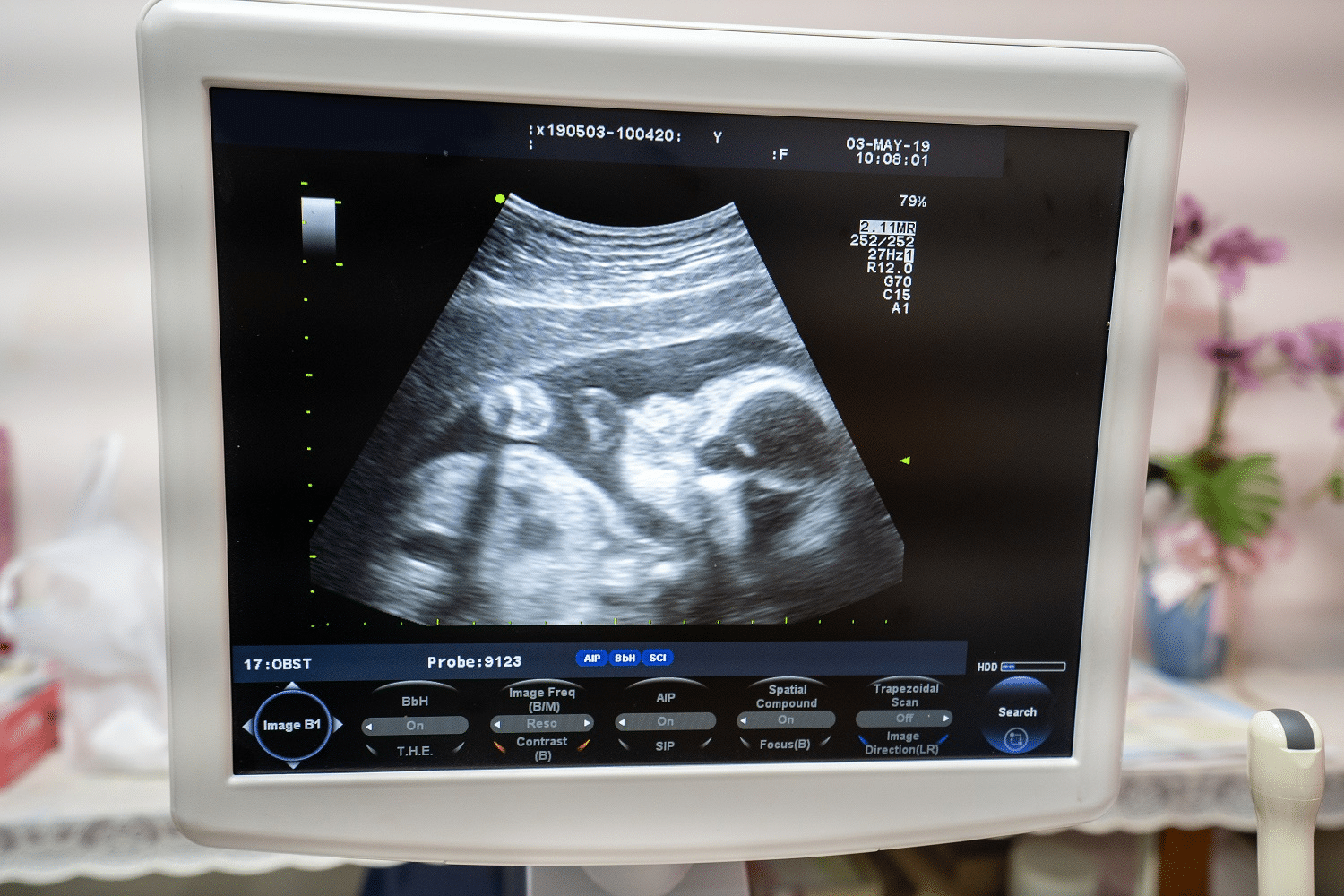
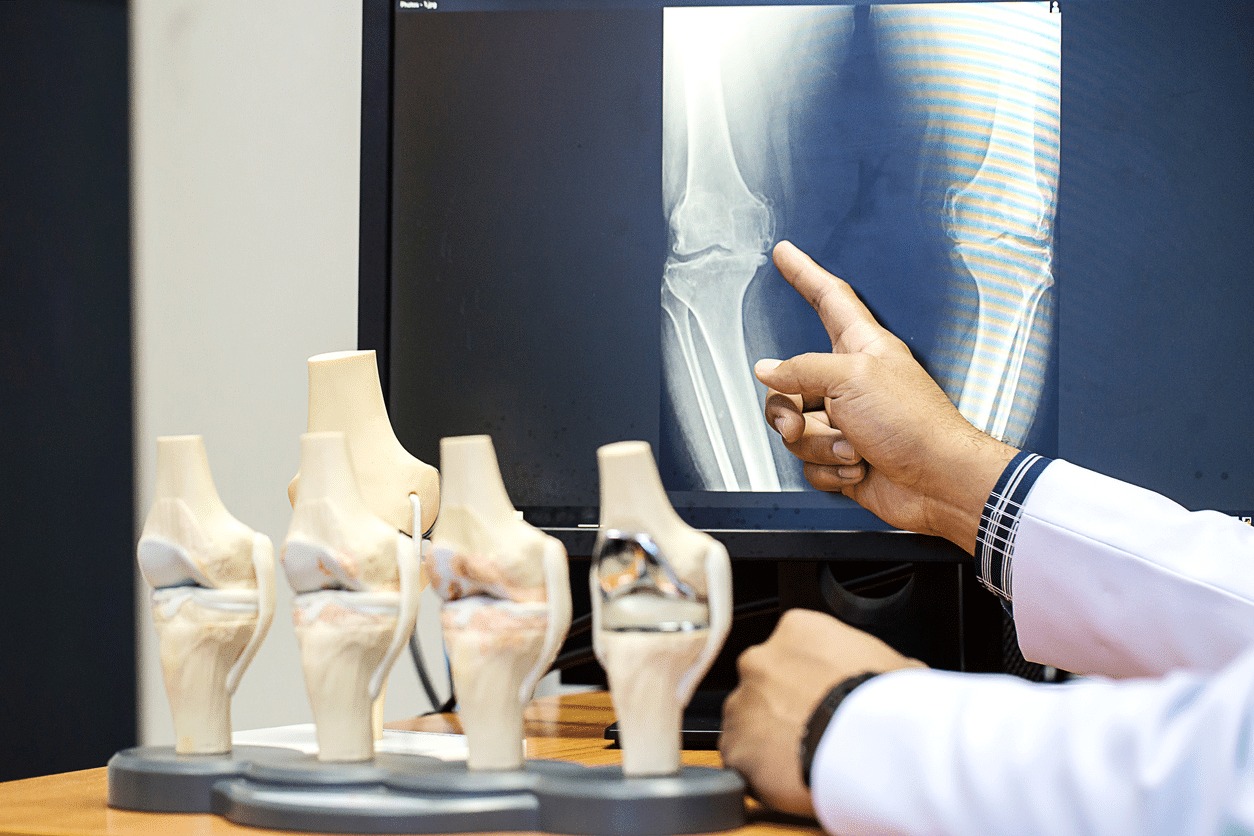
Hospital Design | The Engineering and Technological Foundations for Building an Ideal Healing Environment

Hospital design is one of the essential elements that affects the quality of healthcare and operational efficiency. The success of any medical facility relies on its engineering design, which must take into account health, functional, and technological standards. A hospital is not merely a building but a complex environment that requires the integration of architectural design, engineering systems, and safety requirements. Moreover, good design contributes to enhancing the patient experience, increasing the efficiency of medical services, and promoting the safety of the medical staff.

The Basic Engineering Standards for Hospital Design

Before starting any hospital project, a comprehensive plan must be developed that takes into consideration the location, space, and the needs of both patients and medical staff. Good planning ensures a smooth flow of movement, which reduces chaos and enhances work efficiency. Relying on modern technology in design contributes to improving medical services and reducing errors. Planning should also consider the potential for future expansion to meet increasing demands, in addition to incorporating green spaces and rest areas to improve the comfort of patients and staff.
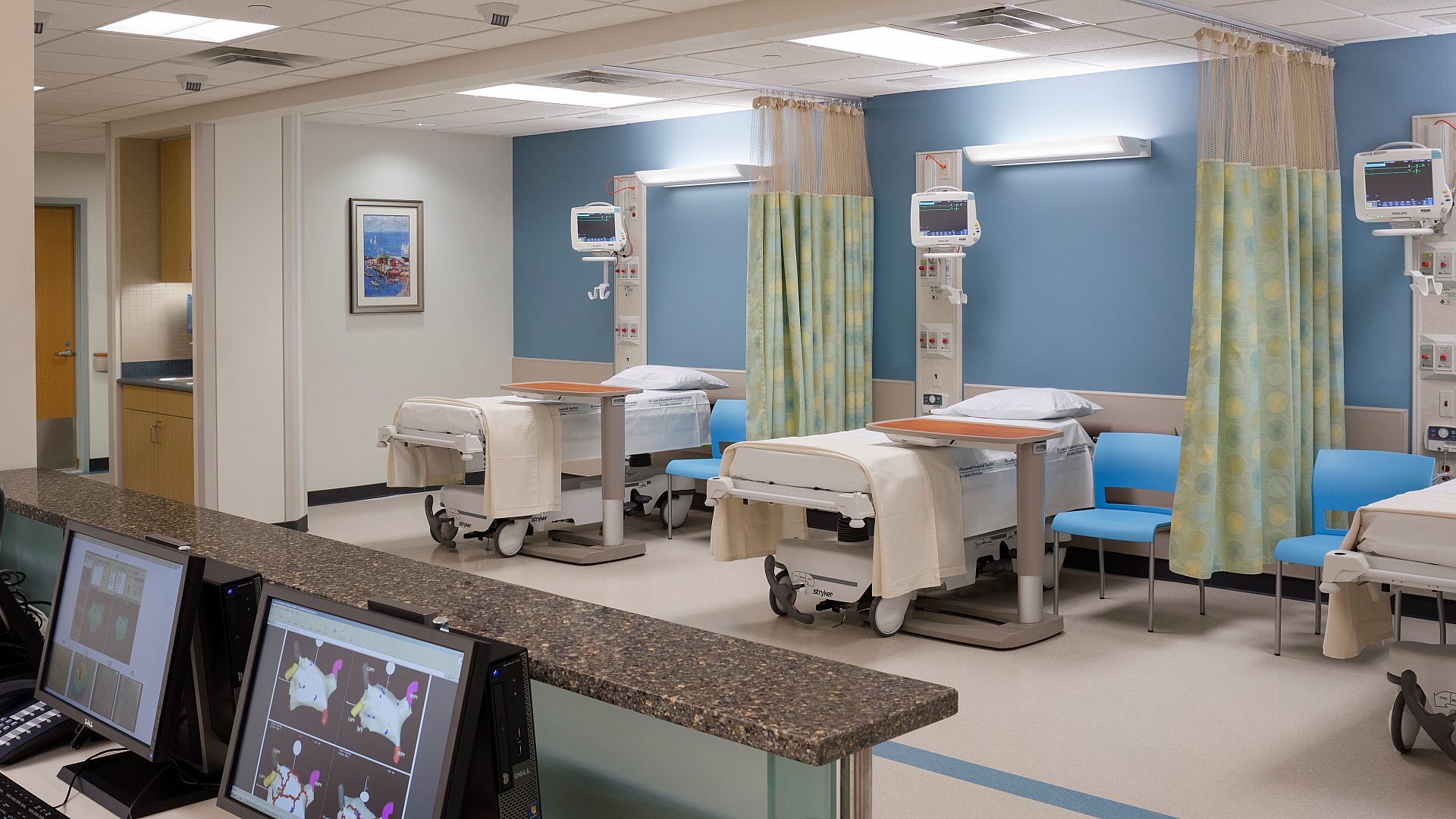
Hospital Design

Distribution of Interior Spaces

The distribution of departments within the hospital must be carefully planned to ensure ease of movement between clinics, operating rooms, and emergency departments. Wide corridors should be provided to allow the smooth movement of patient beds and ambulances. In addition, independent entrances and exits for emergencies must be established to ensure that critical cases are attended to without delay.

Ventilation and Air Conditioning Systems
Ventilation systems play an important role in maintaining a healthy environment within the hospital. Hospitals should be designed to include air conditioning and air filtration systems that reduce the transmission of infections and maintain the quality of indoor air. Moreover, fresh air must be distributed in operating rooms and intensive care units in a manner that prevents the spread of contaminants.

Safety and Fire Fighting Standards

Given the sensitivity of the medical environment, adherence to the highest safety standards is essential. This includes the presence of clear emergency exits, early fire alarm systems, and the use of fire-resistant materials in construction and interior finishes. Additionally, the hospital should be equipped with automatic fire extinguishing systems and surveillance cameras to ensure continuous protection.

Technological Considerations in Hospital Design

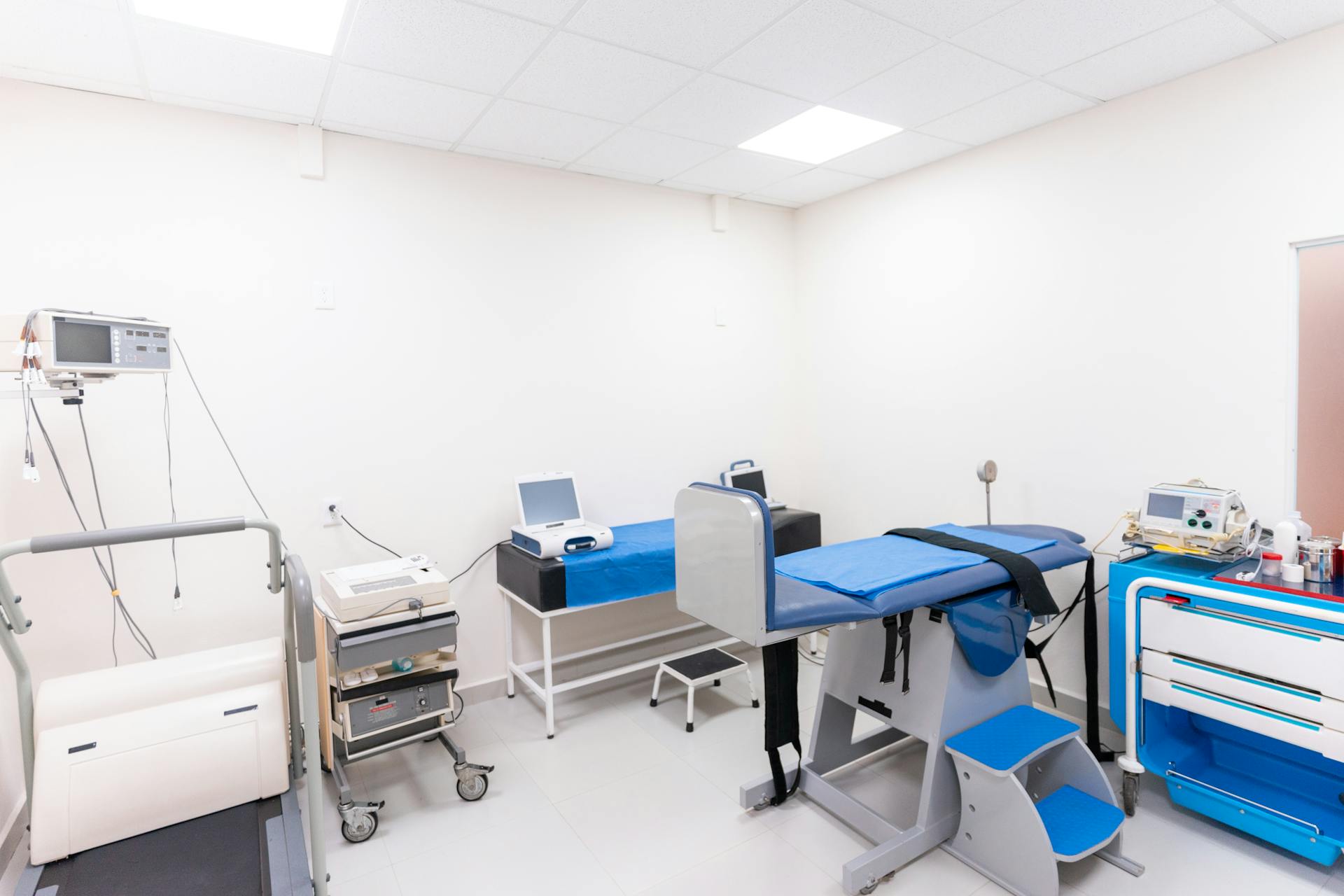
With the advancement of technology, digital infrastructure has become an integral part of hospital design. This includes health information systems, electronic medical records, and artificial intelligence technologies used in diagnosis and treatment. Moreover, robots can be employed to assist doctors in surgical procedures or in delivering medications within the hospital.
A hospital must be capable of operating at high efficiency in terms of energy consumption. Therefore, modern hospital design relies on renewable energy sources such as solar panels, the use of energy-saving lighting systems, and efficient water management techniques. The use of thermal insulation systems and insulated glass further helps to reduce energy consumption.

Challenges That May Face Hospital Design

Investing in hospital design is extremely costly, as it requires the use of high-quality materials and advanced technological systems, in addition to complying with international standards. The overall cost also includes modern medical equipment and the necessary infrastructure for its efficient operation.

Future Expansion

Given the increasing number of patients and the ongoing developments in the medical field, the design must be flexible and capable of future expansion without the need for radical changes. Therefore, advance plans should be in place for expanding buildings and adding new departments when needed.

Achieving a Balance Between Aesthetic and Functional Design

Hospital design should be attractive and visually comfortable, without compromising functional efficiency. Good design enhances patient comfort and positively influences their recovery, making the combination of aesthetics and functionality essential.

The Role of Medical Engineering in Hospital Design

Medical engineering plays a significant role in improving the quality of healthcare within hospitals. By designing modern medical devices and developing automated systems, the accuracy of diagnosis is enhanced and the efficiency of treatments provided to patients is increased. Additionally, the use of smart monitoring systems enables doctors to continuously track patients’ conditions, thereby enhancing the speed of intervention in the event of any emergency.

Hospital design is a complex process that requires careful planning and integration between architectural and medical engineering to ensure a safe and effective healing environment. Implementing the latest technological and engineering standards guarantees improved healthcare quality and the delivery of outstanding medical services to the community. Moreover, innovation in design plays a fundamental role in providing a comfortable and safe environment for both patients and medical staff, contributing to achieving the highest levels of performance in medical facilities.

In conclusion if you are a medical engineer seeking professional training courses in the field of medical engineering, you can contact us now through the HSI to receive the best training courses and engineering consultations that will take your career to new heights.
The Future of AI in Healthcare: What to Expect

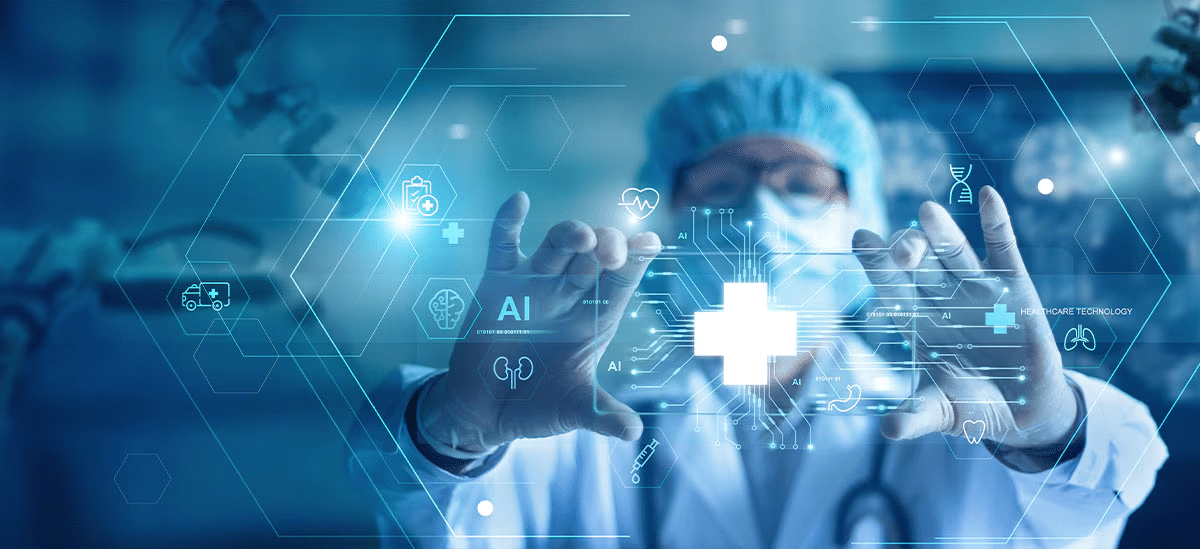
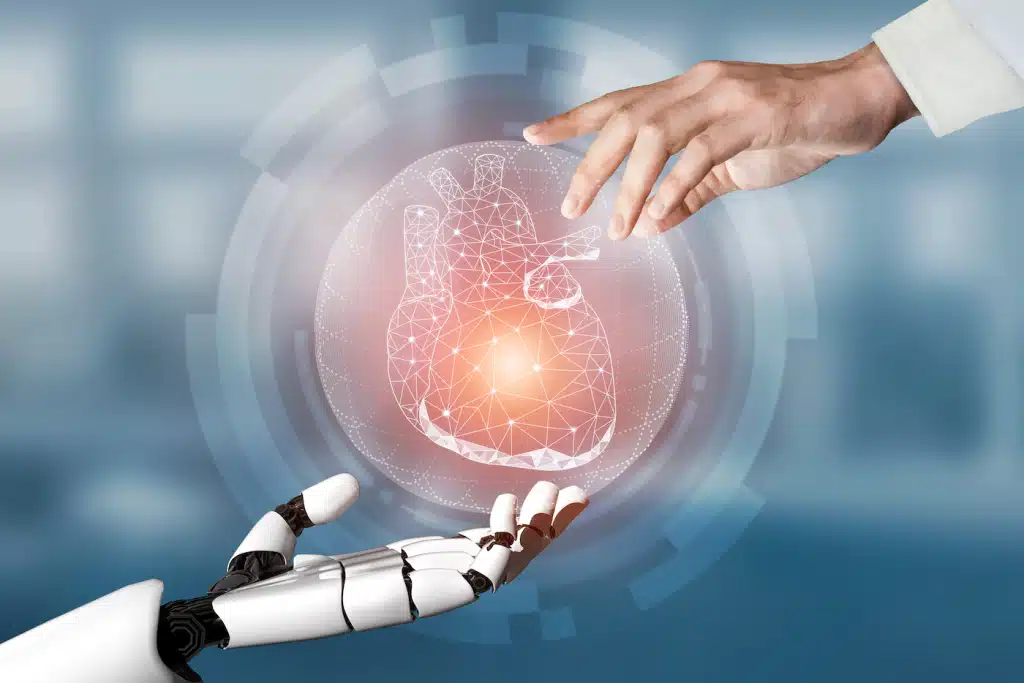
The role of artificial intelligence (AI) in healthcare has emerged as a transformative force, offering unprecedented opportunities to enhance patient care and advance the medical field. By 2025, the impact of AI has become evident with numerous applications in medical imaging, diagnostics, personalized medicine, and virtual health assistance. However, the true potential of AI in healthcare has yet to fully unfold, with significant advancements and challenges expected in the coming years. In today’s article, we will explore the current and anticipated role of AI in healthcare and the long-term impact it is likely to have on the medical field.

What is the Role of AI in Healthcare?

Artificial intelligence refers to the ability to simulate human intelligence and perform complex automated tasks using computers and machine learning technologies. AI-powered devices aim to replicate human cognitive abilities but can also surpass them in many areas, particularly when it comes to quickly analyzing vast amounts of big data to identify patterns, variations, and trends. In healthcare, AI is already transforming the patient experience, how doctors practice medicine, and how the pharmaceutical industry operates.

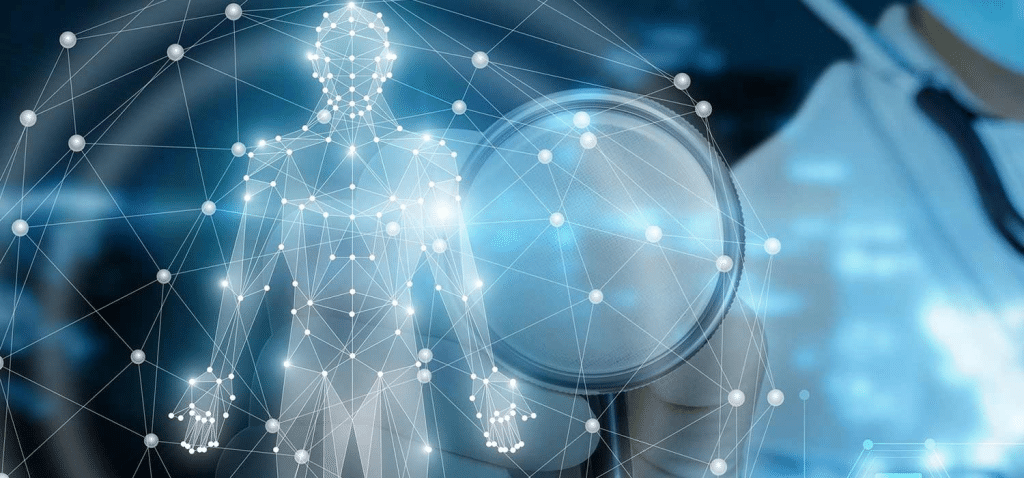
AI in Healthcare

The Role of AI in Healthcare

AI in healthcare encompasses a wide range of technological advancements that enable machines to perform tasks such as learning, problem-solving, and decision-making—tasks that typically require human intelligence. By identifying patterns and connections, AI-powered systems analyze and interpret text, images, audio, and video. These algorithms are essential for machine learning, a branch of AI that allows healthcare systems to learn from data and continually improve across various functions. This includes recommendation systems, natural language processing, and image recognition.

Current Applications of AI in Healthcare

Artificial intelligence is rapidly being integrated by healthcare organizations across several domains, including:

1- Drug Development and Discovery

By analyzing massive datasets to identify promising drug candidates, AI accelerates the process of discovering and developing new medications. AI-powered simulations can save time and costs by modeling drug interactions and predicting drug efficacy.

2- Predictive Analytics and Risk Assessment

Through the evaluation of patient data and environmental variables, AI supports public health by predicting the likelihood of disease outbreaks. Early interventions based on predictive analytics improve patient outcomes by managing health issues and preventing hospital readmissions.

The Future of AI in Healthcare

3- Disease Detection and Diagnosis

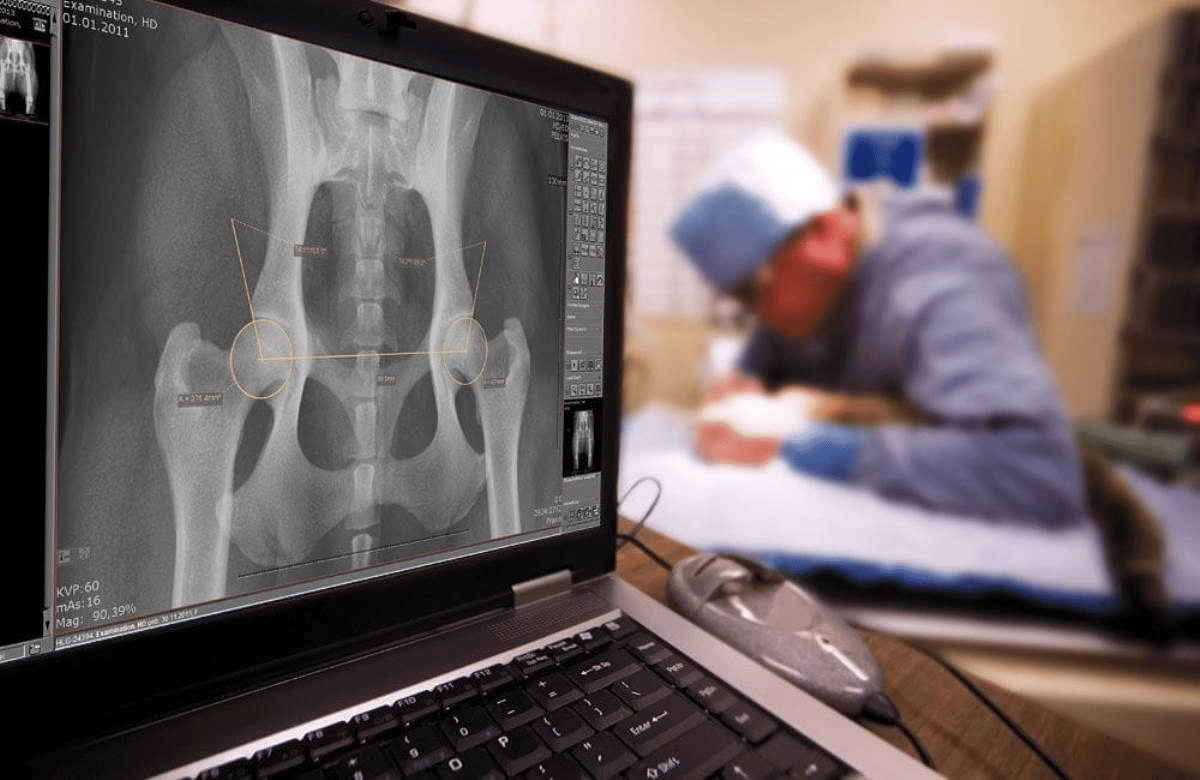
AI-driven algorithms can accurately identify diseases such as cancer, fractures, and cardiovascular disorders by analyzing medical images like MRIs, CT scans, and X-rays. Machine learning algorithms enhance early disease detection by recognizing patterns and abnormalities in medical data.

4- Treatment Planning and Personalization

AI assists medical practitioners in creating personalized treatment plans based on patients’ clinical, genetic, and lifestyle information. Tailoring treatment recommendations to unique health profiles improves therapeutic outcomes.

5- Administrative Efficiency

AI-powered applications help healthcare organizations automate administrative tasks such as billing, scheduling, and patient inquiries. Robotic process automation (RPA) ensures more efficient claims processing and medical data management.

6- Remote Monitoring and Telemedicine

Real-time health data collection is made possible by AI-enabled sensors and smart devices, facilitating remote patient monitoring. Telemedicine systems use AI to conduct virtual consultations, enabling patients to access medical care from anywhere in the world.

The Future of AI in Healthcare What to Expect

The Future of Artificial Intelligence in Healthcare

Artificial intelligence (AI) is a broad term encompassing various interconnected processes. Below are some of the most common applications of AI in healthcare:

  • Machine Learning (ML): The process of training algorithms to perform tasks such as information classification and outcome prediction using datasets like medical records.
  • Deep Learning: A subset of machine learning that creates neural networks capable of handling more complex tasks using larger datasets, longer training periods, and multiple layers of machine learning algorithms.
  • Natural Language Processing (NLP): The application of machine learning to human spoken and written language. In healthcare, NLP is used to comprehend published research, reports, notes, and documentation.

AI is also employed in computer systems to automate administrative and clinical processes through Robotic Process Automation (RPA). Many healthcare organizations use RPA to streamline daily operations in their facilities and enhance patient experiences. AI can be applied in three key areas within healthcare:

  1. Patient-Oriented AI
  2. Physician-Oriented AI
  3. Administration and Operations-Oriented AI

Will AI Change the Future of Healthcare Delivery?

AI is reshaping healthcare delivery and diagnostics across various stages of the value chain. AI systems can accurately evaluate medical images to assist healthcare professionals in diagnosing issues. AI-powered technologies expedite the analysis of pathology slides, improving diagnostic precision. Additionally, AI models leverage patient data and medical histories to predict disease outbreaks and develop personalized treatment systems based on lifestyle, clinical history, and genetic variables.

The Future of AI in Healthcare

AI-enabled telemedicine systems offer remote consultations, while wearable technologies and sensors facilitate real-time health monitoring and early intervention. With tailored educational materials and recommendations, AI solutions enhance administrative processes and boost patient engagement.

AI also improves surgical outcomes through robotics designed to stabilize movements and provide real-time feedback to physicians. Furthermore, AI scans vast databases to extract valuable insights for policymaking, drug development, and resource allocation in healthcare.

Opportunities for Transformation with AI

It’s no surprise that AI offers extensive opportunities to improve standard medical procedures, from diagnosing diseases to identifying the most effective treatment paths for patients with critical conditions like cancer. By reducing physical inconsistencies and providing up-to-date information throughout medical procedures, AI-equipped robotic surgery technology enables physicians to perform operations with greater precision.

1. Enhancing Quality

By leveraging massive datasets and advanced algorithms, AI significantly improves diagnostic accuracy, treatment plans, and personalized care, ultimately leading to better patient outcomes and an overall enhancement in healthcare quality.

2. Reducing Costs

AI-driven automation, predictive analytics, and optimized resource allocation streamline processes, minimize waste, and reduce the overall costs of delivering healthcare services.

3. Improving Accessibility

AI can bridge the gap in healthcare access between urban and rural areas. Even in the most remote locations, high-quality treatment becomes feasible through AI-enabled telemedicine and remote monitoring.

What Are the Challenges of AI in Healthcare?

In conclusion, despite predictions about the future of artificial intelligence in healthcare, several challenges persist. These include concerns about data privacy, integration with existing systems, the need for high-quality data, addressing ethical issues, and ensuring that AI tools are unbiased and transparent in their decision-making processes. To address these anticipated challenges, HSI offers training courses in medical AI, empowering healthcare professionals to stay updated with ongoing advancements and effectively leverage AI to serve patients better.

source: Artificial intelligence in medicine: current trends and future possibilities

X-ray Technology: How It Changed Medicine

Since their discovery in the late 19th century, X-rays have played a pivotal role in the advancement of medical diagnostics. This revolutionary innovation, which initially emerged as a curious physical phenomenon, has become an indispensable tool aiding physicians in accurately detecting diseases and identifying injuries. In this article, we explore the journey of X-rays from their initial discovery to their modern applications and profound impact on the world of medicine and healthcare.

The Discovery of X-Rays: A Historic Turning Point in Medicine

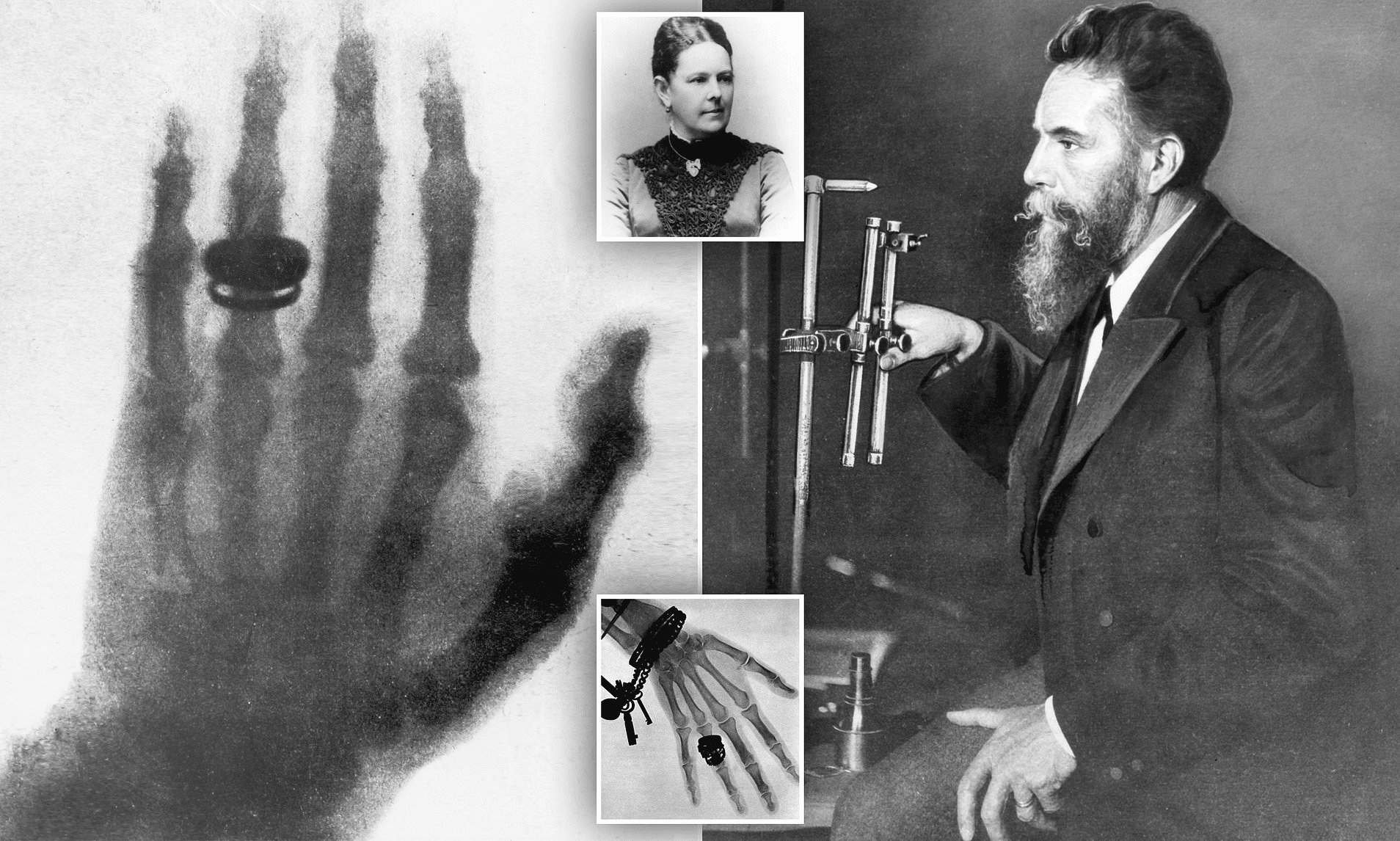
In 1895, German physicist Wilhelm Conrad Roentgen was studying electron beams within a gas discharge tube when he observed an unexpected phenomenon. He noticed a glow emanating from a nearby fluorescent screen when the tube was activated. Curiosity led him to place his hand between the tube and the screen, resulting in a surprising image of his hand’s bones projected onto the screen. Thus, X-ray technology was born. Shortly thereafter, Roentgen published a scientific paper titled “On a New Kind of Rays,” which included images of his wife’s hand and several metal objects. At that time, scientists were not fully aware of the potential dangers of unshielded radiation, but this discovery opened new horizons in the field of medicine.

German physicist Wilhelm Conrad Roentgen - X-Ray Technology

Public Fascination and Early Applications

Initially, X-rays were not only used for medical purposes but also captivated the general public’s interest. Fluoroscope displays showcasing moving images of human bones became popular attractions at fairs and carnivals, where people paid small fees to view their “magic bones.” Some stores even utilized this technology to entice customers; for example, shoe stores offered X-ray images of customers’ feet to highlight the skeletal structure when trying on new shoes.

Over time, the medical community recognized the significant potential of X-rays, especially in emergencies and warfare. They became the only tool capable of locating bullets or shrapnel within the body, saving numerous lives. However, the harmful effects of unprotected radiation were not yet known, leading operators of X-ray machines to suffer severe injuries, sometimes resulting in limb loss. This prompted scientists and practitioners to seek methods to reduce radiation exposure.

The Evolution of X-Ray Applications from Manual to Digital

As scientific knowledge advanced over time, researchers developed better ways to protect patients and medical professionals from radiation exposure. This led to safer and more effective applications of X-ray technology. By the 1930s, X-rays had become an essential tool for diagnosing injuries and detecting various medical conditions.

X-Ray Technology

With rapid technological progress, the 1970s marked the shift from traditional printed X-ray images to digital imaging, revolutionizing the speed and accuracy of medical diagnostics. This transition not only saved time and effort but also significantly improved image quality and storage efficiency.

Modern-Day Applications of X-Ray Technology

Today, X-ray technology is one of the safest and most effective diagnostic tools in medicine. It is widely used to identify a broad range of medical conditions, from accidental injuries to chronic diseases such as cancer. Thanks to technological advancements, X-ray images have become clearer and more precise, allowing doctors to examine bones and soft tissues non-invasively. Here are some of its key applications:

1. Diagnosing Fractures and Injuries

When a patient suffers an accident or injury, an X-ray is often the first step in determining the extent of damage to the bones or surrounding tissues. This technology enables doctors to pinpoint fractures accurately, facilitating swift and effective treatment planning.

2. Detecting Degenerative Diseases and Cancer

X-rays also play a crucial role in identifying changes that may indicate tumors or degenerative bone diseases. Additionally, they are used in routine screenings for early detection of conditions such as lung cancer, increasing the chances of successful treatment and recovery.

lung cancer

3. Diagnosing Respiratory Diseases

Modern X-ray techniques have significantly improved the diagnosis of respiratory illnesses like pneumonia. Given the ongoing global health challenges, X-ray imaging has become a vital tool for diagnosing and monitoring pneumonia cases, which pose serious risks to both children and adults.

4. Applications in Dentistry

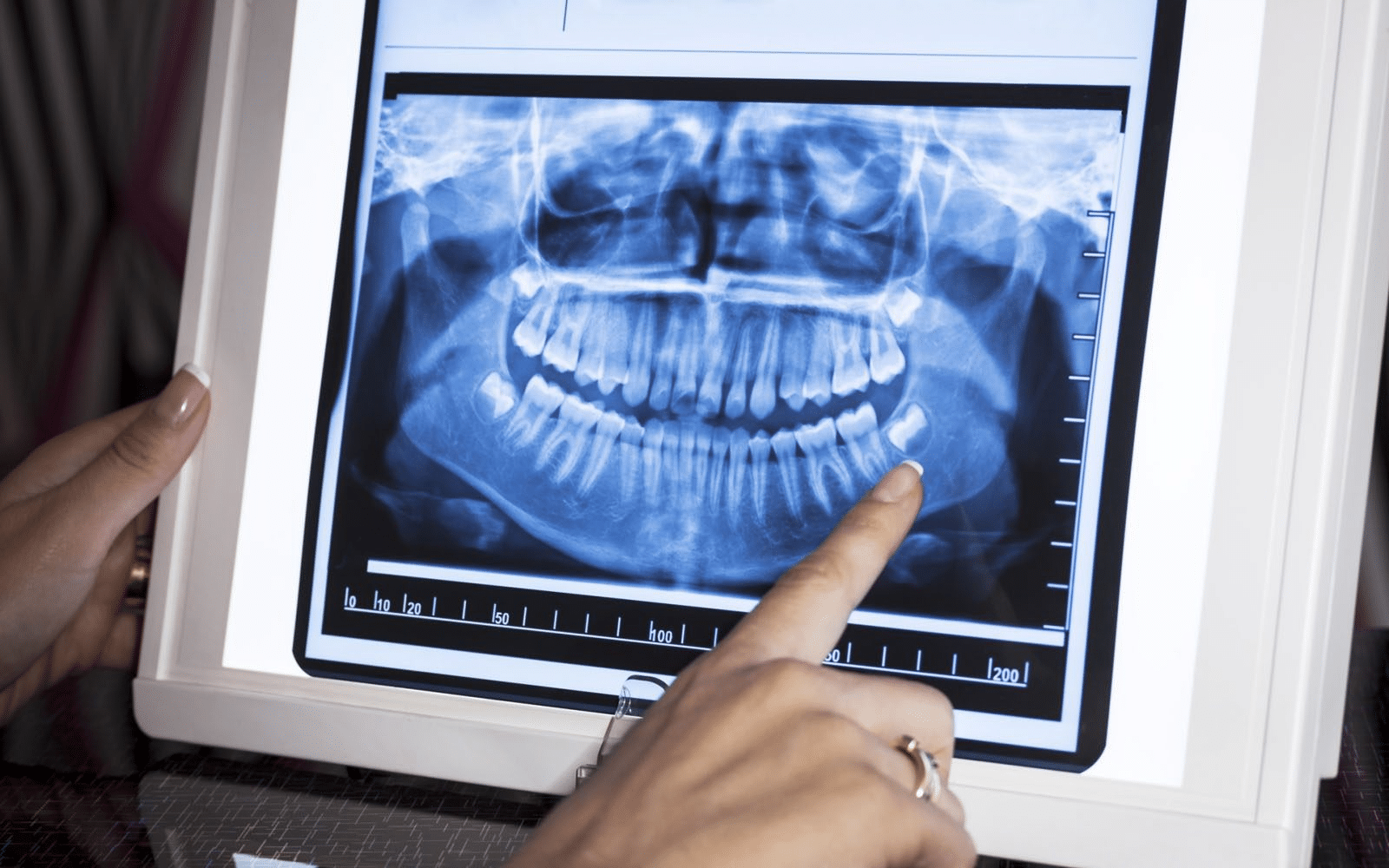
Beyond general medical diagnostics, this technology is essential in dentistry. It is used to detect cavities, assess gum health, and evaluate the condition of surrounding bone structures. This technology helps dentists make well-informed treatment decisions based on accurate and detailed imaging.

Future Innovations and Benefits of X-Ray Technology

This technology has saved millions of lives over the decades, yet there is still room for development and innovation. One of the most promising future trends is the shift toward advanced digital imaging powered by artificial intelligence (AI). These technologies are expected to enhance the speed and accuracy of diagnoses by automatically analyzing images and detecting subtle patterns that may be overlooked by the human eye.

X-Ray Technology

Researchers are also working on reducing the radiation doses required for each scan. The growing focus on minimizing radiation risks is driving scientists to develop new devices with advanced techniques for precise radiation control. This makes X-ray technology safer, especially for:

  • Children
  • Pregnant women

The Impact of X-Ray Technology in Developing Countries

The technology is not limited to developed nations—it plays a crucial role in improving healthcare in developing countries as well. In regions with limited medical resources, such as parts of Africa and Asia, X-ray machines serve as essential diagnostic tools that enable quick and accurate disease detection. Early diagnosis through X-ray imaging helps save countless lives by allowing timely medical intervention. Additionally, the increasing adoption of digital technology in these areas has enhanced diagnostic and treatment capabilities, underscoring the vital role of X-ray technology in global healthcare improvement.

X-Ray Technology

Challenges and Future Developments

Despite the significant advancements in X-ray technology, challenges remain. One of the main obstacles is the continuous need to train medical professionals on modern techniques and advanced equipment. Another key research priority is reducing radiation exposure while maintaining high-quality imaging to ensure patient safety.

Furthermore, improving medical data storage and analysis is a critical aspect of the technology development. As the volume of collected data grows, the need for intelligent systems to analyze and deliver accurate results quickly becomes more apparent. These advancements can accelerate medical decision-making and improve patient outcomes.

Ultimately, the continuous evolution of X-ray technology has revolutionized medical diagnostics and treatment, significantly improving healthcare standards. However, like all medical advancements, investing in education and professional training remains essential to ensuring the optimal use of these technologies.

If you are looking to advance your career in medical engineering, HSI is the ideal choice for you. Through our specialized training programs, we provide the skills and knowledge needed to be part of the ever-evolving healthcare industry. Let us help you build a distinguished career with expert guidance and innovative consulting services. Join us now and become a leader in delivering advanced medical solutions that improve lives.

Source: X-Ray Technology: The Past, Present, and Future

All copyrights reserved to © HSI