The Role of AI in the Development of Smart Prosthetics and the Challenges They Face

Over the past few years, artificial intelligence (AI) and smart prosthetics have begun transforming early prosthetic solutions. These technologies are not merely futuristic concepts but practical tools that are already enhancing how individuals embark on their prosthetic journeys.​

Understanding Early Smart Prosthetics and Their Challenges

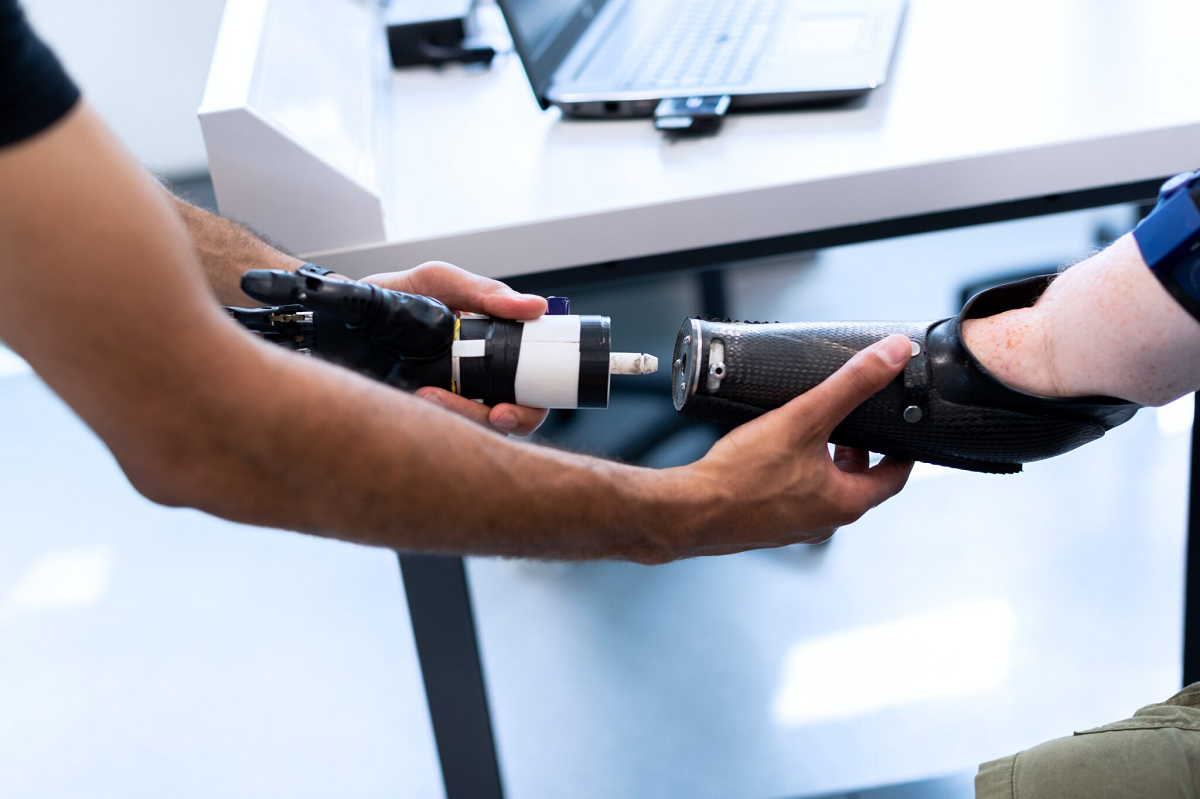
Before delving into the specifics of this technology, it’s crucial to understand what early smart prosthetics are and their significant importance. These are the initial prosthetic devices provided to patients shortly after surgery, following wound healing and before the residual limb has fully stabilized.​

The Role of AI in the Development of Smart Prosthetics

The Role of Artificial Intelligence in Enhancing Prosthetic Movement

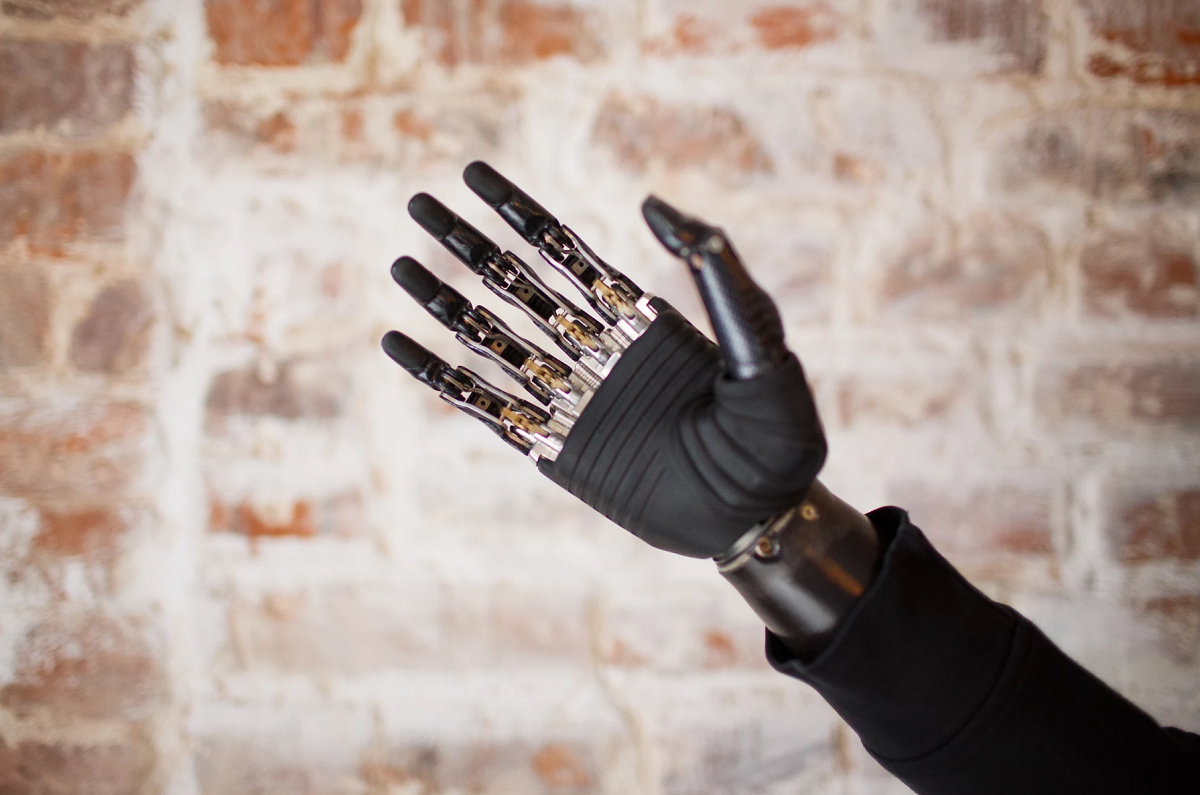
Imagine a prosthetic limb that not only mimics movement but also learns, adapts, and responds as if it were a natural extension of the body. This is what AI technologies offer in the field of prosthetics, revolutionizing their functionality by enabling more intelligent and fluid movements that adapt to the user’s needs. From predictive algorithms to machine learning, AI is fundamentally transforming prosthetics, making them more efficient and their functions more realistic and human-like.​

1- Processing and Adaptation

AI enhances prosthetic movements by processing vast amounts of data collected from sensors embedded in the device. These sensors monitor muscle signals, joint angles, and external conditions such as surface type or temperature. The AI system analyzes this data in real-time, allowing for precise adjustments to ensure smooth movement and immediate responsiveness.

2- Learning and User Adaptation

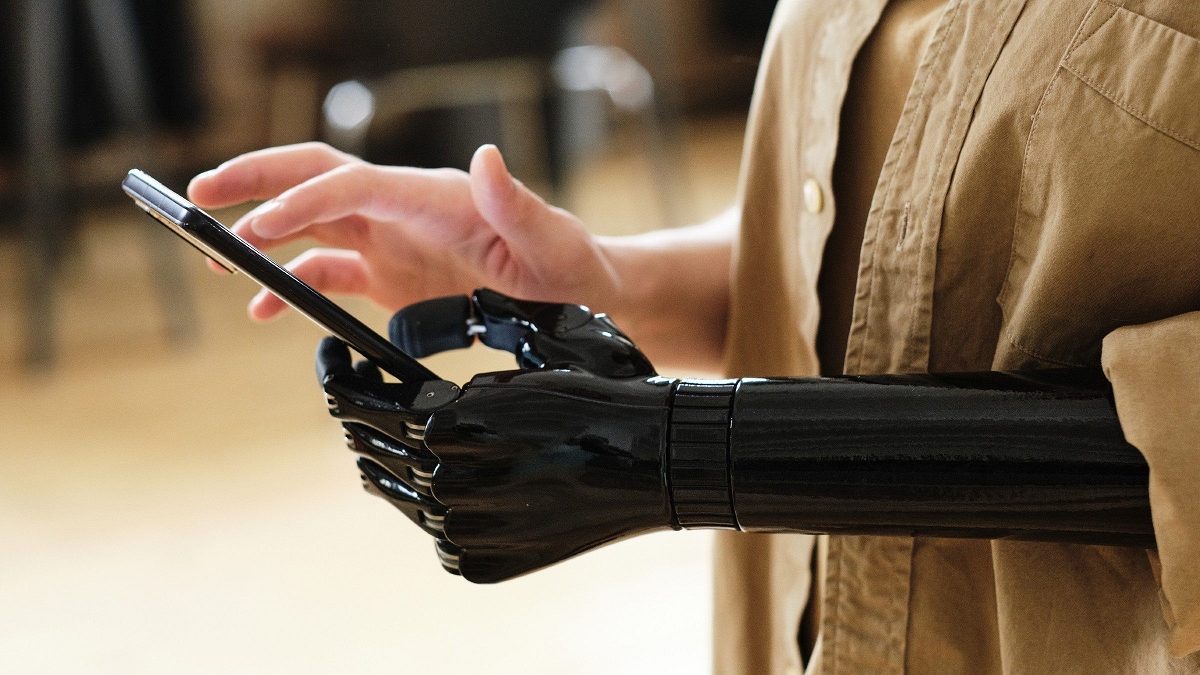
Machine learning, a branch of AI, drives smart prosthetics capable of adapting to individual user needs. By analyzing repetitive movements, the prosthetic can learn user patterns and understand their movement preferences. Over time, the device becomes more intelligent, anticipating the user’s intentions even before they are executed.

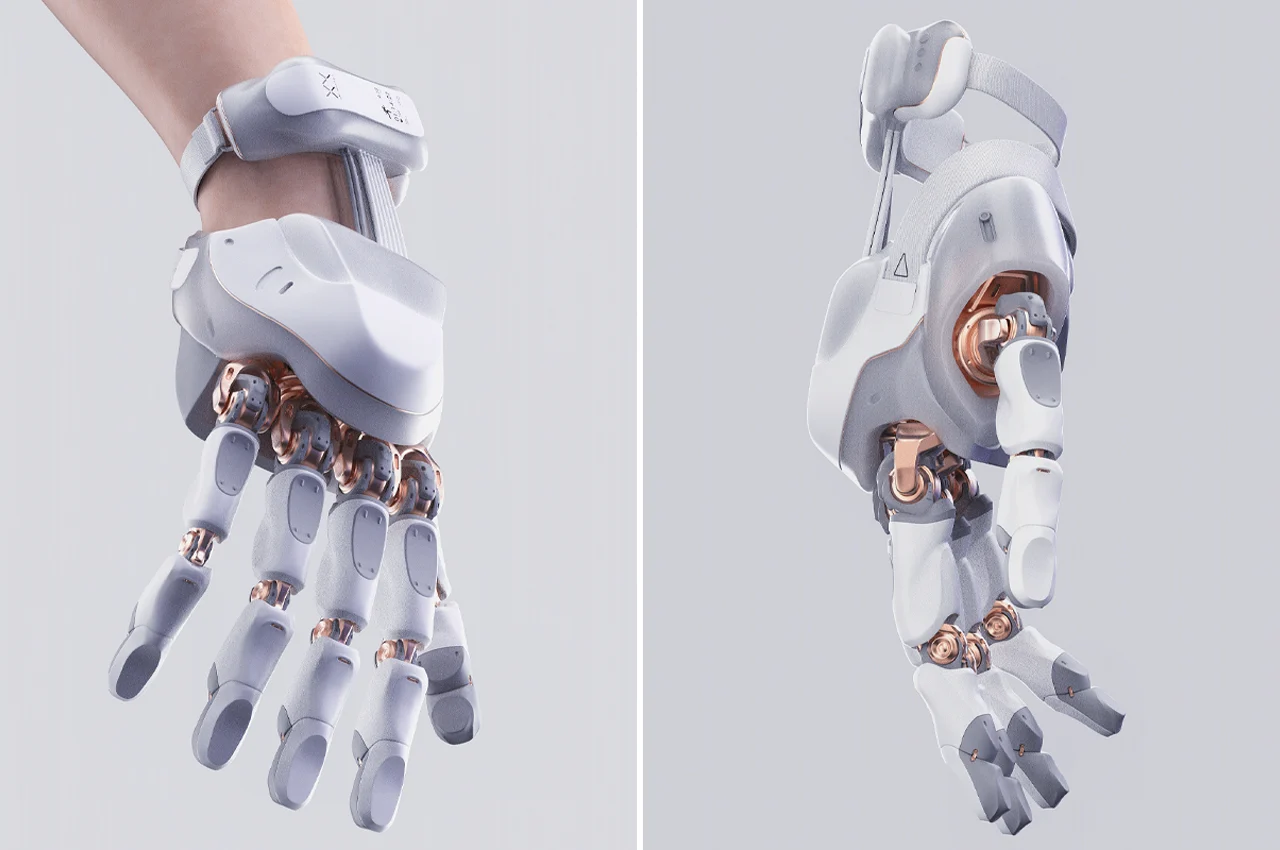
For example, an AI-powered prosthetic arm can distinguish between muscle signals associated with grasping a water cup and those for holding a pen, allowing for seamless transitions between tasks, making the device a natural extension of the body rather than just an assistive tool.

3- Enhancing Balance and Improving Gait

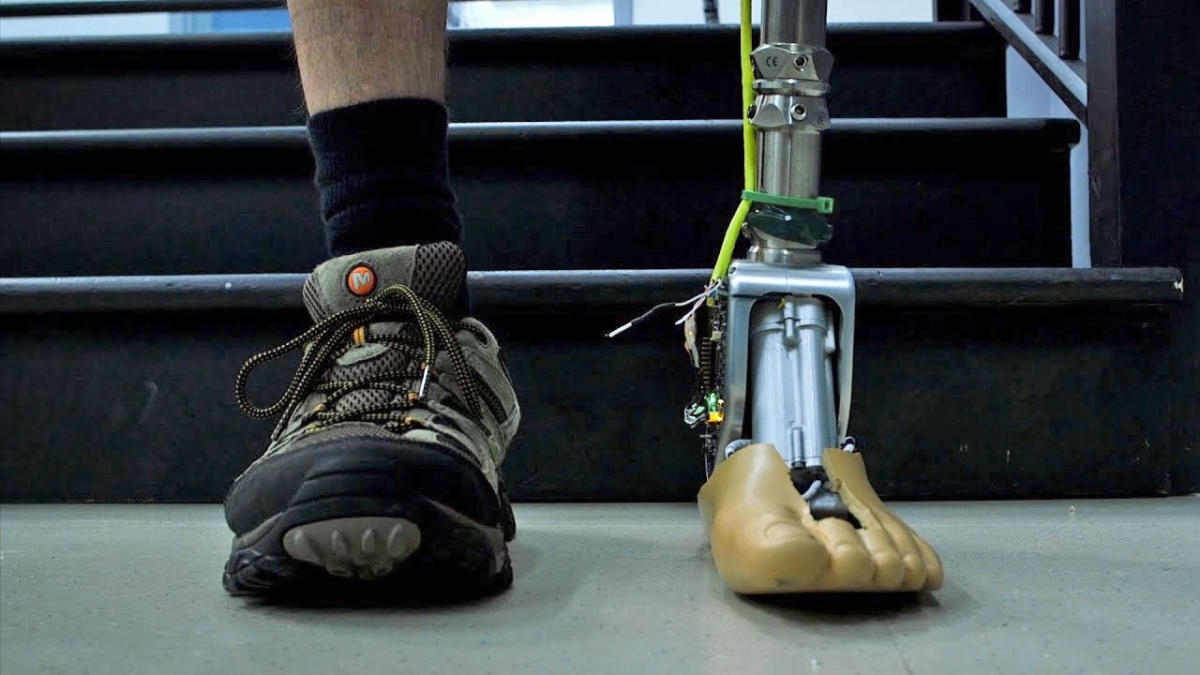
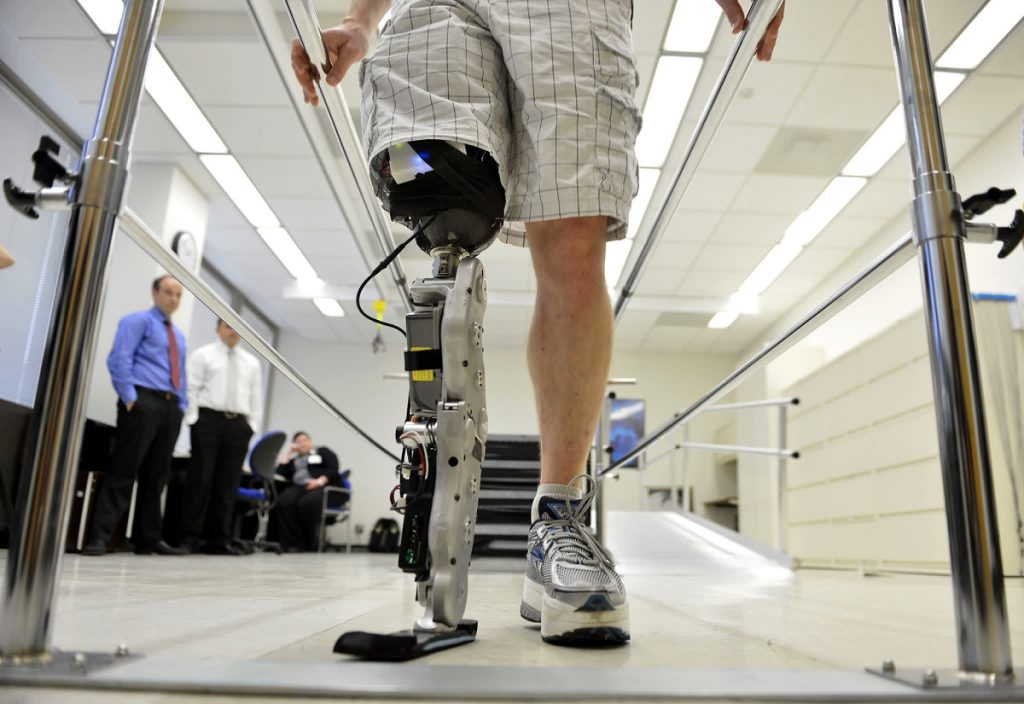
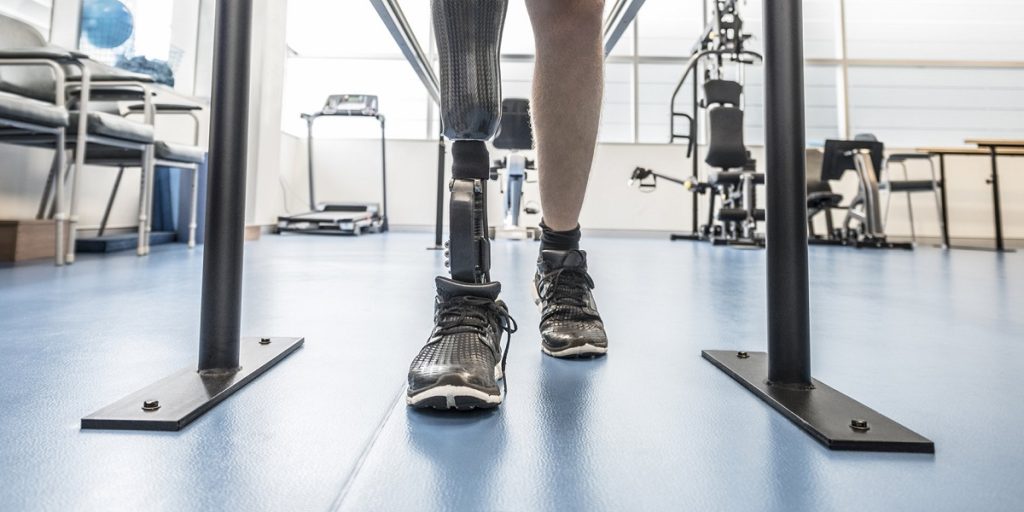
In lower-limb smart prosthetics, AI plays a crucial role in maintaining balance and improving gait patterns. By analyzing how the user distributes their weight and moves across different surfaces, the prosthetic can make precise adjustments to ensure stability.

For instance, walking on a sandy beach requires a different pattern than walking on a flat sidewalk. A smart prosthetic leg can detect these changes and adjust its stiffness, angle, or stride length, accordingly, reducing fatigue and ensuring the user’s safety.
Smart Prosthetics

The Importance of Early Prosthetic Fitting

Fitting a prosthetic limb at an early stage plays a crucial role in the recovery process, as it helps to:​

  • Reduce swelling​
  • Improve blood circulation​
  • Prevent joint stiffness​
  • Allow the patient to begin standing and moving​
  • Preserve muscle strength and balance​

Difficulties in Early Device Fitting

One of the biggest challenges facing early smart prosthetic fittings is the continuous change in the shape of the residual limb. Swelling may increase and decrease, the skin may be sensitive, and the shape of the residual limb is not yet final. Therefore, prosthetic sockets need to be adjusted as healing continues, making it difficult to design a socket that is both snug and comfortable.​

A socket that is too tight may cause pain or injury, while one that is too loose may lead to instability and increase the risk of imbalance. Thus, achieving the right fit requires a delicate balance and continuous care, where smart technology can make a real difference in prosthetic design.​

The technology behind smart prosthetics

​The technology behind smart prosthetics relies on a combination of hardware components and software to function efficiently. Sensors, actuators, and processors work together to collect data, analyze it, and execute precise movements.​

Advanced Algorithms

AI algorithms transform raw sensor data into actionable insights. For instance, a machine learning model can analyze thousands of steps to determine how a user’s gait changes when moving uphill versus downhill. The algorithm uses this knowledge to adjust the prosthetic’s movement automatically, ensuring a more seamless experience.​

Companies developing smart prosthetics should prioritize the accuracy and efficiency of these algorithms. Collaborating with data scientists and software engineers can help refine these systems, ensuring reliable performance under various conditions.​

Artificial foot

Sensor Integration

Sensors are the cornerstone of AI-powered prosthetics, gathering the necessary data to enable the system to learn and interact. These sensors include:​

  • Myoelectric Sensors: Capture electrical signals emitted by muscles.​
  • Gyroscopes: Measure stability and assist in adjusting movement.​
  • Pressure Sensors: Monitor weight distribution to ensure natural walking patterns.​

The data collected by these sensors is transmitted to an integrated processor within the prosthetic limb, where AI algorithms analyze it in real time. This allows the device to respond immediately to any changes in the user’s movement or surrounding environment, providing a smoother and more effective user experience.​

How AI is Transforming Early Prosthetic Design

AI brings speed, precision, and predictive capabilities to the prosthetic design process, facilitating a faster and more accurate match between the prosthetic design and the individual. This is achieved through:​

1- AI-Assisted Socket Design

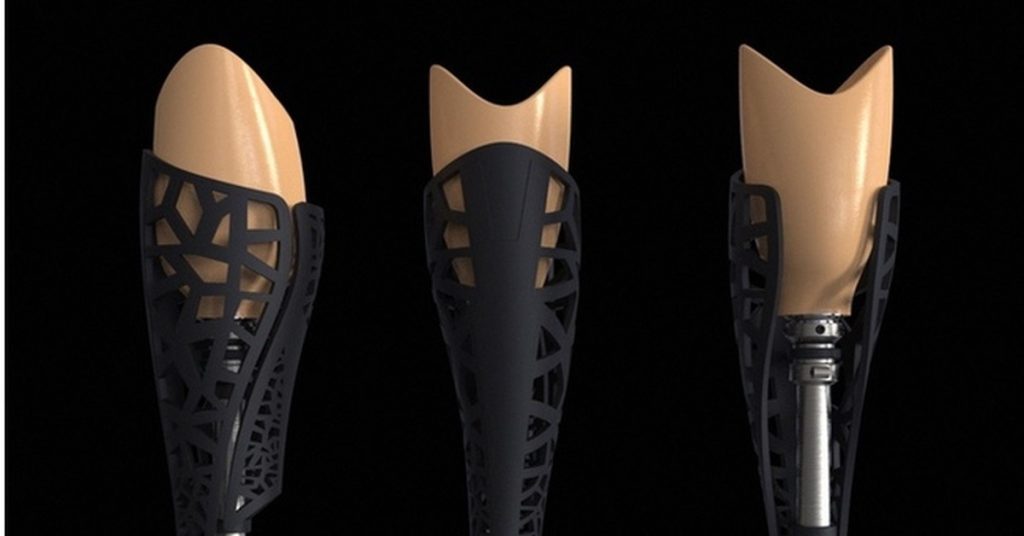
In traditional socket design, a prosthetist uses measurements and molds to create a well-fitting socket. With smart prosthetics, it’s now possible to digitally scan the limb and input this data into advanced modeling software. This software predicts how the limb will change over time and suggests socket shapes that can adapt accordingly.​

2- Predicting Limb Volume Changes

One of the most challenging aspects of early prosthetic fitting is the continuous change in limb volume, which may shrink or shift weekly. AI can now track these changes using data from sensors and user inputs, even predicting future changes.​

3- Matching Appropriate Components to Each User

AI’s role extends beyond socket design to selecting the appropriate foot or knee for each user. Based on gait patterns, strength, age, and goals, AI can suggest prosthetic combinations that offer the best balance between support and flexibility. This enhances the success of the initial fitting, helps the user move faster with fewer adjustments, reduces trial time, and accelerates the transition to a more stable walking pattern.​

How AI is Transforming Early Prosthetic Design

The Future of Smart Prosthetics

The future of smart prosthetics extends beyond the devices themselves to building integrated systems that enhance user experience by incorporating complementary technologies.​

For example, mobile applications can serve as auxiliary tools, allowing users to monitor their prosthetics’ performance, adjust settings, and access tutorials or troubleshooting guides. These apps can also collect valuable data for companies, providing insights into how users interact with their devices and identifying areas for improvement.​

Additionally, wearable devices like smartwatches or fitness trackers can enhance functionality. By synchronizing with AI-powered prosthetics, these devices can provide real-time feedback on activity levels, body posture, and gait, helping users make informed decisions about their health and mobility.​

Expanding Access by Reducing Costs

While smart prosthetics offer advanced functionality, they often come with high production costs. To make these devices accessible to a broader range of users, companies should adopt cost-effective manufacturing techniques and explore alternative materials.​

Technologies like 3D printing can play a pivotal role in reducing production expenses. By leveraging additive manufacturing, companies can quickly produce complex prosthetic components at a lower cost. When combined with AI, these components provide the same high-level performance as traditionally manufactured parts.​

In conclusion, integrating AI into prosthetic design represents a revolutionary step toward improving users’ quality of life, offering them more natural movements and an enhanced user experience. In this context, HSI Center stands out as a leader in biomedical engineering and healthcare solutions, offering specialized training courses and professional consultations aimed at empowering professionals and organizations to make impactful contributions to the healthcare industry. ​

​The source: How AI and Smart Prosthetics Are Improving Early Fit Prosthetic Solutions.

AI in Drug Discovery: How Machine Learning Accelerates Pharmaceutical Research

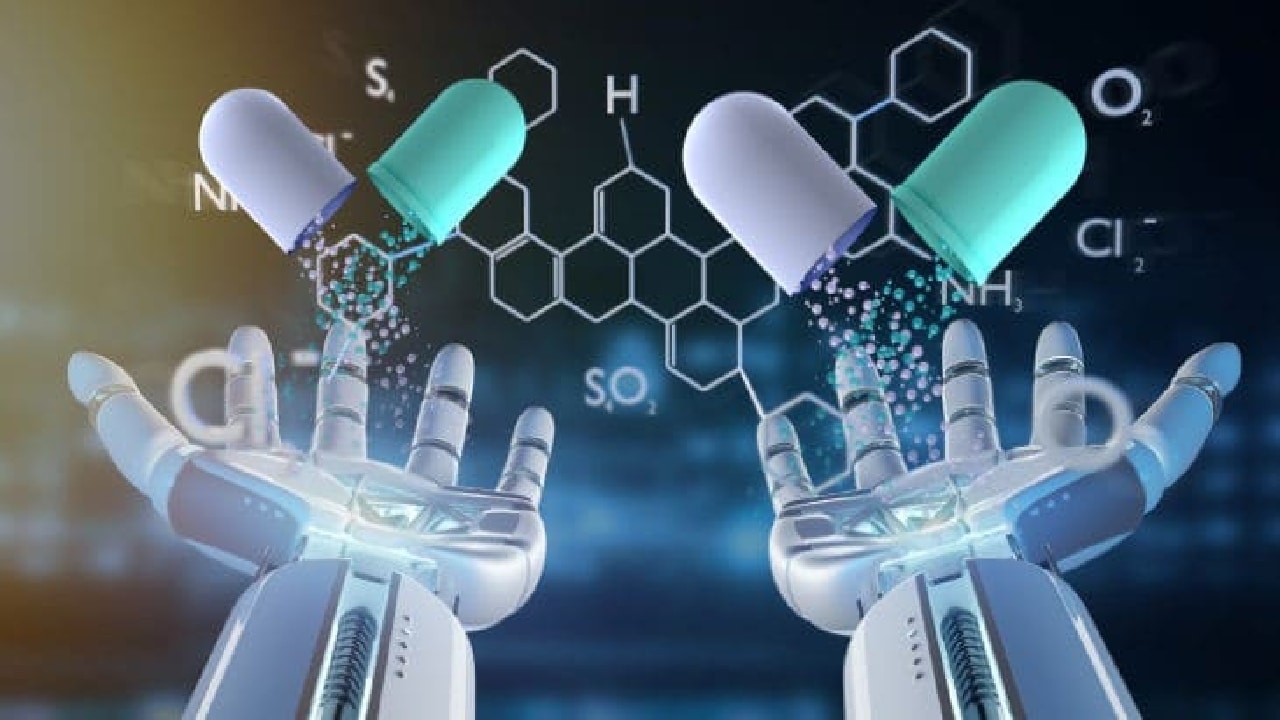
The development of new drugs is a complex, resource-intensive process with a high failure rate. In this context, leveraging Artificial Intelligence (AI) and Machine Learning (ML) holds tremendous potential to revolutionize the pharmaceutical industry. These technologies enhance data analysis and predictive modeling, leading to faster and more effective treatments. In this article, we explore the role of AI in drug discovery.

Challenges of Traditional Drug Development

The journey of developing new drugs is typically fraught with challenges. It can take 12 to 15 years, involves a high failure rate, and may cost billions of dollars to bring a single drug to market. Key reasons for these difficulties include:

  • Incomplete understanding of disease complexities.
  • Existing disease models often lack accuracy.
  • Difficulty translating model results into effective treatments.
  • Declining reliability of animal testing as a predictor for human outcomes, along with growing ethical concerns.

Drug Discovery

How AI Addresses These Challenges

Recent advancements—especially in machine learning—have significantly contributed to drug discovery. In the past, scientists spent extensive time on manual tasks like sample analysis and data collection. Now, AI aims to automate and speed up these processes.

Although automation is not a new concept, its integration with AI is a game-changer. AI allows companies to sift through and analyze vast datasets to extract precise insights about drugs. Data management and analysis—pillars of pharmaceutical R&D—are now more efficient, enabling researchers to overcome many recurring obstacles.

A Paradigm Shift in Pharmaceuticals: AI as an Innovation Driver

The pharmaceutical industry is undergoing a fundamental transformation by integrating AI into the complex drug discovery process. As is well-known, developing a new drug requires significant financial investment and years of research. However, integrating AI into pharmaceutical R&D is helping to reduce both the massive costs and extended timelines. Here’s how AI is contributing to this evolution:

1. Accelerating Drug Discovery

AI integration speeds up the transition of drugs from the design stage to clinical trials. Recent analyses show that some AI-powered companies have advanced drug candidates to human trials in less than ten years, with some developed in just two and a half years. A notable example includes a leading medication for respiratory diseases that swiftly reached clinical trials thanks to AI technologies.

2. Digital Compounds and Molecular Visualization
AI’s impact extends into the digital realm, where it analyzes vast molecular libraries and protein structures using tools like 3D databases and large-scale integrations. This accelerates the discovery process from years to just months. Key benefits include:

  • Rapid evaluation of millions of potential molecules.
  • Intelligent search for drug compounds.
  • Designing new molecules using generative models.

AI in Drug Discovery

3. Predictive Analytics and Intelligent Systems

To reduce clinical trial failure rates, AI offers powerful tools such as:

  1. Text analysis of medical records using Natural Language Processing (NLP).
  2. Protein structure prediction and chemical compound optimization.
  3. Analysis of genomic data and biosignals from wearable devices to generate actionable insights.
  4. These tools are also used to understand drug effects post-launch, improving treatment strategies.

4. Identifying Disease Pathways and Therapeutic Candidates

Tackling complex diseases like Alzheimer’s requires precise identification of new therapeutic targets. AI is now employed to analyze genetic data and protein interactions, helping to uncover these targets. It has even facilitated the repurposing of existing drugs—like diabetes medications—to reduce Alzheimer’s risk.

AI Within the Regulatory Framework

AI, especially machine learning, is transforming drug discovery and development. Prior to AI integration, getting FDA approval was a long and costly process. But AI is gradually changing this landscape.

The FDA’s Stance on AI

The U.S. Food and Drug Administration (FDA) has shown a positive attitude toward adopting AI technologies in the pharmaceutical industry. Highlights include:

  • Acknowledgment of AI’s value: The FDA has published position papers outlining its vision for AI in drug development.
  • Surge in submissions: Over 100 AI/ML-related applications were submitted to the FDA in 2021.
  • Risk-based framework: The FDA aims to strike a balance between public safety and innovation potential while safeguarding patient data and drug safety.

AI in Drug Discovery

AI Integration in Pharmaceutical Companies

Incorporating AI into pharmaceutical operations can lead to a major leap in how drugs are discovered and developed. Combining AI with big data analytics has proven to reduce costs and speed up development.

How Can Pharmaceutical Companies Benefit from AI?

  • Cost reduction: Potential to save billions in expenses.
  • Increased efficiency: Enhances R&D productivity through data automation.
  • Advanced technologies: Techniques like Virtual Ligand Screening (VLS) and protein databases help in quicker compound selection.
  • Predictive modeling: Forecasting protein structures and identifying the most suitable therapeutic classes.
  • Regulatory compliance: Ensuring AI usage aligns with FDA guidelines.

Steps for Integrating AI into Pharma

  1. Conduct thorough analysis to identify areas where AI offers the most value.
  2. Develop a protocol for AI implementation aligned with company values and regulations.
  3. Train staff to use AI tools and technologies.
  4. Prepare and test AI models to ensure alignment with business objectives.
  5. Scale usage based on company growth and market needs.

Benefits of AI in Pharmaceuticals

  • Lower operational costs: Reports indicate up to a 50% reduction in hiring costs.
  • Improved task accuracy: Accuracy levels can reach 90% for certain functions.
  • Advances in personalized medicine: Ability to design drugs based on individual genomes and predict future health issues.

Conclusion, in an era of rapid technological advancement, the pharmaceutical industry can no longer overlook the immense capabilities of AI. No longer just a supportive tool, AI has become a strategic partner in accelerating innovation, cutting costs, and improving the success rate of discovering safe and effective treatments. Companies that proactively adopt and intelligently integrate these advanced technologies into their strategies will lead the future and gain a true competitive edge in a market demanding faster responses and more accurate decisions.

Source: AI in Drug Discovery: Accelerating Pharmaceutical Breakthroughs

Biomechanics and the Role of Artificial Intelligence in Prosthetic Design

The technological integration in biomechanics and the role played by machine learning and artificial intelligence in prosthetic design have become a boon for individuals with disabilities. Leading manufacturers of rehabilitation aids have utilized the concept of neural networks to simulate various anatomical and biomechanical functions of missing human body parts. The involvement of human interaction with various factors such as electronic circuits, software, robotics, etc., has had a revolutionary impact in the field of rehabilitation, leading to the development of devices like prosthetic legs, human body-controlled prosthetics, and exoskeletons. In this article, we will discuss the role of Biomechanics and artificial intelligence in prosthetic design and rehabilitation.

Prosthetics: Innovation in Medical Compensation

Prosthetics include any artificial device that replaces a missing body part due to injury, disease, or congenital defects. Some companies have developed various types of prosthetics, ranging from purely cosmetic to advanced devices made using titanium and carbon fibers. Regarding the manufacturing of these prosthetics using biomechanics, the process is quite similar to making medical insoles. The end of the amputated limb is digitally scanned, and then a special socket is designed to which the prosthetic is attached. Using electrodes, electrical signals from the muscles are received and sent to an electronic control board inside the prosthetic, which translates these signals into actual movements.

Biomechanics

Understanding Prosthetic and Orthotic Engineering

The field of prosthetics focuses on creating artificial limbs, while orthotic specialists design devices to support or correct musculoskeletal conditions. Traditionally, this field relied on manual measurements, mechanical adjustments, and trial-and-error methods. Although these techniques were effective, they often lacked precision and adaptability to achieve optimal results.

Artificial Intelligence in Prosthetic Design is changing this landscape by integrating machine learning, robotics, and sensing technology. These tools transform static devices into dynamic systems capable of learning and evolving based on individual user needs. The result is a new level of functionality that mimics natural movement and intelligently responds to unique biomechanical challenges.

History of Artificial Intelligence in Prosthetics and Orthotics

The first intelligent prosthetic limb was developed by Charles A. Blatchford & Sons, Ltd in 1993, with an improved version in 1995 called the Intelligent Prosthesis Plus. In 1998, Blatchford developed an adaptive prosthetic limb combining three operating mechanisms—hydraulic, pneumatic, and microprocessor control. A fully microprocessor-controlled knee was developed in 1997 by Ottobock, known as the C-leg. In 2015, Blatchford introduced Linx, the world’s first fully integrated limb with seven sensors and four CPUs throughout the leg, allowing coordination and synchronization of the knee and ankle joints by sensing and analyzing data about the user’s movement and activities to make them more natural.

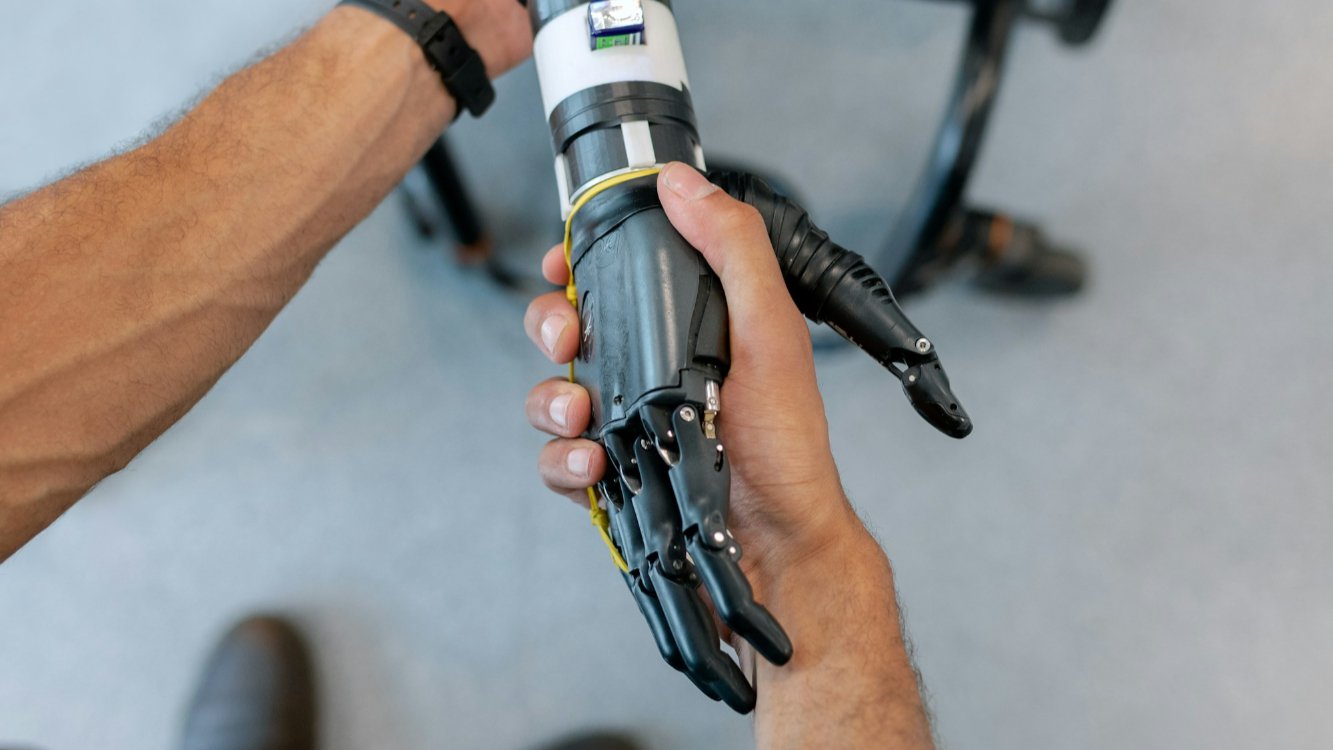
The first prosthetic hand was launched by Touch Bionics in 2007, featuring individually powered fingers and a thumb with gripping capabilities. The design was later integrated with a rotating thumb known as i-limb ultra and i-limb revolution designs, implemented using Biosim and the My i-limb application. Bebionic was commercially launched in the market in 2010 by RSL Steeper.

Biomechanics in Prosthetic Design

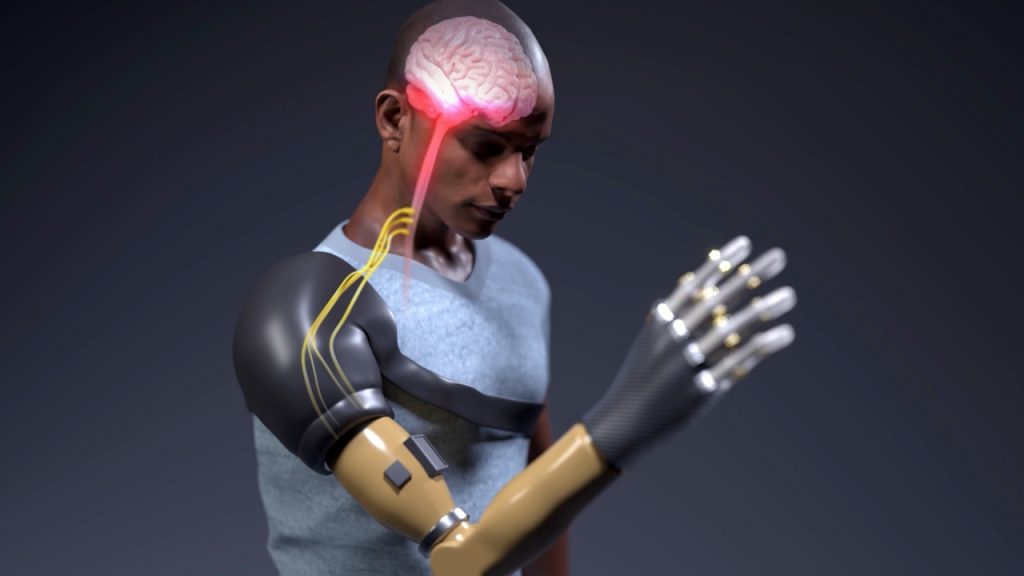
The concept of a brain-computer interface (BCI) implemented by neural prosthetics or mind-controlled prosthetics that can recognize real-time data and tools to achieve nearly natural function is a current requirement. A mind-controlled smart prosthetic arm based on electroencephalography was presented at the IEEE Conference in 2016 but has not yet been commercialized. Researchers are on the path to developing more complex devices that mimic the natural brain by implementing artificial intelligence on onboard computers that read and respond to neural signals transmitted to prosthetics and robotic orthotics that enhance the function of amputated and paralyzed body parts.

Application of Artificial Intelligence in Prosthetic Design

Artificial intelligence (AI) is driving a significant transformation in the engineering of prosthetics and orthotics, converting traditional devices into intelligent, adaptive tools. These innovations not only enhance mobility but also improve the overall quality of life for individuals with physical disabilities. By leveraging the latest advancements in AI for prosthetic design, these devices have become more responsive, intuitive, and integrated into daily routines. As AI progresses, it bridges the gap between human capability and technological support in ways previously deemed impossible.

The integration of AI with biomechanics has significantly improved prosthetic control, enabling amputees to operate prosthetic limbs more effectively. Recently, a brain-controlled prosthetic (a form of myoelectric control) was introduced as the latest advancement in AI-assisted control systems. A joint project between the Pentagon and Johns Hopkins University’s Applied Physics Laboratory (APL) led to the development of a modular prosthetic limb entirely controlled by brain-implanted sensors. This innovation even aims to restore the sense of touch by sending electrical pulses from the limb to the sensory cortex.

Types of AI Applications in Prosthetic Design

The application of biomechanics and Artificial Intelligence in Prosthetic Design can be categorized based on the affected area:

  1. Lower limb prosthetics and orthotics
  2. Upper limb prosthetics and orthotics
  3. Rehabilitation aids such as automated mobility devices

Prosthetic

Role of Biomechanics and AI in Prosthetic Design

  1. Adaptive Prosthetics: AI-powered prosthetics utilize algorithms to instantly adapt to user movements and environmental changes.
  2. Dynamic Adjustment: AI-driven prosthetic legs adjust gait and force distribution dynamically when transitioning from flat surfaces to stairs or uneven terrain.
  3. Customized Design: AI-enhanced technology leverages imaging data and user feedback to design devices that offer optimal fit and improved function.
  4. Generative Design Tools: These tools craft prosthetic sockets that precisely fit individual anatomy, enhancing comfort and reducing pressure points.
  5. Neural Integration: AI-based brain-machine interfaces allow users to control prosthetics via neural signals.
  6. Neural Signal Interpretation: AI interprets brain activity to execute precise movements in prosthetics, providing users with greater autonomy.
  7. Predictive Maintenance: AI technology tracks device usage to predict wear and tear, ensuring timely maintenance and longer lifespan.
  8. Smart Orthotic Braces: Equipped with sensors, these braces alert users to potential issues before failures occur.
  9. Biomechanical Simulation: AI simulates human movement to optimize prosthetic and orthotic designs before production.
  10. Digital Assessment: Digital tools evaluate balance, alignment, and weight distribution, allowing for precise adjustments during design.

Technological Innovations in AI

  1. Generative AI in Design: AI maximizes functionality while minimizing material usage by creating efficient, user-specific designs.
  2. Virtual Modeling: Virtual models simulate device performance, allowing for precise adjustments and reduced development cycles.
  3. Self-Learning Prosthetics: Prosthetics equipped with self-learning systems improve through use and feedback over time.
  4. Advanced Sensor Integration: AI-driven sensors analyze movement patterns and pressure, continuously enhancing device performance.

Application-of-AI-in-Prosthetic-Design

Challenges and Ethical Considerations

  1. Data Privacy: Protecting sensitive user information collected by AI systems.
  2. Accessibility: Ensuring these technologies are available to underserved populations.
  3. Bias in AI Models: Mitigating errors that could affect device functionality.
  4. Regulatory Compliance: Meeting stringent medical standards.

Future Trends

  1. Neuroprosthetics: Improved brain-device communication may restore sensory feedback.
  2. Hybrid Bio-Devices: Combining AI with genetically modified tissues could achieve seamless body integration.
  3. On-Demand Manufacturing: AI and 3D printing can streamline custom prosthetic fabrication, reducing costs and wait times.
  4. Emotionally Intelligent Devices: Future devices may adapt to user emotions, providing additional support during stress or fatigue.

In conclusion, the role of biomechanics and Artificial Intelligence in Prosthetic Design has revolutionized the engineering of prosthetics and orthotics by transforming them into intelligent tools that enhance independence and mobility. Despite significant advancements in recent years, there remains a need for more affordable and accessible prosthetics to ensure availability for individuals with disabilities, regardless of their financial means, without hindering their opportunity to live normally.

Herein lies the role of HSI Center in offering innovative solutions in the field of medical engineering. HSI is committed to advancing the sector through a comprehensive range of specialized courses and high-quality healthcare solutions, contributing to enhancing the quality of life for individuals in need of these technologies.

Source: AI in Biomechanics: From Creating Cosmetic Prosthetics to Making Metahumans

All copyrights reserved to © HSI