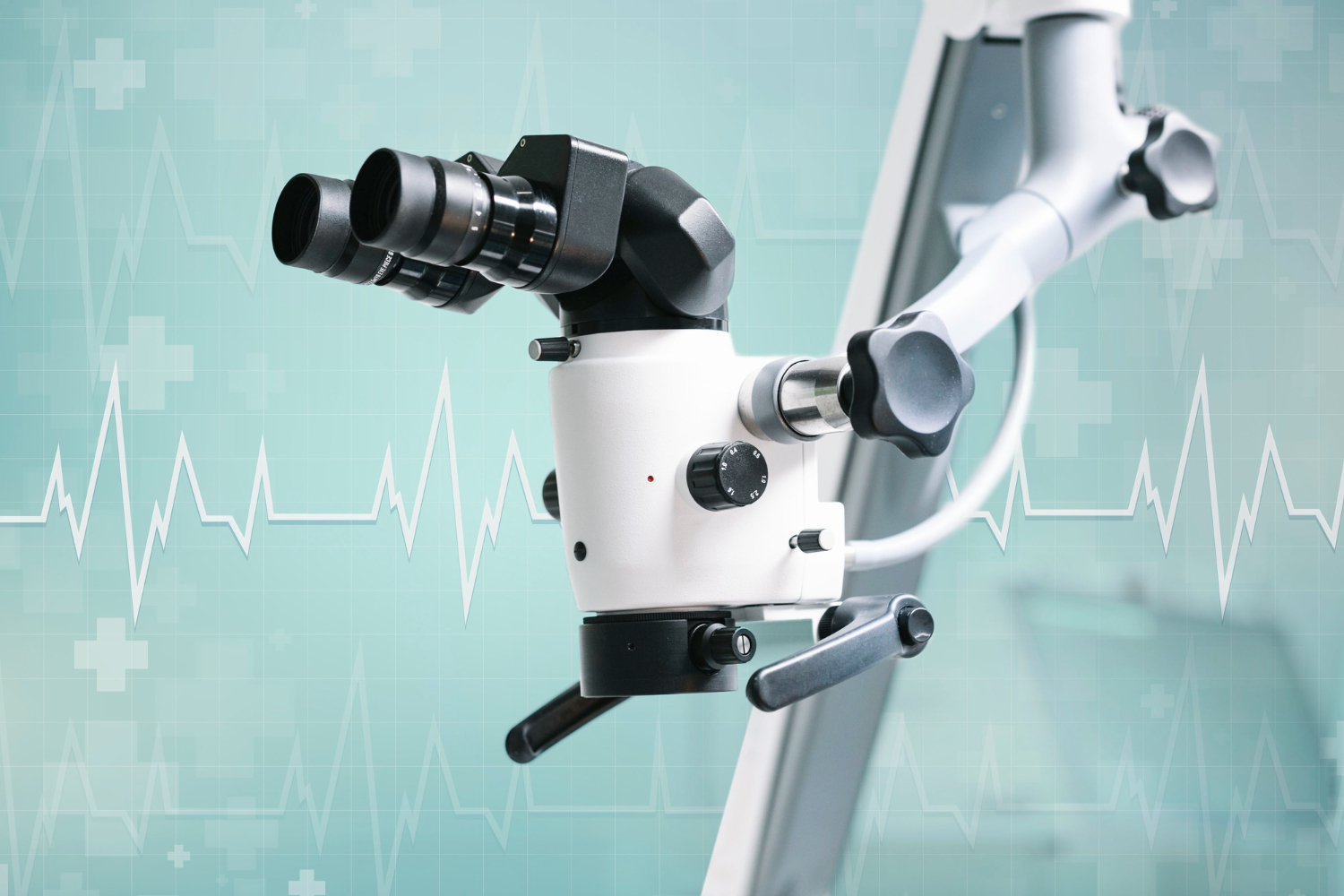
How to Design Energy-Efficient Hospitals | A Guide for Biomedical Engineers

Energy efficiency has always been a persistent challenge in designing healthcare facilities, as hospitals consume up to five times more energy than a luxury hotel. With the catastrophic pressures that the healthcare sector endured in 2020 due to the COVID-19 pandemic that shook the world at that time, healthcare administrators must consider every possible means to achieve economic sustainability. Even if it was not a top priority in the past, designing energy-efficient hospitals has now become a pressing necessity rather than merely an option.

Energy-efficient hospitals play a vital role not only in reducing operating costs but also in protecting the environment and enhancing the comfort of both patients and staff. In this article, we will detail how to design hospitals to transform them into energy-efficient hospitals, relying on the latest studies and research addressing energy efficiency in healthcare facilities, while providing a practical guide for biomedical engineers to apply these principles in design and renovation.

Energy-Efficient Hospitals

The Importance of Energy Efficiency in Hospital Design
Hospitals consume enormous amounts of energy around the clock to operate heating, ventilation, and air conditioning (HVAC) systems, in addition to lighting, medical equipment, and numerous other devices. This excessive energy consumption not only leads to high operating costs but also contributes to increased greenhouse gas emissions, negatively impacting the environment. Therefore, designing energy-efficient hospitals is a critical necessity to achieve both financial and environmental sustainability.
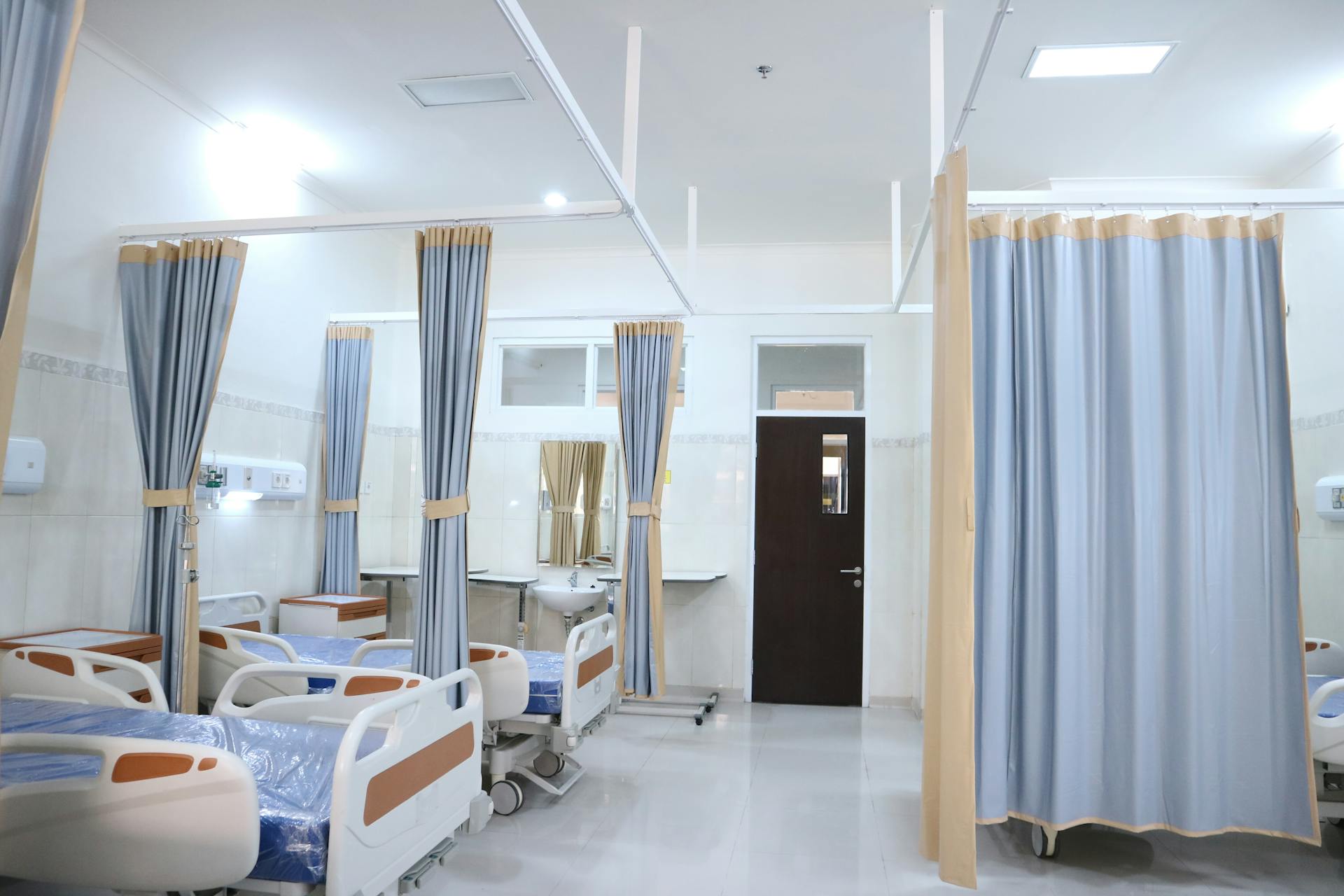
Energy-Efficient Hospitals

The Role of Biomedical Engineers in the Design Process

Biomedical engineers play a crucial role in designing energy-efficient hospitals. They are responsible for integrating and managing the medical technologies that consume a significant portion of a hospital’s energy. Through their deep understanding of the energy requirements of medical equipment, they can:

Select Energy-Efficient Equipment: Evaluate the energy efficiency of various medical devices and choose those that consume less energy without compromising performance or quality.

Optimize Equipment Usage: Develop protocols and procedures to ensure efficient use of medical equipment, such as turning off devices when not in use and scheduling regular maintenance to maintain optimal performance.

Design Integrated Systems: Collaborate with architects, mechanical, and electrical engineers to integrate medical equipment into the building design in a way that minimizes energy consumption. For example, they can help design efficient cooling and ventilation systems for laboratories and operating rooms.

Monitor and Analyze Energy Consumption: Utilize energy management systems to monitor and analyze the energy consumption of medical equipment and identify areas for improvement.

مستشفيات موفرة للطاقة

Strategies for Designing Energy-Efficient Hospitals

Biomedical engineers and designers hold a pivotal role in radically transforming energy consumption in hospitals by adopting a variety of innovative strategies. Among these strategies, improving HVAC systems stands out, as they are one of the largest energy consumers in healthcare facilities. This can be achieved by using high-efficiency HVAC systems and implementing heat recovery systems that recycle wasted energy, in addition to activating demand-controlled ventilation to ensure that unoccupied spaces are not unnecessarily ventilated. Furthermore, enhancing the design of air ducts and using high-quality insulation materials to reduce energy loss are also key factors.

In addition to HVAC systems, lighting represents another critical element that can be developed to reduce energy consumption. This is primarily achieved by replacing traditional bulbs with LED lights, which are known for their high efficiency and long lifespan. Maximizing the use of natural light through smart architectural design plays a significant role in reducing reliance on artificial lighting during daylight hours. Moreover, installing motion sensors and lighting control devices ensures that lights are turned off in unoccupied areas, effectively contributing to energy conservation.

Efforts to save energy do not stop at the basic building systems; they also extend to the medical equipment itself. It is crucial to acquire high-energy-efficiency medical devices and establish regular maintenance programs to ensure they operate at maximum capacity while consuming the least amount of energy. Additionally, implementing clear protocols to turn off equipment when it is not needed is a simple yet effective step in reducing overall energy consumption.

Looking further ahead, embracing sustainable design principles for buildings—including the use of insulated building materials, energy-efficient windows, designs that maximize natural light, the integration of renewable energy sources such as solar panels and geothermal energy, and the implementation of smart energy management systems to monitor and analyze consumption—are all integrated steps toward achieving hospitals that use energy more efficiently and are sustainable in the long term.
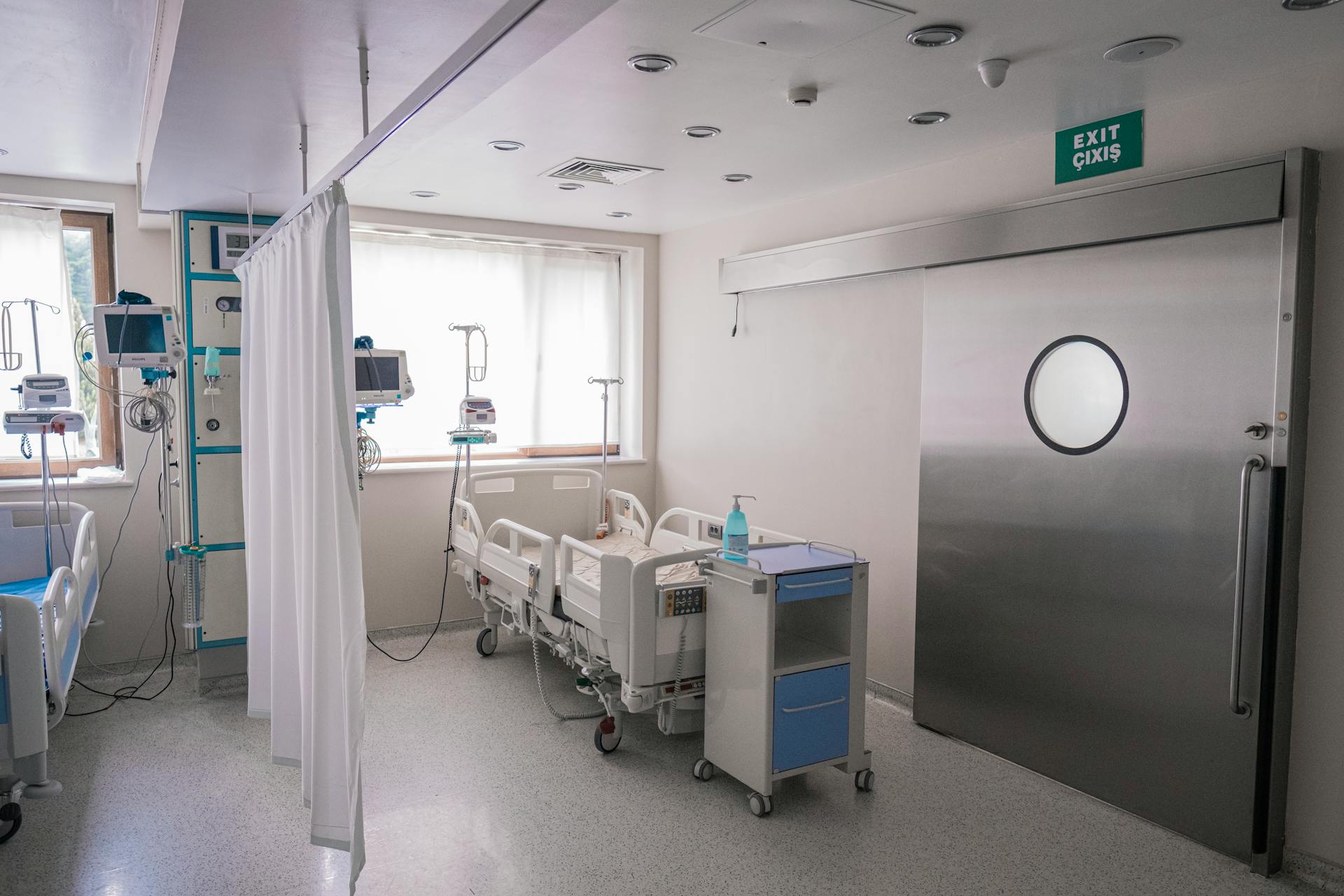
Practical Steps for Designing Energy-Efficient Hospitals

There are several crucial steps to take when starting a project to design or renovate hospitals with energy savings in mind:

1- Assess the Current Situation:

Before beginning any renovation or new design project, engineers should conduct a comprehensive assessment of the hospital’s current infrastructure. This includes reviewing heating and cooling systems, thermal insulation, lighting, and electrical equipment. This assessment is the first step toward identifying weaknesses and strengths that can be improved to achieve better efficiency.

2- Apply Dynamic Energy Modeling:

Using simulation software and dynamic energy modeling can help visualize multiple scenarios for energy saving. By studying the effects of different modifications, designers can choose the best solutions that achieve energy savings without compromising patient comfort or operational efficiency.

3- Adopt Machine Learning Techniques:

Employing machine learning models is an innovative step to predict and analyze energy consumption. These models can identify patterns and the most influential factors, allowing adjustments to systems based on different operating conditions and achieving enhanced energy performance. This approach represents the future of designing energy-efficient hospitals, as models can be regularly updated with changing environmental and operational conditions.
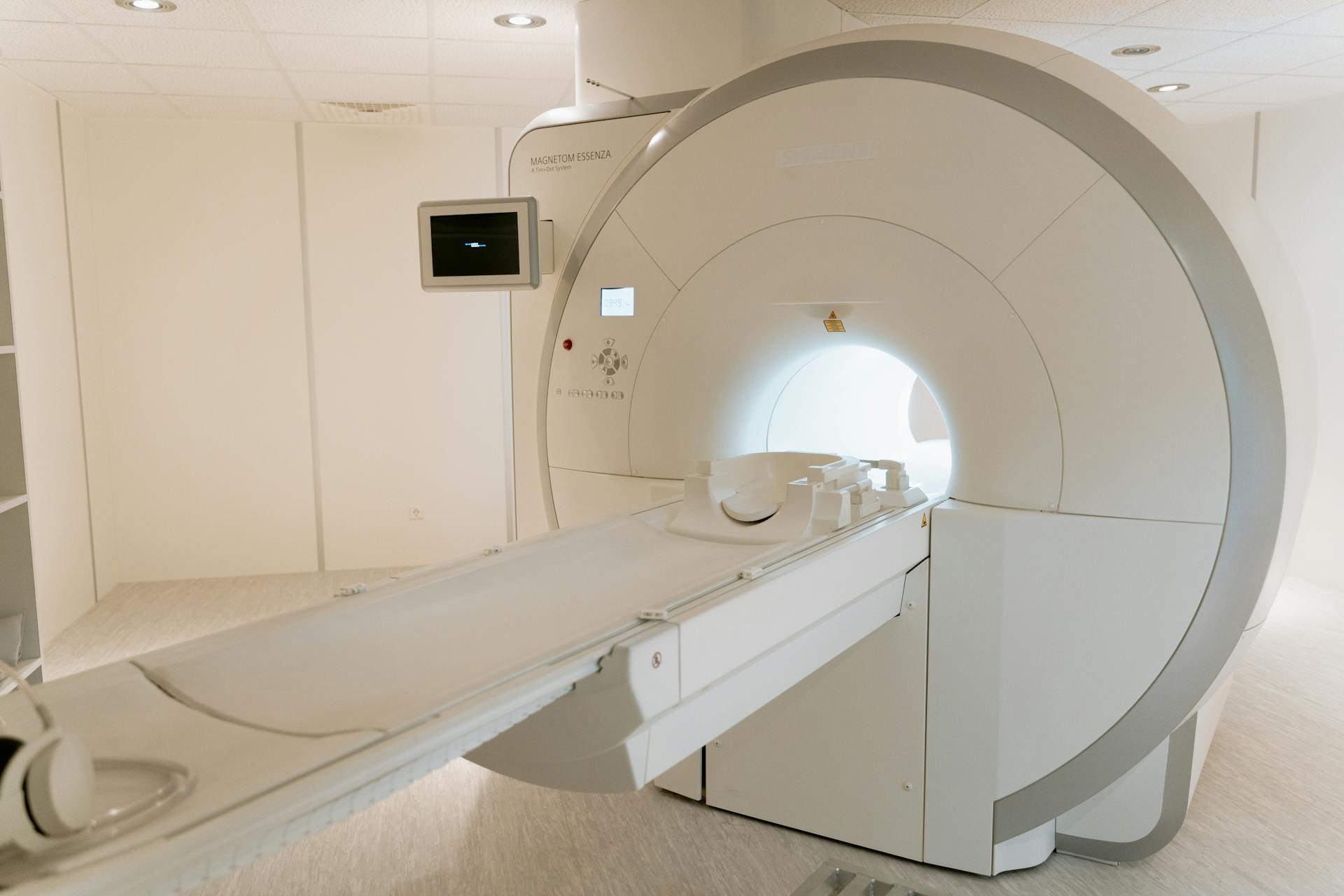
4- Improve Insulation and Windows:

As many studies have shown, improving glazing and window technologies plays a central role in designing energy-efficient hospitals. Adopting double-glazed windows and choosing types of glass that reduce thermal loss allow the hospital to benefit from natural light without adversely affecting the heating and cooling systems.

5- Use Advanced Lighting and Electrical Systems:

Implementing modern lighting technologies, such as LED lighting, is one of the effective means of reducing energy consumption. Additionally, integrating smart control systems that adjust lighting and air conditioning levels according to the building’s needs and different times of the day can further optimize energy use.

Designing energy-efficient hospitals requires a comprehensive approach that combines innovative architectural design, advanced technology, and effective energy management. Biomedical engineers play a pivotal role in this effort by ensuring the efficient integration and use of medical equipment. By adopting sustainable design strategies and best practices, we can create hospitals that not only reduce energy consumption and operating costs but also enhance patient comfort and safety, contributing to a more sustainable future. If you want to elevate your status as a biomedical engineer to reach a high level, all you need to do is contact us through the HSI website and explore our services and training courses.
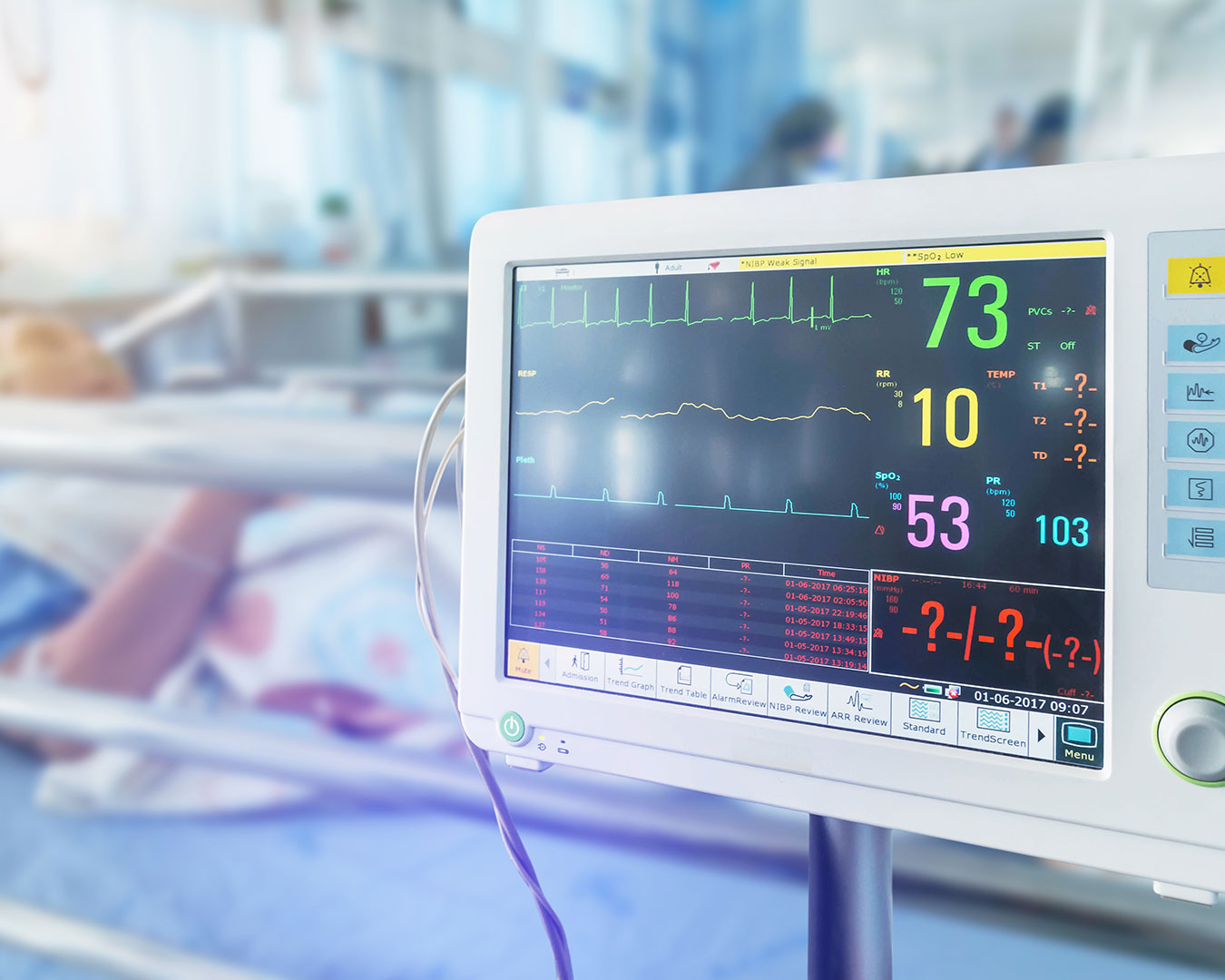

The Role of AI in Hospital Workflows and Its Optimization

In today’s era of advanced technology and digital transformation, AI in hospital workflows has become a cornerstone of healthcare development. This powerful technology is revolutionizing how hospitals operate and manage internal processes by improving administrative efficiency, streamlining clinical procedures, and enhancing the overall quality of healthcare services. In this article, we explore how artificial intelligence is driving the transition from traditional hospitals to smart hospitals that offer integrated, high-quality medical services.

The Impact of AI on Hospital Operations

AI represents a fundamental shift in how hospitals are managed and operated. By integrating digital technologies with medical expertise, hospitals can now access innovative, fast, and accurate solutions. AI in hospital workflows serves as a key enabler of progress in healthcare, allowing institutions to perform advanced data analysis, automate routine tasks, and provide intelligent diagnostic support.

AI in Hospital Workflows

This transformation not only enhances administrative and clinical systems but also fosters a more responsive and patient-centric environment. AI creates a smart healthcare ecosystem that prioritizes quality service delivery and adapts to patient needs efficiently. As technology and medicine converge, hospitals are entering a new era of smart care designed to meet modern healthcare standards.

Also get acquainted with: Revolution of AI in medical imaging

Enhancing Administrative Efficiency with AI

One of the most significant contributions of AI in hospital workflows is its role in improving administrative efficiency. AI automates repetitive tasks and reduces the burden on both medical and administrative staff, allowing them to focus more on patient care. These smart systems minimize human error and save valuable time, making hospital operations smoother and more effective. Some of the key administrative benefits include:

  1. Automated Scheduling: AI in hospital workflows in systems help optimize patient and staff scheduling. This reduces no-shows, improves time management, and ensures better resource allocation.
  2. Efficient Document Management: AI tools streamline medical record organization and retrieval, drastically cutting down the time spent on paperwork and ensuring data is readily accessible when needed.
  3. Accurate Billing and Medical Coding: By leveraging AI, hospitals can enhance the accuracy of billing and coding processes. This ensures compliance with standards and accelerates reimbursement procedures.

Revolutionizing Clinical and Diagnostic Processes

The role of artificial intelligence has expanded beyond administrative functions to significantly impact clinical and diagnostic operations. Today, AI in hospital workflows plays a vital role in analyzing medical images and clinical data with high precision, enabling early disease detection and supporting doctors in making accurate diagnoses.

AI in Hospital Workflows

AI-powered technologies enhance the diagnostic process by offering data-driven insights and treatment recommendations based on the   latest clinical guidelines. These systems allow for the creation of personalized treatment plans tailored to each patient’s condition. Additionally, real-time monitoring tools powered by AI continuously track patients’ health status and alert medical teams to any sudden changes, allowing for rapid intervention when necessary.

Optimizing Patient Flow and Resource Management

Managing patient flow and hospital resources remains a major challenge, especially with the growing number of patients and increasing pressure on healthcare infrastructure. AI in hospital workflows contributes to solving these issues by streamlining operational efficiency through the following applications:

  • Predictive Analytics: AI in hospital workflows and its systems can forecast patient admissions and discharges, allowing hospitals to plan ahead and optimize bed availability. This predictive capability helps prevent overcrowding and ensures a smoother care experience.
  • Smart Bed Management: AI technologies enhance bed allocation by minimizing idle time and improving utilization rates, which contributes to delivering timely and effective care.
  • Emergency Department Optimization: AI applications improve triage processes in emergency departments by prioritizing cases based on severity, significantly reducing wait times and ensuring patients receive immediate attention.

Enhancing Patient Experience and Communication

Patient experience is a core indicator of the quality of healthcare services and improving it has become a primary goal for modern smart hospitals. Today, AI in hospital workflows plays a vital role in strengthening communication between patients and healthcare providers by delivering personalized services tailored to individual needs. Smart systems can send appointment reminders, provide detailed treatment information, and help patients track their health status effectively.

AI in Hospital Workflows

AI-powered virtual assistants offer round-the-clock consultations, easing the burden on medical staff and ensuring continuous support for patients. Remote monitoring systems, driven by AI, allow healthcare teams to track patient conditions while they remain at home—enhancing care quality and reducing unnecessary hospital visits. These technologies support a more efficient, patient-centric approach to healthcare delivery.

You can read more about: The Future of AI in Healthcare: What to Expect

Financial Benefits and Future Challenges

AI in hospital workflows also offers tangible financial advantages. By automating repetitive manual tasks, hospitals can significantly reduce operational costs and improve financial performance. Minimizing human errors in billing and medical coding translates into substantial savings, eliminating the need for costly corrections or insurance disputes. Some studies suggest that AI implementation can reduce healthcare costs by up to 20% through shorter hospital stays, better resource management, and guiding patients toward optimal treatment pathways.

Despite these advantages, the road to fully integrated AI in hospital workflows isn’t without challenges. Data security remains a top concern, as hospitals are frequent targets of cyberattacks. Significant investments in cybersecurity infrastructure are needed to safeguard sensitive patient data. Moreover, integrating AI with legacy systems requires coordinated efforts and the development of flexible infrastructure to ensure seamless operation without disrupting daily workflows.

AI in Hospital Workflows

Another major challenge is staff adaptation. Healthcare professionals may view AI as a threat to job security or a reduction of human roles. That’s why it’s essential to implement clear change management strategies that involve staff at every stage, along with ongoing digital skills training to help them work effectively with emerging technologies. Ethical considerations must also be addressed—ensuring algorithm transparency and preventing bias in AI-supported decisions. Maintaining patient trust and fairness in care delivery is essential for successful implementation.

In conclusion, as healthcare continues to evolve, AI in hospital workflows is becoming a cornerstone of innovation and efficiency. To successfully adopt these technologies, institutions must equip their workforce with the right skills and knowledge.

This is where HSI Center for Healthcare Training and Consultation plays a key role. Offering specialized training programs in biomedical engineering, medical device design, healthcare software development, and smart hospital systems management, HSI empowers professionals to thrive in the era of intelligent healthcare. Backed by certified experts and tailored consultation services—join HSI now and begin your journey toward excellence in smart healthcare!

Source: The Power of AI in Streamlining Healthcare Workflows

All copyrights reserved to © HSI