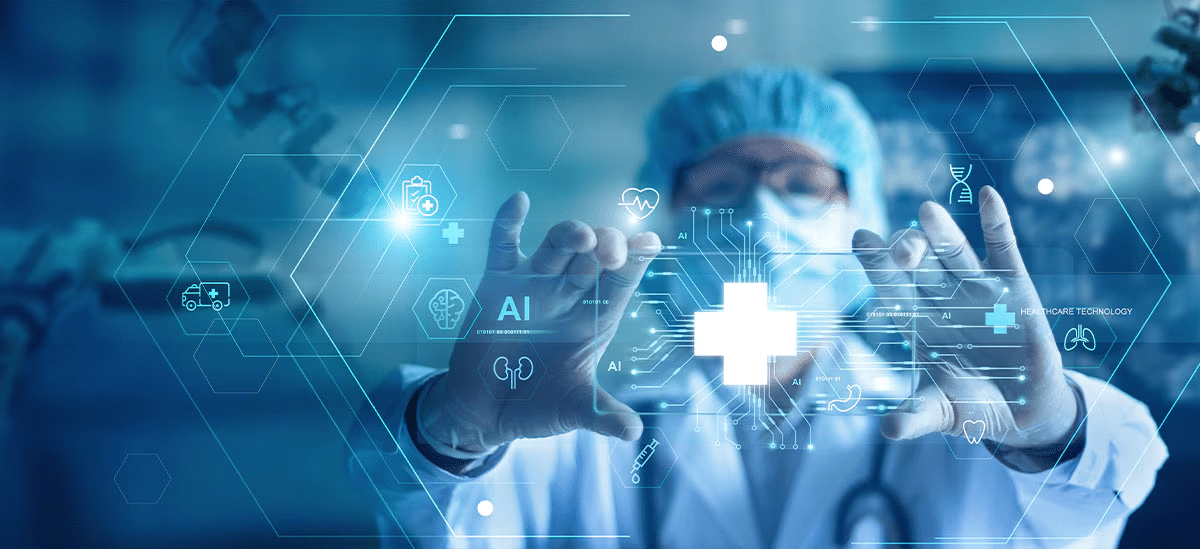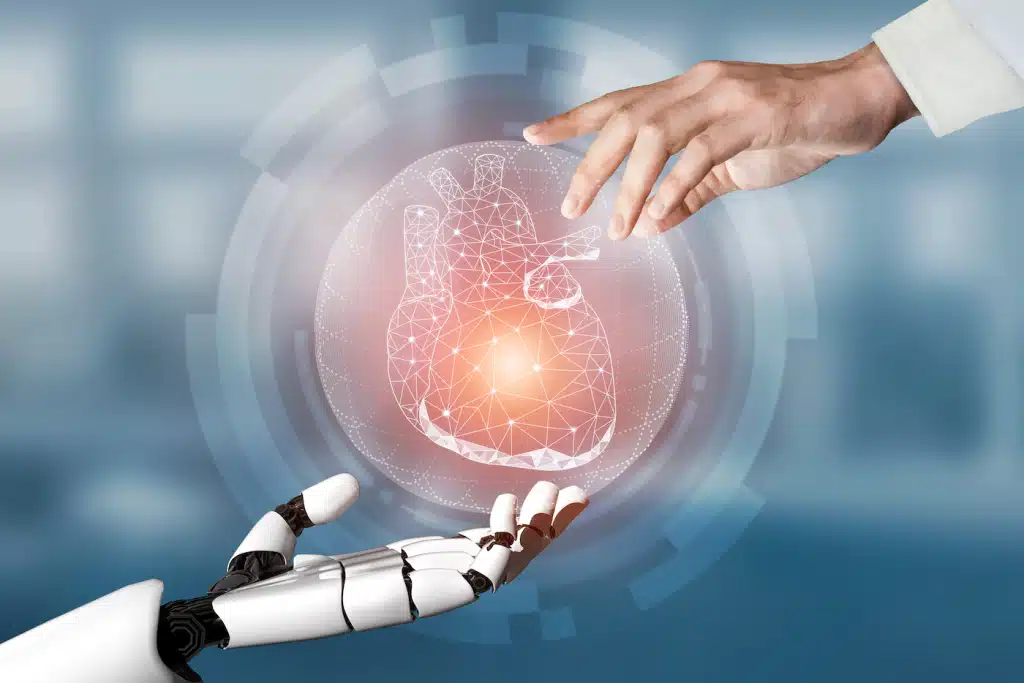
The medical field is undergoing an unprecedented revolution through the integration of artificial intelligence technologies. This innovative advancement is transforming the way doctors diagnose diseases, develop new treatments, perform surgeries, and even maintain medical equipment.
Unexpected equipment failures can lead to significant issues in healthcare institutions. But what if there were a way to predict a malfunction before it occurs? That’s exactly what we’ll explore in this article on the role of AI in predictive maintenance of medical equipment—aimed at reducing the risks of catastrophic or costly problems before they happen.
What is Predictive Maintenance in Medical Equipment?
Healthcare facilities typically rely on scheduled preventive maintenance or immediate repairs when equipment breaks down. However, this approach may not always be effective, often leading to sudden equipment downtime that negatively impacts patient care. This is where predictive maintenance comes in—a proactive approach designed to anticipate and prevent equipment failures.
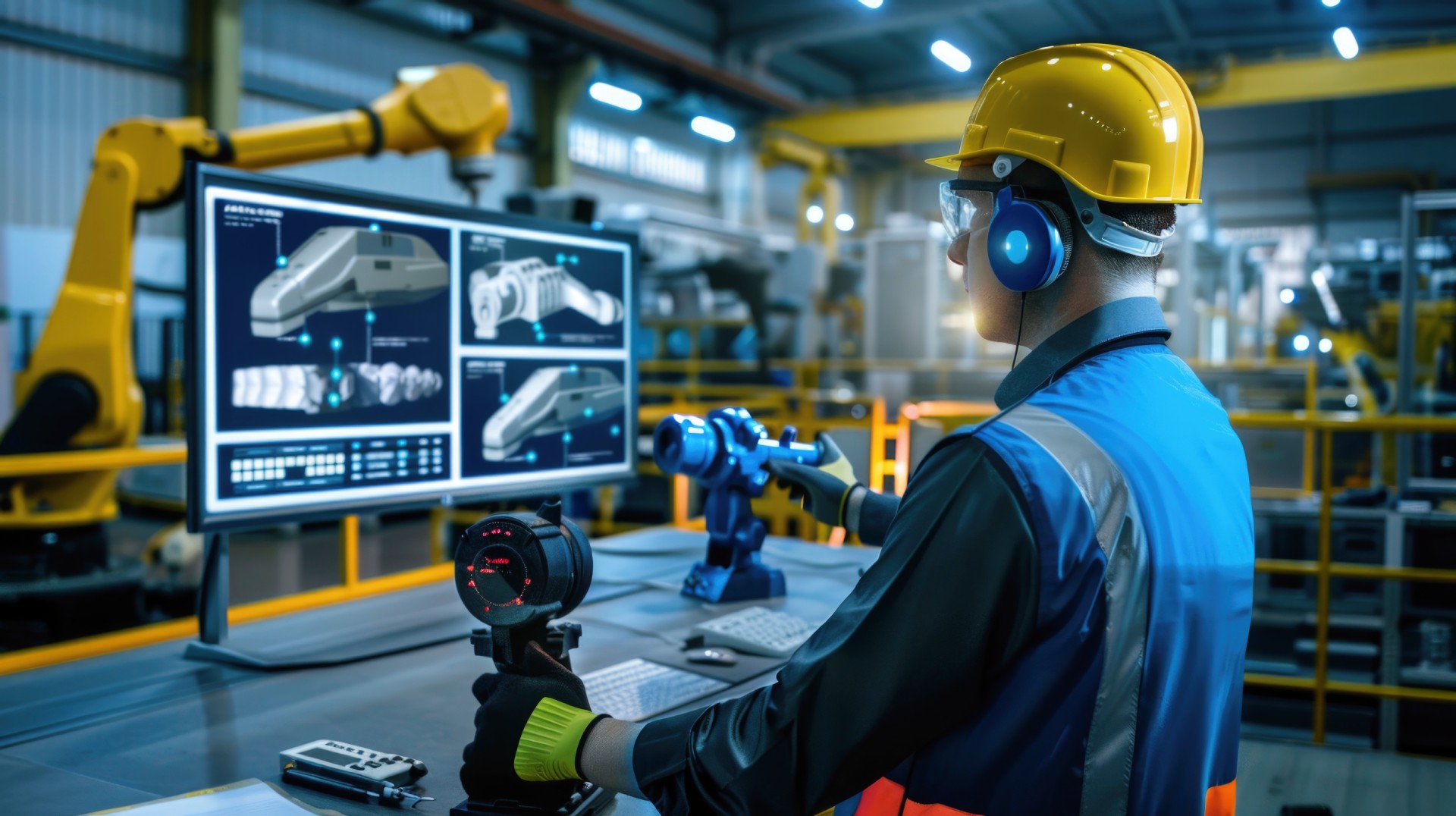
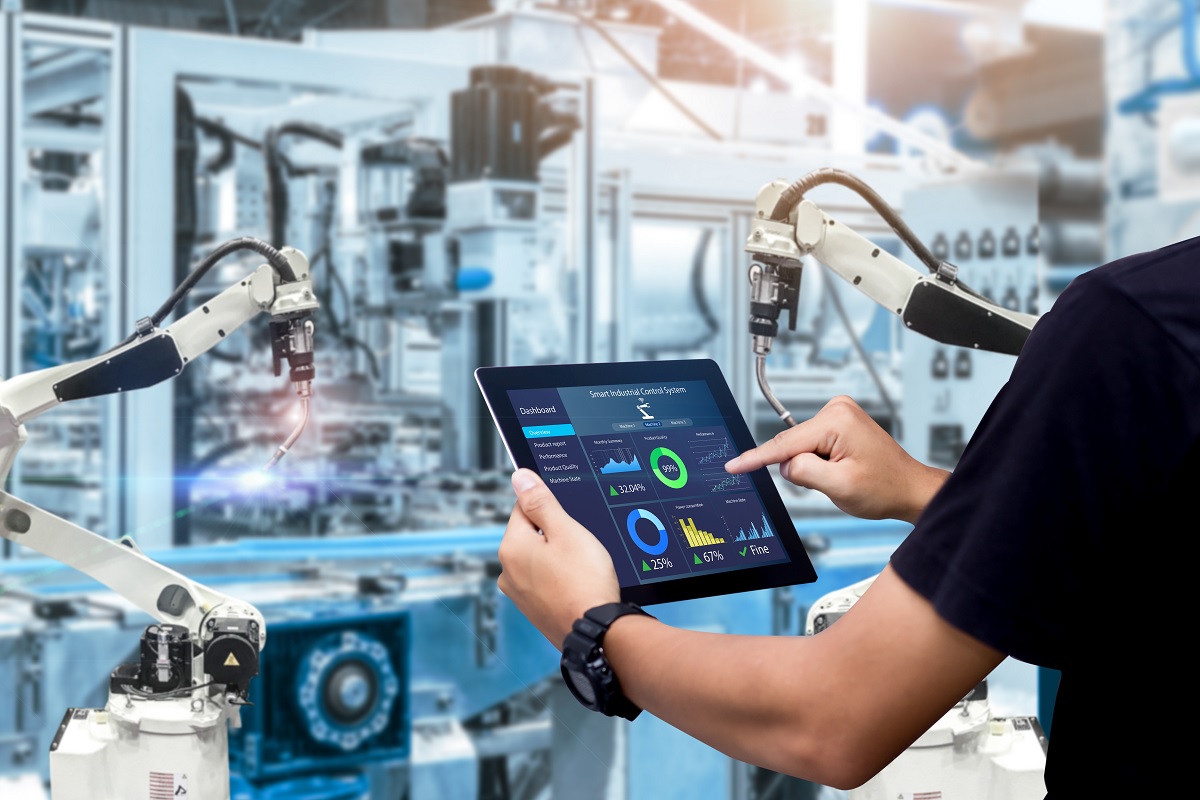
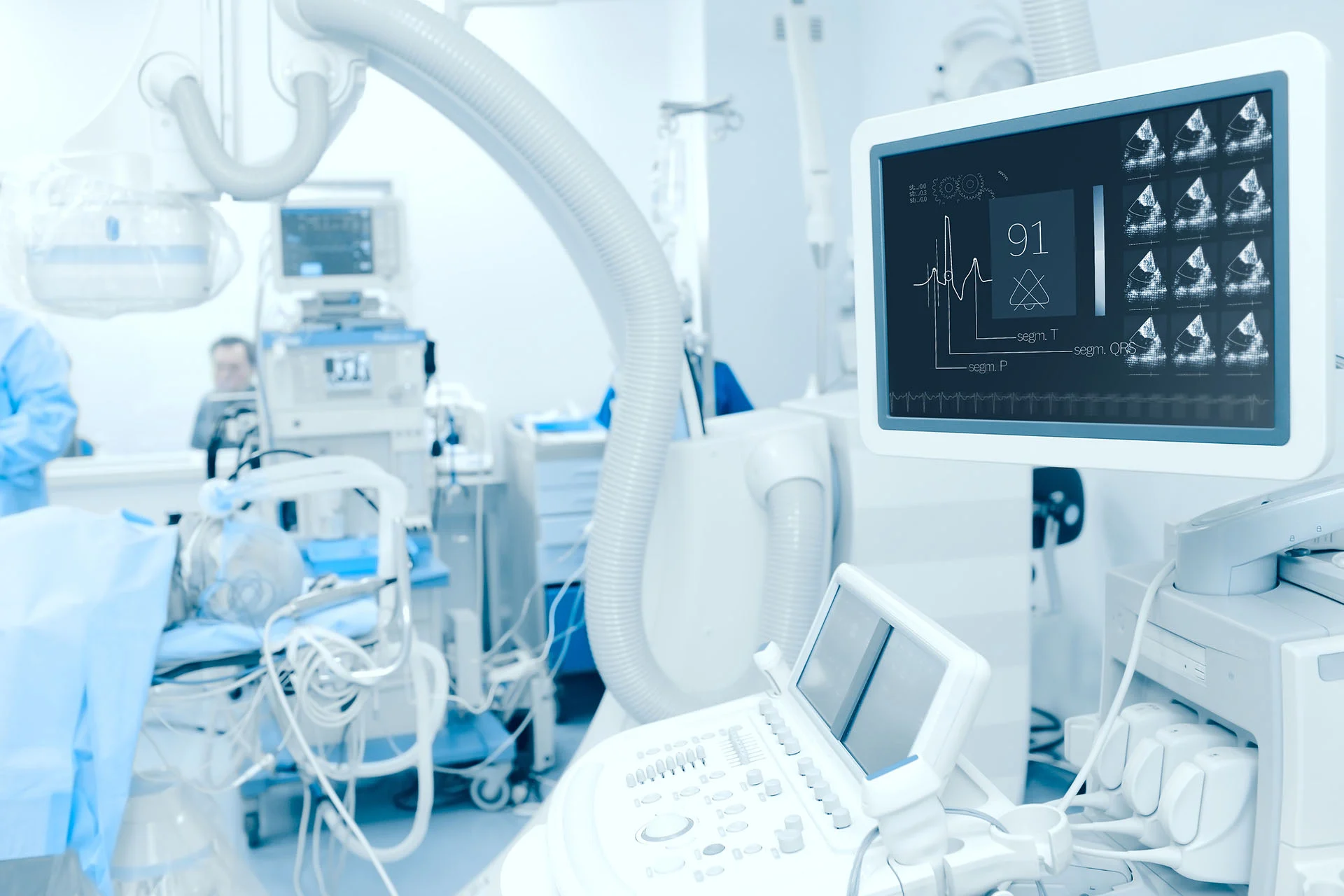
Predictive maintenance is an efficient solution that relies on automation and AI to foresee equipment failures before they occur. Modern medical equipment is often equipped with sensors that collect real-time data on performance metrics. This data is then fed into AI algorithms that analyze trends and detect potential issues. Through continuous monitoring of equipment conditions, these AI-powered systems can predict possible malfunctions and schedule maintenance interventions in advance.
One of the key techniques used in this type of maintenance is condition-based monitoring, where sensors gather data on equipment health and performance. Machine learning then analyzes this data to detect early warning signs of potential issues, enabling maintenance teams to act proactively.
Predictive maintenance in medical equipment helps:
- Avoid costly and unplanned downtimes
- Reduce unnecessary maintenance tasks
- Extend equipment lifespan by preventing premature failures
- Improve maintenance scheduling
AI in Medical Equipment Maintenance
The role of AI in predictive maintenance of medical equipment goes beyond simply integrating technology to ensure smooth operations, prolong equipment life, and enhance patient safety. AI remains a driving force in the development of medical technologies. The integration of AI advancements positions predictive maintenance as a critical element in transforming healthcare equipment management and paving the way for a new era of patient-centered care.
By embedding AI algorithms, medical equipment can be programmed to perform tasks independently or with minimal human intervention, setting a new standard in the reliability and efficiency of medical services.
How Artificial Intelligence Works in Predictive Maintenance of Medical Equipment
Artificial intelligence in predictive maintenance relies on a complex process involving predictive analytics, machine learning, and data collection. Therefore, understanding the fundamental AI concepts is essential to grasp how machines learn.
Data Collection and Analysis
The role of AI in predictive maintenance of medical equipment is a modern approach to collecting and analyzing data from medical devices. AI uses sensors installed on medical equipment to continuously collect data, then analyzes trends to detect issues before they become critical.
Predictive Analytics
As part of AI’s role in predictive maintenance of medical equipment, machine learning and data analysis are used to predict the behavior of equipment. This helps reduce risks and enables swift action in healthcare operations.
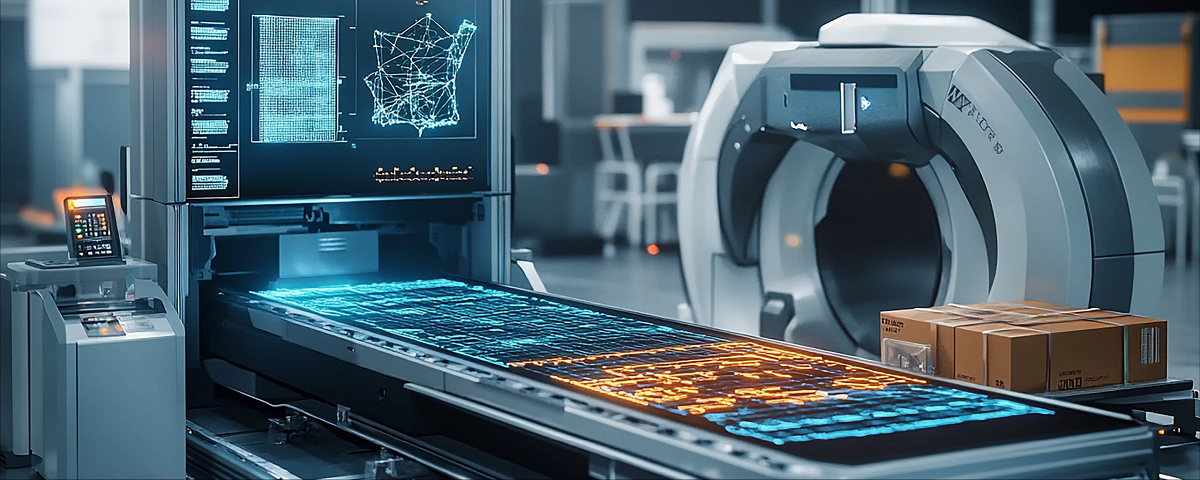
Supervised Learning
AI models trained on labeled datasets improve the accuracy of predicting equipment failures, with a focus on enhancing AI’s role in medical devices.
Unsupervised Learning
AI is essential for gaining deep insights from medical device data analytics, as it can identify anomalies and unexpected issues without prior labeling.
Reinforcement Learning
This involves training an agent to interact with an environment and learn optimal actions through trial and error. It can be used to enhance maintenance scheduling or resource allocation strategies to minimize unplanned downtime and boost reliability.
The Role of AI in Predictive Maintenance
AI tools are designed to simulate human intelligence in performing specific tasks, allowing these tasks to be completed automatically instead of manually. In the case of predictive maintenance, AI solutions can analyze current operating conditions and search for indicators that a device might fail in the future—even if no apparent operational problems exist. By assessing the current performance against baseline data, AI tools can detect slight efficiency drops that signal the need for maintenance.
The role of AI in predictive maintenance of medical equipment includes the following:
1. Generating Work Instructions
Generative AI can analyze historical maintenance data, equipment specifications, and sensor readings to create customized work instructions for technicians. These instructions are clear, precise, and tailored to the specific needs of each maintenance task, minimizing errors and improving first-time fix rates.
2. Optimizing Work Order Planning
By analyzing historical trends and predicting potential equipment failures, generative AI integration helps schedule maintenance activities more efficiently. This allows preventive maintenance to occur before failures, reducing downtime and associated costs.
3. Supporting Reliability Engineering
AI helps analyze sensor data and maintenance history to identify patterns indicating potential equipment degradation. This enables proactive maintenance actions, ensuring efficient equipment operation and avoiding unexpected failures.
4. Analyzing and Applying Maintenance Standards
AI can be trained on industry standards and regulations related to equipment maintenance. This allows it to review existing maintenance plans and identify areas that may not comply with current standards—improving safety and regulatory compliance.
5. Updating Maintenance Quality
AI can continuously learn and improve from new data. As it analyzes outcomes of completed maintenance tasks, it can identify areas for procedural improvement or where new techniques may be applied. This ongoing feedback loop supports continuous enhancement of the quality and effectiveness of maintenance practices.
Benefits of AI-Enhanced Predictive Maintenance
AI-enhanced predictive maintenance significantly contributes to reducing maintenance costs through proactive measures that address potential failures before they occur. Algorithms analyze sensor and monitoring system data to detect early warning signs, enabling timely intervention to prevent breakdowns and reducing the need for costly emergency repairs.
It helps extend the lifespan of equipment by addressing issues early and avoiding unnecessary stress on the machines. This leads to fewer replacements and minimized downtime.
It improves operational efficiency by optimizing maintenance schedules, allowing maintenance teams to accomplish more with fewer resources, lowering labor costs, and increasing overall technician productivity.
Applications of AI in Predictive Maintenance of Medical Equipment
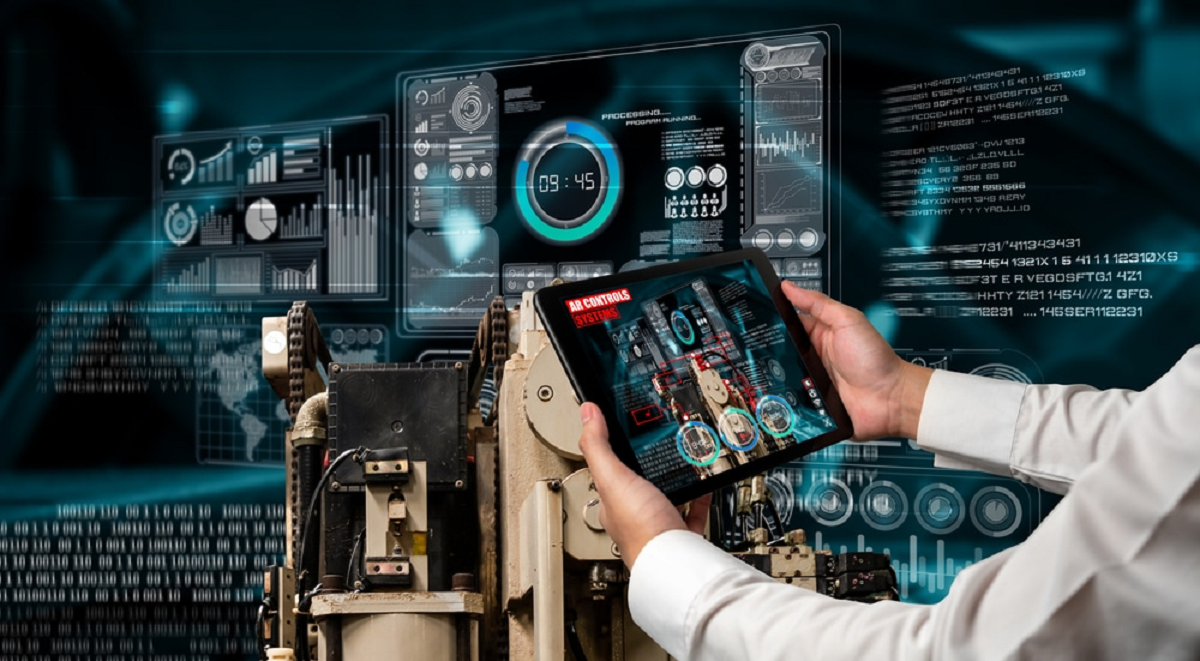
AI-based predictive maintenance is an advanced step toward improving the quality and efficiency of healthcare by reducing unexpected failures and ensuring the continuous operation of critical medical equipment. In this context, the applications of AI in predictive maintenance of medical devices fall into three main areas: medical imaging equipment, diagnostic devices, and life support systems. Each area includes a range of devices that benefit from AI’s ability to predict failures, enhance performance, and reduce sudden downtime that may negatively impact the quality of healthcare services provided to patients.
MRI (Magnetic Resonance Imaging) Machines
AI-powered predictive maintenance for MRI machines involves continuous monitoring of components to ensure optimal performance and reduce downtime. AI algorithms analyze data patterns to predict potential issues, enabling immediate intervention and avoiding delays in diagnosis.
X-Ray Machines
Predictive analytics, component deviation detection, and failure forecasting are key areas where AI is applied to X-ray machines. By taking a proactive approach, AI helps prevent unplanned interruptions and ensures smooth diagnostic operations.
Blood Analyzers
Real-time monitoring of baseline parameters is a key aspect of AI-driven predictive maintenance for blood analyzers. AI systems forecast potential failures by studying data trends, allowing issues to be addressed before they impact diagnostic accuracy.
ECG (Electrocardiogram) Devices
AI is used in predictive maintenance of ECG machines to monitor device components and signal quality. This proactive approach ensures the continuous availability of accurate cardiac data, aiding in fast and reliable patient diagnosis.
Ventilators
Predicting issues related to airflow, pressure, and sensor performance is a core application of AI in maintaining ventilators. Proactive monitoring ensures the reliability of life support systems, which are critical in emergency care.
Infusion Pumps
AI-powered predictive maintenance for infusion pumps includes monitoring fluid delivery accuracy and pump calibration. AI predicts potential issues by analyzing usage patterns, ensuring the accuracy and continuity of medication dosages.