Comprehensive Guide to Choosing Medical Equipment for Your Hospital

Medical equipment is considered the cornerstone of delivering effective and high-quality healthcare within hospitals. It plays a pivotal role in diagnosing diseases, treating patients, and monitoring their conditions. With rapid technological advancements, choosing the right medical equipment has become a complex task that requires a careful study of several factors to ensure the best patient outcomes and improve operational efficiency within the hospital. Making informed decisions regarding the selection of medical equipment directly impacts the quality of healthcare services provided, patient safety, and the economic viability of the medical institution.

With a wide range of options available, those responsible for choosing medical equipment may find themselves facing a significant challenge. The vast diversity in device types, specifications, technologies, and manufacturers necessitates the existence of a comprehensive guide that assists in making the right decisions. This article aims to serve as that guide by discussing the fundamental criteria to consider when selecting medical equipment for your hospital, with a focus on patient needs, safety, and ensuring accuracy and reliability.

Choosing Medical Equipment

Essential Criteria to Consider When Choosing Medical Equipment
The process of choosing the right medical equipment requires a careful evaluation of several essential criteria to ensure that the health needs of patients are met and the hospital’s objectives are achieved.

Patient Needs and Safety

The first and most important factor to consider when choosing medical equipment is the specific needs of patients and their safety. The hospital must accurately determine the demographic profile of the patients it serves, including their average ages, common health conditions, and the medical specialties provided. For instance, if the hospital serves a large number of children, it is crucial to select medical equipment specifically designed to meet their needs, taking into account their small sizes and unique physiological requirements. Similarly, the medical furniture should be comfortable and practical to accommodate patients of different ages and categories.
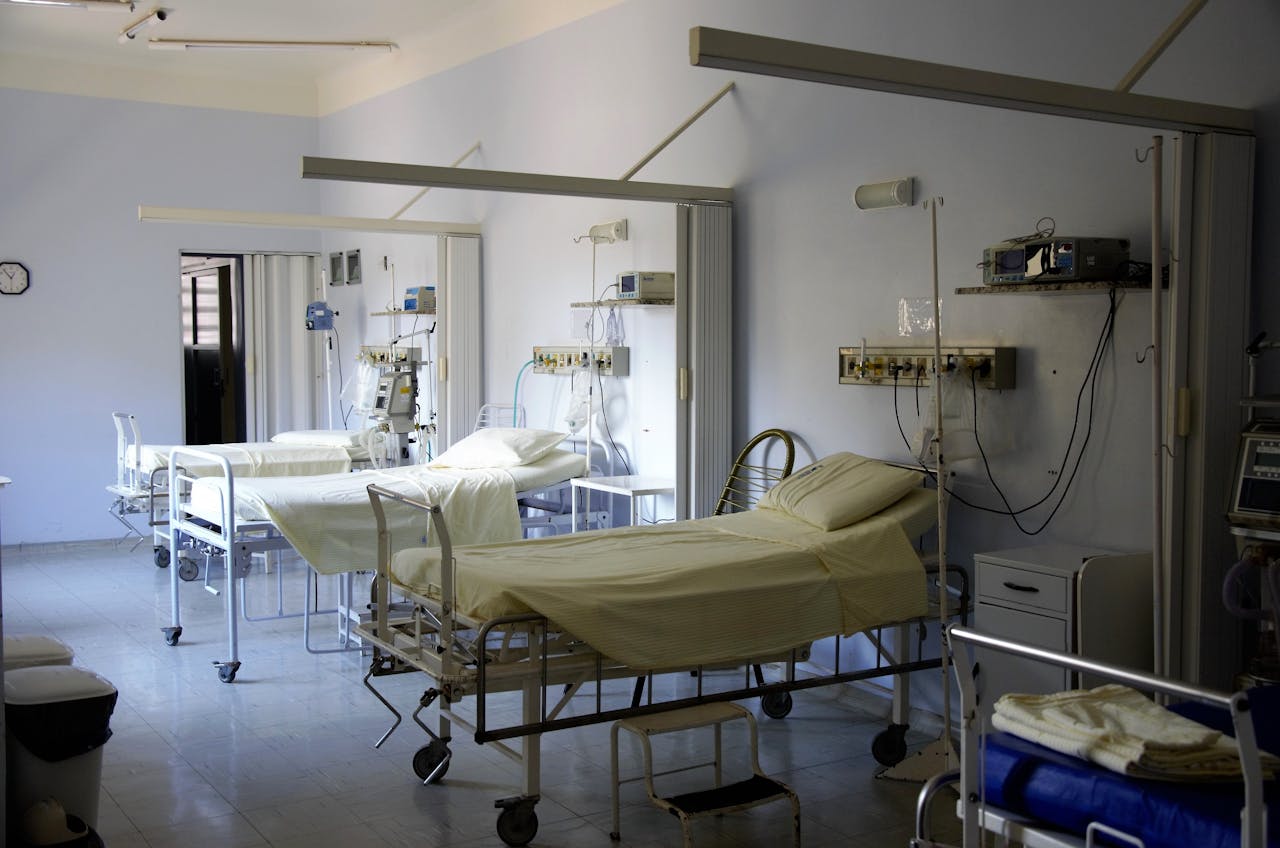
Choosing Medical Equipment

Ensuring patient safety is of utmost importance. Medical equipment should be chosen with built-in safety features, such as alarm systems that alert the medical staff in case of any malfunction or abnormal readings. The equipment should also include automatic shut-off mechanisms to reduce potential risks and infection control procedures to prevent the spread of diseases. For example, when selecting medical equipment such as vital signs monitors, features such as continuous monitoring, alerts for abnormal readings, and secure data transmission to prevent unauthorized access must be considered.

Another critical aspect is compatibility with existing healthcare systems to ensure smooth integration and efficient data management. It is essential to ensure that the new equipment can be easily integrated with the electronic health record (EHR) system and other medical devices used within the hospital. This integration helps streamline workflows, improve data accuracy, and enhance overall clinical efficiency.

Accuracy and Reliability

Accuracy and reliability are key characteristics when choosing medical equipment. Inaccurate or unreliable devices can lead to misdiagnosis and ineffective treatment, thereby endangering patient health. To ensure accuracy, it is necessary to select medical equipment that has undergone rigorous testing and obtained the necessary regulatory approvals. Look for quality certifications such as ISO 13485, which pertains to quality management systems in the medical device industry and ensures that manufacturers adhere to global safety and quality standards.

It is also important to research the reputation of the manufacturer and evaluate its performance in real-world environments. Obtaining feedback from other healthcare professionals who have used the equipment can provide valuable insights into its performance under clinical conditions. Additionally, the availability of support and maintenance services should be taken into account to ensure that any issues can be promptly resolved, minimizing downtime.

Economic Viability and Long-Term Value

While the initial cost of medical equipment is an important factor, it is equally crucial to assess the long-term value and economic viability of the selection. A cost-benefit analysis should be conducted to determine whether the benefits of the equipment outweigh its expenses in the long run. Factors such as durability, warranty coverage, and the potential for future upgrades or modifications should be considered.

Investing in high-quality equipment that offers long-term value can lead to cost savings and improved patient outcomes over time. For example, choosing medical equipment with advanced features and connectivity capabilities can enhance efficiency and data management, resulting in better clinical decision-making and a reduction in manual paperwork. Additionally, the availability of spare parts, as well as maintenance and repair costs, should be considered. Often, choosing medical equipment from reputable manufacturers ensures a reliable supply of spare parts and access to a network of authorized service centers, which minimizes downtime and extends the lifespan of the equipment.

Ensuring Quality and Safety in Choosing Medical Equipment

To guarantee that the selected medical equipment meets the highest standards of quality and safety, hospitals must follow several key steps.

Verifying Quality Certifications and Industry Standards:

Hospitals should meticulously check quality certifications and industry standards when choosing medical equipment. The ISO 13485 certification is one of the most important in this field, as it indicates that the manufacturer has a quality management system that meets the requirements for medical devices. Additionally, it is essential to ensure that the equipment has obtained the necessary regulatory approvals from both local and international authorities, such as the U.S. Food and Drug Administration (FDA) or the CE mark in Europe.

Conducting a Comprehensive Risk Assessment for the Equipment:

The process of choosing medical equipment should include a thorough risk assessment of the potential hazards associated with using the equipment. It is important to identify and evaluate the risks that patients and healthcare providers may face and to implement measures to mitigate these risks. For example, ensuring that the equipment is user-friendly can reduce the likelihood of user errors, and selecting devices made of biocompatible materials can minimize the risk of adverse reactions in patients. Furthermore, appropriate protocols for cleaning and sterilizing the equipment should be established to prevent the spread of infections.

Impact on Hospital Efficiency and Patient Outcomes

The proper selection of medical equipment has a significant impact on the efficiency of hospital operations and patient outcomes.

Accurate and Timely Diagnosis of Diseases:

Modern and advanced medical equipment contributes to the precise and prompt diagnosis of diseases. Advanced imaging devices such as Magnetic Resonance Imaging (MRI), Computed Tomography (CT) scans, and Electrocardiogram (ECG) machines provide detailed images and accurate information that help physicians detect diseases at early stages and precisely determine their characteristics. Early diagnosis can lead to more effective treatment and increase the chances of full recovery.
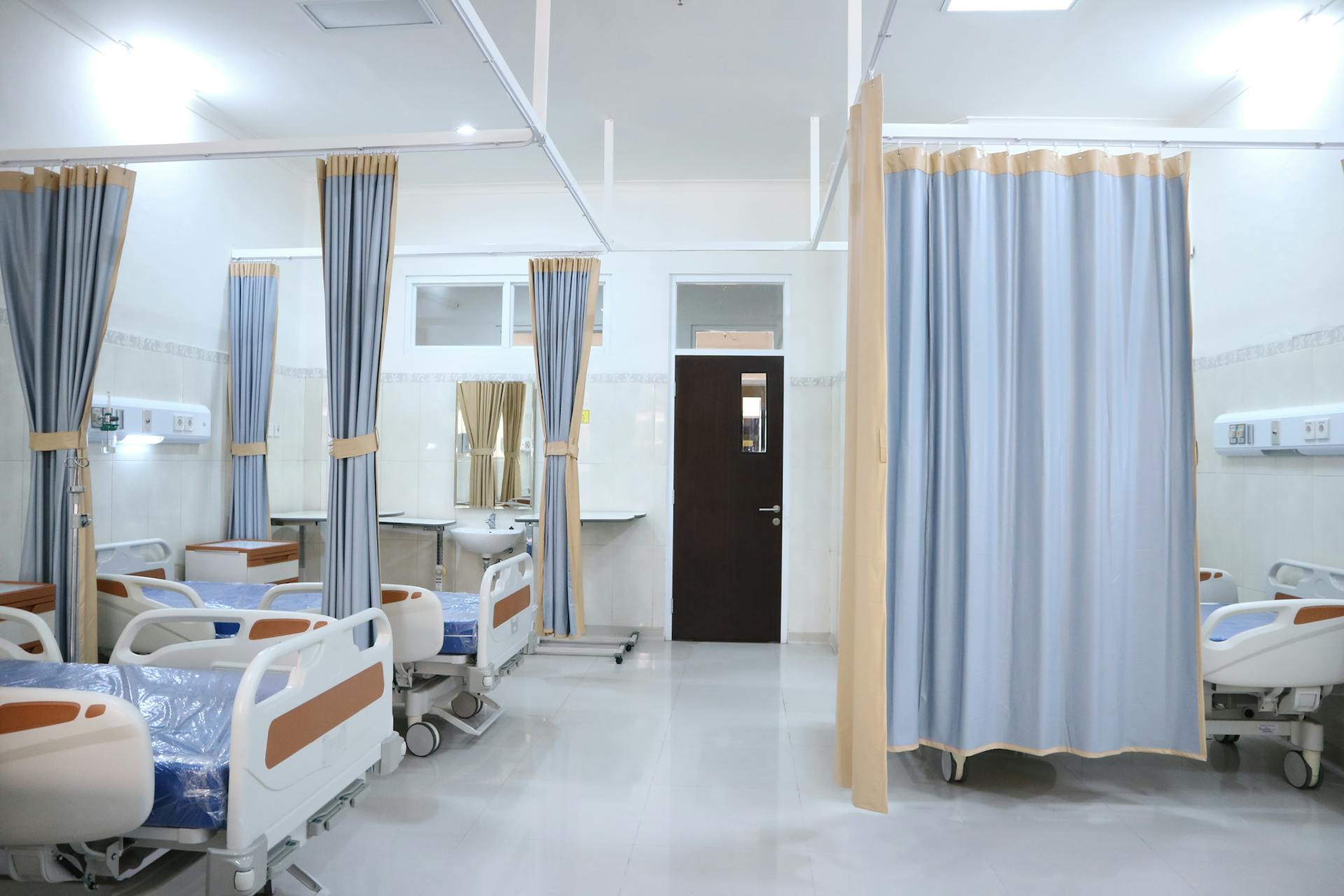
Improved Treatment Outcomes:

The impact of choosing the right medical equipment extends to improving the treatment outcomes of diseases. Advanced medical devices, such as ventilators, blood pumps, artificial heart devices, and minimally invasive surgical instruments, provide effective tools for delivering appropriate treatment for a variety of conditions. These technologies help accelerate the recovery process, reduce the risk of complications, and enhance the overall quality of life for patients.

Reducing the Risk of Injuries and Complications:

Selecting the appropriate medical equipment can significantly reduce the risk of injuries and complications among patients. Modern patient monitoring systems offer continuous surveillance of vital signs and provide timely alerts in case of any abnormal changes, allowing the medical staff to intervene swiftly. Moreover, the use of minimally invasive surgical tools reduces the size of incisions, shortens recovery periods, and minimizes the risk of infections and other complications associated with traditional surgery.

Enhancing Operational Efficiency in Hospitals:

The adoption of modern medical equipment leads to improved operational efficiency within hospitals. Advanced devices can streamline workflows, enhance data management, and reduce the length of hospital stays. For instance, remote patient monitoring systems can decrease the need for frequent in-person visits to the hospital or clinic, thereby reducing healthcare costs. Additionally, the implementation of automated systems minimizes human error and increases the speed and accuracy of clinical processes.

Choosing the right medical equipment for your hospital is a strategic decision that profoundly affects the quality of healthcare, patient outcomes, and operational efficiency. It requires a comprehensive and well-thought-out approach that considers patient needs, safety, accuracy, reliability, training, technical support, and a detailed analysis of economic viability and long-term value.

Collaboration among doctors, technicians, and administrators is essential during the equipment selection process to ensure that the needs of all stakeholders are met. The selection of medical equipment should be viewed as an ongoing process that necessitates regular evaluation and updates to keep pace with technological advancements and changing patient needs. By making informed decisions, hospitals can ensure that they are equipped with the best medical equipment to provide high-quality and effective healthcare to their patients.

If you wish to receive comprehensive courses in the field of biomedical engineering to develop yourself and enhance your skills, HSI provides you with the necessary tools to ensure a bright future as a biomedical engineer. All you need to do is check out our services and contact us for more information.
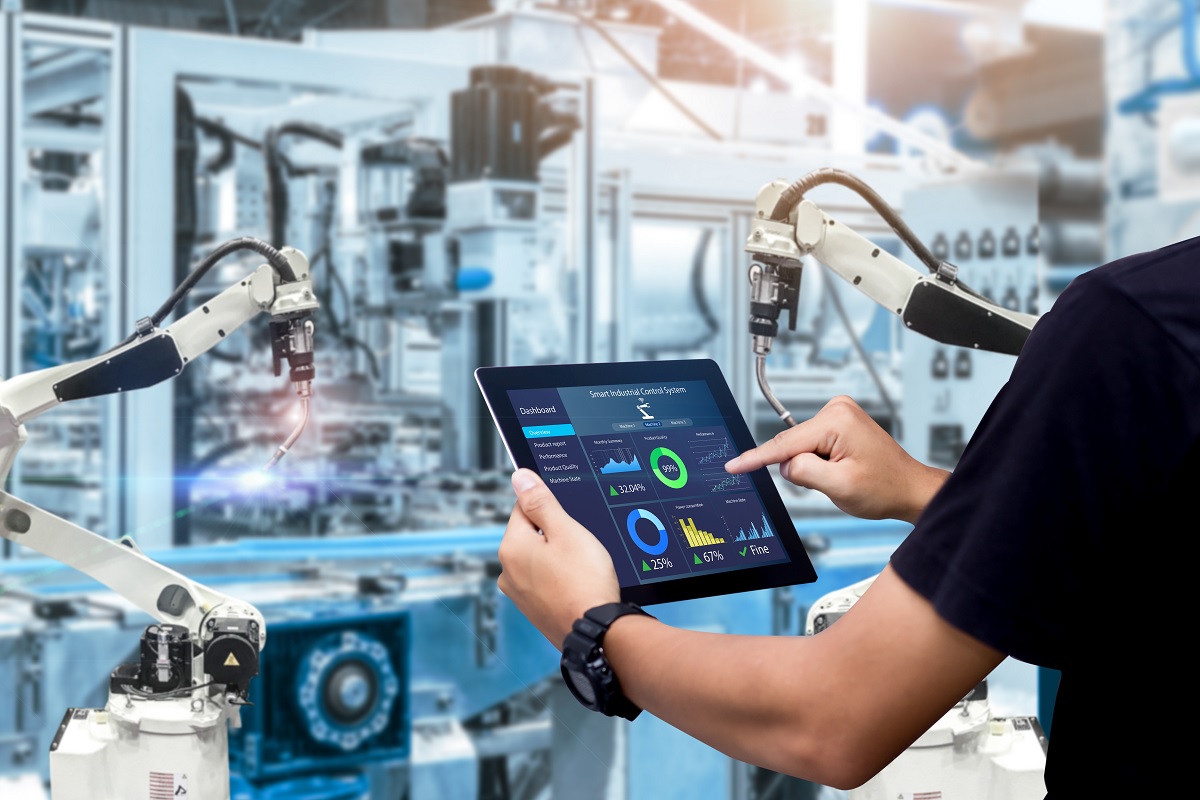
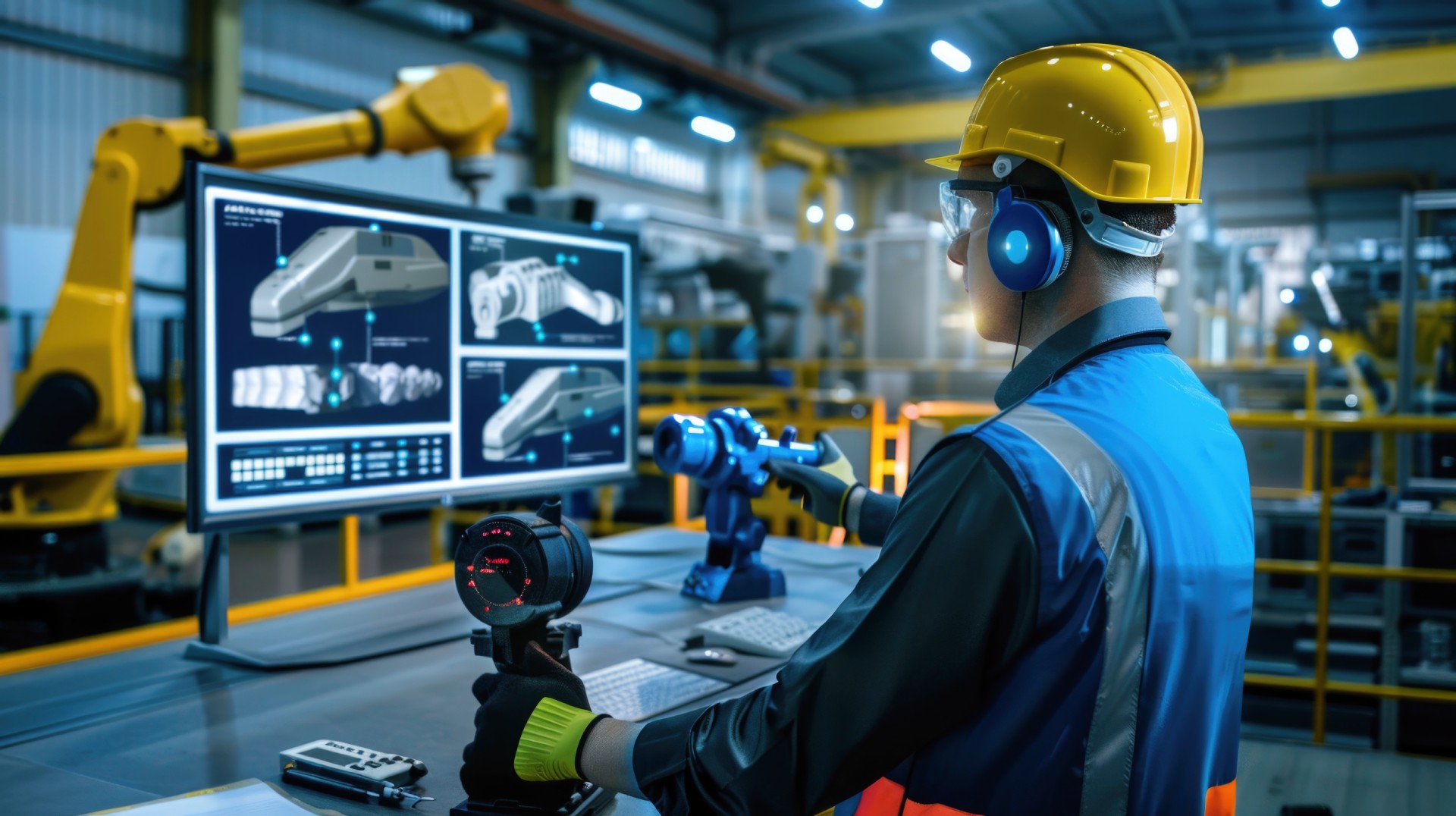
The Role of AI in Predictive Maintenance of Medical Equipment

The medical field is undergoing an unprecedented revolution through the integration of artificial intelligence technologies. This innovative advancement is transforming the way doctors diagnose diseases, develop new treatments, perform surgeries, and even maintain medical equipment.

Unexpected equipment failures can lead to significant issues in healthcare institutions. But what if there were a way to predict a malfunction before it occurs? That’s exactly what we’ll explore in this article on the role of AI in predictive maintenance of medical equipment—aimed at reducing the risks of catastrophic or costly problems before they happen.

What is Predictive Maintenance in Medical Equipment?

Healthcare facilities typically rely on scheduled preventive maintenance or immediate repairs when equipment breaks down. However, this approach may not always be effective, often leading to sudden equipment downtime that negatively impacts patient care. This is where predictive maintenance comes in—a proactive approach designed to anticipate and prevent equipment failures.

Predictive Maintenance of Medical Equipment

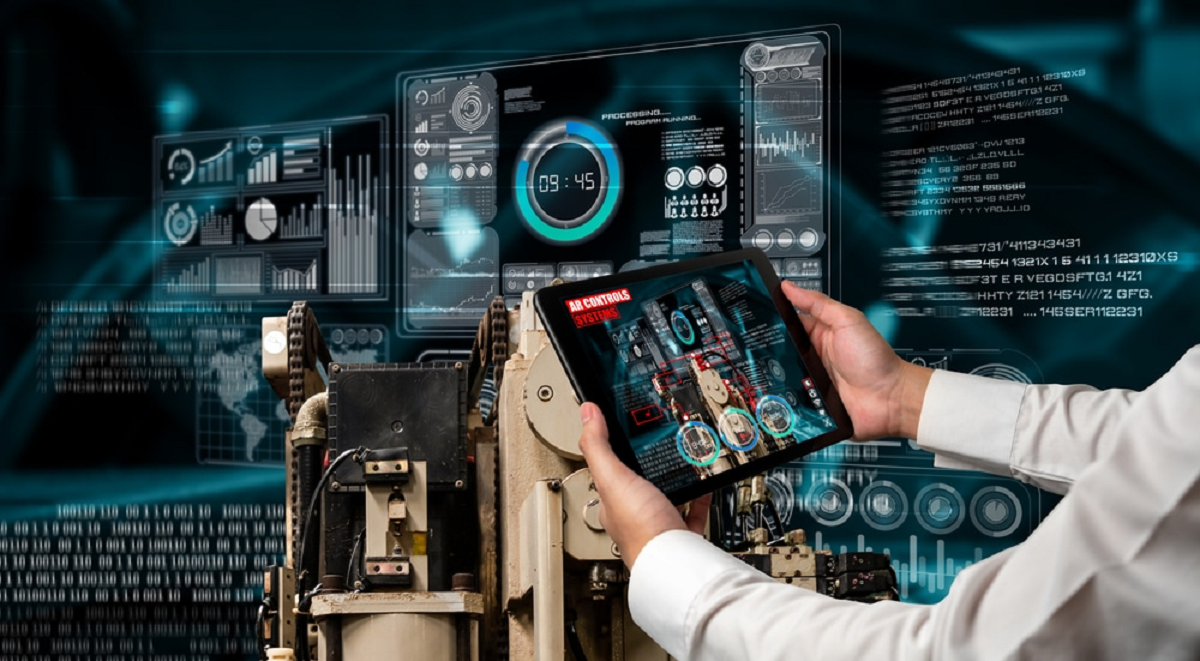
Predictive maintenance is an efficient solution that relies on automation and AI to foresee equipment failures before they occur. Modern medical equipment is often equipped with sensors that collect real-time data on performance metrics. This data is then fed into AI algorithms that analyze trends and detect potential issues. Through continuous monitoring of equipment conditions, these AI-powered systems can predict possible malfunctions and schedule maintenance interventions in advance.

One of the key techniques used in this type of maintenance is condition-based monitoring, where sensors gather data on equipment health and performance. Machine learning then analyzes this data to detect early warning signs of potential issues, enabling maintenance teams to act proactively.

Predictive maintenance in medical equipment helps:

  • Avoid costly and unplanned downtimes
  • Reduce unnecessary maintenance tasks
  • Extend equipment lifespan by preventing premature failures
  • Improve maintenance scheduling

AI in Medical Equipment Maintenance

The role of AI in predictive maintenance of medical equipment goes beyond simply integrating technology to ensure smooth operations, prolong equipment life, and enhance patient safety. AI remains a driving force in the development of medical technologies. The integration of AI advancements positions predictive maintenance as a critical element in transforming healthcare equipment management and paving the way for a new era of patient-centered care.

By embedding AI algorithms, medical equipment can be programmed to perform tasks independently or with minimal human intervention, setting a new standard in the reliability and efficiency of medical services.

How Artificial Intelligence Works in Predictive Maintenance of Medical Equipment

Artificial intelligence in predictive maintenance relies on a complex process involving predictive analytics, machine learning, and data collection. Therefore, understanding the fundamental AI concepts is essential to grasp how machines learn.

Data Collection and Analysis

The role of AI in predictive maintenance of medical equipment is a modern approach to collecting and analyzing data from medical devices. AI uses sensors installed on medical equipment to continuously collect data, then analyzes trends to detect issues before they become critical.

Predictive Analytics

As part of AI’s role in predictive maintenance of medical equipment, machine learning and data analysis are used to predict the behavior of equipment. This helps reduce risks and enables swift action in healthcare operations.

Predictive Maintenance of Medical Equipment

Supervised Learning

AI models trained on labeled datasets improve the accuracy of predicting equipment failures, with a focus on enhancing AI’s role in medical devices.

Unsupervised Learning

AI is essential for gaining deep insights from medical device data analytics, as it can identify anomalies and unexpected issues without prior labeling.

Reinforcement Learning

This involves training an agent to interact with an environment and learn optimal actions through trial and error. It can be used to enhance maintenance scheduling or resource allocation strategies to minimize unplanned downtime and boost reliability.

The Role of AI in Predictive Maintenance

AI tools are designed to simulate human intelligence in performing specific tasks, allowing these tasks to be completed automatically instead of manually. In the case of predictive maintenance, AI solutions can analyze current operating conditions and search for indicators that a device might fail in the future—even if no apparent operational problems exist. By assessing the current performance against baseline data, AI tools can detect slight efficiency drops that signal the need for maintenance.

The role of AI in predictive maintenance of medical equipment includes the following:

1. Generating Work Instructions

Generative AI can analyze historical maintenance data, equipment specifications, and sensor readings to create customized work instructions for technicians. These instructions are clear, precise, and tailored to the specific needs of each maintenance task, minimizing errors and improving first-time fix rates.

2. Optimizing Work Order Planning

By analyzing historical trends and predicting potential equipment failures, generative AI integration helps schedule maintenance activities more efficiently. This allows preventive maintenance to occur before failures, reducing downtime and associated costs.

3. Supporting Reliability Engineering

AI helps analyze sensor data and maintenance history to identify patterns indicating potential equipment degradation. This enables proactive maintenance actions, ensuring efficient equipment operation and avoiding unexpected failures.

Predictive Maintenance of Medical Equipment

4. Analyzing and Applying Maintenance Standards

AI can be trained on industry standards and regulations related to equipment maintenance. This allows it to review existing maintenance plans and identify areas that may not comply with current standards—improving safety and regulatory compliance.

5. Updating Maintenance Quality

AI can continuously learn and improve from new data. As it analyzes outcomes of completed maintenance tasks, it can identify areas for procedural improvement or where new techniques may be applied. This ongoing feedback loop supports continuous enhancement of the quality and effectiveness of maintenance practices.

Benefits of AI-Enhanced Predictive Maintenance

AI-enhanced predictive maintenance significantly contributes to reducing maintenance costs through proactive measures that address potential failures before they occur. Algorithms analyze sensor and monitoring system data to detect early warning signs, enabling timely intervention to prevent breakdowns and reducing the need for costly emergency repairs.

It helps extend the lifespan of equipment by addressing issues early and avoiding unnecessary stress on the machines. This leads to fewer replacements and minimized downtime.

It improves operational efficiency by optimizing maintenance schedules, allowing maintenance teams to accomplish more with fewer resources, lowering labor costs, and increasing overall technician productivity.

Predictive Maintenance of Medical Equipment

Applications of AI in Predictive Maintenance of Medical Equipment

AI-based predictive maintenance is an advanced step toward improving the quality and efficiency of healthcare by reducing unexpected failures and ensuring the continuous operation of critical medical equipment. In this context, the applications of AI in predictive maintenance of medical devices fall into three main areas: medical imaging equipment, diagnostic devices, and life support systems. Each area includes a range of devices that benefit from AI’s ability to predict failures, enhance performance, and reduce sudden downtime that may negatively impact the quality of healthcare services provided to patients.

MRI (Magnetic Resonance Imaging) Machines

AI-powered predictive maintenance for MRI machines involves continuous monitoring of components to ensure optimal performance and reduce downtime. AI algorithms analyze data patterns to predict potential issues, enabling immediate intervention and avoiding delays in diagnosis.

X-Ray Machines

Predictive analytics, component deviation detection, and failure forecasting are key areas where AI is applied to X-ray machines. By taking a proactive approach, AI helps prevent unplanned interruptions and ensures smooth diagnostic operations.

Blood Analyzers

Real-time monitoring of baseline parameters is a key aspect of AI-driven predictive maintenance for blood analyzers. AI systems forecast potential failures by studying data trends, allowing issues to be addressed before they impact diagnostic accuracy.

ECG (Electrocardiogram) Devices

AI is used in predictive maintenance of ECG machines to monitor device components and signal quality. This proactive approach ensures the continuous availability of accurate cardiac data, aiding in fast and reliable patient diagnosis.

Ventilators

Predicting issues related to airflow, pressure, and sensor performance is a core application of AI in maintaining ventilators. Proactive monitoring ensures the reliability of life support systems, which are critical in emergency care.

Infusion Pumps

AI-powered predictive maintenance for infusion pumps includes monitoring fluid delivery accuracy and pump calibration. AI predicts potential issues by analyzing usage patterns, ensuring the accuracy and continuity of medication dosages.

Source: How AI Is Used in Predictive Maintenance

X-ray Technology: How It Changed Medicine

Since their discovery in the late 19th century, X-rays have played a pivotal role in the advancement of medical diagnostics. This revolutionary innovation, which initially emerged as a curious physical phenomenon, has become an indispensable tool aiding physicians in accurately detecting diseases and identifying injuries. In this article, we explore the journey of X-rays from their initial discovery to their modern applications and profound impact on the world of medicine and healthcare.

The Discovery of X-Rays: A Historic Turning Point in Medicine

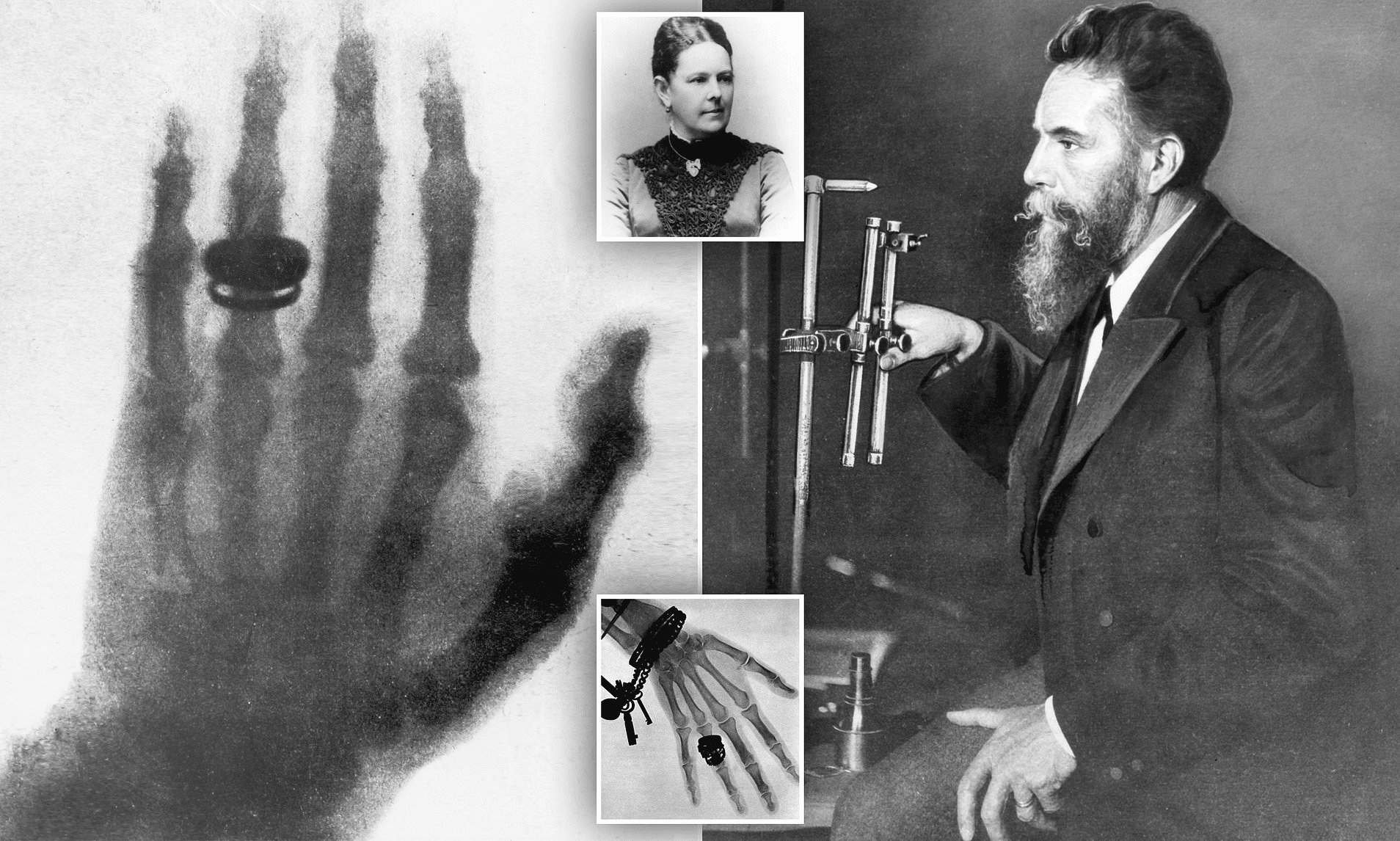
In 1895, German physicist Wilhelm Conrad Roentgen was studying electron beams within a gas discharge tube when he observed an unexpected phenomenon. He noticed a glow emanating from a nearby fluorescent screen when the tube was activated. Curiosity led him to place his hand between the tube and the screen, resulting in a surprising image of his hand’s bones projected onto the screen. Thus, X-ray technology was born. Shortly thereafter, Roentgen published a scientific paper titled “On a New Kind of Rays,” which included images of his wife’s hand and several metal objects. At that time, scientists were not fully aware of the potential dangers of unshielded radiation, but this discovery opened new horizons in the field of medicine.

German physicist Wilhelm Conrad Roentgen - X-Ray Technology

Public Fascination and Early Applications

Initially, X-rays were not only used for medical purposes but also captivated the general public’s interest. Fluoroscope displays showcasing moving images of human bones became popular attractions at fairs and carnivals, where people paid small fees to view their “magic bones.” Some stores even utilized this technology to entice customers; for example, shoe stores offered X-ray images of customers’ feet to highlight the skeletal structure when trying on new shoes.

Over time, the medical community recognized the significant potential of X-rays, especially in emergencies and warfare. They became the only tool capable of locating bullets or shrapnel within the body, saving numerous lives. However, the harmful effects of unprotected radiation were not yet known, leading operators of X-ray machines to suffer severe injuries, sometimes resulting in limb loss. This prompted scientists and practitioners to seek methods to reduce radiation exposure.

The Evolution of X-Ray Applications from Manual to Digital

As scientific knowledge advanced over time, researchers developed better ways to protect patients and medical professionals from radiation exposure. This led to safer and more effective applications of X-ray technology. By the 1930s, X-rays had become an essential tool for diagnosing injuries and detecting various medical conditions.

X-Ray Technology

With rapid technological progress, the 1970s marked the shift from traditional printed X-ray images to digital imaging, revolutionizing the speed and accuracy of medical diagnostics. This transition not only saved time and effort but also significantly improved image quality and storage efficiency.

Modern-Day Applications of X-Ray Technology

Today, X-ray technology is one of the safest and most effective diagnostic tools in medicine. It is widely used to identify a broad range of medical conditions, from accidental injuries to chronic diseases such as cancer. Thanks to technological advancements, X-ray images have become clearer and more precise, allowing doctors to examine bones and soft tissues non-invasively. Here are some of its key applications:

1. Diagnosing Fractures and Injuries

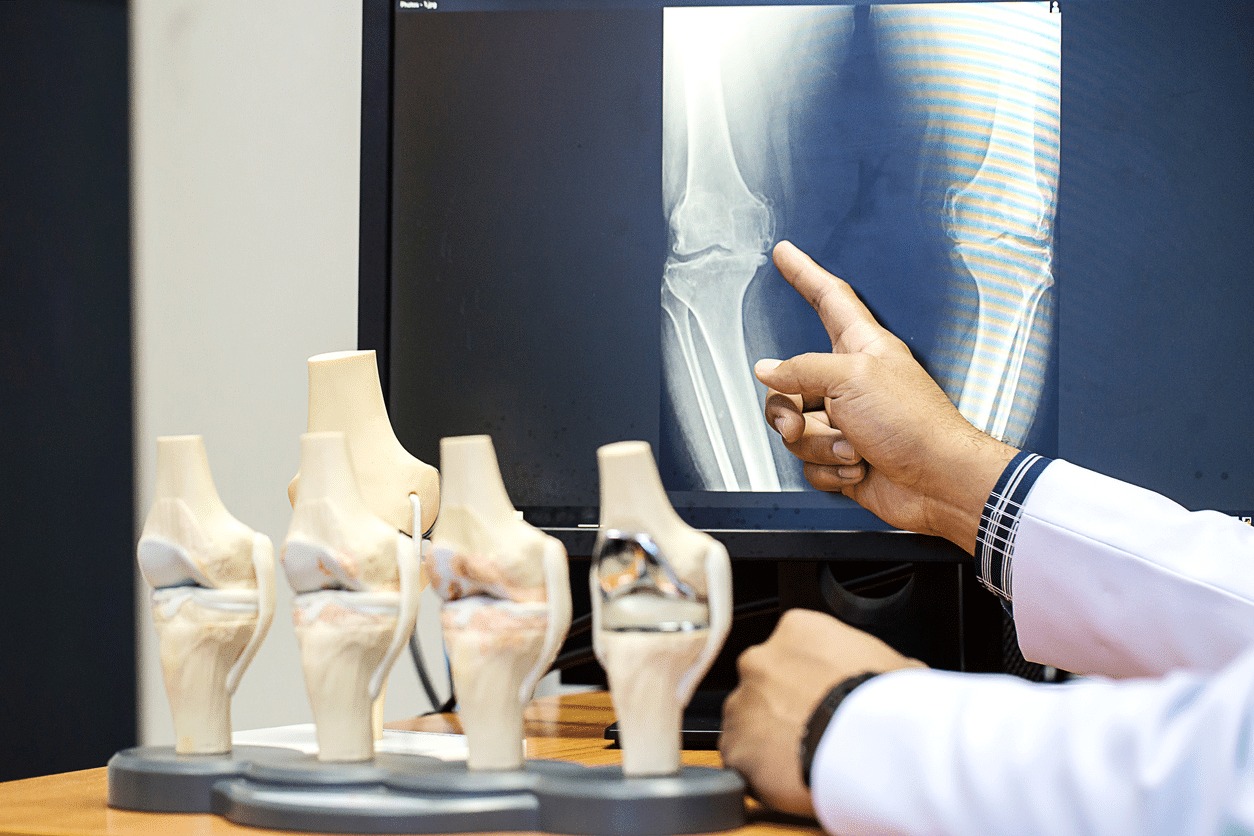
When a patient suffers an accident or injury, an X-ray is often the first step in determining the extent of damage to the bones or surrounding tissues. This technology enables doctors to pinpoint fractures accurately, facilitating swift and effective treatment planning.

2. Detecting Degenerative Diseases and Cancer

X-rays also play a crucial role in identifying changes that may indicate tumors or degenerative bone diseases. Additionally, they are used in routine screenings for early detection of conditions such as lung cancer, increasing the chances of successful treatment and recovery.

lung cancer

3. Diagnosing Respiratory Diseases

Modern X-ray techniques have significantly improved the diagnosis of respiratory illnesses like pneumonia. Given the ongoing global health challenges, X-ray imaging has become a vital tool for diagnosing and monitoring pneumonia cases, which pose serious risks to both children and adults.

4. Applications in Dentistry

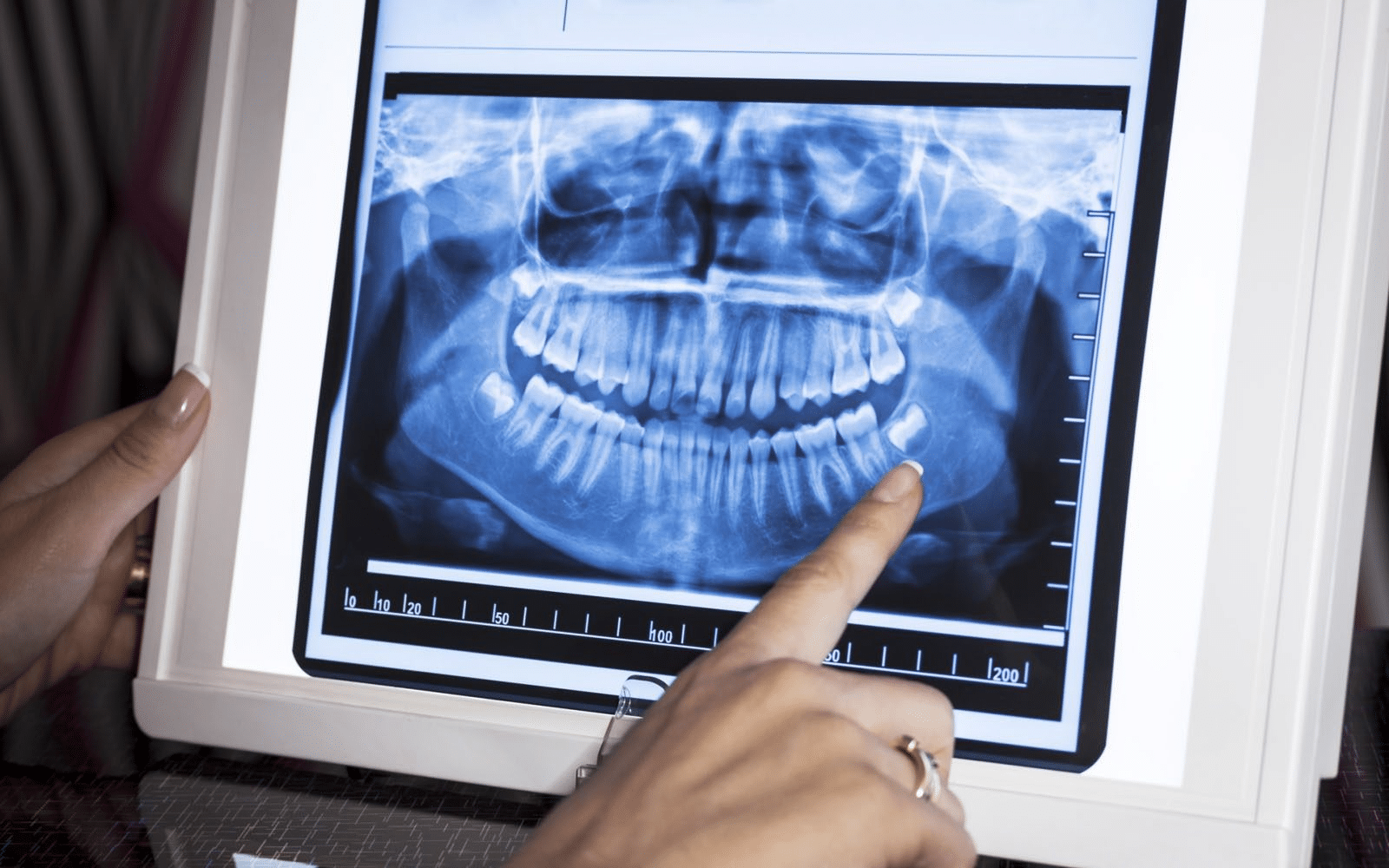
Beyond general medical diagnostics, this technology is essential in dentistry. It is used to detect cavities, assess gum health, and evaluate the condition of surrounding bone structures. This technology helps dentists make well-informed treatment decisions based on accurate and detailed imaging.

Future Innovations and Benefits of X-Ray Technology

This technology has saved millions of lives over the decades, yet there is still room for development and innovation. One of the most promising future trends is the shift toward advanced digital imaging powered by artificial intelligence (AI). These technologies are expected to enhance the speed and accuracy of diagnoses by automatically analyzing images and detecting subtle patterns that may be overlooked by the human eye.

X-Ray Technology

Researchers are also working on reducing the radiation doses required for each scan. The growing focus on minimizing radiation risks is driving scientists to develop new devices with advanced techniques for precise radiation control. This makes X-ray technology safer, especially for:

  • Children
  • Pregnant women

The Impact of X-Ray Technology in Developing Countries

The technology is not limited to developed nations—it plays a crucial role in improving healthcare in developing countries as well. In regions with limited medical resources, such as parts of Africa and Asia, X-ray machines serve as essential diagnostic tools that enable quick and accurate disease detection. Early diagnosis through X-ray imaging helps save countless lives by allowing timely medical intervention. Additionally, the increasing adoption of digital technology in these areas has enhanced diagnostic and treatment capabilities, underscoring the vital role of X-ray technology in global healthcare improvement.

X-Ray Technology

Challenges and Future Developments

Despite the significant advancements in X-ray technology, challenges remain. One of the main obstacles is the continuous need to train medical professionals on modern techniques and advanced equipment. Another key research priority is reducing radiation exposure while maintaining high-quality imaging to ensure patient safety.

Furthermore, improving medical data storage and analysis is a critical aspect of the technology development. As the volume of collected data grows, the need for intelligent systems to analyze and deliver accurate results quickly becomes more apparent. These advancements can accelerate medical decision-making and improve patient outcomes.

Ultimately, the continuous evolution of X-ray technology has revolutionized medical diagnostics and treatment, significantly improving healthcare standards. However, like all medical advancements, investing in education and professional training remains essential to ensuring the optimal use of these technologies.

If you are looking to advance your career in medical engineering, HSI is the ideal choice for you. Through our specialized training programs, we provide the skills and knowledge needed to be part of the ever-evolving healthcare industry. Let us help you build a distinguished career with expert guidance and innovative consulting services. Join us now and become a leader in delivering advanced medical solutions that improve lives.

Source: X-Ray Technology: The Past, Present, and Future

All copyrights reserved to © HSI