Regulatory Compliance Challenges in Medical Equipment Planning: A Practical Guide

The healthcare sector faces numerous challenges that necessitate strict adherence to regulatory compliance, particularly in the field of medical equipment planning. Regulatory compliance is the cornerstone of ensuring the delivery of safe and high-quality healthcare services. It protects patients from potential hazards and ensures the implementation of the highest safety and quality standards at all stages. In this practical guide, we will explore the concept of regulatory compliance, its importance in medical equipment planning, the relevant regulatory environments and authorities, the essential components of regulatory compliance, and the technological solutions that facilitate the process, while highlighting common challenges and possible solutions to address them.

What is Regulatory Compliance?

In the healthcare sector, regulatory compliance refers to the process through which healthcare institutions and stakeholders adhere to the laws, regulations, and standards issued by government agencies and regulatory bodies. Regarding medical equipment planning, regulatory compliance involves ensuring that all devices and technologies used comply with the technical and legal requirements aimed at protecting patient health and achieving the highest levels of quality and safety. The objectives of regulatory compliance include:

  • Protecting patients from potential hazards.
  • Ensuring the delivery of effective and safe medical services.
  • Maintaining the reputation of the healthcare institution.
  • Avoiding legal risks and financial penalties resulting from non-compliance.


Importance of Regulatory Compliance in Medical Equipment Planning

Regulatory compliance is of paramount importance in medical equipment planning. It forms the backbone of ensuring patient safety by implementing precise standards that guarantee the efficient operation of devices and reduce the likelihood of medical errors. Adherence to these standards also helps mitigate legal risks that may arise from negligence or non-compliance, thereby protecting the healthcare institution from legal penalties and financial fines that could harm its reputation and operational capabilities.

Furthermore, regulatory compliance is a fundamental element in improving the quality of healthcare services provided. It ensures the use of the latest technologies and equipment that meet patient needs in accordance with international standards. It also enhances trust among patients, investors, and regulatory bodies by demonstrating the institution’s transparency and integrity in all its dealings. In this way, healthcare providers can achieve an ideal balance between innovation in medical equipment planning and strict adherence to the standards necessary to ensure the delivery of safe and effective services.
التنظير التألقي

Regulatory Bodies in the Field of Medical Equipment

The healthcare sector in many countries is characterized by a stringent regulatory environment that imposes precise standards on the planning and use of medical equipment, ensuring patient safety and the quality of services provided. In this context, regulatory bodies play a vital role in monitoring and approving medical devices and ensuring their compliance with the highest safety and efficiency standards.

Among the most prominent of these bodies is the U.S. Food and Drug Administration (FDA), which is a key reference in reviewing and approving medical devices before they are placed on the market and also monitors recall processes in case any violations are discovered to ensure consumer protection. Centers for Medicare & Medicaid Services (CMS) also supervise the provision of health insurance services to citizens by setting precise standards related to the planning and use of medical equipment, thereby achieving the highest levels of safety and quality.

Additionally, the Health Insurance Portability and Accountability Act (HIPAA) is an essential part of the regulatory compliance system, focusing on protecting the privacy of health data, especially when exchanging information related to medical equipment and its planning. The health system does not overlook the importance of adhering to local and international regulations, as regulations vary from country to country, requiring healthcare institutions to keep pace with local requirements and apply international standards that contribute to improving the quality of planning and management of medical equipment.

In light of the rapid technological developments in recent times, new regulatory trends are emerging that require regular updates to regulations to keep pace with changes. Digital transformation has become an urgent necessity with the increasing use of electronic systems in data management, which necessitates updating information protection procedures within the framework of regulatory compliance. The spread of virtual care services has also led to the emergence of new regulatory challenges in monitoring the use of medical equipment and digital technologies, which necessitates reconsidering regulatory frameworks to ensure the provision of advanced and safe healthcare services that meet the needs of the digital age.

Essential Components of Regulatory Compliance

Building a robust regulatory compliance system in medical equipment planning is a comprehensive process that relies on several essential components that contribute to ensuring continuous adherence to regulations and standards. This process begins with the development of effective policies and procedures, where healthcare institutions must formulate clear and comprehensive policies that specify the steps necessary for planning and using medical equipment in accordance with regulatory standards, while maintaining records of documentation and continuous reviews of policies and procedures to demonstrate compliance.

Regulatory Compliance in health

This is followed by training and awareness of employees by providing specialized training courses for all workers, focusing on the importance of regulatory compliance and the application of regulatory regulations for medical equipment planning, and organizing workshops and periodic educational courses to ensure that all employees remain up to date with the latest developments. The process also includes risk assessment and management by conducting periodic assessments to identify weaknesses in medical equipment planning and areas that may be exposed to regulatory risks and developing practical strategies to reduce these risks.

Monitoring and auditing include conducting regular internal audits to ensure that all departments of the institution comply with the policies and procedures followed and implementing corrective action plans in case any violations or deficiencies in the system are discovered.

Technological Solutions to Enhance Regulatory Compliance

With the rapid technological development, digital solutions have become essential tools to improve regulatory compliance in medical equipment planning. These solutions can be divided into three main categories:

Electronic Health Records (EHR) Systems

  • Data Protection: Electronic systems ensure the protection of health information through advanced encryption techniques and multiple verification procedures, thereby enhancing regulatory compliance.
  • Accurate Documentation: Electronic health records provide comprehensive and accurate documentation of medical information, which helps achieve compliance standards by tracking details.
  • Notifications and Alerts: Modern systems provide users with instant alerts when any malfunction occurs, allowing for quick corrective actions.

Regulatory Compliance Management Software

  • Policy and Procedure Management: These programs facilitate the creation and updating of a central library of policies and procedures, increasing compliance transparency.
  • Training and Certification Tracking: Institutions can track training courses and their results to ensure employees are familiar with regulations.
  • Conducting Audits: Compliance programs simplify internal audit processes by collecting and analyzing data automatically, reducing manual effort.

Data Encryption Technologies and Security Solutions

  • Data Encryption: Institutions use advanced encryption techniques such as AES to protect data during transmission and storage.
  • Access Control Systems: RBAC is implemented to ensure employees access data according to their responsibilities only.
  • Periodic Security Assessment: Penetration tests are conducted to detect and address security vulnerabilities, enhancing information protection.

Challenges and Solutions for Medical Equipment Planning

Healthcare institutions face several challenges during the implementation of regulatory compliance, and these challenges and their solutions can be divided into four main categories:

Compliance Fatigue

  • Challenge: Employee fatigue due to continuous adherence to regulations and procedures.
  • Impact: Increased risks and non-compliance with procedures.
  • Solutions:
    • Periodic training and awareness of the importance of compliance.
    • Use of compliance management programs and automated tools.
    • Employee motivation and rewards.

Keeping Pace with Regulatory Changes

  • Challenge: Continuous changes in regulations and laws.
  • Impact: Reliance on outdated policies, legal penalties, and operational risks.
  • Solutions:
    • Appointing specialized teams to monitor regulatory developments.
    • Subscribing to specialized publications from regulatory bodies.
    • Using specialized software that automatically updates data.
Regulatory Compliance in health

Challenges Related to Data Security and Information Privacy

  • Challenge: Protecting sensitive data from cyberattacks.
  • Impact: Financial losses, erosion of patient trust, and legal penalties.
  • Solutions:
    • Enhancing encryption technologies to protect information.
    • Implementing strict access control policies.
    • Training employees on data protection and cybersecurity.

Balancing Regulatory Compliance and Quality of Patient Care

  • Challenge: Difficulty balancing compliance and providing personalized and rapid healthcare.
  • Impact: Delays in decision-making, and negative impact on service delivery speed.
  • Solutions:
    • Simplifying procedures to integrate compliance standards into daily operations.
    • Using smart technologies to monitor compliance automatically.
    • Involving medical staff in policy development to ensure quality care.

Regulatory compliance in medical equipment planning is an imperative to ensure patient safety, improve the quality of health services, and avoid legal and operational risks. Adherence to regulatory regulations and standards is the foundation upon which the success of healthcare institutions in facing the increasing challenges in a rapidly changing regulatory environment is based.

Building an integrated regulatory compliance system requires the adoption of essential components that include accurate policies and procedures, continuous training and awareness, risk assessment and management, and periodic monitoring and auditing. The use of advanced technological solutions is also a key pillar to facilitate planning and data management, contributing to achieving the highest standards of regulatory compliance.

HSI Center for Health Training and Consulting provides specialized courses and consulting services that keep them aware of the latest developments in the medical field, helping them provide the best level of service and care to patients.
Your Guide to Medical Equipment Planning in Hospitals and Medical Centers

The field of medical technology is witnessing continuous and rapid advancements, with new and improved equipment being introduced regularly. Therefore, medical equipment planning must keep pace with this dynamic landscape while adhering to strict regulatory standards and managing significant financial investments. This process requires a deep understanding of the hospital’s clinical, technical, and financial needs.

This article aims to provide a detailed overview of the essential steps hospitals need to take to effectively plan for their medical equipment needs in the modern era. By reviewing these steps, hospitals can enhance their ability to deliver exceptional healthcare and achieve long-term sustainability.

Medical Equipment Planning

There is no doubt that modern medical equipment plays a pivotal role in delivering high-quality healthcare and improving patient outcomes. Contemporary hospitals heavily rely on a wide range of advanced devices for diagnosis, treatment, monitoring, and rehabilitation. The efficiency and proper availability of these devices directly impact the quality of healthcare services provided and the effectiveness of clinical operations.

Moreover, medical equipment is highly complex, and its technology is constantly evolving. As a result, it requires a high level of knowledge regarding precise installation procedures, design standards, and environmental conditions to ensure optimal performance. These requirements present numerous design challenges while also considering intricate logistics and reducing overall costs.

Medical Equipment Planning

Essential Steps for Medical Equipment Planning in Modern Hospitals

Medical equipment planning is not merely a logistical task; it is a strategic necessity for modern hospitals. This planning involves adopting a comprehensive approach to ensure that hospitals acquire the right equipment, in the right place, at the right time, and within the available budget. This strategic perspective is essential for optimizing resource allocation and achieving the hospital’s organizational goals.

1- Understanding the Hospital’s Needs

The fundamental step in planning medical equipment is a comprehensive understanding of the patient population served by the hospital. This includes analyzing demographics, prevailing health conditions, and social and economic factors to predict the types and volumes of medical services required. For instance, the needs of a hospital in an area with a large elderly population will differ from those of a hospital serving a younger demographic.

It is also crucial to clearly define the specialized departments and services offered by the hospital. These specific departments and services directly determine the hospital’s equipment requirements. For example, the cardiology department will require different equipment from the orthopedic surgery department, and a pediatric hospital’s needs will differ from those of a facility focused on elderly care. Therefore, a clear understanding of the hospital’s specialization and service portfolio is essential for effective medical equipment planning.

Before planning for new equipment, it is necessary to evaluate the current inventory of medical devices. This includes documenting the specifications, age, condition, and functions of existing equipment to determine whether upgrades or replacements are needed. This assessment helps avoid unnecessary purchases and ensures that the hospital’s equipment aligns with its present and future needs.

A comprehensive needs assessment forms the basis of effective medical equipment planning, ensuring that the procurement of equipment aligns with the hospital’s mission and patient needs. Without a clear understanding of whom the hospital serves and what services it offers, any effort to plan for medical equipment will be misplaced. Analyzing patient demographics helps predict the types and volumes of medical services required, which in turn determines the necessary equipment. Similarly, knowing the current inventory prevents over-purchasing and highlights areas that need updating.

2- Planning for Functionality and Efficiency

Medical equipment planning should focus on seamlessly integrating technology with the existing hardware and IT systems in the hospital while considering future technological developments. Modern medical devices often need to integrate with the hospital’s existing IT systems, such as electronic health records and other medical devices. The planning must account for the compatibility and interoperability of new equipment to ensure smooth data exchange and efficient workflows. Moreover, anticipating future technological advancements is critical to avoid purchasing equipment that may quickly become obsolete.

Prioritizing the selection of user-friendly equipment is essential to reduce the training time required for staff and enhance efficiency among healthcare professionals. User-friendly devices with intuitive interfaces can significantly decrease the time needed for staff training and reduce the likelihood of errors, ultimately leading to increased efficiency and improved patient care.

Medical equipment planning should also include developing comprehensive maintenance and service plans to ensure continuous equipment availability and prolong its lifespan. Regular maintenance is vital for ensuring that medical devices remain operational and perform optimally. Detailed maintenance schedules and service agreements should be developed as part of the planning process to extend equipment life and minimize downtime.

Effective workflow design around dedicated medical equipment is essential to enhance patient outcomes and staff productivity. Careful planning of the placement and utilization of medical equipment improves workflow, boosts patient throughput, and enhances staff productivity. This involves considering the physical layout of departments and the sequence of steps involved in patient care.

Planning for functionality and efficiency goes beyond mere equipment acquisition—it includes ensuring that equipment is effectively used and maintained within the hospital’s operational context. Modern hospitals are complex ecosystems where different technologies must interact seamlessly. Medical equipment planning must consider this interoperability to avoid compatibility issues that could hinder workflows and compromise patient care. Similarly, user-friendly designs reduce the learning curve for staff, leading to quicker adoption and fewer errors, while proactive maintenance planning minimizes downtime and ensures that equipment remains in optimal working condition.

3- Financial Considerations and Budgeting

Budgeting is a critical aspect of medical equipment planning, requiring meticulous financial planning to secure the best equipment at a sound investment. This involves considering not only the initial purchase price but also the long-term costs associated with maintenance, supplies, and operations to determine the total cost of ownership.

Hospitals invest in new equipment to enhance patient care, operational efficiency, diagnostic accuracy, and treatment outcomes. Evaluating the potential return on investment (ROI) helps justify the expenditure by demonstrating the expected benefits over time. Various financing options are available for acquiring medical equipment, including capital expenditure budgets, government grants, and leasing agreements. Medical equipment planning should explore these options and understand their respective advantages and disadvantages to make informed financial decisions.

Financial planning is a crucial aspect of medical equipment planning and requires a comprehensive understanding of the total cost of ownership and potential funding sources. The decision to acquire medical equipment involves a significant financial commitment that must extend beyond the initial purchase price to include long-term costs such as maintenance, supplies, and operational expenses. Evaluating the ROI helps justify the investment by highlighting the potential benefits in terms of improved patient outcomes, increased efficiency, or higher revenues. Exploring various financing options allows hospitals to optimize their financial resources and facilitate the necessary acquisitions.

4- Safety and Regulatory Compliance

Patient and staff safety must be a top priority in medical equipment planning. This involves selecting equipment with robust built-in safety features that minimize the risks associated with its use. Adhering to regulatory standards is one of the most critical steps in medical equipment planning, which includes compliance with local building codes, national legislation, and industry standards, as well as guidelines and regulations set forth by agencies such as the U.S. Food and Drug Administration (FDA).

When planning for new hospital equipment, it is essential to provide proper training for the staff to ensure their safety and the effective operation of the equipment. Additionally, when medical equipment reaches the end of its lifecycle, proper disposal methods that comply with regulatory requirements must be considered as part of the equipment plan.

Adhering to safety standards and regulatory compliance is non-negotiable in medical equipment planning, protecting both patients and healthcare professionals. Given the inherent risks associated with medical devices, planning must prioritize safety by selecting equipment with strong safety features and ensuring compliance with all relevant regulations. Adequate training is crucial to minimizing user errors and ensuring safe and effective equipment operation, while responsible disposal of outdated equipment is essential for environmental safety and regulatory compliance.

5- Space Planning and Infrastructure

Medical equipment planners work closely with architects and builders to ensure that there is adequate and appropriate space allocated for each piece of equipment. This includes considering factors such as power requirements, climate control systems, and necessary peripherals, and ensuring the seamless integration of equipment within the healthcare facility. The physical size and weight of the machines must also be taken into account.

Coordinating systems is an important aspect of hospital design, and medical equipment must be synchronized with other building systems such as lighting, alarms, and ventilation. Hospitals should plan for future growth and ensure that spaces are flexible enough to accommodate new medical equipment as needed. Incorporating flexible designs, such as modular interfaces, can facilitate future equipment changes.

Effective medical equipment planning requires a careful study of the physical environment and infrastructure needed to support the proper performance of medical devices. Medical equipment often has specific spatial and structural requirements, so planning must involve close collaboration with architects and engineers to ensure that the facility can accommodate the size, weight, power, and environmental control needs of the chosen equipment. Proper integration with existing building systems is critical for safety and functionality, and planning for future growth ensures that the hospital can adapt to technological advances without significant disruption.

6- Effective Inventory Management

Effective inventory management is the cornerstone of successful medical equipment planning. Inventory management programs play a vital role in ensuring that the appropriate equipment and supplies are available for healthcare facilities when needed. For successful use of barcode technology in medical equipment, barcodes must be clear and well-made, and staff should be provided with appropriate scanning technology to read them. Although not mentioned as a separate point, maintaining an accurate inventory through regular audits is crucial for effective medical equipment planning.

Future Planning for Medical Equipment

Hospitals must look beyond current circumstances and anticipate facility growth over time when planning for medical equipment. Equipment planning should also take into account future technological developments to avoid costly upgrades or replacements.

Future-oriented medical equipment planning involves having a long-term vision for the hospital, ensuring that current investments continue to meet future needs. Hospitals are dynamic entities that may experience growth in patient numbers or an expansion in services over time. Medical equipment planning should not be limited to immediate needs but should also forecast future requirements. Selecting scalable equipment and designing flexible spaces allow hospitals to adapt to these changes without incurring significant future costs or disruptions.

Thorough quality assurance and performance verification are essential steps in medical equipment planning to ensure that the acquired devices meet the required standards and perform as expected. Before putting medical equipment into service, it is crucial to verify that it operates correctly and safely. Comprehensive inspection and testing procedures conducted by qualified biomedical engineers can identify potential issues or defects before they impact patient care. Establishing performance metrics and monitoring equipment effectiveness post-implementation allows for continuous evaluation and ensures that the investment yields the intended benefits.

The Role of Technology in Medical Equipment Planning

The technology used in medical equipment is constantly evolving, which requires a high level of expertise for proper performance. Medical equipment planning must consider future technological developments to avoid costly upgrades or replacements. Specialized computer programs are used for collaborative building design, tracking equipment specifications, generating progress reports, and cost estimates.

Technology plays a dual role in medical equipment planning: as a subject of the planning process and as a tool to facilitate it. The rapid technological advancements in medicine mean that medical equipment planning must be forward-looking and anticipate future innovations. Additionally, technology itself provides valuable tools to manage the complexities of equipment planning—from collaborative design platforms to inventory management systems. The expertise of technology managers is crucial in navigating this evolving landscape and ensuring that technology investments align with the hospital’s strategic objectives.

The Importance of Engaging Medical Equipment Planning Experts

Medical equipment planners possess the knowledge and experience to determine specifications, overall cost, and more. Vendors can ensure that everything is classified correctly and that equipment is shipped to the right location on the right date and time. Experienced professionals can assist organizations in identifying any hospital equipment that their laboratory or facility may require.

Engaging external experts in medical equipment planning can provide valuable insights and ensure a more efficient and effective planning process, especially for complex projects. Medical equipment planning is a specialized field that requires an in-depth understanding of medical technologies, regulatory requirements, and best practices in project management. Involving experienced consultants enables hospitals to access this expertise, helping them make informed decisions, avoid costly errors, and ensure a smooth and successful equipment acquisition process.

Effective medical equipment planning is essential for delivering high-quality patient care and ensuring the long-term success of modern hospitals. By following these fundamental steps, hospitals can enhance their ability to meet the needs of their patients, staff, and the community as a whole.

Are you looking to advance your career in biomedical engineering? HSI Center is your ideal choice for achieving your ambitions. With our specialized and diverse training programs, we equip you with the necessary skills and knowledge to be at the forefront of the continuous evolution in the healthcare industry. Let us accompany you on a journey to build an exceptional professional future through expert guidance and innovative consulting services. Join us now and become one of the pioneers making a real difference in improving the lives of others.

Source: Comprehensive Guide to Medical Equipment Planning, Budgeting, and Procurement

Medical Equipment Planning in New Hospitals

There is no doubt that the process of purchasing medical equipment can be long and complex. Therefore, medical equipment planning is crucial for healthcare facilities, such as hospitals and surgical centers, that strive to maintain a high standard of healthcare quality. But what about purchasing medical devices and equipment when building a new hospital or renovating an existing facility? When should medical equipment planning discussions begin? This article will provide a detailed insight into medical equipment planning in hospital construction projects and its importance.

Medical Equipment Planning Process

Medical devices and equipment are fundamental components of healthcare delivery. Equipping healthcare facilities requires precise planning and prior coordination to ensure that clinical needs and equipment requirements align with appropriate design and functionality. The ultimate goal of planning is to ensure that all selected products are fit for purpose, within the allocated budget, and purchased, delivered, and operated according to the medical institution’s construction program.

Medical Equipment Procurement

Stages of Medical Equipment Planning

Medical equipment planning involves several stages, including equipment assessment, budgeting, equipment selection, defining technical specifications, and equipment procurement. These steps consider the required technology level, programmatic planning goals, and available budget. Each project is unique, and the first step is to understand the medical institution’s strategy and scope to determine equipment needs, as follows:

1- Equipment Assessment

  • Auditing existing equipment, both large and small, to evaluate its efficiency in terms of performance and cost.
  • Preparing a list of responsibilities that defines tasks related to planning, purchasing, receiving, and installation.
  • Evaluating the efficiency and usability of current equipment.
  • Determining the possibility of reusing or relocating equipment to other sites.
  • Preparing a list of new equipment and estimating the initial budget.

2- Budget Preparation

  • Each facility has different financial needs, so interviews are conducted with departments to understand equipment preferences, concerns, and priorities.
  • Reviewing architectural designs to identify elements that may affect equipment functionality or staff operations.

3- Defining Equipment Specifications

Once specifications are finalized, bidding documents are prepared, and a list of potential suppliers is created.

4- Procurement

  • Purchasing medical devices and equipment is the most expensive phase of medical equipment planning and must be done at the lowest possible cost while considering priorities and needs.

5- Receiving and Logistics

  • Coordinating with architects and contractors to ensure the safe delivery and timely installation of equipment.

Medical Equipment Planning

Understanding Medical System Requirements

System coordination is a key factor in hospital design, especially with the ongoing evolution of digitization. Systems such as lighting, alarm devices, and ventilation must all function in perfect coordination to ensure a safe and efficient operational environment. Additionally, advanced medical equipment and surgical tools require precise environmental conditions depending on their usage. Factors such as humidity and temperature must be optimally controlled while ensuring that systems support infection control requirements, which are critical for patient safety during treatment.

Key Considerations When Purchasing Medical Equipment

  1. It is preferable to select equipment that comes with maintenance services and warranty contracts, as these often provide added value for a minimal additional fee.
  2. Room design should be jointly planned by experts, contractors, and healthcare teams to ensure optimal space utilization.
  3. Medical equipment planning helps evaluate institutional needs and ensure compliance with local regulations.
  4. Choosing suppliers with a proven track record of providing direct on-site services and ensuring precise delivery.
  5. Regulatory laws should be considered, and compliance with local and international regulatory standards should be verified when purchasing equipment.
  6. Planning for equipment delivery and installation during non-peak periods ensures minimal disruption to medical operations.
  7. Involving relevant departments that will use the equipment daily in the purchasing process ensures that equipment meets their needs.
  8. Biomedical engineering teams must inspect and test equipment before final acceptance and conduct electrical safety tests before signing contracts.

Challenges in Planning Healthcare Facility Equipment

Medical equipment is highly complex and constantly evolving. Its installation requires specialized knowledge of design standards, precise installation measures, and the necessary environmental conditions to ensure optimal performance. These requirements impose multiple design challenges, along with the need to handle logistical complexities while minimizing overall costs. Below are the key challenges related to medical equipment planning in new hospitals and ways to overcome them.

1- Technological Challenges

Technological challenges represent the first step in identifying issues associated with hospital equipment planning. Equipment planners must determine technological requirements as early as possible to ensure smooth implementation. Key aspects to consider include:

  • Actual size: What is the size of the equipment? What are the required dimensions for the treatment room?
  • Weight: Is the equipment heavy? Does the floor structure need additional reinforcement?
  • Accessibility: What are the access requirements for medical staff, patients, and maintenance teams?
  • Facilities and services: What facilities are required (electricity, water, ventilation, etc.)?
  • Integration with Electronic Health Records (EHR): Is additional software needed?
  • Risks: Are there any specific risks associated with this equipment?

Medical Equipment Procurement

2- Equipment Procurement

  • The challenges of procuring equipment involve several aspects, such as identifying suppliers, negotiations, maintenance contracts, and equipment delivery.
  • Equipment planners must purchase auxiliary devices and determine installation requirements and costs.
  • They should also develop a plan for protecting and storing equipment before installation, as hospitals may not have adequate storage space for equipment assembly before installation.

3- Project Management

  • Given the limited time allocated for equipment installation, project management must be professionally handled by equipment planners or project managers.
  • This task requires specialized expertise to ensure adherence to deadlines, minimize disruptions, and control costs.
  • Any delays in installation can be costly, making comprehensive coordination at each stage essential to avoid unexpected setbacks.

4- Challenges of Equipment Proximity

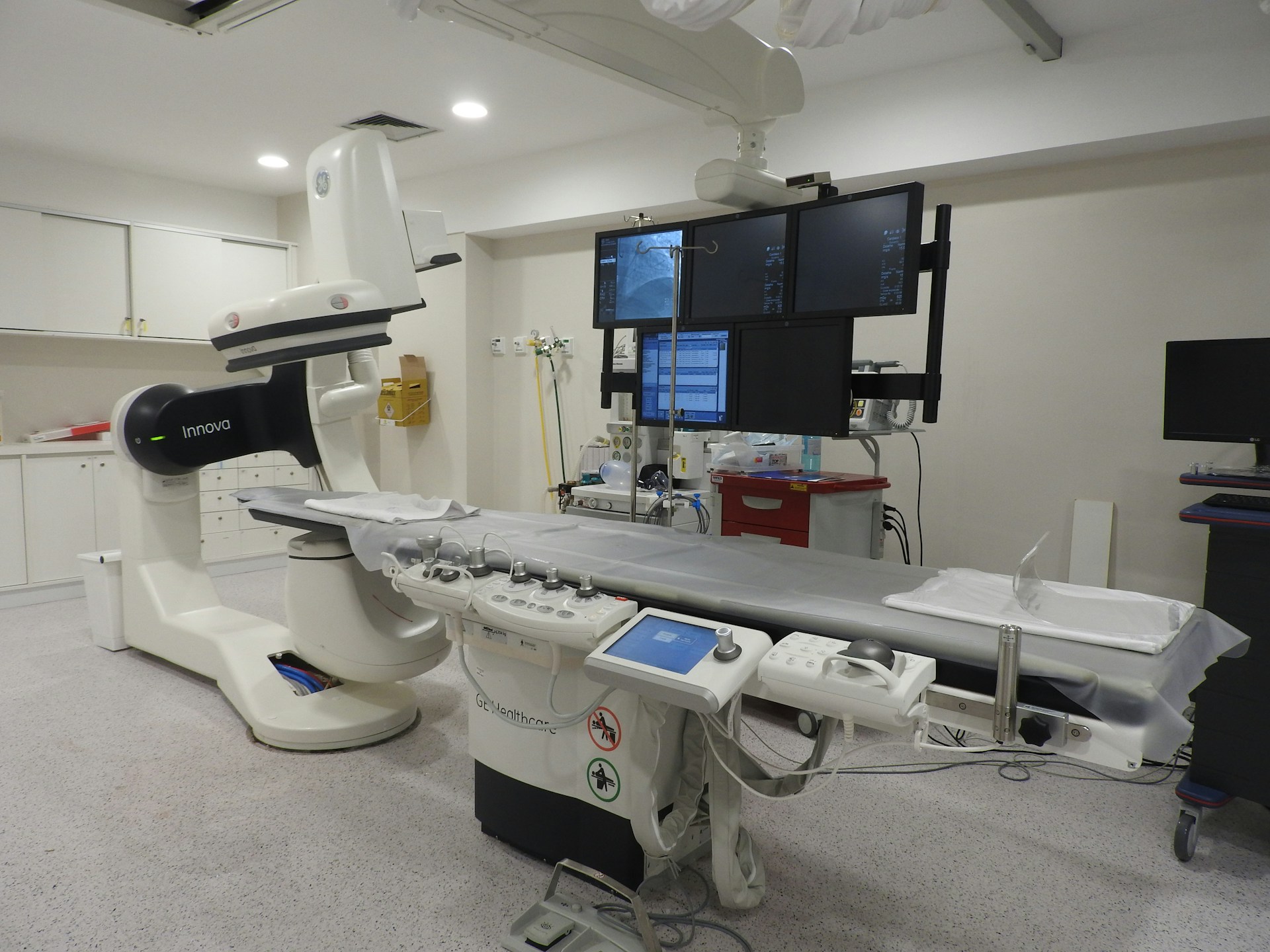
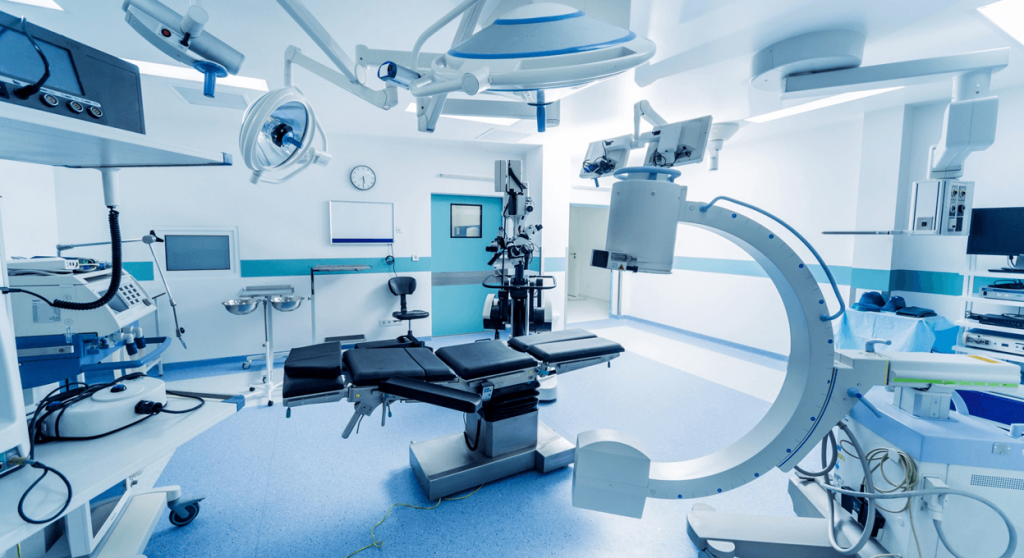
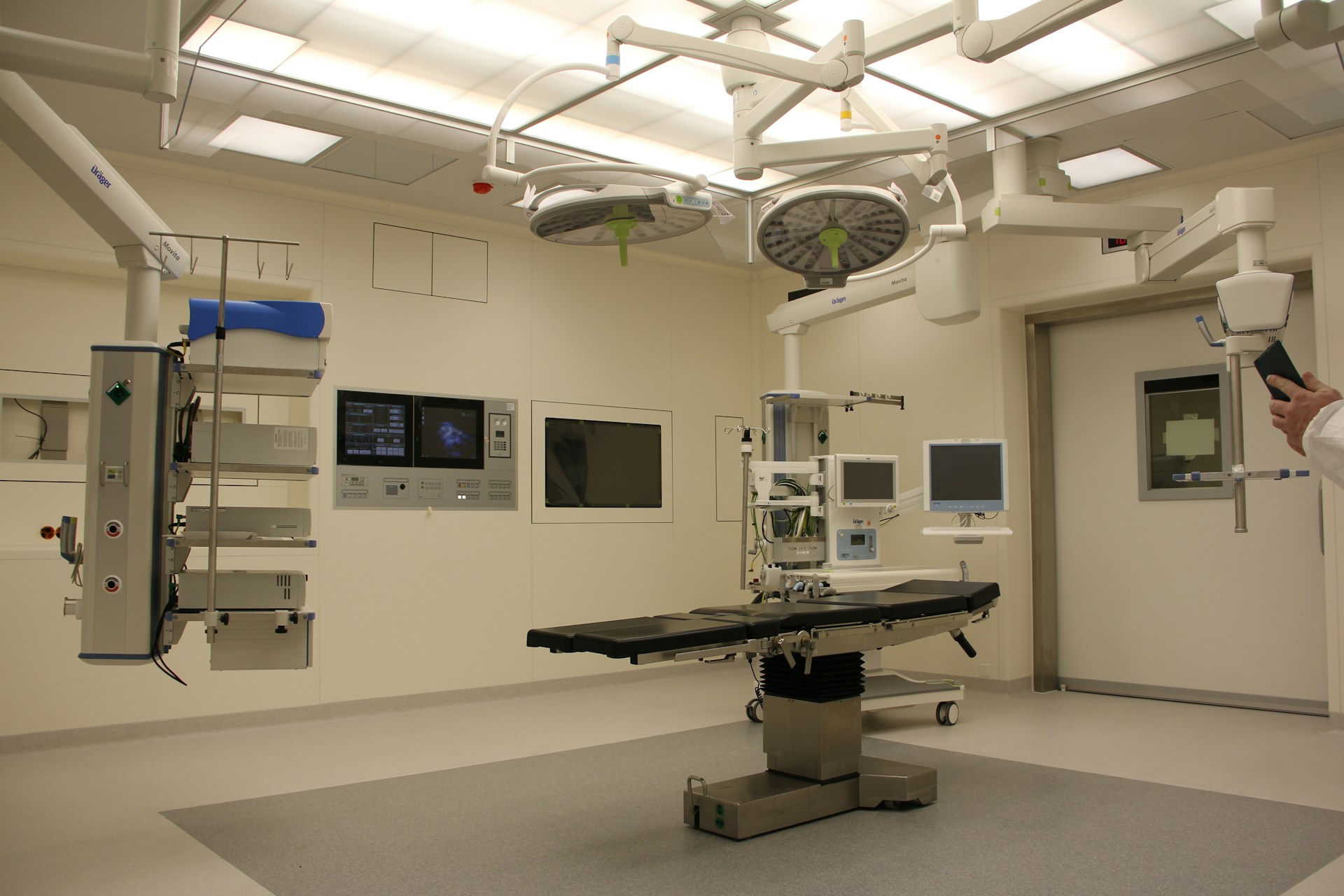
Determining the locations of medical devices and equipment relative to one another is essential to ensuring proper performance and avoiding interference. For example, hybrid operating rooms contain large imaging systems that must function seamlessly together, allowing doctors to provide patient care in one location.

5- Managing Complex Logistics

  • The implementation of new medical technologies requires meticulous planning at all levels.
  • Planning begins from the pre-design phase through to the construction phase.

Conclusion

Opening a new hospital is a significant milestone for any organization. Healthcare providers worldwide face an increasingly competitive environment. With continuous technological advancements, healthcare institutions must keep pace with these changes through proper medical equipment planning while considering the costs and other factors discussed in this article. If you own a medical center or hospital and are planning to purchase medical equipment, contact HSI Center, pioneers in biomedical engineering and healthcare solutions, and we will assist you in planning medical equipment for your healthcare institution.

Source: Hospital Medical Equipment Planner

All copyrights reserved to © HSI