Five Essential Considerations for Designing a Highly Efficient Operating Room

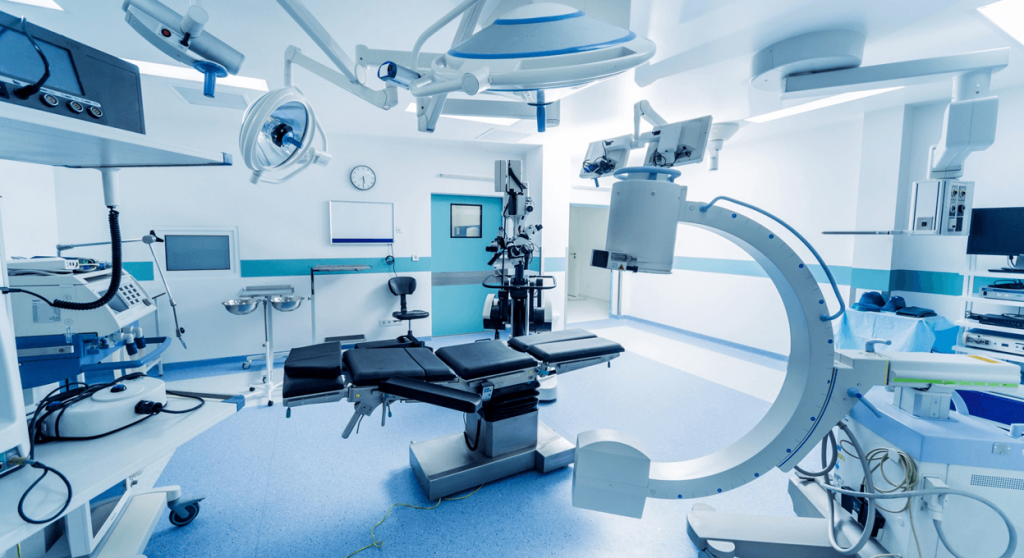
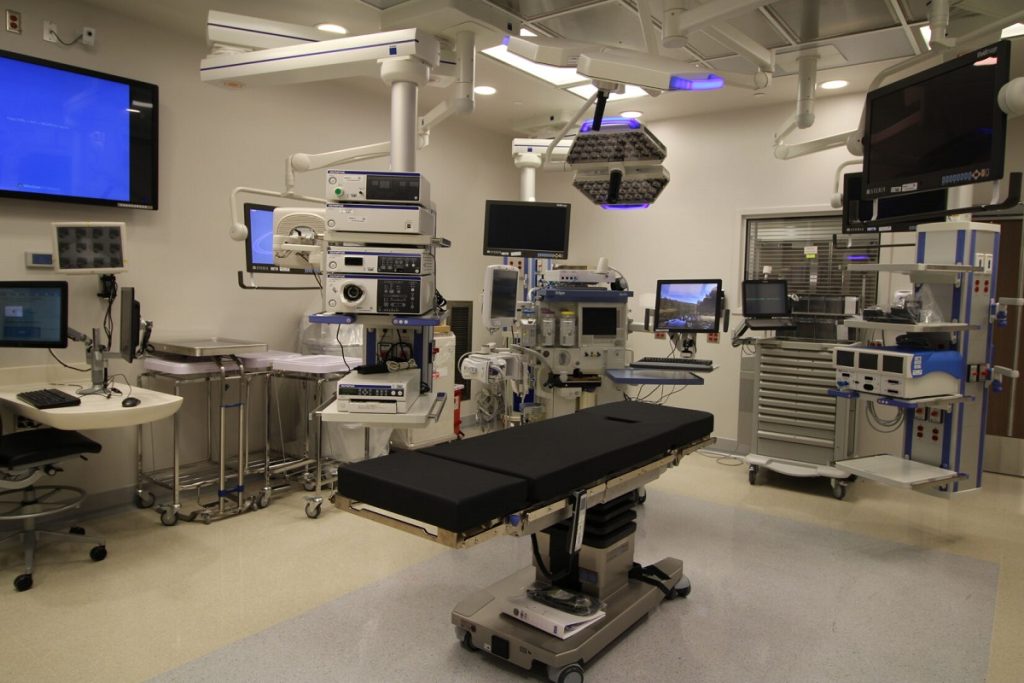
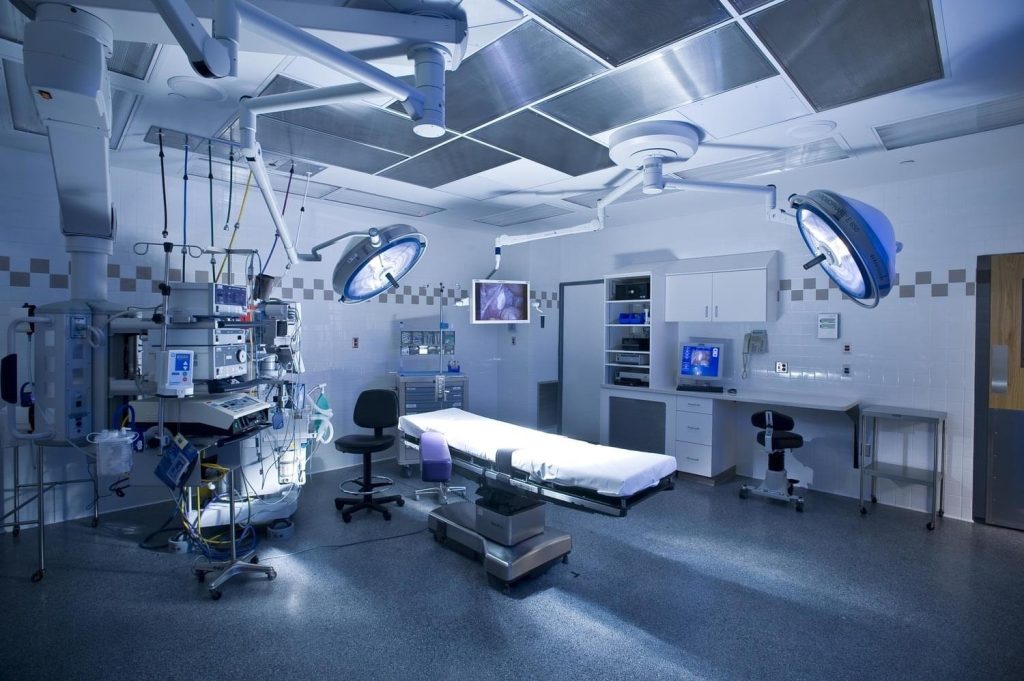
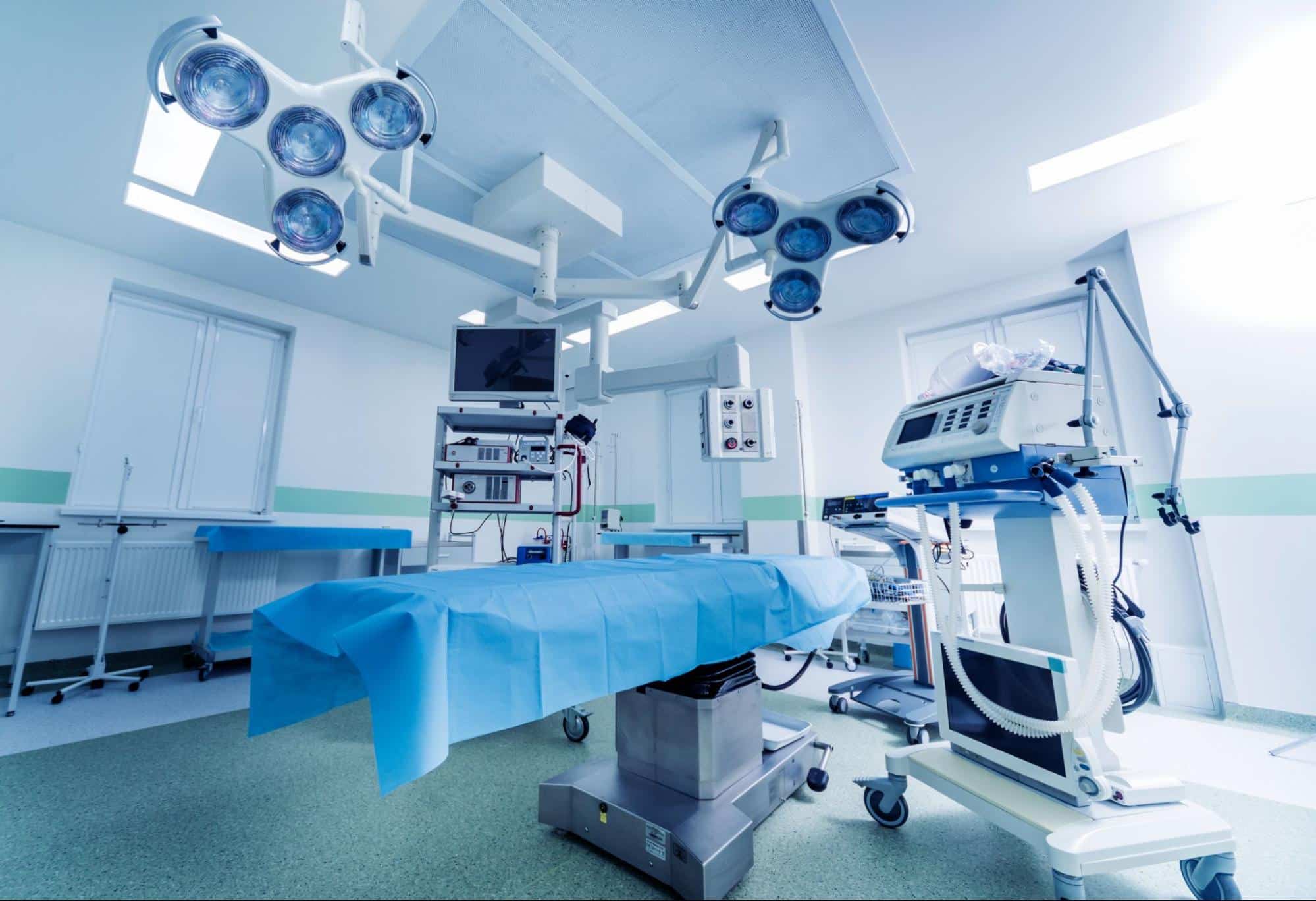
Designing a Highly Efficient Operating Room properly is a critical factor in enabling hospitals to have efficient operating rooms that can adapt to ongoing innovations in healthcare and better safeguard patient health. Given the significant role that operating rooms play in saving patients’ lives, attention must be paid to the environment where surgeries are performed, regardless of their type.

Considering the current social and economic situation in the healthcare sector, hospitals must optimize their resources more than ever. Efficiency, performance, and innovation must integrate to reduce healthcare spending without compromising patient-centered care.

Operating Room Zoning

Modern hospital operating rooms are committed to creating distinct and differentiated areas within the surgical zone. The primary goal is to prevent potential contamination and infection of patients, as the major source of postoperative wound infections stems from improper handling of shared spaces between medical staff and patients.
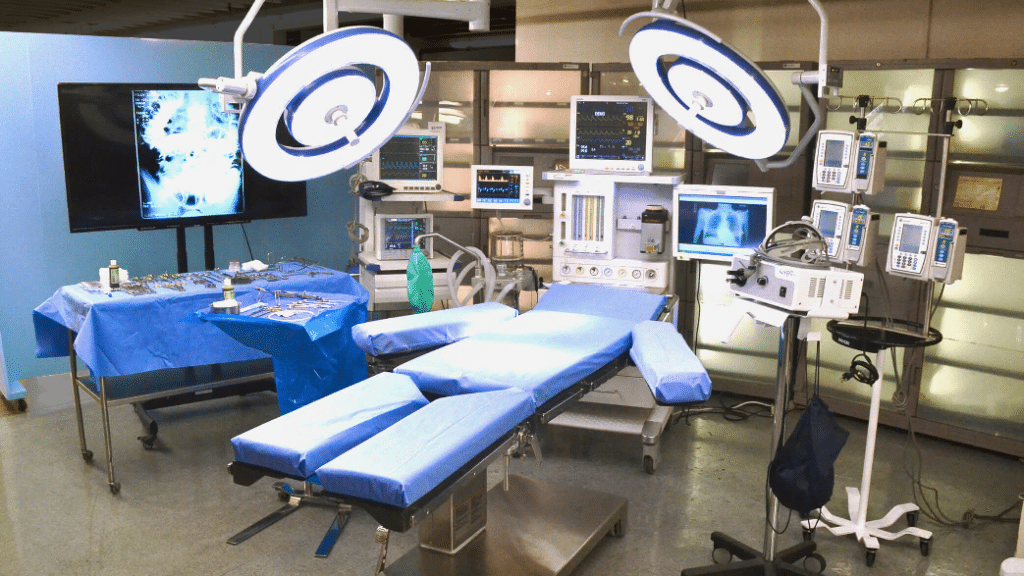
designing Efficient Operating Room

Therefore, dividing the structure of the operating room into three different zones reduces and eliminates sources of contamination:

  • Black Zone: This is the initial isolation area upon entering the operating room. Here, the patient is prepared with appropriate surgical attire. It is the area where patients are received, with semi-restricted access, and includes administration and changing rooms.
  • Gray Zone: The clean area where individuals present must wear sterile masks and caps. Patient companions and medical staff are allowed in this area. It contains the pharmacy, storage for surgical instruments, and access areas to operating rooms.
  • White Zone: An area with maximum restrictions, where the operating room and sterile access corridors are located. In this zone, doors must remain closed at all times.

Operating Room Design

In improving hospital and healthcare center facilities, surgical intervention areas, or operating rooms, are among the most critical areas to consider. One of the key steps to enhance them is innovation in operating room design, taking into account essential design considerations, which we will discuss in this article.

When designing surgical rooms, the location and flow of patients, staff, and materials should be considered as the three main elements during the design stages of the operating room. Additionally, isolating it from the main traffic in the hospital, having direct access to recovery units, communication with pharmacy units, radiology, and emergency entrances are important. The surgical area should also have good lighting focused on the surgical table and provide proper air conditioning.
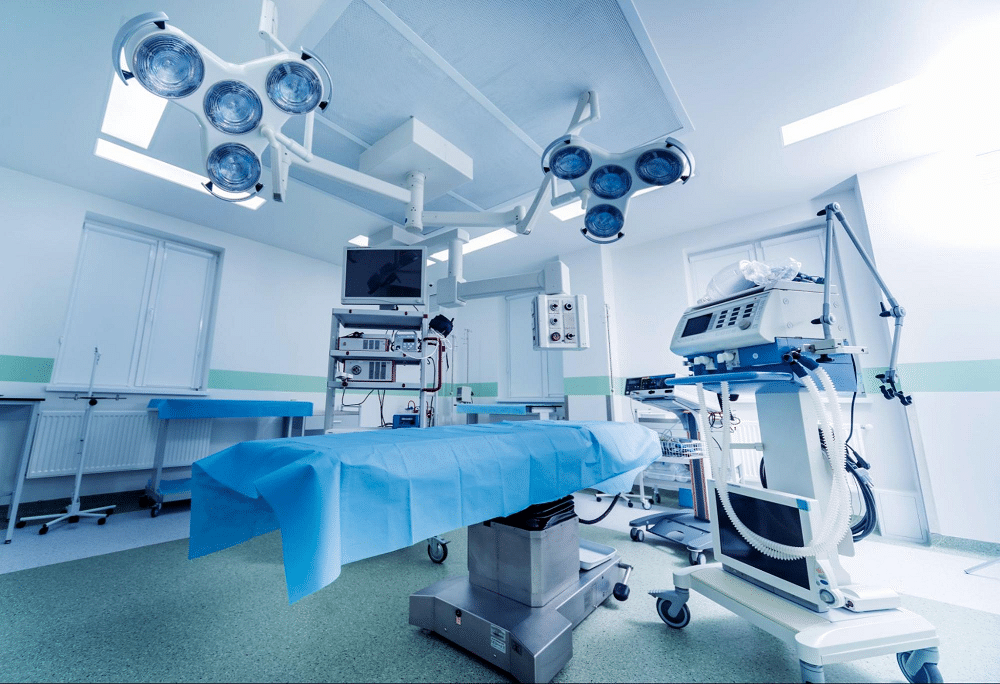
Operating Room Zoning

Consideration should be given to providing a sterile protection area, changing rooms for all medical staff, rooms for administrative staff, a cleaning room, and equipment storage.

It should also include several sub-areas such as:

  • Preoperative registration or reception area.
  • Preparation area.
  • Anesthesia room.
  • Post-anesthesia care units.
  • Facilities for cleaning staff.

Basic Requirements When Designing Operating Rooms

  • Double Circulation Design: Operating areas should be designed with a double circulation system to ensure proper workflow protocols.
  • Separation of the Clean Area: The clean area in the operating room should be defined and separated from other areas.
  • Proper Air System: An appropriate air system is essential, and positive pressure gradients must be maintained.
  • Surgical Handwashing Area: A surgical handwashing area with a sensor-operated sink should be provided.
  • Size of Surgical Rooms: Operating rooms should have a minimum area of 25 square meters.
  • Floor Materials: The floor should be made of semi-conductive materials connected to the ground, with attention to electrical installations and their maintenance.
  • Doors: Doors should be tightly sealed or sliding and operate automatically.
  • Surface Coverings: Walls, ceilings, and floors should be covered with smooth materials, free from cracks or openings.
  • Avoiding Gaps: Gaps such as corners and crevices should be avoided.
  • Emergency Communication System: Rooms should have an optimal communication system for emergencies, including telephones, intercoms, buzzers, emergency lights, and a computer area.
  • Lighting: Lighting should be appropriate, preferably using LED lights.
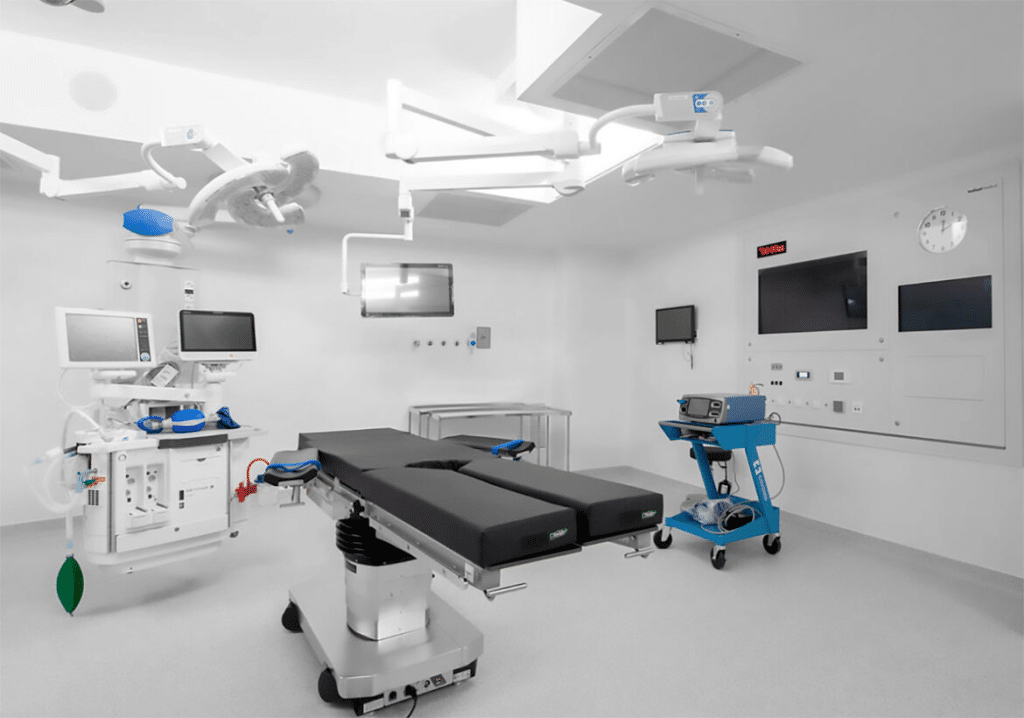
Operating- Room

Key Considerations When Designing Operating Rooms

Designing operating rooms is a critical task that combines functionality, safety, and comfort. The environment where surgical procedures are performed must be meticulously planned, as its design plays a significant role in the success of surgical operations. Therefore, it is essential to consider several factors to ensure that these spaces meet the needs of healthcare professionals and provide the best possible outcomes for patients.

1- Attention to Operating Room Layout

The design should facilitate the smooth flow of personnel and equipment, minimizing the risk of contamination during procedures. An effective layout typically includes designated areas for surgical instruments, a sterile zone where the surgical team operates, and clear pathways for easy access to essential medical supplies. Additionally, integrating advanced technology, such as surgical lighting and imaging systems, should be seamless to enhance the room’s functionality.

2- Infection Control Measures

Preventing infections is paramount when designing an operating room, as these environments can be breeding grounds for bacteria and viruses. It’s crucial to implement measures to prevent the spread of infections. One advantage of maintaining a lower temperature in the operating room is that microorganisms grow more slowly at reduced temperatures. Key considerations for infection control include:

  • Using non-porous, easy-to-clean materials in the construction of the operating room.
  • Designing walls, floors, and ceilings to minimize dust accumulation and facilitate maintenance.
  • Carefully planning the ventilation system to ensure proper air circulation and filtration, thereby reducing the risk of airborne contaminants.

3- Adequate Lighting

Sufficient lighting is essential for the surgical team to have clear visibility and perform precise procedures. Utilizing a combination of ambient lighting and task lighting can provide the necessary illumination.

4- Facilitating Movement

Ergonomics cannot be overlooked in operating room design. The layout should promote comfort and ease of movement for the surgical team. Factors such as the height of surfaces, accessibility of equipment, and the positioning of monitors can significantly impact the efficiency and effectiveness of work in the operating room.

5- Integrating Technology into Operating Room Design

Advanced surgical equipment and integrated technology can enhance surgical precision and improve communication among the surgical team. Ensuring that all technological components are seamlessly incorporated into the operating room design can streamline workflow.

In conclusion, designing operating rooms is a multifaceted process that requires careful consideration of various factors, including layout, infection control, lighting, ergonomics, technology integration, and collaboration with healthcare professionals. By focusing on these elements, designers can create operating rooms that support the surgical team in delivering high-quality patient care and achieving successful surgical outcomes.

At HSI, we offer specialized courses to guide and assist healthcare professionals, including effective strategies for designing operating rooms that serve patients and enhance overall medical services.

Source: All the Keys to the Correct Design of an Operating Theatre
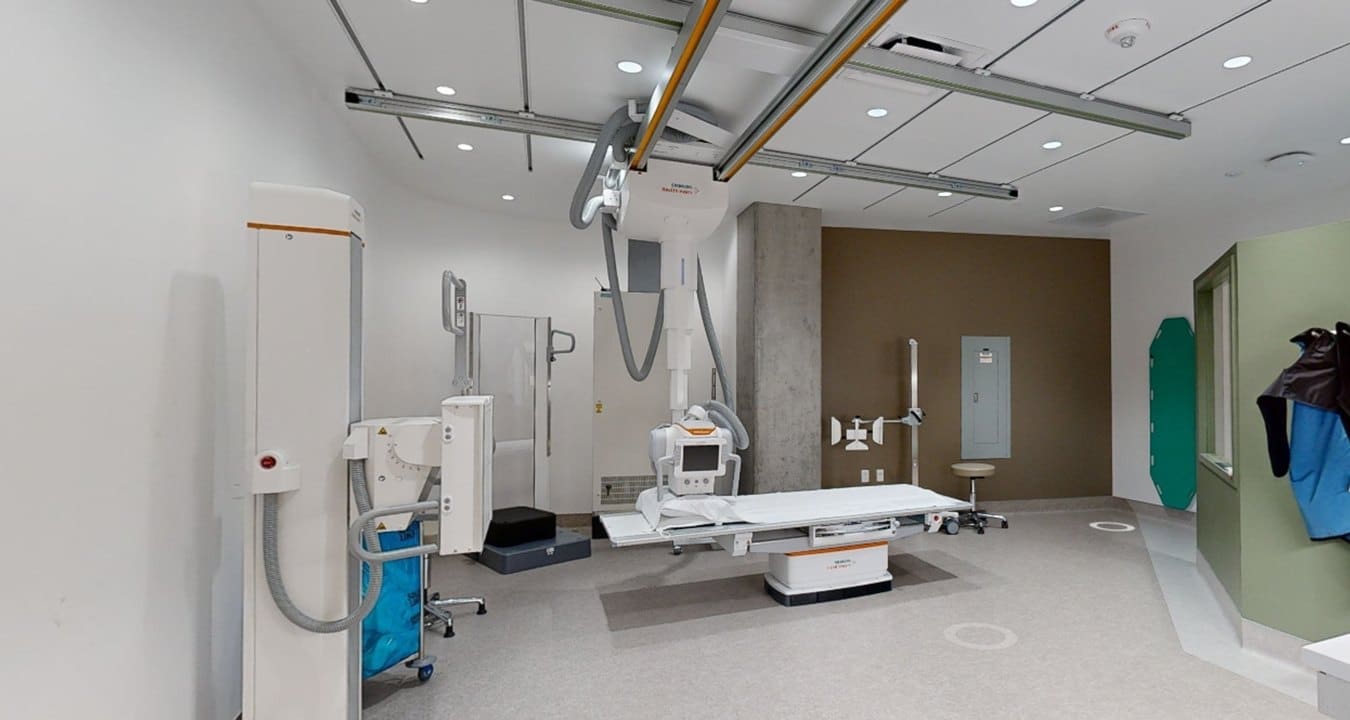
Medical Equipment Planning in New Hospitals

There is no doubt that the process of purchasing medical equipment can be long and complex. Therefore, medical equipment planning is crucial for healthcare facilities, such as hospitals and surgical centers, that strive to maintain a high standard of healthcare quality. But what about purchasing medical devices and equipment when building a new hospital or renovating an existing facility? When should medical equipment planning discussions begin? This article will provide a detailed insight into medical equipment planning in hospital construction projects and its importance.

Medical Equipment Planning Process

Medical devices and equipment are fundamental components of healthcare delivery. Equipping healthcare facilities requires precise planning and prior coordination to ensure that clinical needs and equipment requirements align with appropriate design and functionality. The ultimate goal of planning is to ensure that all selected products are fit for purpose, within the allocated budget, and purchased, delivered, and operated according to the medical institution’s construction program.

Medical Equipment Procurement

Stages of Medical Equipment Planning

Medical equipment planning involves several stages, including equipment assessment, budgeting, equipment selection, defining technical specifications, and equipment procurement. These steps consider the required technology level, programmatic planning goals, and available budget. Each project is unique, and the first step is to understand the medical institution’s strategy and scope to determine equipment needs, as follows:

1- Equipment Assessment

  • Auditing existing equipment, both large and small, to evaluate its efficiency in terms of performance and cost.
  • Preparing a list of responsibilities that defines tasks related to planning, purchasing, receiving, and installation.
  • Evaluating the efficiency and usability of current equipment.
  • Determining the possibility of reusing or relocating equipment to other sites.
  • Preparing a list of new equipment and estimating the initial budget.

2- Budget Preparation

  • Each facility has different financial needs, so interviews are conducted with departments to understand equipment preferences, concerns, and priorities.
  • Reviewing architectural designs to identify elements that may affect equipment functionality or staff operations.

3- Defining Equipment Specifications

Once specifications are finalized, bidding documents are prepared, and a list of potential suppliers is created.

4- Procurement

  • Purchasing medical devices and equipment is the most expensive phase of medical equipment planning and must be done at the lowest possible cost while considering priorities and needs.

5- Receiving and Logistics

  • Coordinating with architects and contractors to ensure the safe delivery and timely installation of equipment.

Medical Equipment Planning

Understanding Medical System Requirements

System coordination is a key factor in hospital design, especially with the ongoing evolution of digitization. Systems such as lighting, alarm devices, and ventilation must all function in perfect coordination to ensure a safe and efficient operational environment. Additionally, advanced medical equipment and surgical tools require precise environmental conditions depending on their usage. Factors such as humidity and temperature must be optimally controlled while ensuring that systems support infection control requirements, which are critical for patient safety during treatment.

Key Considerations When Purchasing Medical Equipment

  1. It is preferable to select equipment that comes with maintenance services and warranty contracts, as these often provide added value for a minimal additional fee.
  2. Room design should be jointly planned by experts, contractors, and healthcare teams to ensure optimal space utilization.
  3. Medical equipment planning helps evaluate institutional needs and ensure compliance with local regulations.
  4. Choosing suppliers with a proven track record of providing direct on-site services and ensuring precise delivery.
  5. Regulatory laws should be considered, and compliance with local and international regulatory standards should be verified when purchasing equipment.
  6. Planning for equipment delivery and installation during non-peak periods ensures minimal disruption to medical operations.
  7. Involving relevant departments that will use the equipment daily in the purchasing process ensures that equipment meets their needs.
  8. Biomedical engineering teams must inspect and test equipment before final acceptance and conduct electrical safety tests before signing contracts.

Challenges in Planning Healthcare Facility Equipment

Medical equipment is highly complex and constantly evolving. Its installation requires specialized knowledge of design standards, precise installation measures, and the necessary environmental conditions to ensure optimal performance. These requirements impose multiple design challenges, along with the need to handle logistical complexities while minimizing overall costs. Below are the key challenges related to medical equipment planning in new hospitals and ways to overcome them.

1- Technological Challenges

Technological challenges represent the first step in identifying issues associated with hospital equipment planning. Equipment planners must determine technological requirements as early as possible to ensure smooth implementation. Key aspects to consider include:

  • Actual size: What is the size of the equipment? What are the required dimensions for the treatment room?
  • Weight: Is the equipment heavy? Does the floor structure need additional reinforcement?
  • Accessibility: What are the access requirements for medical staff, patients, and maintenance teams?
  • Facilities and services: What facilities are required (electricity, water, ventilation, etc.)?
  • Integration with Electronic Health Records (EHR): Is additional software needed?
  • Risks: Are there any specific risks associated with this equipment?

Medical Equipment Procurement

2- Equipment Procurement

  • The challenges of procuring equipment involve several aspects, such as identifying suppliers, negotiations, maintenance contracts, and equipment delivery.
  • Equipment planners must purchase auxiliary devices and determine installation requirements and costs.
  • They should also develop a plan for protecting and storing equipment before installation, as hospitals may not have adequate storage space for equipment assembly before installation.

3- Project Management

  • Given the limited time allocated for equipment installation, project management must be professionally handled by equipment planners or project managers.
  • This task requires specialized expertise to ensure adherence to deadlines, minimize disruptions, and control costs.
  • Any delays in installation can be costly, making comprehensive coordination at each stage essential to avoid unexpected setbacks.

4- Challenges of Equipment Proximity

Determining the locations of medical devices and equipment relative to one another is essential to ensuring proper performance and avoiding interference. For example, hybrid operating rooms contain large imaging systems that must function seamlessly together, allowing doctors to provide patient care in one location.

5- Managing Complex Logistics

  • The implementation of new medical technologies requires meticulous planning at all levels.
  • Planning begins from the pre-design phase through to the construction phase.

Conclusion

Opening a new hospital is a significant milestone for any organization. Healthcare providers worldwide face an increasingly competitive environment. With continuous technological advancements, healthcare institutions must keep pace with these changes through proper medical equipment planning while considering the costs and other factors discussed in this article. If you own a medical center or hospital and are planning to purchase medical equipment, contact HSI Center, pioneers in biomedical engineering and healthcare solutions, and we will assist you in planning medical equipment for your healthcare institution.

Source: Hospital Medical Equipment Planner

All copyrights reserved to © HSI