Comprehensive Guide to Choosing Medical Equipment for Your Hospital

Medical equipment is considered the cornerstone of delivering effective and high-quality healthcare within hospitals. It plays a pivotal role in diagnosing diseases, treating patients, and monitoring their conditions. With rapid technological advancements, choosing the right medical equipment has become a complex task that requires a careful study of several factors to ensure the best patient outcomes and improve operational efficiency within the hospital. Making informed decisions regarding the selection of medical equipment directly impacts the quality of healthcare services provided, patient safety, and the economic viability of the medical institution.

With a wide range of options available, those responsible for choosing medical equipment may find themselves facing a significant challenge. The vast diversity in device types, specifications, technologies, and manufacturers necessitates the existence of a comprehensive guide that assists in making the right decisions. This article aims to serve as that guide by discussing the fundamental criteria to consider when selecting medical equipment for your hospital, with a focus on patient needs, safety, and ensuring accuracy and reliability.

Choosing Medical Equipment

Essential Criteria to Consider When Choosing Medical Equipment
The process of choosing the right medical equipment requires a careful evaluation of several essential criteria to ensure that the health needs of patients are met and the hospital’s objectives are achieved.

Patient Needs and Safety

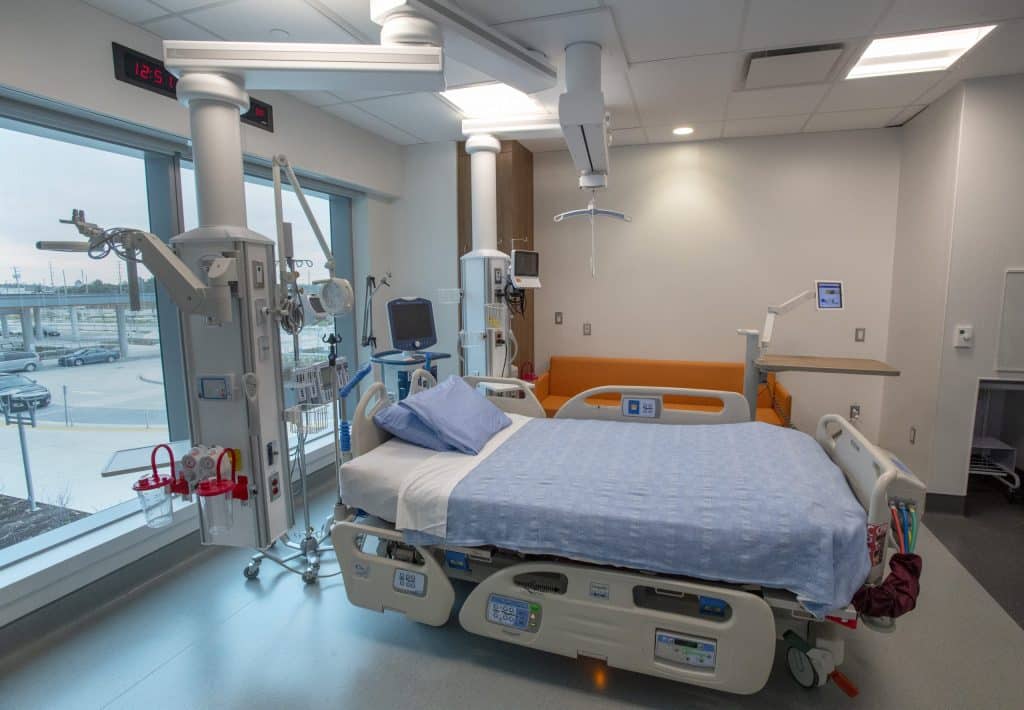
The first and most important factor to consider when choosing medical equipment is the specific needs of patients and their safety. The hospital must accurately determine the demographic profile of the patients it serves, including their average ages, common health conditions, and the medical specialties provided. For instance, if the hospital serves a large number of children, it is crucial to select medical equipment specifically designed to meet their needs, taking into account their small sizes and unique physiological requirements. Similarly, the medical furniture should be comfortable and practical to accommodate patients of different ages and categories.
Choosing Medical Equipment

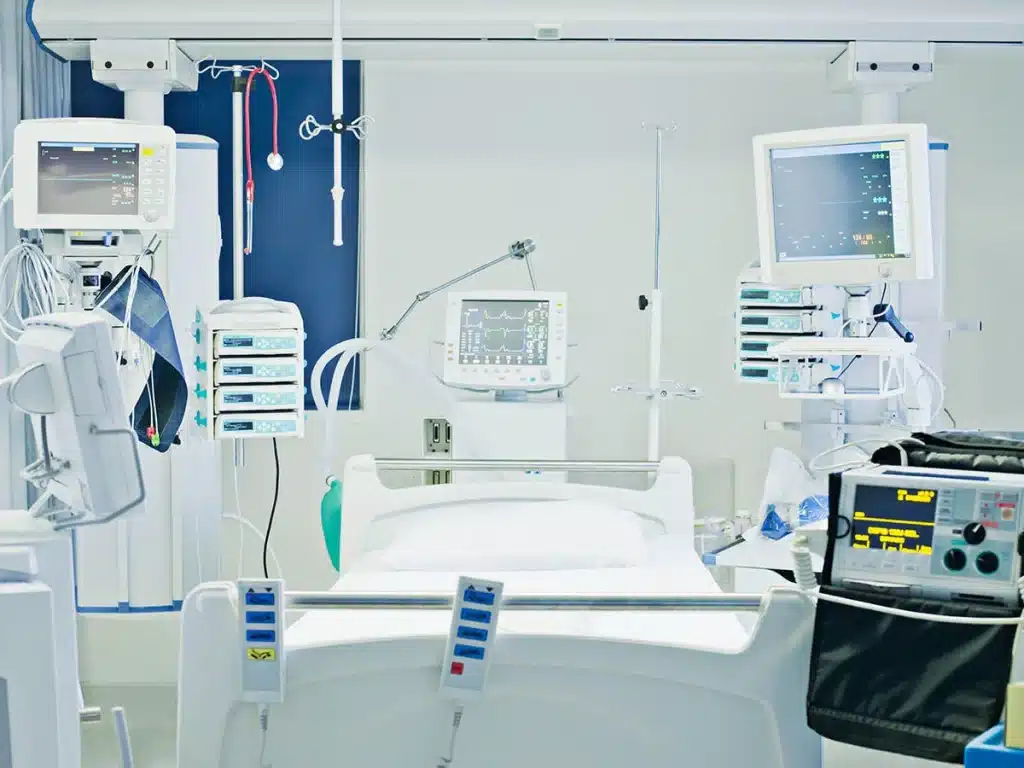
Ensuring patient safety is of utmost importance. Medical equipment should be chosen with built-in safety features, such as alarm systems that alert the medical staff in case of any malfunction or abnormal readings. The equipment should also include automatic shut-off mechanisms to reduce potential risks and infection control procedures to prevent the spread of diseases. For example, when selecting medical equipment such as vital signs monitors, features such as continuous monitoring, alerts for abnormal readings, and secure data transmission to prevent unauthorized access must be considered.

Another critical aspect is compatibility with existing healthcare systems to ensure smooth integration and efficient data management. It is essential to ensure that the new equipment can be easily integrated with the electronic health record (EHR) system and other medical devices used within the hospital. This integration helps streamline workflows, improve data accuracy, and enhance overall clinical efficiency.

Accuracy and Reliability

Accuracy and reliability are key characteristics when choosing medical equipment. Inaccurate or unreliable devices can lead to misdiagnosis and ineffective treatment, thereby endangering patient health. To ensure accuracy, it is necessary to select medical equipment that has undergone rigorous testing and obtained the necessary regulatory approvals. Look for quality certifications such as ISO 13485, which pertains to quality management systems in the medical device industry and ensures that manufacturers adhere to global safety and quality standards.

It is also important to research the reputation of the manufacturer and evaluate its performance in real-world environments. Obtaining feedback from other healthcare professionals who have used the equipment can provide valuable insights into its performance under clinical conditions. Additionally, the availability of support and maintenance services should be taken into account to ensure that any issues can be promptly resolved, minimizing downtime.

Economic Viability and Long-Term Value

While the initial cost of medical equipment is an important factor, it is equally crucial to assess the long-term value and economic viability of the selection. A cost-benefit analysis should be conducted to determine whether the benefits of the equipment outweigh its expenses in the long run. Factors such as durability, warranty coverage, and the potential for future upgrades or modifications should be considered.

Investing in high-quality equipment that offers long-term value can lead to cost savings and improved patient outcomes over time. For example, choosing medical equipment with advanced features and connectivity capabilities can enhance efficiency and data management, resulting in better clinical decision-making and a reduction in manual paperwork. Additionally, the availability of spare parts, as well as maintenance and repair costs, should be considered. Often, choosing medical equipment from reputable manufacturers ensures a reliable supply of spare parts and access to a network of authorized service centers, which minimizes downtime and extends the lifespan of the equipment.

Ensuring Quality and Safety in Choosing Medical Equipment

To guarantee that the selected medical equipment meets the highest standards of quality and safety, hospitals must follow several key steps.

Verifying Quality Certifications and Industry Standards:

Hospitals should meticulously check quality certifications and industry standards when choosing medical equipment. The ISO 13485 certification is one of the most important in this field, as it indicates that the manufacturer has a quality management system that meets the requirements for medical devices. Additionally, it is essential to ensure that the equipment has obtained the necessary regulatory approvals from both local and international authorities, such as the U.S. Food and Drug Administration (FDA) or the CE mark in Europe.

Conducting a Comprehensive Risk Assessment for the Equipment:

The process of choosing medical equipment should include a thorough risk assessment of the potential hazards associated with using the equipment. It is important to identify and evaluate the risks that patients and healthcare providers may face and to implement measures to mitigate these risks. For example, ensuring that the equipment is user-friendly can reduce the likelihood of user errors, and selecting devices made of biocompatible materials can minimize the risk of adverse reactions in patients. Furthermore, appropriate protocols for cleaning and sterilizing the equipment should be established to prevent the spread of infections.

Impact on Hospital Efficiency and Patient Outcomes

The proper selection of medical equipment has a significant impact on the efficiency of hospital operations and patient outcomes.

Accurate and Timely Diagnosis of Diseases:

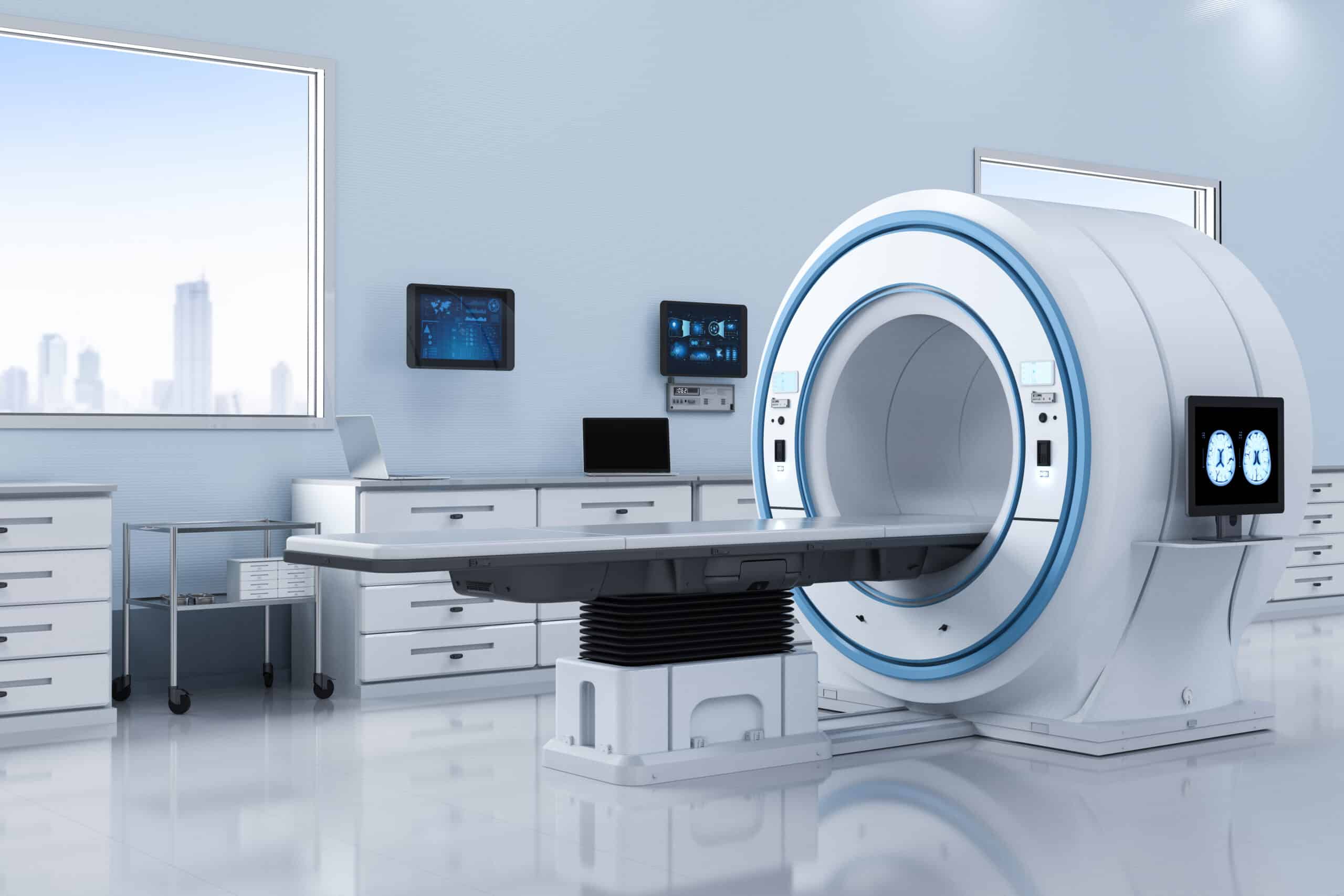
Modern and advanced medical equipment contributes to the precise and prompt diagnosis of diseases. Advanced imaging devices such as Magnetic Resonance Imaging (MRI), Computed Tomography (CT) scans, and Electrocardiogram (ECG) machines provide detailed images and accurate information that help physicians detect diseases at early stages and precisely determine their characteristics. Early diagnosis can lead to more effective treatment and increase the chances of full recovery.
Improved Treatment Outcomes:

The impact of choosing the right medical equipment extends to improving the treatment outcomes of diseases. Advanced medical devices, such as ventilators, blood pumps, artificial heart devices, and minimally invasive surgical instruments, provide effective tools for delivering appropriate treatment for a variety of conditions. These technologies help accelerate the recovery process, reduce the risk of complications, and enhance the overall quality of life for patients.

Reducing the Risk of Injuries and Complications:

Selecting the appropriate medical equipment can significantly reduce the risk of injuries and complications among patients. Modern patient monitoring systems offer continuous surveillance of vital signs and provide timely alerts in case of any abnormal changes, allowing the medical staff to intervene swiftly. Moreover, the use of minimally invasive surgical tools reduces the size of incisions, shortens recovery periods, and minimizes the risk of infections and other complications associated with traditional surgery.

Enhancing Operational Efficiency in Hospitals:

The adoption of modern medical equipment leads to improved operational efficiency within hospitals. Advanced devices can streamline workflows, enhance data management, and reduce the length of hospital stays. For instance, remote patient monitoring systems can decrease the need for frequent in-person visits to the hospital or clinic, thereby reducing healthcare costs. Additionally, the implementation of automated systems minimizes human error and increases the speed and accuracy of clinical processes.

Choosing the right medical equipment for your hospital is a strategic decision that profoundly affects the quality of healthcare, patient outcomes, and operational efficiency. It requires a comprehensive and well-thought-out approach that considers patient needs, safety, accuracy, reliability, training, technical support, and a detailed analysis of economic viability and long-term value.

Collaboration among doctors, technicians, and administrators is essential during the equipment selection process to ensure that the needs of all stakeholders are met. The selection of medical equipment should be viewed as an ongoing process that necessitates regular evaluation and updates to keep pace with technological advancements and changing patient needs. By making informed decisions, hospitals can ensure that they are equipped with the best medical equipment to provide high-quality and effective healthcare to their patients.

If you wish to receive comprehensive courses in the field of biomedical engineering to develop yourself and enhance your skills, HSI provides you with the necessary tools to ensure a bright future as a biomedical engineer. All you need to do is check out our services and contact us for more information.
How to Effectively Design an Intensive Care Unit

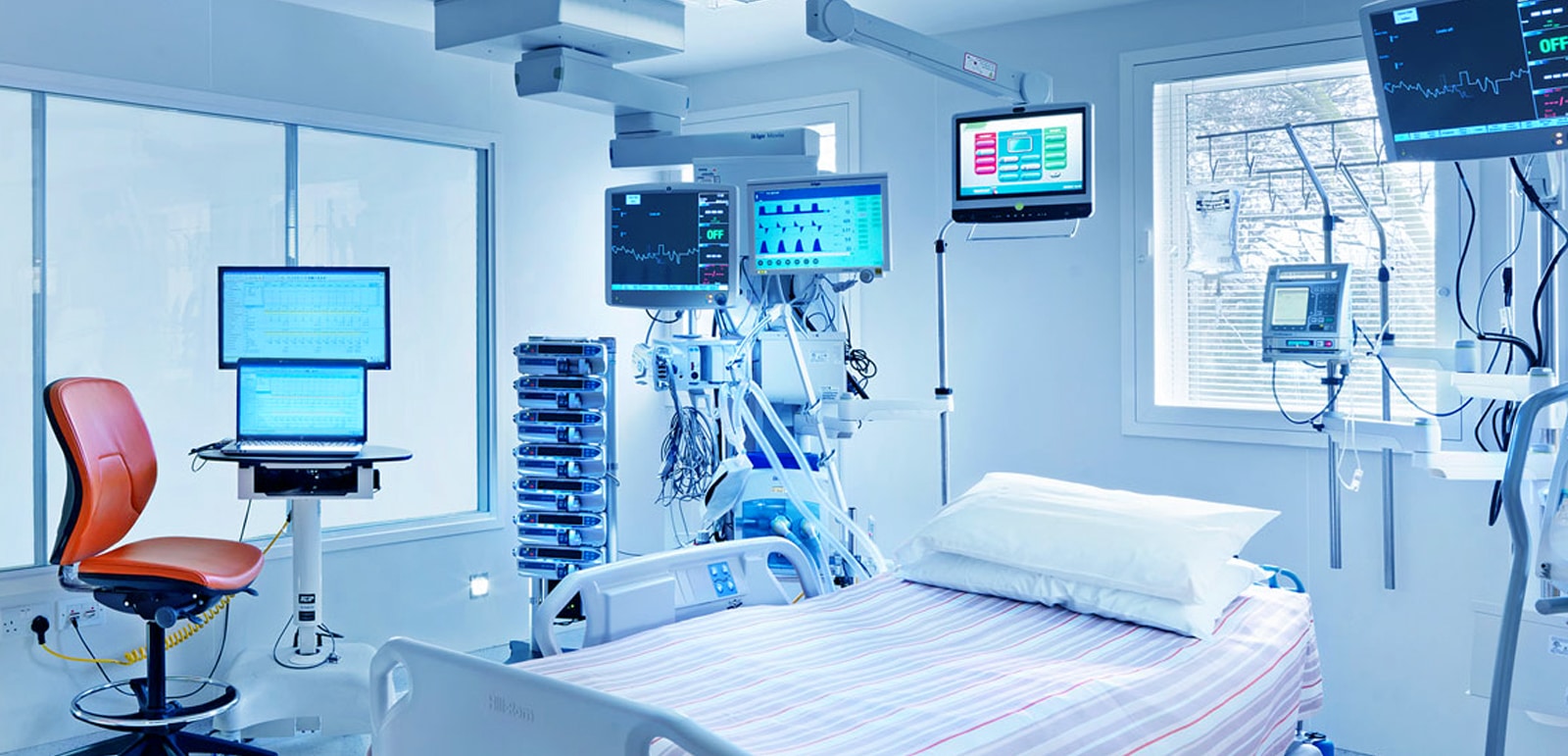
There is no doubt that the Intensive Care Unit (ICU) is one of the most crucial departments within medical facilities. However, the spotlight on the importance of ICU design gained momentum with the COVID-19 pandemic, which highlighted the critical need for such units. Modern ICUs are no longer limited to a single unit handling all critical cases. Facilities with specialized departments, such as surgery, pediatrics, neonatology, and cardiology, often have separate ICUs tailored to each specialty. Let’s explore how ICUs have evolved over time to meet patients’ needs.

Designing an Intensive Care Unit

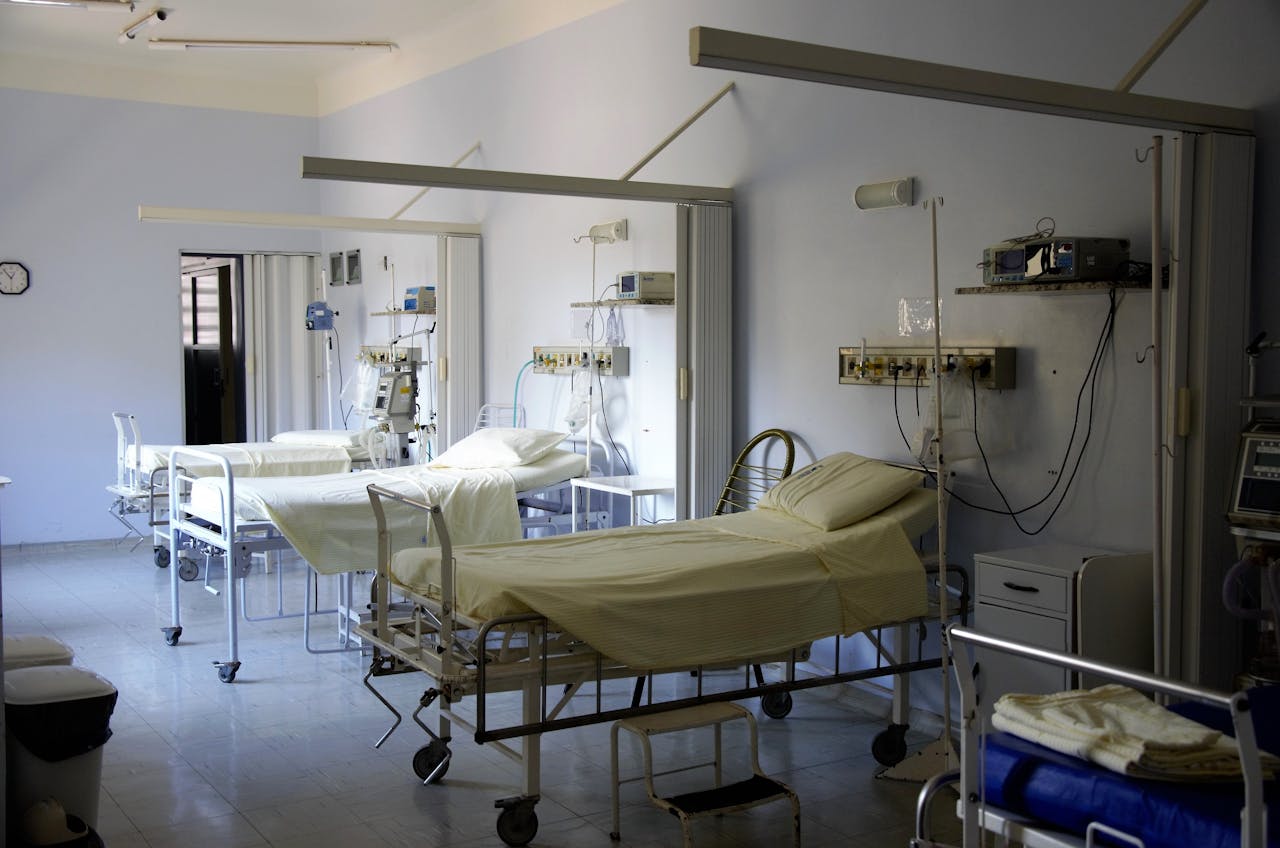
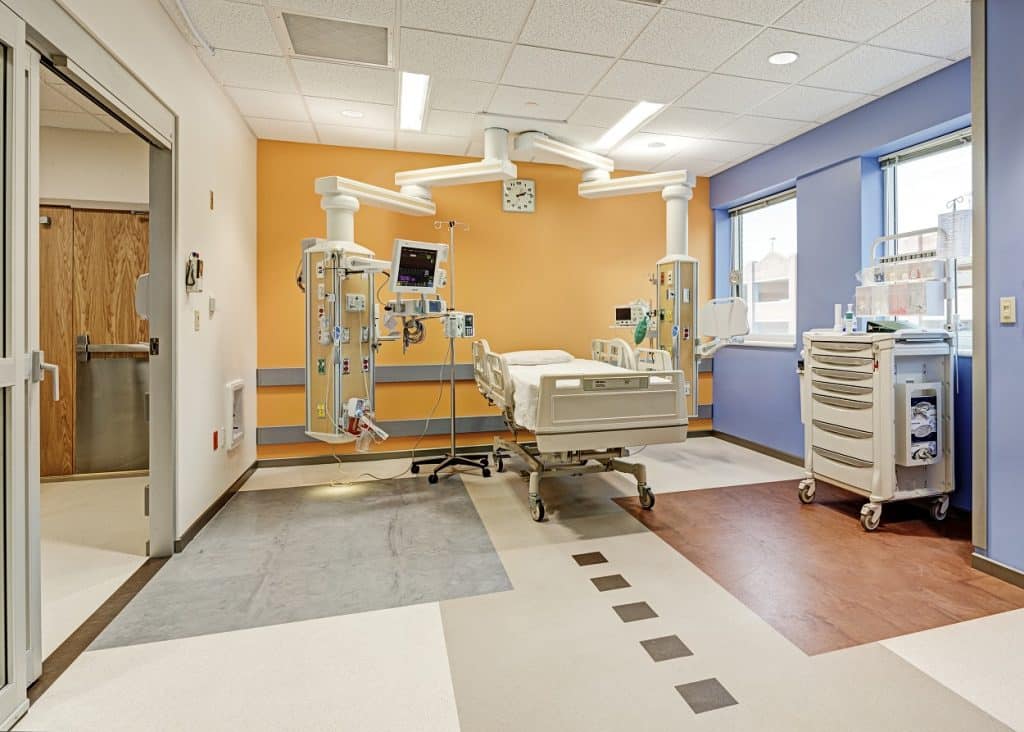
Establishing an effective ICU requires specialized architectural and structural design to meet the demanding needs of intensive care. Studies indicate that efficient ICU design has a direct impact on patient morbidity and mortality rates, reduces medical errors, shortens patient stays, improves outcomes, and helps lower treatment costs.

Considerations for ICU and CCU Design

ICU vs. Critical Care Units

What is the difference between an Intensive Care Unit (ICU) and a Critical Care Unit (CCU), also known as a Coronary Care Unit? Both are designed to provide specialized medical care for critically ill patients.

Patients may be admitted to an ICU for various reasons, including planned admission after surgery, unplanned admission due to an accident, or a severe decline in health.

ICU teams consist of highly skilled professionals, such as ICU nurses, doctors, and specialists, trained to provide critical care to patients suffering from diverse medical, surgical, and trauma-related conditions.

Some hospital ICUs specialize in specific medical conditions or injuries, such as major trauma, severe burns, respiratory failure, organ transplants, complex spinal surgeries, and cardiothoracic procedures.

Levels of Critical Care

There are three levels of adult critical care:

  • Level 1: Requires basic monitoring or minor interventions after discharge from advanced care.
  • Level 2: Focuses on pre-operative optimization or extended post-operative care.
  • Level 3: Involves advanced respiratory support or support for at least two organ systems.

Intensive Care Unit

Key Elements in Designing an Intensive Care Unit

Design guidelines for Intensive Care Units (ICUs) have recently gained significant recognition for their ability to create safer and more efficient healthcare environments for both patients and staff. These designs focus on optimizing the layout and functionality of ICU rooms to enhance patient care while supporting the needs of medical teams.

These designs are not based solely on personal preferences or assumptions; they incorporate research findings and scientific evidence to guide decision-making regarding patient care, staff needs, room design, and critical care. The following guidelines emphasize room layout, organization, staff training and expertise, and overall unit design.

1. Reducing Stress Levels

One of the primary benefits of evidence-based ICU design is its ability to reduce stress levels for patients, families, and medical team members in critical care rooms. The design of patient care rooms plays a vital role in influencing the emotional state and overall well-being of both staff and patients.

Evidence-based designs consider factors such as noise reduction in patient care rooms, privacy for critical care patients, exposure to natural light in staff areas, and access to natural views. These elements help create a calming environment that promotes healing and recovery.

2. Enhancing Lighting

Lighting is a critical element in ICU design, as it impacts various aspects of patient care, room functionality, and staff performance. Evidence-based guidelines emphasize the importance of appropriate lighting conditions in critical care rooms to support clinical tasks and ensure patient comfort.

Designing an Intensive Care Unit

When implementing lighting solutions, staff should consider the room layout. Adequate lighting levels in critical care rooms improve visibility for medical staff while maintaining a warm and comforting atmosphere for patients.

Incorporating natural light in ICU rooms has been proven to reduce depression rates and improve sleep quality for both patients and staff. Effective lighting design is essential for creating a therapeutic environment.

3. Improving Ventilation

Proper ventilation is crucial for maintaining optimal air quality within ICUs, ensuring better patient care and reducing the risk of airborne infections for both patients and staff.

Good air circulation in critical care units minimizes the concentration of pathogens and ensures a consistent supply of fresh air for patients and medical staff. Adequate ventilation also helps regulate temperature within critical care units, creating a comfortable environment conducive to recovery.

4. Soundproofing

External noise is one of the most disruptive factors in healthcare facilities, especially in ICUs where constant monitoring and medical interventions are conducted. This can disturb both patients and staff. However, thoughtful design can minimize noise levels, creating a more peaceful environment for everyone.

ICU rooms design that incorporate sound-absorbing materials, such as acoustic ceiling tiles and soundproof wall panels, help reduce noise levels. This enhances patient comfort and improves communication among healthcare workers.

5. Allocating Sufficient Space for Equipment, Staff, and Patients

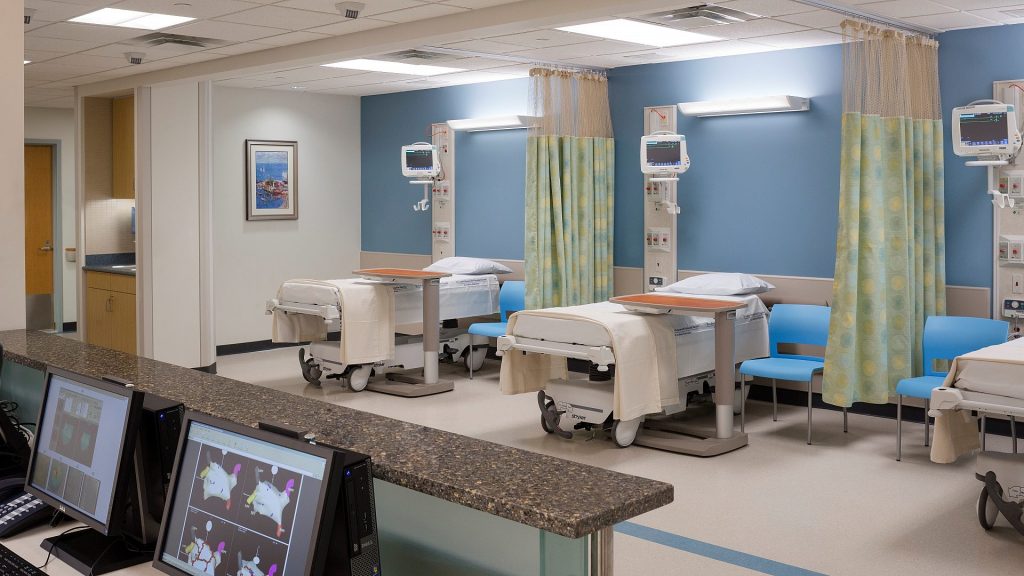
A key consideration in critical care unit design is ensuring sufficient space for patients and staff. This includes enough room to accommodate essential medical equipment, supplies, staff, and patients within the ICU layout. The design should facilitate ease of movement and accessibility for both medical teams and patients without feeling crowded or constrained.

Key Elements in Designing an Intensive Care Unit

6. Incorporating Infection Control Measures

Infection control is vital in any healthcare setting, especially in ICUs where critically ill patients and post-surgery recovery patients are more susceptible to infections. Design plays a pivotal role in ensuring effective infection control measures are implemented.

Designing ICUs with infection control guidelines in mind helps minimize the spread of diseases within critical care units, ensuring patient safety.

Considerations for ICU and CCU Design

  1. Key considerations for designing an ICU or a Critical Care Unit (CCU) include creating patient rooms tailored to critical care needs.
  2. Ensuring adequate space for patient beds, medical equipment, and staff movement is essential for effective healthcare delivery.
  3. Proper lighting and ventilation in patient rooms create a safe and comfortable environment, following guidelines for equipment placement and spatial requirements.
  4. Easy access to emergency equipment and supplies is critical for providing intensive care and ensuring patient safety in critical situations. Quick response times are essential for patient care, making accessibility to emergency equipment and supplies a top priority. These resources must be well-organized and easily accessible throughout patient rooms and other facility areas.
  5. Soundproof rooms reduce noise and provide patients with a quiet, restful environment. These rooms should also be equipped with necessary medical equipment.
  6. Effective monitoring and care in healthcare rooms require clear visibility and communication between patients and staff. Design plays a crucial role in ensuring optimal health outcomes.

In conclusion, ICU rooms are among the most critical units in hospitals, offering life-saving care for patients in critical conditions. This requires meticulous design to meet patient needs, support medical teams, and ensure safety. At HSI, we offer specialized courses to assist professionals in designing ICUs that cater to patients’ needs while supporting doctors and nurses in their work. In this article, we have outlined some essential considerations to help achieve the best design outcomes.

Source: Basic Intensive Care Unit Design Guidelines

MRI Safety Essentials

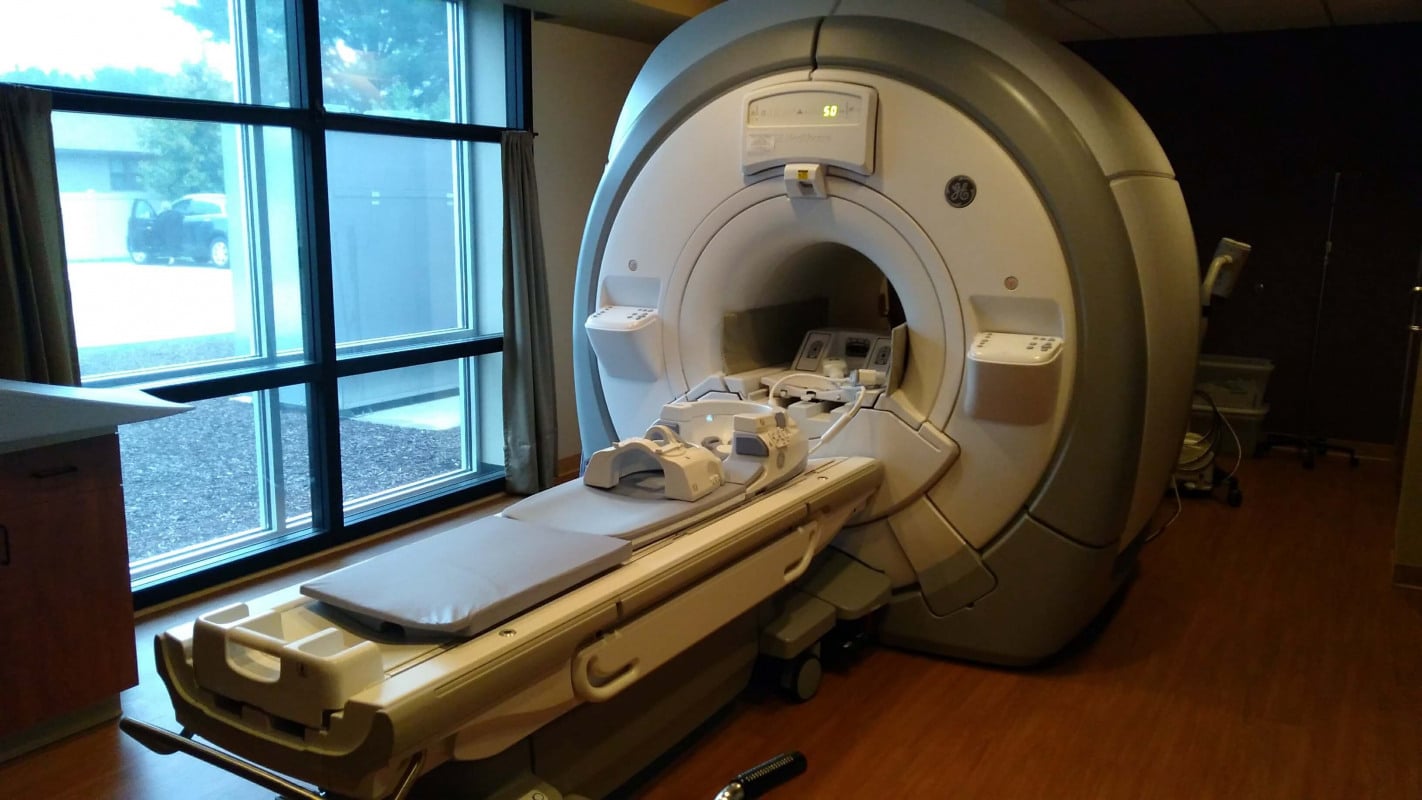
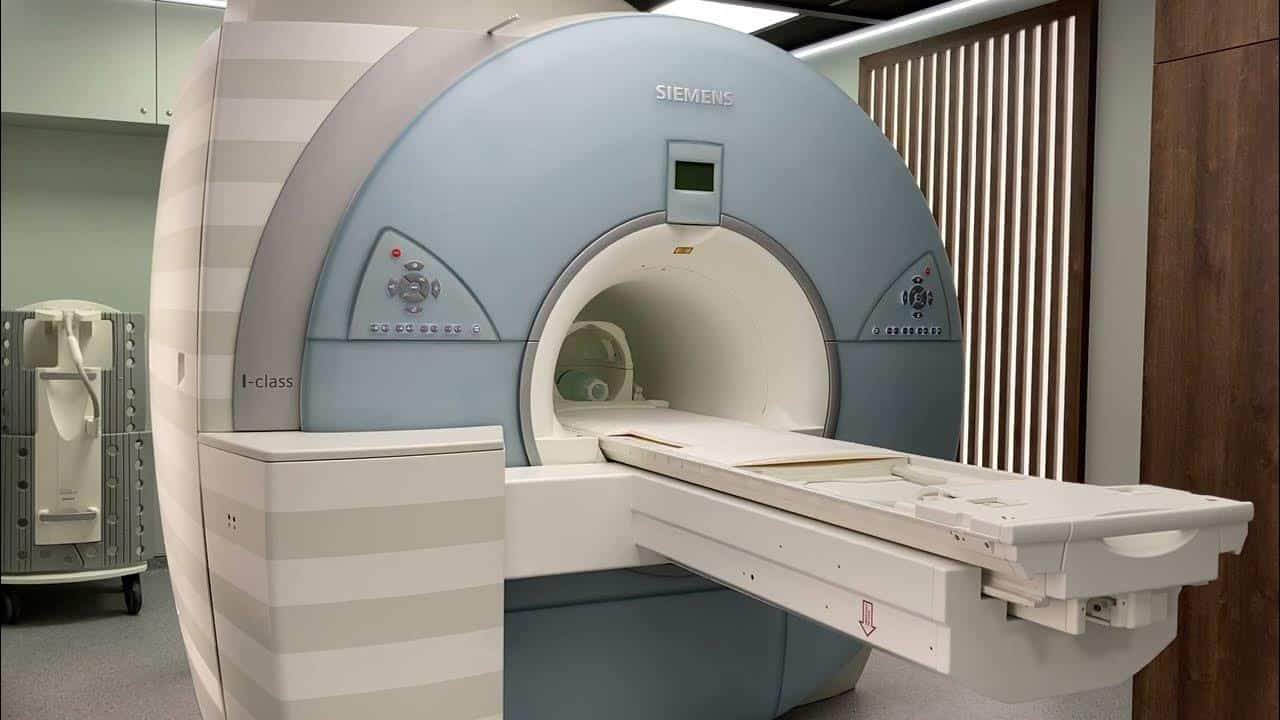
The use of Magnetic Resonance Imaging (MRI) scans has become a fundamental diagnostic tool for detecting back pain, sports injuries, and diseases of the brain and heart. MRI machines must be operated by highly trained technicians who are experts in MRI safety and thoroughly familiar with the manufacturer’s guidelines to assess safety protocols and compatibility for each patient during every scan. This article highlights the key MRI Safety Essentials and precautions necessary to ensure patient safety during scans.

MRI Technology

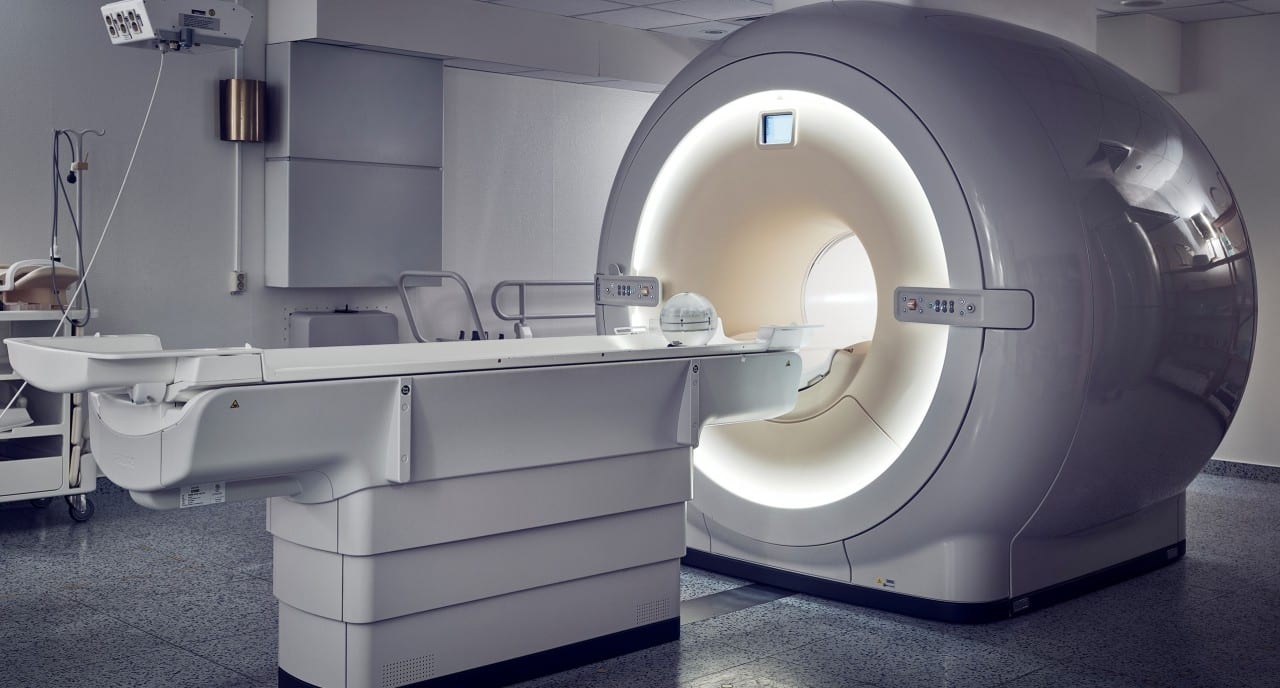
The MRI machine is an advanced technology that uses magnets and radio waves to create detailed images of the body’s internal structures. This process allows for the production of cross-sectional and 3D images of organs and tissues without the use of ionizing radiation.

MRI scans are often used to diagnose conditions affecting muscles, ligaments, the spine, and the abdomen because they provide more detailed images of soft tissues than X-rays or CT scans. While MRI scans are generally safe, the large magnetic fields generated by this advanced technology necessitate multiple safety precautions before, during, and after each scan.

MRI Safety Essentials

MRI Safety Essentials

Because MRI machines generate extremely powerful magnetic fields, even small metallic objects can become projectiles inside the MRI room. This phenomenon, known as the “missile effect,” can pose a danger to individuals nearby and damage the equipment.

As the MRI magnet is always active, no one is allowed to enter the MRI room without proper clearance and authorization from a certified technologist. Metallic objects, such as nail clippers, small knives, and even pens, can cause severe bodily injury if brought into the magnetic field.

To mitigate risks, MRI safety guidelines established by the American College of Radiology (ACR) are strictly followed, including the implementation of designated safety zones. These safety zones are designed to restrict access to areas near the MRI scanner and ensure that only individuals who have been thoroughly screened for metal are allowed near the magnetic field.

Pre-Scan Safety Procedures

All individuals scheduled for an MRI scan must be thoroughly screened to ensure they are free of any items that could pose a risk to themselves or others before entering the MRI room. It is highly recommended that the personnel responsible for patient preparation utilize the standard MRI screening form during the process. Key pre-scan safety measures include:

  • Changing into designated examination clothing, as regular clothing with metallic parts like buttons or wires may be attracted to the magnet, posing a safety risk to the patient and potentially damaging the equipment.
  • Removing jewelry to prevent interference with medical equipment and to ensure a smooth, safe, and metal-free scanning process.
  • Screening for foreign objects or medical devices that might be present in the patient’s body, such as hearing aids, insulin pumps, pacemakers, or other medical devices.
  • Removing all metallic items before approaching the MRI machine, including removable medical devices, jewelry, hairpins, and clothing with metallic fibers.

MRI- Safety

In-Scan Safety Protocols

During the MRI procedure, several measures are taken to ensure patient safety and comfort. Patients are provided with means to communicate with MRI technicians throughout the procedure, which may last between 15 minutes to an hour, depending on the type of scan required. Patients are encouraged to inform the technicians of any discomfort or concerns they may experience during the scan.

To reduce the noise generated by the MRI machine, special techniques are employed, along with the provision of external aids such as earplugs. Patients are positioned carefully within the machine to ensure safety and optimal image quality. For patients experiencing claustrophobia, appropriate assistance is provided to make them feel at ease.

In some cases, the procedure may require the use of a contrast agent, which is a safe solution injected intravenously to enhance image quality. Although the likelihood of an allergic reaction to the contrast agent used in MRI scans is lower compared to that used in CT scans, rare adverse reactions may occur. Patients are advised to inform the medical staff of any known allergies to ensure necessary precautions are taken.

Post-Scan Safety Procedures

MRI safety protocols extend beyond the completion of the scan, with a focus on ensuring patient well-being. Clear instructions are provided regarding post-scan care measures. These include monitoring the body for any immediate or delayed adverse reactions following the scan and adhering to the care guidelines provided by the physician, such as resuming daily activities or following any specific restrictions.

It is crucial to report any unusual symptoms or unexpected reactions to the treating physician promptly within the hours following the scan to address any emerging concerns effectively.

MRI- Safety

Contraindications for MRI Scans

Several contraindications may prevent a patient from undergoing an MRI scan, as they are a critical part of MRI safety protocols. These contraindications are categorized into absolute and potential contraindications. Therefore, one of the most important safety measures in MRI is thoroughly screening the patient to ensure there are no risks that could endanger them. All necessary precautions are taken to guarantee their safety throughout the procedure.

Absolute Contraindications

  • Pacemakers
  • Implantable cardioverter-defibrillators (ICDs)
  • Internal pacemaker wires
  • Clips, such as those for cerebral aneurysms or carotid and aortic arteries
  • Cochlear implants
  • Any implant containing magnets
  • Catheters
  • Pregnancy
  • Possible pregnancy

Potential Contraindications

  • Open wounds on the body
  • Permanent makeup (e.g., eyeliner or lip tattoos)
  • Dentures (to be removed)
  • Hearing aids (to be removed before the scan)
  • Contact lenses
  • Prosthetic limbs
  • Joint replacements
  • Metal plates inside the body
  • Spinal or ventricular shunts
  • Artificial heart valves
  • Insulin pumps or other medication devices
  • Neurostimulators or bone growth stimulators
  • Vascular stents or filters
  • Electrodes (on the body, head, or brain)
  • Intrauterine devices (IUDs) or diaphragms
  • History of prior surgeries

In summary, operating an MRI machine requires rigorous training to ensure that all MRI safety protocols are followed, enabling new operators to perform scans safely. The HSI Center for Healthcare Training & Consultation offers specialized medical courses providing both practical and theoretical training in this field. Upon meeting all requirements, participants are awarded certification to operate MRI machines, ensuring that healthcare professionals are trained to the highest standards.

All copyrights reserved to © HSI