In recent years, the healthcare sector has witnessed groundbreaking technological advancements, with the integration of artificial intelligence (AI) bringing a paradigm shift in patient care. One of the most notable developments is wearable medical devices, which are revolutionizing healthcare. These innovative devices not only transform how we monitor and manage our health but also unlock new possibilities in medical research and personalized medicine. In this article, we will explore these advancements in detail.
What Are Wearable Medical Devices?
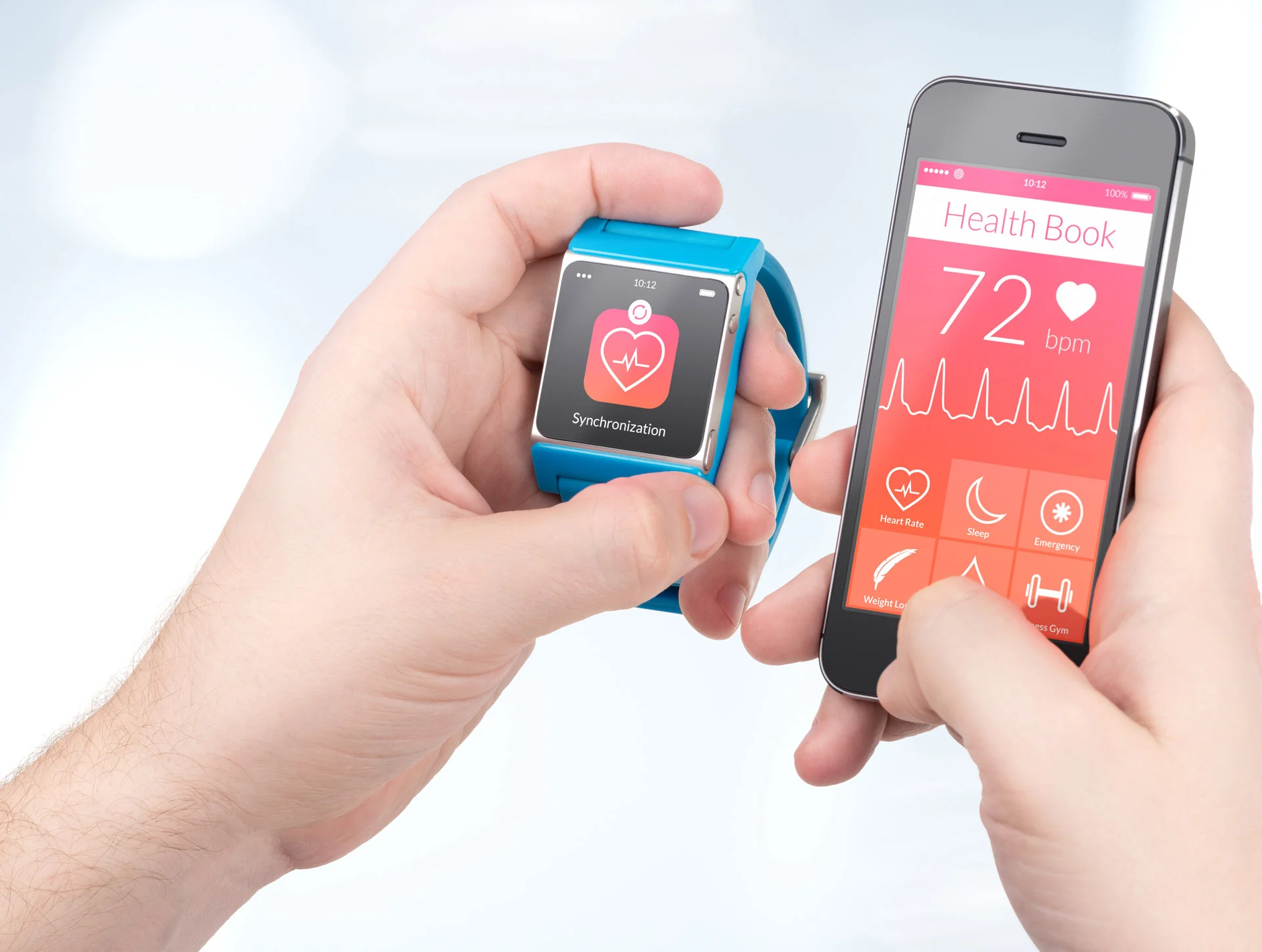
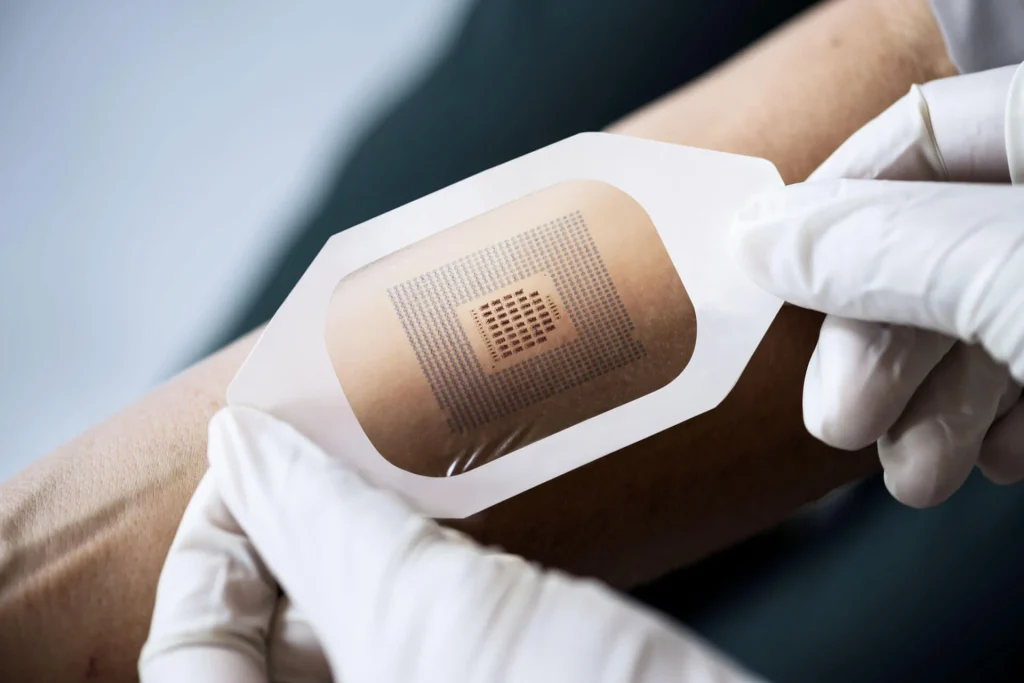
Wearable medical devices are small, portable electronic devices worn on the body, capable of collecting, analyzing, and transmitting a wide range of health data. These devices can monitor various vital signs, such as heart rate, blood pressure, and temperature, providing real-time information that can be used for early disease detection or chronic condition management. With technological advancements, these devices have become more sophisticated, offering features such as ECG monitoring, continuous glucose monitoring (CGMs), and even sleep tracking.
Benefits of AI-Powered Wearable Medical Devices
The integration of AI in wearable medical devices is transforming healthcare by providing patients and healthcare providers with continuous, data-driven insights. This personalized approach enhances patient care, particularly in managing chronic diseases and promoting preventive health measures. By tailoring interventions to individual needs, AI-powered wearables improve patient outcomes, enhance healthcare services, and empower individuals to take control of their health. Here are some key benefits of incorporating AI into these devices:
1. Enhanced Monitoring and Early Detection
AI-powered wearable devices continuously monitor vital signs and detect irregularities, enabling early detection of health risks such as arrhythmias or sudden changes in blood sugar levels—often before noticeable symptoms appear. This allows timely interventions and has shown promising results in detecting atrial fibrillation, potentially preventing strokes.
2. Personalized Treatment Plans
By analyzing individual health data, AI tailors’ treatment recommendations to meet specific patient needs, optimizing medication dosages, exercise routines, or dietary adjustments for more effective care. For instance, AI can adjust insulin doses for diabetics based on real-time glucose readings or suggest lifestyle modifications for hypertension patients.
3. Better Chronic Disease Management
Continuous monitoring enables more effective management of chronic diseases, particularly where one-size-fits-all treatments often fall short, such as diabetes, hypertension, and cardiovascular conditions. This reduces complications and hospital admissions, leading to more responsive care.
4. Empowering Patients
AI-powered wearable medical devices enhance patient engagement by providing real-time health insights, personalized health tips, and reminders, enabling individuals to manage their health more effectively.
5. Improved Patient Outcomes
By facilitating early interventions and continuous data-driven analysis, wearable devices improve long-term healthcare outcomes. Preventing severe complications, reducing hospital admissions, and minimizing emergency visits ultimately enhance patients’ quality of life.
6. A Key Role in Preventive Medicine
AI-powered medical devices play a crucial role in preventive medicine. Through continuous monitoring of vital signs and daily activities, these devices help individuals identify potential health risks and make informed decisions to prevent illnesses. For example, a wearable device tracking physical activity and sleep patterns can provide valuable insights into lifestyle habits that may contribute to obesity or sleep disorders.
7. Enabling Individuals to Take Charge of Their Health
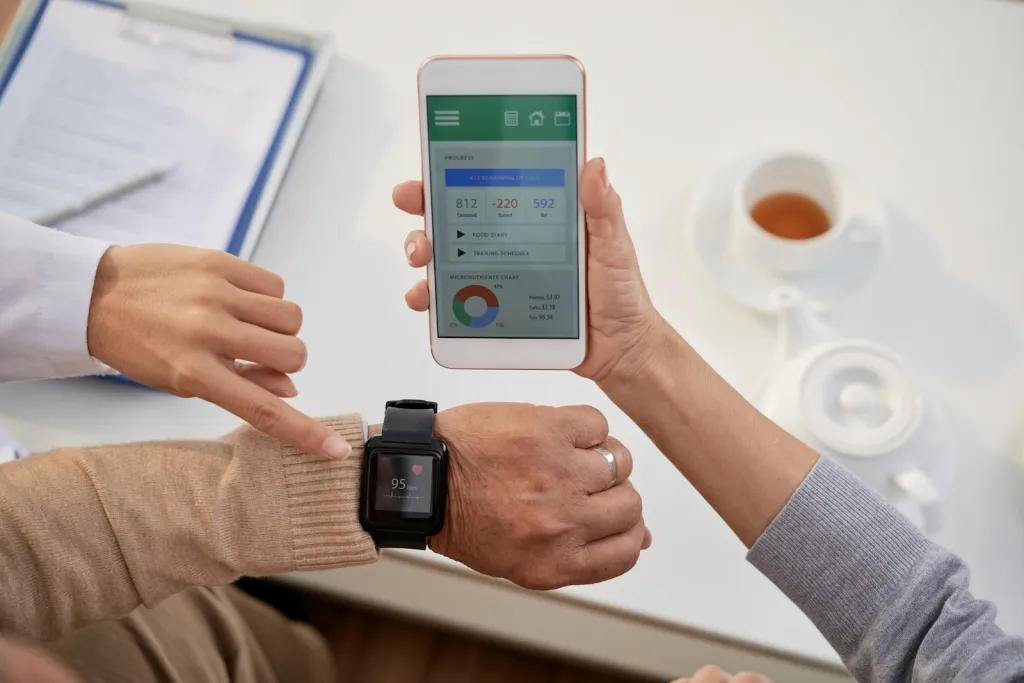
Patients can easily track their progress and share data with their doctors, facilitating informed decision-making in diagnosis and treatment. For example, individuals with chronic conditions can use wearables to monitor symptoms and make necessary lifestyle or medication adjustments, ultimately leading to better health outcomes and quality of life.
How Wearable Medical Devices Support Medical Research
The benefits of wearable medical devices extend beyond patients; they also offer significant advantages to the medical research community. In clinical trials, these devices play a crucial role in collecting accurate and reliable data. Traditional data collection methods often rely on self-reported information or intermittent measurements, which can be prone to errors. In contrast, wearable devices provide continuous and objective data, offering a more comprehensive view of a patient’s health.
By integrating these devices into clinical trials, researchers can gather real-time data on how patients respond to treatments, identify potential side effects, and monitor adherence to prescribed therapies. This wealth of information allows for more precise assessments of the efficacy and safety of new treatments, ultimately accelerating drug development and bringing new medications to market faster.
How Do Wearable Medical Devices Work?
Wearable medical devices are equipped with sensors that continuously collect data on vital signs, physical activity, and other health metrics. This data is then transmitted to a smartphone or another connected device for analysis and interpretation. Some devices provide real-time feedback, while others store the information for healthcare professionals to review later.
Types of Wearable Medical Devices
- Wearable medical devices come in a variety of forms, catering to different health needs and preferences. Here are some common examples:
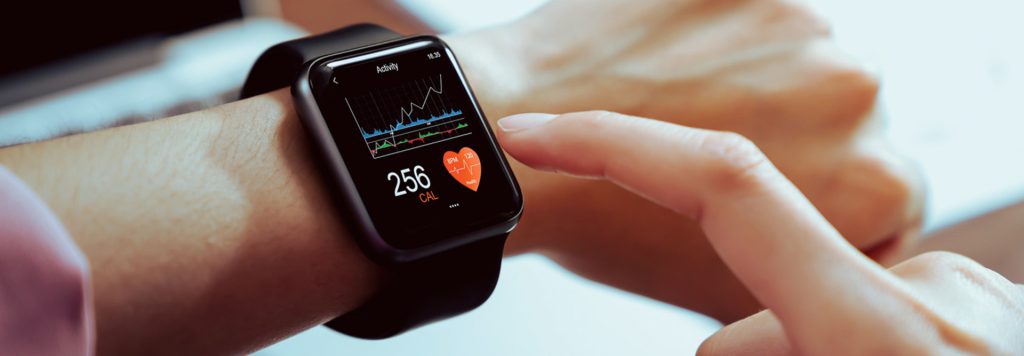
- Fitness Trackers: Monitor physical activity, heart rate, sleep patterns, and calorie consumption.
- Smartwatches: Many smartwatches include health monitoring features, such as heart rate tracking, blood pressure monitoring, and ECG functionality.
- Continuous Glucose Monitors (CGMs): Essential for individuals with diabetes, these devices provide real-time blood sugar readings without the need for finger pricks.
- Wearable ECG Monitors: Detect irregular heart rhythms and other cardiac issues, enabling early intervention and heart attack prevention.
Smart Rings: Compact devices offering various health monitoring features, including heart rate tracking, blood oxygen levels, and sleep analysis. - Wearable Biosensors: Advanced devices capable of measuring multiple biomarkers, such as stress levels and skin temperature.
- AI-Powered Devices: Enhance data analysis, allowing for precise health monitoring and predictive insights.
- Sleep Management Devices: Track sleep patterns and provide actionable insights to improve sleep quality and overall health.
- Wearable Hearing Aids: Advanced hearing aids and smart earbuds that offer hearing assistance, health tracking, and seamless connectivity.
- Smart Glasses: Enhance vision, provide real-time data, and assist in rehabilitation or accessibility solutions.
- Wearable Robots: Aid mobility and rehabilitation, supporting physical therapy and improving movement.
- Smart Clothing: Garments embedded with sensors to track physical activity, posture, and health metrics.
The Future of Wearable Medical Devices
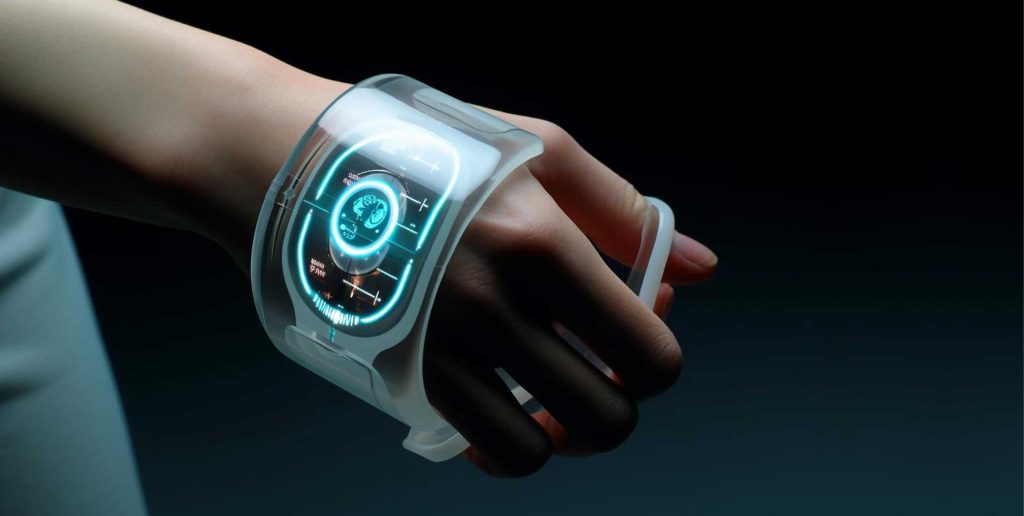
The field of wearable medical devices is advancing rapidly, and we can expect to see smaller, more comfortable devices with expanded capabilities. Integration with artificial intelligence (AI) will enable more sophisticated data analysis and personalized recommendations. Moreover, wearable technology will play an increasingly vital role in managing chronic diseases, monitoring mental health, and providing remote patient care.
Challenges Facing Wearable Devices
While wearable medical devices significantly enhance healthcare, they also face several challenges that must be addressed:
- Data Privacy and Security: Protecting sensitive health data is crucial to prevent unauthorized access.
- Regulatory Compliance: The development and commercialization of these devices must adhere to strict regulatory guidelines to ensure safety and effectiveness.
- User Adoption: Ensuring that individuals wear and use these devices correctly is essential for accurate data collection and effective health management.
- Battery Life: Limited battery life can be inconvenient and hinder continuous monitoring.
- Data Accuracy: These devices rely on sensors to monitor vital signs, but external factors such as body movement, environmental conditions, or sensor placement can impact data accuracy.
Conclusion
Despite these challenges, wearable medical devices have revolutionized healthcare by offering innovative solutions for monitoring, diagnosing, and treating a wide range of health conditions. With advancements in sensor technology, AI integration, and personalized healthcare, these devices are becoming more accurate, user-friendly, and accessible. As they continue to evolve, they hold great promise for improving patient outcomes, enhancing healthcare management, and reducing the burden on traditional healthcare systems.