The Importance of Teamwork in Engineering Biomedical Projects

In the field of biomedical engineering, teamwork in engineering has become a crucial factor in achieving scientific advancements and innovations that contribute to improving healthcare quality and developing medical technologies. The rapid progress in this domain can only be realized through effective collaboration among experts from various disciplines, including medicine, engineering, computational sciences, and biology. This article explores the significance of teamwork in biomedical engineering projects.

Key Aspects of Teamwork in Biomedical Engineering Projects

The biomedical engineering sector faces complex challenges that require a deep and integrated knowledge base. Given the intricate nature of medical and technological problems, teamwork in engineering is essential, bringing together specialized minds to develop innovative and sustainable solutions. In this context, teamwork plays a pivotal role in enhancing decision-making processes, data analysis, and the development of computational models that assist in predicting treatment pathways and identifying factors affecting the performance of medical devices.
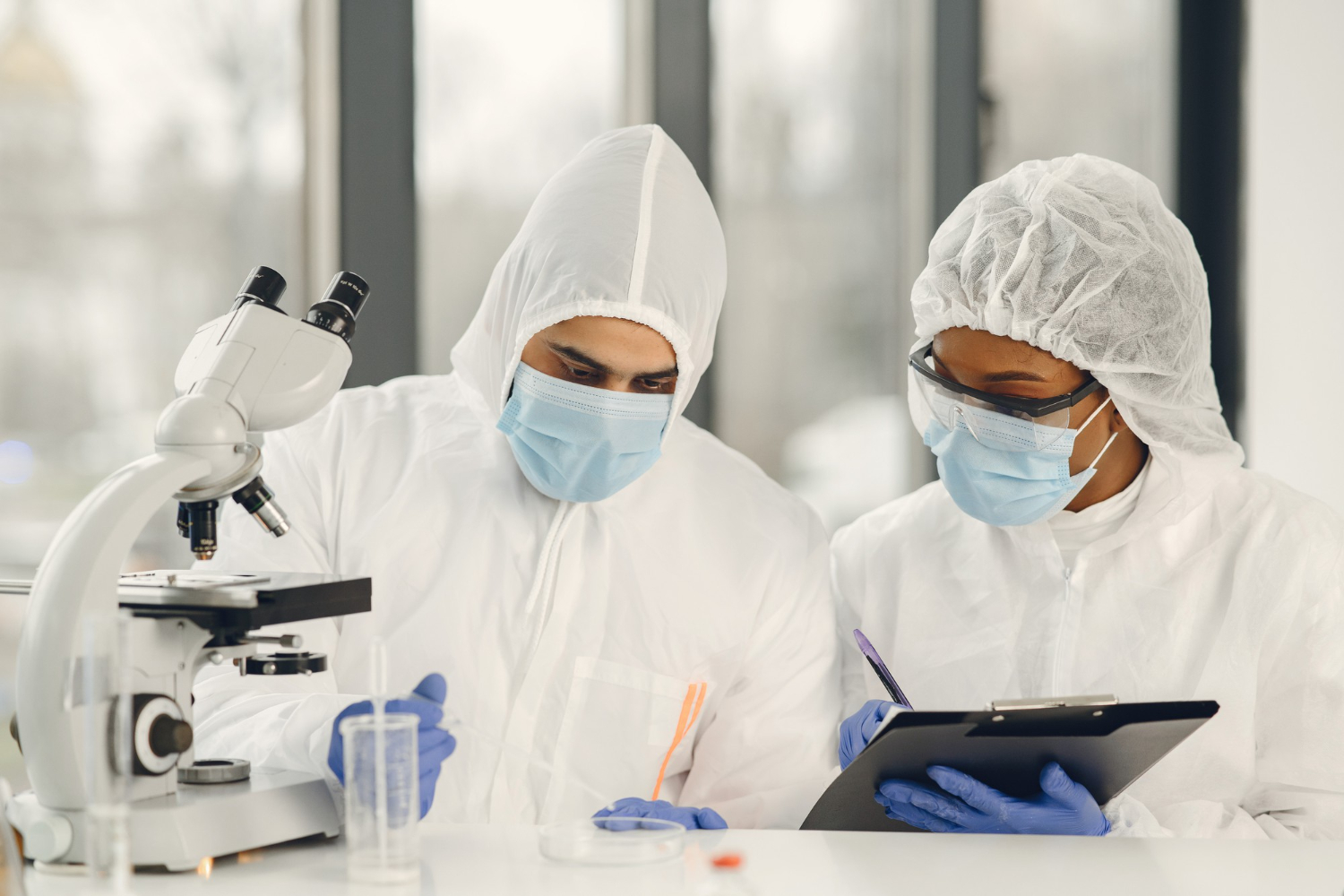
Teamwork in Engineering Biomedical

By combining diverse expertise and skills, teams can exchange ideas and theories, leading to a deeper understanding of the issues at hand and providing comprehensive solutions that go beyond individual expertise. For this reason, teamwork in engineering remains a fundamental pillar of success in biomedical research and development projects.

1) Enhancing Knowledge and Expertise Sharing

Teamwork in engineering enables knowledge exchange among team members, with each individual bringing unique experiences and skills that complement one another. For instance, software engineers collaborate closely with doctors and biological researchers to analyze medical data and design advanced treatment solutions. This diversity in expertise strengthens the team’s ability to understand problems from multiple perspectives and develop well-rounded, effective solutions.

You can also get acquainted with: Effective Communication Skills for Biomedical Engineers

2) Accelerating the pace of innovation and development

When a team works together, it can adopt innovative thinking approaches that combine advanced computational models, statistical analysis, and technological innovation. Studies have shown that teamwork in engineering accelerates the pace of innovation by fostering the interaction of diverse ideas within a single environment. This leads to the development of new technologies in a shorter time and with higher efficiency.

3) Enhancing Decision-Making Processes

Through regular meetings and consultations among team members, decision-making becomes more precise, based on scientific data and a comprehensive analysis of problems. This continuous interaction among different specialties ensures that decisions are well-studied and grounded in a broad perspective, helping to minimize errors and achieve optimal outcomes in biomedical projects.

Teamwork in Engineering Biomedical

4) Strengthening Analytical and Predictive Capabilities

Computational models play a crucial role in biomedical engineering projects by analyzing large and complex data sets. Here, teamwork in engineering truly shines, as it enables the integration of computational model results with human expertise to provide accurate recommendations. This synergy between computational analysis and human insight helps develop powerful predictive tools that improve disease diagnosis and treatment selection with greater efficiency.

5) Creating an Inspiring and Collaborative Work Environment

A collaborative and interactive work environment is one of the key factors in the success of engineering projects. When team members feel that their opinions are valued and their contributions matter, they are motivated to give their best. Teamwork in engineering fosters a culture of trust and mutual respect, enhancing team spirit and leading to groundbreaking results.

Applications of Teamwork in Engineering for Biomedical Innovations

Collaboration is the foundation of various biomedical engineering applications, enabling the integration of multiple disciplines to achieve optimal results. Multidisciplinary teams tackle complex medical challenges by sharing knowledge and utilizing modern technology. Below are some key applications that highlight the significance of teamwork in engineering within this field.
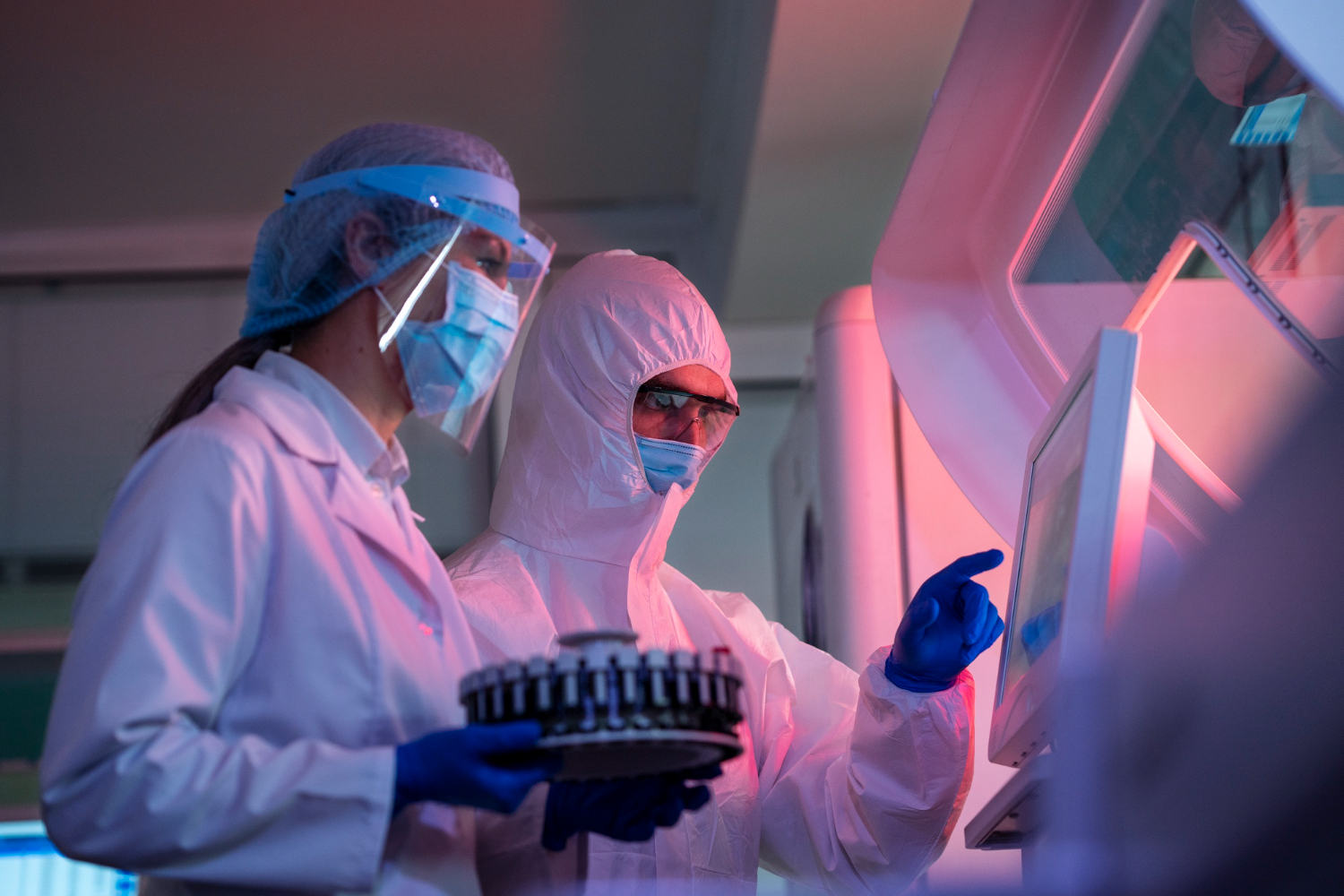
Teamwork in Engineering Biomedical

Medical Device Design

Developing a new medical device requires expertise from various fields, from engineering design to clinical testing. A collaborative team works together to:

  • Analyze User Needs: Gathering insights from doctors and patients to ensure the device meets practical medical requirements.
  • Develop Prototypes: Engineers and designers collaborate to create and test initial prototypes.
  • Refine and Improve: The team reviews test results, identifies weaknesses, and enhances the device based on feedback.

Research and Development in Biotechnologies

Biomedical research projects rely on multidisciplinary teams working together to develop innovative solutions for complex medical challenges. For instance:

  • Artificial Intelligence and Data Analysis: Data scientists collaborate with software engineers to create algorithms that analyze patient data and predict disease progression.
  • Medical Imaging: Medical imaging specialists work with engineers to enhance imaging technologies and improve diagnostic accuracy.

Teamwork in Engineering Biomedical

Managing Complex Medical Projects

Managing biomedical projects is one of the most complex tasks, requiring high-level coordination among all team members. Through teamwork in engineering, responsibilities can be clearly defined, tasks efficiently distributed, and overall project performance optimized while minimizing time and resource waste. This effective coordination contributes to:

  • Achieving Research Goals: By tracking progress and conducting regular evaluations.
  • Enhancing Communication: Ensuring continuous information exchange and project updates.
  • Risk Management: Anticipating challenges and implementing preventive measures before they escalate.

You can read more about: The Importance of Sales Skills for Biomedical Engineers and How to Master Them

In conclusion, Innovation and progress in biomedical engineering are impossible without a collaborative environment that supports knowledge exchange and shared expertise. The integration of different specialties plays a key role in developing more efficient medical solutions and enhancing healthcare quality. This is where HSI, placing teamwork in engineering at the core of its mission to advance professionals in biomedical engineering through specialized training programs and advanced healthcare solutions.

HSI offers a comprehensive range of training programs designed to equip professionals with essential skills and knowledge to excel in the field, from medical device design to healthcare software development and health system management. Additionally, HSI provides expert consulting services to assist individuals and organizations in achieving their professional goals and making a meaningful impact in the healthcare industry. If you aspire to elevate your career in biomedical engineering, HSI is your ideal partner on the journey to excellence and innovation!

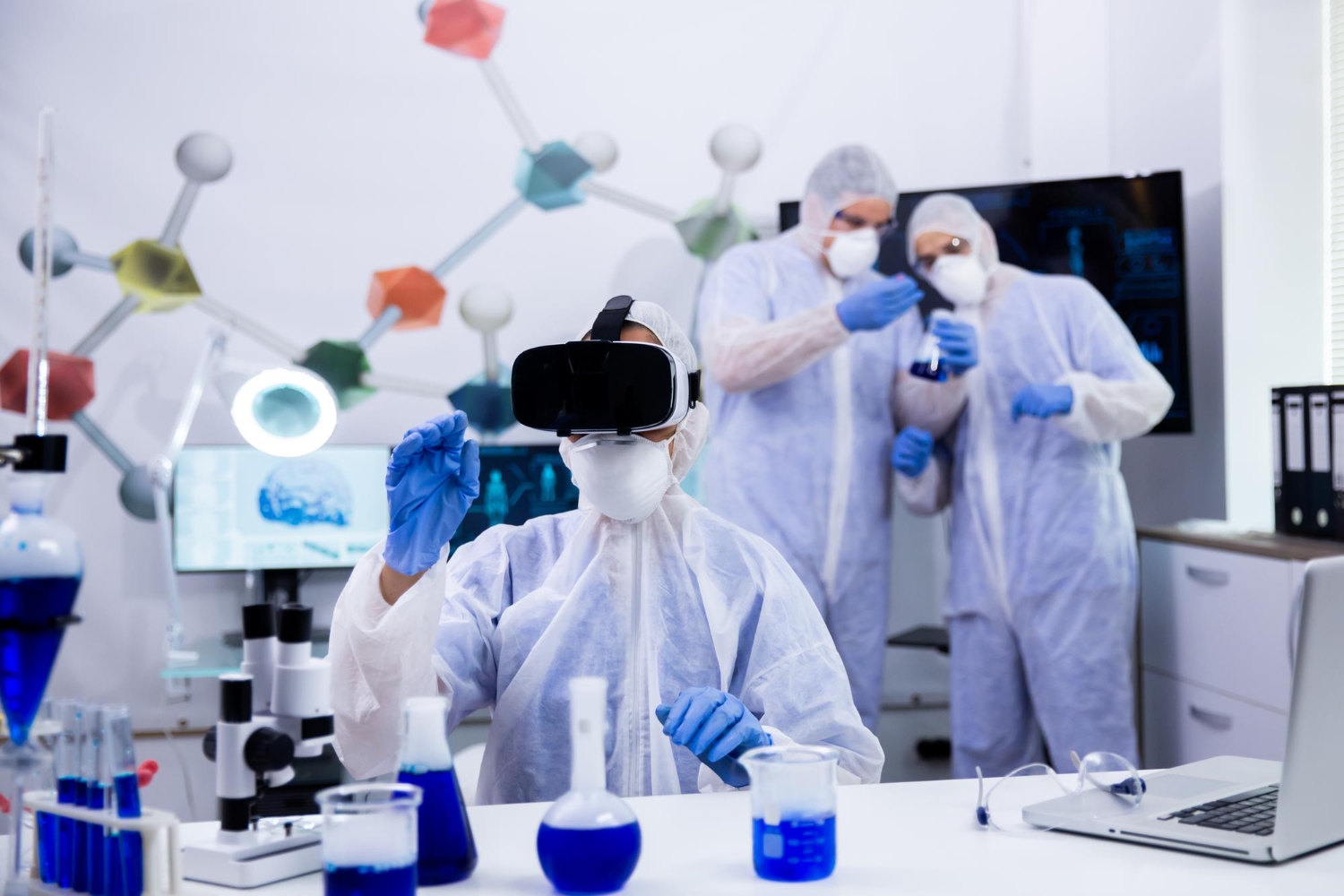
Source: Characterizing Teamwork Dynamics and Computational Model-Based Reasoning in Biomedical Engineering Projects

Soft skills for engineers of biomedical 2025 | 5 basic skills

In an era of rapid advancements in biomedical engineering, technical knowledge alone is no longer sufficient for success. Soft skills for engineers have become a crucial component in the career development of any biomedical engineer aiming to excel in this competitive field. In this article, we will explore five fundamental soft skills that blend personal and professional aspects, forming the cornerstone of a successful future for biomedical engineers in 2025.

Soft Skills for Biomedical Engineers

In the growing field of biomedical engineering, soft skills are essential for success and innovation. Biomedical engineers must integrate a combination of scientific knowledge, technical expertise, and interpersonal skills to excel in their roles. Below are the key soft skills that biomedical engineers need to thrive in the evolving landscape of biomedical technology and healthcare.

1) Effective Communication and Collaboration Skills

Effective communication is one of the most critical soft skills for engineers, especially in a field that requires collaboration with multidisciplinary teams. Biomedical engineering is not solely about technical expertise; it also involves the ability to explain complex concepts clearly to doctors, nurses, scientists, and other healthcare professionals.

soft skills for engineers

The Importance of Communication in the Workplace

In biomedical projects, engineers from various disciplines, such as electronics, mechanics, and biology, collaborate to develop medical devices or innovative treatment solutions. Therefore, engineers must be capable of:

  • Explaining Complex Ideas in Simple Terms: This helps facilitate knowledge transfer among professionals with different backgrounds.
  • Negotiating and Conflict Resolution: Engineers should be able to manage discussions and resolve personal conflicts that may arise during teamwork.
  • Delivering Presentations and Reports: Strong presentation skills ensure that projects meet required standards and receive necessary support from all stakeholders.

Additionally, active listening is a crucial part of soft skills for engineers. It enables them to quickly grasp team feedback and develop integrated solutions that align with workplace needs. Given the intense competition and complex challenges in the industry, continuous collaboration and effective communication significantly enhance an engineer’s ability to innovate and accelerate project execution.

2) Problem-Solving and Creative Innovation

Biomedical engineers face complex challenges that require innovative and effective solutions, making problem-solving and creative thinking fundamental pillars in medical project development.

Integrating Creativity with Problem-Solving Methodologies

Developing advanced medical devices demands a deep understanding of medical challenges and a precise analysis before proposing innovative solutions. This highlights the importance of:

  • Critical Problem Analysis: Studying all aspects of a problem and identifying strengths and weaknesses in the system.
  • Generating New Ideas: Utilizing creativity to design devices or systems that enhance treatment outcomes.
  • Experimentation and Practical Application: Testing new ideas in a simulated environment or on a small scale before full implementation.

soft skills for engineers

By refining their soft skills, engineers can systematically and creatively tackle problems, delivering solutions that exceed expectations and contribute to improving healthcare services. Furthermore, combining analytical thinking with creativity fosters an innovative work environment where technical expertise meets renewal and invention.

3) Analytical Thinking and Scientific Research

Analytical thinking and scientific research are core elements and the driving force behind innovation in biomedical engineering. These soft skills for engineers expand the boundaries of knowledge and open new horizons for medical technology advancements.

The Role of Research and Analysis in Performance Improvement

Engineers face challenges that require a deep understanding of data and precise analysis to develop practical solutions that directly aid patient treatment and assist medical professionals. This process involves:

  • Data Collection and Analysis: Utilizing advanced scientific research methods to analyze results and ensure the safety and effectiveness of medical devices.
  • Continuous Experimentation: Conducting repeated trials to refine prototypes and improve them based on analytical findings.
  • Practical Application of Research: Translating research outcomes into technological solutions applicable in hospitals and medical centers.

Enhancing engineers’ analytical and research skills enables them to gain deeper insights into medical needs, leading to the development of cutting-edge devices that improve patient quality of life. Moreover, the ability to analyze information and extract valuable conclusions is key to progress in this field, especially with the continuous advancements in information technology and big data.

You can also check out: The Importance of Sales Skills for Biomedical Engineers and How to Master Them

4) Adaptability and Continuous Learning

Another essential soft skill for engineers, particularly in biomedical engineering, is the ability to adapt and engage in continuous learning. Given the rapid technological advancements in the healthcare sector, staying updated is crucial for long-term success.

soft skills for engineers

Challenges and Changes in the Work Environment

Biomedical engineering is one of the most rapidly evolving fields, with new technologies emerging regularly and market demands constantly shifting. Engineers must:

  • Stay Updated with Innovations: Follow the latest research, technologies, and breakthroughs relevant to their field.
  • Be Open to Change: Embrace new learning methodologies and develop practical strategies to handle evolving challenges.
  • Invest in Self-Development: Participate in training courses, workshops, and scientific events to enhance their knowledge and skills.

Adaptability is a key soft skill for engineers that enhances resilience and confidence in handling industry changes. Engineers who commit to continuous learning not only keep up with current trends but also invest in their professional future, ensuring they remain competitive and innovative in their field.

5) Ethical Professionalism and Compliance with Standards

Given the critical nature of biomedical engineering, where patient safety and well-being are at stake, ethical professionalism and adherence to industry standards are among the most vital soft skills for engineers in this domain. Technical expertise alone is not enough—engineers must also uphold ethical responsibility in their work.

soft skills for engineers

The Importance of Ethics and Regulatory Standards

When designing medical devices and therapeutic applications, engineers must ensure that all processes align with strict ethical and regulatory guidelines, including:

  • Compliance with Regulatory Bodies: Adhering to standards set by organizations like the FDA and ISO to guarantee product safety and effectiveness.
  • Protecting Patient Privacy: Ensuring that all technological solutions respect patient rights and maintain data confidentiality.
  • Social Responsibility: Practicing transparency and integrity in all professional interactions.

Strengthening ethical professionalism ensures that engineers play an active role not only in technological advancements but also in patient safety and community welfare. Upholding high ethical standards and industry compliance builds trust and credibility, which are invaluable assets in a successful engineering career.

In the rapidly evolving field of biomedical engineering, success is not solely dependent on technical knowledge. Soft skills for engineers, such as adaptability, analytical thinking, problem-solving, and ethical professionalism, are critical for innovation and effective collaboration in multidisciplinary environments.

If you are looking to advance your career in biomedical engineering, HSI is your gateway to excellence. We offer a comprehensive range of specialized training programs led by industry experts to help you acquire the skills necessary to enhance your career prospects and make a real impact in the healthcare sector. Join us now and be part of the future of biomedical engineering!

Source: Top Skills You Need for a Career in Biomedical Engineering

All copyrights reserved to © HSI